Dose Distribution
 Call Kai
 Learn
Learn Practice Test
 Spaced Repetition
 Match
Match Flashcards
 Knowt Play
1/37

There's no tags or description
Looks like no tags are added yet.
Name | Mastery | Learn | Test | Matching | Spaced | Call with Kai |
|---|
No analytics yet
Send a link to your students to track their progress
38 Terms
tumor dose (TD)
•prescribed dose
gross tumor volume (GTV)
•palpable or visible extent of tumor
Clinical Target Volume (CTV)
•GTV plus margin
Planning Target Volume (PTV)
•includes CTV with IM + setup margin
Treated Volume (TV)
•volume of tissue that receives tumor dose
irradiated volume
•volume of tissue receiving a significant dose (50% or more of the prescribed dose)
goal of treatment planning
•treat TV
•minimize dose to healthy structures
•permanent record of dose calcs and distributions
treatment planning process
•visualization
•localization
•field selection and placement
•verification
•documentation
isodose distributions factors
•energy
•source size
•SSD
•attenuation factors
contours
•can be done at CAX or others
•methods: solder, plaster of paris, ultrasound, pin system
methods to correct irregular contours
•isoshift method
•effective SSD method
•ratio TAR
isoshift factors
•
treatment techniques
•fixed or stationary
fixed treatment techniques
•single field
•parallel opposed (hourglass shaped)
•three field
•four-field box/diamond
wedge filters
•non customized
•heel / toe
•distorts iso distributions
•universal (60), dynamic, inherent
•hinge angle: 180-2(W)
wedge angle
•angle the isodose substends with a line perpendicular to CAX
•measured at depth of 10
calculation techniques
•beam on time (timer setting): Co, orthovoltage, superficial units
•monitor units: linear accelerator (no timer error)
monitor unit
=dose/dose rate
single beams
•100 SSD
•for tx of superficial structures
•supraclav, spine
parallel opposed fields
•for deeper targets
•dose highest near surface
•↑pt thickness, ↓beam energy = ↓dose uniformity
•brain, mets, lung
shrinking field
•mass has decreased in size
•field comes off critical/sensitive structures
boost fields
•small volumes treated with higher dose
vertex
•enters from superior aspect of head
•typically in conjunction with 2 lateral fields
•noncoplanar beam in relation to laterals
transmission factor
•wedge factors
•presence of wedge requires more MUs to deliver dose
•dependent on beam energy, field size
hinge angle formula
=180-2(W)
wedge angle formula
=90-1/2(H)
multiple beams forward planning
•for tx of deep seated tumors
•maximize dose to tumor and spreads out dose to normal tissues and organs
•variables: FS, blocking, # of ports, beam direction, beam weighting, beam energy, modifiers
noncoplanar beams
•enface boosts (perineal)
•stereotactic (series of arcs, tight isodose lines, rapid fall off)
•dynamic (couch and gantry motion simultaneously)
moving fields
•rotation (360): isodose lines centered on machine isocenter
•arc (<360 degrees): max occurs toward machine/gantry head, past pointing to offset, skip arc therapy
surface dose
•MV=skin sparing
•skin dose from e- contamination, backscattered e-
•dose increases rapidly in buildup region
•dependent on beam energy, SSD, FS, angle of beam incidence, tray distance from skin
bolus
•brings dmax closer to skin
•made of tissue equivalent material
•pliable/flexible to conform to contour without air gap
beam spoiler
•solid platic tray close to skin surface
•bolus may be inconvenient or difficult to highly irregular contours
tissue compensator
•avoids bolus effect
•missing tissue compensators: for sloping and contour changes
•dose compensation: accounts for missing tissues and inhomogeneities
pin and shift method
•y jaw has values
•fields are >180 degrees apart
•isocenter in breast tissue
half beam block
•y jaw at 0
•fields 180 degrees apart
•isocenter in lung
patient alignment devices
•field lifght
•protractor: measures breast and gives gantry angle
•lasers: laterals, sagittal, backpointer
•front pointer
patient positioning aids
•bite blocks
•alpha cradles
•breast boards
•vacuum bags
•timo
•thermoplastics
•accuform
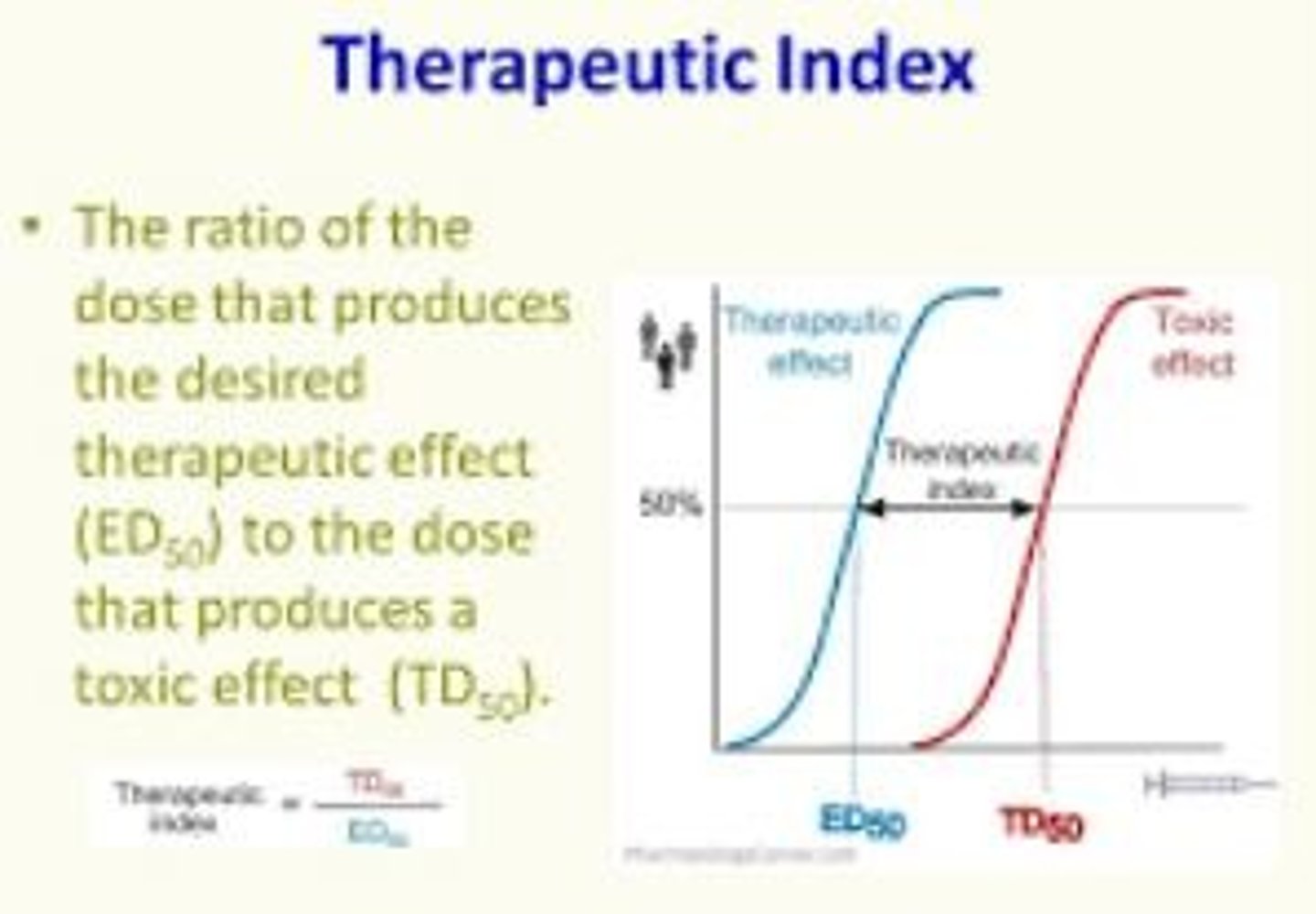
therapeutic ratio
•compares total dose and probability of effects
•95% desirable, 5% acceptable risk