Oral, orbital and nasal cavities
 Call Kai
 Learn
Learn Practice Test
 Spaced Repetition
 Match
Match Flashcards
 Knowt Play
1/24

There's no tags or description
Looks like no tags are added yet.
Name | Mastery | Learn | Test | Matching | Spaced | Call with Kai |
|---|
No analytics yet
Send a link to your students to track their progress
25 Terms
What separates the anterior and posterior tongue?
Sulcus terminalis
What is the general and taste innervation to the anterior 2/3 of the tongue?
General: Lingual nerve (branch of CN Vc)
Taste: chorda tympani (runs with CN VII, then lingual nerve)
What is the general and taste innervation to the posterior 1/3 of the tongue?
Both CN IX (glossopharyngeal nerve)
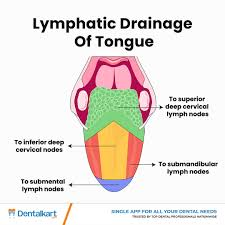
Lymphatic drainage of the anterior and posterior tongue
Anterior: Submental/submandibular nodes, then to deep nodes (unilateral)
Posterior: Directly to deep nodes (bilateral)
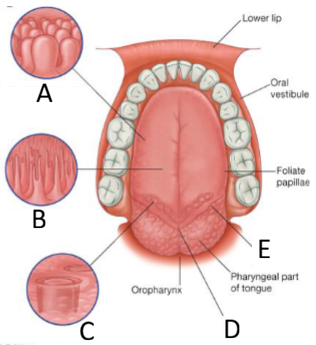
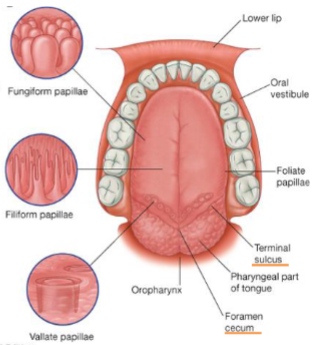
What is the function of the filiform papillae?
increase the friction between the food and the tongue, enabling the texture perception of food
What is the function of fungiform papillae?
Has tastebuds in between the papillae → taste
also sense temperature (thermoreception) and touch (mechanoreception)
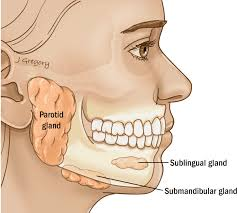
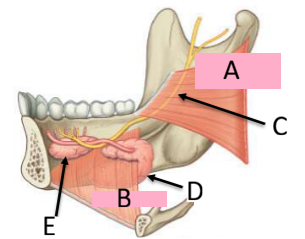
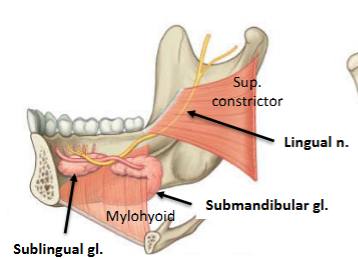
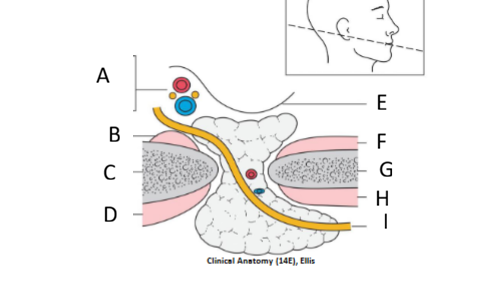
Location of the major salivary glands
Parotid: encapsulated by the investing layer of deep fascia
Submandibular:
deep part = superior to mylohyoid
superficial part = inferior to mylohyoid
Sublingual: multiple ducts opening onto sublingual fold
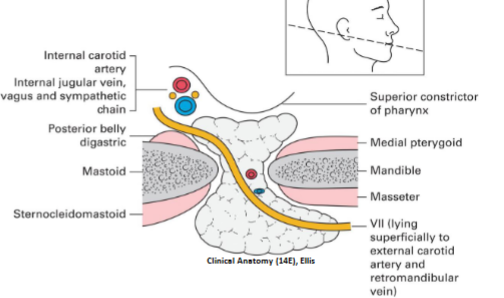
Describe how the parasympathetic nervous system controls the eye

What does the parasympathetic nervous system controls in the head and neck?
Constricts pupil
Contracts ciliary muscle, allowing the lens to thicken for near vision (accommodation)
Promotes secretion of the lacrimal glands.
Promotes abundant watery secretions of salivary glands
Name the parasympathetic ganglia of the head and neck
Ciliary ganglion
Pterygopalatine ganglion
Submandibular ganglion
Otic ganglion
Cats Prefer Sexy Owners
Describe how the parasympathetic nervous system controls the glands in the head and neck
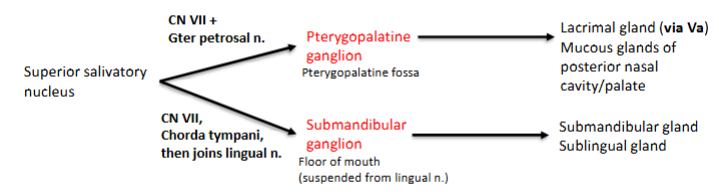
Describe how the parasympathetic nervous system controls the parotid glands

Why is the oral fissure an important landmark?
All glands above the oral fissure are innervated by the greater petrosal of CN VII
→ parotid + minor salivary glands (labial and buccal glands)
All glands below the oral fissure are innervated by the Chorda tympani of CN VII
→ submandibular, sublingual glands
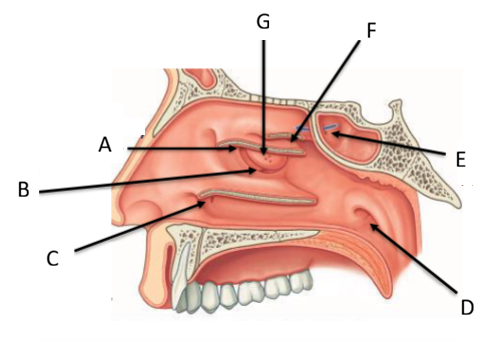
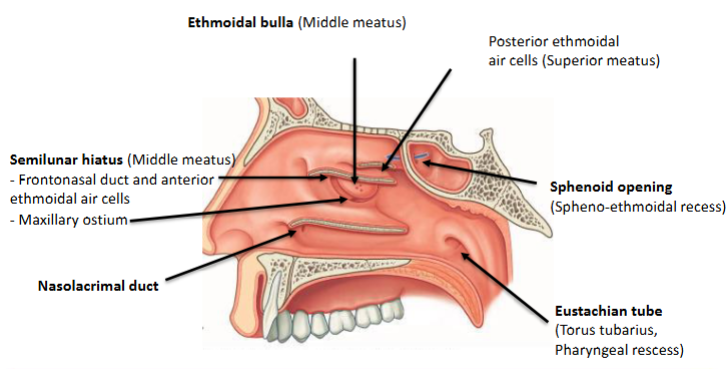
What does the Sphenopalatine foramen connect?
the pterygopalatine fossa and the nasal cavity, transmitting the sphenopalatine artery and nerves
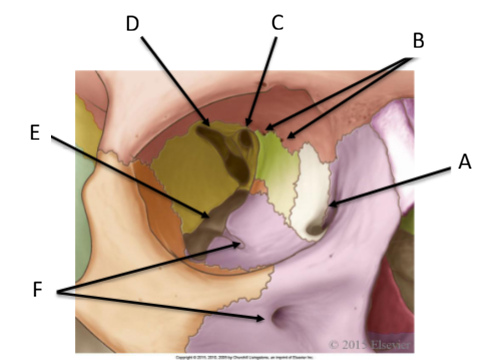
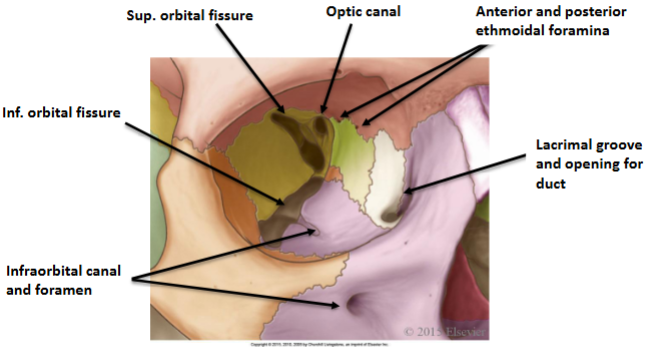
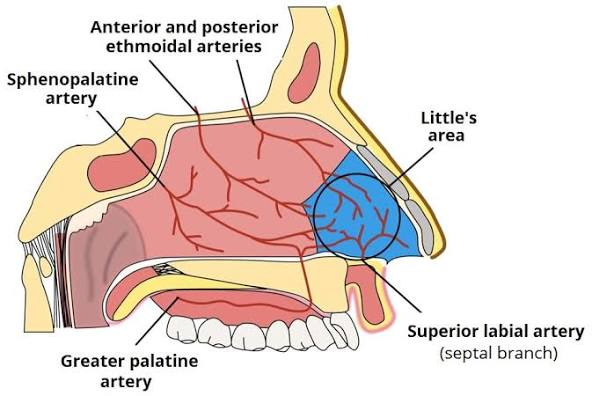
What area does epistaxis usually start?
Little’s area (Kiesselbach's plexus)
Management of a nose bleed
External compression (first aid): pinch soft part of nose for 20 mins
Cautery: silver nitrate/ electricity is used to burn to seal bleeding vessel
Internal compression (nasal packing)
Surgery (e.g., SPA/IMAX ligation)
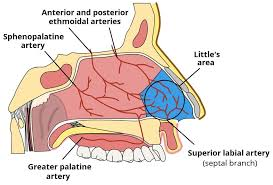
Blood supply to the nose
Internal carotid artery → ophthalmic artery → anterior + posterior ethmoidal arteries
External carotid
→ facial artery → superior labial artery
→ maxillary artery → greater palatine + spheno-palatine arteries
Anastomose to form the keisselbach plexus
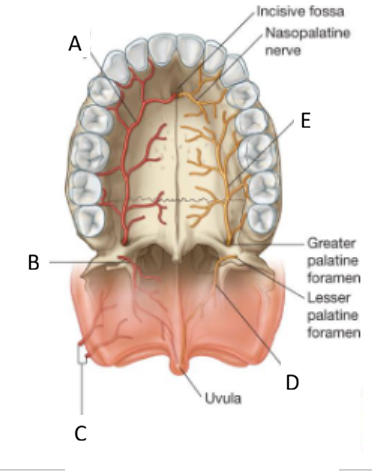
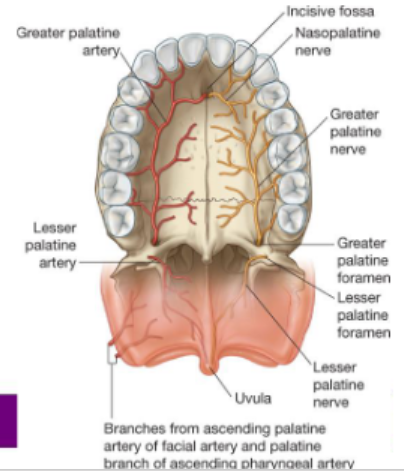
Innervation to the nose
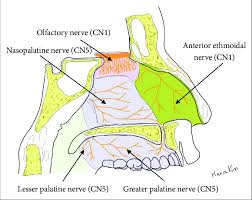
nasopalatine nerve (branch of maxillary nerve)
nasociliary nerve (branch of the ophthalmic nerve)
Innervation to the external skin of the nose is supplied by the trigeminal nerve
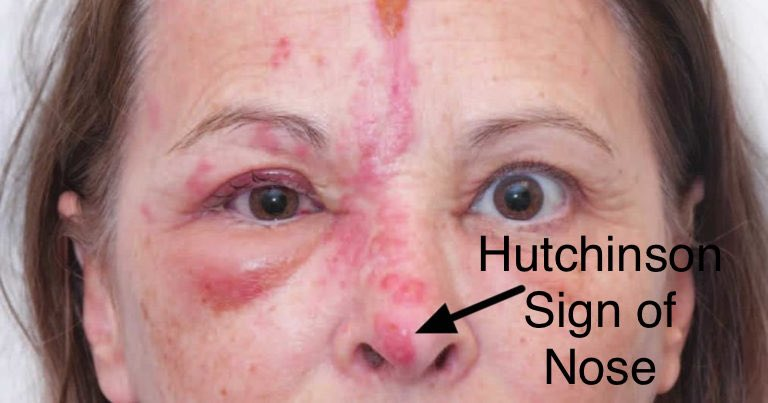
What is Hutchinson’s sign and when is it seen and why?
The presence of a vesicular rash on the tip, side, or root of the nose indicating involvement of the nasociliary branch of the ophthalmic nerve (also supplies the cornea) → risk of corneal ulcers and loss of protective corneal sensation
usually seen in shingles/ Herpes Zoster Ophthalmicus (HZO)