Methods 6: Urban Design Theory & Methods (FINAL EXAM)

0.0(0)
Studied by 0 people
call kaiCall Kai
learnLearn
examPractice Test
spaced repetitionSpaced Repetition
heart puzzleMatch
flashcardsFlashcards
GameKnowt Play
Card Sorting

1/20

flashcard set

Earn XP

Description and Tags

This exam will cover the topics from Week 01 to the conclusion of the course. The date of the Exam is scheduled for FRIDAY, MAY 15, 2026 @ 1030-1230; RM 155. You will have a total of 2 HRS to complete the Exam. GOOD LUCK, YOU GOT THIS!!!!

Last updated 9:18 PM on 5/9/26
Name
Mastery
Learn
Test
Matching
Spaced
Call with Kai

No analytics yet

Send a link to your students to track their progress

21 Terms
1
New cards
<p><strong><em><u>Lecture 0</u></em></strong></p><p><span style="color: rgb(13, 101, 255);"><strong><em>What is Urban Design &amp; What is a successful Public Space</em></strong></span></p>

Lecture 0

What is Urban Design & What is a successful Public Space

Class Learning Objectives:

  1. Early, Intuitive, Definitions of Urban Design.

  2. Definition of Public Spaces as the focus of Urban Design.

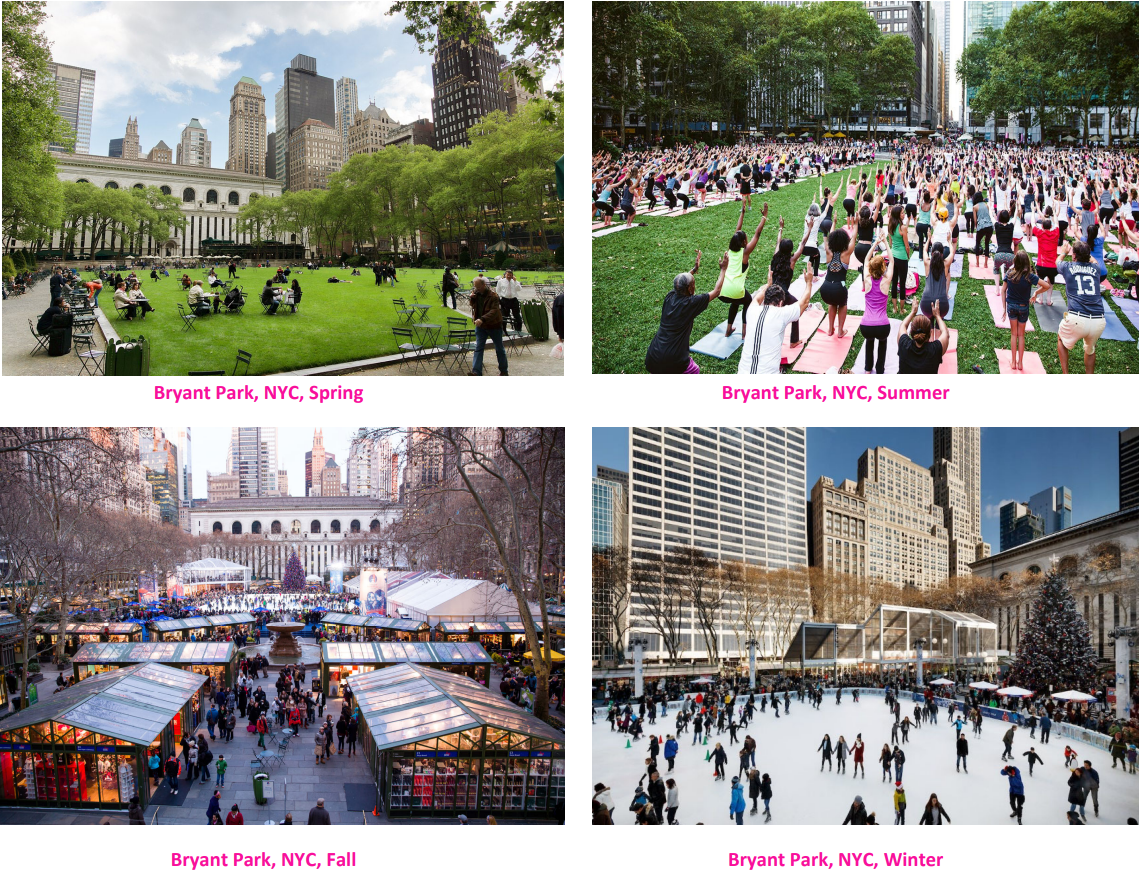
  3. Definition of the key attributes for a successful public space - “A great Place.”
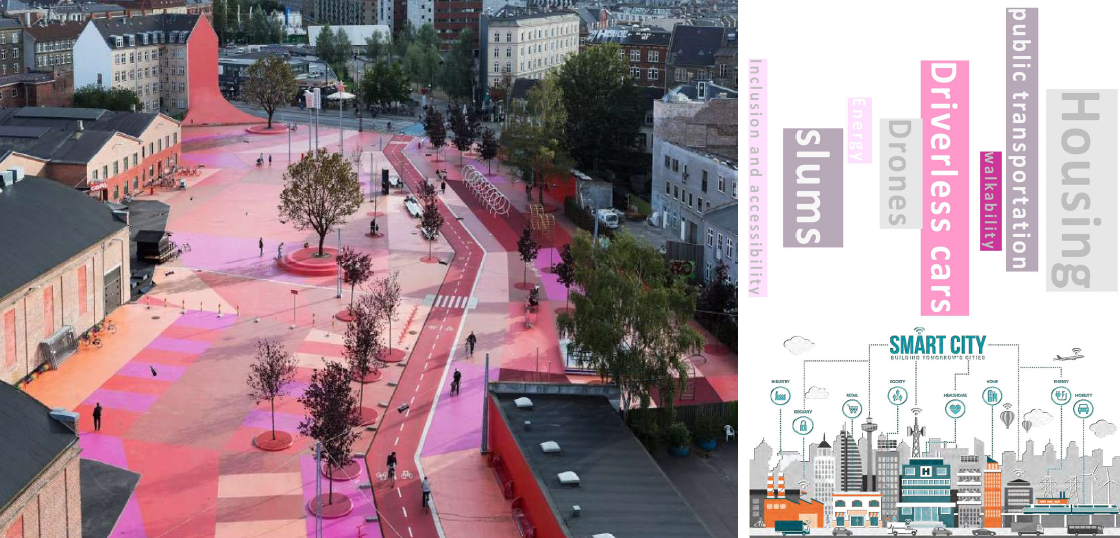
2
New cards
<p><strong><em>What is Urban Design?</em></strong></p><p><em>What are the 2 components that make up the Urban Environment?</em></p>

What is Urban Design?

What are the 2 components that make up the Urban Environment?

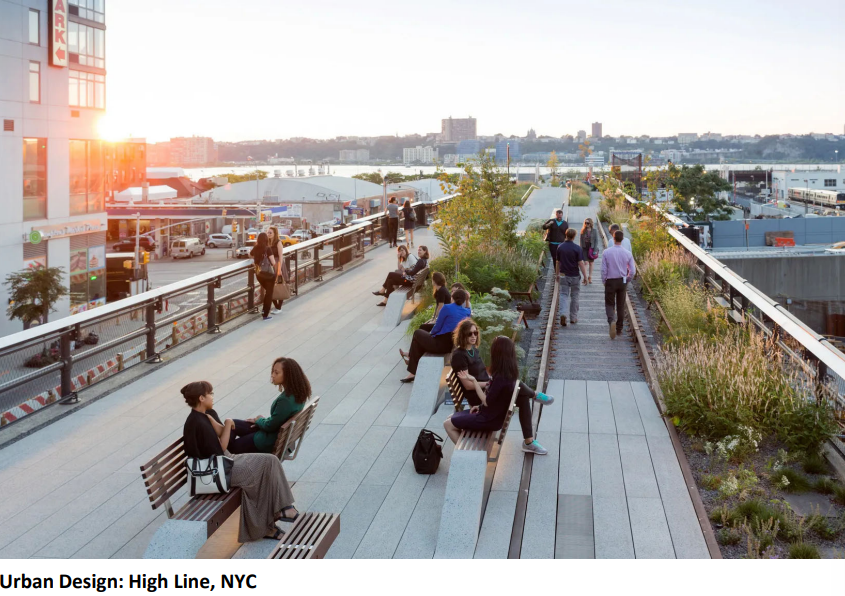
  1. Buildings & Spaces:

    • Within the built environment.

  2. People:

    • Human behavior generated by the built environment and that is influencing the built environment.
<ol><li><p><strong>Buildings &amp; Spaces:</strong></p><ul><li><p><span style="color: rgb(99, 164, 255);"><em>Within the built environment.</em></span></p></li></ul></li><li><p><strong>People:</strong></p><ul><li><p><span style="color: rgb(19, 139, 255);">Human behavior generated by the built environment and that is influencing the built environment. </span></p><p></p></li></ul></li></ol><p></p><p></p>
3
New cards
<p><strong><em>What are the </em></strong><span style="color: red;"><strong><em><u>Cross-Disciplinary Fields</u></em></strong></span><strong><em> of Urban Design?</em></strong></p><p>Name at Least three:</p>

What are the Cross-Disciplinary Fields of Urban Design?

Name at Least three:

  1. Architecture

  2. Landscape Architecture

  3. Regional & City Planning

  4. Civil Engineering

  5. Construction Science

  6. Environmental Design

  7. Industrial Design

  8. Sociology

  9. Geography

  10. Real Estate

4
New cards
<p><strong>Name the </strong><span style="color: red;"><strong>2 Urban design Strategies that transform spaces</strong></span><strong>:</strong></p><ol><li><p>List the Characteristics of each:</p></li><li><p>Provide a description of Prioritization of each:</p></li></ol><p></p>

Name the 2 Urban design Strategies that transform spaces:

  1. List the Characteristics of each:

  2. Provide a description of Prioritization of each:

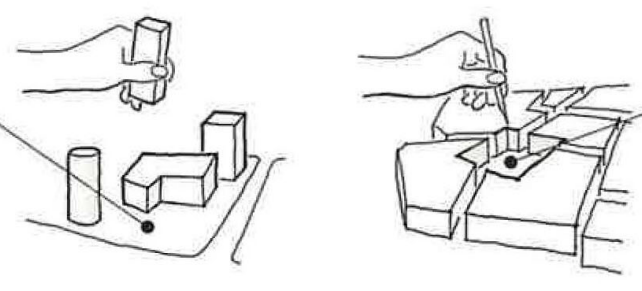
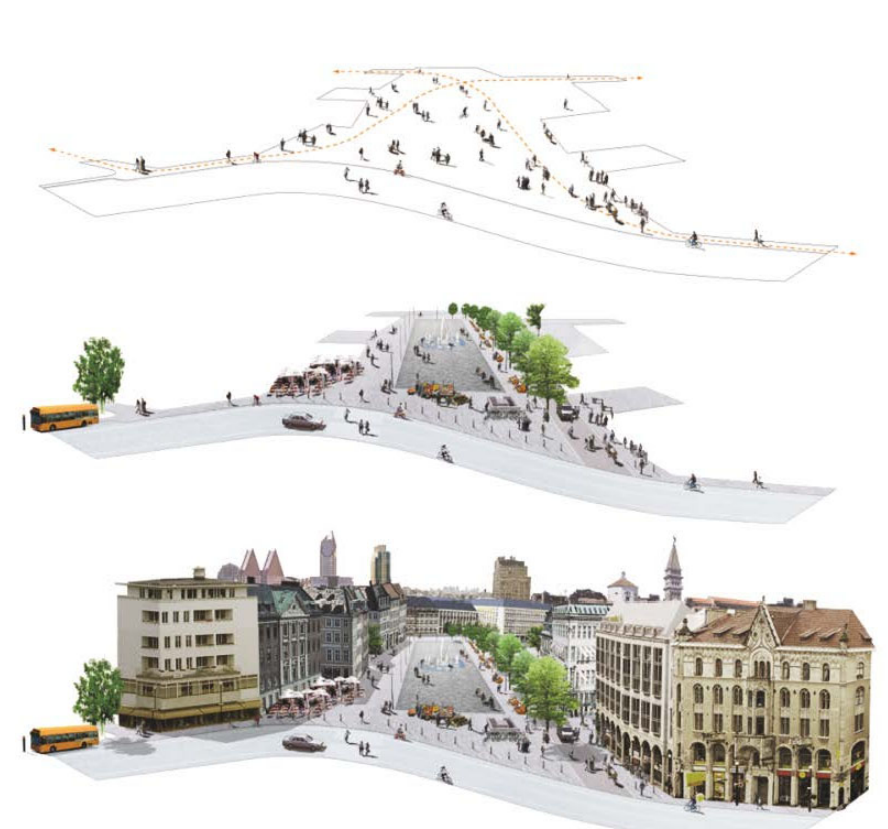
  1. Positive Spaces (+): SPACE Prioritization (Formally Clear & Enclosed Forms)

    • Clear Shapes

    • Mostly Enclosed Forms

    • Promote Individuals to linger

    • Facilitates Civic Engagement within the Urban Context.

  1. Negative Spaces (-): OBJECT Prioritization (Formless, Empty & Disorganized)

    • Leftover & Unshaped Forms

    • Bleeds & Oozes

    • Promotes Movement

    • Imparts Civic Detachment

5
New cards
<p><strong><em>Urban Design</em></strong></p><p><span style="color: red;"><strong><em><u>Name the 3 design disciplines</u></em></strong></span> that work <strong><u>Primarily</u></strong> in Public Spaces:</p>

Urban Design

Name the 3 design disciplines that work Primarily in Public Spaces:

  1. Architecture: (Architects)

    • Designing Building Volumes & Streetscape Frontages

  1. Landscape Architecture: (Landscape Architects)

  • Designing Parks, Gardens, tree canopies, and Sidewalk Infrastructure.

  • Developing Strategies to blend ecology, infrastructure, and aesthetics to create sustainable, functional public areas.

  1. Regional & City Planners: (Urban Planners)

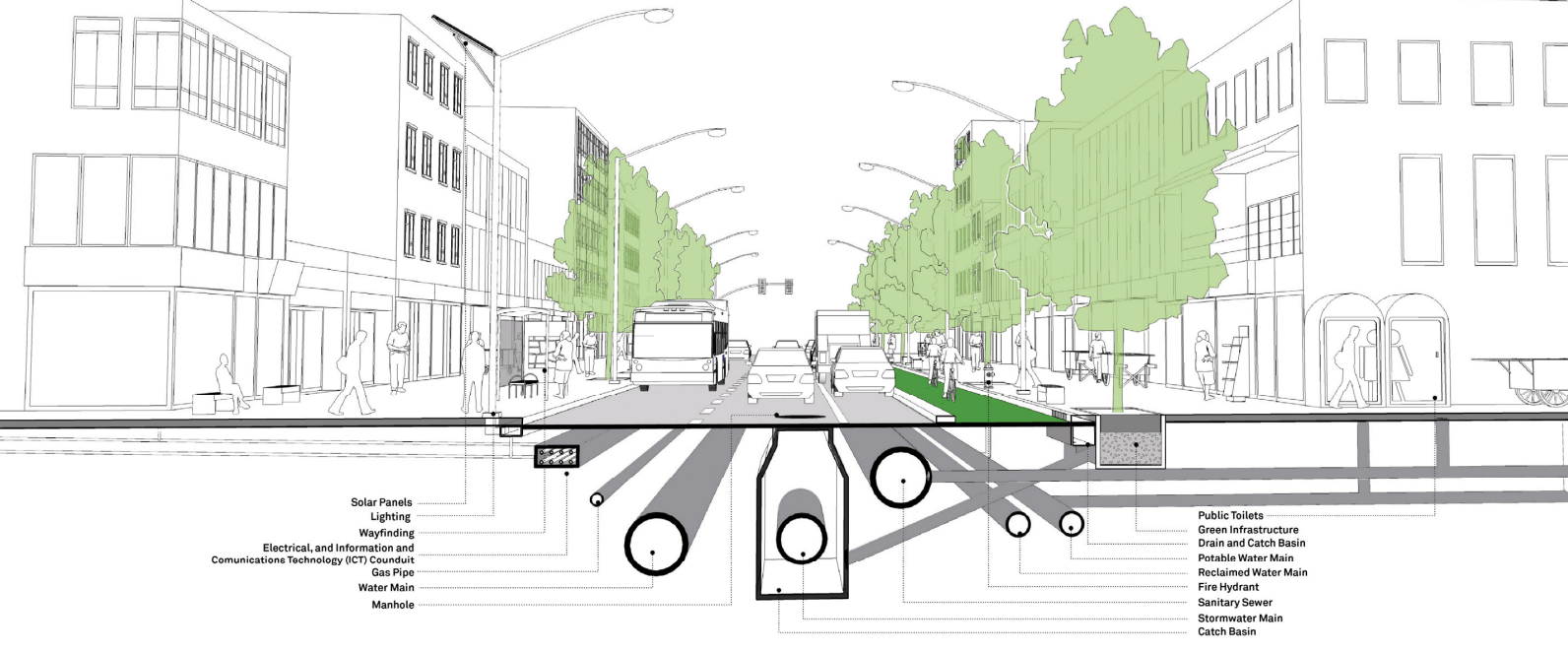
    • Designs the layout & Zoning for Civil Infrastructure:

      • Public Transportation

      • School Systems

      • Communication Networks

      • Sanitation Systems

      • Water

      • Electricity

      • Gas

6
New cards
<p><strong><em>Urban Design</em></strong></p><p><span style="color: rgb(0, 0, 0);">What are the </span><span style="color: red;"><strong><u>2 defining Social Orders</u></strong></span><span style="color: rgb(0, 0, 0);"> that influence Urban design?</span></p><ol><li><p>Name at least <span style="color: rgb(56, 151, 255);"><u>3 Characteristics</u></span> of each order:</p></li></ol><p></p>

Urban Design

What are the 2 defining Social Orders that influence Urban design?

  1. Name at least 3 Characteristics of each order:

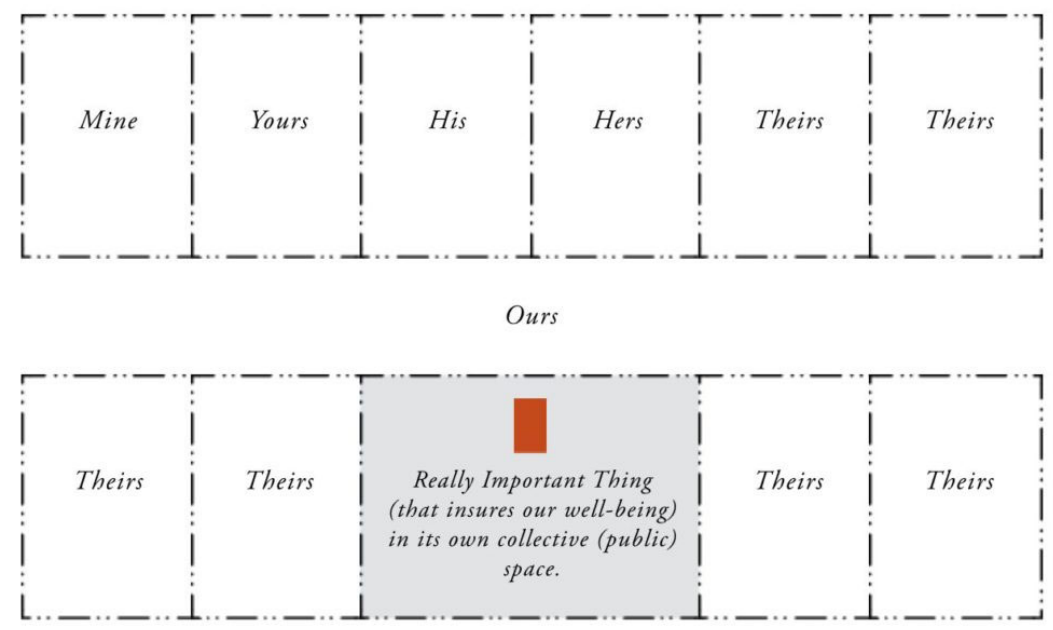
  1. Political Order:

    • Boundary

    • Property Lines

    • Streets

    • Monuments

    • Public Spaces

    • Plazas

    • Parks (Containing a Monument OR Public Building)

  1. Economical Order:

    • Homes

    • Markets

    • Industries

    • (Architectural Examples)

      • His

      • Hers

      • Mine

      • Yours

      • Theirs

<ol><li><p><strong><em><u>Political Order: </u></em></strong></p><ul><li><p><span style="color: rgb(50, 154, 255);"><strong><u>Boundary</u></strong></span></p></li><li><p><span style="color: rgb(50, 154, 255);">Property Lines</span></p></li><li><p><span style="color: rgb(50, 154, 255);"><strong><u>Streets</u></strong></span></p></li><li><p><span style="color: rgb(50, 154, 255);">Monuments</span></p></li><li><p><span style="color: rgb(50, 154, 255);"><strong><u>Public Spaces</u></strong></span></p></li><li><p><span style="color: rgb(50, 154, 255);">Plazas</span></p></li><li><p><span style="color: rgb(50, 154, 255);">Parks (Containing a Monument OR Public Building)</span></p></li></ul></li></ol><p></p><ol><li><p><strong><em><u>Economical Order:</u></em></strong></p><ul><li><p><span style="color: rgb(37, 154, 255);"><strong><u>Homes</u></strong></span></p></li><li><p><span style="color: rgb(37, 154, 255);"><strong><u>Markets</u></strong></span></p></li><li><p><span style="color: rgb(37, 154, 255);"><strong><u>Industries</u></strong></span></p></li><li><p><span style="color: rgb(37, 154, 255);">(Architectural Examples)</span></p><ul><li><p>His</p></li><li><p>Hers</p></li><li><p>Mine</p></li><li><p>Yours</p></li><li><p>Theirs</p></li></ul></li></ul></li></ol><p></p>
7
New cards
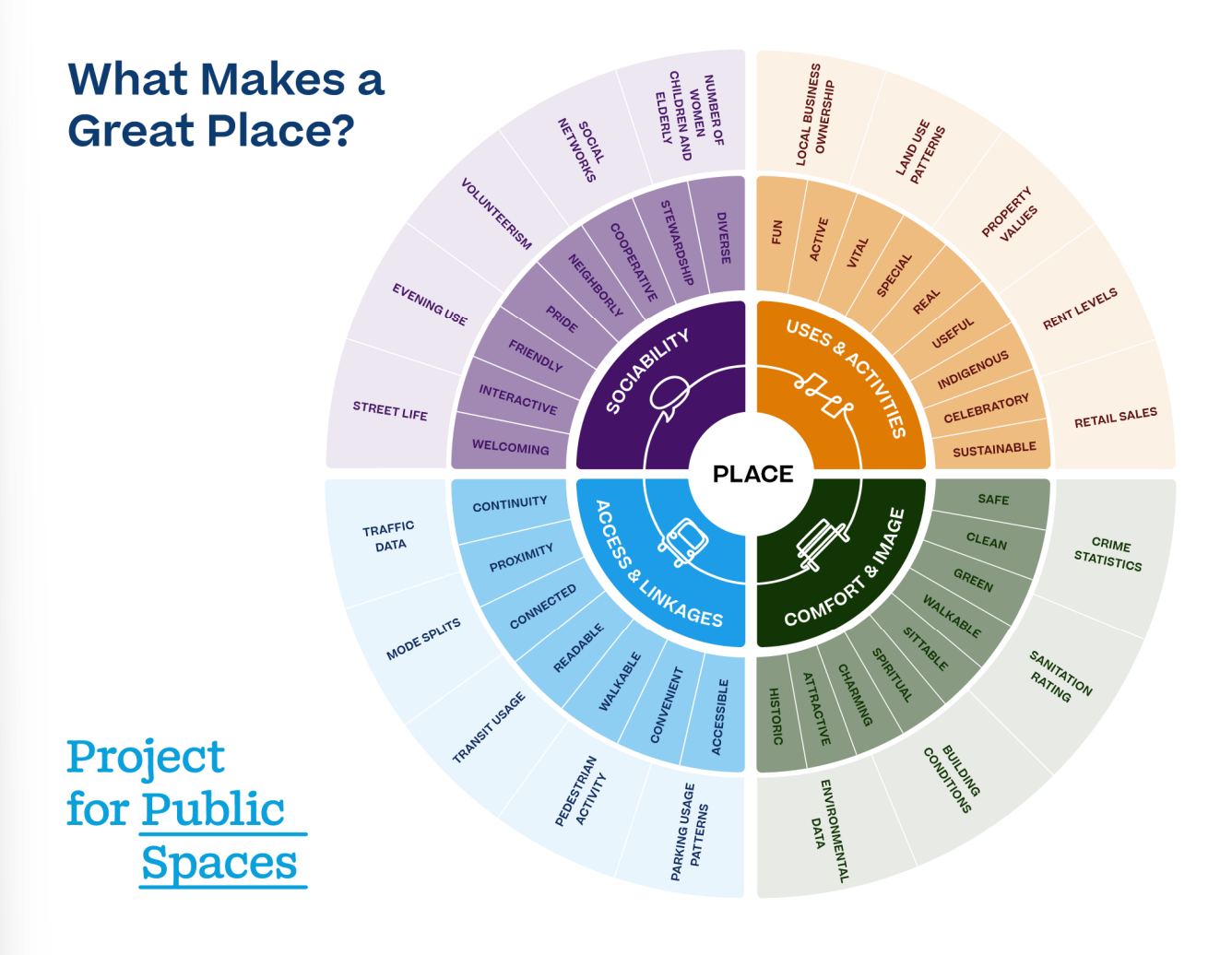
<p><strong><em>What makes a Great Place?</em></strong></p><p><em>What are the </em><span style="color: red;"><strong><em>4 Urban Design Strategies</em></strong></span><em> for creating a Great Place?</em></p><p></p>

What makes a Great Place?

What are the 4 Urban Design Strategies for creating a Great Place?

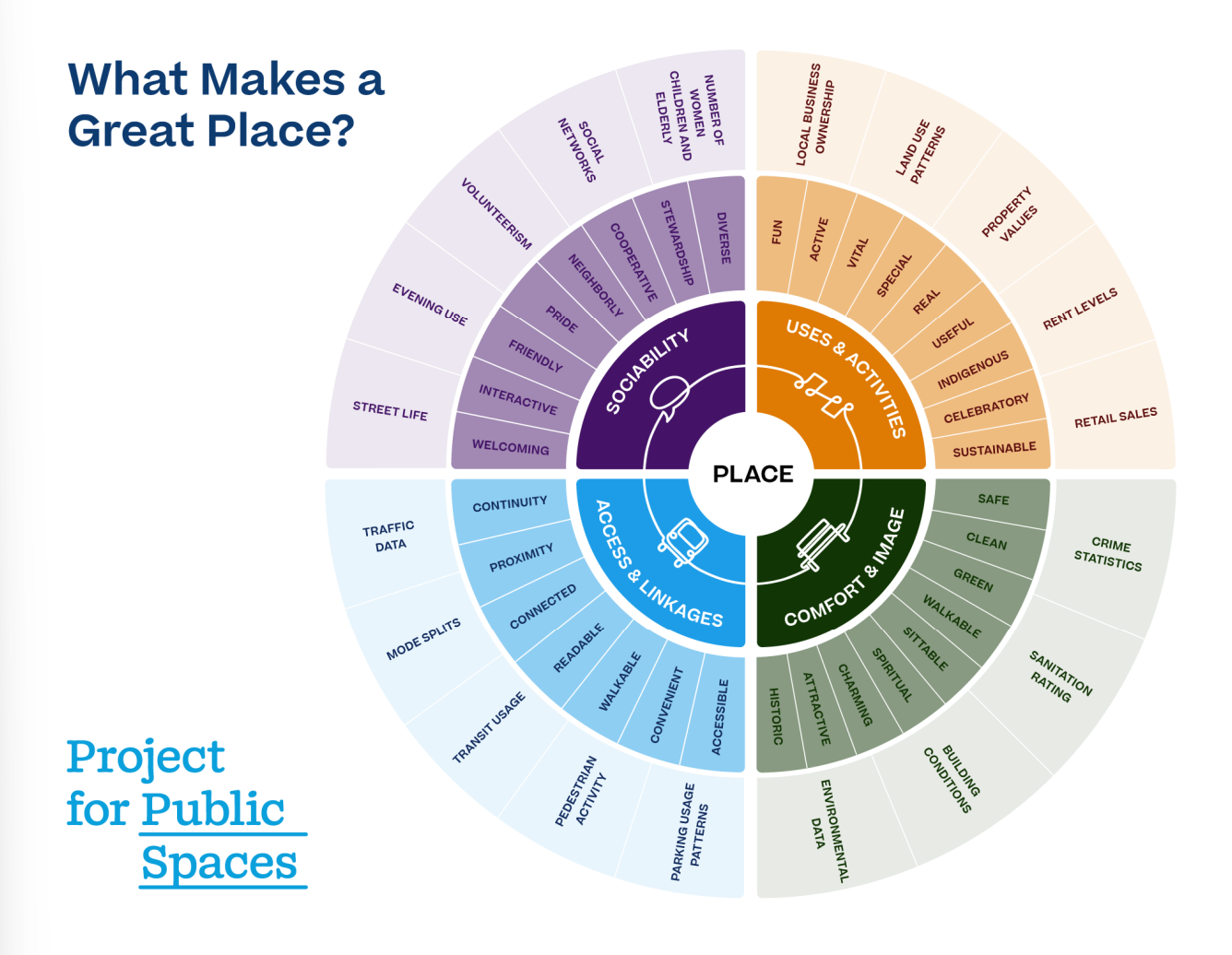
A great Public Space is…

  1. Access & Linkages

  2. Uses & Activities

  3. Sociability

  4. Comfortable & Imageable

8
New cards
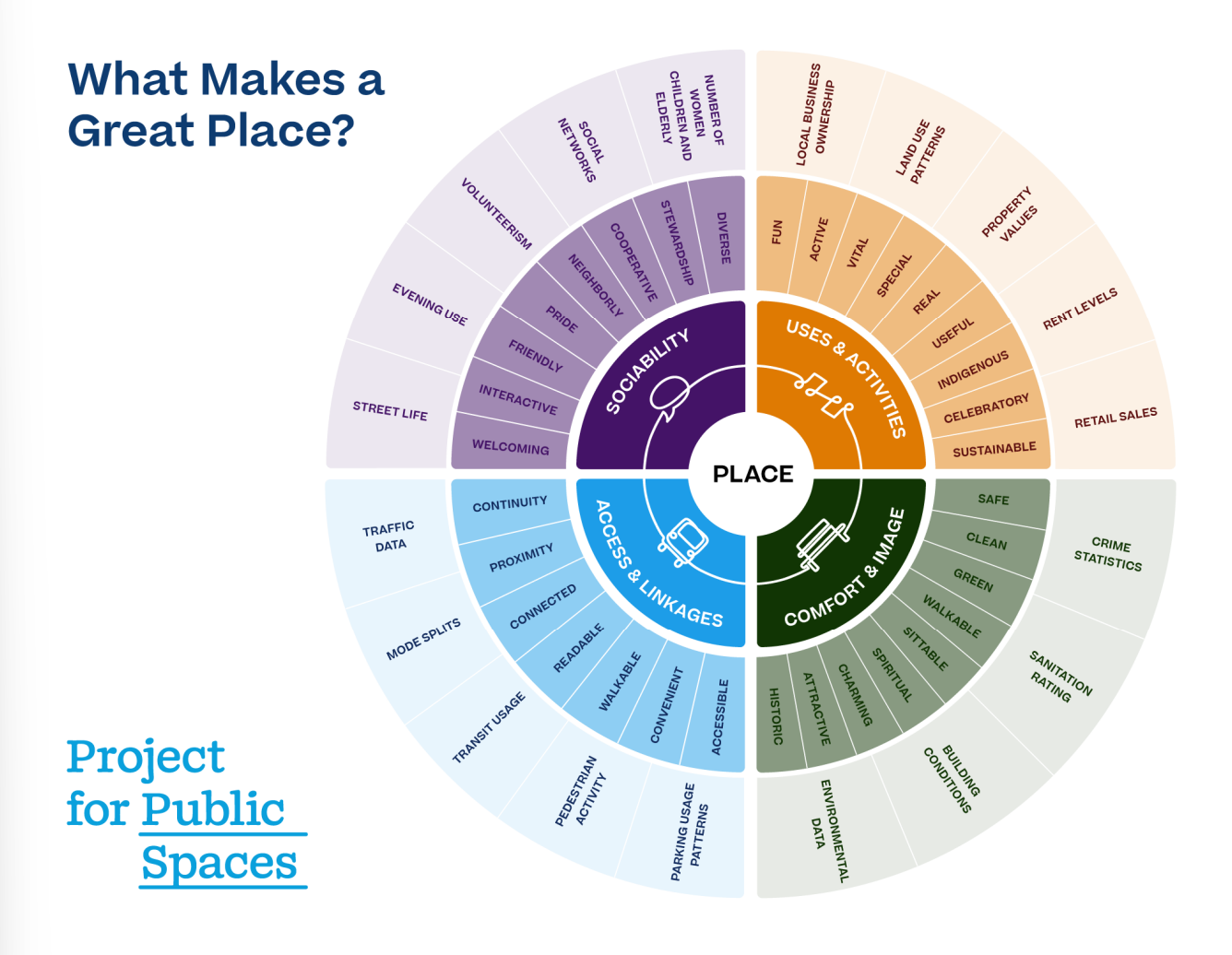
<p><strong><em>What makes a Great Place?</em></strong></p><p><em>Name the Characteristics of </em><span style="color: red;"><strong><em><u>Access &amp; Linkages</u></em></strong></span><em>?</em></p>

What makes a Great Place?

Name the Characteristics of Access & Linkages?

A great Public Space is…

  • Continuous

  • Walkable

  • Proximate

  • Safe

  • Readable

  • Connected

  • Convenient

  • Accessible

<p><span style="color: rgb(0, 0, 0);"><strong>A great Public Space is…</strong></span></p><ul><li><p><span style="color: rgb(7, 166, 249);">Continuous</span></p></li><li><p><span style="color: rgb(7, 166, 249);">Walkable</span></p></li><li><p><span style="color: rgb(7, 166, 249);">Proximate</span></p></li><li><p><span style="color: rgb(7, 166, 249);">Safe</span></p></li><li><p><span style="color: rgb(7, 166, 249);">Readable</span></p></li><li><p><span style="color: rgb(7, 166, 249);">Connected</span></p></li><li><p><span style="color: rgb(7, 166, 249);">Convenient</span></p></li><li><p><span style="color: rgb(7, 166, 249);">Accessible</span></p></li></ul><p></p>
9
New cards
<p><strong><em>What makes a Great Place?</em></strong></p><p><em>Name the Characteristics of </em><span style="color: red;"><strong><em><u>Uses &amp; Activities</u></em></strong></span><em>?</em></p>

What makes a Great Place?

Name the Characteristics of Uses & Activities?

A great Public Space is…

  • Fun

  • Active

  • Vital

  • Special

  • Real

  • Useful

  • Indigenous

  • Celebratory

  • Sustainable

<p><span style="color: rgb(0, 0, 0);"><strong>A great Public Space is…</strong></span></p><ul><li><p><span style="color: rgb(7, 166, 249);">Fun</span></p></li><li><p><span style="color: rgb(7, 166, 249);">Active</span></p></li><li><p><span style="color: rgb(7, 166, 249);">Vital</span></p></li><li><p><span style="color: rgb(7, 166, 249);">Special</span></p></li><li><p><span style="color: rgb(7, 166, 249);">Real</span></p></li><li><p><span style="color: rgb(7, 166, 249);">Useful</span></p></li><li><p><span style="color: rgb(7, 166, 249);">Indigenous</span></p></li><li><p><span style="color: rgb(7, 166, 249);">Celebratory</span></p></li><li><p><span style="color: rgb(7, 166, 249);">Sustainable</span></p></li></ul><p></p>
10
New cards
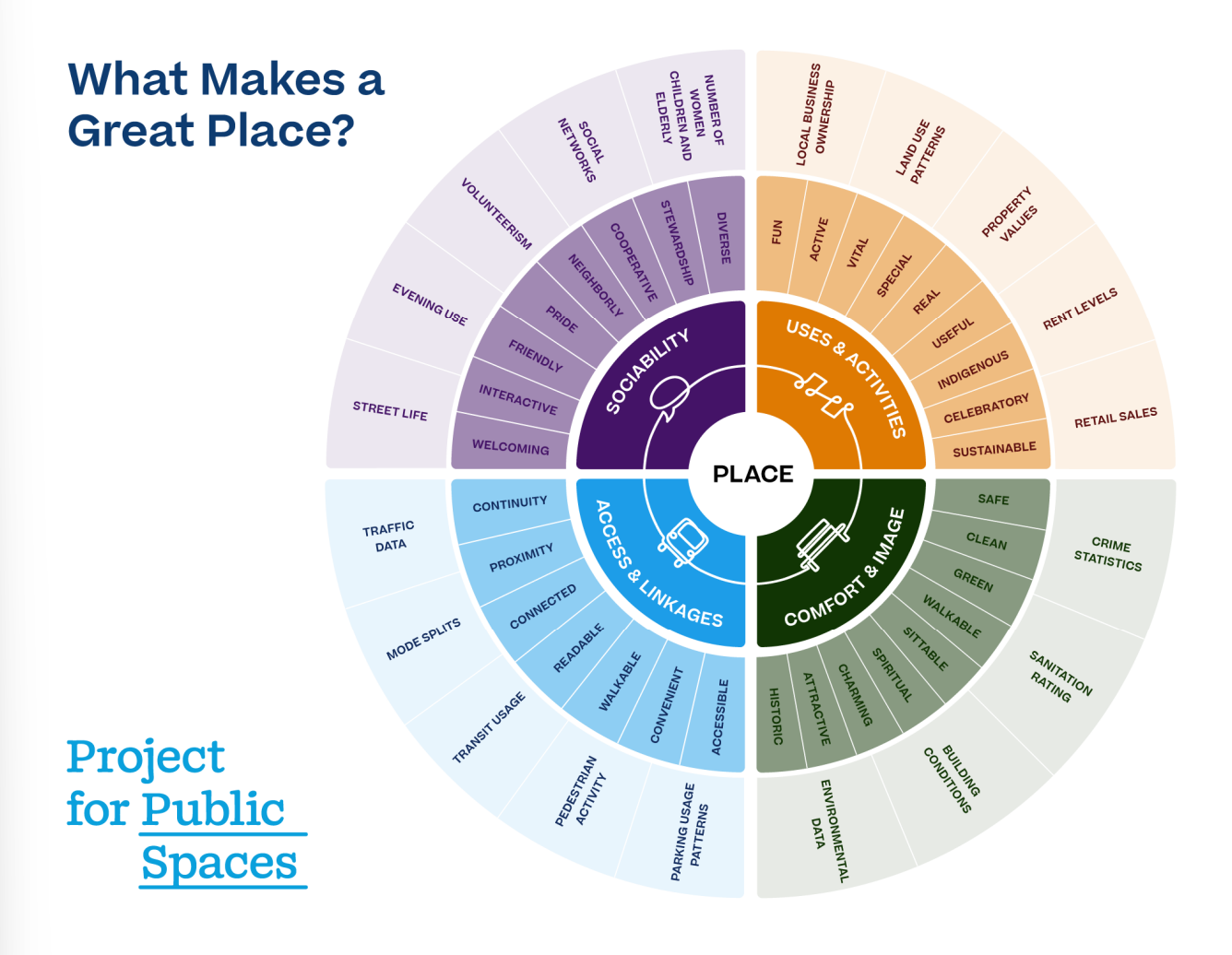
<p><strong><em>What makes a Great Place?</em></strong></p><p><em>Name the Characteristics of </em><span style="color: red;"><strong><em><u>Sociability</u></em></strong></span><em>?</em></p>

What makes a Great Place?

Name the Characteristics of Sociability?

A great Public Space is…

  • Diverse

  • Evening Use

  • Interactive

  • Welcoming

  • Cooperative

<p><span style="color: rgb(0, 0, 0);"><strong>A great Public Space is…</strong></span></p><ul><li><p><span style="color: rgb(7, 166, 249);">Diverse</span></p></li><li><p><span style="color: rgb(7, 166, 249);">Evening Use</span></p></li><li><p><span style="color: rgb(7, 166, 249);">Interactive</span></p></li><li><p><span style="color: rgb(7, 166, 249);">Welcoming</span></p></li><li><p><span style="color: rgb(7, 166, 249);">Cooperative</span></p></li></ul><p></p>
11
New cards
<p><strong><em>What makes a Great Place?</em></strong></p><p><em>Name the Characteristics of </em><span style="color: red;"><strong><em><u>Comfortable &amp; Imageable</u></em></strong></span><em>?</em></p>

What makes a Great Place?

Name the Characteristics of Comfortable & Imageable?

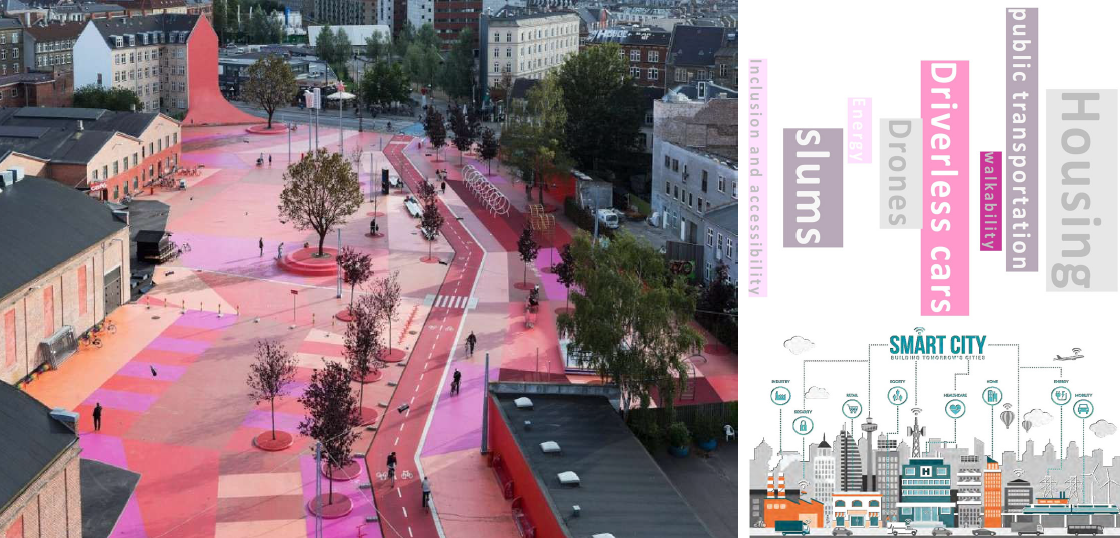
A great Public Space is…

  • Walkable

  • Sittable

  • Enclosed

  • Spiritual

  • Charming

  • Visually Pleasing

  • Attractive

  • Historical

  • Clean

  • Provides a high environmental quality
<p><span style="color: rgb(0, 0, 0);"><strong>A great Public Space is…</strong></span></p><ul><li><p><span style="color: rgb(7, 166, 249);">Walkable</span></p></li><li><p><span style="color: rgb(7, 166, 249);">Sittable</span></p></li><li><p><span style="color: rgb(7, 166, 249);">Enclosed</span></p></li><li><p><span style="color: rgb(7, 166, 249);">Spiritual</span></p></li><li><p><span style="color: rgb(7, 166, 249);">Charming</span></p></li><li><p><span style="color: rgb(7, 166, 249);">Visually Pleasing</span></p></li><li><p><span style="color: rgb(7, 166, 249);">Attractive</span></p></li><li><p><span style="color: rgb(7, 166, 249);">Historical</span></p></li><li><p><span style="color: rgb(7, 166, 249);">Clean</span></p></li><li><p><span style="color: rgb(7, 166, 249);">Provides a high environmental quality</span></p></li></ul><p></p>
12
New cards
<p><strong><em><u>Lecture 01</u></em></strong></p><p><span style="color: rgb(0, 115, 255);"><strong><em>Preindustrial &amp; Modern City Models</em></strong></span></p>

Lecture 01

Preindustrial & Modern City Models

Class Learning Objectives:

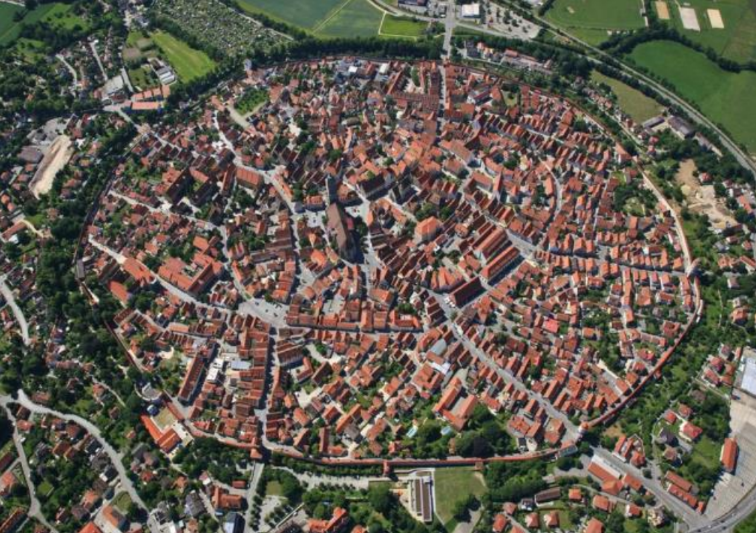
  1. Identifying the main characteristics of “Preindustrial Cities."

  2. Discuss the “Urbanization” phenomenon at the beginning of the Industrial Revolution & the way it impacted cities.

  3. Discuss the birth of the “Modern City” model in the 19th & 20th centuries and Visionary City Planning.
13
New cards
<p><strong>Main Characteristics of Preindustrial Cities:</strong></p><p>What were the <span style="color: red;"><em><u>3 natures of Preindustrial Cities</u></em></span>?</p>

Main Characteristics of Preindustrial Cities:

What were the 3 natures of Preindustrial Cities?

  1. Nodal Markets

  2. Shrines - Ceremonial Centers

  3. Military Strongholds

<ol><li><p><span style="color: rgb(1, 155, 246);">Nodal Markets</span></p></li><li><p><span style="color: rgb(1, 155, 246);">Shrines - Ceremonial Centers</span></p></li><li><p><span style="color: rgb(1, 155, 246);">Military Strongholds</span></p></li></ol><p></p>
14
New cards
<p><strong>Main Characteristics of Preindustrial Cities:</strong></p><p><span style="color: red;">What were the <em><u>7 key Characteristics of Preindustrial Cities</u></em>?</span></p>

Main Characteristics of Preindustrial Cities:

What were the 7 key Characteristics of Preindustrial Cities?

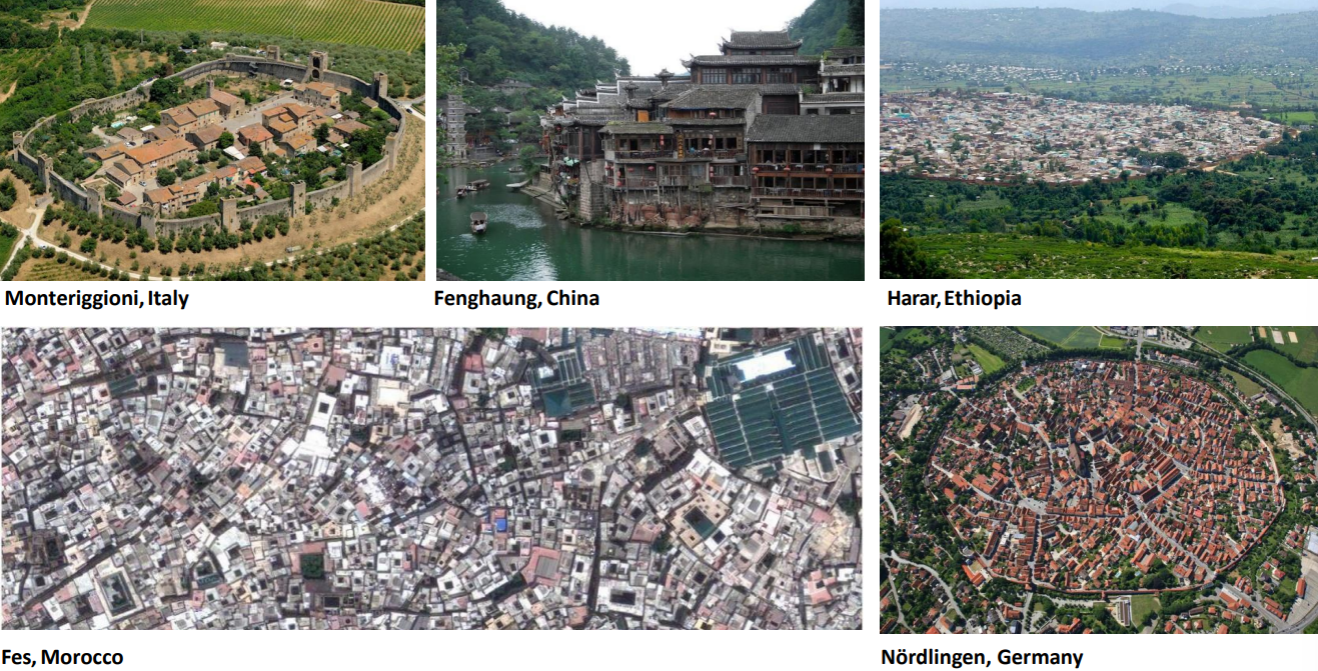
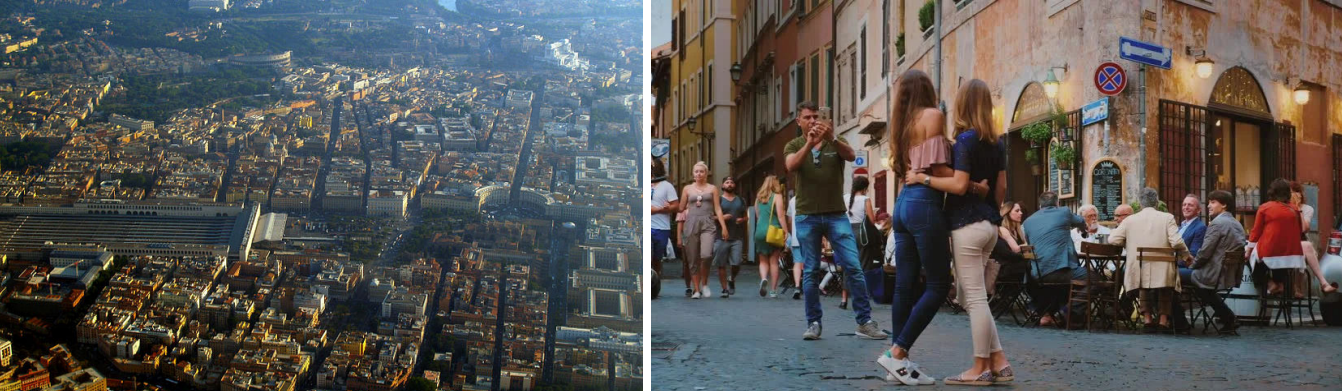
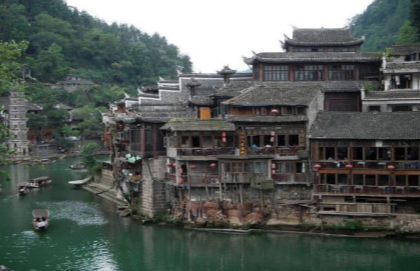
  1. Physical Circumscription

  2. Compact form with build frontages delimited the public Space

  3. Lack of land-use specialization

  4. Proximity to major rivers and other waterways to establish trade routes

  5. Characterized by walls and citadels

  6. Landmarks & Monumental infrastructure (Aqueducts & Cisterns)

  7. Organic Street layouts designed to adapted to the natural topography & Orthogonal layout.
<ol><li><p><span style="color: rgb(15, 181, 255);">Physical Circumscription</span></p></li><li><p><span style="color: rgb(15, 181, 255);">Compact form with build frontages delimited the public Space</span></p></li><li><p><span style="color: rgb(15, 181, 255);">Lack of land-use specialization</span></p></li><li><p><span style="color: rgb(15, 181, 255);">Proximity to major rivers and other waterways to establish trade routes</span></p></li><li><p><span style="color: rgb(15, 181, 255);">Characterized by walls and citadels</span></p></li><li><p><span style="color: rgb(15, 181, 255);">Landmarks &amp; Monumental infrastructure (Aqueducts &amp; Cisterns)</span></p></li><li><p><span style="color: rgb(15, 181, 255);">Organic Street layouts designed to adapted to the natural topography &amp; Orthogonal layout.</span><span style="color: rgb(15, 130, 255);"> </span></p></li></ol><p></p>
15
New cards
<p><strong>Crisis of the Historical City within the Industrial Revolution of the 19th century:</strong></p><p><span style="color: red;">What was the Industrial Revolution? </span></p>

Crisis of the Historical City within the Industrial Revolution of the 19th century:

What was the Industrial Revolution?

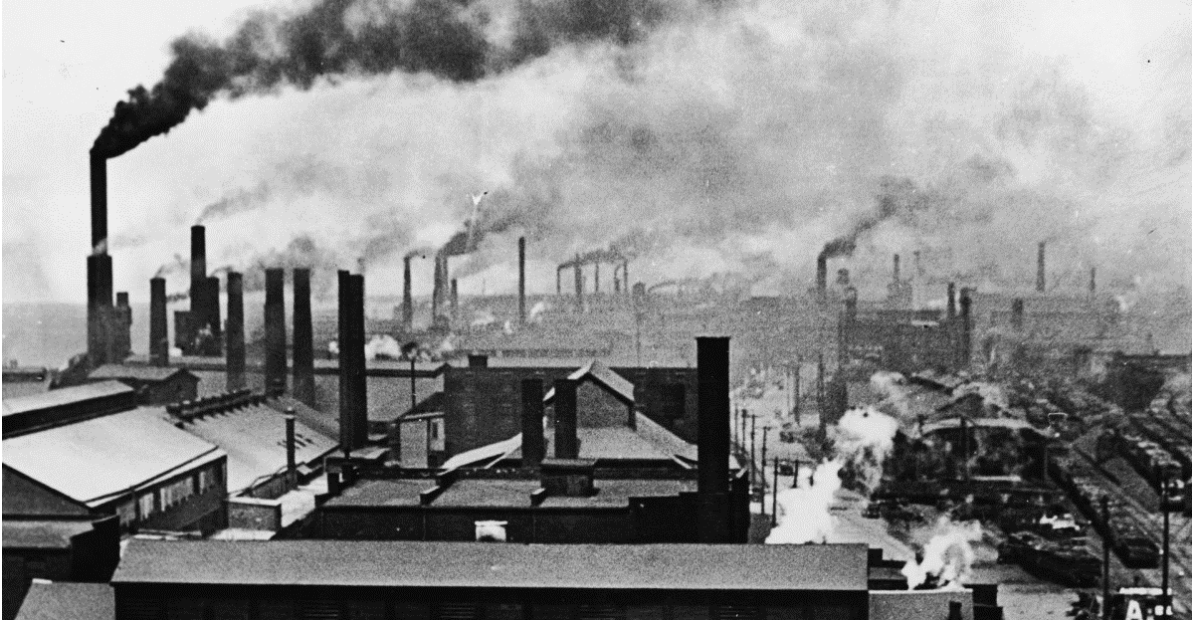
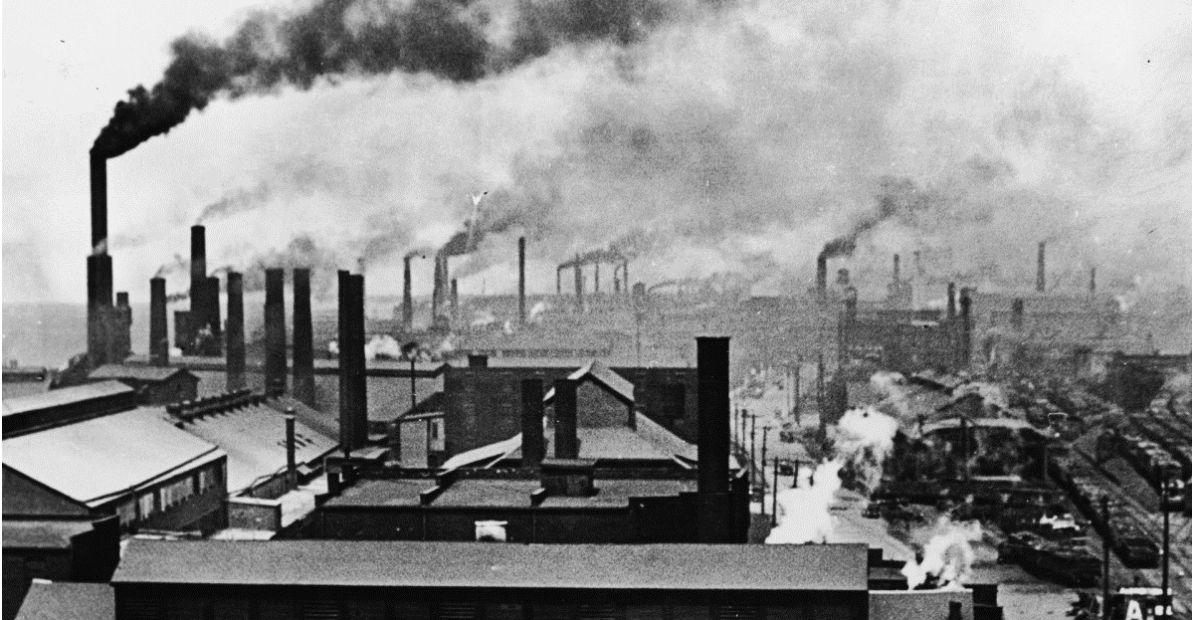
  • A transformative period in modern World History (c.1760-1840):

    • It marked the transition from the agrarian, Hand-crafted economies to a more heavily industrialized economy.
16
New cards
<p><strong>Crisis of the Historical City within the Industrial Revolution of the 19th century:</strong></p><p>What was the<span style="color: red;"><em><u> influencing factor that fueled the industrial revolution</u></em></span>? </p>

Crisis of the Historical City within the Industrial Revolution of the 19th century:

What was the influencing factor that fueled the industrial revolution?

  1. Influenced by New technological Advancements & Innovations in Production & Transportation:

Production:

  • The Cotton Gin

  • Advancement in the procurement of Iron & Steel

Innovative modes of Transportation:

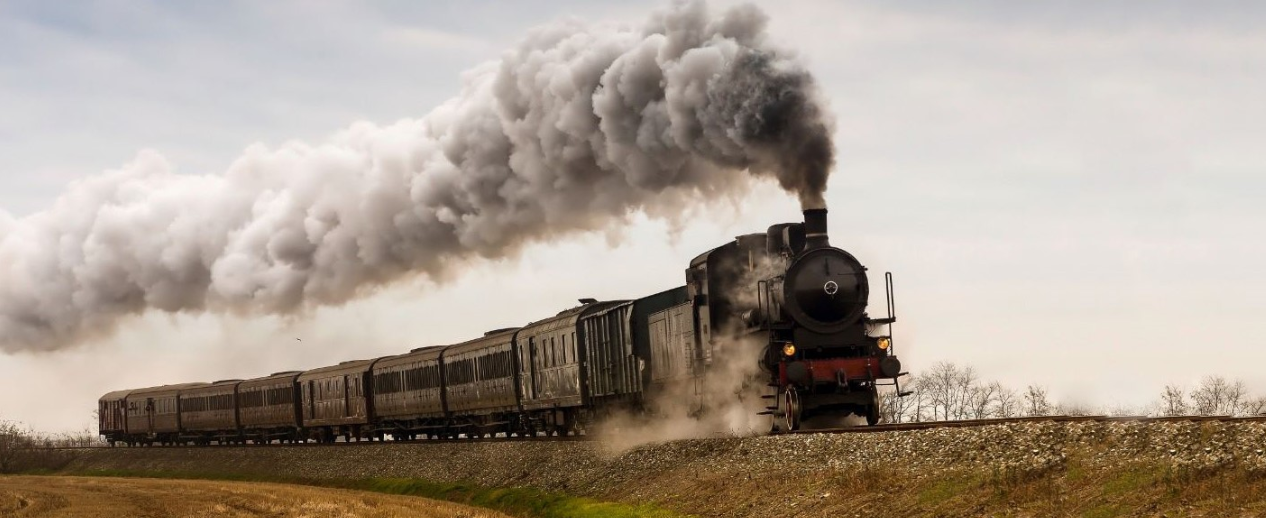
  • Steam engine Locomotive

    • Technologically Enhanced the transportation of goods & services.
<ol><li><p>Influenced by New technological Advancements &amp; Innovations in Production &amp; Transportation:</p></li></ol><p><strong>Production:</strong></p><ul><li><p><span style="color: rgb(0, 176, 255);"><em>The Cotton Gin</em></span></p></li><li><p><span style="color: rgb(0, 176, 255);"><em>Advancement in the procurement of Iron &amp; Steel</em></span></p></li></ul><p></p><p><strong>Innovative modes of Transportation:</strong></p><ul><li><p><span style="color: rgb(12, 154, 250);"><em>Steam engine Locomotive</em></span></p><ul><li><p><span style="color: rgb(2, 177, 255);">Technologically Enhanced the transportation of goods &amp; services. </span></p></li></ul></li></ul><p></p>
17
New cards
<p><strong>Crisis of the Historical City within the Industrial Revolution of the 19th century:</strong></p><p><span style="color: red;">What was the defining result of the Industrial Revolution?</span></p>

Crisis of the Historical City within the Industrial Revolution of the 19th century:

What was the defining result of the Industrial Revolution?

Resulted in:

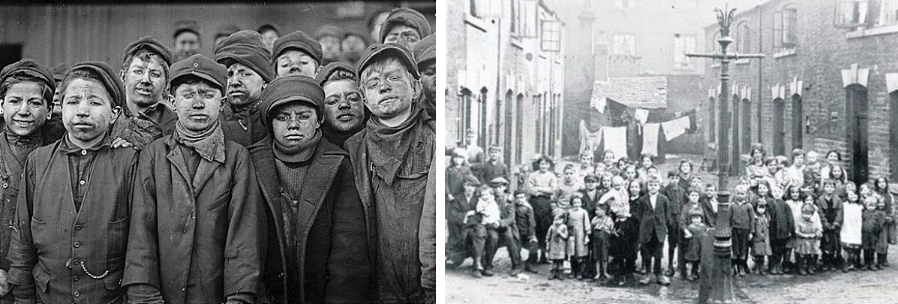
  • The massive influx of rural workers migrating to the growing industrial and port cities.
<p>Resulted in:</p><ul><li><p><span style="color: rgb(2, 78, 255);"><em><u>The massive influx of rural workers migrating to the growing industrial and port cities. </u></em></span></p></li></ul><p></p>
18
New cards

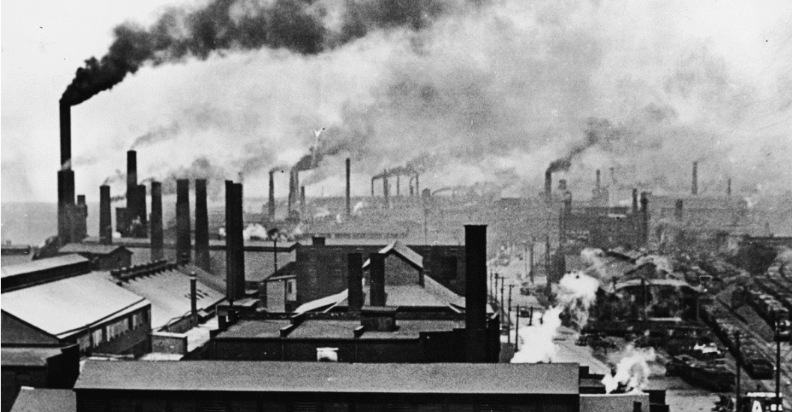
After the Industrial Revolution, the birth of large-scale processes of…

Define URBANIZATION

Urbanization:

  • Is the population shift from Rural (countryside) to Urban (City) areas. This resulted in the Physical and economic growth of cities.

  • Key Points:

    • Rural (countryside) to Urban (City) areas.

    • Resulted in the Physical Growth of Cities.

<p><span style="color: red;"><strong>Urbanization:</strong></span></p><ul><li><p><span style="color: rgb(0, 91, 252);"><em>Is the population shift from Rural (countryside) to Urban (City) areas. This resulted in the Physical and economic growth of cities. </em></span></p></li></ul><p></p><ul><li><p><strong><em><u>Key Points:</u></em></strong></p><ul><li><p> Rural (countryside) to Urban (City) areas.</p></li><li><p>Resulted in the Physical Growth of Cities. </p></li></ul></li></ul><p></p>
19
New cards
20
New cards
21
New cards