Lecture 2 - Microbial Growth
 Call Kai
 Learn
Learn Practice Test
 Spaced Repetition
 Match
Match Flashcards
 Knowt Play
1/65

There's no tags or description
Looks like no tags are added yet.
Name | Mastery | Learn | Test | Matching | Spaced | Call with Kai |
|---|
No analytics yet
Send a link to your students to track their progress
66 Terms
What are nutrients, macronutrients and micronutrients for microbes?
Supply of elements required by cells for growth
Nutrients required in large amounts
Nutrients required in smaller amounts needed for survival such as trace metals and growth factors.
What is the chemical makeup of a cell?
Handful of elements dominate living systems
C, O, N, H, P, S are ~96% of dry weight of bacterial cell and required by all life
K, Na, Ca, Mg, Cl, Fe ~3.7% of dry weight
62 total elements can be metabolized
Macromolecules
What are macromolecules?
Macromolecules are made of those chemical compounds
They inclide proteins and RNA but not DNA.
Define Heterotrophs and Autotrophs.
Heterotrophs need organic carbon and obtain it from breaking down organic polymers or by uptaking monomers (amino acids, fatty acids, sugars etc.)
Autotrophs synthesise organics from carbon dioxide.
What role does nitrogen play in feeding the microbe?
Mostly makes up proteins (nitrogen bases)
Coumpounds like ammonia (NH3), nitrate (NO3-), nitrogen gas (N2).
NH3 is used by most microbes, many use NO3- and some N2.
Where does oxygen and hydrogen come from?
Water.
What role does phosphorus and sulfur have in feeding a microbe?
P: forms nucleic acids and phospholipids, usually forms inorganic phosphate (PO4³-)
S: makes amino acids, vitamins, microbes also assimilate sulphate (SO4²-) and sulfide (H2S) or organics.
What role does potassium, magnesium, calcium and sodium have in feeding a microbe?
K: is required by several enzymes
Mg: stabalises ribosomes, membranes, and nucleic acid and required by nucleic acids
Ca and Na: required by some microbes such as marine microbes.
What do micronutrients in the form of trace metals do?
Enzymes need either metal ions (trace metal) or small organic molecules as a cofactor to assist in catalysis.
Iron can be used as one eg. in cellular respiration or oxidation-reduction reactions.
Note that trace metals are required in small amounts.
What do micronutrients in the form of growth factors do?
They are organic micronutrients such as vitamins (most functioning as coenzymes) or amino acids, purines, pyrimidines etc.
Define culture media.
Nutrient solutions used to grow microbes in the laboratory.
Culture media is typically sterilized in an autoclave.
How can you determine biosynthetic capacity of a species?
If you were given a table with culture media, the one making less nutrients has a higher biosynthetic capacity.
The more nutrients an organism needs supplied, the less it can make itself. The fewer it needs, the more it can synthesise on its own.
What are the different classes of cultured media?
Defined media: exact chemical composition is known
Complex media: made from biological extracts, so we know generally what it is but not exact composition.
Selective medium: Contains chemicals that kill or inhibit some organisms but not others.
Differential medium: Contains a dye or indicator that changes colour depending on what the organism does metabolically.
Enriched media: contains special nutrients required for growth
What do we know about nutritional requirements?
Different microorganisms have different nutritional requirements.
These requirements must be known to understand physiology and supply nutrients in proper form and amount.
How are solid culture made and how are cells distinguished on them?
Solid media is prepared by adding gell agent agar to liquid media
When cells grow on solid media, they form isolated masses called colonies.
Why do we look at the morphology of colonies?
Use them to identify microorganisms
To determine if a culture is pure contaminated or mixed.
In a lab culture how do we ensure transfer without contamination?
usage of aseptic techniques because we have airborne contaminants everywhere
pure cultures which have a single microbe usually require streak plare technique with an inoculating loop.
What is microscopic cell count and how is it determined?
It is observing and counting the cells present
Can be done via dried slides
Can also count chambers with squares etched on a slide for liquid samples
Can have limitations.
How are microscopic cells counted in microbial ecology?
Samples under observation are often natural samples.
Stains are used to visualize and provide phylogenetic or metabolic properties. eg. DAPI binds to DNA
Other stains can differentiate dead and live cells.
Phylogenetic stains can also determine proportions of Bacteria and Archaea in a sample.
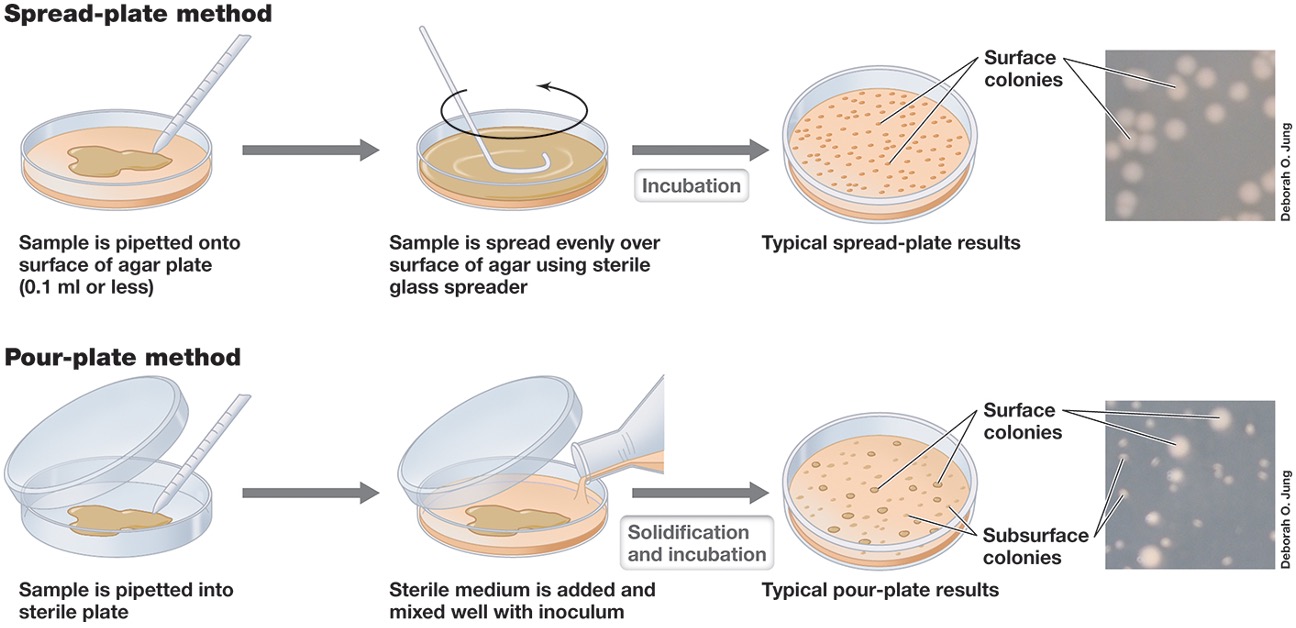
What is viable counts and how is this done?
Its a way to measure a living, reproducing population
And the two ways are spread plate method and the pour plate method.
After performing these methods we count colonies (30-300) and report them in a colony forming unit
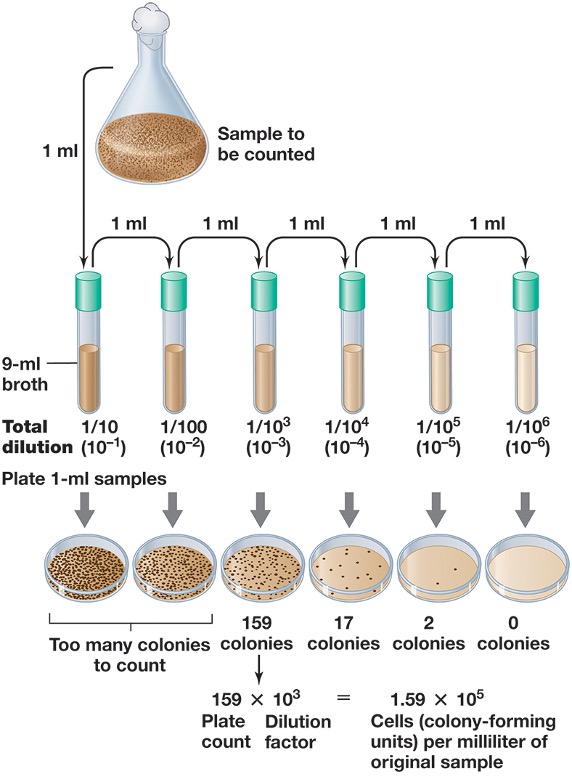
Why are samples diluted?
Samples can have thousands - billions of living cells, which is why we use ten-fold dilutions
Serial (successive) dilutions are needed to make such dense cultures.
Explain dilution techniques
To receive a 1/10 dilution factor we use 1ml of the microbe sample and 9ml of the broth.
To get a 1/100 factor you add 1ml of that to 9ml broth again.
Once you receive the dilution factor desired, multiply that to amount of colonies that you can count from that sample, to see how many colonies per ml are present.
What is the application of plate counting?
quick and easy, used in food, daily, medical purposes
high sensitivity
can target particular speices in mixed samples
common on water analyses
Explain the statement: “the great plate count anomaly”
Direct microscopic counts of natural samples reveal far more organisms than those recoverable on plates.
This is because different organisms have different growth requirements.
Can underestimate magnitude of samples.
Why are measures of microbial cells turbid?
When more microbial cells are present in a solution, it becomes turbid (cloudy)
More cells → more light scattered → more turbidity
Such measures are rapid and widely used for estimates.
What is the relationship between optical density and cell numbers?
OD is measured with a spectrophotometer (unit also OD).
Unicellular organisms: OD proportional to cell number within limits
To make this relationship first standard curve is established.
What are some benefits of growth estimates with OD?
quick and easy
doesnt require destruction or disturbance of samples
repeated checks of the same sample
can have issues with microbes forming clumps in liquid medium
What is generation time?
time required for microbial cells to double in number
Differs for microbes and varies depending on conditions
example: Escherichia coli = 20 minutes
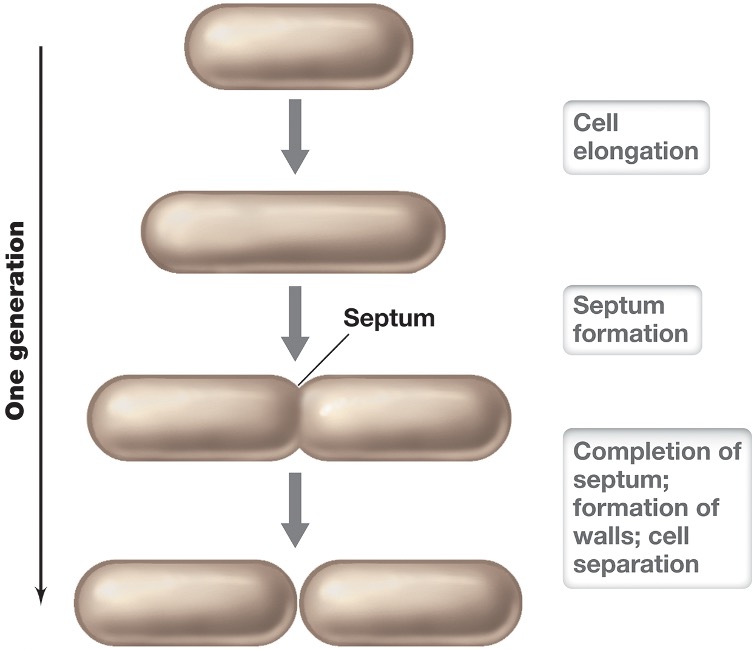
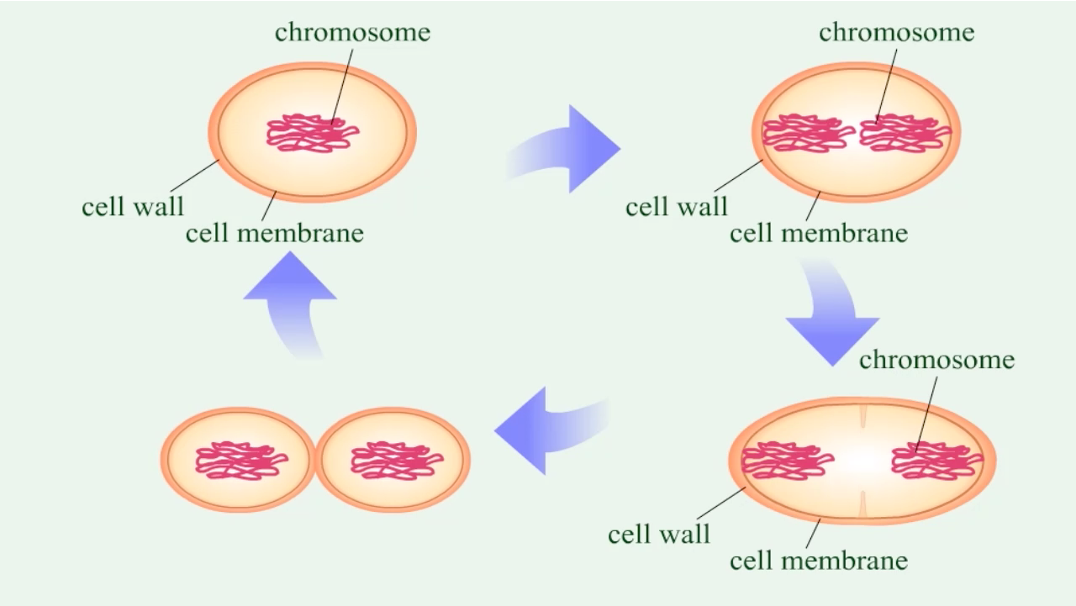
Binary fission
What is batch culture?
Closed system microbial culture of a fixed volume
What are phases of the growth curve?
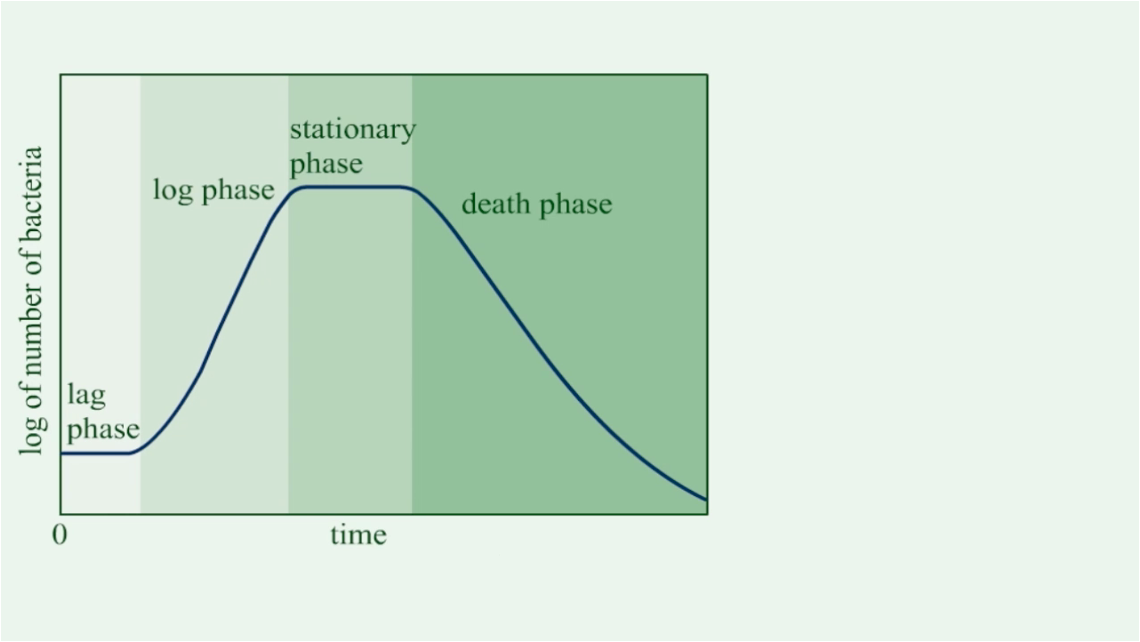
Its a closed system and has the following phases: lag phase, exponential phase, stationary phase, death phase.
Describe the Lag phase?
interval between innoculation aof a culture and beginning of growth
to determine these new metabolic state, we need new conditions
time is needed between biosynthesis of new enzymes and production of metabolites before any growth can happen.
Explain the exponential phase?
doubling at regular intervals
metabolically identica;
rates are different based on media, conditions, organim identity
continues until growth can no longer be sustained by conditions
Explain stationary and death phase?
Growth is limited by nutrient depletion or waste accumulation
SP: growth rate of population is 0 - metabolism is continued at slower rates
DP: decrease in count due to death of cells
Cryptic growth: subpopulations adapt.
How does exponential growth look like when plotted on a graph?
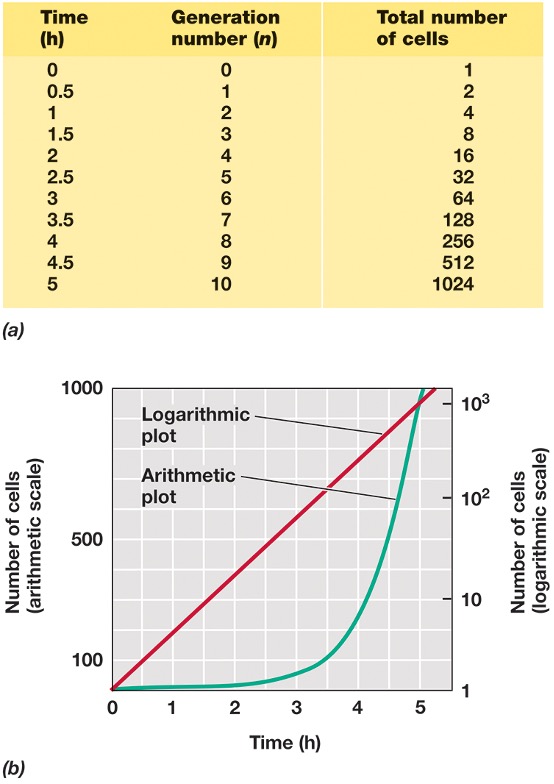
Semilogarithmic relationship (numbers doubling at regular intervals)
Generation time (g): g= t/n
t = duration of exponential growth
n = number of generation during the period of exponential growth.
Show the mathematical explaination of bacterial growth.
Relationship between initial number of cells in a culture and number present after a period of exponential growth.
Nt = cell number at time t
N0 = initial cell number
n = number of generations during the period of exponential growth.

What are consequences of exponential growth?
Slow initial increase, eventually faster, which results in larger increasing cell numbers.
What is specific growth rate and how is it calculated?
expresses rate of growth at any instant
calculation: k=0.693/g
What are biofilms?
Cells stuck to a surface, wrapped in a self-produced slimy matrix made of polysaccharides (EPS).
What are the stages of formation of biofilm?
Free flowing cells attatch using their flagella, fibrae and pilli. (reversible)
Colonization: cells grow and produce an extracellular polysaccharide which helps them stick together. (irreversible)
Development: metabolic changes
Dispersal: some cells disperse into other locations and leave the cluster.
What is flow chamber?
Tool to see formation of biofilm under a microscope mimicing the conditions of the liquid.
What is a flow chamber?
mechanism to observe biofilm under a microscope mimicing the movement of the liquid particles.
How do biofilms impact humans?
Microbial mats are natural biofilms found in extreme environments like hot springs and intertidal zones. Consist of multilayered sheets with different organisms in each layer.
Can be implicated in joint infections and can be implanted in medical devices.
Is also responsible for cavities and gum diseases
Can also foul, plug and corrode pipes and form in fuel tanks and on ship hults.
What are cardinal temperatures?
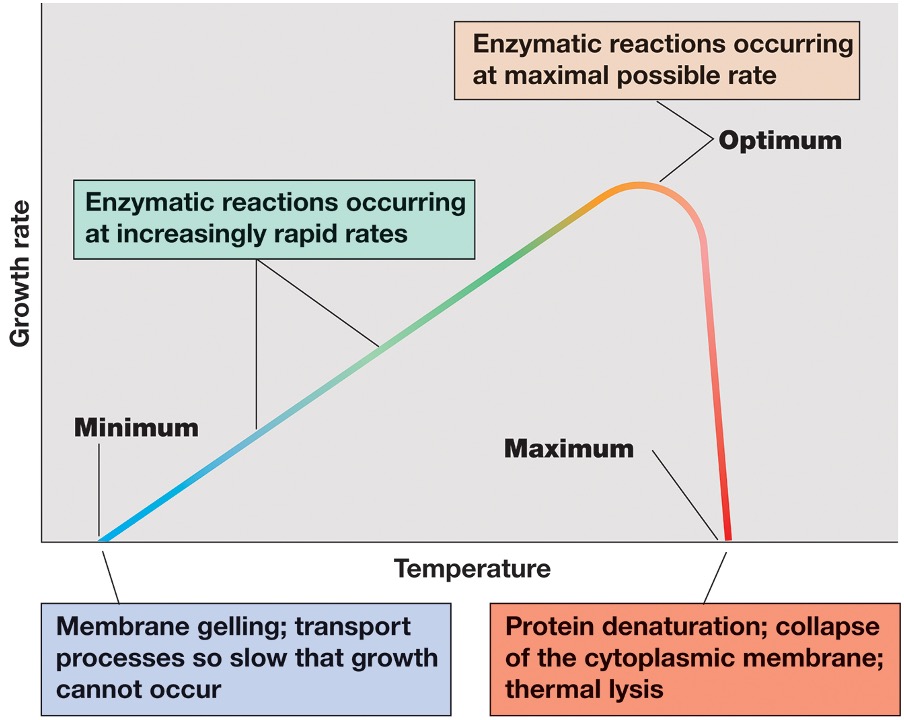
Graph of minimum, maximum and optimum temperatures at whoch an organism grows.
Every organism has these, and differ dramatically between species.
Range is typically <40 degrees
When optimum temperature is reached, all cellular components are functioning at maxiumum rate.
What are temperature classes of organisms?
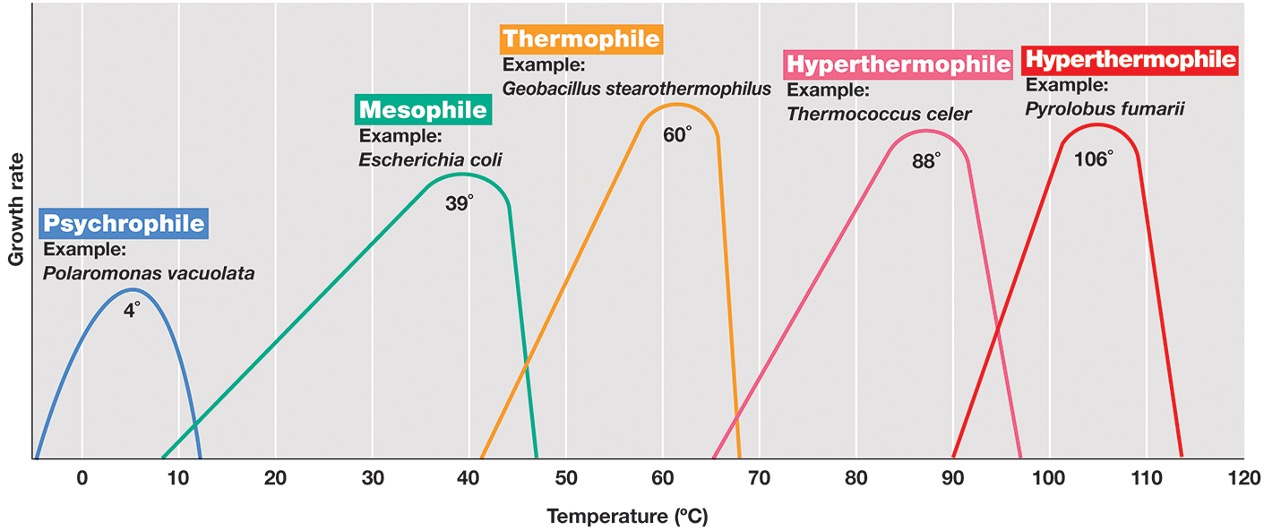
psychrophile: organisms that prefer low temperatures and are found in cold environments.
mesophile: midrange temperatures and most commonly studied
thermophiles: high temperature favouring organisms found in hot environments (45-80 degrees)
hyperthermophiles: very high temperature ranges, found in extremely hot habits such as hot springs and deep sea hydrothermal vents. (higher than 80 degrees)
Above 65°Celsius, only prokaryotic life forms thrive, but extensive diversity present
What are extremophiles?
organisms that grow under very hot r very cold conditions
Distinguish between psychrophiles and psychotolerant.
Psychrophiles: optimal temperature is below 15 degrees, at max. 20 degrees, minumum of 0 degrees.
live in constantly cold environments such as polar regions, permanent snowfields and glaciers.
Psycotolerant can grow at 0 degrees but have an optimal between 20-40 degrees
They are distributed more in nature and isolated from soild and water in temperature climares and food at 4 degrees.
What are molecular adaptations to life in the cold?
organisms can produce enzymes that function optimally in the cold.
more α-helices than β-sheets → greater flexibility for catalysis at cold temperatures, more polar and fewer hydrophobic amino acids, fewer weak bonds
cytoplasmic membranes with higher unsaturated and shorter chain fatty acids with some polyunsaturated fatty acids whih would remain flexible at very low temperatures.
cold shock proteins
cyroprotectants which prevent the formation of ice crystals
exopolysaccharide cell surface slime
What are some other facts about Hyperthermophiles and Thermophiles?
Hyperthermophiles: inhabit boiling hot springs
chemoorganotrophic and chemolithotrophic species present
generation times (g) as low as one hour common
high prokaryotic diversity (both Archaea and Bacteria)
above 95°C only Archaea
Thermophiles: moderately or extremely hot environments
How can we explain protein and membrane stability at high temperatures?
heat stability from subtle amino acid substitutions resist denaturation
increased ionic binding and highly hydrophobic interiors
production of solutes helps stabalise proteins
Why are thermophillic and hyperthermophillic enzymes commercially useful?
They have a prolonged cell life such as Taq polymerase for the PCR reaction.
How do cytoplasmic membranes ensure heat stability?
bacteria have lipids with long chiains and saturated fatty acids
hyperthermophiles have C40 hydrocarbonds, which form a monolayer rather than bilayer.
What is pH?
pH expresses acidity or alkalinity of a solution
pH 7 is neutral, pH<7 is acidic and pH>7 is alkaline
microbes have a range 2-3 pH within growth possible
most natural environments are 3-9 pH.
What are neutrophiles and acidicophiles?
Neutrophiles grow at pH 5.5-7.9
Acidophiles grows best at low pH (microbes can grow at low or very low pH).
At neutral pH membranes of acidophiles lyse, because protons are needed for stability.
What are alkaliphiles?
high pH larger than 8 is needed for growth
found in highly alkaline habitats like soda lakes and high carbonate soils
used commertially
some have sodium motive force rather than proton motive force.
What must cytoplasmic pH be and how can buffers regulate that?
optimal pH for growth is related to extracellular pH
intracellular pH must remain close to neutral consistent with macromolecule stability (even alkalinephiles amd acidophiles have a neutral cytoplasmic pH)
the microbial culture media typically contain buffers to maintain this constant pH.
Why is water important in microbial growth and what is water activity?
water availability → depend on environmental moisture and concentration of solutes.
water activity: water availability → –ratio of vapor pressure of air in equilibrium with a substance or solution to vapor pressure of pure water
varies from 0 (no free water) -1(pure water)
Define osmosis. And diffusion in a cell.
water diffuses from high to low concentration
cytoplasm has a higher solute concentratiom than the environment, so tendency is for water to move into the cell
if the cell has a lower solute concentration then the envoronment then water will out unless mechanisms exist to prevent this.
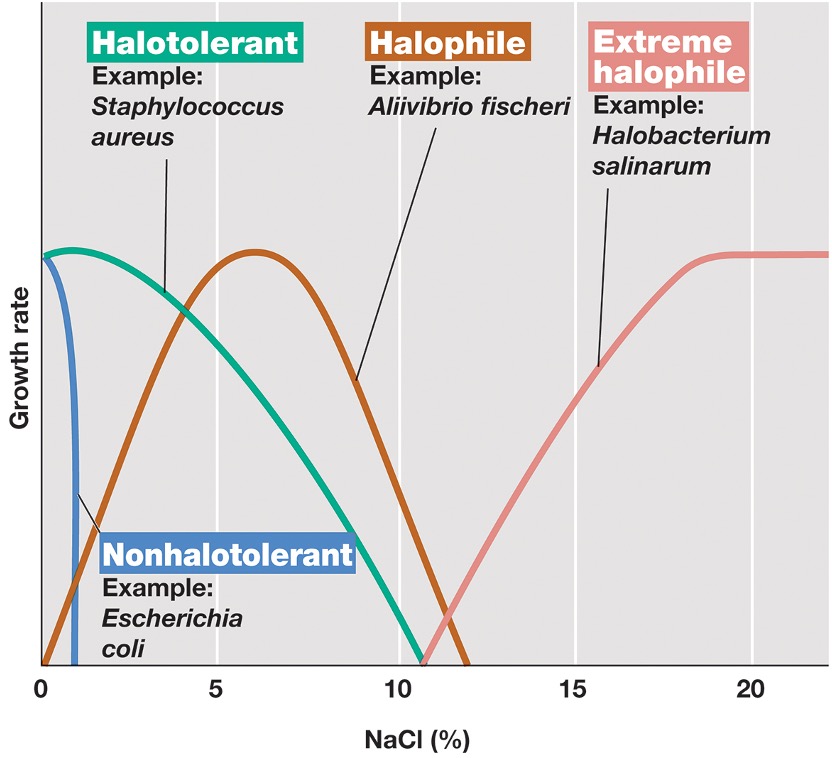
Distinguish between halophiles, halotolerant and extreme halophiles.
Halophiles: grow best at a w = 0.98 (seawater); have a specific requirement for NaCl (Table 4.6, Figure 4.27)
Halotolerant: tolerate some dissolved solutes but generally grow best in the absence of added solute
Extreme halophiles: require very high levels (15-30%) of NaCl; often unable to grow at lower concentrations
What are osmopholes and Xerophiles?
Osmophiles: live in environments high in sugar.
Xerophiles: able to grow in very dry environments
Lowest a w = 0.61 for life; physiochemical constraints on obtaining water at lower a w
What are compatible solutes?
to maintain positive water balance, microbes pump solutes from environment into cell or synthesizing cytoplasmic solutes
compatible solutes do not inhibit biochemical processes
highly water soluble
osmotically active: They attract and retain water molecules inside the cell
the more salt-tolerant the organism, the more sophisticated its genes for solute management.
Why is oxygen essential and what are different classes of oxygen?
it is essential for nutrition but can also be toxic for some organisms.
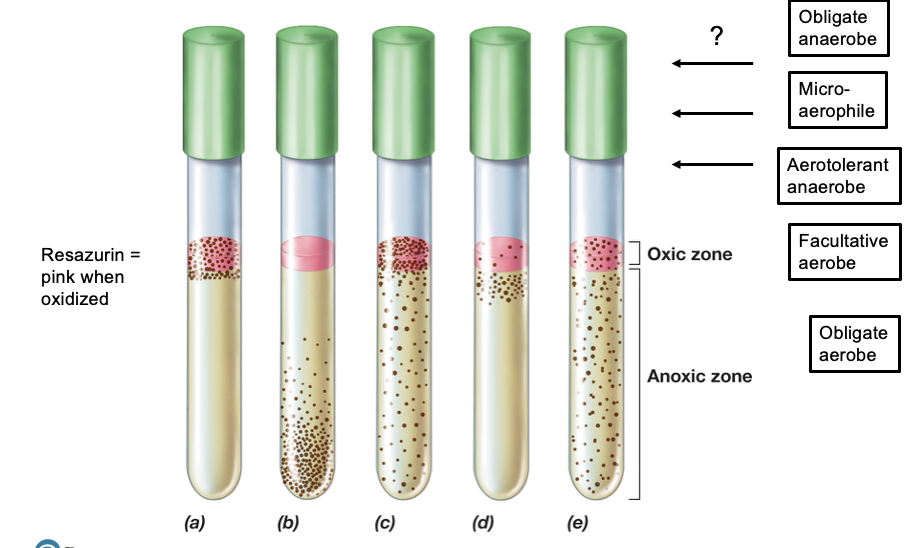
classes are:
aerobes: grow with O2 and respore also
obligate: no growth with O2, killed with O2
facultative organisms: can live with or without O2
microaerophiles: can use O2 at reduced levels than air due to o2 sensitivity.
aerotolerant anaerobes: tolerate O2 and can growth without using it.
What are anoxic habitats?
oxygen free habitats like mud, bogs, animal intestines etc.
What are reducing agents?
Added to culture media to reduce oxygen to water
Complex medium that separates microbes based on oxygen requirements
Oxygen can penetrate only the top of the tube.
Microbes grow at different heights based on oxygen exposure.
Resazurin dye indicates oxygen concentration
Which O2 type is toxic?
exposure to o2 yields toxic byproducts which are highly reactive and damage proteins and lipids.
examples: superoxide anion (O2-), hydrogen peroxide (H2O2) - least toxic, hydroxyl radical (OH.)
How do enzynes destroy superoxide anion and H2O2?
Catalase and peroxidase convert H2O2 to O2 and H2O
Superoxide dimutase converts 2O2- to H2O2 and O2
Superoxide reductase in some strict anaerobes converts O2- to H2O2 without producing O2.