final all content - lec 13 to 23
 Call Kai
 Learn
Learn Practice Test
 Spaced Repetition
 Match
Match Flashcards
 Knowt Play
1/149

There's no tags or description
Looks like no tags are added yet.
Name | Mastery | Learn | Test | Matching | Spaced | Call with Kai |
|---|
No analytics yet
Send a link to your students to track their progress
150 Terms
evolutionary explanations for behaviors
genes, environment, behaviour
evolutionary explanations for phenotypic differences between sexes of some organisms
sexual traits and behaviours
understanding the evolution of cooperation and conflict
social behaviours
exploring effects of genes outside of the organism with those genes
extended phenotypes
evolutionary explanations for susceptibility to disease
evolutionary medicine
evolutionary explanations for non-adaptive phenomena
aging
applying evolutionary thinking to some of the most pressing problems of our time
pathogen evolution
______ and _________ influence phenotypes
genes, environment
_______ _________ shapes behaviours
natural selection
environmental effects on trait values can be described as _________
plasticity
two kids of questions in biology
how/what and why (proximate vs ultimate)
examples of proximate
how does an individual manage to carry out an activity?
what is the causal relationship between the organism’s genes and behaviour?
examples of ultimate questions
why has that trait evolved?
why has this behaviour evolved and how has it changed over evolutionary time?
why do bees/wasps behave oddly in the fall
little bit drunk
what makes bees/wasps drunk in the fall
consume fermented nectar or rotting fruit, which produces ethanol that impairs their motor functions
why are drunk pollinators better for plants
impaired state increases the time they spend on a single flower, which leads to more effective pollination
phenotype equation
z = g + e + g*e
phenotype = genes + environment + gene by environment interaction
phenotypes reflect both ______ and _________ effects
genetic, environmental
rover-sitter polymorphism
Drosophila melanogaster larvae, where individuals exhibit distinct foraging strategies
rover
travel long distances to feed
sitters
remain in a small area to feed
within food patches, ______ move much more than ______
rovers, sitters
in the absence of food, rovers and sitters both move ____ often and for ________ distances
more, similar
for gene
foraging, 2 alleles, 2 expression patterns
foraging behaviour for alleles
homozygote rover ~2.4
heterozygote ~1.8
homozygote sitter ~0.9
rover benefit and cost
find more food but expend more energy
which strategy is the best
depends on environment
evolution by natural selection requires
variation in trait, genetic basis for trait (heritability), variation in fitness
can behaviours evolve by natural selection
yes
environmental effects on foraging
foraging behaviour decreased as time spent and they were deprived of food
_________ _____ describes effect of environmental variable on phenotype
reaction norm
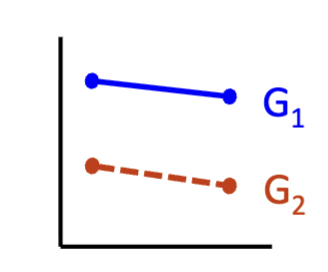
large genetic effect, small environmental effect
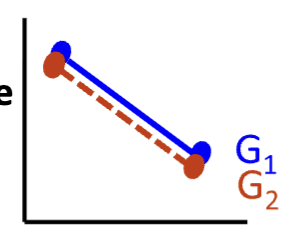
small genetic effect, large environmental effect
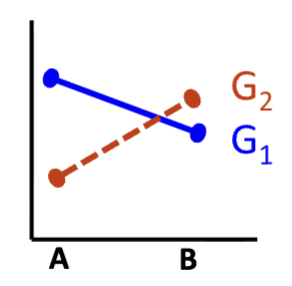
complex gene x environment interaction
if there is an environmental effect on the phenotype of __________ _______ individuals then there is plasticity
genetically identical
daphnia phototactic behaviour
attracted to or repelled by light
food is in light, so are predators
sexual dimorphism
individuals of different sexes of same species have different genotypes and/or phenotypes
types of sexual dimorphism
differences in gametes, differences in reproductive organs, other sex-associated phenotypic differences
anisogamy
unequal sized gametes
4 ways to analyze sexual dimorphism
size, armaments, behaviours, ornaments
size
males usually larger than females in mammals
armaments
dramatic, sex-specific differences in weapons such as horns, antlers, tusks, or enlarged claws; driven primarily by intense intrasexual competition among males for mates or resources
examples of armaments
moose antlers, flies eye distance
behaviours
sex-based differences in actions often driven by reproductive, evolutionary, and neural factors
examples of behaviours
birds of paradise male dances, greater sage-grouse males dances
ornaments
distinct physical differences in plumage, coloration, or structures between sexes arises primarily through sexual selection, where males typically evolve more exaggerated features to attract mates or compete for dominance
examples of ornaments
widow birds plumage and male peacock displays
________ selected traits function to enhance mating success
sexually
what goes into fitness
natural and sexual selection, survival, reproductive rate and number/quality of mates
two types of sexual selection
intrasexual selection and intersexual selection
what determines the strength of sexual selection
number and quality of mates
intrasexual selection
competition
intersexual selection
choosiness
operational sex ratio
anything that alters the receptivity of one sex to mating or their potential for remating
ex. males are busy reading news instead of mating
what drives differences in potential reproductive rates
differences between egg and sperm, sperm expensive and widely available. egg resource rich and not many
parental investment theory
sexes differ in their reproductive gamete investment
members of the sex that invest _____ will compete among themselves to mate with members of the sex that invest _____ in offspring
little, more
if only investment in offspring is gametes, then MALE fitness limited by
access to fertilizable gametes
if only investment in offspring is gametes then FEMALE fitness is limited by
access to resources
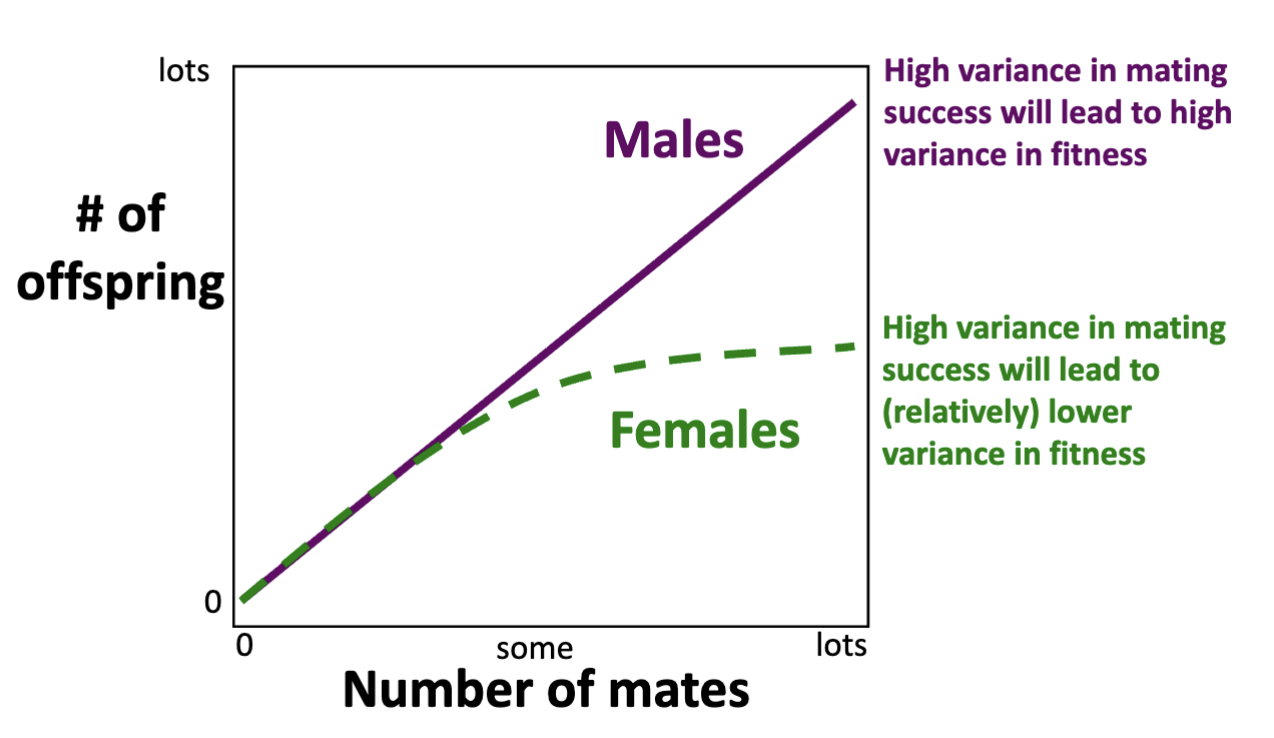
if males are limited by access to mates and females aren’t
if only investment in offspring is gametes, then we predict __________ in males and _______ in females
competition, choosing
forms of intrasexual selection
pre copulatory and post copulatory
determine # of copulations and success of copulations
examples of pre copulatory
fighting behaviour, social status, territoriality
examples of territoriality
elephant seals, males fight for control of the beach, whoever wins gets to mate with all the females on the beach, resulting in high mating success
examples of post copulatory
mate guarding, copulation duration, sperm removal, sperm plugs, anti-aphrodisiacs
alternative reproductive strategies
having variation in traits and behaviour within a sex like bluegill sunfish
bluegill sunfish
males are either sneaker or satellite
sneaker fish
smaller and watch females reproduction and swoop in at the last minute
satellite fish
males that have evolved to look like females and act like them to take their reproduction
side blotched lizard
orange, blue, yellow, alternate in main frequency over time
orange lizard
defend large territories, very aggressive, attack and defeat blue
blue lizard
defend smaller territories, detect and root out yellow
yellow lizard
sneaker male on orange, mimic throat colour and behaviour of females to take out
prediction of rock paper scissor lizards
success of each strategy in obtaining mates is dependent on frequency of other strategies in population
the fitness of a strategy is highest when that strategy is ____ in population. this means selection is ________ __________ _________
rare, negative frequency dependent
mate choice
any trait of one sex that biases the mating success of the other sex toward the preferred type
what are the categories of mechanisms that individuals choose based on
visual cues, tactile cues, acoustical cues, olfactory cues
example of female choice and visual cue
tail length in long tailed widowbird, longer is more preferred
tail length experiment
natural, reduced, elongated, sham, L > N, S > R
tail manipulation experiment also asked if tail length impacts male-male competition
no, tail length only influences female choice
example of of acoustic cues and female choice
tungara frog females prefer complex calls when given the choice between two synthetic calls
relative strength of sexual vs natural selection ______ across environemnts
varies s
strong competition for mates in ______ environments
urban
stronger predation from bats in _____ environments
forest
as a consequence, urban tungara frogs make far more complex calls than forest frogs and all
females prefer them
why are elaborate traits/behaviours common?
preferred by mates, so there is selection for elaboration
direct benefits
involve direct natural selection on individual making choice, chooser produces more offspring
indirect benefits
involve genetic benefits to offspring of individual making choice, chooser producers offspring of better genetic quality (more fit)
benefits of female choice
choosiness based on resources instead of male attributes, so male trait is indicator of resources
selection for male traits as indicators of resource provisioning or other direct benefits
territory quality, defense, parental care, lack of parasites
indirect benefits of female choice
females prefer male traits that indicate good genes, so offspring from matings with preferred males should have higher fitness
is peacock display size an indicator of good genes?
yes. males with more eyespots produce offspring that survive better
indirect benefit
bluegill sunfish males are the ones who take care of children. mating with them is what kind of benefit
indirect
parental males offer ______ benefit to females, because they
direct, defend nests and care for young
satellite/sneaker males offer _______ benefit to females because
indirect, good genes lead to offspring growing faster and surviving better
parental males adjust their ______________ when they sense offspring have been sired by other males
level of care
what are the two things that influence parental investment
gamete expenditure and parental care
cooperative breeding
individuals beyond a pair assist in raising young, commonly by providing food and protection
eusociality
overlapping generations
single individual is dominating the reproduction
division of labor, specialized roles
types of social behaviour
cooperation and altruism