Compound Light Microscope
 Call Kai
 Learn
Learn Practice Test
 Spaced Repetition
 Match
Match Flashcards
 Knowt Play
1/22

There's no tags or description
Looks like no tags are added yet.
Name | Mastery | Learn | Test | Matching | Spaced | Call with Kai |
|---|
No analytics yet
Send a link to your students to track their progress
23 Terms
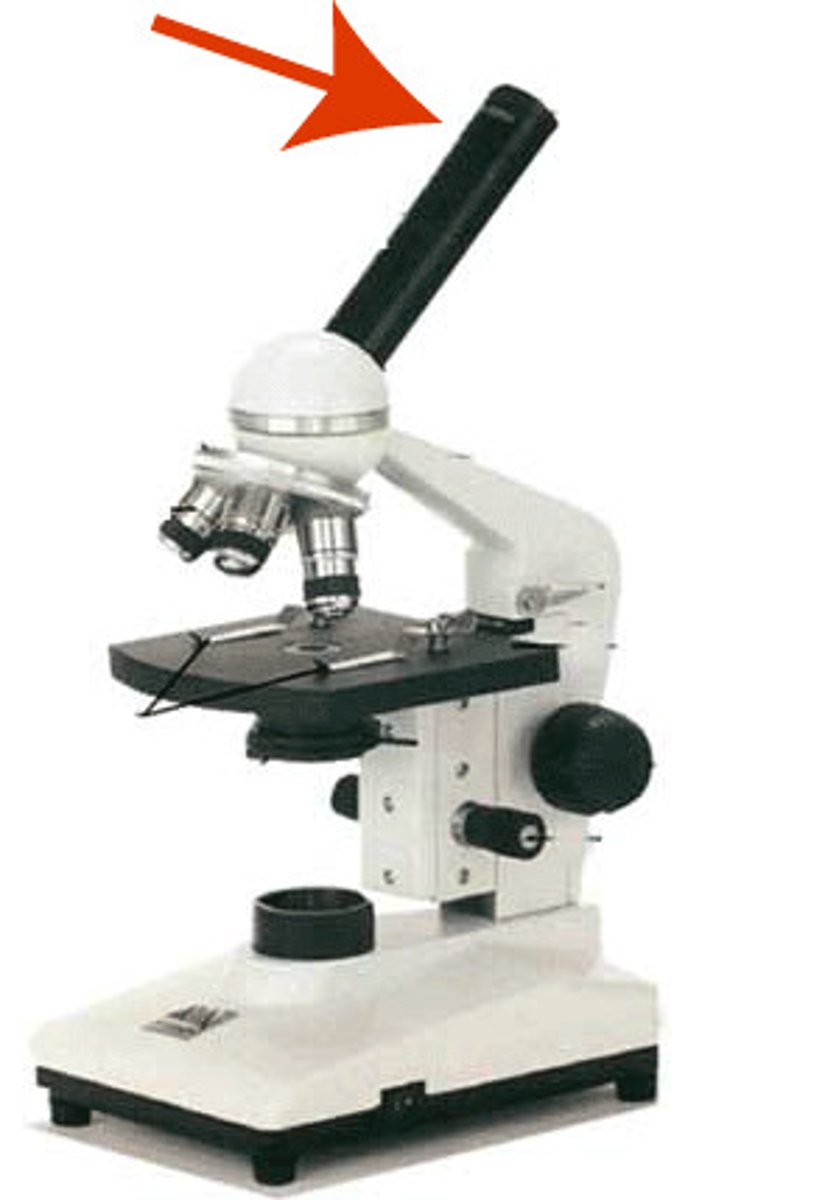
ocular (eyepiece) lens
magnifies the specimen, 10 times
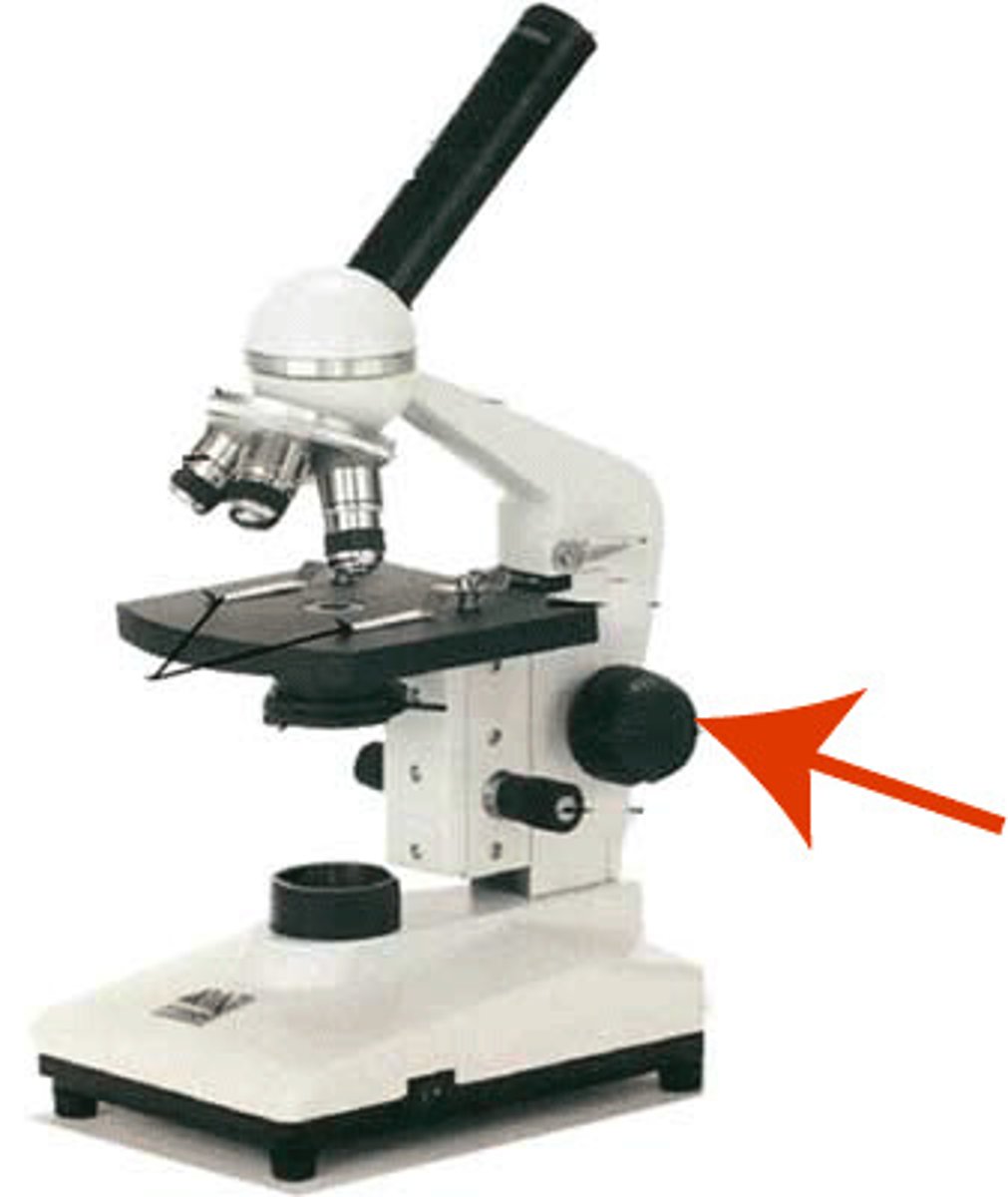
coarse adjustment knob
this knob moves the stage up and down to focus on the object (bigger movements)
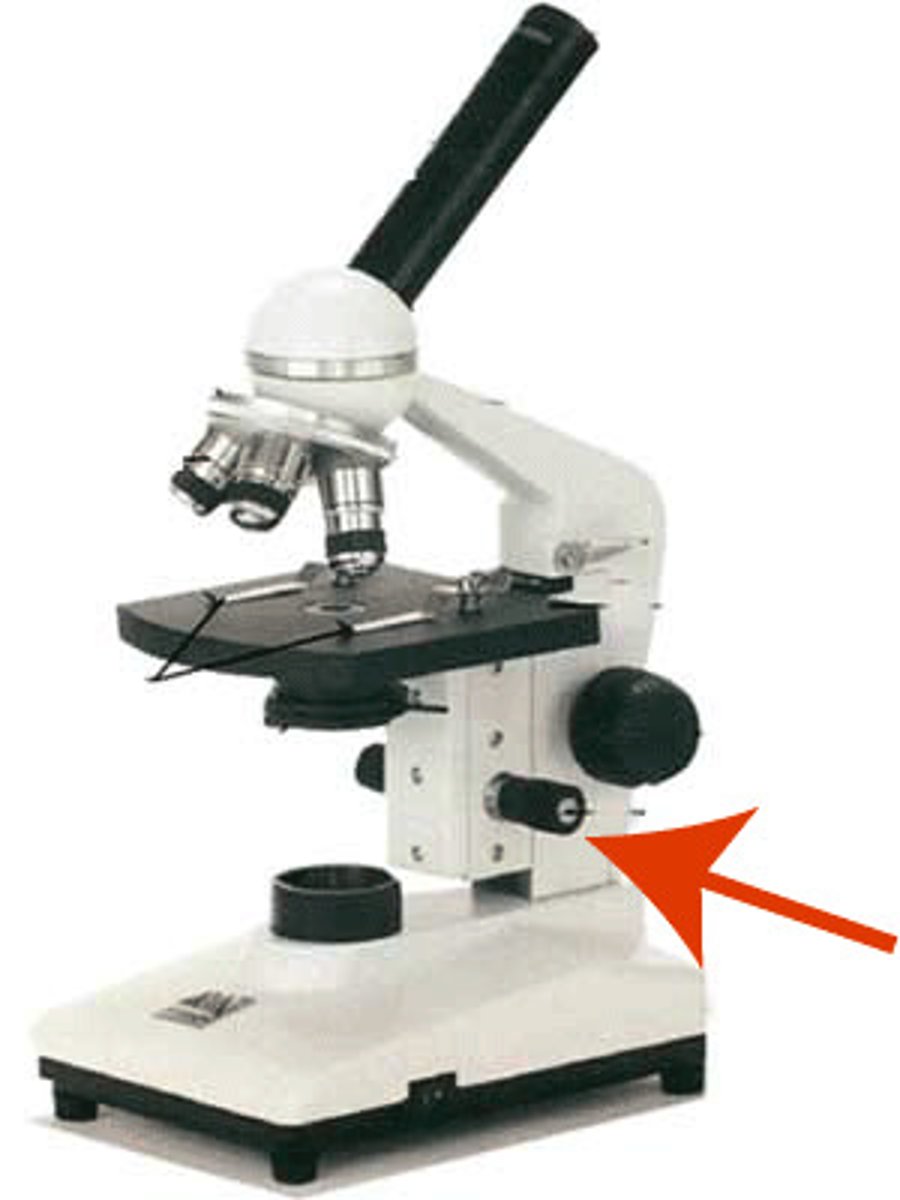
fine adjustment knob
this knob sharpens an image under medium and high power
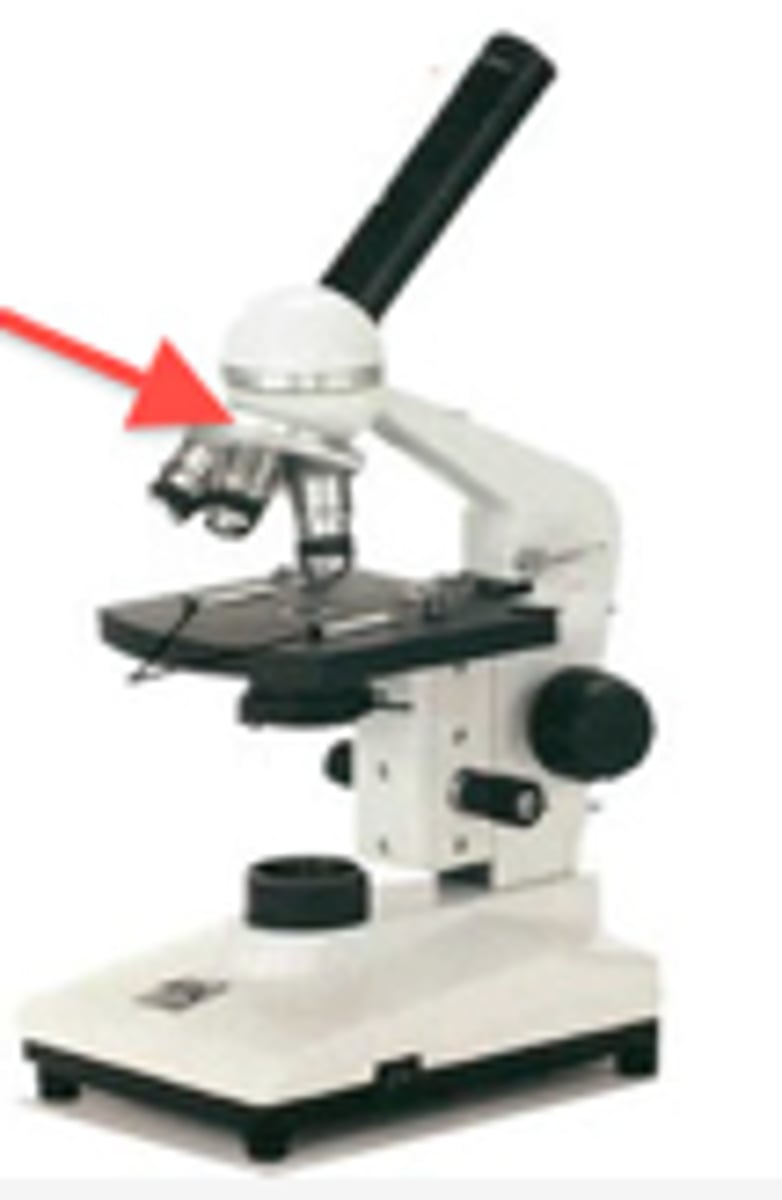
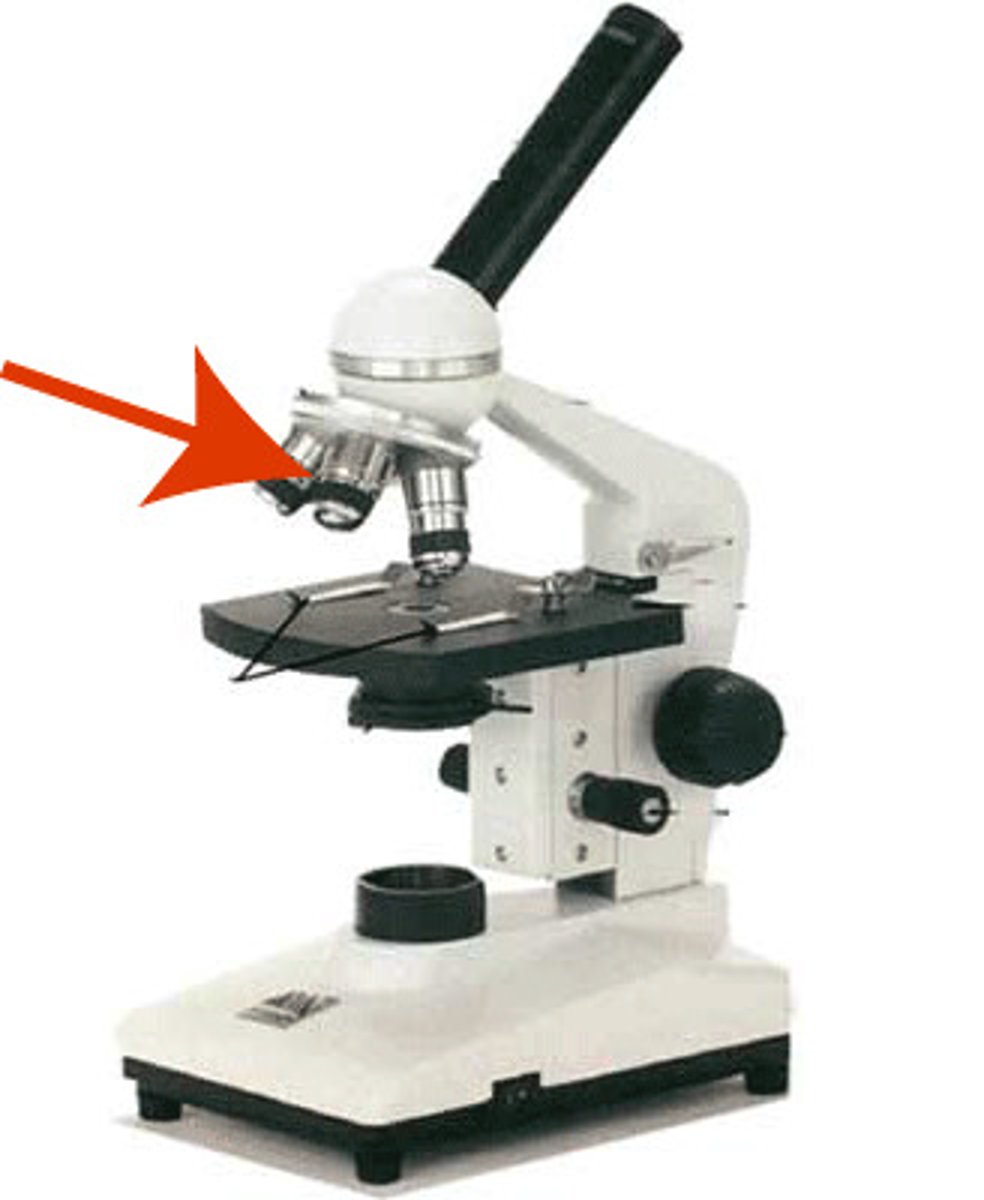
revolving nosepiece
this is where the objective lenses are mounted
objective lenses
these are the lenses that magnify the specimen (4x, 10x, and 40x)
stage
this is where you place a slide for observation
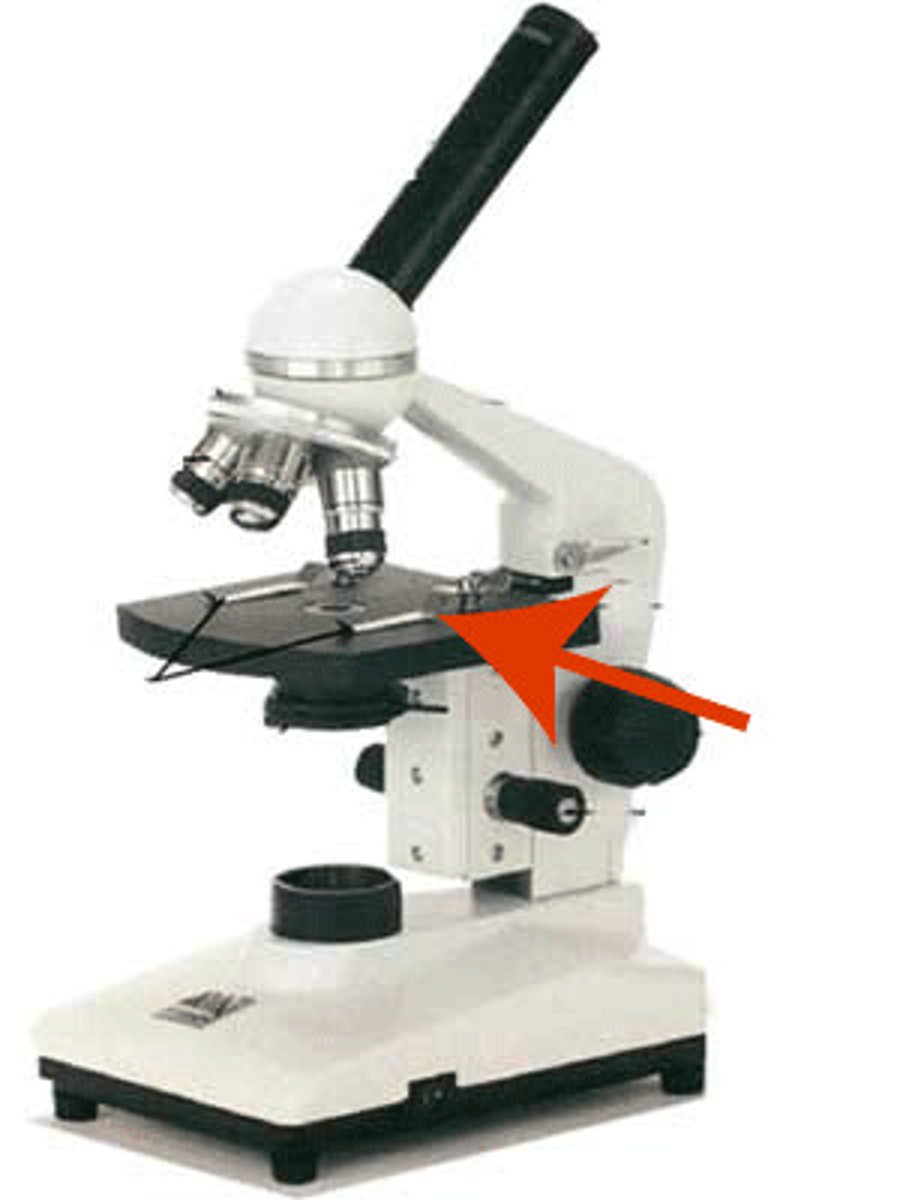
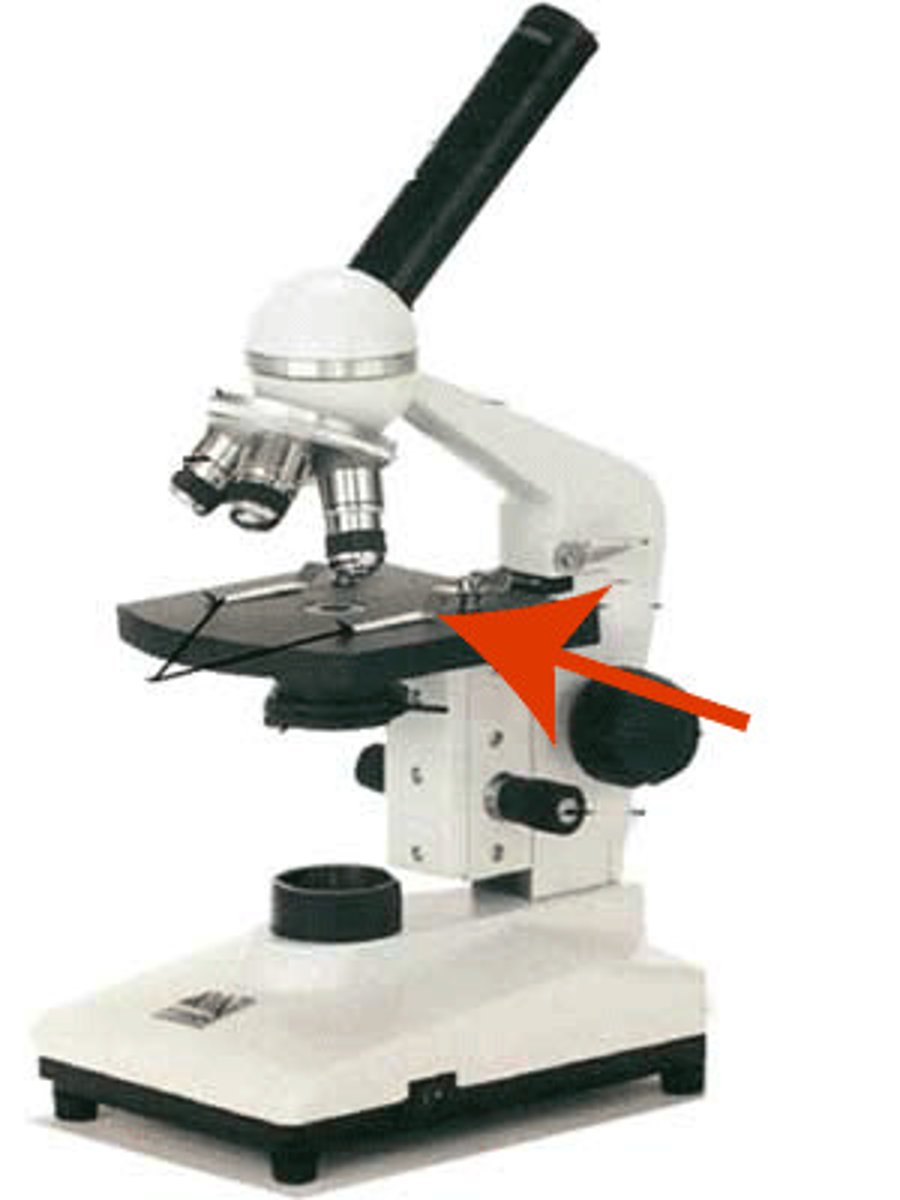
stage clips
these are used to hold a slide in place
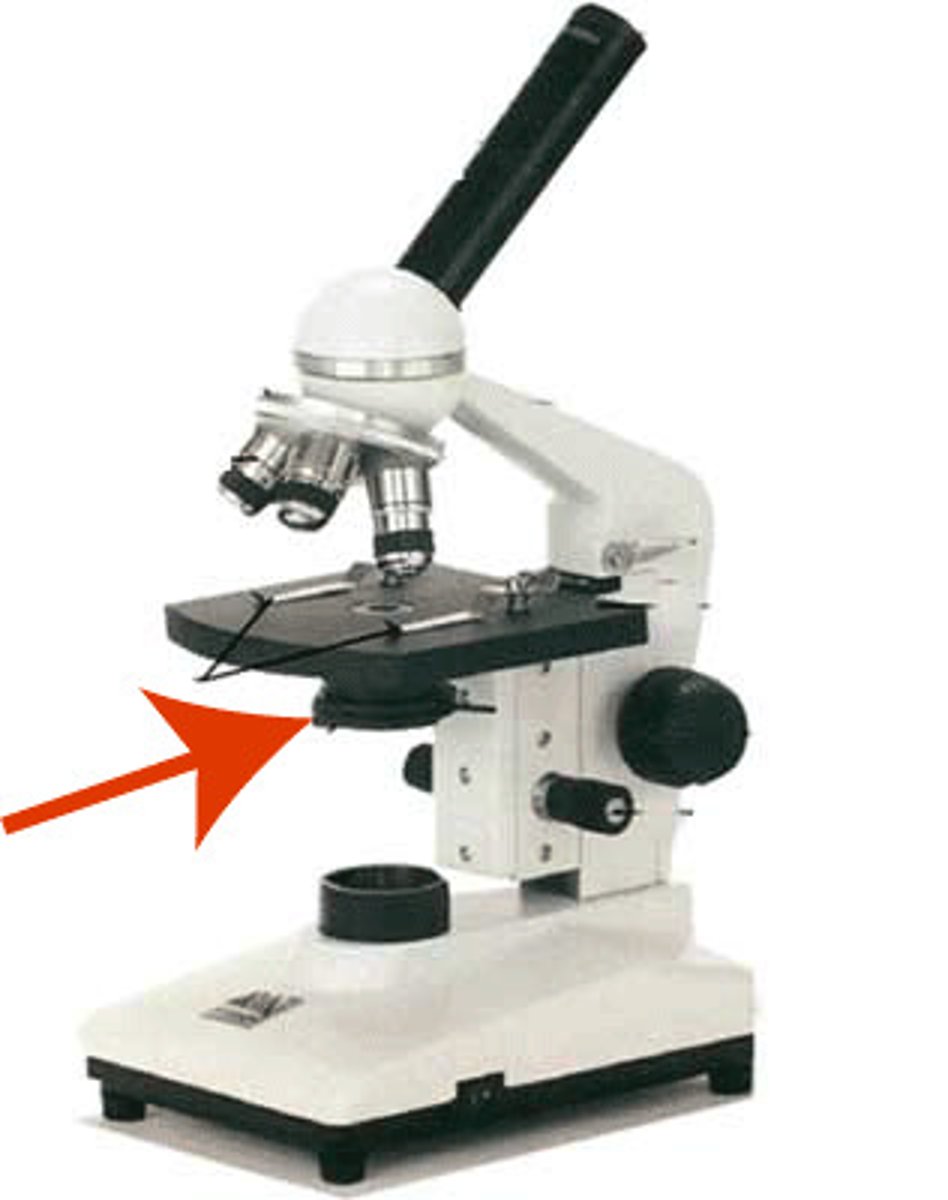
diaphragm
adjusts how much light is reaching the slide
light source/lamp
supplies the light that passes through the specimen
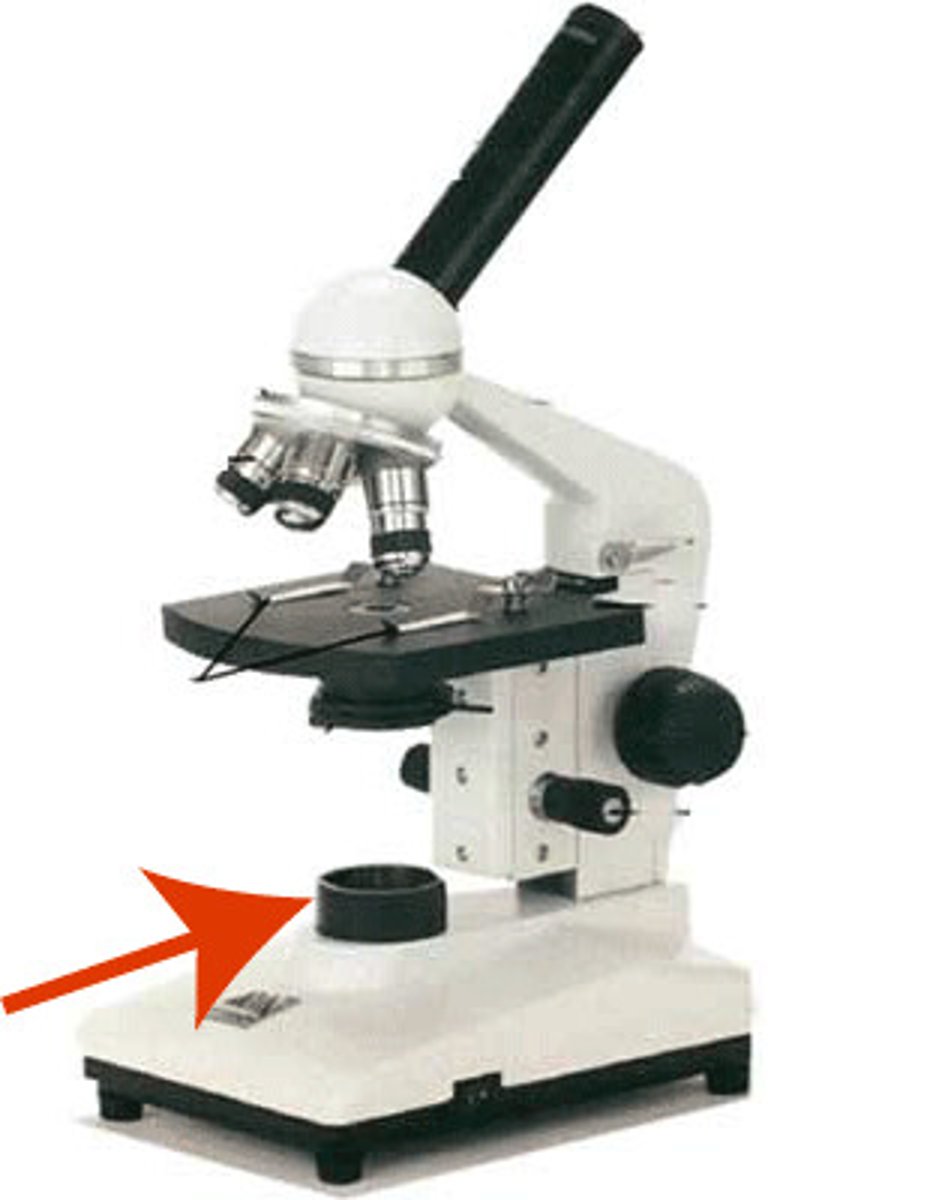
arm
used to carry the microscope
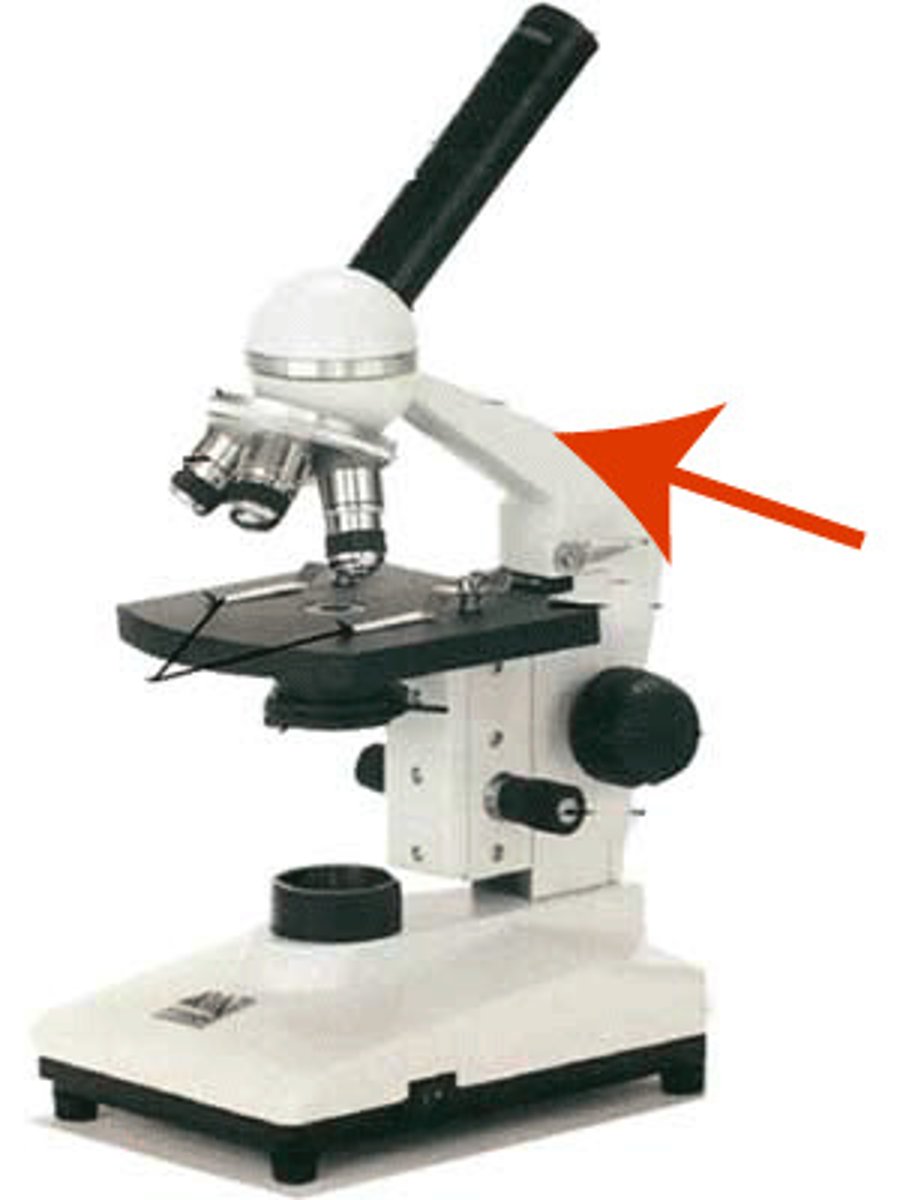
base
provides a stable platform for the microscope
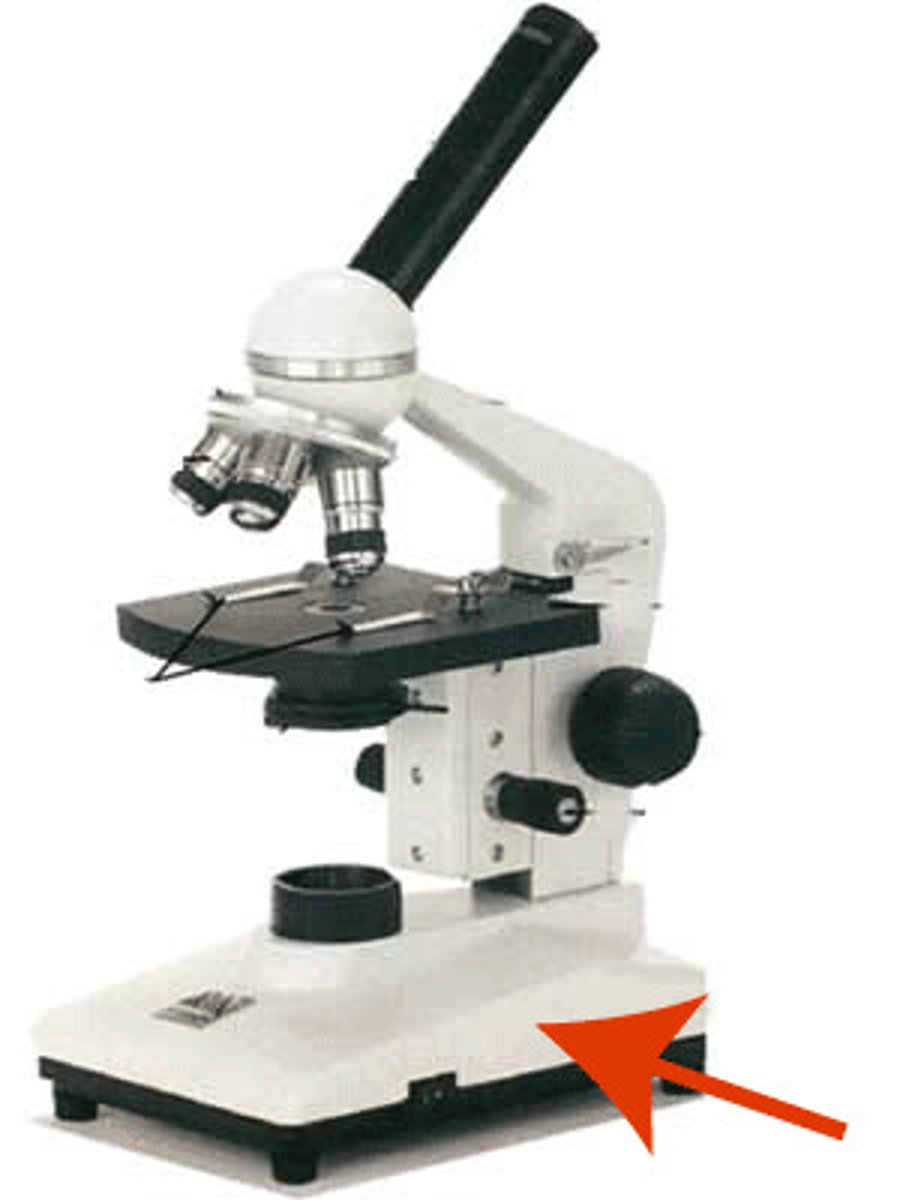
Body tube
separates the ocular lens from the objective lenses at a distance calculated for proper magnification
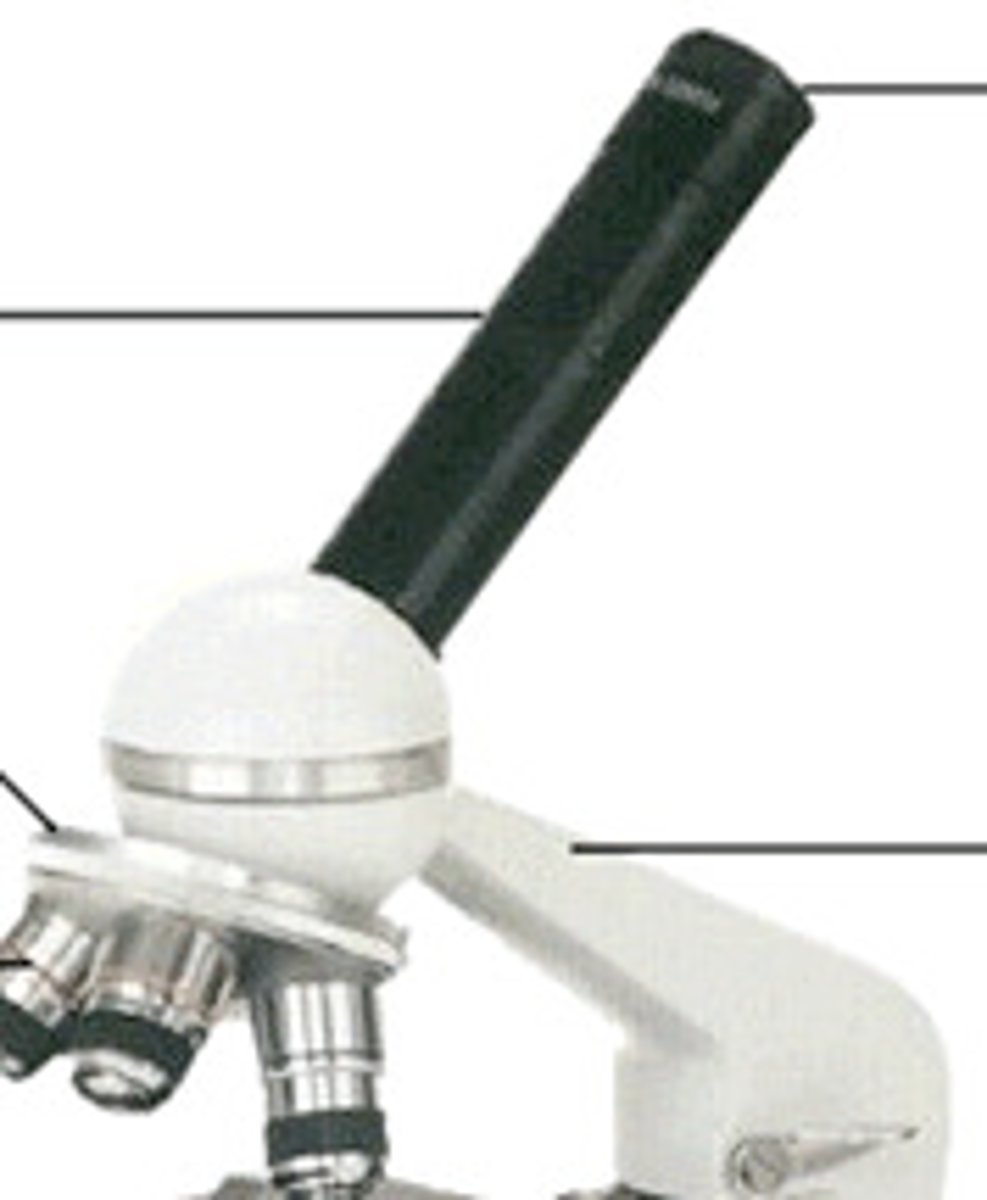
4x
Low Power used for scanning in order to find the specimen.
10x
Medium Power has this magnification
40x
High Power has this magnification
40x Total Magnification
The total magnification using the low power objective (remember the eyepiece is included)
100x Total Magnification
The total magnification using the medium power objective (remember the eyepiece is included)
400x Total Magnification
The total magnification using High Power Objective (remember the eyepiece is included)
Coarse adjustment knob
This part of the microscope is initially used to bring the object into focus underneath the low, scanning power.
to the left
The slide will appear to move this direction if you are physically moving the slide to the right
to the right
The slide will appear to move this direction if you are physically moving the slide to the left
upside down
A letter that is right side up will appear this way.
Multiplying
Total Magnification is determined by do this with the ocular lens and the objective lens.