GR 3 History
 Call Kai
 Learn
Learn Practice Test
 Spaced Repetition
 Match
Match Flashcards
 Knowt Play
1/83

Earn XP
Description and Tags
These are the key terms for Lt Col Barnes class
Name | Mastery | Learn | Test | Matching | Spaced | Call with Kai | Chat |
|---|
No analytics yet
Send a link to your students to track their progress
84 Terms
Containment
U.S. foreign policy aimed at preventing the spread of communism by providing political, military, and economic assistance to threatened nations.
Truman Doctrine
– 1947 policy declaring that the U.S. would support free peoples resisting communism, first applied in Greece and Turkey.
Berlin Airlift
– 1948–49 U.S. and British operation that supplied food and fuel to West Berlin after the Soviet Union blockaded the city.
Marshall Plan
– U.S. program providing aid to Western Europe to help rebuild economies after WWII and prevent the spread of communism.
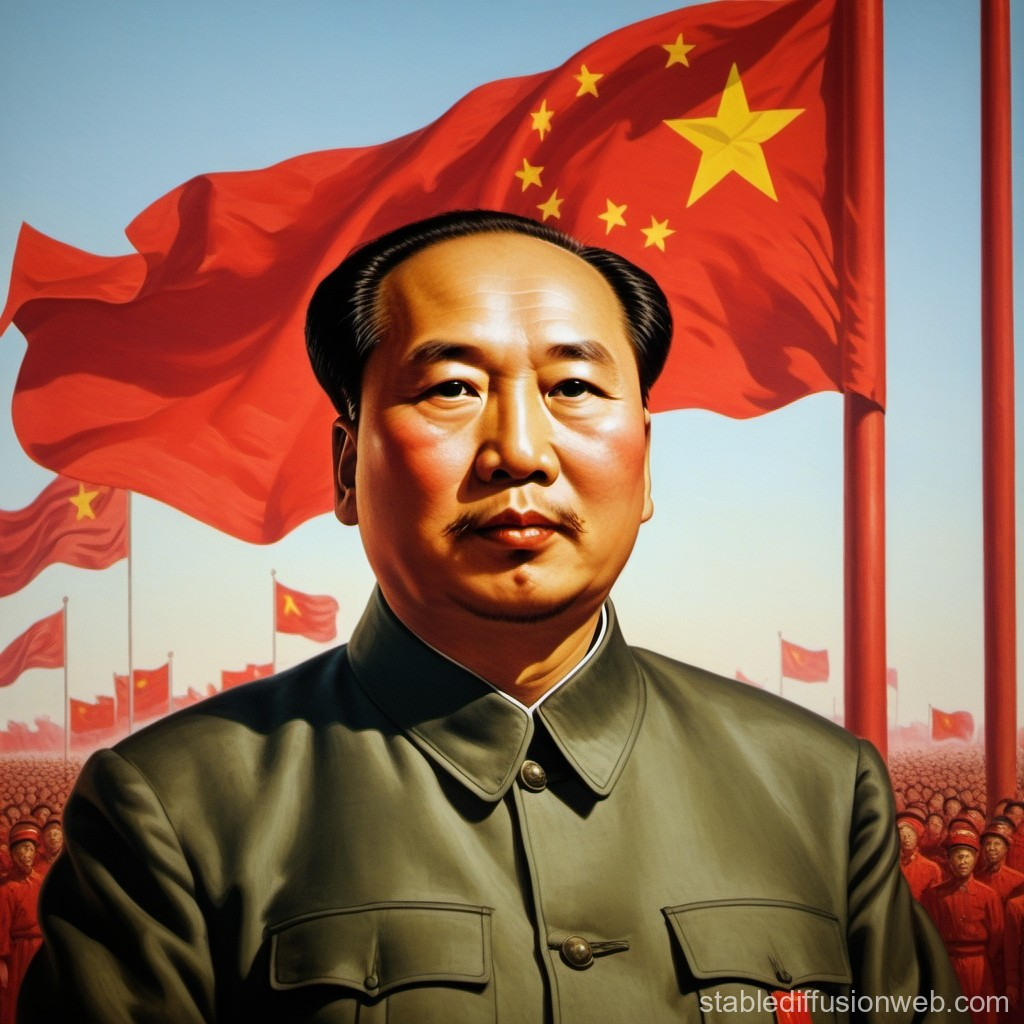
Mao Zedong
– Communist leader who established the People’s Republic of China in 1949 after defeating Nationalist forces.
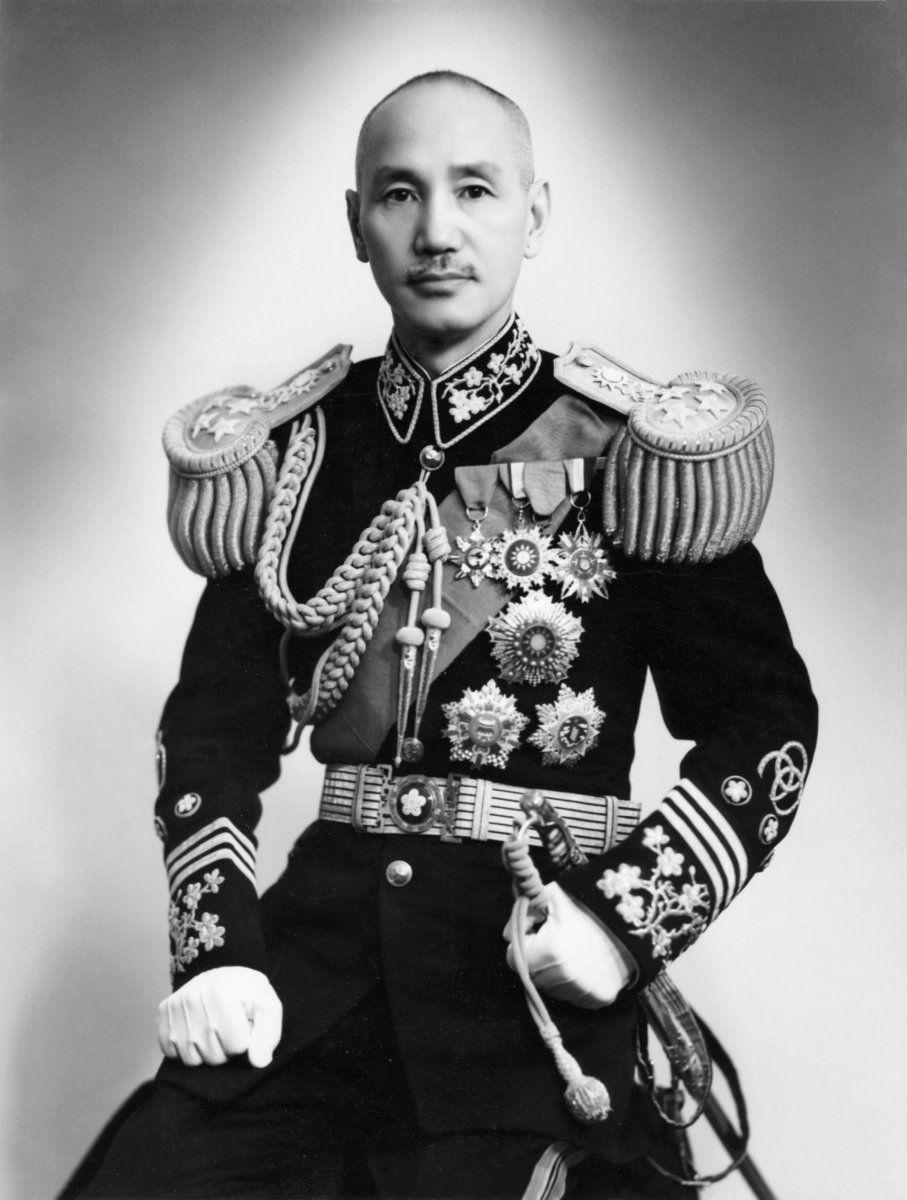
Chiang Kai-shek
– Nationalist leader of China who fled to Taiwan after being defeated by Mao Zedong’s Communist forces.
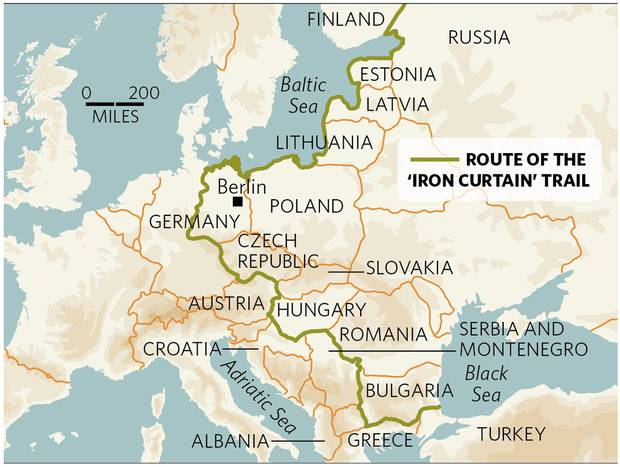
Iron Curtain
– Term coined by Winston Churchill describing the division between Communist Eastern Europe and Democratic Western Europe.
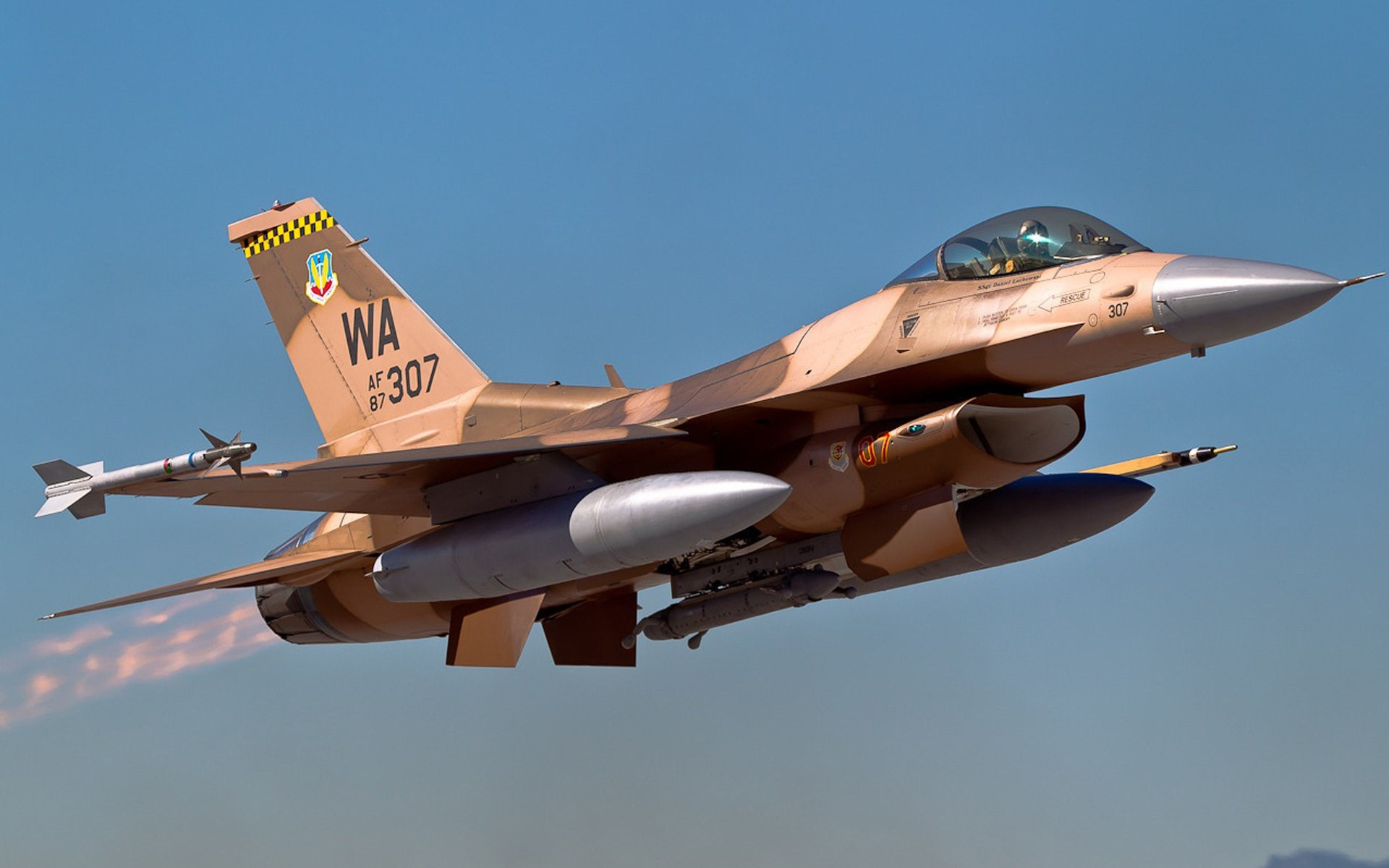
Strategic Air Command (SAC)
– Air Force command responsible for America’s long-range nuclear bombers and intercontinental ballistic missiles.
Military Airlift Command (MAC)
– Air Force command responsible for air transport and logistical support of U.S. military forces worldwide.
Tactical Air Command (TAC)
– Air Force command responsible for providing close air support, reconnaissance, and air superiority for ground operations.
National Security Act of 1947
– Reorganized U.S. military and intelligence agencies, creating the Department of Defense, CIA, and National Security Council.
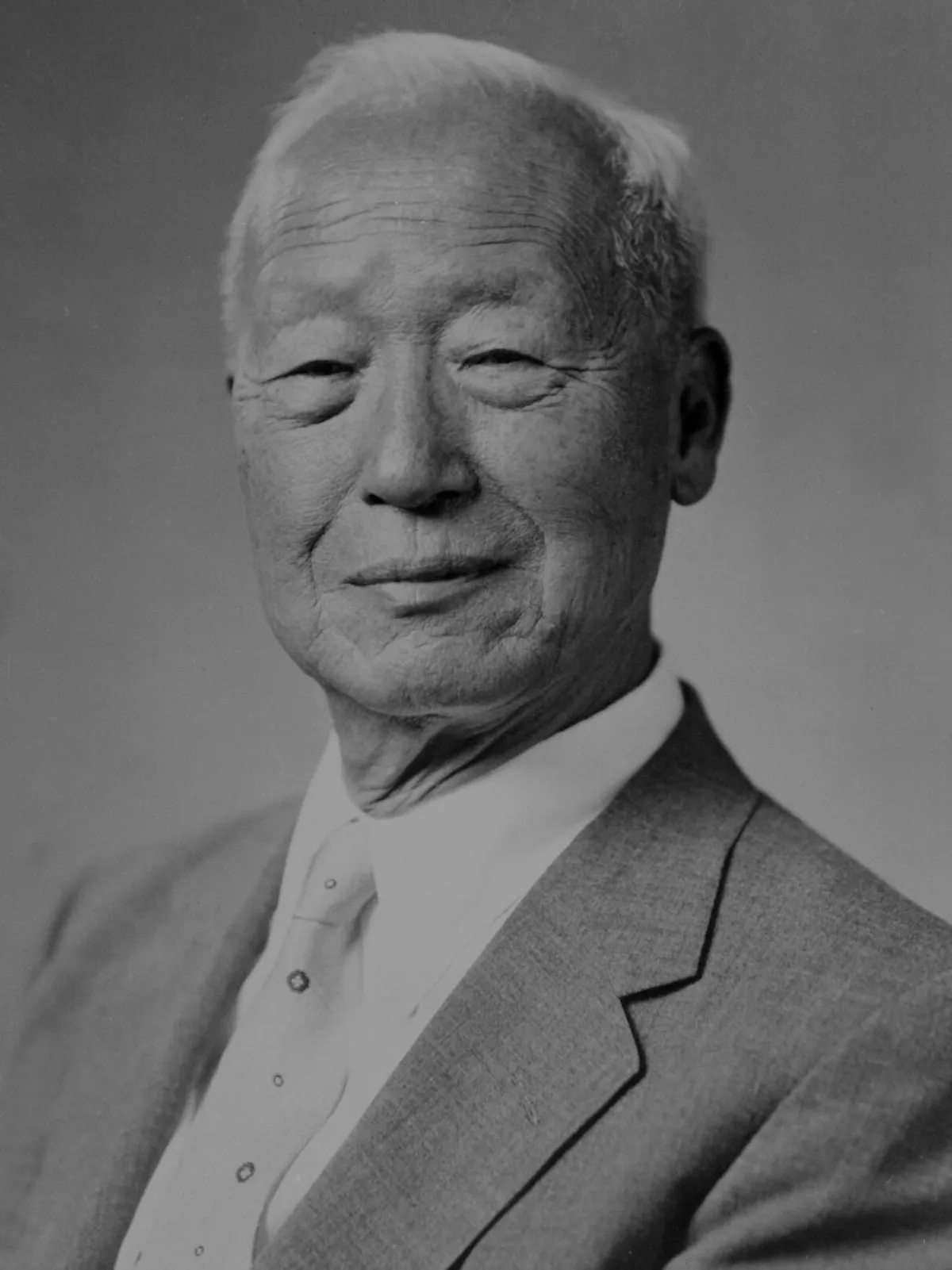
Syngman Rhee
– First president of South Korea, backed by the U.S. during the Korean War.
Task Force Smith
– First U.S. Army unit to engage North Korean forces in 1950; poorly equipped and quickly overrun.
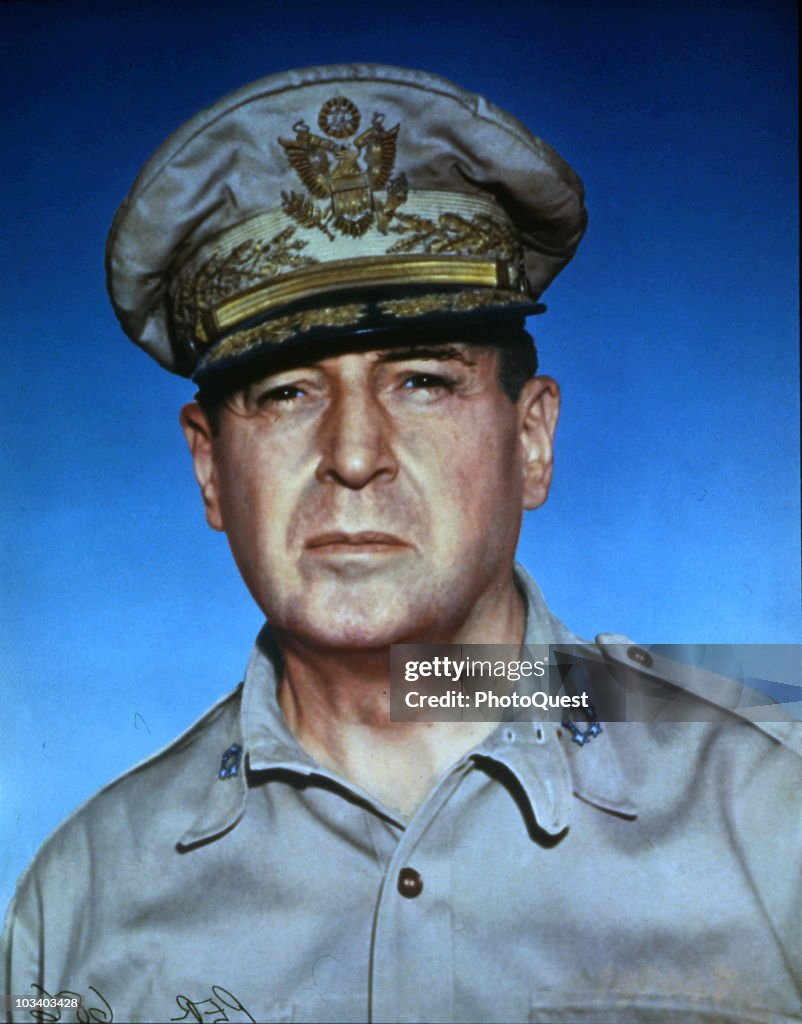
Douglas MacArthur
– U.S. general who led United Nations forces during the early part of the Korean War before being relieved of command.
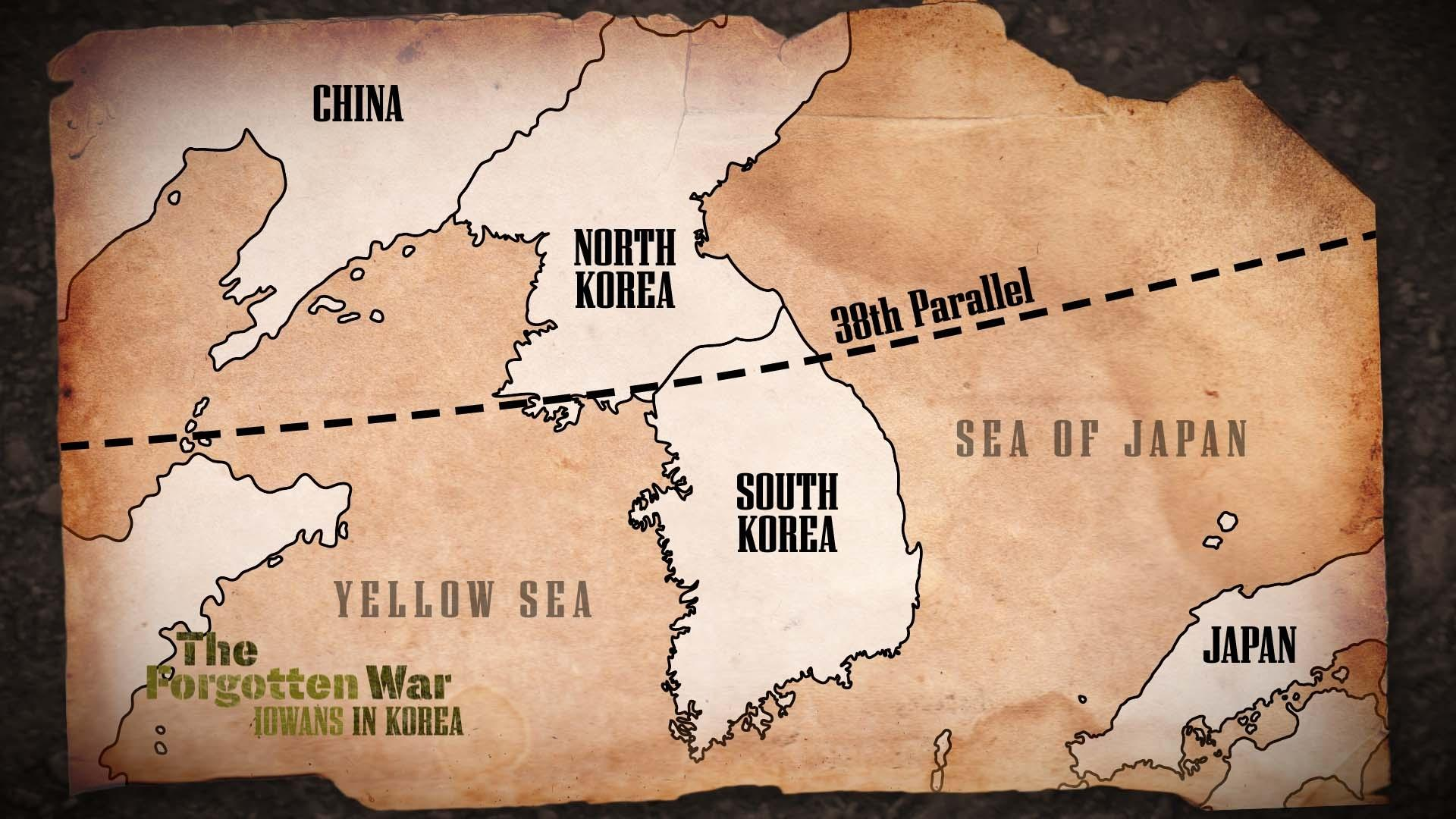
38th Parallel
– The dividing line between North and South Korea before and after the Korean War.
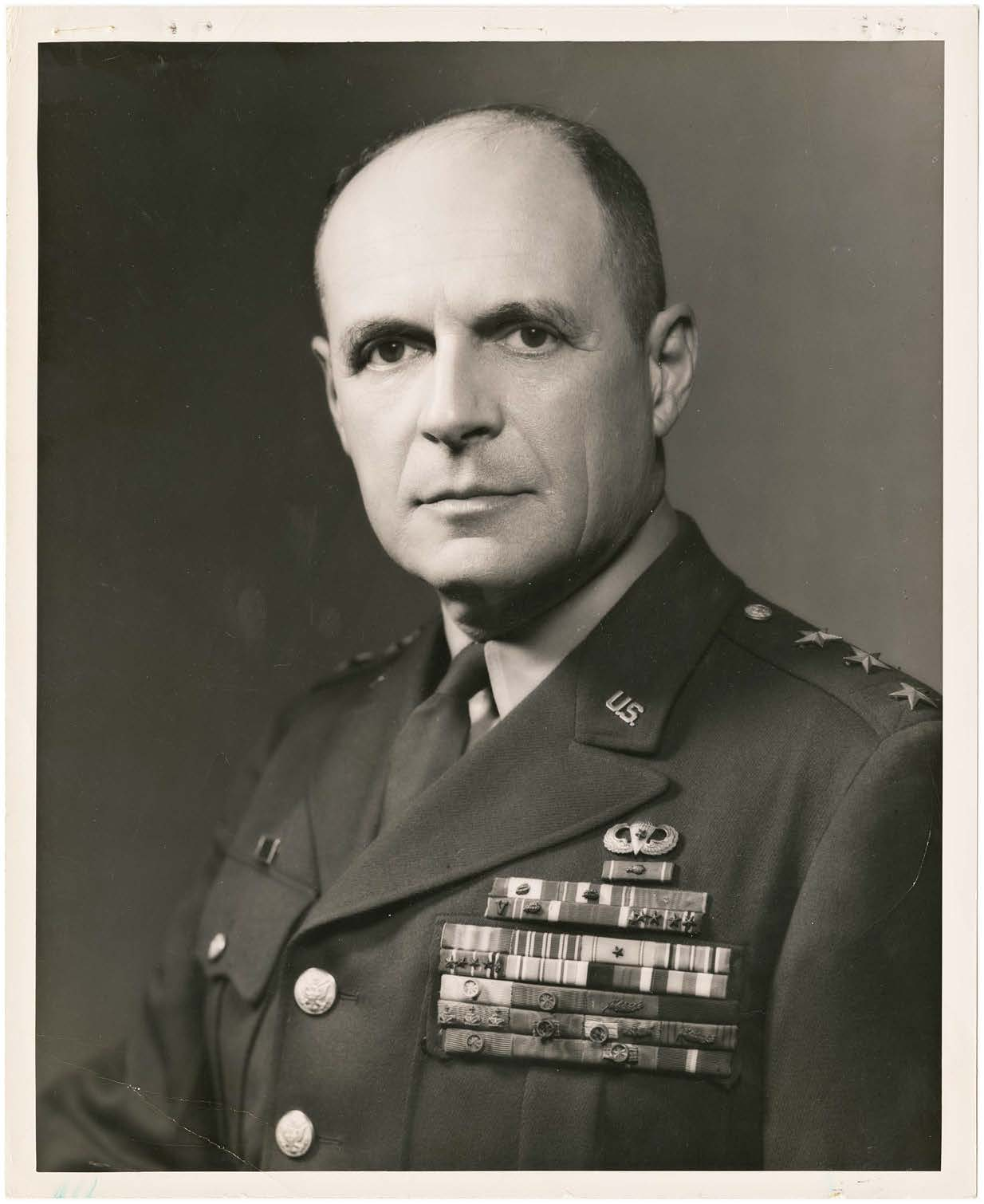
Matthew Ridgeway
– Replaced MacArthur as commander of UN forces in Korea; helped stabilize the front lines.
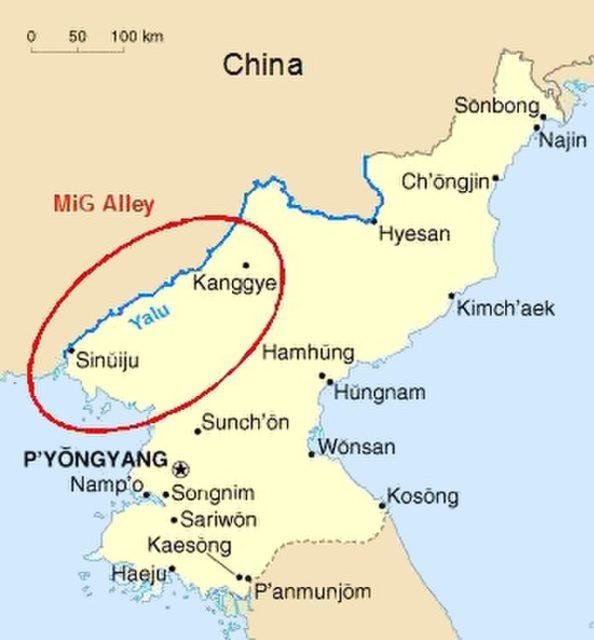
MiG Alley
– Area over North Korea near the Yalu River where U.S. and Soviet-made MiG-15 jets frequently engaged in dogfights.
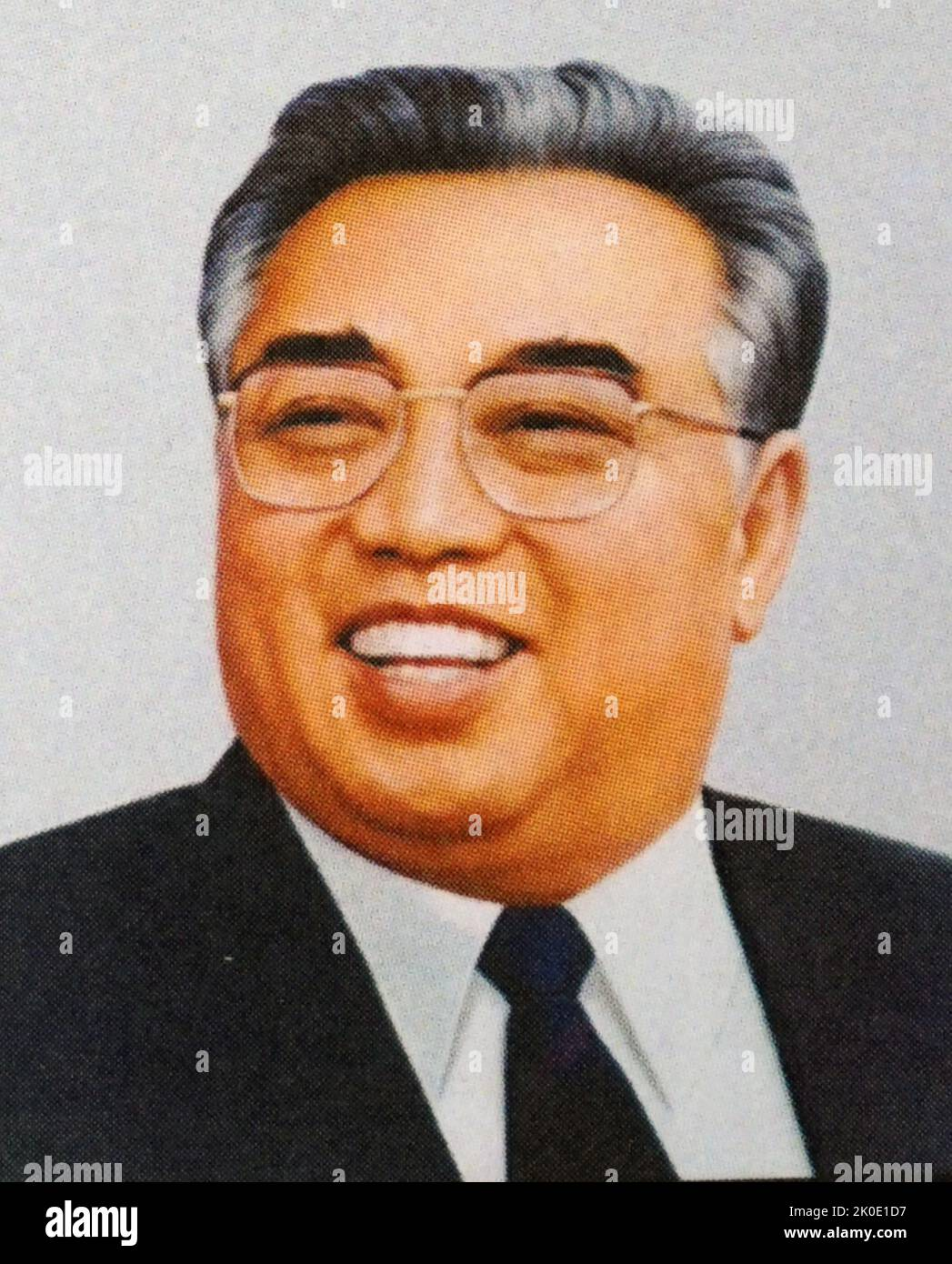
Kim Il-Sung
– Communist leader of North Korea who launched the invasion of South Korea in 1950.
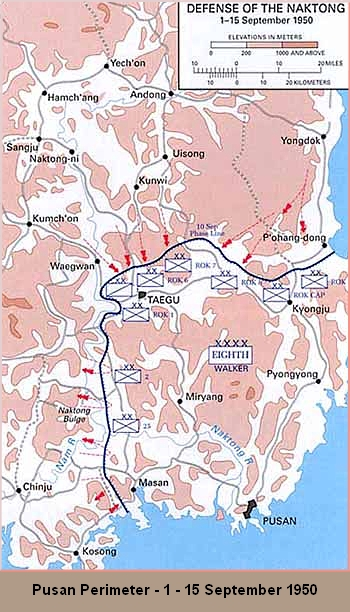
Pusan Perimeter
– Defensive line around the port city of Pusan where UN forces held off North Korean advances early in the war.
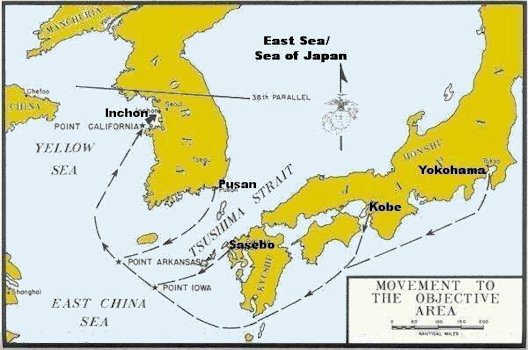
Inchon Invasion
– Surprise amphibious landing led by MacArthur in September 1950 that turned the tide of the war in favor of UN forces.
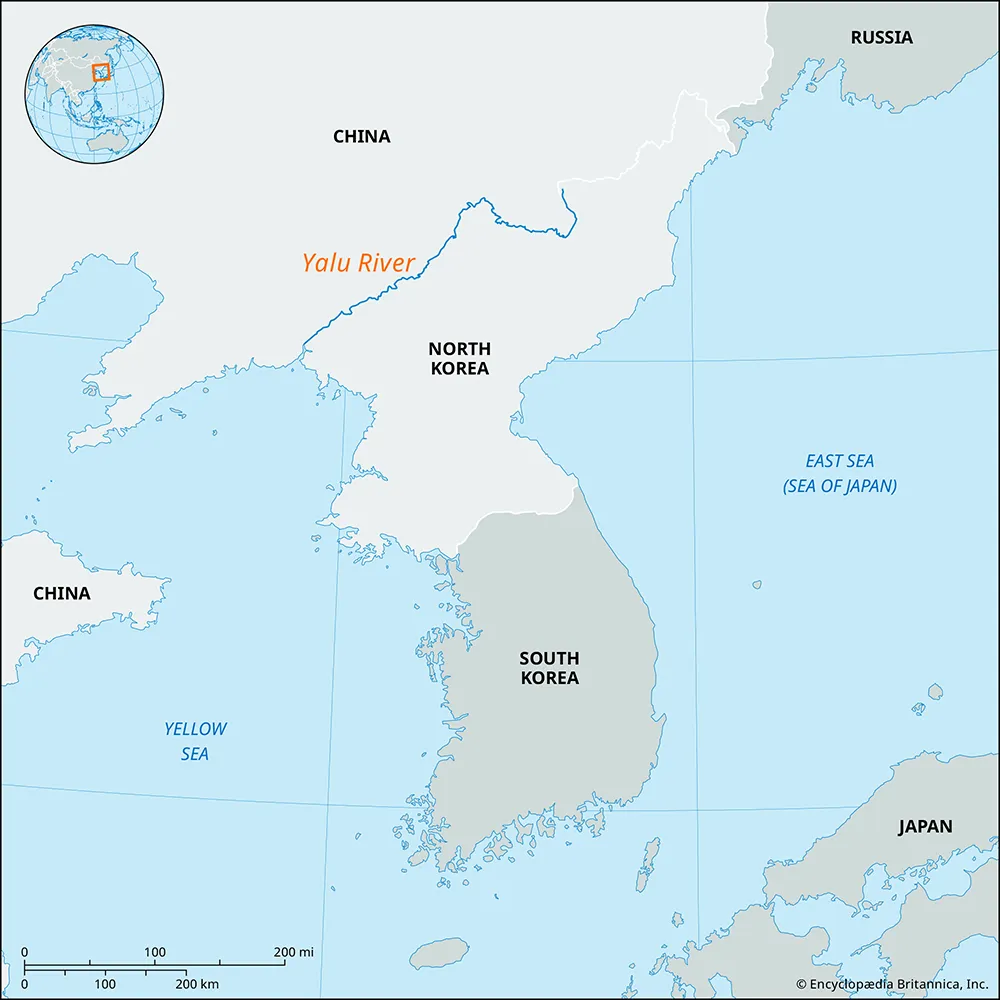
Yalu River
– Border between North Korea and China; Chinese forces crossed it to enter the war.
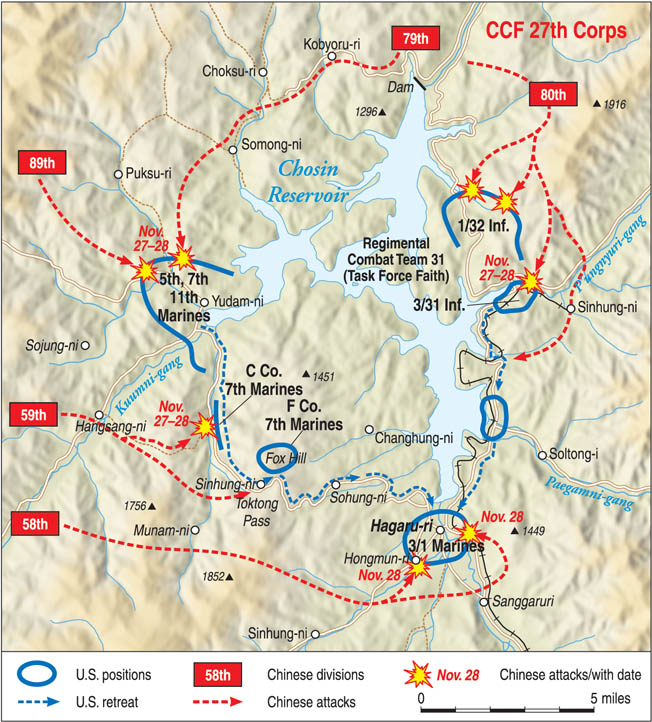
Chosin Reservoir
– Site of a brutal winter battle in late 1950 where U.S. Marines fought their way out of encirclement by Chinese troops.
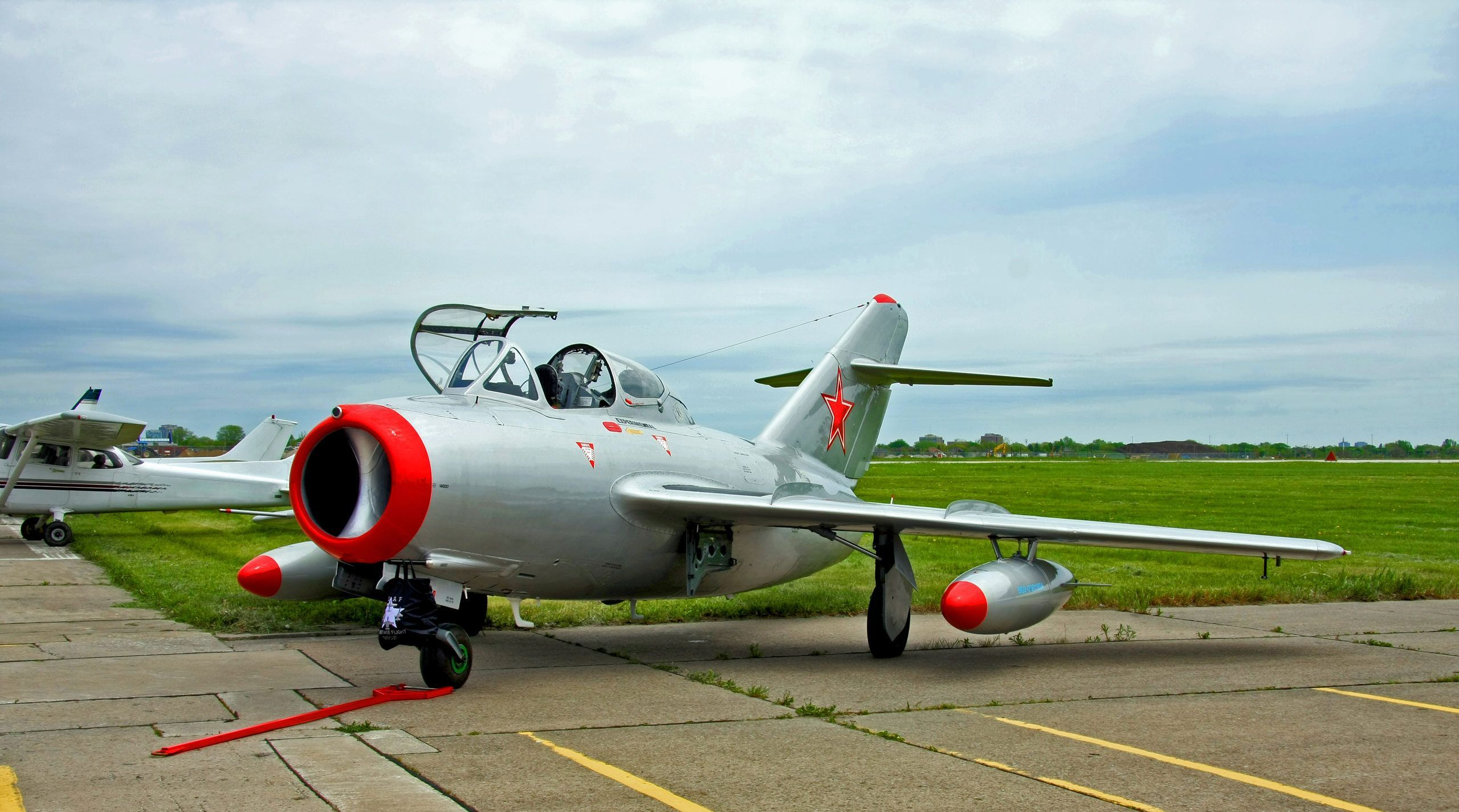
MiG-15
– Soviet-built jet fighter used by North Korea and China; a superior aircraft early in the Korean War.
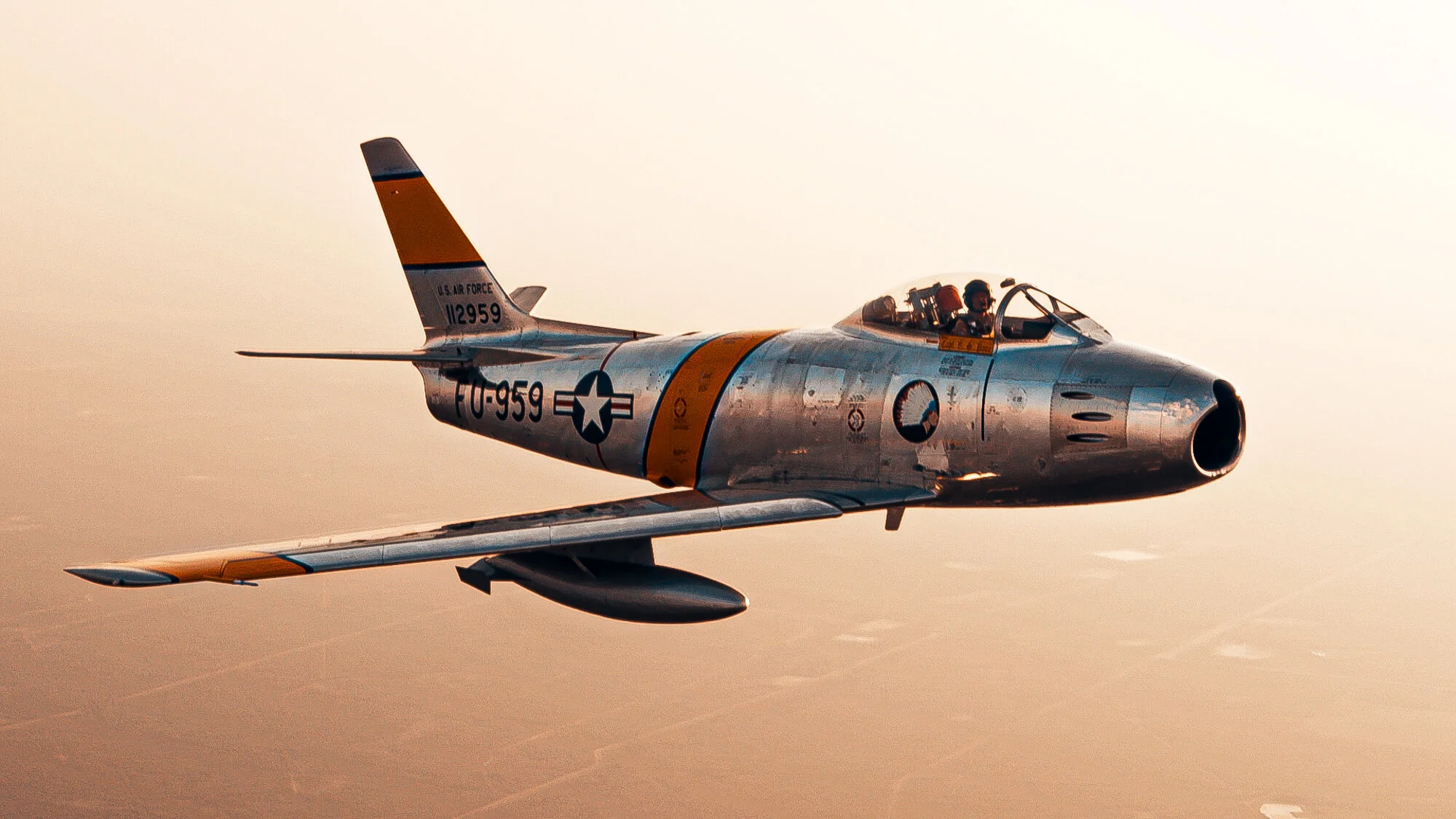
F-86
– American jet fighter that countered the MiG-15 during air battles over Korea.
Chosin Reservoir Bridge Drop
– U.S. airlift operation that delivered bridge sections so Marines could escape the Chosin Reservoir encirclement.
Project Paper Clip
– Secret U.S. program that brought German scientists, including rocket engineers, to America after WWII.
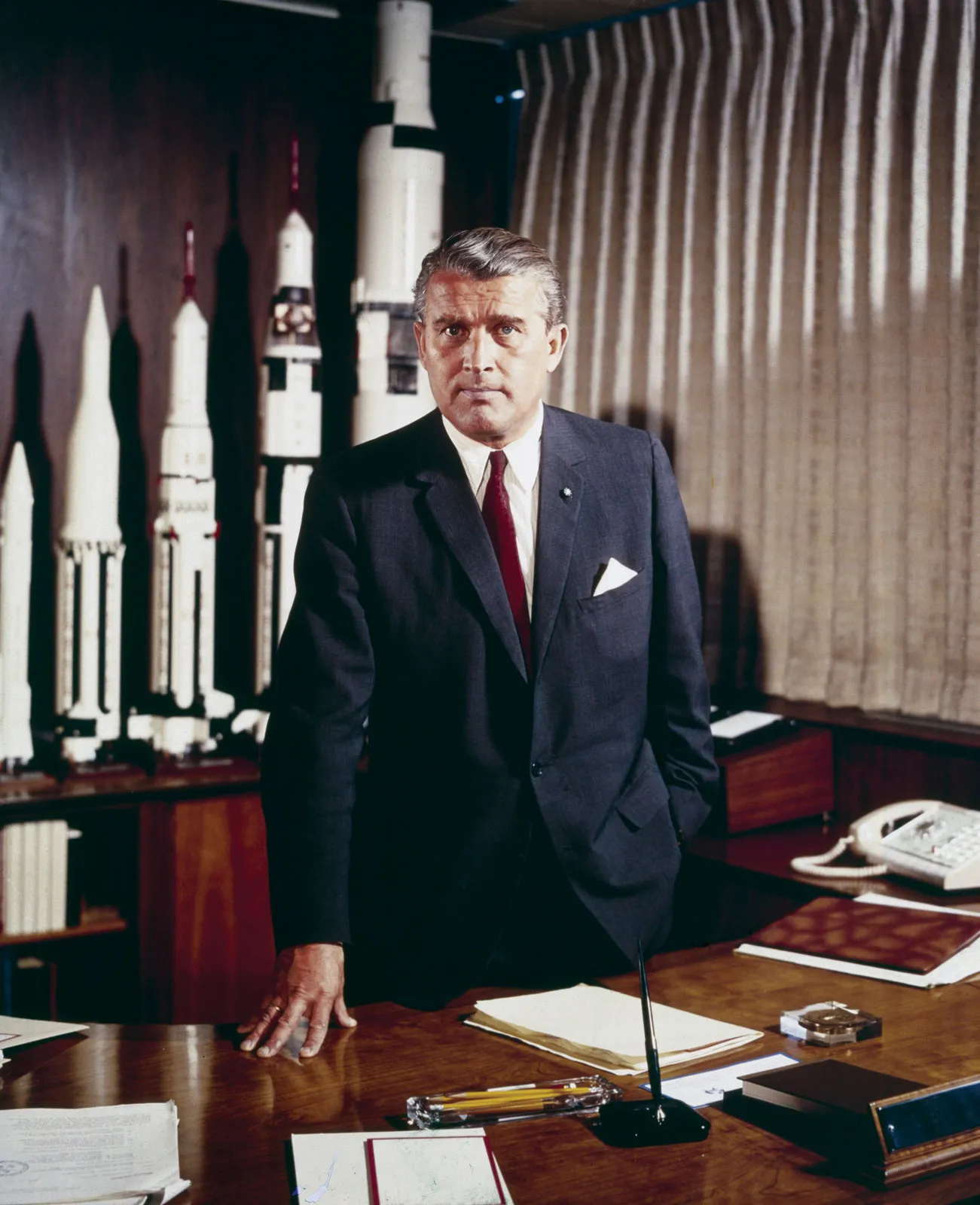
Wernher von Braun
– German rocket scientist who became a key figure in the U.S. space program and development of the Saturn V rocket.
Sputnik
– First artificial satellite, launched by the Soviet Union in 1957, marking the start of the Space Race.
Project Mercury
– First U.S. manned space program aimed at putting an American into orbit.
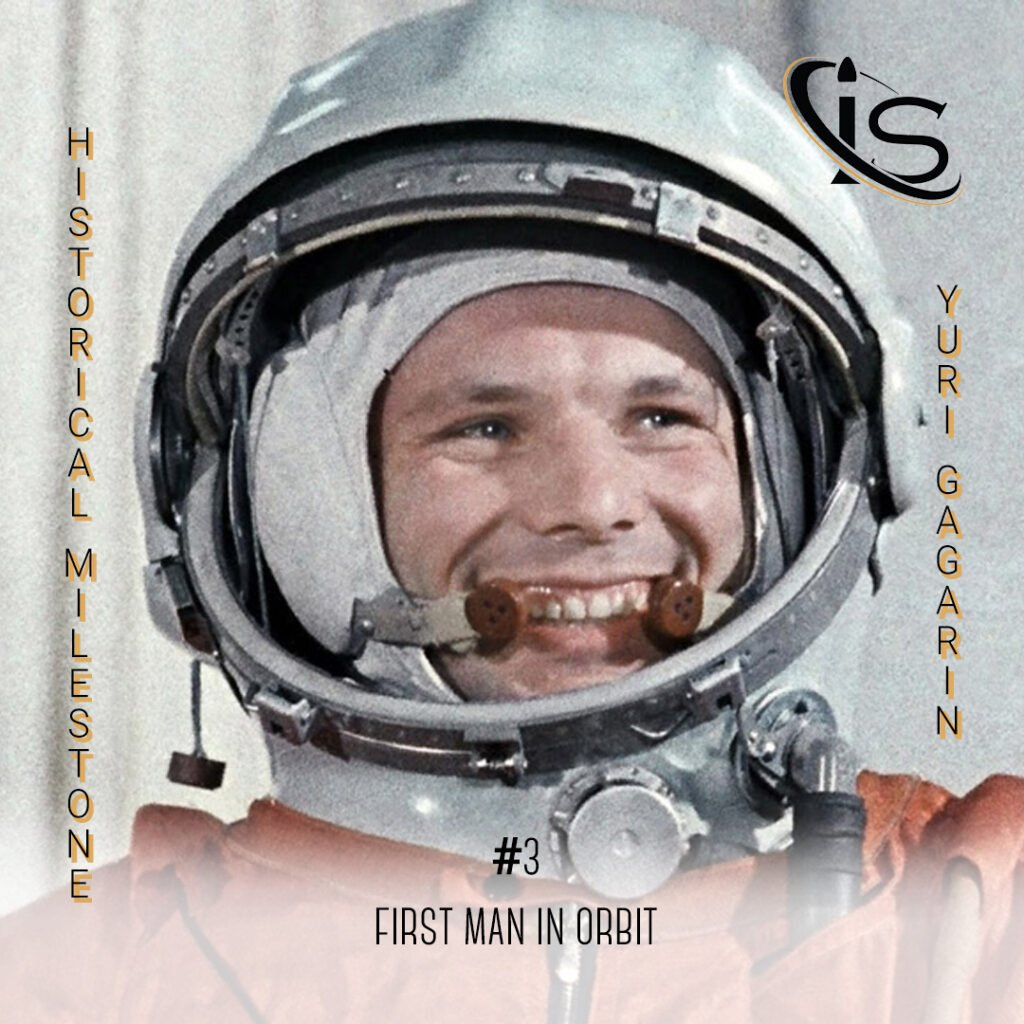
Yuri Gagarin
– Soviet cosmonaut; first human to orbit the Earth in 1961.
John Glenn
– First American to orbit the Earth in 1962.

Apollo Program
– U.S. space program that successfully landed humans on the Moon between 1969 and 1972.
Nuclear Triad
– The three components of U.S. nuclear deterrence: land-based ICBMs, submarine-launched missiles, and strategic bombers.
Massive Retaliation
– U.S. defense policy threatening full-scale nuclear response to any act of aggression by the Soviet Union.
Mutually Assured Destruction (MAD)
– Cold War doctrine where both the U.S. and USSR possessed enough nuclear weapons to destroy each other, deterring nuclear war.
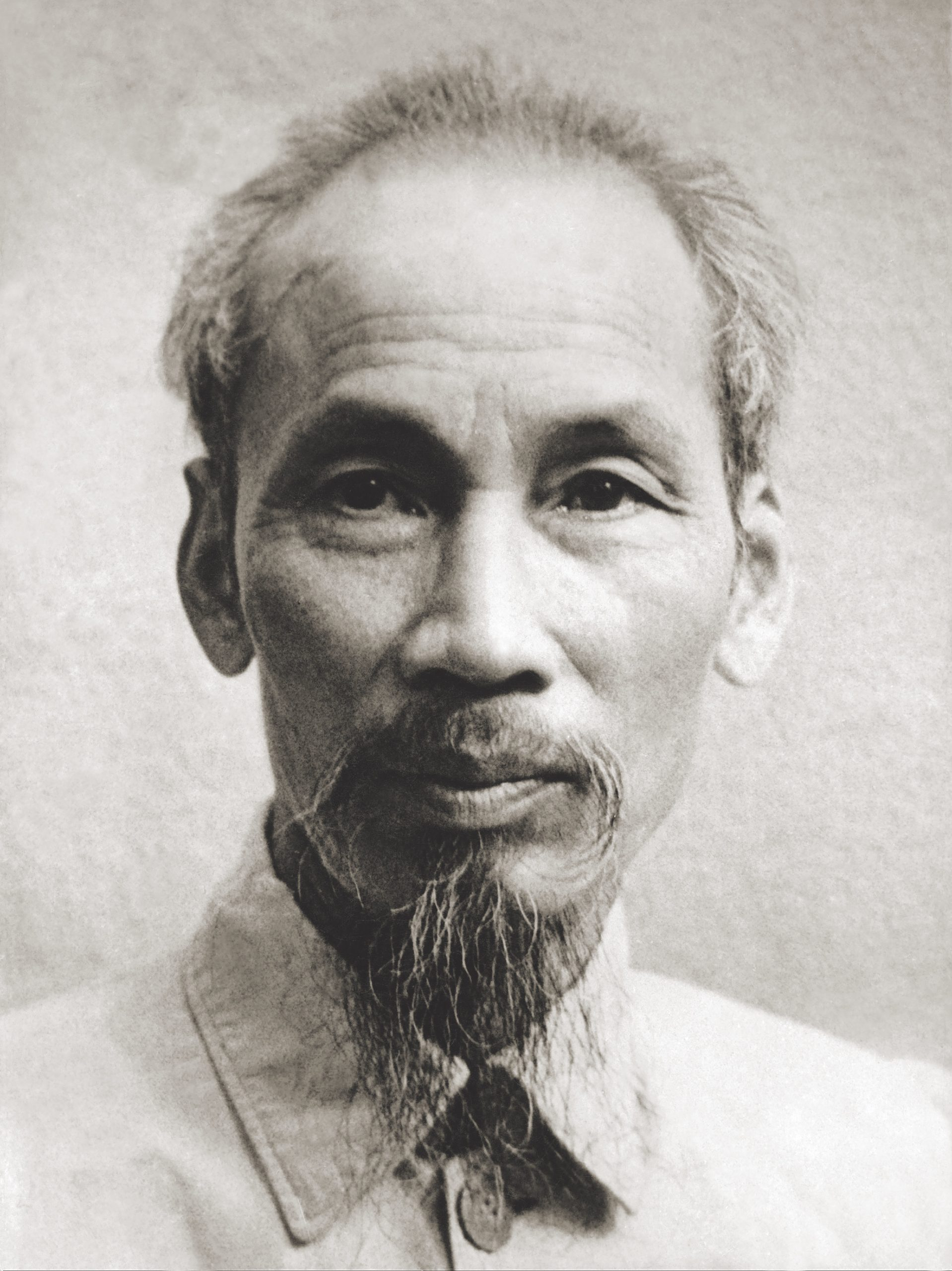
Ho Chi Minh
– Communist leader of North Vietnam who fought for Vietnamese independence and unification.
Viet Minh
– Nationalist and communist movement led by Ho Chi Minh that fought for independence from France.
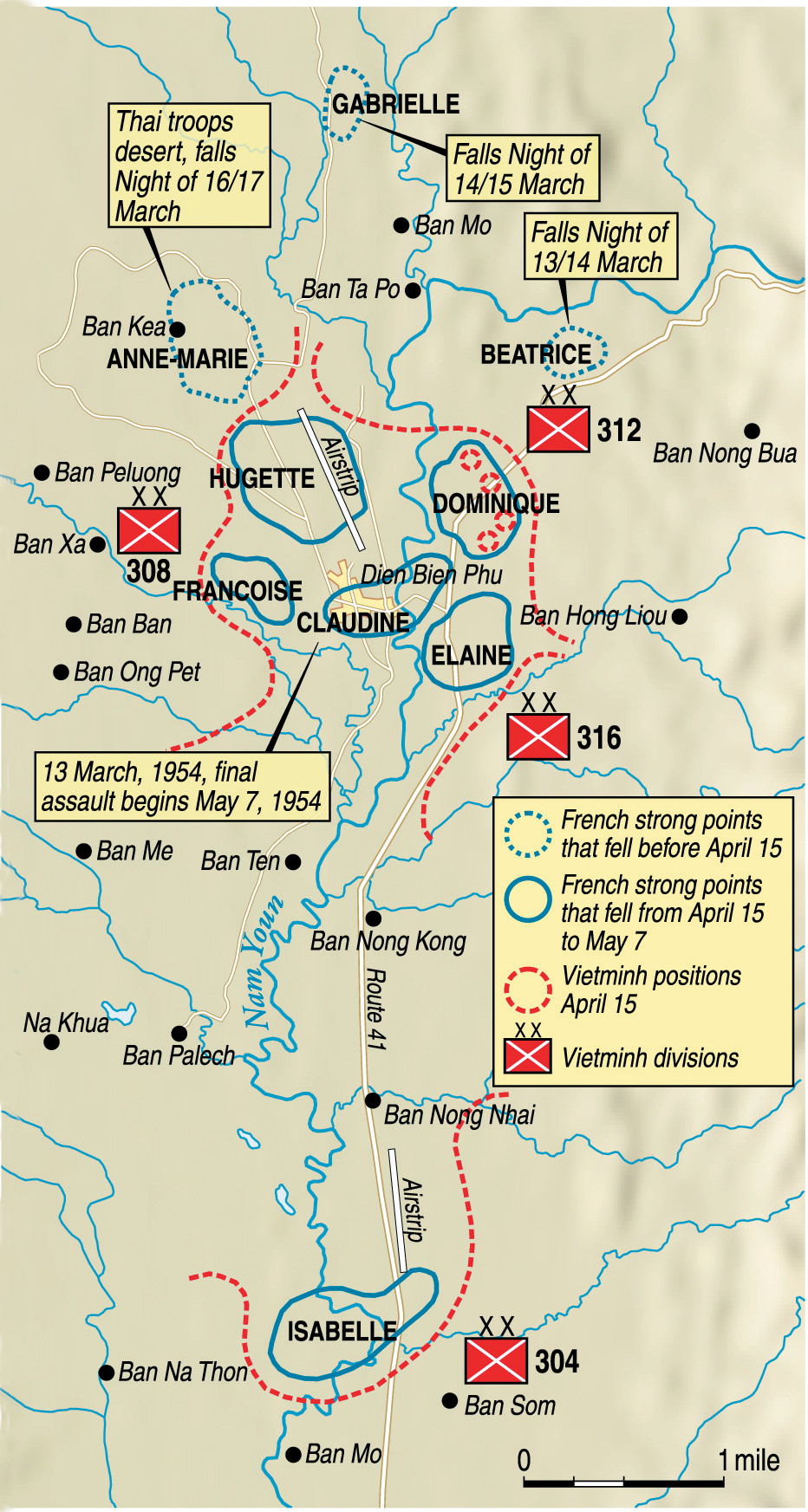
Dien Bien Phu
– 1954 battle where Viet Minh forces defeated the French, ending French colonial rule in Indochina.
Army of the Republic of Vietnam (ARVN)
– South Vietnamese military forces allied with the United States.
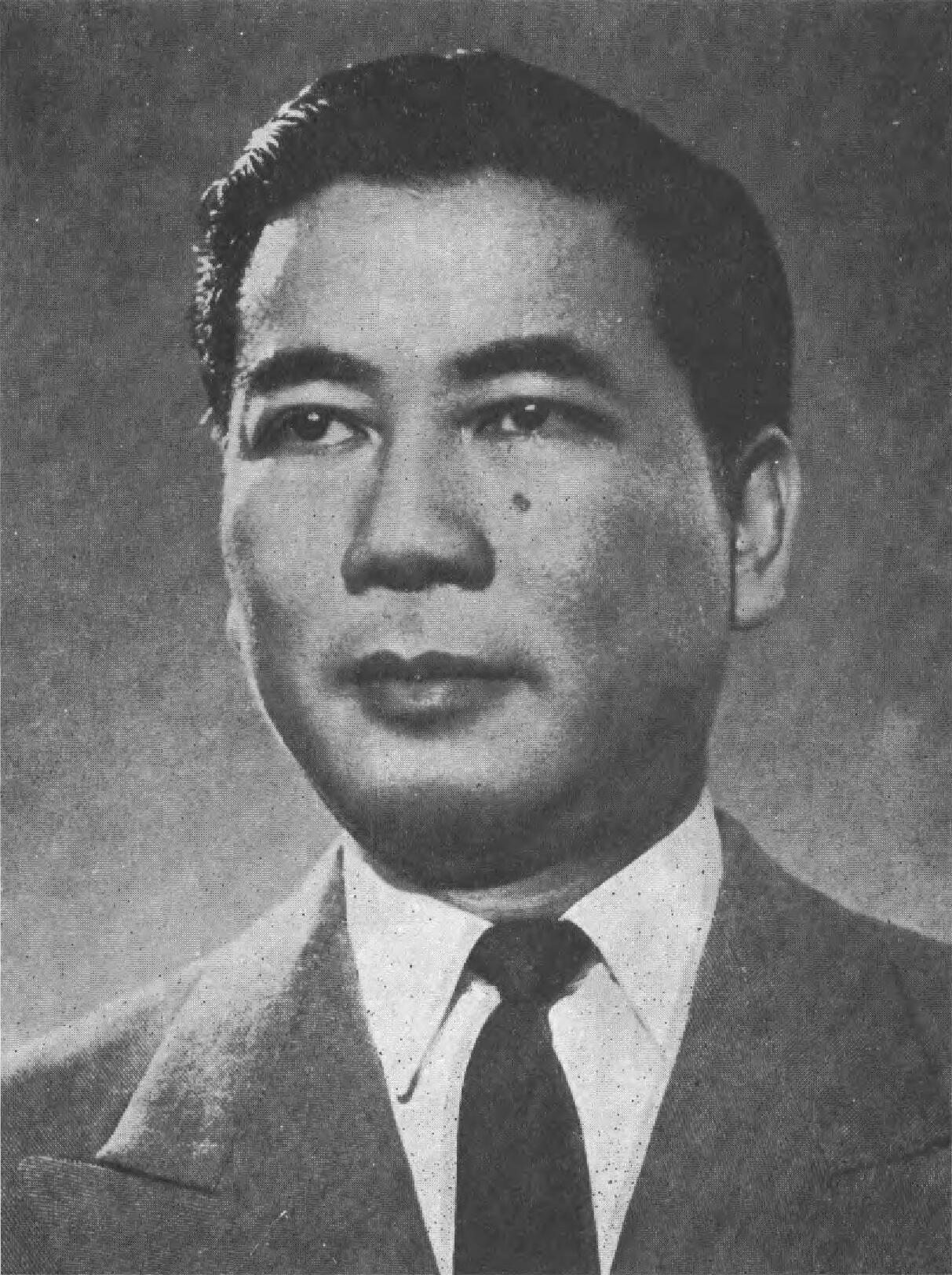
Ngo Dinh Diem
– U.S.-backed president of South Vietnam; his corrupt rule fueled opposition and insurgency.
Vietcong
– Communist guerrilla fighters in South Vietnam supported by North Vietnam.
People’s Army of Vietnam (PAVN)/North Vietnamese Army (NVA)
– Regular military forces of North Vietnam.
USS Maddox
– U.S. Navy destroyer allegedly attacked by North Vietnamese forces in the Gulf of Tonkin incident.
Gulf of Tonkin Resolution
– 1964 congressional resolution giving President Johnson broad authority to use military force in Vietnam.
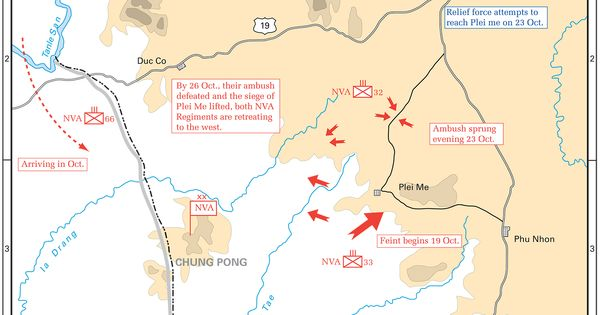
Battle of Ia Drang
– First major battle between U.S. and North Vietnamese forces in 1965; showed the effectiveness of air mobility tactics.
Air Mobile
– Strategy using helicopters to transport troops rapidly into and out of combat zones.
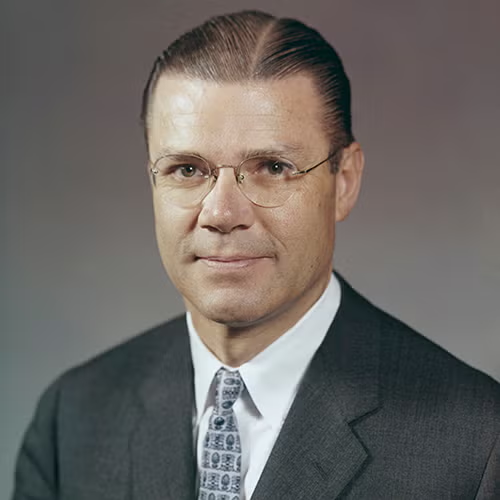
Robert McNamara
– U.S. Secretary of Defense during the Vietnam War; key architect of U.S. involvement.
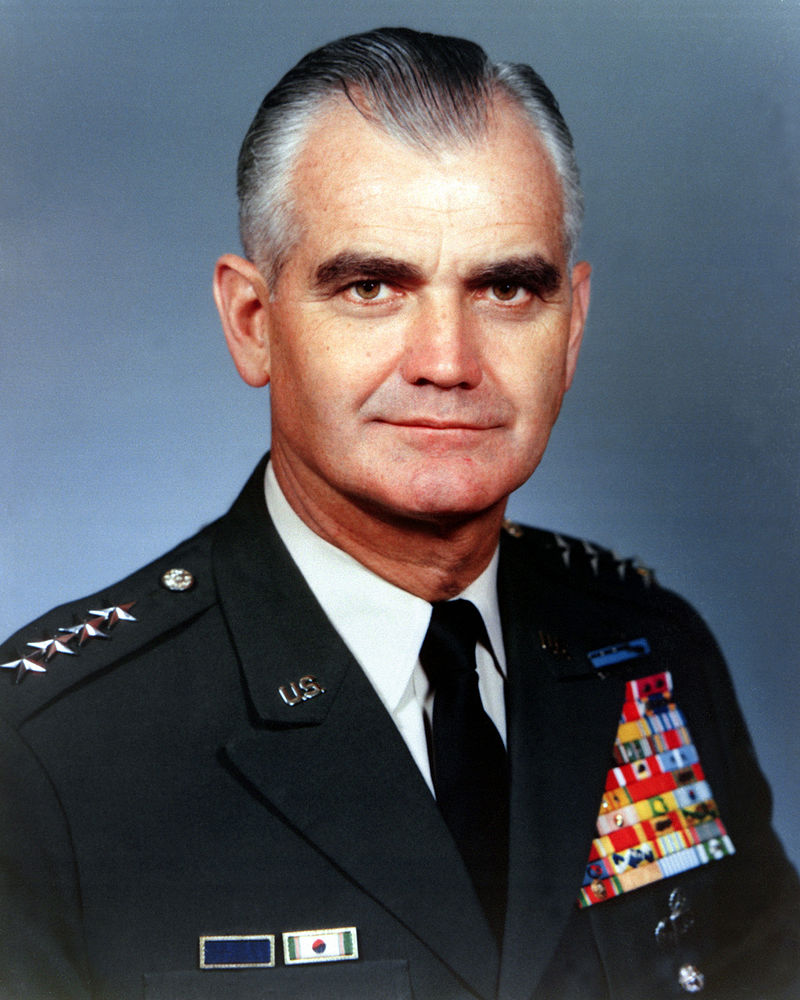
William Westmoreland
– Commander of U.S. forces in Vietnam; advocated for increased troop levels.
Tet Offensive
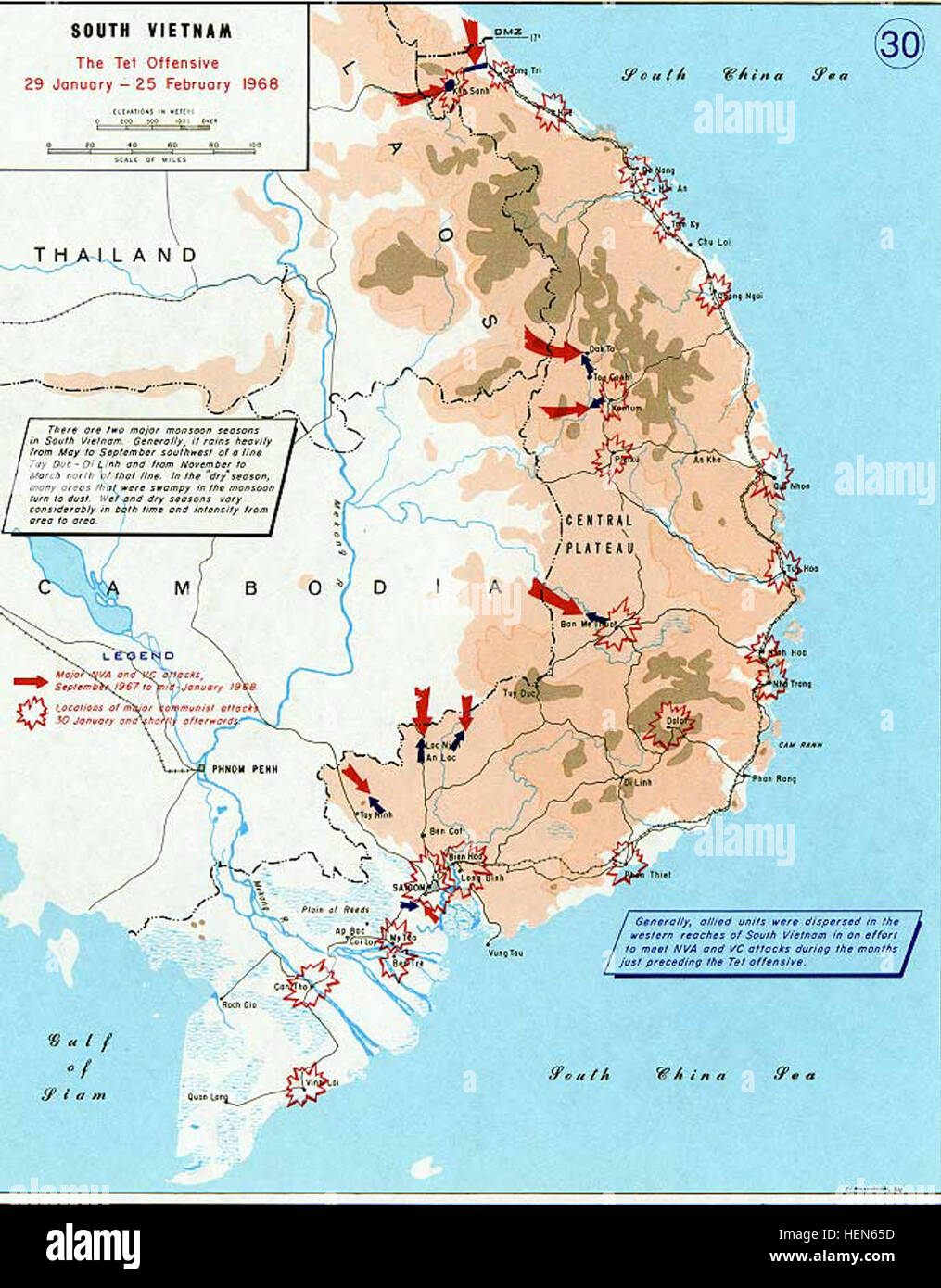
– 1968 surprise attacks by the Vietcong and North Vietnamese; major turning point that weakened U.S. public support for the war.
Ho Chi Minh Trail
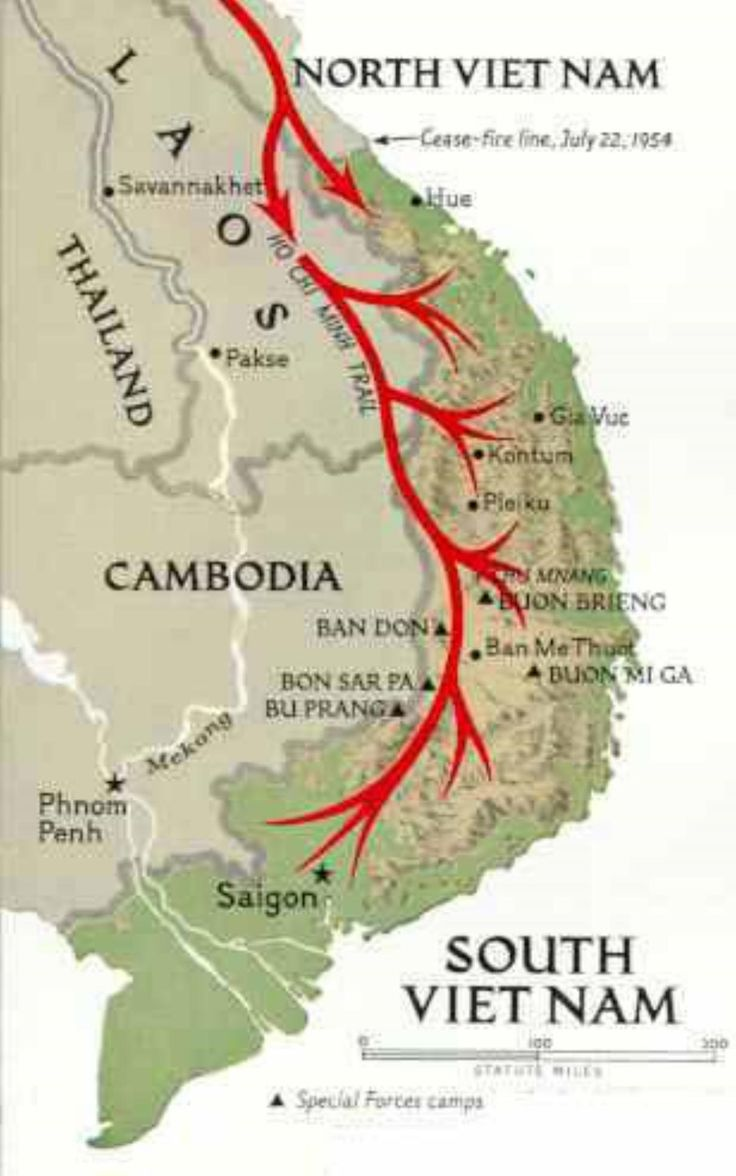
– Network of supply routes from North Vietnam through Laos and Cambodia used to support the Vietcong.
Khe Sanh
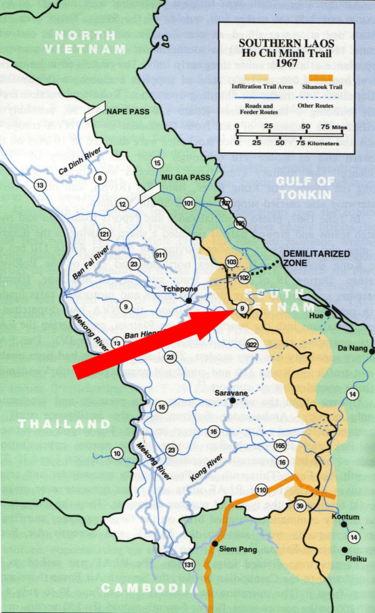
– Long siege in 1968 where U.S. Marines defended a base near the DMZ against North Vietnamese forces.
Operation Linebacker I & II
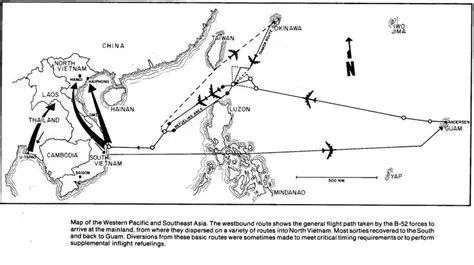
– U.S. bombing campaigns over North Vietnam in 1972 aimed at disrupting supply lines and forcing peace negotiations.
Operation Rolling Thunder
– Sustained bombing campaign over North Vietnam from 1965–1968.
Forward Air Controllers (FACs)
– Pilots who directed airstrikes from the air, ensuring accuracy in close air support missions.
Wild Weasel
– Aircraft designed to locate and destroy enemy radar and surface-to-air missile sites.
Vietnamization
– Policy under President Nixon to gradually withdraw U.S. troops and transfer combat responsibilities to South Vietnam.
UN Resolution 181
– 1947 United Nations plan to partition Palestine into Jewish and Arab states.
1948 Arab-Israeli War
– Conflict following Israel’s declaration of independence; Israel fought neighboring Arab states and secured its sovereignty.
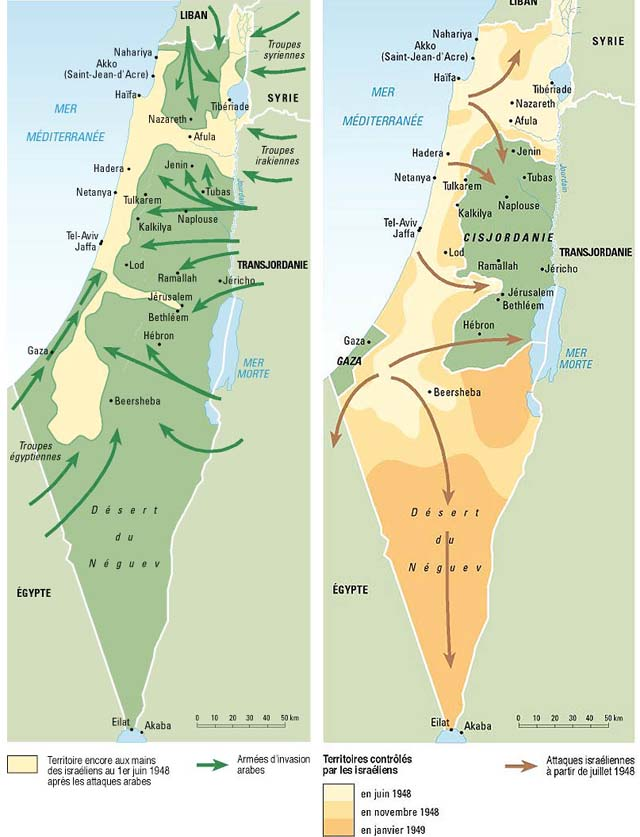
Israeli Defense Force (IDF)
– Military forces of Israel, established in 1948.
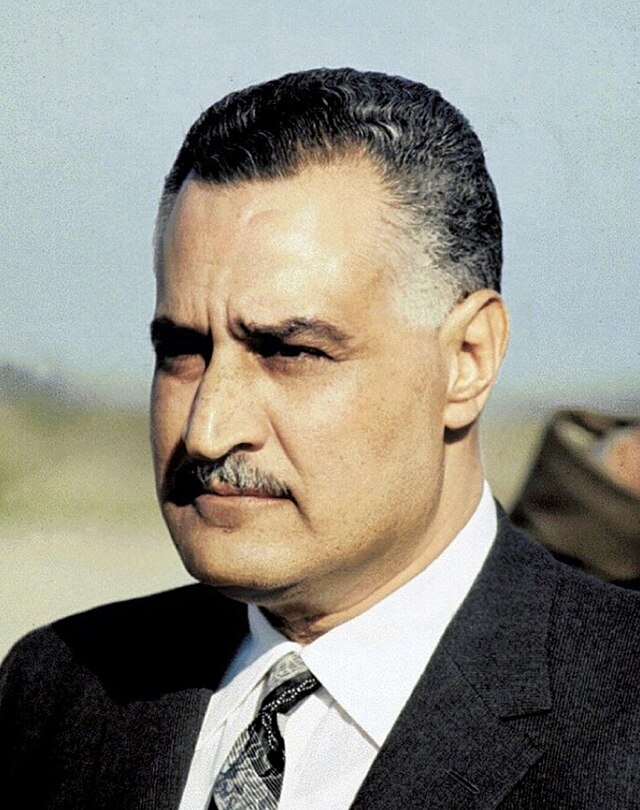
Gamel Abdel Nasser
– President of Egypt; nationalized the Suez Canal and promoted Pan-Arabism.
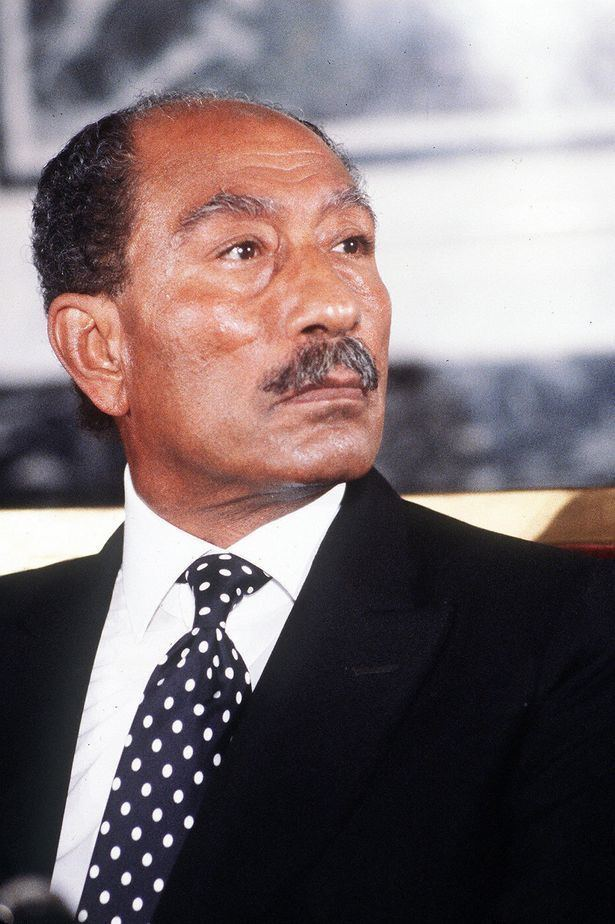
Anwar Sadat
– Egyptian president who made peace with Israel through the Camp David Accords.
Camp David Accords
– 1978 peace agreement between Egypt and Israel brokered by U.S. President Jimmy Carter.
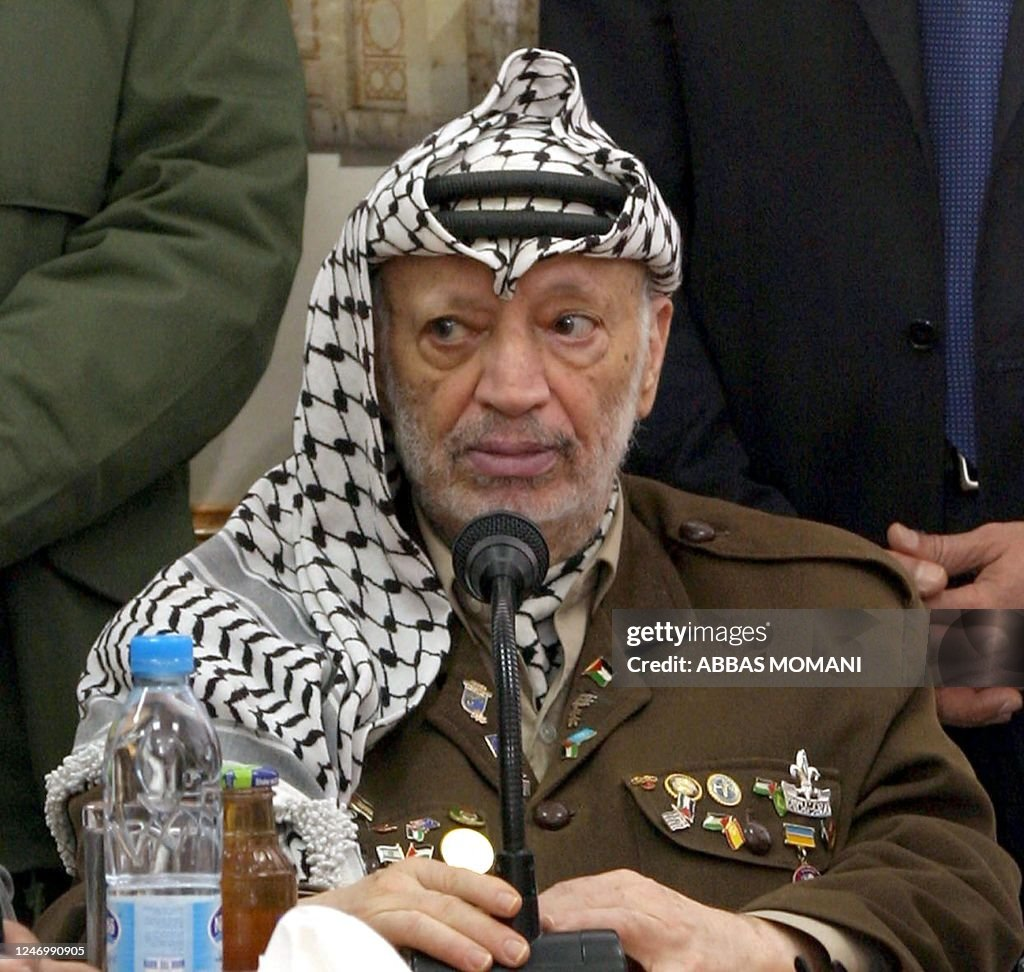
Yasser Arafat
– Leader of the Palestine Liberation Organization (PLO).
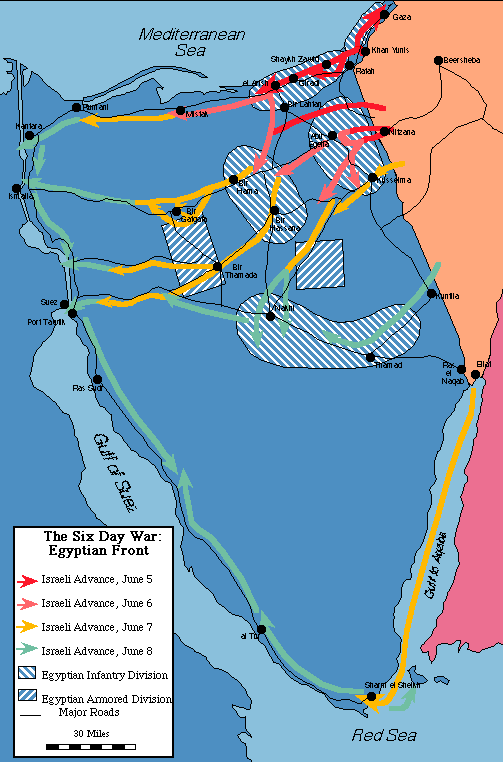
Six-Day War
– 1967 war in which Israel defeated neighboring Arab states and captured significant territory.
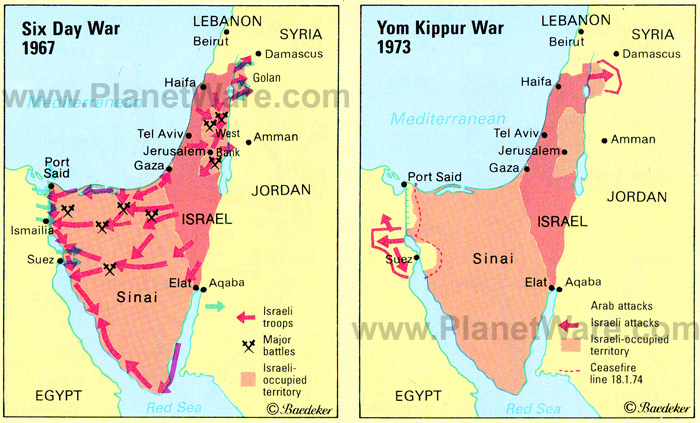
Yom Kippur War
– 1973 war initiated by Egypt and Syria to regain lands lost to Israel in 1967.
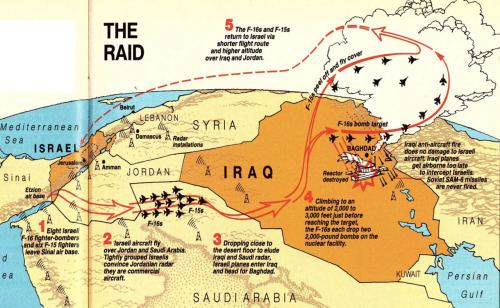
Operation Opera
– 1981 Israeli airstrike that destroyed an Iraqi nuclear reactor.
Hezbollah
– Lebanese Shiite militant group backed by Iran.
Hamas
– Palestinian Islamist political and militant organization controlling Gaza.
Palestine Liberation Organization (PLO)
– Organization founded to represent the Palestinian people and their quest for statehood.
Strategic Arms Limitations Talks (SALT I and II)
– Negotiations between the U.S. and USSR to limit nuclear weapons production.
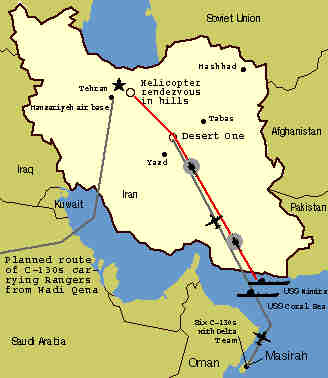
Operation EAGLE CLAW
– Failed 1980 U.S. mission to rescue hostages from Iran.
Goldwater-Nichols Act
– 1986 reform law improving coordination among branches of the U.S. military.
Operation EL DORADO CANYON
– 1986 U.S. airstrike against Libya in response to terrorist attacks.
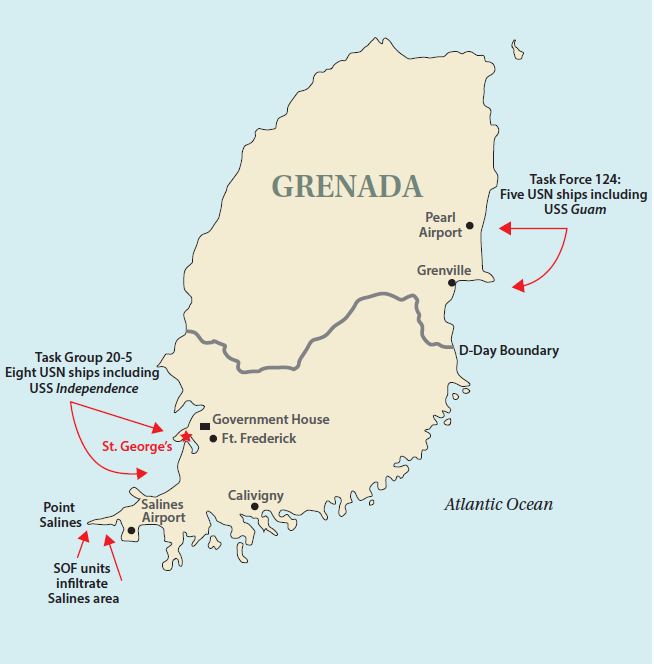
Operation URGENT FURY
– 1983 U.S. invasion of Grenada to protect American citizens and prevent a communist takeover.
Weinberger Doctrine
– Set of principles outlining when the U.S. should commit forces abroad, emphasizing clear objectives and public support.
Mikhail Gorbachev
– Last leader of the Soviet Union; introduced reforms that led to the end of the Cold War.

Glasnost
– Gorbachev’s policy of openness and transparency in government and media.
Perestroika
– Gorbachev’s policy of economic restructuring to make the Soviet system more efficient.
Soviet Invasion of Afghanistan
– 1979 invasion to support the communist government; led to a decade-long conflict.
US Space Command
– U.S. military organization overseeing operations in space.
Strategic Defense Initiative (SDI)/Star Wars
– Reagan-era program proposing space-based missile defense systems.
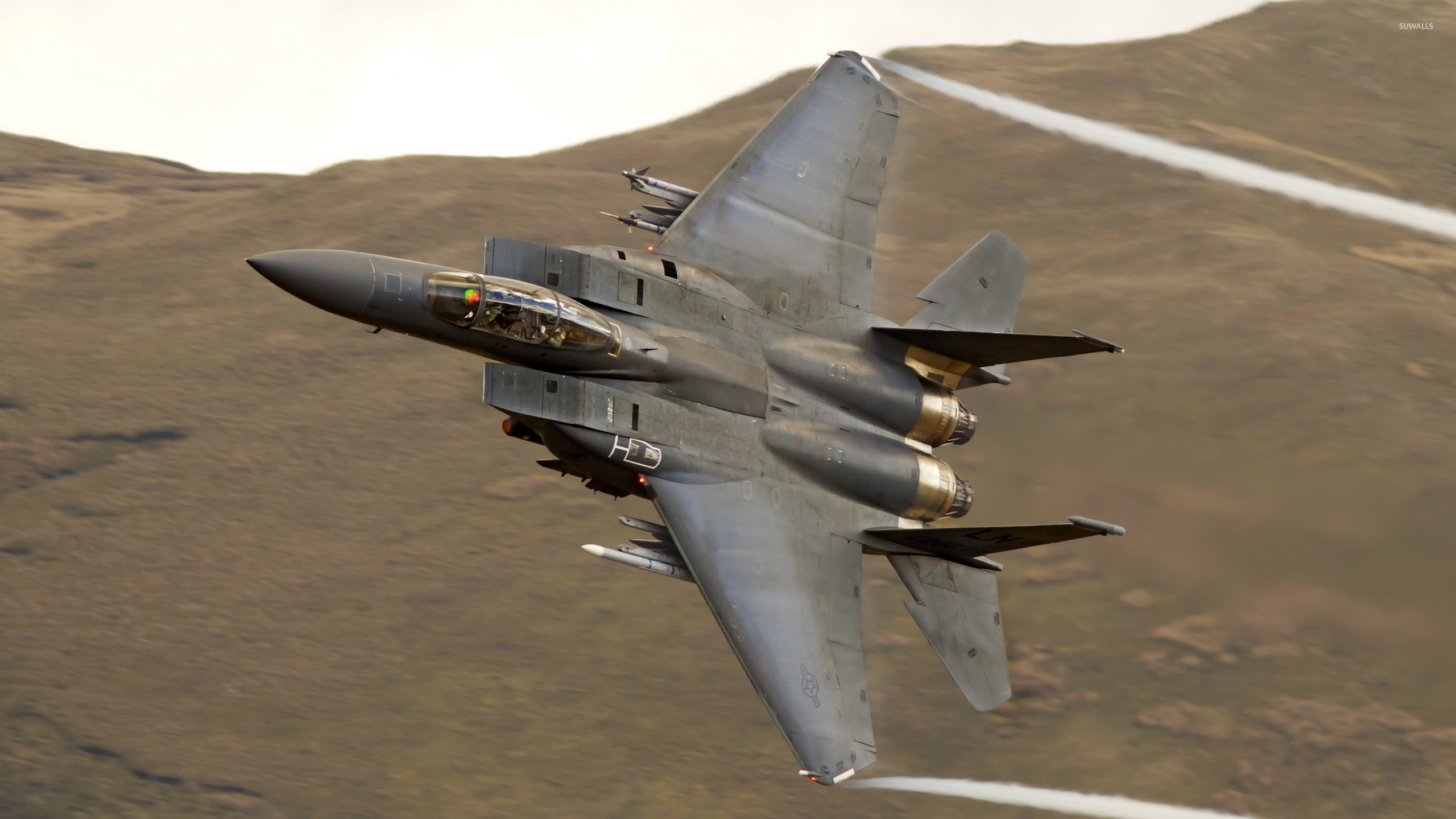
F-X Program
– Air Force program that developed the F-15 Eagle air superiority fighter.
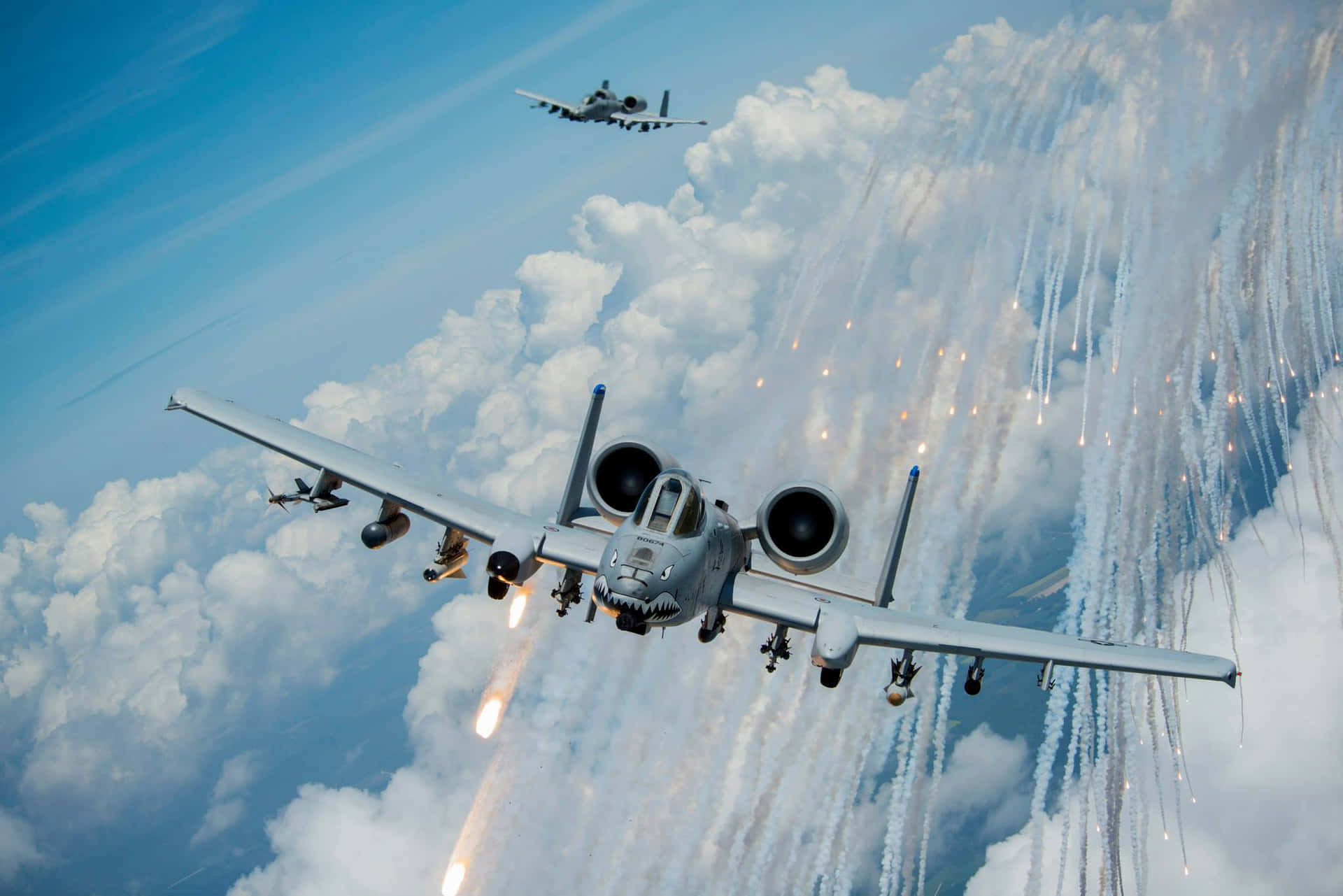
A-X Program
– Program that developed the A-10 Thunderbolt II for close air support.
LWF Program
– Lightweight Fighter program leading to the development of the F-16 Fighting Falcon.