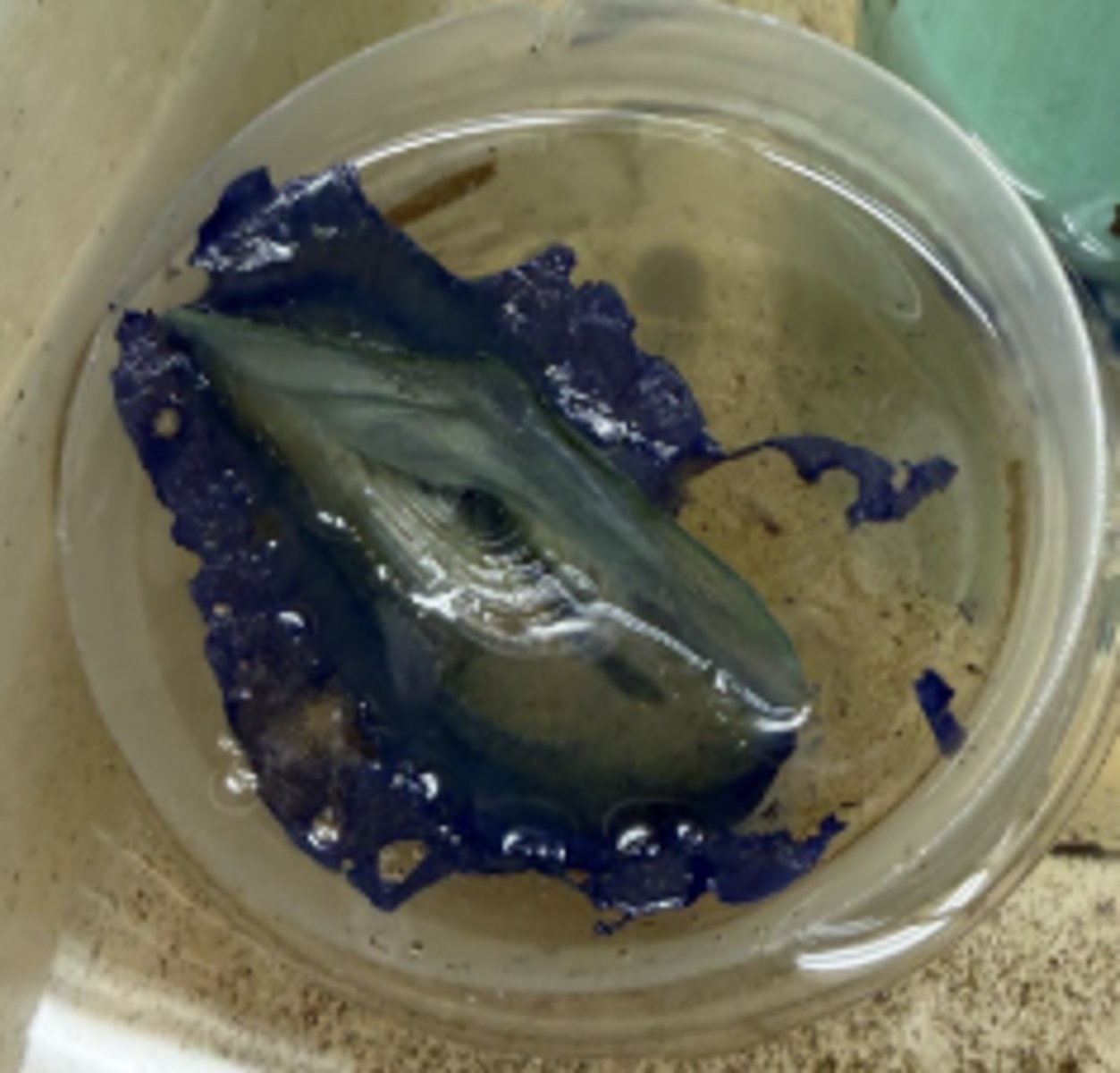
Marine Invert Practical Study Guide 2026
 Call Kai
 Learn
Learn Practice Test
 Spaced Repetition
 Match
Match Flashcards
 Knowt Play
1/58

There's no tags or description
Looks like no tags are added yet.
Name | Mastery | Learn | Test | Matching | Spaced | Call with Kai |
|---|
No analytics yet
Send a link to your students to track their progress
59 Terms
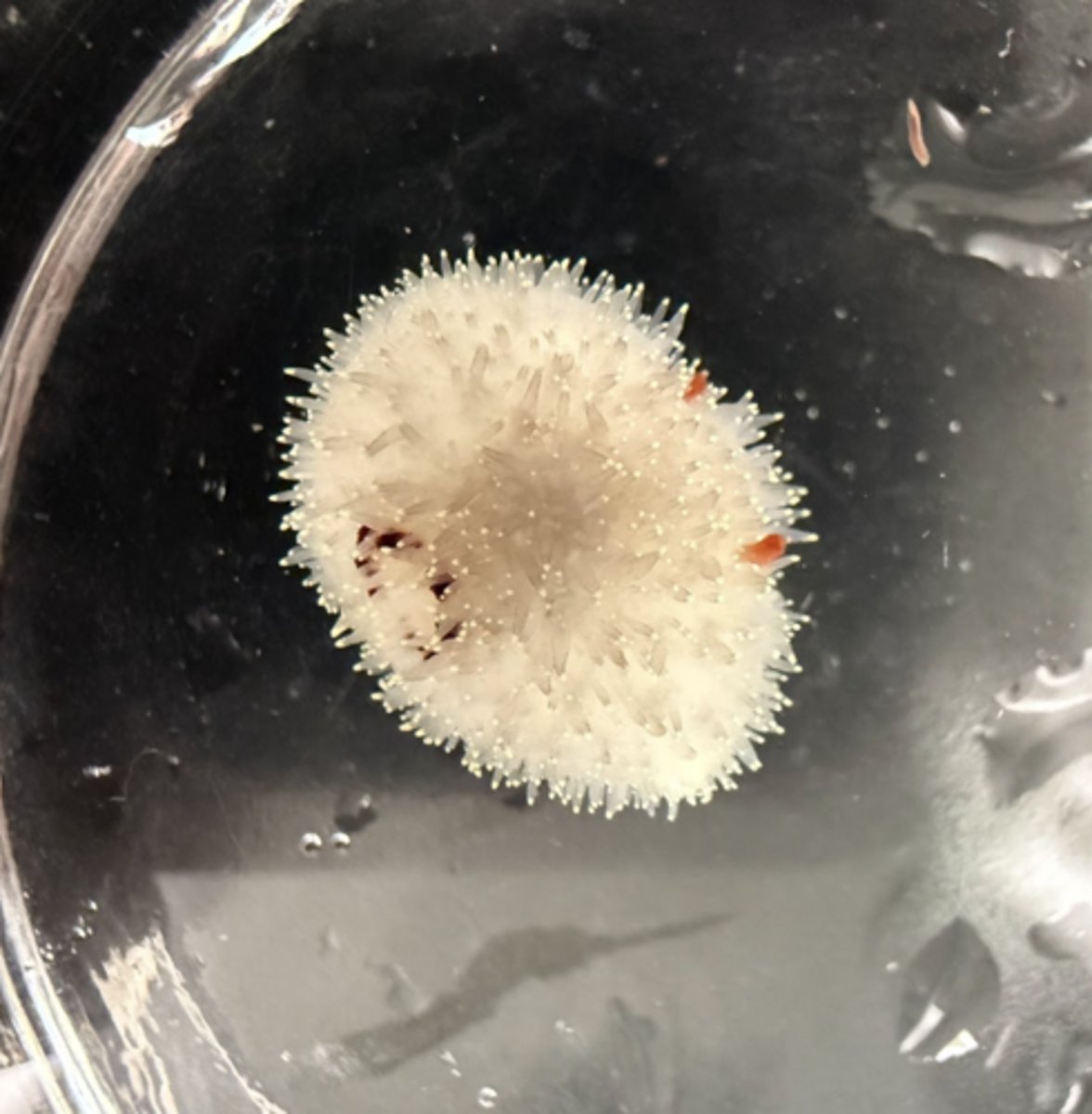
Acanthodoris nanaimoensis
Phylum: Mollusca
Class: Gastropoda
Tank(s) in lab: 1
Habitat: Intertidal rocky areas with eelgrass. Found in the Northeast Pacific oceans from Alaska to California.
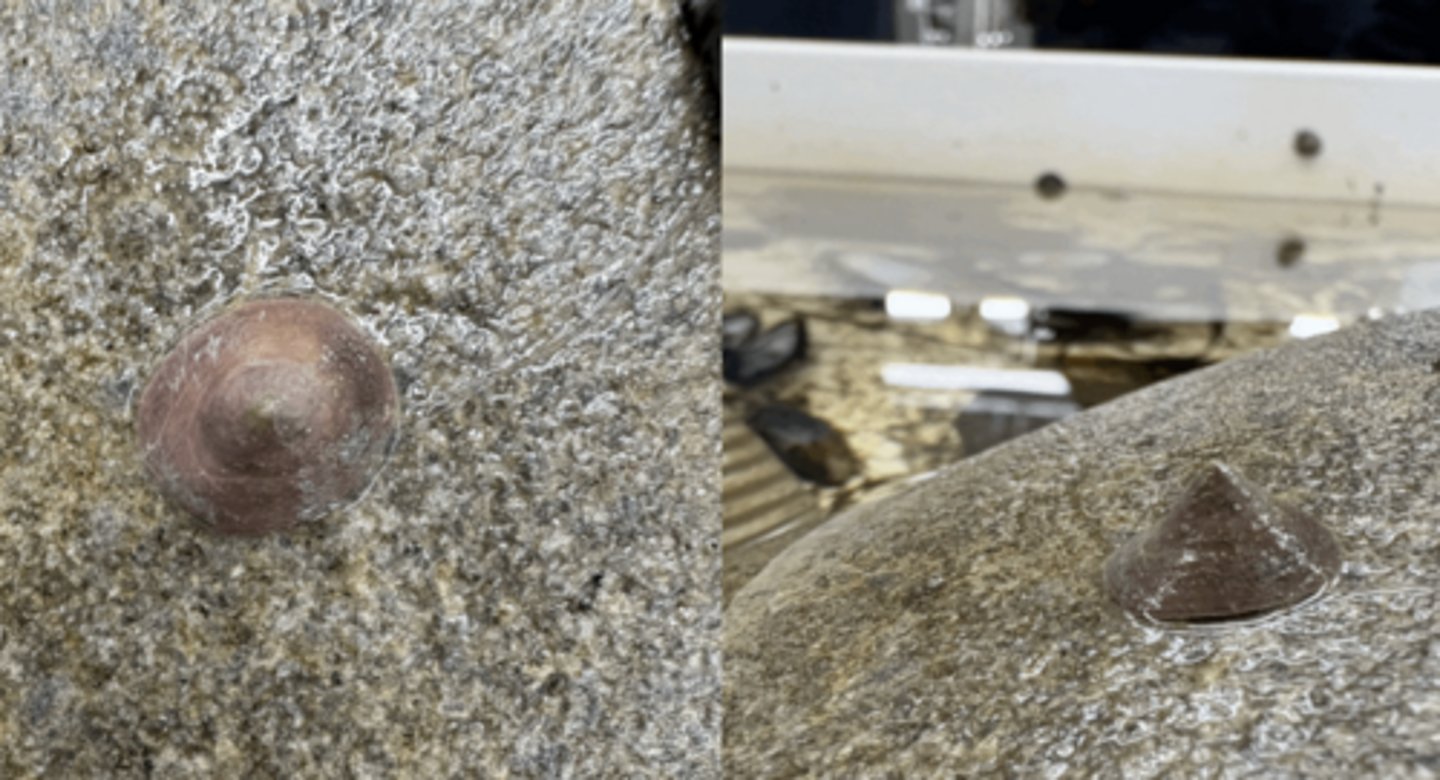
Acmaea mitra
Phylum: Mollusca
Class: Bivalvia
Tank(s) in lab: 7
Habitat: Lower intertidal to shallow subtidal, mainly found on rocks covered in algae.
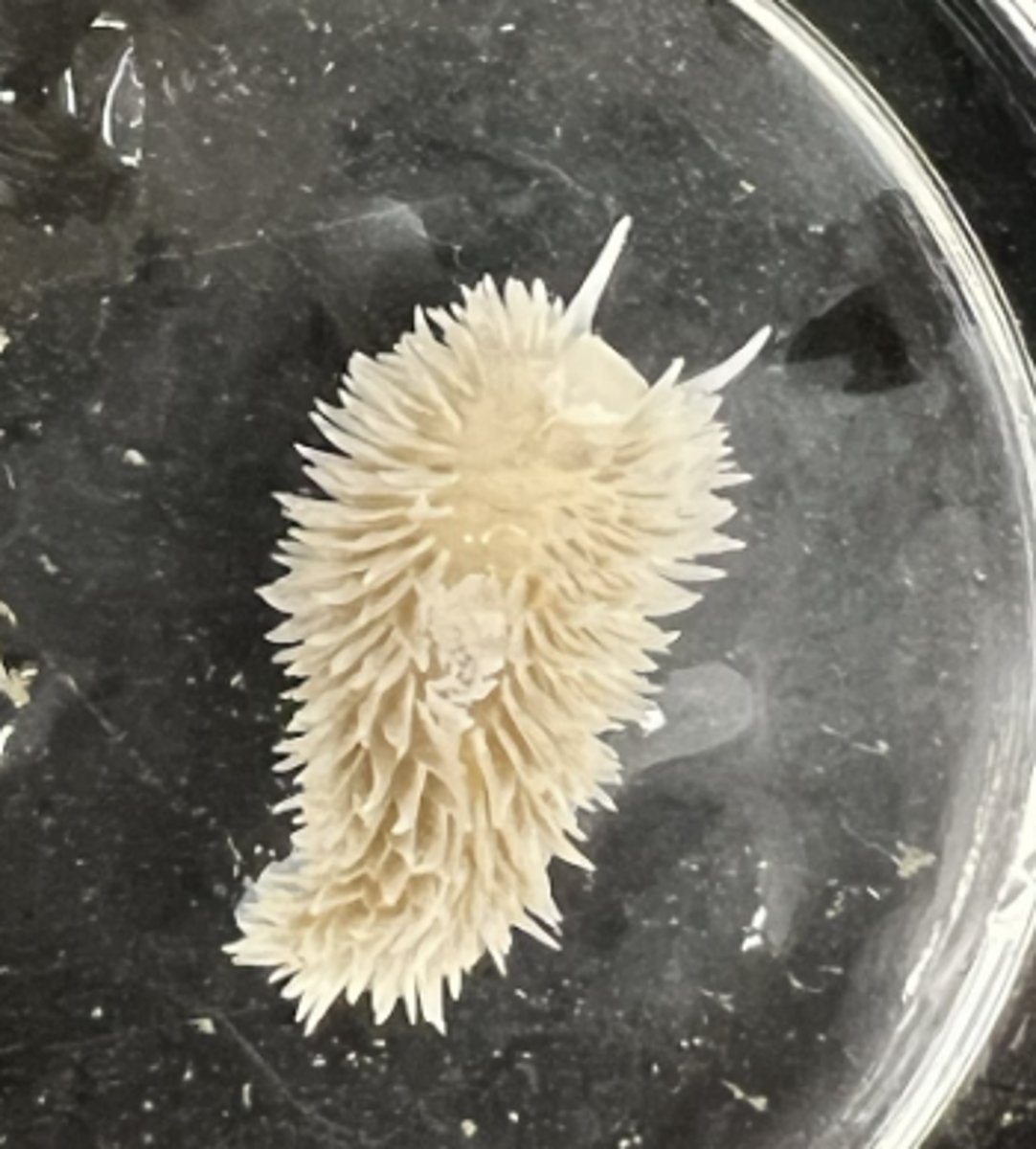
Aeolidia papillosa
Phylum: Mollusca
Class: Gastropoda
Tank(s) in lab: 1
Habitat: Found in cold intertidal waters on the North Pacific and North Atlantic coasts near communities of sea anemones.
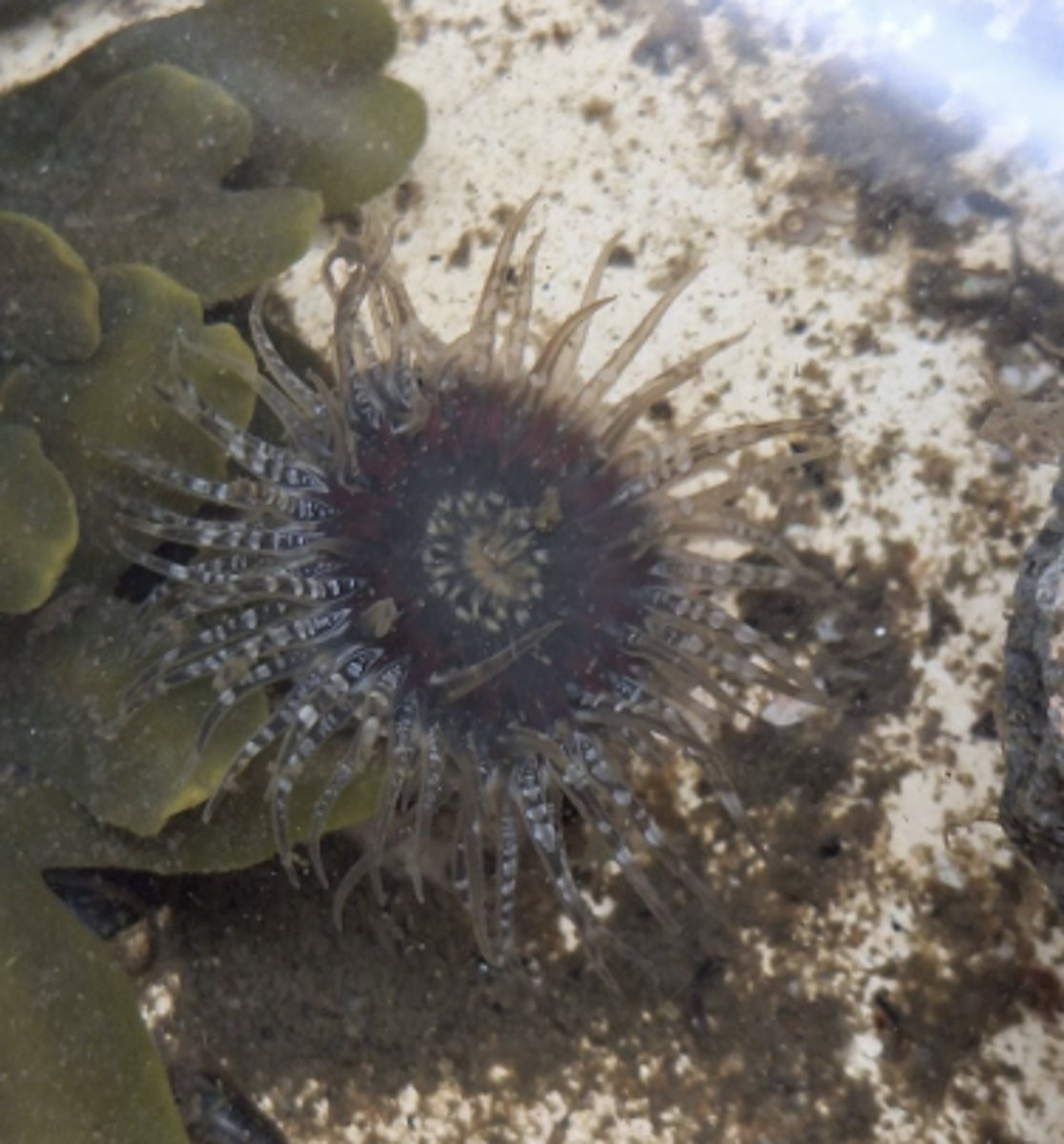
Anthopleura artemisia
Phylum: Cnidaria
Class: Anthozoa
Tank(s) in lab: 6, 7
Habitat: Intertidal zones with rocky areas or sandy bottoms.
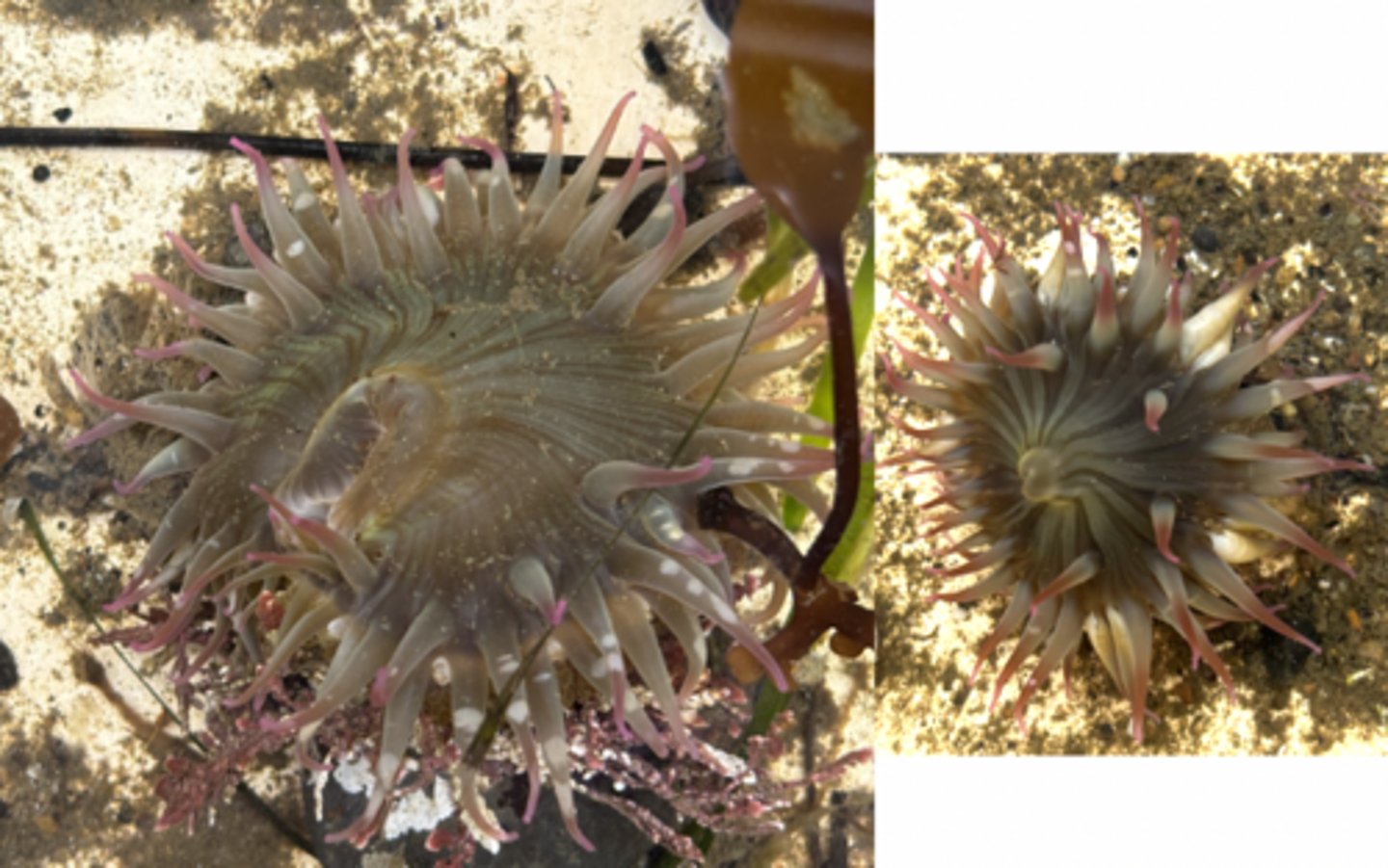
Anthopleura elegantissima
Phylum: Cnidaria
Class: Anthozoa
Tank(s) in lab:6
Habitat: medium to high rocky intertidal
Column is greenish to pale columns, pinkish to gray tentacle tips. Typically on the smaller side with a small column diamter
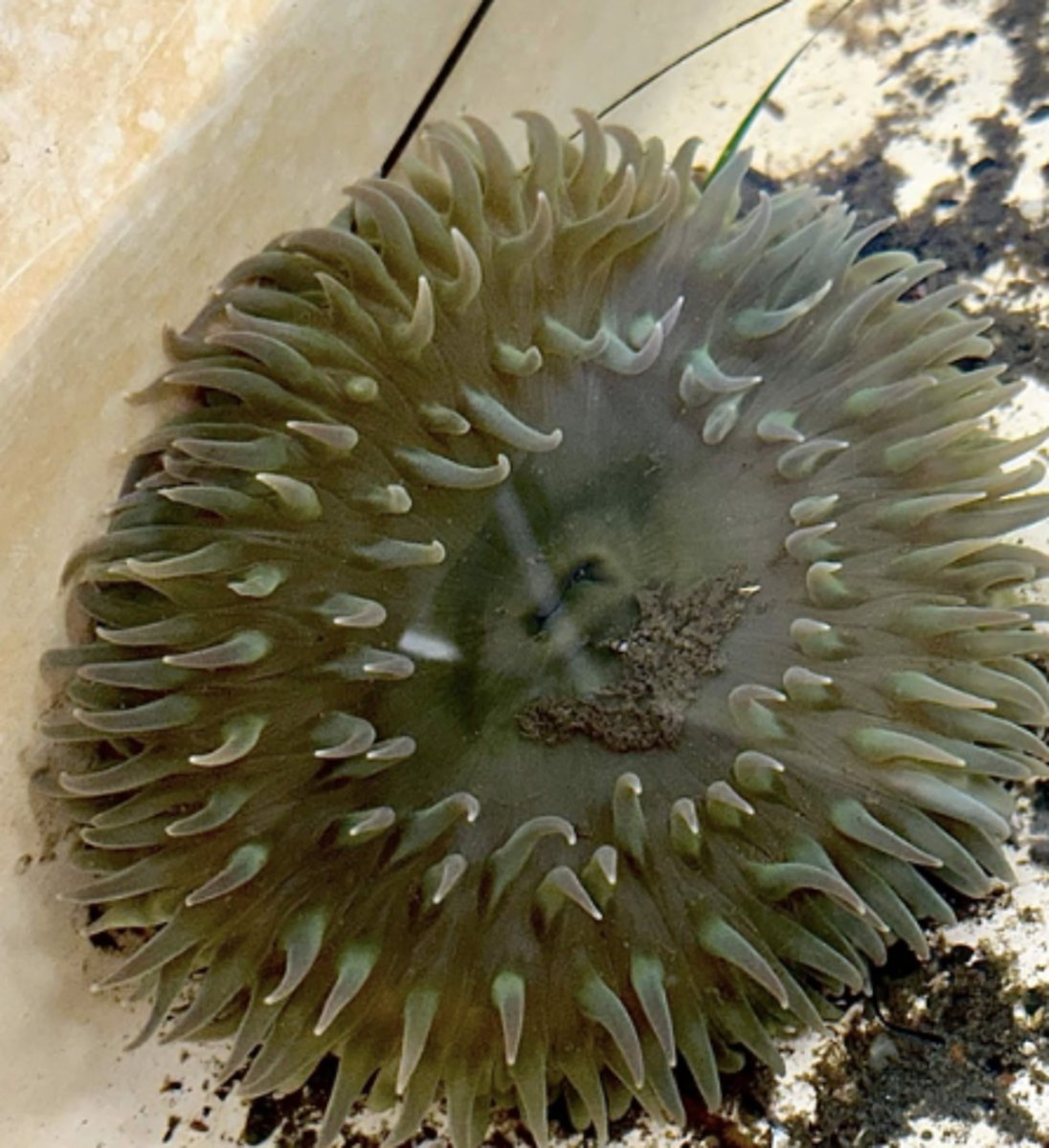
Anthopleura xanthogrammica
Phylum: Cnidaria
Class: Hexacorallia
Tank(s) in lab: 1, 6
Habitat: Rocky intertidal
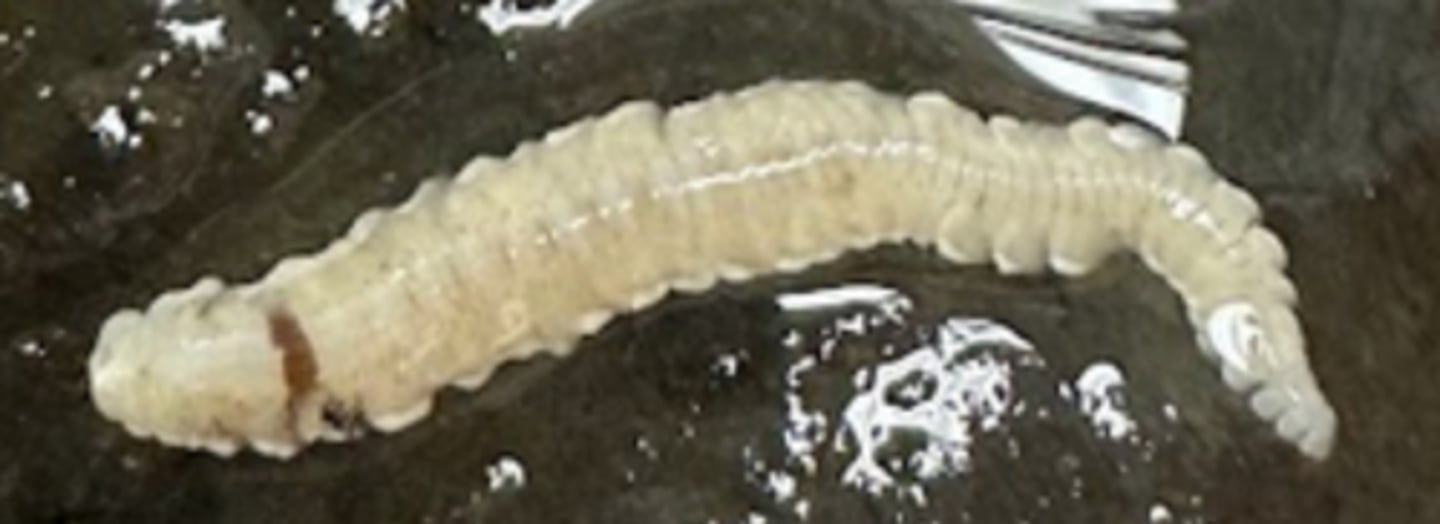
Arctonoe vittata
Phylum: Annelida
Class: Polychaeta
Tank(s) in lab: 24
Habitat: Commensal, live in oral surfaces of sea stars, gastropods and chtions (i.e., Dermasterias imbricata, Diodora aspera, and Cryptochiton stellari), and steal food particles from host
Balanus glandula
Phylum: Arthropoda
Class: Cirripedia or Maxillopoda
Tank(s) in lab: 6,7
Habitat: Found on rocks, piers, piliings, the shells of other organisms- Mytilus californianus. Usually found in the high intertidal zones.
Can be distinguished from other barnacles through the shape and division lines of operculum.
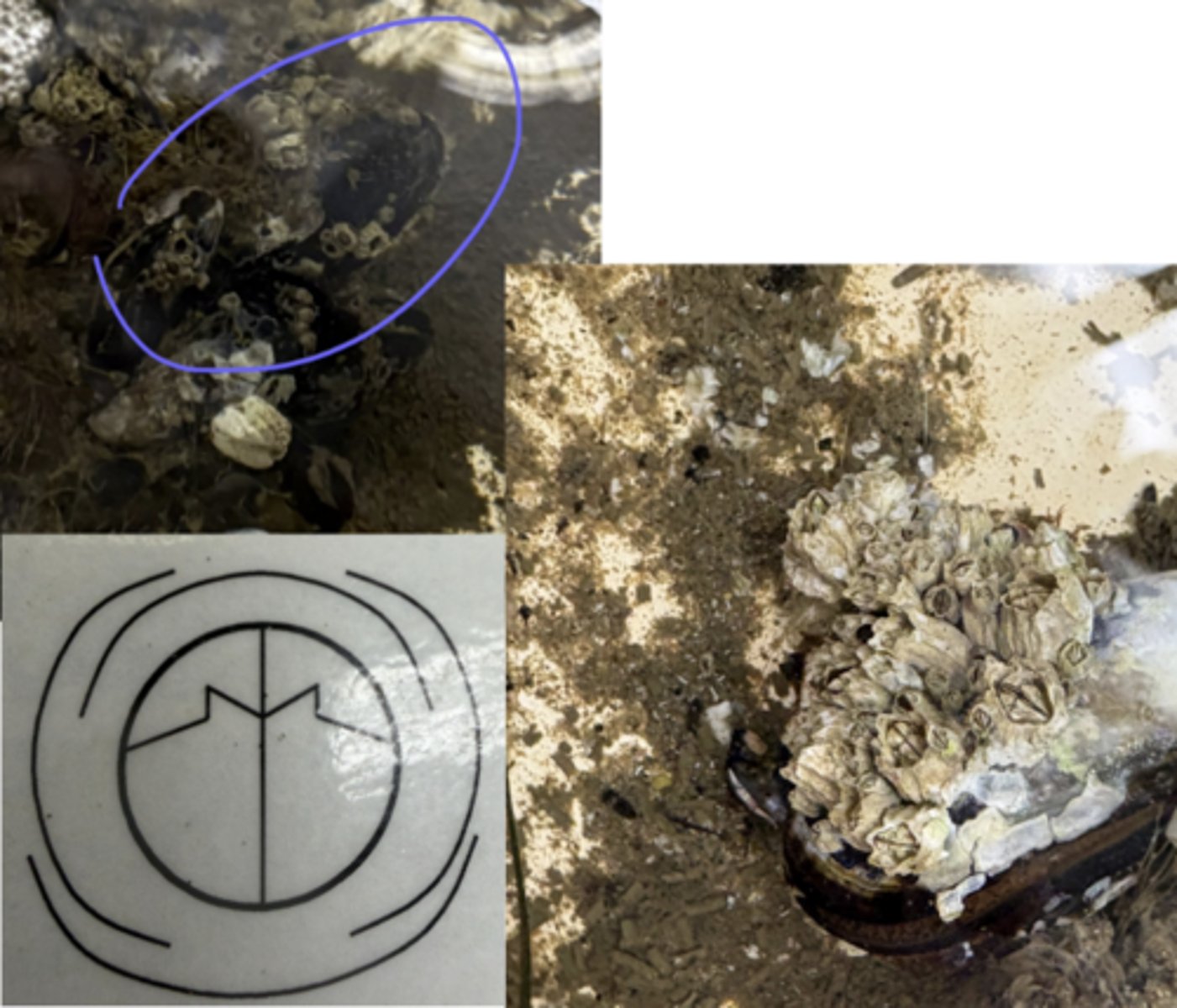
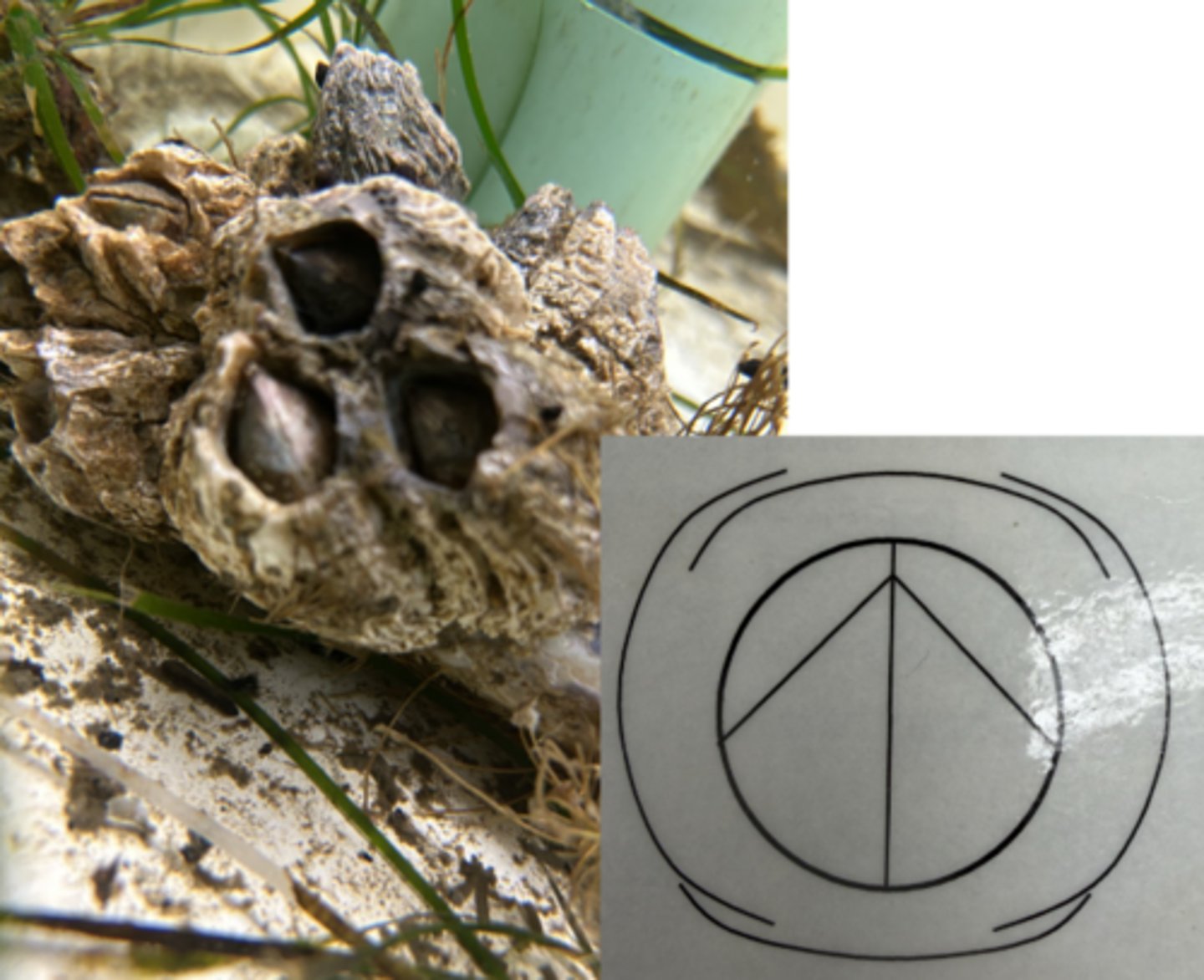
Balanus nubilus
Phylum: Arthropoda
Class: Cirripedia or Maxillopoda
Tank(s) in lab: 6, 7, 8
Habitat: Found on hard substrates such as rocks and the carapaces of other invertebrates. Can also be commonly found on dock pilings.
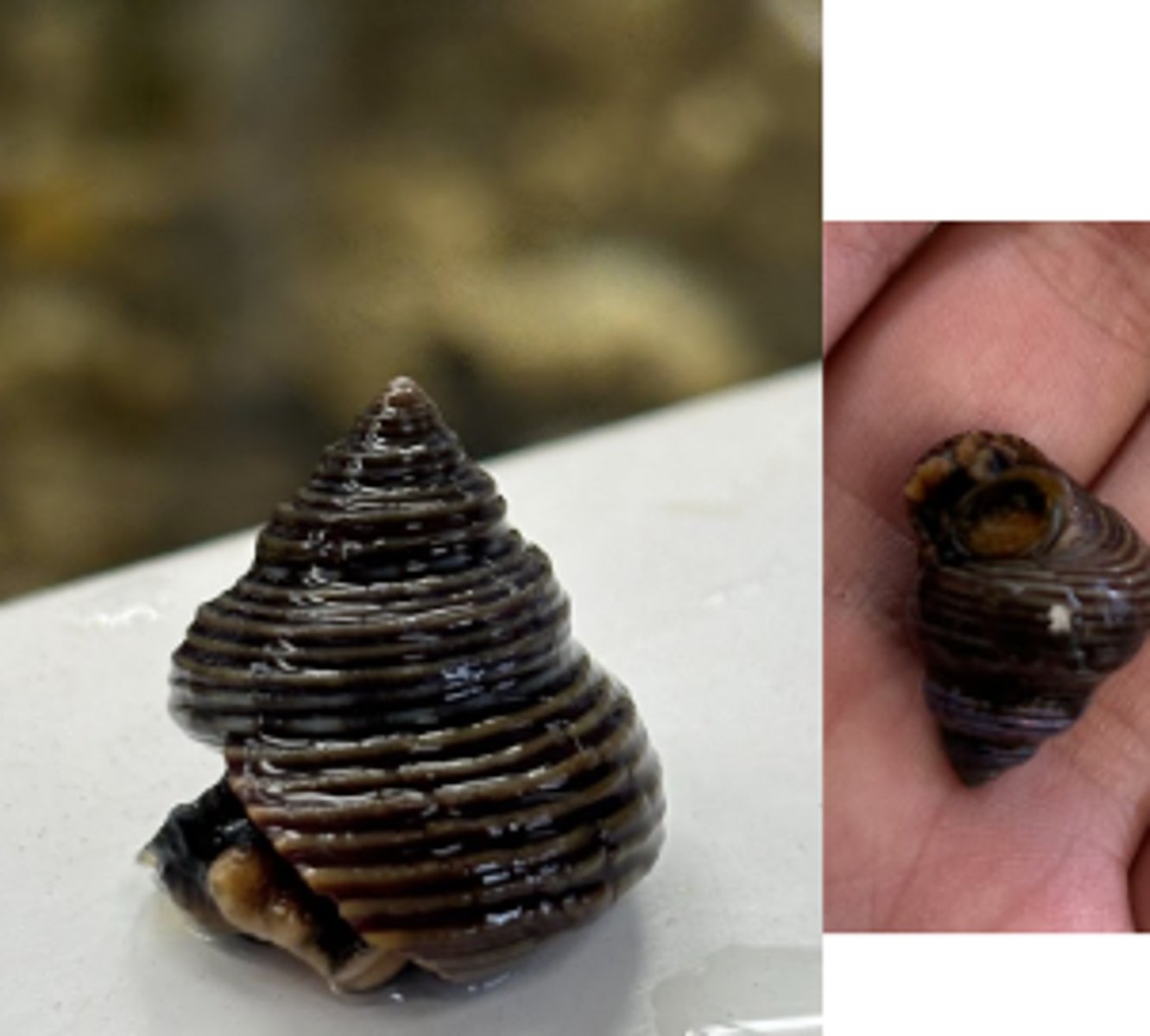
Calliostoma ligatum
Phylum: Mollusca
Class: Gastropoda
Tank(s) in lab: 7
Habitat: Rocky Intertidal
Bilateral symmetry
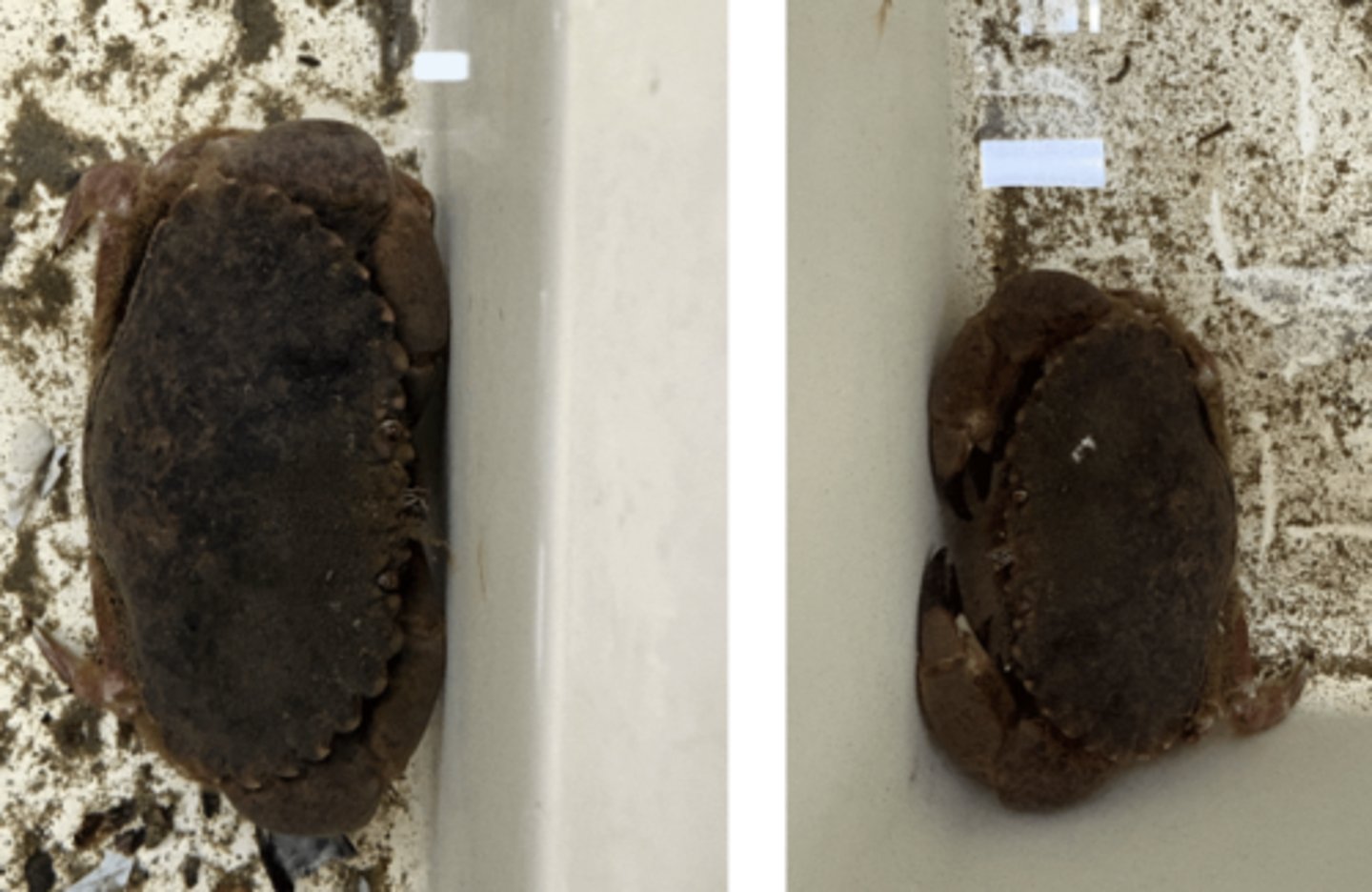
Cancer antennarius
Phylum: Arthropoda
Class: Malacostraca
Tank(s) in lab: 7, 11
Habitat: Rocky intertidal and subtidal zones, Can live in depth up to 100 m.
Cancer productus
Phylum: Arthropoda
Class: Malacostraca
Tank(s) in lab: 7
Habitat: Rocky intertidal zones, bays, and estuaries in the Pacific ocean, found from Alaska to California
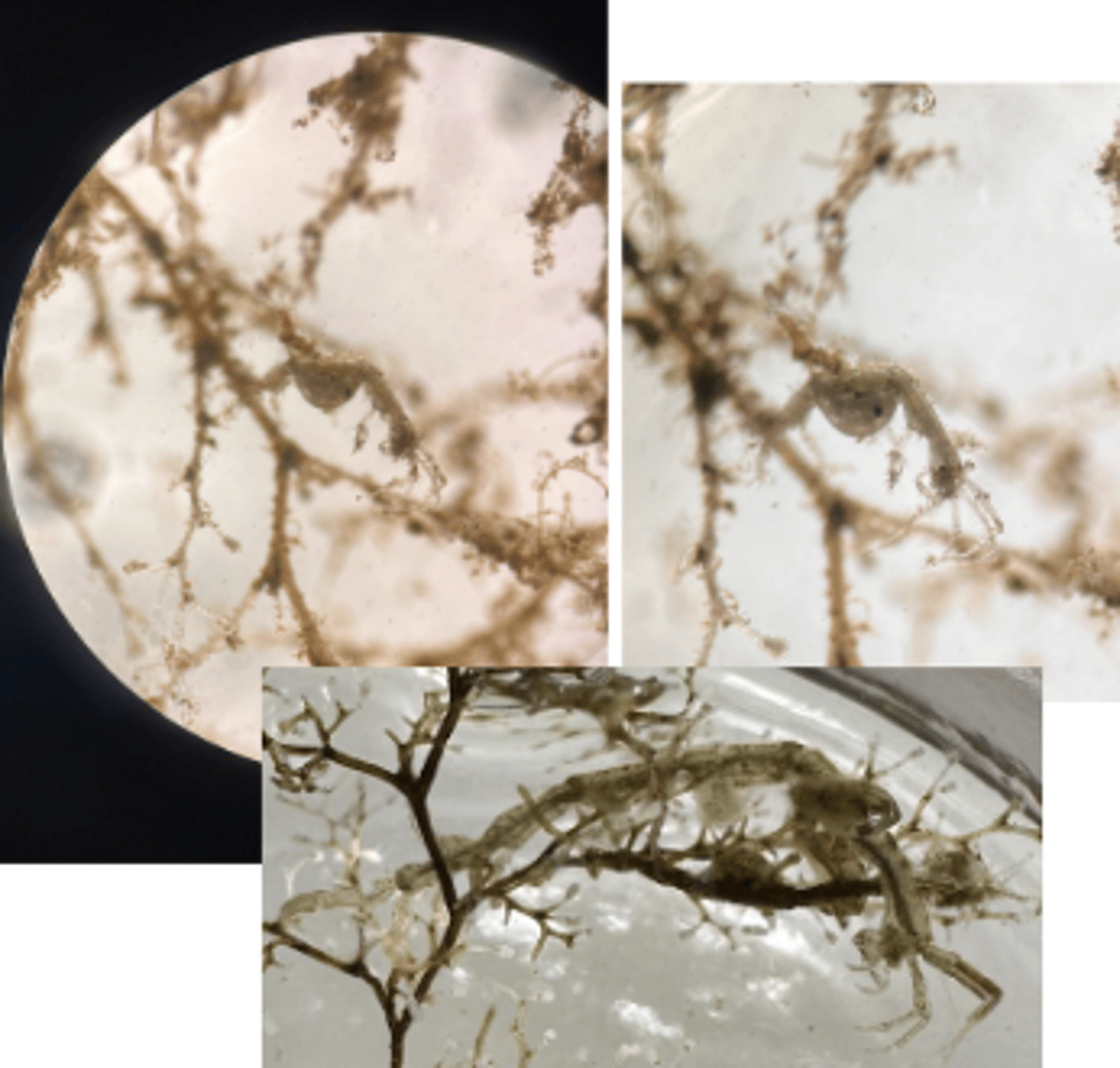
Caprella alaskana
Phylum: Arthropoda
Class: Malacostroca
Tank(s) in lab: 7
Habitat: Among algae in shallow intertidal to subtidal zones
They are very small and somewhat translucent. However if you focus on a still piece of Obelia dichotoma, you can see their movements to locate them. They will have visible appendages up by their head and the larger anterior portion will be clinging to the hydroid.
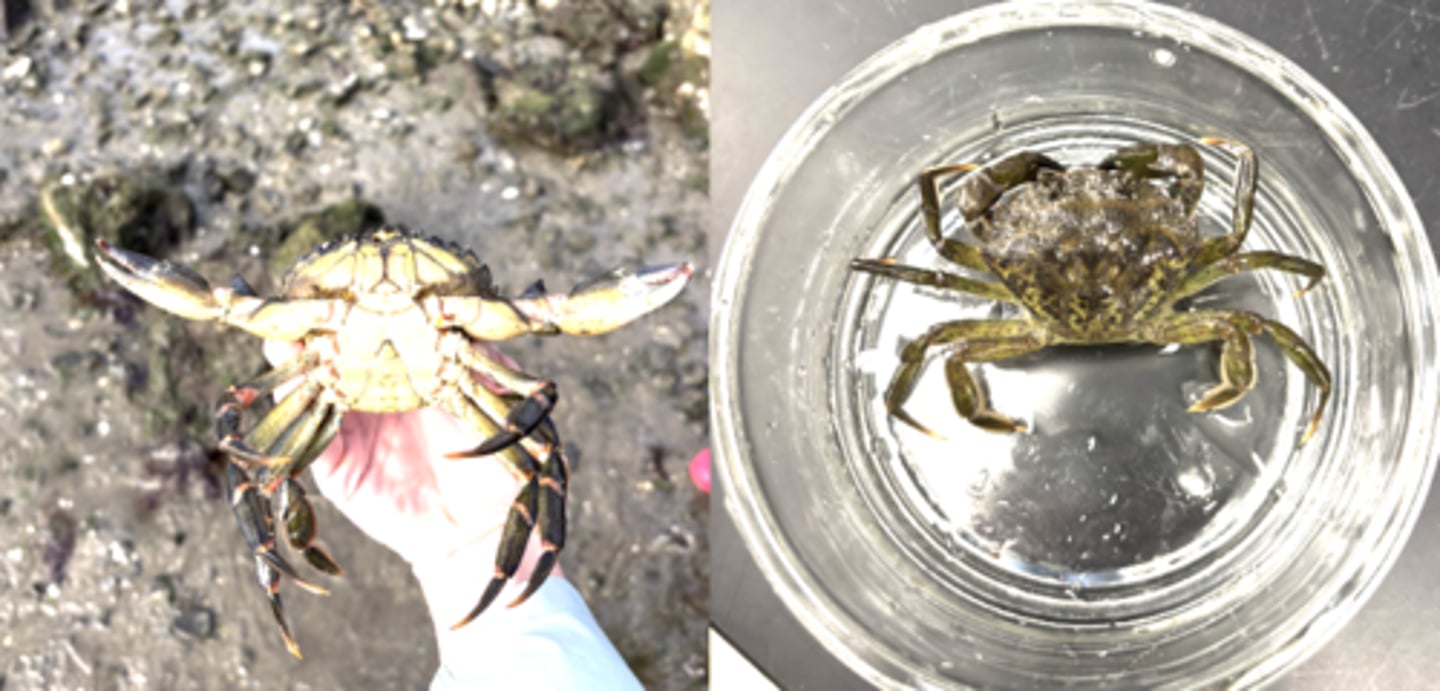
Carcinus maenas
Phylum: Arthropoda
Class: Malacostraca
Tank(s) in lab: 22
Habitat: Found primarily in estuaries and mudflats.
Invasive along the Oregon coast. Five spines on outer edge of eyes.
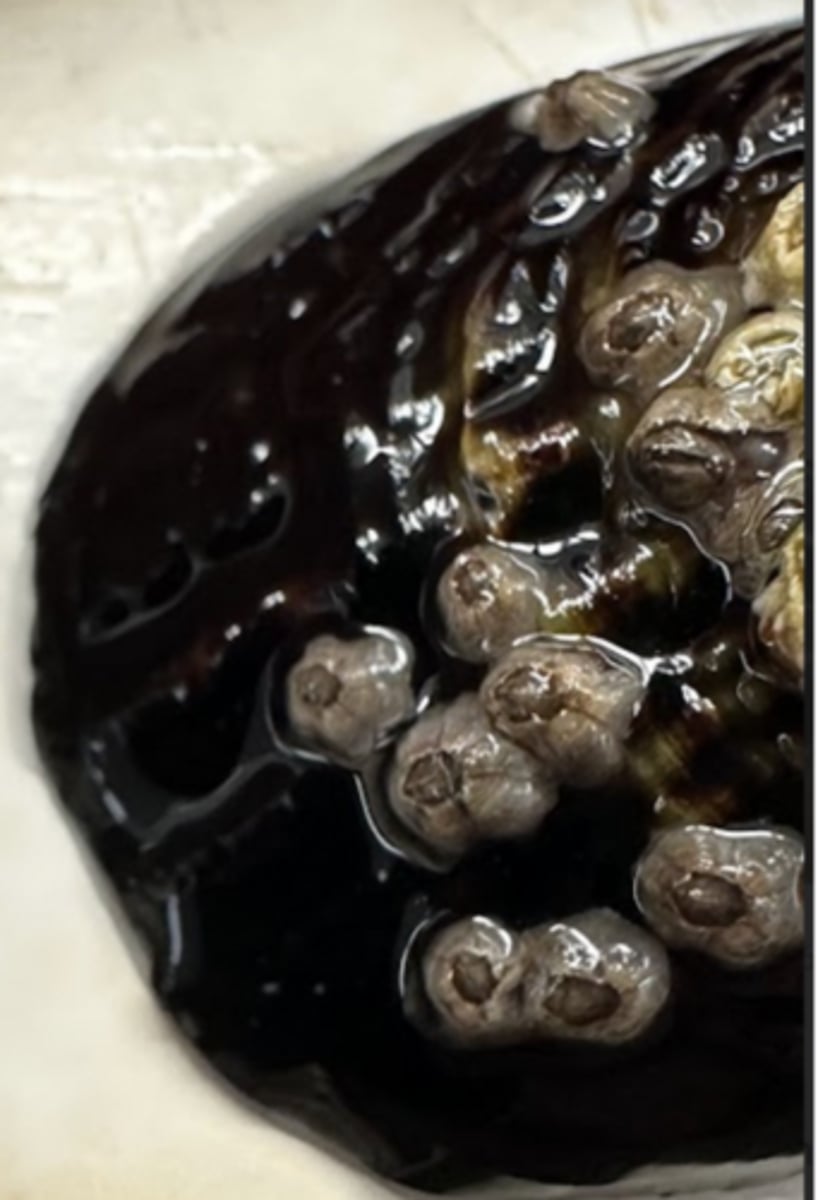
Chthamalus dalli
Phylum: Athropoda
Class: Cirripedia or Maxillopoda or Thecostraca
Tank(s) in lab: 7
Habitat: On rocky substrate in the high intertidal, distribution shaped by competition with Balanus glandula -> C. dalli restricted to high intertidal
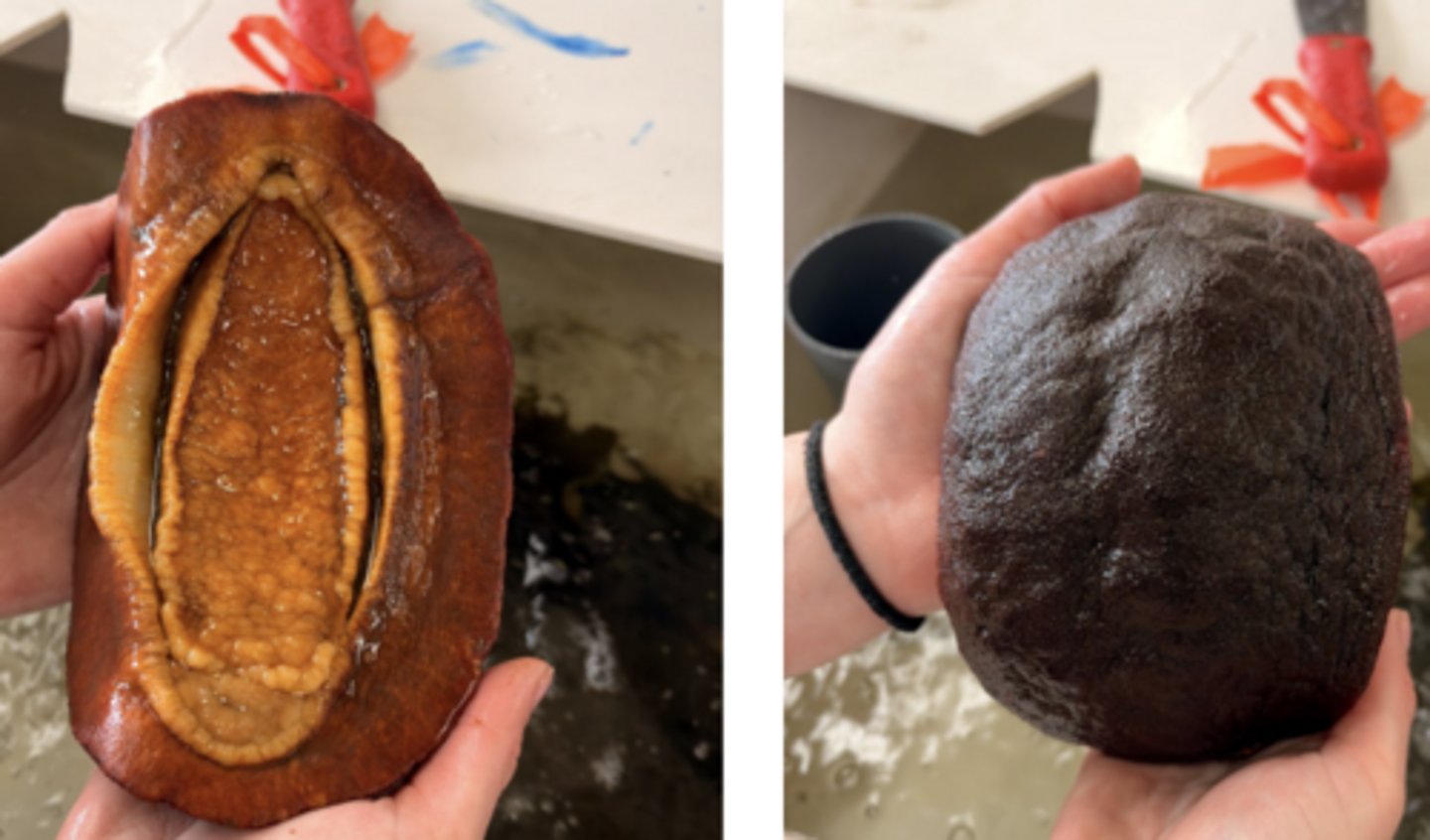
Cryptochiton stelleri
Phylum: Mollusca
Class: Polyplacophora
Tank(s) in lab: 24
Habitat: Intertidal to 20 meters. Japan, Alaska to California
Helpful information: The chitons 8 plates are completely covered by the girdle.
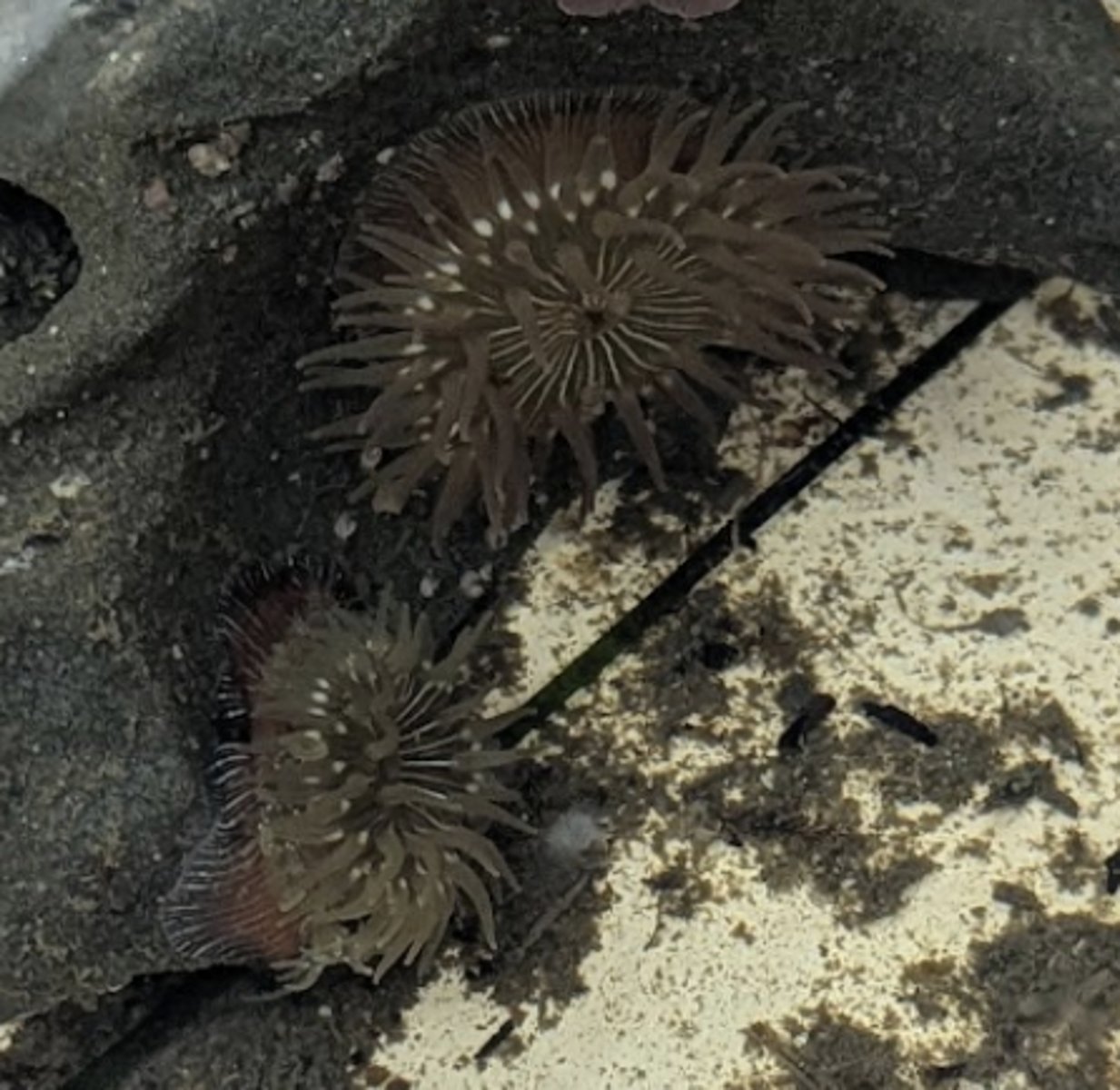
Epiactis prolifera
Phylum: Cnidaria
Class: Anthozoa
Tank(s) in lab: 6
Habitat: In the range of Southern Alaska to southern California, they are found on and under rocks, on algae and eelgrass, and in outer rocky coasts as well as bays.
Distinguishing factors: It has no acontia, column no tubercles and no adherent material. Its oral disk typically has narrow radiating white lines which originate near the mouth and has externally brooding young of various sizes and year-round.
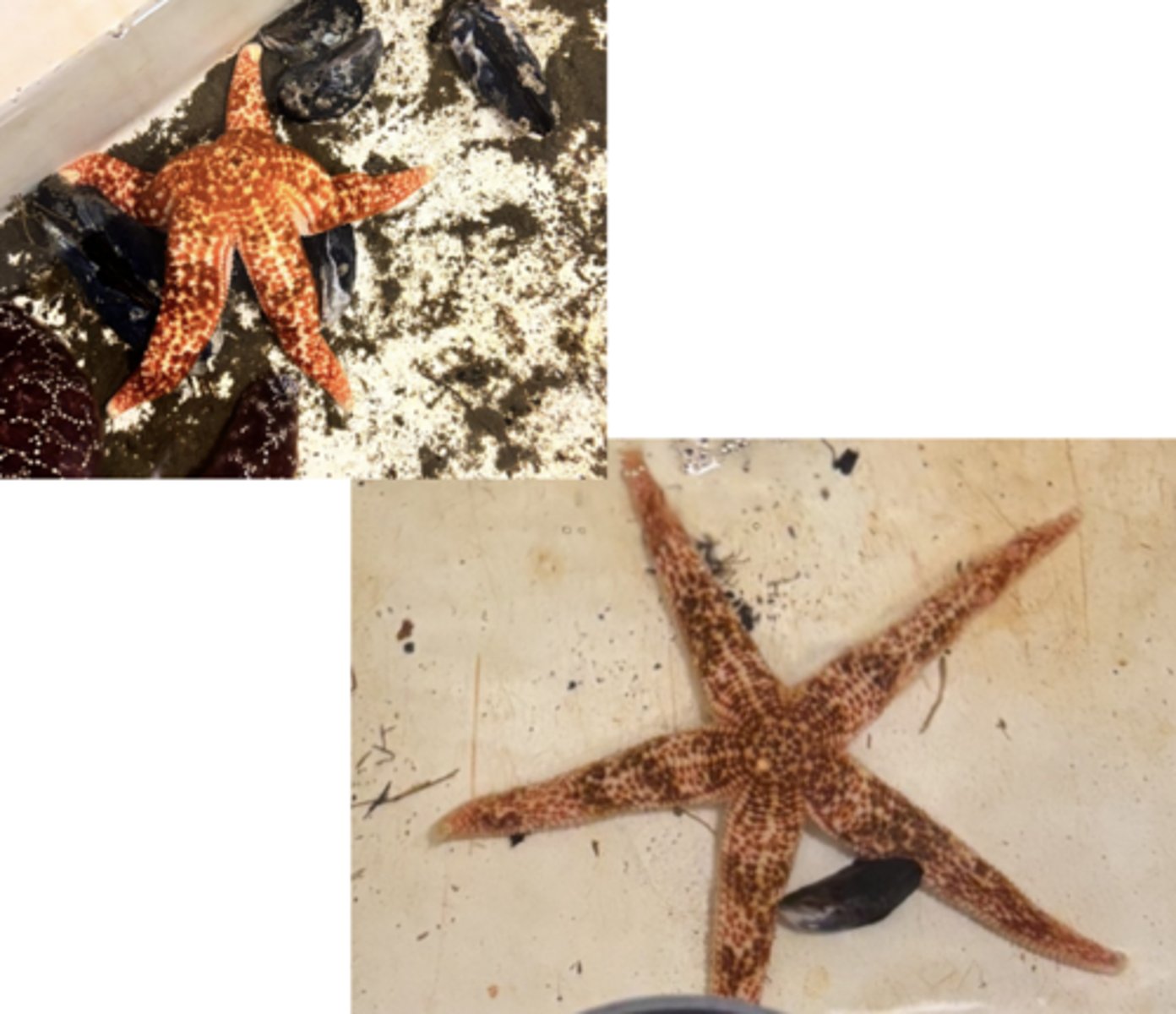
Evasterias troschelii
Phylum: Echinodermata
Class: Asteroidea
Tank(s) in lab: 14
Habitat: Rocky intertidal and subtidal zones down to 75 meters on the Pacific coast from Alaska to California.
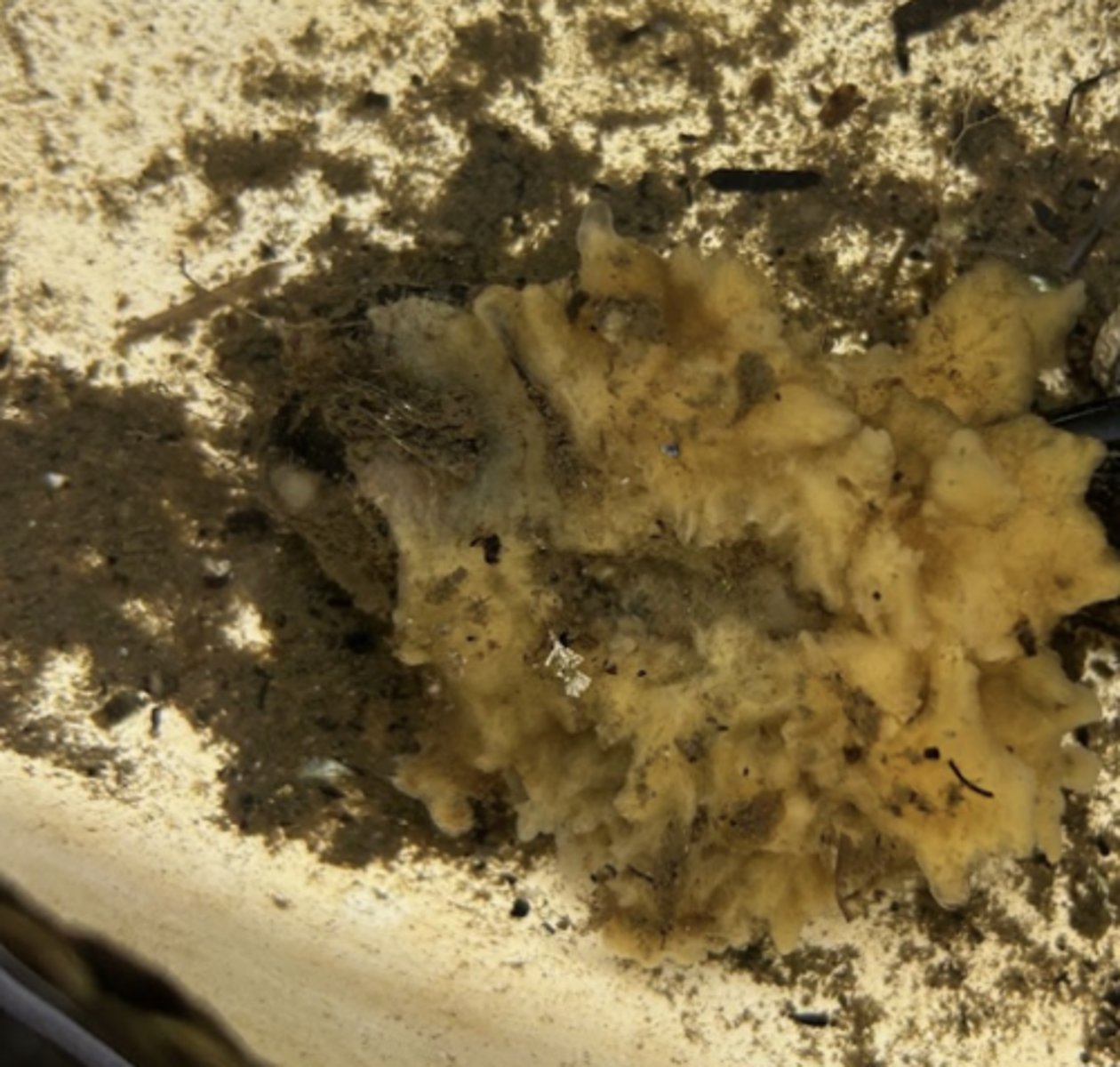
Halichondria panicea
Phylum: Porifera
Class: Demospongiae
Tank(s) in lab: 8, 6
Habitat: Intertidal, rocky shores
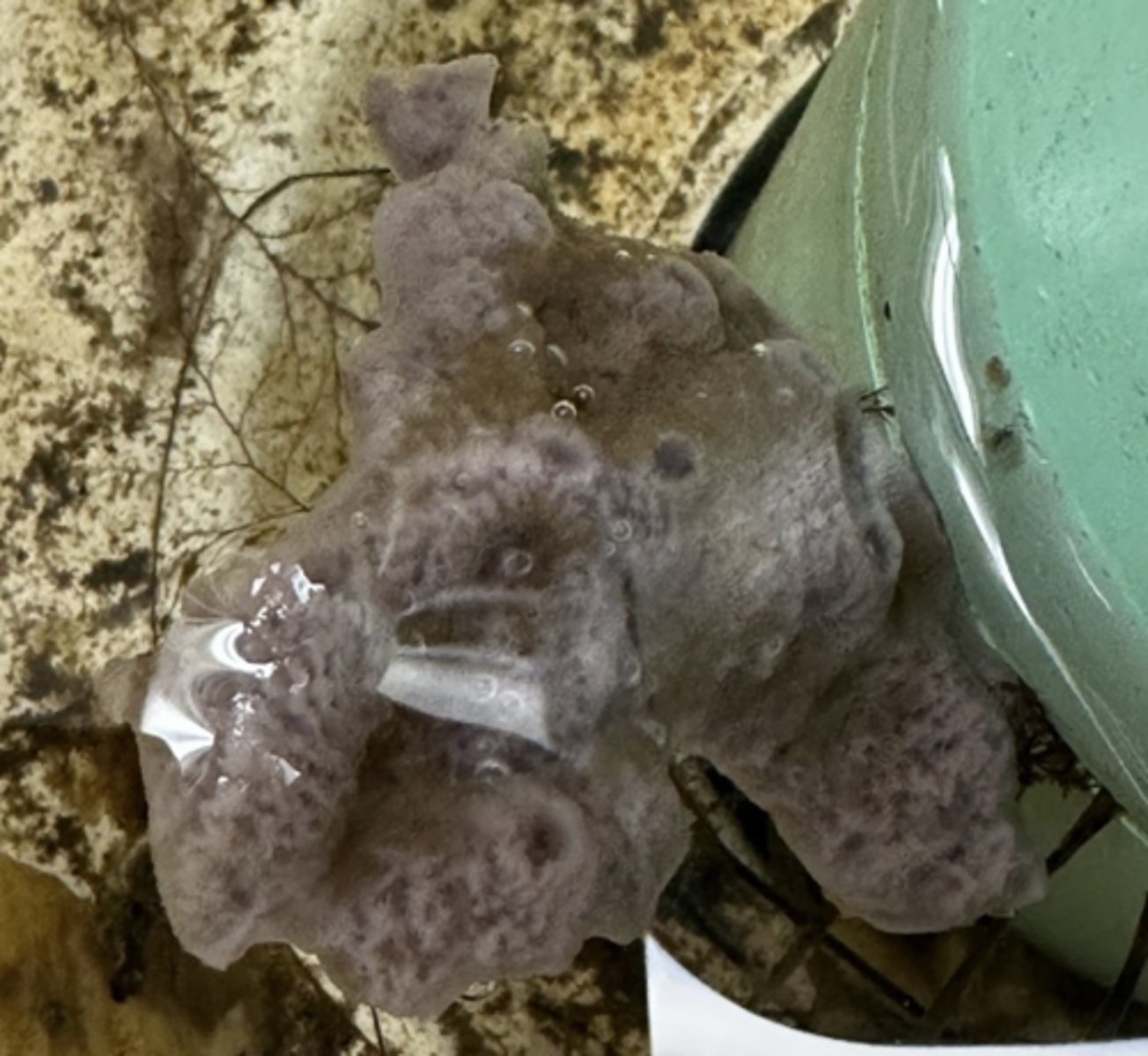
Haliclona spp.
Phylum: Porifera
Class: Demospongiae
Tank(s) in lab: 8
Habitat: intertidal and rocky shores
*do not need to know species - just phylum, class, genus
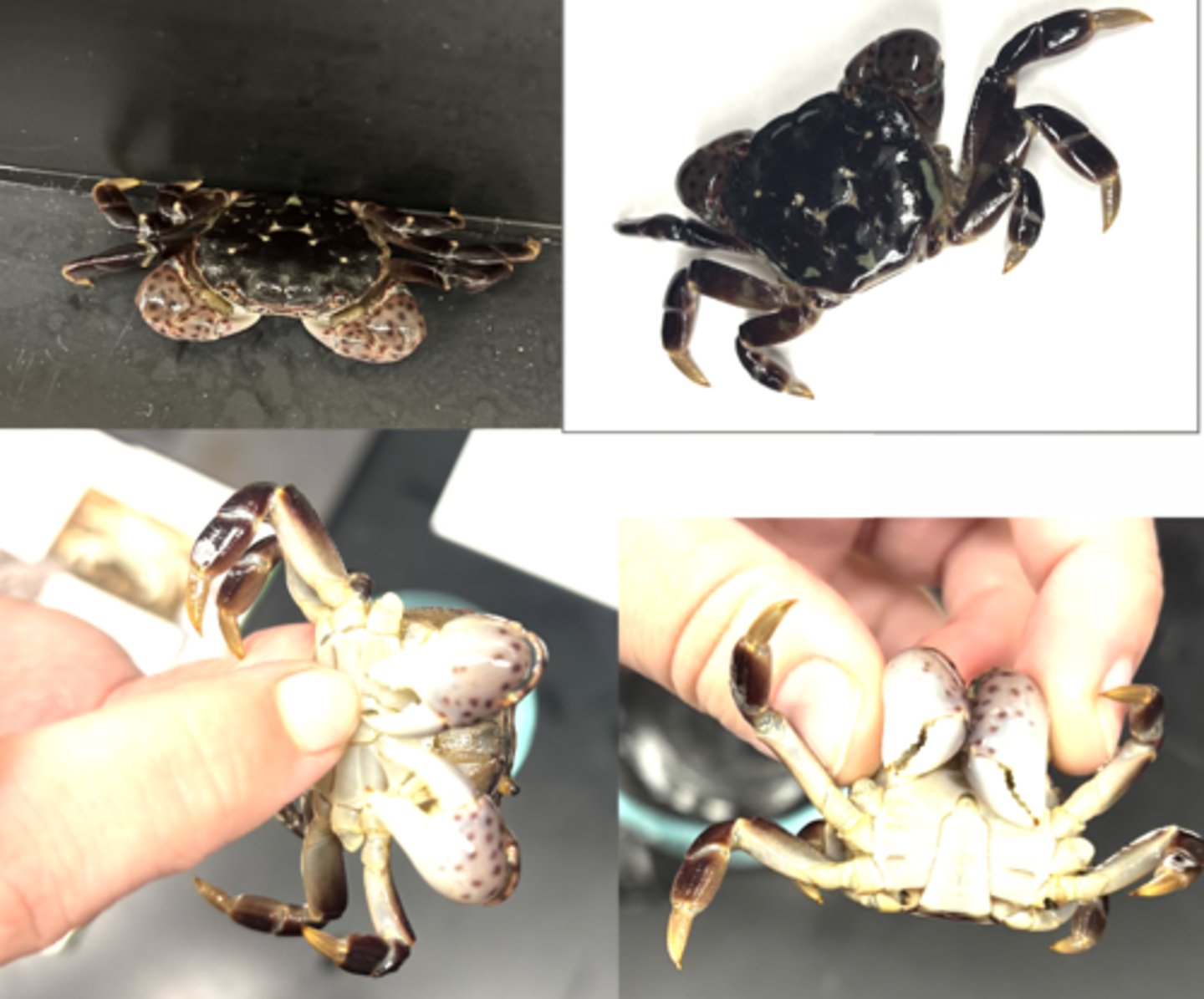
Hemigrapsus nudus
Phylum: Arthropoda
Class: Malacostraca
Tank(s) in lab: 3,7
Habitat: Rocky intertidal, prefers less muddy environments
Distinguishable by lack of hair on their legs, most have purple spots on pincers, however there is a green variant.
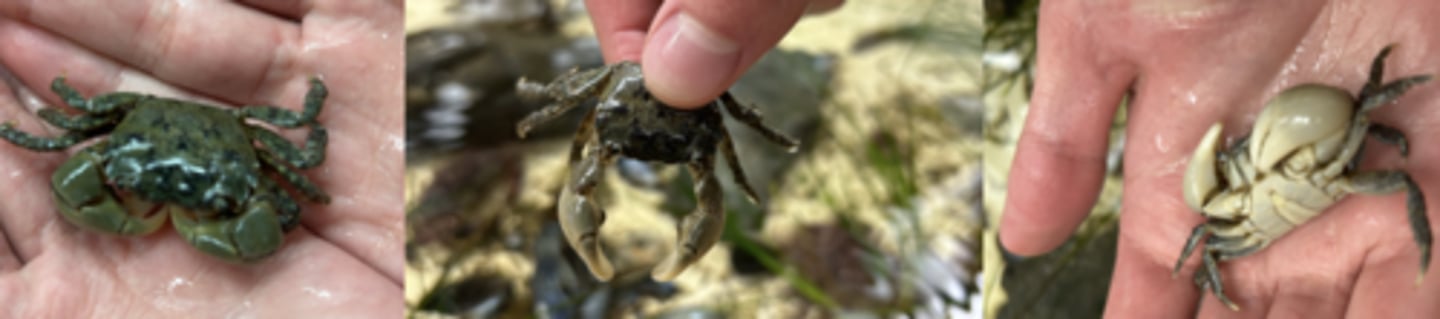
Hemigrapsus oregonensis
Phylum: Arthropoda
Class: Malacostraca
Tank(s) in lab: 3
Habitat: Rocky intertidal beneath rocks
Has hair on legs, one spine next to each eye
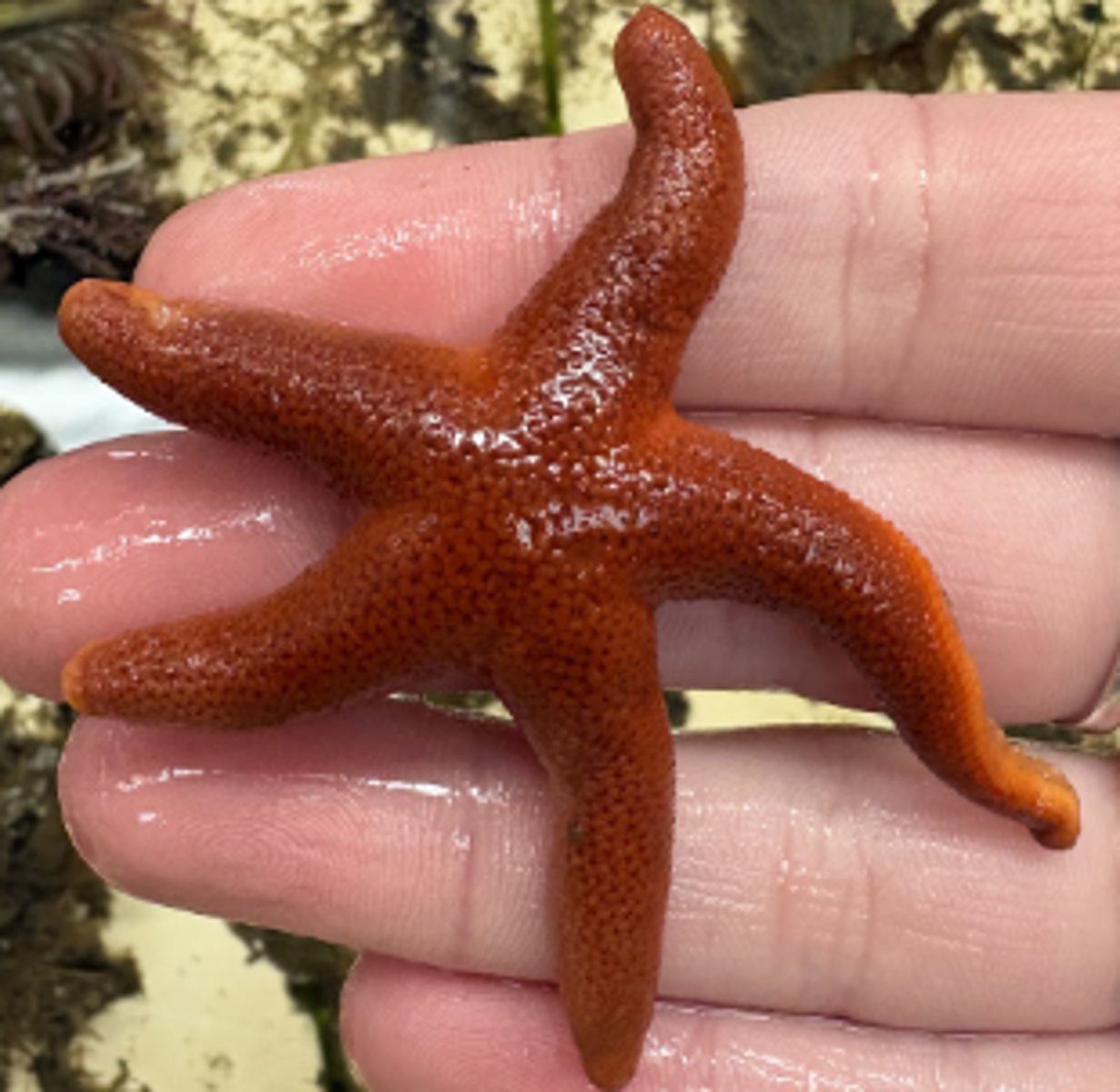
Henricia leviuscula
Phylum: Echinodermata
Class: Asteroidea
Tank(s) in lab: 6
Habitat: Intertidal zone up to 400m deep. From Alaska to Mexico and Japan.
Characteristics: Commensalist relationship with Arctonoe vittata, a polychaete worm. No pedicellaria or spines
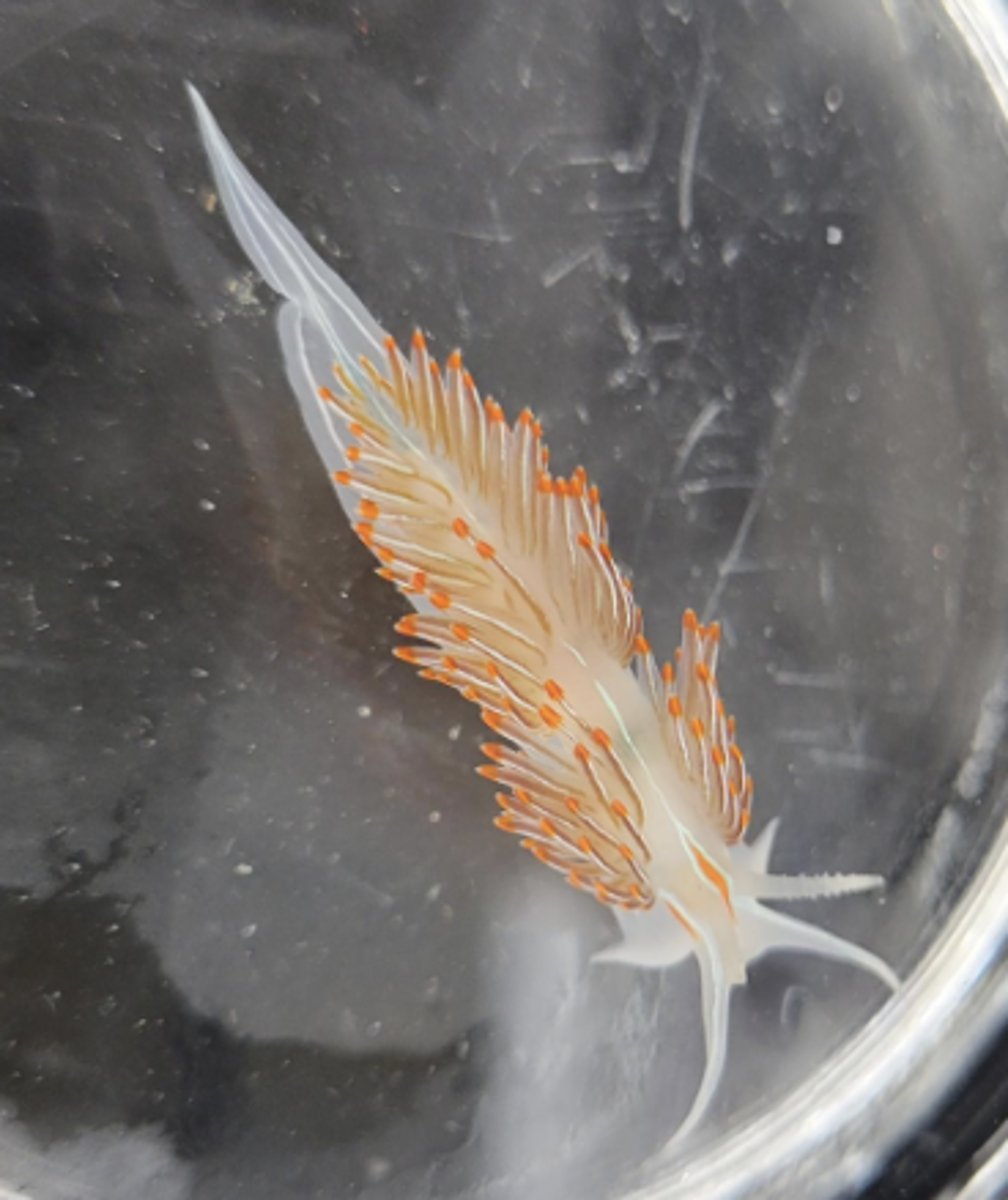
Hermissenda crassicornis
Phylum: Mollusca
Class: Gastropoda
Tank(s) in lab: 1 and 5
Habitat: Predominantly found in the rocky intertidal but also in bays and estuaries
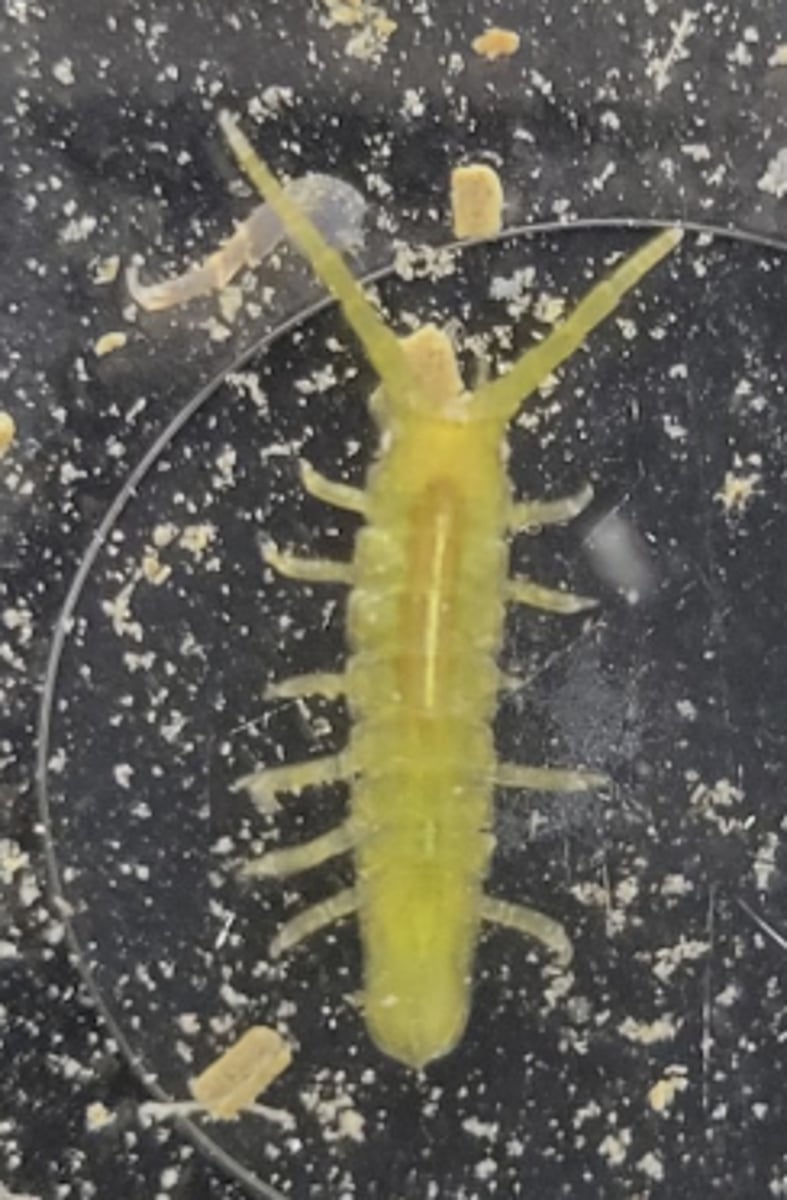
Idotea montereyensis
Phylum: Arthropoda
Class: Malacostraca
Tank(s) in lab: 6, 5
Habitat: Found in the intertidal, strictly a marine species
Tips for Identification: Idotea montereyensis may be confused with Idotea wosnesenskii but can be distinguished by its longer, more slender body compared to Idotea wosnesenskii which is more rounded and wider.
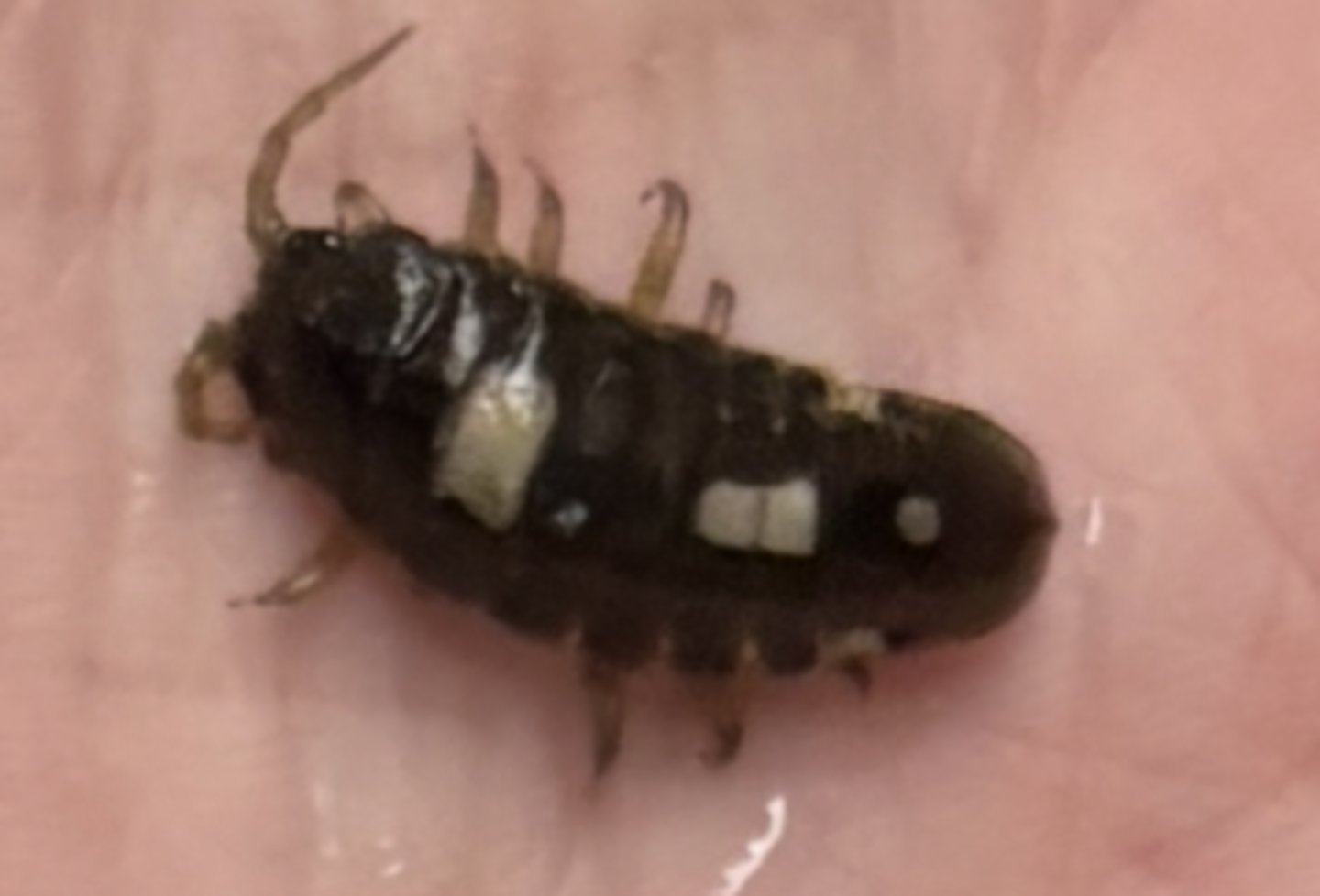
Idotea wosnesenskii
Phylum: Arthropoda
Class: Malacostraca
Tank(s) in lab: 8
Habitat: Intertidal, under rocks. Clinging to stalks of seaweed
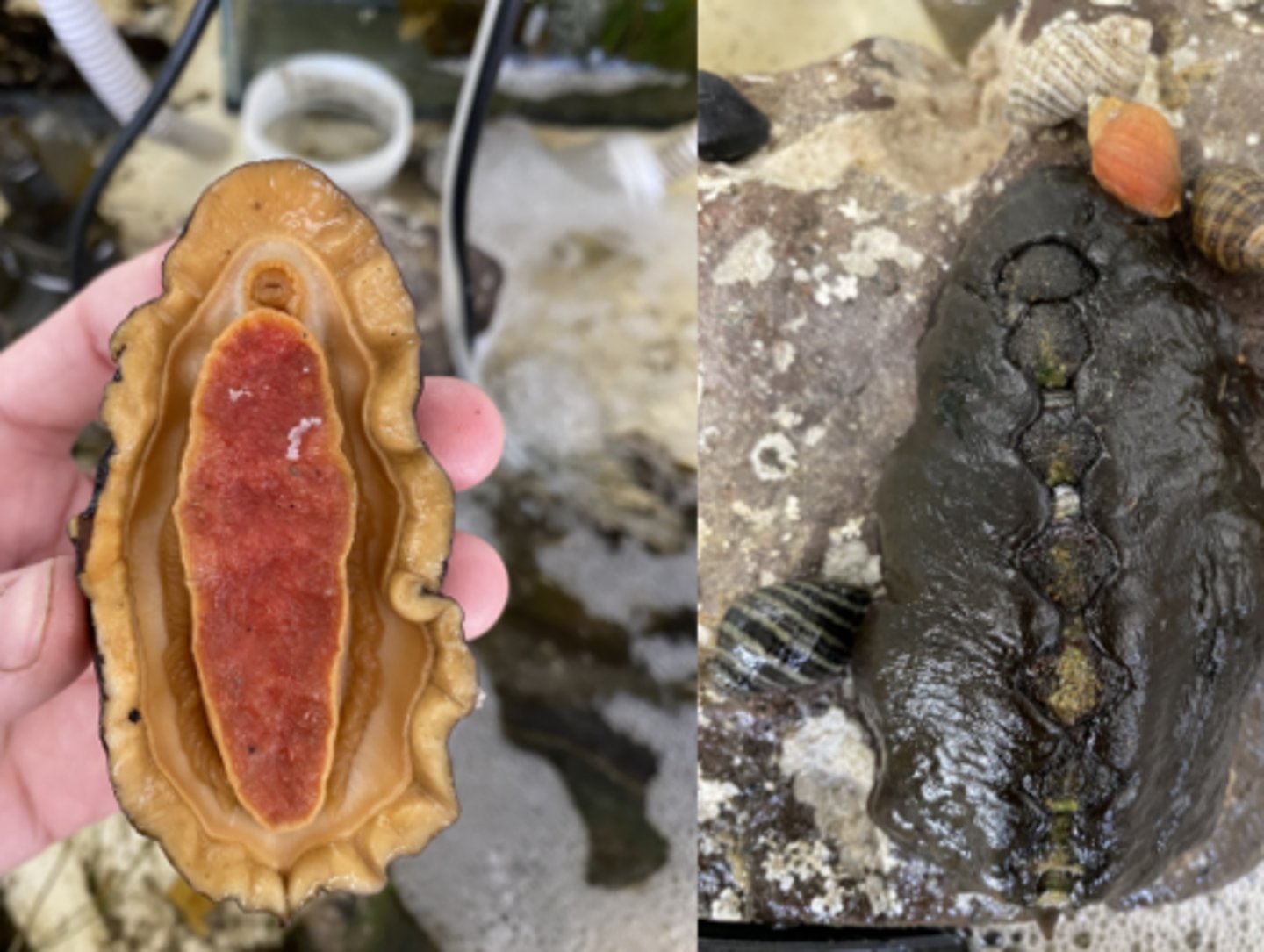
Katharina tunicata
Phylum: Mollusca
Class: Polyplaccophora
Tank(s) in lab: 8
Habitat: Rocky intertidal ares
Littorina spp.
Phylum: Mollusca
Class: Gastropoda
Tank(s) in lab: 3,6,7,8
Habitat: intertidal rock shores, but can also be found in mudflats or marsh habitats
*do not need to know species - just phylum, class, and genus
photo not correctly added to slide deck yet
Lottia asmi
Phylum: Mollusca
Class: Gastropoda
Tank(s) in lab: 1, 3, 2, 7, 8, 10, 11, 13
Habitat: Rocky Intertidal
Bilateral symmetry
Commonly known as the black limpet, ranging 5-10mm in size, found commonly on snails, mussels, or rocks. (very tiny!)
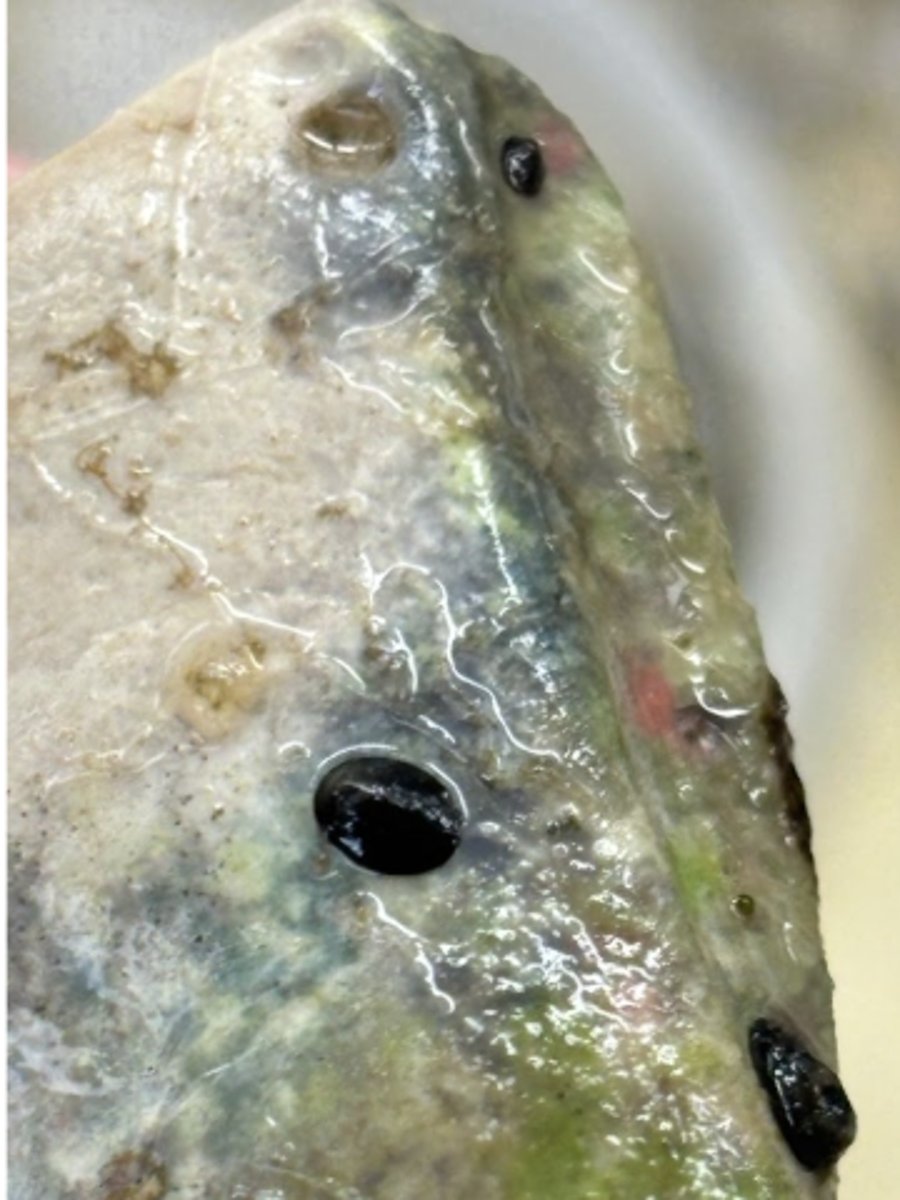
Lottia digitalis
Phylum: Mollusca
Class: Gastropoda
Tank(s) in lab: 6, 7, 8
Habitat: Rocky intertidal areas higher than most other species of limpets
Tips for Identifcation: Lottia digitalis can be distinguished from other limpets by its ribbed shell. If one runs their fingers along this species, noticeable bumps or “ribs” can be felt compared to other limpets which possess a smoother shell.
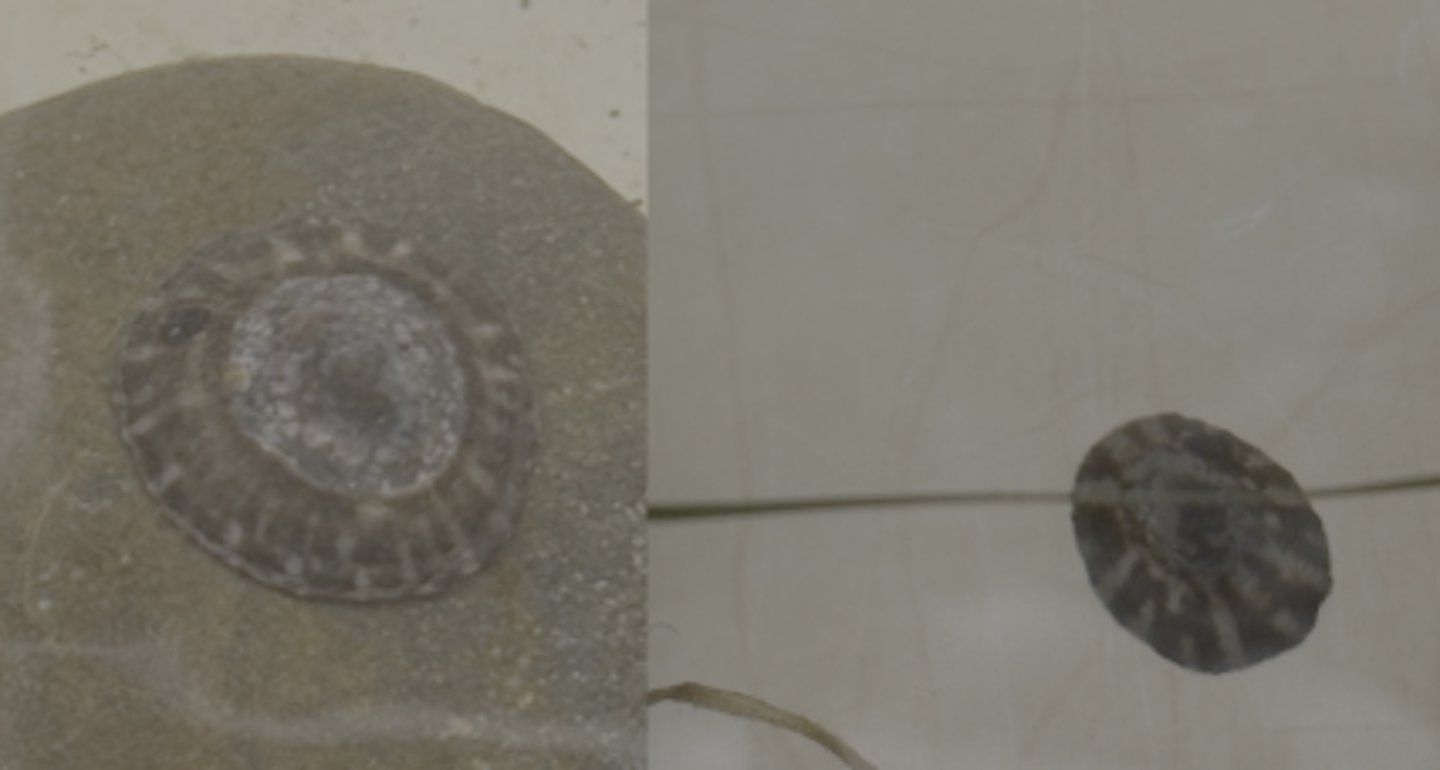
Macoma nasuta
Phylum: Mollusca
Class: Bivalvia
Tank(s) in lab: 4
Habitat: Burrows in mudflats and other soft substrates
Species Interactions: Pea Crabs, Pinnixa littoralis or Nemertean worms, Malacobdella grossa, may live in it’s mantle cavity
Distinguishing features: posterior ends are bent to the right
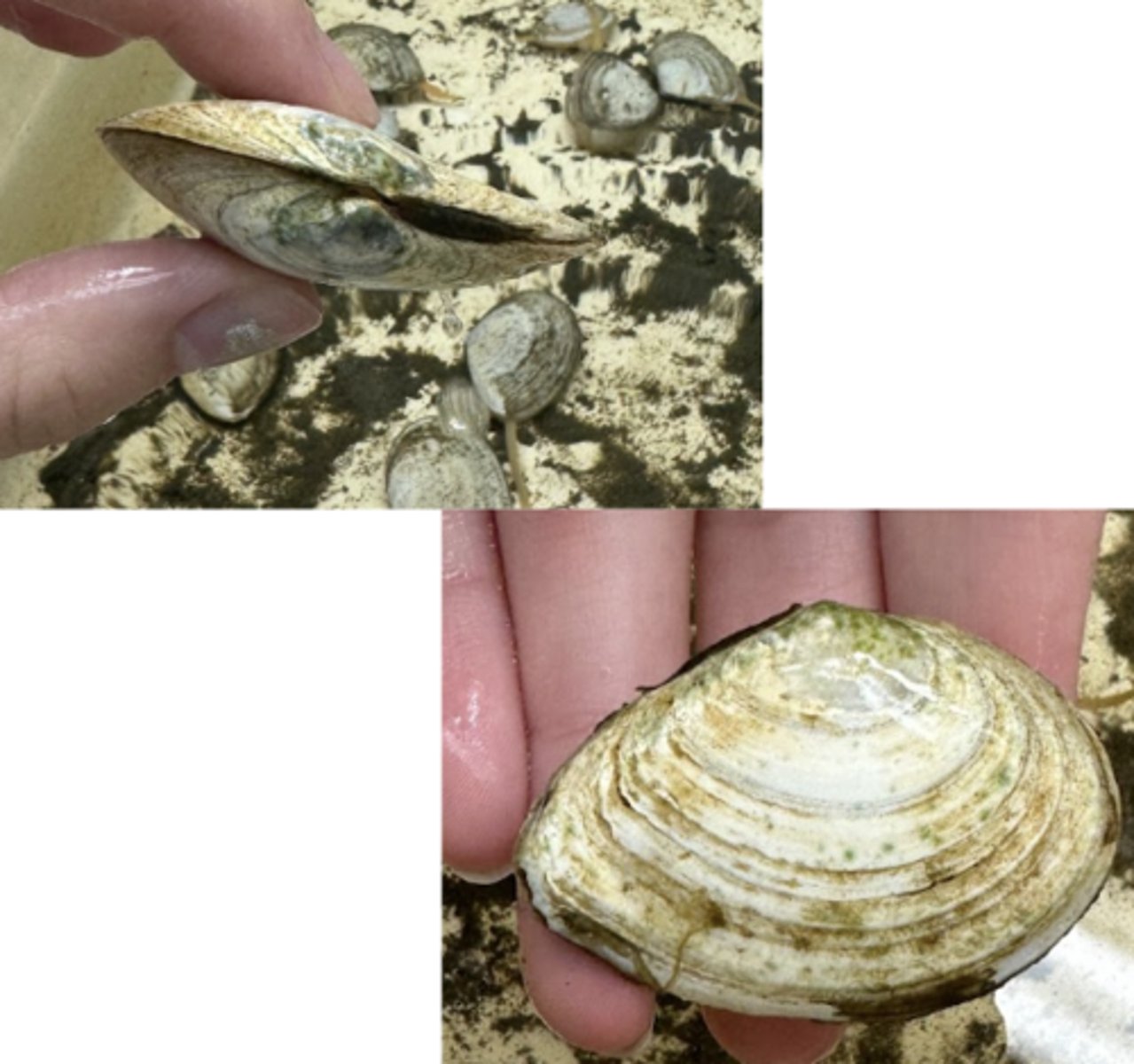
Membranipora serrilamella
Phylum: Bryozoan
Class: Gymnolaemata
Tank(s) in lab: 6
Habitat: Forms calcified colonies on kelp, rocks, shells or human made structures such as boats and docks.
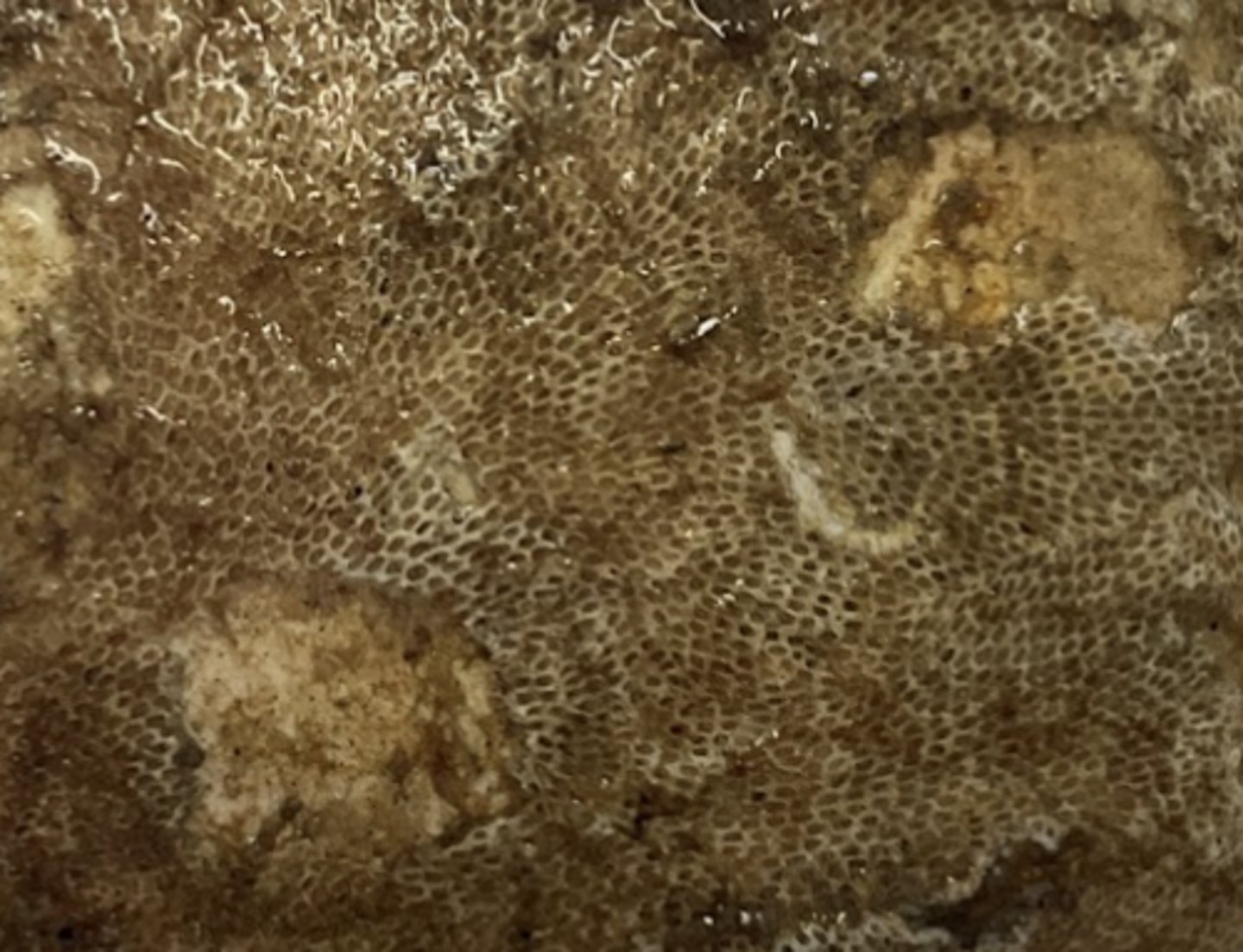
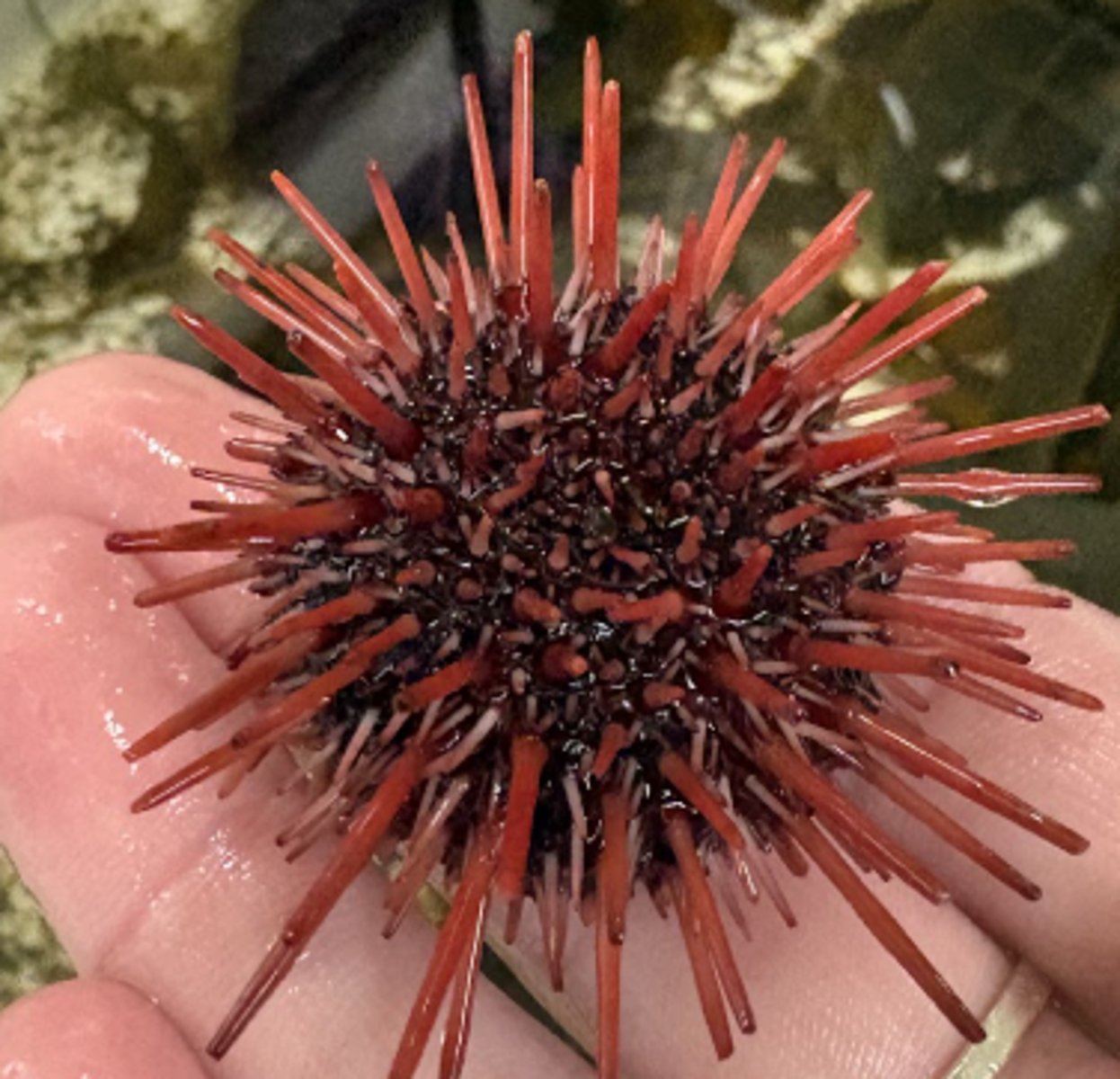
Mesocentrotus (or Strongylocentrotus) franciscanus
Phylum: Echinodermata
Class: Echinoidea
Tank(s) in lab: 10
Habitat: rocky intertidal zones from Alaska to Mexico up to 160m. Ecological engineers by controlling kelp forest growth.
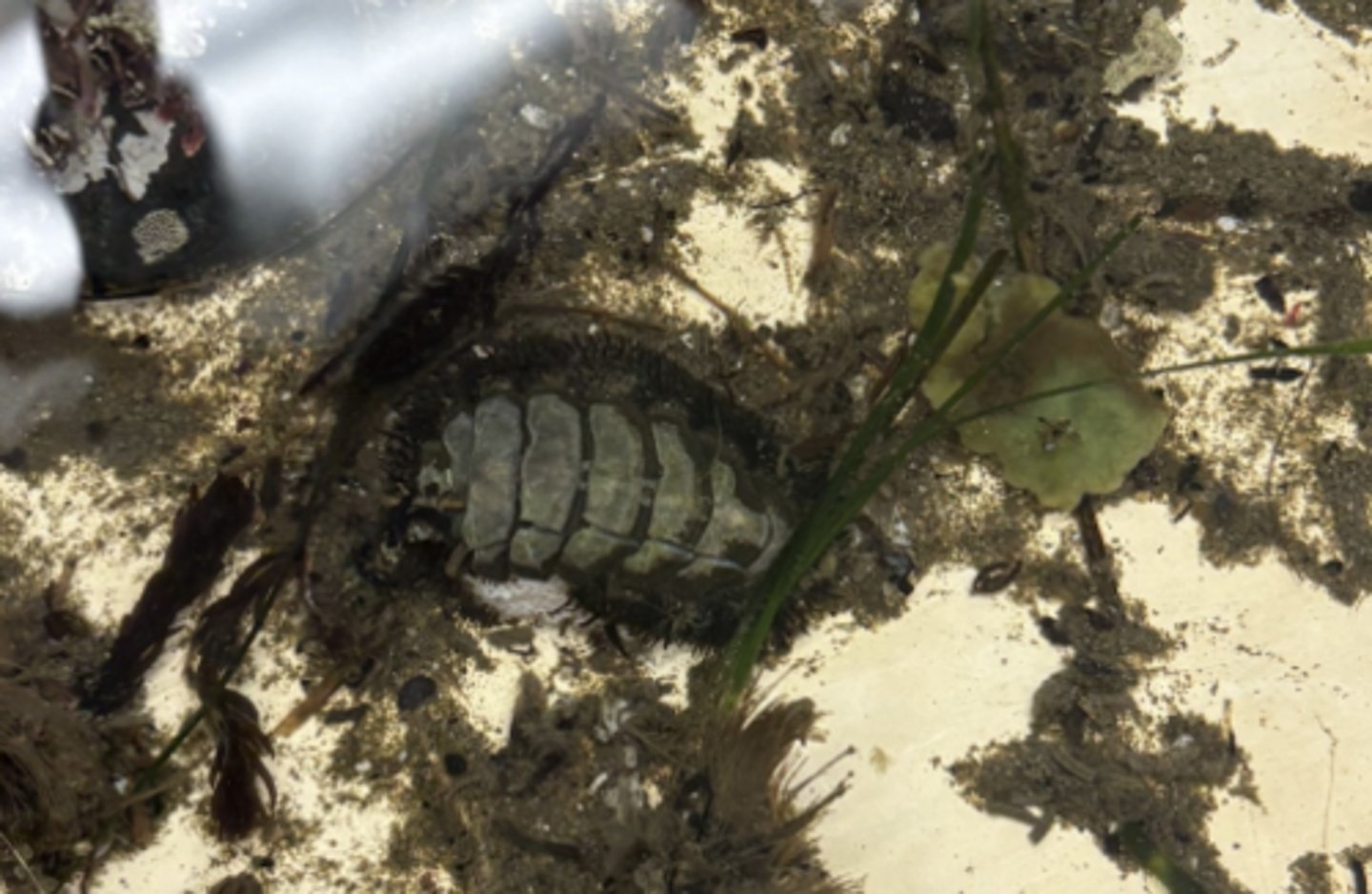
Mopalia muscosa
Phylum: Mollusca
Class: Polyplacophora
Tank(s) in lab: 1, 3, 6, 7, 8
Habitat: Rocky low to mid intertidal zones, found typically clinging to rocks
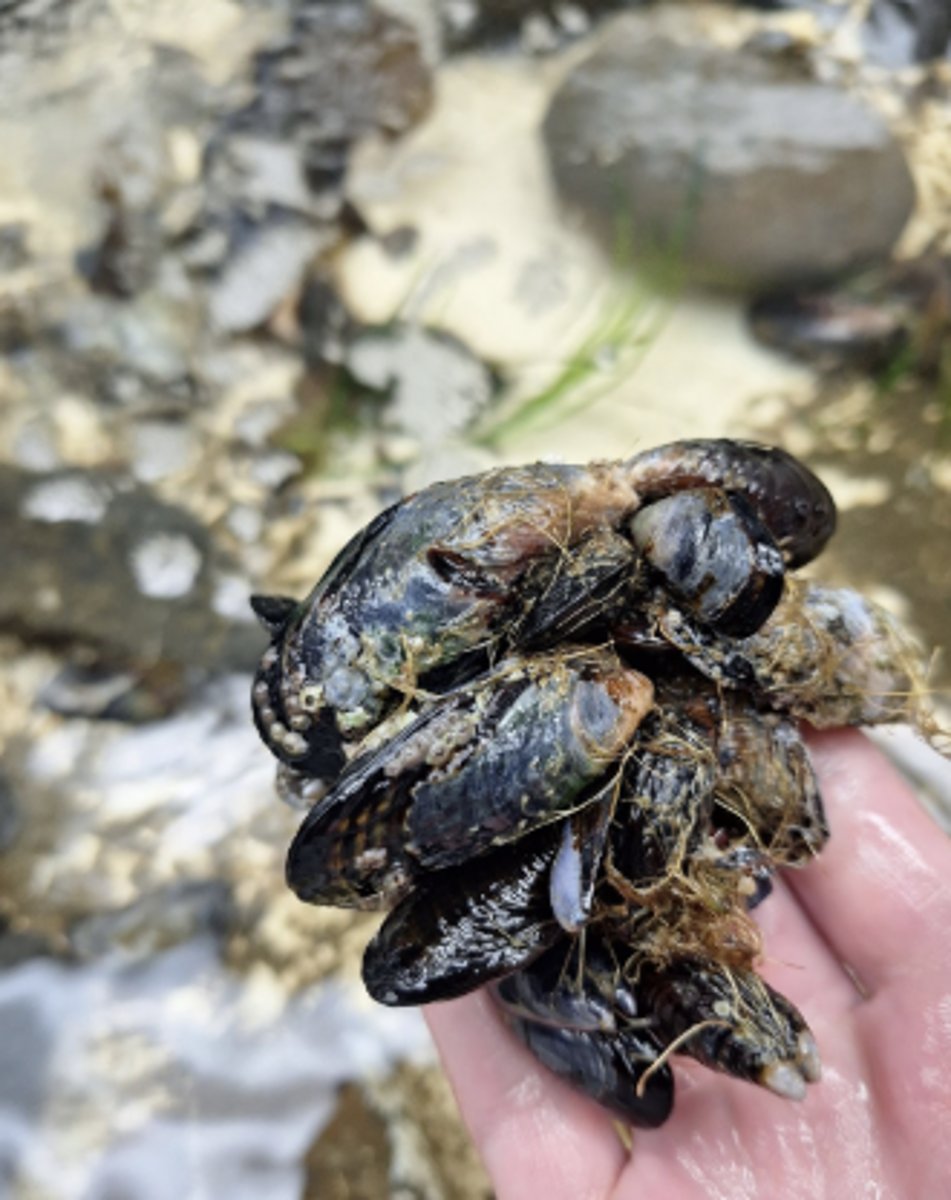
Mytilus californianus
Phylum: Mollusca
Class: Bivalvia
Tank(s) in lab: 2, 3, 6, 7, 8, 10, 11, 14, 23,24
Habitat: Intertidal zones, preferring rocky areas
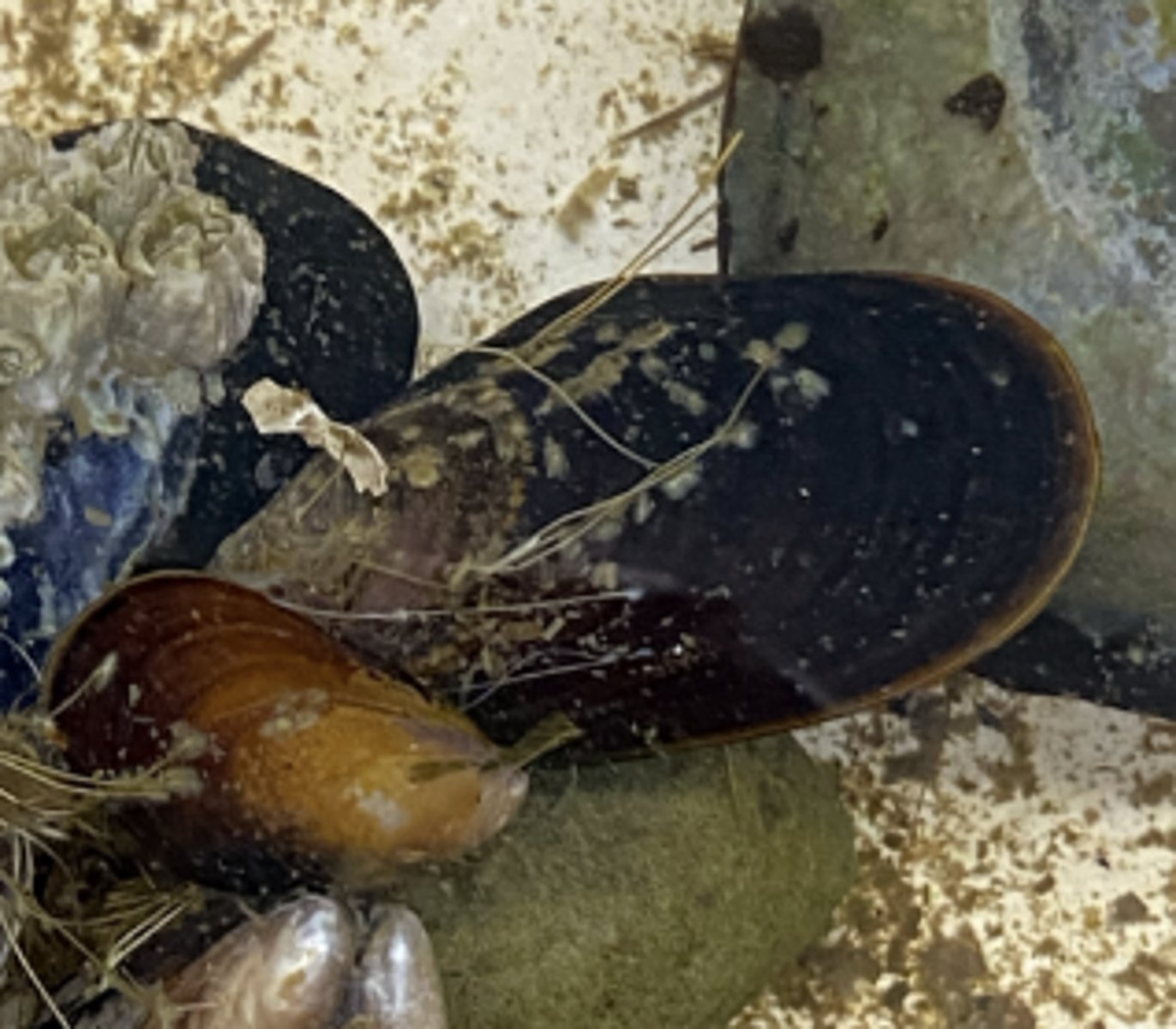
Mytilus trossulus
Phylum: Mollusca
Class: Bivalva
Tank(s) in lab: 2,3,6,7,8,10,11,14,22
Habitat: Rocky intertidal, dock fouling communities
Tips for Indentifcation: Mytilus trossulus can be distinguished from Mytilus californianus by the former’s smaller size and being more brown in color.
Neotrypaea californiensis
Phylum: Arthropoda
Class: Malacostraca
Tank(s) in lab: 17 and 9
Habitat: intertidal mudflats and beaches in burrow systems
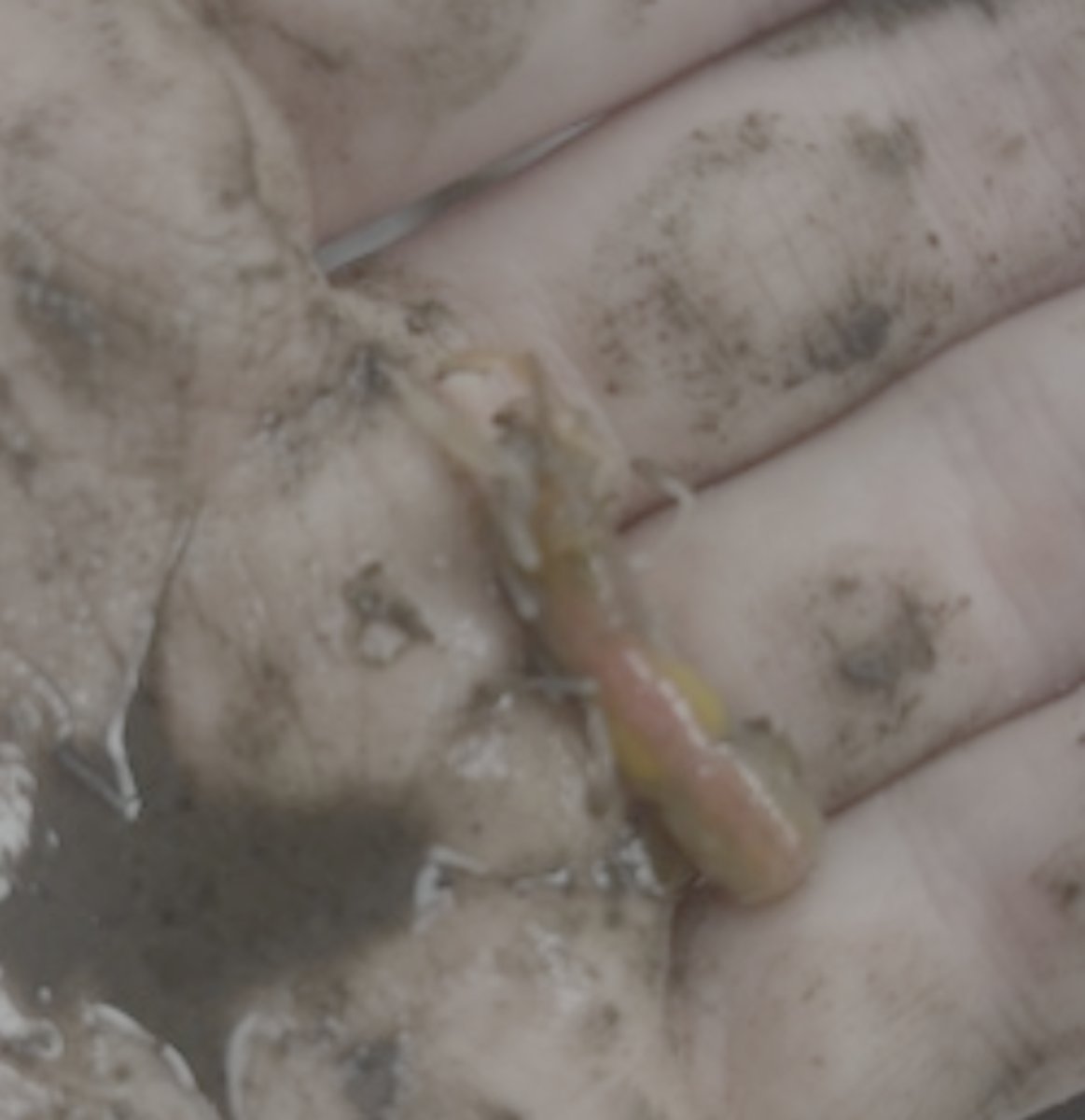
Nereis vexillosa
Phylum: Annelida
Class: Polychaeta
Tank(s) in lab:5
Habitat: sand, muddy sand or rocks in the intertidal to subtital
The posterior noropodila lobes are elongated and strap like, generally on the large side for polychaeta, about 1.2cm wide
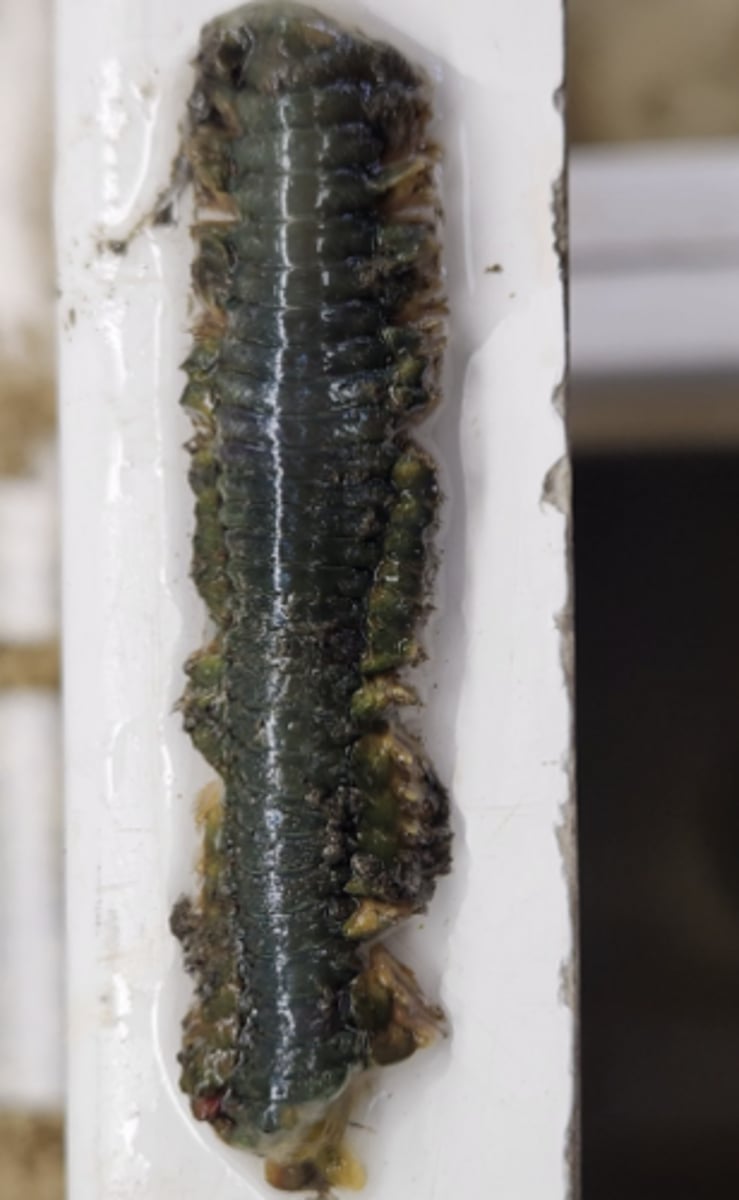
Nucella ostrina
Phylum: Mollusca
Class: Gastropoda
Tank(s) in lab: 3, 6, 7, 8
Habitat: high-mid rocky intertidal, found amongst barnacle prey and on mussels
N. ostrina has so much natural variation that it can be hard to think of as one species.
Images not added by classmates
Nucella canaliculata
Phylum: Mollusca
Class: Gastropoda
Tank(s) in lab: 7
Habitat:
Images not added by classmates
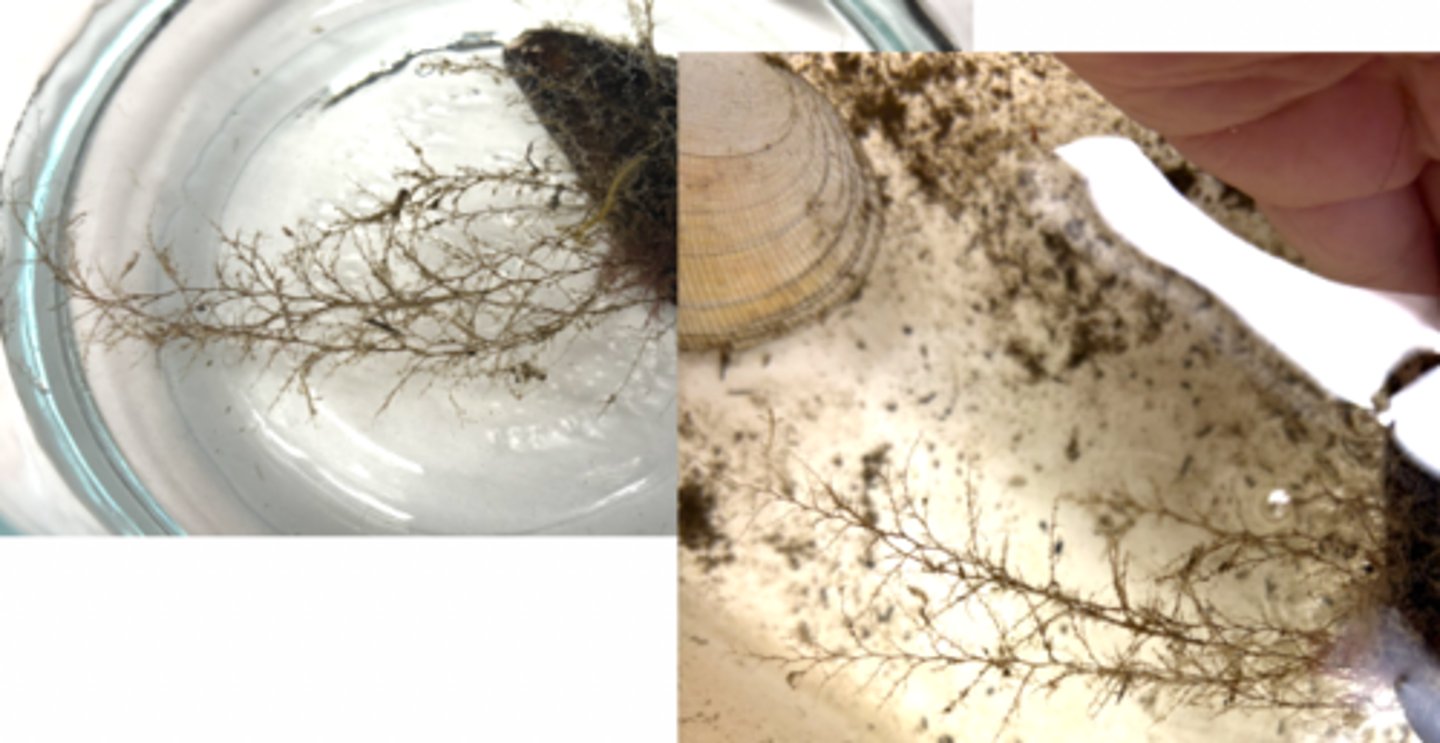
Obelia dichotoma
Phylum: Cnidaria
Class: Hydrozoa
Tank(s) in lab: 8
Habitat: Rocky intertidal from Alaska to South America. Colonies often found hanging from algae, of other inverts.
Distinguishable by zig-zag center branching pattern
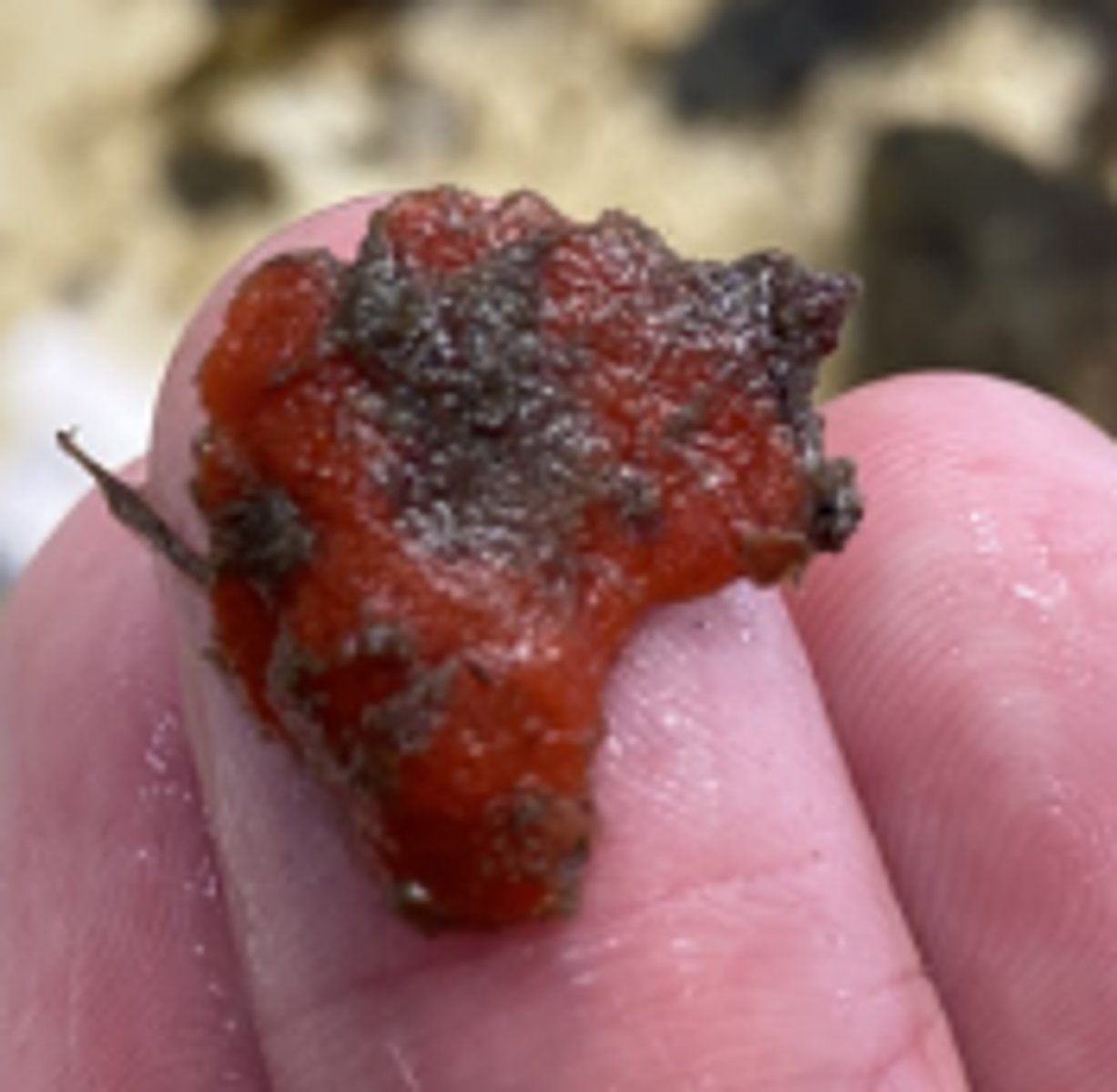
Ophlitaspongia pennata
Phylum: Porifera
Class: Demospongiae
Tank(s) in lab: 6, 8
Habitat: Rocky intertidal
Orthione griffensis
Phylum: Arthropoda
Class: Malacostraca
Tank(s) in lab: 18, 21
Habitat: On or under the gill flap of Upogebia pugettensis, with which they have a parasitic relationship
Smaller = male
Larger = female
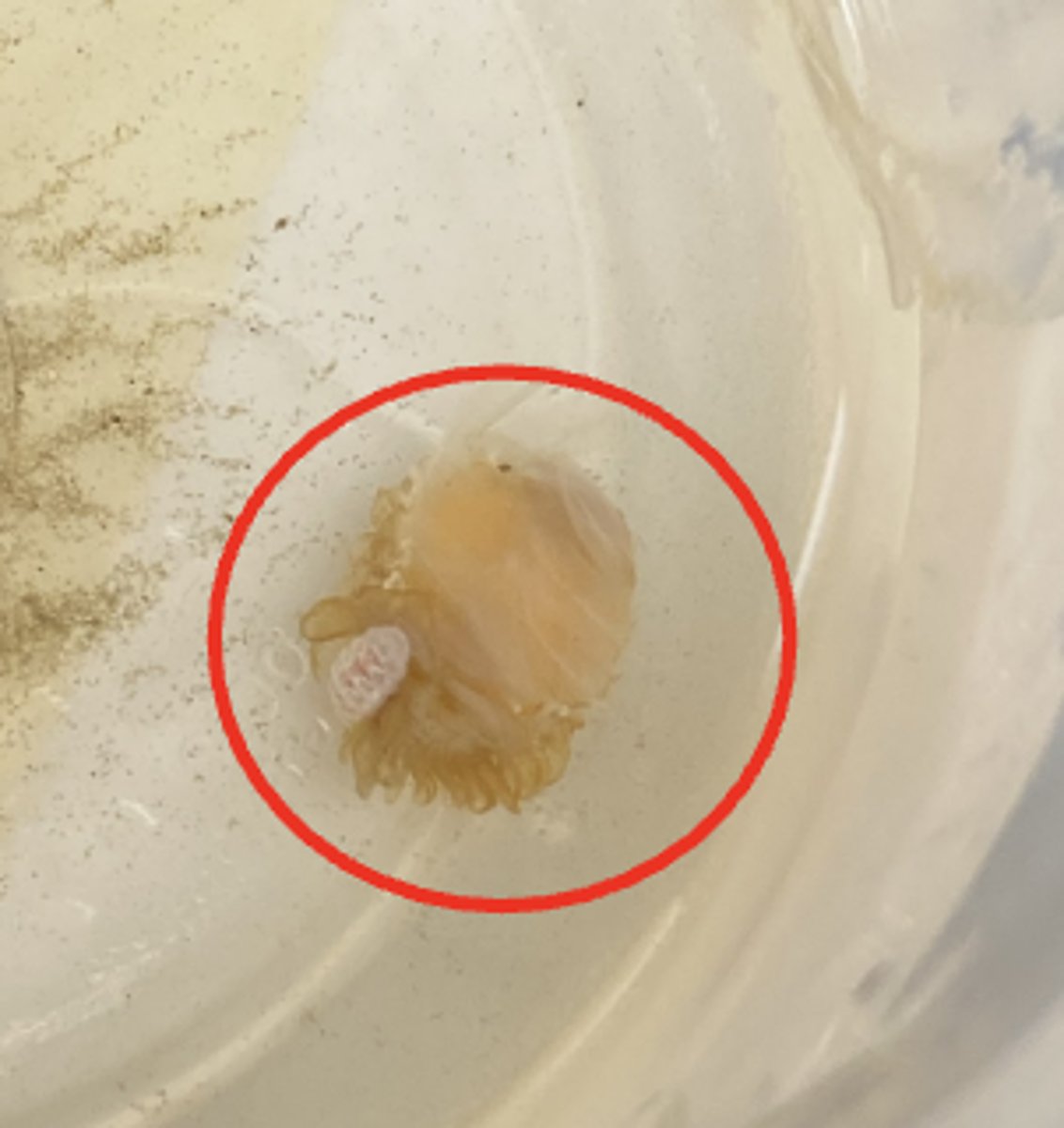
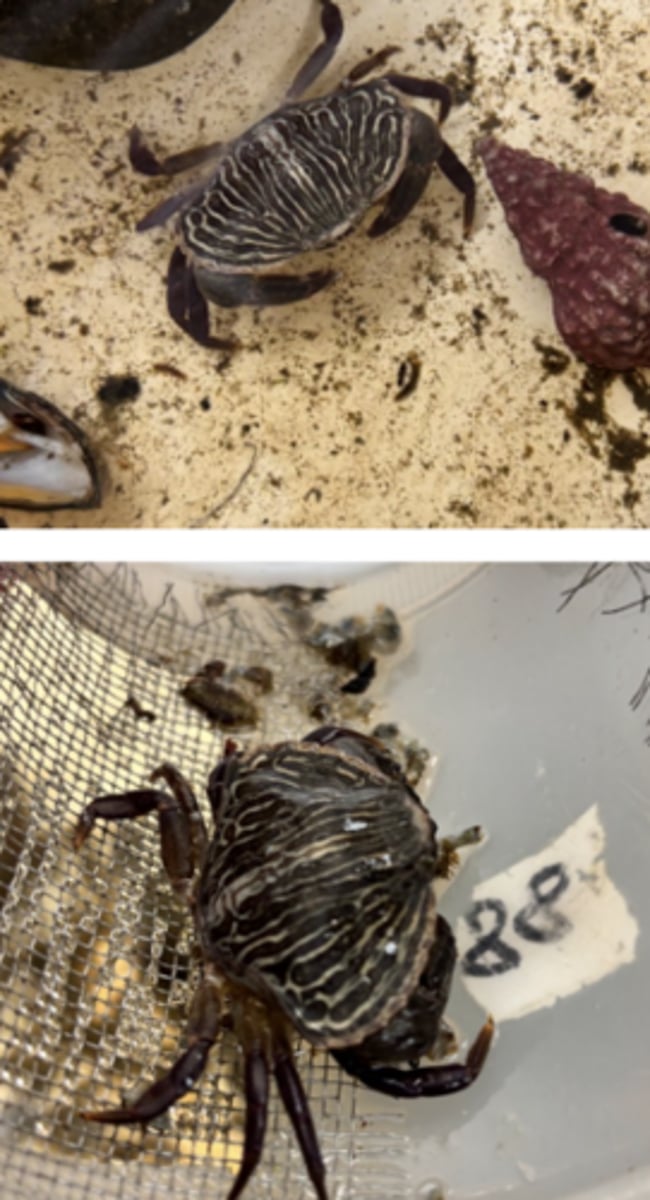
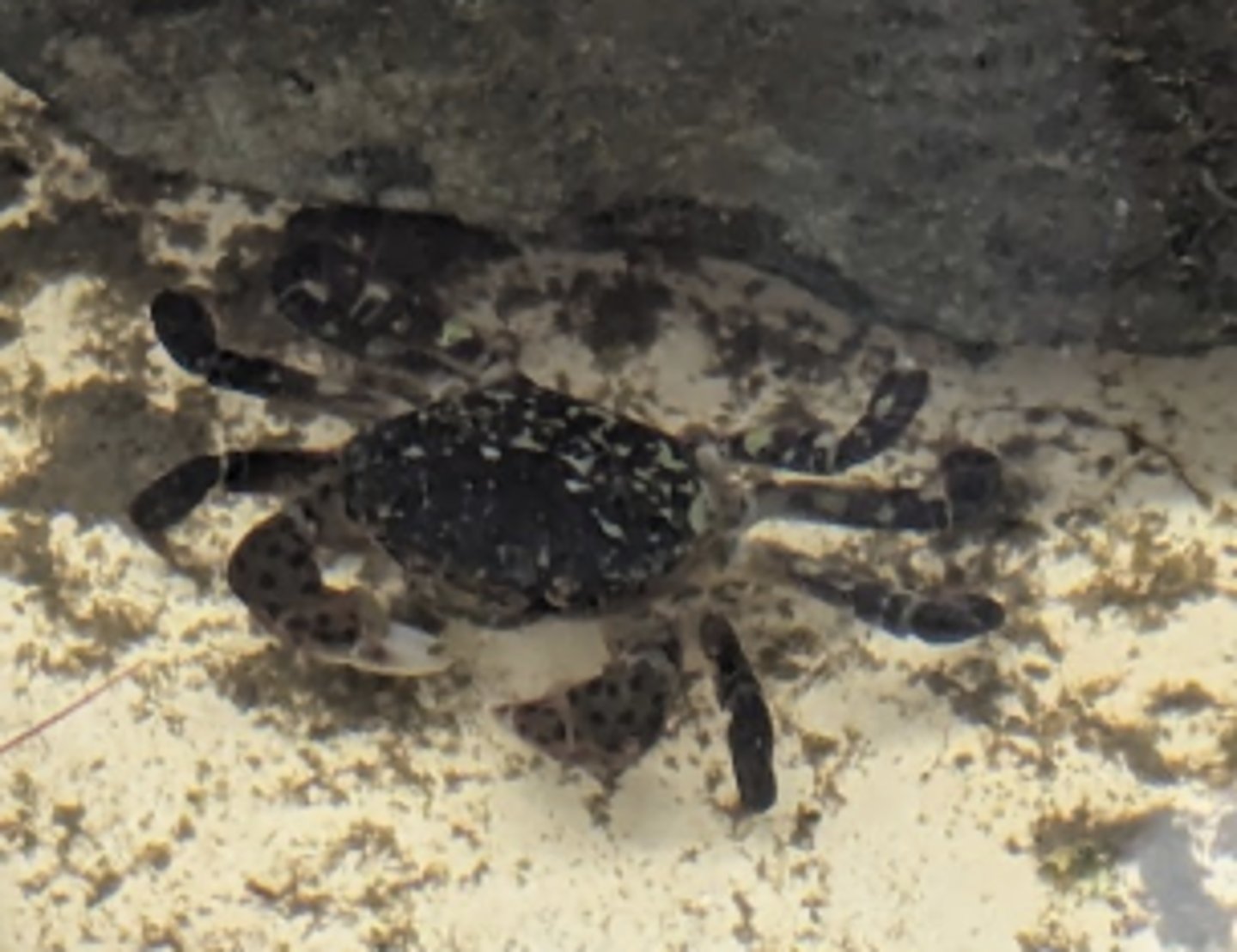
Pachygrapsus crassipes
Phylum: Anthropoda
Class: Malacostraca
Tank(s) in lab: 21 and 5
Habitat: Found in crevices, under rocks, in tidepools and mussel beds. They can also sometimes be found in clay burrows.
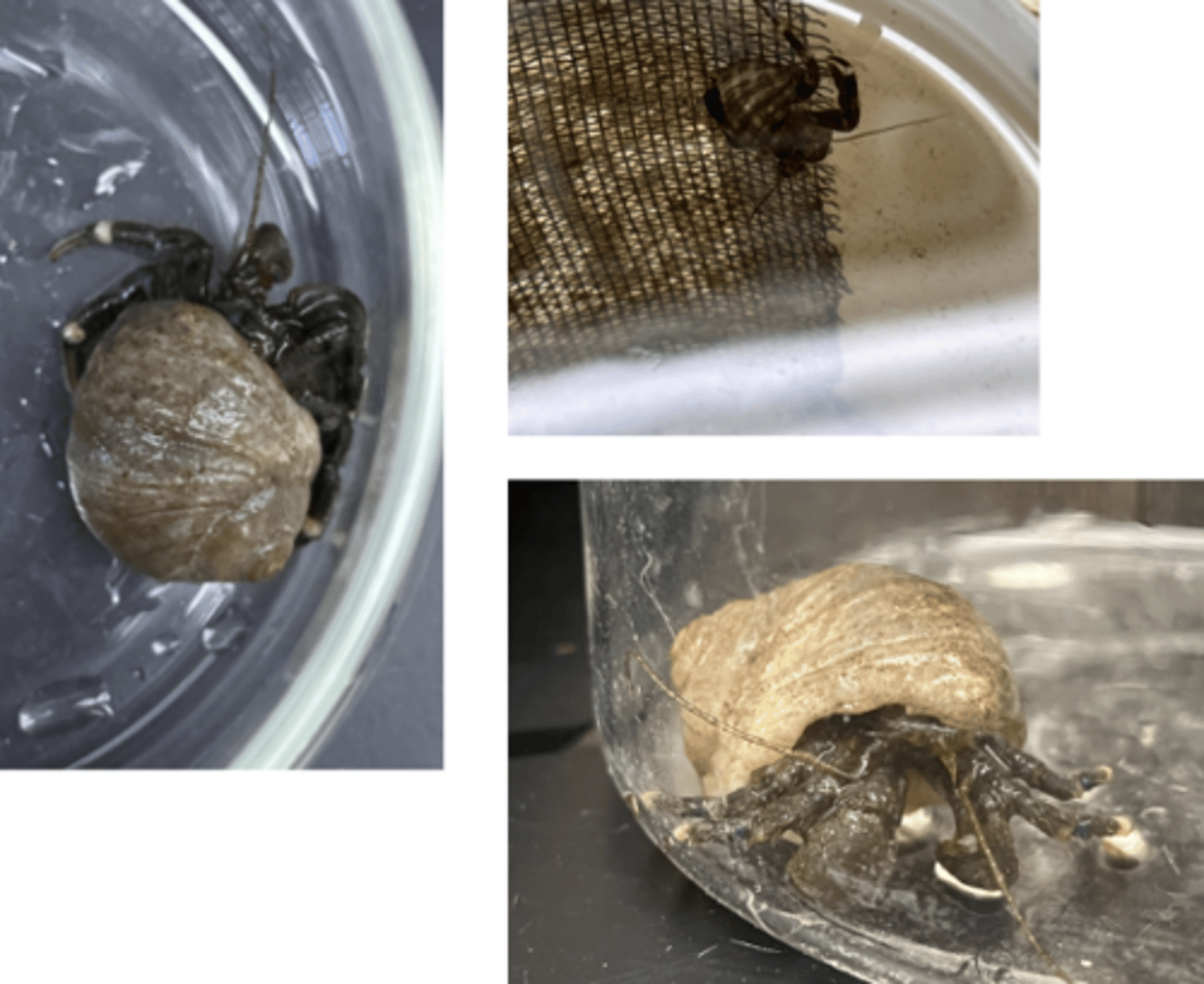
Pagurus spp.
Phylum: Arthropoda
Class: Malacostraca
Tank(s) in lab: 3,6,7,8
Habitat: Rocky intertidal areas through the upper and lower zones. They can be found in areas with rocky, sandy, muddy, and grassy bottoms.
*do not need to know species - just phylum, class, and genus
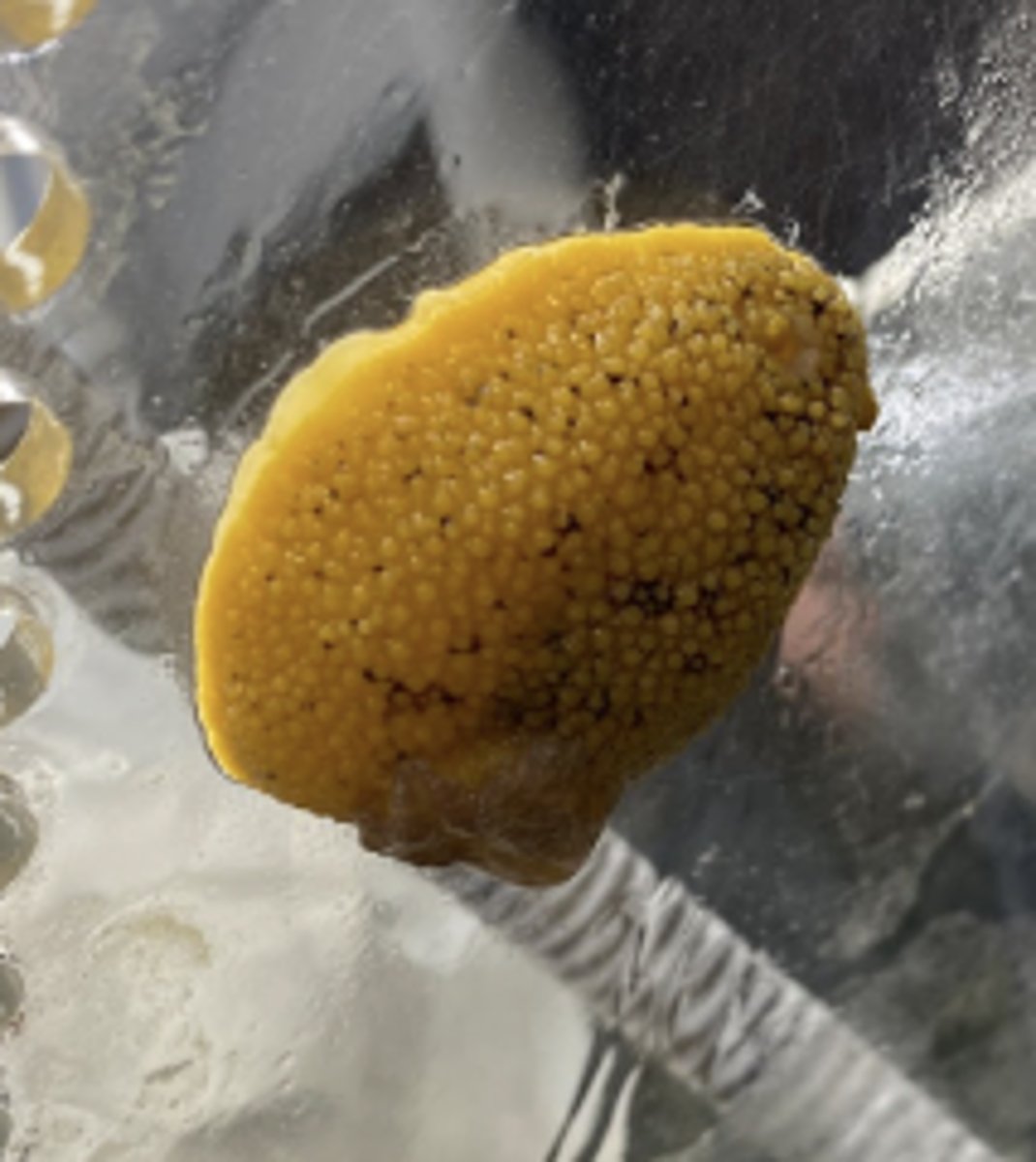
Peltodoris nobilis
Phylum: Mollusca
Class: Gastropoda
Tank(s) in lab: 8
Habitat: Rocky intertidal
White tipped gills and spots between tubercles. Whereas Doris montereyensis has spots on top of tubercles
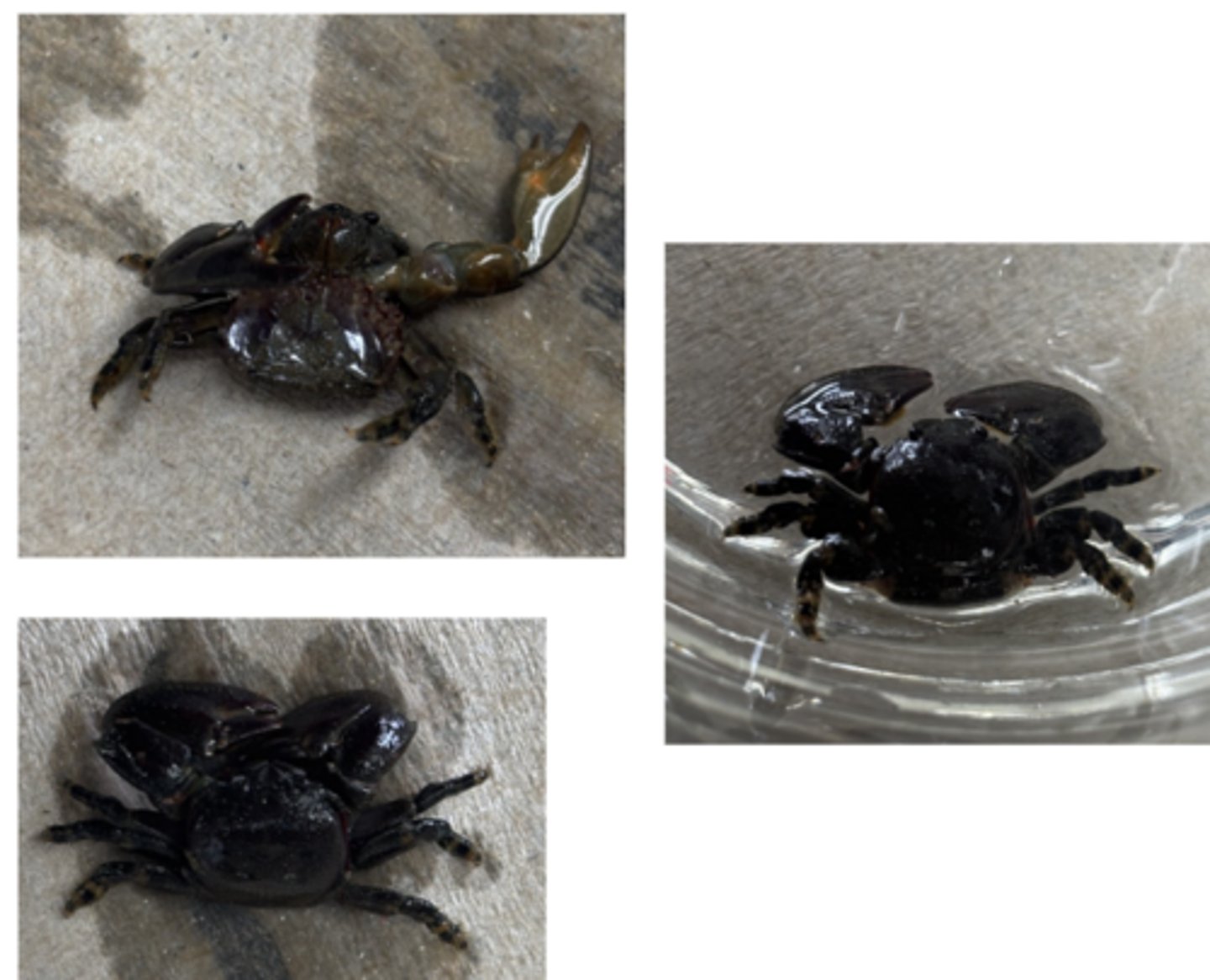
Petrolisthes spp.
Phylum: Anthropoda
Class: Malacostraca
Tank(s) in lab: 3, 6, 7
Habitat: Found in the rocky intertidal. Commonly found under rocks or in bunches of mussels.
Differentiate from Hemigrapsus by flattened carapace shape and only three pairs of walking legs.
*do not need to know species - just phylum, class, and genus
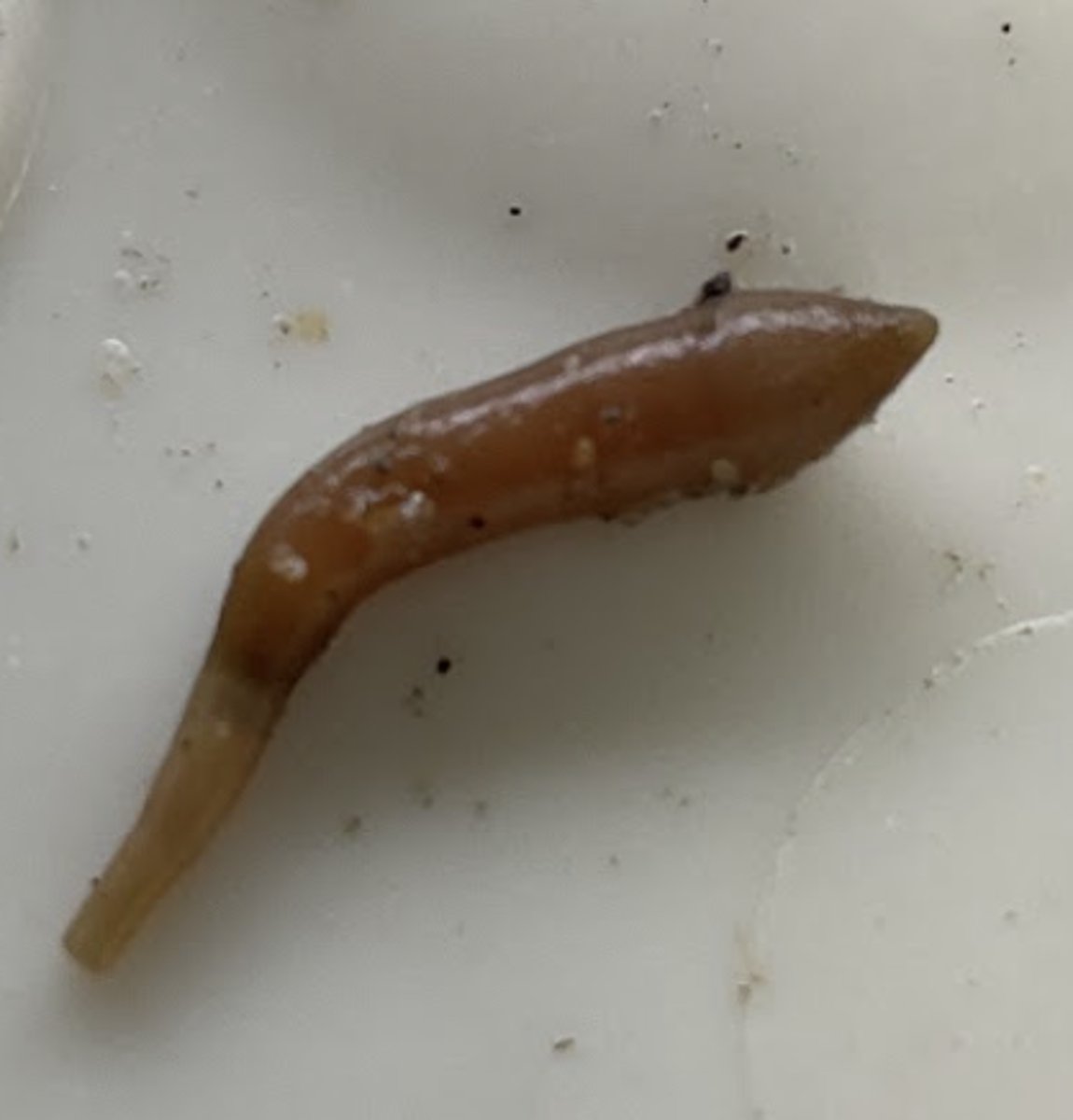
Phascolosoma agassizii
Phylum: Sipuncula
Class: Sipunculidea
Tank(s) in lab: 2,6
Habitat: Found buried in the mud near surfgrass roots or hiding in the cracks of rocks
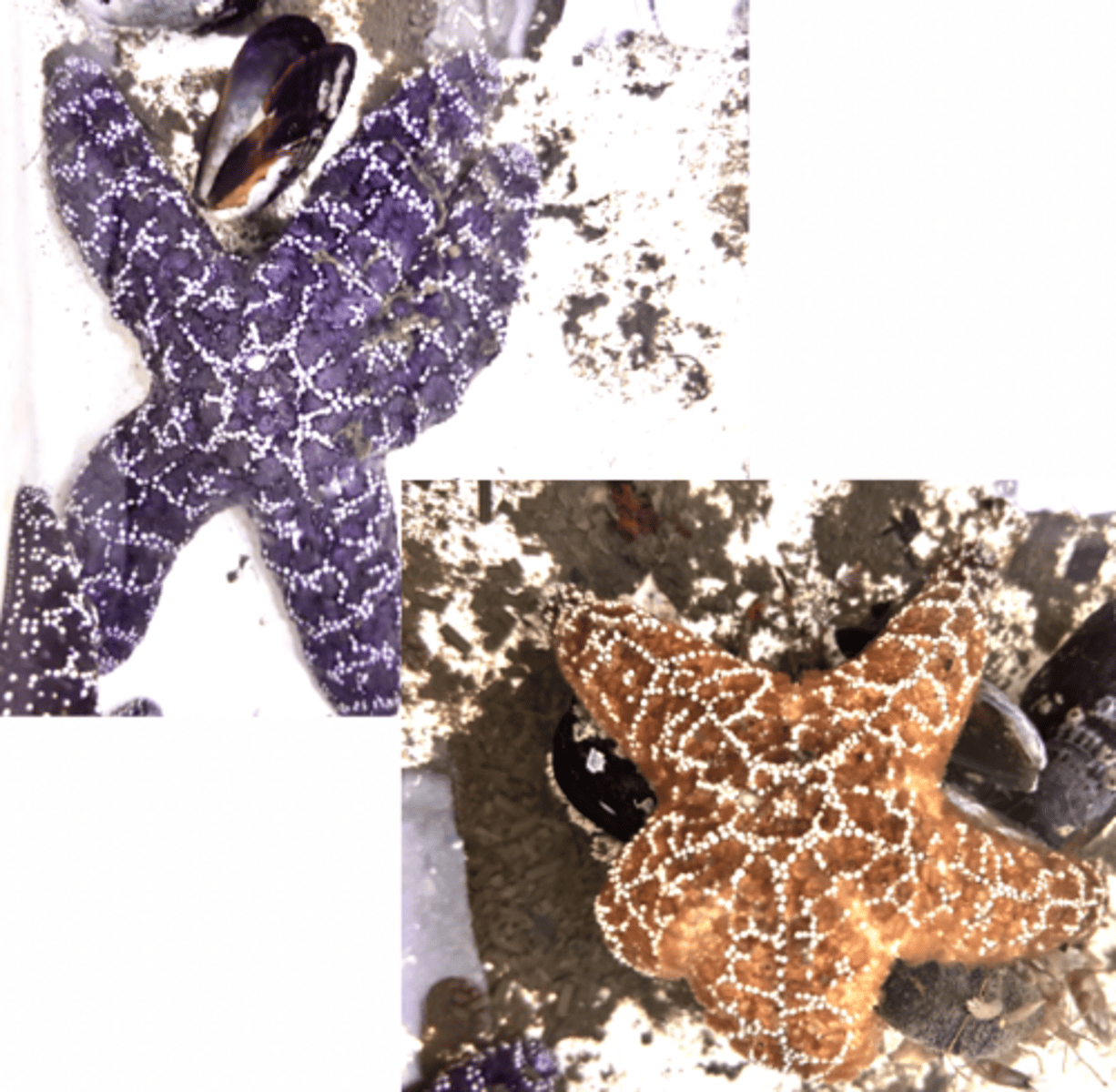
Pisaster ochraceus
Phylum: Echinodermata
Class: Asteroidea
Tank(s) in lab: 14
Habitat: Tidepools, rocky intertidal, and kelp forests to 97m
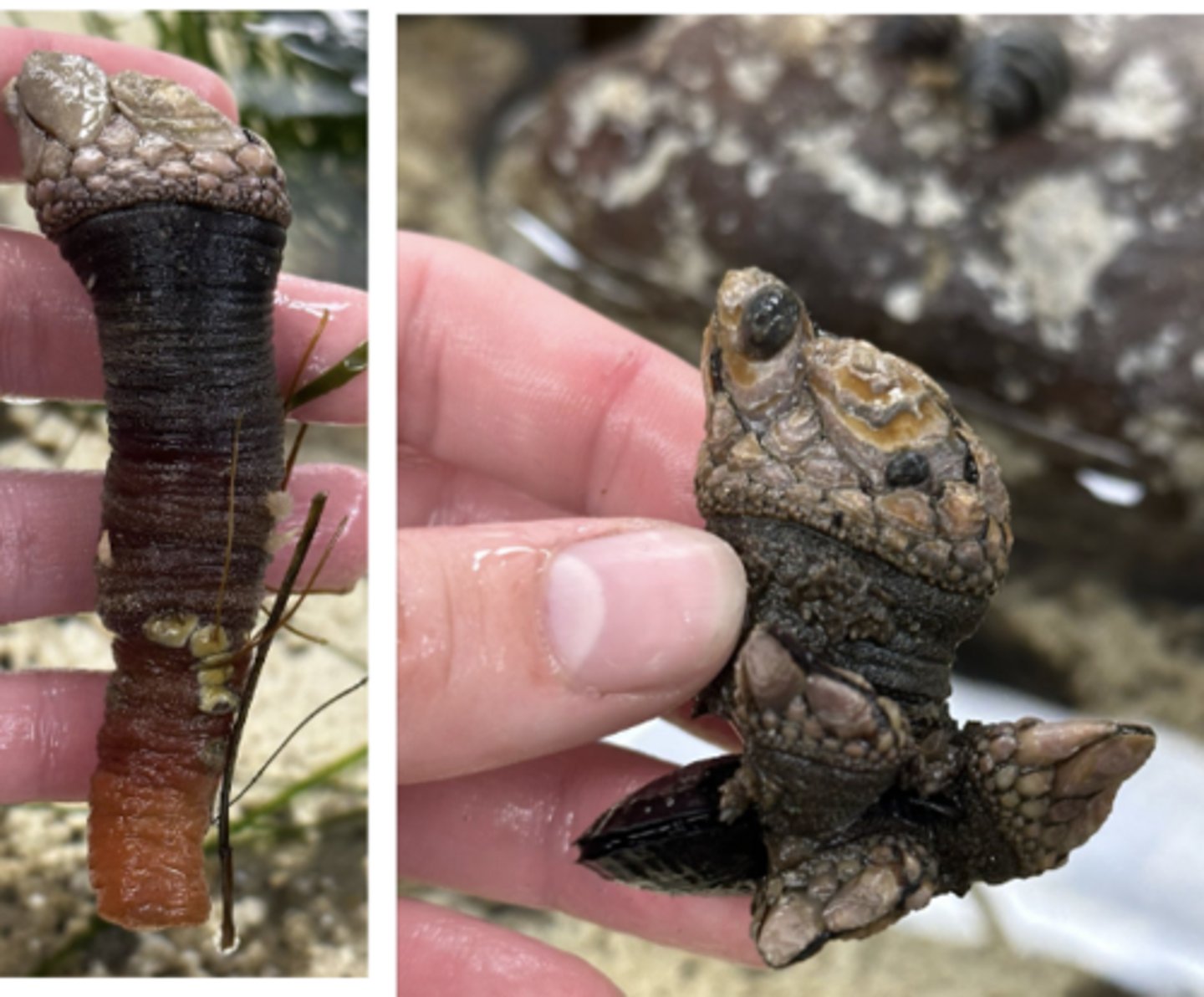
Pollicipes polymerus
Phylum: Arthropoda
Class: Maxillopoda
Tank(s) in lab: 1, 3, and 8
Habitat: Lives in intertidal zone on rocks and wave swept boulders; exposed
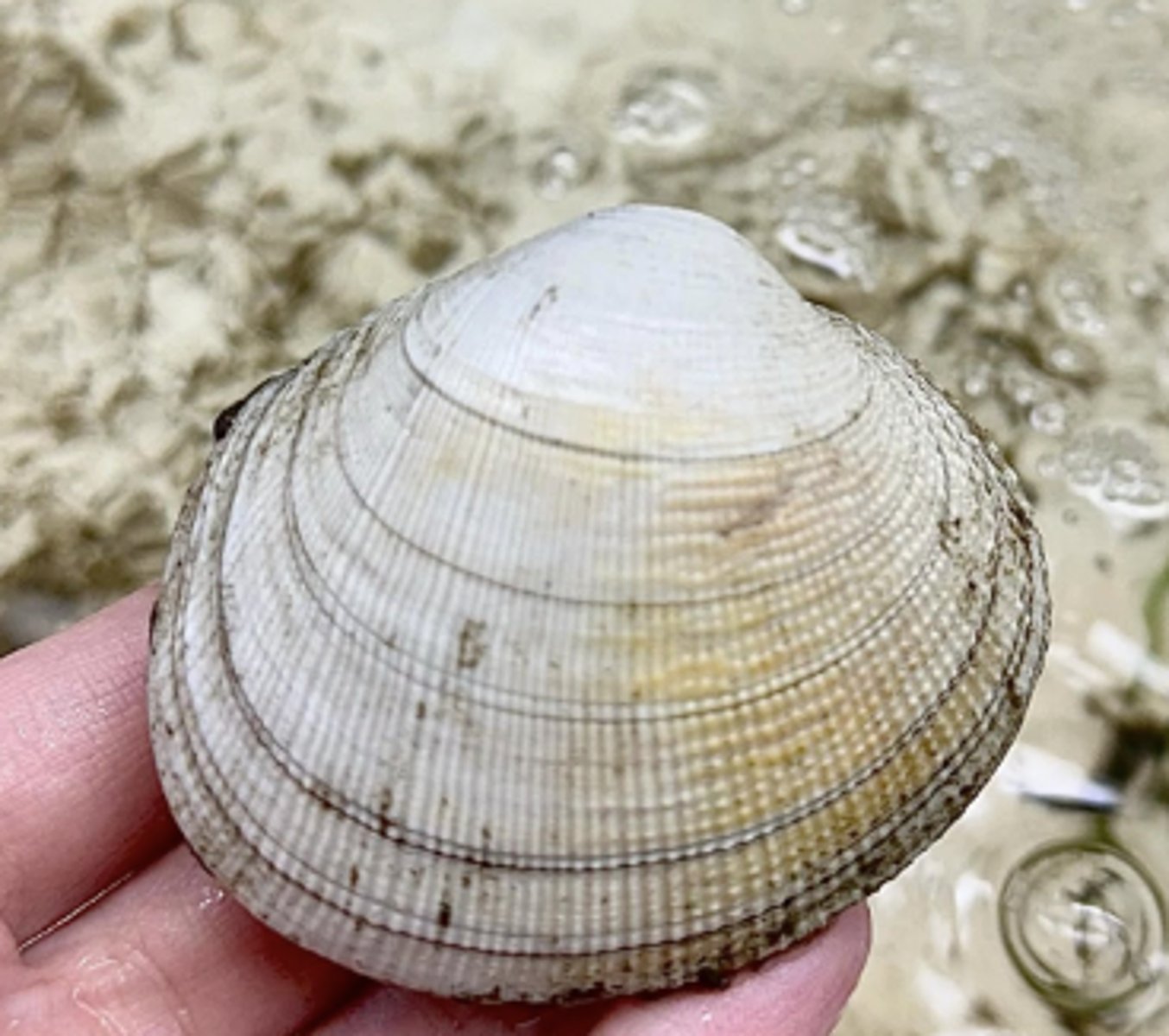
Protothaca staminea
Phylum: Mollusca
Class: Bivalvia
Tank(s) in lab: 1, 4
Habitat: middle-to-low intertidal zones, sandy muds
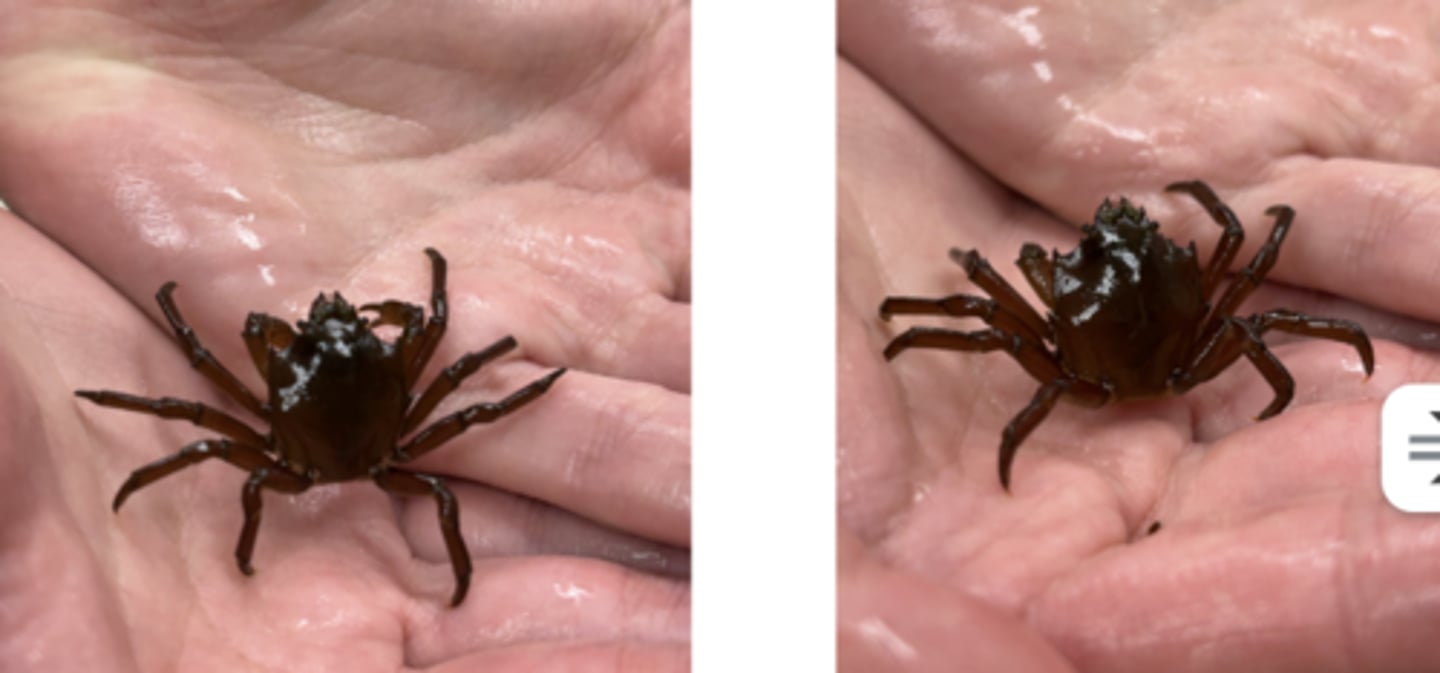
Pugettia producta
Phylum: Arthropoda
Class: Malacostraca
Tank(s) in lab: 2
Habitat: Kelpbeds, pilings, juveniles in tidepools
Distinguishable by extended, two-pointed carapace between eyes and shield-shaped carapace
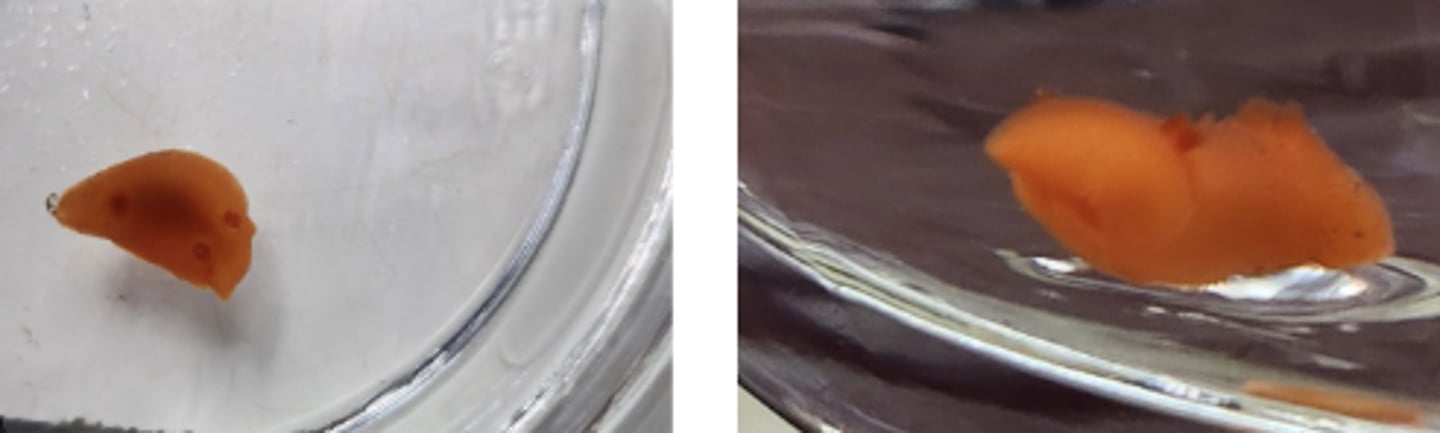
Rostanga pulchra
Phylum: Mollusca
Class: Gastropoda
Tank(s) in lab: 1 and 8
Habitat: rocky intertidal often on top of red sponges like Ophiliaspongia pennata
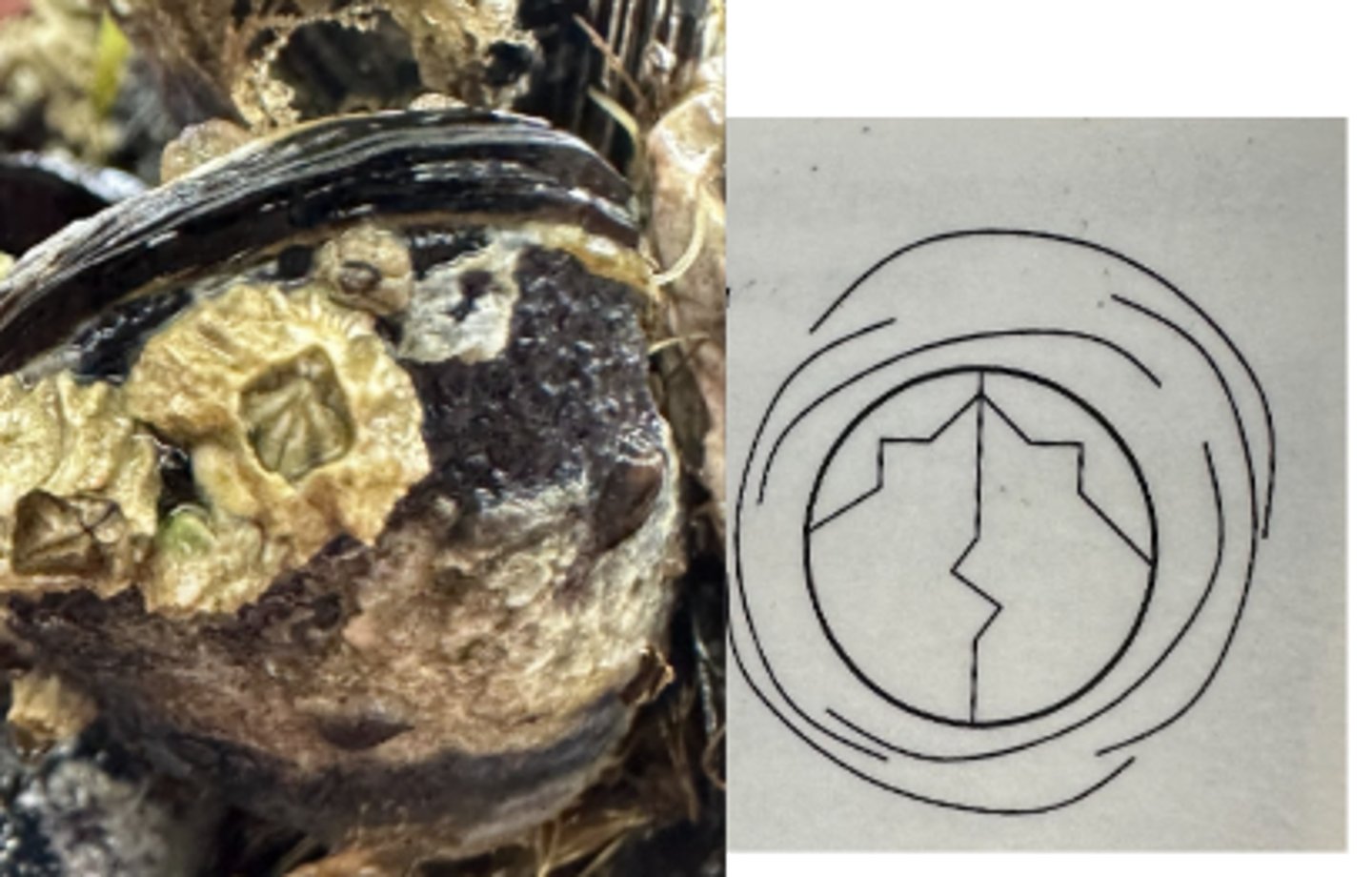
Semibalanus cariosus
Phylum: Arthropoda
Class: Cirripedia or Maxillopoda or Thecostraca
Tank(s) in lab: 7
Habitat: Lives in mid intertidal low intertidal on rocks; exposed
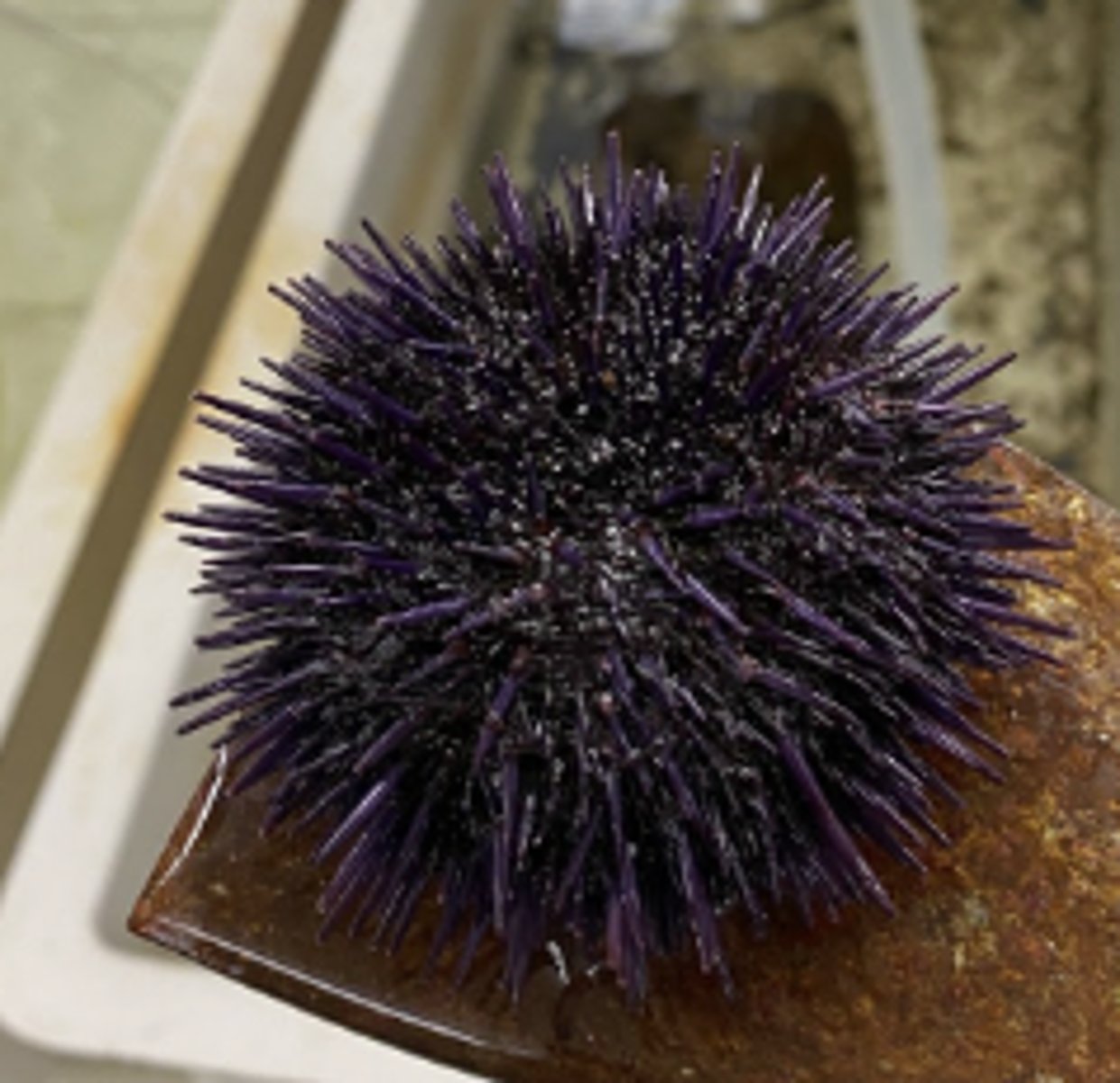
Strongylocentrotus purpuratus
Phylum: Echinodermata
Class: Echinoidea
Tank(s) in lab: 10
Habitat: Rocky intertidal, tidepools, kelp beds
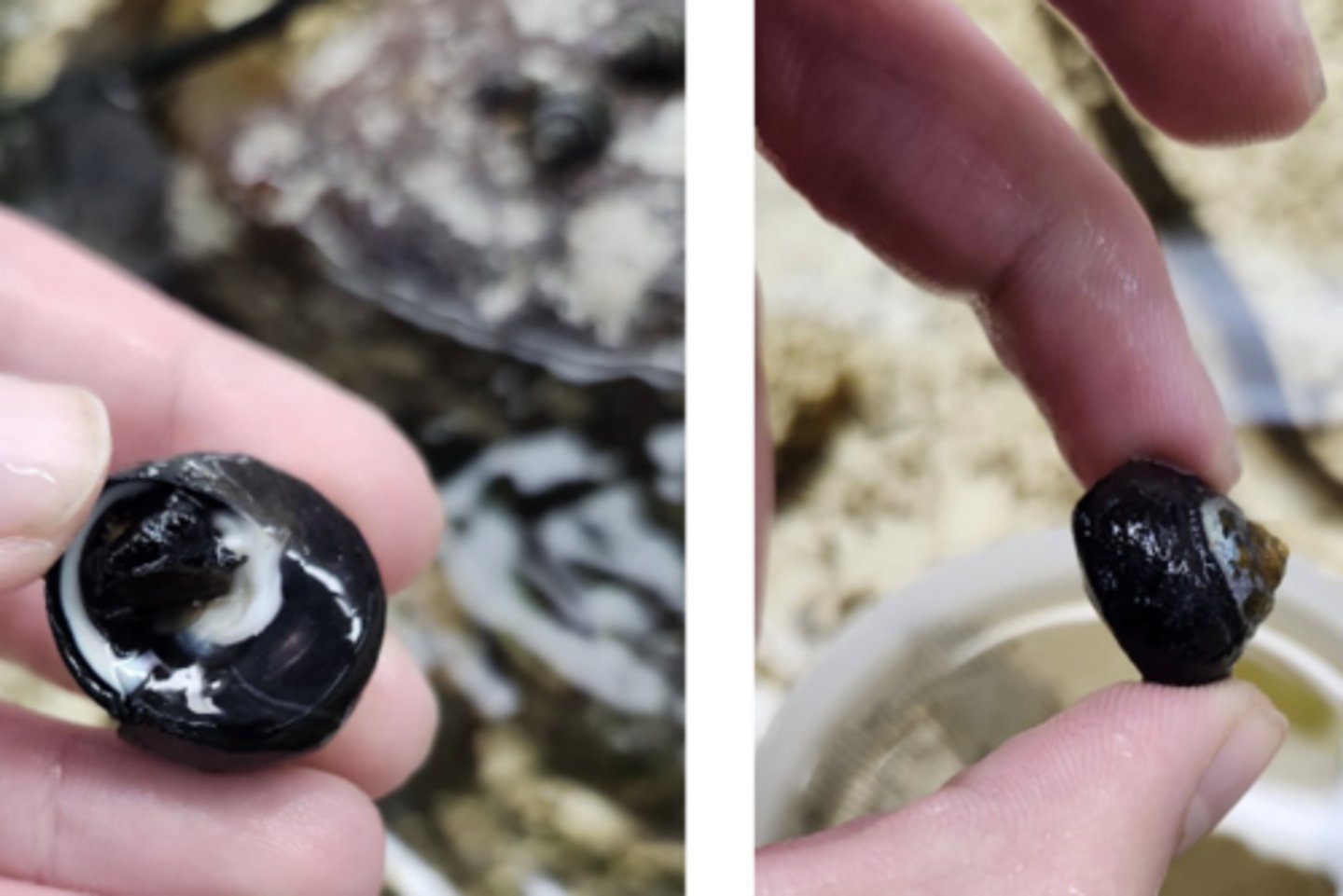
Tegula funebralis
Phylum: Mollusca
Class: Gastropoda
Tank(s) in lab: 8, 7, 6, and 3
Habitat: rocky intertidal of the PNW and california
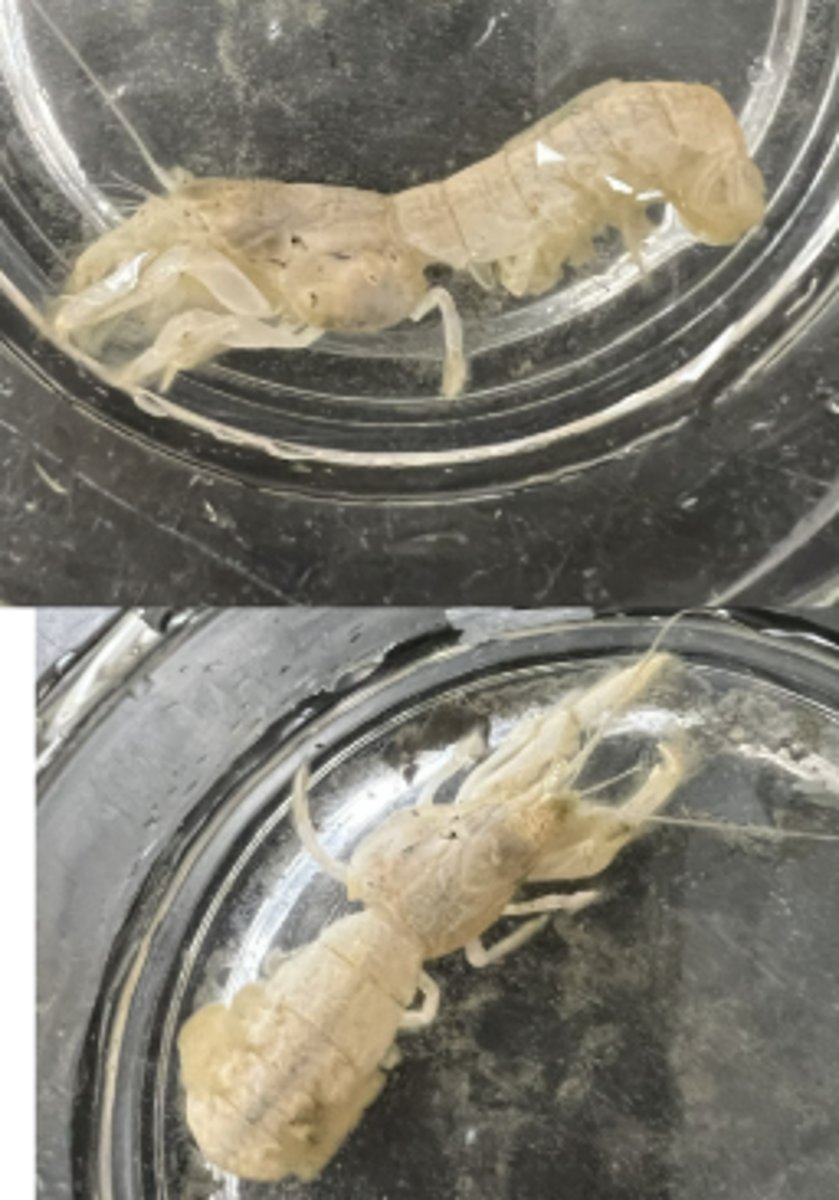
Upogebia pugettensis
Phylum: Arthropoda
Class: Malacostraca
Tank(s) in lab: 17, 18, 20, 21
Habitat: Found along the intertidal burrowing in estuarine mudflats from Alaska to California.
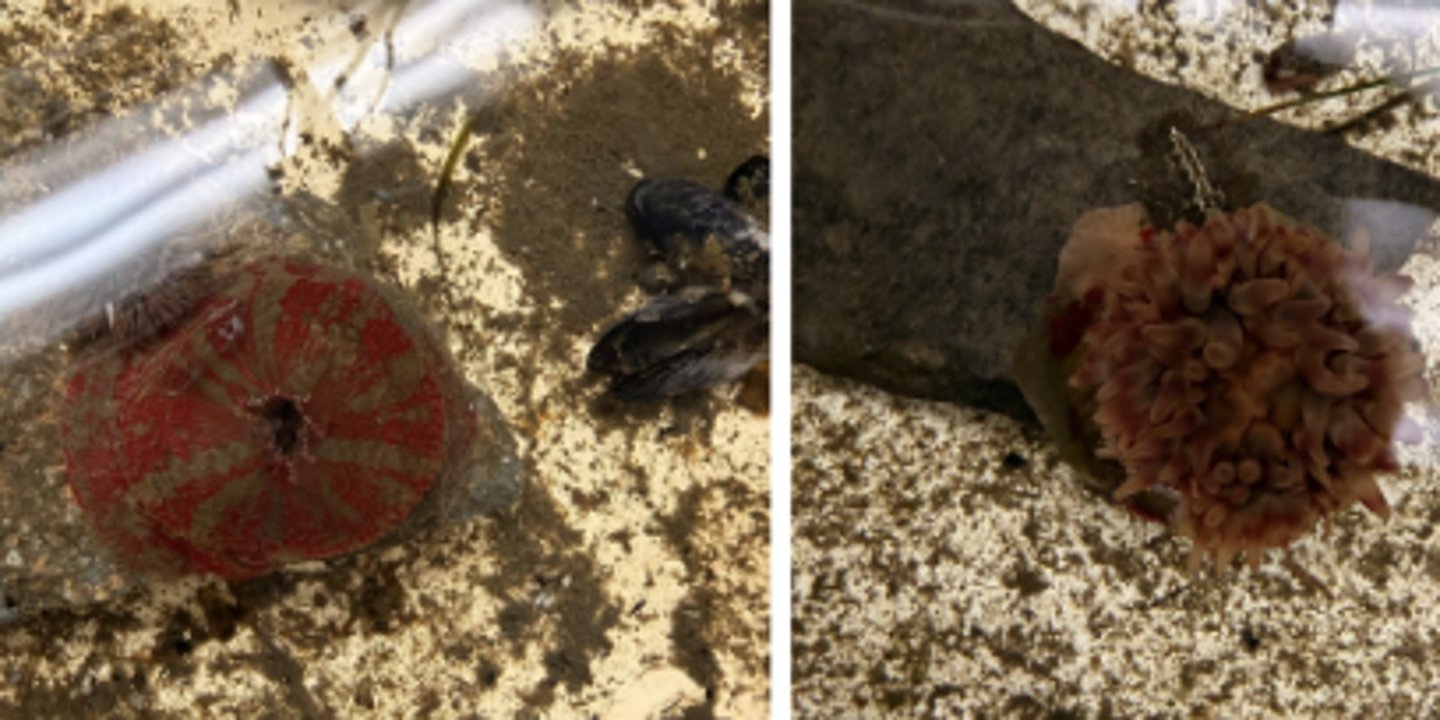
Urticina crassicornis
Phylum:Cnidaria
Class: Hexacorallia
Tank(s) in lab: 1,6
Habitat: Intertidal to at least 30 m. Range from Alaska to California
Helpful information: Look very similar to Anthopleura elegantissima. Distinguishable by bands of color instead of the color at the tentacle tips in elegantissima.
Velella velella
Phylum: Cnidaria
Class: Hydrozoan
Tank(s) in lab: 4
Habitat: Open ocean (pelagic), temperate to tropical oceans of the Pacific and Atlantic.