Economics AOS2 Unit3 Flashcards
 Call Kai
 Learn
Learn Practice Test
 Spaced Repetition
 Match
Match Flashcards
 Knowt Play
1/73

There's no tags or description
Looks like no tags are added yet.
Name | Mastery | Learn | Test | Matching | Spaced | Call with Kai |
|---|
No analytics yet
Send a link to your students to track their progress
74 Terms
What are Material Living Standards
Access to physical goods and services (tangible)
What are non-material living standards?
intangible, affect our enjoyment of life, hard to measure
Factors affecting Material living Standards
-Access to goods and services
Factors affecting Non-Material living Standards
-environmental quality
-physical and mental health
-life expectancy
-crime rates
-literacy rates
What is involved in the 5 sector flow
Household sector
Business sector
Financial Sector
GOV sector
External/overseas sector
what is involved in the Household sector
household sector provides labour to business sector, household sector buys goods?services which provides income to the business sector
what is involved in the business sector
provides goods/services to household sector, provides wages to the household sector
what is involved in the Financial Sector
banks store savings which is a leakage, money gets spent in the business sector as and investment which is a leakage
what's involved in the GOV sector
GOV taxes household sector which is a leakage, money is then used to improve the business sector which is and injection
what's involved in the external/overseas sector
Australia buys import from other countries, which results in a leakage because money is leaving the country, Australia exports to other countries which is and injection because money enters the country
What's involved in the business cycle
Peak, contraction, trough, expansion
what is a peak
highest point in the cycle
-strong rates of economic growth
-consumer and business confidence is high
-Greater spending and less savings, more debt
-Leakages fall, injections increase
-less resources
-wages increase
-not sustainable
what is an contraction
contraction includes:
-economic decline, decreased consumption/investment
-rising unemployment
-reduced production
the process between the peak and trough
what is a trough
lowest point in the cycle
-low economic growth
-high unemployment
-falling prices and more savings
-higher leakages and injections
what is a expansion
point from the trough to peak
-economic growth increases
-unemployment decreases
-consumer spending increases
-increased production
what is aggregate demand(AD) and what is the equation
AD= the total expenditure on Australian made goods and services
equation= AD=C+I+G+(X-M)
What are the AD Factors
-Real disposable income
-Intrest Rates
-Consumer Confidence
-Business confidence
-Overseas rates of economic growth
-exchange rates
how does exchange rates impact AD
if high imports will increase as AUD is worth more causing cheaper imports
If low exports increase because other countries will demand more due to AUD being low causing cheaper products
what is aggregate supply(AS)
Total goods and services that suppliers are prepared to supply to the market
what are the AS factors?
-quantity and quality of factors of production
-cost of production
-technological change
-productivity growth
-climatic conditions
-GOV regulations
-international supply disruptions
-exchange rates
what is quantity and quality of factors of production impact os AS
-if quantity increases, there is more resource which means higher production
-if quality increases there is higher productivity
-if quantity decreases there is less resources, less production
-if quality decreases productivity decrease, less output
technological change impact on AS
increases AS as productivity increases, reduces production costs
Productivity Growth impact on AS
increases AS by allowing business to produce more with less labour, reducing labour costs
exchange rates impact on AS
-if rates are high imports form other countries are cheaper, more supply
-if Rates are low imports are more expensive so less supply but export are more expensive so Australia produces more
what is the meaning of the goal Strong Sustainable Economic Growth(SSEG)
Strong sustainable economic growth is an economic goal where the economy experiences a steady increase in real GDP over time (typically around 3-3.5% per year in Australia), without causing excessive inflation, environmental damage, or depletion of resources, so that growth can be maintained into the future.
what is nominal GDP/ GDP
the value of total production of all goods and services produced within a country in a given time period
Real GDP
the value of total production of all goods and services produced within a country in a given time period inclusive of inflation
what is the quarterly growth equation
new data - old data
----------------------
old data
EG:
GDP Jun - GDP March
-------------------------
GDP March
what is the annual growth equation
new data - old data
----------------------
old data
EG:
GDP Jun26 - GDP March25
-----------------------------
GDP March25
Consequences of not achieving the goal of SSEG
Too high
-environmental degradation(destruction of environment)
-external pressures( increases current account deficit)
-high inflation if growth
Too low
-High unemployment
what is the meaning of the goal of full employment(F.E)
The level of unemployment that exists where the governments economic growth objective is achieved and where cyclical unemployment is non-existent
What is the NAIRU
NAIRU= Natural rate of unemployment
the equilibrium rate of unemployment where inflation is stable
labour force
people aged 15 and over who are either employed or unemployed
employed
people who have a job and earn money
unemployment and the equation
people not working, but actively looking for work
Unemployed
--------------------------- x100
employed + unemployed
hidden unemployment
people who are not officially unemployed because thy have stopped searching for work, as there underemployed or discouraged
underemployment
people that are working, but are not working as much due to the business not using their skills to full potential
long term unemployment
when someone has been unemployed and looking for work for 12+ months
frictional unemployment
temporary unemployment that occurs during the period between switching jobs
cyclical unemployment
unemployment that rises during economic downturns and falls when the economy improves
structural unemployment
when a business restructures, leading to lose of jobs.for example jobs can be lost due to use of AI
consequences of unemployment
too high
-low gdp
-less spending, less production, less revenue
-less tax income
too low
-high inflation due to more spending
Participation rate and what is the equation
percentage of the working age population that is ether employed or seeking work
Labour force
-------------------------- x 100
working age population
underutilisation rate and equation
the extent to which the labour force is not working at its full capacity
unemployed + underemployed
----------------------------------- x100
labour force
consequences of not achieving F.E
-loss of GDP
-loss of tax revenue
-reduction in living standards
what is the meaning of the goal low and stable inflation (L&SI)
to maintain a slow, predictable, and positive rate of increase in consumer prices over time. goal 2-3%
inflation
A sustained increase in the general or average price level over time (goal 2-3%)
deflation
a reduction in prices (eg -1%,-2%,-0.5%)
disinflation
reduction of the rate of inflation( eg: 2% ----> 1%)
what is Consumer price index (CPI)
measure of inflation in Australia, tracking monthly changes in the price of goods and services purchased by households, such as housing, food, and transport
what is headline inflation
CPI rate
what's included in underlying inflation
trimmed mean and weighted median
what is the trimmed mean
the average rate of inflation after 'trimming' away the item with the largest price change(middle 70%)
what is the weighted median
the inflation rate of the item at the middle of the price changes in the CPI basket
inflation rate equation
price index (end) - Price index (beginning)
----------------------------------------------- x100
price index (beginning)
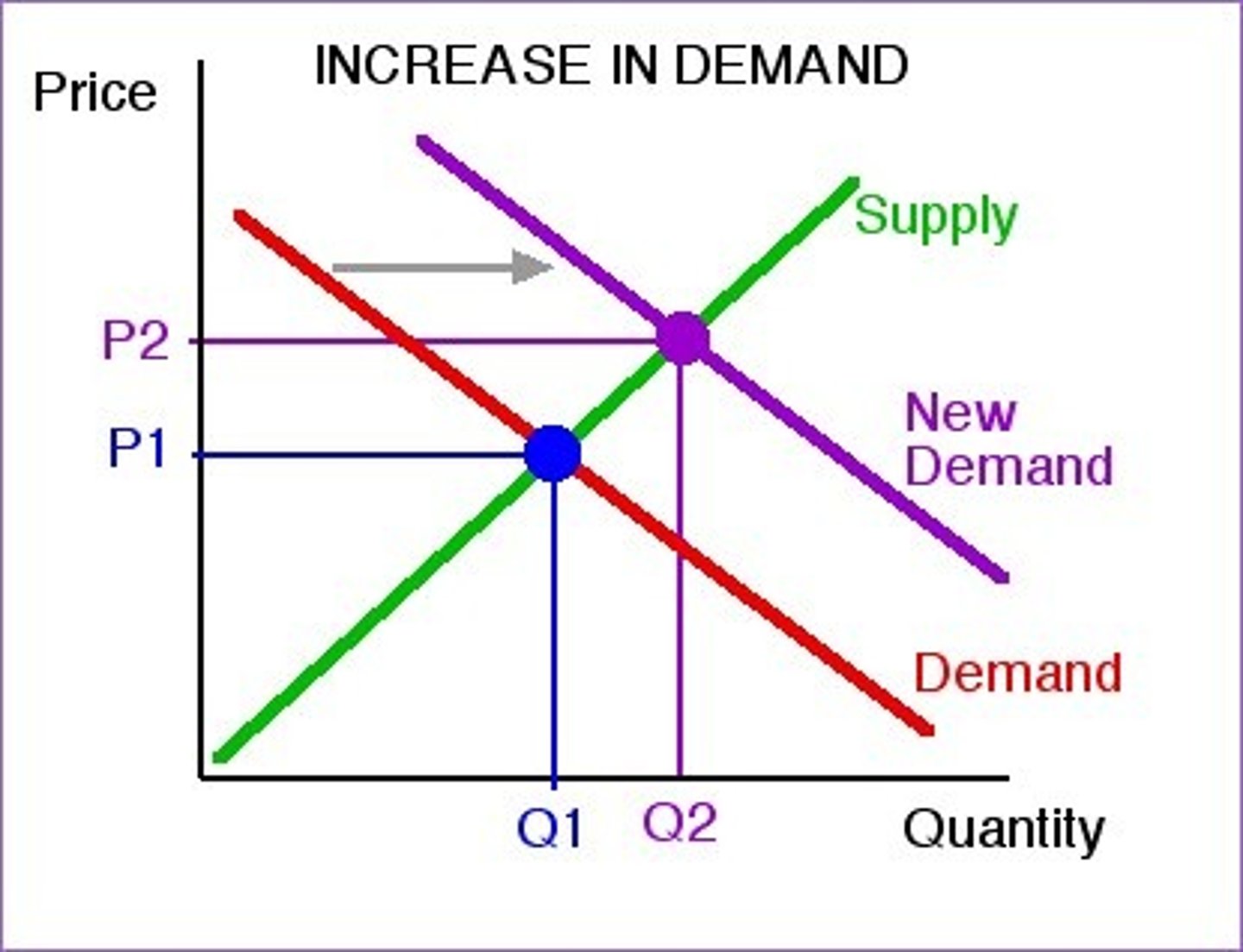
Demand Inflation (aggregate demand side inflation)
inflation rises because of widespread shortage of goods and services caused by spending
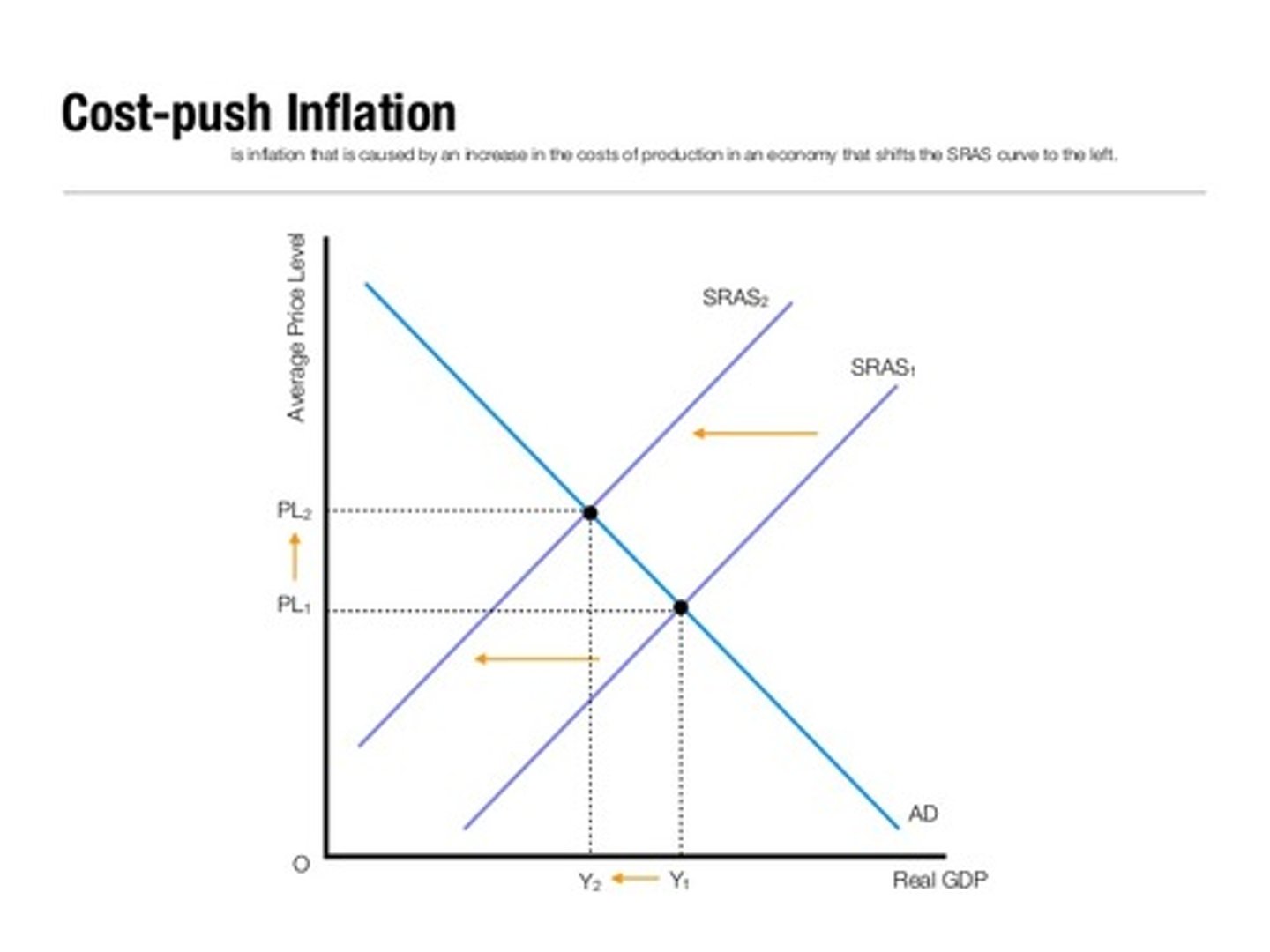
cost inflation (aggregate supply side inflation)
a type of inflation caused by rising production costs—specifically raw materials and wages—which decrease aggregate supply and force businesses to pass higher expenses to consumers
consequences of not achieving L&SI
too high
-decline or purchasing power
-development of wage-price spiral
-erosion of purchasing power
-lower return of investment
-loss of international competitiveness
too low
-delayed consumption
-unemployment
what is the erosion of purchasing power
decline in purchasing power, can't buy as much
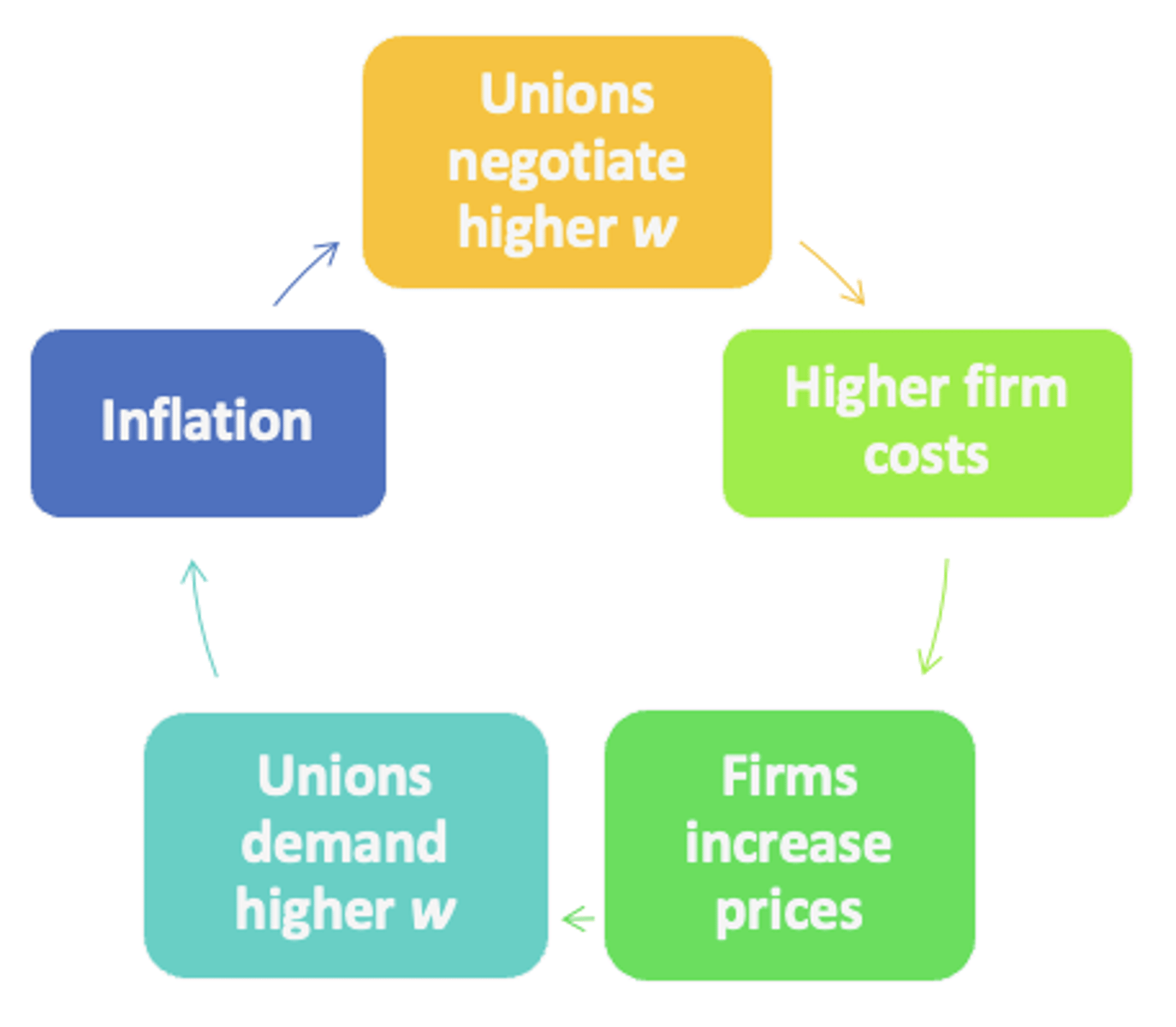
what is the wage price spiral
higher wages encourage producers to raise prices, continuing the cycle and increasing inflation
what id distorting allocation of resources
high inflation results in a less efficient allocation of the nation resources, as economic agents seek to protect purchasing power
inflations impact on international competitvness
high inflation= decrease in international competitiveness which results in a decrease for Australian exports. also decreases Aus-made products
the 3 goals impact on disposable income over the past 2 years
SSEG- it would benefit SSEG as there is increased spending in the economy, more jobs
F.E-due to more spending there is more jobs, lowering unemployment due to more production and spending
L&SI- Inflation will rise as there is more spending which increases prices
the 3 goals impact on Interest rates over the past 2 years
SSEG- due to high interest rates ZGDP will decrease as there is less spending due to people having less money because the cost of borrowing increased
F.E-Unemployment will rise as there is less spending and business will be forced to let employees go as they have less money for wages
L&SI- Inflation will decrease due to less spending
the 3 goals impact on consumer confidence over the past 2 years
SSEG-Gdp will decrease as consumer are less wiling to spend
F.E- Unemployment will increase as there is less spending and demand for goods/services
L&SI- Inflation will decrease as there is less spending
the 3 goals impact on business confidence over the past 2 years
SSEG- Gdp will decrease as there is less investment and hiring, resulting in less production
F.E- unemployment will increase due to less investment and hiring
L&SI- inflation will decrease as there is less production, causing less consumption
the 3 goals impact on overseas economic growth over the past 2 years
SSEG- Gdp will increase as demand from overseas is stable, therefore allowing AUS to produce more
F.E- unemployment all decrease as there in increased exports, therefore more production and need for workers
l&SI- inflation ill rise as there is more spending due to increased exports
the 3 goals impact on exchange rates (AD impact) over the past 2 years
SSEG- GDP will decrease as exports will decrease because the value of AUD will increase
F.E- unemployment will decrease as there is less exports
L&SI- inflation will decrease as there is less exports, resulting in less money entering the country
the 3 goals impact on quantity and quality of factors of production over the past 2 years
SSEG-Gdp will rise as there is more labour and productive capacity
F.E-unemployment will decrease as labour increases
L%SI- inflation will decrease as there is more production occurring resulting in cheaper prices
the 3 goals impact on cost of production over the past 2 years
SSEG- gdp will decrease as costs have risen, resulting in less production
F.E- unemployment will increase as the cost of production rises, meaning business can't hire as much
L%SI- inflation will increase because material and cost rise
the 3 goals impact on technological change over the past 2 years
SSEG- Gdp will increase as production increases due to and increased efficiency
F.E-unemployment will rise a tech will remove jobs
L%SI- inflation will decrease as wage costs decrease, causing less spending
the 3 goals impact on productivity growth over the past 2 years
SSEG- GDP will decrease as outputs will decrease
F.E- Unemployment will decrease as there is more efficient production occurring, reducing the need for more workers
L%SI- inflation will increase as there is less products forcing prices to rise in order to avoid a surplus
the 3 goals impact on climatic conditions over the past 2 years
SSEG- gpd will decrease as production will decrease due to weather
F.E- Unemployment will rise as jobs are lost due to weather events
L&SI- Inflation will rise due to shortages
the 3 goals impact on GOV regulations over the past 2 years
SSEG-Gdp could slow
F.E- Unemployment will decrease
L%SI- Inflation will decrease