biorenewable polymers
 Call Kai
 Learn
Learn Practice Test
 Spaced Repetition
 Match
Match Flashcards
 Knowt Play
1/45

There's no tags or description
Looks like no tags are added yet.
Name | Mastery | Learn | Test | Matching | Spaced | Call with Kai |
|---|
No analytics yet
Send a link to your students to track their progress
46 Terms
what is a biorenewable polymer
made wholly or partly from renewable biological resources, rather than from fossil-based feedstocks
which polymer does PLA stand for and what is it derived from
poly(lactic acid)
from starch and sugar fermentation
(corn starch or sugar cane)
where does polyurethane come from
plant oils
which types of polymers are PHE and PHB and what are they derived from
polyhydroxyalkanoates
microbial biosynthesis
which polymer does Bio-PE stand for and what is it derived from
bio-based polyethylene
from ethanol derived from sugarcane
monomer(s) and monomer type (A-A, B-B, A-B) of poly(lactic acid)
A-B monomer
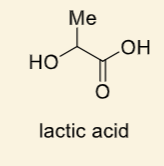
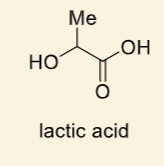
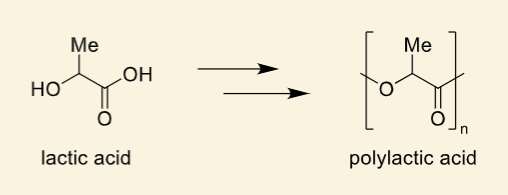
show polymerisation to PLA
esterification reactions
3 bio properties of PLA
biodegradable, biocompatible, bioresorbable
what is PLA used in (3)
packing, textiles, medical devices
2 methods of producing PLA
which is used more in industy?
direct condensation method
ring-opening polymerisation method
2 used more in industry

show direct condensation method to make PLA
what type of polymerisation does it do?
molecular weight of polymer?
low molecular weight PLA
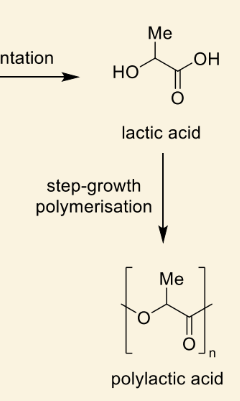

show ring-opening polymerisation method
what type of polymerisation does it do?
molecular weight of polymer?
high Mw PLA
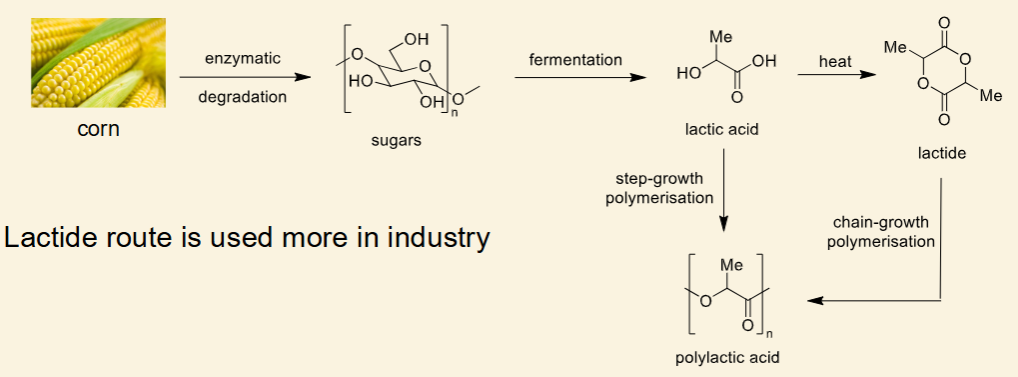
why is ring-opening polymerisation more commonly used in industry to produce PLA
it is faster and more reliable
issues with PLA (3)
use of genetically modified crops
recycling of PLA not feasible
PLA in landfill would not biodegrade (v slow) but over time create methane
monomer(s) and monomer type for Bio-PBS
A-A & B-B
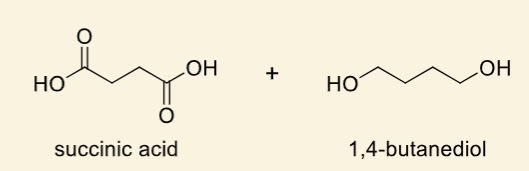
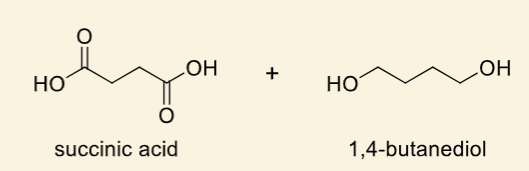
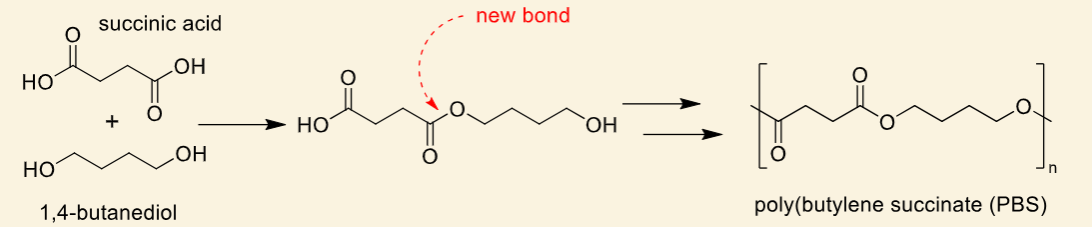
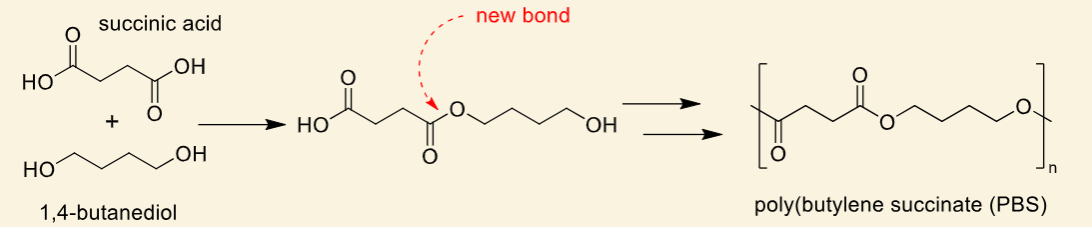
show polymerisation to PBS
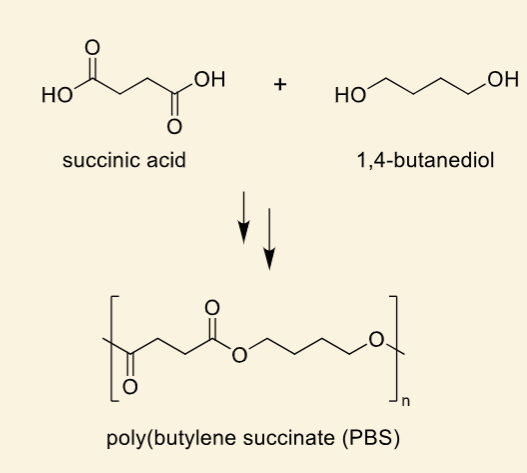
key properties of Bio-PBS (2+1 use)
fully biodegradable and compostable
strong, flexible and heat resistant
used in food packaging, textiles & medical applications
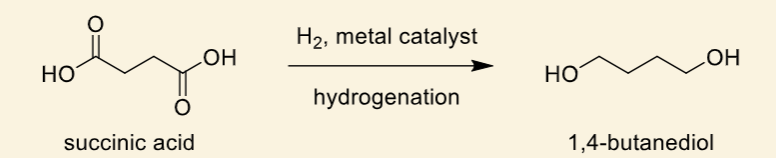
how is bio-succinic produced
microbial fermentation


how can succinic acid be purified following this
crystallisation or electrolysis
how is bio-1,4-butanedoil produced
problem?
derived from biomass
produced from succinic acid through catalytic hydrogenation (Clemmensen reduction)
uses metal catalysis to convert which is not environmentally friendly
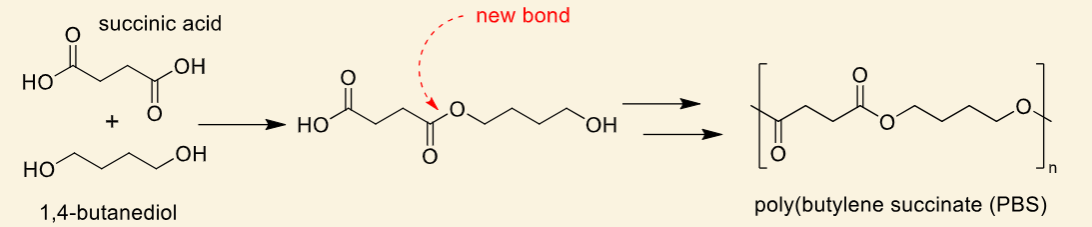
how is Bio-PBS synthesised
type of polymerisation? type of bond formed?
step-growth polymerisation
esterification between bio-BDO and bio-succinic acid
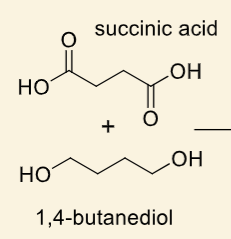
show reaction step and polymerisation step
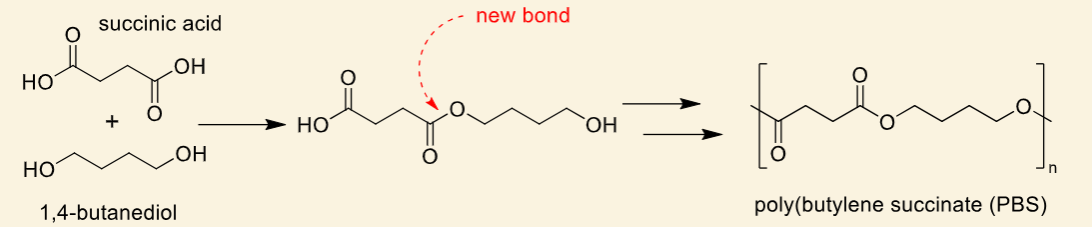
temperatures for steps 1 and 2
1: 160-190
2: 220-240
catalyst required?
Lewis acids (Sc(NTf2)3, Sc(CF3SO)2, Ti(OBu)4
solvent required?
none
monomer(s) of polyethylene
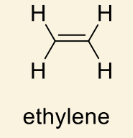
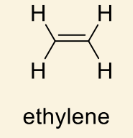
show polymerisation
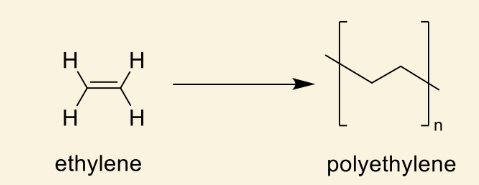
non-renewable production of polyethylene?
thermal cracking of oil
where can ethylene be found in nature?
natural plant hormone, causes fruits to ripen
what are the 3 main stages of bio-ethylene production
sugar processing
ethanol production
ethylene production
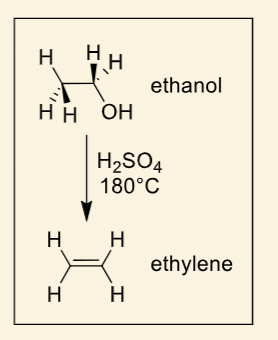
show the conversion from ethanol to ethylene
catalyst and temperature?
what are the 2 types of polyethylene
high density (HDPE) and low density (LDPE)
low density polyethylene
flexibility, toughness and cracking? compare to HDPE
crystallisation?
density?
Mw?
better flexibility, impact toughness and resistance to environmental stress cracking than HDPE
crystallisation impeded by branching, so up to about 40%
lower density due to higher amount of amorphous content
Mw 80-40 g/mol
high density polyethylene
crystallinity?
Mw?
stiffness and density?
ratio?
70%+ crystalline
Mw about 35 kg/mol
increased crystallinity leads to increased stiffness, higher density
large strength to density ratio
how are urethanes formed
reaction between an isocyanate and an alcohol
show 2-step urethane production from R1-N=C=O and HO-R2

how are polyurethanes produced?
(give type of polymerisation and between what)
step-growth polymerisation between an isocyanate and alcohol
show schematic monomers for polyurethane production


show polymerisation to polyurethane?

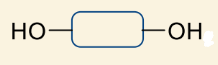
what can this be called
polyol
what are polyols derived from
natural sources such as corn
how are isocyanates derived
need to be derived from carboxylic acids, often using harsh conditions
stability of isocyanates? consequence for their production?
highly reactive, limiting their stability
usually prepared then used straight away
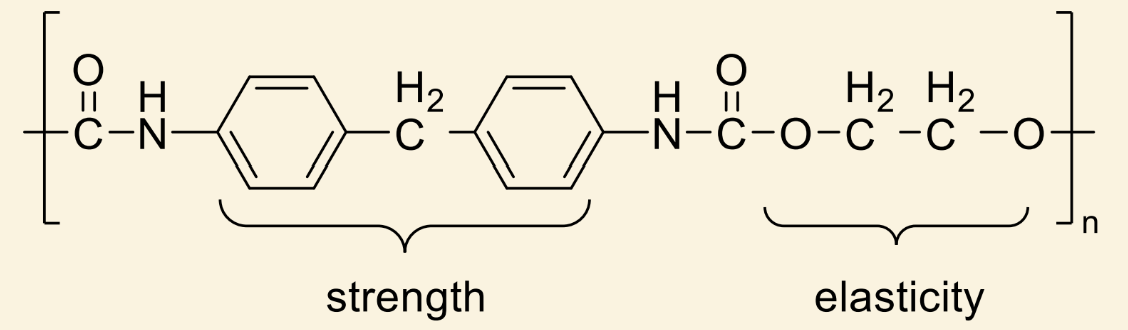
2 properties provided by polyurethanes
strength and elasticity
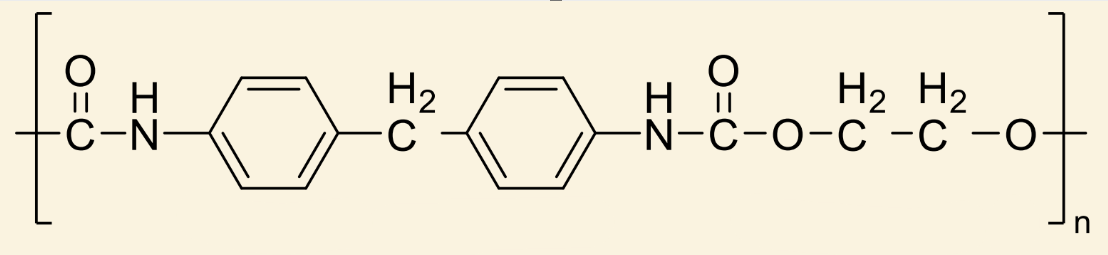
show which sections of polyurethane provided strength and elasticity
what are polyurethanes used in and give 3 desirable properties of these products
commonly used in textiles to make them durable, stretchy, waterproof