Exam 2 Short Response Questions
 Call Kai
 Learn
Learn Practice Test
 Spaced Repetition
 Match
Match Flashcards
 Knowt Play
1/79

There's no tags or description
Looks like no tags are added yet.
Name | Mastery | Learn | Test | Matching | Spaced | Call with Kai |
|---|
No analytics yet
Send a link to your students to track their progress
80 Terms
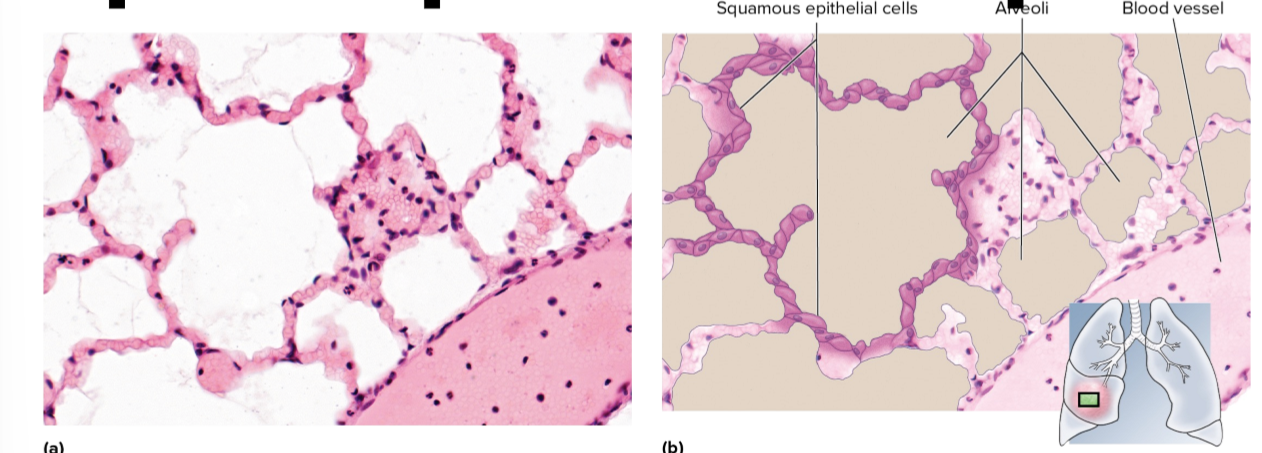
Simple Squamous Epithelia
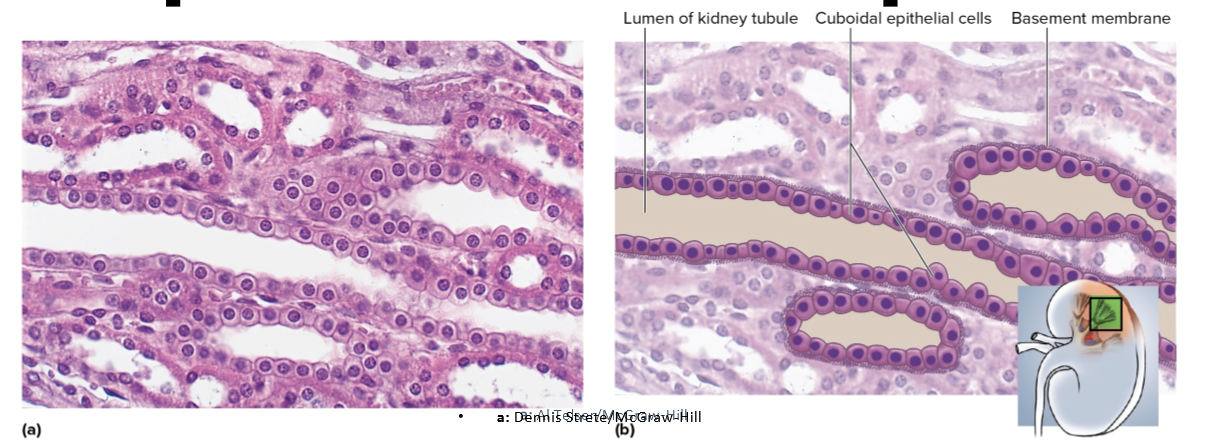
Simple Cuboidal Epithelia
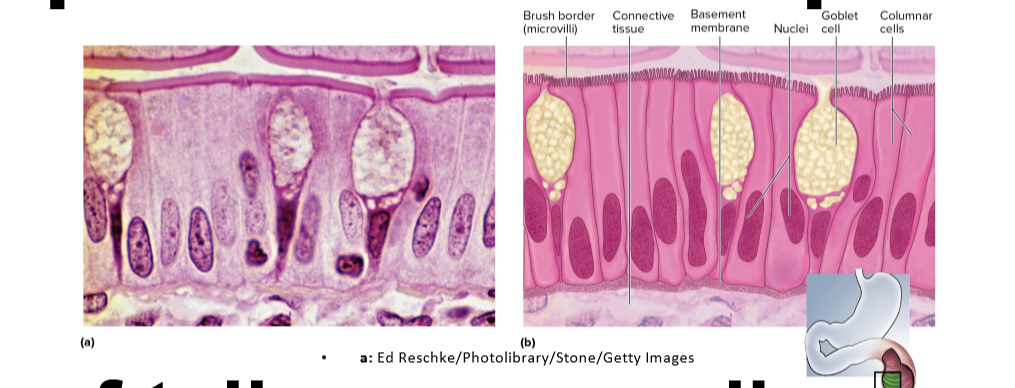
Simple Columnar Epithelia
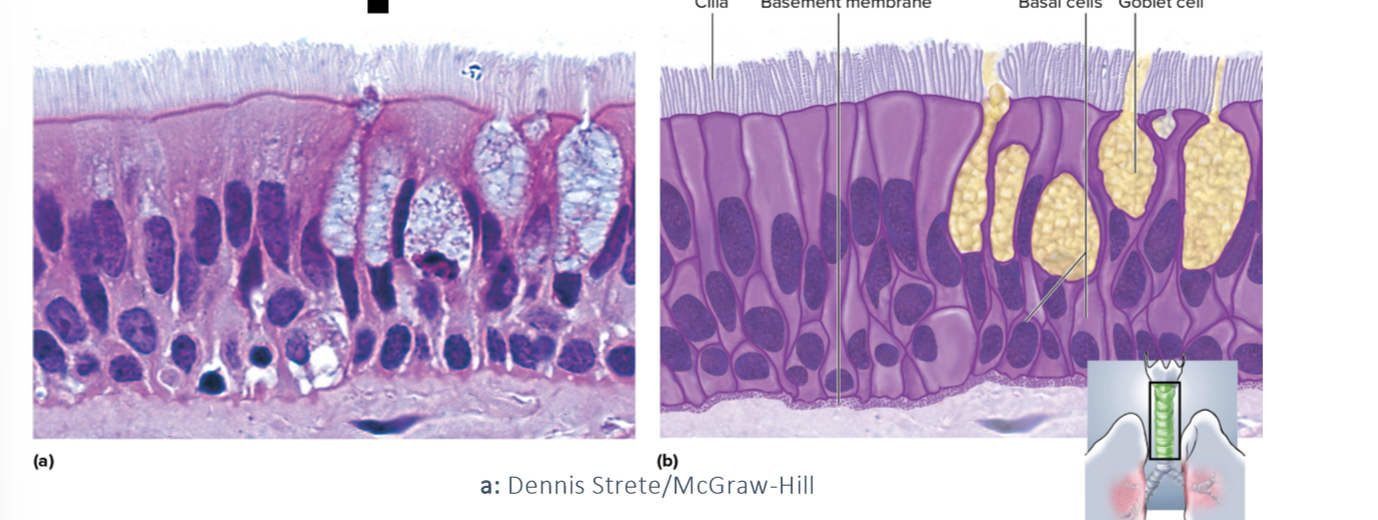
Ciliated Pseudostratified Columnar Epithelium
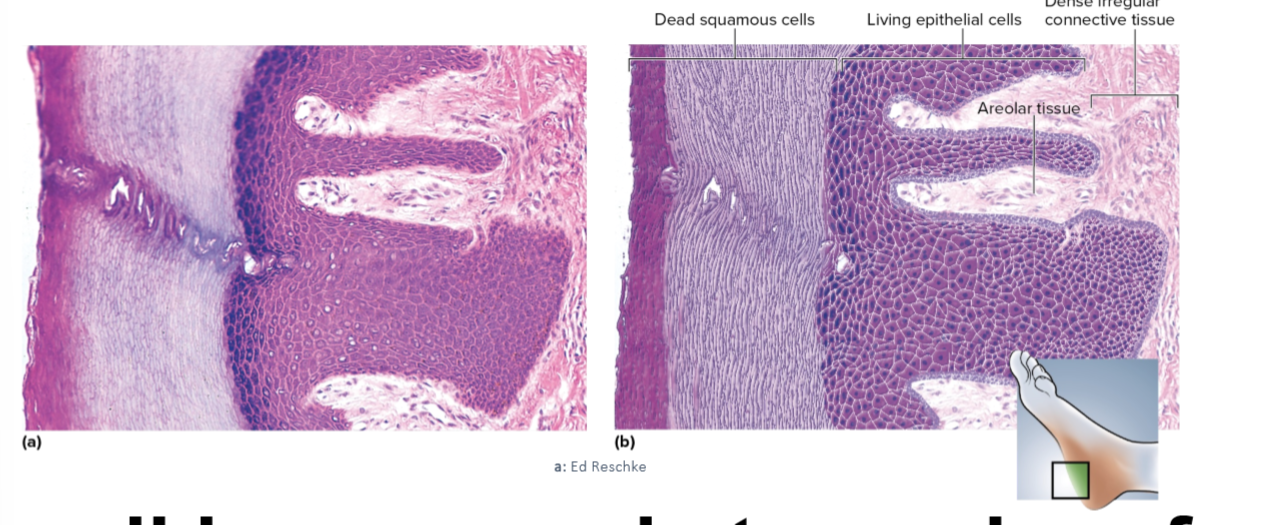
Keratinized Stratified Squamous Epithelium
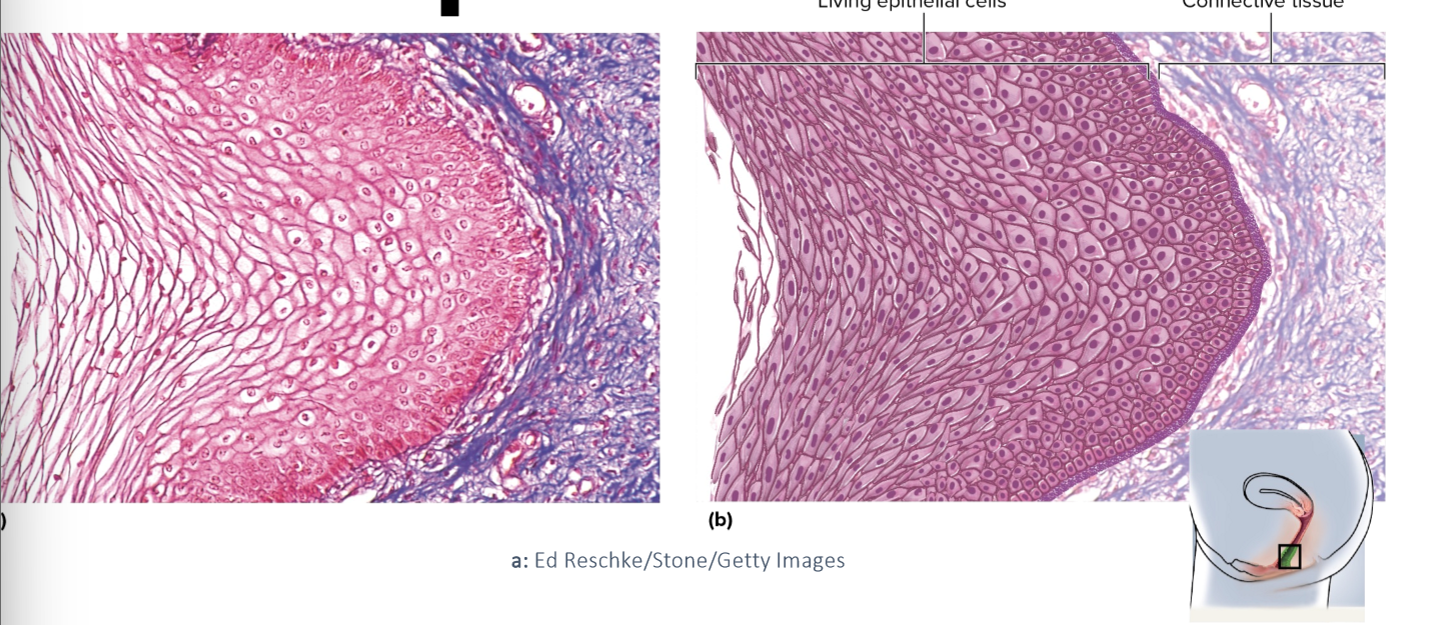
Nonkeratinized Stratified Squamous Epithelium
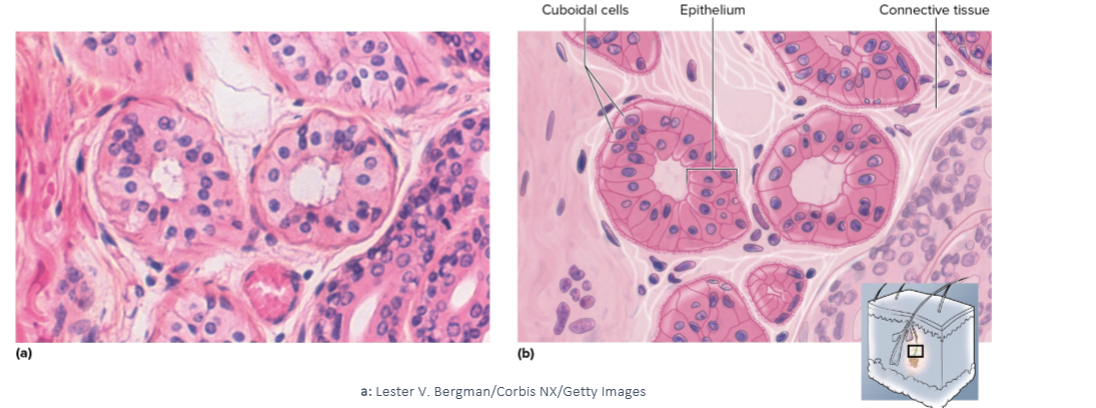
Stratified Cuboidal Epithelium
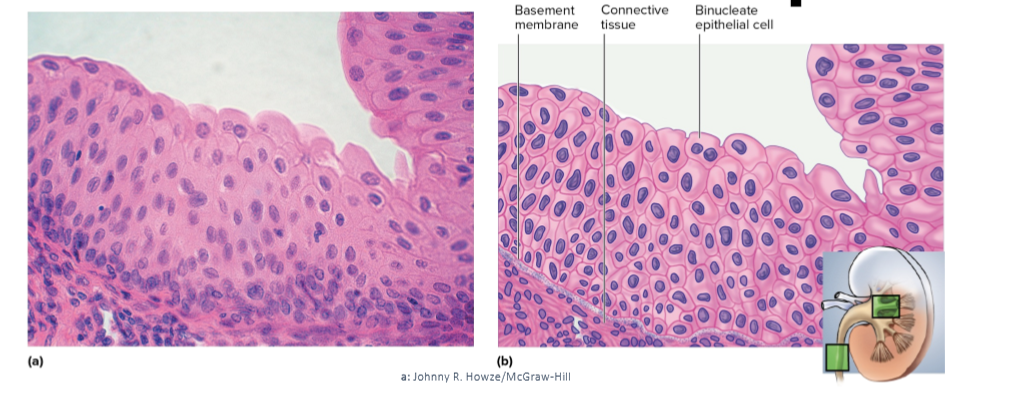
Urothelium/Transitional Epithelium
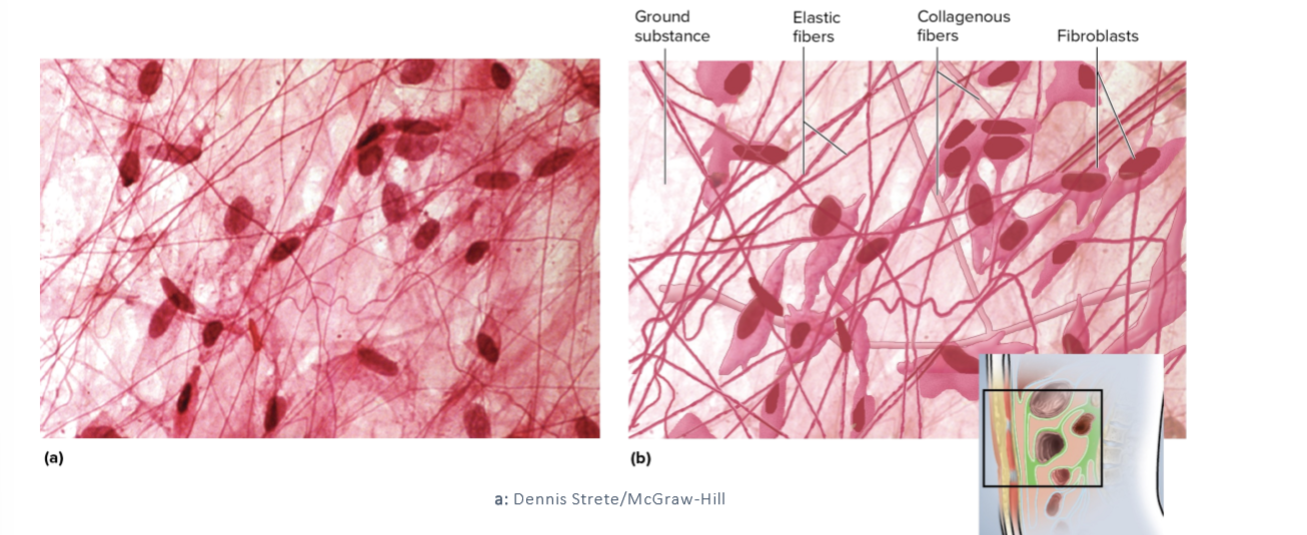
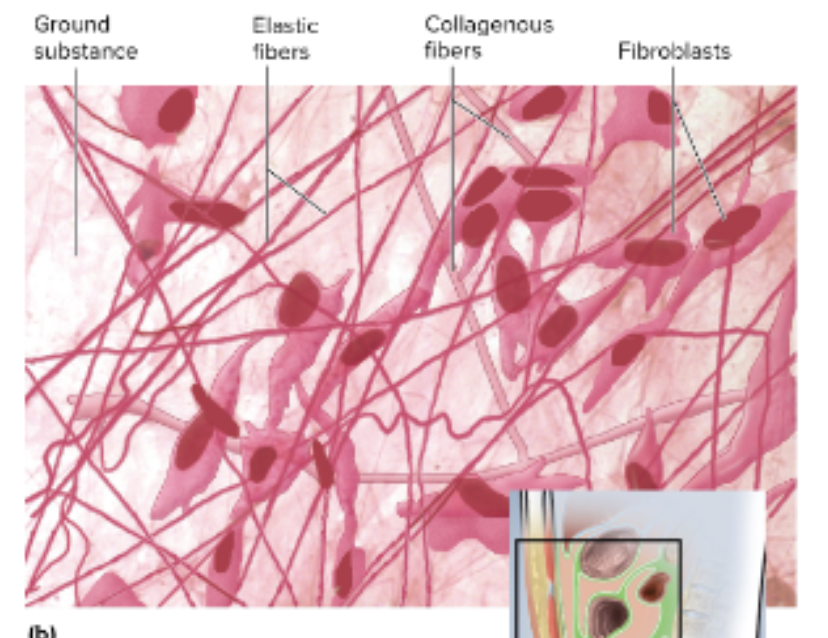
Areolar Tissue - Connective
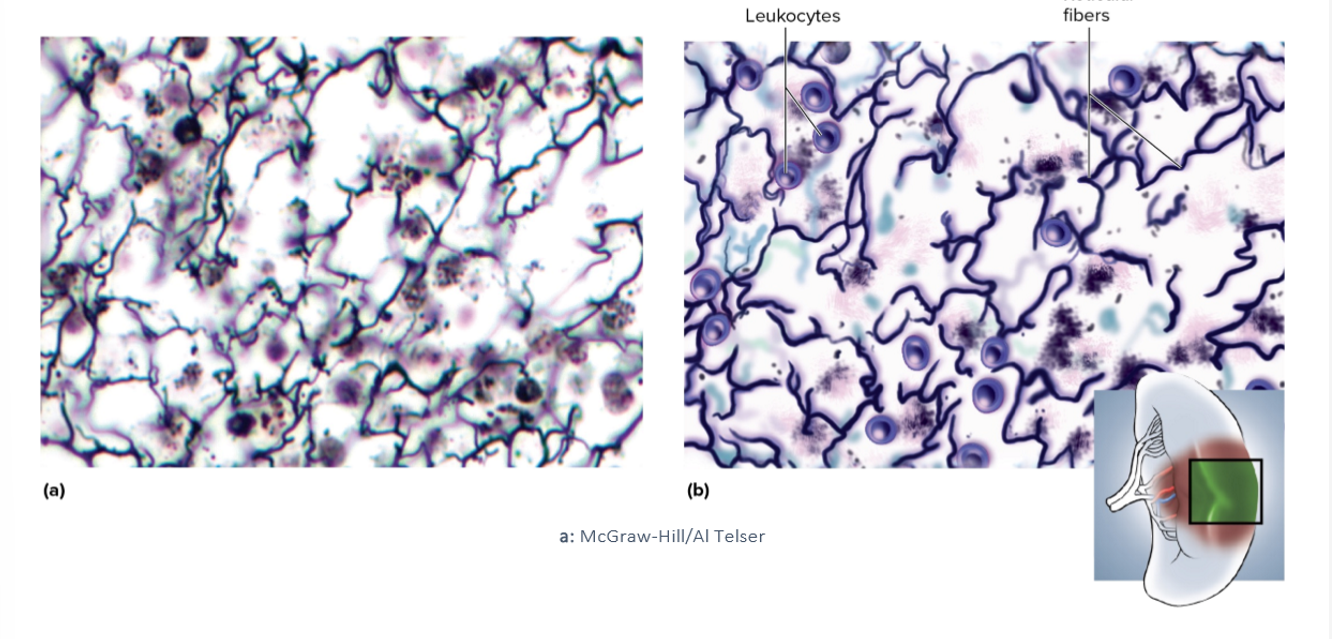
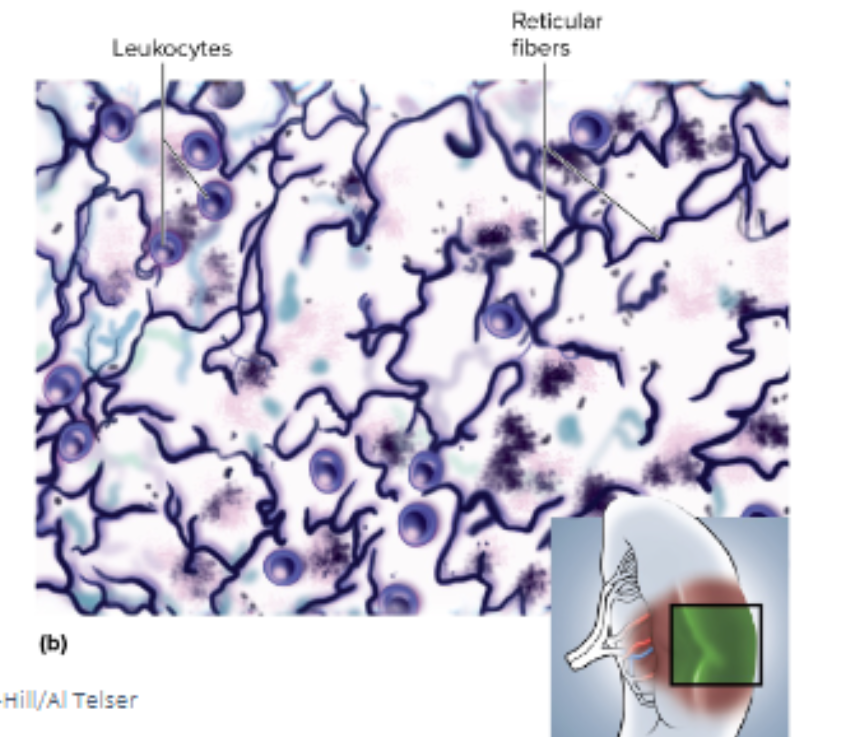
Reticular Tissue - Connective
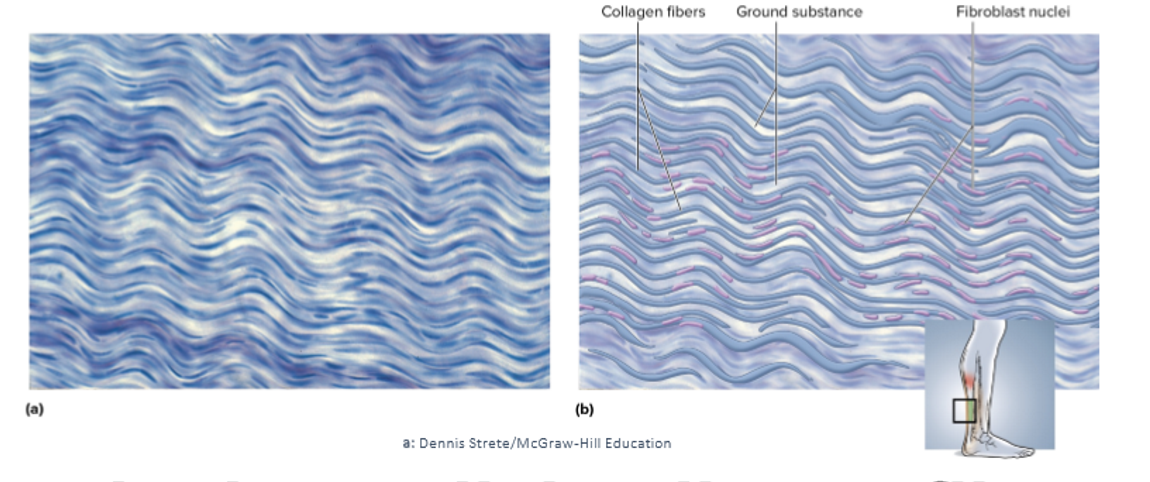
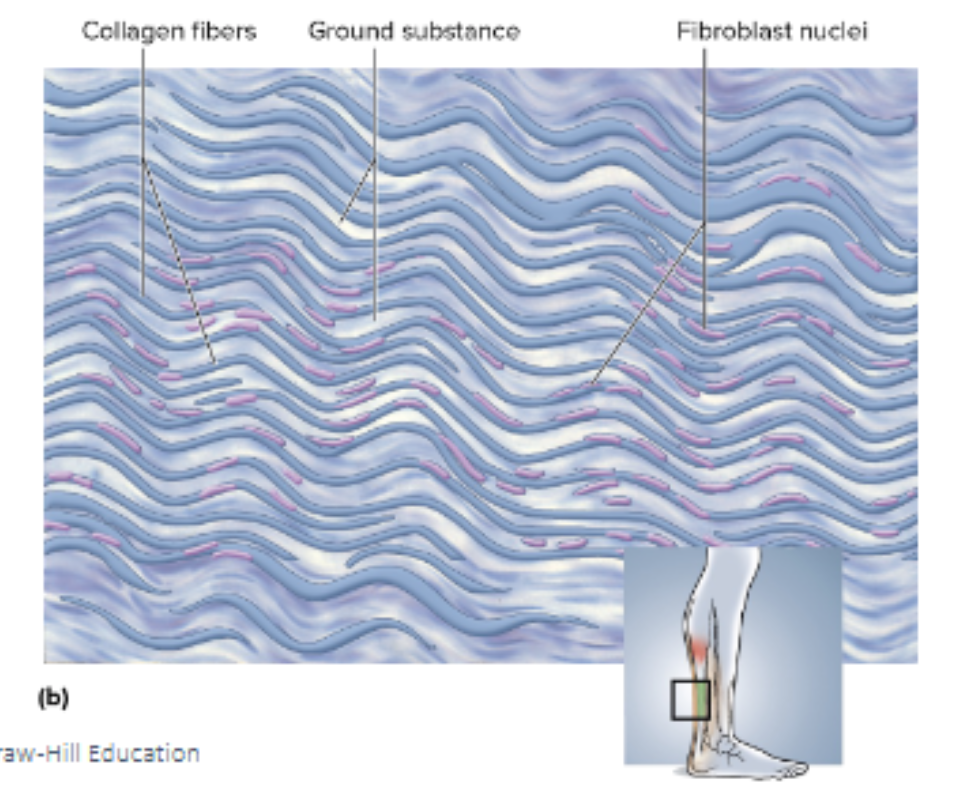
Dense Regular Connective Tissue
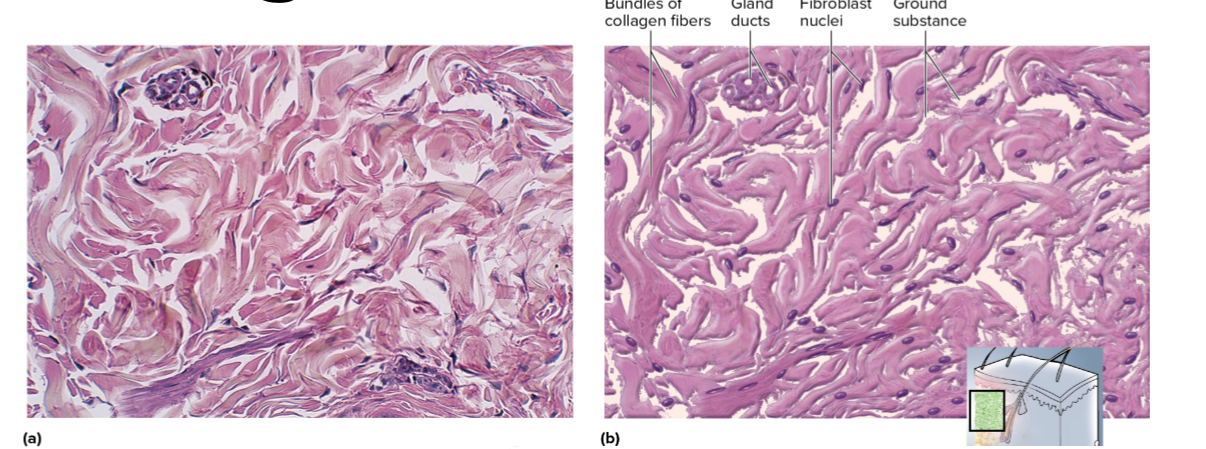
Dense Irregular Connective Tissue
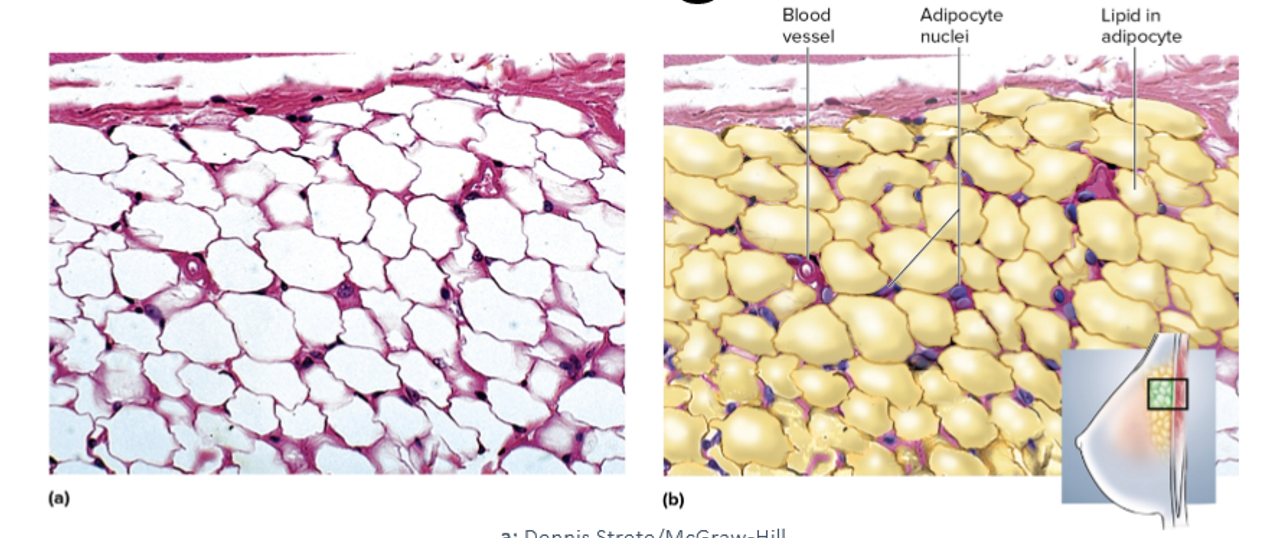
Adipose Tissue - Connective
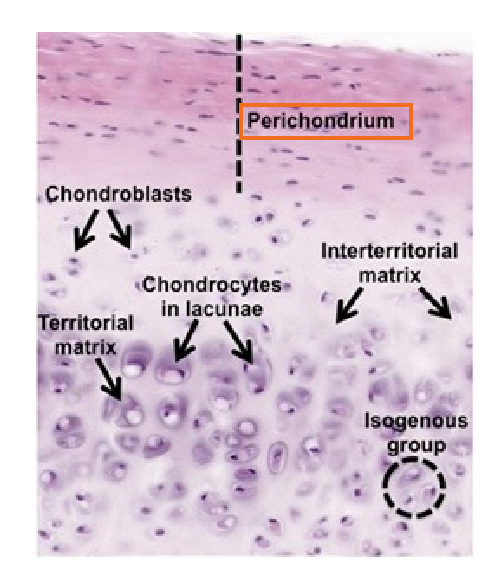
Cartilage - Connective
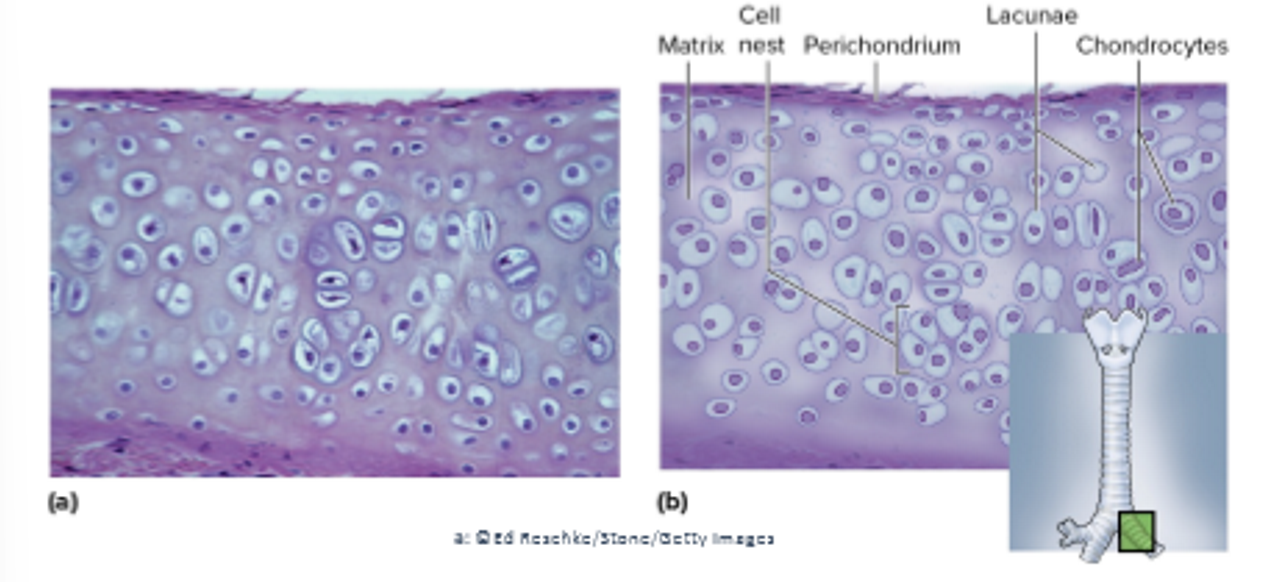
Hyaline Cartilage -Connective
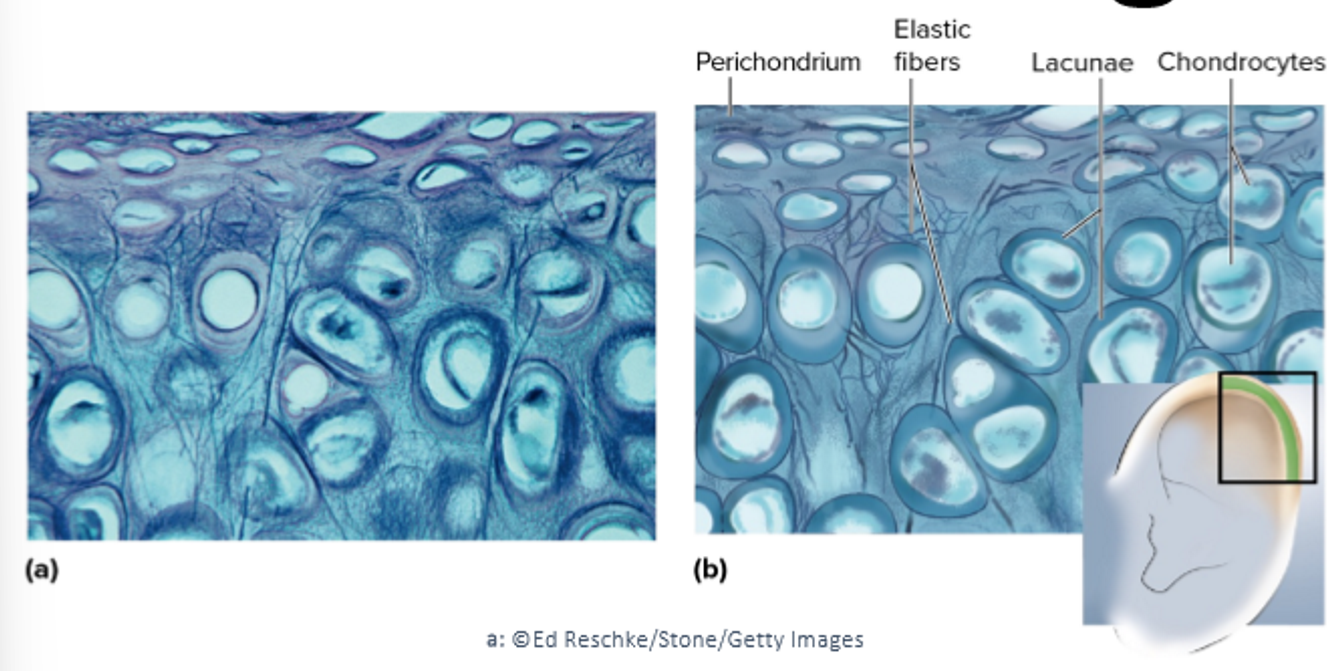
Elastic Cartilage - Connective
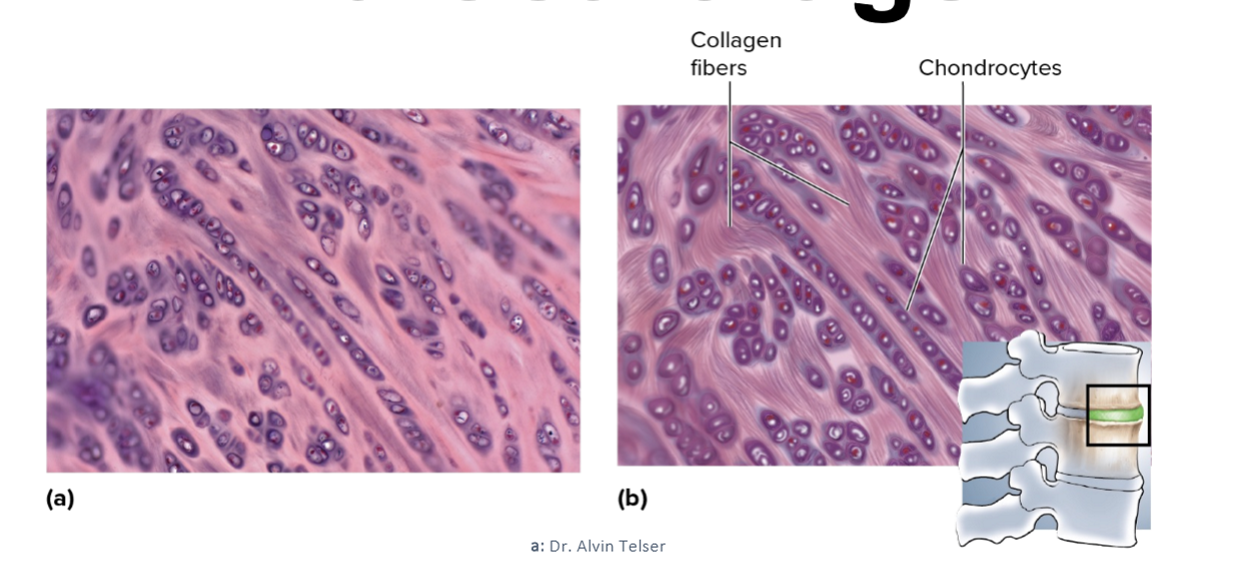
Fibrocartilage - Connective
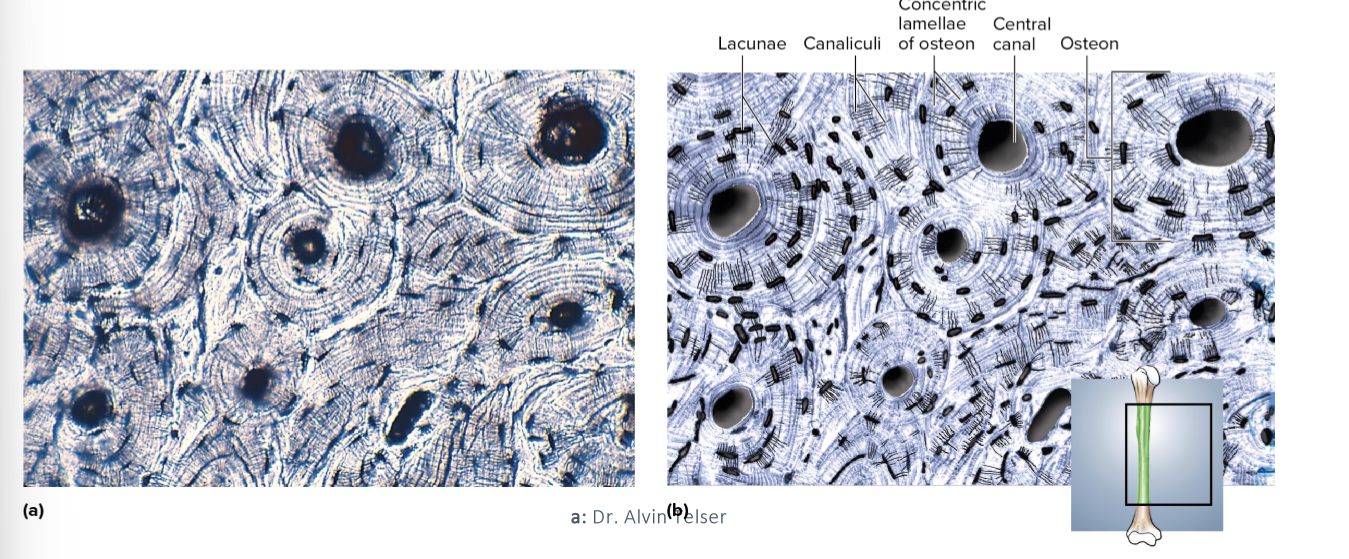
Bone - Connective
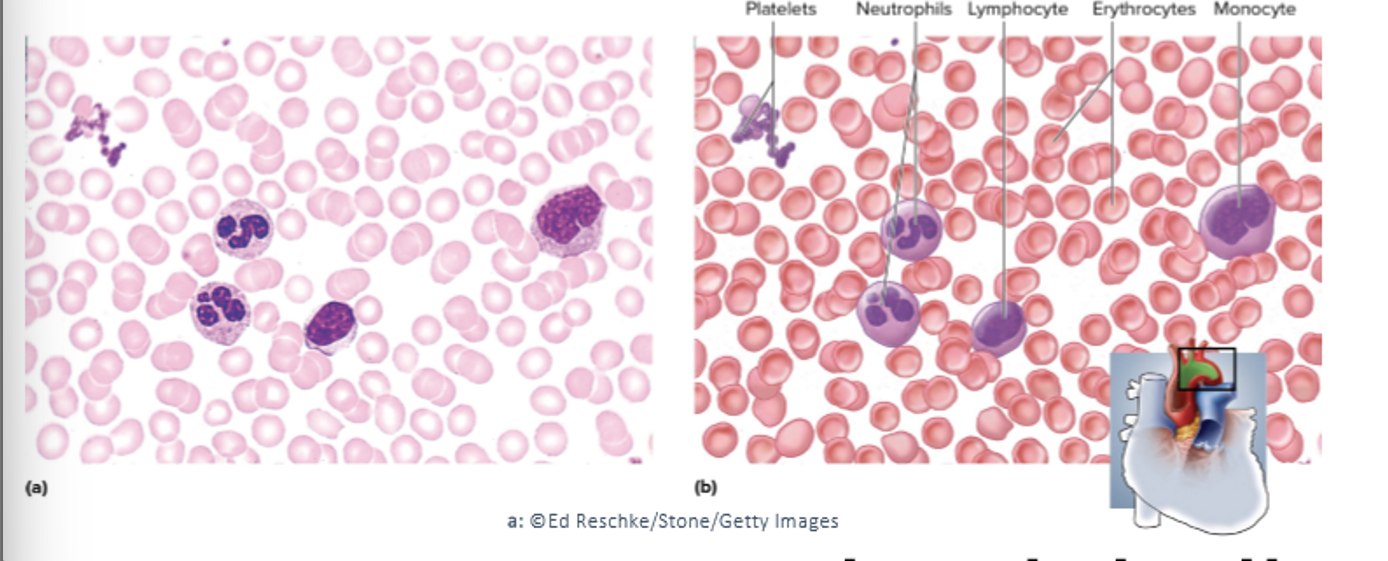
Blood - Connective
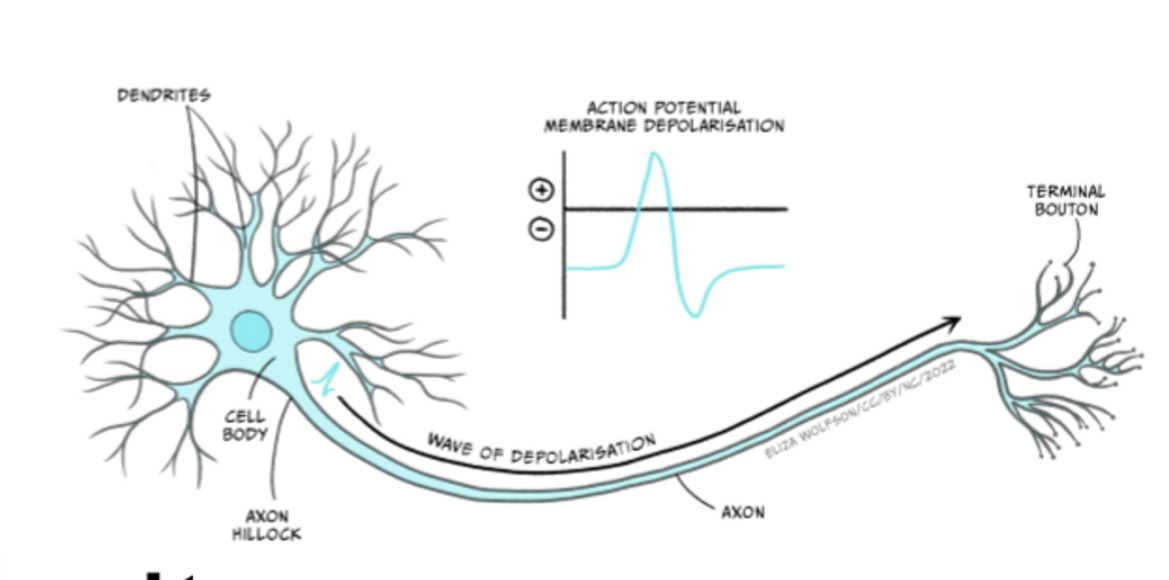
Nervous Tissue
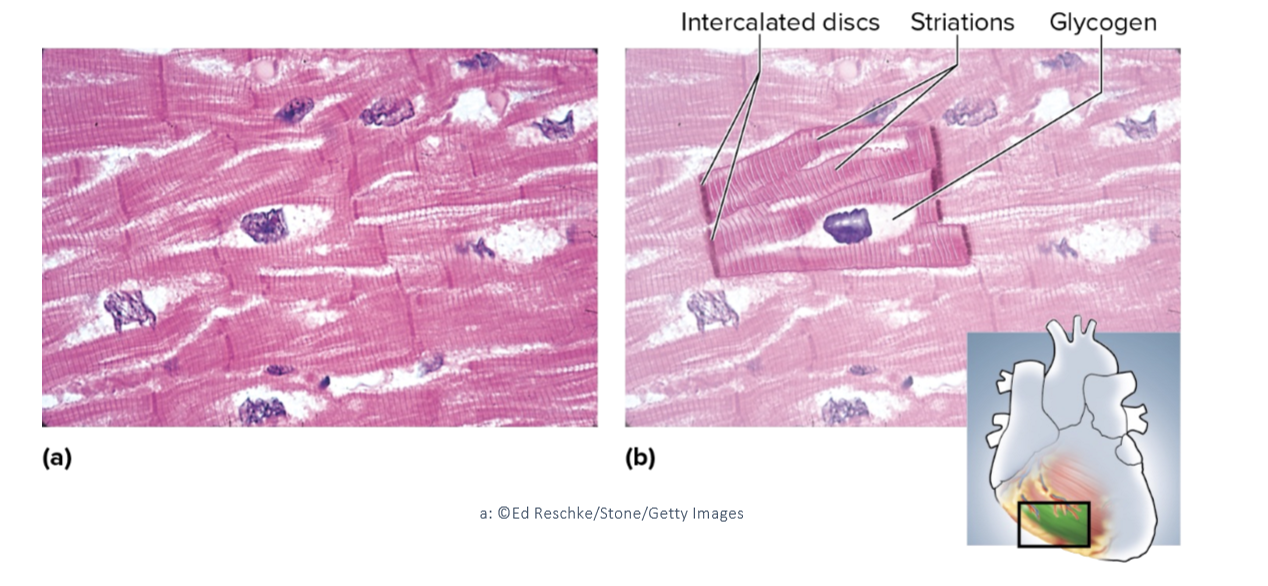
Cardiac Muscle - Muscle Tissue
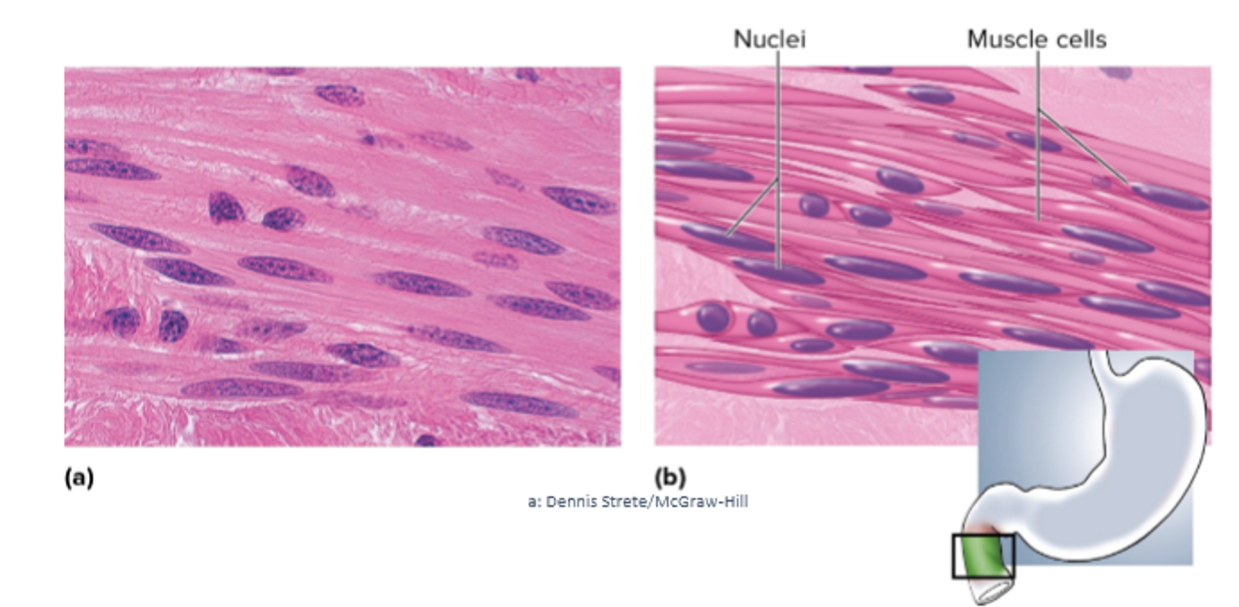
Smooth Muscle - Muscle Tissue
Skeletal Muscle - Muscle Tissue

What is the function of Simple Squamous Eputhelia?
•Single row of thin cells
•Permits rapid diffusion or transport of substances
•Alveoli, glomeruli, endothelium
What is the function of Simple Cuboidal Epithelia?
Absorption and secretion, mucus production and
movement
• Liver, thyroid, mammary and salivary, bronchioles,
kidney tubules
What is the function of Simple Columnar Epithelia?
•Oval nuclei on basal half
•Brush border of microvilli; goblet cells
•Absorption and secretion, mucus production
•Lining of GI, uterus, kidney, uterine tubes
What is the of Ciliated Pseudostratified Columnar
Epithelium?
• Cilia; goblet cells
• Secretion and propulsion of mucus
• Respiratory tract and portions of male urethra
What is the function of Keratinized Stratified Squamous Epithelium?
•Resists abrasion; retards water loss through skin;
resists penetration by pathogenic organisms
•Epidermis; palms and soles
What is the function of Nonkeratinized Stratified Squamous
Epithelium?
What is the function of Stratified Cuboidal Epithelium?
What is the function of Urothelium/Transitional Epithelium?
•Multilayered with surface cells that change
from round to flat
•Allows filling of urinary tract
•Ureter, bladder
What is the ground substance of fibrous connective tissue?
A featureless substance surrounding cells, usually gelatinous or rubbery that absorbs compressive forces.
What are the main components of the ground substance of fibrous connective tissue?
Glycosaminoglycans (GAGs)
Proteoglycans
Adhesive glycoproteins
What are Glycosaminoglycans (GAGs)?
Long polysaccharides composed of amino sugars and uronic acid
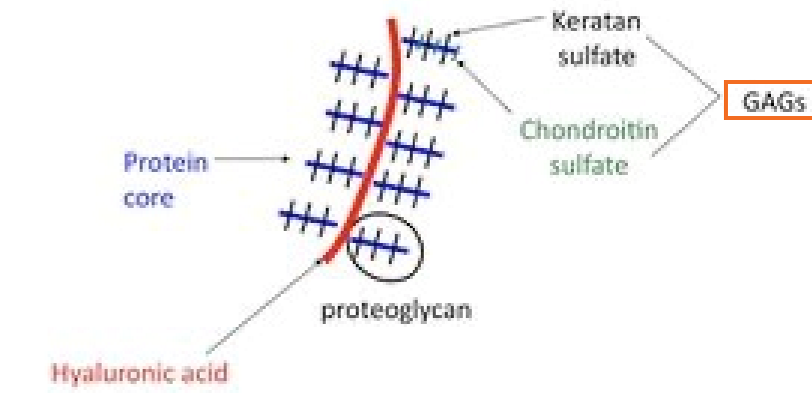
What is the function of Glycosaminoglycans (GAGs)?
They regulate water and electrolyte balance of tissues.
What is an example of a Glycosaminoglycan?
Chondroitin sulfate.
What are proteoglycans?
Gigantic molecules shaped like bottle brushes
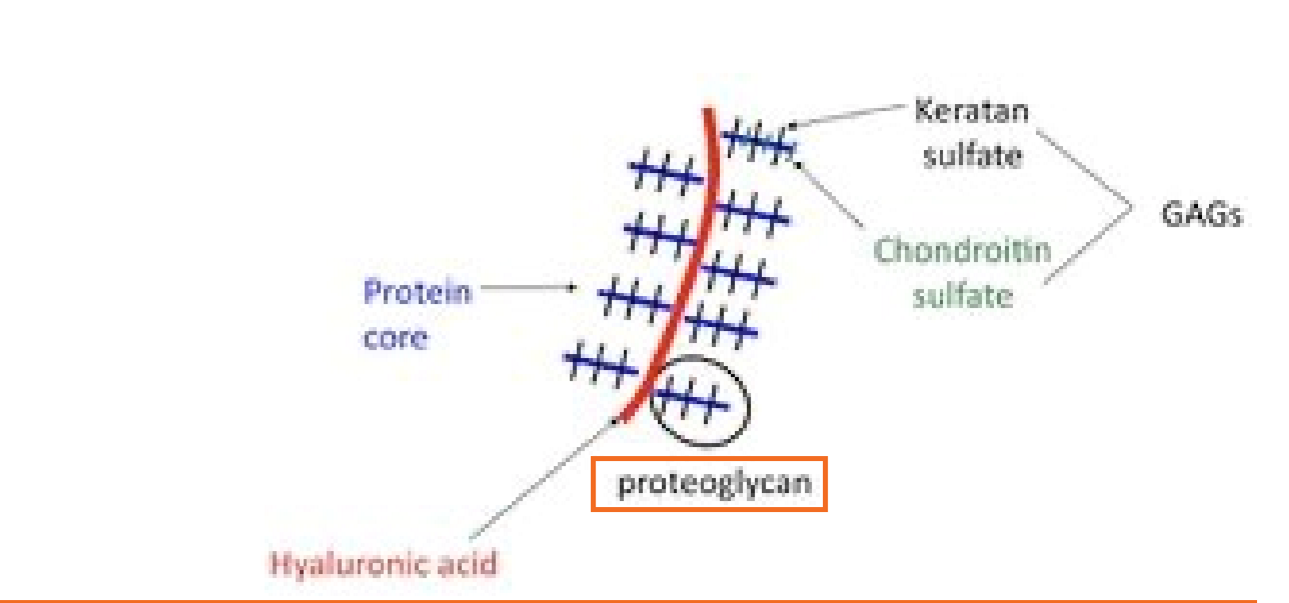
What is the function of proteoglycans?
They hold tissues together by forming gravy-like colloids.
What are Adhesive Glycoproteins?
Protein-carbohydrate complexes
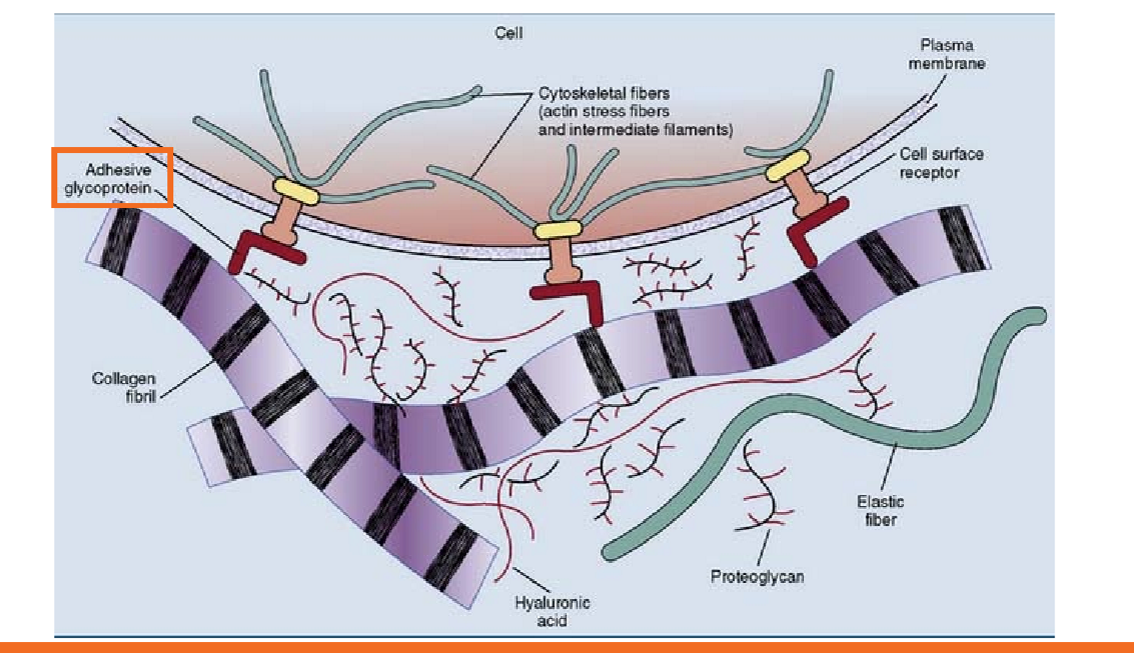
What is the function of Adhesive Glycoproteins?
Binds components of tissue together
What is the function of fibroblast?
produce fibers and ground substance
of matrix
What is the function of Macrophages?
arise from monocytes
phagocytize foreign material and activate immune
(antigen)
What are is the function of Leukocytes?
Function in immune defense
• EX: neutrophils attack bacteria; lymphocytes react
against bacteria, toxins, etc.
What is the function of Plasma Cells?
arise from lymphocytes
synthesize antibodies
What is the function of Mast Cells?
arise from lymphocytes
synthesize antibodies
What is the function of Adipocytes?
(fat cells) clustered in some fibrous
tissues
What is Loose Connective Tissue?
mostly ground substance in space surround cells
• Areolar and reticular
What is Dense Connective Tissue?
mostly fibers in space surrounding cells
• Dense regular and dense irregular
What is Dense Regular Connective Tissue?
• Densely packed, parallel collagen fibers
• Compressed fibroblast nuclei
• Elastic tissue forms wavy sheets in some locations
• Tendons (muscle to bone), ligaments (bone to bone)
What is Dense Irregular Connective Tissue?
•Densely packed, randomly arranged, collagen fibers and few viable cells
•Withstands unpredictable stresses
•Deeper layer of skin; capsules around organs
What is the location of connective tissues?
underlines epithelia
lymph nodes
spleen
tendons
deeper layer of skin
What is the function of Collagenous Fibers?
made of collagen
• Tough, flexible, and stretch resistant
• Called white fibers due to appearance in fresh tissue
• Tendons, ligaments, and deep layer of skin
• Less visible in the matrix of cartilage and bone
What is the function of Reticular Fibers?
• Thin collagen fibers coated in glycoprotein
• Form framework of spleen and lymph nodes; part of
basement membranes under epithelium
What is the function of Elastic Fibers?
• Thinner than collagen fibers
• Made of elastin
• Allows stretch and recoil like a rubber band
Collagenous Fibers
Reticular Fibers
Elastic Fibers
What is Excitability?
ability to respond to stimuli by changing membrane potential
What is Nervous Tissue Excitability?
changes in voltage result in rapid transmission of signals to other
cells
What is Muscular Tissue Excitability?
changes in voltage result in contraction, shortening of the cell
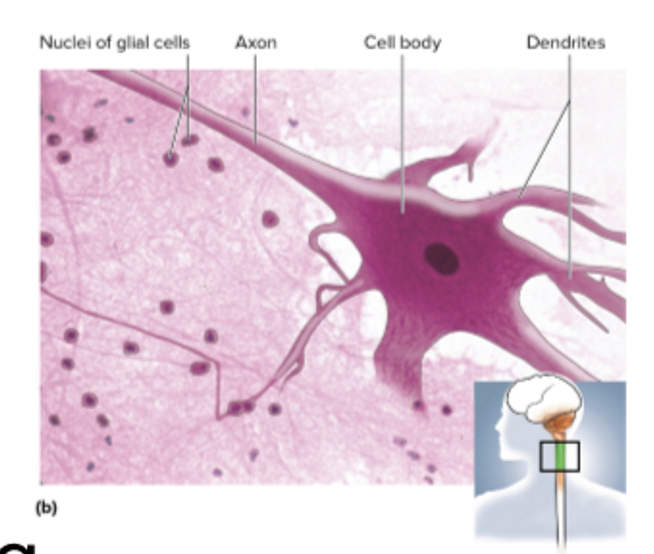
Nervous Cell
What are tight junctions?
Zipperlike, interlocking linkages between two adjacent cells by transmembrane cell-adhesion proteins.
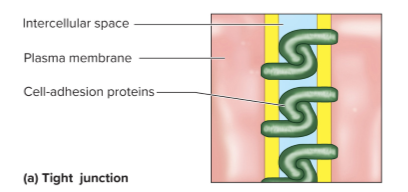
What is the function of tight junctions?
They encircle an epithelial cell near its apical surface, seal off intercellular space, making it difficult or impossible for substances to pass between cells.
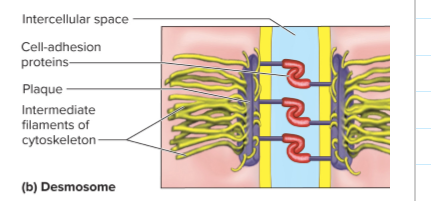
What are desmosomes?
Patches that hold cells together, like a clothing snap. They keep cells from pulling apart and resist mechanical stress.
What is the function of desmosomes?
They anchor cells together using J-shaped proteins from the cytoskeleton, primarily found in the epidermis and other epithelial tissues
What are hemidesmosomes?
Half desmosomes that anchor basal cells of epithelial tissue to the basement membrane; they cannot easily peel away.
What are gap (communication) junctions?
Channels between cells formed by ringlike connexons, allowing ions, nutrients, and other small solutes to pass.
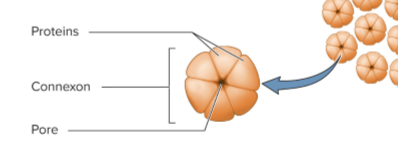
What is connexon composed of?
Connexon consists of 6 transmembrane proteins, resembling an orange around a water-filled channel.
Where are gap junctions commonly found?
In cardiac and smooth muscle, embryonic tissue, lens, and cornea.
What are endocrine glands?
Glands that have no ducts but possess many blood capillaries, secreting hormones directly into the blood.
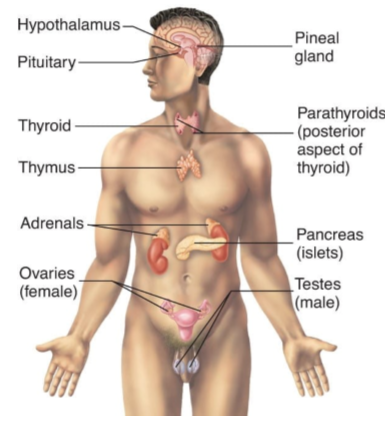
What are hormones?
Chemical messengers that stimulate cells elsewhere in the body.
Can you name examples of endocrine glands?
Examples include thyroid, adrenal, and pituitary glands.
What are exocrine glands?
Glands that maintain their contact with the surface of epithelium by way of a duct.
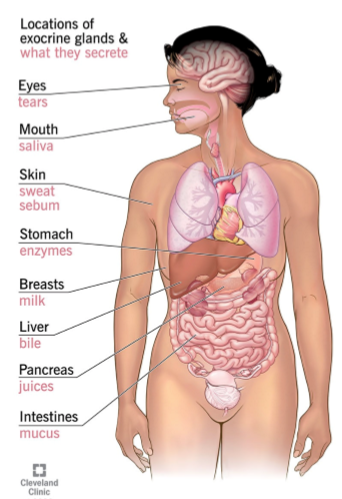
What types of surfaces do exocrine glands secrete onto?
Surfaces can be external (e.g., sweat, tear glands) or internal (e.g., pancreas, salivary glands).
What are muscle striations?
visible, alternating light and dark stripes (bands) caused by the highly organized arrangement of actin and myosin proteins into repeating functional units called sarcomeres.
What is the key difference between voluntary and involuntary muscles?
Voluntary muscles, such as skeletal muscle, are under conscious control and are used for movements like walking and lifting. In contrast, involuntary muscles, such as cardiac and smooth muscle, operate without conscious effort and control automatic functions.
Which muscle type is voluntary?
Skeletal muscle is the only type of voluntary muscle, allowing conscious control over movements.
Which muscle types are involuntary?
Cardiac muscle and smooth muscle are both involuntary types, functioning automatically without conscious control.
What are locations where muscle tissue is present?
Heart Wall
Walls of hallow organs
Tendons
What are unique feature of Muscle Tissue?
Contractility: The ability to shorten forcefully.
Excitability (Conductivity): The ability to receive and transmit electrical stimuli.
Extensibility: The ability to stretch without being damaged.
Elasticity: The ability to recoil and return to its original resting length after being stretched.