double practice 456 microbiology
 Call Kai
 Learn
Learn Practice Test
 Spaced Repetition
 Match
Match Flashcards
 Knowt Play
1/310

There's no tags or description
Looks like no tags are added yet.
Name | Mastery | Learn | Test | Matching | Spaced | Call with Kai |
|---|
No analytics yet
Send a link to your students to track their progress
311 Terms
What does the Endosymbiotic Theory tell us?
1. Explains how eukaryotes developed into multicellular structures
2. How eukaryotes developed membrane-bound organelles such as the mitochondria and chloroplasts
How did the mitochondria of eukaryotes organisms evolve?
They came from a symbiotic relationship in which non-photosynthetic prokaryotes were engulfed by a larger cell
How did the chloroplasts of organisms evolve?
They came from a symbiotic relationship in which photosynthetic prokaryotes were engulfed by a larger cell
What are characteristics of prokaryotes?
1. no nucleus
2. no membrane-bound organelles
3. simple structure
4. all unicellular
5. single circular chromosomes
What are characteristics of eukaryotes?
1. nucleus with DNA
2. complex cells
3. membrane-bound organelles
4. multiple linear chromosomes
5. can be unicellular or multicellular
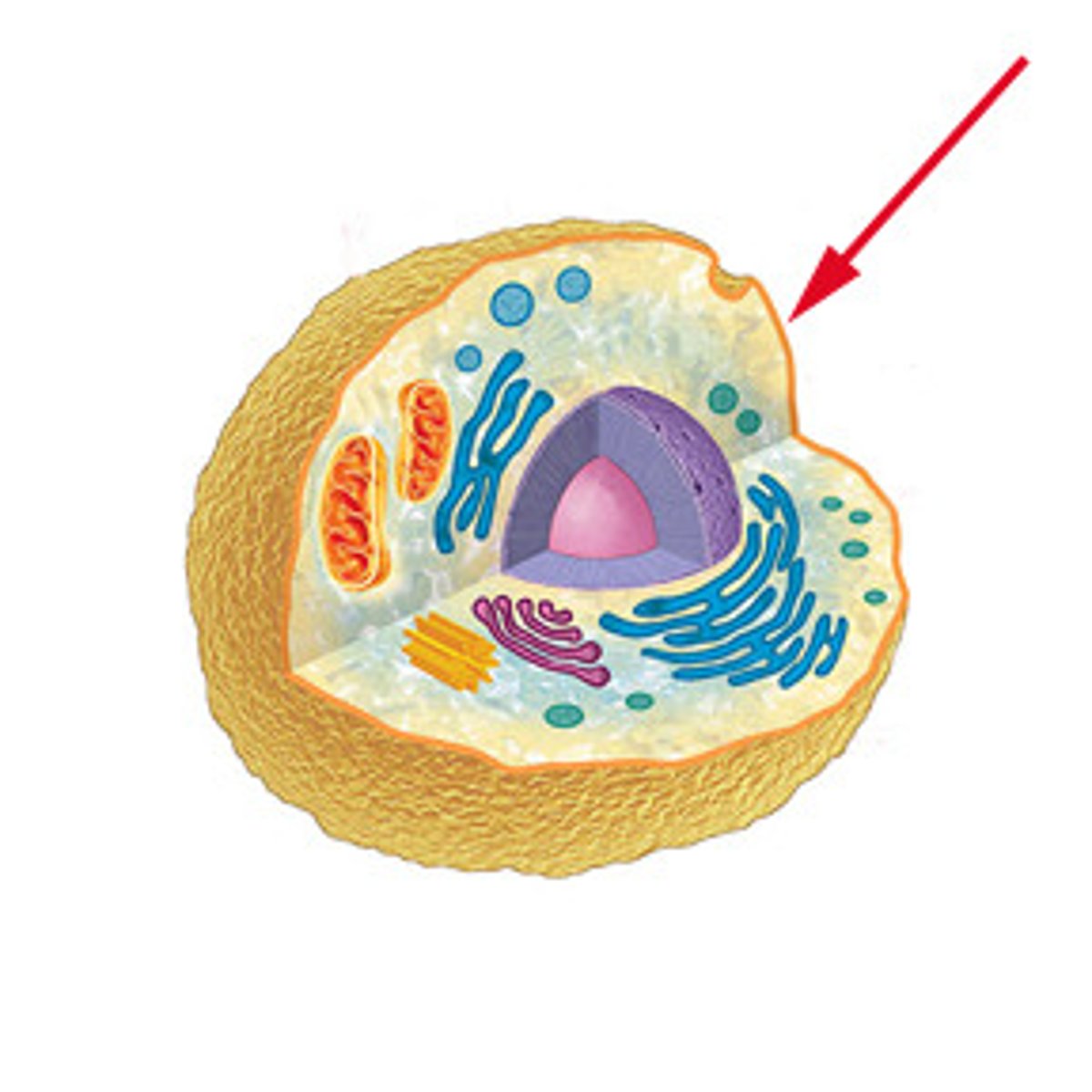
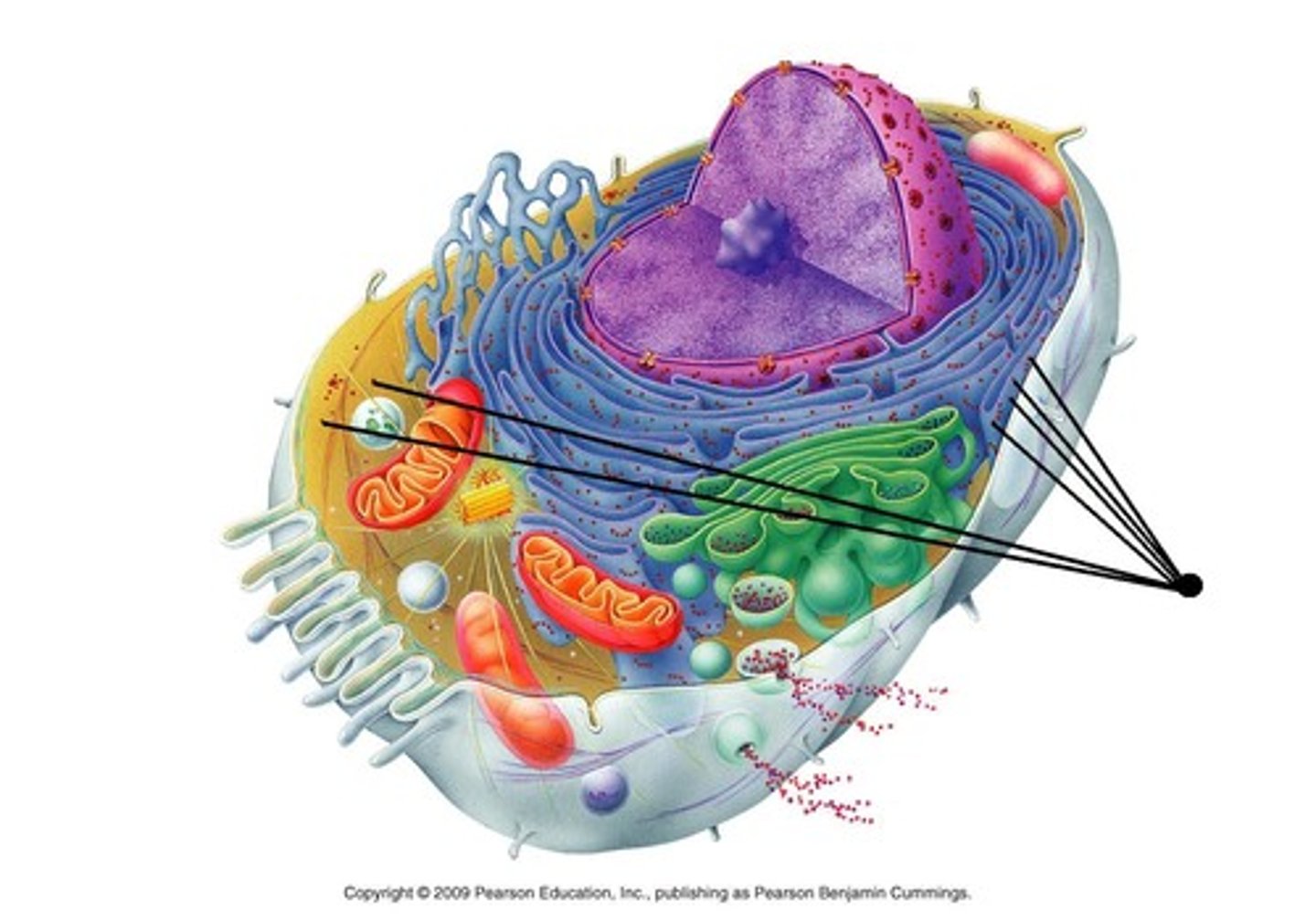
Plasma membrane
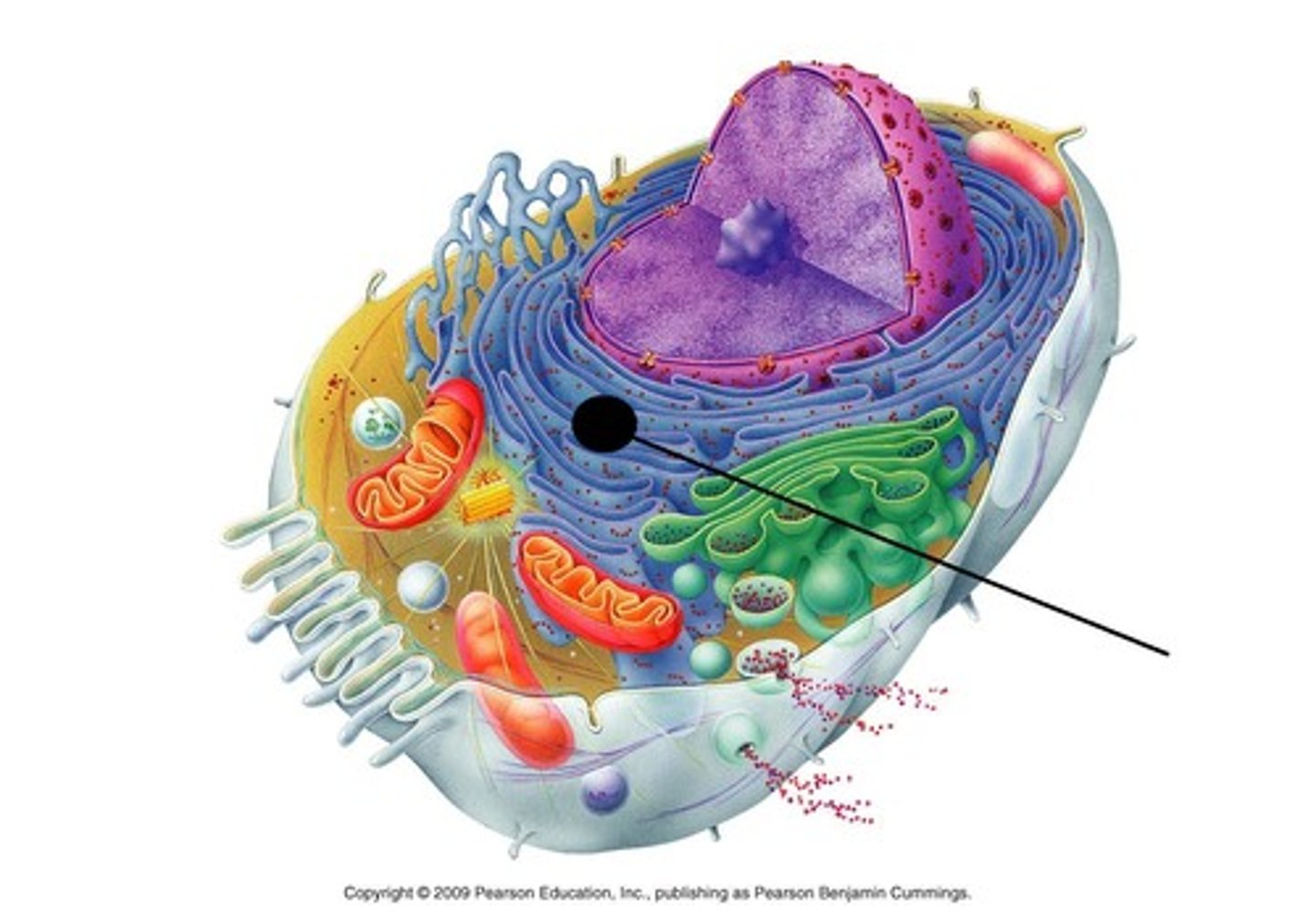
Rough ER
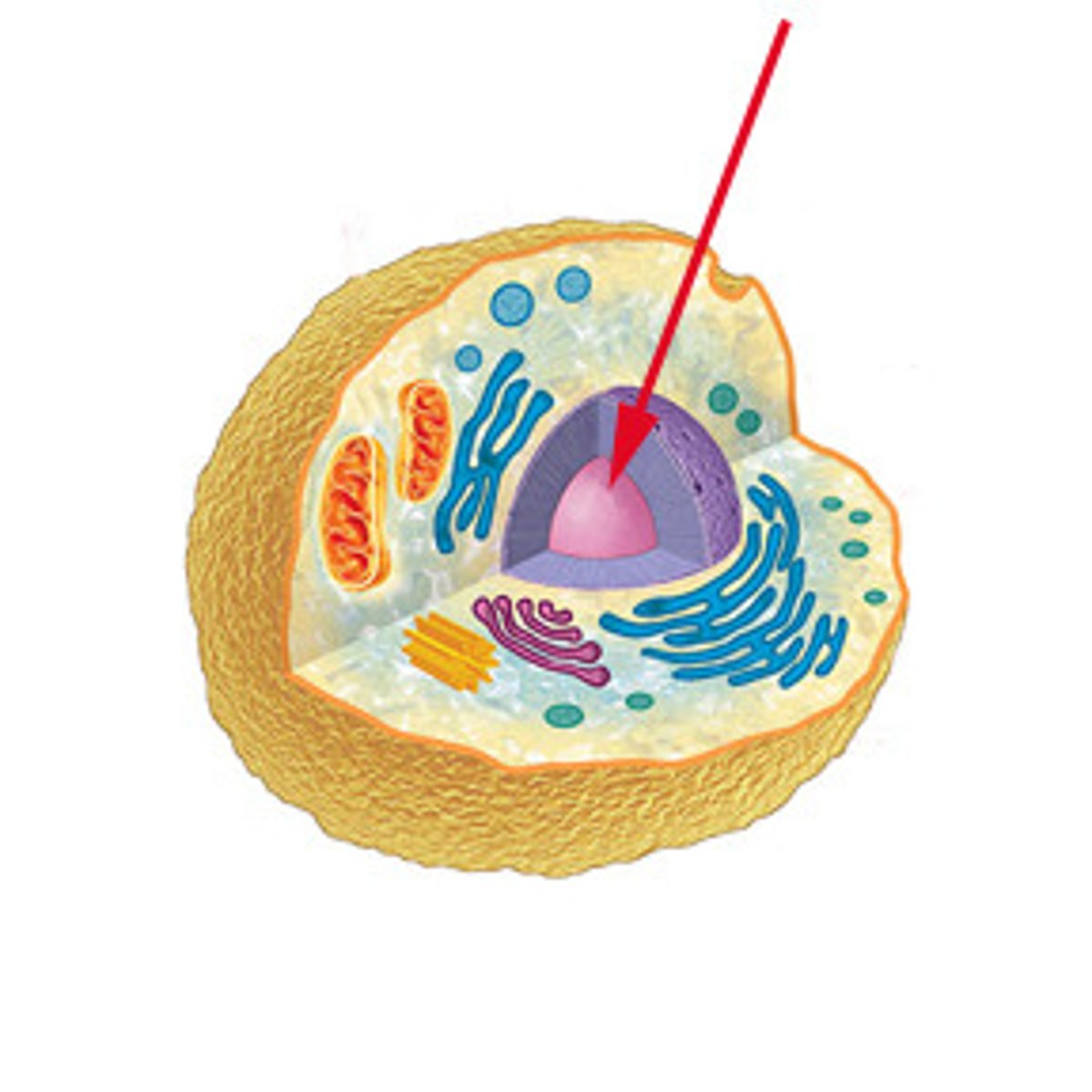
Nucleus
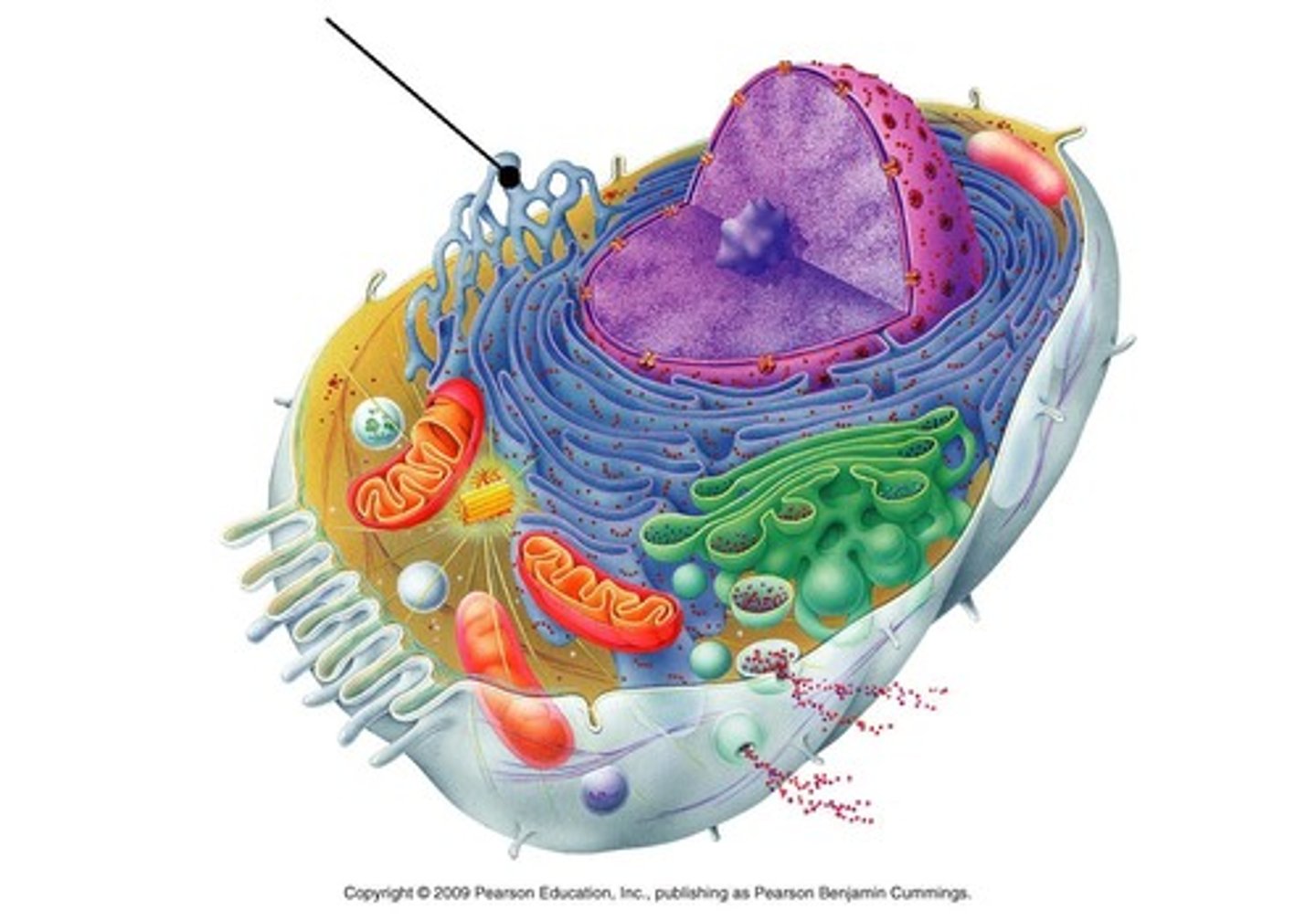
Smooth ER
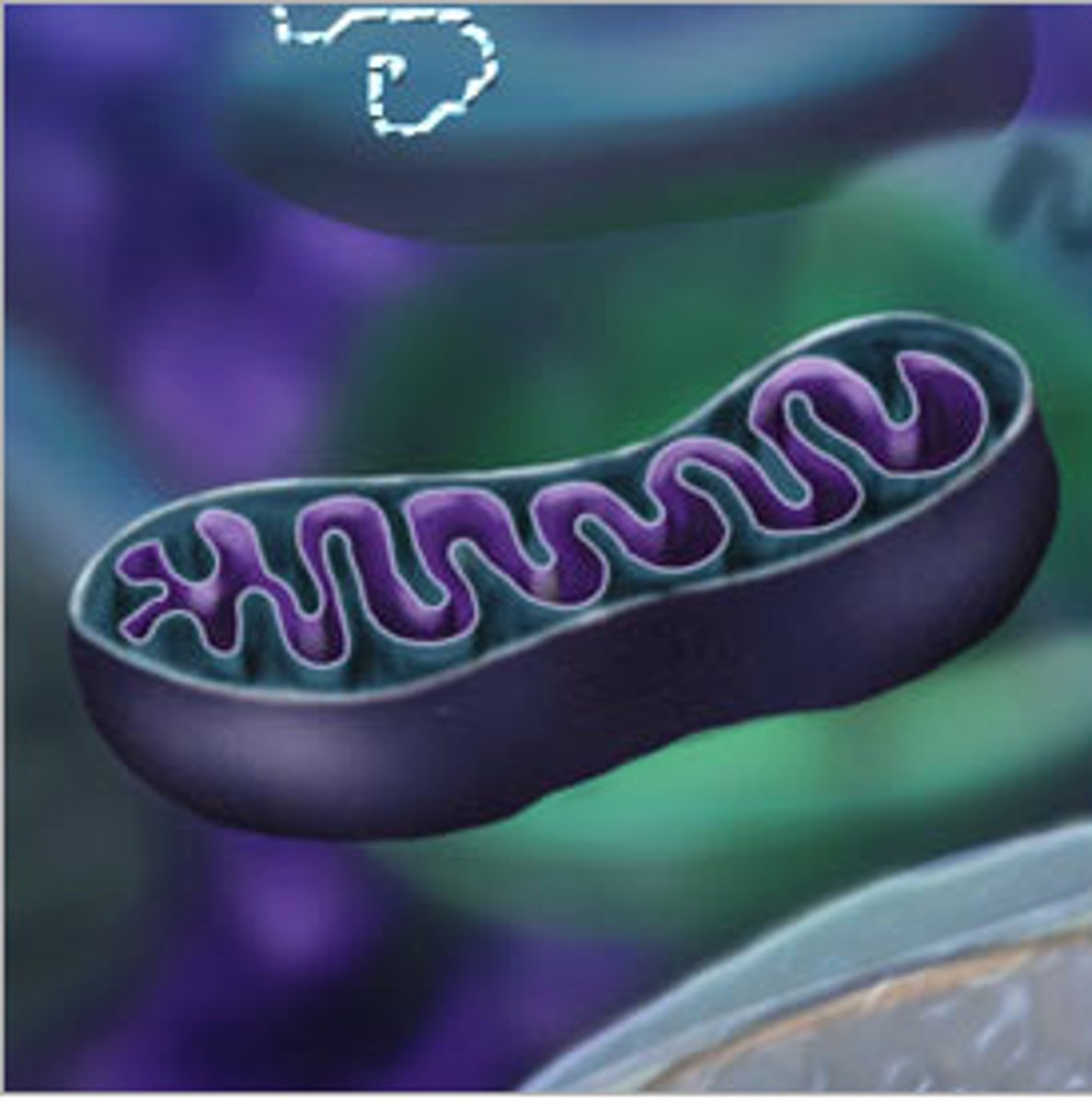
Mitochondria
Ribosome
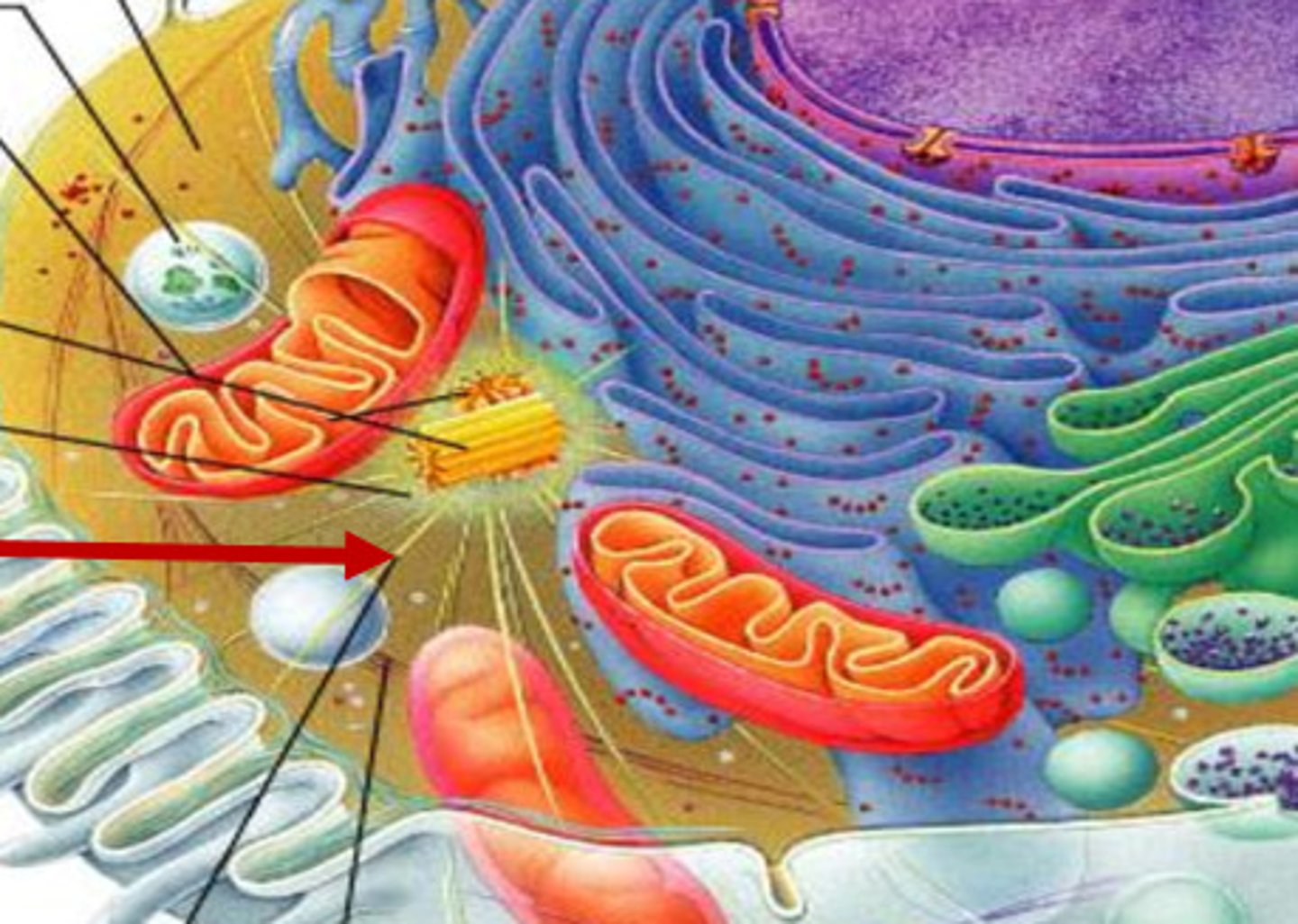
Cytoskeleton
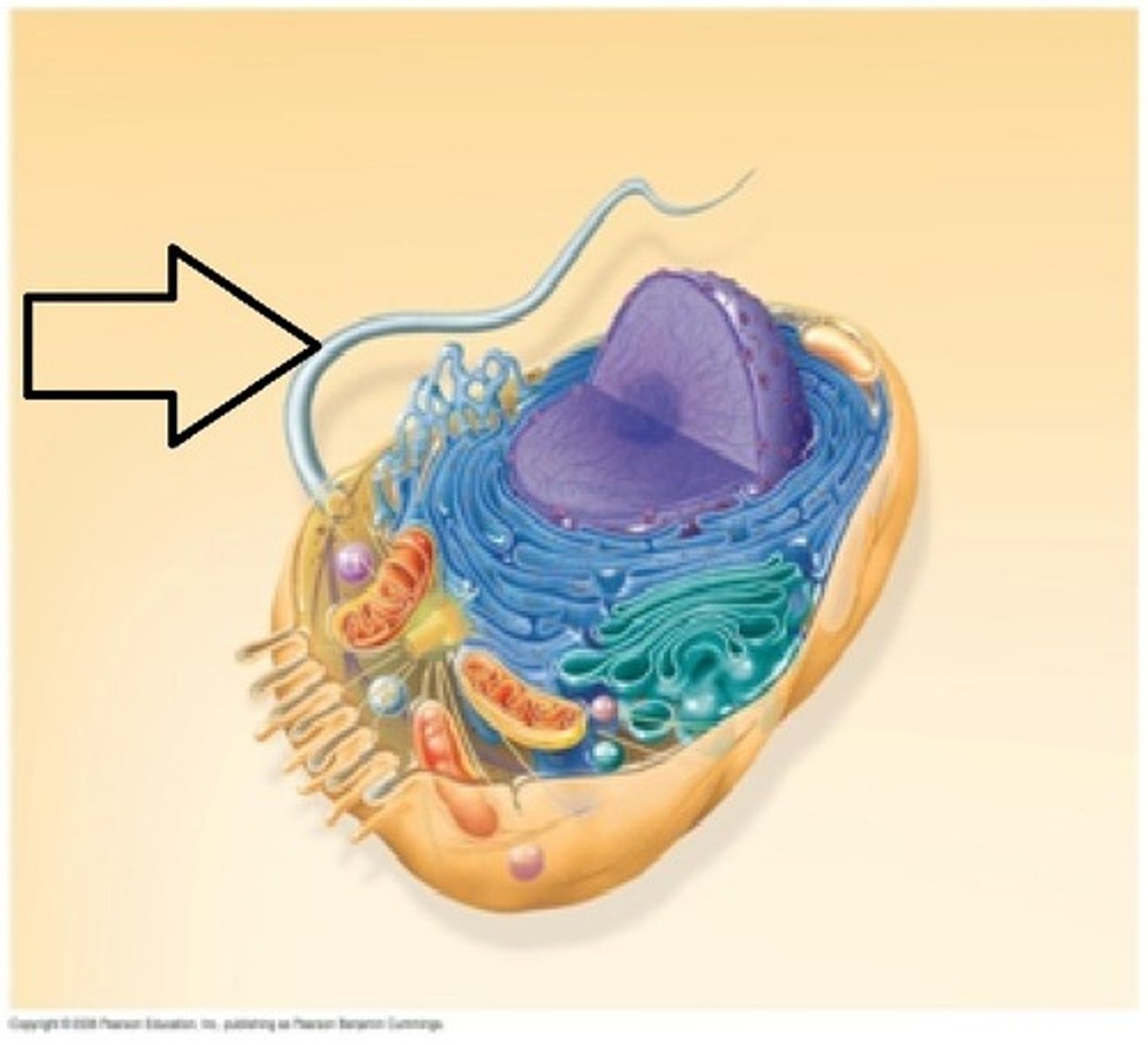
Flagella
Golgi apparatus
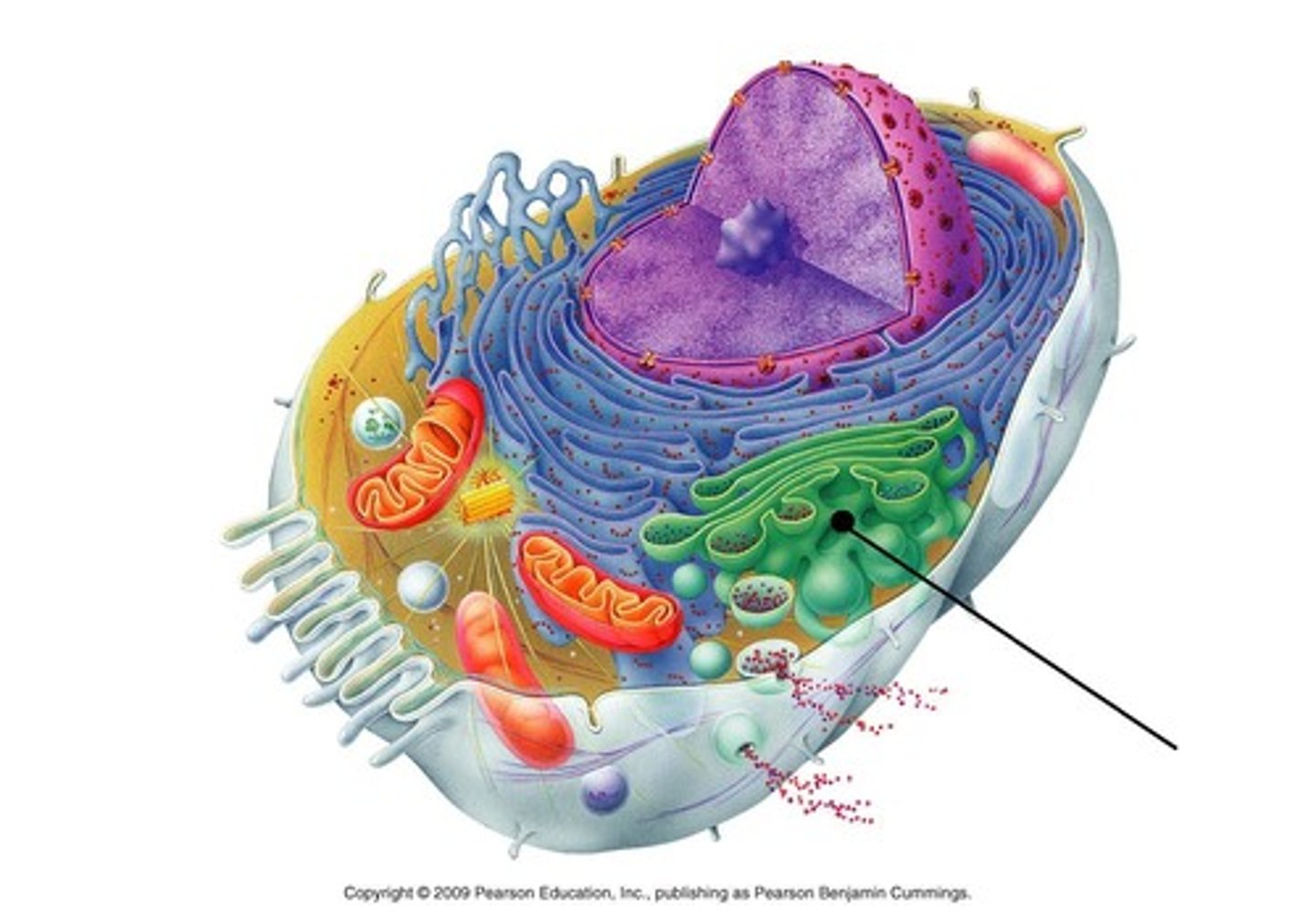
Describe the function of the plasma membrane
Phospholipid bilayer that is a selective barrier and interfaces with extracellular environment
Describe the function of the Cell wall
provides rigidity and protects the cell from mechanical and osmatic stress; gives shape
Describe the function of the glycocalyx
- important in cell adhesion
- protection
- cell communication
Describe the function of the flagella
motility
Describe the function of the cilia
motility and protection (like airways in humans)
Describe the function of the ribosomes
production of proteins
Describe the function of the cytoskeleton
- provides cell shape
- plays an important role in cell movement
- facilitates cargo transport
- protects the cell against external mechanical stress forces
Describe the function of the nucleus
houses the cells DNA and serves as the cells command center
Describe the function of the nucleolus
ribosome production
Describe the function of the nuclear membrane
regulates what goes in and out of the nucleus
Describe the function of the nuclear pores
breaks in the nuclear membrane
Describe the function of the endoplasmic reticulum
- protein production
- modification and folding
- lipid production
- detoxification
Describe the function of the golgi apparatus
-modifies cellular proteins
- build lipids
- sort and distribute the final products
- central to secretion
Describe the function of the mitochondria
generate most of the cells ATP
Describe the function of the peroxisomes
- breaks down fats and amino acids
- protects the cell from hydrogen peroxide
Describe the function of the vacuoles
stores and transports substances
Define endocytosis
process that brings substances ( solid or liquid) into the cell
Describe three types of endocytosis
1. Pinocytosis: (cell drinking) brings liquids into the cell
2. Phagocytosis: (cell eating) brings solids into the cell
3. Receptor-mediated endocytosis: brings specifically targeted substances into the cell
Define exocytosis
Process that exports substances out of the cell
What are 2 ways that eukaryotic cells can divide?
1. Mitosis- asexual division; makes 2 daughter cells that are genetically identical to each other and the original parent cell
2. Meiosis- sexual division; makes 4 haploid daughter cells that are genetically unique
Is binary fission more like mitosis or meiosis?
Mitosis
List the 4 kingdoms of eukaryotes
1. Animalia
2. Plantae
3. Protists
4. Fungi
Define the term saprobe
Organisms that absorb nutrients from dead plants and animals in the environment
What does it mean for fungi to be dimorphic
It can cycle between life forms; one having hyphae (filaments) and yeast-like forms
What are hyphae?
Collections of tubular, filament-like structures used for growth
How are fungi classified
by the type of reproductive spores they produce
What are the 3 groups of protists
1. Protozoans (animal-like)
2. Algae (plant-like)
3. Slime molds and water molds (fungus-like)
What are the 4 groups of protozoans
1. Ciliated
2. Flagellated
3. Amoeboid
4. Spore-forming (apicomplexans)
What is a pseudopod?
"false feet", extensions of their cytoplasm; used for motility and feeding
Define Genetics:
the study of genes, their function, and how variations arise in genomes
Who is the "Father of Genetics"
Gregor Mendel
What is the difference between genotype and phenotype?
Geneotype is the genetic makeup of an organism (their genes) and phenotype is the physiological traits or an organism (their appearance and characteristics)
DNA stands for what?
deoxyribonucleic acid
RNA stands for what?
ribonucleic acid
Nucleic acids, such as DNA, are built from smaller structures called what?
Nucleotides
What are the 4 bases found in DNA?
Adenine, Thymine, Cytosine, Guanine
Is DNA single or double stranded?
double
The sides of the structure are made up of phosphates and sugars held together by what kind of bonds?
Phospodiester
The middle of the structure is made of complementary bases held together by what kind of bonds?
Hydrogen
What are the 4 bases found in RNA?
Adenine, Uracil, Guanine, Cytosine
What are the 3 types of RNA?
Messenger RNA (mRNA)
Ribosomal RNA (rRNA)
Transfer RNA (tRNA)
DNA and RNA are connected through the "Central Dogma of Molecular Biology" This states that:
-DNA directs production of RNA
-RNA directs assembly of proteins
Replicated DNA contains an original parent DNA strand a newly formed DNA strand. Therefore, this is a ________ process.
semiconservative
DNA must be transcribed into what?
mRNA
What are the 3 steps of transcription?
1. Initiation (promoter)
2. Elongation
3. Termination (termination site)
mRNA is translated into what?
protein
What are the 3 steps of translation?
1. Initiation
2. Elongation
3. Termination
Define mutation:
changes in genetic material of a cell or virus
What are some different kinds of mutations?
-Silent
-Reversion
-Nonsense
-Missense
-Frameshift
True of false: All mutations cause harm to the cell?
False
What is a mutagen?
chemicals or physical or biological agents that can increase the rate of mutation in an organism
_____ gene transfer occurs when genetic information passes between cells by a process other than cell division
Horizontal
What are examples of Horizontal gene transfer?
-Conjugation
-Transformation
-Transduction
-Transposons
______ is a type of gene transfer where bacteria take up DNA from their environment
Transformation
Virology
The study of viruses.
Viruses that infect humans
Approximately 220 viruses.
What is a virus?
A small acellular pathogen.
Is a virus living?
No.
Virion
A single infectious particle.
Structural parts of a virus
Viruses contain a capsid and genetic material (nucleic acid), and some may contain spikes and envelopes.
Shapes of animal viruses
Helical, icosahedral, and complex.
Naked virus vs Enveloped virus
Naked viruses lack a coating; enveloped viruses have a lipid structure surrounding the capsid.
Function of viral peplomers (spikes)
They allow viruses to attach to host cells.
Classifying viruses
Viruses can be grouped by type of nucleic acid, capsid symmetry, envelope presence, and genome architecture.
Highest classification level for viruses
Order.
Steps of bacteriophage replication
Attachment, Penetration, Replication, Assembly, and Release.
Attachment (adsorption) in bacteriophage replication
Phage binds to bacterial cell.
Penetration (entry) stage
Phage injects genetic material into the cell.
Replication (synthesis) stage
Phage commandeers host cell factors to transcribe and translate viral genes.
Assembly (maturation) stage
Genome packed into capsid and phage structures assembled.
Release stage in bacteriophage replication
Bacterial cell lyses and new phages are released.
Viral replication pathways
Lytic and Lysogenic.
Lytic pathway
Immediate construction of new virions leading to the destruction of host cells.
Lysogenic pathway
Virus incorporates into host genetic material, forming a prophage.
Additional step in animal virus replication
Uncoating step.
Purpose of uncoating in animal viruses
To get the virus genome into the host cell.
Chronic persistent infections
Viruses continuously release virions, leading to a slow progression of disease.
Example of chronic persistent infection
HIV.
Latent persistent infections
Infections with flare-ups or outbreaks and periods of dormancy.
Example of latent persistent infection
Herpes simplex virus.
Treatment for viral infections
Limited antiviral drugs available.
Target of antiviral drugs
Any step along the replication pathway.
Prion
Infectious misfolded proteins.
Example of prion disease
Transmissible spongiform encephalopathies such as mad cow disease.
Bacteriophages
Viruses that infect bacteria.
Animal viruses
Viruses that infect animals and humans.