Unit Four: Industrial Revolution/Imperialism - Parzych HMWH
0.0(0)
Studied by 4 people Call Kai
 Learn
Learn Practice Test
 Spaced Repetition
 Match
Match Flashcards
 Knowt Play
Card Sorting
1/106

Earn XP
Description and Tags
107 Terms
1
New cards
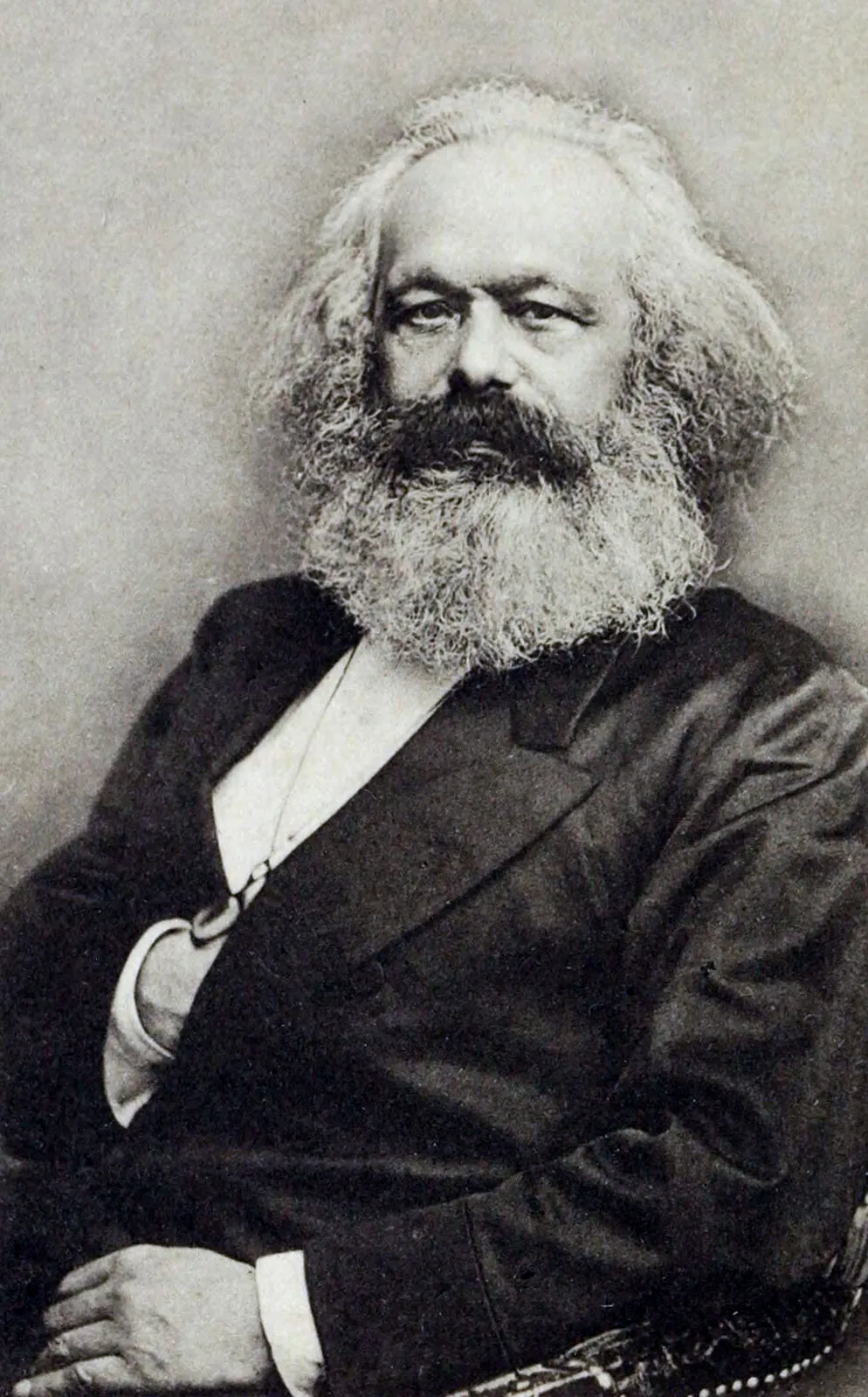
Karl Marx - Inventor of communism who wrote The Communist Manifesto - Proletariat (workers) need to overthrow the Bourgeoisie (factory owners)
2
New cards
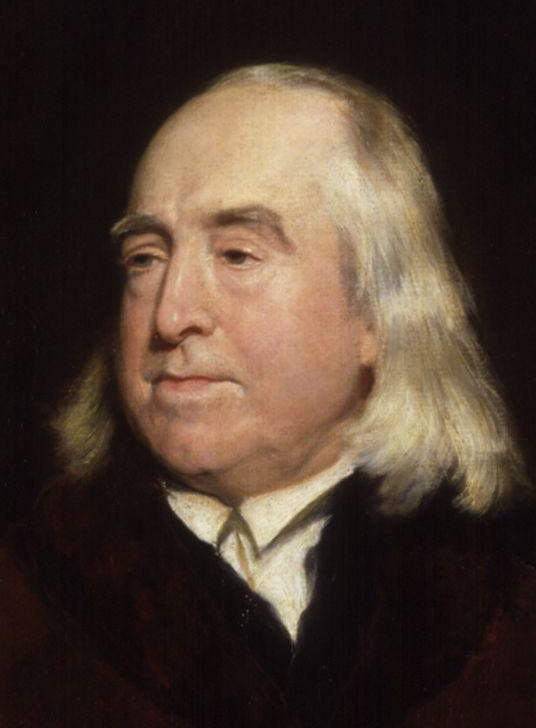
Jeremy Bentham - Invented Utilitarianism - laws passed to promote the “greatest good” in society
\
Main Dem. Liberal in England
\
Main Dem. Liberal in England
3
New cards
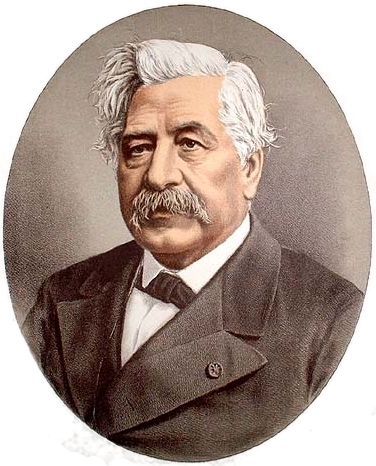
Ferdinand de Lesseps - French architect who oversees construction of Suez Canal - Canal is a “Lifeline to India” (essential to British trade with India bc the route is shorter)
4
New cards
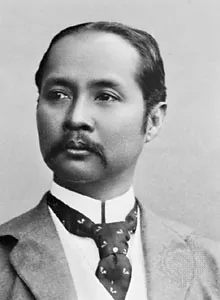
Chulalongkorn - Welcomes European customs and traditions to Siam (he had a British schoolteacher) - Siam becomes more modernized and industrialized
5
New cards
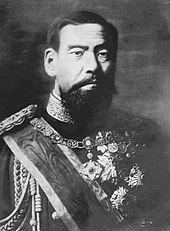
Mutsuhito - Meiji Emperor who is the first Japanese ruler under the Treaty of Kanagawa
6
New cards
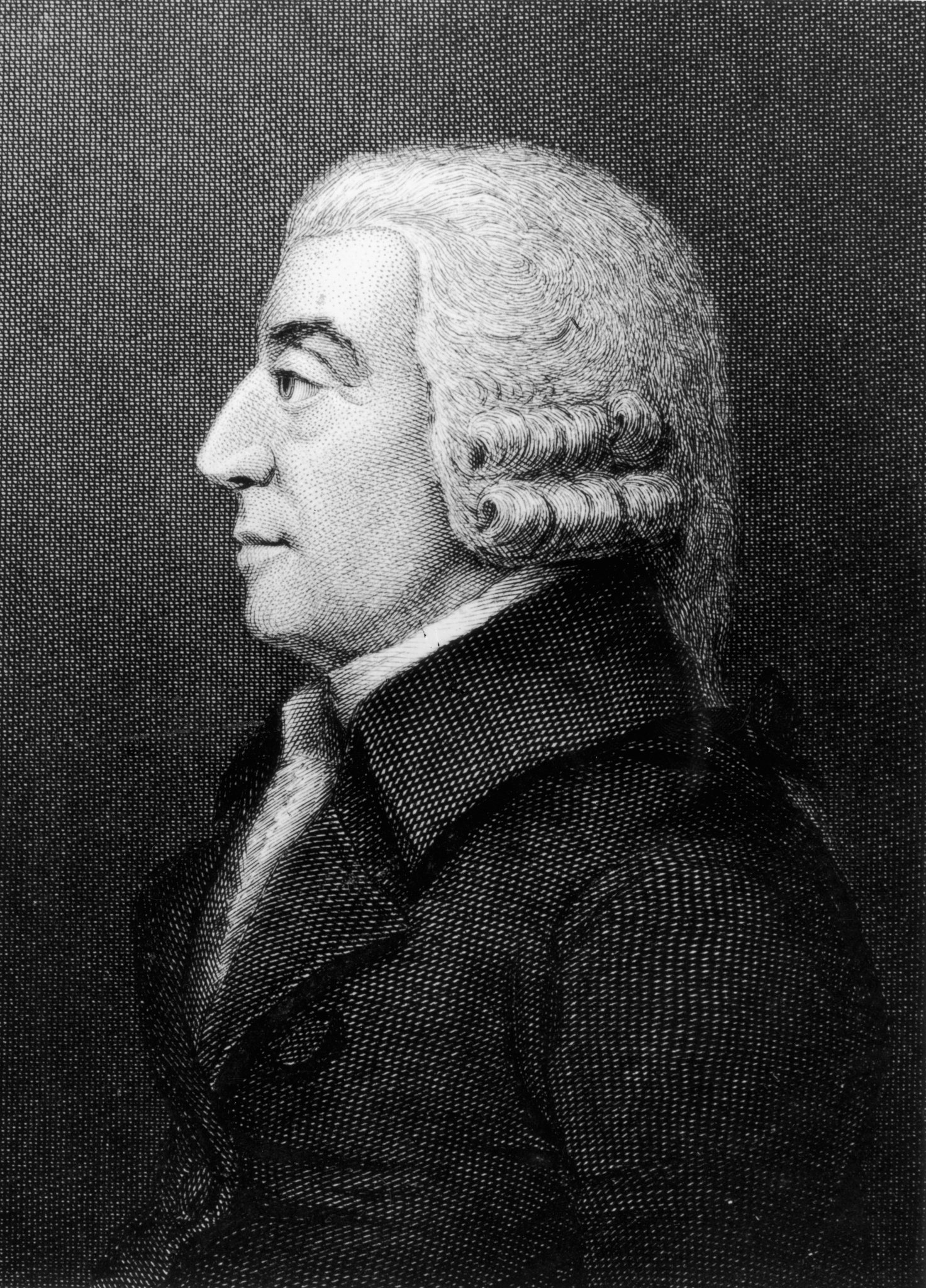
Adam Smith - Founder of capitalism - supply and demand - No government involvement in economy (free-market economy)
7
New cards
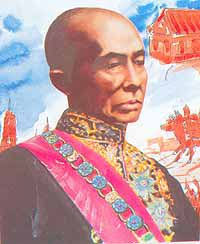
Mongkut - Changes the name of “Thailand” to “Siam” which generates national pride (very popular) - keeps Siam an independent country during imperialism
8
New cards
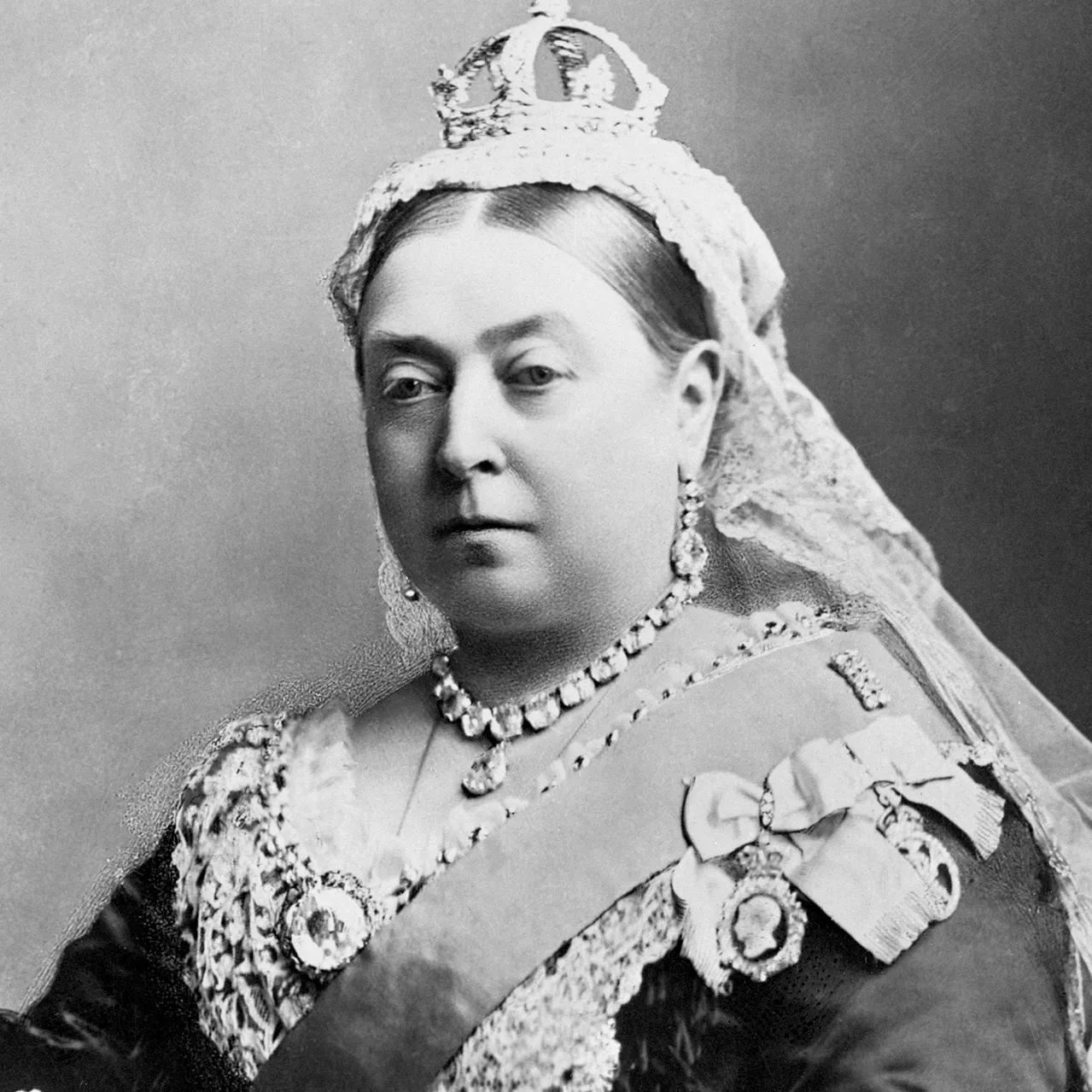
Queen Victoria - Great Britain expands and becomes a massive superpower during her reign
Refers to her colonies as “jewels in her crown” - greatest jewels are South Africa and India
Refers to her colonies as “jewels in her crown” - greatest jewels are South Africa and India
9
New cards
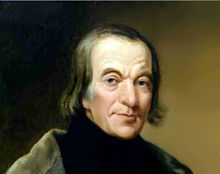
Robert Owen - First to try Utopian Socialism with his Industrial Socialist Mill - successful at first but then goes bankrupt
10
New cards
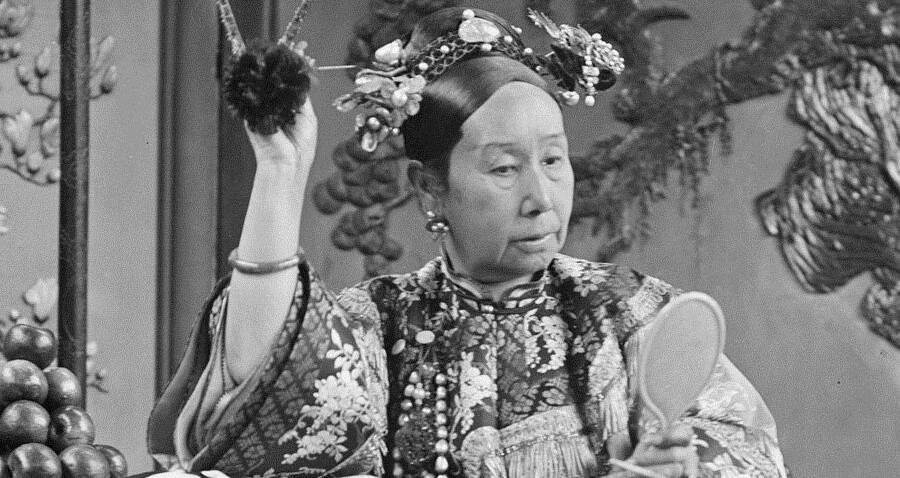
Dowager Ci Xi - Regent of China (serves as an advisor until the monarch is old enough to rule - kills them off so she can keep ruling)
\
Self Strengthening Movement: Modernizes and Industrializes China - Modern Army
\
Corrupt and spends the money for army modernization on herself (buys her nice things) - EX. Fills bullets with sand instead of gunpowder which leads to a massacre
\
Self Strengthening Movement: Modernizes and Industrializes China - Modern Army
\
Corrupt and spends the money for army modernization on herself (buys her nice things) - EX. Fills bullets with sand instead of gunpowder which leads to a massacre
11
New cards
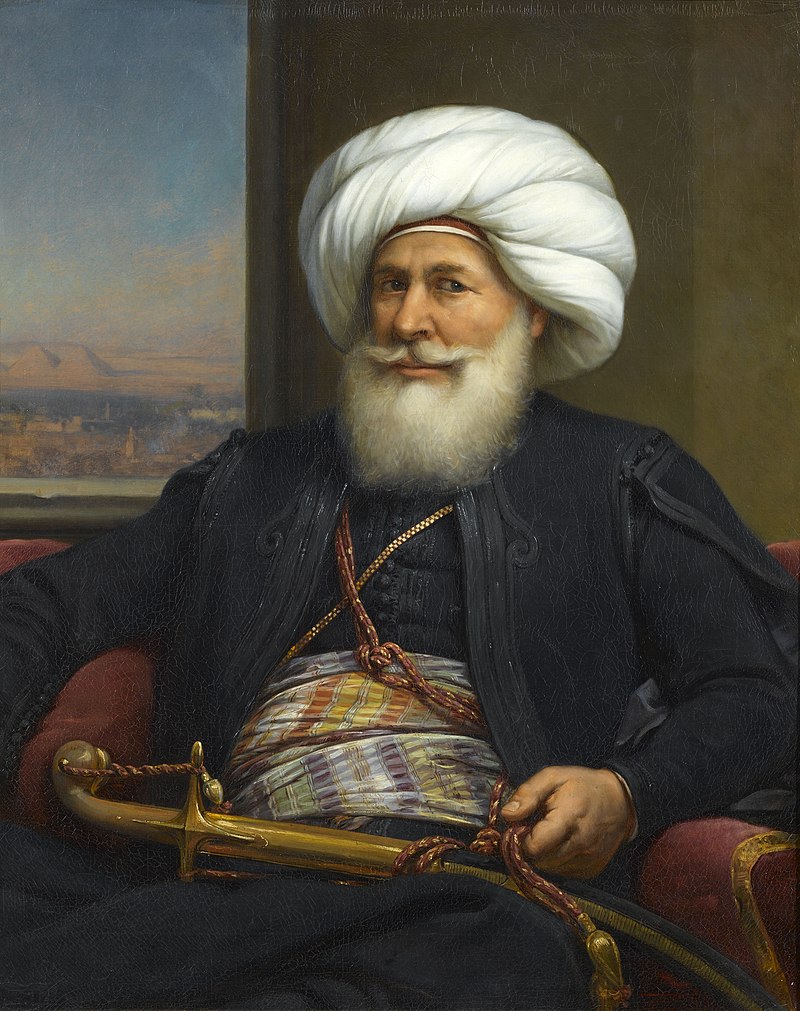
Muhammad Ali - Leader of Egypt who has the idea to connect the Red Sea to the Mediterranean Sea - borrows money from Great Britain to build Suez Canal - G.B. is now invested in the canal and wants their money to be protected so Egypt becomes a Protectorate of England
12
New cards
\
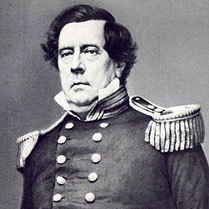
Matthew Perry - American military leader who leads warships to Japan to rescue American shipwreck survivors held captive by Japan - Threatens to declare war (give them back or else) - Japan’s army is very non-industrialized so the American army wins - Japan has to sign Treaty of Kanagawa
13
New cards
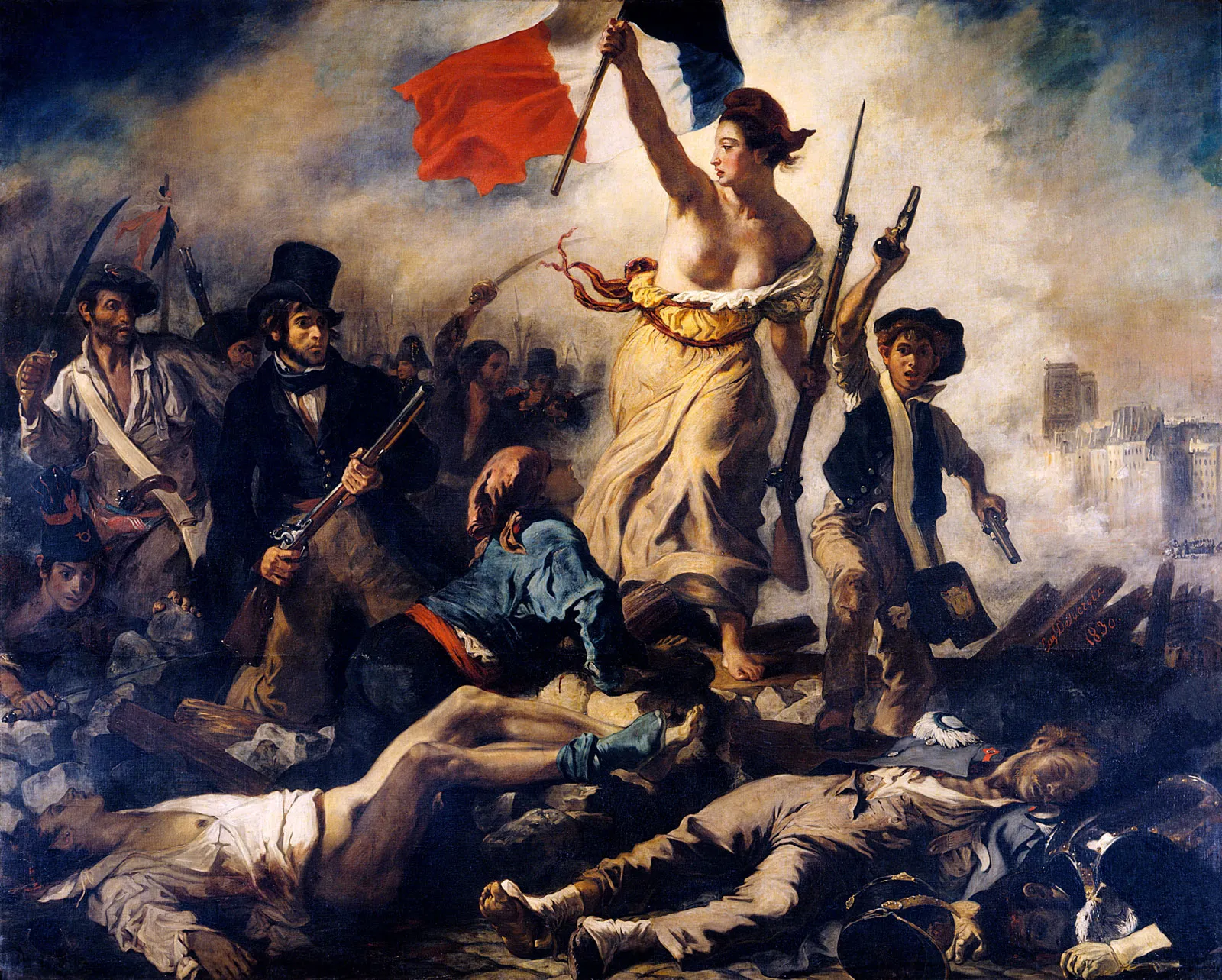
Liberty Leading the People - Eugene Delacroix - Romanticism
14
New cards
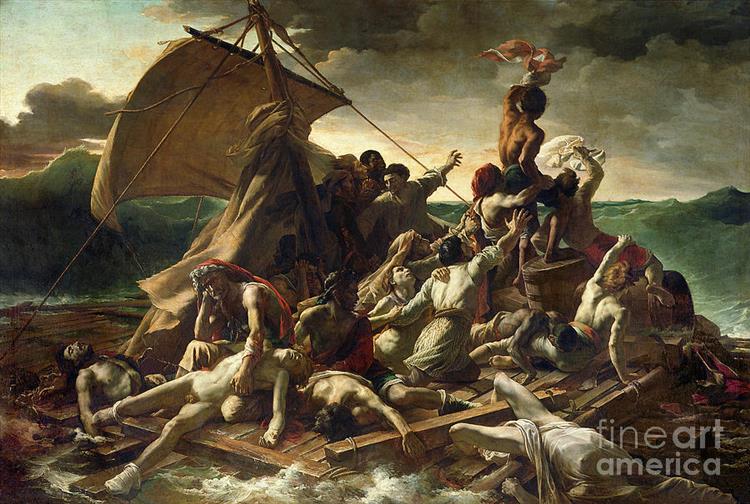
The Raft of Medusa - Theodore Gericault - Romanticism
15
New cards
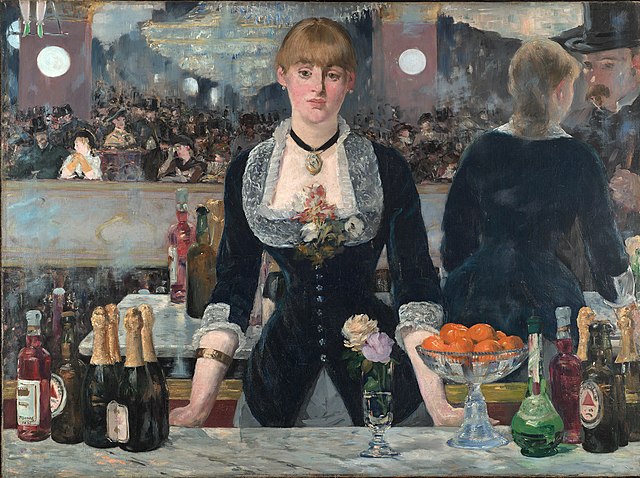
The Bar at the Folies Bergeres - Edouard Manet - Realism
16
New cards
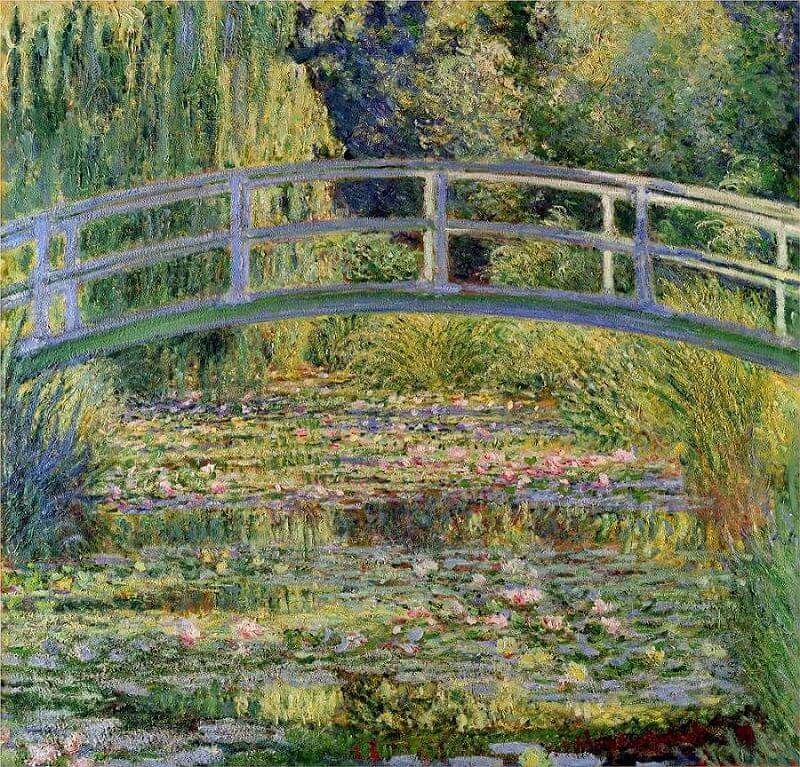
Water Lily Pond - Claude Monet - Impressionism
17
New cards
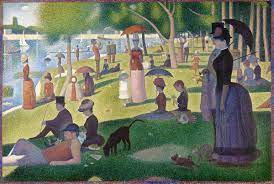
Sunday Afternoon - Georges Suerat - Post Impressionism
18
New cards
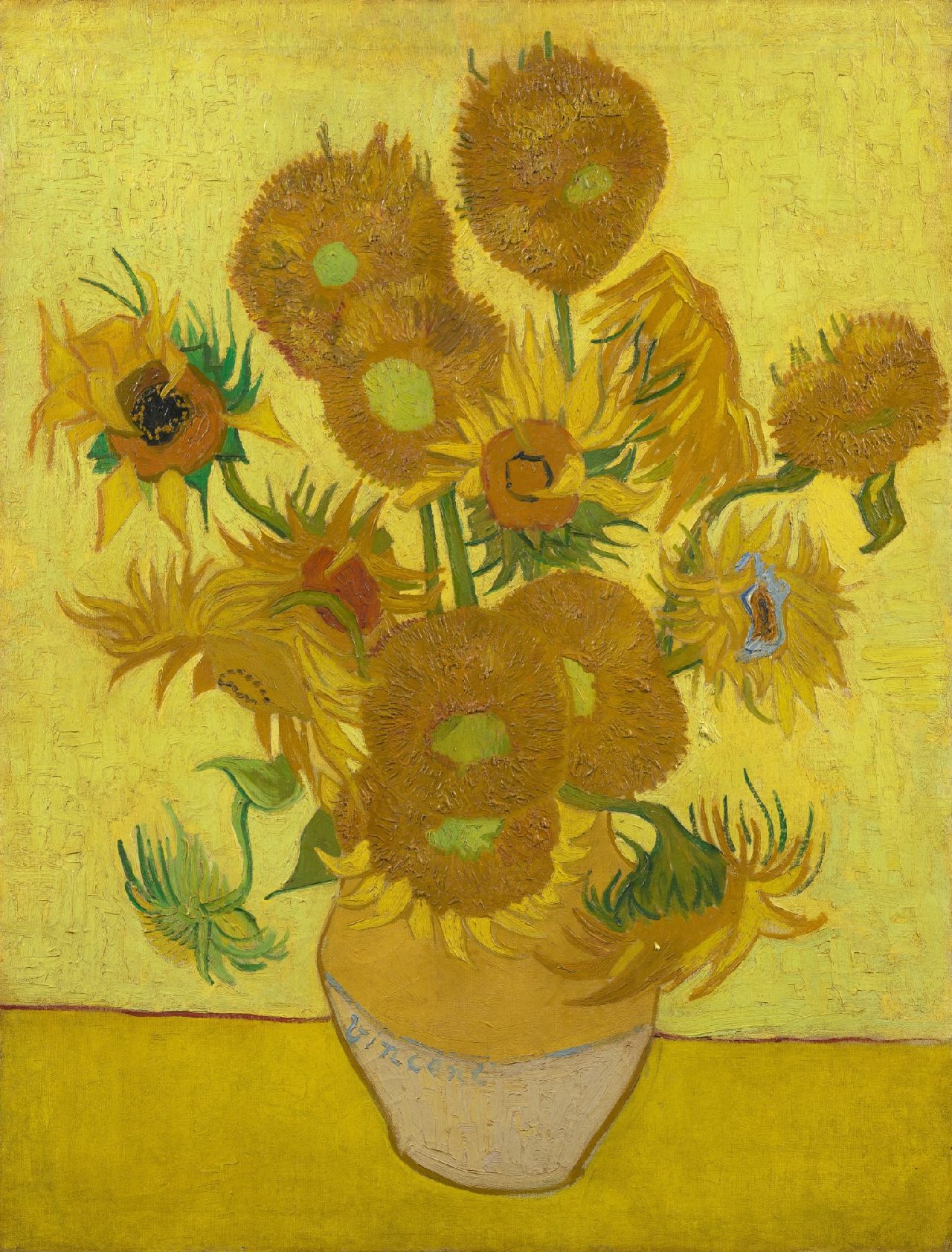
Sunflowers - Vincent Van Gogh - Post Impressionism
19
New cards
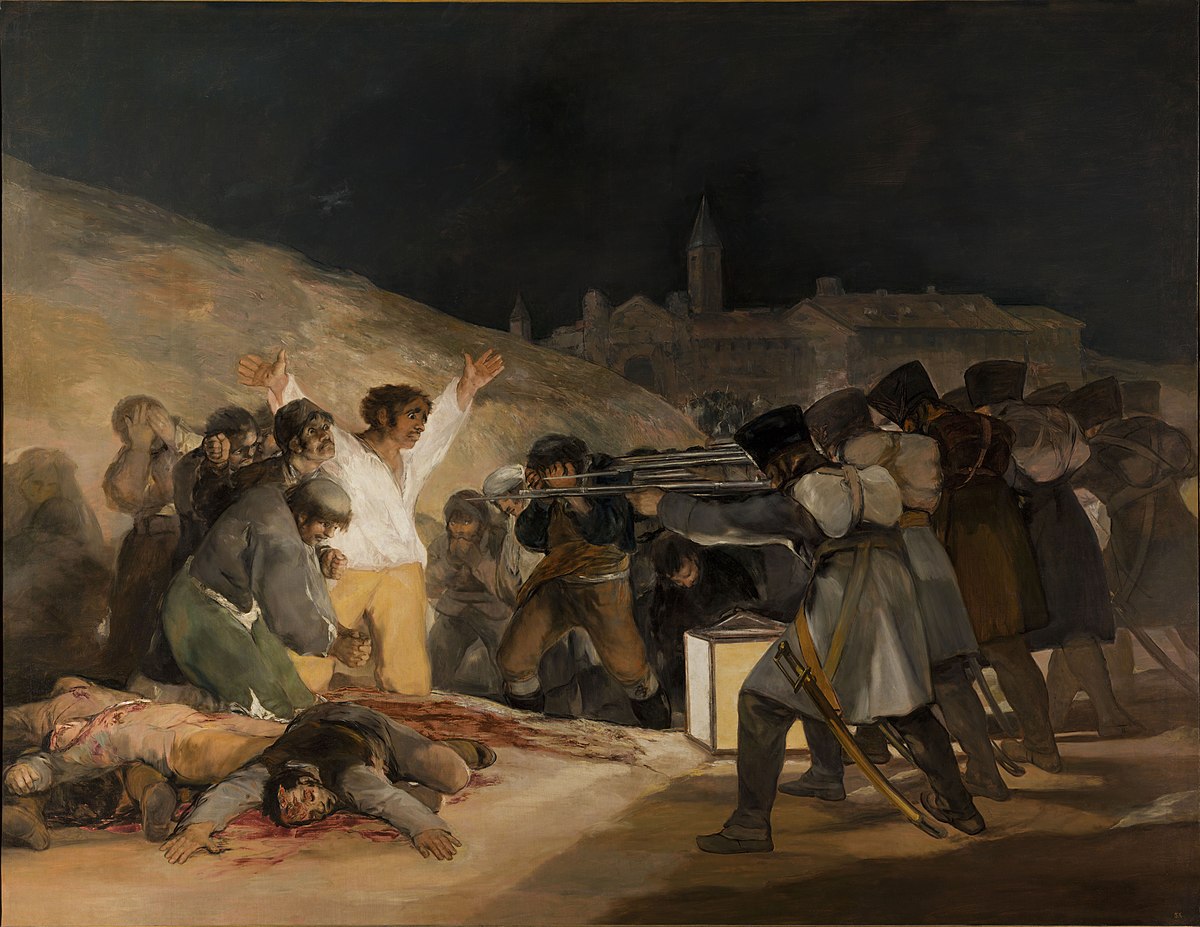
The Third of May, 1808 - Francisco de Goya - Romanticism
20
New cards
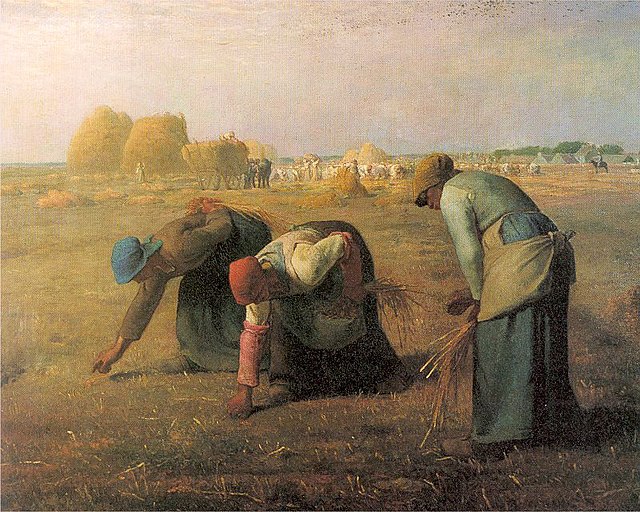
The Gleaners - Jean F. Millet - Realism
21
New cards
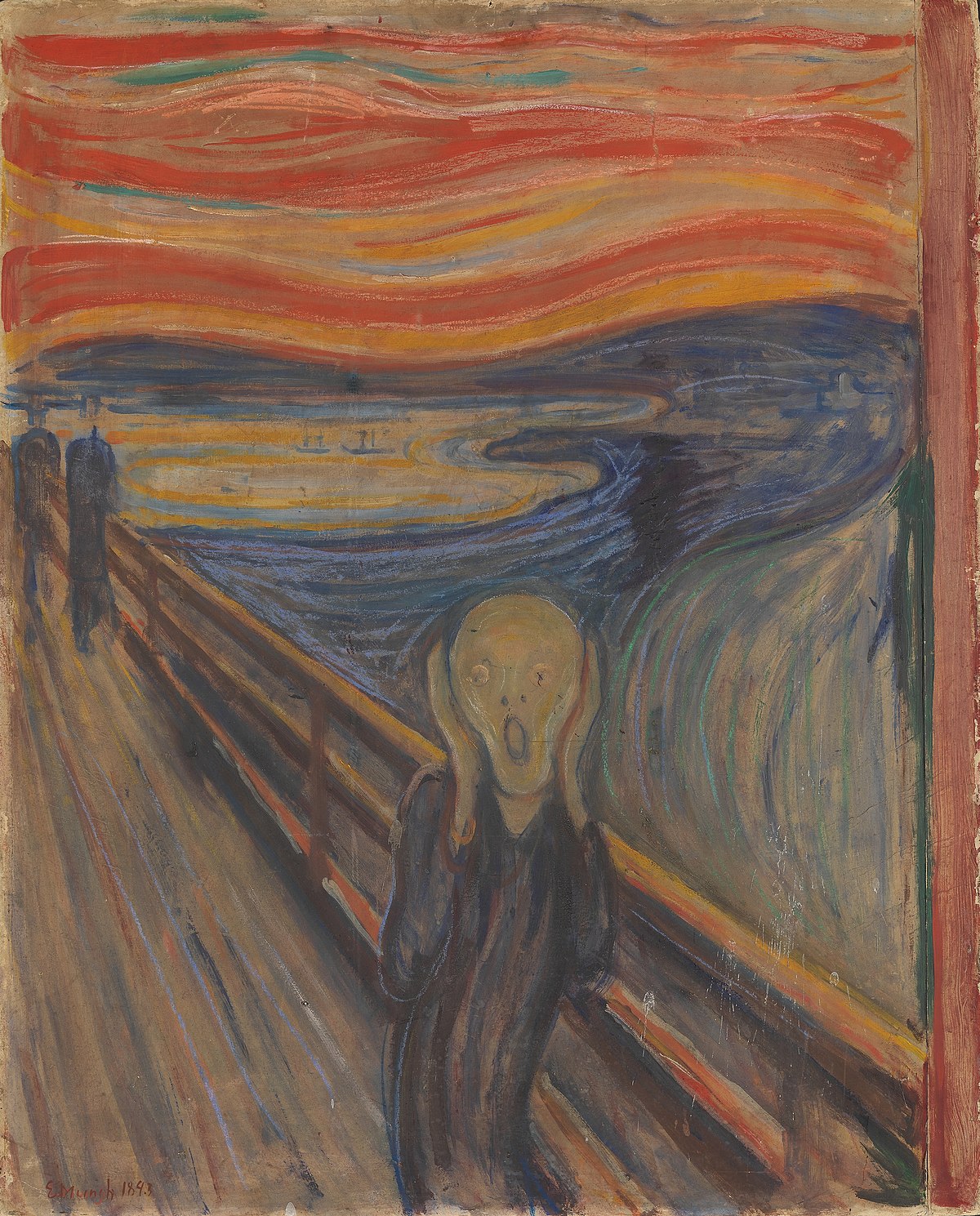
The Scream - Edvard Munch - Symbolism
22
New cards
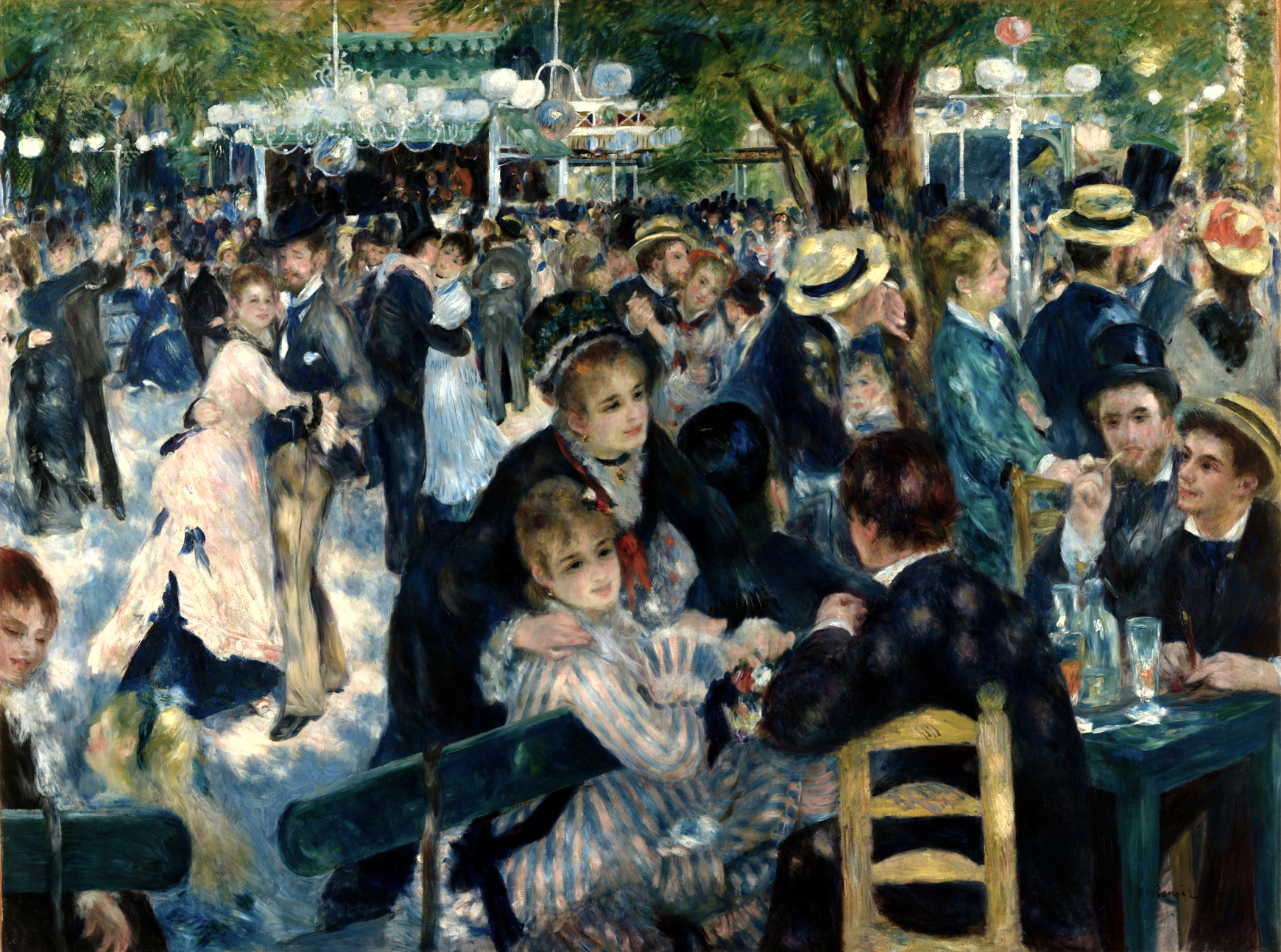
Dance of the Moulin de Gallette - Auguste Renoir - Impressionism
23
New cards
Types of Energy
Used to power machines:
* Water power
* Steam engine (James Watt) - steam operates pistons that move machinery - factories are now built in convenient places (resources, ports, railroads, etc.)
* Electric generator/”dynamo” (Michael Faraday) -
* Water power
* Steam engine (James Watt) - steam operates pistons that move machinery - factories are now built in convenient places (resources, ports, railroads, etc.)
* Electric generator/”dynamo” (Michael Faraday) -
24
New cards
Factors leading to the Industrial Revolution in Britain
\-Lots of money available for investing in new businesses/factories
\-Enclosure movement (small farms go bankrupt because they can’t feed their livestock for free)
\-Small farmers move to cities to get jobs at factories
\-England has many natural resources good for factories (iron and coal)
\-Good water transportation (rivers, canals, harbors) - good for shipping and water power
\-Enclosure movement (small farms go bankrupt because they can’t feed their livestock for free)
\-Small farmers move to cities to get jobs at factories
\-England has many natural resources good for factories (iron and coal)
\-Good water transportation (rivers, canals, harbors) - good for shipping and water power
25
New cards
Domestic System
Cottage industry - goods made out of the home - how goods were made before the Industrial Revolution - very expensive so people didn’t have much
26
New cards
Factory System
Machines and people mass produce goods and services (many changes for the better) - many products (like clothes) become cheaper - factory workers make more money - health improves because people ow have multiple pairs of clothes
27
New cards
Industrial Capitalism
The continuous reinvestment in new businesses - corporations sell stock to generate O.P.M. (other people’s money) - Joint stock companies
28
New cards
New inventions in the British Textile Industry - Kay
Flying Shuttle
29
New cards
New inventions in the British Textile Industry - Hargreaves
Spinning Jenny
30
New cards
New inventions in the British Textile Industry - Arkwright
Water Frame
31
New cards
New inventions in the British Textile Industry - Crompton
Spinning Mule
32
New cards
New inventions in the British Textile Industry - Cartwright
Power Loom
33
New cards
New Transportation Inventions - Trevithick
Steam Locomotive - Faster shipping and transportation
34
New cards
New Transportation Inventions - Fulton
Steamboat - Faster water travel between countries
35
New cards
New Transportation Inventions - Daimler
Gas Engine for cars
36
New cards
New Transportation Inventions - Diesel
Oil Engine for cars
37
New cards
New Transportation Inventions - Zeppelin
Dirigible/Blimp
38
New cards
New Transportation Inventions - Wright Brothers
Airplane
39
New cards
Inventions improve standards of living - Edison
Electric Lighting - previously oil lamps were very flammable so life is much safer
40
New cards
Inventions improve standards of living - Graham Bell
Telephone - improves communication
41
New cards
Inventions improve standards of living - Marconi
Radio - Improves communication between countries
42
New cards
Inventions improve standards of living - Morse
Telegraph - improves long term communication
43
New cards
Problems in Society during the Industrial Revolution
Labor Conditions are very dangerous because there’s no labor laws
Women and Child labor - earning much less money than men
Tenents (small apartment building) - overcrowding, lack of privacy, no running water, bathrooms
Unemployment - not enough jobs for everyone
Crime - people can’t earn money any other way
Pollution - steam engines, electricity, coal
Women and Child labor - earning much less money than men
Tenents (small apartment building) - overcrowding, lack of privacy, no running water, bathrooms
Unemployment - not enough jobs for everyone
Crime - people can’t earn money any other way
Pollution - steam engines, electricity, coal
44
New cards
New social classes
White collar - have skill, education, paid more
Blue collar - works with their hands (factories)
Blue collar - works with their hands (factories)
45
New cards
Women’s suffrage in Britain
Women get active roles in government, voting, parliament, white collar jobs - become breadwinners
46
New cards
Public Education begins
People can now educate their kids instead of sending them to work - literacy increases (more information, new ideas, explosion of knowledge) - one room schoolhouses
47
New cards
Scientific advancements - Darwin
Theory of evolution
48
New cards
Scientific advancements - Mendel
Genetics
49
New cards
Scientific advancements - Jenner
Vaccinations
50
New cards
Scientific advancements - Simpson
Chloroform/Anesthesia
51
New cards
Scientific advancements - Roentgen
X-Rays
52
New cards
Industries built for leisure time
Amusement Parks
Sports Teams
Theater and Arts
\
There’s an increase in leisure time and these activities have a positive influence on society
Sports Teams
Theater and Arts
\
There’s an increase in leisure time and these activities have a positive influence on society
53
New cards
Romanticism
The artist is trying to invoke some kind of feeling/emotion or convey a message
\
First modern art style
\
First modern art style
54
New cards
Realism
Portraying life as it really is - gives a good insight on what it was like to live in industrialized society
55
New cards
Symbolism
Escaping industrialized society - use of imagery to suggest the world of the spirit
56
New cards
Impressionism
Captures a momentary impression of the senses (a moment in time) - not interested in politics - uses large brushstrokes, lots of color, and light (Degas painted ballet dancers)
57
New cards
Post Impressionism
Trying to recreate a moment in time or a feeling - based on impressionism but a lot less action
58
New cards
Laissez Faire (liberals)
Hands off - no government involvement in business
\
Problems: Workers treated poorly, little safety, no minimum wage -owners trying to get the greatest profit possible
\
Problems: Workers treated poorly, little safety, no minimum wage -owners trying to get the greatest profit possible
59
New cards
David Ricardo
Theory of Comparative Advantage - attitude about how nations can become wealthy and powerful - export more than you import, little to no gov. involvement (justifies gov’s lack of action)
60
New cards
Democratic Liberals
Government needs to be involved to protect workers and make businesses fair - child labor laws, anti-slavery, womens’s suffrage, labor unions (represents rights of workers)
61
New cards
Robert Wilberforce
Prime minister when England passes Democratic Liberal social reforms (ending slavery, women get right to vote)
62
New cards
Utopian Socialist
Founded by Charles Fourier - businesses should be owned by workers - phalanxes formed (everybody owns part of business and everyone makes decisions) - businesses will want to work harder if they share the profits
63
New cards
Imperialism
Empire building - direct result of the industrial revolution - countries need control of other places to get money and resources
64
New cards
Reasons for Imperialism
Nations wanted:
\-Natural resources
\-Cheap labor for factories (no minimum wage laws in foreign countries
\-New marketplaces for goods (colonial citizens have to buy mother countries products)
\-Fame and Prestige
\-Natural resources
\-Cheap labor for factories (no minimum wage laws in foreign countries
\-New marketplaces for goods (colonial citizens have to buy mother countries products)
\-Fame and Prestige
65
New cards
Imperialist Powers and Have Nots
England and France - need large navies to maintain colonies
\
Have Nots - Germany, Italy, Belgium - wants a big empire but has little funds (late to the game)
\
Have Nots - Germany, Italy, Belgium - wants a big empire but has little funds (late to the game)
66
New cards
Types of Imperialism
Colonies, Protectorates, Spheres of Influence
67
New cards
Colony
Territory is directly ruled by an imperialist country - have to invade and defeat the country in battle - takes their resources and uses them to earn money - citizens of these colonies are “second class”
68
New cards
Protectorate
Country has its own government but a foreign country influences its actions and foreign policies - keeps military there to **protect their economic interests** (Ex. Great Britain in Egypt)
69
New cards
Sphere of Influence
Imperialist powers have exclusive trading right in specific regions of a country - CHINA
70
New cards
Negative impacts of imperialism
Predjudice and discrimination
71
New cards
Prejudice
A prejudgment about a group/thing - imperialist countries think foreign countries are uncivilized - White Man’s Burden, Western Way, etc.
72
New cards
White Man’s Burden
It’s white people (Europeans) duty to help/rule/control other inferior countries - leads to western way
73
New cards
Western Way
Imperialist country imposes their culture and customs in a colony/protectorate
74
New cards
Discrimination/racism
Based on your prejudice you treat people differently - Europeans think citizens of foreign nations are “children” who need to be “guided” (inferior)
75
New cards
Positive Impacts of Imperialism
Imperialist countries build railroads, roads, schools, electricity, running water, etc. (Industrialization and Modernization) - brought in for the white people to use (not natives)
\
Standard of Living Improves
\
Standard of Living Improves
76
New cards
Berlin Conference
European Powers split up Africa into territories - no representatives from Africa are invited because Europeans think they’re better than them
77
New cards
Independent Nations after the Berlin conference
Ethiopia is independent because they fought back and Liberia is independent because that’s an American colony where they send their former slaves
78
New cards
Battle of Adowa
Italy was given Ethiopia (led by King Menelik II) and Tripoli (Libya) at the Berlin Conference
\
The Ethiopian Army (non-industrialized - bows, arrows, spears) defeats the Italian Army (modern and industrialized) - embarrassing (Italy becomes a laughingstock)
\
The Ethiopian Army (non-industrialized - bows, arrows, spears) defeats the Italian Army (modern and industrialized) - embarrassing (Italy becomes a laughingstock)
79
New cards
Cecil Rhodes
First to establish a British Colony on the **interior** of Africa (Rhodesia - modernly known as Zimbabwe) - Sets up British control from North to South Africa - **British builds first transcontinental railroad**
80
New cards
Conflict about South Africa - Netherlands vs. Britain
Afrikaners (Dutch Settlers) control South Africa (British call them Boers)
\
Britain is given S.A. at the Berlin Conference but has to conquer it from the Netherlands - British wins the Boer Wars - Treaty of Vereeniging - South Africa becomes a bright jewel in Victoria’s crown
\
Britain is given S.A. at the Berlin Conference but has to conquer it from the Netherlands - British wins the Boer Wars - Treaty of Vereeniging - South Africa becomes a bright jewel in Victoria’s crown
81
New cards
Treaty of Vereeniging
Peace agreement between Netherlands and Britain after the Boer Wars - South Africa becomes a British colony
82
New cards
ANC
African National Congress (Starts in South Africa) - movement of African Nationalism trying to rid Africa from European control
83
New cards
Mughal Empire
Hindus and Muslims have been fighting for control - Muslims rule during their empire - Hindus want to drive Muslims out
84
New cards
East India Company
British trading corporation that oversees British Trade in Southeast Asia - Britain creates trading posts in Bombay, Madras, and Calcutta
85
New cards
Victoria’s “Brightest Jewel” (India is very valuable)
India produces cotton, coffee, tea, indigo, opium (heroin) - major cash crops - Britain forces India to grow these crops (earns them money)
86
New cards
Controlled Economy in India
Indians can only buy British Goods (can’t make their own)
87
New cards
Sepoy Rebellion
Sepoy - Indian soldiers serving in the British Army - mostly Muslim (can’t eat pork)
\
British sealed gun cartridges with pig fat (soldiers have to bite them to use the gun - breaking Muslim law) - Sepoy’s complain to British but they don’t care - Sepoy’s rebel against British and this protest spreads to all of India - British sends their army and India becomes a colony (formerly a Protectorate)
\
British sealed gun cartridges with pig fat (soldiers have to bite them to use the gun - breaking Muslim law) - Sepoy’s complain to British but they don’t care - Sepoy’s rebel against British and this protest spreads to all of India - British sends their army and India becomes a colony (formerly a Protectorate)
88
New cards
INC
Indian National Congress - Movement of Indian Nationalism trying to gain independence from British rule/occupation
89
New cards
Malaysia Imperialism
Referred to as the “Spice Islands” - pepper, cinnamon, cardamom, etc. (very valuable)
Colony of Portugal
Melaka - main trading city and current capital
Colony of Portugal
Melaka - main trading city and current capital
90
New cards
Philippines Imperialism
Colony of Spain - many trading posts
Manila - big trading post and current capital
Exotic resources - rubber, diamonds, coal, etc.
Spanish impacts - Christianity, Corn, Cocoa (Corn and COCOA are major cash crops for Spain)
Manila - big trading post and current capital
Exotic resources - rubber, diamonds, coal, etc.
Spanish impacts - Christianity, Corn, Cocoa (Corn and COCOA are major cash crops for Spain)
91
New cards
Indonesia Imperialism
Colony of the Netherlands - many spices and natural resources
Java - Main trading post
Java - Main trading post
92
New cards
Indochina
Made up of modern-day Vietnam, Laos, and Cambodia
Colony of France - produces tremendous wealth for French Empire
Colony of France - produces tremendous wealth for French Empire
93
New cards
Phraya Chakkri
Founder of Thailand/Siam - opens the country to European trade - forms city called Bangkok
Thailand has many natural resources in demand in Europe - TEA
Thailand has many natural resources in demand in Europe - TEA
94
New cards
Tokugawa Shogunate
Japan is being controlled/led by their military
Policy of isolationism - Japan wants nothing to do with Europe bc the Japanese are “superior” (shintoism)
Japan flourishes during this time period
Policy of isolationism - Japan wants nothing to do with Europe bc the Japanese are “superior” (shintoism)
Japan flourishes during this time period
95
New cards
Treaty of Kanagawa
Japan has to start trading with America and Europe
96
New cards
Meiji Emperors
“The enlightened emperors” - Japan becomes modernized and industrialized under them - Japan begins to seek other countries (colonies and protectorates)
97
New cards
Meiji Restoration/Improvements in Japan
Industrialism (factories)
Land Reforms
Education (schools)
Modern Military
Modernization (electricity, railroads, running water, etc.)
Land Reforms
Education (schools)
Modern Military
Modernization (electricity, railroads, running water, etc.)
98
New cards
Zaibatsu
Japanese factory owners convince emperors to begin aggressive imperialism in Asia - Japan becomes an aggressive player in Southeast Asian politics
\
Controls Korea, Northern China, Taiwan, Sakhalin Islands, Pescadores Islands, Ryukyu islands
\
Controls Korea, Northern China, Taiwan, Sakhalin Islands, Pescadores Islands, Ryukyu islands
99
New cards
Manchu Dynasty
Policy of Isolationism - No Europeans
\
Eventually decides that the best way to deal with foreigners is to give them one trading city - Guangzhou (Canton for Europeans) - SOLE trade port - British wants more trading access and China says no which is offensive to G.B.
\
Eventually decides that the best way to deal with foreigners is to give them one trading city - Guangzhou (Canton for Europeans) - SOLE trade port - British wants more trading access and China says no which is offensive to G.B.
100
New cards
Chinese drug problems leading up to the Opium war
British opium from India is sold and spreads through China (very popular - opium dens built)
\
Drug problem - everyone is high and not doing anything productive
\
Gov. tries to confiscate drugs and stop it from getting into China - Britain gets offended when China tells them to stop - Britain says release British opium traders from jail and return our drugs or ELSE
\
Drug problem - everyone is high and not doing anything productive
\
Gov. tries to confiscate drugs and stop it from getting into China - Britain gets offended when China tells them to stop - Britain says release British opium traders from jail and return our drugs or ELSE