Ch 17-21 Reactions
 Call Kai
 Learn
Learn Practice Test
 Spaced Repetition
 Match
Match Flashcards
 Knowt Play
1/128

There's no tags or description
Looks like no tags are added yet.
Name | Mastery | Learn | Test | Matching | Spaced | Call with Kai |
|---|
No analytics yet
Send a link to your students to track their progress
129 Terms
Forming Aniline from Benzene
add HNO3, H2SO4
reduction via h2 pd/c
Aniline to diazonium salt
NaNO2, HCl
Diazonium ion to ph-OH
H2O, heat
Diazonium N2+ ion to Ph-I
KI
Sandmeyer rxn (Turning diazonium ion to Ph-X)
KX, Cu2X2
Diazonium to Flourine-Ph
Heat, BF4-, salt
Forming Benzene from Diazonium
H2PO4
SnAR: THINK HALOGEN NEEDS NO2 to leave
replacing halogen in benzene via NO2
1) 1st step is RDS, niratrate
2) then add substituent, forms carbanion intermediate
3) substituted via aromaticity
BEST LG is F for SnAR
Benzyne intermediate Nucleophilic substitution
Benzyneeeee think NH222222 e=ii=2
so we have Ph-X, need KNH2/NH3 then turns to aniline + KX
NH2 deprotonate H from ring and pushes Br out…forms Benzyne, then NH3 attack and benzyne takes H from NH3, forms aniiline
Benzene vs X-Benzene to aniline
For just benzene use NO2 and then reduce to NH2
For X-Benzene u must use Benzyne intermediate, forms two products
Benzyne is highly reactive
the triple bond will condense to a double bond and form two bonds.
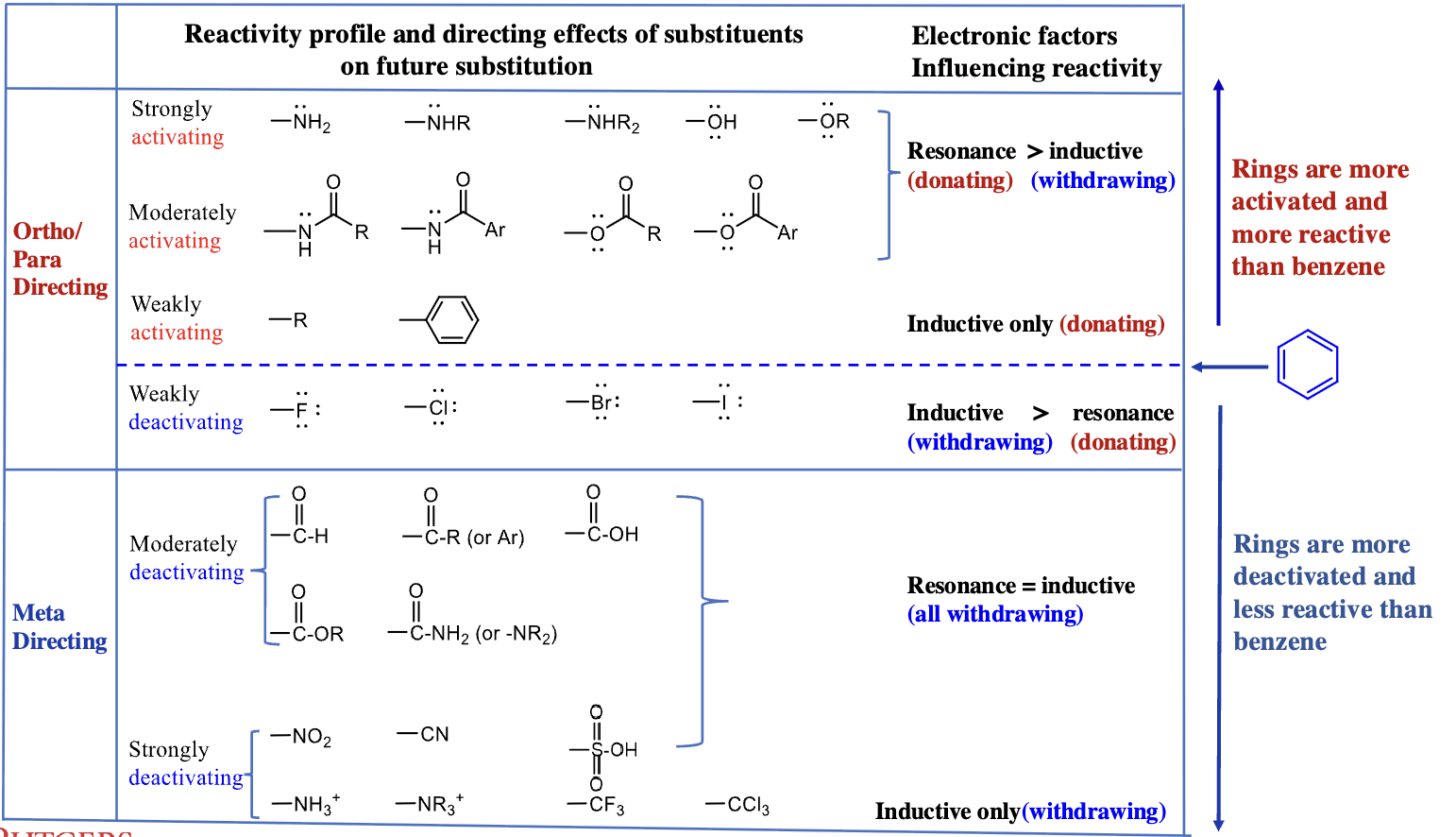
Ortho/para directing
highly activating to least: Resonance donating >Inductive withdrawing
strong -NH2, NHR, NHR2, OH, OR
moderate -NHOR, NHOAr, OOR, OOAr
weak- R,Ph
Benzene ring: Inductive only (donating)
Weakly deactivating: Inductive withdrawing> Resonance donating
-F, Cl, Br, I
Meta directing (most to least reactive)
Moderate deactivating: resonance=inductive all withdrawing
-CHO, COR(Ar), COOH
-COOR, CONH2 (or NR2)
Strongly deactivating: Inductive only withdrawing
-NO2, CN, SO3OH
-NH3+, NR3+, CF3, CCl3
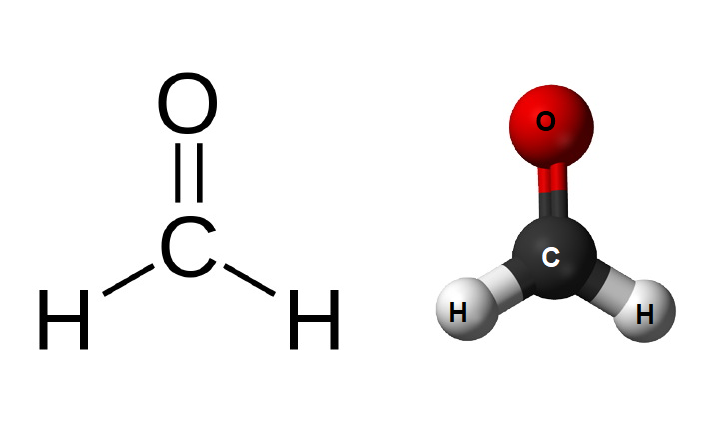
formaldehyde (methanal)
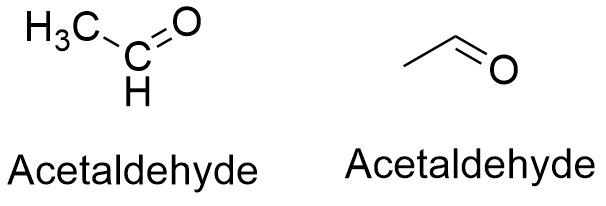
acetaldehyde
ethanal
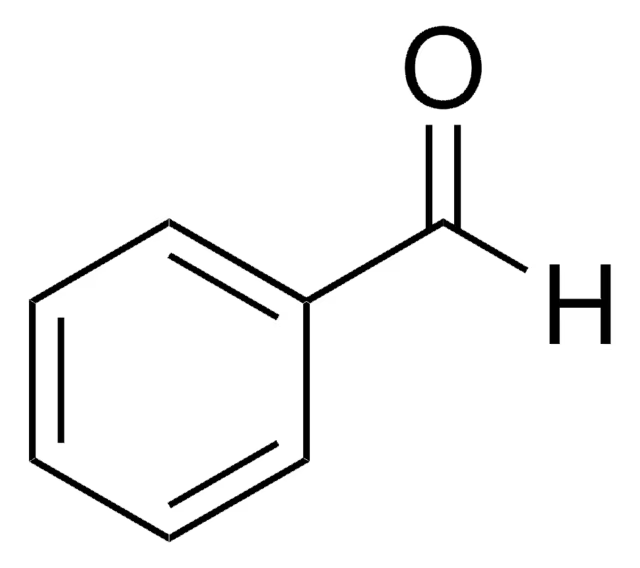
benzaldehyde
phenylmethanal
acetone
propanone
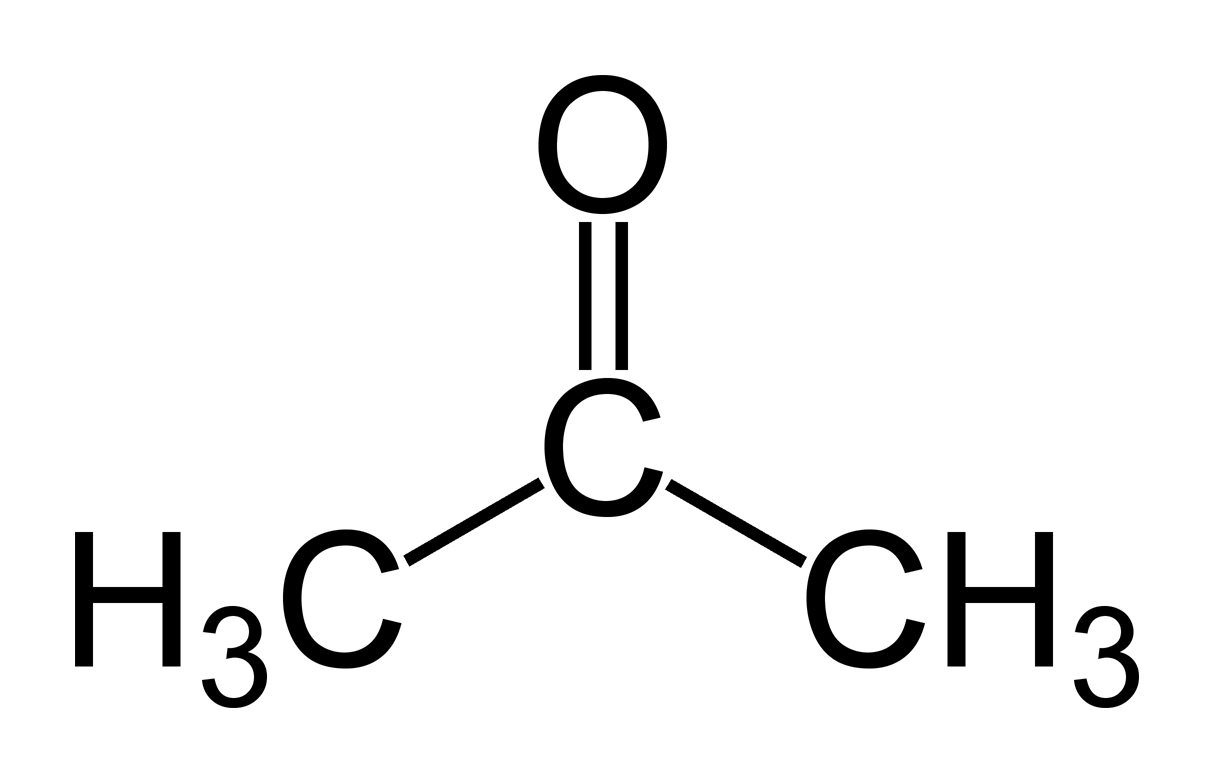
acetophenone
1-phenylethanone
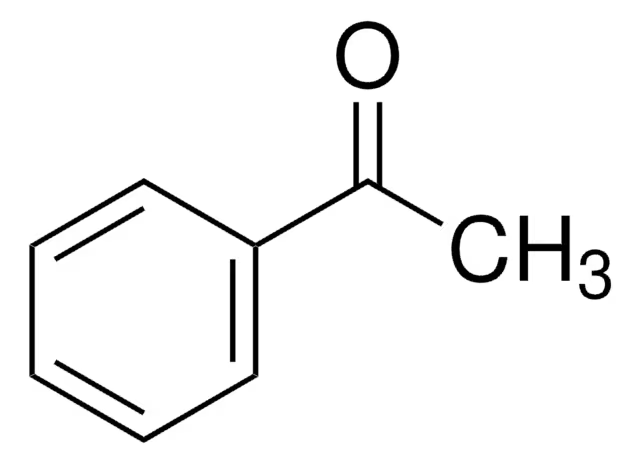
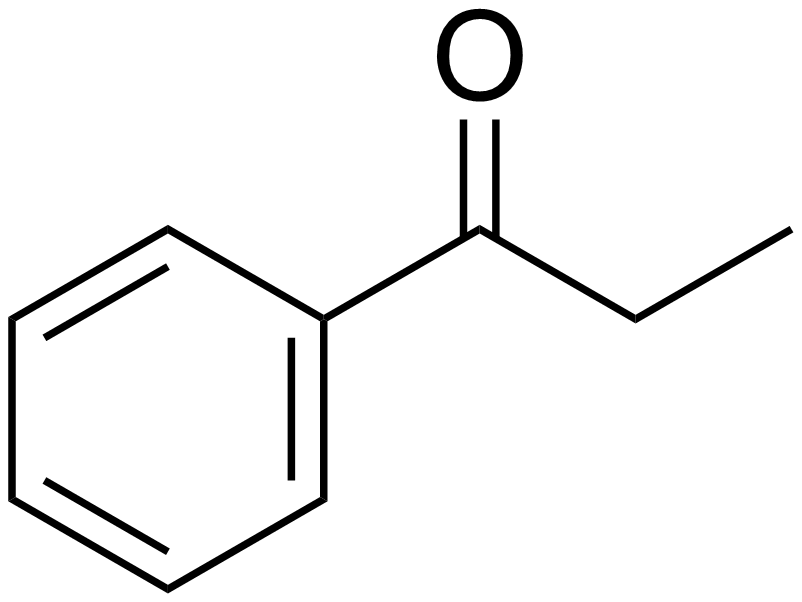
priophenone
1-phenyl1-propanone
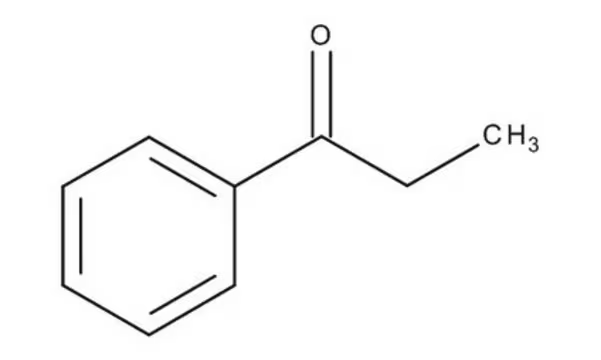
benzophenone
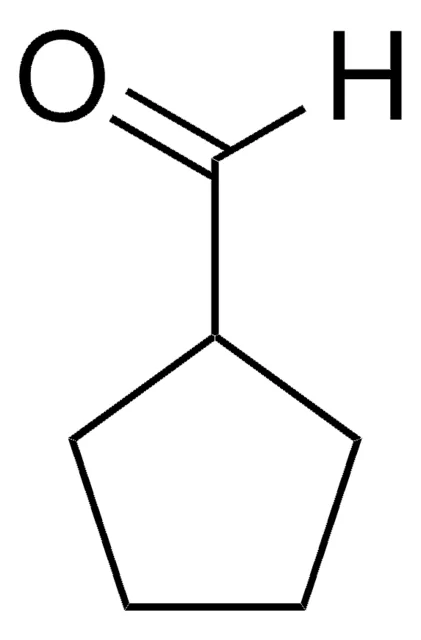
cyclopentanecarbaldehyde
propyl phenyl ketone
(IUPAC: 1-phenyl-1-butanone)
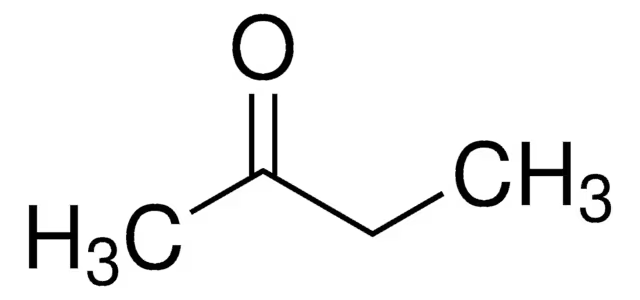
methyl ethyl ketone
(IUPAC: 2-butanone)
priority prefix
oic, al, one, ol, amine, thiol
priority suffix (lower than COOH)
formyl (CHO)
oxo (CO)
hydroxy (OH)
amino (NH2)
mercapto (SH)
alykne and catecholborane + H2O2, OH-
anti-markovnikov
OH on less sub
H on more sub
aldehyde formation
alkyne and PtCl, H2O, THF or HgSO4,H2SO4, H2O
adds OH on more sub
H on less sub
ketone formation
ozonolysis of alkenes
O3, CH3X
Periodate ion cleavage of alkenes
alkene to di-aldehydes
OSO4, THF then NaIO4, H2O
Oxidation of alcohols (C-OH to CHO)
CrO3, pyridine, CH2Cl2
or
PCC, CH2Cl2
adding carbonyls to benzene
RCOCl, AlCl2, H3O+
cyanohydrin formation
HCN + OH- (catalyst)
cyanohydrin rxns
acid catalyst—> alkene attached to CN
H2/Ni CN bond reduced to CH2-NH2
H3O+ or NaOH/H2O—> oxidized CN to COOH
Aldehyde + H2O
diol formation
reversible rxn
acidic conditions yield diol + H3O+
basic conditions yield diol+ OH-
carbonyl is more stable than diol
K= hydrate/carbonyl
larger K= EWG stabilized, higher EN away from C= more likely to form diol
CF3-(C=O)-CF3 1.2 x 10⁶
smaller K= bulkier alkyl groups, more steric hinderence
CH3-(C=O)-CH3 0.0014
NaBH4, H2O in EtOH
mild reducing agent
CO or CHO to OH
NaBH4= Nahhh NOT others
LiAlH4, THF and H3O+
CO/CHO to OH
COOH to OH
COO to OH
LiAl= like ALLL
Protecting groups
Sia2(CH3)3Cl, trimethylsilyl
or Benzyl chloride
NADH, H+
1 CO reduction to OH
reverse is
NAD+, -H+
MnO2
selective oxidation of C-OH to CO
H2CrO4
Oxidation of primary C-OH to COOH
H2, Pt or Pd/C
CO to C-OH to CH2 (as added)
catalytic hydrogen
Zn(Hg)Cl, HCl
CO to CH2
clemmensen reduction
KMnO4, H2O heat
NR with ketones (2R carbons)
CrO3, H2O,RCOOH
NR with ketone
oxidizing agent limitations
They need H presence to oxidize into CO or COOH or CHO
RCO3H (triflouroperoxyacid)
Baeyer villager rxn
makes RCOR to RCOOR
ketone to ester
cycloketones to lactones (add O on more substituted side next to ketone)
alkene to anti mark OH
BH3, THF and H2O2,- OH
primary alcohol to aldehyde
cro3, py
or pcc
terminal alkyne to aldehyde
Sia2BH, THFor 9BBN or Catecolborane
in H2O2, OH-
adds =O to less sub side
terminal alkyne to ketone
H2O, H2SO4
in HgSo4
adds C=O to more sub side
adding mcpba to RCOR
makes ester near more sub side
silver mirror test/tollens Ag(NH3)2+ in water
confirms presence of CHO if positive
if positive, forms RCOOH + Ag+
if negative, no CHO
wolf kishner reduction
H2NNH2 turns C=O to C=NNH2
then KOH and heat turn C=NNH2 to CH2
acteal + H3O+
pinch to RC=O at quarternry spot and diol
Hemiacetal from CHO
ROH and TsOH
Hemiketal
TsOH and ROH
Hemiketal/hemiacteal to Acteal
ROH and TsOH
pTsOH
Para Toulene SO3H
Protecting agent
Ethylene glycol with acid
Ethylene dithiol with ZnCl2
Deprotecting
H3O+ heat for ethylene glycol
RA-Ni for dithiol (removes CO as well)
Process forming hemi acetal to acteal
Protonate CO to COH+
Attack with ROH to COH+ area to turn into COH
Deprotonate ROH+ to OR
Protonate OH to OH2+ so it can become LG
Attack with ROH and water leaves
Deprotonate ROH+ to OR and now u have acetal
Acetal Ketal reversal to OROH or CO
H3O+ heat
Vinyl ethers (double bond next to O)
Split retro style when they see H3O+
Vinyl ethers in ROH, H+
Replaces double bond with OR group
Protecting vinyl ethers
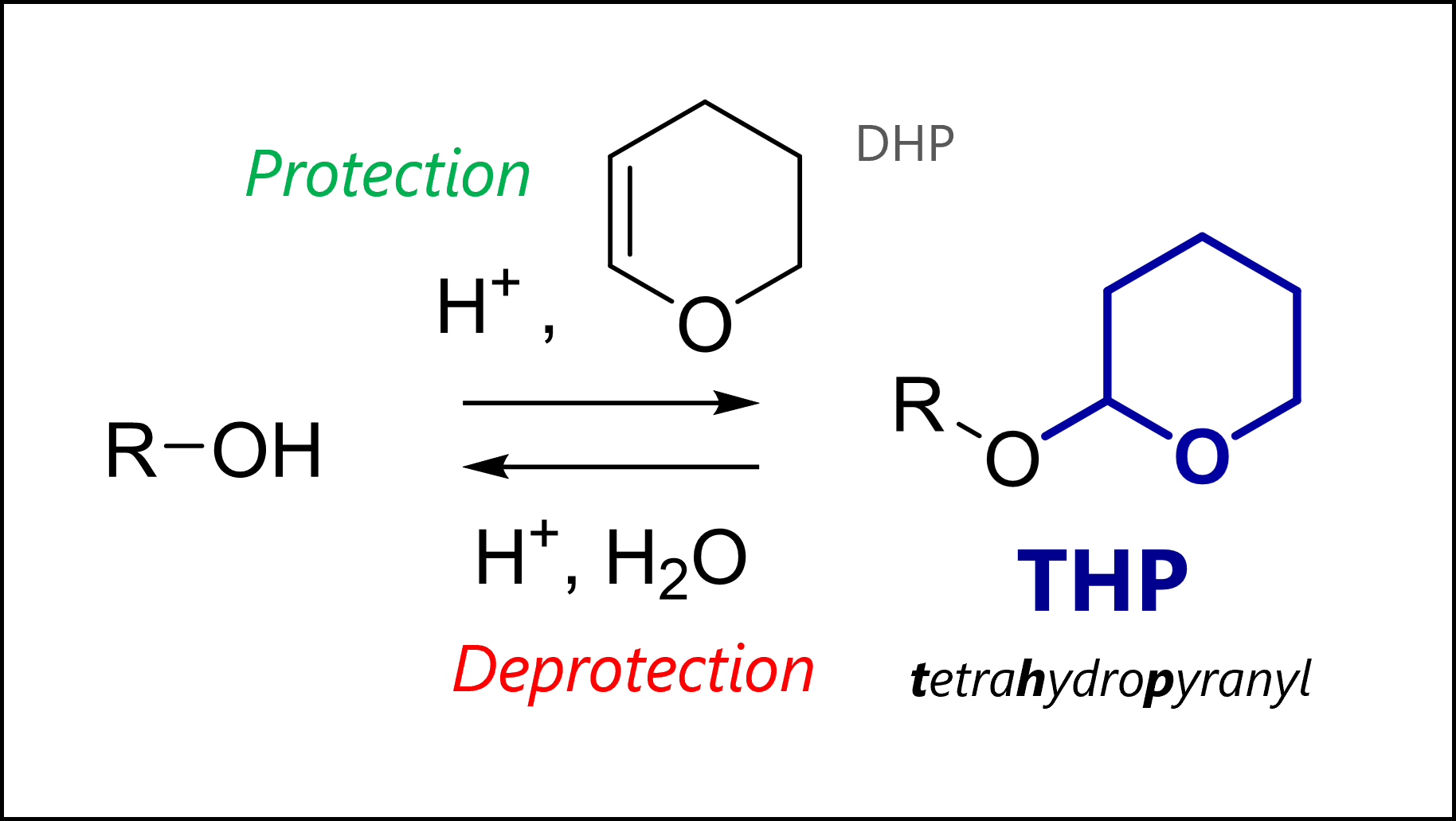
DHP in acid to THP to back to normal (protects cyclic O)
Remove via heat and hydronium
Protects alcohols and forms acetal (cyclic O and OR)
Aldoses
CHO
CH2OH
Ketoses
CH2OH
C=O
CH2OH
Naming sugars
B= up
A= down
D= 2nd last OH right (down)
L=2nd last OH left (up)
Pyran
6 member ring
Furan
5 member ring
Tollens Test
Positive is aldose
Negative is ketose
Imine
C=N
Enamine
C=C-N
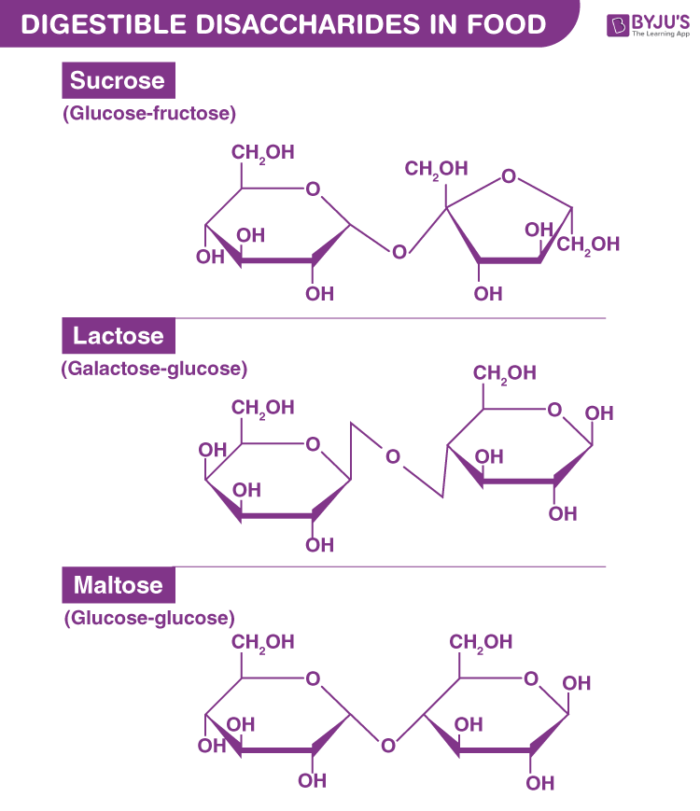
maltose
a-1-4 linkage
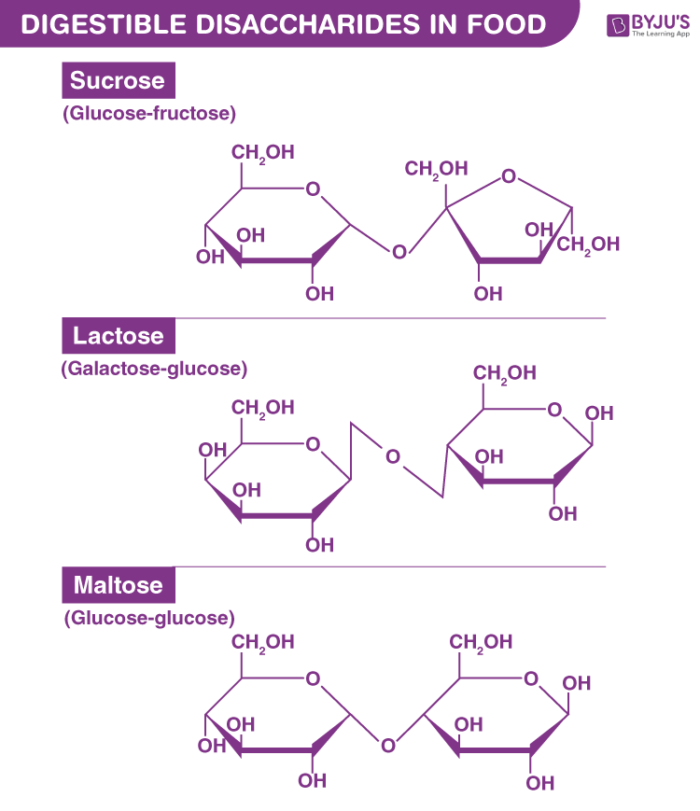
lactose
b-1-4 linkage
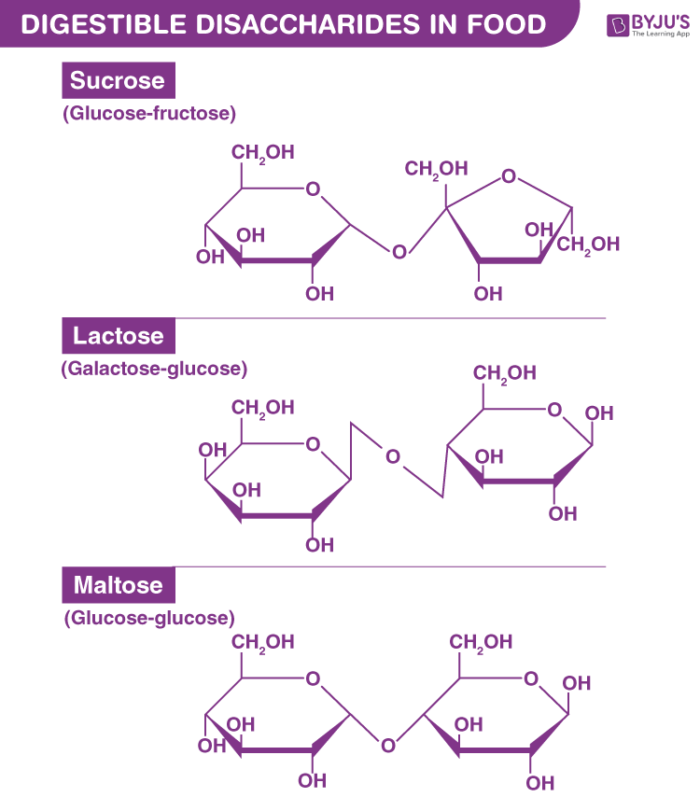
sucrose
so weird
a-d,b-d
HNO3 to sugar
makes COOH from CHO
chemical rxns of sugars
NaBH4, H2O in EtOH to sugars
reduces CHO to CH2OH
Ag to sugars
Ag+ and COOH if aldose
NR if ketose
larger Keq
less steric hinderence
more EN group instead of H
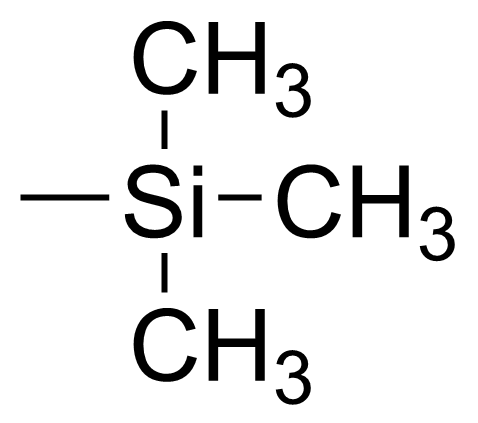
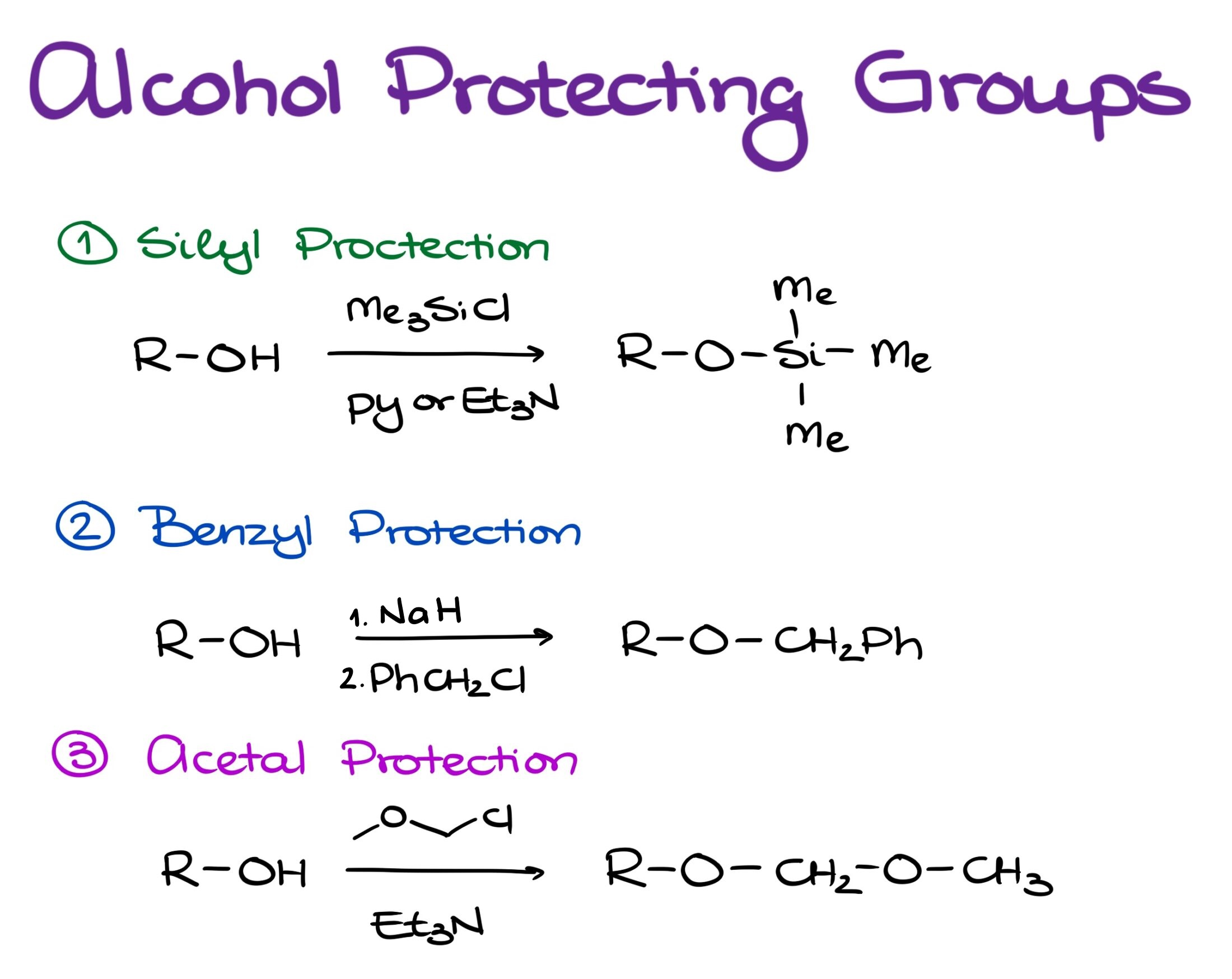
Me3SiCl in NEt3
protects OH
deprotect via TBAF or F-
DHP in TsOH to THP
protects alcohol in esters to make acetals
acetal protection
Benzyl protection
NaH
PhCH2Cl or Br
alcohol protecting groups
ways to reduce CO to CH2
Zn/Hg HCl clemmensen
H2NNH2 KOH heat wolf kishner
diothiol ethylene, zncl2 then ra-ni
do not use wolf or clemmensen for ethers
due to acidic/basic conditions, use neutral conditions of ethylene dithiol
LDA in THF, -78deg
converts ketones to enolate ions
quick nitration through benzyne int via Cl2, FeCl3 then KNH2/NH3
forms aniline, but two isomers (m or p)
forming phenol from benzene
Cl2, AlCl3
NaOH, heat in water
deleterious in water and OH- (basic conditions)
wolf kishner reduction
NH2NH2
NaBH4 on amines
Reduces double bonds of C=N to NH2
oxime fully turns to NH2 (removes OH too)
NaBH3CN reductive amination
C=O to CNHR (single bond)
wittig rxn
ph3ph-R anion
in dmso
unstabilized product is cis+trans
stabilized product is trans
product is O=PPh3 and whatever the rest is (replace double bonds)
(Ch3)2ChS in LiBu
forms epoxides
sulfonium ylide epoxide formation
kinda like mcpba
hornemer emmons rxn
(Ch3O)3P anion
works like ylide
identical to ylide
cyclic oxime + h2so4, h2O heat
in cylce extension (N adds to ring)
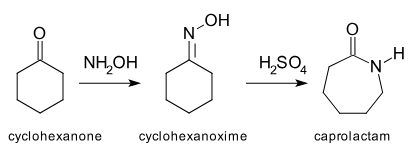
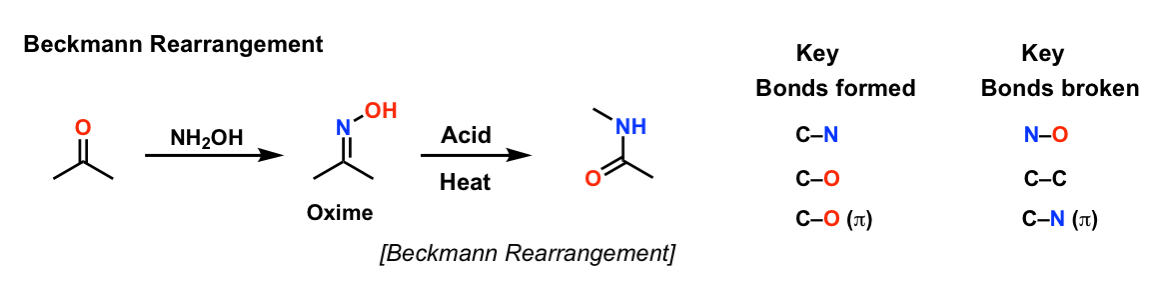
rearrangement of oxime (acylic)
R-C=N-OH to RHN-C=O
needs acid and water
amide
N and =O in a molecule
Oate
name used when there’s an ester in a molecule