Microbiology Labs
 Call Kai
 Learn
Learn Practice Test
 Spaced Repetition
 Match
Match Flashcards
 Knowt Play
1/90

There's no tags or description
Looks like no tags are added yet.
Name | Mastery | Learn | Test | Matching | Spaced | Call with Kai |
|---|
No analytics yet
Send a link to your students to track their progress
91 Terms
Tryptic Soy Agar (TSA)
support the growth of bacteria and fungi
Clamshell Technique
Using the lid of the petri dish plate to shield the media from airborne contamination
Inverted Plate Incubation
avoiding condensation dripping onto media and causing contamination
Culture
Media that contains living microbes
Pure culture
culture that contains a single species, well isolated colony
Aspectically
without contamination of yourself, others, the environment and the source culture
Broths
used to grow microbes when fresh cultures or large numbers of cells are required
Agar slants
used to grow stock cultures that can be refrigerated after incubation for several weeks
Plated media
used for obtaining isolation of species, differential testing and quantifying bacterial densities
Sabouraud Dextrose Agar (SDA)
a selective media used to grow fungi
Recipe for SDA
Penicillin and Streptomycin
pH 5.2-5.6
Colony
Visible mass of microorganisms all orginating from a single mother cell
Colony Elevation
Convex
Flat
Umbonate
Pulvinate
Really Pulvinate
Colony Margin
Lobate
Undulate
Smooth/Entire
Rhizoid
Filamentous
Streak Plate Method
Used to isolate individual colonies of bacteria from a mixed culture
Colony Surface
Smooth
Moist
Mucoid
Rough
Wrinkled
Dry, powdery
Influencing bacterial growth
Incubation time and temperature
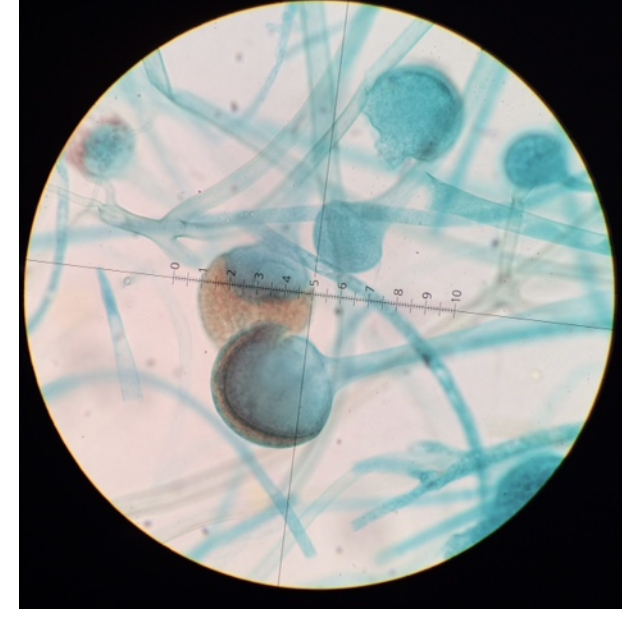
Rhizopus-mold
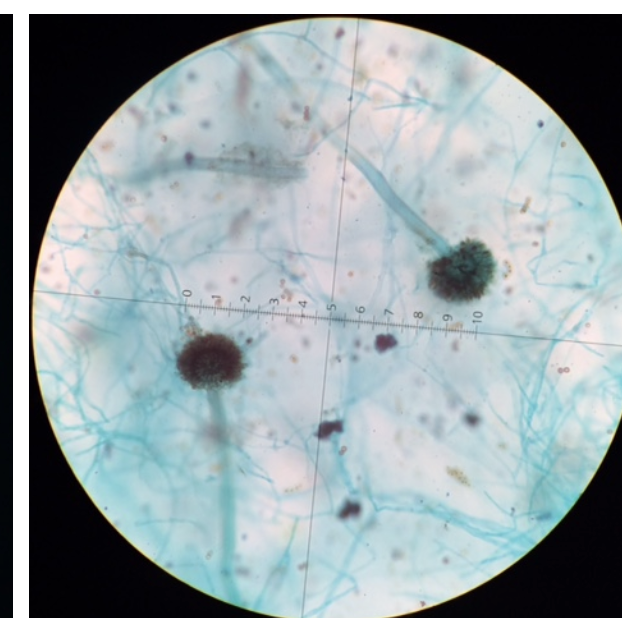
Aspergillus-mold
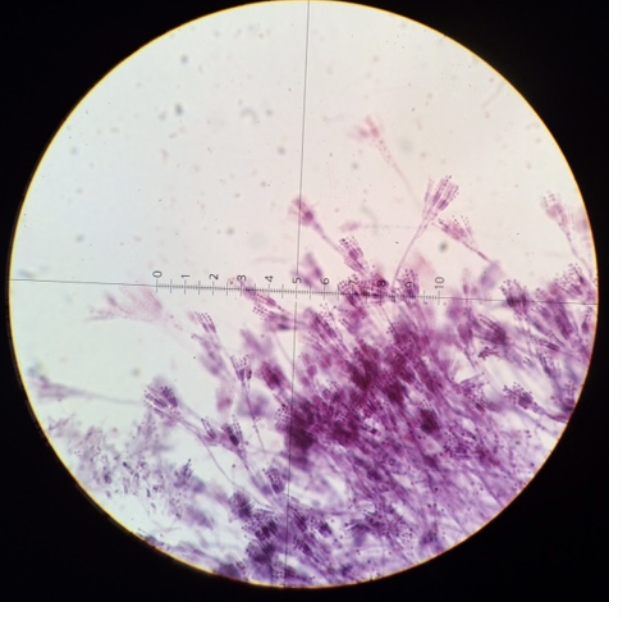
Penicillium-mold
Smear prep
Bacterial emulsion thinly spread out into a smear on a glass slide and allowed to dry
Staining techniques
Simple stain (single dye)
Negative stain (single dye)
Capsule stain (2 dyes or counterstain)
Spore stain (2 dyes or counterstain)
Acid-Fast stain (2 dyes and decolorization)
Gram stain (2 dyes and decolorization)
Simple stain
uses alkaline dye that stains all cells the smae color
Possible Dyes for Simple Stain
Crystal Violet, Methylene Blue, Safranin
Negative Stain
Uses acidic dye that repells negatively charged bacterial surface
Possible dyes for Negative Stain
India Ink, Congo Red, Nigrosin, Eosin
Endospores
highly resistant to heat and chemicals, which allows them to survive in environmental conditions unsuitable for growth
Auxochrome
charged portion of a chromogen and allows it to act as a dye through ionic or covalent bonds
Chromogen
colorless compound that can be converted into a colored dye or pigment
Gram Stain
Used to distinguish between gram-positive and gram-negative cells as well as determining cell morphology, size and arrangement
Mycolic acid
a waxy substance that gives acid-fast cells a higher affinity for the primary stain and resistance to decolorization by an acid alcohol solution
Acid-Fast Staining Procedures (2)
Ziehl-Neelsen (ZN) method - heat used
Kinyoun (K) method - cold stain
Media Types
Broth - Liquid (0%)
Deep - Semisolid (~0.4%)
Slant or Plate - Solid (~1.5%)
Turbidity
Relative population size
Selective medium
contains ingredients to inhibit growth of certain species and/or allow the growth of other species
Differential medium
contains specific ingredients or aspects to indicate if a species that possess or lacks a biochemical process
7.5% NaCl Selectivity
Selective for Staphylococcus species b/c they are osmotolerant
Mannitol and Phenol Red Differential
Differential b/c pathogenic Staphylococcus species ferment the sugar mannitol (produce acid)
Cardinal Temperatures
Psychrophile
Mesophile
Thermophile
Lawn
looks like a lawn, covered all over and with bacterial colonies merging with each other
Acidophiles
grow at extreme acid pH, below 5.5
Neutrophiles
Majority of organisms grow at pH between 5.5 and 8.5
Alkalinophiles
grow at extreme alkaline pH above 8.5
Normal Saline (NS)
0.91% of NaCl
Extreme halophiles
require salt conc. of 15-30%
Halophiles
require a high concentration of salt (hypertonic) >3% up to 15%
Osmotolerant (halotolerant)
do not require high concentration of solute but can tolerate it when it occurs
Capsule Stain
a differential stain used to detect cells capable of producing an extracellular capsule
Capsules
composed of mucoid polysaccharides or polypeptides that repel most stains because of their neutral charge
3 genera with ability of Endospores
Bacillus, Clostridium and Sporosarcina
Acid Fast Stain
used to detect cells capable of retaining a primary stain when treated with an acid alcohol
Gram Positive and Negative Colors
Positive- Purple
Negative- Pink
Gelatinase Test Results
Negative- Solid
Positive - Liquid
Melts @ 28C
Gelatinase Test
Used to determine the ability of a microbe to produce gelatinases
Crateiform liquefaction
form of liquefaction where the microbe is unable to completely breakdown gelatin into its component amino acids
Basic reactions of litmus milk
Lactose Fermentation
Reduction of litmus
Casein coagulation
Casein hydrolysis
Litmus milk test
differentiate members within with genus Clostridium, differentiates Enterobacteriaceae from other gram negative bacilli
Motility Test
detect motility as diffuse growth radiating from the central stab line
SIM medium
used for determination of 3 activities: sulfur reduction, indole production, indole production, motility
Sulfur reduction to H2S
Cysteine desulfurase
Thiosulfate reuctase
Tryptophan hydrolysis (SIM medium)
addition of Kovac’s reagent after incubation (presence of tryptophanase)
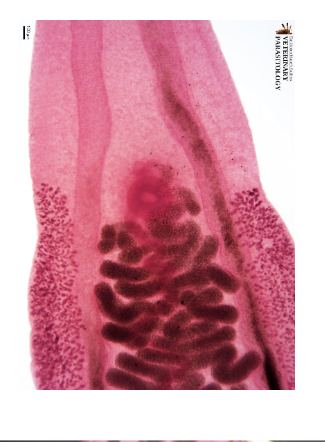
Species Name: Clonorchis sinensis
Phylum: Platyhelminthes
Class: Trematoda
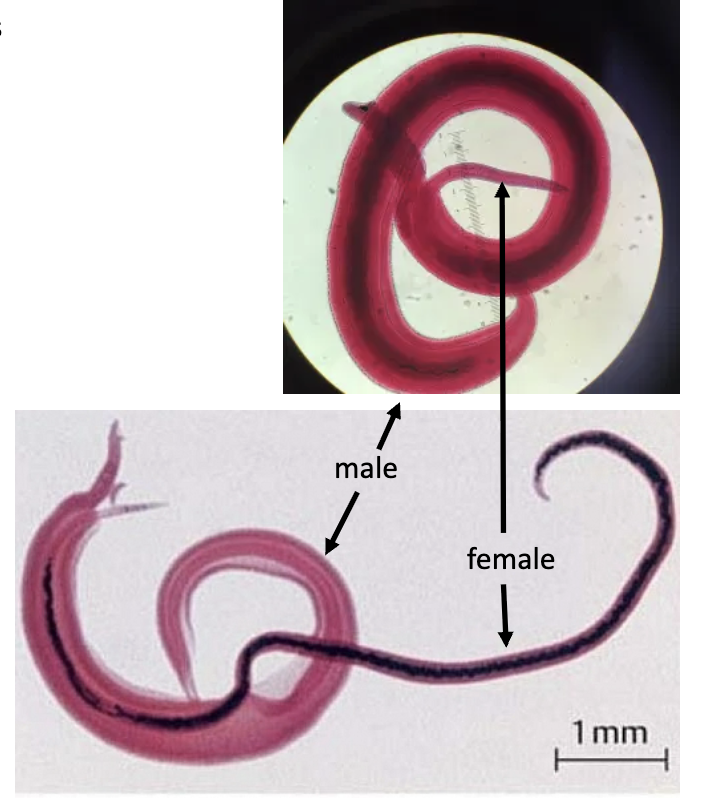
Species Name: Schistosoma mansoni
Phylum: Platyhelminthes
Class: Trematoda
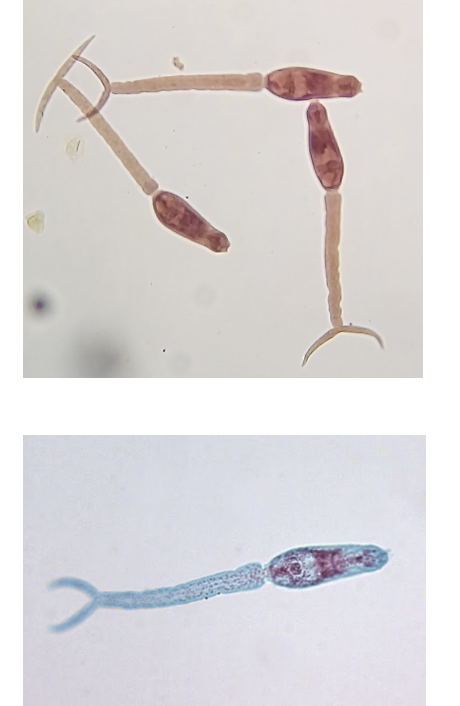
Species Name: Schistosoma mansoni- cercaria larva
Phylum: Platyhelminthes
Class: trematoda
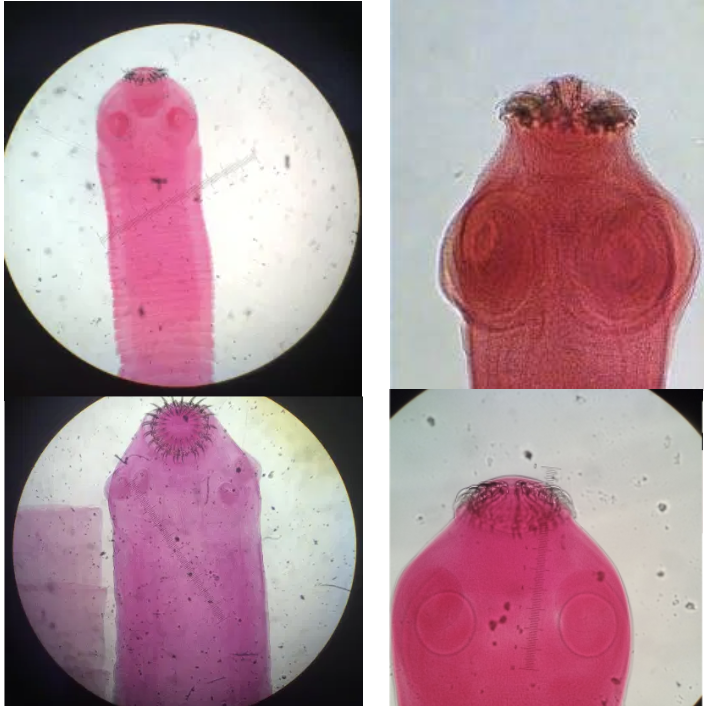
Species name: Taenia pisiformis or Taenia solium - scolex
Phylum: Platyhelminthes
Class: Cestoda
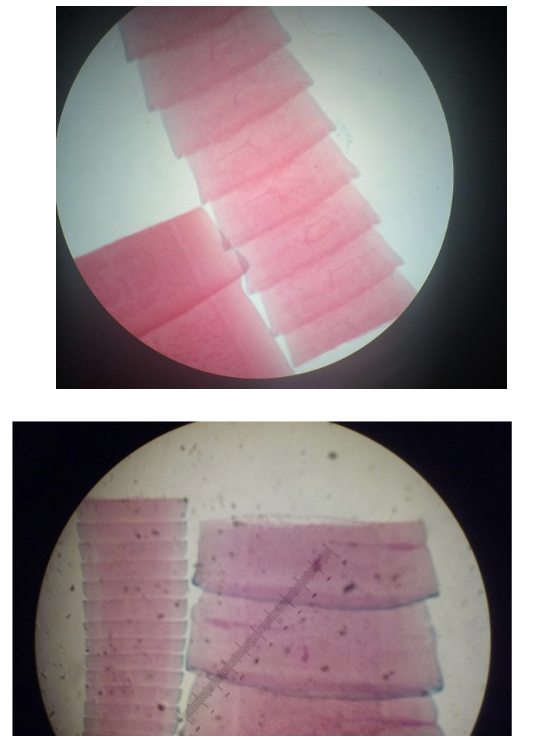
Species name: Taenia pisiformis or Taenia solium - immature proglottid
Phylum: Platyhelminthes
Class: Cestoda
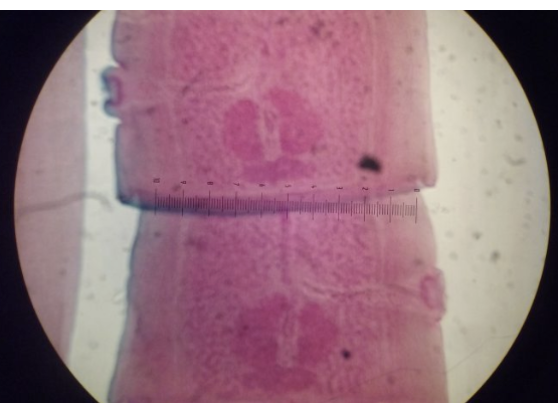
Species Name: Taenia pisiformis or Taenia solium - mature proglottid
Phylum: Platyhelminthes
Class: Cestoda
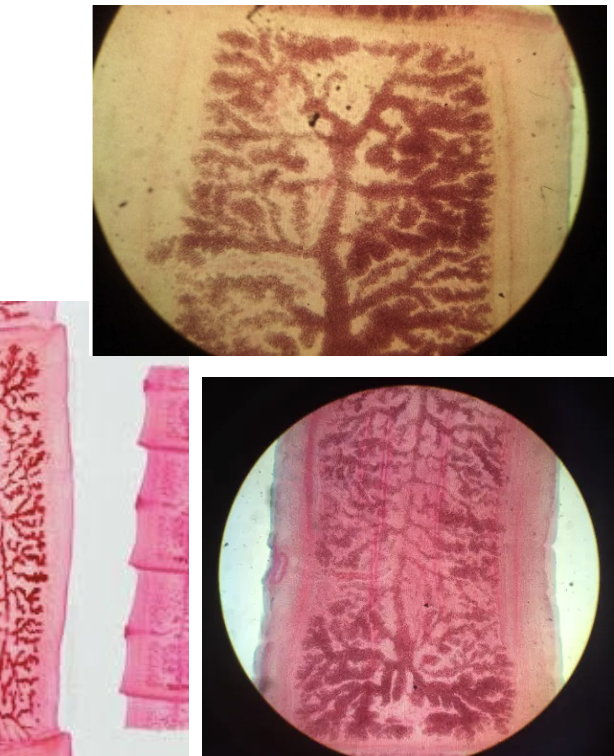
Species name: Taenia pisiformis or Taenia solium - gravid proglottid
Phylum: Platyhelminthes
Class: Cestoda
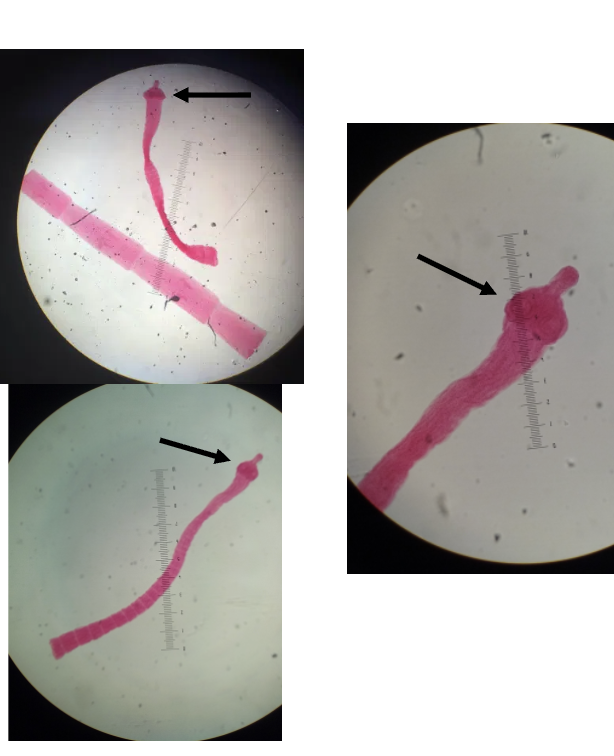
Species Name: Dipylidium caninum- scolex
Phylum: Platyhelminthes
Class: Cestoda
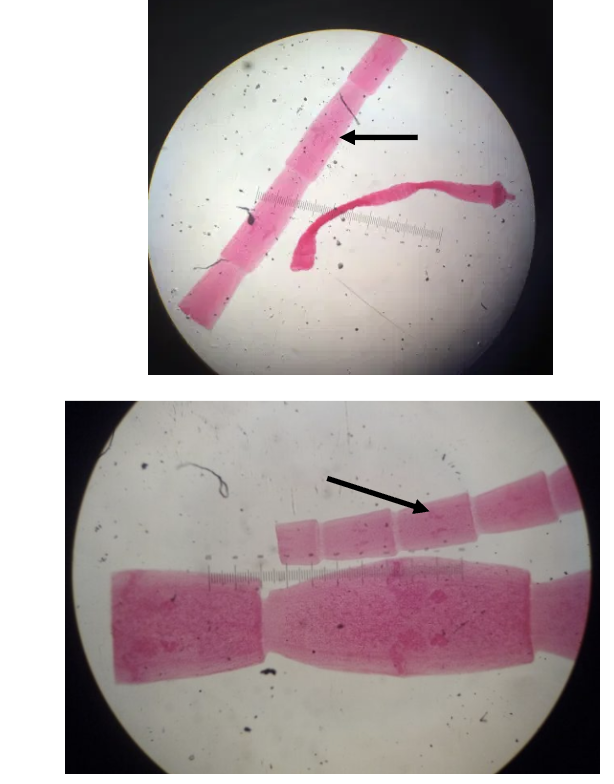
Species name: Dipylidium caninum - immature proglottid
Phylum: Platyhelminthes
Class: Cestoda
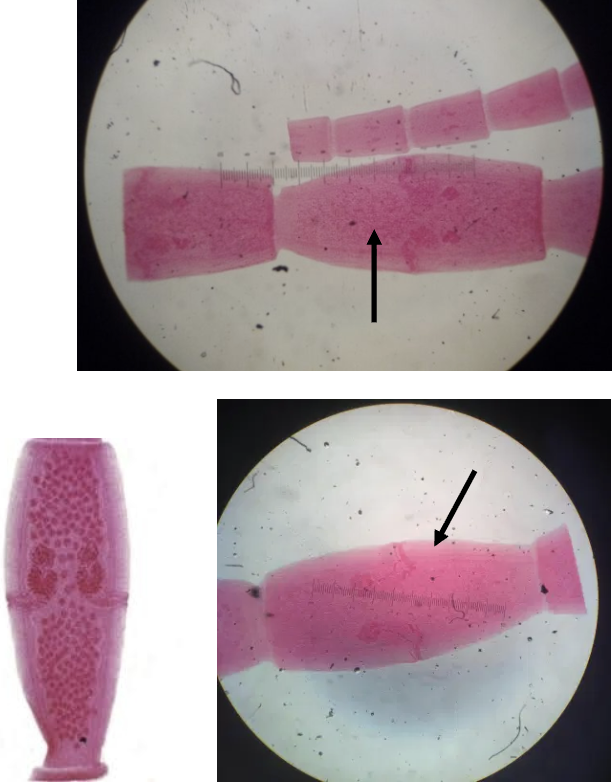
Species name: Dipylidium caninum - mature proglottid
Phylum: Platyhelminthes
Class: Cestoda
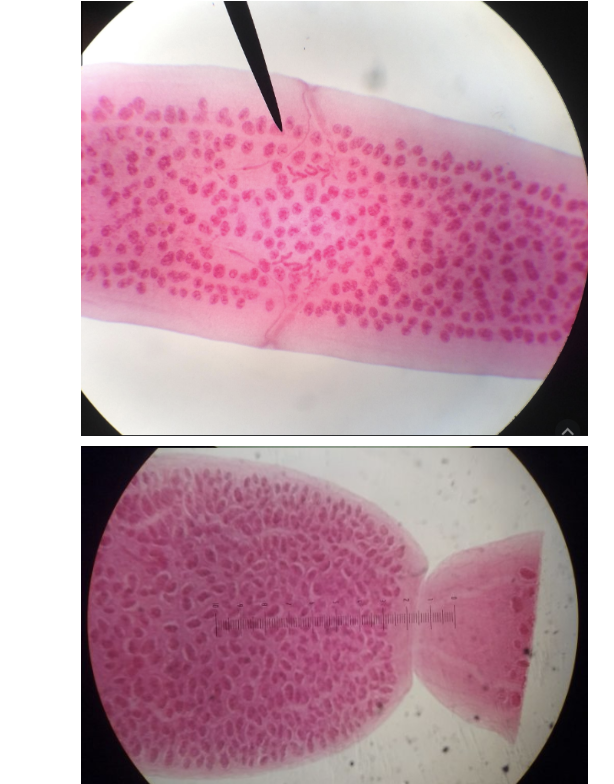
Species name: Dipylidium caninum - gravid proglottid
Phylum: Platyhelminthes
Class: Cestoda
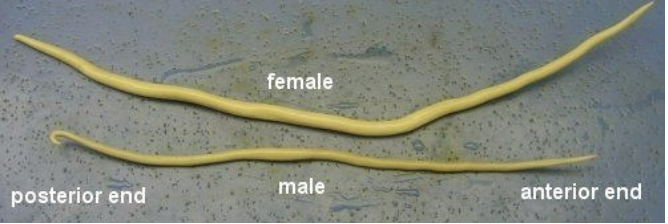
Species name: Ascaris lumbricoides
Phylum: Nematoda
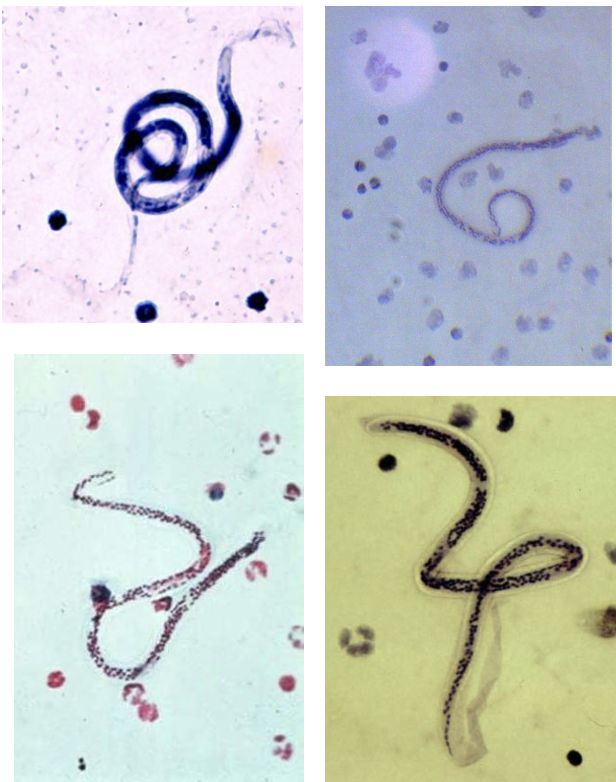
Species name: Wuchereria bancrofti
Phylum: Nematoda
Oxidation-Fermentation (O-F) Test
identify whether an organism can oxidize carbohydrates and/or ferment carbohydrates
Citrate Test
the ability of organisms to use citrate as their sole carbon source and perform citrate fermentation
Citrate (+) organisms
make the enzyme citrase or citrate-permease to transport the citrate into cell
MR Test
detect organisms capable of performing a mixed acid fermentation, which overcomes phosphate buffer in the medium and lowers pH
Voges-Proskauer Test
designed for organisms that are able to ferment glucose, but quickly convert their acid products to acetoin and 2,3-butanediol
Ultraviolet light application
used to disinfect laboratory and health-care environment work surfaces and surrounding air
Sterilization
a process that destroys all viable microbes, including viruses and endospores
Disinfection
process to destroy vegetative pathogens, not endospores
Bacitracin
peptide antibiotic that inhibits bacterial cell wall synthesis, only effective on bacteria that have cell walls and in process of growing
Novobiocin
antibiotic that interferes with ATPase activity during DNA replication
Optochin
antibiotic that interferes with ATP synthase activity and ATP production
Bacterial resistant
Antimicrobial is ineffective against bacteria
Bacterial intermediate
antimicrobial might be effective against bacteria
Bacterial Susceptible or Sensitive
Antimicrobial effectively kills or inhibits bacteria (appropriate to treat infection)
Zone of Inhibition (ZOI)
Determines whether a bacterial species is resistant, intermediate or susceptible to an antimicrobial
Kirby-Bauer Test
Disk diffusion test to measure the effectiveness of antibiotics and other chemotherapeutic agents on pathogenic microorganisms,
Minimum Inhibitory Concentration (MIC)
lowest concentration of an antimicrobial drug that prevents visible growth