cell structure and function : unit 2
 Call Kai
 Learn
Learn Practice Test
 Spaced Repetition
 Match
Match Flashcards
 Knowt Play
1/57

There's no tags or description
Looks like no tags are added yet.
Name | Mastery | Learn | Test | Matching | Spaced | Call with Kai |
|---|
No analytics yet
Send a link to your students to track their progress
58 Terms
prokaryotic cell
DO NOT contain a nucleus (free floating DNA).
No membrane bound organelles
Small, simple, single celled
Bacteria and Archaea Capsule
eukaryotic cell
DO contain a nucleus.
Has membrane bound organelles.
Larger, more complex, single or multicellular
Animals, Plants, Protists,
Fungi
animal cell has
No cell wall
Contains centrioles and lysosomes
Numerous small vacuoles.
Less structured.
plant cells
Has a cell wall
Chloroplasts
Central Vacuole
Organized and structured
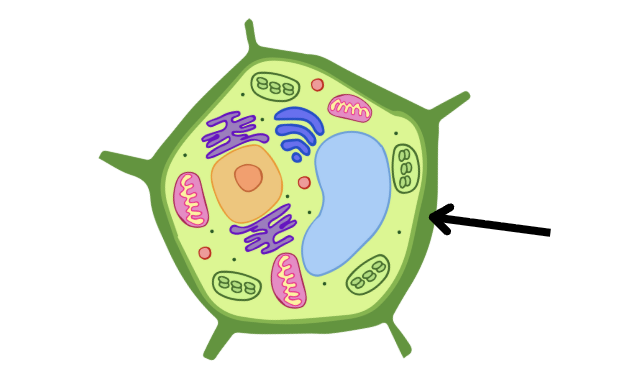
cell wall picture
cell wall describes
Rigid structure made of complex carbohydrates providing a permeability barrier to move some sunstances; found in plants, fungi, some protists, and bacteria
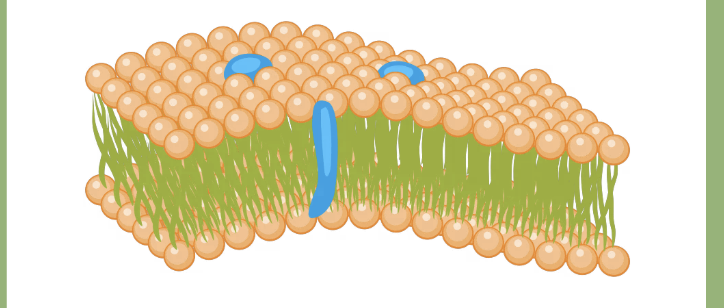
cell membrane picture
cell membrane describe
Phospholipid bilayer that surrounds the cell; Regulates what comes into and out of the cell and protects the cell interior from the extracellular
space.
ribosome picture
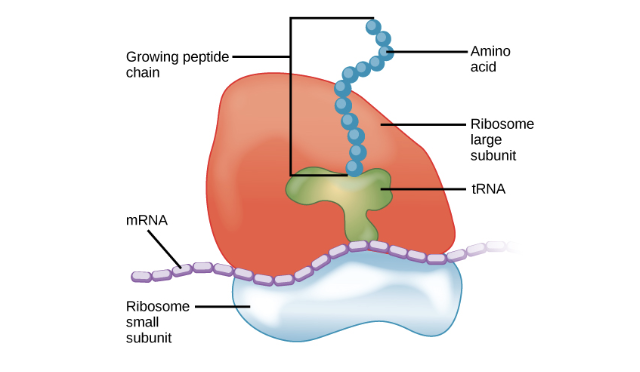
ribosome describe
Composed of protein and Ribosomal RNA (rRNA)
Ribosomes "read" messenger
RNA (mRNA) to synthesize proteins.
cytoplasm picture
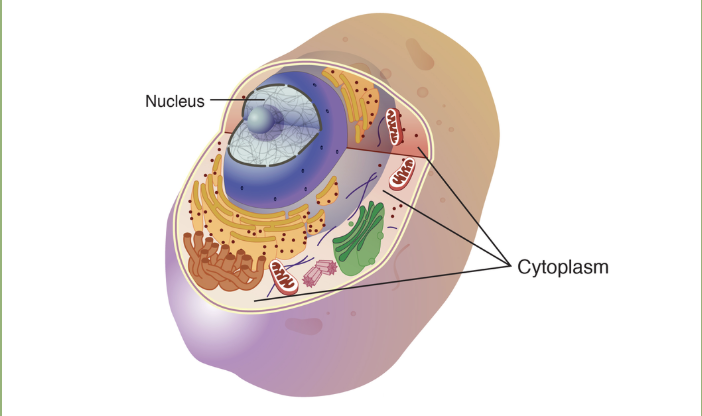
cytoplasm describe
Fluid within the cell to help maintain cell shape and is the site of many metabolic chemical reactions.
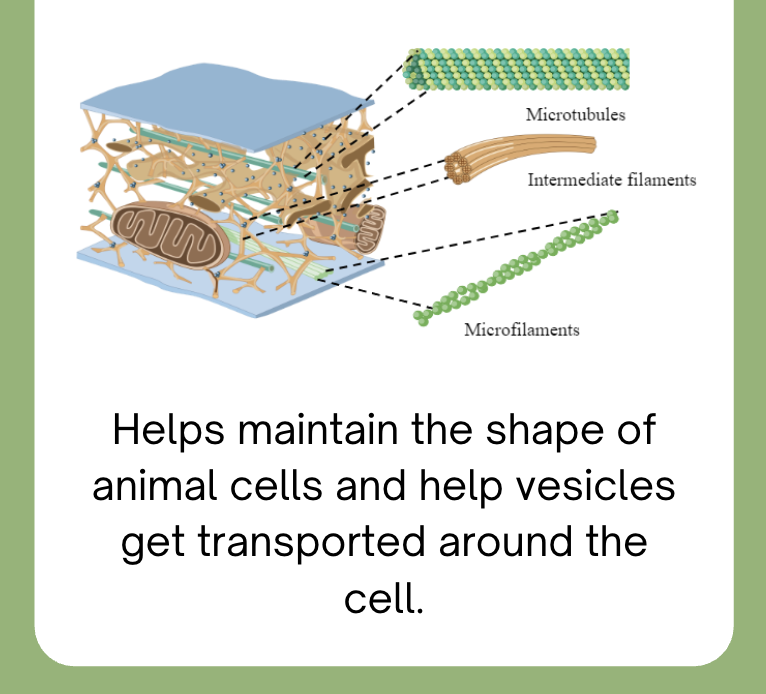
cytoskeleton
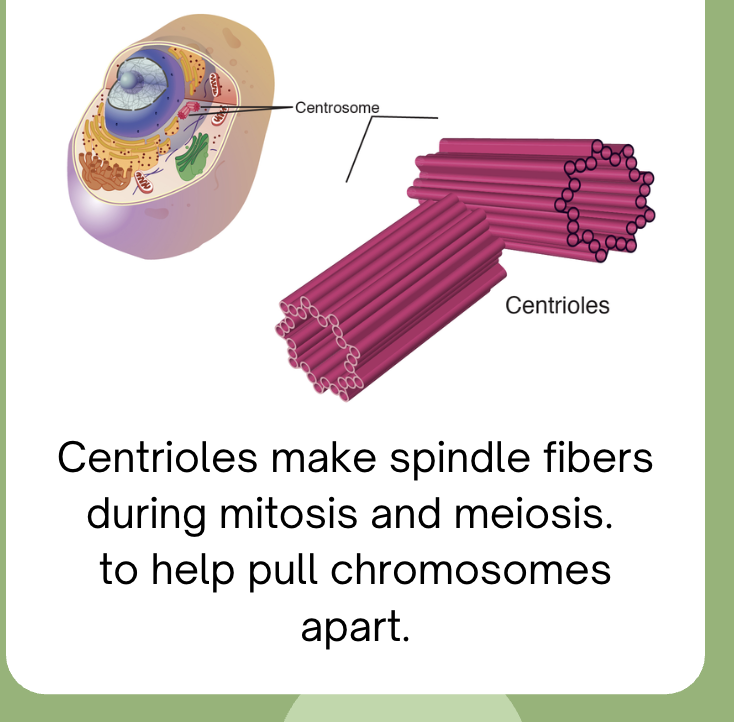
centrioles
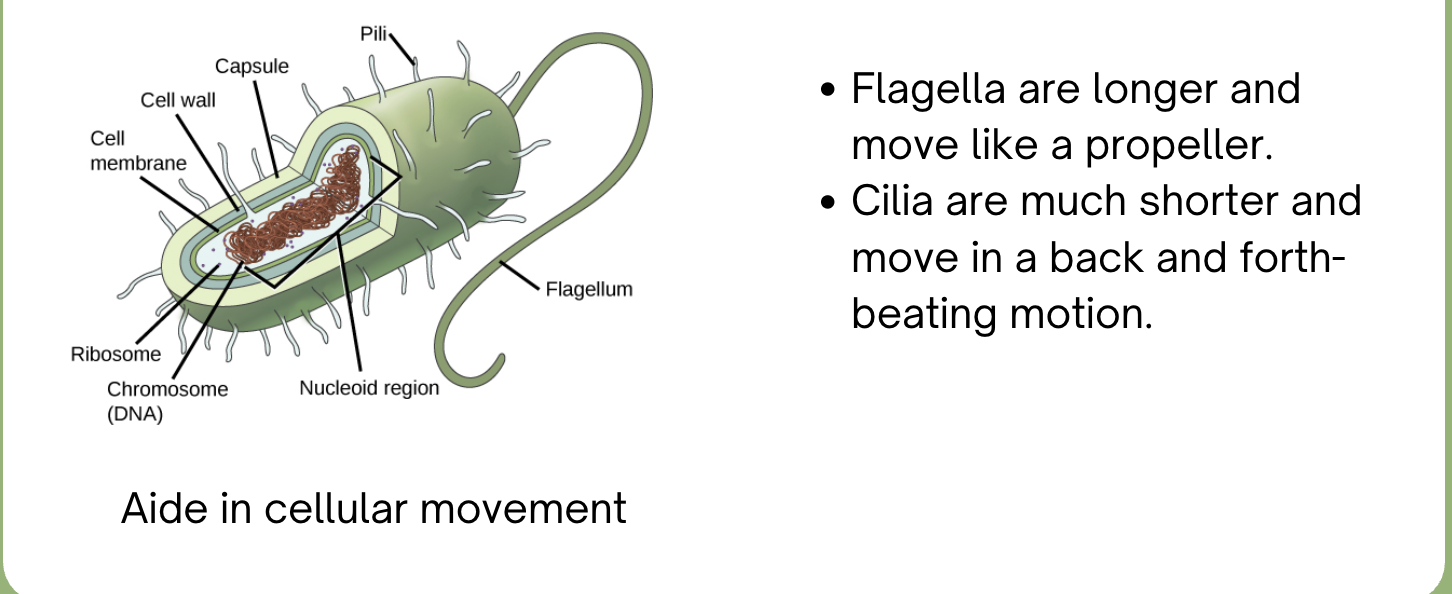
flagells and cilia
nucleus
Houses the cell's DNA and directs the synthesis of ribosomes and proteins.
nucleolus
Site of ribosome and rRNA synthesis in the cell.
rough endoplasmic recticulum
Folded organelle with ribosomes attached; responsible for synthesizing and packaging proteins to the golgi apparatus.
smooth endoplasmic reticulum
Responsible for lipid/hormone synthesis and detoxification of cell wastes.
golgi apparatus
Responsible for:
Helping fold and modify proteins
Packaging proteins/lipids into vesicles
Sending these vesicles to their intended intra- or extracellular destination
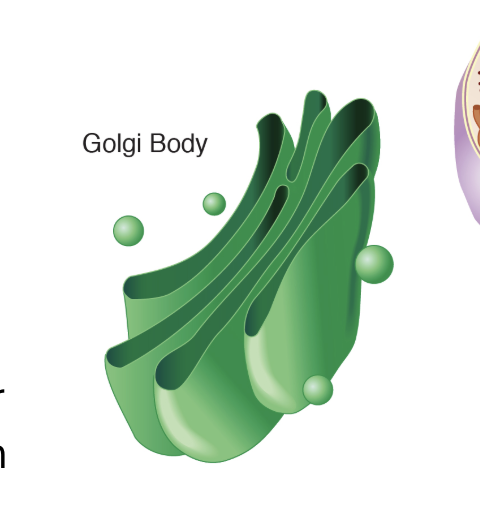
lysosome
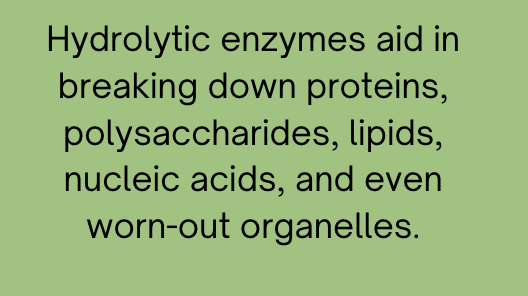
peroxisome
Carry out oxidation reactions that break down fatty acids and amino acids; detoxify many poisons that enter the body.
vacuole
Membrane-bound sacs that function in storage and transport.
lysosomes are bigger than peroxisomes
lysosomes are bigger than peroxisomes
mitochondria
Responsible for some of the processes that synthesize
ATP.
Has two membranes, which allows for compartmentalization of different chemical reactions.
chloroplast
Responsible for performing photosynthesis in autotrophs.
Has two membranes, which allows for compartmentalization of different chemical reactions
why are organelle membranes folded to increase surface area?
More surface area = more space to do work
Membranes are where chemical reactions happen — so more membrane = more reactions can happen at once.
endosymbiotic theroy evidence
1. Double Membrane 🔵🔵
Both mitochondria and chloroplasts have two membranes
The inner membrane = original bacterial membrane
The outer membrane = from when the host cell engulfed it
No other organelles have double membranes this way
2. Their Own DNA 🧬
Both have their own circular DNA
Circular DNA is a bacterial trait — NOT how eukaryotic DNA looks
They carry genes separate from the nucleus
3. Their Own Ribosomes 🔬
Both have their own ribosomes
These ribosomes are 70S — same size as bacterial ribosomes
Eukaryotic ribosomes are 80S — different size
This is a huge piece of evidence!
4. They Reproduce Like Bacteria 🔄
Mitochondria and chloroplasts divide by binary fission
Same way bacteria reproduce — NOT how organelles normally replicate
5. Similar Size to Bacteria 📏
Both organelles are roughly the same size as modern bacteria
The theory that mitochondria and chloroplasts were once free living bacteria that got absorbed by a larger cell (ancestoral prokaryorte— and instead of being digested, they became permanent residents
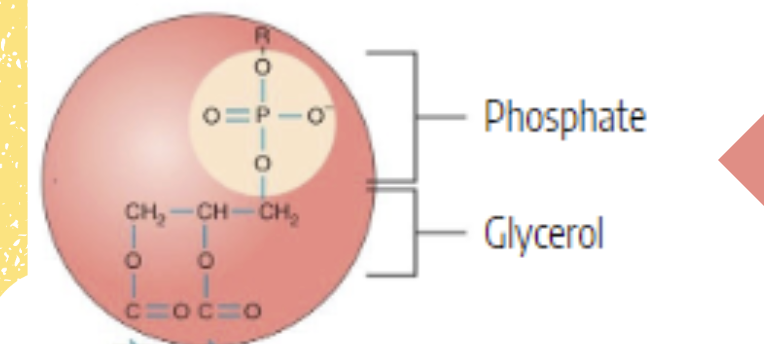
Contains phosphate group and glycerol
Polar
Hydrophilic: Interacts with water
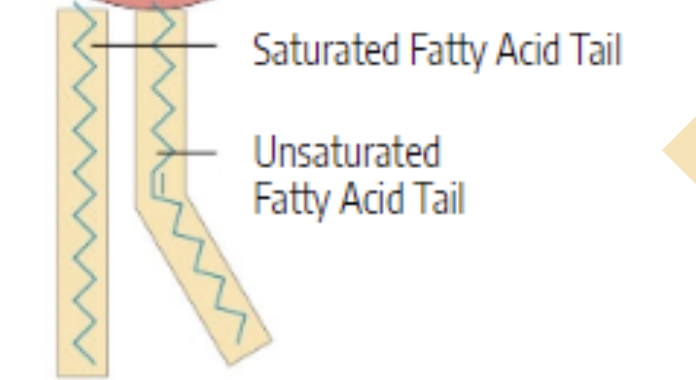
is the tail hydrophobic or hydrophillic
Contains a saturated and unsaturated fatty acid
Non-polar
Hydrophobic: repels water
cholestrol
Regulates membrane fluidity in response to temperature changes.
glycolipids
id
Carbohydrate attached to a phospholipid;
facilitates cell-to-cell recognition.
4 types of proteins in membrane
transport
receptor
glycoproteins
enzymatic
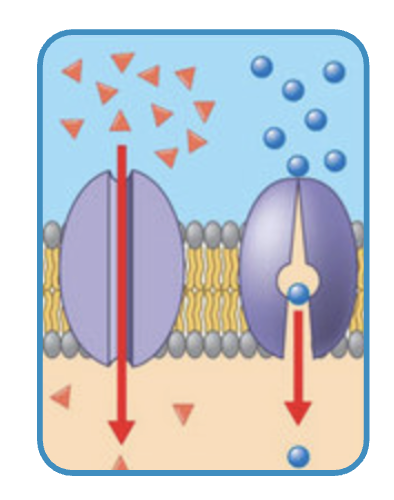
what type?
transport protein
describe transport protein
Moves large, polar, or charged substances from one side of the membrane to the other.
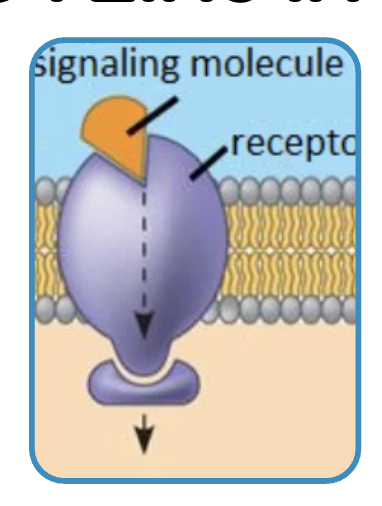
what type?
receptor protein
describe receptor protein?
Embedded in the membrane receiving external signals for internal response
what type?
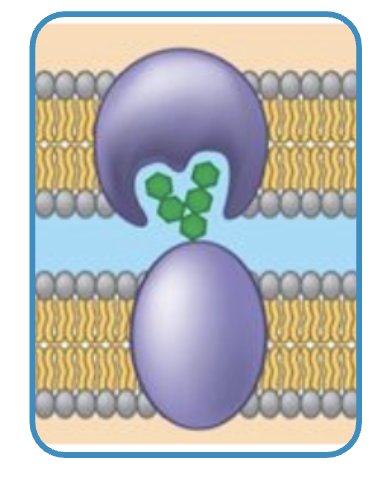
glycoprotein
describe glycoproteins
Carbohydrates attached to a protein; allow cross linking of cells which gives tissues strength.
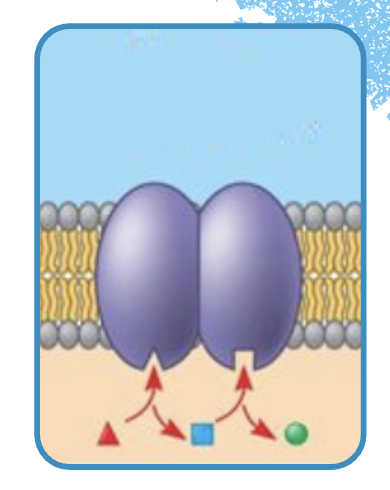
what type?
enzymatic protein
enzymatic protein
Protein which carries out metabolic reactions.
importance of cell transport
Transport of waste out of the cell
Helps maintain pH and salt balance.
Transport signal proteins out of the cell
Helps cells communicate, like in the nervous system.
Absorption of nutrients into the cell.
Allow oxygen into the cell for respiration
Allows for CO2 to leave cells
Can assist in apoptosis in infected cells.
ETC.
passive transport
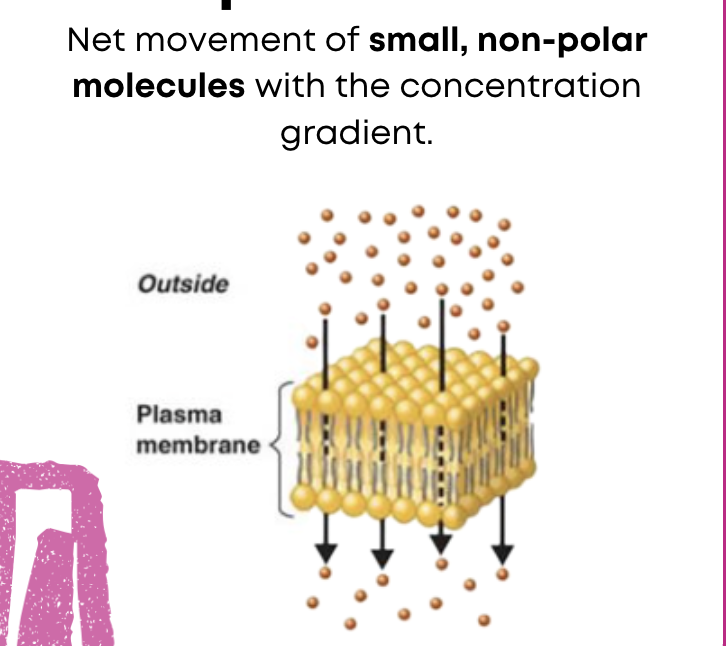
Net movement of molecules with the concentration gradient until the system reaches dynamic equilibrium with NO energy used.
HIGH TO LOW
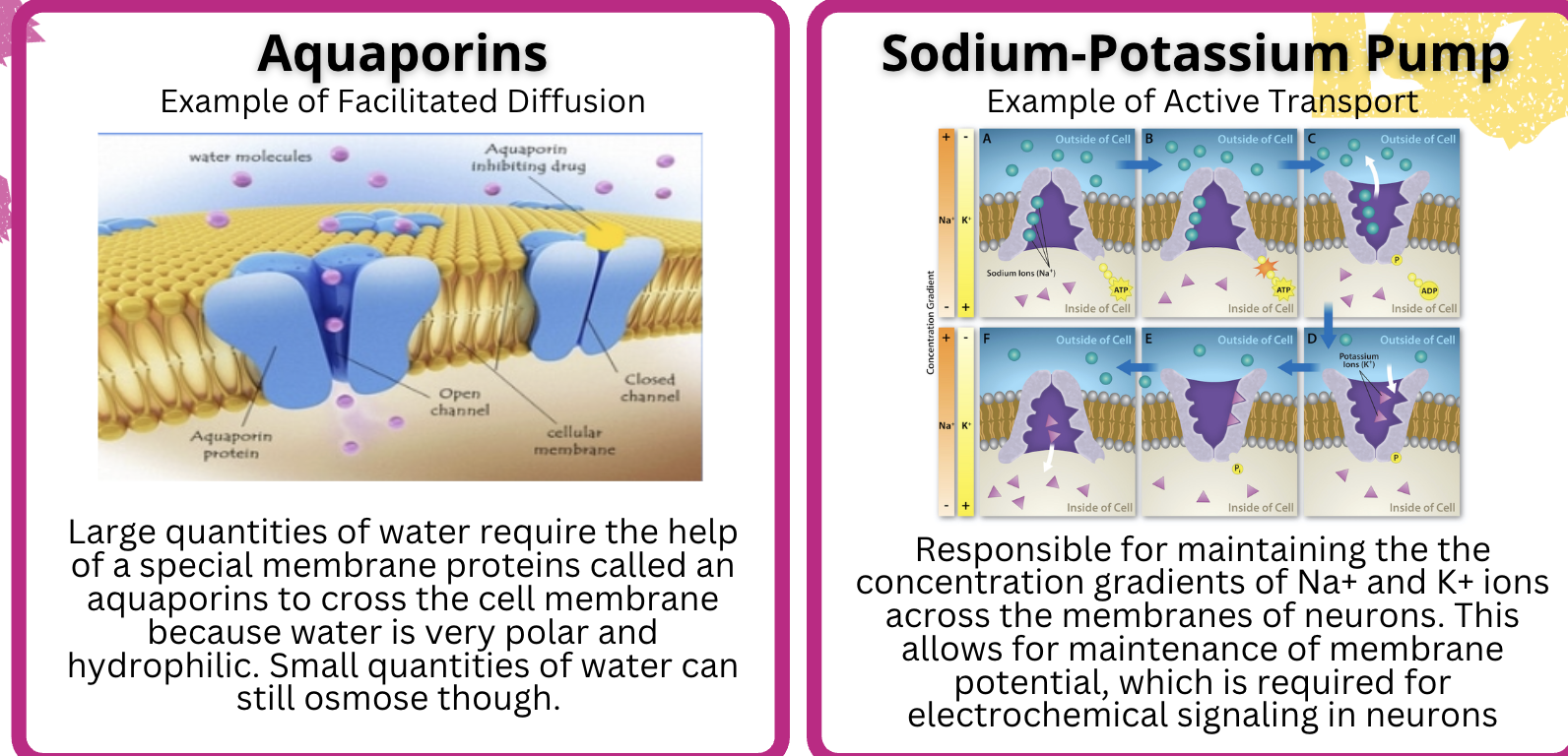
active transport
Net movement of molecules against the concentration gradient. System will not reach dynamic equilibrium
Requiring energy!
facilatated diffusion
Net movement of large, polar, or charged molecules with the concentration gradient that requires the use of a transport protein to occur.
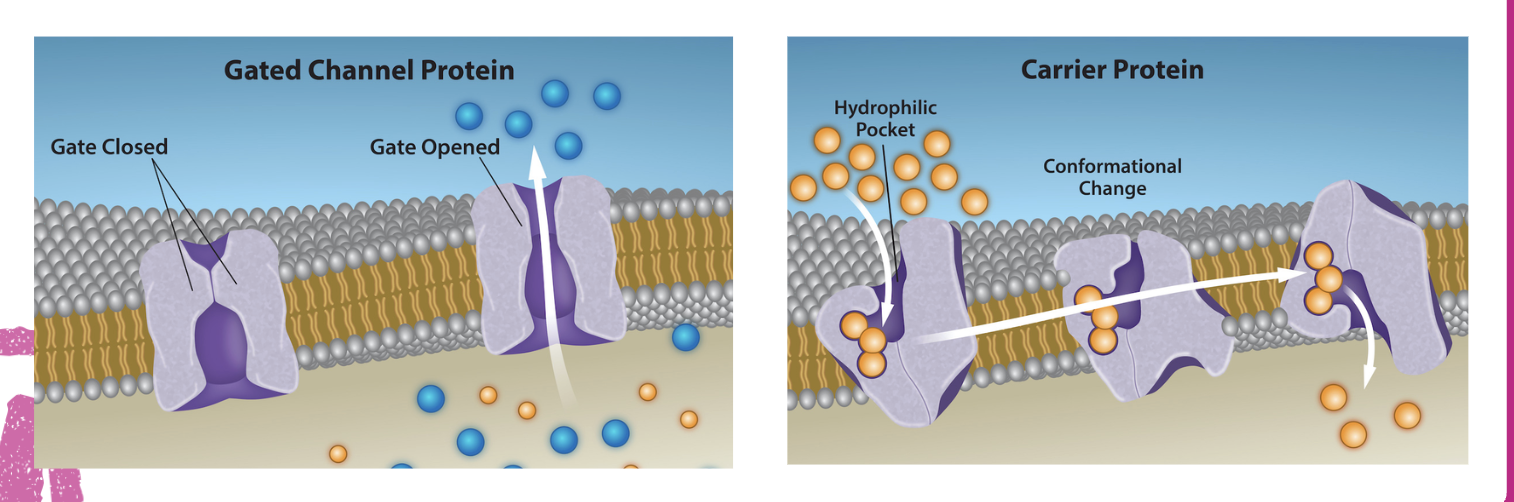
simple diffusion
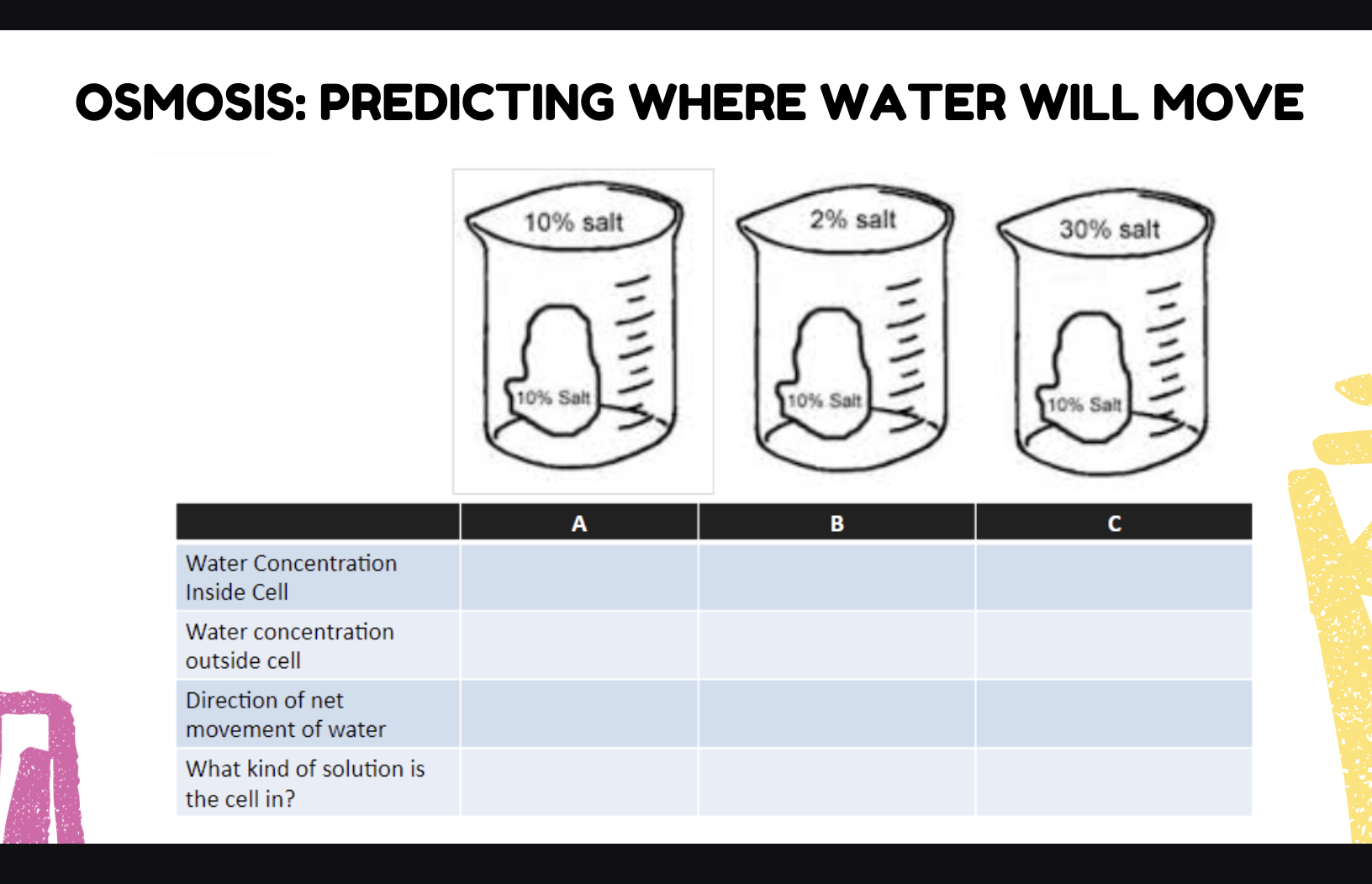
osmosis low
high water concen to low water concen
passive transport examples
facilitated diffusion
Osmosis
simple diffusion
active transport
Transport of a substance from an area of low
concentration to an area of high concentration using ATP (cell energy).
This is referred to as moving against the concentration gradient.
LOW TO HIGH
active transport
endocytosis
exocytosis
endocytosis
. Phagocytosis ("cell eating") 🍽
Cell engulfs large solid particles
Examples: white blood cells eating bacteria, amoeba eating food
Forms a phagosome (large vesicle)
2. Pinocytosis ("cell drinking") 💧
Cell engulfs liquid and dissolved particles
Happens continuously in most cells
Forms small vesicles
3. Receptor-Mediated Endocytosis 🎯
Most specific type
Receptors on cell surface bind to specific molecules
Only takes in what the receptors recognize
Example: cells taking in cholesterol (LDL)
exocytosis
Neurotransmitters released from neurons into synapse
Hormones secreted into bloodstream
Digestive enzymes released from pancreas
Mucus secreted from cells
Waste removal from cell
membrane potential
separation of charge across the membrane creates a membrane potential
osmoregulation
maintains water balance and allows organisms to control their internal solute compositon/ water potential
freshqater fish
Live in hypotonic environment (water has fewer solutes than fish body)
Water constantly flows IN
Solution: kidneys work overtime to excrete lots of dilute urine
Actively take in salts through gills
saltwater fish
ive in hypertonic environment (water has MORE solutes than fish body)
Water constantly flows OUT — risk of dehydration
Solution: drink lots of seawater, excrete small amounts of concentrated urine
Actively pump excess salt out through gills
tonicity stuff
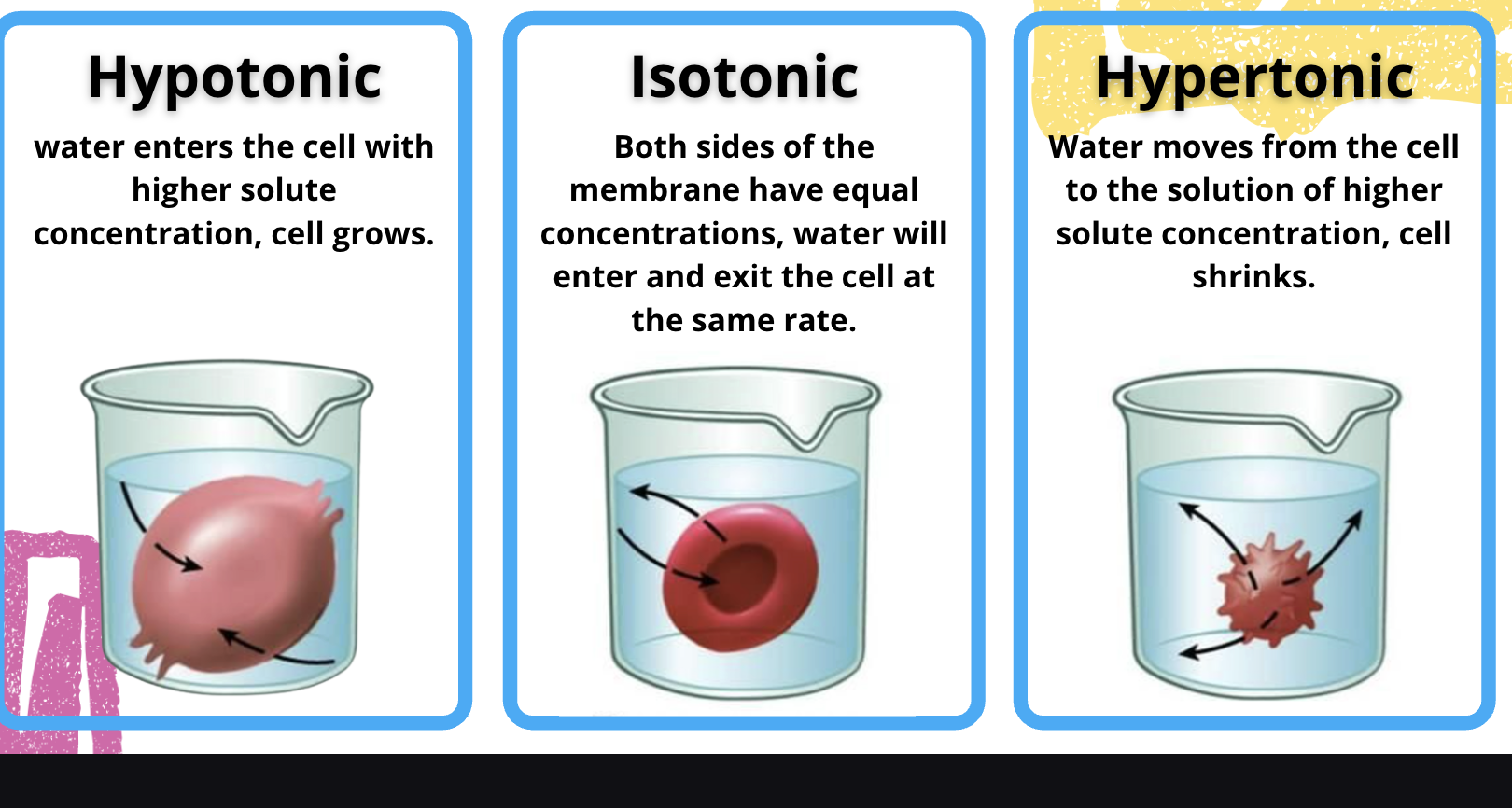
make sure to predict and udnerstand