dog and cat
 Call Kai
 Learn
Learn Practice Test
 Spaced Repetition
 Match
Match Flashcards
 Knowt Play
1/47

There's no tags or description
Looks like no tags are added yet.
Name | Mastery | Learn | Test | Matching | Spaced | Call with Kai |
|---|
No analytics yet
Send a link to your students to track their progress
48 Terms
housing- dog including temperature range
safe and protect from hazards
toilet area separate from lving
not left along for long periods
enclosed innapropritate in hot weather- they struggle with thermoregulation
avoid temp extremes
10-26 degrees celcius
cat housing
safe clean and protect from hazards
regular easy access to toilet
litter tray
exercise, play, climb space
naturally cautious so need space to hide as anxiety and chronic distress can cause illness
ideal cat bed is comfortbable, warm, private, a good lookout spot, accessible and easy to clean
characteristics of a satisfactory pet food
complete- required nutreints
balanced- nutrients in correct proportions
digestible
palatable
safe- free of toxins
dog nutrition
omnivores
adapt to a well balanced and carefully formulated vegetarian or vegan diet
should be complete and balanced to meet nuritional requirements and associated diseased
vegetaran and vegan may need additional supplementation
fresh clean drinking water
age, sex, activity level and type of food they eat, their state of health and whether they have been neutered
those that are pregnant or nursing puppies have special dietary needs
senior, working, poor health, etc may need special diet
a healthy adult dog should have a stable weight
should be fed at least once a day
do not change diet rapidly as this could cause GI upset
do not feed shortly before or after exercise
cat nutrition
obligate carnivores
cannot obtain all nutrients from plant based but can digest and absorb some nutrients from plant based
have a high protein and amino acid reuqirements
must have taurine and preformed vitamin A in diet as they cannot synthesise themselves
veggie diets not recommended- no guarantee that supplementation is bioavailable and not interfere with action of other nutrients
clinical signs of deficiency can take years to manifest- taurine deficiency can take up to 2 years
fresh clean drinking water
usually prefer several smaller meals a day
sudden change in diet can cause GI upset or refusal to eat
many will not eat if placed near toilet or something they are frightened of
neonatal period and when does weaning start
first 2 weeks of life
totally dependent on mother
weaning starts at around 3 weeks
eat eliminate sleep
tranisitonal period
2-3/4 weeks
rapid developmental period
eyes and ears open
weaning from mother onto more solid foods
starts to assimilate info from environment, interact with littermates and move around more
socialisation period
in cats and dog
7/9 weeks in cat and 14/17 weeks in dog
cats thought to have a shorter period than dogs
vary according to individual, breed and experiential factos
critcal learning period
learn how to react and shapes animal for life
adolescence
in dog
in cat
12-36 months in dogs and up to 48 months in cats
period of intensive social exploration and learning which should contribute to resislience
dog socialisation period
should start with the breeder
if missed or inadequate there is an increased risk of behavioural problems
puppies should be carefully and gradually exposed to new people, animals, places, noises and activities in a positive manner
if the puppy displays anxiety stop the activity otherwise they are more likely to carry worry and develop ebhavioural problems
3-14/17 weeks of age
cat socialisation period
kitten social play peaks between 9-14 weeks
duration vary according to individual, breed and eperiential factors
kittens become more independent and go to new homes
learn by observing mother and develop social and hunting skills by playing with siblings
require positive experience with human interaction
recommende they are touched all ove, lifted frequenct and gently restraaind
meeting a number of different pepole is recomened
human handling total 30-60 mins a day recommened- multiple short sessions
handling in presence of mother and littermates will help
expose kittens to sights sounds tasres textures and smells
exercise dog
varies with age breed and health
young dogs may need to have exercise restricted during periods of rapid growth to avoid dev problems
older dogs may need walks split into shorter more frequent
handling and retrieving liekly need mre
avoid exercising in extremem weather or frightening events
how long recommended no more than x hours without company
4
cat exerise
regular play with people and toys
can be trained for certain actitivtes
do not have a desire to please unlike dogs so training rewards are important
should never be punished or frightened
gundog
intelligent
trained to bring back or retrieve live game
have good noses, hearing and sie
good companions, active, need lots of exercise
eg retreiver, italian spinone, hangarian vizsam iris setter, spaniel, weimeraner, munsterlander
hounds
hunting by sense of smell or site
beagle, dashund, bloodhound, rhodesian ridgeback, whippet
terrier
originally bred for pest control above and below ground
strong preydrive
active
eg bull terrierm border terrier, norfolk terrie
working group
born to guard, guide, help and rescue
very active
enjiy being give a tast
natural instinct to alert owners to anything unusual
eg boxer, siberian husky, rottweiler
pastoral
bred for herding and working lviestock
resilient and enjoy being out in all weathers
lots of eneryg
intelligent
eg border collie, welsh corgi, german shepard
utility
previosuly bred for a purpose that doesnt fit into pastoral or working, may not exist
eg french bulldog, akita, poodle
toy
bred as small compnions
friendly and socialble
once a status symbol
eg pomeranian, pug, bolognese
what are all pedigree cats registered with
governing council of the cat fancy
GCCF
main groups reognised by GCCF
persian
semi longhair
british
foreign
burmese
oritental
siamese
shorthair
stocky body
thick, medium tail
short fine and dense coat
broad head
short face
eg british shorthair, manx

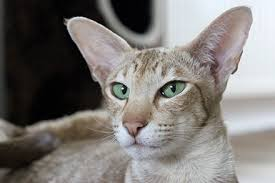
foreign/ oritental
light build, long lean body
ears large, pointed and upright
almond shape eyes
head long and pointed
tail long, thin, pointed
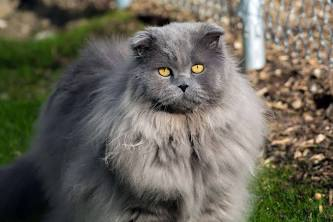
longhair/semi longhair
long, soft fluffy coat
marked ruff extending between fore legs
short nose and wide muzzle
head large and round
ears wide srt, small
tail short and bushy
short stocky leg
skeletal abnormalities in cats
folded ears- naturally occuring gene also causes skeletal abnormalities producing stiffness of the limbs and tail which increase with age
cats with foreshortened limbs. this is a naturally occurring genetic mutation (chondrodysplasia) which cases musculoskletal issues and can affect mobility, breathing and heart function. should ot be bred to continue this mutation
when should dogs and cars be microchipped by
dogs 8 weeks
cat 20 weeks
recommended time indoors before letting cat out
2/3-6 weeks
dog vaccinations
canine distemper
canine adenovirus/ infectious canine hepatitis
canine parvovirus
leptospirosis
canine parainfulenza
canine infectious respiratory disease (kennel cough)
rabies
cat vaccinations
feline infectious enteritis/ feline panleucopaenua (feline parvovirus)
feline rhinotracheitis (feline herpesvirus)
feline leukaemia virus
chlamydophila felis
brodetella bronchiseptica
rabies
serological testing
available for CDV CPV CAV and FPV in practice
rapid reponse in 20-30 min
presence of serum antibody provides evidence of active humoral immune response likely indicating protection from disease
however absence of detectable antibody does not reliable predict suceptibility to infection and disease as cellular and innate immunuty are not evaulated in antibody detection testing
endo and ectoparasite prevention
Roundworm (nematodes)
• Toxocara spp. Tapeworm (cestodes)
• Dipylidium
• Echinococcus
• Taenia sp. Lungworm
• Aelurostrongylus abstrusus
• Angiostrongylus vasorum Hookworms Ascarids Whipworms Fleas
• Ctenocephalides felis Ticks Mites#
endoparasites
roundworm and tapeworm both live in guts- dont usually cause serious problems in adult dogs or cats but can have detrimental impact in young patients
lungworm is a growing problem- very serious
toxocara spp prevalence posing risk to human esp immunocomromised
risk from non endemic parasites imported on dogs and cats
how do cats get endoparasites
kittens catch worms from mothers milk
adult cats catch worms from hunting and eating rats/mice/birds, eating soil/animal faeces, fleas (which carry tapeworm)
how do dogs get endoparasite (3x)
Roundworm- Many puppies catch roundworm in the uterus (so are born with them), or through their mother’s milk. Adult dogs can catch round worm by eating soil, faeces, raw meat, animal carcasses, or by licking contaminated objects
Tapeworm- Dogs most commonly become infected with tapeworm by eating fleas (usually during grooming), so flea control is an important part of preventing these worms. They can also catch them by eating raw meat, rats and mice, or the carcasses of other animals such as sheep.
Lungworm -Dogs get lungworm by ingesting infected snails, slugs or frogs. This can be through grooming or on toys etc.
endoparasite prevention in kittens and cat
worming treatment must be suitable for age and weight
first treatment at 3 weeks of age then fortnightly until 16 weeks old
after 16 weeks follow suitable prevention plan dependent on individual cat
usially 3-6 months but may need more regular treatment if they hunt a lot
tablet, spot on, treatment, pasres, liquid
endoparasite prevention in puppies and dog
must besuitable for age and weight
as a eneral rule first treatment -3 weeks of age and repeated every 2 weeks until 16 weeks old dependent on rpoducts given
adult dogs will come into contact with worms so regular worming essential to stop problems developing for dogs and to minimise environmental contamination for other dogs and human risk
repeat doses usually given every 1-3 months
lugnworm prevejtion may also be needed
human health concerns
toxocara canis (roundworm) has a potential zoonotic risk to humans
eggs are passed in faeces of affected animals
eggs can remain in soil or sand for many years
accidentally igested or come into contact with eyes
most do not become ill but in some ases they can travel to liver, heart brain or eyes
young children most at risk
prevention of toxocariasis in humans
keep worming tratments up to date
pick up faeces and dispose responsibly
wash hands with soap and water
wear gloves when gardening
wash veg
do not let animals defecate in play areas
teach children
what should clients be asked when making and endo and ecto parasite plan
lifestyle
prev infections
travel history and plans
location
age
general health
owner circumstances
compliance measures
what is the five point plan for responsible use of parasiticides for cats and dogs
work with clients to prevent and check for parasites
understand the potential risks to animals, humans, and the environment
take a risk based approach to prescribing
ensure appropriate care
record and monitor use
measures to prevent periodontal disease
get the patient used to having teeth and oral cavity checked as a puppy or kitten
make the experience of home dental care/prophylaxis a positive experience for the animals
discuss oral healthcare with owners from the first appointment and regularly at check up appointments
dental care
daily brushing only removed plaque, not calculus. it does not remove the need for anesthetised exams, radiographs, and therapy, same as in human dental care
dental diets and chews can help control tartar and plaque by mechanical abrasion and or chemical means.
chewing on bones, stones, and inappropriate toys which can damage the tooth should be avoided/discouraged
anaeshesia free dental procedures
home scalers freely available
may be able to effectively remove plaque but risk of causing further damage is high
unlikely to acheive same result, especially below gumline which is uncomfortable
as scalers remove plaque from teeth they cause tiny microscopic grooves in the tooth enaml which can provide ideal spots for bacteria to attach to
therefore teeth must also be polished
any movement of the pets head can cause the procedures to harm the structures and tissues in the oral cavity
pets also will miss out on the full dental examination
rcvs considers it not the best interest in the health and welfare
specially performing sub gingival scaling and extraction can only be performed by a vet (Acts of Veterinary Surgery)
owners have responsibility under the animal welfare act if they perform anaesthesia free pocedures
dietary management
discrepancy between what owners and vets think
client education
encourage maintenance of healthy bodyweight or recruit onto weight loss plan- make an achievable and sustainable plan, and regular check ins
consider communication style
raw feeding
meat, bones, offal
tend to be higher in fat, lower carb, highly digestible
but not all foods are equal as they vary in ingredients, energy, nutritional profile
no evidence that they provide health benefits over commericial or balanced homemade cooked
some may show GI problems eg diarrhoea or pancreatitis
can be a health risk for pet and owner- eg ecoli, salmonella, yersinia, campylobater, listeria monocytogenes, mycobacterium bovis
pets fed on raw diets may be a risk factor for othe rpatients
compromised immune system people in household at risks
some bacteria in raw food can be antibiotic resistant
freezing, dehydration or freeze drying does not kill all bacteria
neutering and when
prevents unwanted litters
prevents disease later in life eg pyometra, testicular tumours, mammary tumours, prostate conditions
cats are usually neutered from 4 months old but can be neutered from 6 weeks old (>800g)
dogs usually from 6 months but influenced by breed, size (larger usually later) season (can be done before first season, if they have a season you need to wait aorund 3 onths to prevent ongoing hormonal problems), behaviour, weight, other health conditions, risk of urinary incontinence.