Our Last and Final Cluck XD
 Call Kai
 Learn
Learn Practice Test
 Spaced Repetition
 Match
Match Flashcards
 Knowt Play
1/88

There's no tags or description
Looks like no tags are added yet.
Name | Mastery | Learn | Test | Matching | Spaced | Call with Kai |
|---|
No analytics yet
Send a link to your students to track their progress
89 Terms
this measure is an assessment of the occurrence of specific behaviors like a bird scratching the ground
behavioral measure
this measure is an assessment which can be measured by observing visuals in environment like clean litter
applied measure
this measure is a direct measure of physiology impacted by welfare like corticosterone hormone
technical measures
there are five accurate welfare principles
must be objective 2. variables measure must be related to a species welfare 3. human presence accounted for 4. sampling unit always visible 5. no bias
what is an ethogram
dictionary with all the specific behaviors of each animal species
why would you use an ethogram
describe behavior and to not misinterpret a report
what is a negative stereotypical behavior
repetitive behavior like pacing out of boredom trying to express natural behavior in the wild
what is a negative misdirected behavior
normal actions but on wrong target like horse chewing a fence
what is a negative social behavior
aggression towards other beings like two beta fish in one tank
what is a negative anxiety behavior
increased weird behavior like constant yawning
how many chickens do we need per week
20-22 million
(25 million eggs, 1 mil per week, 25 major hatcheries)
what makes poultry birds so suitable for agriculture
born from eggs, easy waste management, many offspring, embryos can be stores, transported, incubated
why is the egg an advantage to the chick
has all materials to protect and develop the chick
what does the chick need other than the yolk
air (o2 and moisture) and energy (heat, movement)
air+heat+moisture+movement= chick
how long have we used artificial incubation
over 2000 years- from ancient Egypt
the eggs need three different temperatures- prior laying, first 18 days in incubator and 19-21 days at hatching what are the temps
105-107, 99.5, 98-99
how to chicks breathe in the shell
shell has pores to let o2 in and co2 out and water vapor out
how much humidity is needed for the egg and why
50-60% bc water has to evaporate from the egg or the chick will drown
why are eggs places pointy end down when turning
so the air cell is up for air exchange
turned 45 degrees every 1-3 hours
when are eggs incubated in the setter
through day 19
when do eggs go to hatcher
at 1% pip
when are eggs taken from incubator trays to hatching trays
19 day
on the 19 day the chicks are vaccinated before hatching by what machine
embrex
what are the 3 hatching positions
horizontal, temp at 98.5-99, 65% humidity
how many cells does the egg have at laying
30,000
at what day does the chick turn its head to the big end
14
in the first day five things develop what are they
4hrs: heart and blood vessels
12hrs: heat beat
21hrs: nervous system
22hrs: head
24hrs: eyes
what is candling
hovering egg over light to see inside
on the third day what is established fully
heart and circulation
on the 6 day what is formed
eye noticeable and brain and nervous system forms
what is formed on the 8 day
limb development
what is formed on the 12 day
feather tracks
what is formed on 18 day
yolk ate and calcification of bone
at 20-21 days what things happen
yolk sac absorbed, just embryo and air cell, pipping, lungs functional, PULMONARY RESPIRATION BEGINS
when do chicks start pipping
21-22 day- hatch on 23
why is the health of birds important
profit depends on them
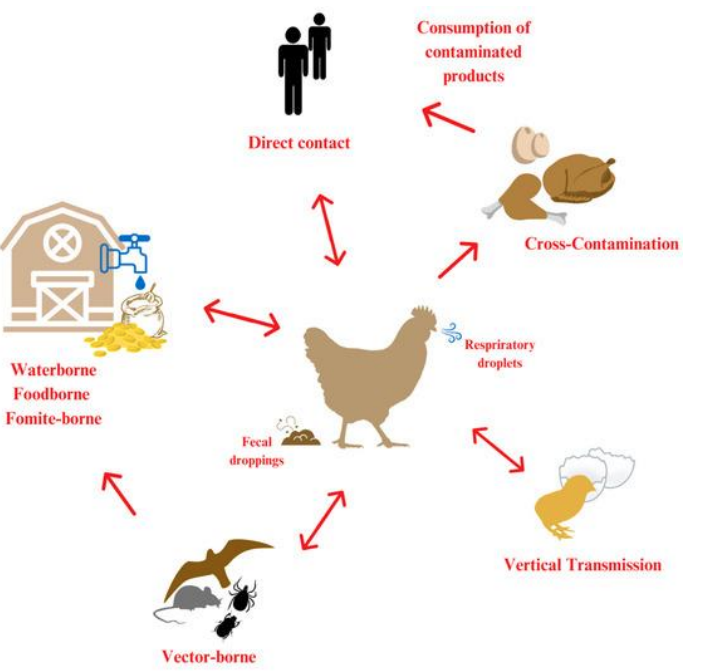
there are 8 different ways that birds get sick name the main two and any others
direct contant with people and vector born
consumption of products, cross contamination, vertical transmission(mom to child), fecal, water/food/fomite, respiratory
what is morbidity and mortality
morbidity: sick birds, mortality: dead birds
consequences of morbidity
reduced performance(growth and feed efficiency), medication cost, birds die enroute, plant downgrades in quality
3 causes of disease
poor ventilation, temperature, stress
4 signs of a healthy flock
normal feed and water consumption, normal droppings, normal sounds and behavior, normal production
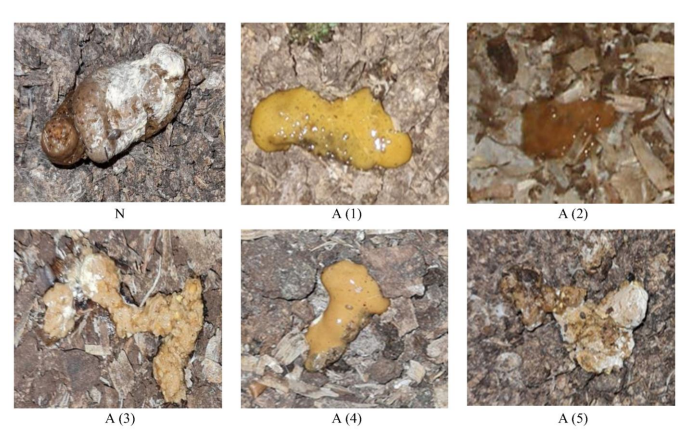
which is a healthy dropping
first one- white(urine) and brown
best vet advice when owning chickens
sit and listen to them
what could a shell less egg mean
ai, newcastle disease, bronchitis, egg drop
what could wrinkly egg mean
infectious bronchitis
other signs of disease
head shaking, shrunken discolored comb, sores, droopy, tremors, eye nose discharge
what are the four pathogens for disease
viruses, bacteria, mycoplasma, fungi
what is the difference of endoparasites and ectoparasites and an example
endo: in, protozoan, worms
ecto: out, mites and lice- spread disease
description of a bacteria
single celled, living, reproduce on own, antibiotic treatment
description of virus
dna and rna, nonliving, host for repro, antibiotics will not work, small
what is the major spread of ai
waterfowl- migration birds
What was the leading cause of mortality in backyard poultry?
Neoplasia / lymphoproliferative disease (mainly Marek’s disease).
What is Marek’s disease?
A highly contagious viral disease in chickens caused by Gallid herpesvirus 2
How does Marek’s disease spread?
Through feather dust and contaminated environments.
What does Marek’s Disease Cause?
Causes tumors, paralysis, weight loss, and death.
How is the Marek’s Disease Virus (MDV) vaccine used in the poultry industry?
It is often given in ovo (inside the egg before hatching) or immediately at hatcheries under controlled conditions.
How is Marek’s Disease Virus (MDV) vaccination different in backyard flocks?
Backyard flocks may not be vaccinated at all or are vaccinated inconsistently after hatching.
Why is lack of vaccination a problem in backyard flocks?
It increases susceptibility to Marek’s disease and allows faster spread between birds.
What is FSIS?
The Food Safety and Inspection Service, a USDA agency that inspects meat and poultry for safety and quality.
What does FSIS do in processing plants?
Inspects every bird, monitors sanitation, and tests for pathogens during production.
What is stunning in poultry processing?
A process that renders birds unconscious before slaughter using electricity or controlled atmosphere gas.
Why is stunning used?
To reduce pain and ensure humane slaughter.
What is evisceration?
The removal of internal organs from the bird after feathers are removed.
Why are carcasses chilled after defeathering?
To rapidly cool the meat and slow bacterial growth.
What bacteria risk exists in raw poultry?
Naturally occurring bacteria that can cause foodborne illness if not handled properly.
What are the 4 main food safety steps for consumers?
Clean, Separate, Cook, Chill.
What temperature should poultry be cooked to?
165°F internal temperature.
What is the purpose of sanitation in poultry plants?
To disinfect equipment and prevent contamination through cleaning daily.
What is a key strength of modern poultry processing systems?
They are highly automated, regulated, and monitored for food safety by FSIS.
What is a common limitation in poultry mortality research?
Uneven data collection, limited geographic coverage, and inconsistent testing.
Why are poultry processing plants located near farms?
To reduce transport time, which lowers stress on the birds and helps maintain quality.
What are the two main methods of stunning birds?
Electrical stunning and controlled atmosphere stunning.
What happens during scalding?
Birds are placed in hot water to loosen feathers for removal.
What do defeathering machines use to remove feathers?
Mechanical rubber fingers.
What is the purpose of the evisceration step?
To remove internal organs so the carcass can be inspected and processed safely.
What is microbial risk in raw poultry?
Naturally occurring bacteria that can cause foodborne illness if not handled properly.
What is the purpose of antimicrobial rinses?
To reduce bacteria levels on raw poultry and improve food safety.
What is sanitation’s role in poultry plants?
Prevents contamination by cleaning equipment, floors, and surfaces daily.
What are the 4 main food safety steps?
Clean, Separate, Cook, Chill.
What does “Separate” mean?
Prevent cross-contamination between raw and cooked foods.
What does “Cook” mean?
Cook poultry to a safe internal temperature of 165°F.
What does “Chill” mean?
Refrigerate food quickly to slow bacterial growth.
Why is 165°F important?
It is the minimum internal temperature needed to kill harmful bacteria in poultry.
What does neoplasia mean in this study?
Abnormal cell growth, often cancerous tumors.
What is lymphoproliferative disease?
A condition where white blood cells grow abnormally and form tumors.
What percentage of deaths was caused by Marek’s disease?
About 22% (582 birds).
What is one reason poultry processing is considered highly safe today?
Because it combines automation, sanitation, FSIS oversight, and microbial testing.
What is the role of the consumer in poultry safety?
Proper handling at home (clean, separate, cook, chill) is the final step in preventing illness.
Why is poultry processing considered a “system”?
Because safety depends on farmers, processors, inspectors, and consumers working together.