the big issue 2016 (25th anniversary edition) analysis
 Call Kai
 Learn
Learn Practice Test
 Spaced Repetition
 Match
Match Flashcards
 Knowt Play
1/10

There's no tags or description
Looks like no tags are added yet.
Name | Mastery | Learn | Test | Matching | Spaced | Call with Kai |
|---|
No analytics yet
Send a link to your students to track their progress
11 Terms
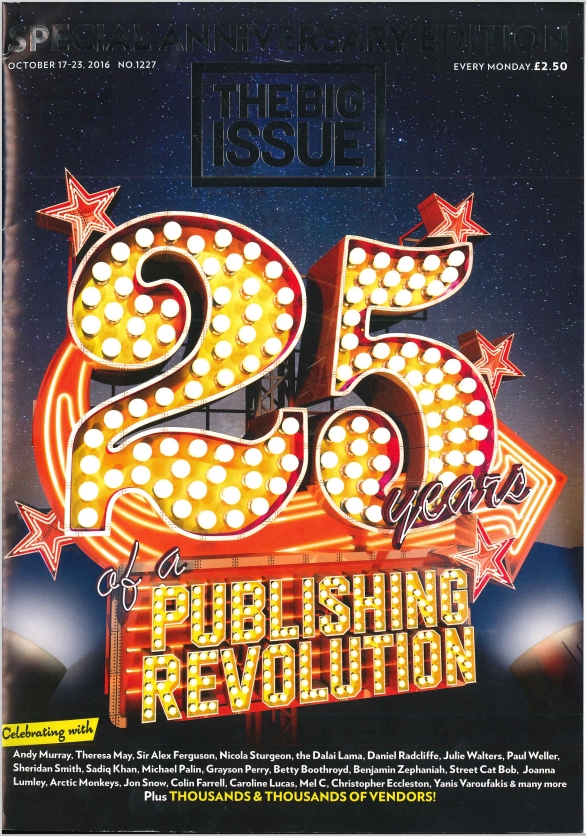
provide an analysis of the big issue’s cover design? 3 points
lit up words and theatre imagery gives the impression of popularity
use of the word ‘revolution’ implies socialist ideologies
list of celebrities ties to star power theories

provide an analysis of this section of the big issue’s contents page? 3 points
named, well-dressed man - destigmatizes the homeless, defies typical stereotypes
elderly man - sympathetic
speech bubble - direct, personal mode of address
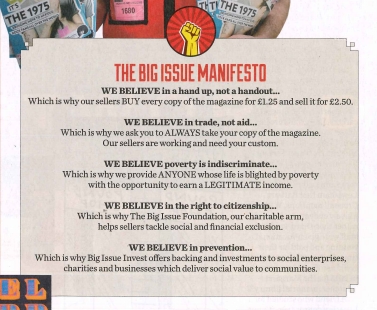
provide an analysis of this section of the big issue’s contents page? 2 points
yellow and red raised fist - communist iconography
‘manifesto’ - like marx’s communist manifesto
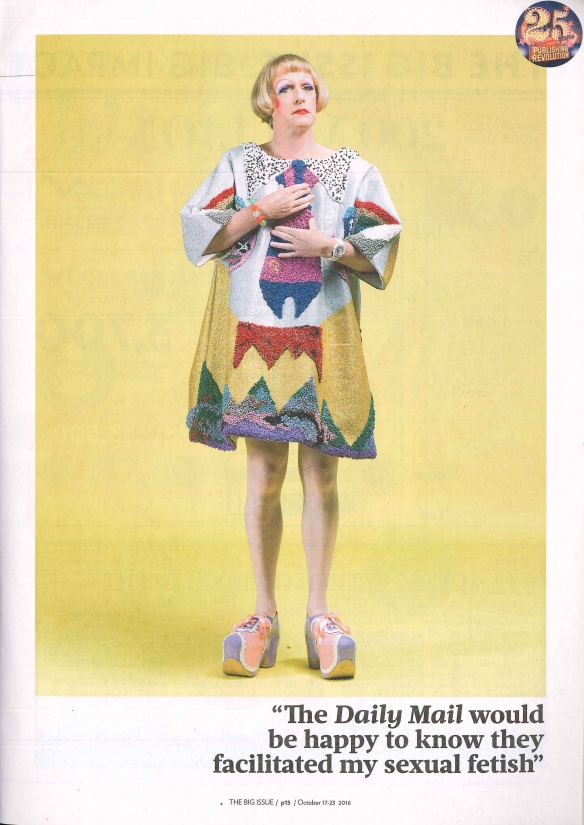
provide an analysis of the big issue’s interview with grayson perry? 2 points
quote parodies at right-leaning daily mail - connotes liberal ideology
using perry reflects values of diversity in journalism

what are these advertisements promoting and how is this relevant?
charity organizations and ethically sourced products - relates to the big issue’s ideologies
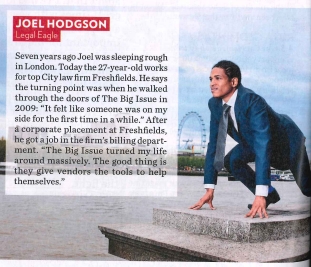
significance of this section in the ‘moving on’ double spread for former homeless people? 2 points
smart appearance + running pose implies success and positivity
entices readers to support the magazine more
why might someone take an alternative reading of the big issue?
because they disagree with the magazine’s socialist politics
significance of semiotics in the big issue?
sections about homelessness might be used for identity construction or entertainment, based on the individual
give an example of how cultural contexts might influence readings of the big issue.
grayson perry’s article might be read differently by those with more conservative views on crossdressers
why might some people critique the big issue?
they take money away from publishers outside of the commercial mainstream
example of an article that conveys the magazine’s ideology? how so? 2 points
‘moving on’ feature
its aspirational representation of the homeless reflects a liberal, optimistic ideology