2.3.2 Working with suppliers
 Call Kai
 Learn
Learn Practice Test
 Spaced Repetition
 Match
Match Flashcards
 Knowt Play
1/10

There's no tags or description
Looks like no tags are added yet.
Name | Mastery | Learn | Test | Matching | Spaced | Call with Kai |
|---|
No analytics yet
Send a link to your students to track their progress
11 Terms
stock
raw materials
work-in-progress
finished goods
advantages of holding stock in a warehouse
firm has products available if there’s an uplift in demand
if supplier problems → still carry on production as raw materials in warehouse
can stockpile raw materials at cheap price e.g. bulk buy
warehouse provides ‘just-in-case storage if there are problems with transport/retailer
disadvantages of stock warehouse
danger of wasted, unused products which increases costs → greater negative environmental impacts
fixed costs → pay for rent of warehouse
may be limited space (so makes it difficult to store lots of products)
perishable products (may go out of date if stored too long)
fashion products e.g. clothes may go out of fashion before they can be sold
if there’s an external shock e.g. COVID → left with expensive stock they can’t sell
cash tied up in stock = poor cash flow management
transport costs high (to get to and from warehouse)
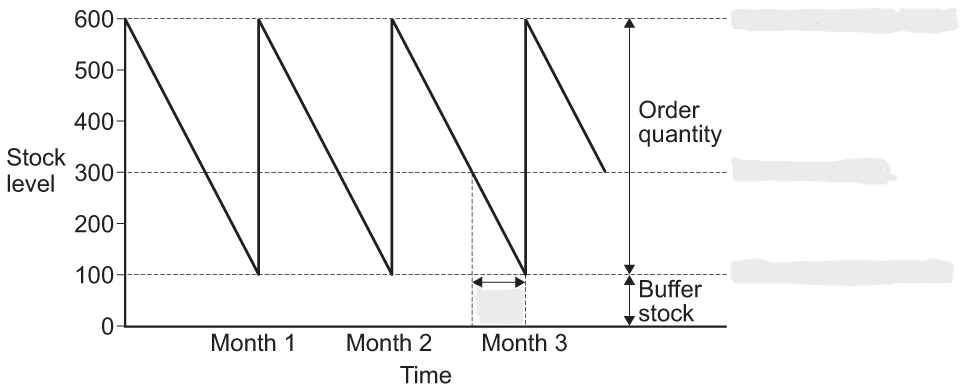
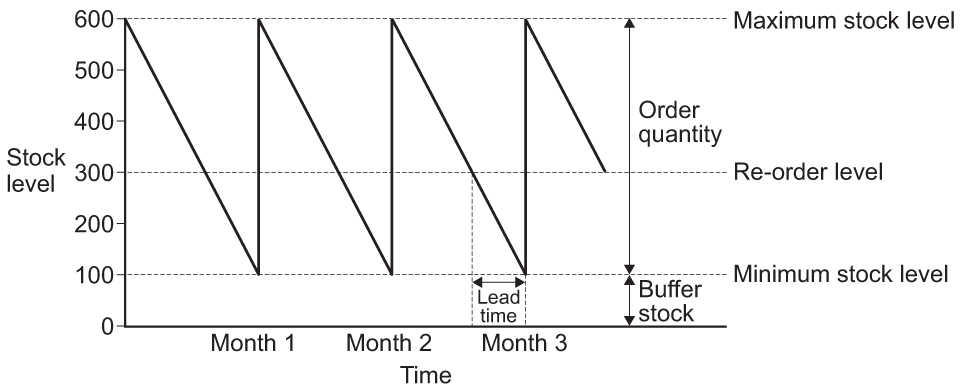
just-in-time
a business doesn’t keep parts of stock in a warehouse
instead they order the parts and get them delivered same day from the supplier
advantages of just-in-time
no time wasted → efficiency increases=costs lowered (higher profit)
no wasted products id demand falls = very lean efficient way of operating
no products that are out of date/out of style → helps make cash flow management effective
cost effective → no rent/security on a warehouse
disadvantages of just-in-time
external shock e.g. COVID means suppliers will not be able to deliver on time
relies on technology → any tech issue with order/transport will stop delivery
if there’s an uplift in demand = no products available to meet demand
not good for environment → lots of deliveries
damaged parts/raw materials will hold production
unable to take advantage of economies of scale =can’t buy in bulk
procurement
the process by which businesses buy raw materials, component, products, services, and other resources from suppliers to produce their own products / services
logistics
the overall process of managing how resources are acquired, stored and transported to their final destination
basically how to get products from A to B and to the customer
poor logistical decisions
increased costs = increased time → products go out of date
late delivery / waiting too long = damage to reputation → customers go to competitors = reduced market share
refuned increases costs
Explain a disadvantage of poor logistical decisions (3)
higher costs
time it takes for the product/service to arrive to the customer has increased
products can go out of date / customer may request compensation for delayed delivery → increases costs = decreases profit