AP Psychology -
 Call Kai
 Learn
Learn Practice Test
 Spaced Repetition
 Match
Match Flashcards
 Knowt Play
1/37

There's no tags or description
Looks like no tags are added yet.
Name | Mastery | Learn | Test | Matching | Spaced | Call with Kai |
|---|
No analytics yet
Send a link to your students to track their progress
38 Terms
(Unit 5A PowerPoint #1 - Stress) Stress and Health
What is STRESS?
Stress is the process by which we perceive & respond to certain events (called stressors), that we appraise as threatening or challenging
stress is not a state of being but a process → has a start/end (can only be sympathetically driven for so long before the parasympathetic NS calms you down)
(Unit 5A PowerPoint #1 - Stress) Stress & Health
What is HEALTH PSYCHOLOGY?
studies the impact of psychological, behavioral & cultural factors on health & wellness → interactions b/w thoughts, behaviors, and cultural factors
Health psychology involves the contribution of psychology to behavioral medicine
(Unit 5A PowerPoint #1 - Stress) Stress & Health
What is PSYCHONEUROIMMUNOLOGY?
branch of health psych
more stressed/pessimistic → more likely to get sick (compromises immune system)
if you’re stressed and sitting next to someone w/ flu → more likely to contract
(Unit 5A PowerPoint #1 - Stress) Stress & Health
What is stress linked to?
Stress is linked with mood (harder to be in a good mood when you’re stressed)
Stress is linked with depression
(Unit 5A PowerPoint #1 - Stress) Stress & Health
What is BEHAVIORAL MEDICINE?
Behavioral medicine integrates what we know of human behavior and medicine to better understand health and disease
(Unit 5A PowerPoint #1 - Stress) Stress Response
Explain CANNON’S FIGHT-OR-FLIGHT RESPONSE.
SYMPATHETIC NS: heart rate increases, increased breathing, etc.
stress activates SNS
Hypothalamus and pituitary control cortisol released from adrenal cortex (adrenaline/epinephrine = stress hormones)
(Unit 5A PowerPoint #1 - Stress) Stress Response
Explain gender and stress.
men/women don’t cope w/ stress the same
Men → WITHDRAWAL (less healthy)
Ex> go to room, close your door after failing test
Women → “TEND AND BEFRIEND” (Shelley Taylor)
Ex> vent w/ parents after failing test
(Unit 5A PowerPoint #1 - Stress) Selye’s General Adaptation Syndrome
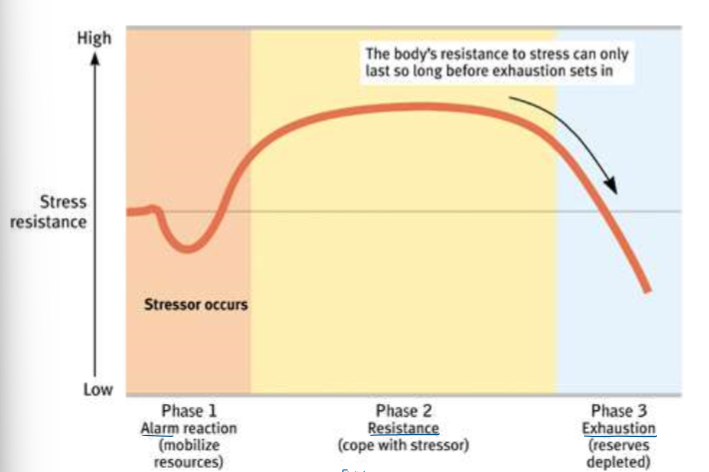
What is SELYE’S GENERAL ADAPTATION SYNDROME (GAS)?
How do you adapt/deal w/ stress?
Phase 1: Alarm Reaction (mobilize resources)
freaking out
adrenaline/cortisol released
SNS is active to prepare for fight or flight response
Ex> see bear chasing you; panicking when you hear the new of the pop quic
Phase 2: Resistance (cope with stressor)
Fight
actively cope/deal w/ the stress
Ex> run from bear; study a lot / look through notes
Phase 3: Exhaustion (reserves depleted)
Literally exhausted
HR/BP ↓, respiratory rate ↓
parasympathetic NS brings back to homeostasis
Ex> too tired to run more; HR can’t beat as fast, falling asleep while studying → test is DONE
(Unit 5A PowerPoint #1 - Stress) Sources of Stress (Stressors)
Explain the sources.
Catastrophes (→ PTSD = Post Traumatic Stress Disorder?)
Ex> mass shooting @ Chick-Fil-A, child survived but w/ trauma
war, seeing loved ones die
Change
Holmes and Rahe and the SRRS
Observations?
getting married, college, new baby, new job (stressors can be + / -)
Pressure: need to “step it up”
parents, living up to expectations
friends, coaches, yourself
Frustration: being prevented from reaching goal
keep trying (practicing, study) but can’t get the result you want
Conflict: simultaneous existence of incompatible demands/goals (Lewin)
3 conflicts that led to stress…
Approach-approach → good/positive
Approach-avoidance → negative
Avoidance-avoidance
(Unit 5A PowerPoint #1 - Stress) Conflict Examples
What is APPROACH-APPROACH?
picking b/w 2 +/good/exciting options → win-win
Ex>
Annabel really wants to go to Cancun for vacation, but she also wants to go to Denver on vacation!
Annabel was accepted to both Ramapo and Rutgers! Where should she go?!
(Unit 5A PowerPoint #1 - Stress) Conflict Examples
What is APPROACH-AVOIDANCE?
making a certain situation w/ pros/cons → win-lose
Ex> Michelangelo received a job offer in Dallas. If he accepts the job, he will have to move far away from family and friends, but will make more money. What should he do?
(Unit 5A PowerPoint #1 - Stress) Conflict Examples
What is AVOIDANCE-AVOIDANCE?
picking the lesser of 2 evils → lose-lose
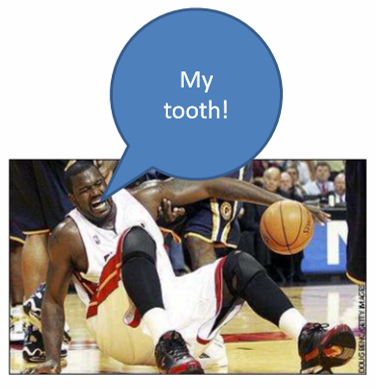
Ex> Shaq has a tooth ache. Shaq also hates the dentist. He must decide between the “lesser of two evils”
(Unit 5A PowerPoint #1 - Stress) Stress and Health
Explain “Type A” vs. “Type B” (Friedman and Rosenman).
Type A: reactive, competitive, impatient, motivated, aggressive and easily angered — susceptible to Chronic Heart Disease (CHD) → likes to be in control (internal locus of control)
Type B: easy going, mellow — much less susceptible to CHD
(Unit 5A PowerPoint #1 - Stress) Stress and Health
What is the correlation between PESSIMISM and DEPRESSION?
Pessimism (seeing the glass half empty instead of half full) makes you twice as likely to develop CHD!
Depression also increases CHD risk
(Unit 5A PowerPoint #1 - Stress) Stress and Health
What is PSYCHONEUROIMMUNOLOGY (PNI)?
Studies relationship between nervous, endocrine and immune systems
Correlations:
Stress and AIDS
Stress and cancer
(Unit 5A PowerPoint #1 - Stress) Anger Management
What is CATHARSIS?
emotional release → letting out emotions diminishes stress
Ex> screaming @ parents
(Unit 5B - Part 1 - Psychological Disorders) What is Abnormality?
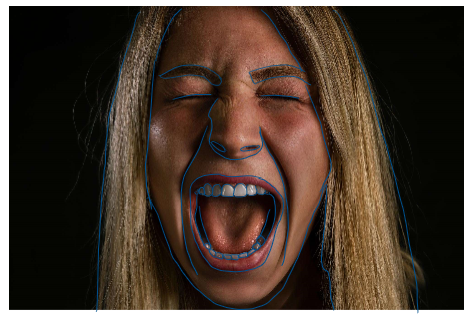
What are the 4 categories that define abnormality?
Atypical (Derivation from Average): → not average/typical
Problem is that not all rare behaviors (e.g.) genius are abnormal
Socially unacceptable (Deviation from Ideal): → do people in society look favorably on this
Problem is that norms change over time and people do not agree on “ideal behavior”
Distressing to others (Subjective Discomfort):
Problem is that people may not be feeling stress about their bizarre behaviors
Dysfunction → difficulty functioning in daily life
Problem is that this definition does not consider personal choice
(Unit 5B - Part 1 - Psychological Disorders) What is Abnormality?
What are the 4 categories that define abnormality?
EXAMPLE
Johnny is 7 and his mom is troubled by his behavior. She takes him to a clinical psychologist!
ATYPICAL: Johnny comes home and traps/tortures squirrels in his backyard.
SOCIALLY UNACCEPTABLE: Torturing squirrels is not socially acceptable.
DISTRESSING: Johnny, mom, neighbors
DYSFUNCTION: Johnny daydreams in school about squirrels, won’t do HW, no friends
(Unit 5B - Part 1 - Psychological Disorders) Mental Illness and the Law
What is INSANITY?
Legal term for mentally disturbed people who are not considered responsible for their criminal actions → client doesn’t know difference b/w right/wrong so can’t be tried b/c wasn’t in sane state (if you please insanity successfully → mental hospital)
becoming hard to do so w/ tests today to see if you’re faking it
only used in court room
(Unit 5B - Part 1 - Psychological Disorders) Mental Illness and the Law
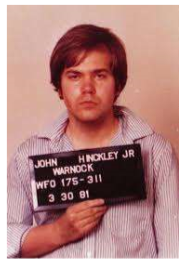
What is COMPETENCY?
Is the individual fit to stand trial?
(Unit 5B - Part 1 - Psychological Disorders) Historical Views of Psychological Disorders
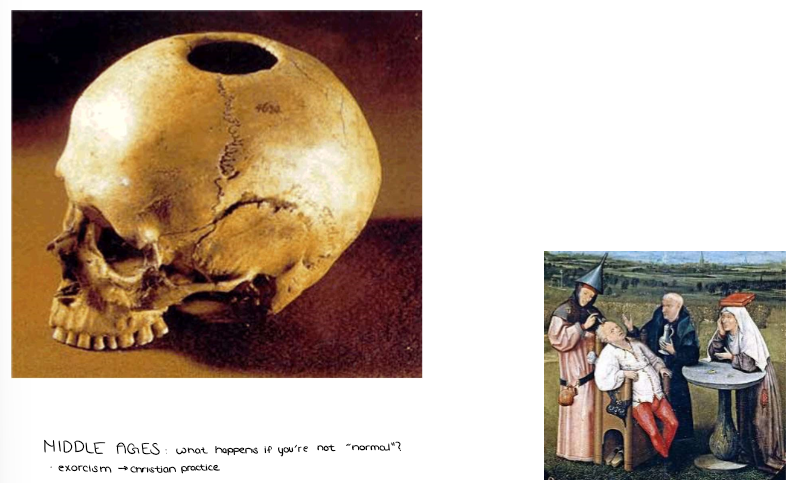
Explain the history of the MIDDLE AGES. What happens if you’re not “normal”?
exorcism → Christian practice
trepanning → hole in brain for fresh air
(Unit 5B - Part 1 - Psychological Disorders) Historical Views of Psychological Disorders
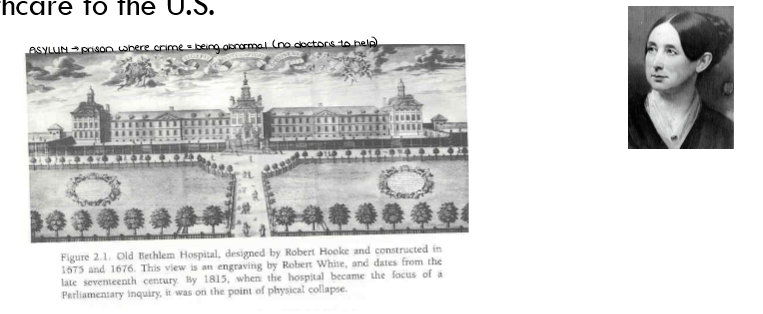
Enlightenment and the Triumph of Human Rights: ALL PEOPLE HAVE RIGHTS!
Who is PHILIPPE PINEL?
Used more humane approaches to treating patients in France.
(Unit 5B - Part 1 - Psychological Disorders) Historical Views of Psychological Disorders
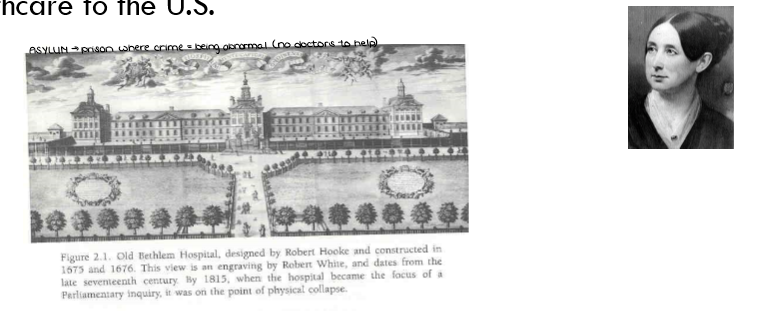
Enlightenment and the Triumph of Human Rights: ALL PEOPLE HAVE RIGHTS!
Who is DOROTHEA DIX?
Brought these humane ideas about mental healthcare to the U.S.
(Unit 5B - Part 1 - Psychological Disorders) Classifying Psychological Disorders
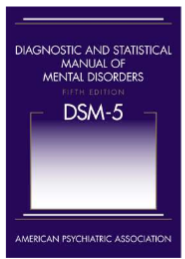
What is the DSM?
Describes more than 300 specific mental disorders and is used by most professionals → constantly updated (disorders added/taken out)
DSM: First edition published in 1952
DSM-II: Revised in 1968 to reflect changing culture
DSM-III: Revised in 1977 to describe mental disorders in greater detail → homosexuality was a disorder until this version
DSM-III-R: clarified and updated DSM-III
DSM-IV: Published in 1994 with revisions
DSM-IV-TR: Released in 2000, text revision
DSM-5: Released 2013 — current version
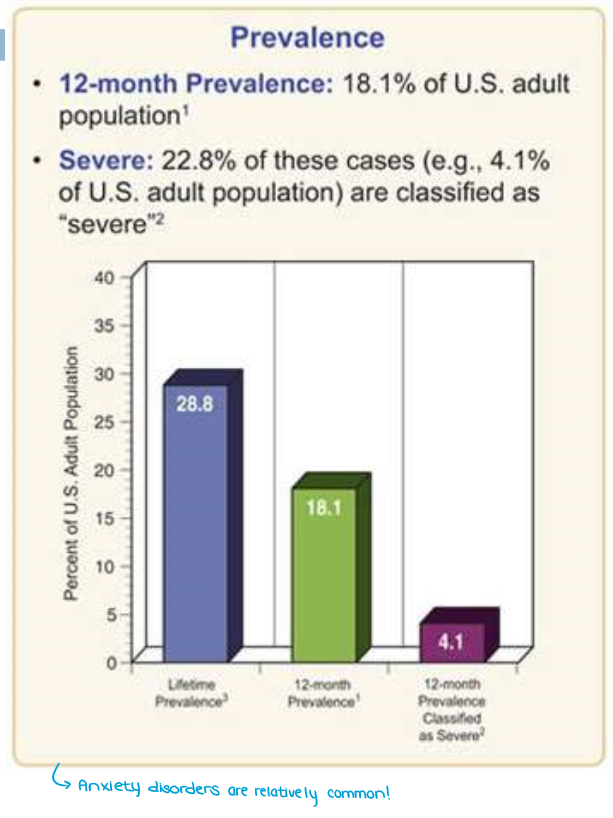
(Unit 5B - Part 1 - Psychological Disorders) Prevalence of Psychological Disorders
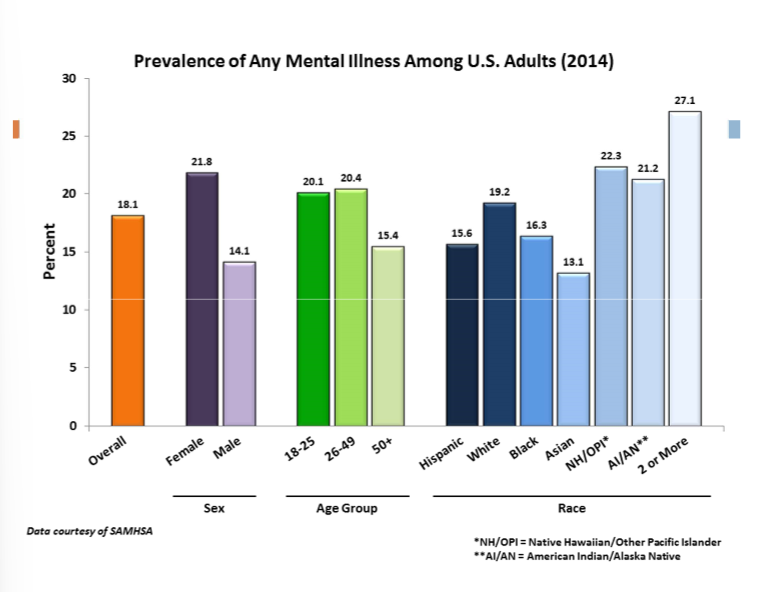
What are the most common family of disorders?
Anxiety Disorders
Mood Disorders
(Unit 5B - Part 1 - Psychological Disorders) A thought experiment…
There are two humans. Each comes across a tiger in the wild. One human sees the danger posed by the tiger as a possibility. One human sees the danger posed by the tiger as a reality/definite. Which human is more likely to survive?
definite → more likely to spring into action by activation of SNS (causes you to feel a sense of urgency w/ definite outcome b/w of adrenaline)
(Unit 5B - Part 1 - Psychological Disorders) Adrenaline
Explain the effects of ADRENALINE.
Causes possibilities about the future to feel real
A little adrenaline is good!
Adrenaline → I’m going to fail the math test on Friday. (so… you start studying)
No adrenaline → It’s possible I could fail the math test. It’s also possible I could get a 100% or any other grade.
(Unit 5B - Part 1 - Psychological Disorders) Anxiety Disorders
What is ANXIETY?
A group of disorders characterized by excessive fear and anxiety and related maladaptive behaviors (behavior that is not healthy for you or society).
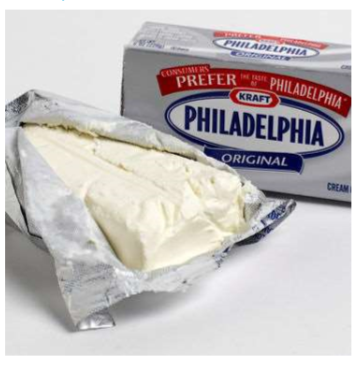
(Unit 5B - Part 1 - Psychological Disorders) Anxiety Disorders: Panic Disorder
What is PANIC DISORDER?
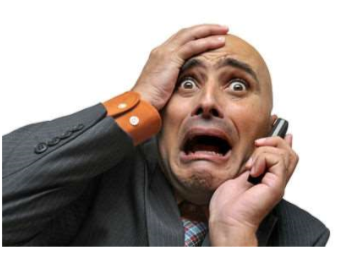
Recurrent panic attacks in which the person experiences intense terror without cause
peoples’ behaviors don’t always correspond with thoughts
Person if often left with fear of having another panic attack
Can lead (comorbid) to agoraphobia
(Unit 5B - Part 1 - Psychological Disorders) Anxiety Disorders: Panic Disorder
What does it mean for 2 disorders to be COMORBID?
if you’re diagnosed w/ one disorder, there’s an increased likelihood to be diagnosed with another disorder
(Unit 5B - Part 1 - Psychological Disorders) Anxiety Disorders: Panic Disorder / Anxiety Disorders: Phobic Disorders
What is AGORAPHOBIA?
Intense fear of crowds and public places or other situations that require separation from source of security, such as the home (worried about having panic attacks in public where everyone can see)
can be in social settings w/o being in public (your home)
(Unit 5B - Part 1 - Psychological Disorders) Anxiety Disorders: Causes
What are the causes?
Conditioning: whenever you became anxious, your parents positively reinforced the behavior by babying you, so you learned to respond a certain way → BEHAVIORAL
Feelings of not being in control can lead to anxiety → COGNITIVE
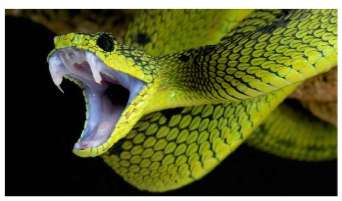
Preparedness: evolved to be afraid of danger b/c it’s evolutionarily beneficial (easier to develop certain phobias b/c it’s beneficial to be afraid of snakes, roller coasters, etc.) → EVOLUTIONARY
Displacement or repression of unacceptable thoughts
we have defense mechanisms → PSYCHOANALYTIC
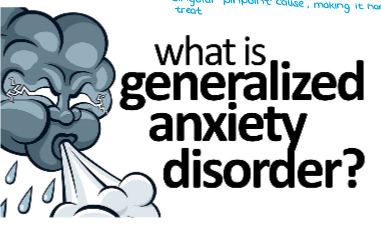
(Unit 5B - Part 1 - Psychological Disorders) Anxiety Disorders: Generalized Anxiety Disorder (GAD)
What is GAD?
Prolonged vague but intense fears not attached to any particular object or circumstance
Often results from Free-Floating Anxiety
Difficult to treat!
(Unit 5B - Part 1 - Psychological Disorders) Anxiety Disorders: Generalized Anxiety Disorder (GAD)
What is FREE-FLOATING ANXIETY?
there is not one, singular pinpoint/concrete cause, making it harder to treat
(Unit 5B - Part 1 - Psychological Disorders) Anxiety Disorders: Phobic Disorders
What are PHOBIC DISORDERS?
Intense fear of specific situations or objects
irrational fears (ex. your house has been robbed 5x so you fear burglary → not irrational b/c it’s based on facts that your town is unsafe)
Specific Phobias
(Unit 5B - Part 1 - Psychological Disorders) Anxiety Disorders: Phobic Disorders
What is SOCIAL ANXIETY DISORDER?
Excessive fear of social situations

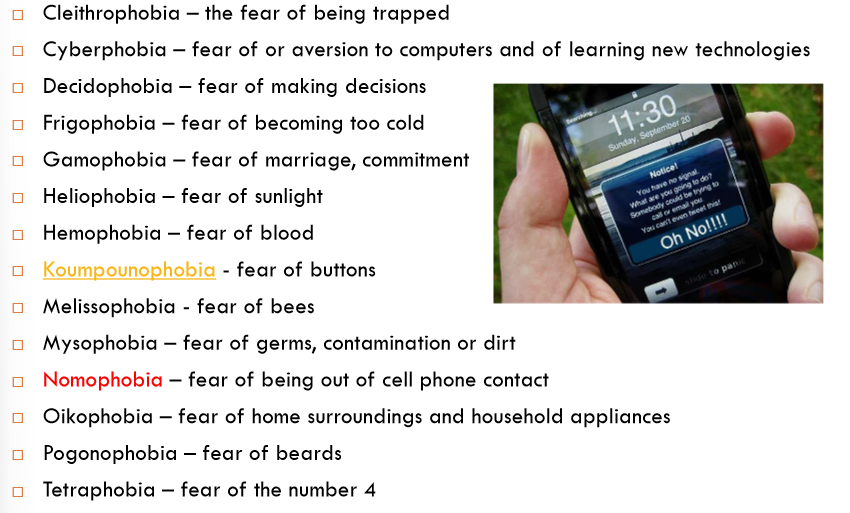
(Unit 5B - Part 1 - Psychological Disorders) So Many Phobias…
Some are culture-specific or use EXPOSURE THERAPY (which needs consent). Here are some of the phobias…
(Unit 5B - Part 1 - Psychological Disorders) Anxiety Disorders: Obsessive Compulsive Disorder (OCD)
What is OCD?
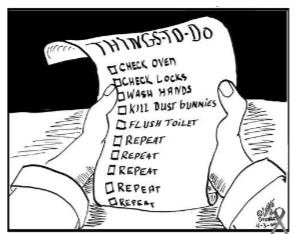
Driven to disturbing thoughts (obsessions → unwanted repetitive thoughts) and/or performing senseless rituals (compulsions → repetitive behavior driven by obsession)
Ex> germs → only first bumping (no handshaking)
Individual recognize behavior is excessive but cannot stop without experiencing anxiety.