Life, Evolution, and the Scientific Method
0.0(0)
Studied by 1 person Call Kai
 Learn
Learn Practice Test
 Spaced Repetition
 Match
Match Flashcards
 Knowt Play
Card Sorting
1/22

Earn XP
Description and Tags
Last updated 2:31 AM on 2/6/23
Name | Mastery | Learn | Test | Matching | Spaced | Call with Kai |
|---|
No analytics yet
Send a link to your students to track their progress
23 Terms
1
New cards
Evolution
The process of change that has transformed life on Earth. Results in the adaptation of organisms to its environment.
2
New cards
What are the characteristics of a living organism? (5 things)
1. Made of membrane bound cells
2. Able to process information (hereditary and environmental)
3. Able to acquire and use energy
4. Capable of replication (reproduction)
5. Continually evolving
3
New cards
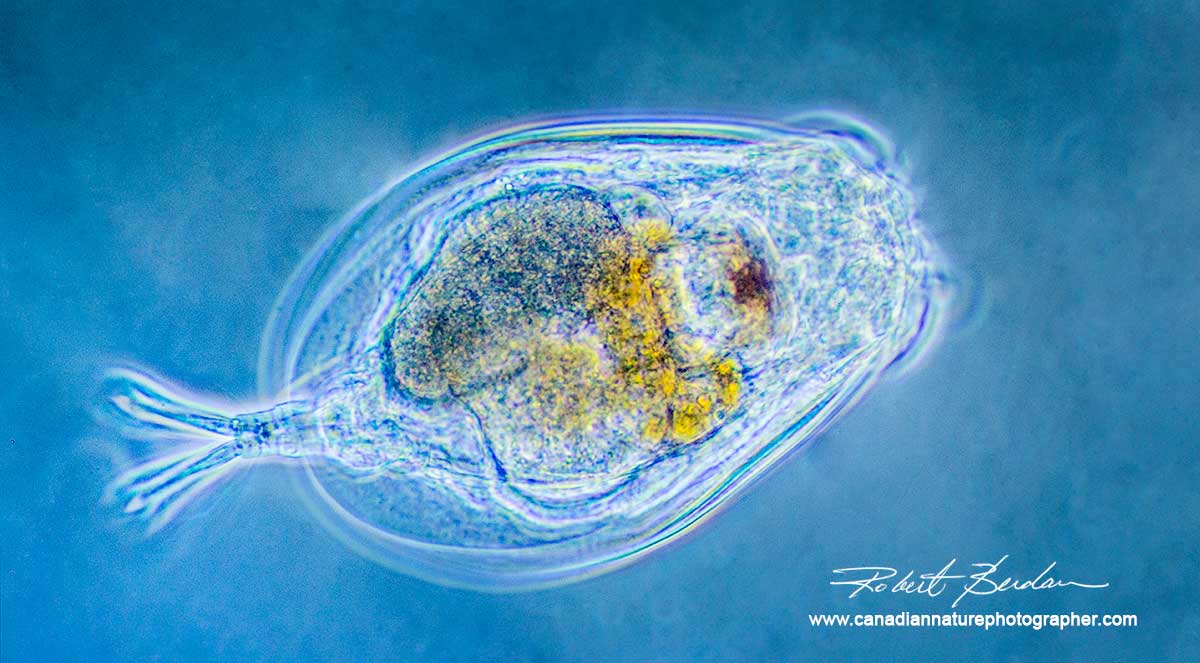
Does this image show a living organism or a non-living entity?
Living organism--note the body features.
4
New cards
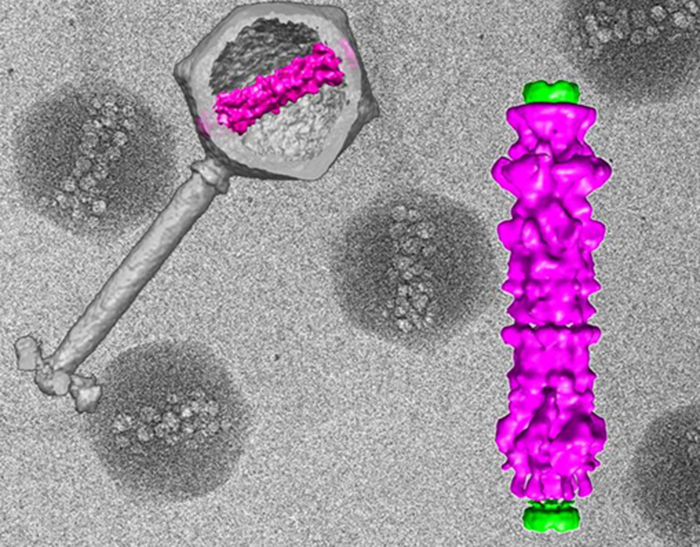
Does this image show a living organism or a non-living entity?
Non-living entity--this is a virus!
5
New cards
What is a cell?
The smallest unit that can perform all of the required activities for life.
6
New cards
What is adaptation?
The process by which members of a population become better suited to some feature of their environment through change in a characteristic that affects their survival or reproduction.
7
New cards
What is biological fitness?
An organism’s ability to pass its genetic material to its offspring (reproductive success). Reflects how well an organism is adapted to its environment.
8
New cards
Natural Selection
Traits that are beneficial to the current environment and are “selected” within a natural population; those with the trait are able to survive and reproduce and those without it are not.
9
New cards
Artificial Selection
When humans select desirable traits within a domestic population (ex: GMOs).
10
New cards
In natural selection, do new traits appear before or after there is a selection from the environment?
Before; the environment does not create a new trait.
11
New cards
Speciation
A divergence process in which natural selection has caused populations of one species to diverge to form new species.
12
New cards
What is the difference between discovery science and hypothesis driven science?
Discovery science focuses on discovering nature whereas hypothesis driven science focuses on explaining nature.
13
New cards
Hypothesis
A proposed explanation for an observation. Four types: primary hypothesis, secondary hypothesis, alternative hypothesis, null hypothesis.
14
New cards
Prediction
What can be measured and what must be correct if a hypothesis is valid.
15
New cards
Theory
A well-established explanation for observations or a general class of phenomena that have been constructed using the scientific method and is supported by a wide body of evidence.
16
New cards
What is a test group?
The group(s) in the experiment in which the variable is being tested (receives the new treatment).
17
New cards
What is a control group?
The group in the experiment in which the variable is not being tested (does not receive the new treatment).
18
New cards
Independent Variable
A variable that stands alone and isn’t changed by the other variables being measured.
19
New cards
Dependent Variable
The thing that is being measured in an experiment. This happens as a result of an independent variable.
20
New cards
Control Variable
Any variable that’s held constant in a research study.
21
New cards
Qualitative Data
Descriptions of observations.
22
New cards
Quantitative Data
Recorded measurements that are sometimes organized onto tables or graphs.
23
New cards
Are viruses alive?
No, they are not made of cells; instead, they take over cells, which then multiply and hurt the person internally. They cannot be killed, just inactivated.