organelles, cell membrane and membrane transport
 Call Kai
 Learn
Learn Practice Test
 Spaced Repetition
 Match
Match Flashcards
 Knowt Play
1/44

There's no tags or description
Looks like no tags are added yet.
Name | Mastery | Learn | Test | Matching | Spaced | Call with Kai |
|---|
No analytics yet
Send a link to your students to track their progress
45 Terms
simple diffusion
movement of molecules from an area of high concentration to an area where they are less concentrated. until equilibrium is reached.
directly through the membrane.
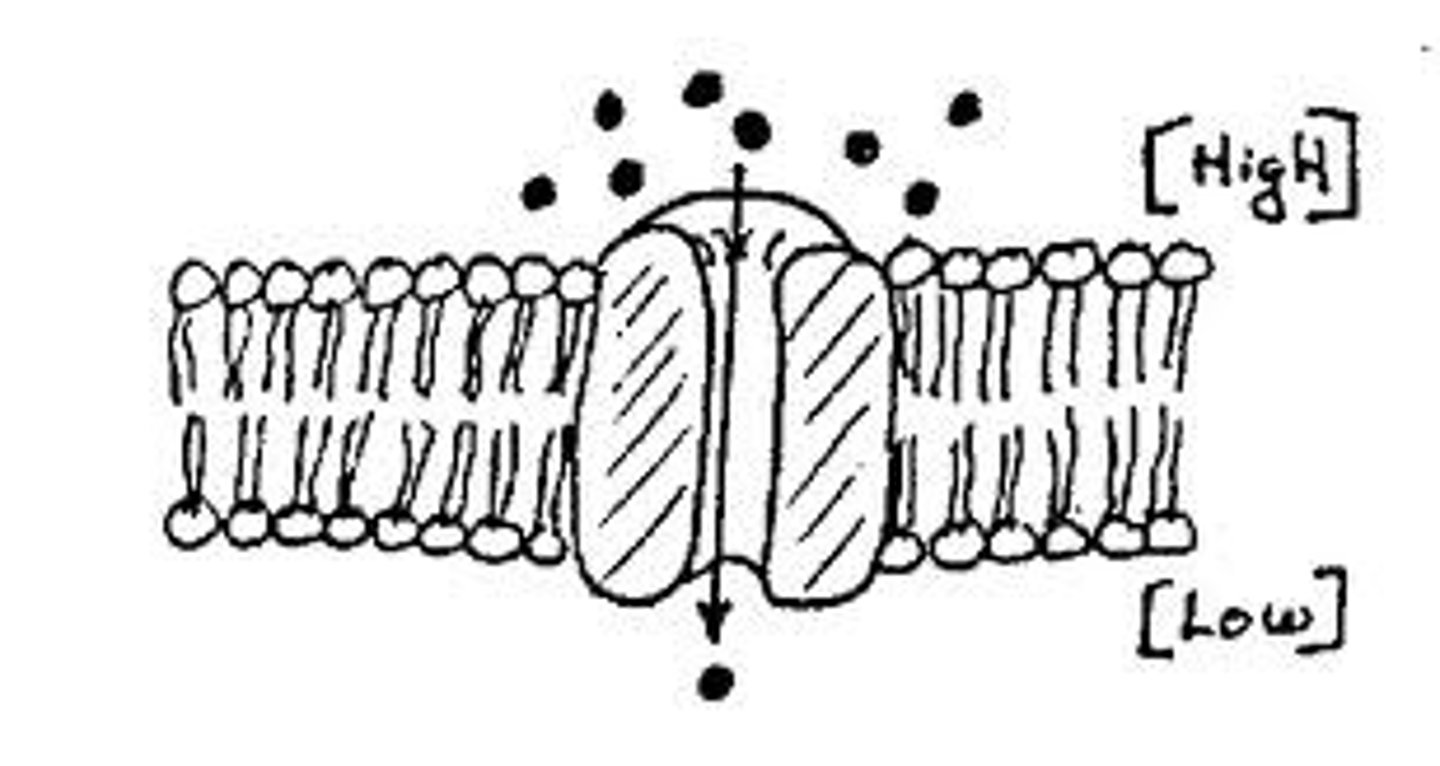
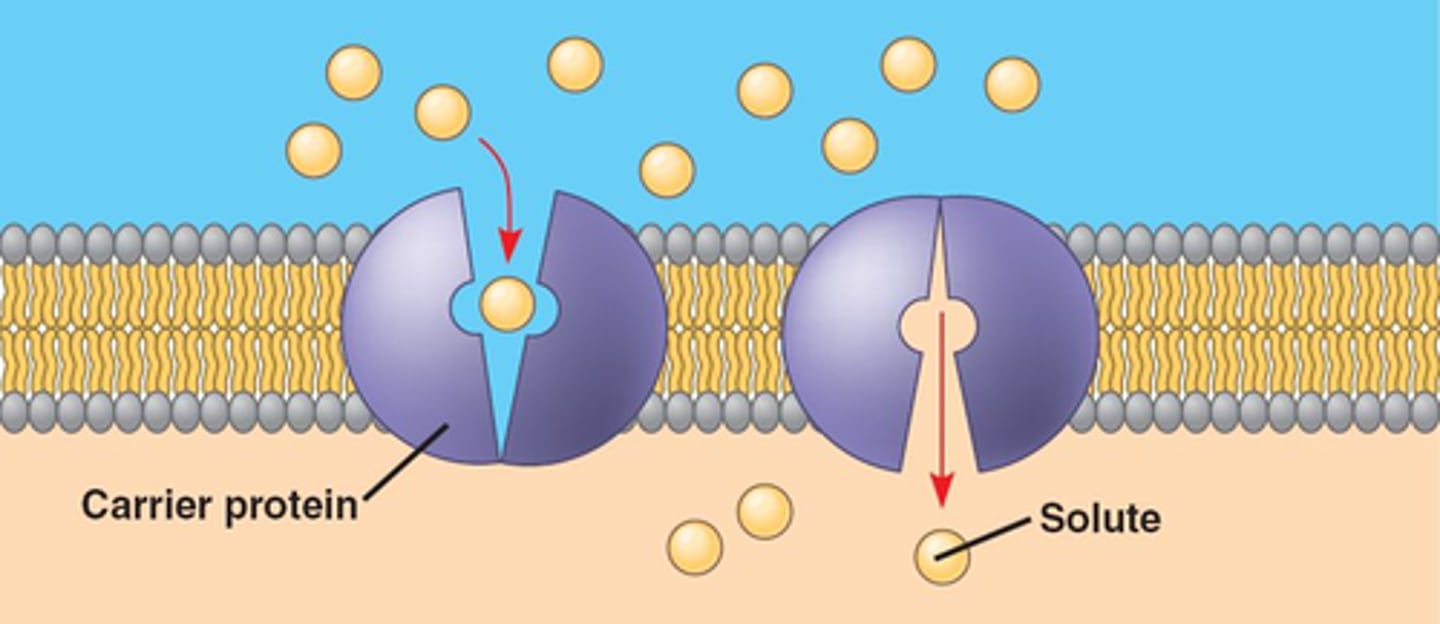
facilitated diffusion
The passive movement of molecules across membranes down their concentration gradient.
By Channel proteins and Carriers protein
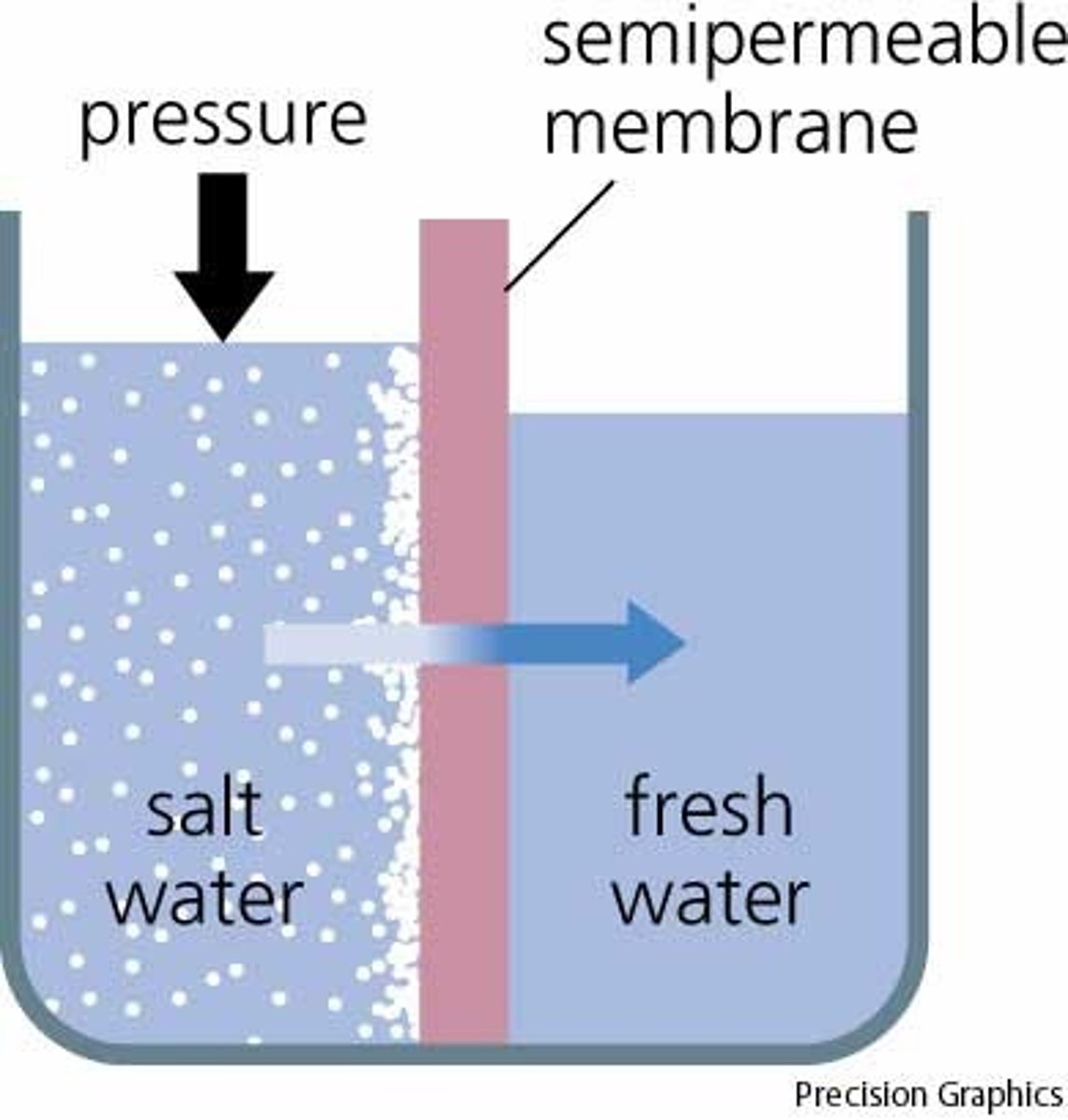
osmosis
The movement of water molecules across a selectively permeable membrane from an area of Higher water concentration to an area of lower water concentration.
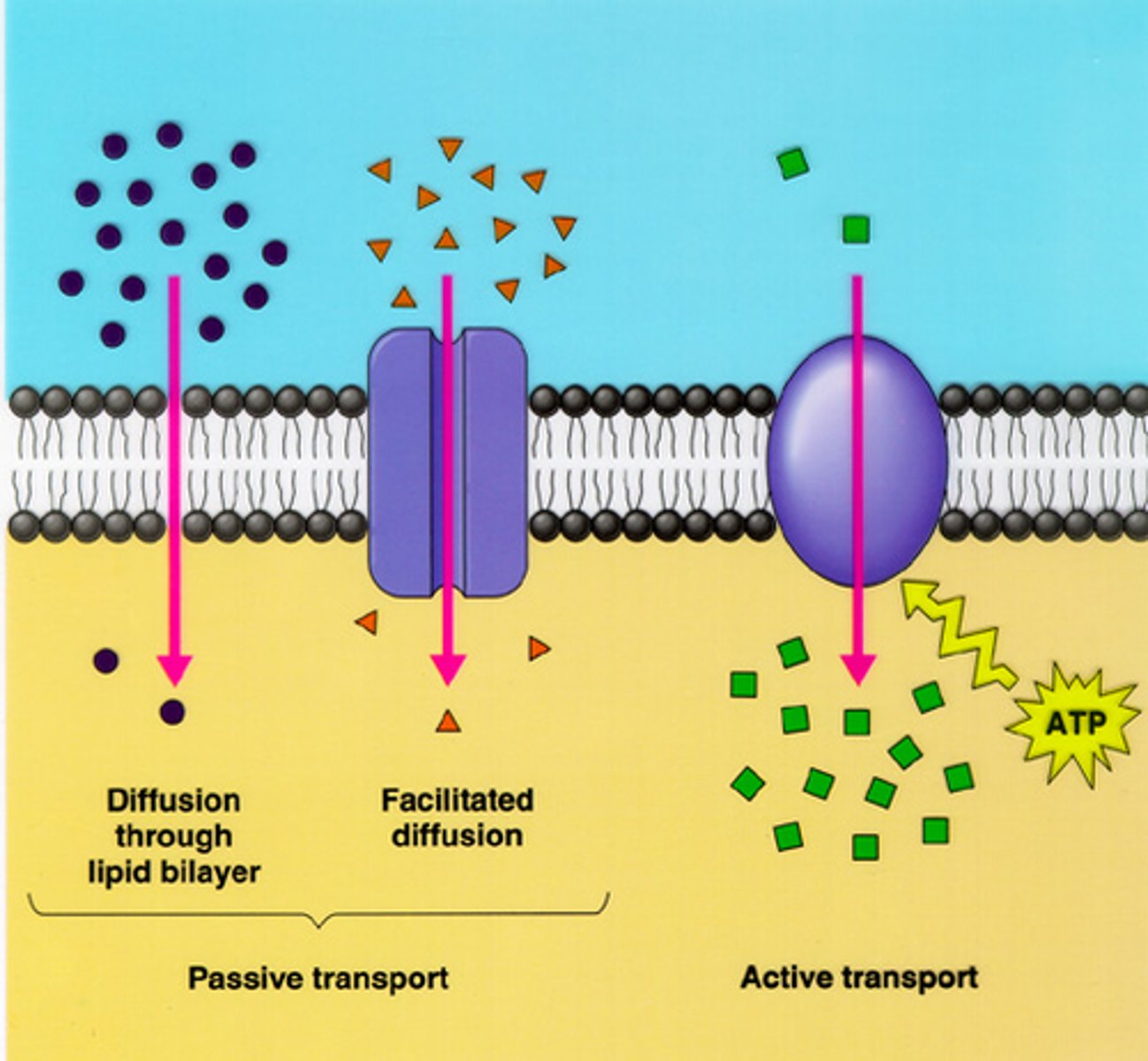
active transport
Movement of substances across membranes against their concentration gradient, requiring the use of energy in the form of ATP. Active transport usually involves the use of transport proteins
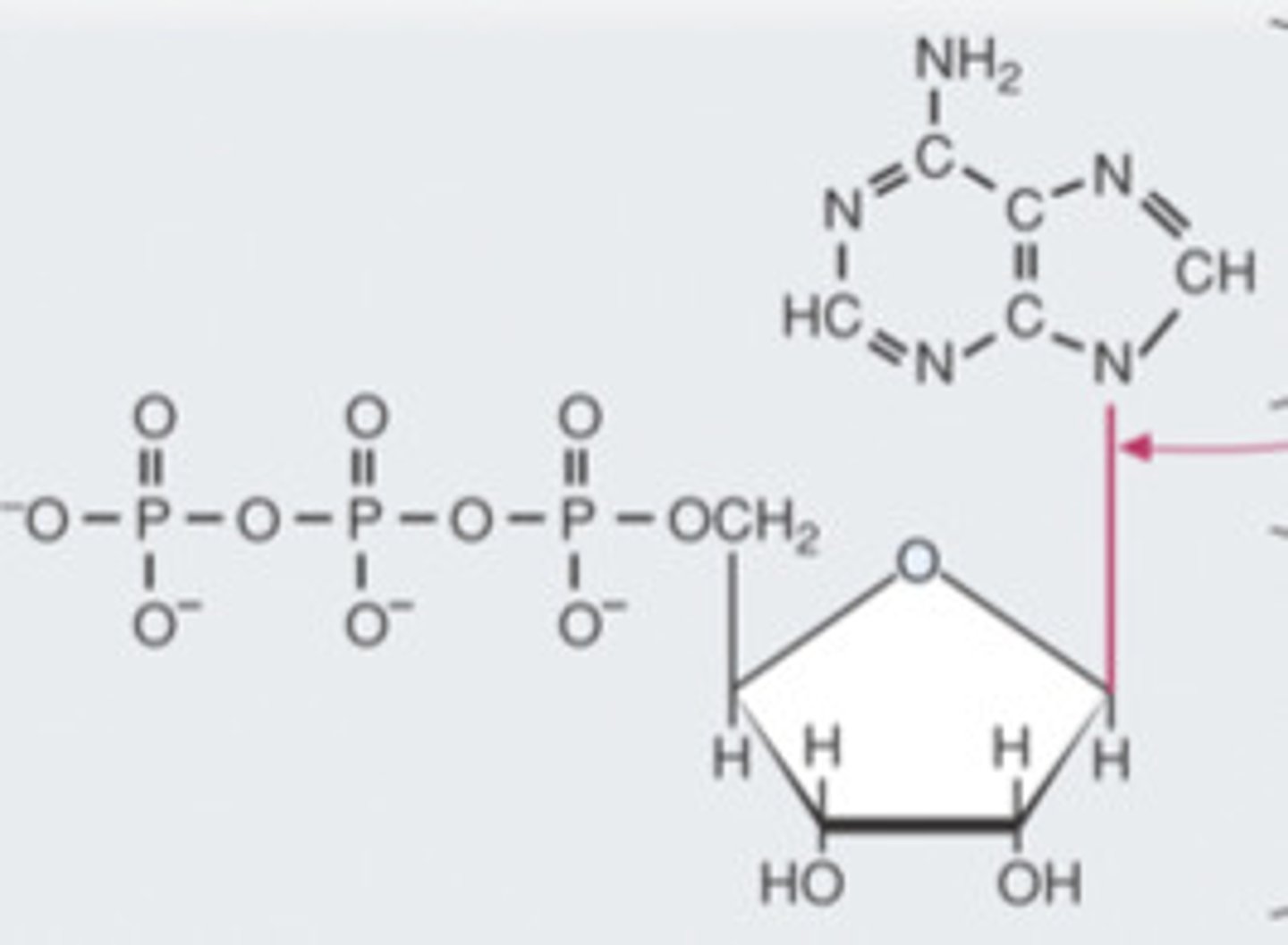
ATP
Adenosine triphosphate - a molecule used to store energy temporarily in organisms. The molecule is broken down to adenosine diphosphate + phosphate to release energy to drive metabolic processes.
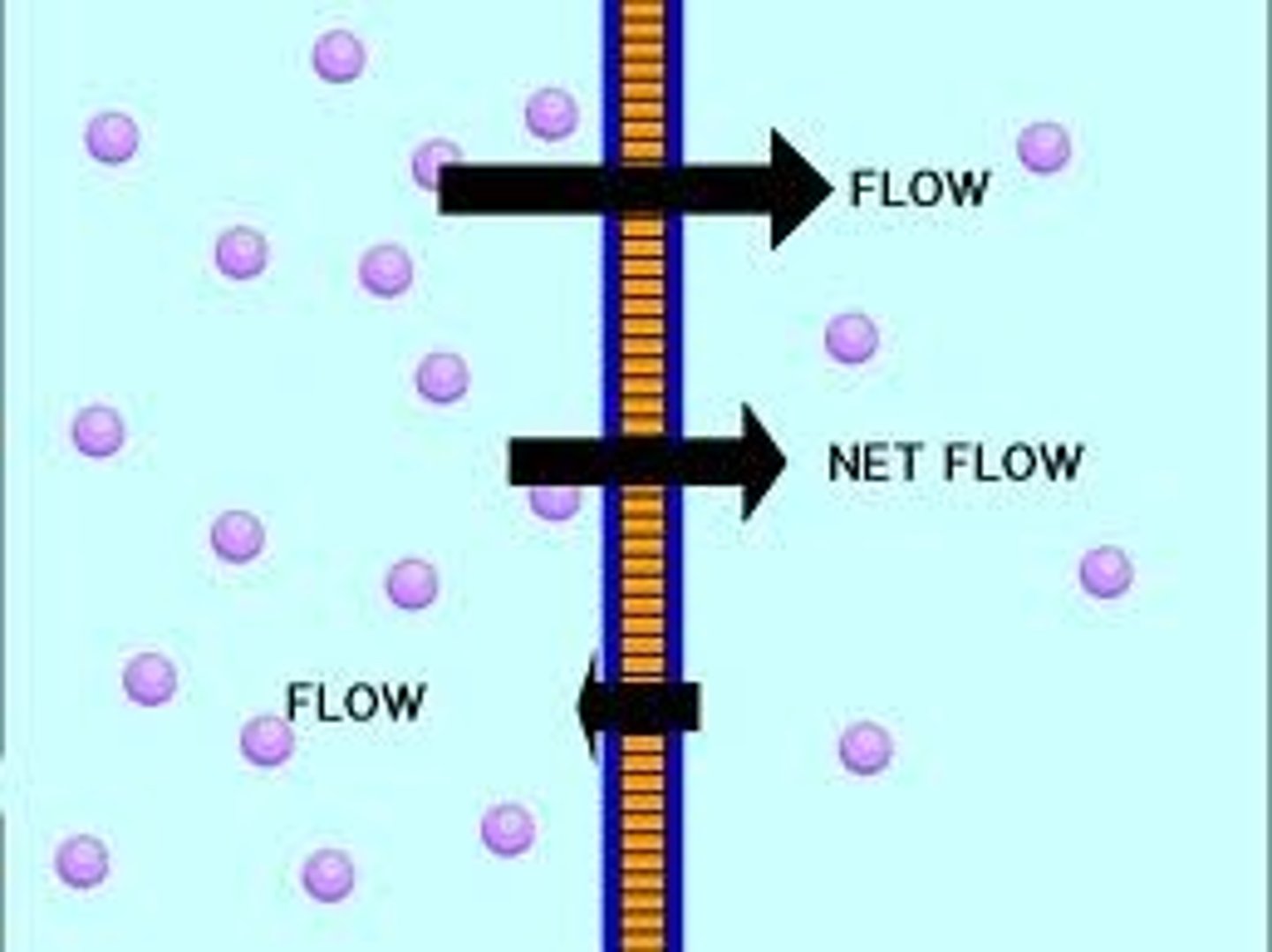
concentration gradient
The gradient in molecular concentration (the difference in concentrations) that allows diffusion to occur
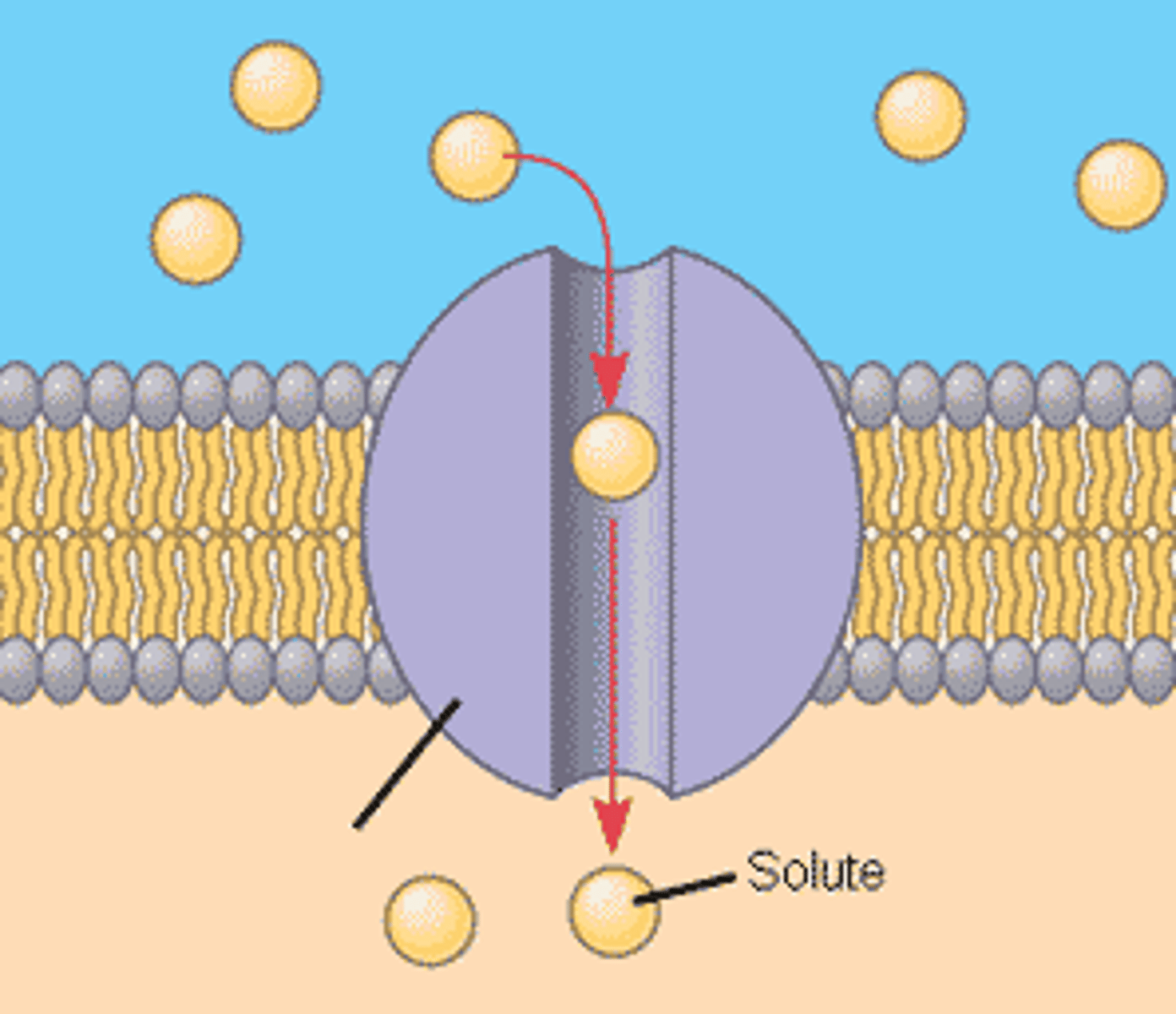
channel proteins
Passageways a protein pore that spans a membrane, May have an open or closed gate. Used for water soluble molecules.
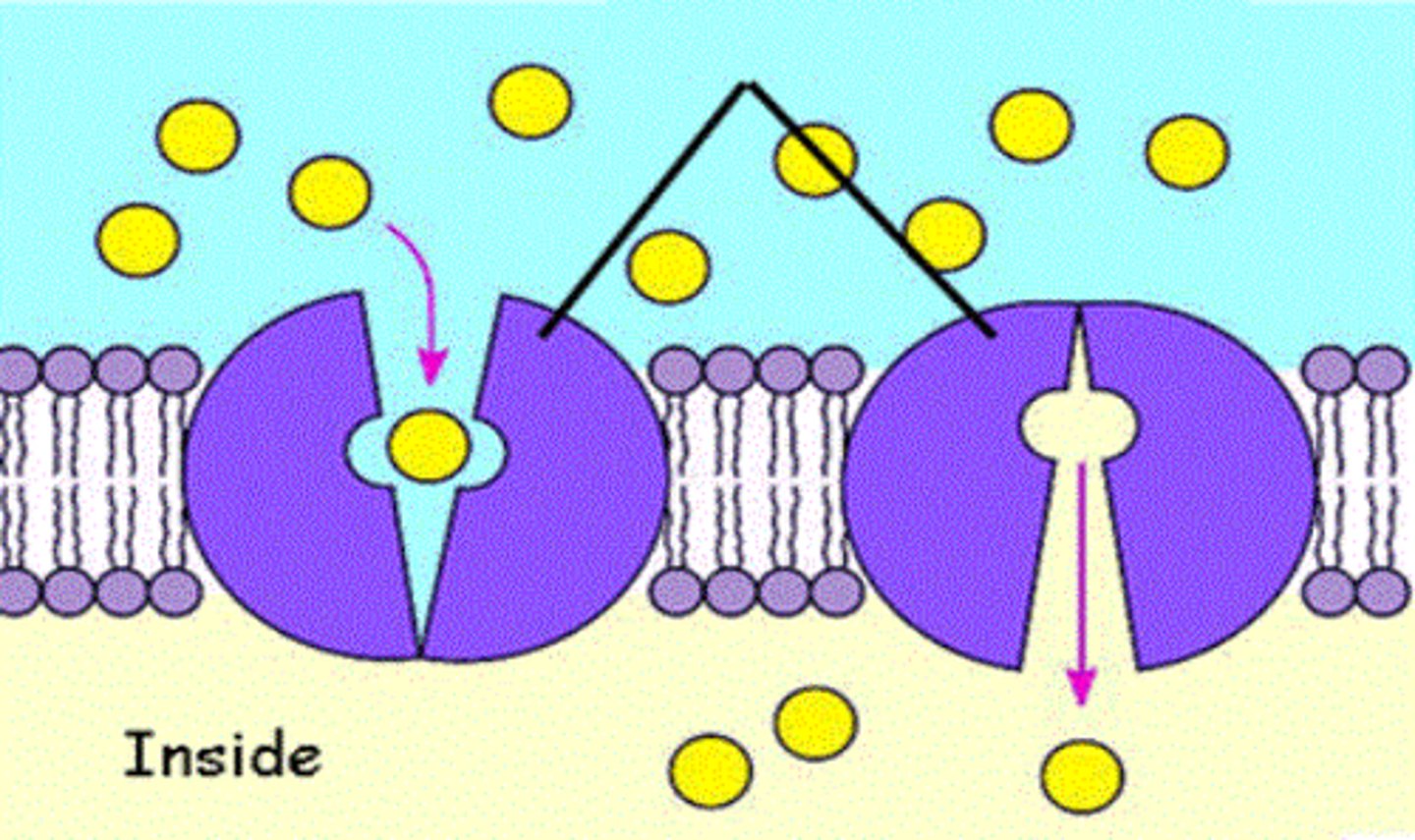
carrier protein
Molecules move down their concentration gradient (kinetic movement) through a transport protein e.g. Glucose or Amino acids (water soluble molecules)
endocytosis
The process of taking materials into a cell (form a vesicle inside the cell.) This is an active process requiring ATP . Can be Pinocytosis or Phagocytosis.
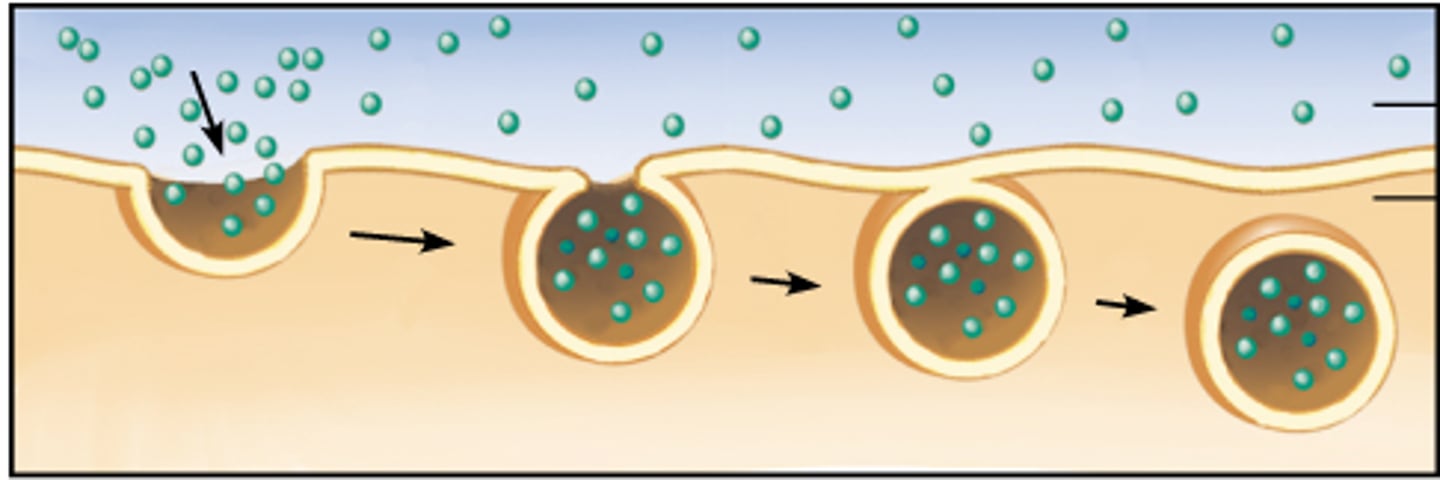
exocytosis
Substance enclosed in a membranous vesicle which
fuses with the plasma membrane and ruptures,
releasing the substance to the exterior
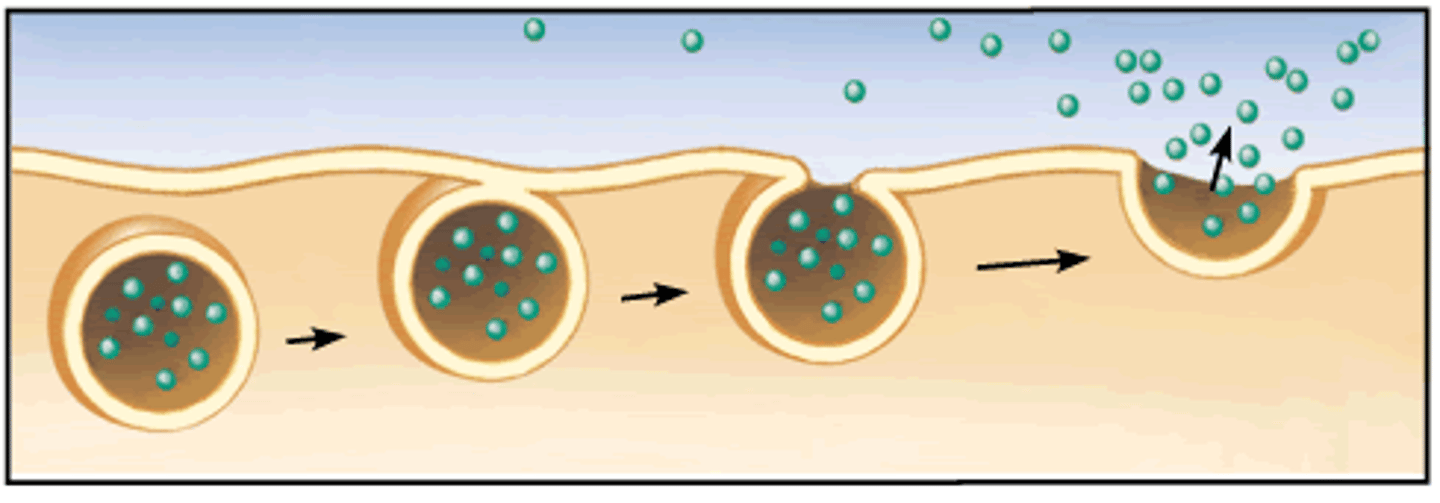
Filtration
Molecules are pushed across a membrane from high pressure to lower pressure
Passive Transport
Kinetic energy, down concentration gradient - Simple diffusion, Osmosis, Facilitated diffusion. No ATP needed
Pinocytosis
Endocytosis: Drinking droplets of fluid (vesicles formed around liquid matter)
Phagocytosis
Endocytosis: Eating particles. (vessicles formed around solid matter)
Cell membrane
Covers the cells cytoplasm, Controls what moves in and out, Connects to other cells, allows body cells to 'recognise' each other.
structure of the cell membrane
Phospholipids, proteins, cholesterol, glycoproteins, glycolipids.
Phospholipid
Allows some things through and stops others!
Hydrophilic (water loving) Polar head and Hydrophobic (water fearing) non-polar tail.
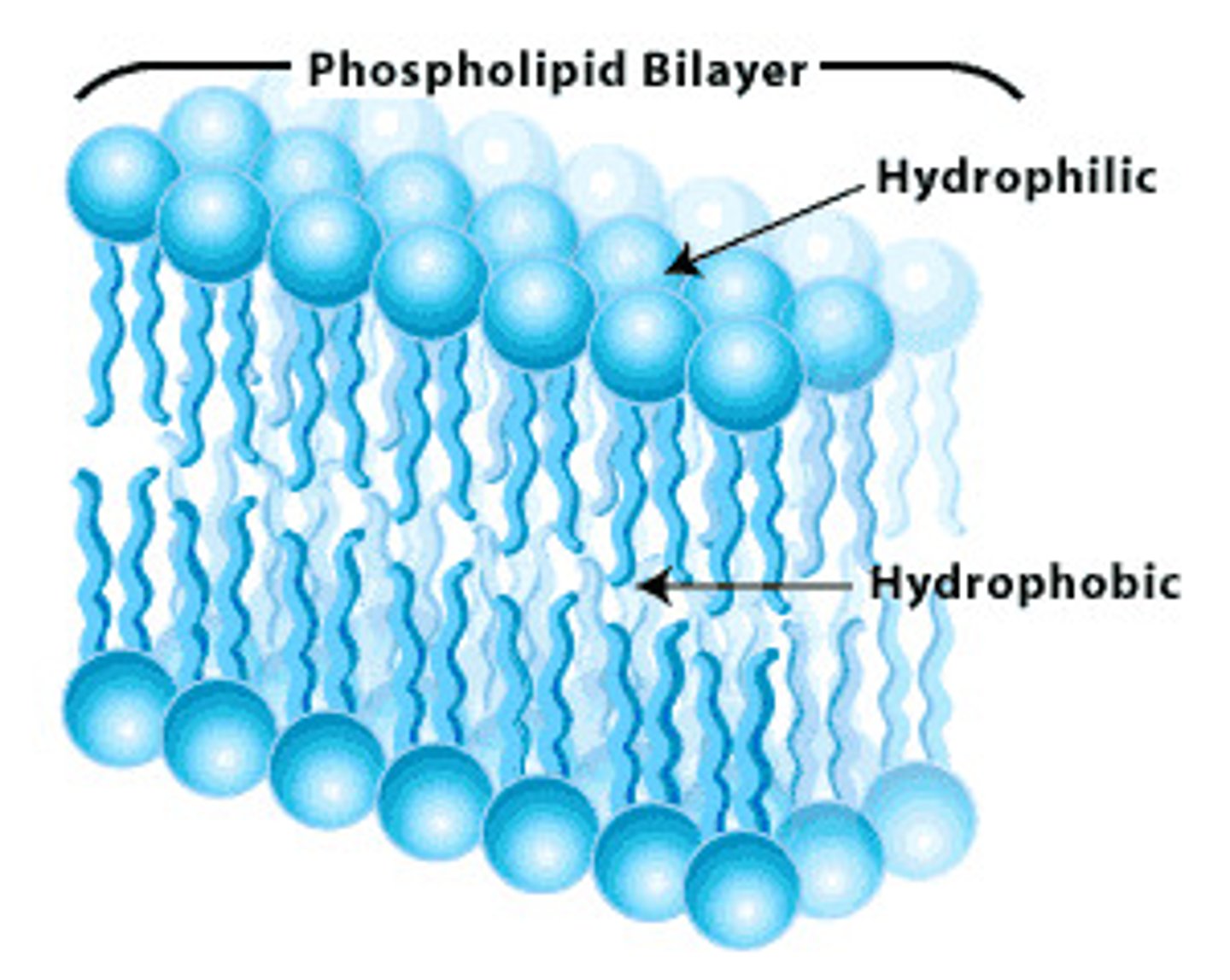
Proteins in Cell membrane
Ion Channels, Carriers and Receptors
Ion channels (Cell membrane protein)
Allow ions to move into or out of the cell
Carriers (Cell membrane protein)
Selectively move substances through the membrane
Receptors (Cell membrane protein)
protein on the cell membrane to allow for recognition of cell and provide sites for hormones, neurotransmitters to bind
Cell Membrane Permeability
Phospholipid bilayer is selectively permeable, Small Lipid-soluble substances can pass freely, large water soluble substances cannot.
Isotonic Solutions
have the same concentration of solutes as each other, Na+ will draw water to it (by osmosis). Normal Saline is isotonic to blood cells.
Hypotonic Solutions
Any Solution that has a lower concentration of solutes (higher conc. of H2O) - RBC will expand/swell
Hypertonic Solutions
any Extracellular solution that has a higher concentration of solutes (lower conc. of H2O) - RBC will shrink
Ribosome
site of protein synthesis
Endoplasmic Reticulum
A system of membranes that is found in a cell's cytoplasm and that assists in the production, processing, and transport of proteins and in the production of lipids.
Golgi apparatus
stack of membranes in the cell that modifies, sorts, and packages proteins from the endoplasmic reticulum
Mitochondria
Powerhouse of the cell, organelle that is the site of ATP (energy) production
Lysosome
cell organelle filled with enzymes needed to break down certain materials in the cell
Centriole
one of two tiny structures located in the cytoplasm of animal cells near the nuclear envelope
Cilia
Hairlike projections that extend from the plasma membrane and are used for locomotion
Flagella
A long, whip-like filament that helps in cell motility. Many bacteria are flagellated, and sperm are flagellated.
Nucleus
A part of the cell containing DNA and RNA and responsible for growth and reproduction
Nucleolus
Found inside the nucleus and produces ribosomes
Chromatin
granular material visible within the nucleus; consists of DNA tightly coiled around proteins
carrier proteins
bind to molecules and change shape to shuttle them across the membrane
diffusion
Movement of molecules from an area of higher concentration to an area of lower concentration. Across a concentration gradient.
osmosis
Diffusion of water through a selectively permeable membrane
glycoproteins
Membrane carbohydrates that are covalently bonded to proteins.
glycolipids
Membrane carbohydrates that are covalently bonded to lipids.
integral proteins
Integral proteins that span the membrane.
peripheral proteins
The proteins of a membrane that are not embedded in the lipid bilayer; they are appendages loosely bound to the surface of the membrane.
organelle
any of a number of organized or specialized structures within a living cell.
receptor-mediated endocytosis
extracellular substances bind to specific receptor proteins, enabling the cell to ingest and concentrate specific substances in vesicles. Often specific to hormone and cholesterol uptake