Anatomy and Physiology 1- Basic Location Terminology
 Call Kai
 Learn
Learn Practice Test
 Spaced Repetition
 Match
Match Flashcards
 Knowt Play
1/57

Earn XP
Description and Tags
First terms to understand placement in the body
Name | Mastery | Learn | Test | Matching | Spaced | Call with Kai |
|---|
No analytics yet
Send a link to your students to track their progress
58 Terms
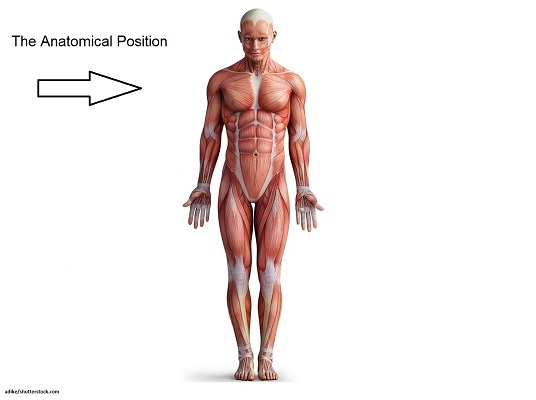
Correct anatomical position
standing upright facing forward
feet parallel and flat on the ground
Arms straight down at the sides with palms facing forward
Body is labeled as Right |Left side in this position instead of (Left| Right)
Anterior
front of the body
Posterior
back of body
Dorsal
back of body (synonym for posterior) *remember ____ fin on fish
Ventral
Front of the body (synonym for anterior) *remember vent → lungs → front of body
Caudal
towards the bottom/tailbone of the body
Cauda
Latin= tail
Rostral
refers to a structure in the head or brain (rhymes with nostril)
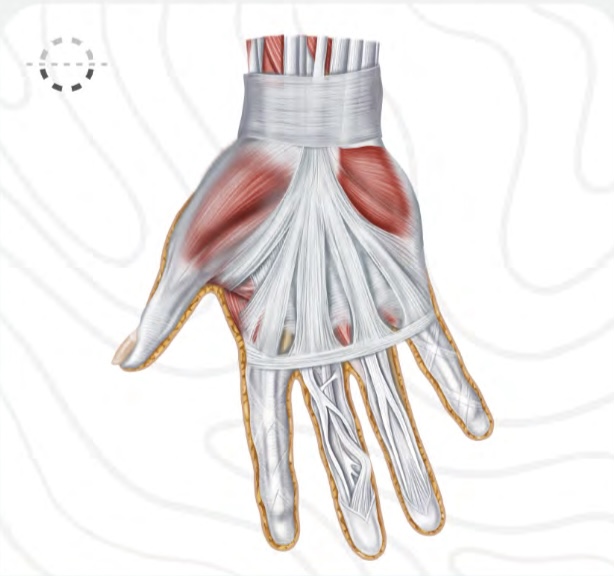
Palmar
palm or front of the hand
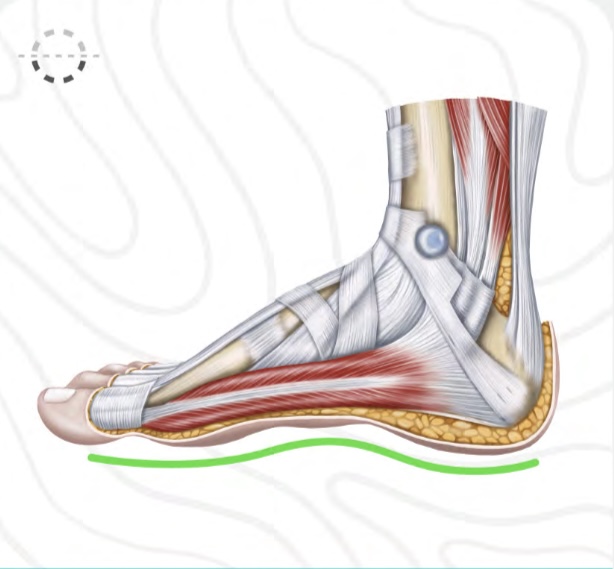
Plantar
bottom of foot *remember: planting your foot on the ground
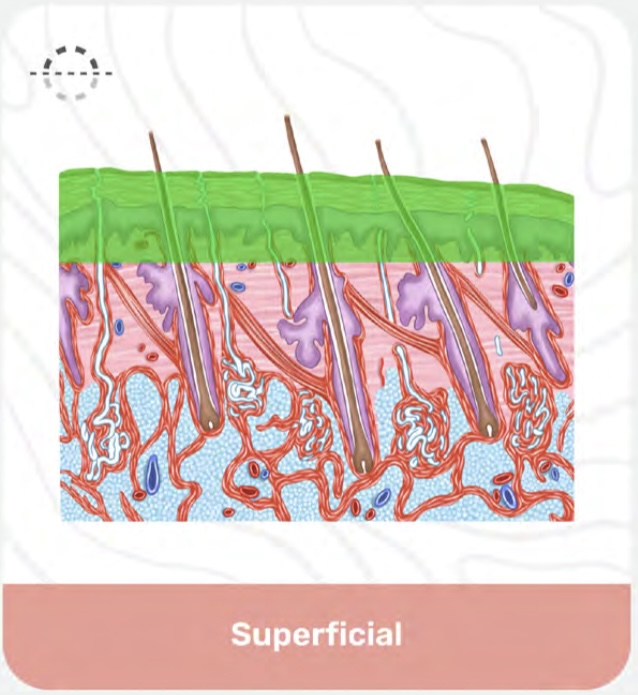
Superficial
refers to structure closer to the surface of the body
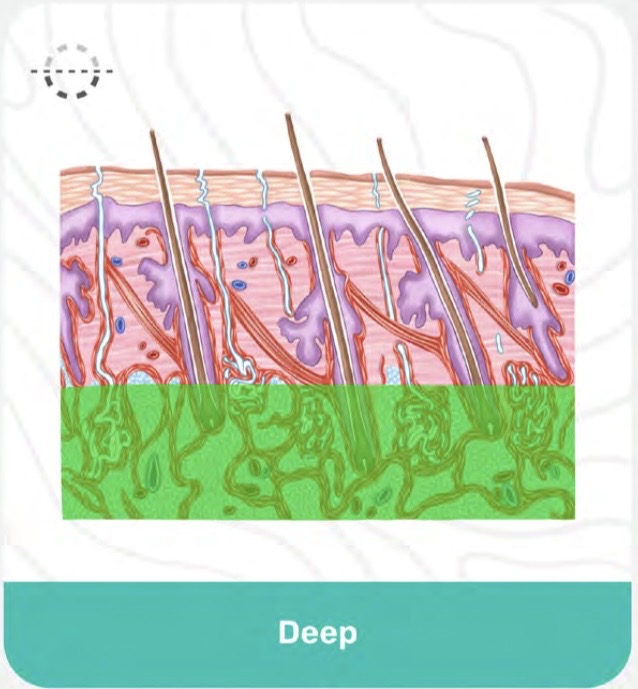
Deep
refers to innermost layer of bodily structure (ex. deep tissue massage)
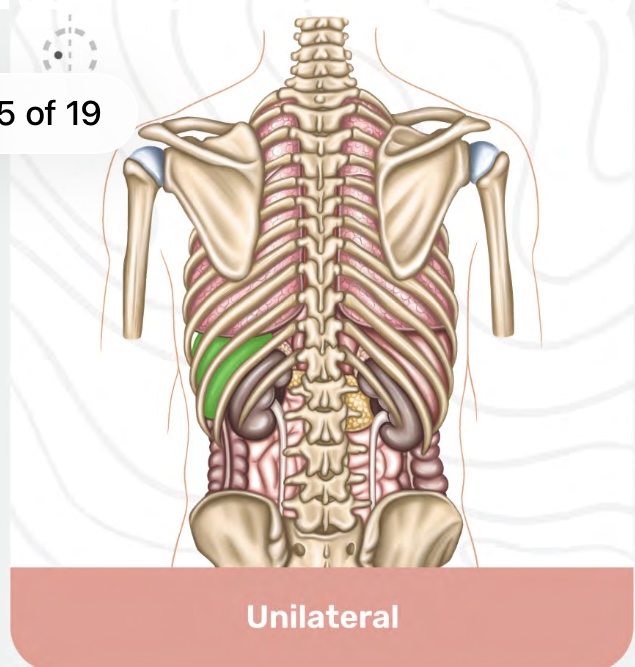
Unilateral
structure located on only one side of the body (ex. spleen)
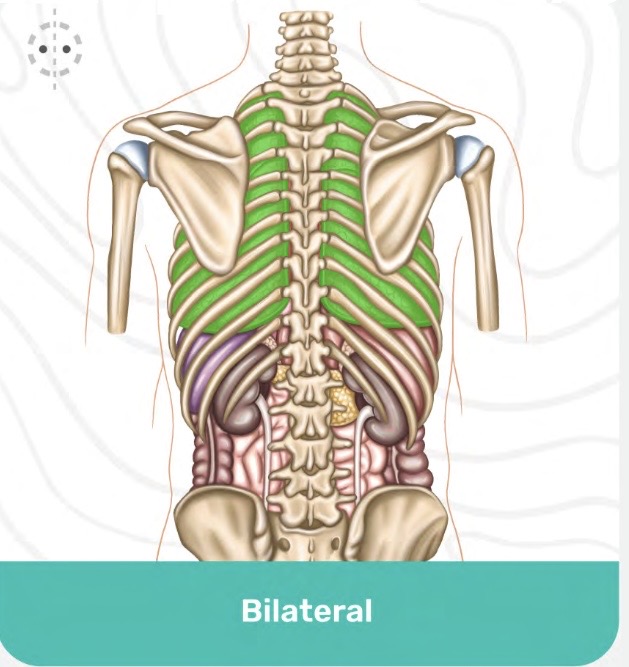
Bilateral
structure located on both sides of the body (ex. left lung and right lung)
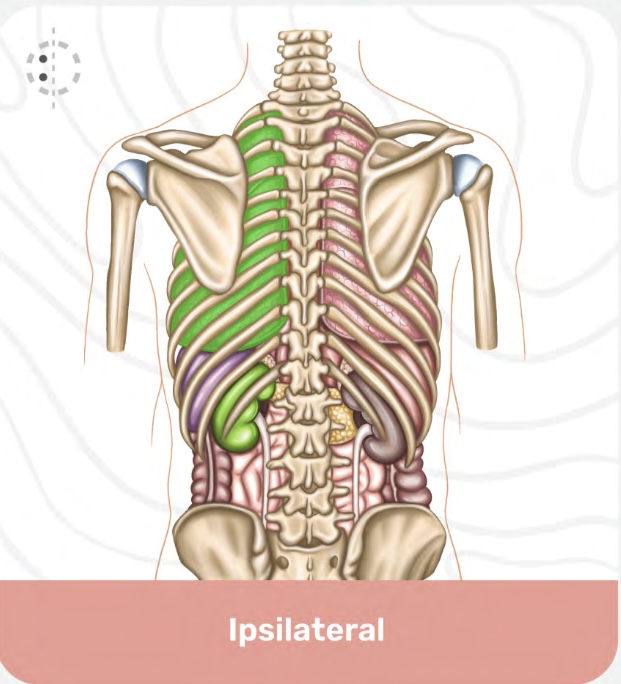
Ipsilateral
several structures located on the same side of the body (ex. left lung and left kidney
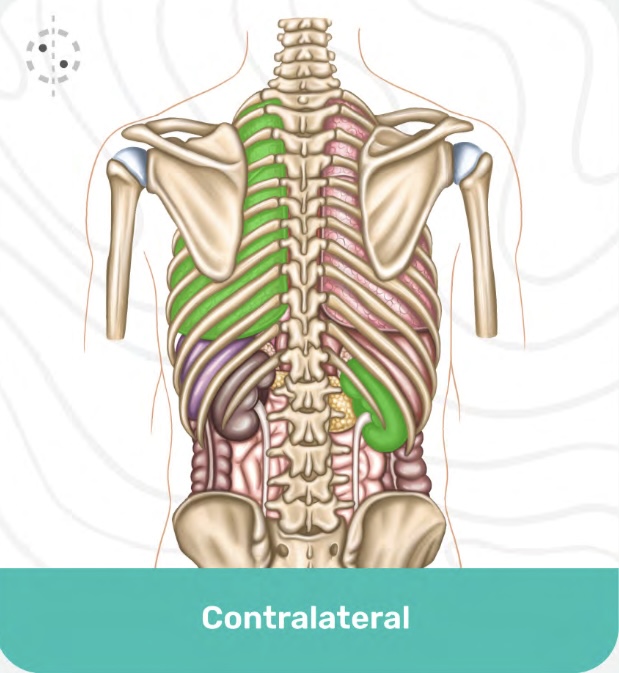
Contralateral
one structure located on one side of the body and another structure located on the opposite side of the body (ex. left lung and right kidney) *think “contradict” → opposite of something
Proximal
closer to the focus point structure on the body
Distal
further from the focus point structure on the body
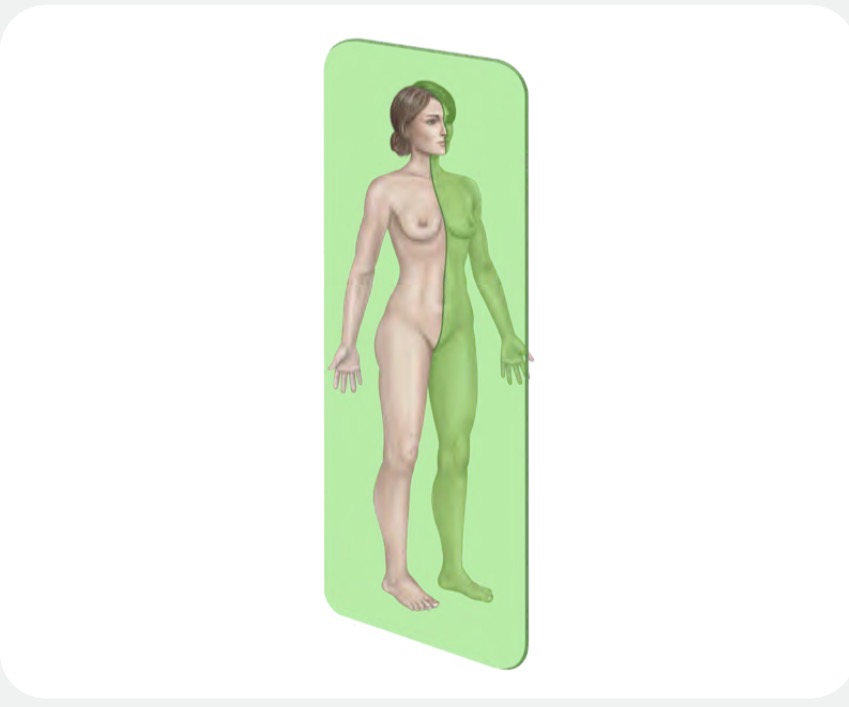
Sagittal Plane
divides the body into right and left parts (can be directly in the middle or off-center)
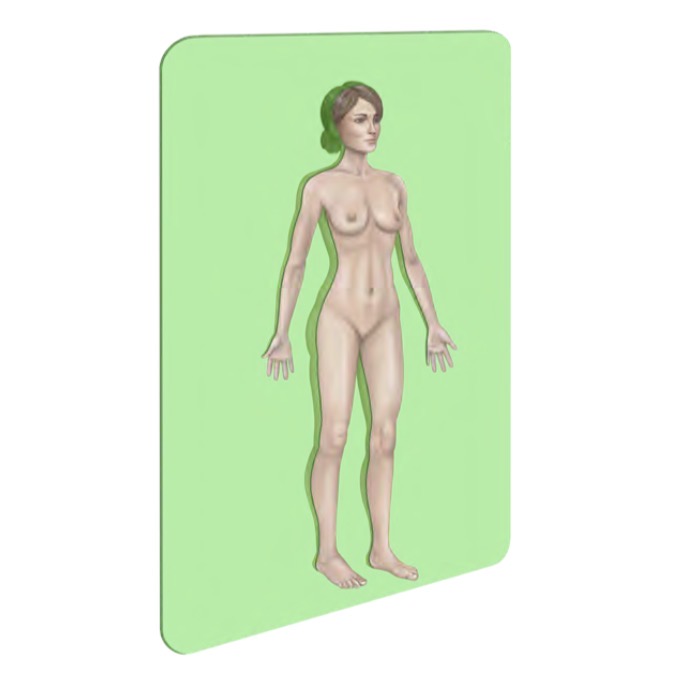
Frontal (Coronal) Plane
plane that divides body into anterior (front) and posterior (back)
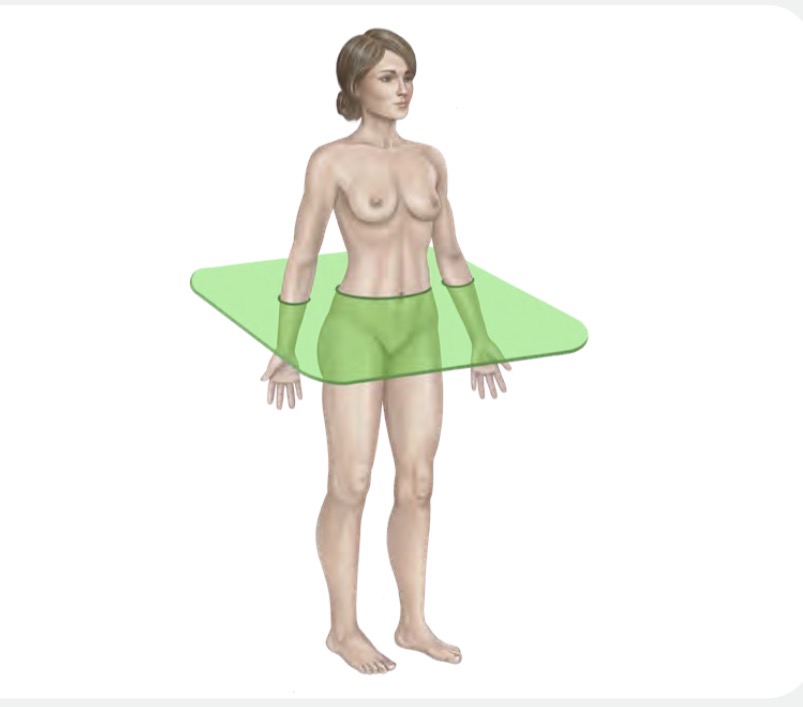
Transverse (axial) plane
divides body into superior (upper) and inferior (lower) parts
sagittal axis
passes from front to back
frontal axis
passes from left to right
vertical axis
axis passes from top to bottom
abdominal
anterior body trunk inferior to (below) the ribs
Brachial
arm
carpal
wrist
Cervical
neck
Deltoid
shoulder
digital
fingers
Femoral
thigh
Inguinal
groin
Mammary
breast
nasal
nose
oral
mouth
orbital
eye
patellar
knee cap
pelvic
pelvis
pubic
genital
Thoracic
chest
cephalic
head
dorsum
back
lumbar
lower back
poplietal
back of the knee
sacral
tail bone
scapular
shoulder blade
vertebral
backbone or spinal cord
Synovial cavity
in a joint between neck vertebrae
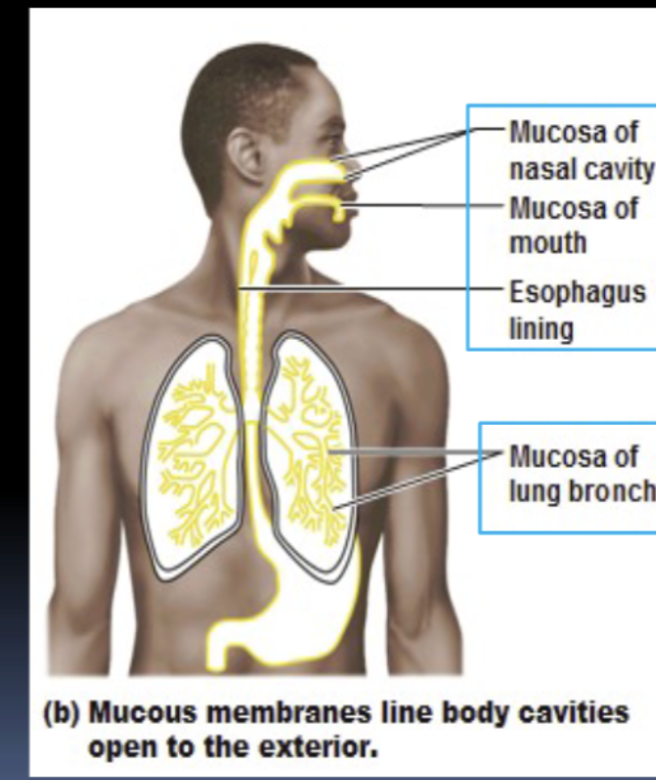
Lamina Propria
mucous membranes composed of epithelial cells that ret on a loose connective tissue layer. Line body cavities that are open to the environment (ex mouth, respiratory, digestive)
Serous membranes
double membrane, produces serous fluid, minimizes friction.
Parietal layer
outer layer of an organ (adheres to the walls of a body cavity (opening)
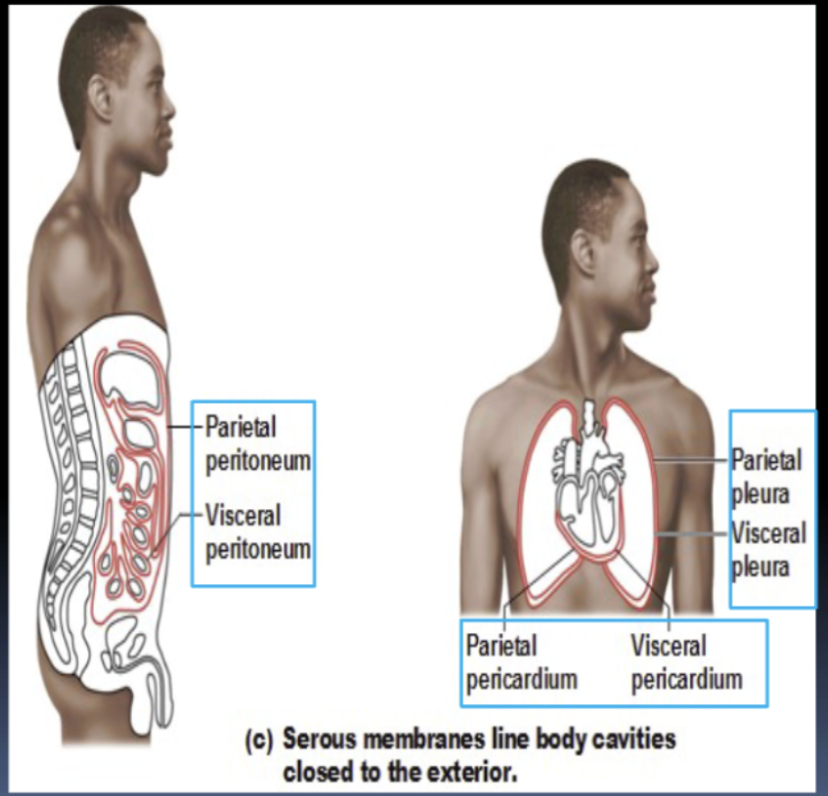
Visceral layer
inner layer of an organ (adheres directly to an organ (ex. pericardium = heart)
Lymphatic System (immune system)
Spleen, lymphatic vessels
Urinary system
Kidneys, bladder, ureters
Reproductive system
Male (Testes, Sperm) Female (Ovary, Ovum)
Integumentary
Skin (epidermal and dermal)
Endocrine system
pituitary, thymus, pancreas
cardiovascular system
heart, blood vessels