Flash cards Business finance
 Call Kai
 Learn
Learn Practice Test
 Spaced Repetition
 Match
Match Flashcards
 Knowt Play
1/23

There's no tags or description
Looks like no tags are added yet.
Name | Mastery | Learn | Test | Matching | Spaced | Call with Kai |
|---|
No analytics yet
Send a link to your students to track their progress
24 Terms
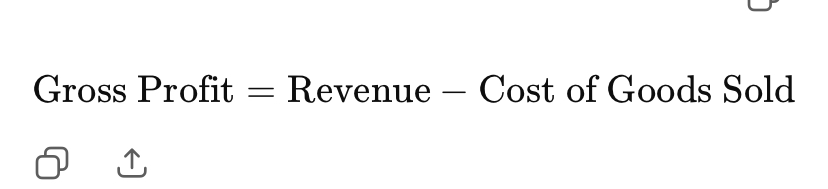
Gross profit
The money that a company makes before the direct costs, Raw materials, Labor, Manufacturing supplies
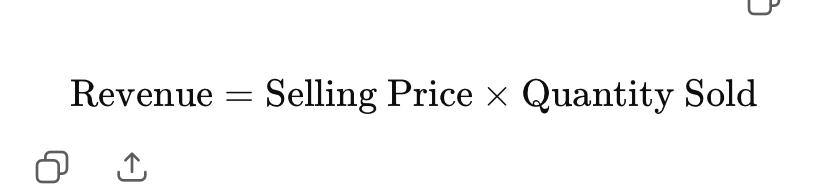
Revenue
the money that comes into the business from selling goods or services
Net current assets
The money available in the business to fund day to day payments

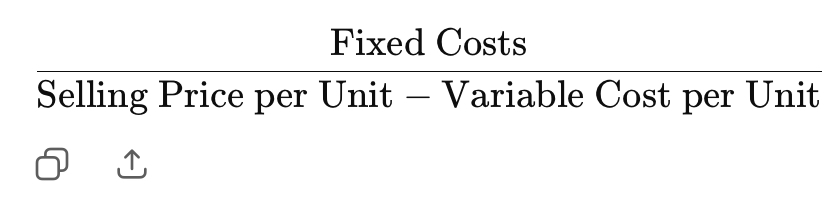
Break even
To sell enough so you can cover all your costs
Net assets
What the owners of a business will fully keep after paying it’s liabilities, Owes

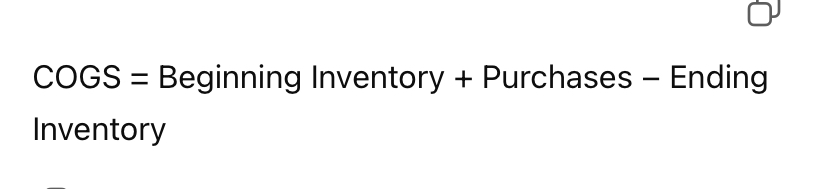
Cost of goods sold
The money producing the goods for a business, Materials, Labor, Manafacturing overhead
Net cash flow
The money coming in and out of a business

Net book value
The value of a product after its value has decreased, Original cost of product

Profit
The money left after all expenses money you keep

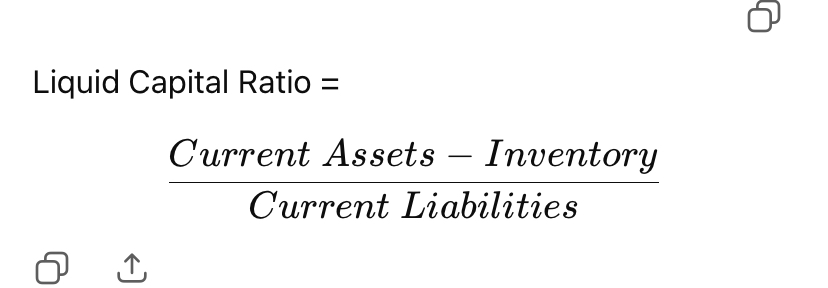
Liquid capital ratio
Business can pay it’s short-term obligations using assets that can quickly be turned into cash
Trade payable days
Shows how long a business takes to pay for goods or services brought on credit

Trade receivable days
Money that is owed to a business by its customers for goods or services sold on credit

Opening inventory
The value of stock a business has at the beginning of an accounting period

Reducing balance method
Where an asset value goes down faster at first, then slower at time

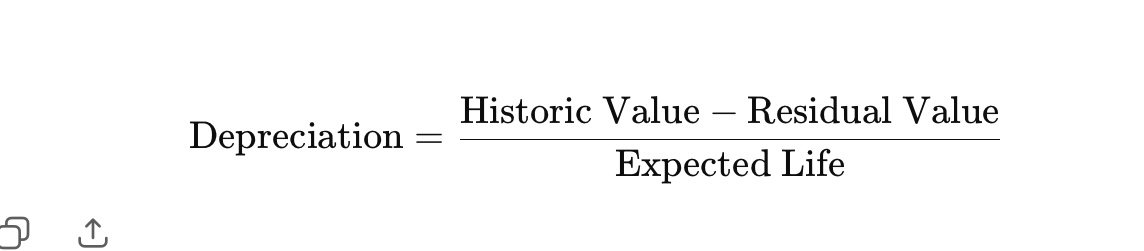
Straight line depreciation
The asset looses the same amount of value each year
Gross profit margin
How much money a business keeps from sales before other expenses

Profit/loss for the year
The money a business actually keeps or looses over the year after paying all its costs

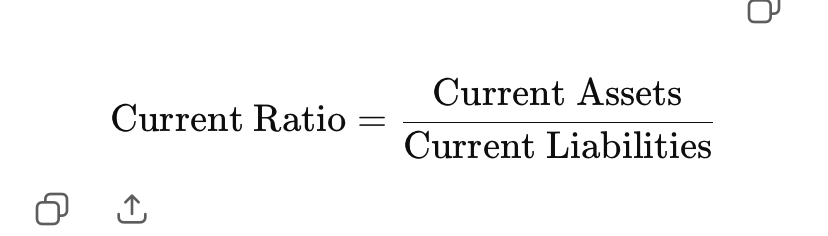
Current ratio
Wether a business can pay its short term obligations with current assets, Cash, Inventory, accounts receivables
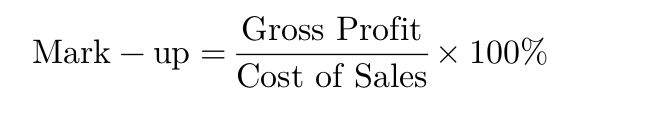
Mark-up
Amount added to the cost of price of a product to determine it’s selling price
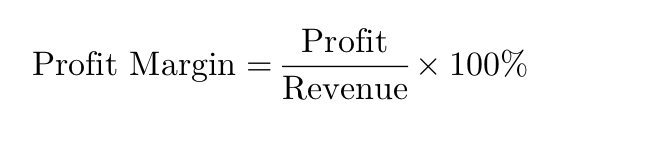
Profit Margin
How much money a business gets to keep from each £1 of sales
Inventory turnover
How quickly a business will sell its Inventory

Average inventory
Typical amount of stock a business will have

Return on capital employed
How much money you make from all the money invested in the business

Capital employed
Total money invested in a business to make profit
