lab pg 1-2
 Call Kai
 Learn
Learn Practice Test
 Spaced Repetition
 Match
Match Flashcards
 Knowt Play
1/47

There's no tags or description
Looks like no tags are added yet.
Name | Mastery | Learn | Test | Matching | Spaced | Call with Kai |
|---|
No analytics yet
Send a link to your students to track their progress
48 Terms
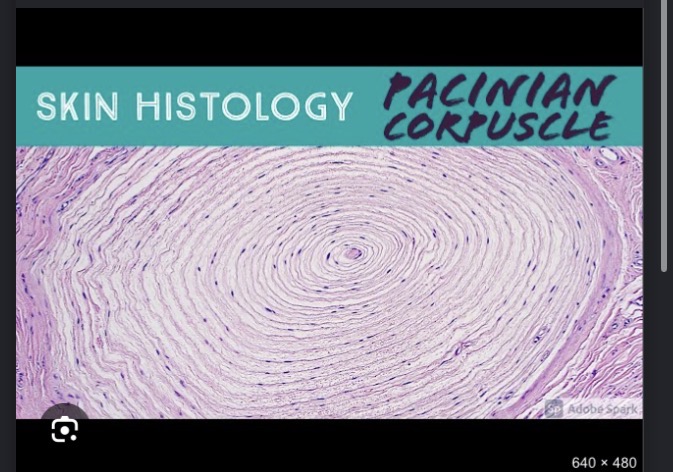
Pacinian corpuscle
Help Detect deep pressure and high frequency vibration in the skin
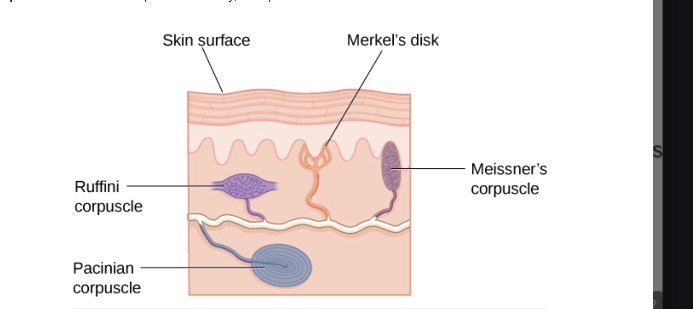
Meissner corpsucle
Helps with detecting texture and low vibrations
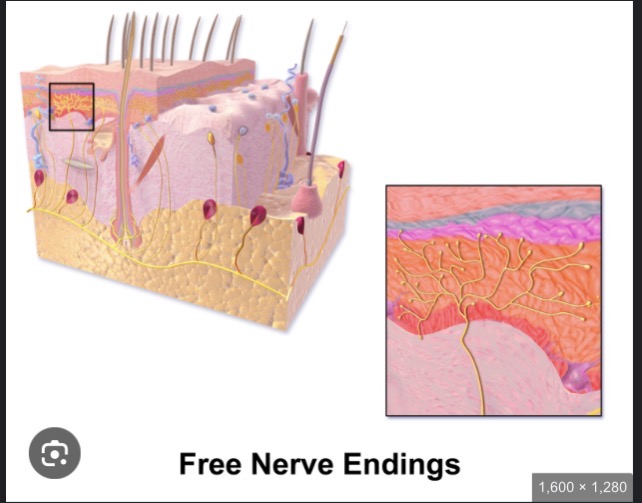
Free nerve endings
They help act as pain receptors and help detect vibrations in temperature
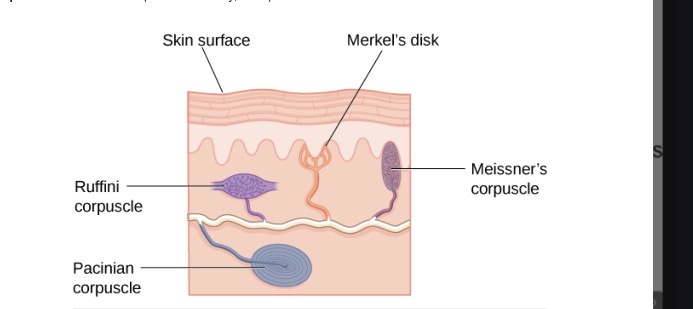
Merkel disc
Helps detect soft touch, and shape
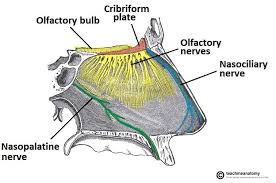
Olfactory nerves
transmit sensory information regarding odors from the nasal cavity to the brain
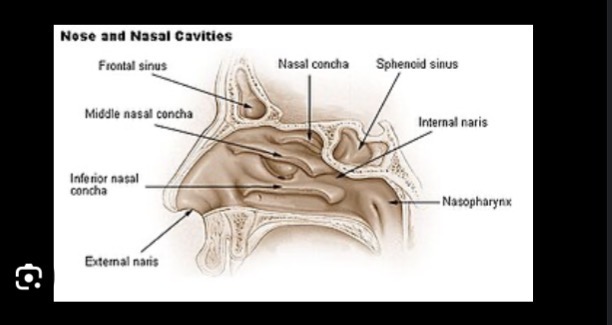
Superior Nasal concha
Structure
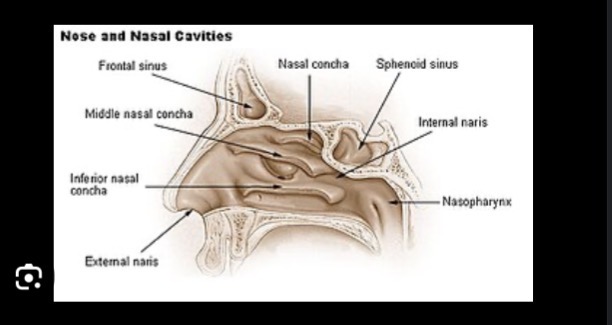
Middle nasal concha
Structure
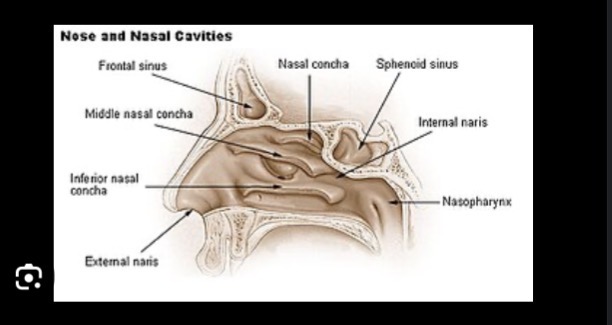
Inferior nasal concha
Structure
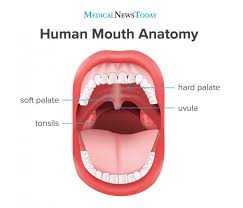
Hard palate
separate the oral and nasal cavities, provide a rigid surface for chewing and swallowing
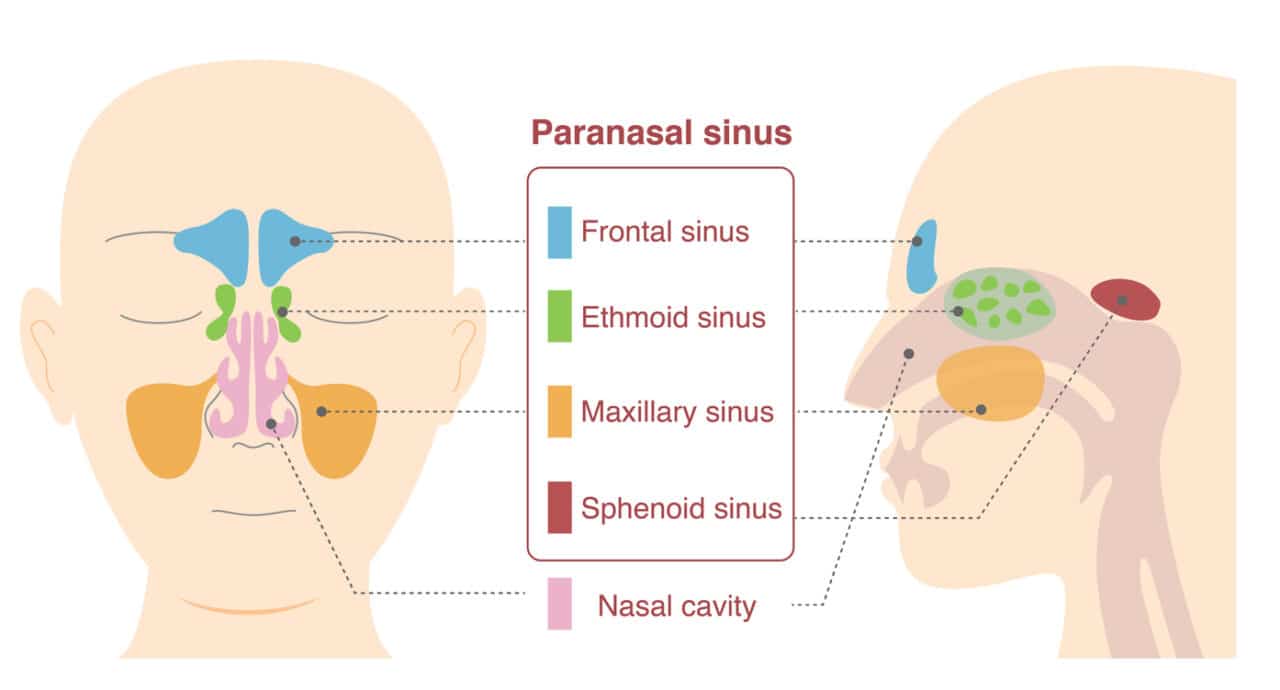
Sphenoidal sinus*
Structure
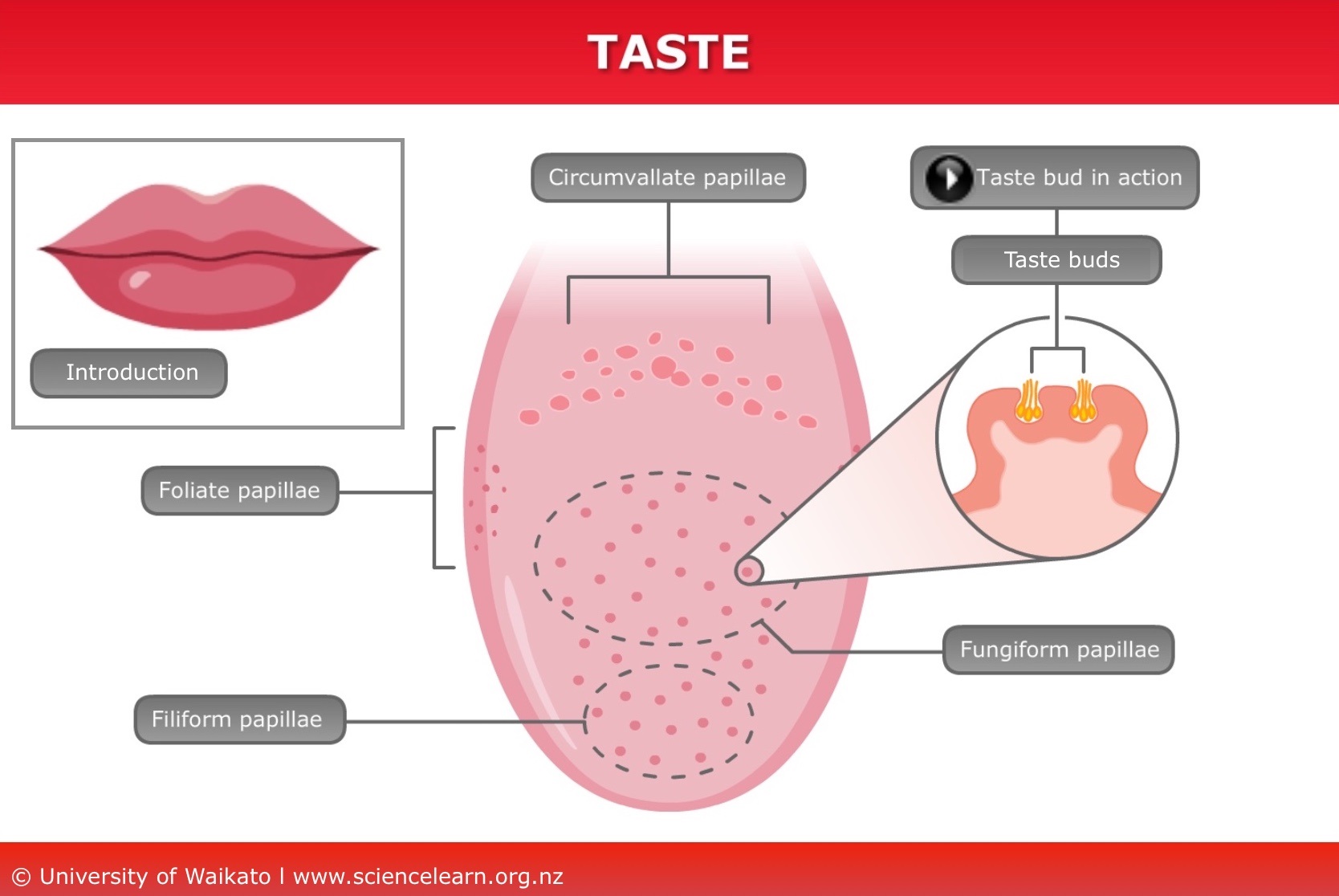
Tastebuds
Detect chemicals in our food for nutritional value and warn our body if it contains any toxicity
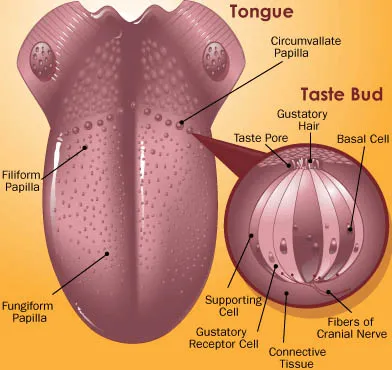
Taste hair
Detect chemicals in our food and translate them into nerve signals
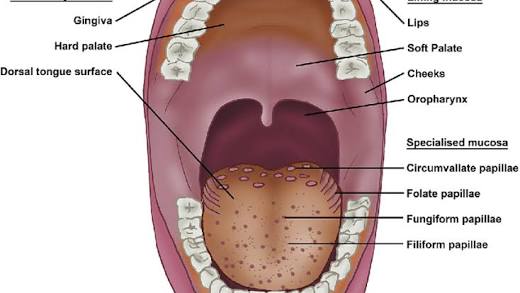
Papillae of tongue
Help enhance perception of taste by housing taste buds
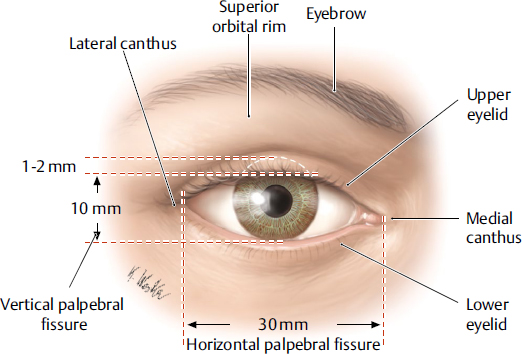
Medial canthus*
Structure
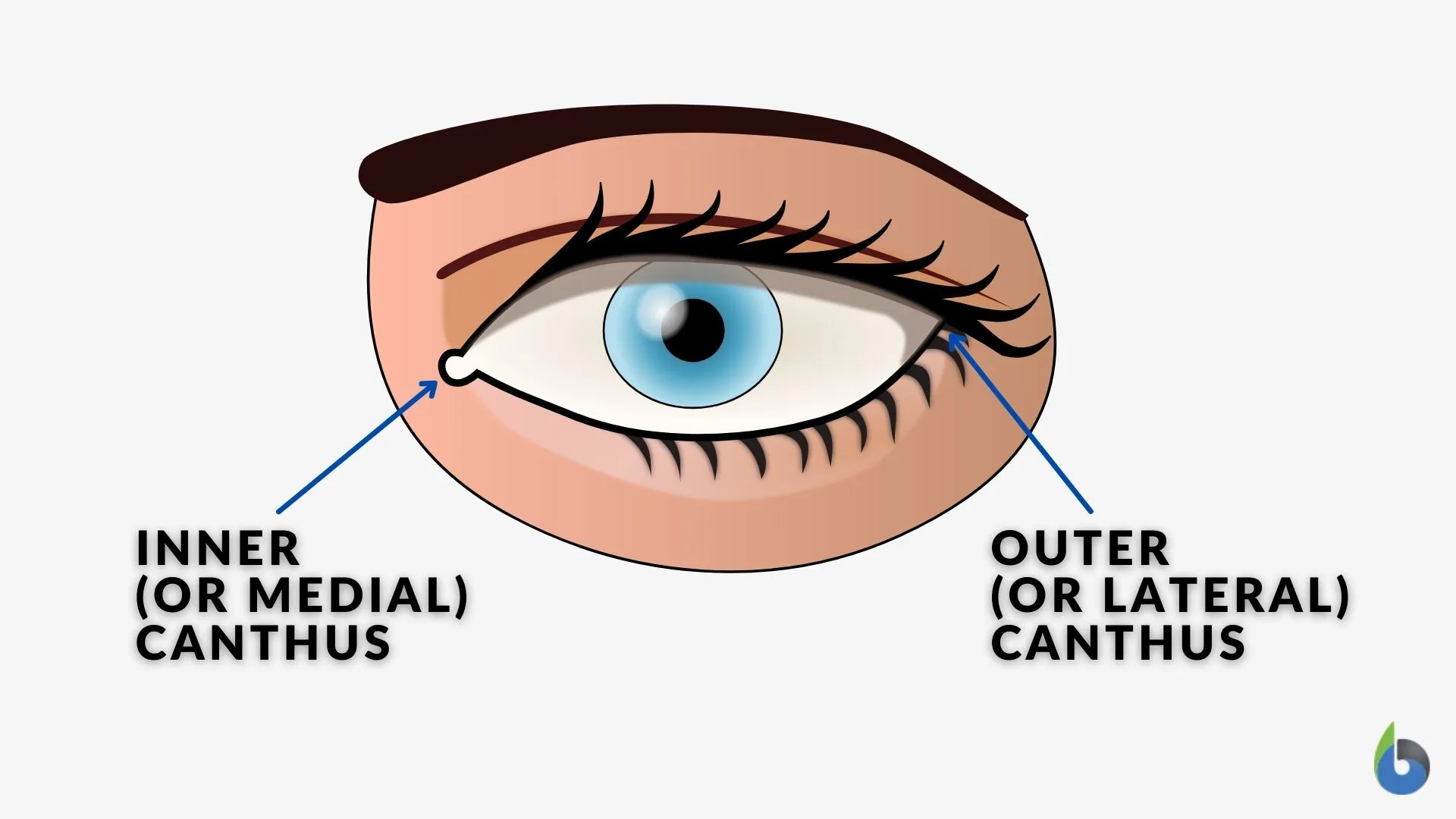
Lateral canthus*
Structure
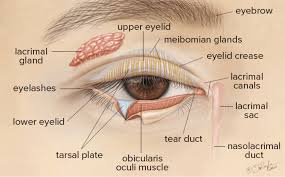
Upper eyelid.
Protects, cleans, and lubricates the eye
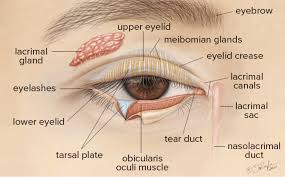
Lower eyelid
Protect the eyeball from debris and maintain ocular hydration
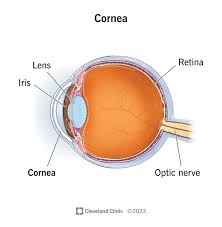
Conrea
Acts as a physical barrier to protect the eyeball from debris.
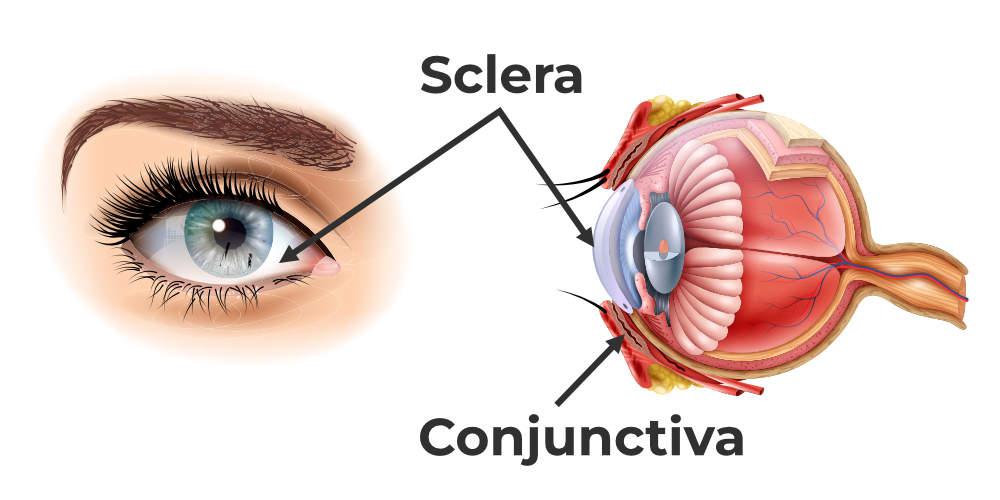
Conjuctiva
Helps with lubrication and secreting mucus
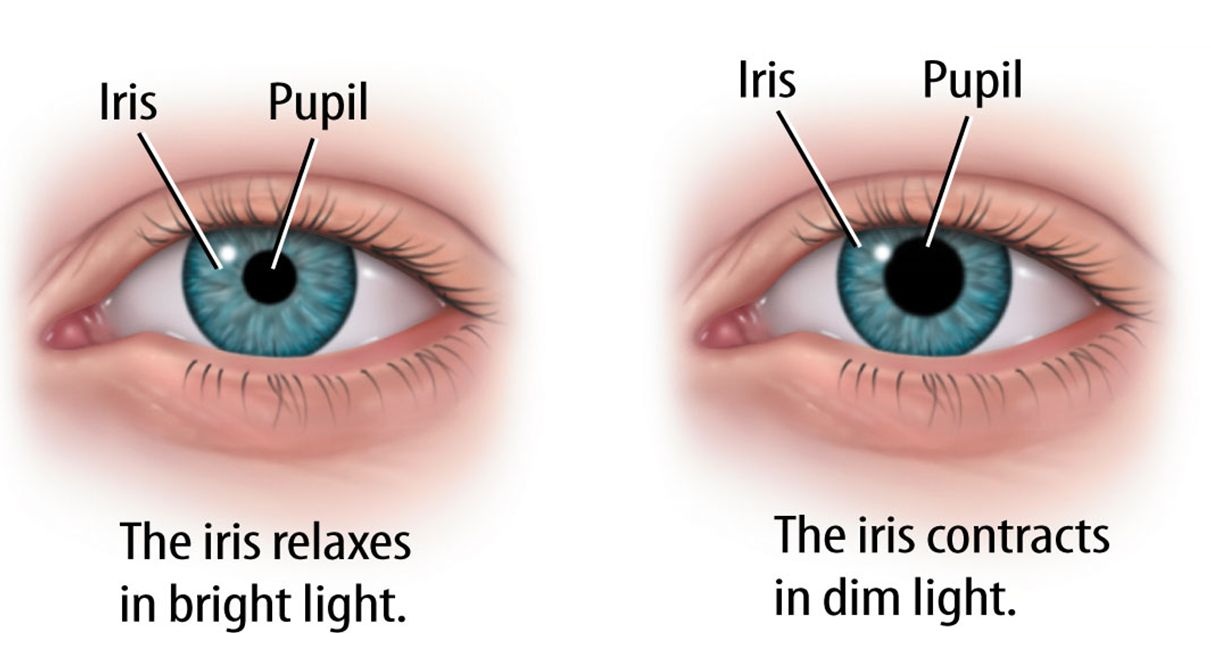
Pupil
opening that controls how much light reaches the retina
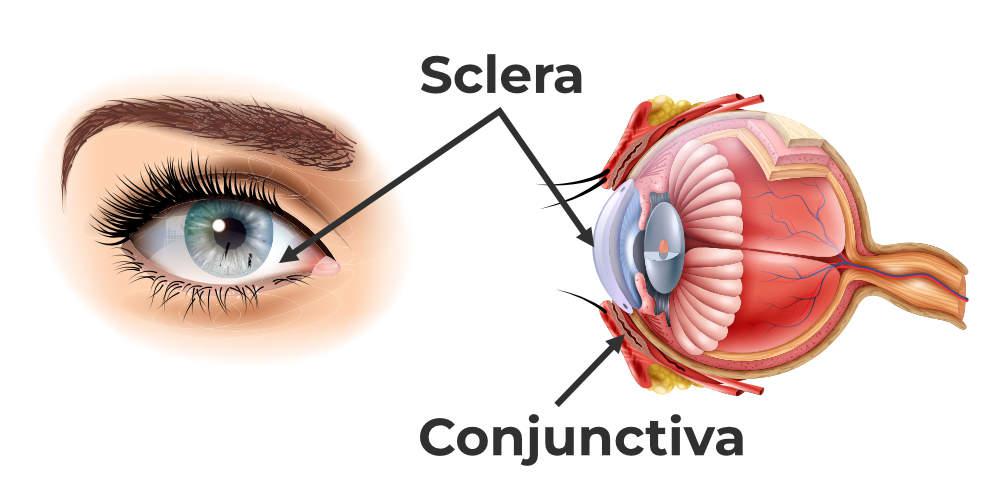
Sclera
Tough white outer layer that protects the eye and helps maintain its shape.
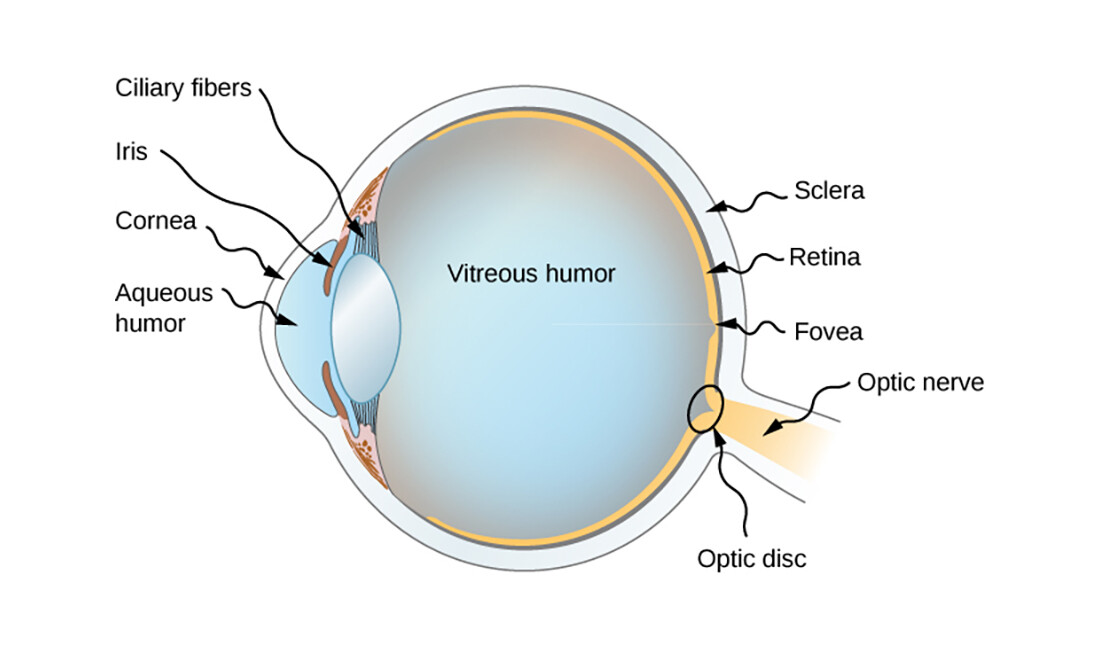
Aqueous humor
Clear fluid that nourishes the cornea and lens and helps maintain eye pressure.
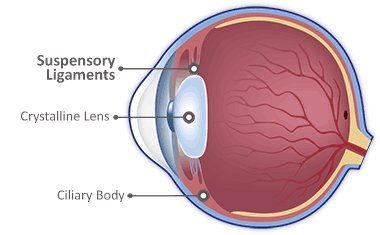
Suspensory ligament of the eye
Holds the lens in place and helps change its shape for focusing.
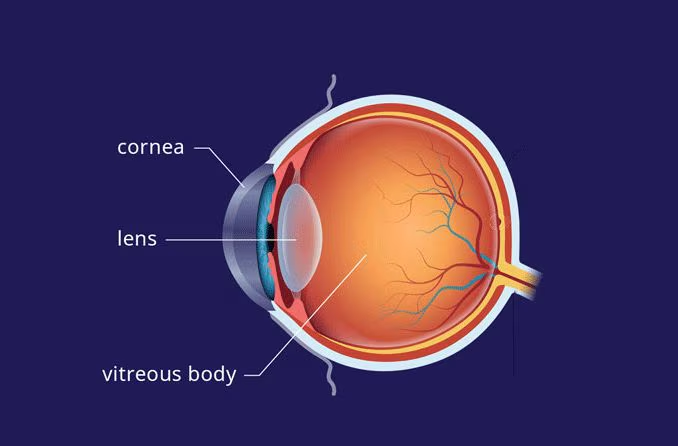
Lens
Focuses incoming light onto the retina.
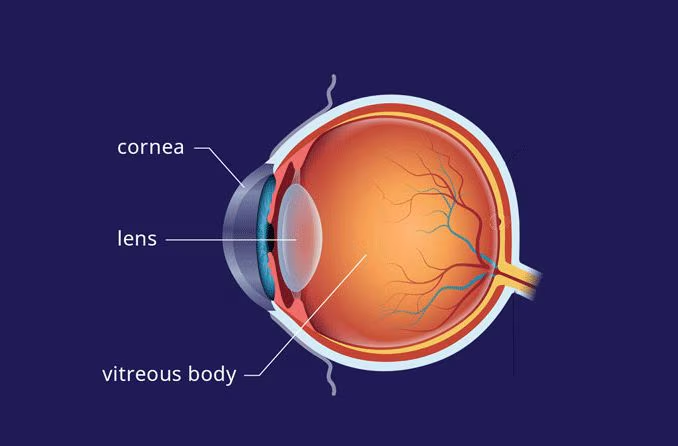
Vitreous humor
Allowing light to pass directly to the retina and maintaining the lights spherical shape
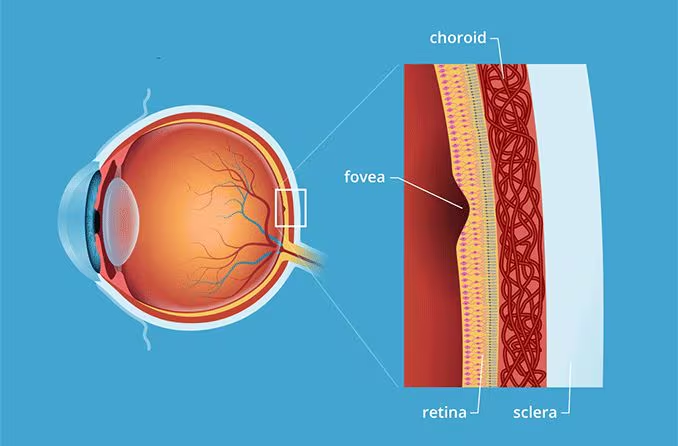
Fovea centralis
High concentration of cones responsible for the sharpest, most detailed vision.
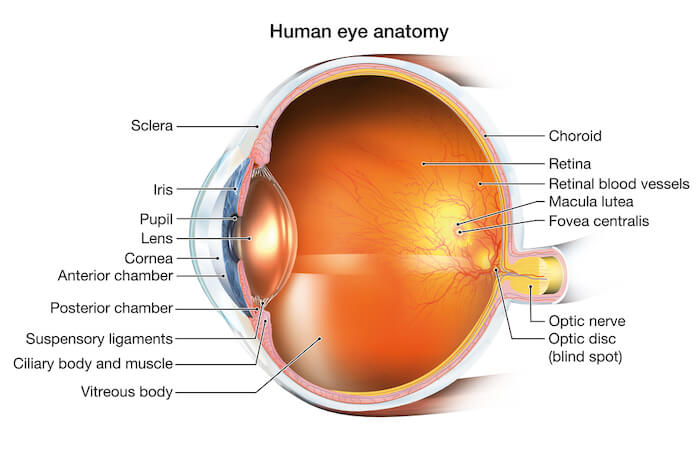
Macula Lutea
Central retinal area responsible for color perception and face recognition
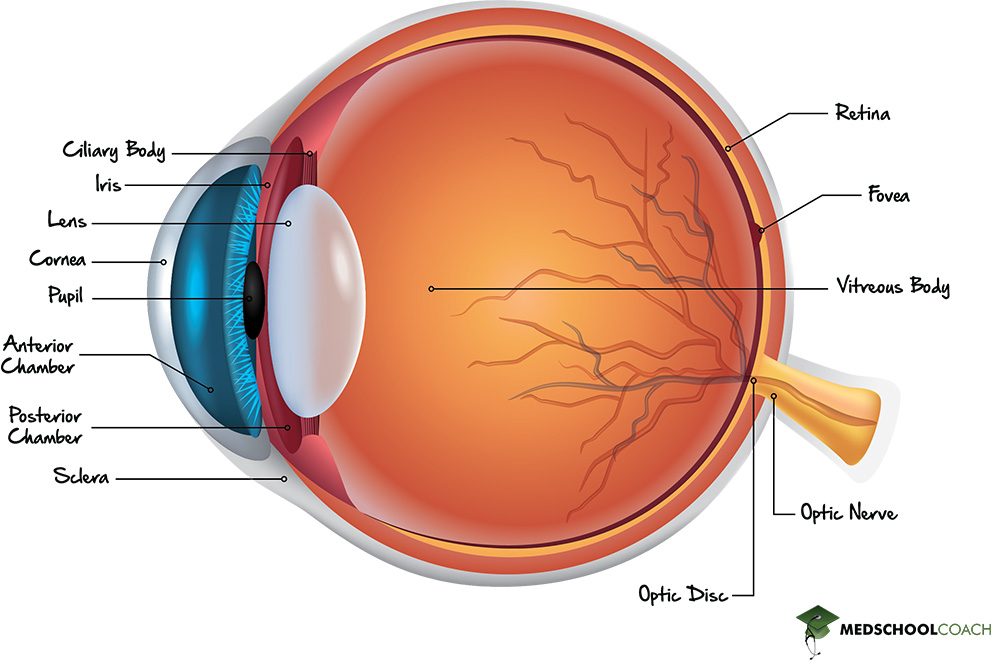
Optic disc
Point where the optic nerve exits the eye
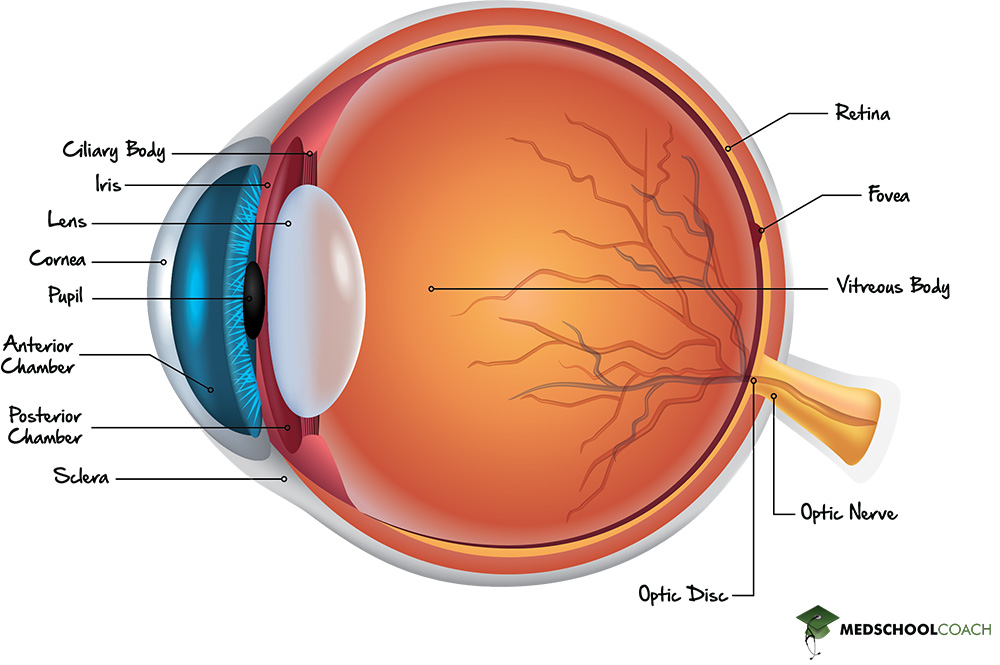
Optic Nerve
Carries visual information from the retina to the brain
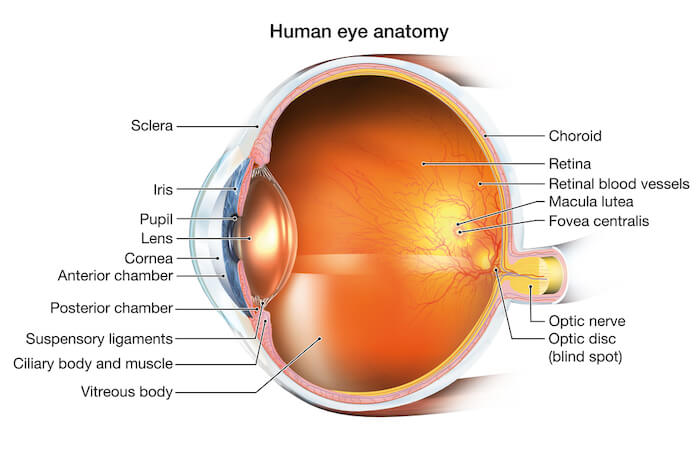
Retina
Light-sensitive layer that converts light into nerve signals.
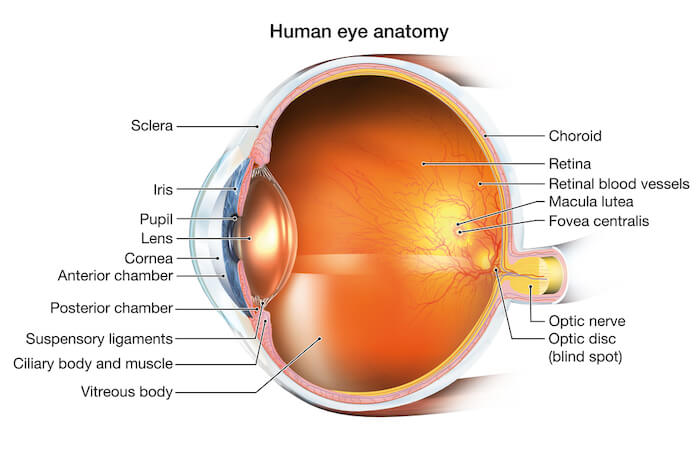
Choroid
Vascular layer that supplies blood and nutrients to the retina
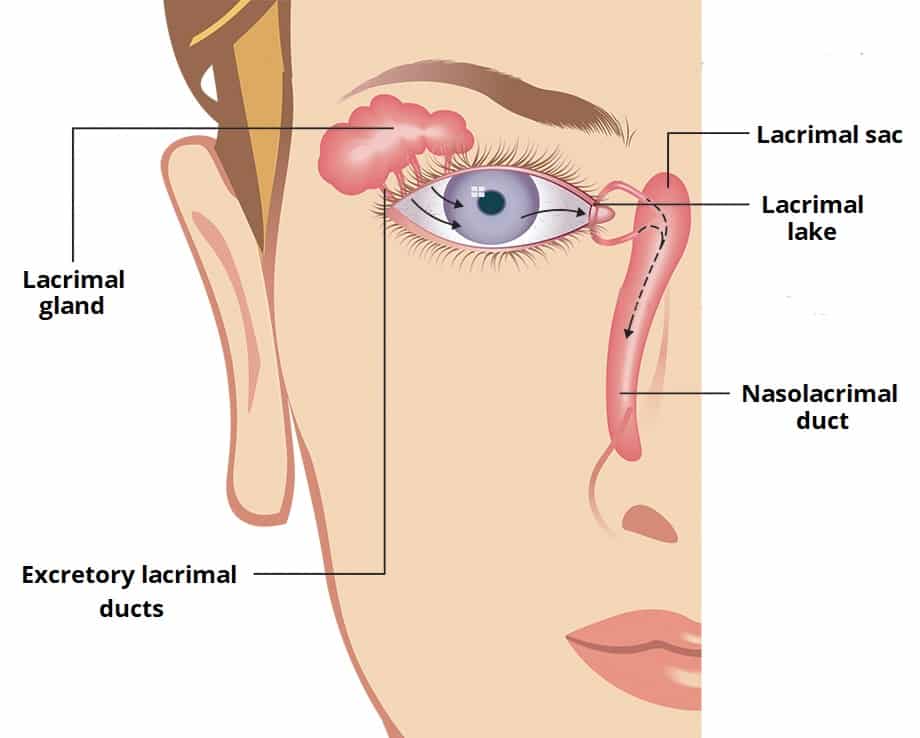
Lacrimal gland
Produces tears to lubricate, clean, and protect the eye.
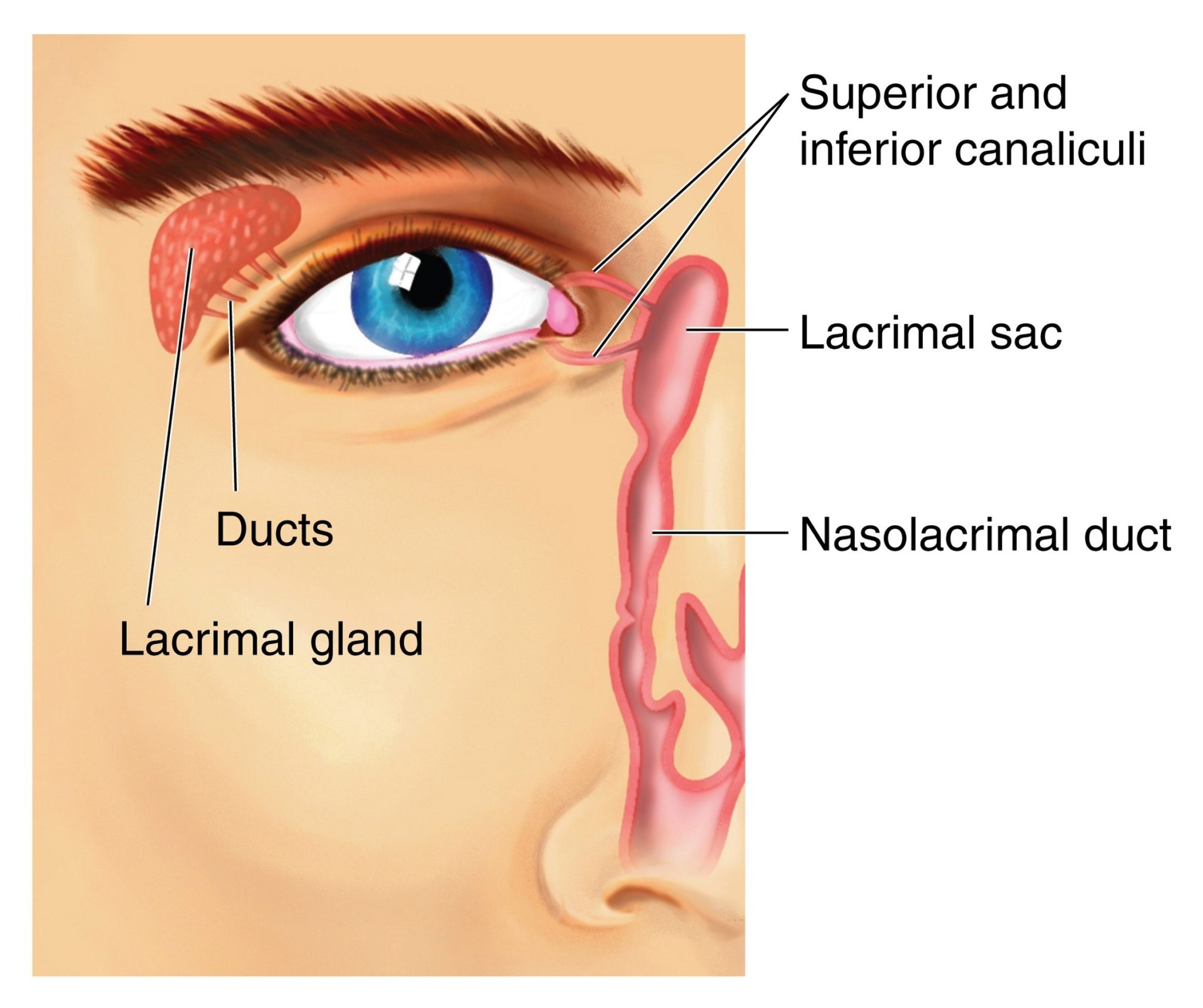
Interior and superior lacrimal canaliculi
draw excess tears away from the surface of the eye and safely transport them to the lacrimal sac
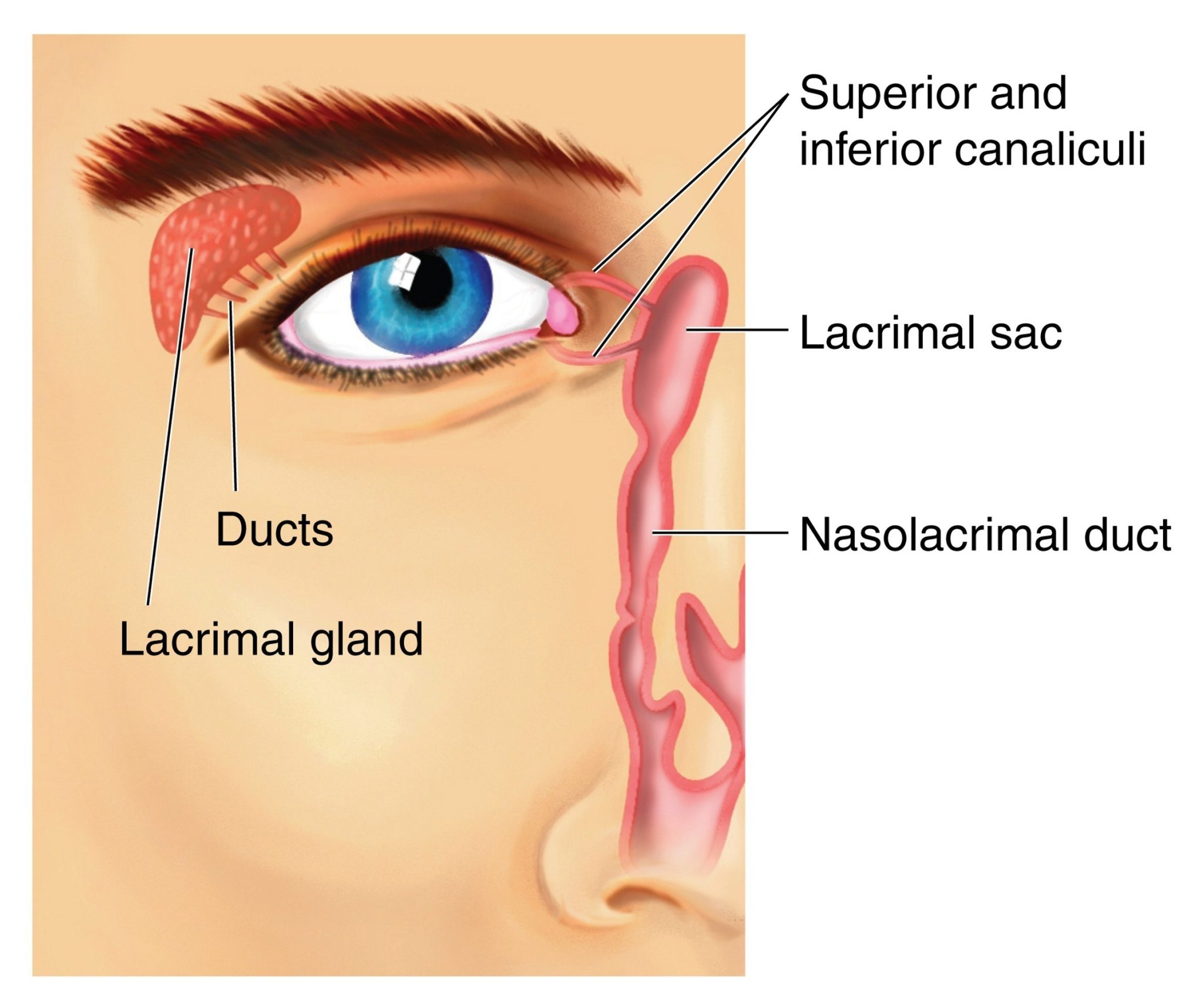
Lacrimal sac
collect excess tears and debris that drain from the eye
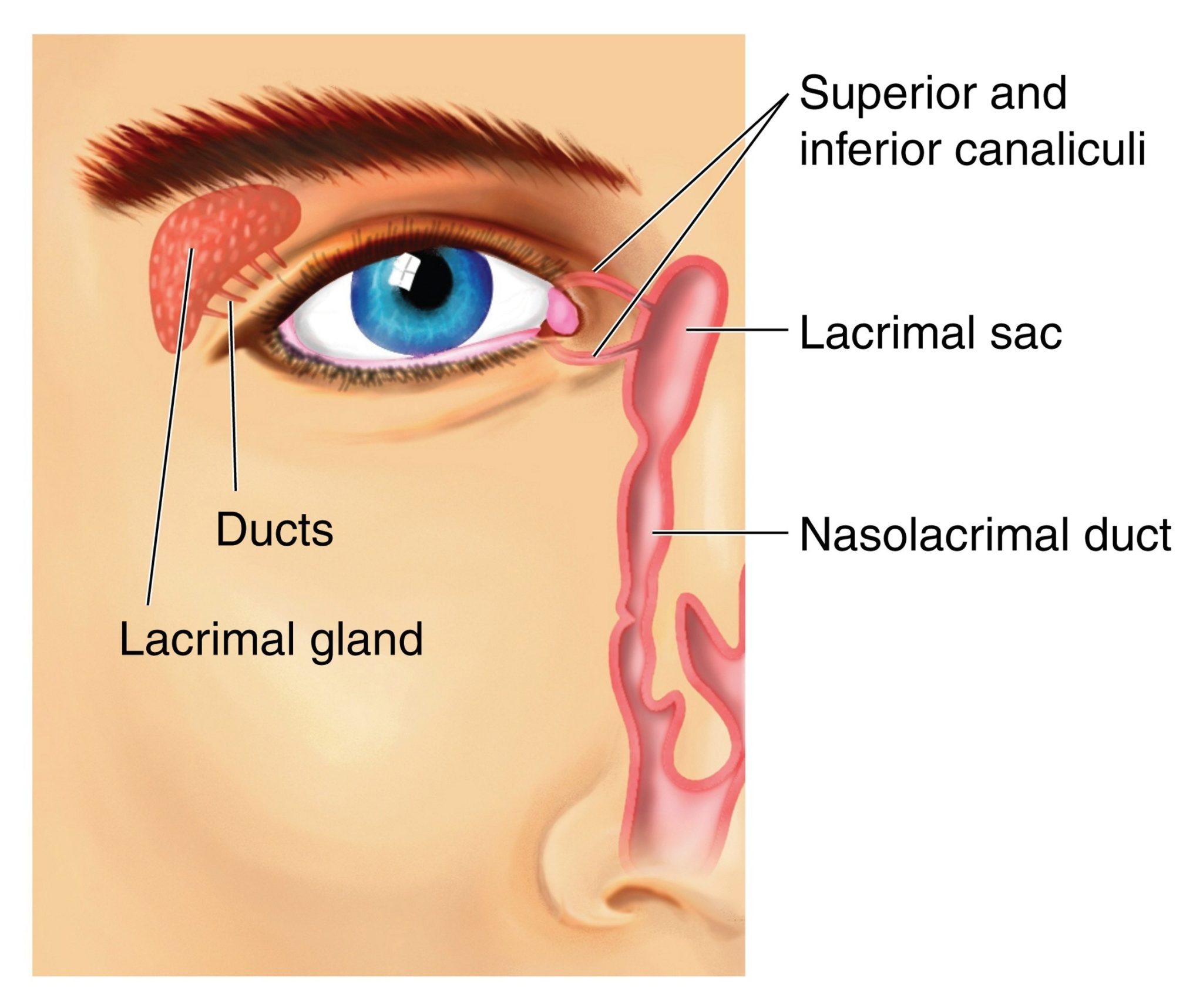
Nasolacrimal duct
drains excess tears from the eye into the nasal cavity
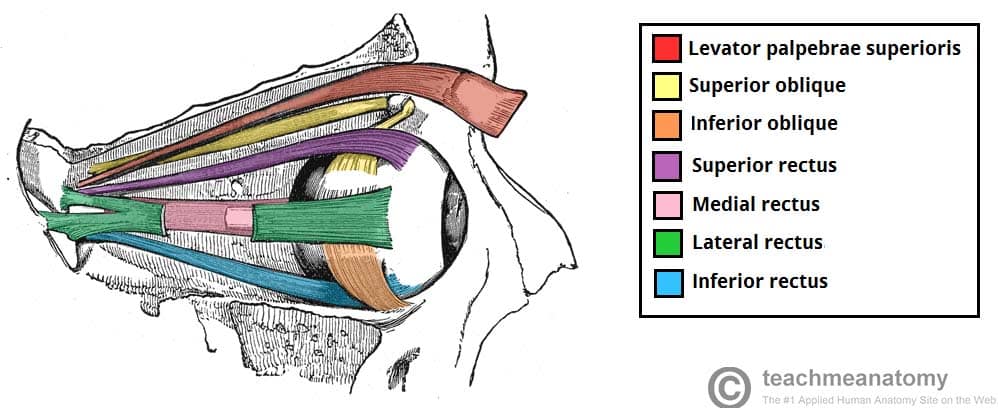
Superior oblique muscle
Main muscle in charge of eye movement
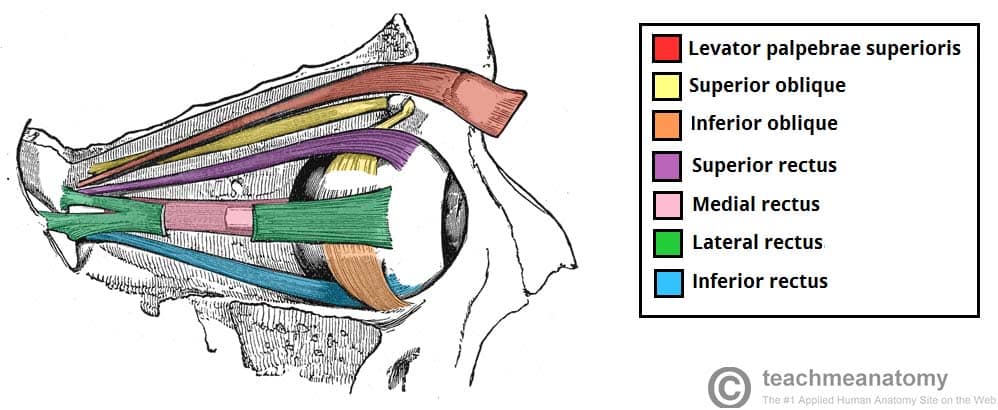
Superior rectus muscle
Helps with upward and indward eye movements
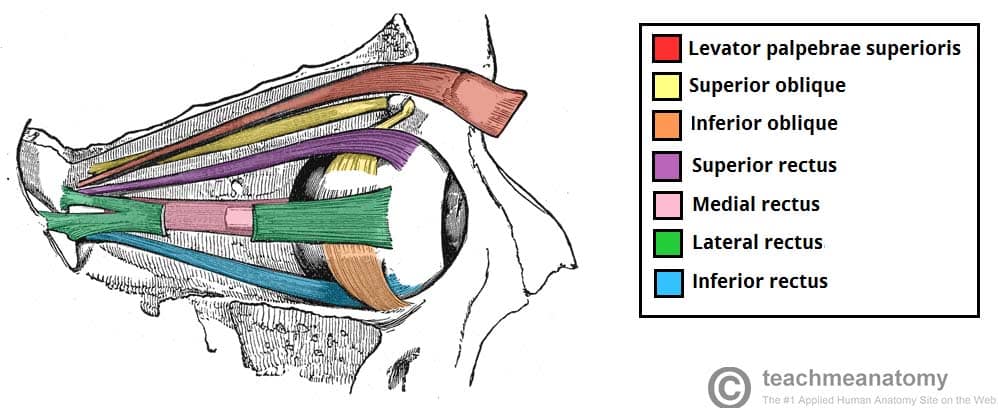
Medial rectus muscle
Moves the eye toward the nose.
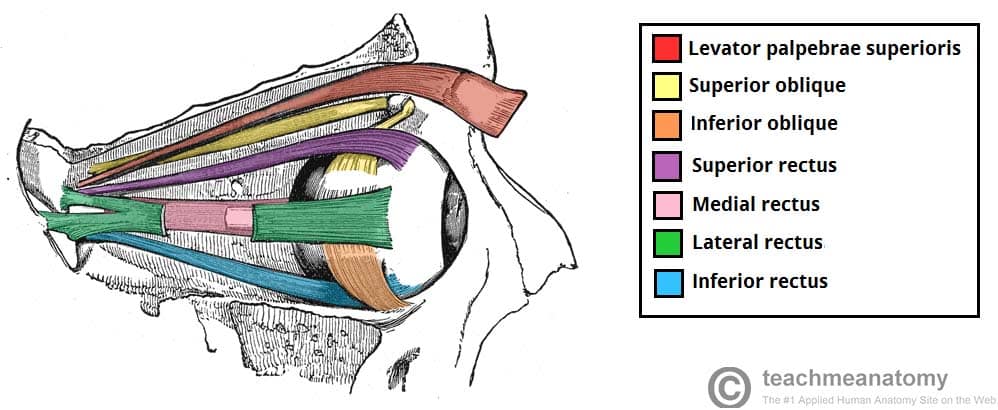
Lateral rectus muscle
Moves the eye away from the nose.
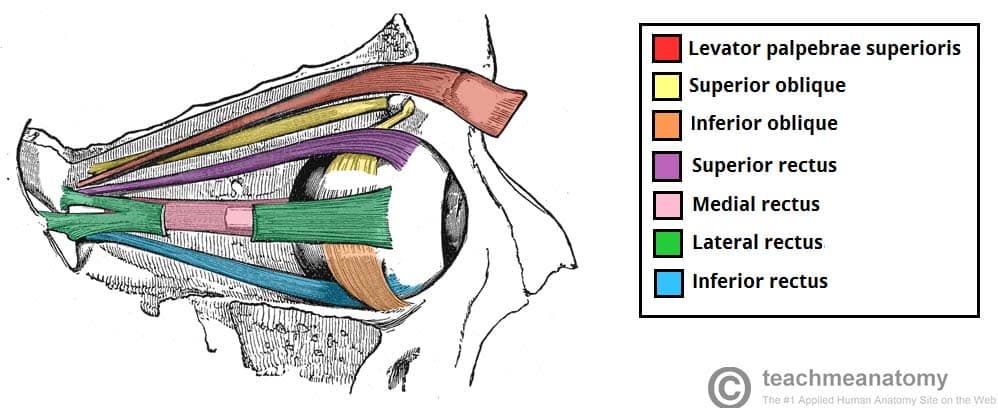
Inferior rectus muscle
Moves the eye downward.
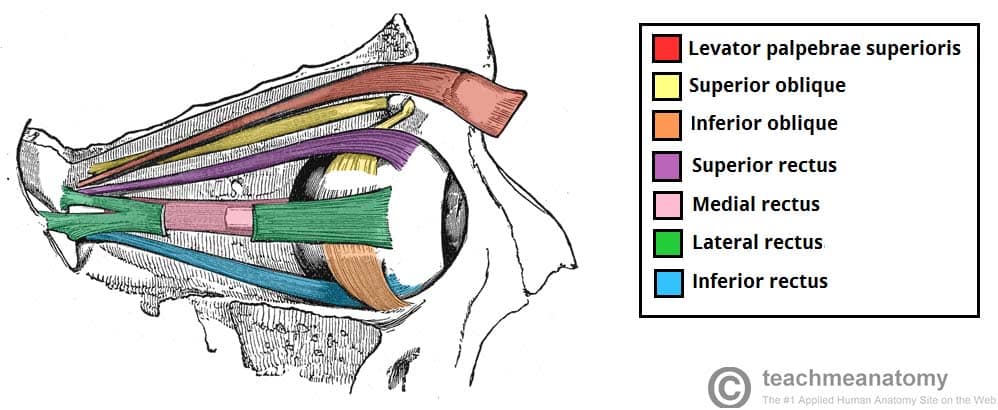
Inferior oblique muscle
Rotates the eye upward and outward.
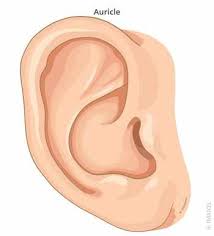
Auricle *
Structure
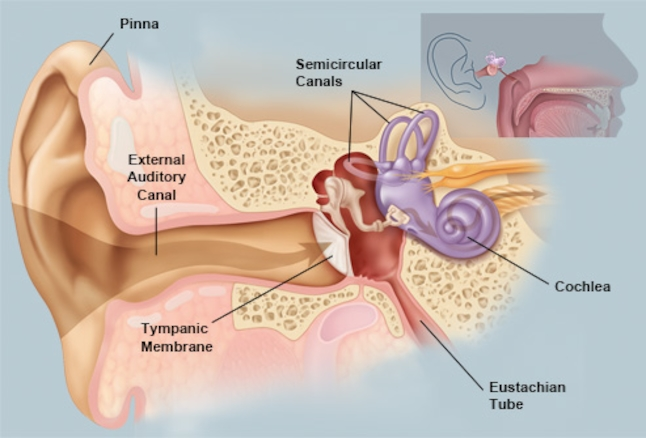
External auditory canal
Carries sound waves to the eardrum.
Tympanic membrane
Vibrates in response to sound waves.
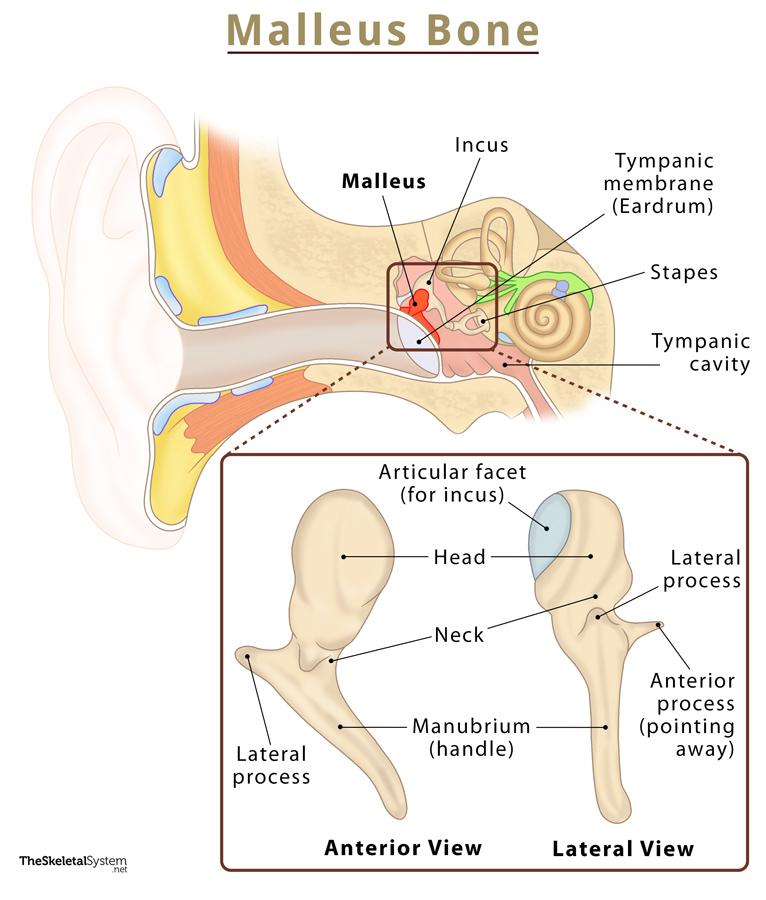
Malleus
Transmits vibrations from the eardrum to the incus.
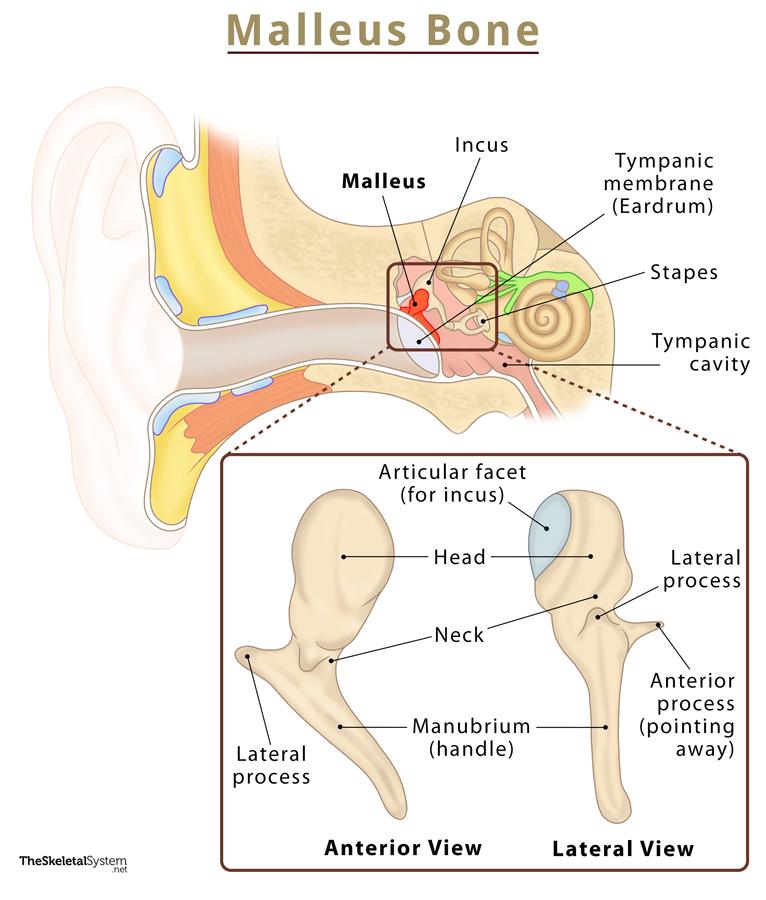
Incus
Passes sound vibrations from the malleus to the stapes.
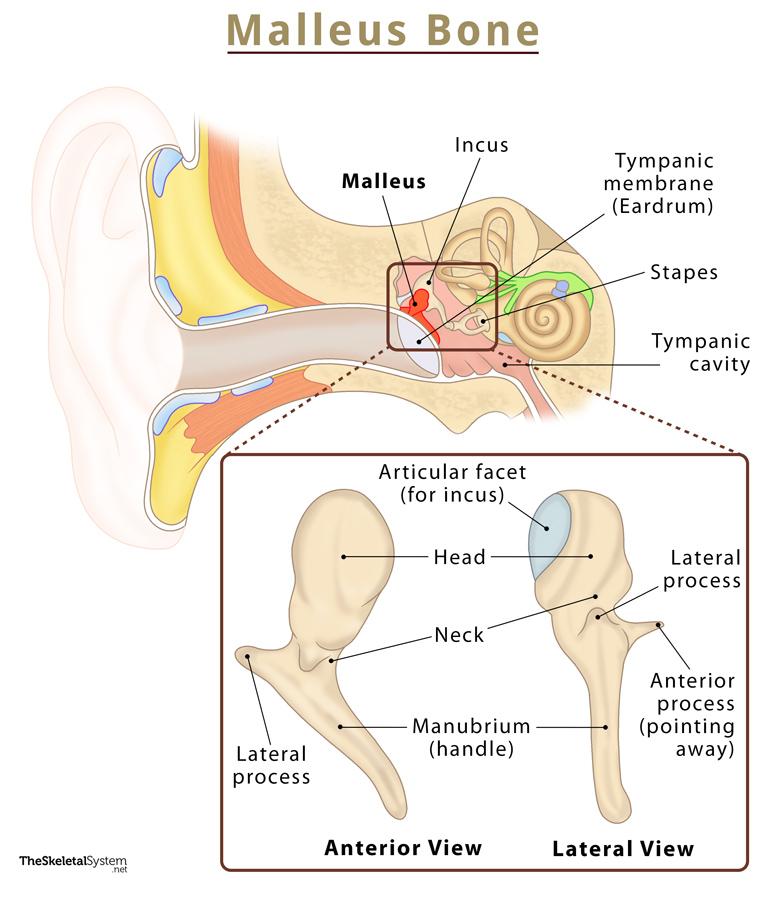
Stapes
Transfers vibrations to the inner ear through the oval window
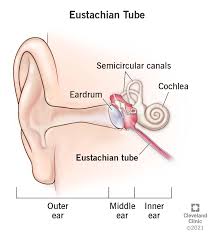
Eustachian tube
Equalizes air pressure between the middle ear and the throat.