Honors Biology Final Study Guide
 Call Kai
 Learn
Learn Practice Test
 Spaced Repetition
 Match
Match Flashcards
 Knowt Play
1/15

There's no tags or description
Looks like no tags are added yet.
Name | Mastery | Learn | Test | Matching | Spaced | Call with Kai |
|---|
No analytics yet
Send a link to your students to track their progress
16 Terms
The Purpose of the Division: Explain why a cell must undergo the cell cycle rather than simply growing larger indefinitely. What are the three primary goals of this process?
Growth, repair, and asexual reproduction.
Interphase Breakdown: Describe the specific events that occur in G1, S, and G2. Why is the S phase particularly critical for the success of mitosis?
G1: Cells rapidly grow, S: DNA is replicated, G2: cells prepare for division. The S phase is critical because it ensures that each daughter cell receives an identical set of chromosomes.
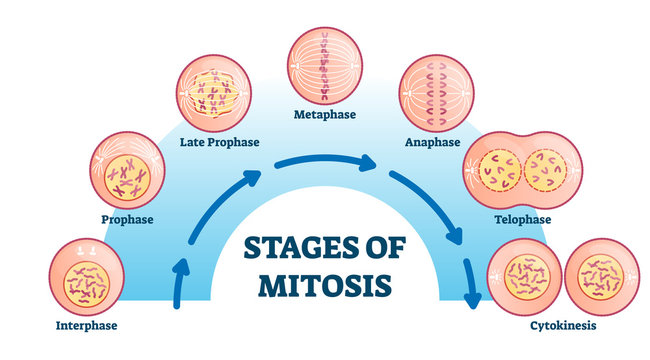
The Mechanics of Mitosis: Walk through the four stages of Mitosis (Prophase through Telophase). In your description, focus on what is happening to the chromosomes and the nuclear envelope in each
In Prophase, chromosomes condense and become visible while the nuclear envelope begins to break down. In Metaphase, chromosomes align at the equatorial plane of the cell. In Anaphase, sister chromatids are pulled apart to opposite poles of the cell. In Telophase, the chromatids reach the poles, nuclear envelopes reform around each set of chromosomes, and the cell begins to divide.
Regulation & Error: What is the role of “checkpoints” in the cell cycle? Explain how a failure in these checkpoints, specifically involving tumor suppressor genes or proto-oncogenes, can lead to cancer.
Checkpoints act as surveillance mechanisms that monitor and regulate the cell cycle, ensuring cells only divide if they are large enough, have repaired damaged DNA, and are properly attached to the spindle apparatus. Tumor Suppressor Genes: Normally act as the "brakes" by halting the cell cycle to allow for DNA repair or to trigger apoptosis if the damage is irreversible. Mutated versions fail to stop division, allowing severely damaged cells to reproduce uncontrollably. Proto-oncogenes: Normally act as the "gas pedal" by promoting normal cell growth and division. Mutated versions (called oncogenes) become stuck "on," hyper-driving the cell cycle forward regardless of the checkpoint signals.
Dominance vs. Recessiveness: Using the terms “genotype” and “phenotype,” explain how an individual can carry a trait (like white fur) without actually displaying it.
An individual can carry a recessive trait without displaying it if they are heterozygous, meaning their genotype has one dominant and one recessive allele. The dominant allele masks the recessive one, so the physical trait you actually see, the phenotype, only shows the dominant characteristic
Sex-Linked Inheritance: Explain why males are more frequently affected by sex-linked recessive disorders like hemophilia. What must be true about the parents for a female to express the disorder?
Males are more frequently affected by X-linked recessive disorders because they have only one X chromosome. A single recessive allele on that chromosome will cause the disorder. Females are less affected because they possess two X chromosomes, so a normal allele can mask the recessive one.
Blood Type Genetics: Human blood types involve “codominance” and “multiple alleles.” Explain why two parents with Type B and Type AB blood could never have a child with Type O blood.
To have Type O blood, a child must inherit two recessive i alleles (ii). This is impossible here because the Type AB parent always passes on either a dominant I^A or I^B allele. Because A and B are dominant over O, any child of an AB parent will express A, B, or AB blood, never Type O.
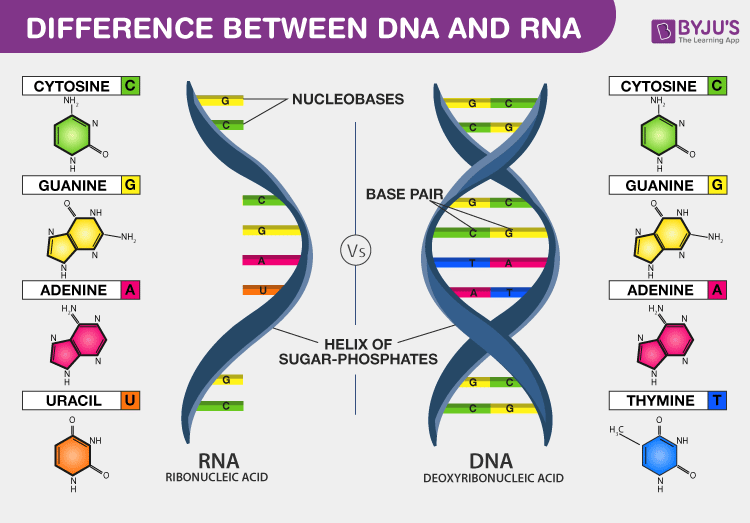
Structure & Comparison: Compare and contrast the structure of DNA and RNA. Identify at least three differences involving their sugars, strands, and nitrogenous bases.
DNA and RNA are both nucleic acids made of nucleotide chains, but they differ fundamentally in their sugars, strand count, and nitrogenous bases.
Sugar: DNA contains deoxyribose (missing one oxygen atom), while RNA contains ribose.
Strands: DNA is double-stranded (forming a double helix), whereas RNA is single-stranded.
Nitrogenous Bases: DNA uses thymine (T), whereas RNA replaces it with uracil (U). Both share adenine, cytosine, and guanine
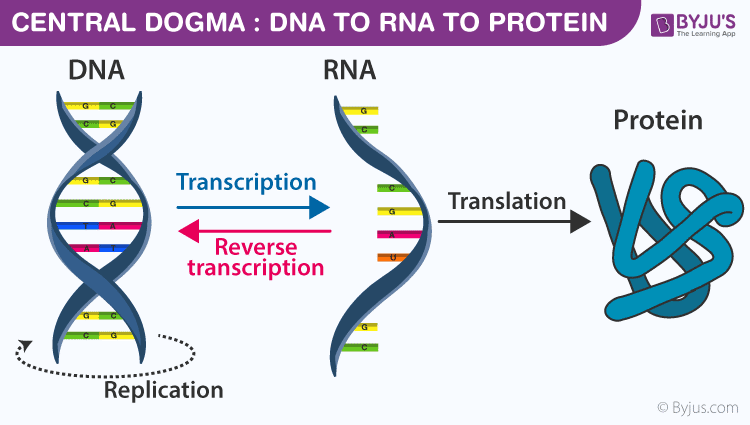
The Central Dogma: Describe the flow of genetic information from DNA to Protein. Define the roles of Transcription (where it happens and what is made) and Translation (the role of the ribosome and codons).
The Central Dogma describes the one-way flow of genetic information in cells: DNA —> RNA —> Protein. It dictates how the genetic instructions stored in your DNA are ultimately expressed as functional proteins.
1. Transcription (DNA —> RNA
What is made: A single-stranded Messenger RNA (mRNA) molecule is created. It acts as a portable copy of a specific DNA gene.
Where it happens: Inside the cell's nucleus (in eukaryotes) or the cytoplasm (in prokaryotes).
How it works: An enzyme called RNA polymerase unzips the DNA double helix and builds an mRNA strand that is complementary to the DNA template.
2. Translation (mRNA —> Protein)
Role of the Ribosome: The ribosome is the cell's "protein factory". It binds to the mRNA, reads the genetic message, and links amino acids together to build a protein (polypeptide).
Role of Codons: mRNA is read in sets of three nucleotide bases called codons. Each codon specifies a single, exact amino acid (or a "stop" signal). Transfer RNA (tRNA) molecules carry these amino acids to the ribosome, matching their anticodon to the mRNA codon.
Replication Fidelity: If a DNA strand reads CCTAGCT, what will the complementary strand be? Why is it essential that DNA replicates before a cell divides?
Complementary Strand:
GGATCGA (Following the base-pairing rules where Adenine binds to Thymine, and Cytosine binds to Guanine.
Why it is essential before cell division:
Replication ensures that every daughter cell receives an identical, complete copy of the genome. Without it, dividing cells would lack the necessary genetic instructions to produce essential proteins and survive.
Natural Selection Mechanisms: Define “fitness” in an evolutionary context. How do mutations and environmental pressures (like a new predator or climate change) work together to change a population over time?
Evolutionary fitness is an organism's ability to survive and reproduce in its specific environment, passing its genes to the next generation. Mutations randomly create new genetic traits. When environmental pressures (like a new predator) occur, individuals with traits better suited to the change are more likely to survive and reproduce, increasing the frequency of those advantageous genes over time.
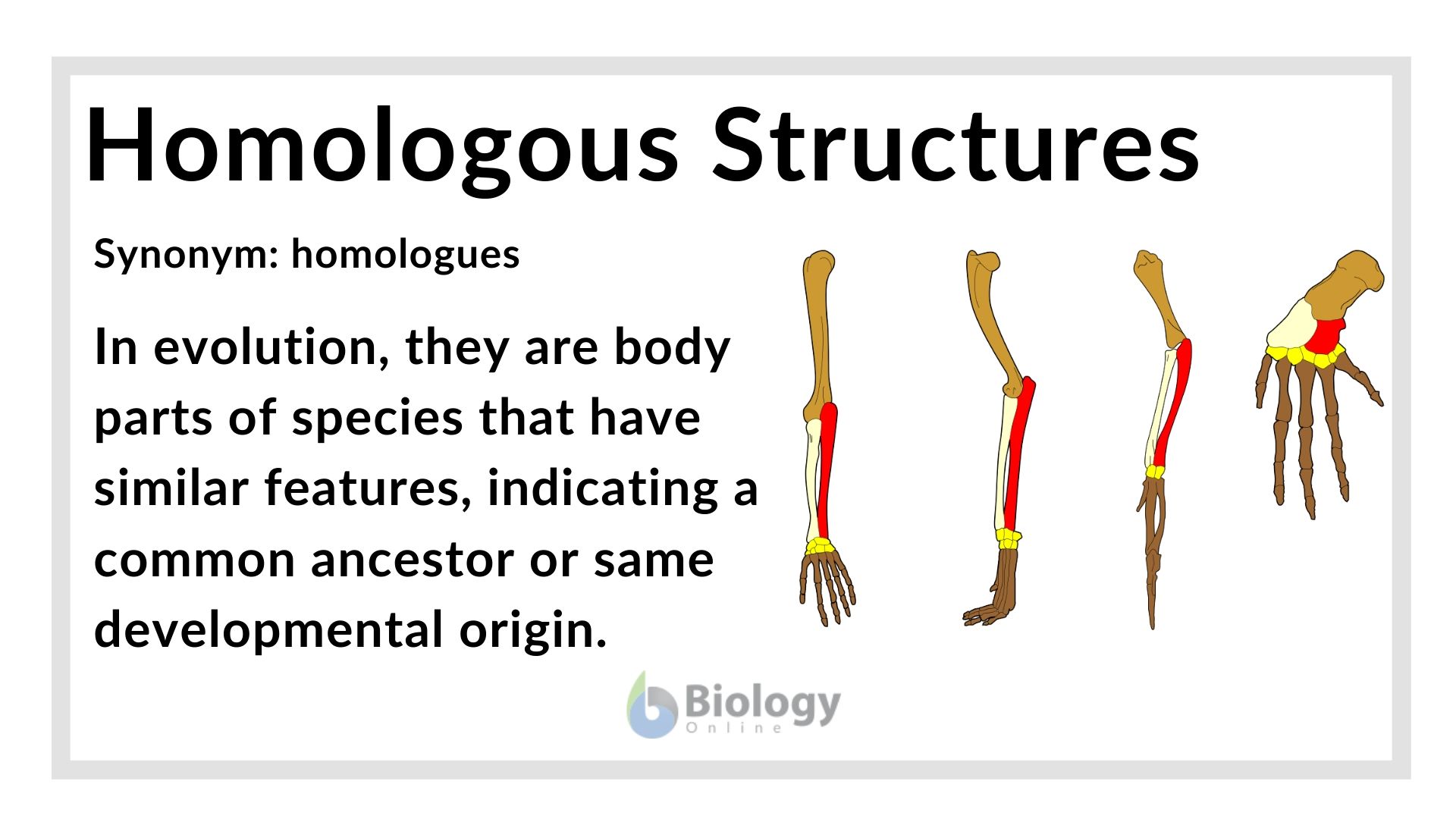
Evidence of Common Ancestry: Explain the difference between homologous structures (like the limb bones of a human and a whale) and vestigial structures. How do these provide evidence for evolution?
Homologous structures are body parts in different species that share the same basic structure, like the forearm bones in humans and whales, but often serve different functions. Vestigial structures are leftover, non-functional remnants of organs that were fully functional in an ancestor (e.g., whale pelvic bones)
Populations vs. Individuals: A common misconception is that “individuals evolve.” Correct this statement by explaining the role of the gene pool and reproduction in the evolutionary process.
Correction: Individuals do not evolve; populations do. An individual's genetic makeup is fixed at fertilization and cannot change during its lifetime. Instead, evolution is defined as a change in allele frequencies within a population's gene pool over successive generations.
Key Concepts:
Gene Pool: The complete collection of all genes and their different versions (alleles) in an interbreeding population.
Reproduction: Passes combinations of these alleles to the next generation.
Natural Selection: Acts on individual phenotypes (traits), determining who survives to reproduce and pass on their genes.
Result: Advantageous alleles increase in frequency within the gene pool, altering the genetic makeup of the population over time.
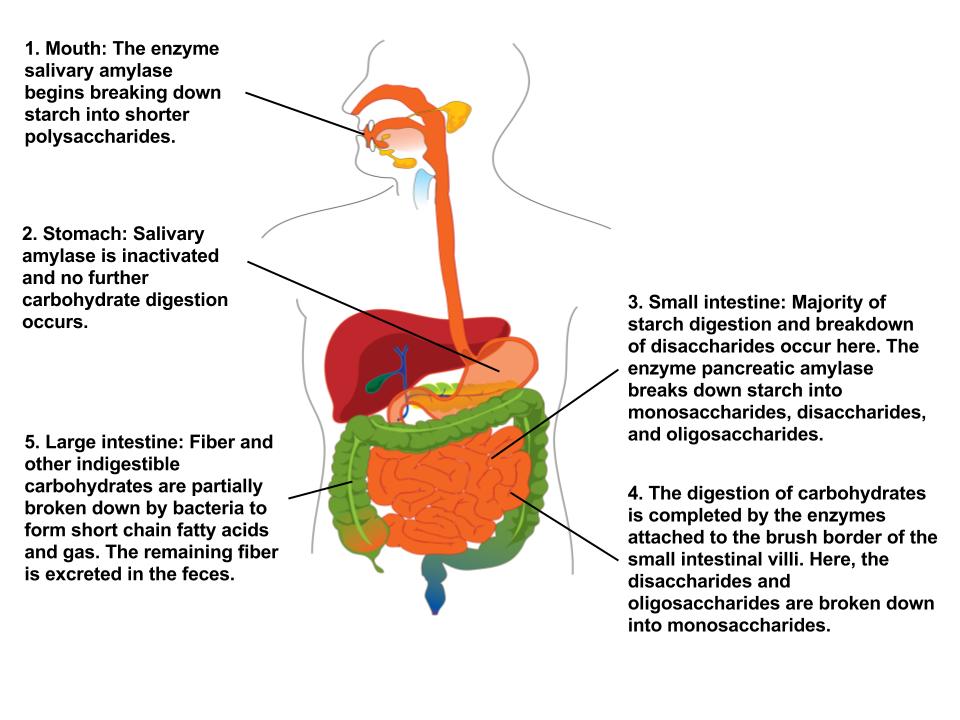
The Digestive Path: Trace a piece of carbohydrate from the mouth to the large intestine. Identify where chemical digestion begins, where the most nutrients are absorbed, and the role of peristalsis.
Carbohydrate digestion begins in the mouth where salivary amylase breaks down complex starches. The food (chyme) then travels to the stomach and small intestine, where the most nutrients are absorbed in the jejunum. Peristalsis (wave-like muscle contractions) pushes, mixes, and propels food through this entire tract.
The Digestive Pathway: Trace a Carb
Mouth: Mechanical digestion (chewing) occurs, and chemical digestion of carbohydrates begins via salivary amylase.
Esophagus: Moves the food downward to the stomach using muscle contractions.
Stomach: No further carbohydrate digestion occurs here due to the highly acidic environment.
Small Intestine (Duodenum/Jejunum): Pancreatic amylase and brush border enzymes (lactase, sucrase, maltase) break carbs into simple monosaccharides (like glucose). Most nutrient absorption takes place here, aided by villi and microvilli.
Large Intestine: Undigested carbohydrates (fiber) reach the colon, where they are fermented by bacteria. Water is also absorbed before waste is excreted.
The Cardiac Circuit: Trace the path of a drop of deoxygenated blood entering the Right Atrium until it leaves the heart to go to the rest of the body. Name the chambers and the organs it visits in between.
Deoxygenated blood travels from the body into the Right Atrium —> Right Ventricle —> Lungs (where it drops CO2 and picks up O2 —> Left Atrium —> Left Ventricle —> Aorta, which pumps the oxygenated blood to the rest of the Body's organs.

Accessory Organs: Describe the specific contributions of the Liver and the Pancreas to the digestive process, even though food does not pass directly through them.
The liver produces bile, which emulsifies fats by breaking large lipid droplets into smaller, accessible ones. The pancreas secretes pancreatic juice, rich in bicarbonate to neutralize stomach acid, and enzymes (amylase, lipase, and protease) to chemically break down carbohydrates, fats, and proteins,