Trade - Homeric World
 Call Kai
 Learn
Learn Practice Test
 Spaced Repetition
 Match
Match Flashcards
 Knowt Play
1/16

There's no tags or description
Looks like no tags are added yet.
Name | Mastery | Learn | Test | Matching | Spaced | Call with Kai |
|---|
No analytics yet
Send a link to your students to track their progress
17 Terms
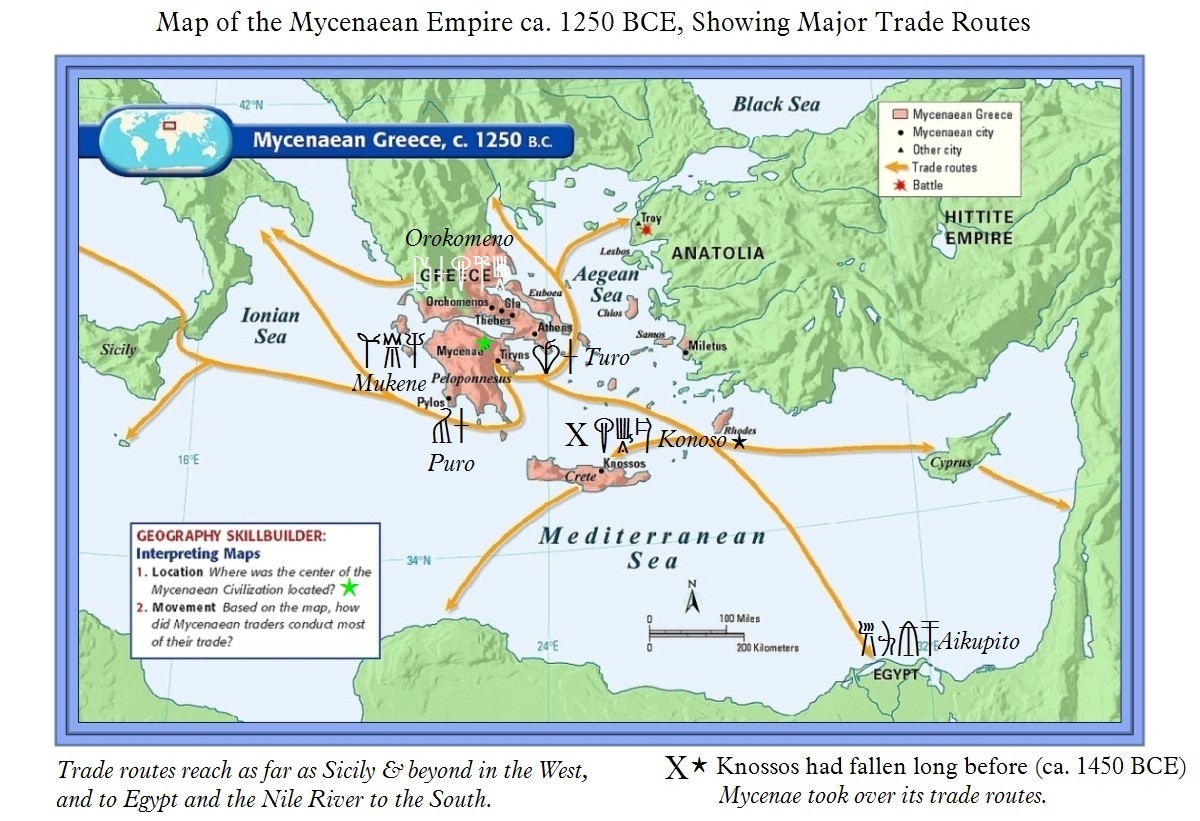
Who did the Mycenaeans trade with ?
Africa
Egypt
Aegean Islands
Cyprus
Attica ( around Athens )
Middle East - Syria
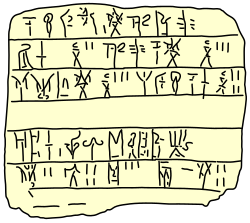
Are there any records of Mycenaean trade
Only Linear B records exist and it isn’t complete:
these tablets only record a snapshot in time
only found in Pylos and Knossos
therefore, no mass written records of any form of trade or the objects themselves.
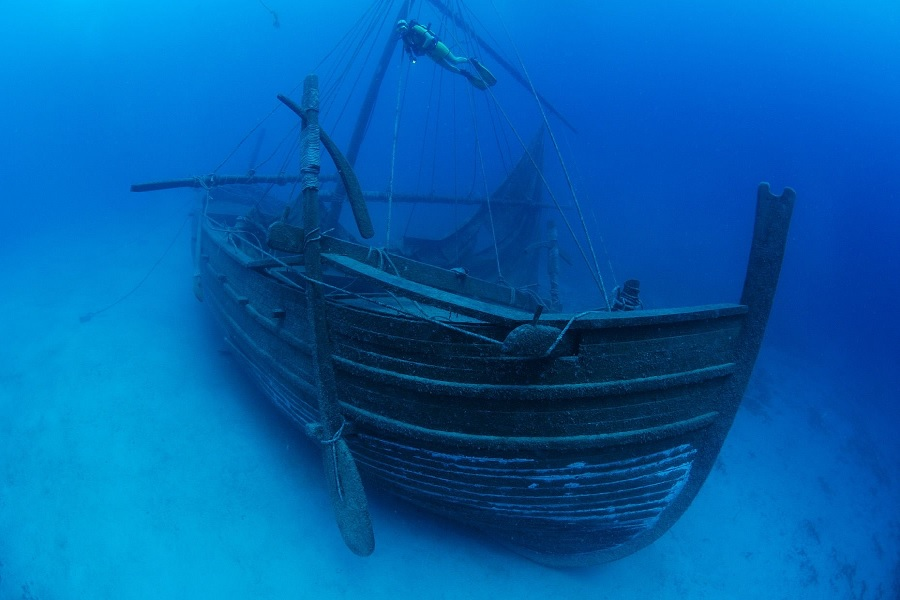
What are our sources then ?
objects in cities ( Ivory objects, amber etc )
shipwrecks - Ulu Burun shipwreck
How did they trade ?
Most of the trading in Mycenaean times was done by sea
travel on land was slow due to mountain ranges and dangerous due to bandits.
More can be carried on ships compared to chariots and horseback
The Sailing season was….
early spring - early autumn
it was only safe to sail for around half the year as weather could worsen.
even then the weather in the mediterranean was very unpredictable.
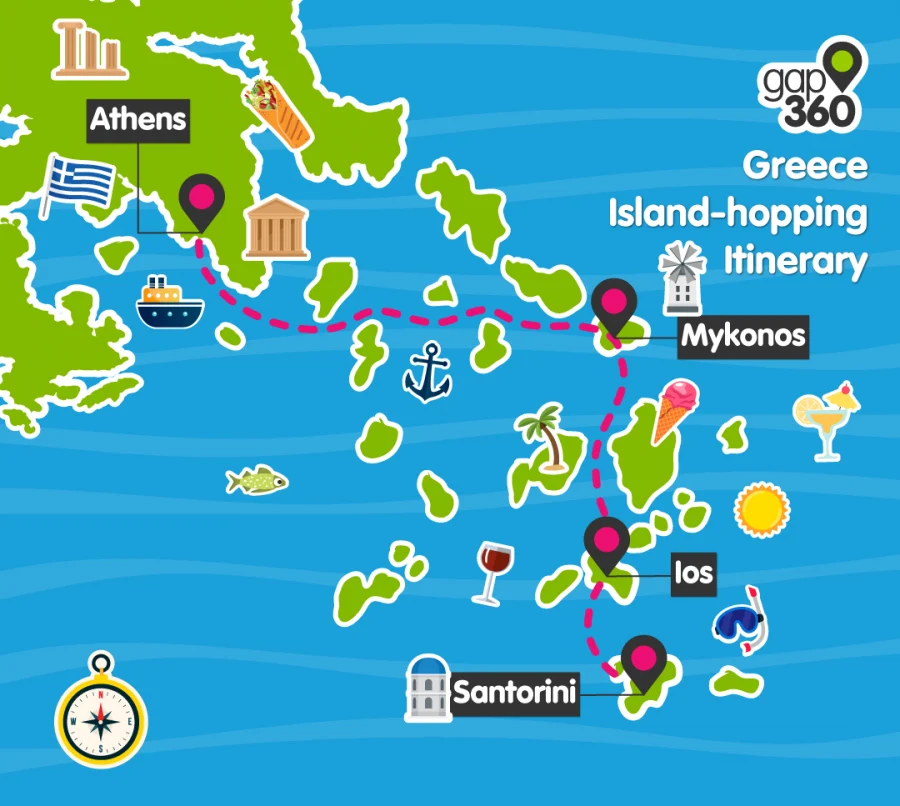
How did they exchange objects ?
Island Hopping :
Greece consists of a multitude of islands
merchants used to ‘island hop’ to different islands and mainland Greece.
They would both drop off and pick up cargo along their journey.
e.g. some historians believe Mycenaeans imported amber and tin from Britain
‘Bartering’ was also a common method of exchange :
if a merchant wanted a type of item or service, he would offer what he already had. - currency at this point most likely did not exist.
Where different materials came from
Gold - Macedonia, Egypt, Thasos ( Greek Island )
Amber - Denmark, Northern Europe
Ivory - Africa, Syria
Lapis Lazuli - Africa
Silver, Lead - Attica
Copper - Attica, Syria, Cyprus, Sardinia
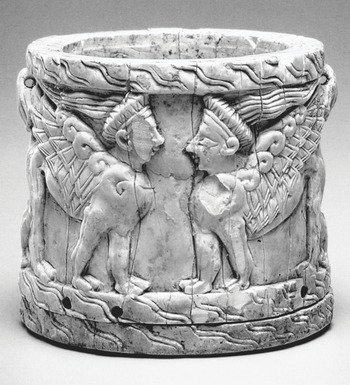
How do we know what a luxury item was ?
Rare and found in very small quantities.
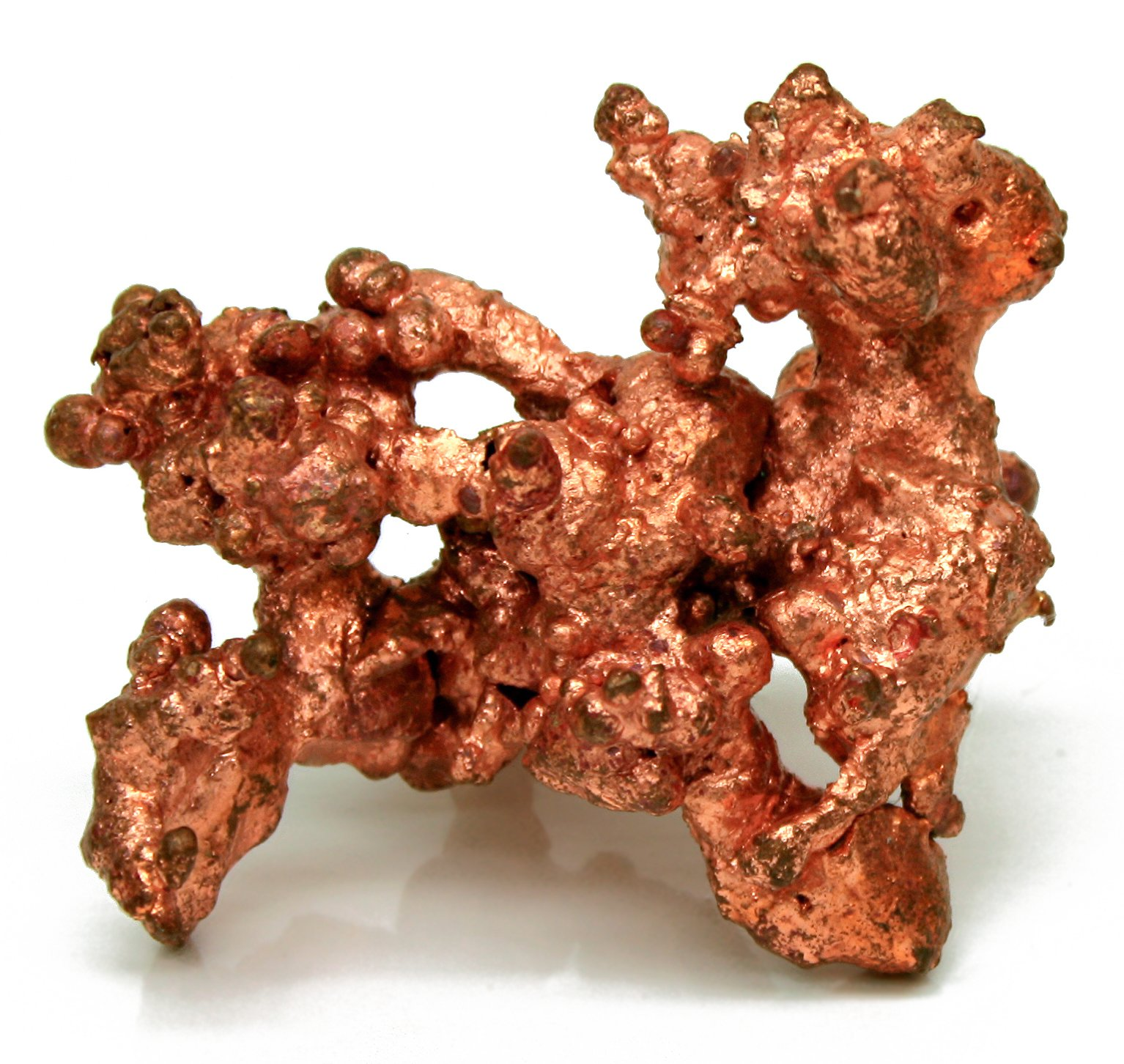
What were the most important resources being traded ?
copper was the most crucial import as it’s the main metal required for making bronze
bronze is widely used in the Mycenaean period for weapons, metal objects, tools etc ( Hence The Bronze Age )
Gold imported for precious items and objects
Did they trade slaves ?
Potentially
there is evidence of slavery in the Odyssey ( buying slaves ) - Eumaeus is a doulos who was purchased into Odysseus’ household.
Eumaeus purchases a slave from the Taphians in Odysseus’ absence.
Odyssey - implied trickery and deceit in converting people to slaves in trade.
In the Iliad, people defeated in war became slaves.
Linear B tablets details workers from other parts of the world ( slaves being brought over ? )
What were the reputation of traders and merchants ?
Negative :
Odyssey Book 8 - shows stereotype of greedy merchants
looking for profit
island hopping
Being like / looking like a merchant is almost like an insult essentially.
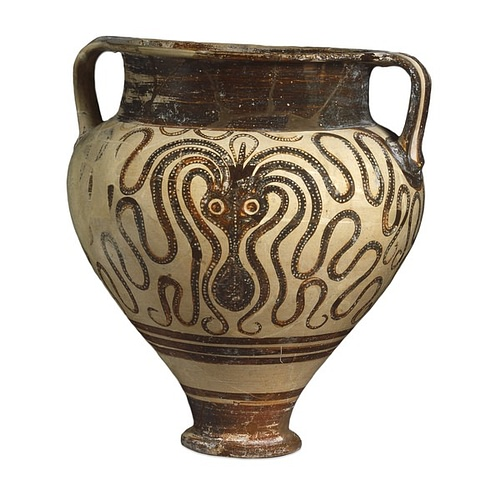
What were the Mycenaean’s main export + additional items ?
Pottery
pottery found in Israel, Egypt, Sicily, Albania and Macedonia.
Some of these pottery vessels containing olive oil was found in other parts of Greece.
Kraters were exported to Cyprus.
other items include :
Inhabitants of Mycenae seems to have traded wine and oil with each other.
Mycenaean-style dagger found in Romania
Beads found in Egypt
Silk would have been traded
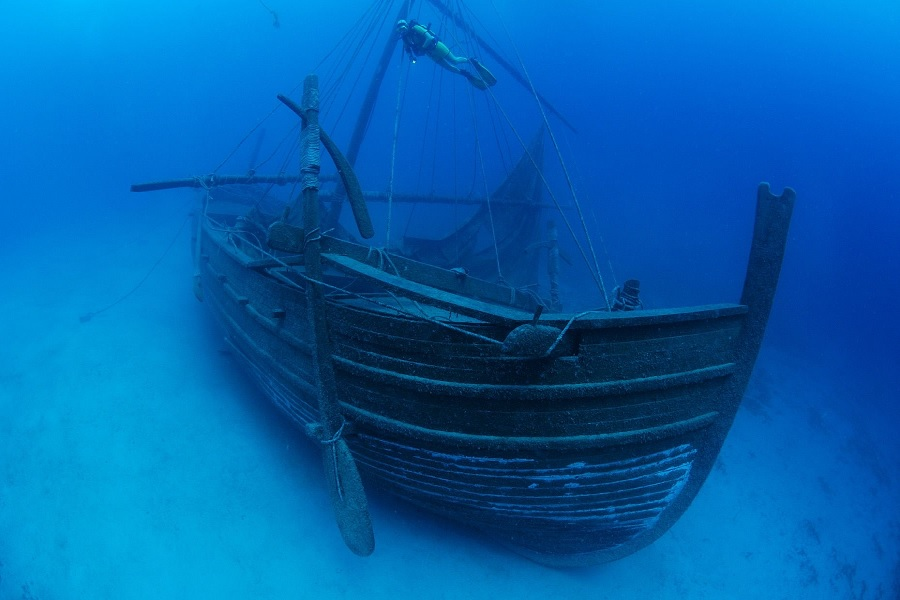
What was the Ulu Burun Shipwreck ?
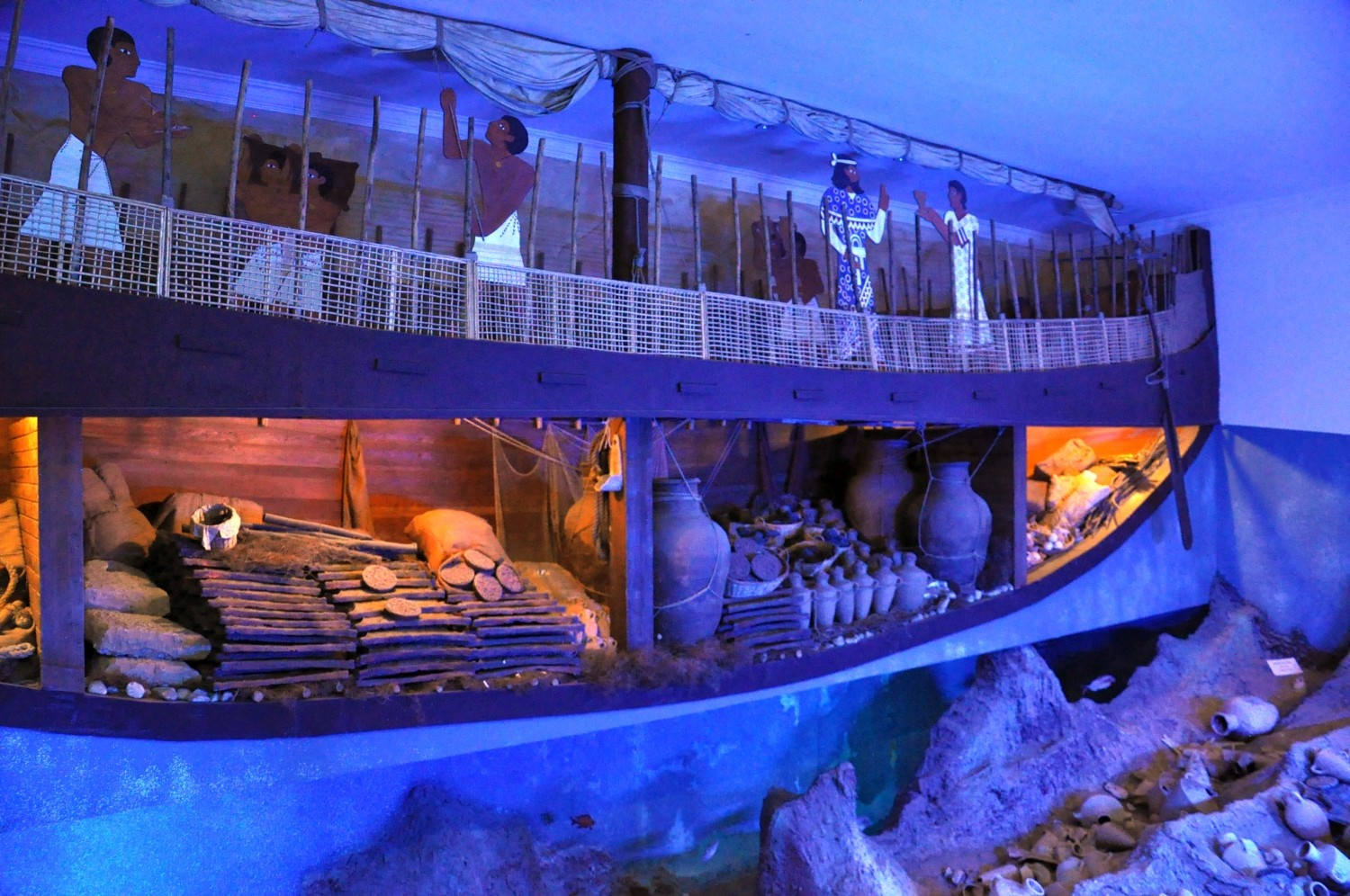
Late bronze age shipwreck of a merchant trading ship.
The Ulu Burun was a 15m long ship able to hold 20 tonnes of cargo.
The Ulu Burun sunk at around 1375 BC
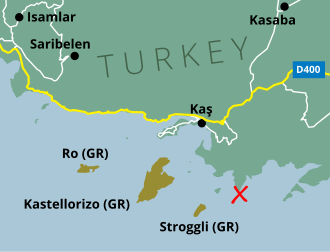
Where is the Ulu Burun Shipwreck
off the coast of southwest Turkey, near a town called Kaş
The ship is resting 45m beneath the surface of the ocean on a steep rocky slope
Why is the Ulu Burun Shipwreck significant ?
Shipwrecks in the Bronze Age is not uncommon, however the Ulu Burun shipwreck is distinct because of it’s amount of surviving goods and valuables
The majority of it’s cargo was in the form of raw materials
the various objects shows who the Mycenaeans could have traded with.
It houses some of the earliest ingots of glass to be found.
What was on board ?
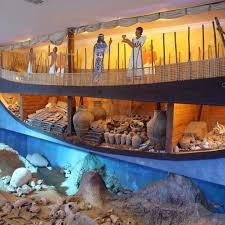
10 tonnes of copper
1 tonne of tin
This was most likely for making Bronze.
150 jars of a type found commonly in the Middle East was onboard
jars mostly filled with resin, olives and one with glass beads.
Other items include :
wooden logs
elephant tusks
hippopotamus teeth
tortoise shells
oil lamps
pottery
amber
drinking cups
weapons
food ( nuts, olives, spices )
a trumpet
wooden tablets ( to be filled with wax for writing )
glass beads
tons of resin
gold
Ostrich eggs
More significant objects
Egyptian jewellery
Egyptian faience
Ivory vessels
A gold chalice
Cypriote bowls and pots
Clay lamps and jugs
A bronze pin
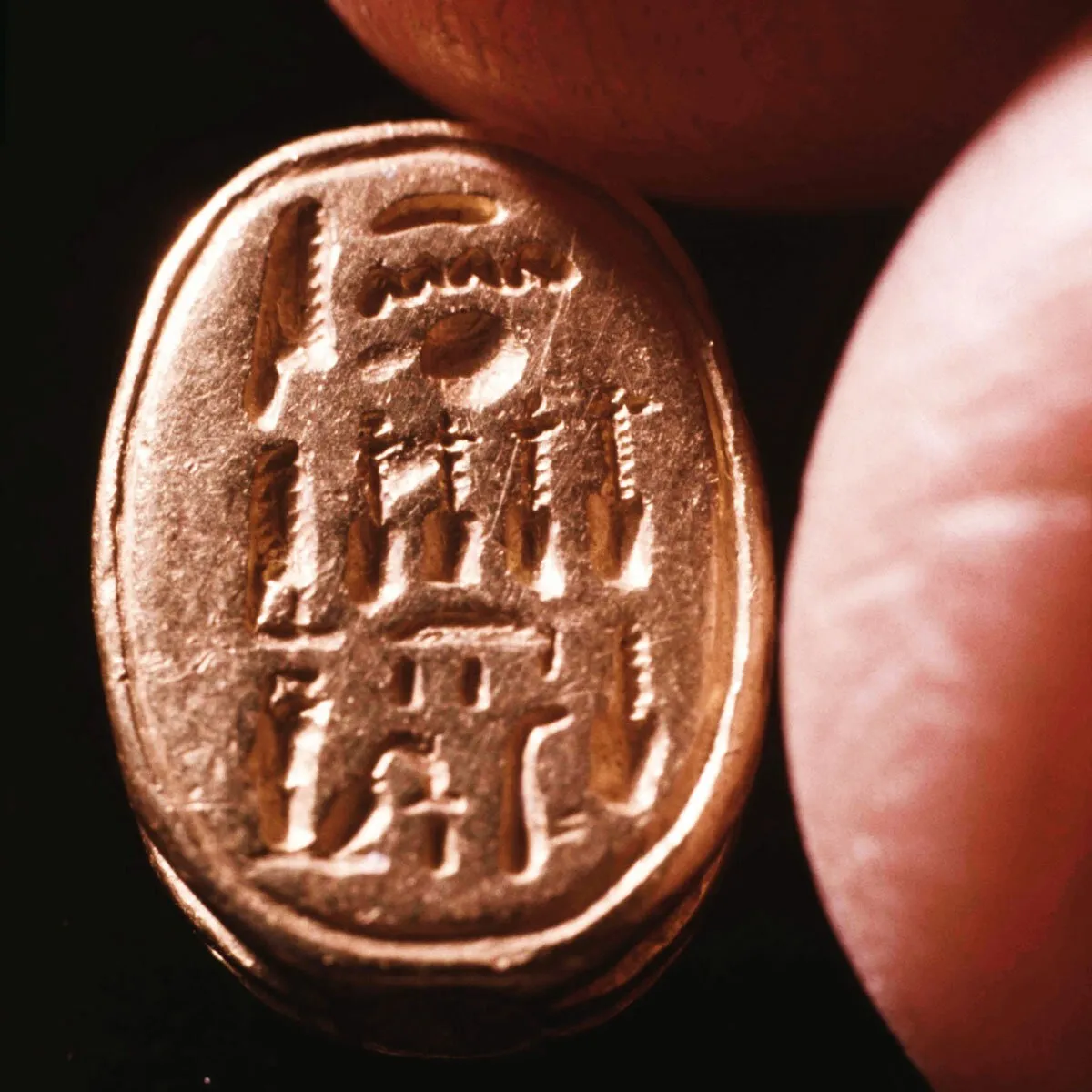
Gold Scarab with Queen Nefertiti’s name inscribed on it
24 anchors