ART 101 Unit 4 Exam Study
 Call Kai
 Learn
Learn Practice Test
 Spaced Repetition
 Match
Match Flashcards
 Knowt Play
1/38

There's no tags or description
Looks like no tags are added yet.
Name | Mastery | Learn | Test | Matching | Spaced | Call with Kai |
|---|
No analytics yet
Send a link to your students to track their progress
39 Terms
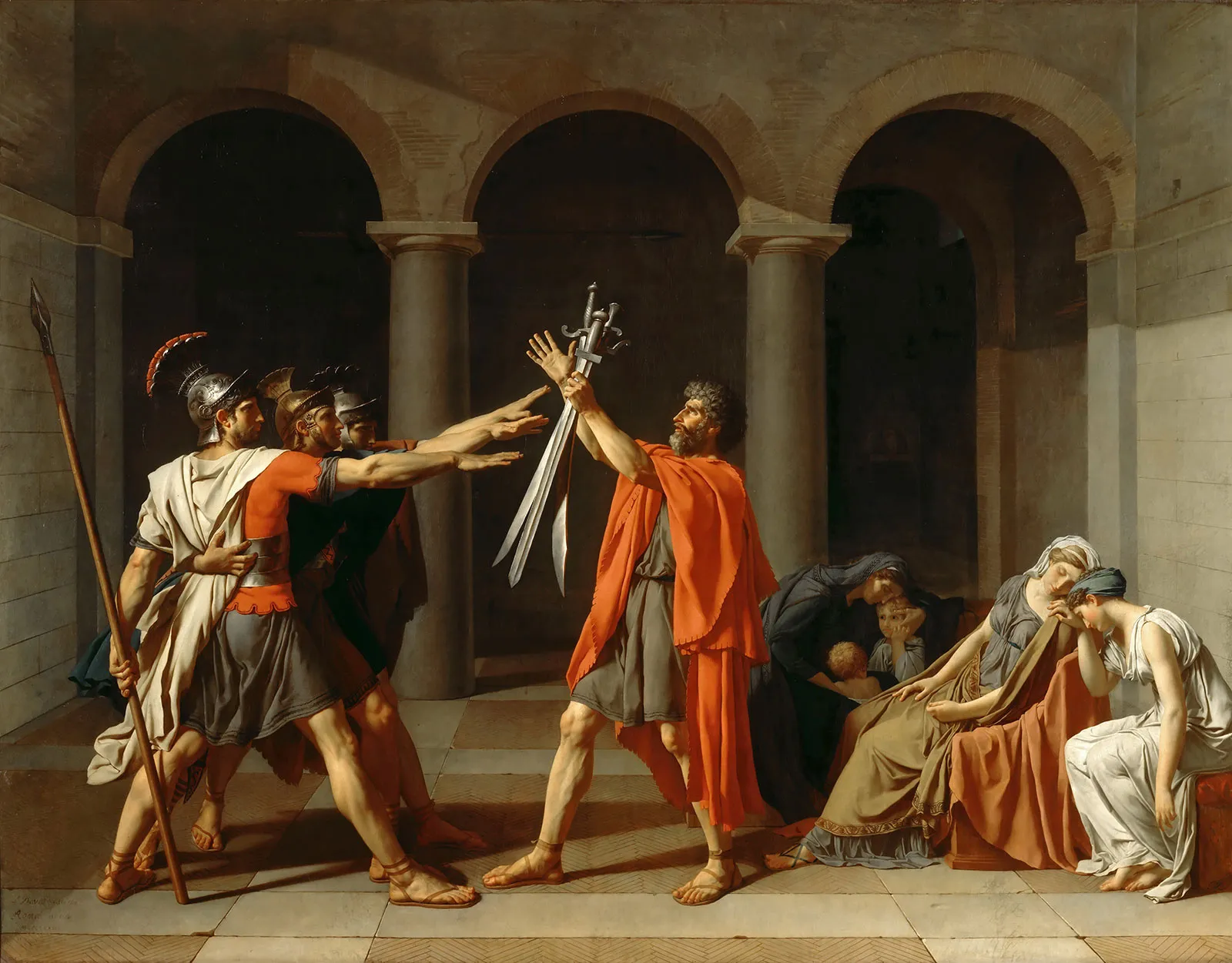
Jacques-Louis David, The Oath of Horatii
Neoclassicism
Neoclassicism = order, heroism, classical influence
Traits:
Symmetry/order
Classical (Roman) subject
Idealized figures
Promotes civic duty and sacrifice, reflecting Enlightenment values and pre-revolutionary political ideals.
What is Neoclassicism?
Order, balance, symmetry
Classical influence (Greece/Rome)
Moral/heroic themes
What was Jacques-Louis David known for?
Political, dramatic scenes
Clean lines, controlled composition
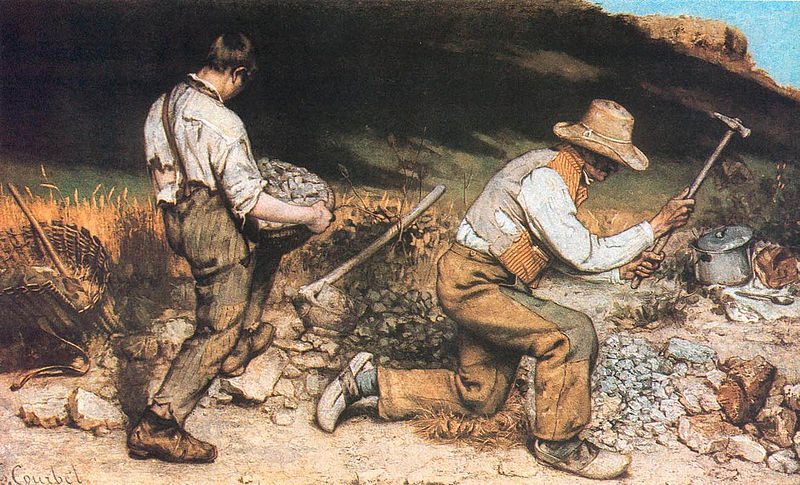
Gustave Courbet, The Stonebreakers
labor/class
Realism
Realism = everyday life, harsh truth, no idealization
Traits:
Working class subject
No idealization
Gritty/harsh reality
“Highlights the harsh reality of labor during industrialization as a social critique.”
Considered to be the “father” of the Realist movement
Painting was the “object of public derision”
Criticized for abandoning the Academic Style
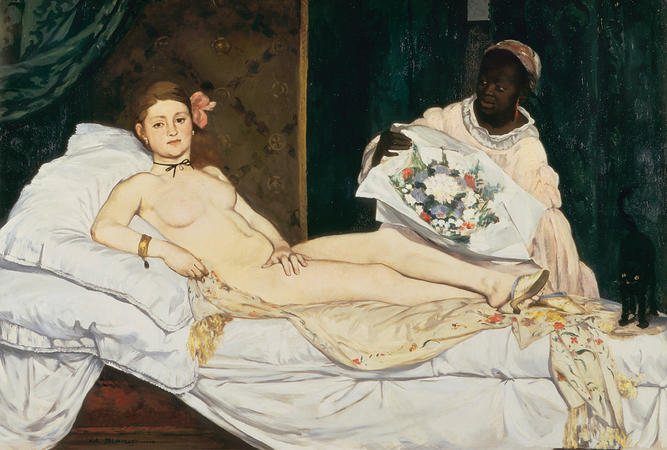
Édouard Manet, Olympia
controversial realism
Realism
Realism = everyday life, harsh truth, no idealization
“Critiques modern society and challenges traditional representations of women.”
intentionally mimicked the Renaissance composition
According to some art historians, Manet is the artist most responsible for changing the course of the history of painting (regarding technique)
What was the Salon de Refuses?
“Salon of the Refused”
Art exhibition held in 1863 in Paris by command of Napoleon III
For those artists whose works had been refused by the jury of the official Salon
“Represents rebellion against traditional academic art standards.”
Notable Artists:
Paul Cézanne
Camille Pissarro
Armand Guillaumin
Johan Jongkind
Henri Fantin-Latour
James Whistler
Édouard Manet
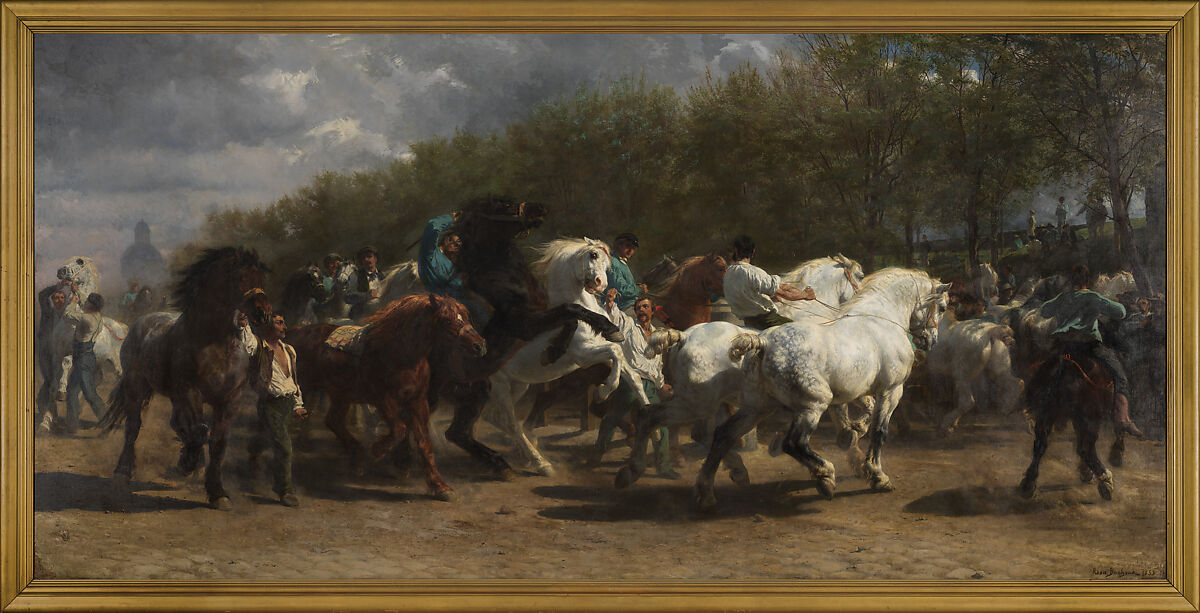
Rosa Bonheur, The Horse Fair
Realism
Realism = everyday life, harsh truth, no idealization
“Depicts modern life while challenging gender norms in art.”
panoramic scene of extraordinary power
inspired by the Parthenon’s horsemen frieze
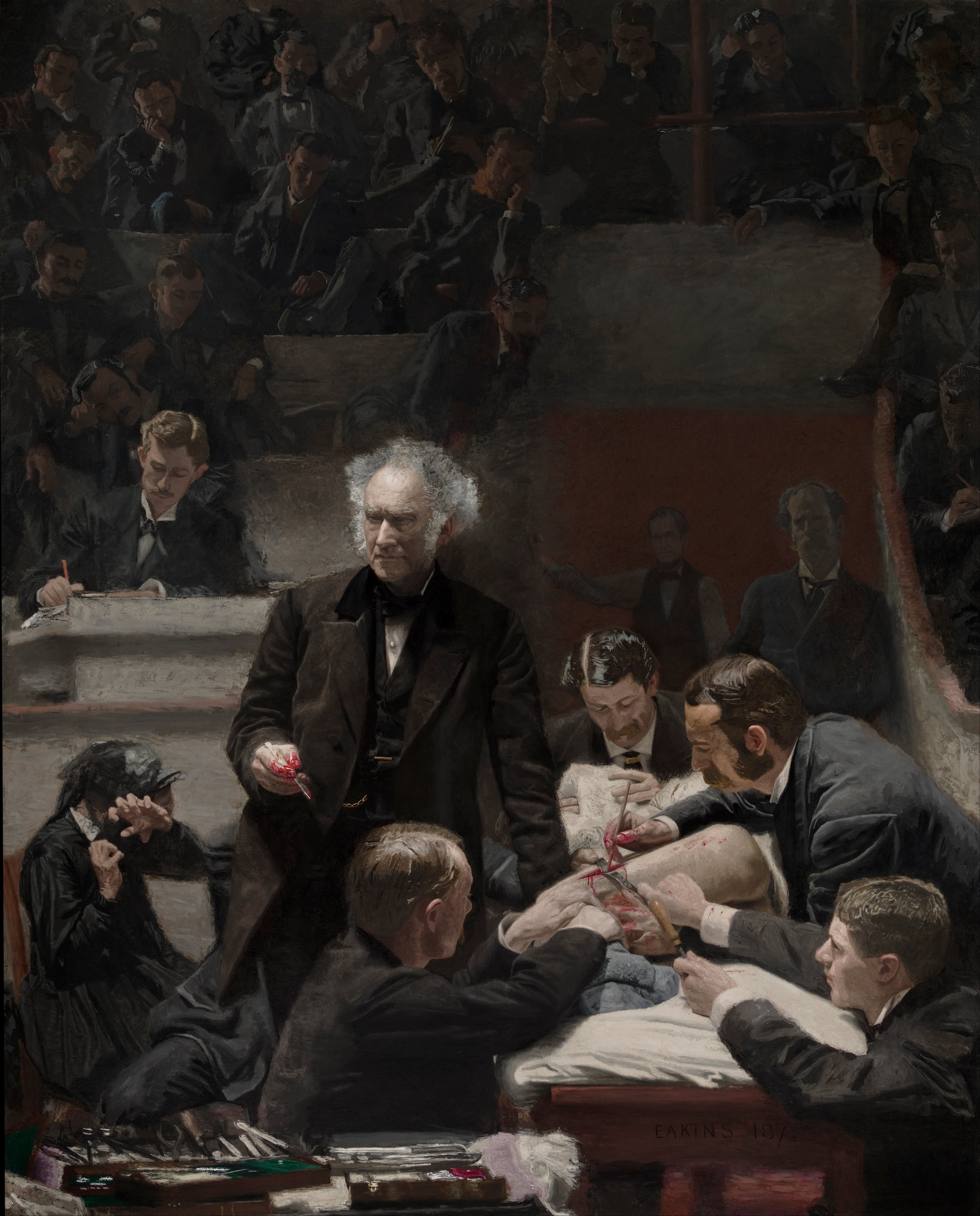
Thomas Eakins, The Gross Clinic
medical realism
Realism
Realism = everyday life, harsh truth, no idealization
“Reflects pride in scientific progress and modern medicine.”
most important American portrait painter of the nineteenth century
stems from Eakins’s endeavors to become fully acquainted with human anatomy by working from live models and dissecting corpses
depicts the surgeon Dr. Samuel Gross operating on a young boy at the Jefferson Medical College in Philadelphia
What is Realism?
Everyday life
Unidealized subjects
Social reality
What is Academic Art?
style of painting and sculpture produced under the influence of European academies, particularly the French Académie des Beaux-Arts, dominating the 19th century
“Represents institutional control and traditional artistic standards.”
Characterized by idealized beauty, precise anatomy, and dramatic lighting, this style prioritizes technical mastery and a "finished" look
favored high-minded subjects: history painting, mythological scenes, biblical scenes, and formal portraits
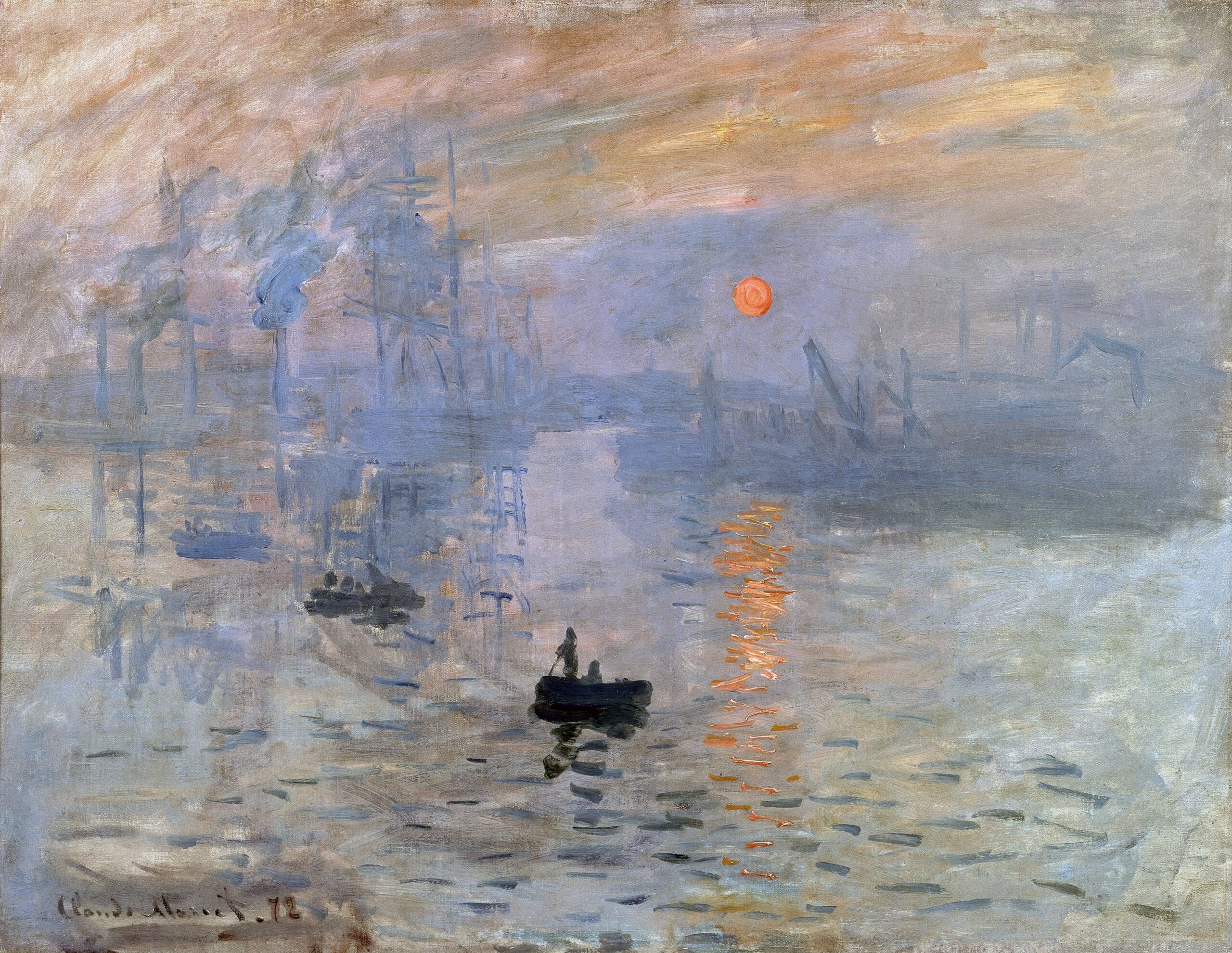
Claude Monet, Impression: Sunrise
Impressionism
Light changes EVERYTHING
Loose brushstrokes
Painted outdoors (plein air)
“Focuses on perception and modern life, influenced by industrial change.”
most fervent follower of Impressionist techniques
sharply criticized for its rejection of the Academic
artistic style
appeared at the first art exhibition “outside of
a formal art gallery,” held at the Boulevard des Capucines in France
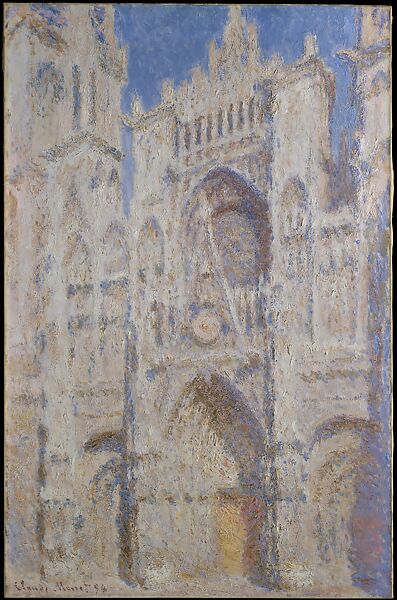
Claude Monet, Rouen Cathedral
Impressionism
Light changes EVERYTHING
Loose brushstrokes
Painted outdoors (plein air)
“Explores how light and time alter perception of the same subject.”
harsh stone façade of the cathedral dissolves in a bath of sunlight, its finer details obscured by the bevy of brushstrokes crowding the surface
He offers us his impressions as eyewitness to a set of circumstances that will never be duplicated
What was Claude Monet known for?
Focus on changing light
Same subject, different times
What is Impressionism?
Light & atmosphere
Visible brushstrokes
Outdoor painting
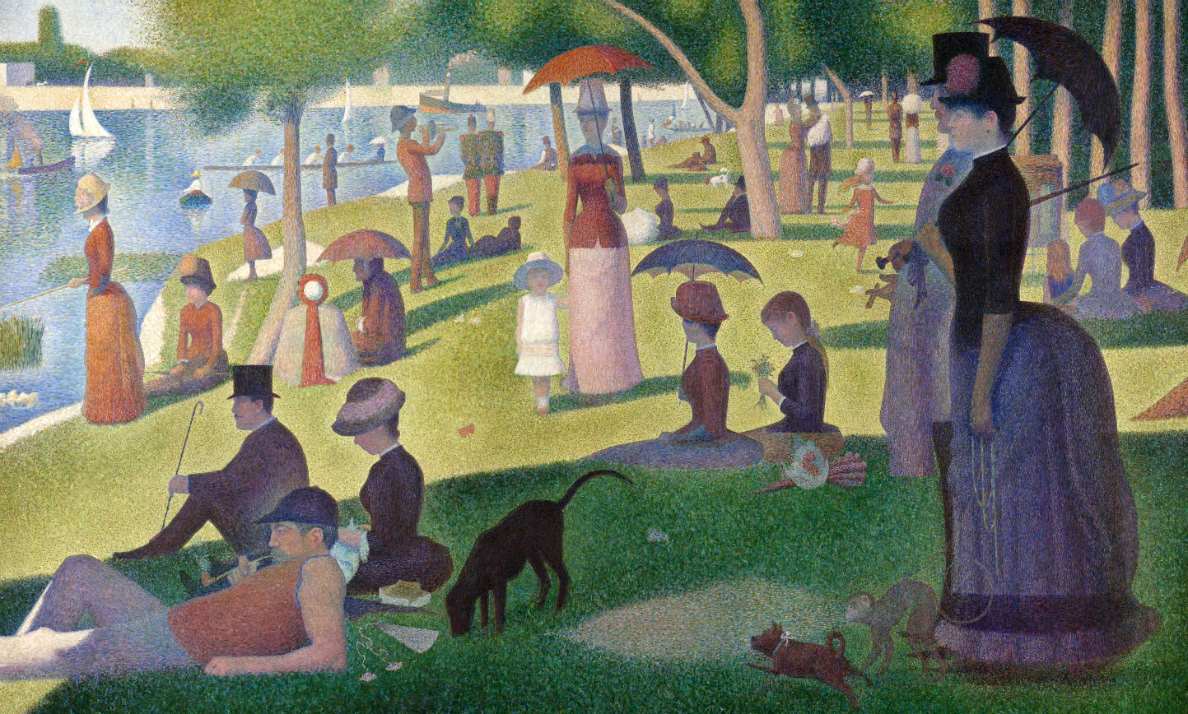
Georges Seurat, Sunday Afternoon on the Island of La Grande Jatte
Post-Impressionism
Use of Pointilism
application of pigment in small dabs, or points, of pure color
A systematic method of applying minute dots of unmixed pigment to the canvas; the dots are intended to be “mixed” by the eye when viewed
Traits:
Pointillism (dots)
Scientific color
Structured composition
“Applies scientific color theory to bring structure to modern life.”
The subject matter is entirely acceptable within the framework of Impressionism. However, the spontaneity of direct painting found in Impressionism is relinquished in favor of a more tightly controlled, “scientific”approach to painting
What is Pointilism?
application of pigment in small dabs, or points, of pure color
A systematic method of applying minute dots of unmixed pigment to the canvas; the dots are intended to be “mixed” by the eye when viewed
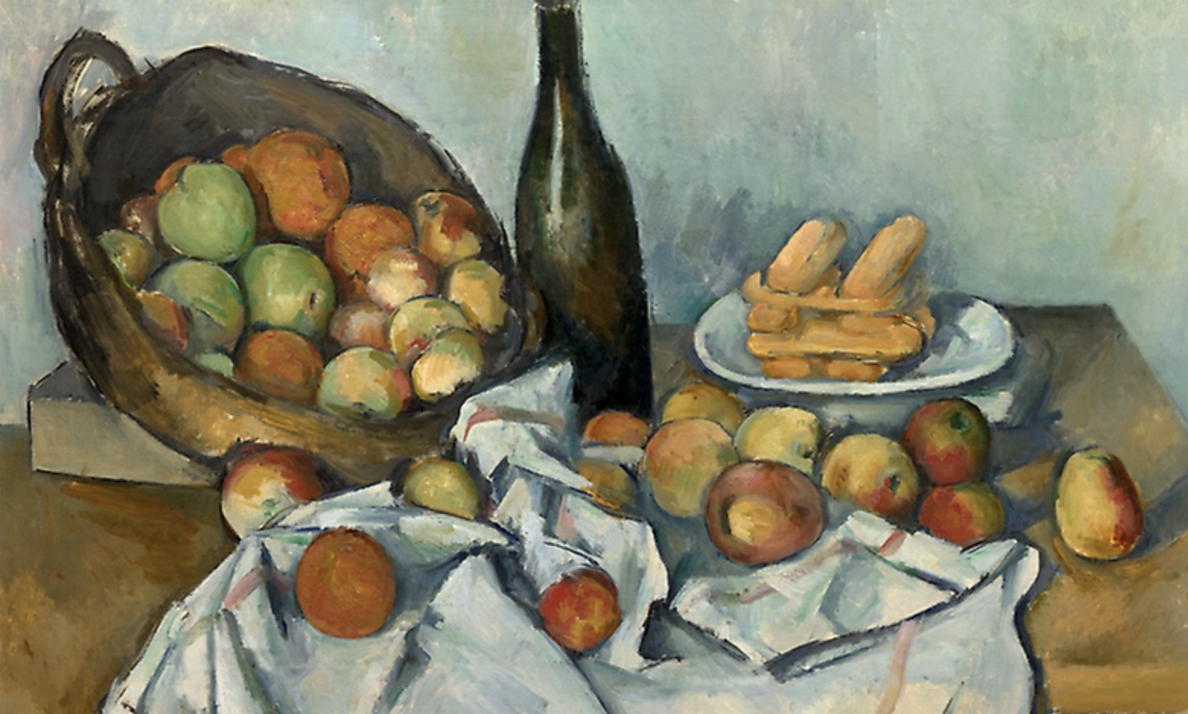
Paul Cezanne, Still Life with Basket of Apples
credited with having led the revolution of abstraction in modern art from its first steps
structured
Post-Impressionism
“Seeks stability and structure beyond Impressionist spontaneity.”
Cézanne did not paint the still-life arrangement from one vantage point
Cézanne can be seen as advancing the flatness of planar recession begun by David more than a century earlier
asserted the flatness of the two-dimensional canvas by eliminating the distinction between foreground and background, and at times merging the two
This was perhaps his most significant contribution to future modern movements
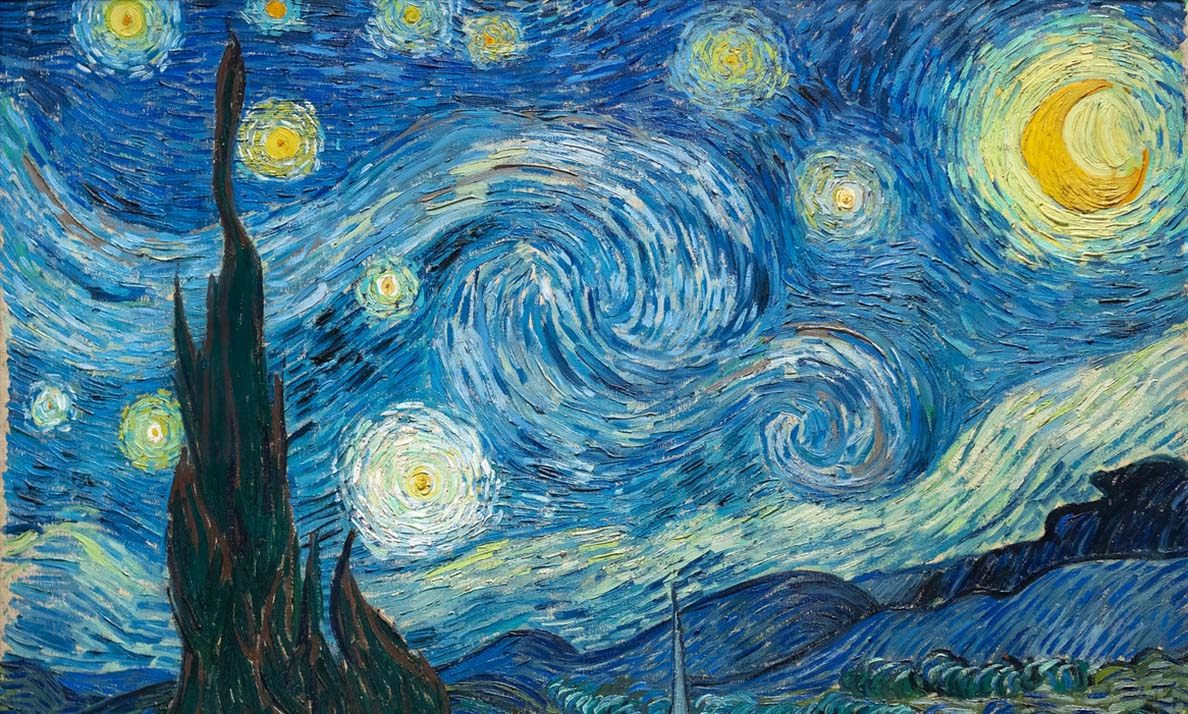
Vincent Van Gogh, Starry Night
associate him with bizarre and painful acts, such as the mutilation of his ear and his suicide
Post-Impressionism
“Expresses inner emotion and psychological intensity.”
painted while hospitalized in an asylum at Saint-Rémy
His characteristic long, thin strokes define the forms but also create the emotionalism in the work
What was Post-Impressionism?
Reaction to Impressionism
More structure OR emotion
Individual styles
About Vincent Van Gogh?
associate him with bizarre and painful acts, such as the mutilation of his ear and his suicide
With these events, as well as his tortured, eccentric painting, he typifies the impression of the mad, artistic talent
Van Gogh also epitomizes the cliché of the artist who achieves recognition only after death: just one of his paintings was sold during his lifetime.
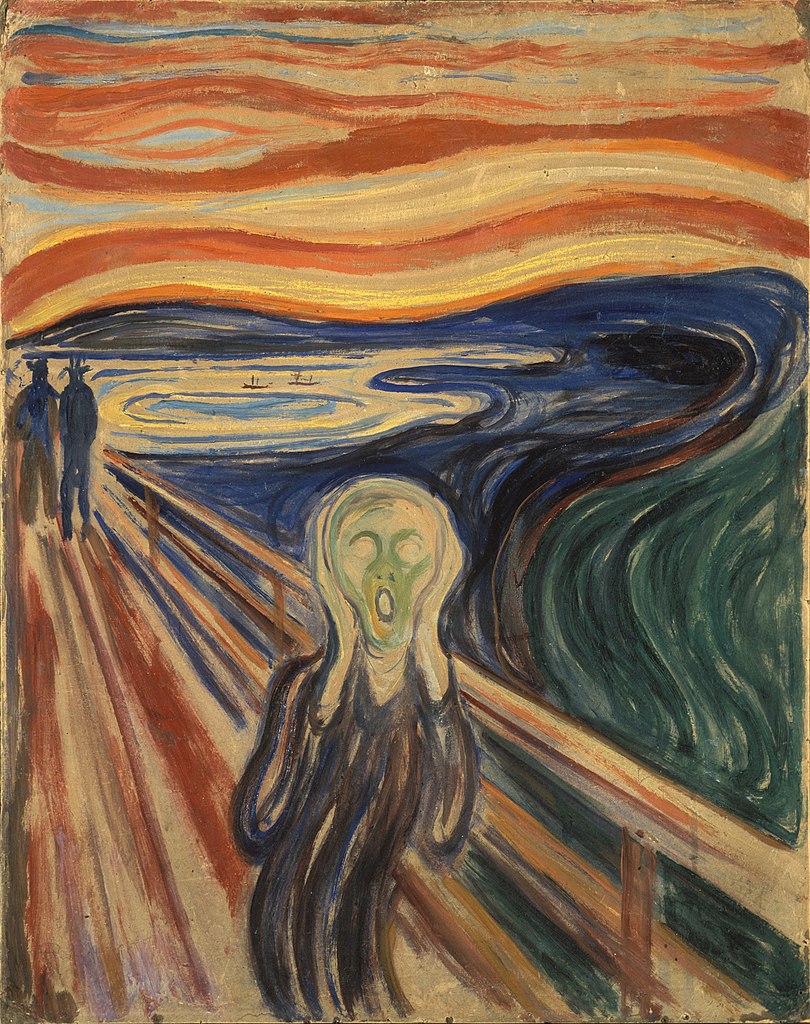
Edvard Munch, The Scream
Norwegian painter
one of his most famous
Traits:
Distorted forms
Emotional intensity
Bold/unreal color
Expressionism
“Represents psychological anxiety and alienation in modern society.”
portrays the pain and isolation that became his central themes
About Expressionism
Emotion > realism
Distortion
Psychological focus
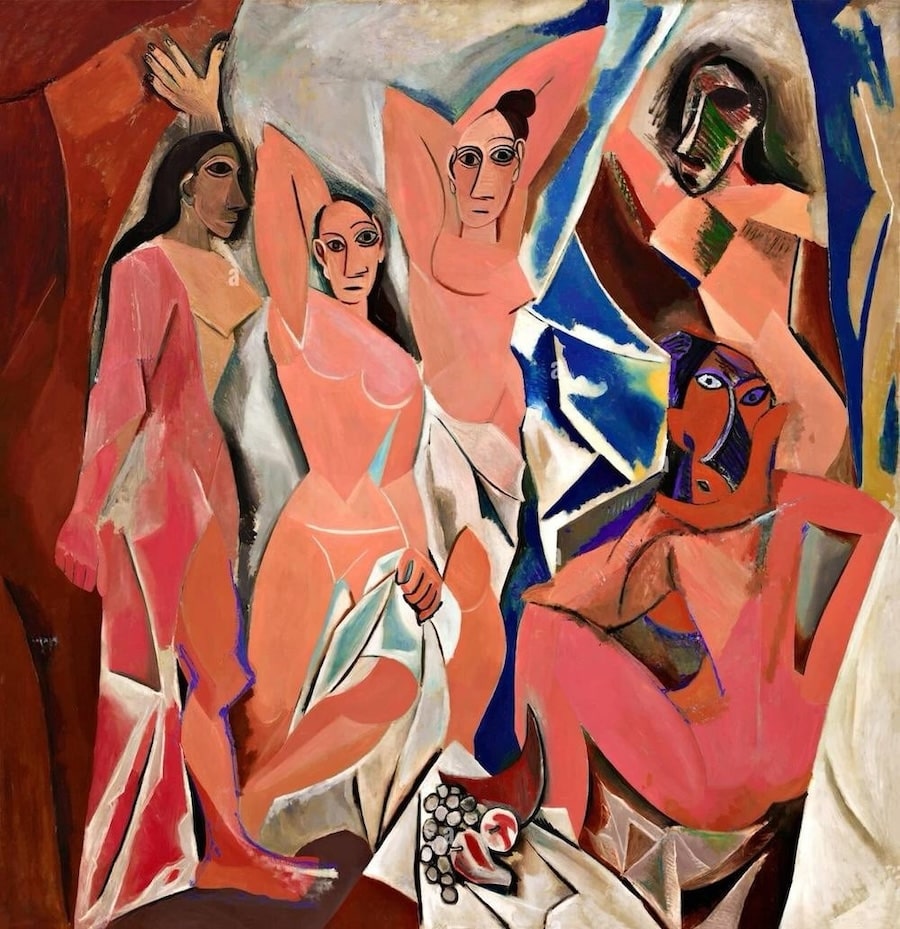
Pablo Picasso, Les Demoiselles d’Avignon
Analytic Cubism
“Rejects traditional perspective and reflects influence of non-Western art.”
fragmentation, distortion, and abstraction of form
depicts five women from Barcelona’s red-light district
They line up for selection by a possible suitor who stands, as it were, in the position of the spectator
faces of three of the women are primitive masks, while the facial features of the other two have been radically simplified by combining frontal and profile views
bodies of the women are fractured into geometric forms and set before a background of similarly splintered drapery
the right leg of the leftmost figure, the limb takes on the qualities of drapery, masking the distinction between figure and ground
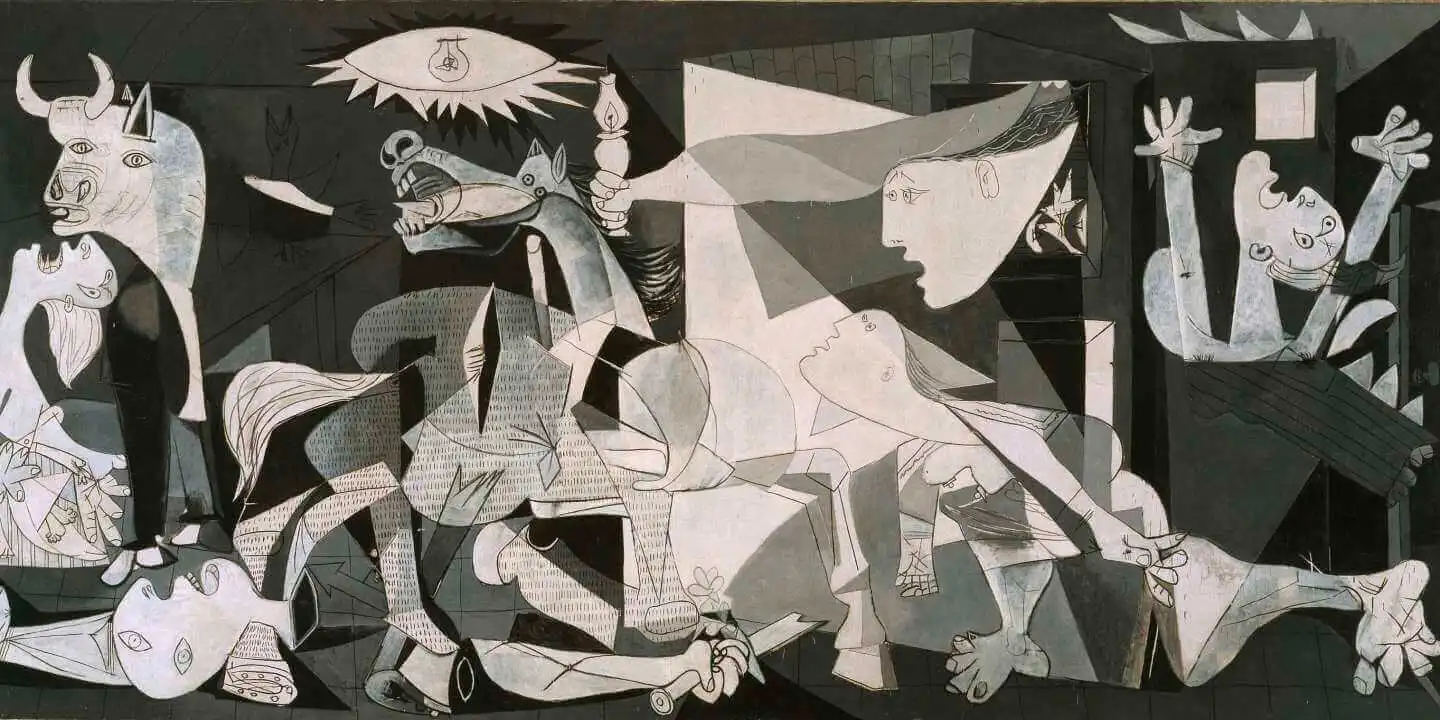
Pablo Picasso, Guernica
painted for the Spanish Pavilion of the Paris International Exposition of 1937,
Analytic Cubism
Analytic = broken apart
Multiple viewpoints at once
“Condemns violence and suffering caused by war.”
broadcast to the world the carnage of the German bombing of civilians in the Basque town of Guernica
Picasso expressed, in his words, the “brutality and darkness” of the age
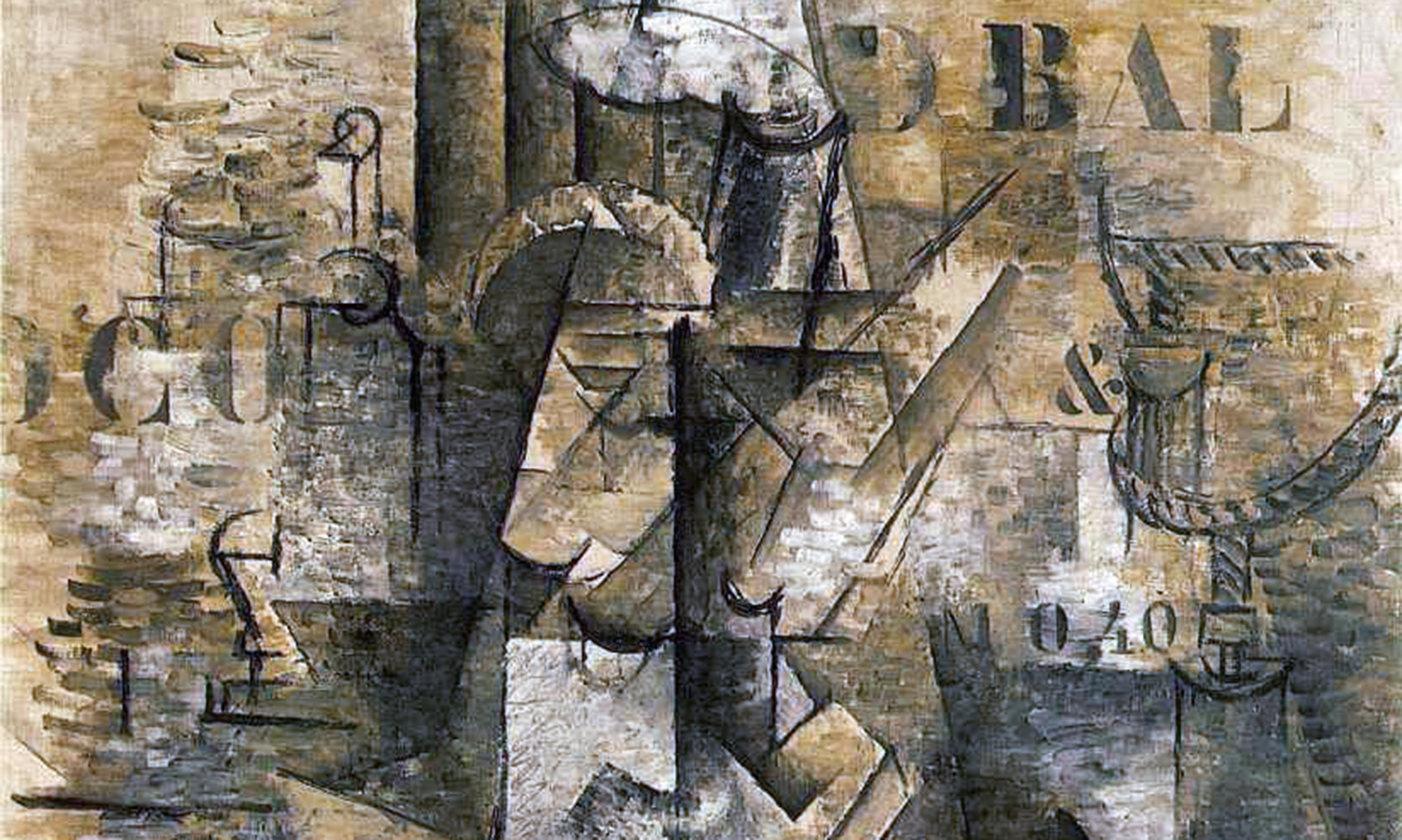
Georges Braque, The Portuguese
Analytic Cubism
Analytic = broken apart
Multiple viewpoints at once
“Explores multiple perspectives through analytical fragmentation.”
only a few concrete signs of its substance
dropped eyelids
a mustache
the circular opening of a stringed instrument
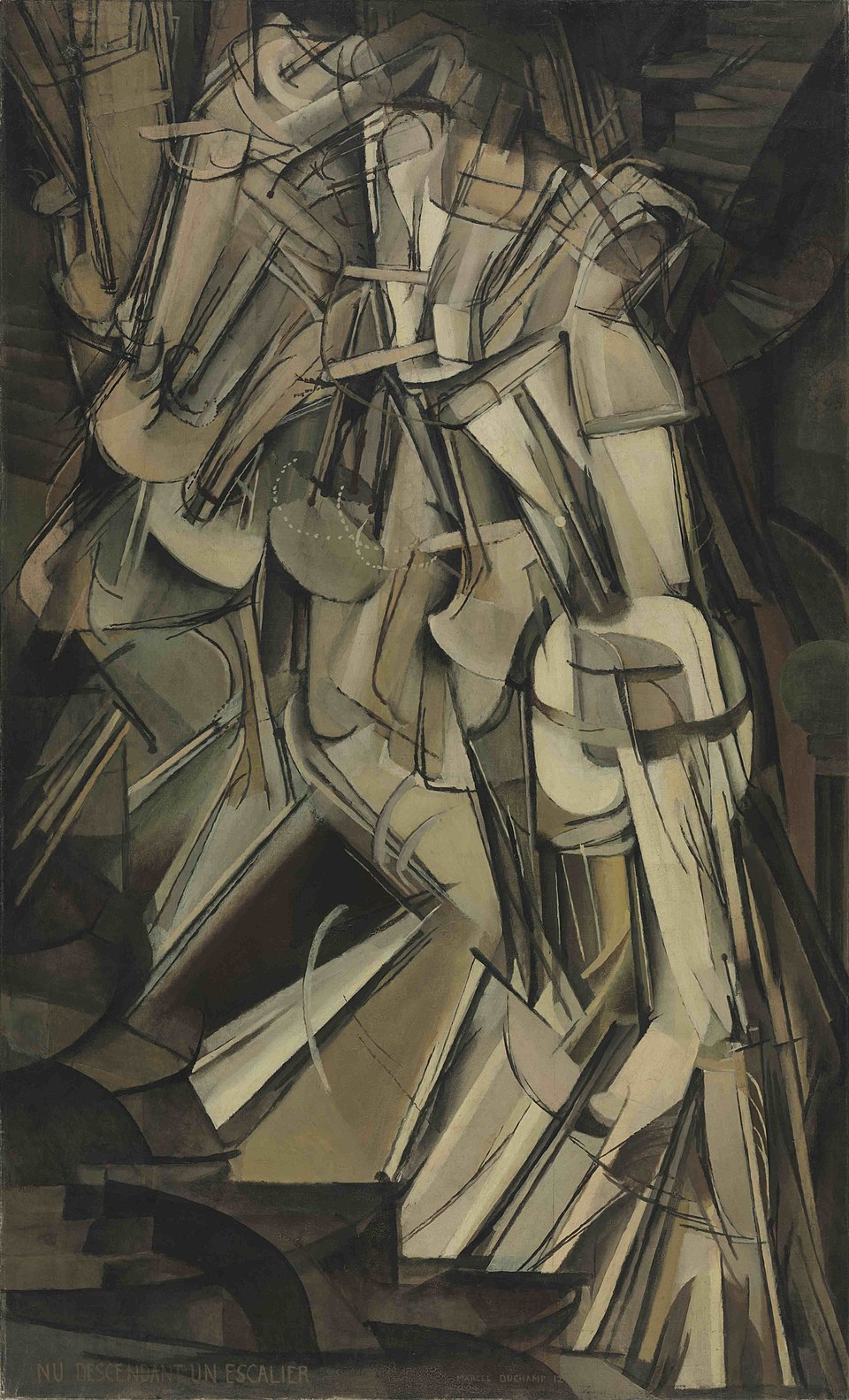
Marcel Duchamp, Nude Descending a Staircase
Dada artist but not fully a “member”
Hybrid (Futurism + Cubism) but mostly Analytic Cubism
Traits:
Motion/speed
Fragmentation
Controversial
“Challenges artistic norms by combining motion with Cubism, provoking controversy.”
“Rejects traditional art in response to the chaos of World War I.”
Analytic = broken apart
Multiple viewpoints at once
work includes some Futurism as well
Even though the New York Times art critic Julian Street labeled the painting “an explosion in a shingle factory,” it symbolized the dynamism of the modern machine era
About Marcel Duchamp
Influential, anti-traditional
Associated with Dada
Inspired Pop Art
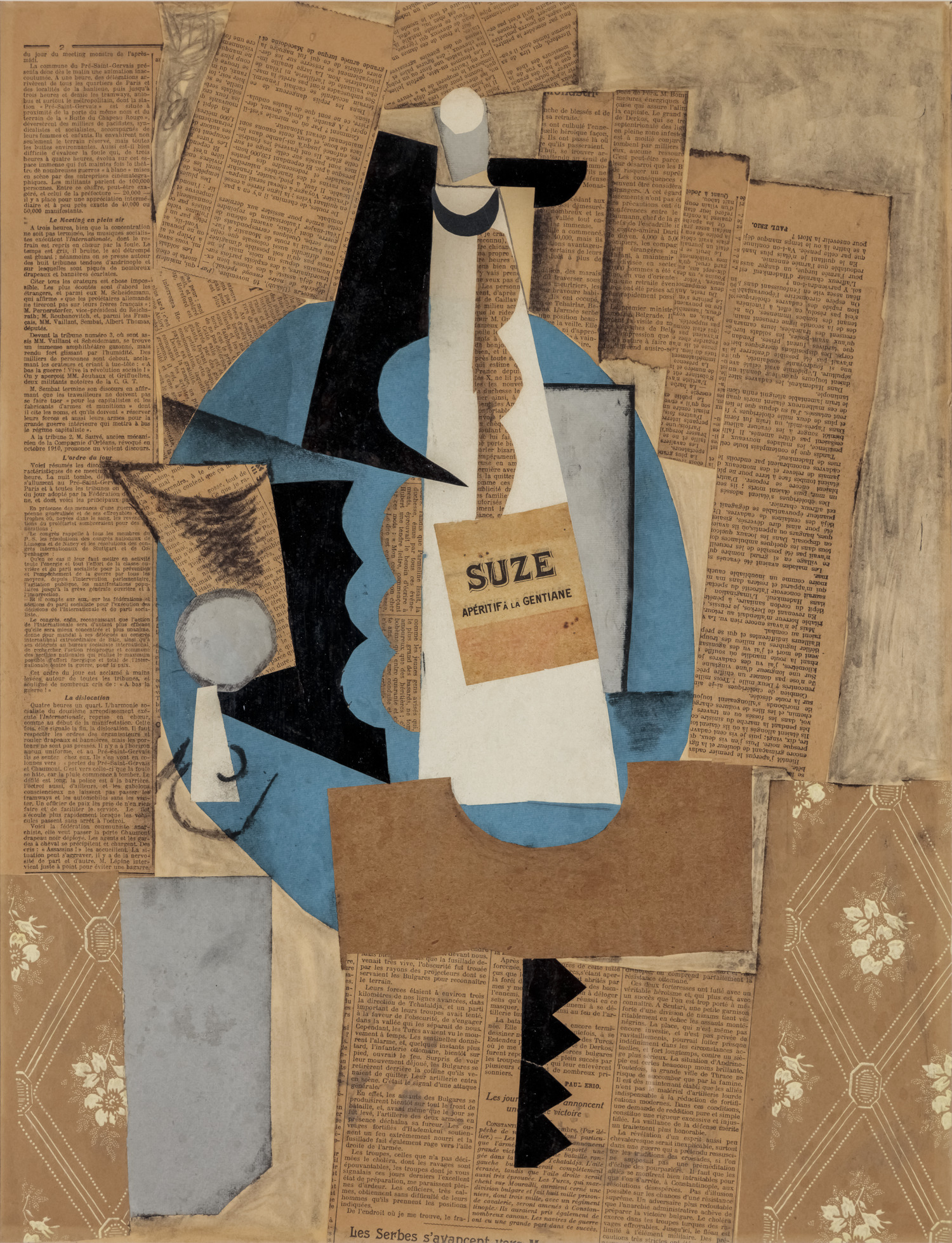
Pablo Picasso, La Bouteille de Suze (Bottle of Suze)
Synthetic Cubism
collage (papier collé)
“Blurs boundaries between art and reality through collage.”
What makes it different from Analytic Cubism?
the emphasis is on the form of the object and on constructing, instead of disintegrating that form
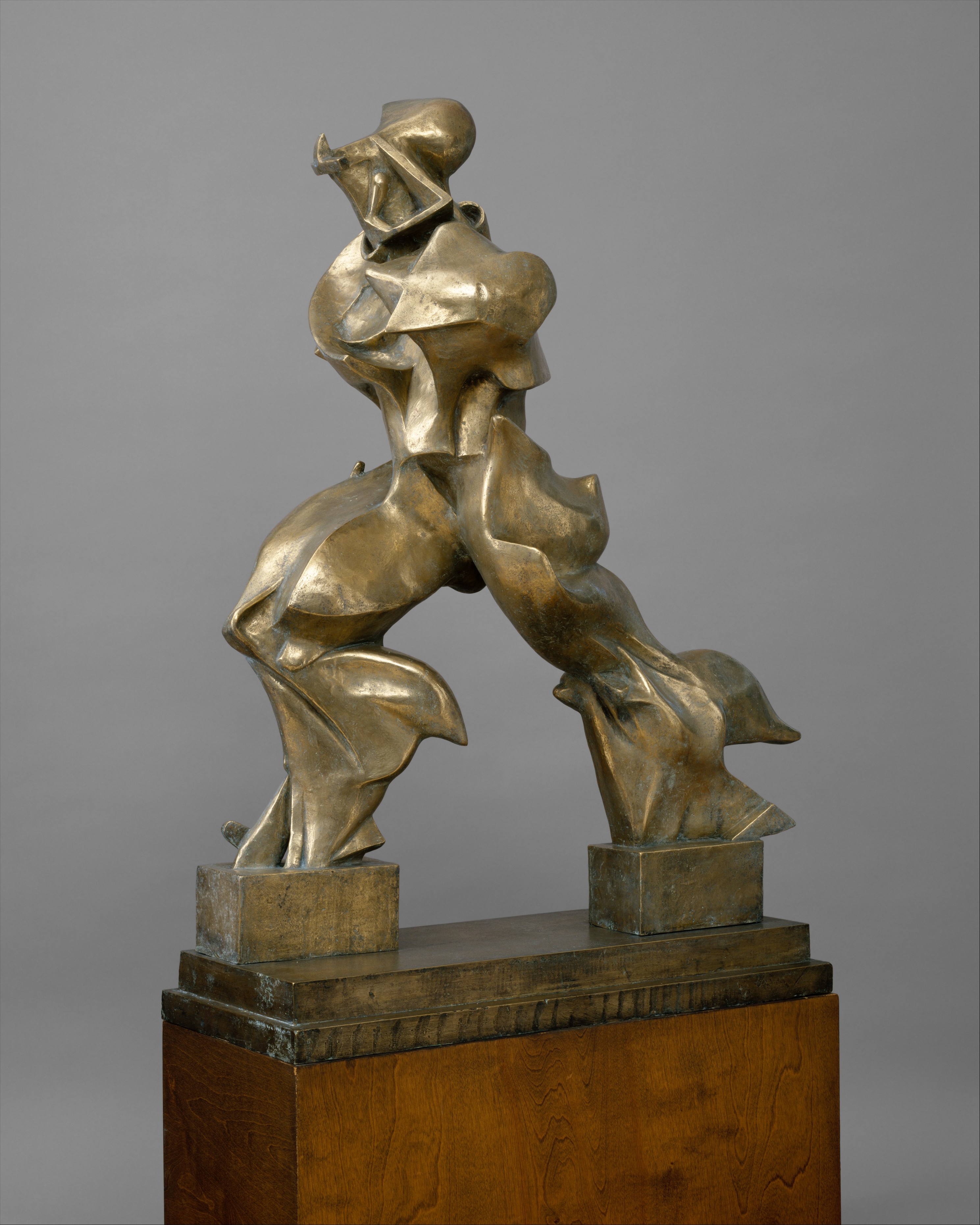
Umberto Boccioni, Unique Forms of Continuity in Space
Futurism
dynamism
“Celebrates speed, movement, and technological progress.”
conveys the elusive surging energy that blurs an image in motion, leaving but an echo of its passage
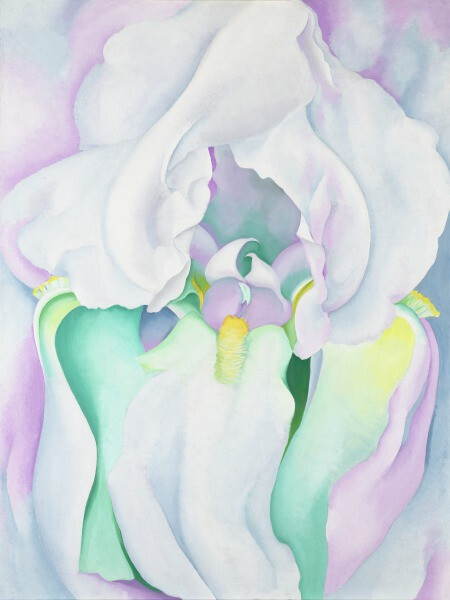
Georgia O’Keefe, White Iris
Abstraction
“Emphasizes abstraction and personal interpretation of natural forms.”
magnified and abstracted the details of her botanical subjects
flowers have a yearning, reaching, organic quality, and her botany seems to function as a metaphor for zoologyher plants are animistic
they seem to grow because of will, not merely because of the blind interactions of the unfolding of the genetic code with water, sun, and minerals
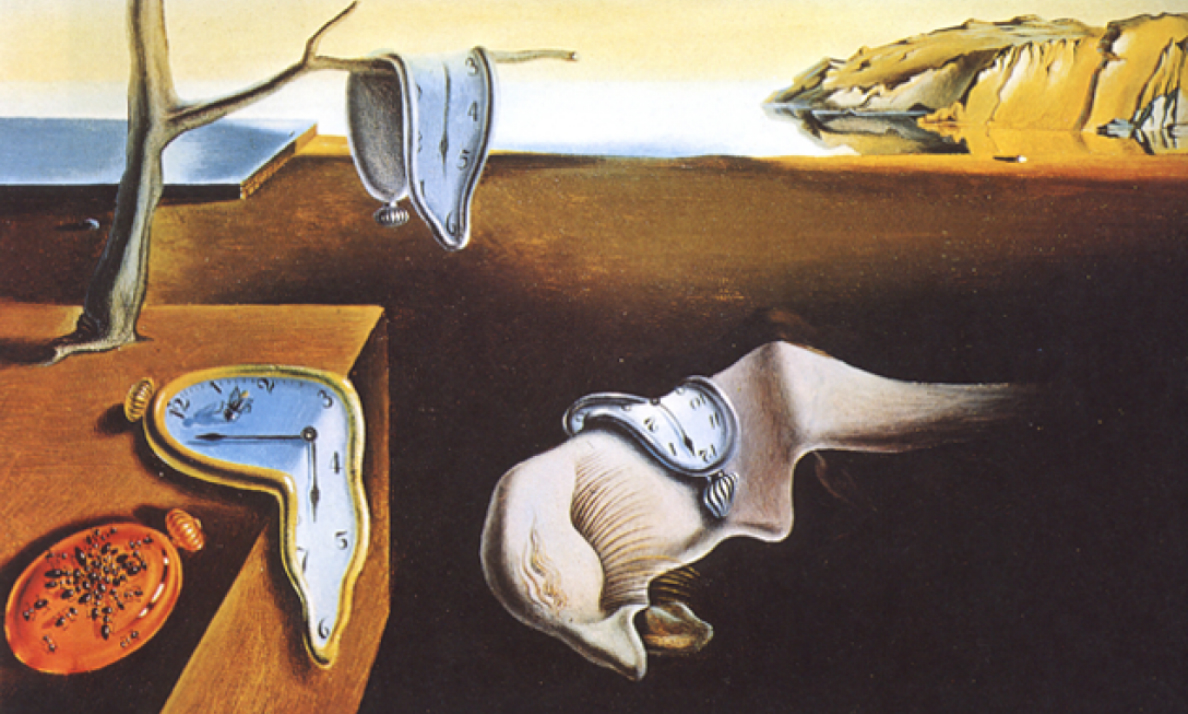
Salvador Dali, The Persistence of Memory
Surrealism
Traits:
Dream imagery
Distorted reality
Symbolism
“Explores the subconscious mind through dream imagery.”
conveys the world of the dream, juxtaposing unrelated objects in an extraordinary situation
enhanced by trompe l’oeil technique
About Salvador Dali
Not Modest
One of the few “household names” in the history of art
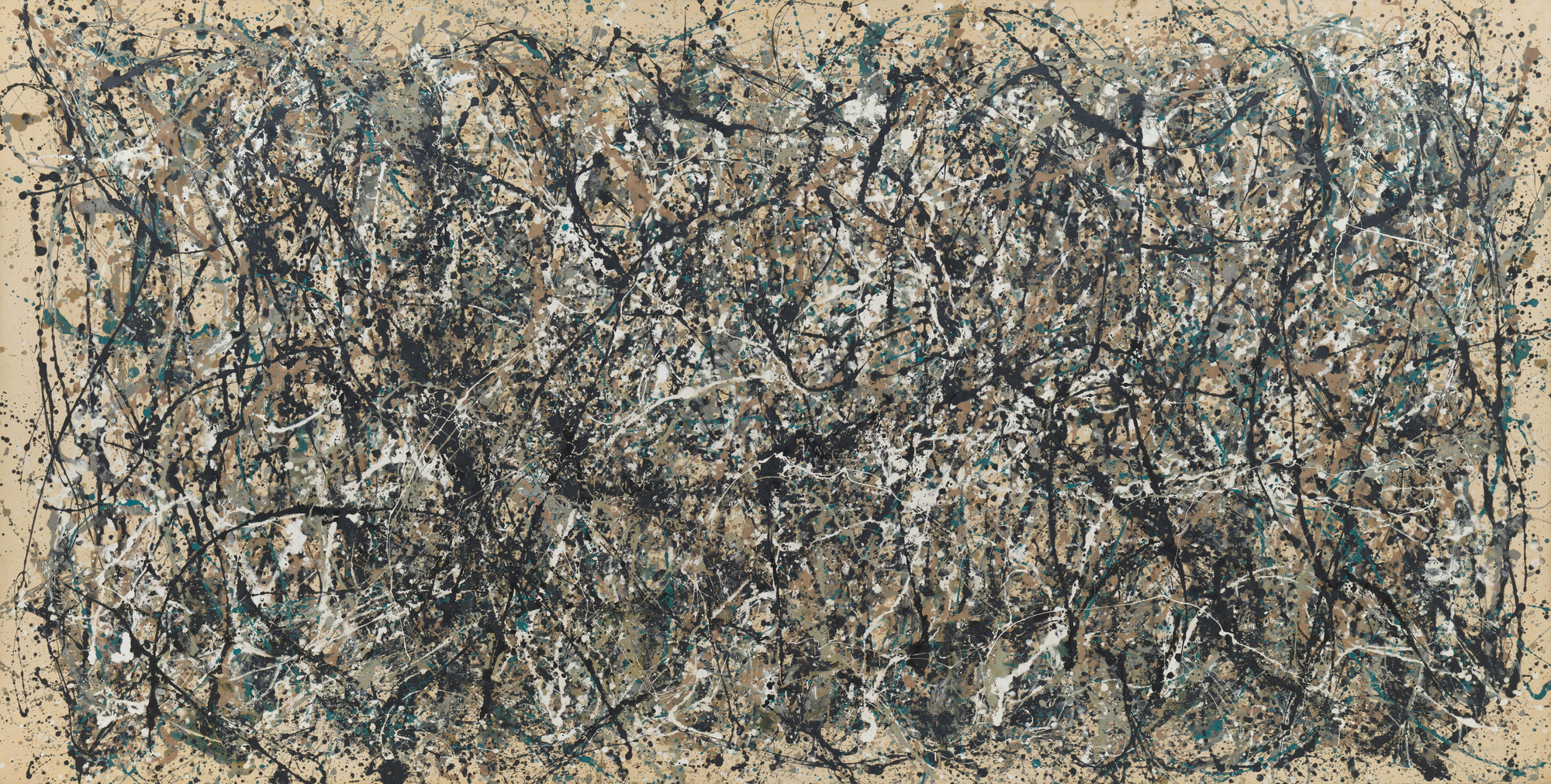
Jackson Pollock, One (Number 31, 1950)
Abstract Expressionism
Traits:
Action painting
Emotional intensity
Large Scale
“Expresses emotion and freedom in the post-war era through action painting.”
Reflects spontaneous and dynamic application of paint.
Action Painting
Movement
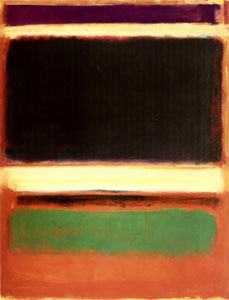
Mark Rothko, Magenta, Black, Green on Orange
Color Field Painting
emotion
“Uses color to evoke deep emotional and spiritual responses.”
Focuses on large areas of color, creating an immersive experience.
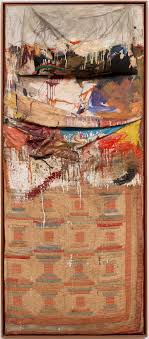
Robert Rauschenberg, The Bed
Pop Art
“Combines everyday objects with art to challenge boundaries.”
Combines
items like stuffed animals, bottles, articles of clothing and furniture, and scraps of photographs are attached to the canvas
create a multidimensional artwork that blurs the line between art and everyday life.
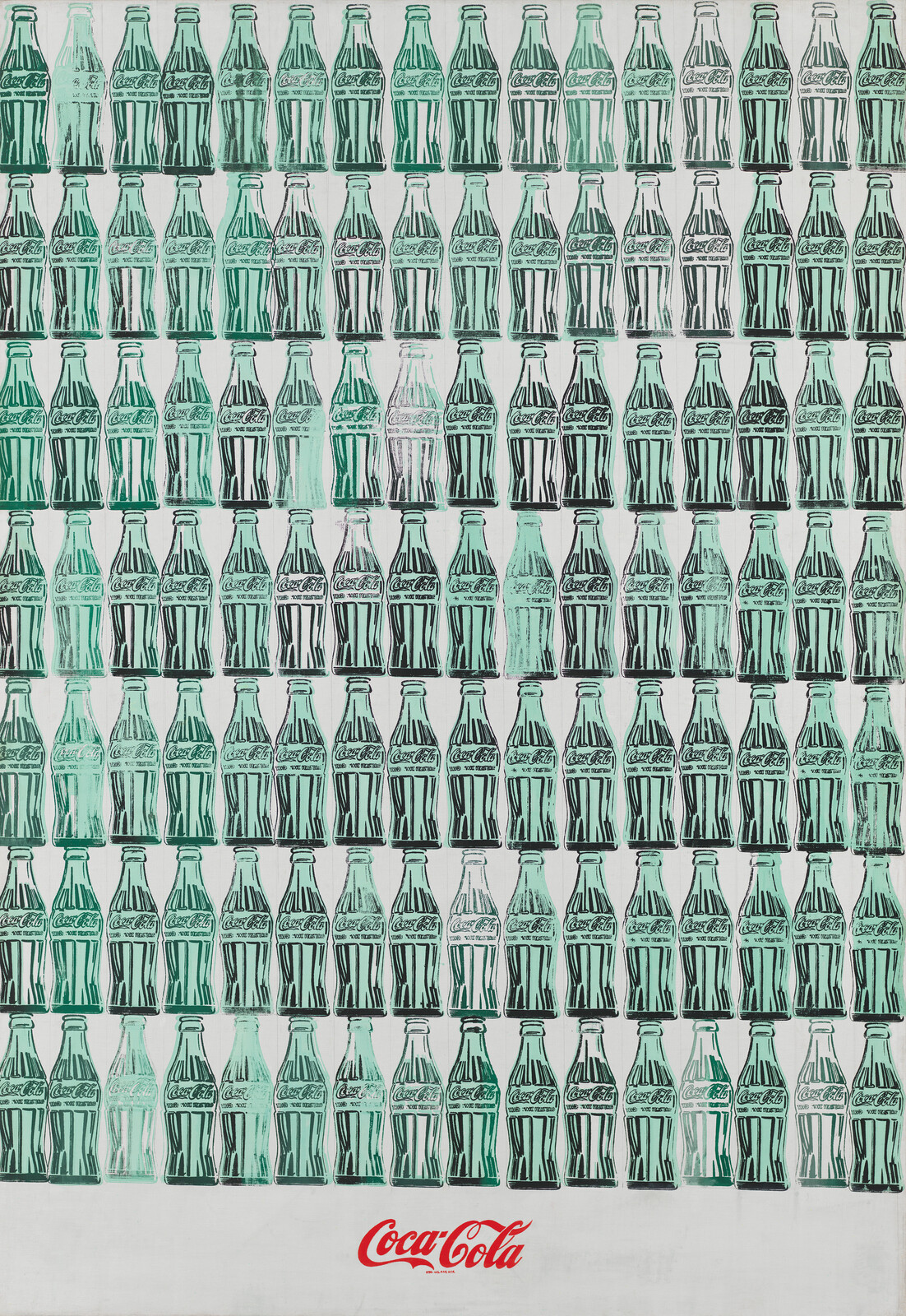
Andy Warhol, Green Coca-Cola Bottles
“Highlights mass production and consumer culture in modern society.”
Pop Art
explores consumer culture and mass production through vibrant and iconic imagery.
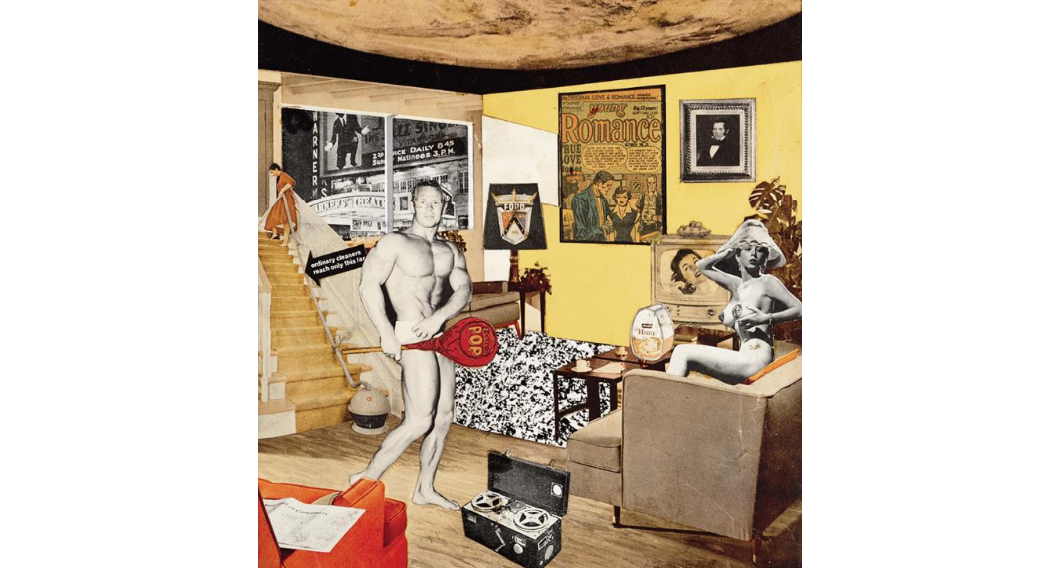
Richard Hamilton, Just What Is It That Makes Today’s Homes So Different, So Appealing
Pop Art
“Critiques consumerism and mass media culture.”
functions as a veritable time capsule for the 1950s, a decade during which the speedy advance of technology finds everyone buying pieces of the American dream
What is that dream? Comic books, TVs, movies, and tape recorders; canned hams and TV dinners; enviable physiques; Tootsie Pops; and vacuum cleaners that finally let the “lady of the house” clean all the stairs at once
What was Pop Art?
Consumer culture
Mass production
Irony
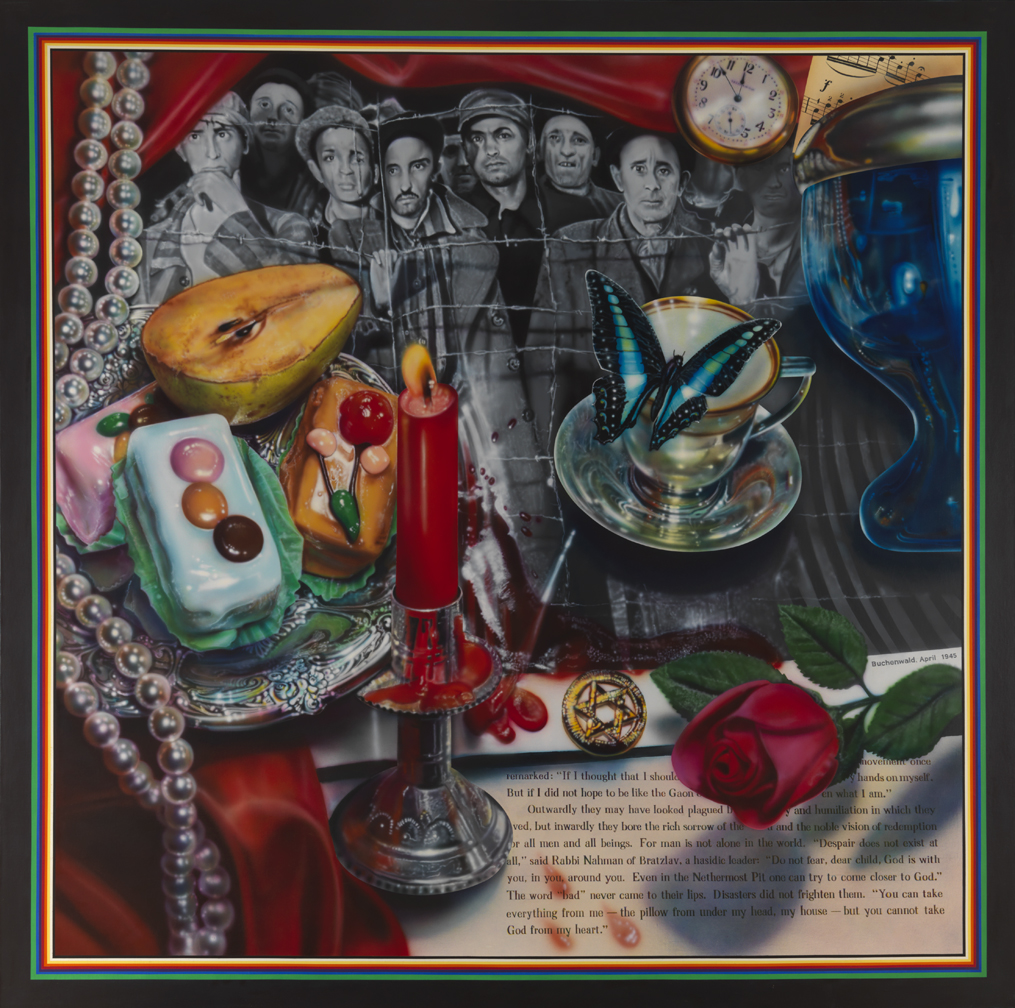
Audrey Flack, World War II (Vanitas)
Photorealism
“Reflects on mortality and historical memory through hyper-real imagery.”
an art movement where paintings and drawings are created to resemble high-resolution photographs, emphasizing detail and realism.