eukaryotes
 Call Kai
 Learn
Learn Practice Test
 Spaced Repetition
 Match
Match Flashcards
 Knowt Play
1/11

Earn XP
Description and Tags
Name | Mastery | Learn | Test | Matching | Spaced | Call with Kai | Chat |
|---|
No analytics yet
Send a link to your students to track their progress
12 Terms
what are eukaryotes
are organisms whose cells contain a nucleus and are compartmentalised by numerous membrane-bound organelles
They have a greater level of structural complexity and are believed to have evolved from prokaryotic cells via endosymbiosis

what kingdoms are eukaryotes classified into?
animals
plant
fungi
protist
genetic material in eukaryotes
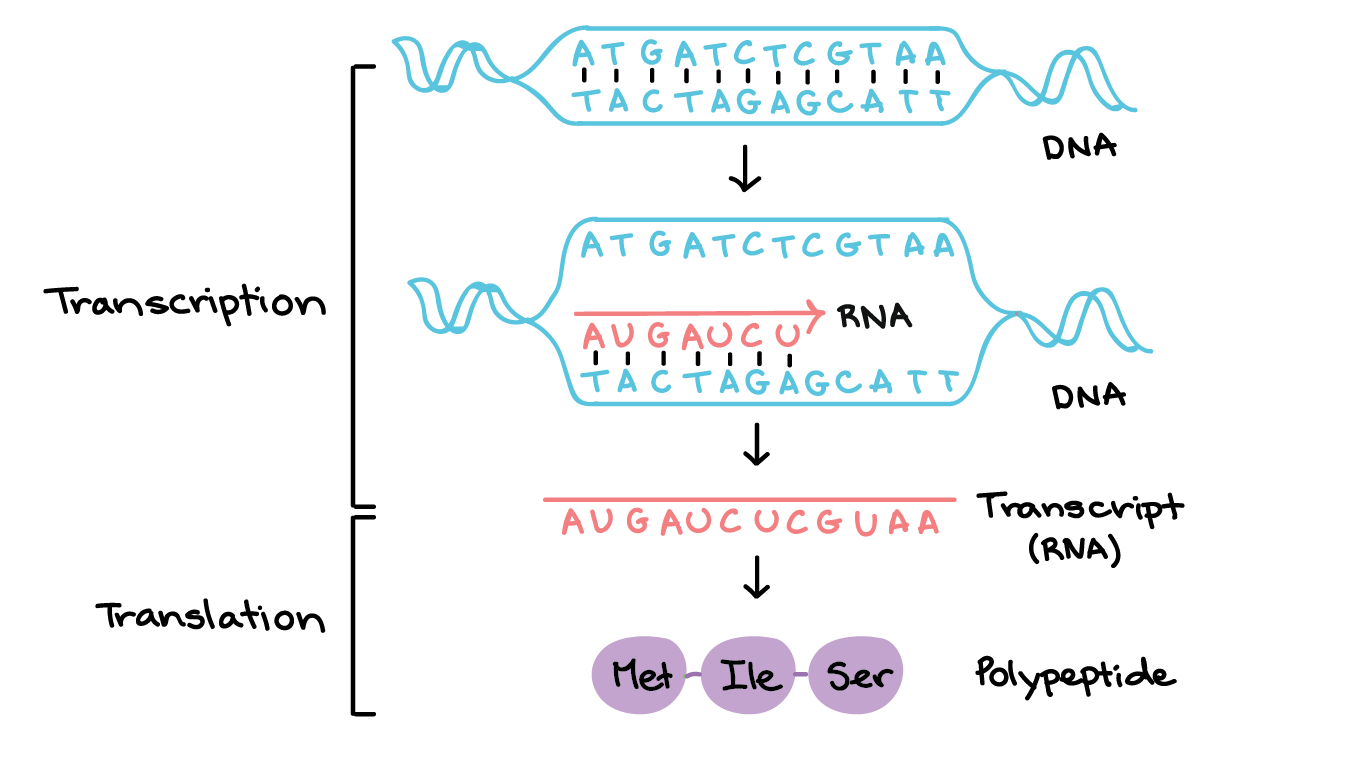
is found within a double-membrane structure called the nucleus. The presence of a nucleus allows eukaryotes to separate the processes of transcription (nucleus) and translation (cytoplasm)
membrane bound organelles in eukaryotes
includes mitochondria, endoplasmic reticulum, golgi apparatus and vesicles
organelle found only in plant cells
chloroplasts (for photosynthesis) and have a large, fluid-filled vacuole surrounded by a tonoplast membrane
multicellular fungi form this
filamentous hyphae that are typically separated by internal walls called septa.
ribosomes
are responsible for protein synthesis are comparatively larger in size (80S)
transcription (nucleus)
is the process by which specific DNA instructions (genes) are converted into RNA transcripts (mRNA)
translation
involves the synthesis of polypeptide chains (proteins) from the RNA transcripts by ribosomes

why is separating the processes of transription and translation important?
it allows for the post-transcriptional modification of mRNA before it is translated by ribosomes
These modifications help to stabilise the mRNA transcript (via capping and polyadenylation) and remove non-coding sequences (introns) via splicing
This greatly improves the efficiency of protein synthesis and allows for tighter control of gene expression than is possible in prokaryotic cells
what is the advantage of having membrane bound oragnelles in the cyoplasm?
This enables the organelles to maintain an internal chemistry that is different to the cytoplasm (and suitable to its specific function)
It also allows for the concentration of key enzymes and metabolites needed to optimise the function of the organelle
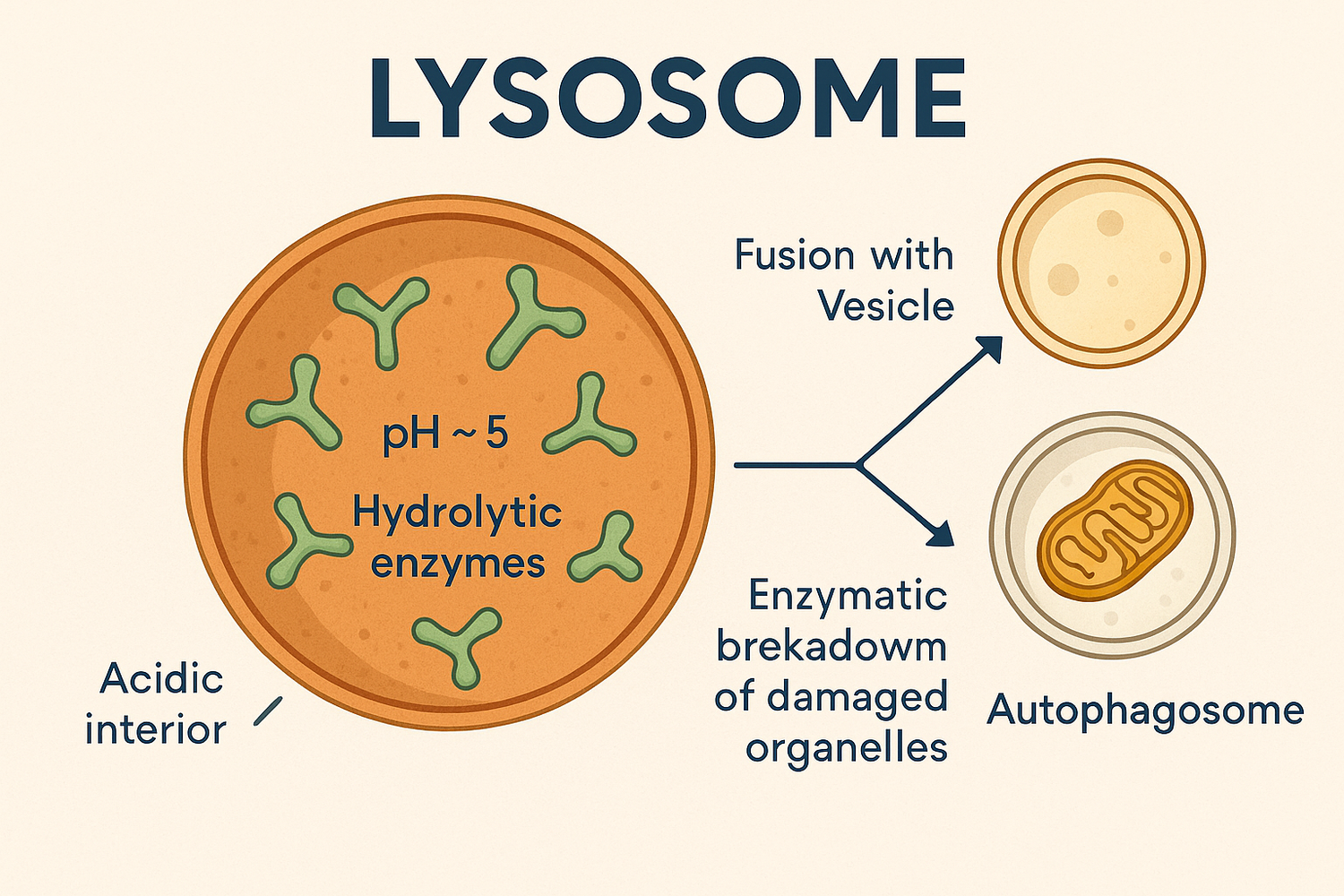
what are the advantages of phagocytic vacuoles and lysosomes?
they provide evidence for the advantage of compartmentalising the cytoplasm into discrete sections-
These organelles contain hydrolytic enzymes that are responsible for digesting cellular debris or engulfed pathogenic materials
If these enzymes were not contained within a specific compartment, they would freely digest the contents of the cell (autophagy)
