every shoudler eval notecard
 Call Kai
 Learn
Learn Practice Test
 Spaced Repetition
 Match
Match Flashcards
 Knowt Play
1/34

There's no tags or description
Looks like no tags are added yet.
Name | Mastery | Learn | Test | Matching | Spaced | Call with Kai |
|---|
No analytics yet
Send a link to your students to track their progress
35 Terms
what is a labrum injury?
this is when the ring aorund the glenohumeral joint (scoket) gets torn, frayed, or detatched
→ foosh, or overuse
causes shoulder instability, deep pain, clicking, or locking sensations
what are the tests for a labrum injury?
posterior apprehension test
clunk test
o´briens test
what is posterior apprehension test?
labrum injury
have patient laying down face up
bring their arm bent at 90 degrees so up blocking across shoulders
then push down onto elbow looking for patient apprehension
positive if: patient apprehension
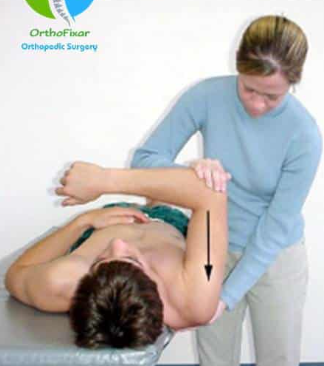
what is clunk test?
labrum injury
have patent laying face up
have hand up so pointing to ceiling
make fist and put it underneath the glenohumeral joint- put the finger part of fist onto the scapula part of shoulder
when you put their arm up as if asking question lift fist up (thumb up) this creates anterior glide at the glenohumeral joint
positive if: grinding clunking or patient apprehension
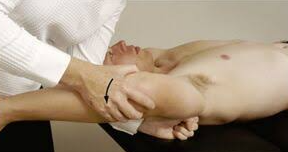
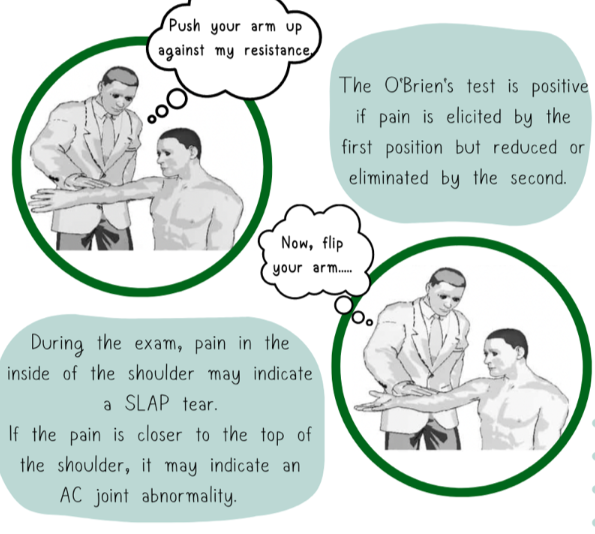
what is o´briens test?
labrum injury
have patent sitting or standing
bring their arm up pointing in front of them
then bring to midline 10 degrees
then thumb down
push down on wrists
then palm up as much as possible and push down again
positive if: the symptoms increased with thumb down and then decreased when palm up
what is glenohumeral instability (shoudler subluxation/dislocation history)
when the head of the humerus cant stay properly centered in the glenoid (socket)
this could be from a shoulder subluxation/dislocation history
subluxation- humeral head partially comes out of socket
dislocation- humeral head completely comes out of socket
what are the tests for glenohumeral instability (shoudler subluxation/dislocation history)
apprehension (crank) test
apprehension with relocation test
sulcus test
jerk test (*also for labrum)
what is apprehension (crank) test?
CONFUSED ASK
have patent laying on back
have the elbow bent at 90 degrees so fist is pointing torward celling then bring fist back so inline with head
hold bicep and push with hand on forearm
look for signs of apprehensition
positive if: fear of dislocation
what is apprehension with relocation test?
CONFUSED ASK
have patent laying on back
have the elbow bent at 90 degrees so fist is pointing toward ceiling
rest bicep on top of leg
palpate the top of shoulder with one hand and then bring fist back so inline with head
push with hand on forearm
if feel apprehension- then bring arm up so in between head and facing up to ceiling
push down with the palpating hand onto the shoulder then push arm to head again
once at head gently remove the hand on shoulder
positive if: fear of dislocation and apprehension in all parts
what is sulcus test?
glenohumeral instability (shoulder subluxation/dislocation history)
have patent sitting
grab shoulder with fingers on collarbone (to stabilize)
pull down on arm above elbow
positive if: sulcus in elbow (you can see shoulder dislocate)
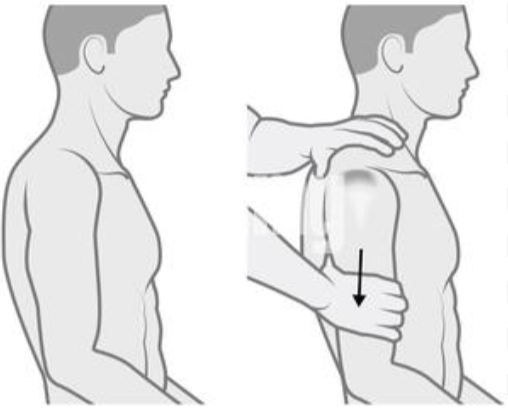
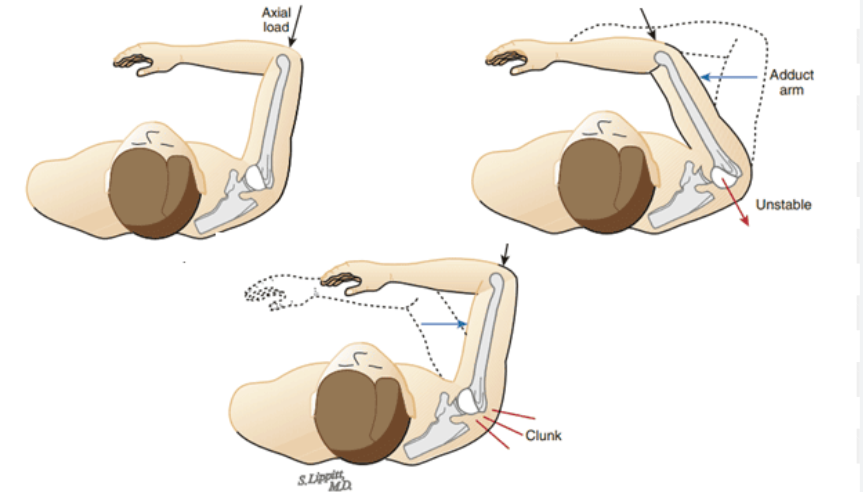
what is jerk test (*also for labrum)?
ASK WDYM ALSO FOR LABRUM?
glenohumeral instability
have patent sitting
grab shoulder with fingers on collarbone (to stablize)
bring their arm bent with hand facing ground (robot)
push arm into socet from elbow
keep the compresstion and bring elbow infront of them
positive if: click or clunk or repoduction of symptopms
what is a tear of the subscapularis injury (rotator cuff)?
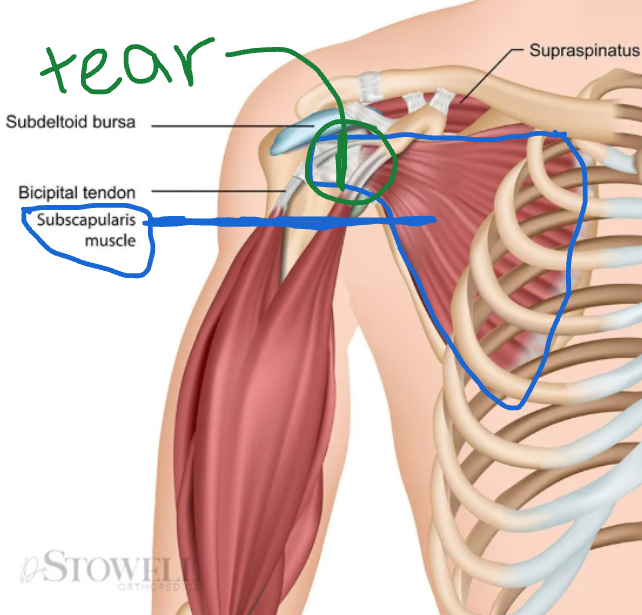
what are tests for subscapularis injury (rotator cuff)?
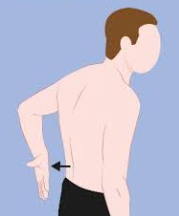
lift off test (gerbers)
what is lift off (gerbers) test?
subscapularis injury
have patent sitting or standing
have them put their back of their hand on small of back
tell them to lift hand off back
positive if: they cant lift hand off back
blah blah blah blah blah blah blah blah blah blah blah blah blah blah blah blah blah blah blah blah
blah blah blah blah blah blah blah blah blah blah blah blah blah blah blah blah blah blah blah blah
what is a tear of the supraspinatus (rotator cuff)?
this is a tear of the suprasinatus tendon- one of the four rotator cuff tendons
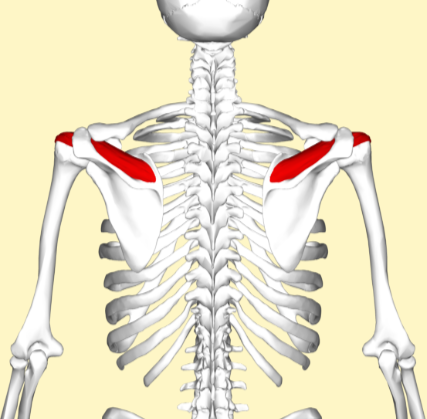
what are tests for tears of the rotator cuff (supraspinatus)
drop arm test
full cam/ empty can (jobe) test
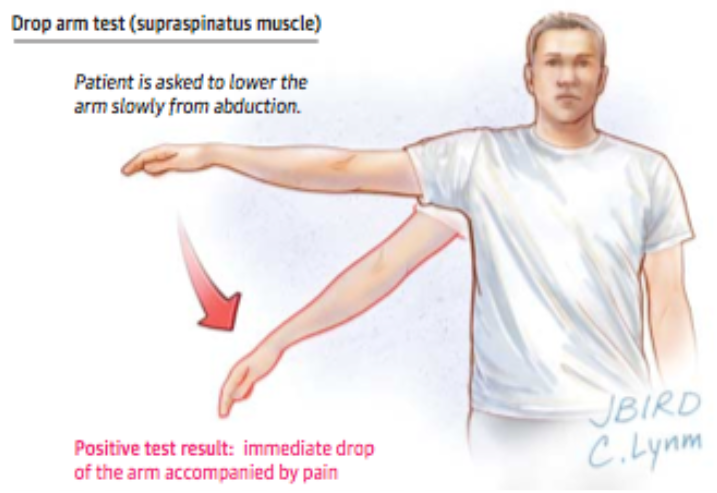
what is the drop arm test?
tear of supraspinatus (rotator cuff)
have patent sitting
bring their arm up so looks like trying to fly- palm to ground
ask them to hold position and let go of arm
if they can hold up arm have them slowly lower it with control
positive if: cannot hold arm out to side or cant slowly lower arm to ground
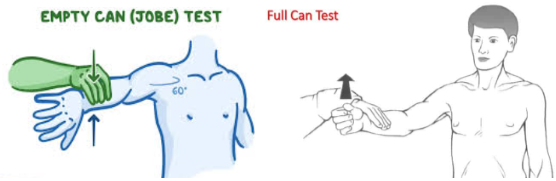
what is the full can/empty can (jobe) test?
tear of the supraspinatus (rotator cuff)
have patent standing- stand behind them
full can: bring both arms up to sides (flying) wiht thumbs facing celling push down on wrists
empty can: flip arms so thumbs facing ground then push on wrists again
positive if: decreasre in stregth or increase in pain in thumbs down position compared to the thumbs up position (more pain in thumbs down)
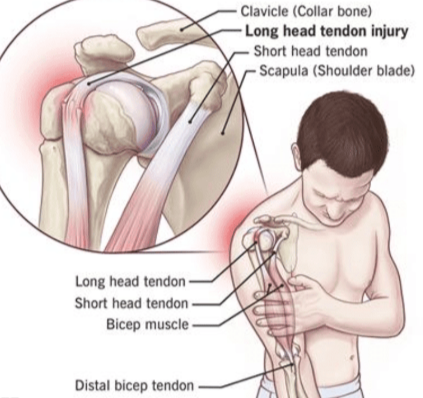
what is biceps tendon subluxation
when the long head of the biceps tendon partially slips out of the bicipital groove in the front of the shoulder from repetive over head use (throwing or lifting)
what are the tests for biceps tendon subluxation?
yergasons test/ internal rotation
ludingtons test
speeds test
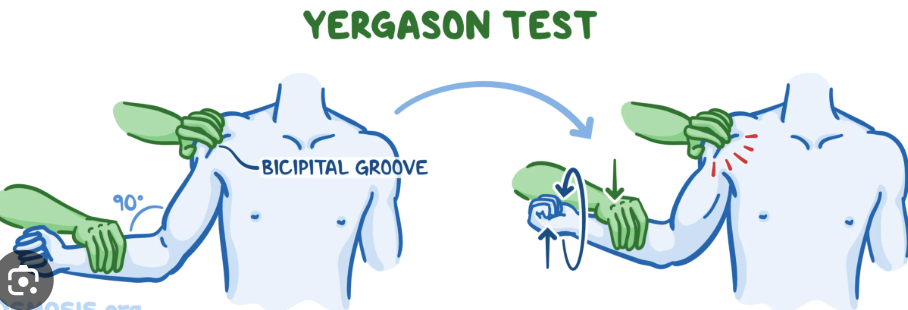
what is yergasons test/ internal rotation?
biceps tendon subluxation
have patient sitting or standing
flex elbow to 90 degrees and pronate arm
tell patient to try to bring palm up to celling
palpate the biceps tendon/ bicipital groove
positive if: reproduction of symptoms inside the bicipital groove
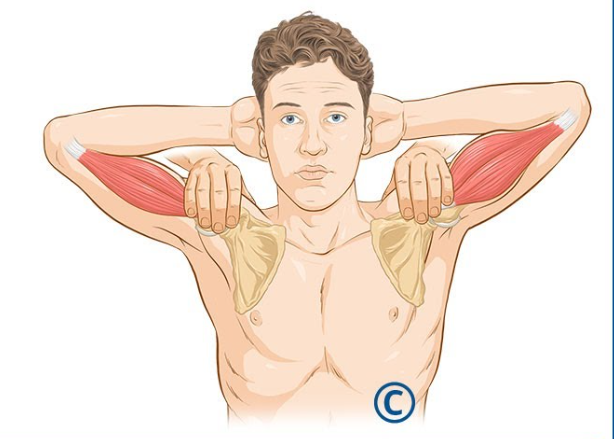
what is ludingtons test?
biceps tendon subluxation
have patent sitting or standing - stand behind them
have them put both hands on head interlocking fingers to support weight of arms
place two fingers on the front of the long heads of the biceps tendon
ask them to contract and relax both biceps at the same time
positive if: contraction is not felt on the injured side
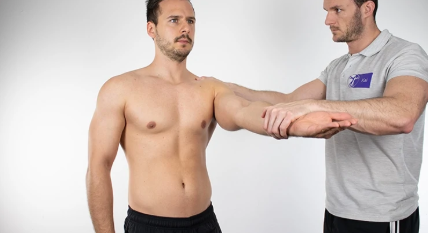
what is speeds test?
have patent standing
bring arm in front of them with palm facing ceiling
have them bring arm up while resisting
positive if: pain
dont bend arm
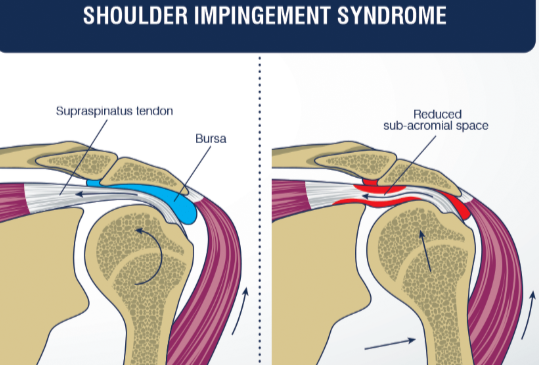
what is impingement syndrome?
this is when the tendons of the rotator cuff (supraspinatus, infraspinatus, subscapularis, and teres minor) or the subacromial bursa get pinched and compressed between the head of the humerus and the acromion during arm movement
if they are already irritated and swollen it can get even worse
especially supraspinatus tendon
what are the tests for impingement syndrome?
hawkins-kennedy test
neer test
yocums (forced flexion)
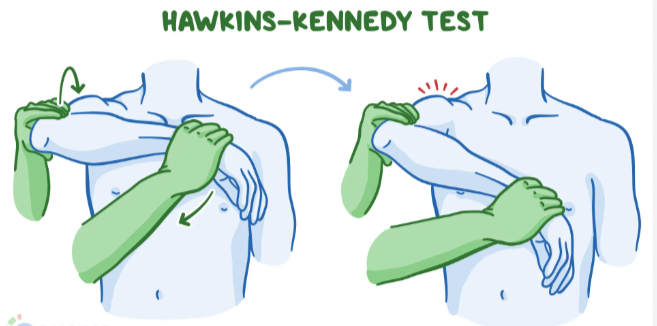
what is hawkins-kennedy test?
impingement syndrome
have patient seated
stand behind them
bring their arm pointing in front of them then bend at elbow so blocking chin
stabilize top of shoulder
bring wrist down to ground
compare to other side
positive if: limited ROM and pain in shoulder
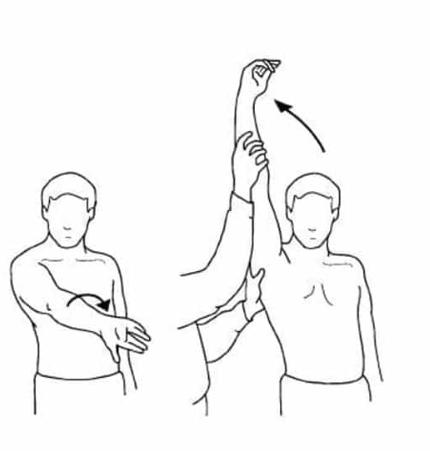
what is neer test?
impingement syndrome
have patient seated- stand behind them
one hand depress scaplula
have arm pointing forward and point thumb to ground
then lift arm up as if asking question
causes forced flextion in glenohumeral joint
positive if: pain reproduction on hurt side
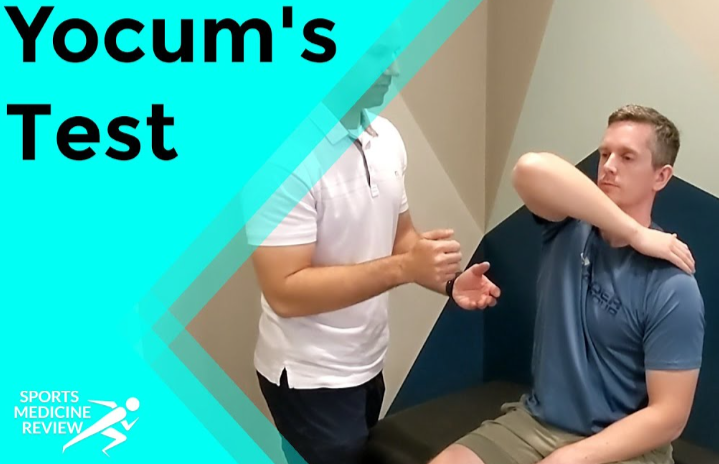
what is yocums (forced flexion) test?
impingement syndrome
have patient seated
have them place their hand onto opposite shoulder
then have them bring their bring the elbow to nose
positive if: pain in subaromial arch
what is an AC joint injury?
when the acromiclavivialar joint is injured where the clavical meets the scaplua. Most commonly caused by a direct fall into shoulder or a blow in contact sports
what are the tests for an AC joint injury?
piano key sign
AC shear test
Cross body adduction (scarf) test
AC traction test
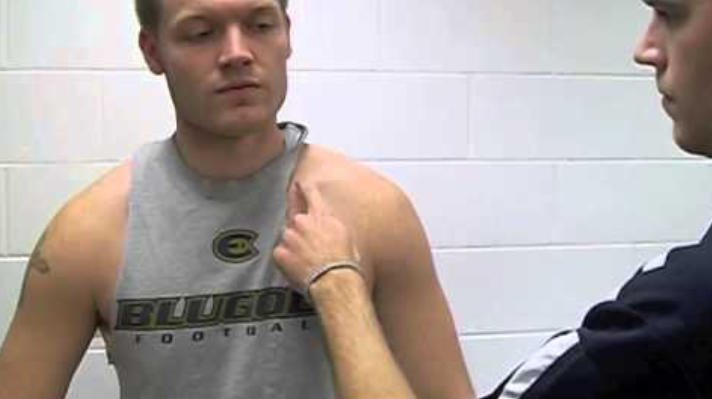
what is piano key sign test?
AC joint injury
patient seated or standing
stand in front of patient
do if there is a step off noted during observation
apply pressure to the deformed part of clavicle
positive if: bobbing of the clavical
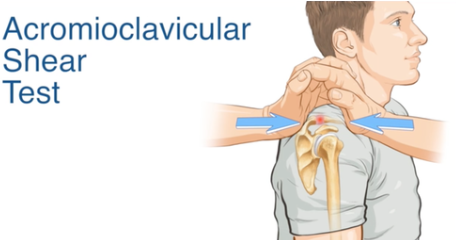
what is AC shear test?
AC joint injury
have patient seated
fold hands together and pinch palms of hands around the AC joint
positive is: reproduction of symptoms
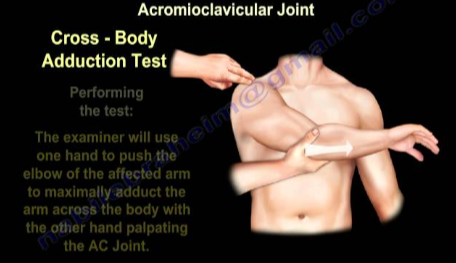
what is Cross body adduction (scarf) test?
AC joint injury
patient sitting
bring arm into horizontal adduction- across neck
positive if: pain on top of AC joint
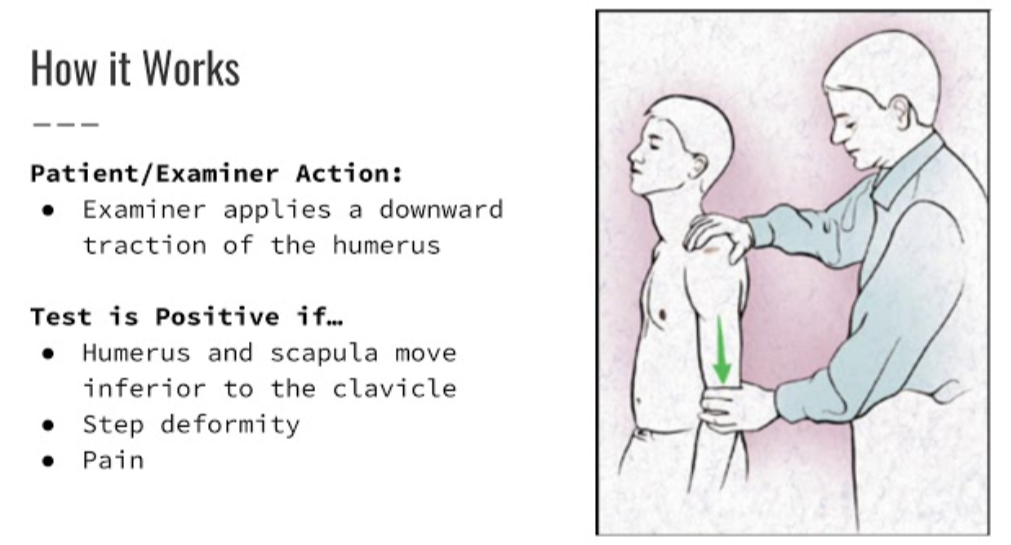
what is AC traction test?
AC joint injury
patient seated
close hand palpates the AC joint
other hand pull down on arm grabbing right above elbow
positive if: downward movement of scapula and humerus this causes a step deformity at the AC joint