Manual WBC + RBC Counts
 Call Kai
 Learn
Learn Practice Test
 Spaced Repetition
 Match
Match Flashcards
 Knowt Play
1/37

There's no tags or description
Looks like no tags are added yet.
Name | Mastery | Learn | Test | Matching | Spaced | Call with Kai |
|---|
No analytics yet
Send a link to your students to track their progress
38 Terms
6 L/7-8% of body weight
total blood volume in an average adult
45% cells
55% plasma
circulating blood is divided into ?
RBCs
WBCs
platelets
components of 45% of cells in blood
bone marrow
as cells (leukocytes) mature, they can move through thesinusoids of the ? because of a decreased overall cell size, a decreased nuclear cytoplasmic ratio, and increased flexibility and mobility
metamyelocytes (45%)
band form neutrophils (35%)
segmented neutrophils (20%)
bone marrow compartments
blast cell
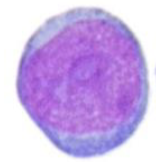
promyelocyte
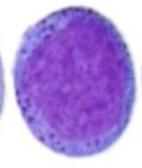
myelocyte
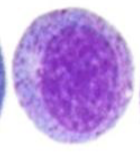
metamyelocyte
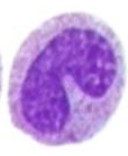
band cell
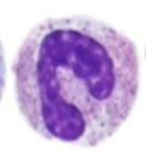
segmented neutrophil
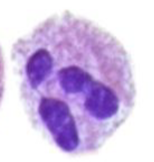
monocyte
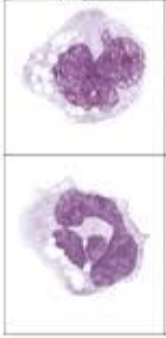
immature monocyte
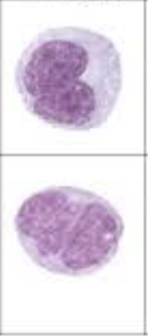
promonocyte
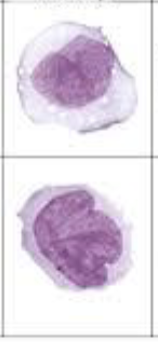
monoblast
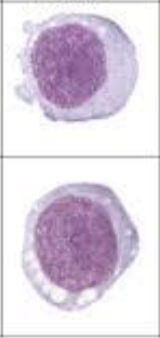
thrombopoiesis
hematopoietic stem cell —> common myeloid progenitor —> megakaryoblast —> promegakaryocyte —> megakaryocyte —> thrombocytes (platelets)
hematology lab tests
counting the number or concentration of cells
determining the relative distribution of various types of cells (differential)
measuring biochemical abnormalities of the blood
hemostasis and coagulation assays
4.5-5.3 × 10^12/L
red blood cell count in males
4.1-5.1 × 10^12/L
red blood cell count in females
6.0-17.0 × 10^9/L
white blood cell count in 6 months old
4.5-13.5 × 10^9/L
white blood cell count in 10 year olds
4.5-11.0 × 10^9/L
white blood cell count in 21 year olds
4.4-11.3 × 10^9/L
white blood cell count in >21 year olds
150-450 × 10^9/L
normal platelet count
4.5-6.0 × 10^6/mm³
normal range of manual RBC count in adult males
4.0-5.5 × 10^6/mm³
normal range of manual RBC count in adult females
5.0-6.3 × 10^6/mm³
normal range of manual RBC count in newborns
dilution fluid
when counting RBCs, a ? is used
isotonic saline
diluting fluid used in manual RBC count
polycythemia
high altitude
dehydration
causes an increase in RBCs
anemia
iron deficiency
sickle cell anemia
trauma
chemotherapy
causes an decrease in RBCs
5.0-10.0 × 10³/mm³
normal range of manual WBC count for adult
4.5-12.0 × 10³/mm³
normal ranges of manual WBC count in children
9.0-30.0 × 10³/mm³
normal range of manual WBC count in newborns
dilution fluid
when counting WBCs, a ? is used to hemolyze non-nucleated RBCs
acetic acid
0.1 N HCl
ammonium oxalate
common diluting fluids
infection (acute)-itis
leukemia (acute)
newborns
pregnancy
menstruation
cause an increase in WBC
leukopenia (permanent or progressive decrease in WBC)
infection (viral)
HIV
ionizing radiation (x-rays and gamma rays)
chemotherapy
causes a decrease in WBCs