pharm II exam #5 - cancer
 Call Kai
 Learn
Learn Practice Test
 Spaced Repetition
 Match
Match Flashcards
 Knowt Play
1/21

Earn XP
Description and Tags
cytotoxic agents, noncytotoxic agents, pain medication for cancer
Name | Mastery | Learn | Test | Matching | Spaced | Call with Kai |
|---|
No analytics yet
Send a link to your students to track their progress
22 Terms
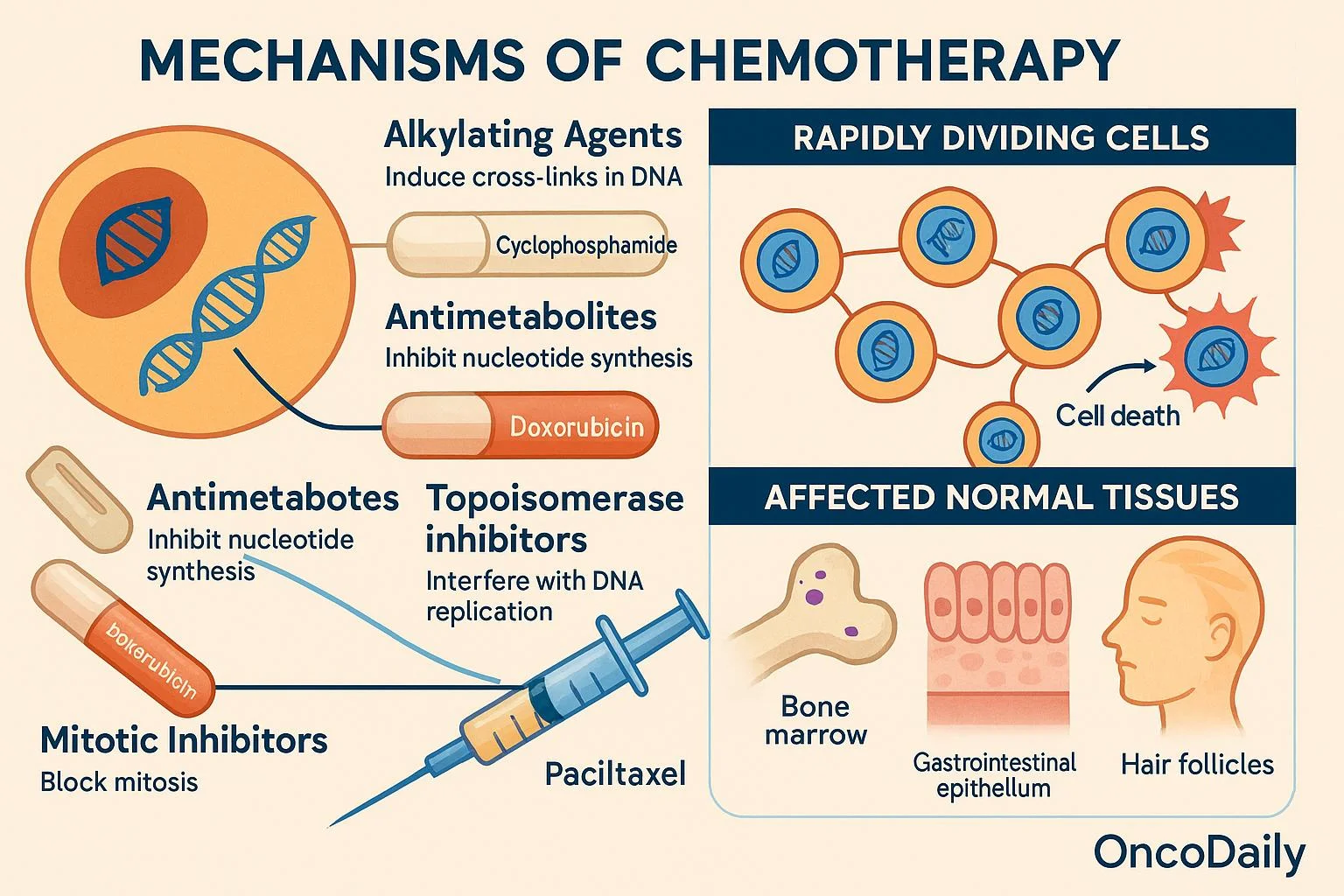
what are cytotoxic agents?
cytotoxic agents are chemicals that kill or damage cells and are most often used for chemotherapy. these drugs interfere with a certain part of the cell cycle, such as mitosis, DNA replication, and protein synthesis.
what are the many “chemotoxicities” of cytotoxic agents? (5)
(aka what can occur as a result of chemo)
bone marrow suppression → anemia, leukopenia, thrombocytopenia
GI tract injury → stomatitis (mucositis), N/V, diarrhea
alopecia
sex cell injury
local tissue injury → extravasation
what is dose limiting toxicity? why is it so important with chemotherapy drugs?
Dose-limiting toxicity (DLT) is the most severe side effect of a drug that prevents you from increasing the dose any further
DLT helps the healthcare team recognize when to reduce, delay, or stop treatment if this manifestation occurs.
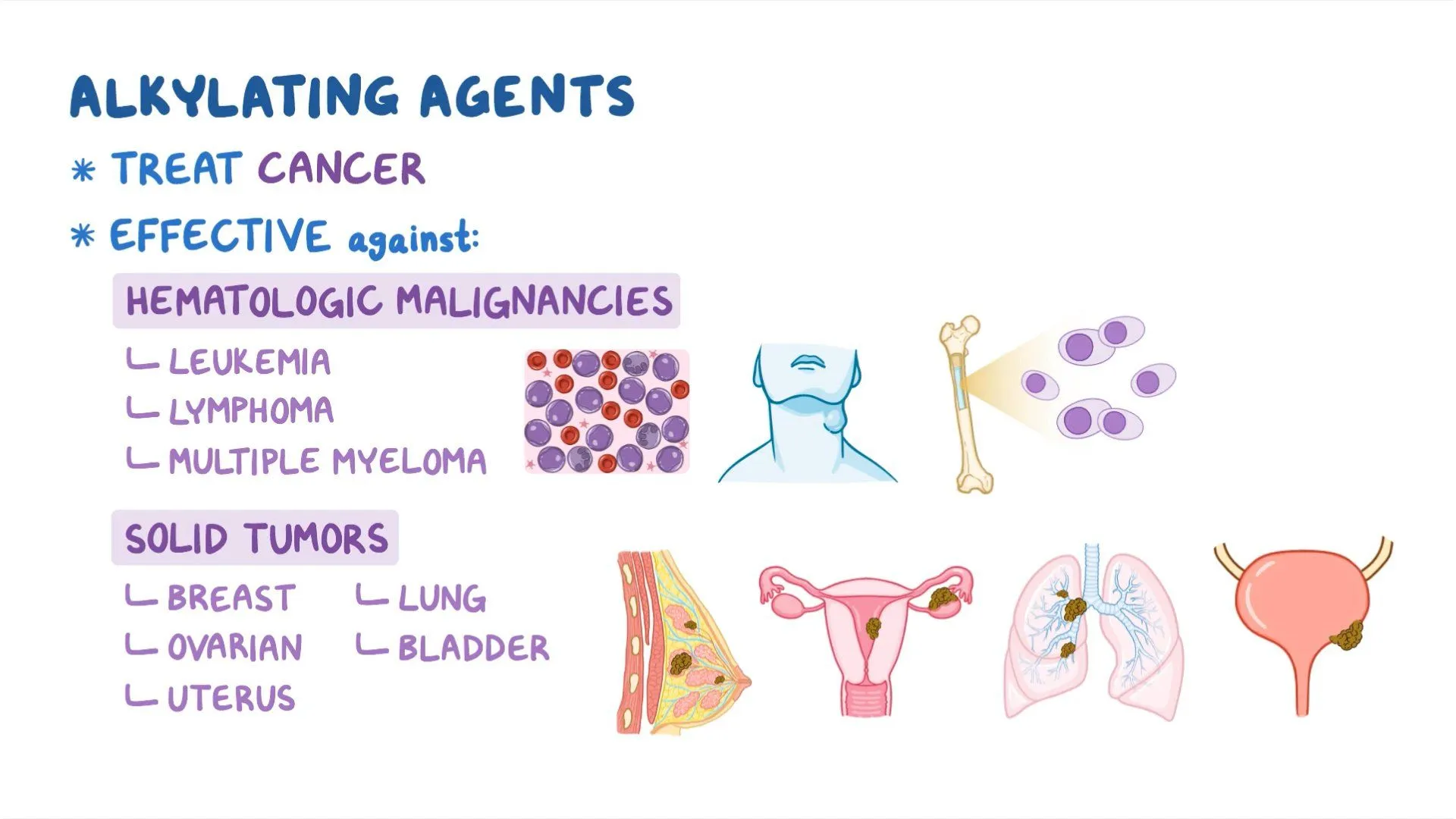
cytotoxic agent category: alkylating agents
Alkylating agents are a type of cytotoxic chemotherapy drug that work by directly damaging DNA in cells. as a result, the cell eventually dies because it cannot replicate its DNA
ex) cyclophosphamide
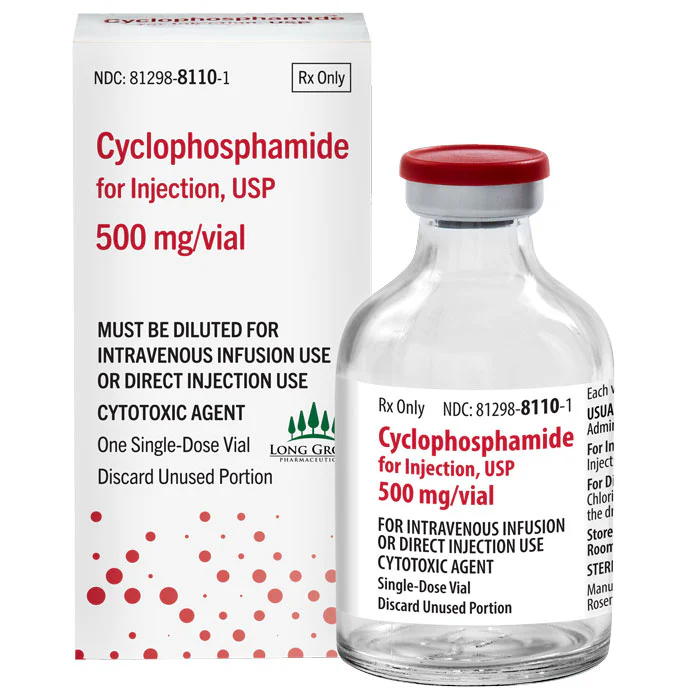
cytotoxic agent: cyclophosphamide (class, use, DLT, S/E)
alkylating agent → disrupts DNA
use: treats a broad range of cancers
DLT: bone marrow suppression
S/E: acute hemorrhagic crisis (urinates blood), severe N/V, alopecia
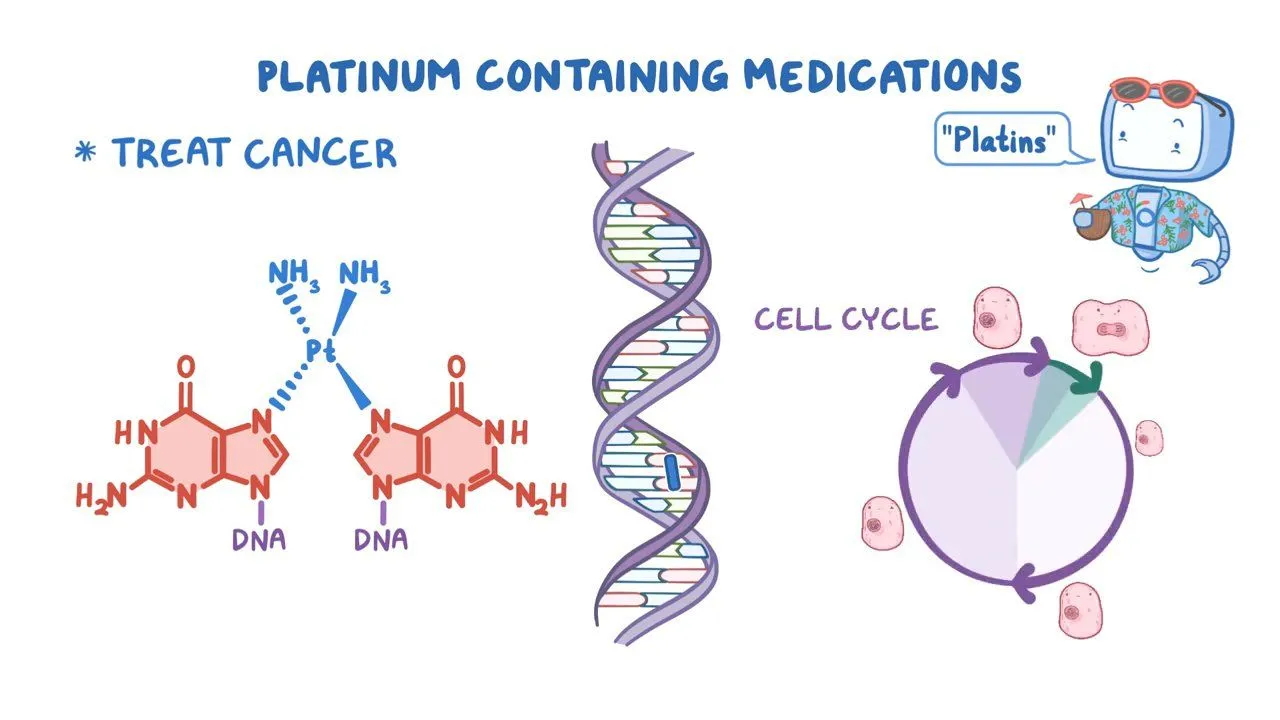
cytotoxic agent category: platinum compounds
chemotherapy drugs made from platinum → this element disrupts DNA and stops the cell from replicating
ex) cisplatin
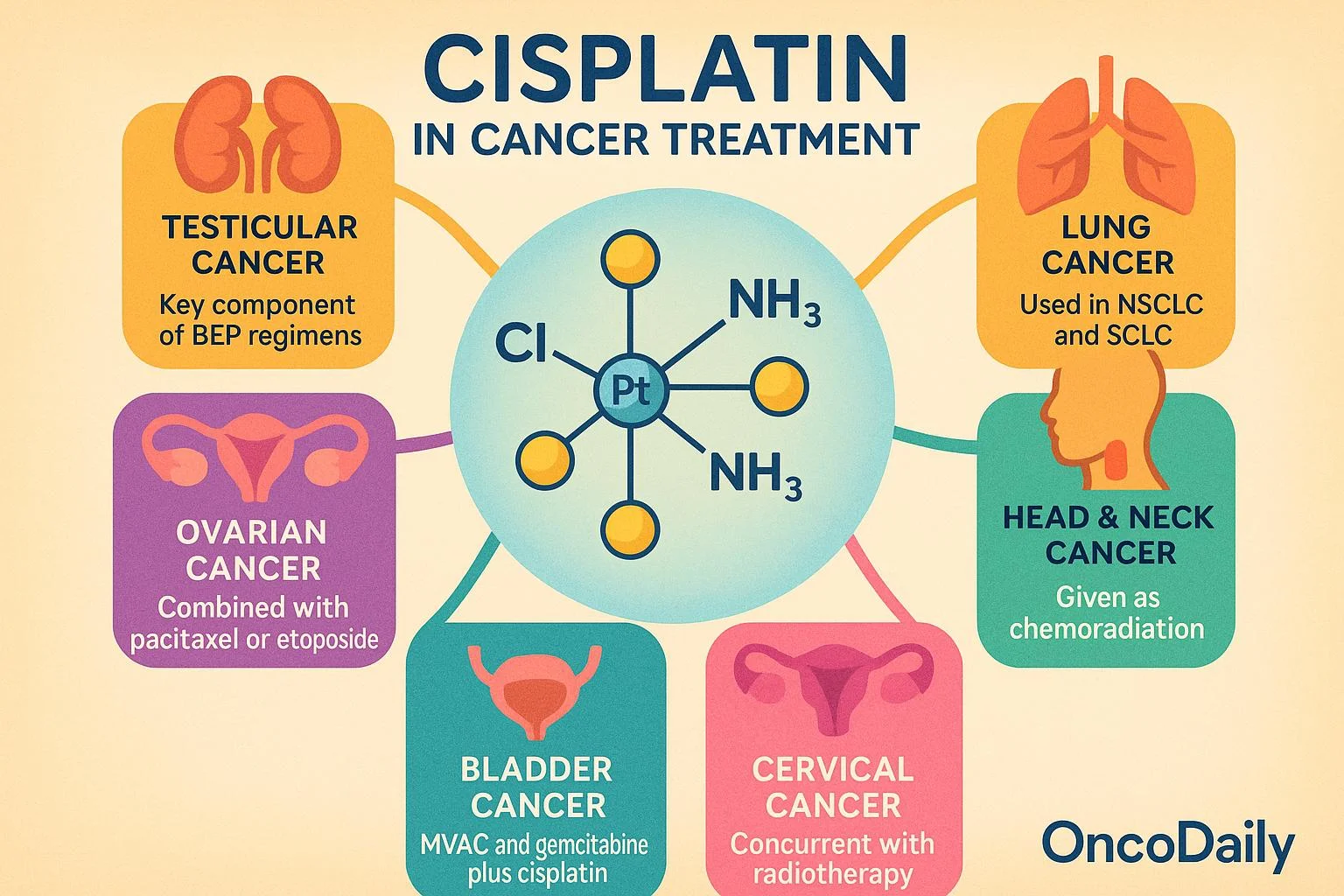
cytotoxic agent: cisplatin (class, use, DLT, S/E)
platinum compound → disrupts DNA
use: treats testicular, bladder, and ovarian cancers
DLT: kidney damage
S/E: severe N/V lasting days, peripheral neuropathy
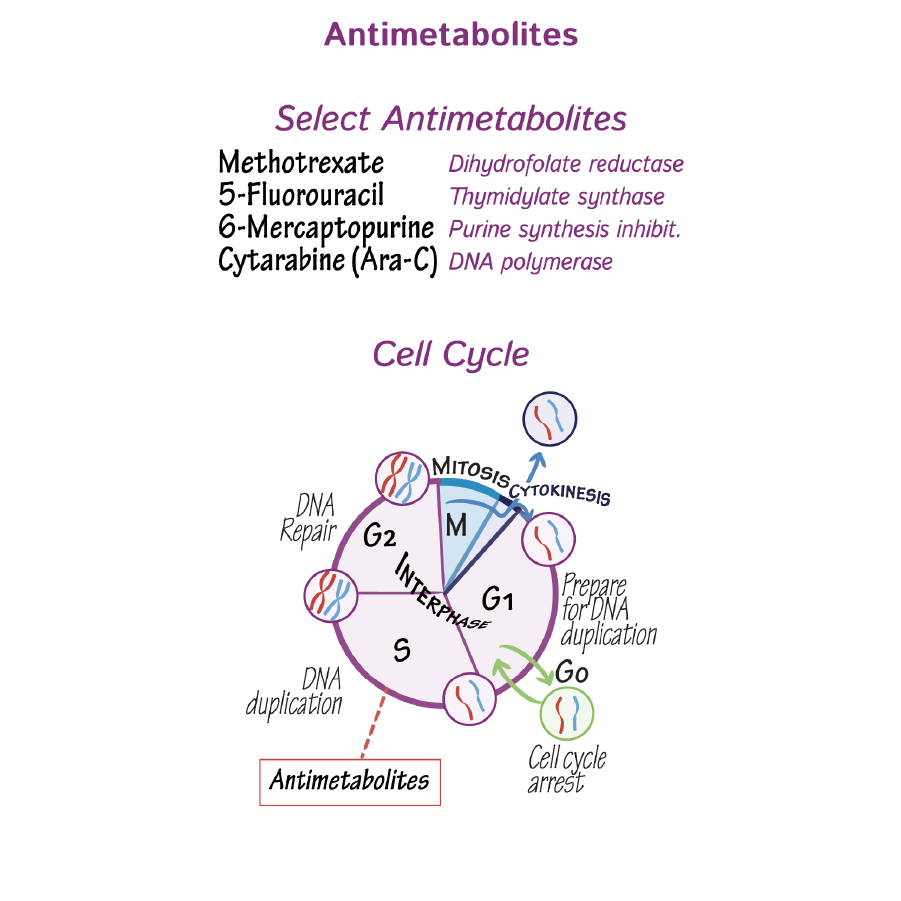
cytotoxic agent category: antimetabolites
these medications work by mimicking molecules needed to grow, but they’re faulty. this medication tricks cancer cells into using it for DNA growth; instead, the DNA becomes injured
ex) methotrexate
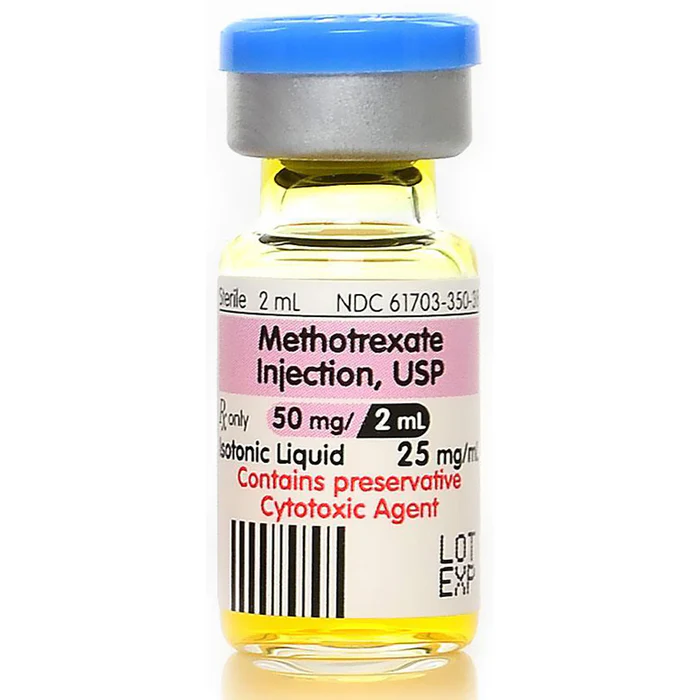
cytotoxic agent: methotrexate (class, use, DLTs)
antimetabolite → mimicks molecules needed to grow
use: treats nonhodgkins lymphoma, cures choriocarcinomas (highly malignant cancer of cells that create the placenta)
DLT: bone marrow suppression and pulmonary infiltrates
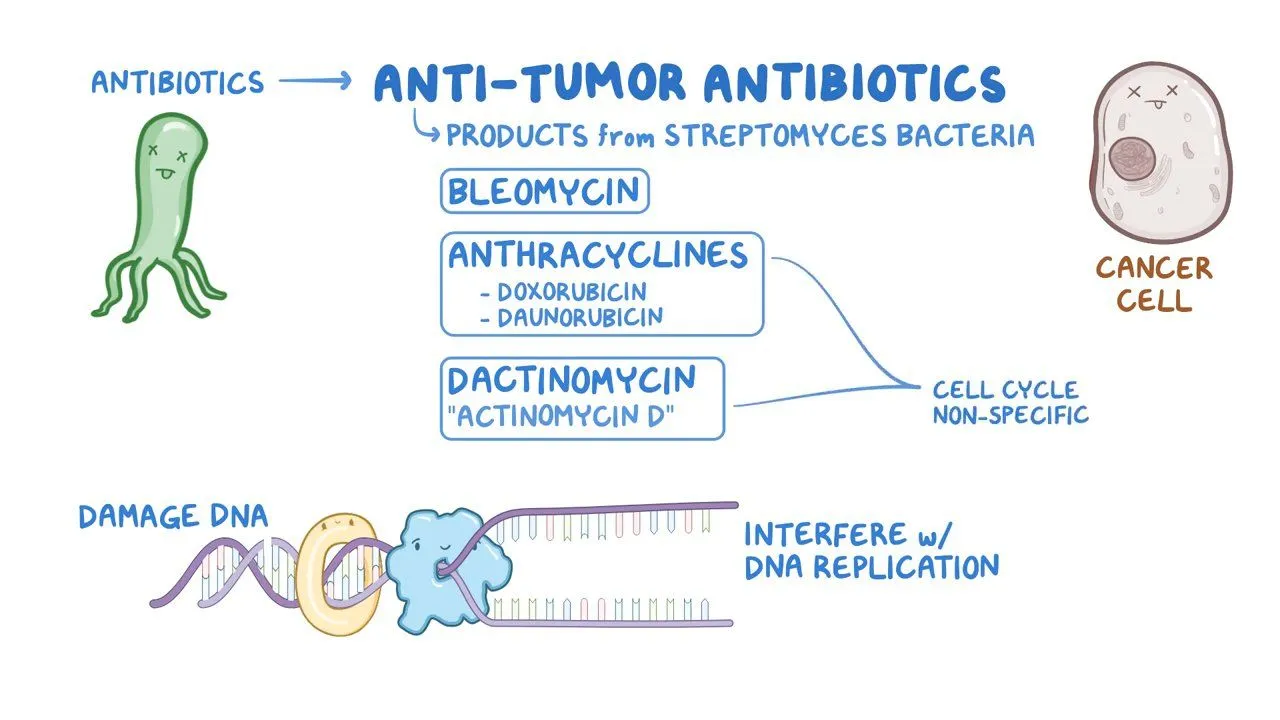
cytotoxic agent category: anti-tumor antibiotics
both types of anti-tumor antibiotics work by damaging DNA and blocking cancer cell replication
two sub categories → anthracyclines and non-anthracyclines
ex) doxorubicin (anthracycline) and dactinomycin (non-anthracycline)
cytotoxic agent: doxorubicin (class, use, DLT, AS/E)
anti-tumor antibiotic, specifically an anthrocycline → damages DNA and blocks cancer cell replication
use: very common cancer drug used to treat a broad range of cancers
DLT: cardiotoxicity (delayed: CHF)
AS/E: this medication is a strong vesicant, turns urine and sweat red (why it is nicknamed the “red devil”)
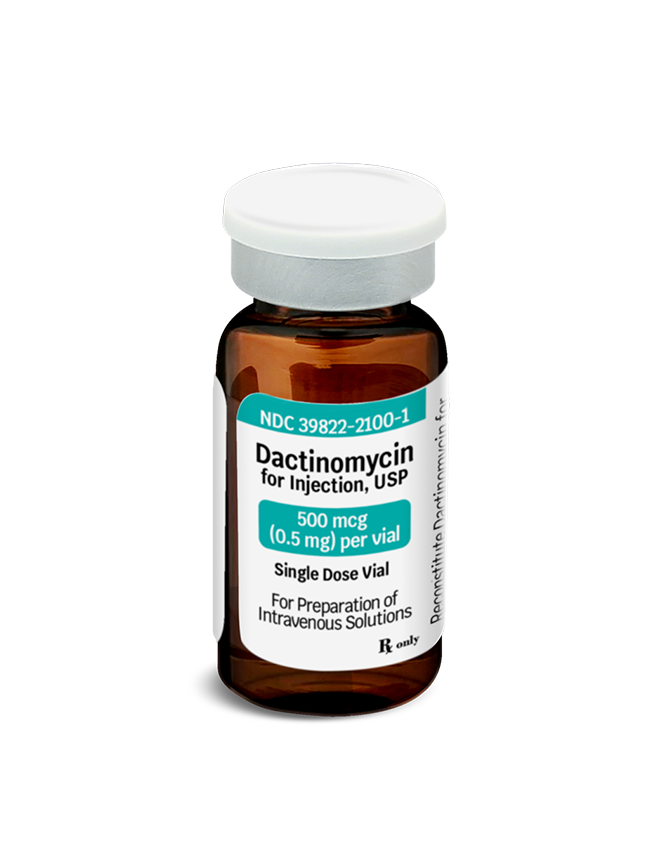
cytotoxic agent: dactinomycin (class, use, DLT, AS/E)
anti-tumor antibiotic, specifically a non-anthrocycline → damages DNA and blocks cancer cell replication
use: wilm’s tumor, rhabdomyocarcinoma
DLT: bone marrow suppression
AS/E: strong vesicant! be careful of extravasation!
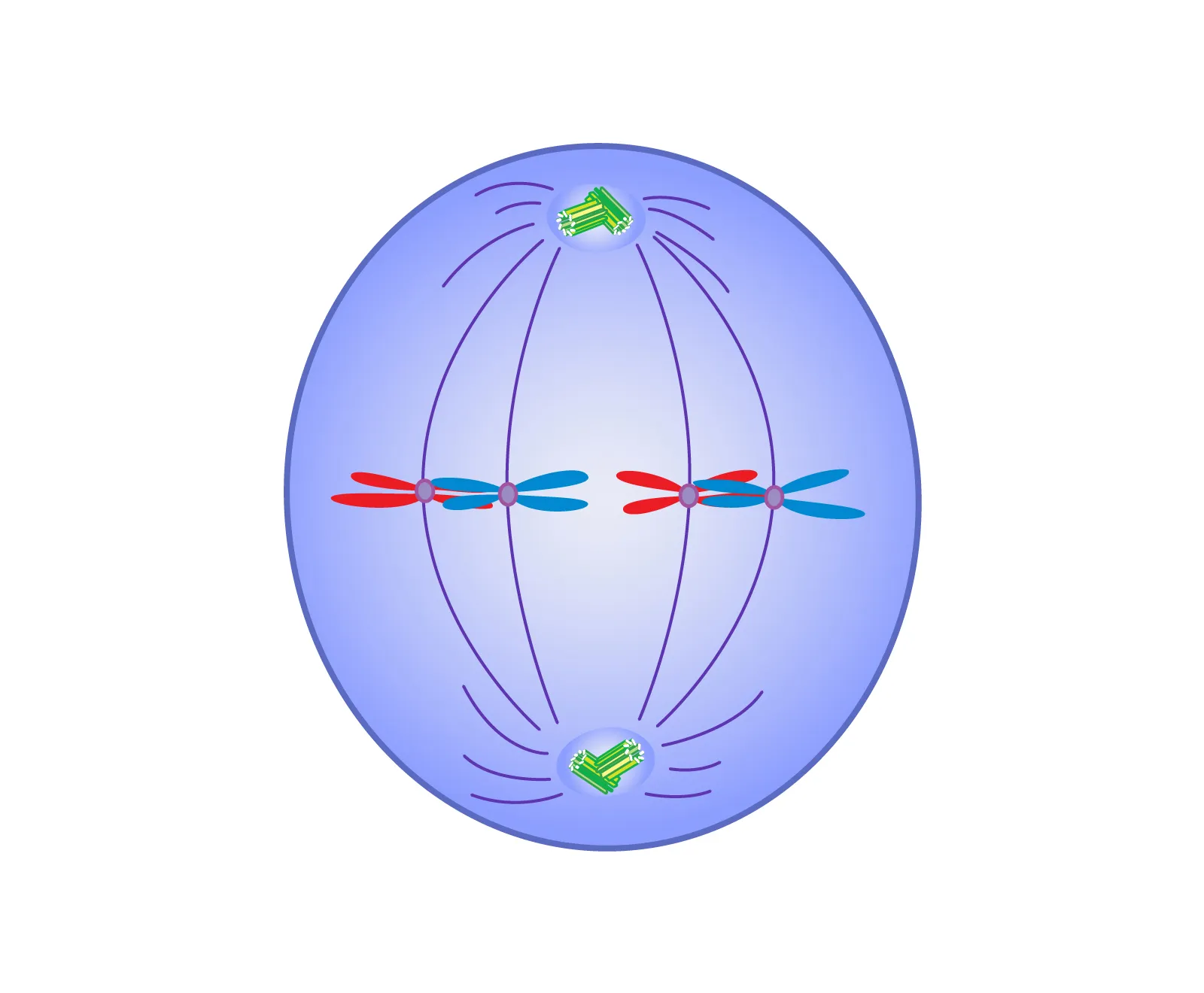
cytotoxic agent category: mitotic inhibitors
cytotoxic chemotherapy drugs that stop cells from dividing during mitosis by disrupting the structures needed to pull chromosomes apart (metaphase)
two subcategories → vinca alkaloids and taxanes
ex) vincristine and vinblastine (vinca alkaloids) and paclitaxel (taxane)
cytotoxic agent: vincristine (class, use, DLT)
mitotic inhibitor, specifically a vinca alkaloid → inhibits metaphase of mitosis
use: used as combination therapy for many cancers because it does not cause bone marrow suppression
DLT: peripheral neuropathy
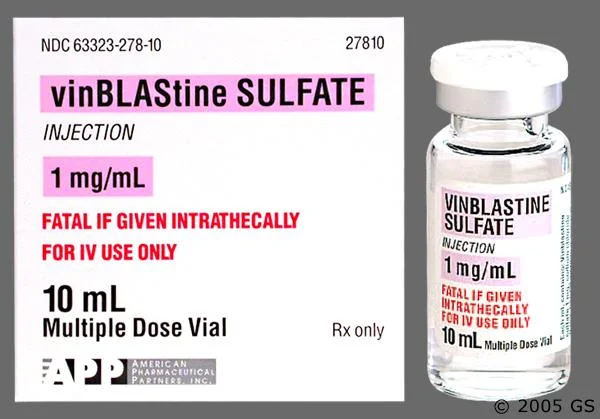
cytotoxic agent: vinblastine (class, use, DLT)
mitotic inhibitor, specifically a vinca alkaloid → inhibits metaphase of mitosis
use: lymphomas, testicular cancer, SCLC, caposi sarcoma, and breast cancer
DLT: bone marrow suppression
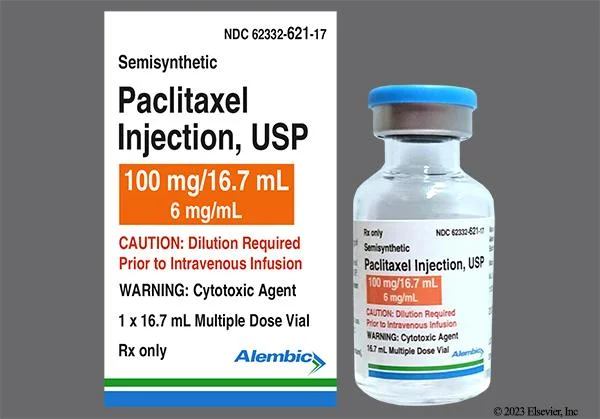
cytotoxic agent: paclitaxel (taxol) (class, use, DLT, AS/E)
mitotic inhibitor, specifically a taxane → inhibits metaphase of mitosis
use: breast cancers
DLT: bone marrow suppression
AS/E: severe hypersensitivity reaction

paclitaxel (taxol) can cause a severe hypersensitivity reaction. what are some S/S that this is occurring? what meds can the nurse give to intervene?
S/S → sudden onset SOB, urticaria, angioedema, hypotension
meds → diphenhydramine (benadryl, H1 receptor antagonist), famotidine (pepcid, H2 receptor antagonist), and dexamethasone (glucocorticoid)
before giving any meds, what should the nurse do FIRST after noticing a hypersensitivity to ANY medication?
STOP THE MED
cytotoxic agent category: topoisomerase inhibitors
cytotoxic agent: irinotecan (class, use, DLT)
cytotoxic agent: asparaginase (class, use, toxicities)
what are noncytotoxic cancer agents?