PART 2 HISTORY OF ARCHITECTURE
 Call Kai
 Learn
Learn Practice Test
 Spaced Repetition
 Match
Match Flashcards
 Knowt Play
1/28

There's no tags or description
Looks like no tags are added yet.
Name | Mastery | Learn | Test | Matching | Spaced | Call with Kai |
|---|
No analytics yet
Send a link to your students to track their progress
29 Terms
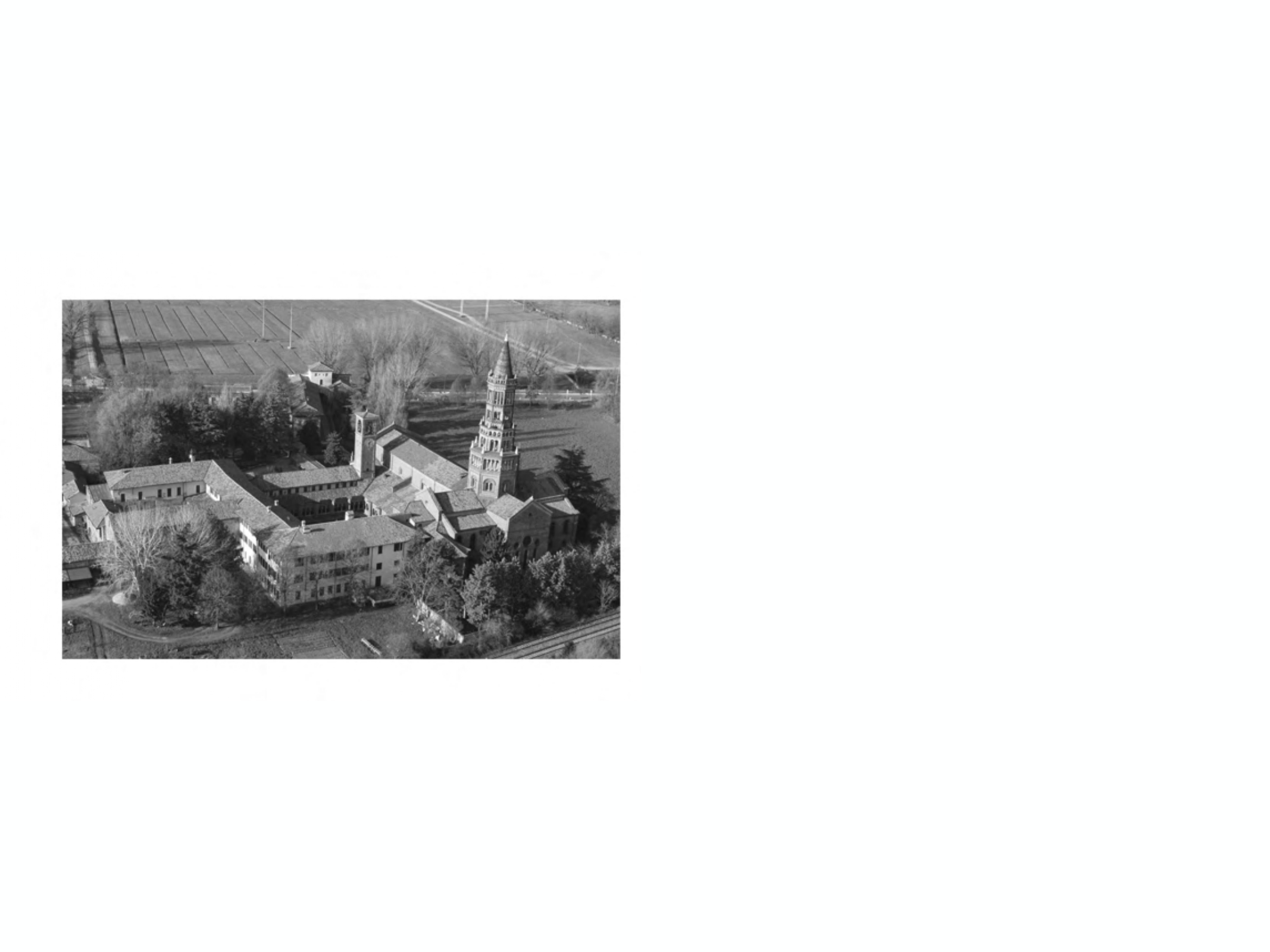
What is an “abbey”?
A monastery governed by an abbot or abbess. Monasteries originally were the expression of the rule of the religious order established by St. Benedict in the 6th century. Usually a monastery comprises the church, one or more cloisters, the chapterhouse, a dormitory, the refectory. There could be also the infirmary, a guest house and spaces devoted to workshops
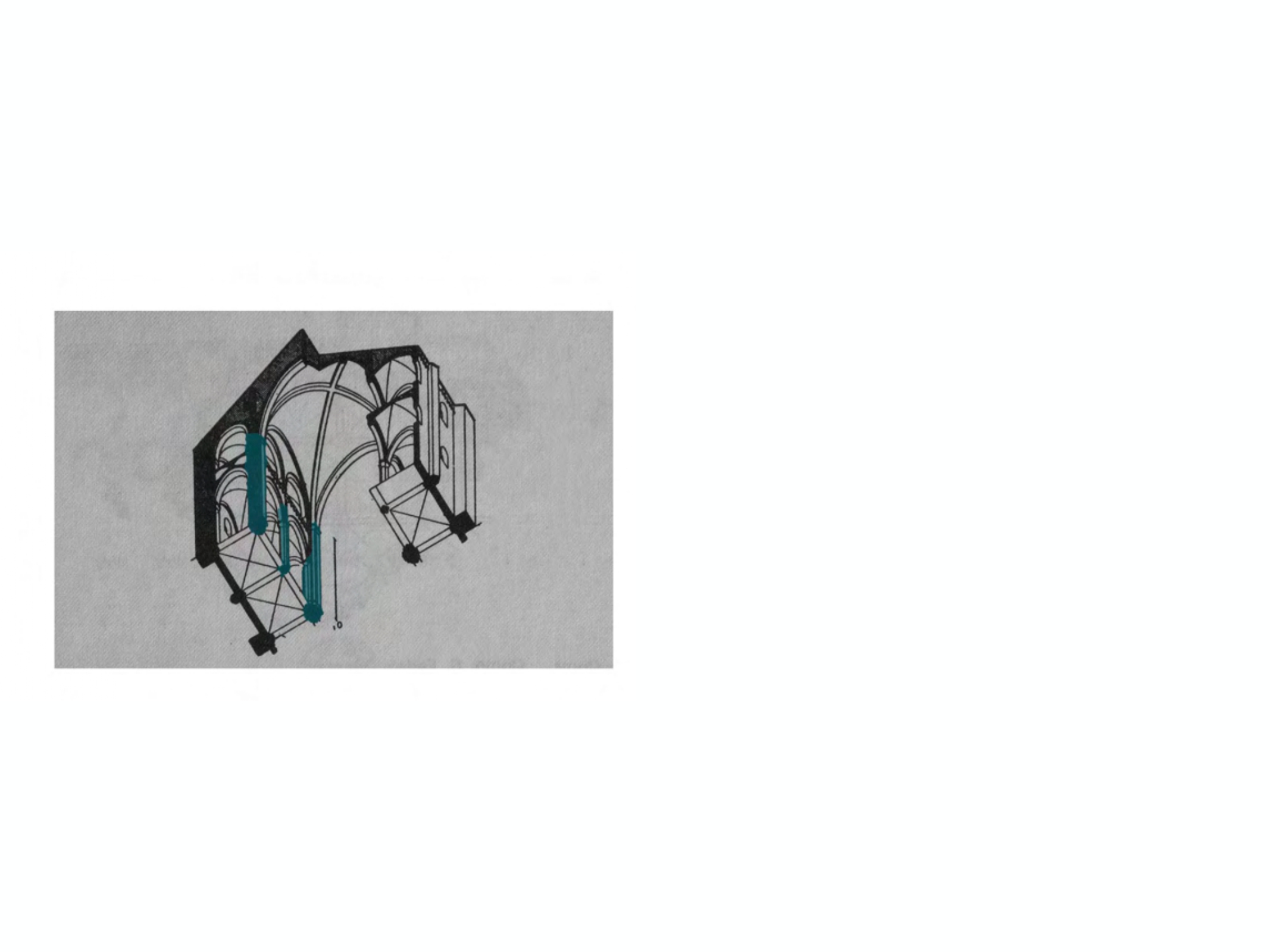
What is an “alternated system”?
Building system in which major pillars alternate with minor pillars (or columns) to create regular square bays covered by cross vaults. In this system, the bays of the nave are four times the size of those of the aisles
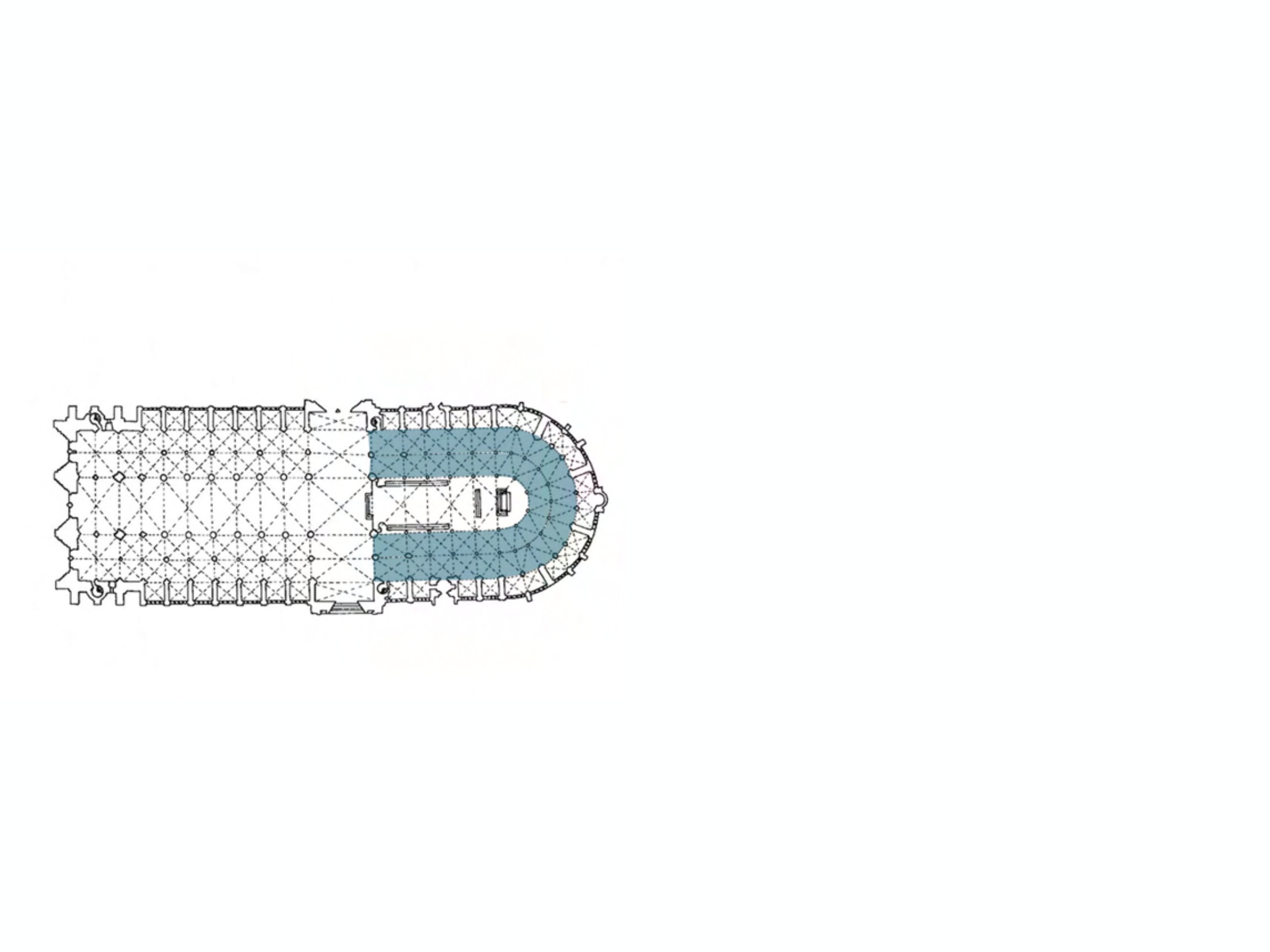
What is an “ambulatory”?
A semicircular or polygonal aisle enclosing an
apse or a straightended sanctuary; originally used for processional purposes
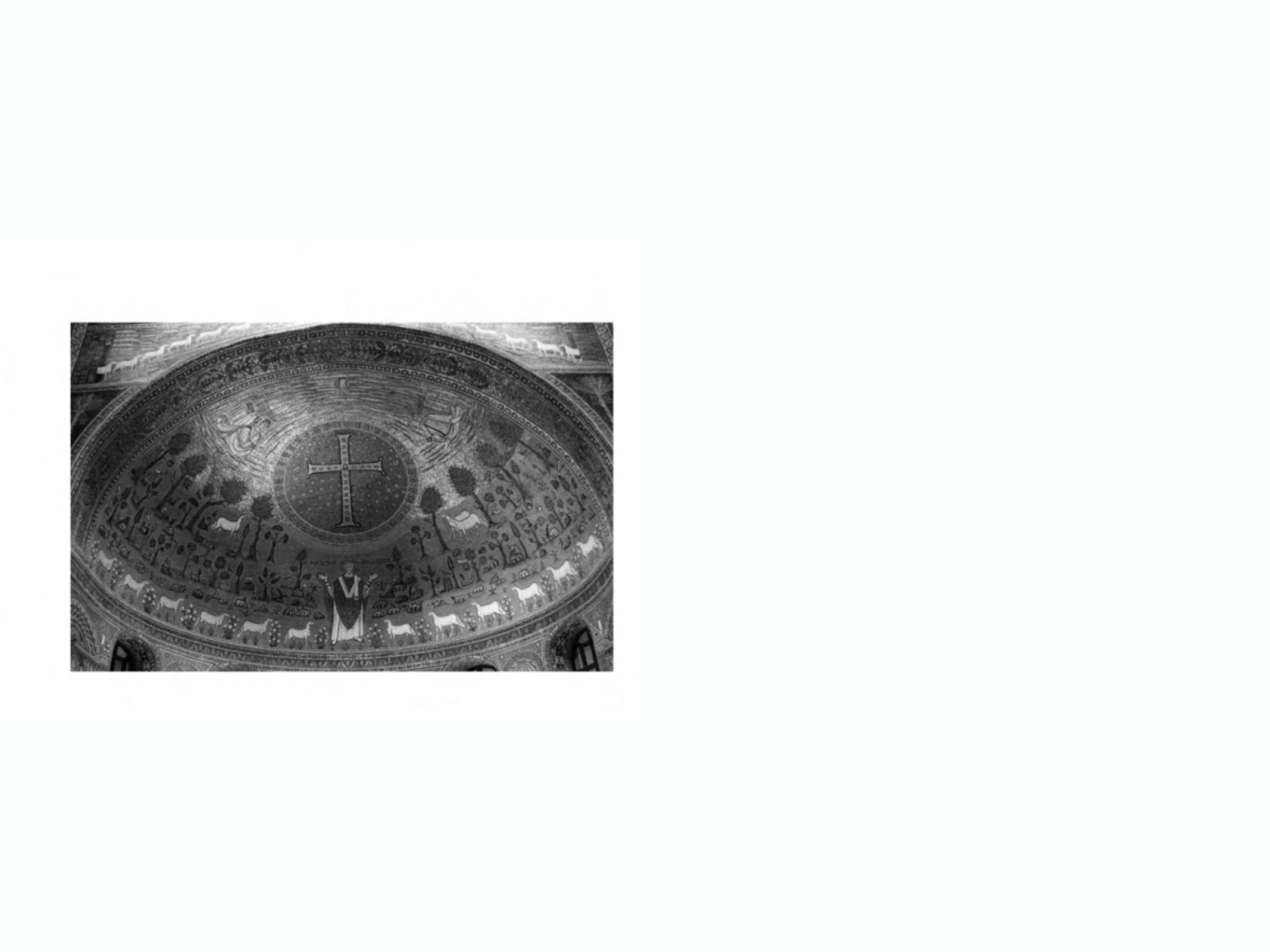
What is an “apsidal basin”?
The half-dome which covers a semi-circular apse
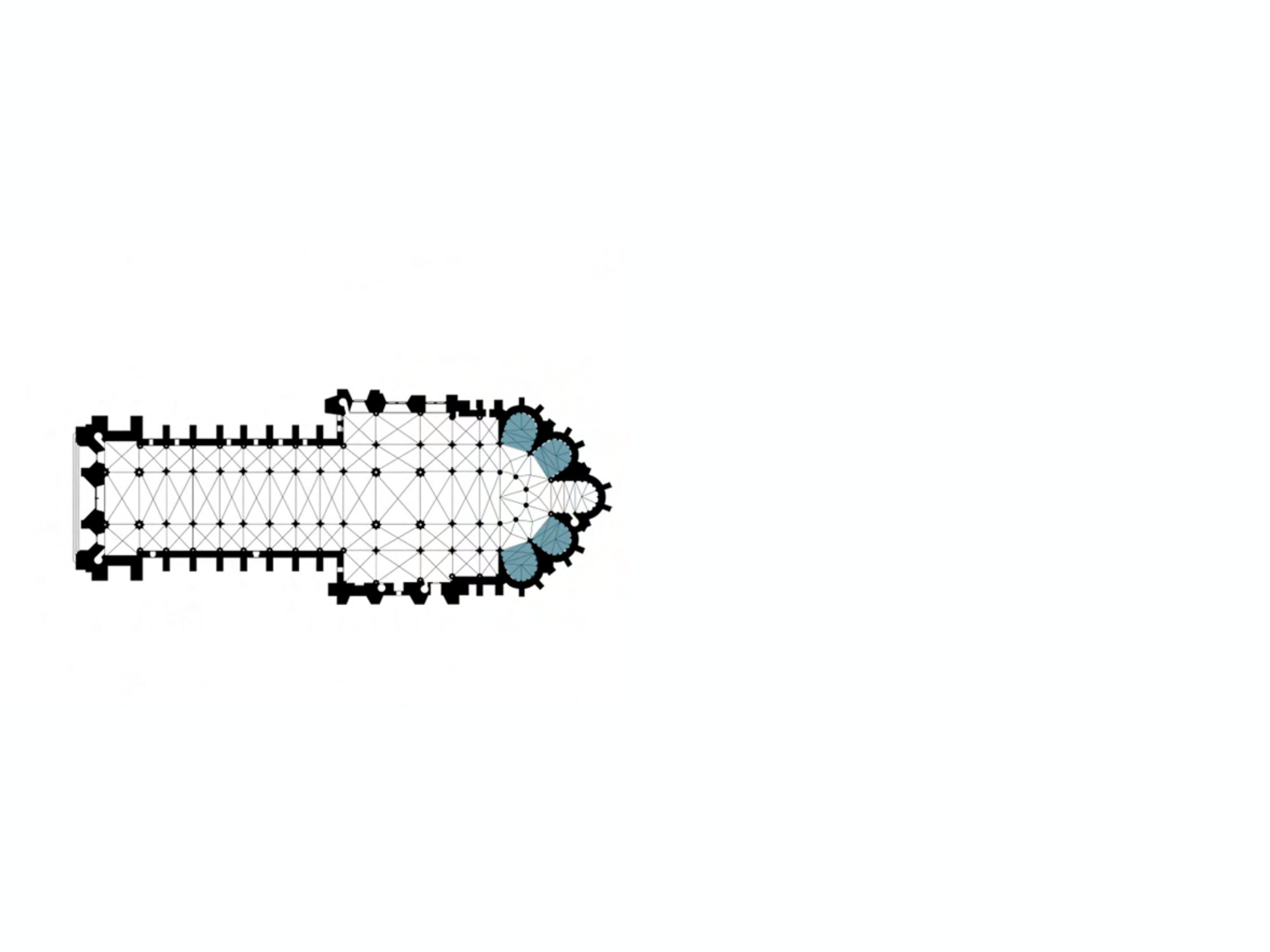
What are the “apsidal chapels”?
Chapels arranged radially to an apse or
ambulatory.
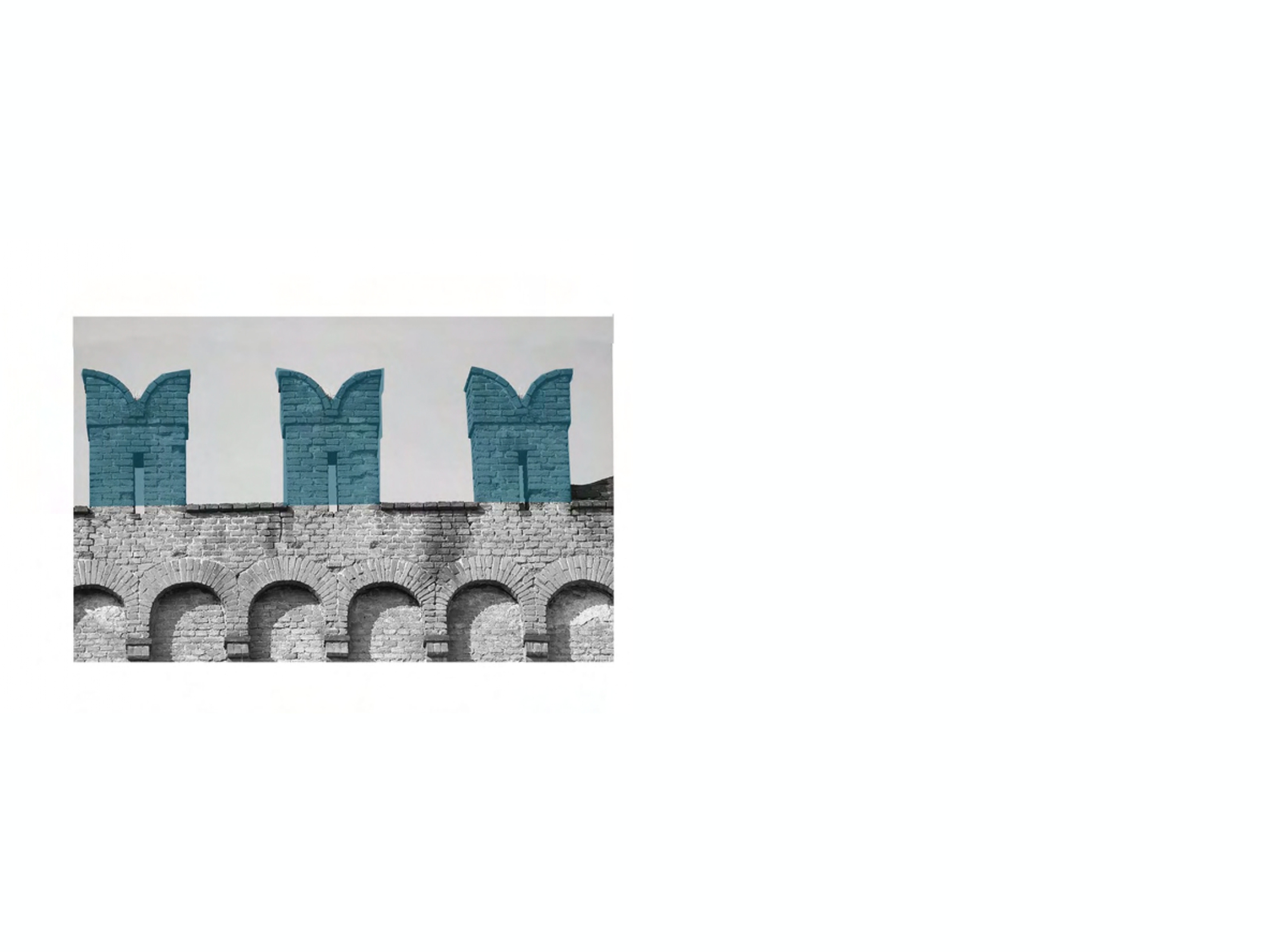
What are the “battlements”?
A parapet with alternating indentations or
embrasures and raised portions or merlons
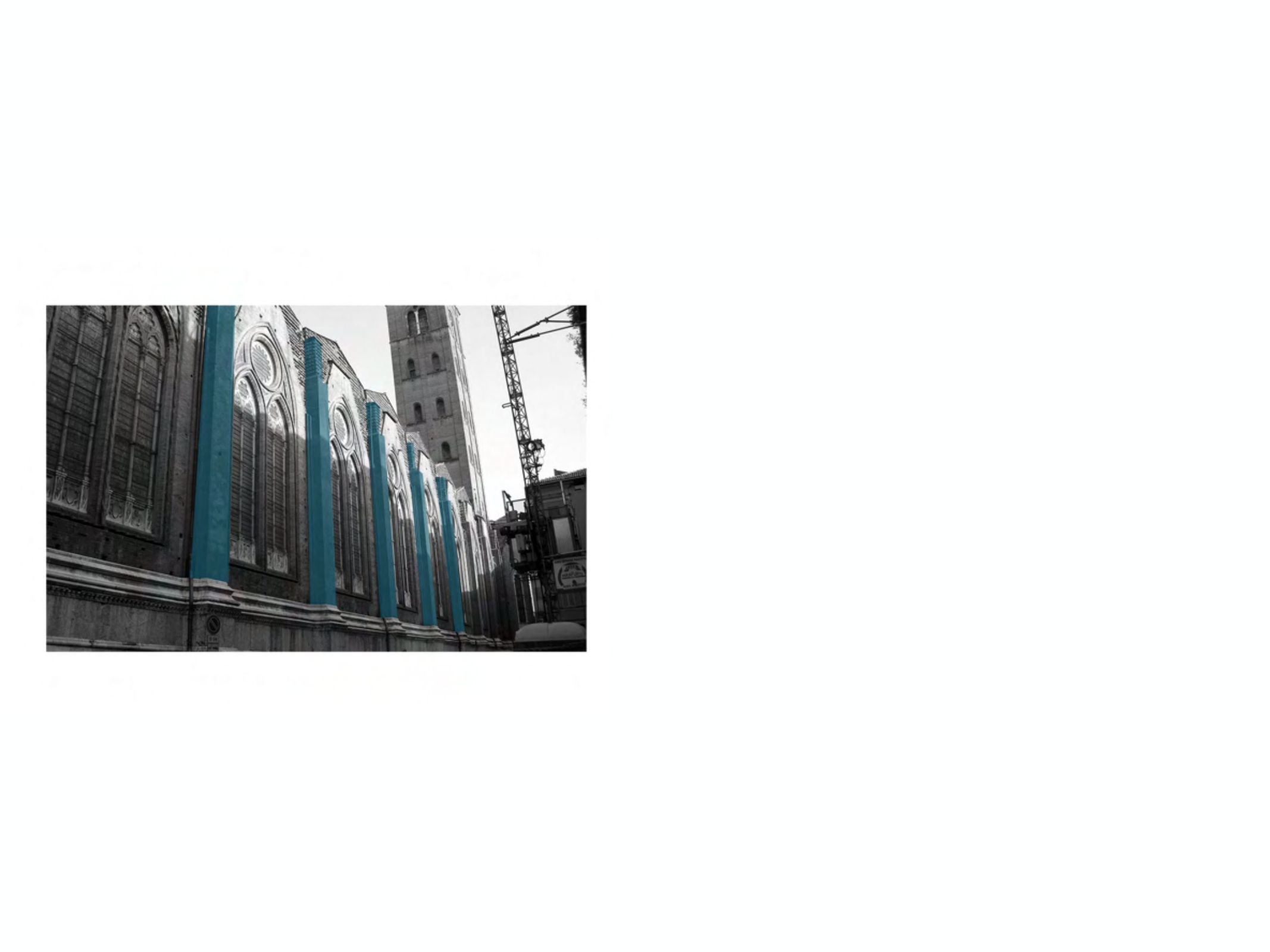
What is a “buttress”?
A mass of masonry or brickwork projecting from or built against a wall to give additional strength, usually to counteract the lateral thrust of an arch, roof or vault.
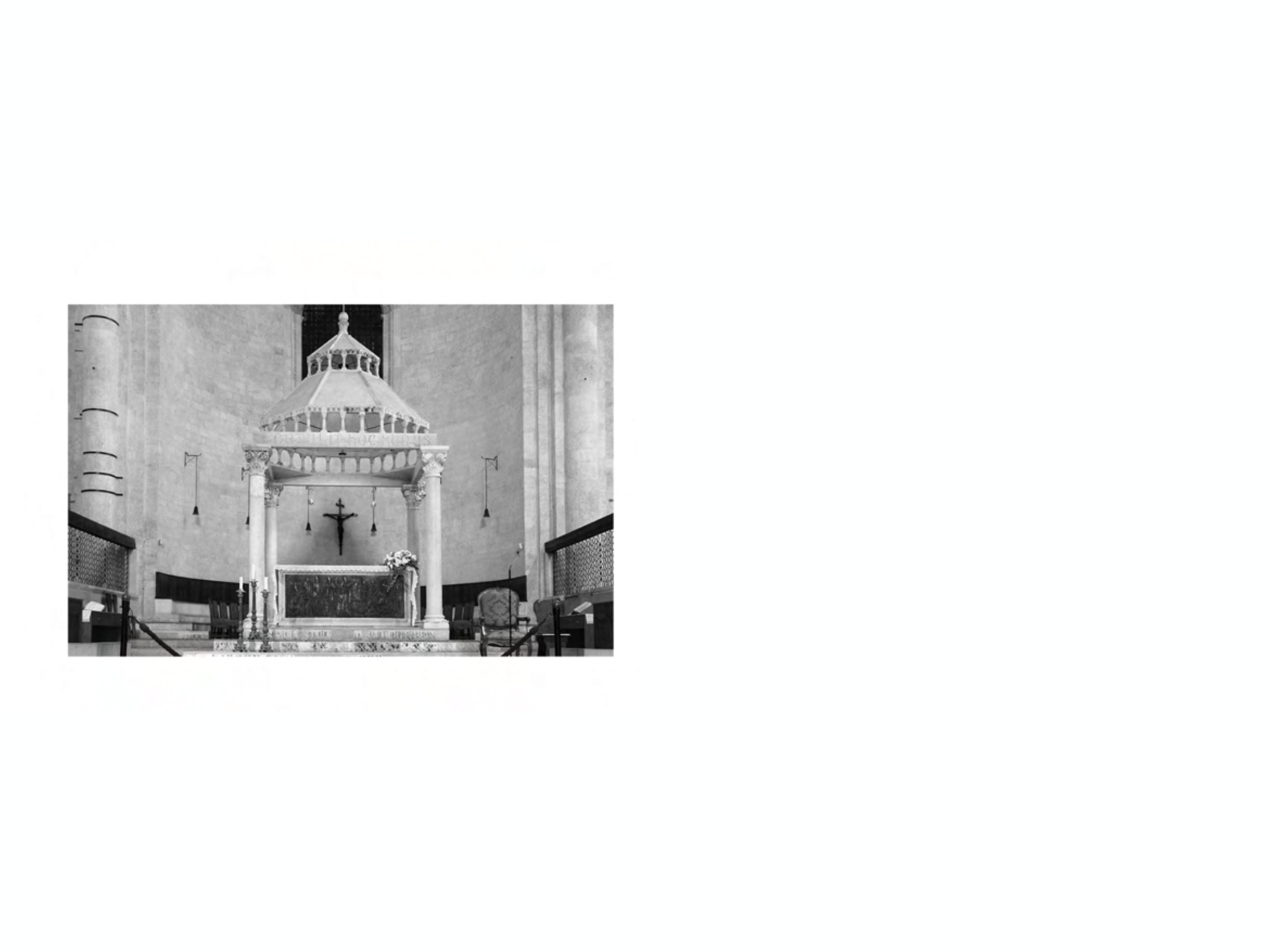
What is a “ciborium”?
A canopy or covering supported by columns,
raised over the high altar of a Christian church
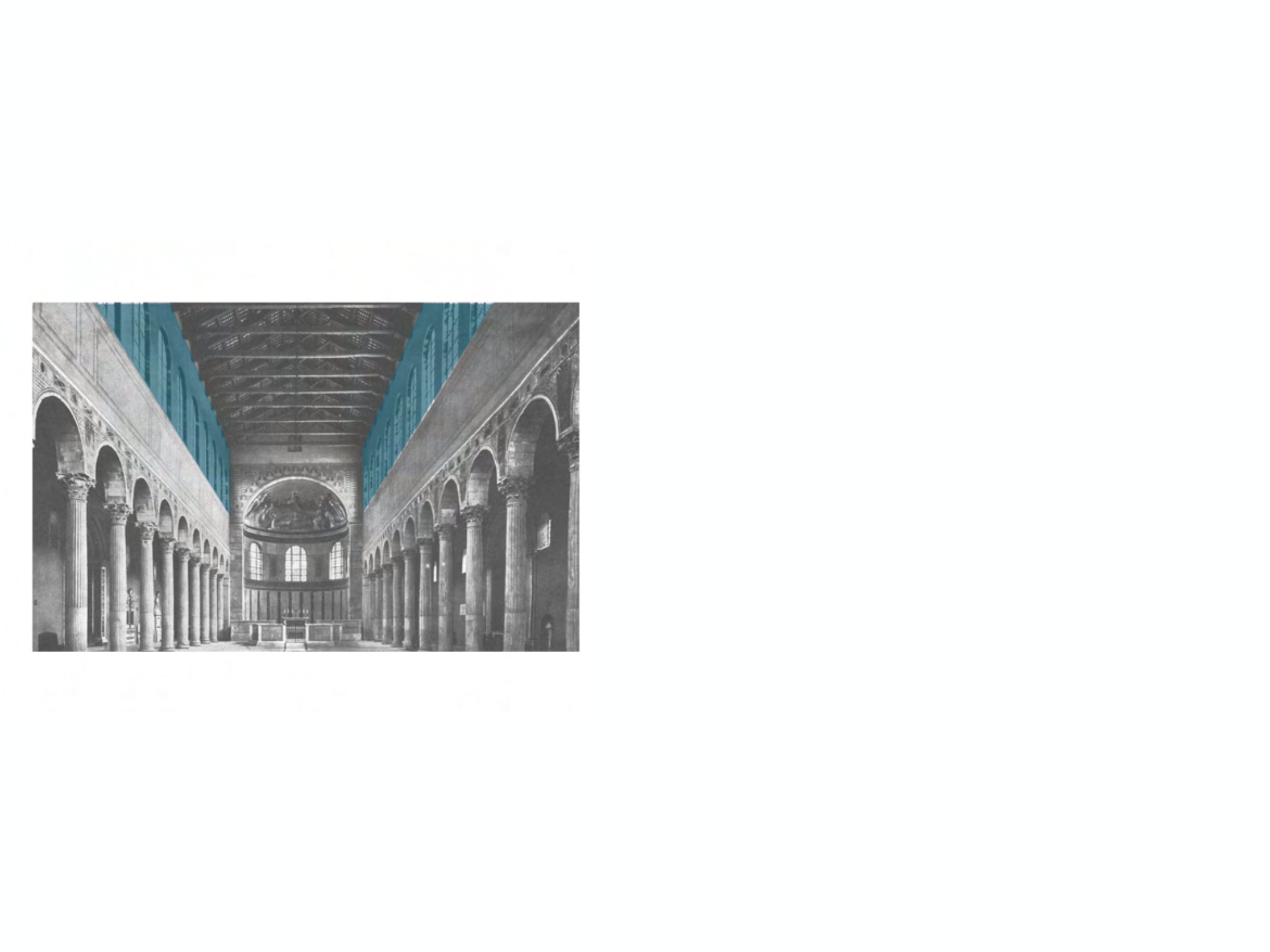
What is a “clerestory”?
The upper stage of the main walls of a church above the aisle roofs, pierced by windows; the same term is applicable in domestic building
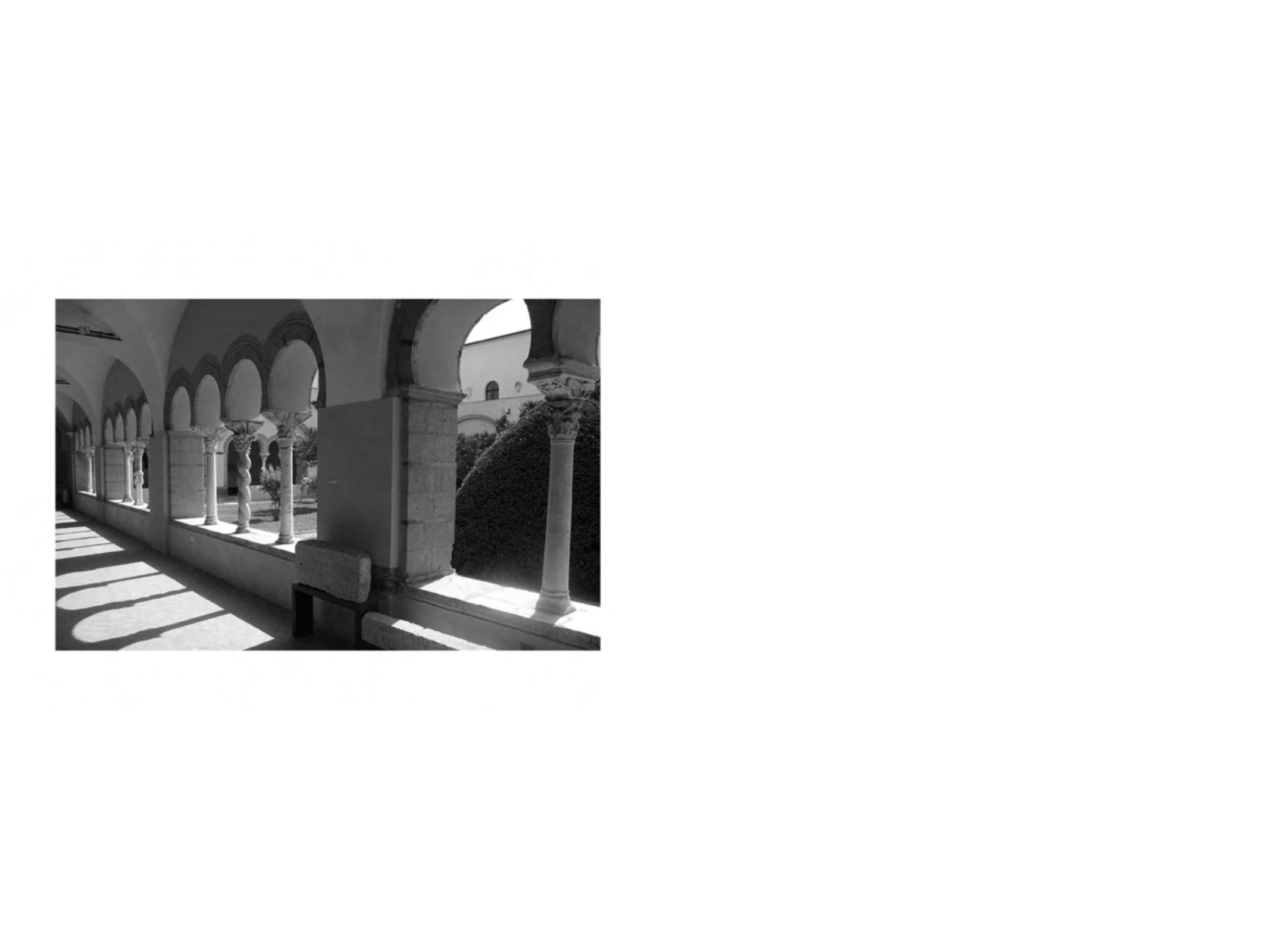
What is a “cloister”?
An enclosed space in a monastery, in form of a quadrangle or open court, surrounded by roofed or vaulted passages or ambulatories, with an open arcade or colonnade on the interior sides and plain walls on the other
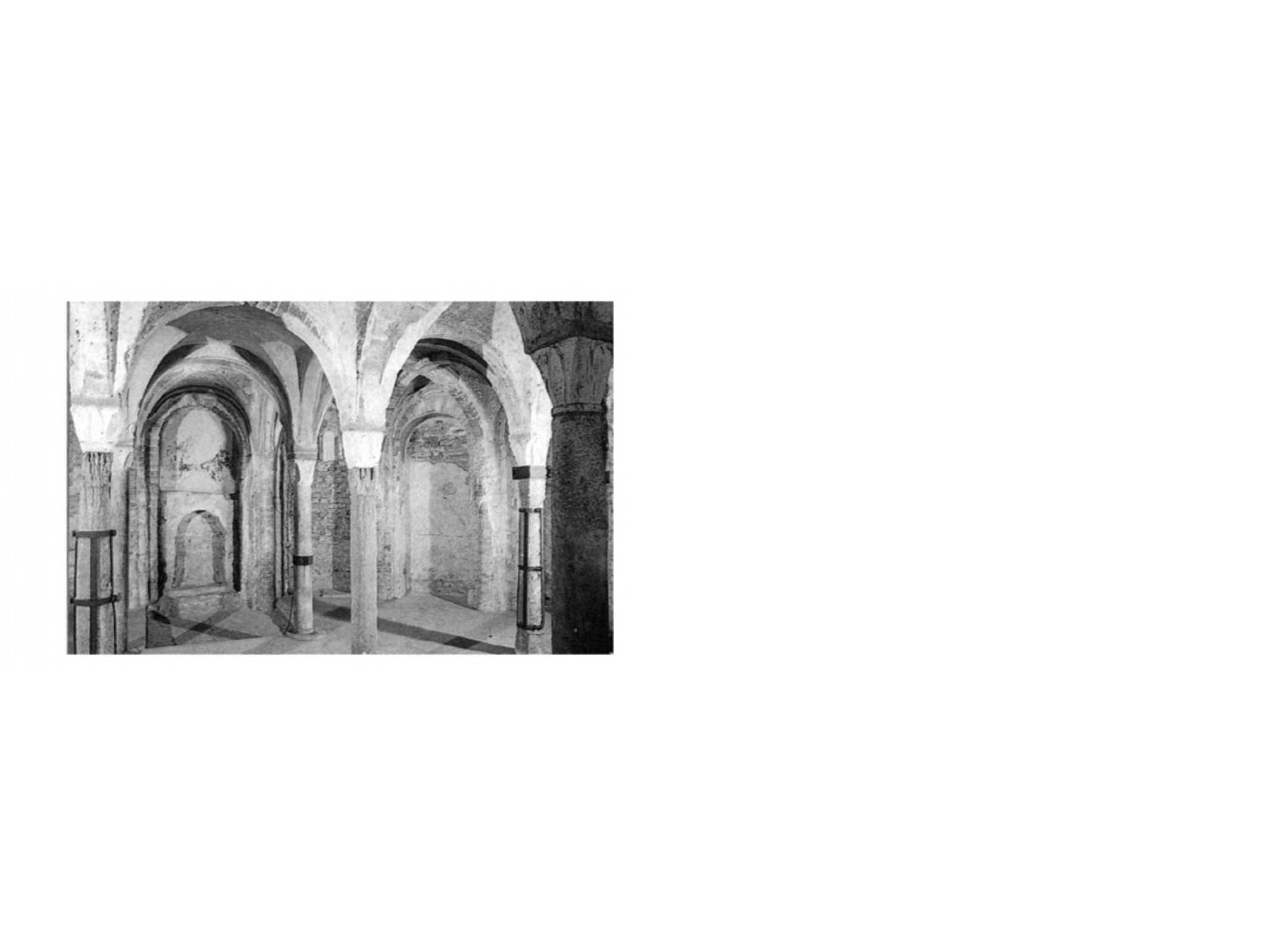
What is a “crypt”?
In a church, a chamber or vault beneath the main door, not necessarily underground, and usually containing graves or relics
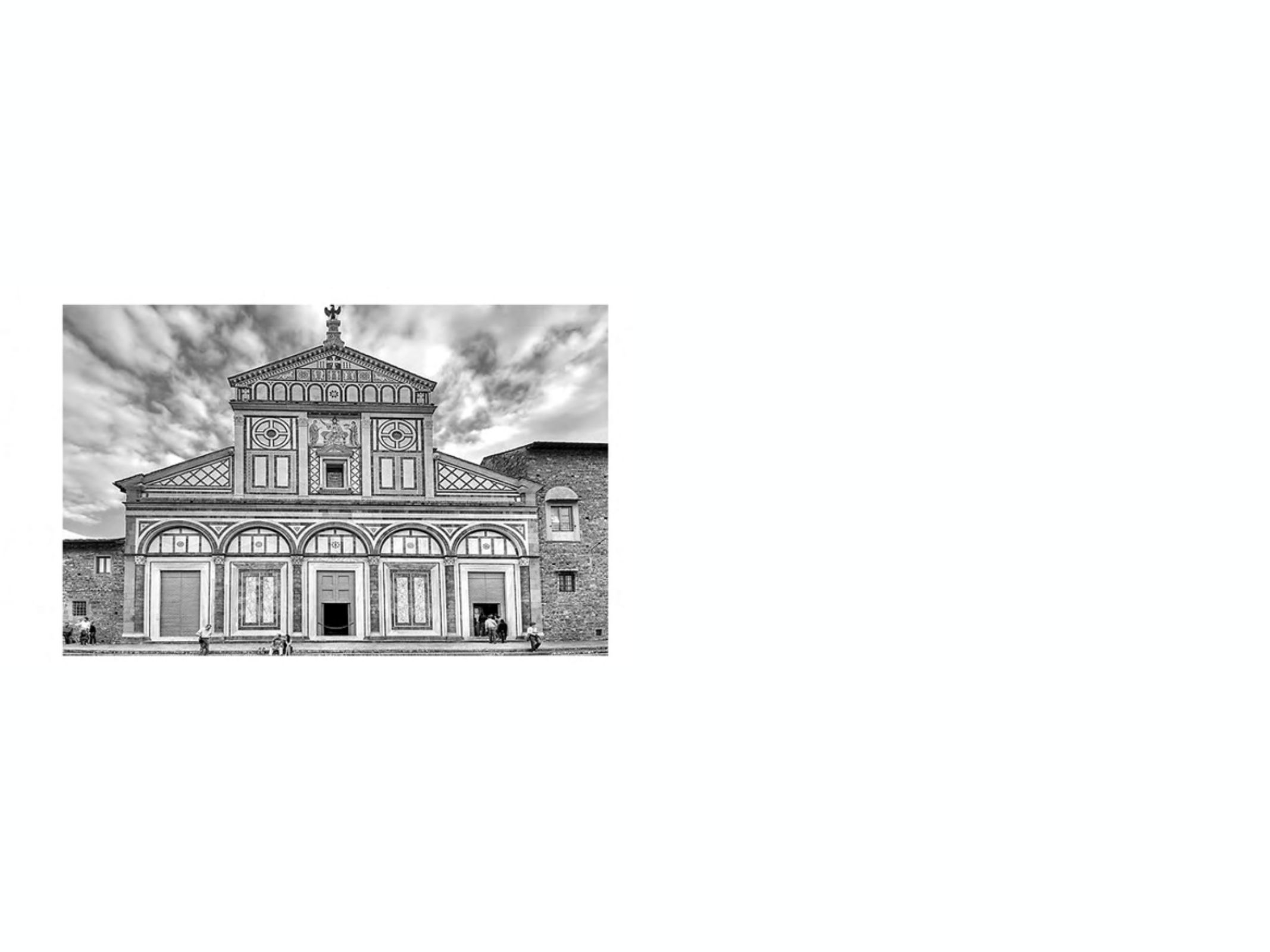
What is a “façade with salients”?
A façade whose profile follows the section of the church and the different heights of the roof behind.
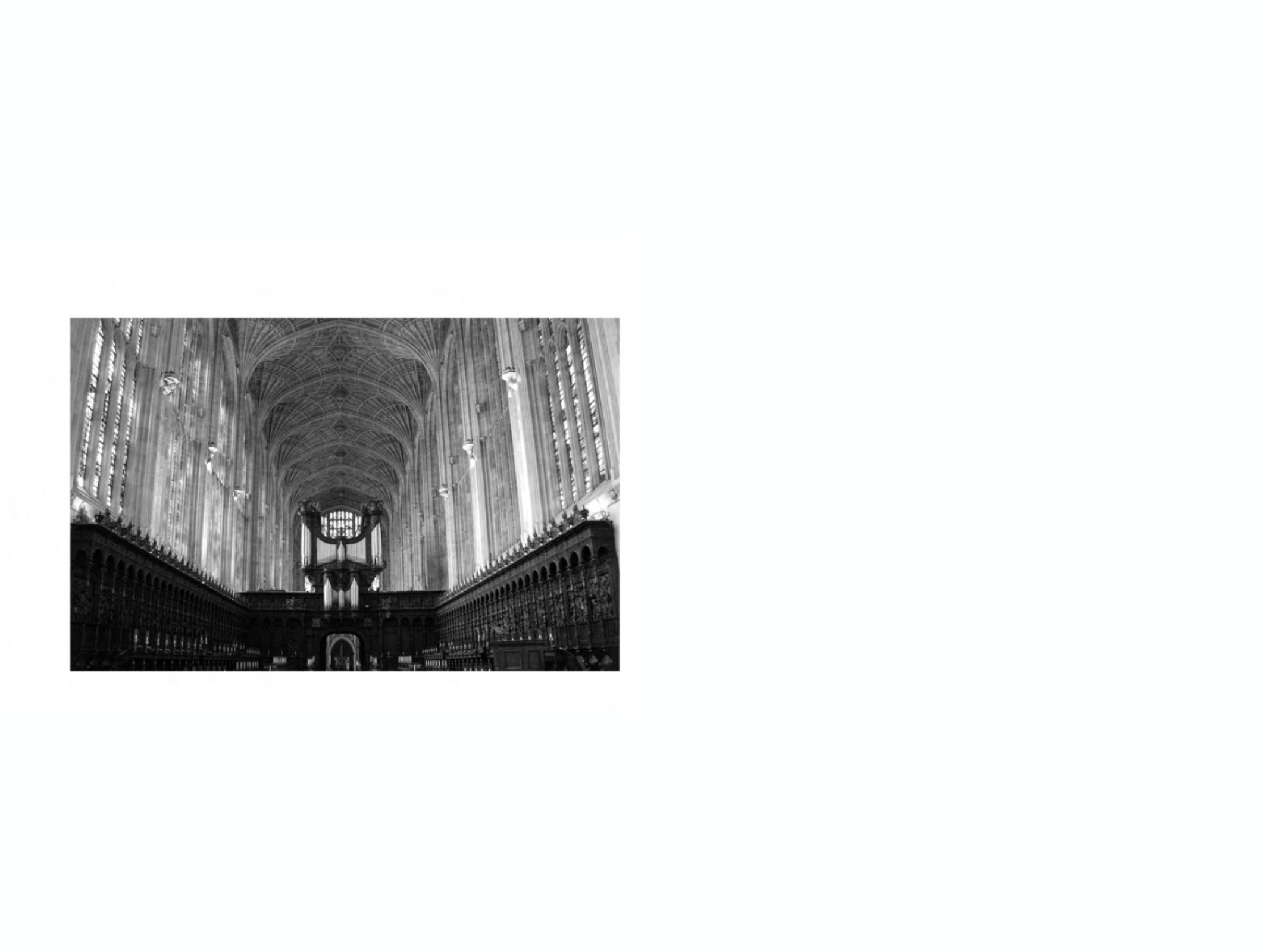
What is a “fan vault”?
A particular kind of vault that consists of solid
concave-sided semi-cones, meeting or nearly
meeting at the apex of the vault. It gives the
appearance of a hightly decorated rib vault.
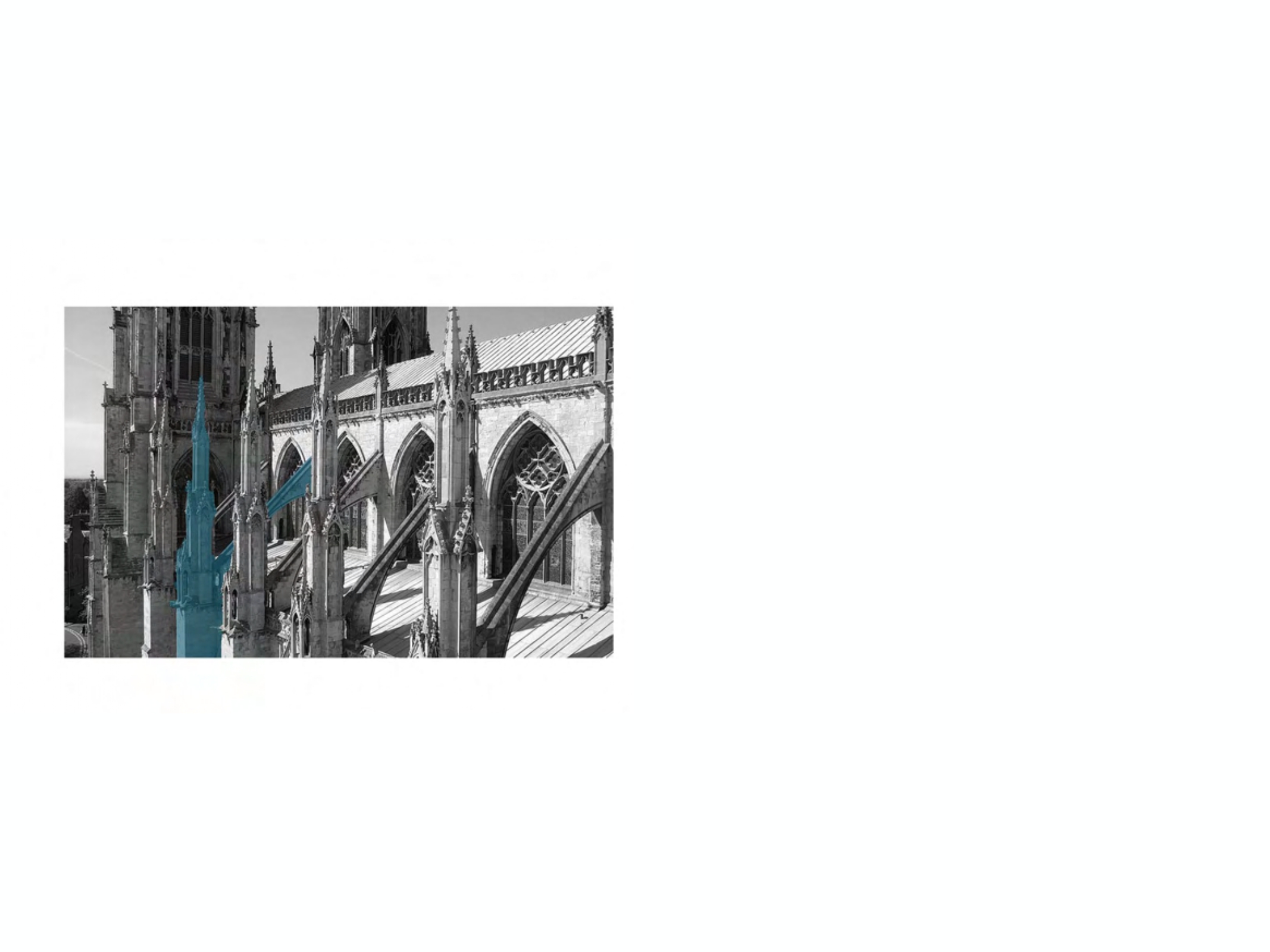
What is a “flying buttress”?
An arch transmitting the thrust of a vault form the upper part of a wall to an outer buttres
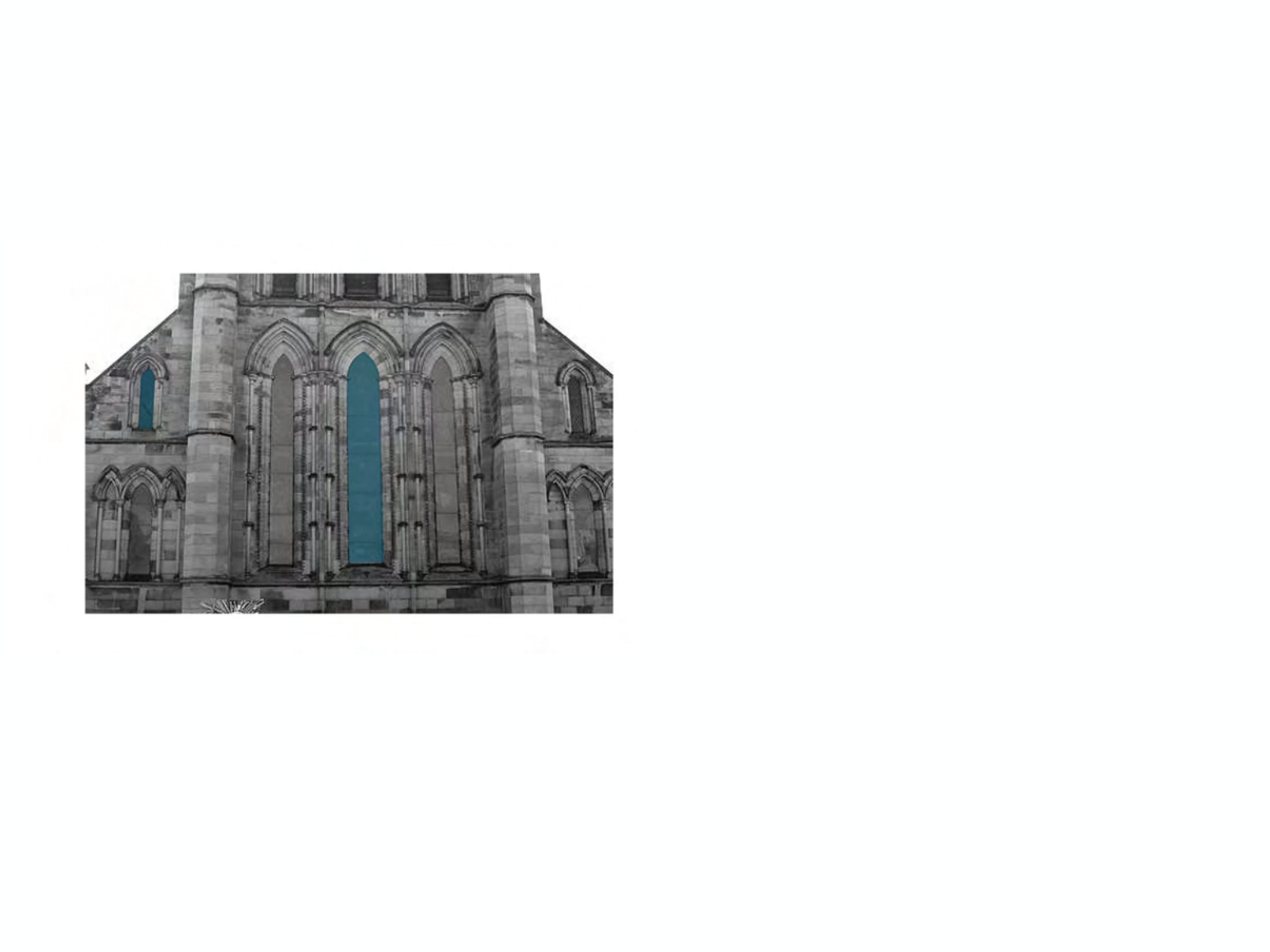
What is a “lancet window”?
A slender pointed arched window.
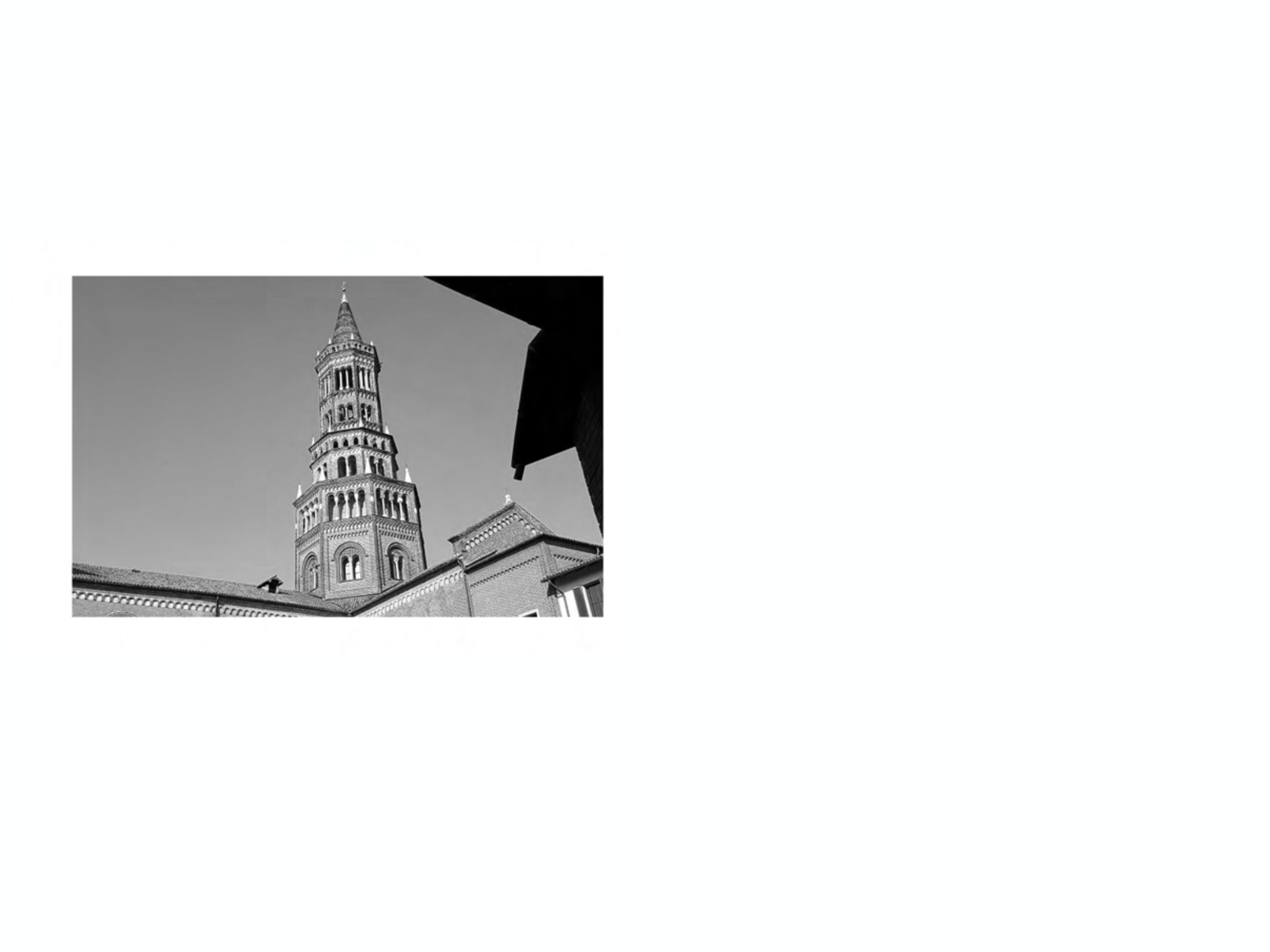
What is a “lantern tower”?
A tower open to view from the ground and lit by an upper tier of windows, often over the crossing of a church.
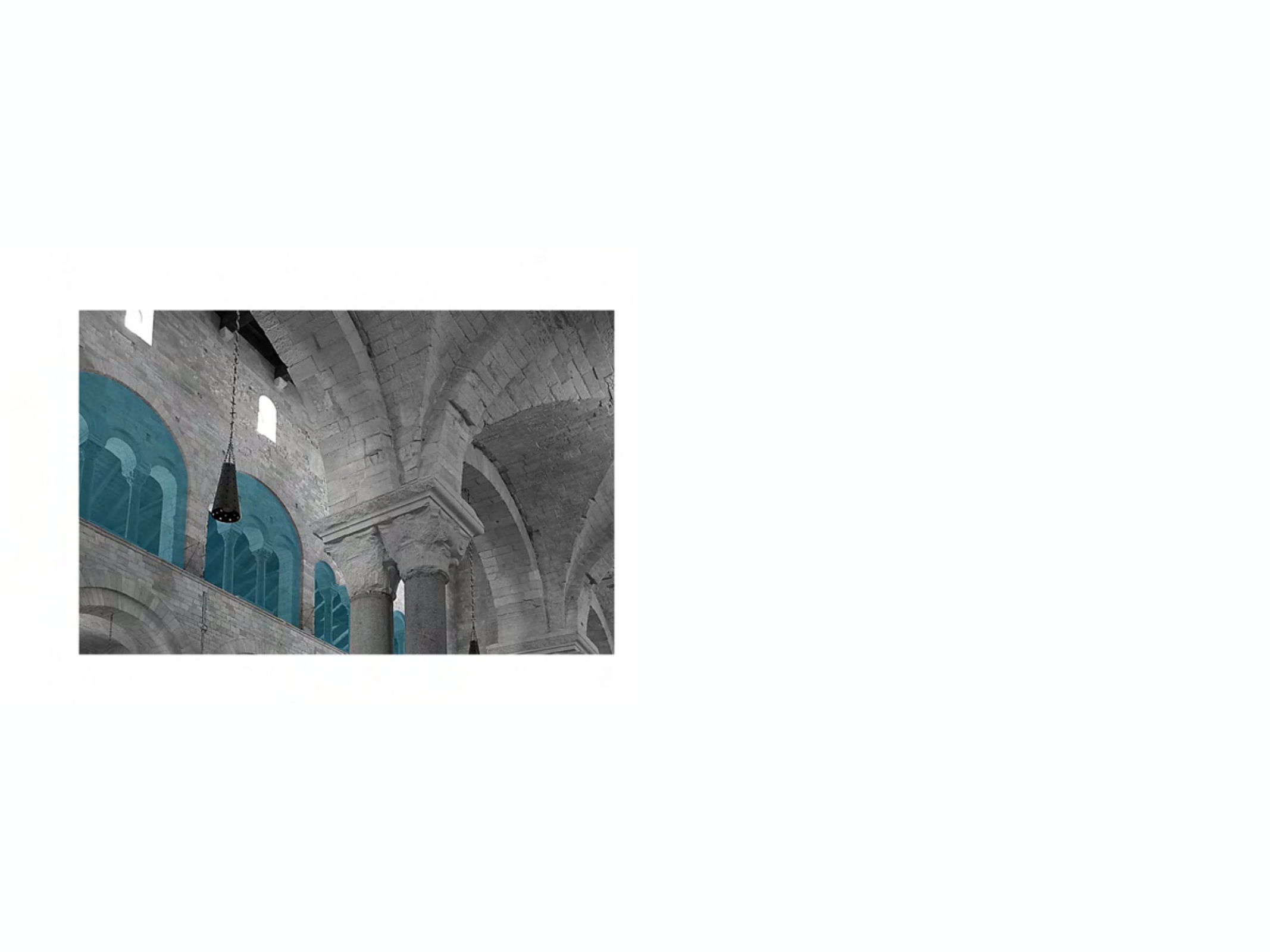
What is a “matroneum”?
A gallery supported by columns or pillars, opened to the interior of the church and placed above the aisles. Long believed to be an area reserved for women, a concept from which the name is derived, it served instead for structural reasons
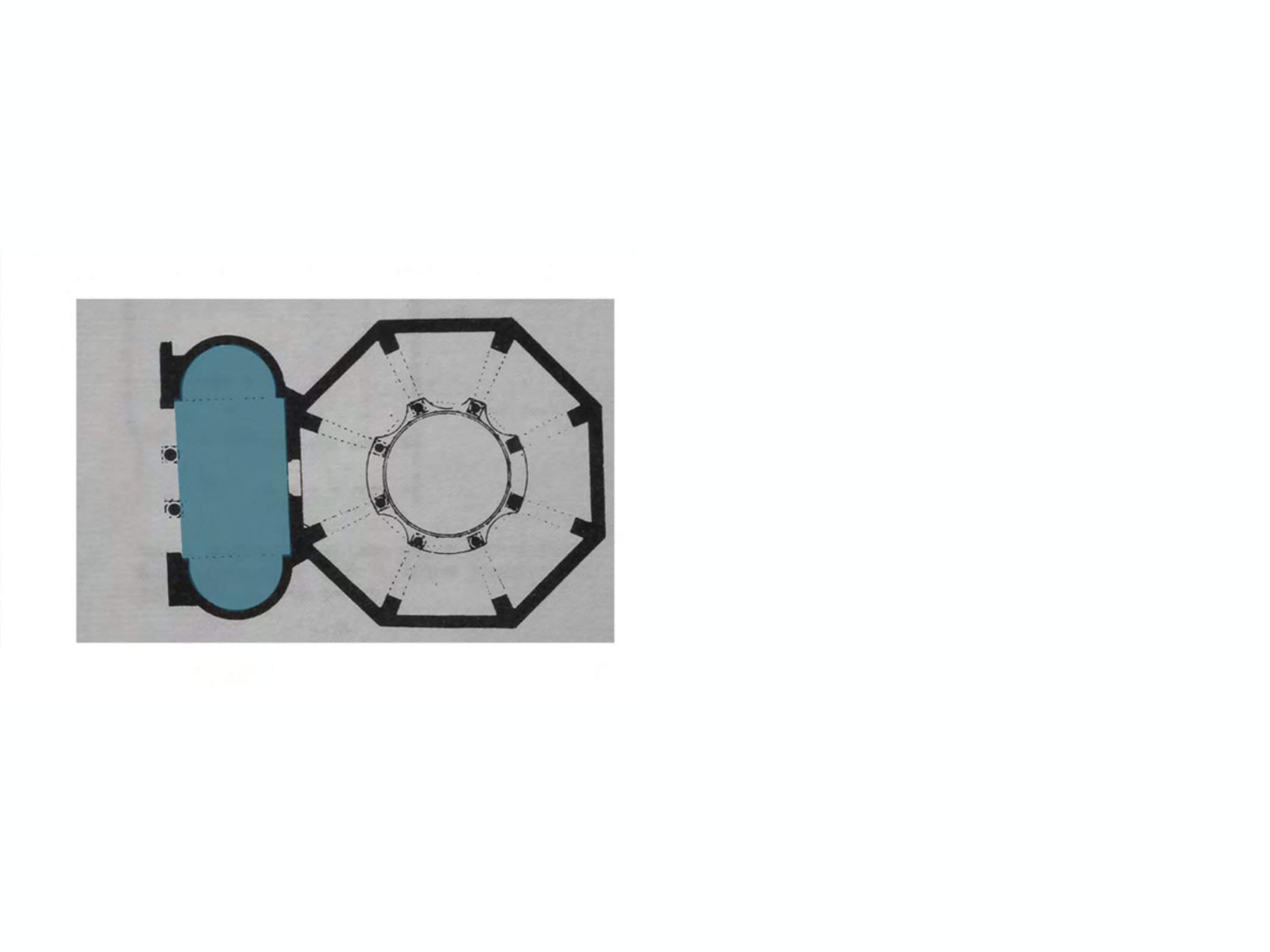
What is a “narthex”?
The transverse vestibule either preceeding a nave and aisles as an inner narthex (esonarthex) or preceding the façade as an outer narthex (exonarthex). An esonarthex is separated from the nave and aisles by columns, rails or a wall. An exonarthex may also serve as the terminating transverse portico of a colonnaded atrium.
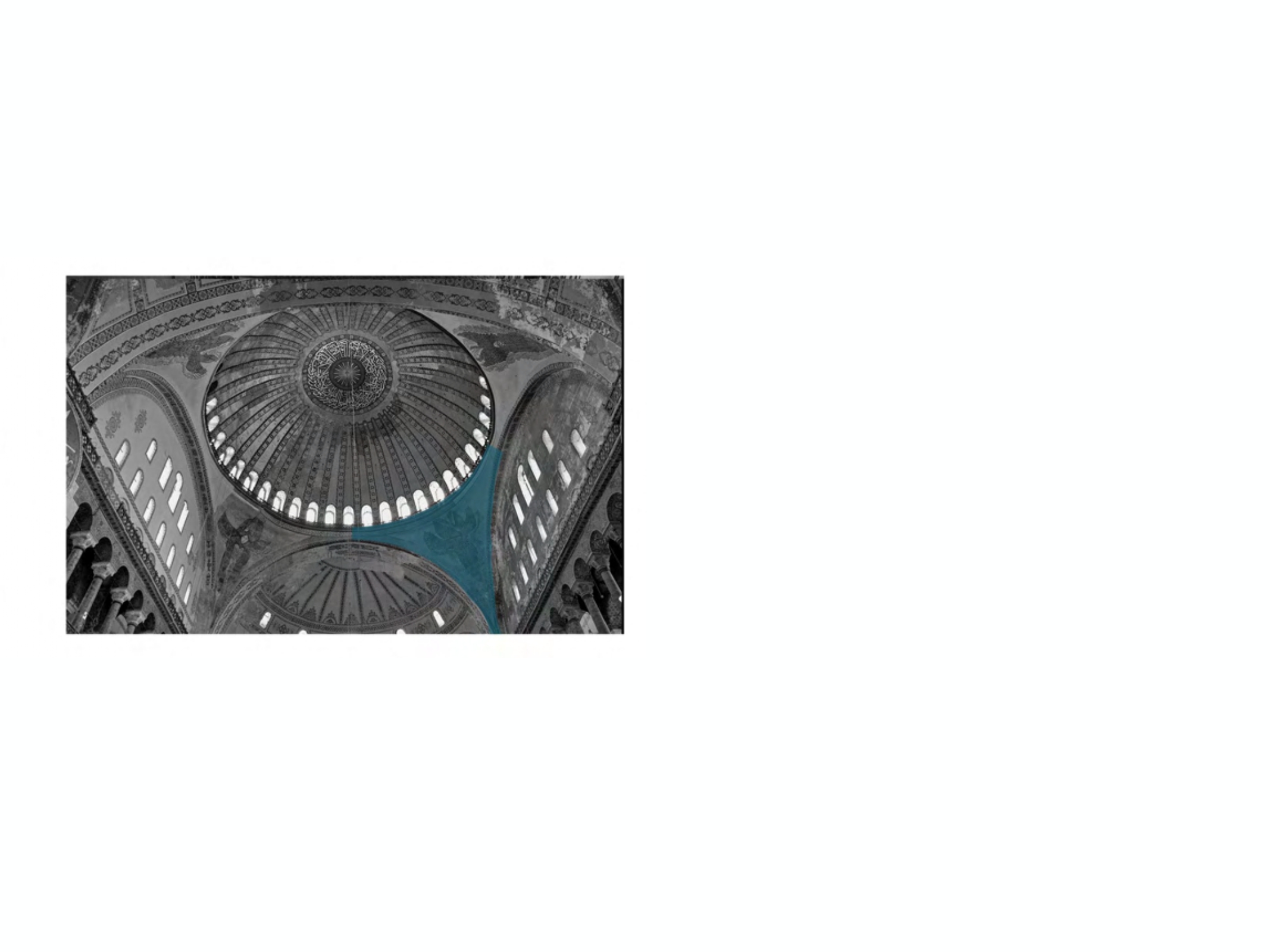
What is a “pendentive”?
A concave spandrel leading from the angle of two walls to the base of a circular dome. It is one of the means by which a circular dome is supported over a square or polygonal compartment.
What is a “polystyle pillar”?
A pillar composed of many small pilasters and columns attached to it and built together as a whole element.
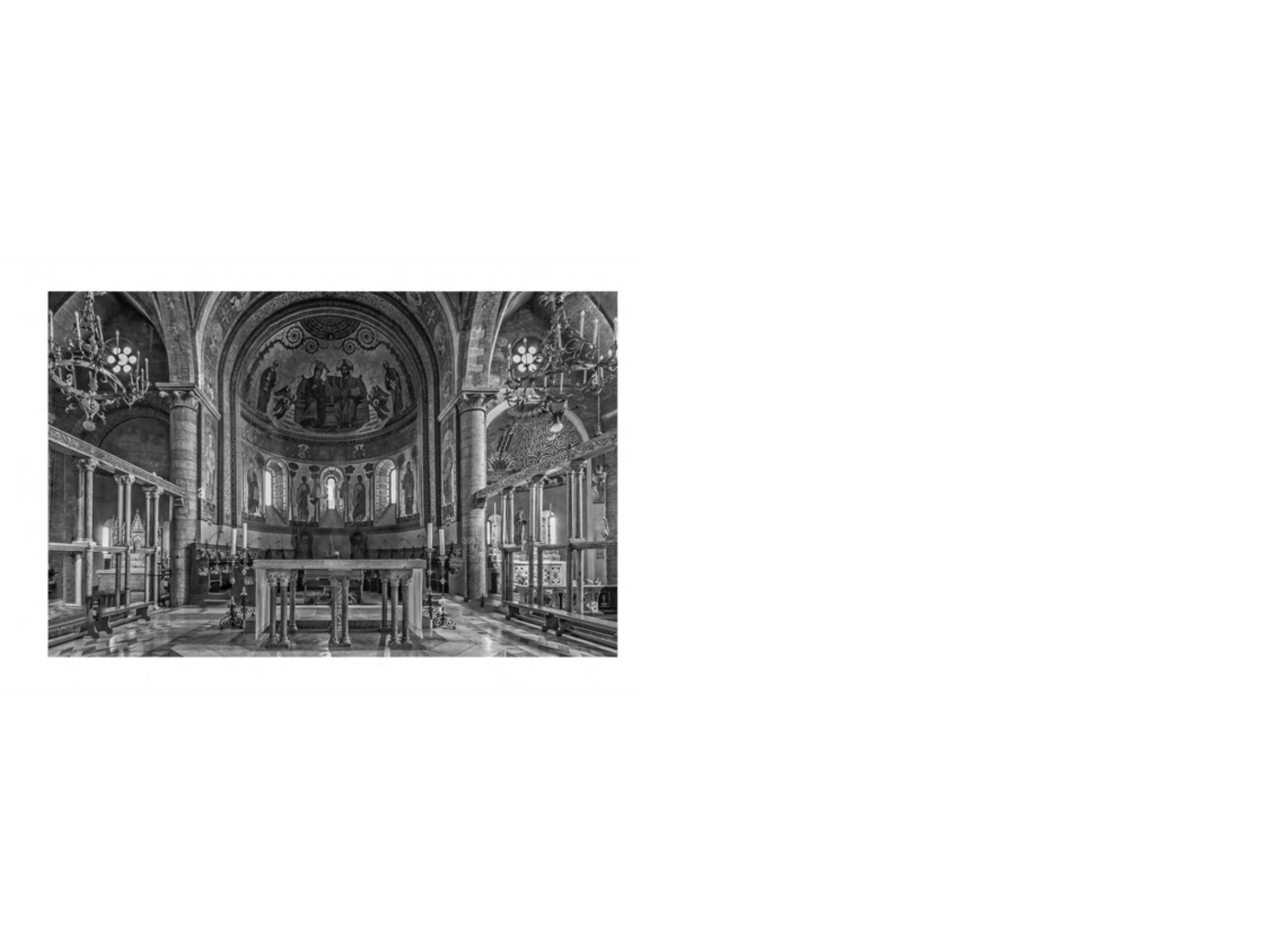
What is a “presbitery”?
The part of the church which lies east of the choir and where the high altar is placed
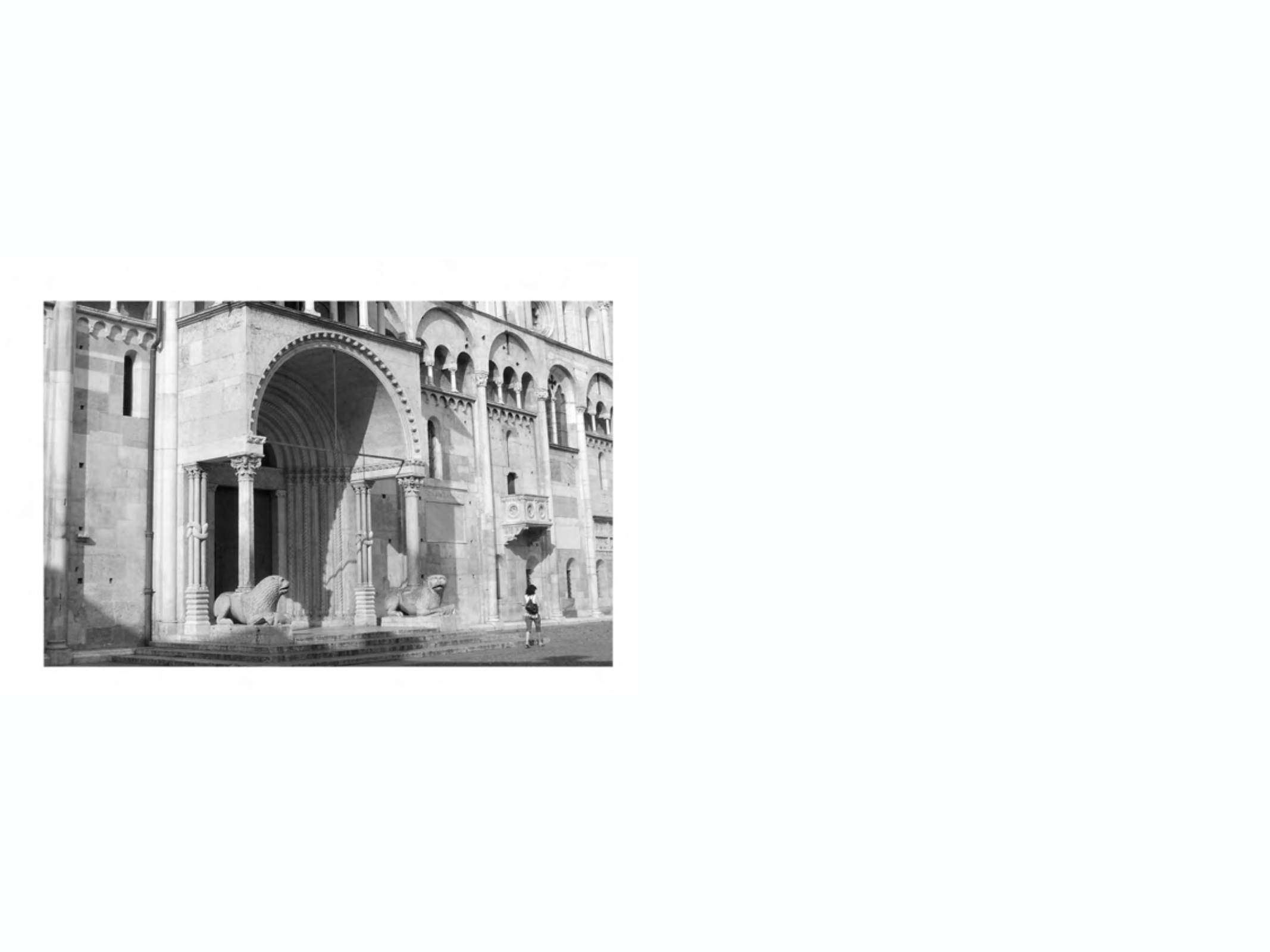
What is a “protiro”?
A small porch placed to protect and cover the
main entrance of a church (pre-entrance). It may be supported by columns on stylophore lions or figures.
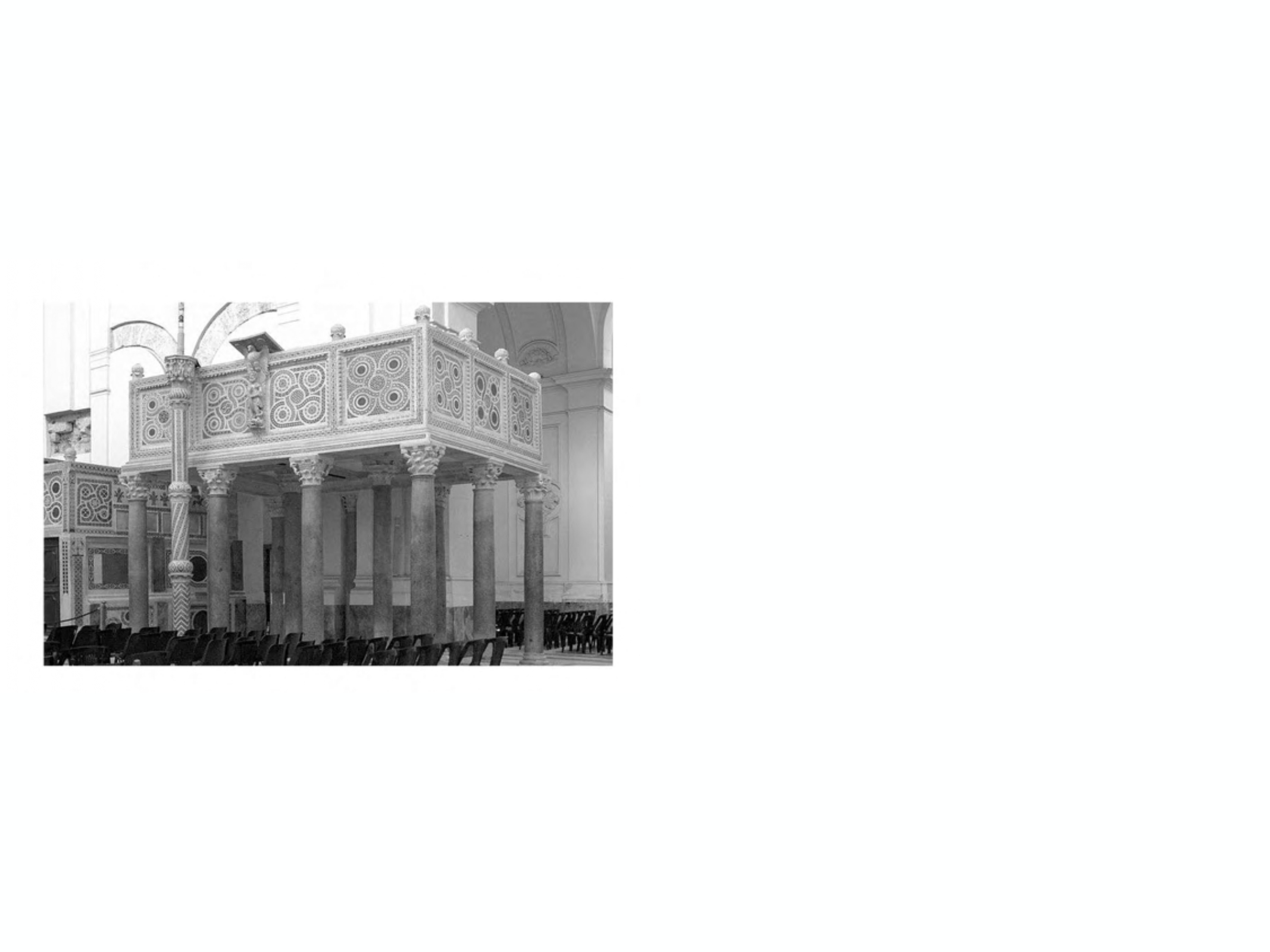
What is a “pulpit or ambo”?
An elevated stand of stone or wood for a preacher or reader, which first became general in the later Middle Ages (the ambo was used in the early Middle Ages).
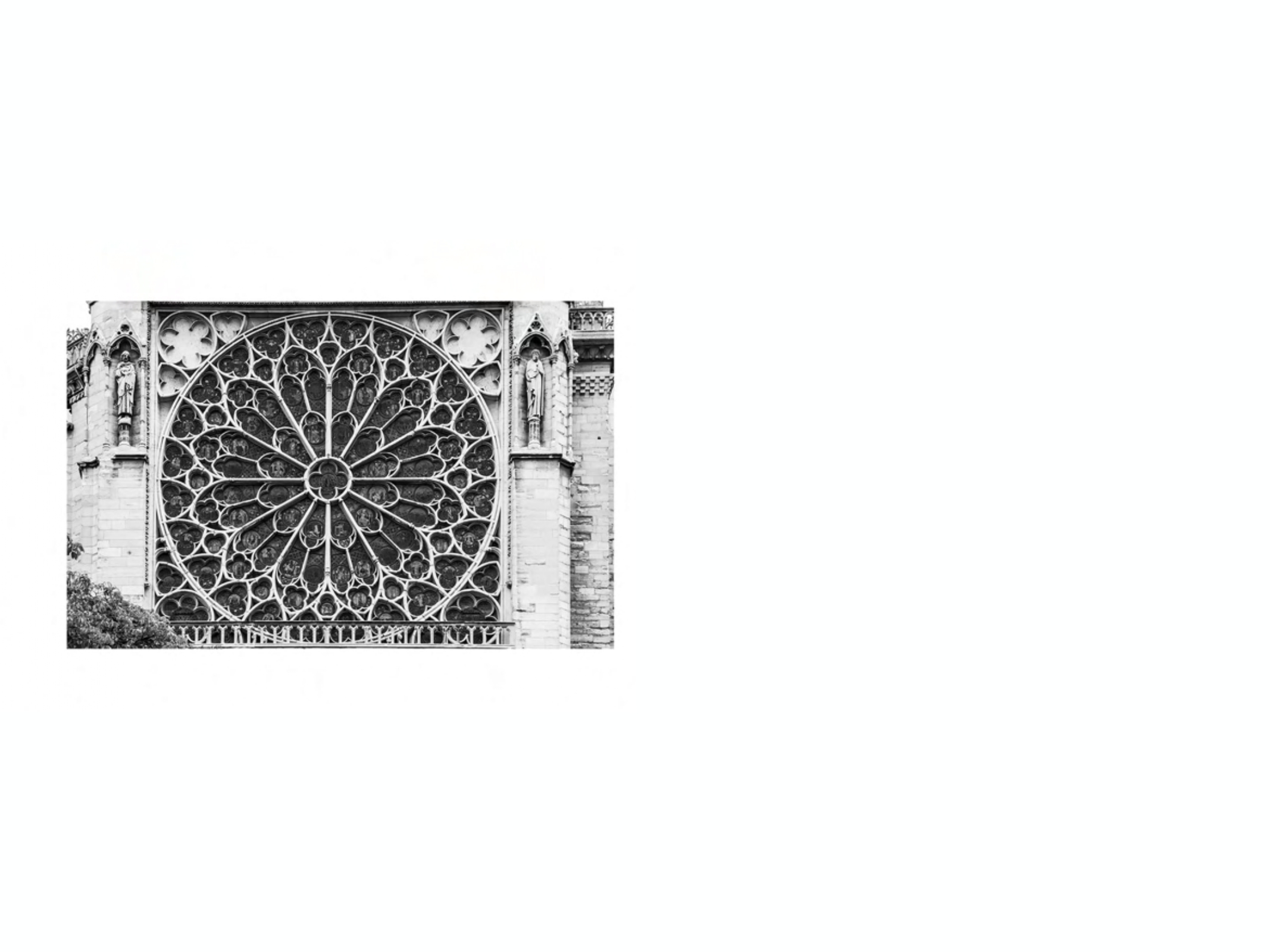
What is a “rose window”?
Also called wheel window, a circular window with foils of patterned tracery arranged like the spokes of a wheel.
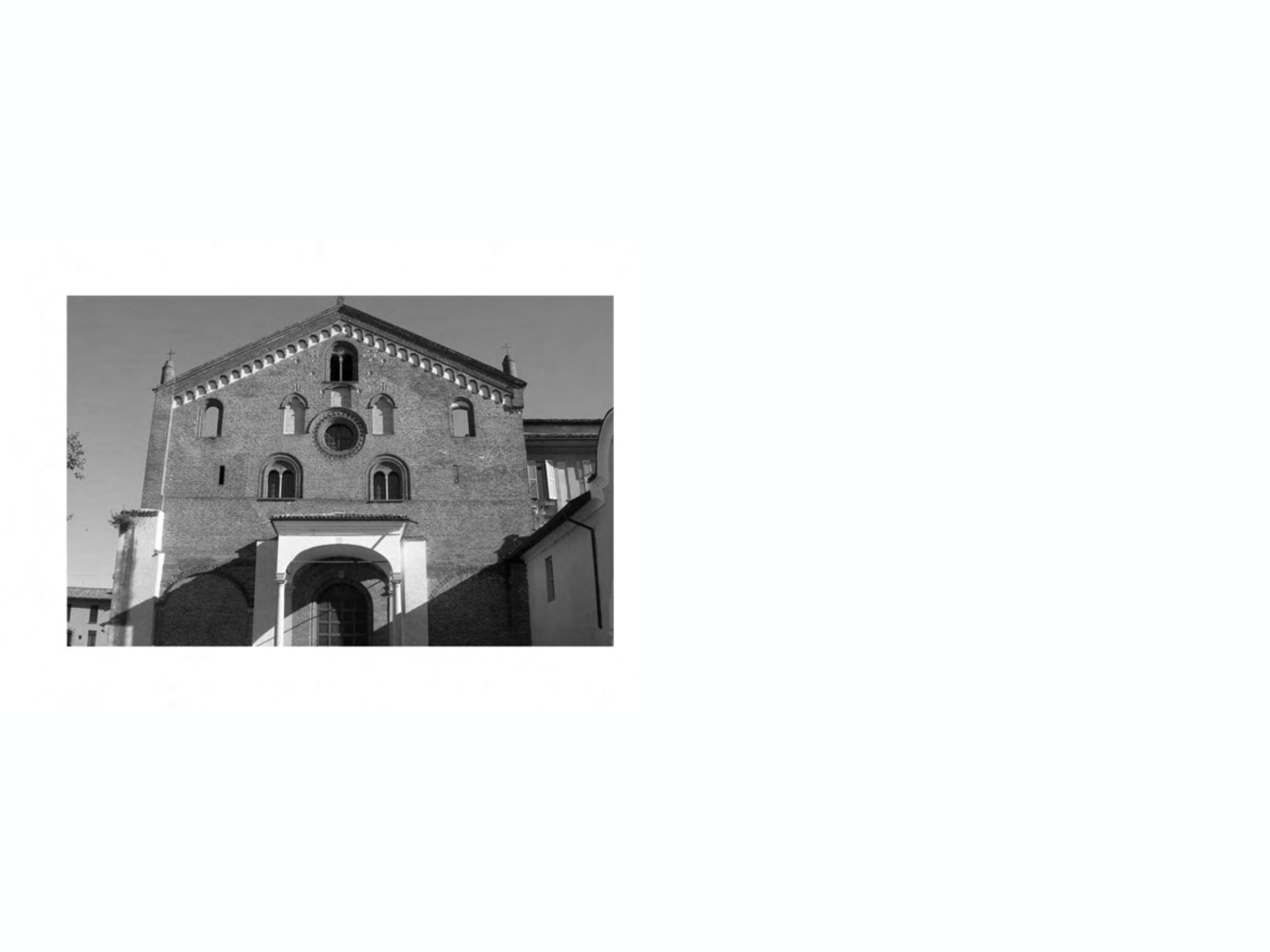
What is a “screen façade”?
A type of façade, the dimensions of which do not correspond to the volume behind it, usually higher than the profile of the roof.
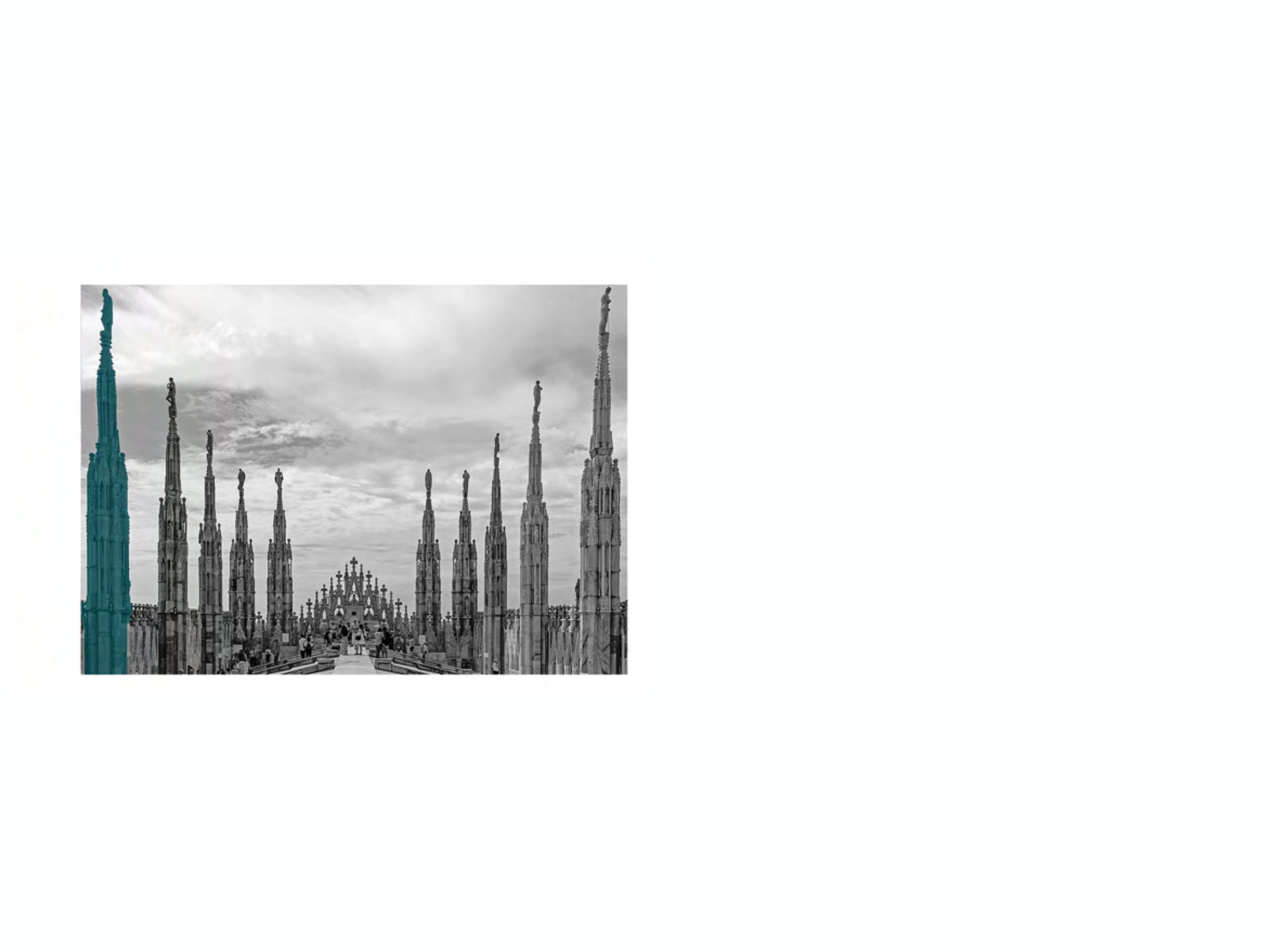
What is a “spire”?
A tall pyramidial, polygonal or conical structure rising from a tower, turret or roof (usually of a church) and terminating in a point.
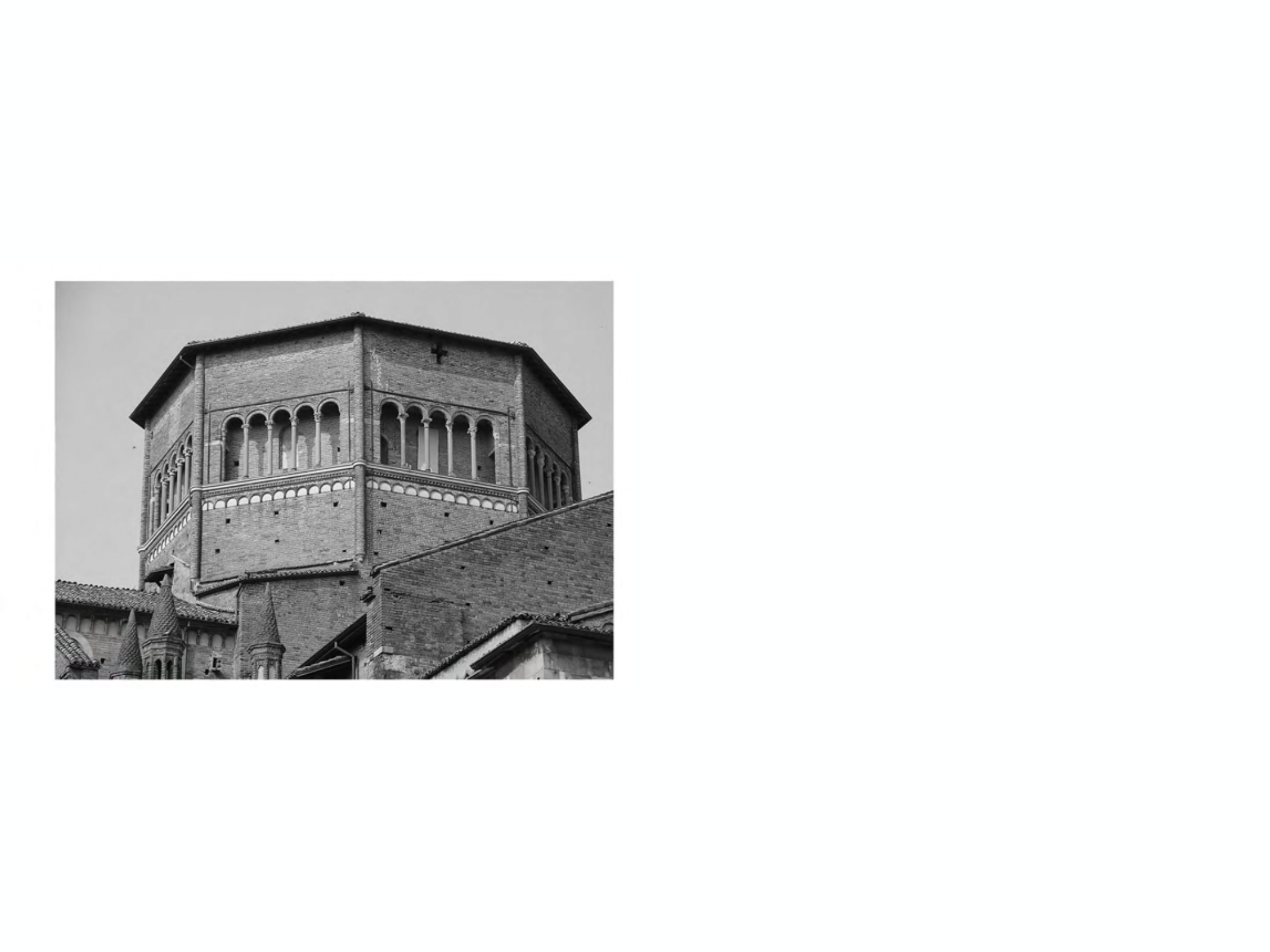
What is a “tiburio”?
A structure consisting of vertical walls covered by a roof placed over the crossing of a church and built to protect the interior dome or vault from accidental loads.
What is a “transept”?
The transverse arms of a cross-shaped church, usually between nave and presbytery or choir
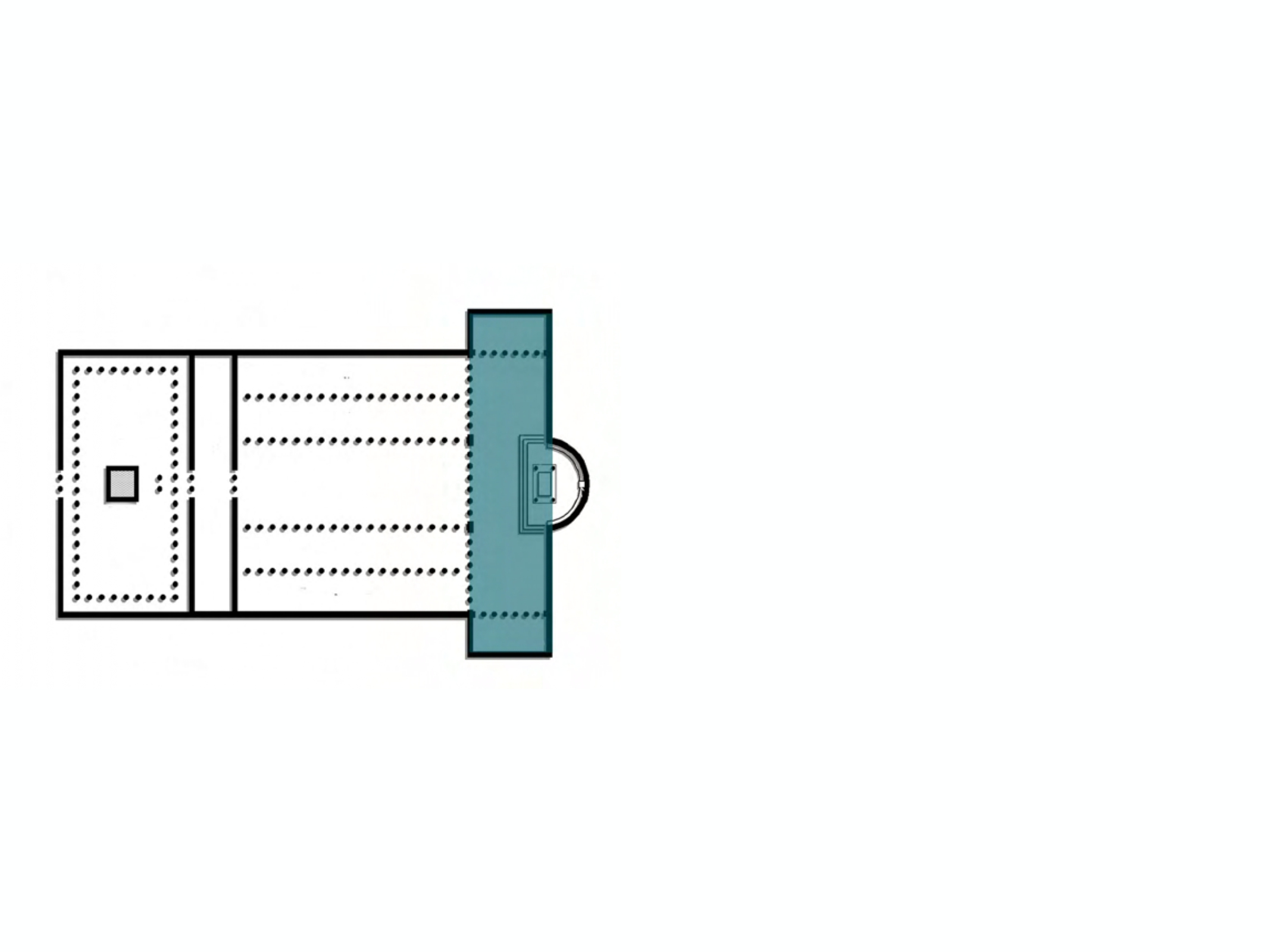
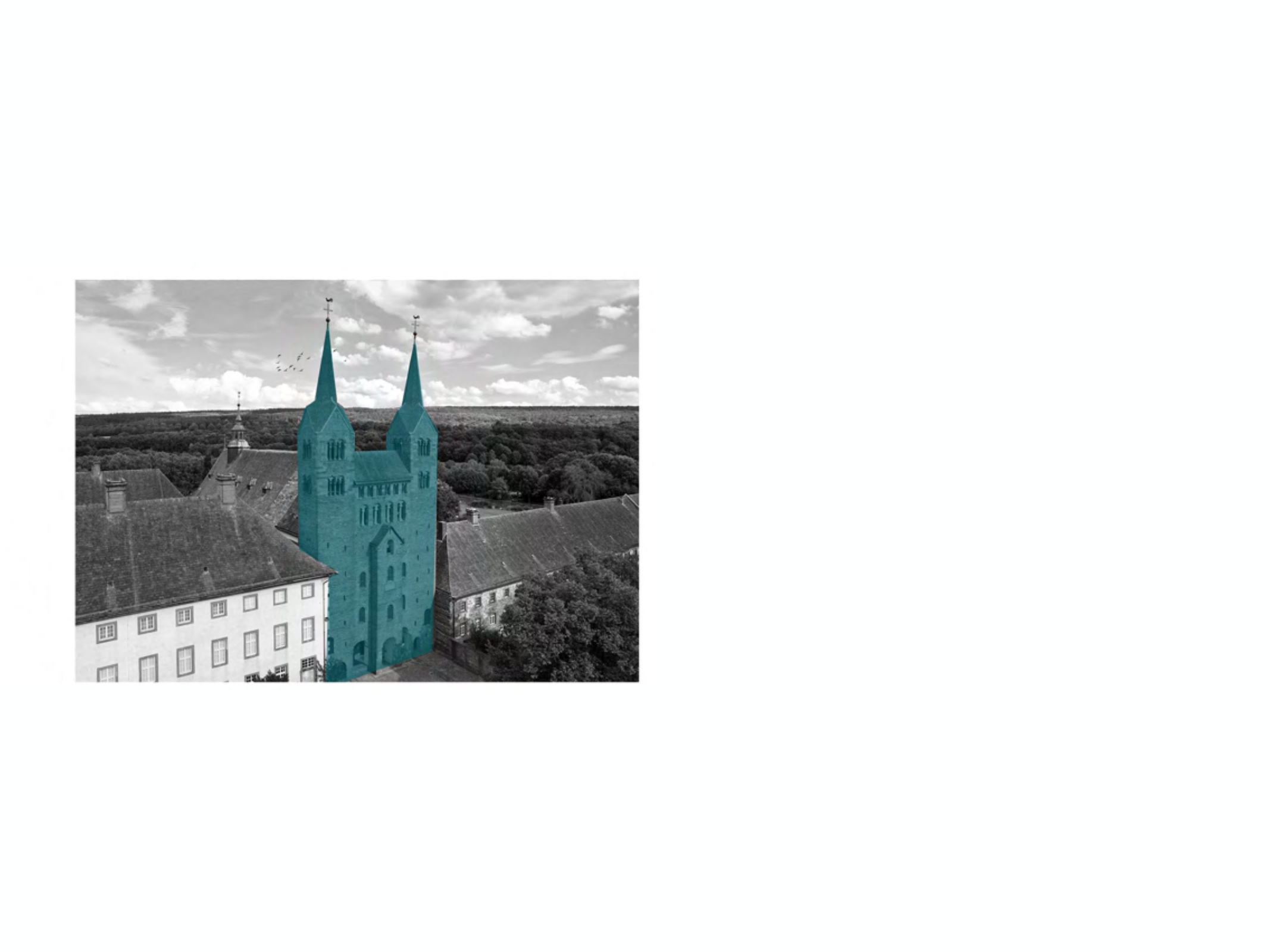
What is a “westwerk”?
The west end of a Carolingian church, consisting of a low entrance hall and, above it, a room opened to the nave and usually flanked or surrounded by aisles and upper galleries. The whole is crowned by one broad tower and there are occasionally stair turrets. In the main upper room stood an altar as a rule.