Criminal Law Term 2
 Call Kai
 Learn
Learn Practice Test
 Spaced Repetition
 Match
Match Flashcards
 Knowt Play
1/157

There's no tags or description
Looks like no tags are added yet.
Name | Mastery | Learn | Test | Matching | Spaced | Call with Kai |
|---|
No analytics yet
Send a link to your students to track their progress
158 Terms
Collins v Wilcock (1984)
Chapter: Non-Fatal Offences Against the Person (Common Assault)
Facts: Police officer questioned a woman about prostitution. When she walked away, he grabbed her (which he had no power to do), and she scratched him.
Principle: Assault defined as an act which causes another person to apprehend the infliction of immediate unlawful force on his person
AND
Chapter: Non-Fatal Offences Against the Person (Battery)
Principle: Battery is the touching of another person without consent, such consent may be implied where necessitated by daily life

Tuberville v Savage (1669)
Chapter: Non-Fatal Offences Against the Person (Common Assault)
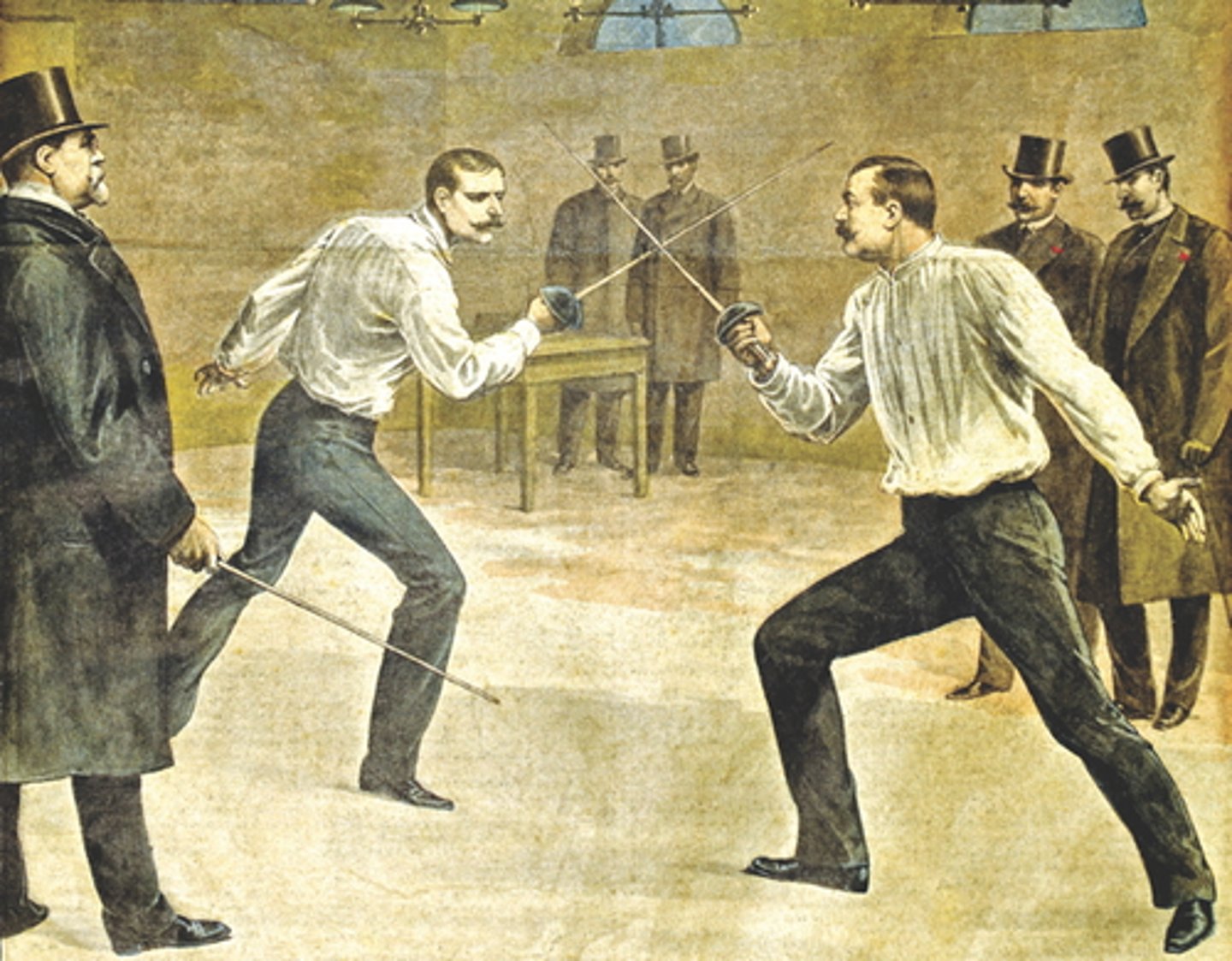
Facts: D put his hand on his sword and told V "if it were not assize-time, I would not take such language"
Principle: Assault can be conditional but not if threat excludes imminent possibility.
Read v Coker (1853)
Chapter: Non-Fatal Offences Against the Person (Common Assault)
Facts: D held gun up to V and said "shut up or I'll shoot"
Principle: A threat of violence is an assault even if the defendant is not actually about to strike or using a weapon. It does not matter that the threat is conditional on the claimant refusing to immediately acquiesce to the defendant's demands

Ireland and Burstow (1998)
Chapter: Non-Fatal Offences Against the Person (Common Assault)
Facts: D made silent phone calls to V over prolonged period of time, leading to V suffering from mental health conditions
Principle: Silent calls could amount to assault if the V feared that D's arrival may be imminent, and V did not know where D was
AND
Chapter: Non-Fatal Offences Against the Person (GBH s20)
Principle: GBH may include recognized psychiatric illness

R v Costanza (1997)
Chapter: Non-Fatal Offences Against the Person (Common Assault)
Facts: D sent over 800 threatening letters and made silent phone calls to V, who suffered psychiatric injury.
Principle: Written words alone can amount to assault as psychiatric harm counts as ABH/GBH.

Smith v Chief Superintendent (1983)
Chapter: Non-Fatal Offences Against the Person (Common Assault)
Facts: D stared through window into V's flat to scare V, and V did not know V or their intention
Principle: Fright counted as assault even if V did not know what D would do, so long as some threat of unlawful force was feared

Venna (1975)
Chapter: Non-Fatal Offences Against the Person (Common Assault)
Facts: D resisted arrest resulting in the police officer’s (V) hand to get fractured
Principle: MR of assault is intention to cause the V to apprehend immediate unlawful force or recklessness as to causing V to apprehend the infliction of immediate unlawful force.
AND
Chapter: Non-Fatal Offences Against the Person (Battery)
Principle: Intention to apply unlawful force on another or subjective (Cunningham) recklessness as to application of unlawful force suffices for battery

DPP v Taylor and Little (1992)
Chapter: Non-Fatal Offences Against the Person (Battery)
Principle: Battery should be charged as "assault by beating"
Rolfe (1952)
Chapter: Non-Fatal Offences Against the Person (Battery)
Principle: Battery is any conduct by which D intentionally or recklessly inflicts unlawful personal violence on V
Faulkner v Talbot (1981)
Chapter: Non-Fatal Offences Against the Person (Battery)
Principle: Battery is any intentional or reckless touching of another person without the consent of that person, and without lawful excuse. It need not be hostile, rude, or aggressive

Thomas (1985)
Chapter: Non-Fatal Offences Against the Person (Battery)
Facts: School caretaker (D) convicted on two counts of indecent assault on female students for inappropriately touching their clothes
Principle: If you touch a persons clothes while he is wearing them, that is equivalent to touching him

DPP v K (a minor) (1990)
Chapter: Non-Fatal Offences Against the Person (Battery)
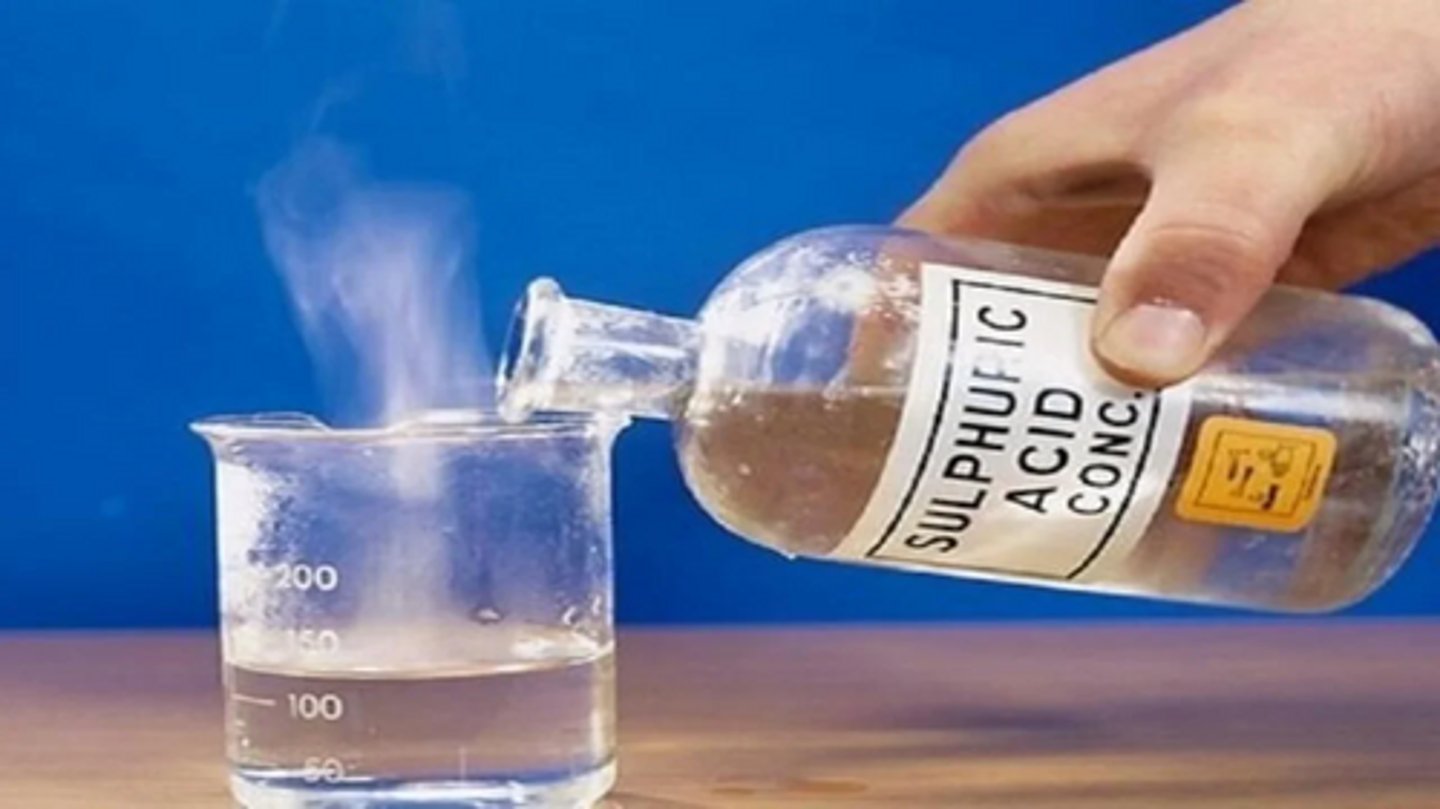
Facts: Student took acid and placed it in hand dryer in boy's toilet. When another pupil entered the toilet, the nozzle was pointed upwards leading to facial scarring.
Principle: The application of force need not be directly applied
Gibbons v Pepper (1695)
Chapter: Non-Fatal Offences Against the Person (Battery)
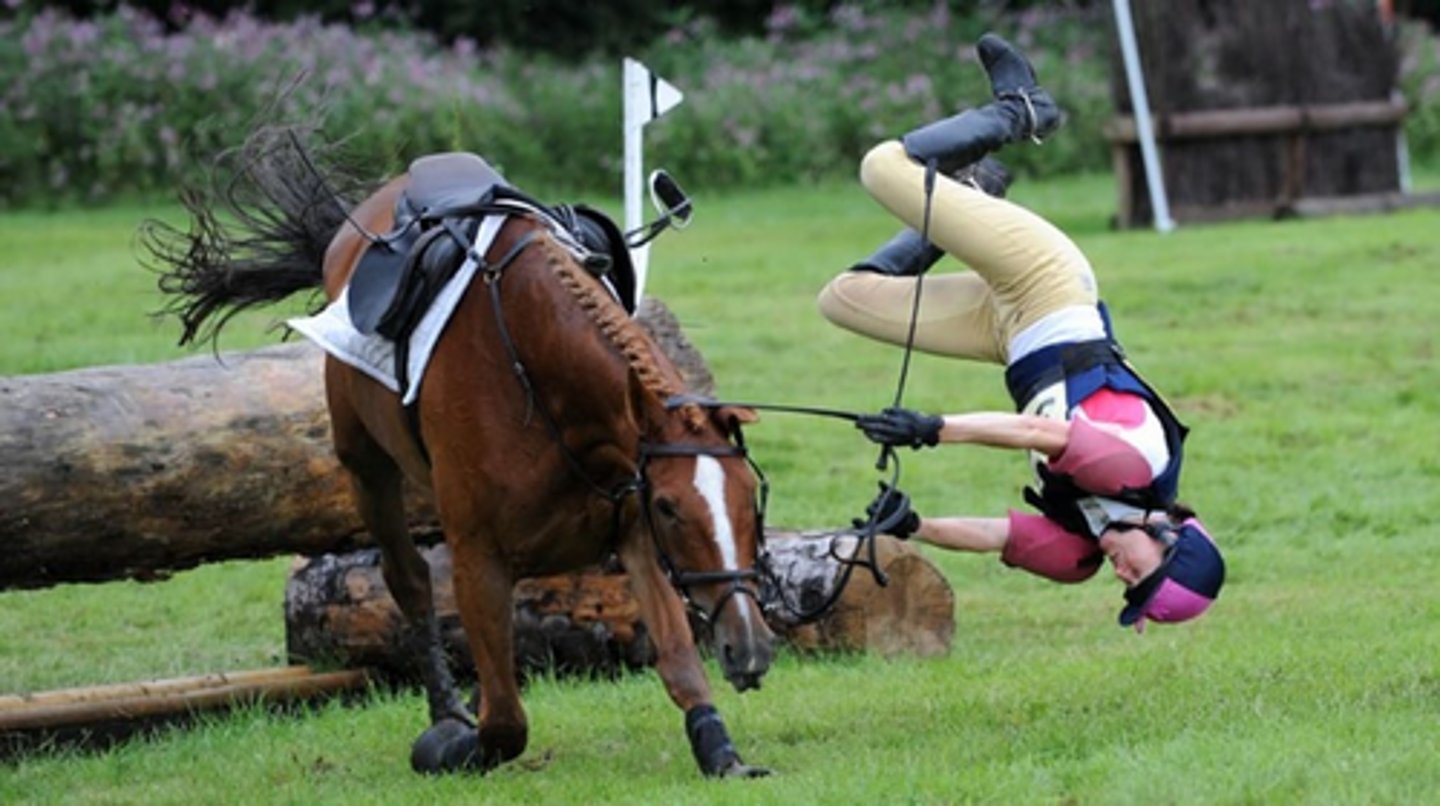
Facts: D scared horse which knocked V off it, injuring him
Principle: Battery must involve the D's direct action, not an uncontrollable event
Donovan (1934)
Chapter: Non-Fatal Offences Against the Person (ABH s47)
Facts: D had 'induced' the victim to accompany him to his garage, wherein he had proceeded to beat her with a cane in 'circumstances of indecency'. D argued that the victim had agreed to meet him in full understanding of his intentions
Principle: ABH is any hurt or injury calculated to interfere with the health or comfort of V
AND
Chapter: Defences (Lawful Activity with No Intent to Cause Serious Harm or Injury: Sexual Gratification)
Principle: In cases where a person acts with intention to inflict bodily harm, the consent of the victim cannot render otherwise unlawful conduct lawful.

DPP v Smith (2006)
Chapter: Non-Fatal Offences Against the Person (ABH s47)
Facts: D cut of V's ponytail while she was asleep
Principle: Cutting off a person's hair without consent can amount to s47 ABH

Savage; Parmenter (1992)
Chapter: Non-Fatal Offences Against the Person (ABH s47)
Facts: D1 upset at pub and meant to throw contents in glass at V but glass slipped in hand and injured V; D2 handled baby roughly and injured it
Principle: Held under s47 as there is no MR requirement to cause ABH (no intention needed), only foresight of some, even if minor, physical harm to the V (D1 quashed, D2 not)

Roberts (1971)
Chapter: Non-Fatal Offences Against the Person (ABH s47)
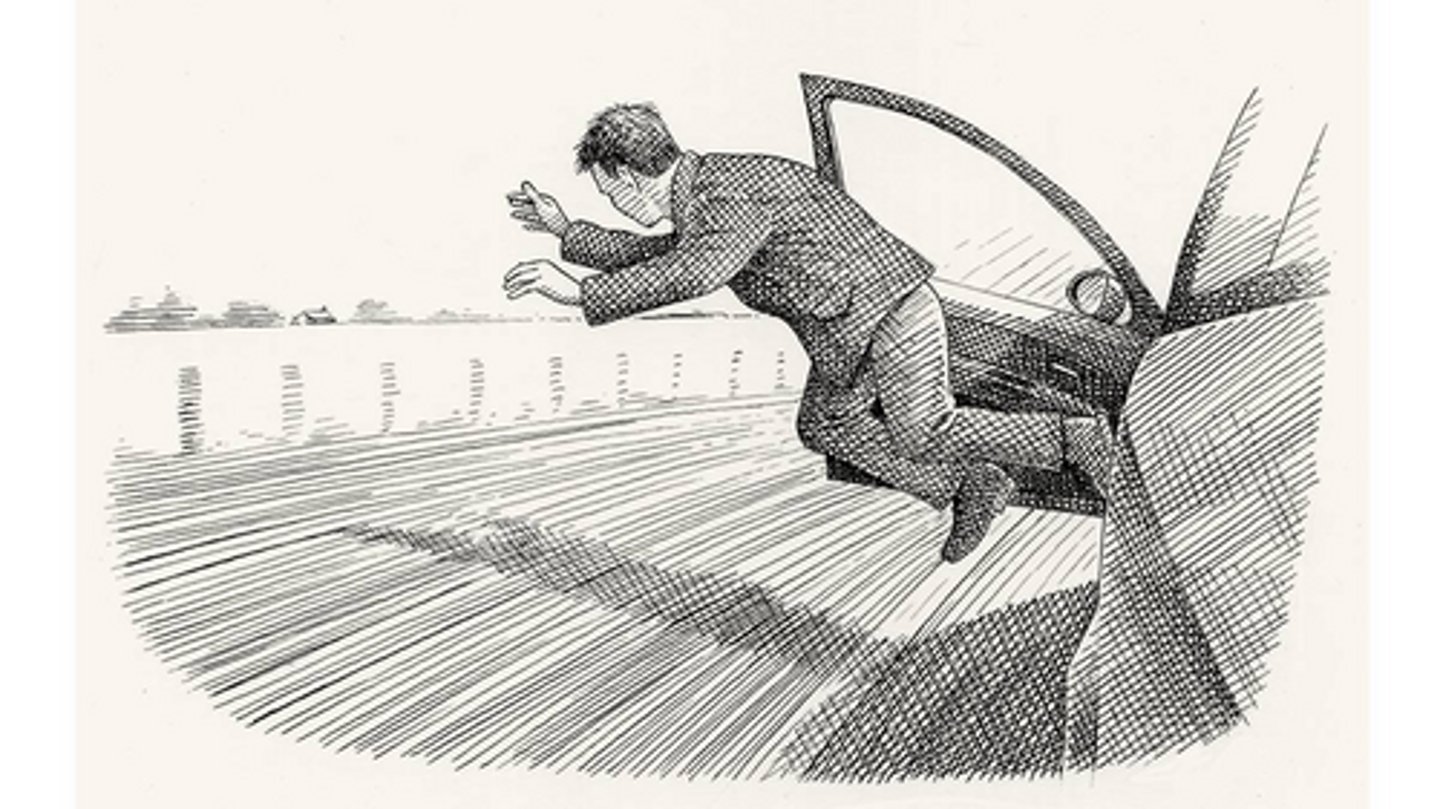
Facts: D made unwanted sexual advances to V in moving car and she jumped out of the car, injuring her
Principle: Liability does not require D to foresee risk that action will cause ABH, especially where V's reaction is not 'daft' and could be foreseen by a reasonable person
Grundy (1977)
Chapter: Non-Fatal Offences Against the Person (ABH s47)
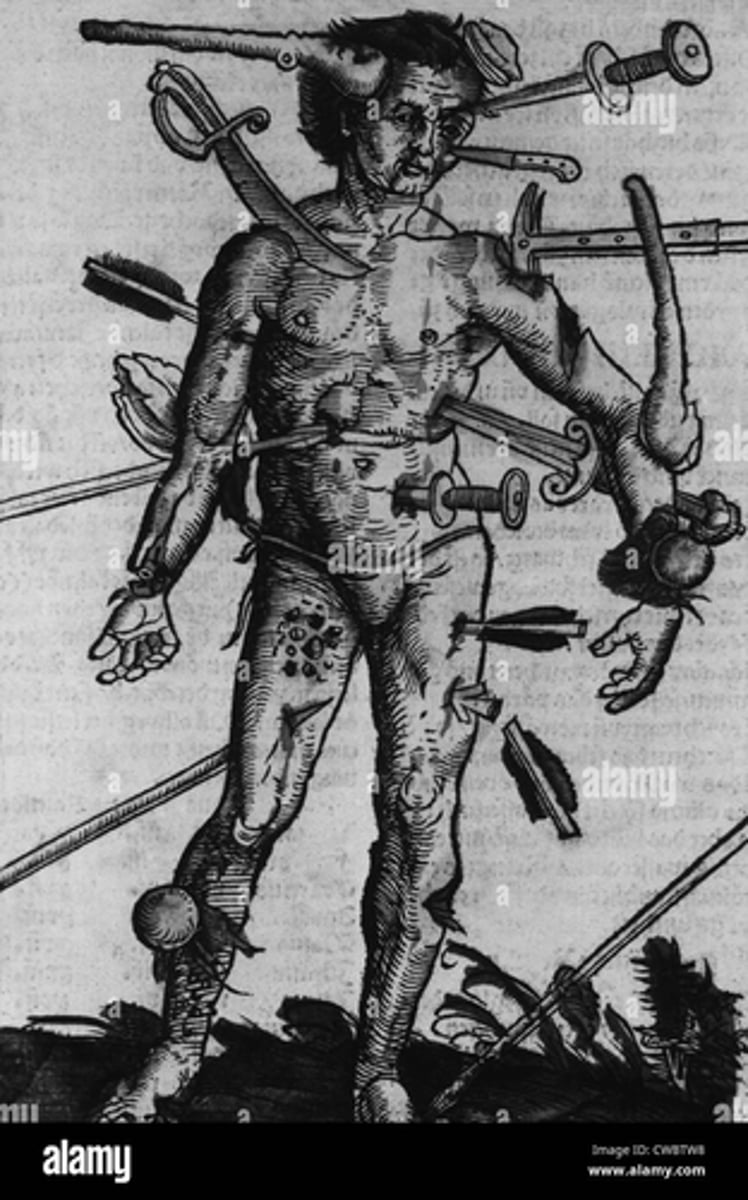
Principle: The totality of V's wounds should be taken into account. It may be that no one particular wound is serious, but taken as the whole, V's injuries may amount to GBH
JJC v Eisenhower (1984)
Chapter: Non-Fatal Offences Against the Person (GBH s20)
Facts: D shot airsoft rounds and hit V near the eye, causing internal ruptures and bruising
Principle: The continuity of the whole skin must be broken to amount to GBH

Bollom (2004)
Chapter: Non-Fatal Offences Against the Person (GBH s20)
Facts: D inflicted injuries on 17-month old child
Principle: Necessary to have regard to the effect of those injuries on the V, taking into account V's age and health

Dica (2004) *GBH
Chapter: Non-Fatal Offences Against the Person (GBH s20)
Facts: D knowingly infected two women with HIV through unprotected sex.
Principle: Biological harm can amount to GBH

Taylor (2009)
Chapter: Non-Fatal Offences Against the Person (GBH s18)
Facts: D stabbed V in the back during a fight, but there was no intention to cause GBH
Principle: An intent to wound is insufficient. There must be an intent to cause GBH to fall under s18

H v CPS (2010)
Chapter: Defences (Communication of Consent)
Facts: D (special needs student) assaulted teacher
Principle: Foresight of consequences does not amount to implied consent

Clarence (1889)
Chapter: Defences (Genuineness of Consent)
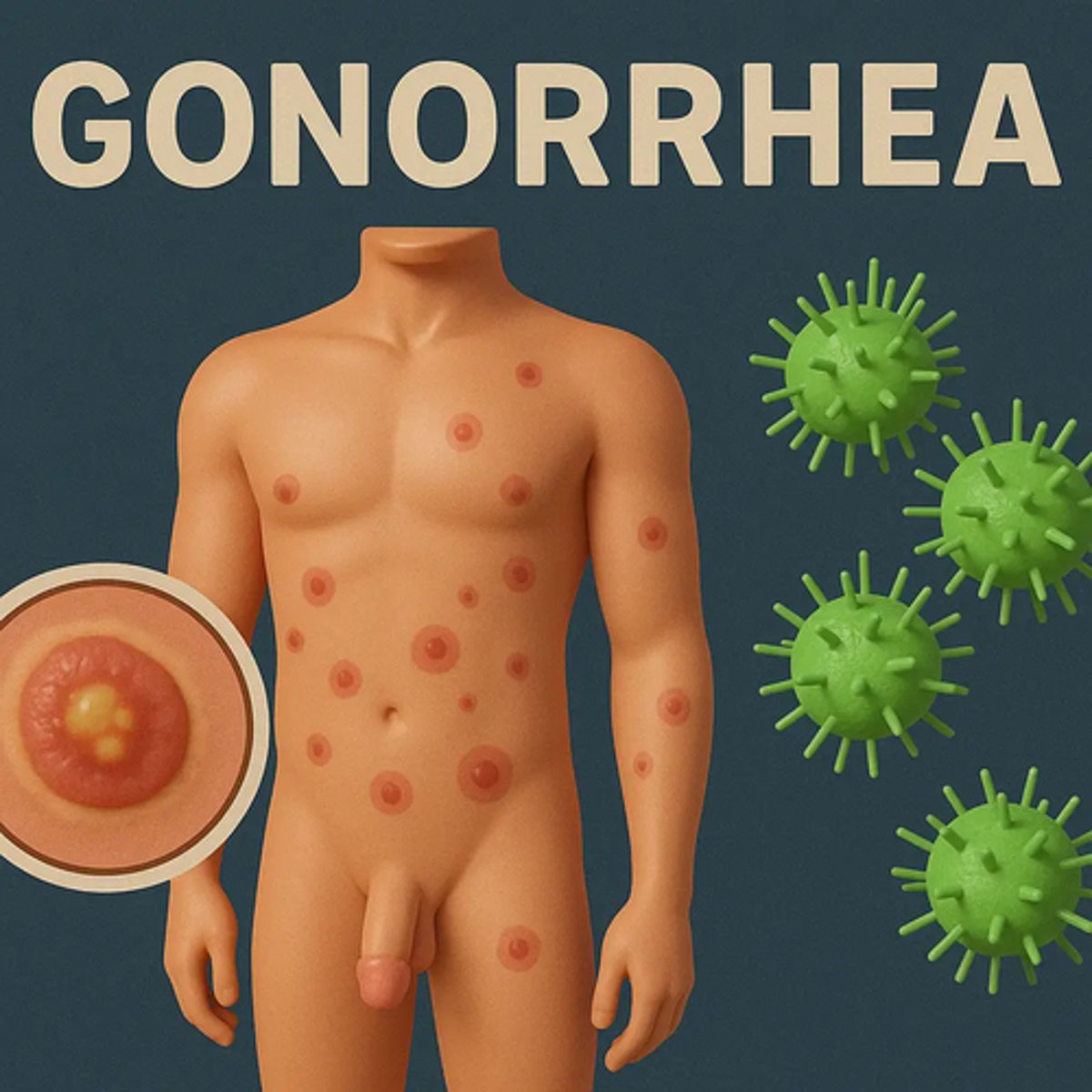
Facts: D knew he had gonorrhoea and had sex with V (wife) who contracted it
Principle: No violent action as V consented to intercourse and there had been no 'violent action' in her contracting gonorrhoea
Dica (2004) *SA
Chapter: Defences (Genuineness of Consent)
Facts: D knew he had HIV and had sex with 2 women who contracted it. Convicted under OAPA s18 but not of rape (consent of sex was valid despite HIV).
Principle: Distinction drawn between one who has sexual intercourse in order to transmit the disease, and one who, knowing the risk that the disease will be transmitted, choses to have sexual intercourse anyway.
ALSO
Chapter: Sexual Offences (Common Element 2: Absence of Consent - s76: Conclusive Presumptions about Consent)
Principle: Sex with someone who has HIV positive is still sex, not rape, as the infection was as to the nature of the intercourse itself and not directly related (still convicted under OAPA s18)

Konzani (2005)
Chapter: Defences (Genuineness of Consent)
Facts: D knew he had HIV and had sex with 3 women who contracted it and argued he had a belief that the women would have still consented even if they had known of the disease
Principle: V can only consent to the risk of contracting HIV if D has told her that he is HIV positive

Gillick (1986)
Chapter: Defences (Genuineness of Consent)
Facts: Mother sought a declaration that it would be unlawful for doctors to provide contraceptive advice or treatment to her under-16-year-old daughters without her consent.
Principle:A child under 16 may consent to medical treatment without parental knowledge or consent if they have sufficient maturity and understanding to fully comprehend the nature and implications of the proposed treatment ("Gillick competence")

Re R (1992)
Chapter: Defences (Genuineness of Consent)
Facts: A young girl suffering from a psychotic syndrome refused medicine when she appeared stable and rational
Principle: A Gillick competent child has the legal capacity to give valid consent to medical treatment, but their refusal can be overridden by consent of the parents, or the court itself exercising its wardship jurisdiction

R v Richardson (Diane) (1999)
Chapter: Defences (Active Fraud as to the Identity of D)
Facts: Dentist lost license but kept treating patients without telling them
Principle: Difference between D's identity and their attributes/qualifications

Tabassum (2000)
Chapter: Defences (Active Fraud as to the Identity of D)
Facts: D faked being a doctor studying breast cancer just to touch women's breasts
Principle: No consent as to the quality of the act (women only consented to be touched by medical professional), therefore consent was vitiated by fraud
AND
Chapter: Sexual Offences (Common Element 1: Sexual Conduct - AR: 'Sexual')
Principle: Conviction for indecent assault upheld despite no sexual motivation (inherently indecent to touch another's breasts)

Melin (2019)
Chapter: Defences (Active Fraud as to the Identity of D)
Facts: Beautician lied about qualification to inject Botox resulting in injury
Principle: Where an attribute is integral to the D's identity, it may vitiate the V's consent

Meachen (2009)
Chapter: Defences (Lawful Activity with No Intent to Cause Serious Harm or Injury)
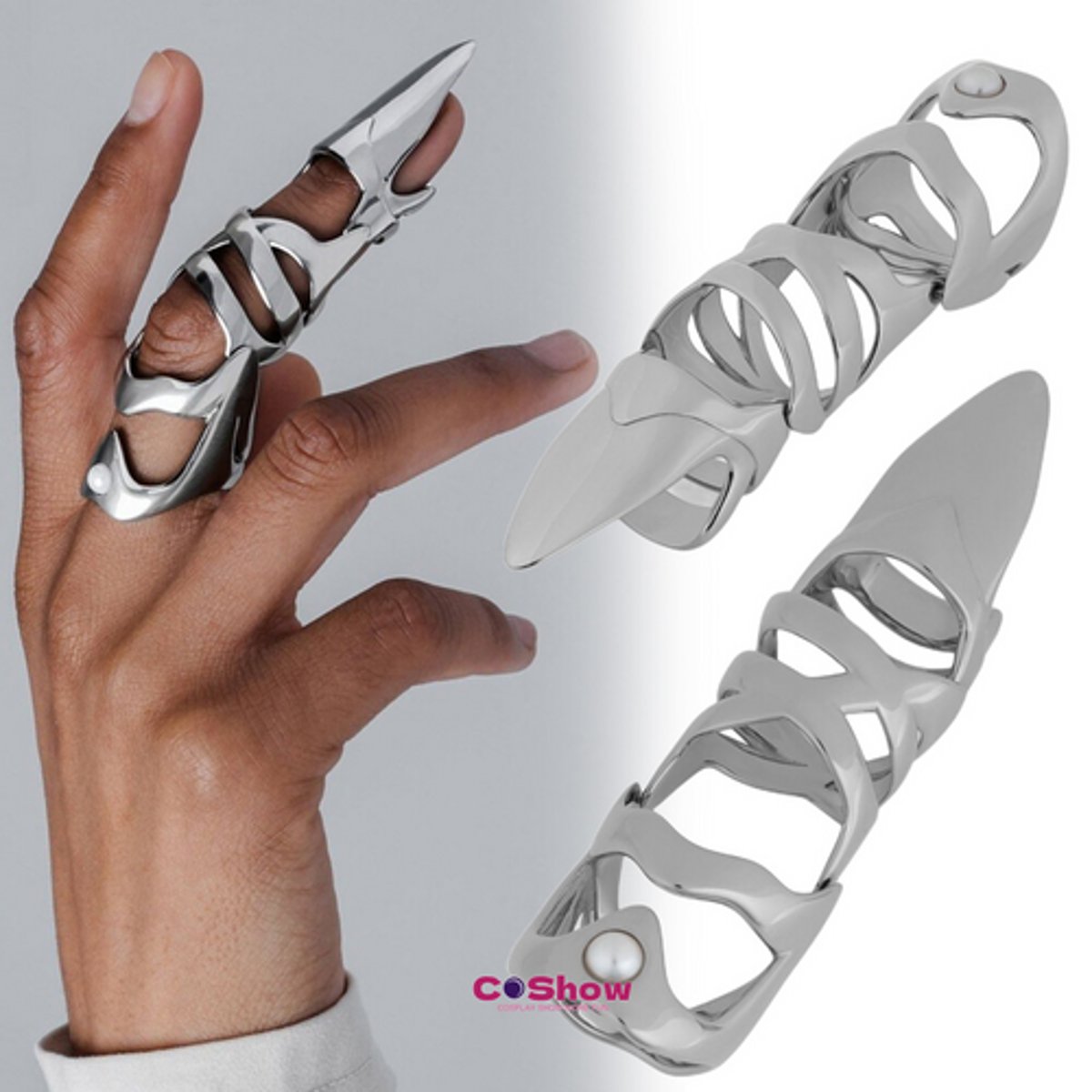
Facts: D put fingers in V's anus during sex but the ring he wore caused internal injuries which he did not intend/foresee
Principle: Provided ABH/GBH is not intended, consent is irrelevant
Slingsby (1995)
Chapter: Defences (Lawful Activity with No Intent to Cause Serious Harm or Injury)
Facts: D put fingers into V's anus during sex while wearing a ring, resulting in V contracting blood poisoning and dying of septicaemia
Principle: Conviction quashed as consent to battery existed
Hapley (1860)
Chapter: Defences (Lawful Activity with No Intent to Cause Serious Harm or Injury: Parental Chastisement)
Facts: Headmaster asked father's consent to beat misbehaving child. Consent was given and the headmaster beat him with a stick for two and a half hours until he died.
Principle: So long as it is not administered for the gratification of a passion or rage and not in excess or with an instrument unfitted for the purpose
Jones (Terence) (1986)
Chapter: Defences (Lawful Activity with No Intent to Cause Serious Harm or Injury: Horseplay)
Facts: Schoolboys threw other pupils in the air and one ruptured their spleen; another broke an arm. Boys had done it before without injury and never intended harm
Principle: Consent to rough play in circumstances where there is no intent to harm is a defence to the non-fatal offences against the person

Aiken (1992)
Chapter: Defences (Lawful Activity with No Intent to Cause Serious Harm or Injury: Horseplay)
Facts: D's in Royal Air Force poured white spirit onto V's flying suit and lit it, resulting in life-threatening burns on 35% of his body
Principle: Rough and undisciplined mess games are a lawful activity as long as there is no intention to cause any injury and V consented
RIchardson & Irwin (1999)
Chapter: Defences (Lawful Activity with No Intent to Cause Serious Harm or Injury: Horseplay)
Facts: D's (students) were drunk and held V over balcony and dropped him causing GBH, and realised that V did not consent
Principle: Court directed jury not to focus on consent but Court of Appeals later argued the jury was misdirected and quashed the appeal: D must realise that V may be harmed, and would have still realised it had they not been drinking

Barnes (2004)
Chapter: Defences (Lawful Activity with No Intent to Cause Serious Harm or Injury: Sport)
Facts: D was playing a football match, went in for a tackle and seriously injured his opponent's leg
Principle: Conduct outside the rules that can be expected in the heat of the moment are not criminal. The D's actions, state of mind, type of sport, degree of force used, and extent of the risk of injury are all relevant in determining whether the D's actions go beyond the threshold. Otherwise, it is presumed that the athlete consents to the possibility of harm during the state of play.
Brown (1994)
Chapter: Defences (Lawful Activity with No Intent to Cause Serious Harm or Injury: Sexual Gratification)
Facts: D caused V injury amounting to ABH and GBH during private, consensual sado-masochistic sexual activities. Precautions taken, no serious injury intended.
Principle: Sado-masochism is not a lawful activity, and consent is not a defence unless the D can prove that policy and public interest required the activity to be classed as lawful. Individuals do not have the right to deal with their bodies as they please al the time, sado-masochism is not consensual achievement of sexual satisfaction and is instead concerned with violence, there is a risk of injury/infection, and could lead to the possible corruption of young men (very controversial judgement)
Wilson (1996)
Chapter: Defences (Lawful Activity with No Intent to Cause Serious Harm or Injury: Sexual Gratification)
Facts: Husband branded initials on wife’s bottom and wound became infected
Principle: Conviction quashed as there was no aggressive intent and it was the wife’s idea. Attempted to distinguish itself from Brown but criminal law appears to treat heterosexual couples differently from homosexuals.
Emmett (1999)
Chapter: Defences (Lawful Activity with No Intent to Cause Serious Harm or Injury: Sexual Gratification)
Facts: D poured lighter fuel on fiancée’s breasts and set fire to them with consent
Principle: Applied Brown; no distinction between homosexual and heterosexual sado-masochism where the act clearly has a far greater potential to harm (different to Wilson)
AGs Reference No 6 (1980)
Chapter: Defences (Lawful Activity with No Intent to Cause Serious Harm or Injury: Other Unlawful Activities)
Principle: Fights where ABH is caused are unlawful regardless of consent. No public interest in making fist fights a lawful activity
R v BM (2018)
Chapter: Defences (Lawful Activity with No Intent to Cause Serious Harm or Injury: Other Unlawful Activities)
Facts: D, a tattooist, carried out body modifications including the removal of a customer's ear, the removal of a customer's nipple and the division of a customer's tongue to produce an effect similar to reptilian tongues. D was convicted with wounding with intent to do grievous bodily harm contrary to s18 OAPA 1861
Principle: No good reason why body modification artists should be exempted, akin to unlicensed surgery rather than piercing
George (1956)
Chapter: Sexual Offences (Common Element 1: Sexual Conduct - AR: 'Sexual')
Facts: A tried to remove B's shoes because he had a foot fetish
Principle: Not by its nature sexual so no conviction (pre-SOA)

Court (1989)
Chapter: Sexual Offences (Common Element 1: Sexual Conduct - AR: 'Sexual')
Facts: A with buttock fetish pulled 12 y/o girl across knee and spanked her clothed bottom
Principle: If the conduct is incapable of being indecent, then a hidden fetish or sexual motive cannot transform it into an indecent assault. But if the conduct is capable of being regarded as indecent, then the D’s sexual motive is relevant and can confirm indecency

Kargar (1996)
Chapter: Sexual Offences (Common Element 1: Sexual Conduct - AR: 'Sexual')
Facts: Photographs found of man kissing infant son’s penis. D claimed there was no sexual gratification as it was a sign of love in Afghan culture
Principle: De minimis doctrine used to quash conviction (although D had committed the offence, the legislature did not intend his conviction). Illustration of how apparently ‘obvious’ examples of activities that are because of their nature sexual can be problematised

Hill (2005)
Chapter: Sexual Offences (Common Element 1: Sexual Conduct - AR: 'Sexual')
Facts: D inserted fingers into V's vagina but claimed it was an aggressive form of humiliation rather than a sexual act. Court of Appeal agreed, issue moved to SC.
Principle: SC ruled that D's act to V was humiliating because it was sexual

AG's Ref No 1 of 2020
Chapter: Sexual Offences (Common Element 1: Sexual Conduct - MR: 'Intent')
Facts: A travelling on train kissed passenger on lips without her consent
Principle: No requirement to prove D intended the conduct to be sexual
Jheeta (2007)
Chapter: Sexual Offences (Common Element 2: Absence of Consent - s74: 'Consent')
Facts: A sent texts "from police", ordering B to have sex with him to avoid fines for causing distress
Principle: Deception and pressure may vitiate consent
ALSO
Chapter: Sexual Offences (Common Element 2: Absence of Consent - s76: 'Conclusive Presumptions about Consent')
Principle: Deception on the situation that were threatening did not fall within the meaning of 'nature and purpose' in s76 Sexual Offences Act. However, as the defendant had admitted that the victim was not truly consenting to many of their sexual encounters, the rape convictions were held to be safe regardless of whether the s.76 presumption applied

Kirk (2008)
Chapter: Sexual Offences (Common Element 2: Absence of Consent - s74: 'Consent')
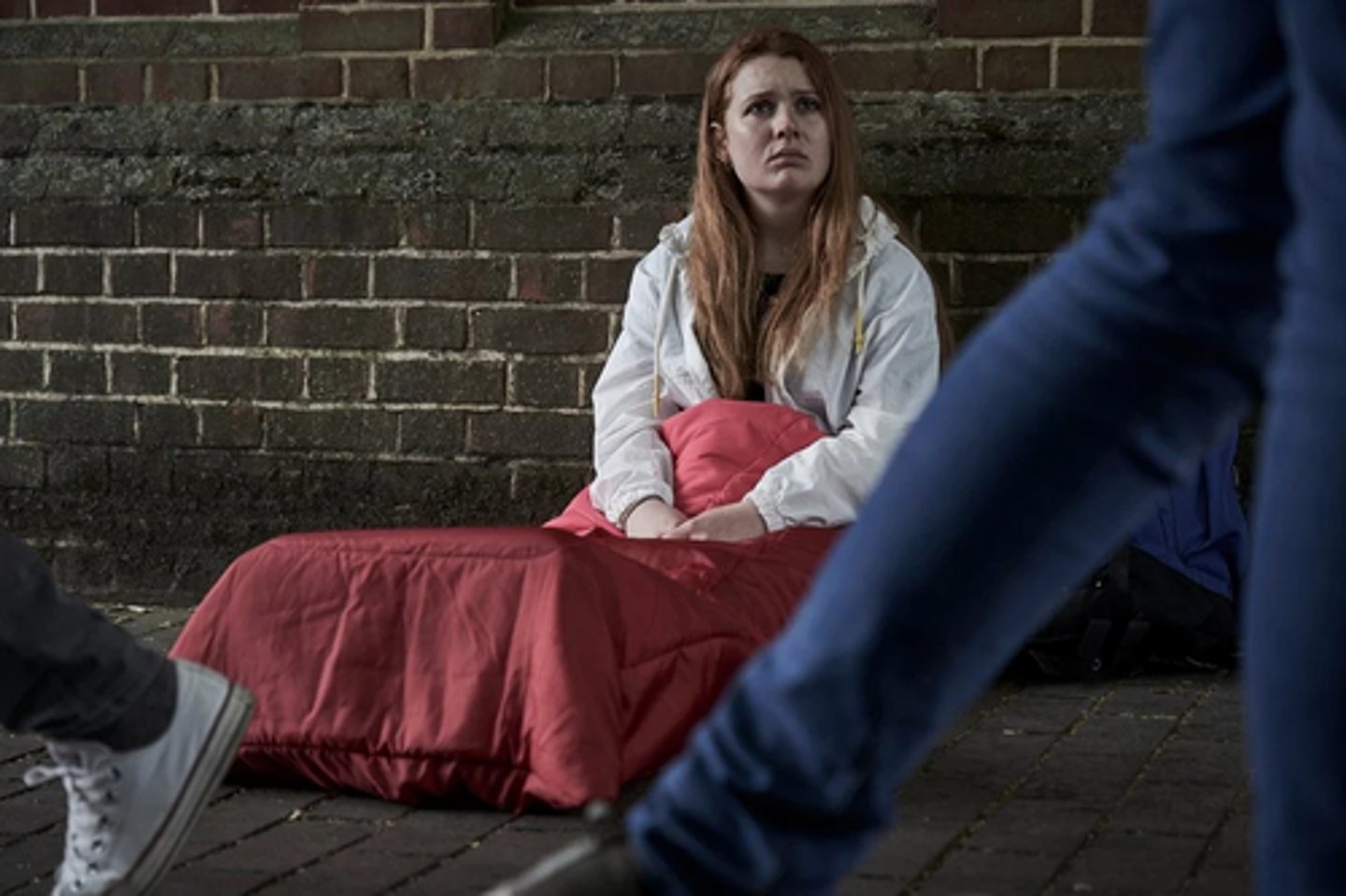
Facts: Homeless teenager abused by A for years agreed to sex for money to buy food
Principle: Distinction between consent and submission (no consent if B submitted to sex because her will had been overborne)
Doyle (2010)
Chapter: Sexual Offences (Common Element 2: Absence of Consent - s74: 'Consent')
Facts: Following violence, B stopped resisting once penetration occurred
Principle: Unwilling submission is not consent

Watson (2015)
Chapter: Sexual Offences (Common Element 2: Absence of Consent - s74: 'Consent')
Facts: A began a consensual sexual relationship with his daughter after she contacted him as an adult, having been adopted at birth. Although much of the relationship was consensual, she alleged that on three occasions she did not consent.
Principle: Submission is not consent but reluctant consent may be

R (Monica) v DPP (2018)
Chapter: Sexual Offences (Common Element 2: Absence of Consent - s74: 'Consent')
Facts: Undercover police officers had relationships with protestors to gain information about their activist groups then left once the investigation ended.
Principle: A deception will only vitiate consent under s74 where it is so closely connected to the nature or purpose of sexual intercourse rather than the broad circumstances surrounding it that it is capable of negating consent
ALSO
Chapter: Sexual Offences (Common Element 2: Absence of Consent - s76: Conclusive Presumptions about Consent)
Principle: Deception as to the broad identity of a person (outside impersonating a husband/partner) could not vitiate consent

Usman (2021)
Chapter: Sexual Offences (Common Element 2: Absence of Consent - s74: 'Consent')
Principle: B saying that the act was consensual is not necessarily determinative. Maybe due to a misunderstanding of the meaning of consent or of grooming
Ali (Yasir) (2014)
Chapter: Sexual Offences (Common Element 2: Absence of Consent - s74: 'Consent')
Facts: A sexually abused B between ages of 5-15. Jury could conclude that her ‘consent’ at age 16 was apparent and not real
Principle: Grooming does not necessarily vitiate consent, but can determine B’s capacity to make free decisions and can mask a lack of true consent
C (2009)
Chapter: Sexual Offences (Common Element 2: Absence of Consent - s74: 'Consent')
Principle: B understood nature of the act but mental illness undermined her capacity to consent (manic episodes and irrational delusions)
Bree (2007)
Chapter: Sexual Offences (Common Element 2: Absence of Consent - s74: 'Consent')
Principle: Consent will be lacking if alcohol has deprived B of the capacity to make a choice. But drunken consent may still be consent and regret is irrelevant.

Williams (1923)
Chapter: Sexual Offences (Common Element 2: Absence of Consent - s76: Conclusive Presumptions about Consent)
Facts: Singing teacher deceived 16-y/o student into sexual intercourse, telling her it would improve her singing voice
Principle: Nature of the act (misled her, she did not know what she was doing), and purpose of the act (sexual gratification, not to improve her voice) must be examined

Linekar (1995)
Chapter: Sexual Offences (Common Element 2: Absence of Consent - s76: Conclusive Presumptions about Consent)
Facts: A had sex with prostitute and refused to pay. She argued she would not have accepted if she had known he had no intention of paying.
Principle: Consent not undermined by deception if one knows the nature and purpose of the act (fraud, not rape) V was not deceived about D’s purpose for engaging in sexual activities with her, only D’s intentions regarding what would happen after the sexual act

R v B (2007)
Chapter: Sexual Offences (Common Element 2: Absence of Consent - s76: Conclusive Presumptions about Consent)
Facts: Appellant had not disclosed he was HIV+ before having sex with V
Principle: Consent not vitiated as this was insufficiently connected with the sexual act to negate consent (attack to body under OAPA, not sexual autonomy under SOA)

Assange (2011)
Chapter: Sexual Offences (Common Element 2: Absence of Consent - s76: Conclusive Presumptions about Consent)
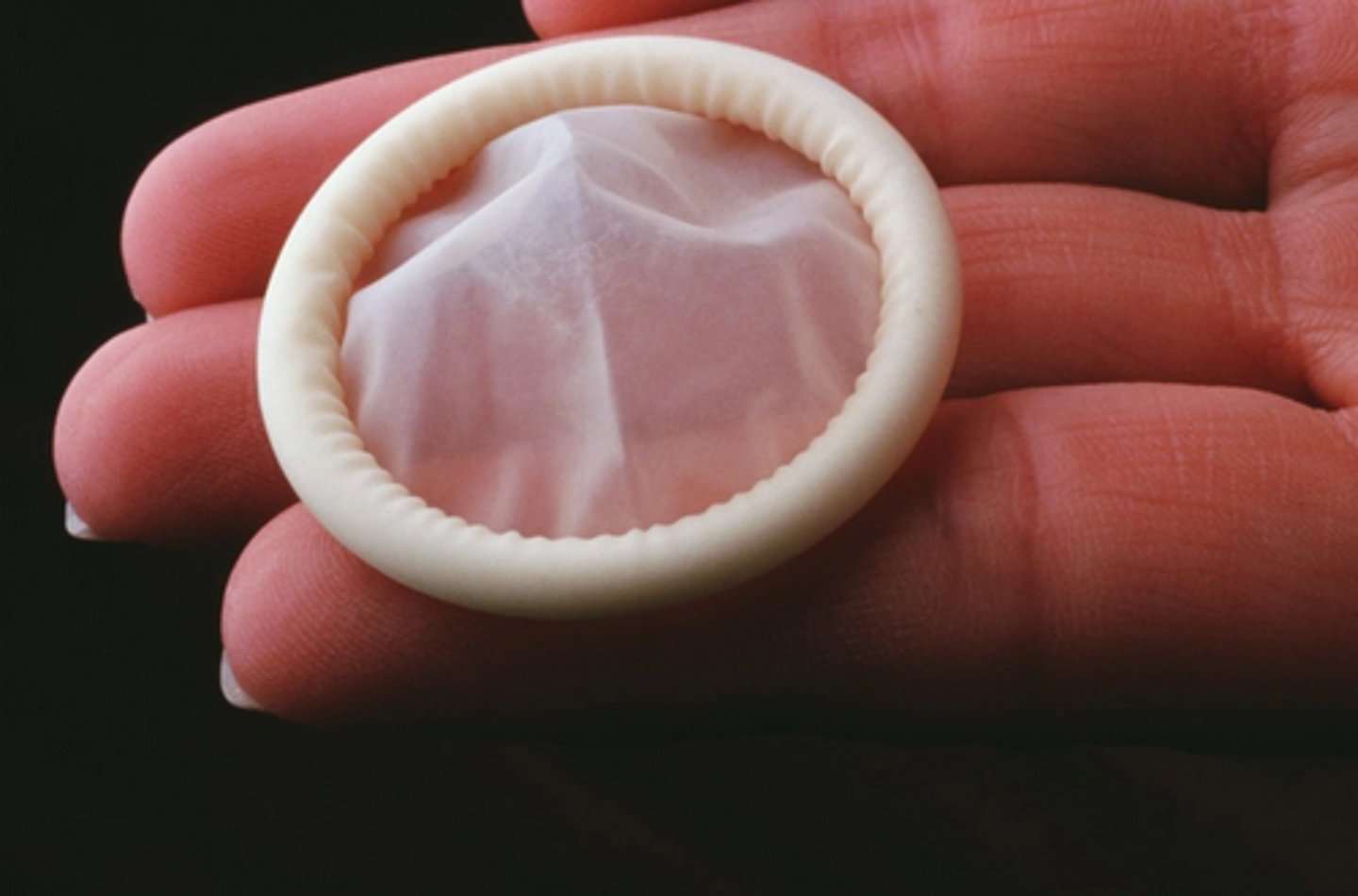
Facts: A removed condom during sex when B explicitly required he use a condom
Principle: If B had made clear that she would only consent to intercourse if A used a condom, then there would be no consent if, without her consent, A did not use a condom or removed/tore the condom without consent (conditional consent)
R (F) v DPP (2013)
Chapter: Sexual Offences (Common Element 2: Absence of Consent - s76: Conclusive Presumptions about Consent)
Facts: B agreed to have sex with her husband on the bases that he would not ejaculate inside her. Following penetration, A said he would ejaculate inside her because she was his wife and he could do it if he wanted.
Principle: Penetration is a continuing act and so consent can be withdrawn even after penetration has begun and this will transform an act that begins as consensual intercourse into rape
ALSO
Chapter: Sexual Offences (SOA s1: Rape)
Principle: Consent negated by deception about promise not to ejaculate (s74)

McNally (2013)
Chapter: Sexual Offences (Common Element 2: Absence of Consent - s76: Conclusive Presumptions about Consent)
Facts: 12 and 13 y/o girls met online and started relationship when 16. B said she would not have had sex with a woman as she believed her friend was a biological male.
Principle: Depending on the circumstance, deception as to gender can vitiate consent if A’s actions were a deliberate deception rather than a failure to disclose, and if the suspect reasonable believed the complainant consented.

Lawrance (2020)
Chapter: Sexual Offences (Common Element 2: Absence of Consent - s76: Conclusive Presumptions about Consent)
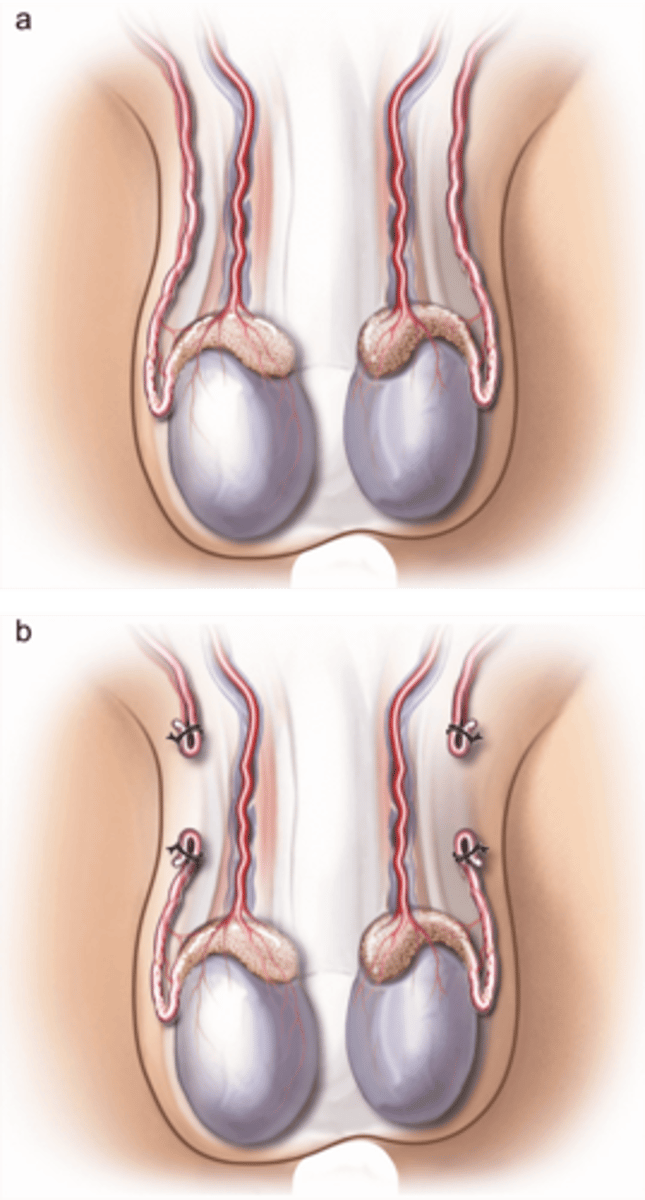
Facts: A lied to B about having had a vasectomy with the consequence that B agreed to have unprotected sex when otherwise she would have insisted on using a condom. B got pregnant later
Principle:
- B not deceived as to the sexual intercourse, only the broad circumstance around it. Unlike R (F) or Assange which are directly related to intercourse, the courts find that deception as to the nature of the circumstances surrounding the act are not liable. In Assange and F, the complainants had not consented to the presence of a physical substance within their body, whereas Lawrance concerned the possible consequences of the relevant physical substance being inside V’s vagina (prosecution claimed that all 3 cases involved women who sought to avoid pregnancy). Distinguishes cases like R v B where the non-disclosure of D’s HIV cannot vitiate consent in sexual intercourse as it is not material to the sexual act itself but the consequences, whereas in Lawrance, D made a positive representation about his infertility (controversial decision). Judge ruled that R v B was distinguishable because the subject matter was the risk of disease rather than pregnancy
- The case also provided further hypothetical examples that would not satisfy the “close connection” test like lies concerning marital/relationship status, lies about political or religious views, and lies about status, employment or wealth. Also confirmed Linekar that a prostitute consents validly even if the client never intends to pay.
Green (2002)
Chapter: Sexual Offences (Common Element 2: Absence of Consent - s76: Conclusive Presumptions about Consent)
Facts: A induced B to masturbate while connected to monitors as part of a bogus medical procedure
Principle: Fraud may vitiate consent

Devonald (2008)
Chapter: Sexual Offences (Common Element 2: Absence of Consent - s76: Conclusive Presumptions about Consent)
Facts: A posed as young woman online and persuaded daughter’s ex-boyfriend to masturbate on webcam, intending to use it to humiliate him
Principle: B deceived as to purpose of sexual act if deceived as to A’s motive

Ciccarelli (2011)
Chapter: Sexual Offences (Common Element 2: Absence of Consent - s75: Rebuttable Presumptions about Consent)
Facts: D and his girlfriend brought back V (friend) after a party. D SA’d V while she was asleep, and gave evidence that he did so believing that V would consent based on a single advance V made towards him earlier
Principle: In order to discharge the evidential burden under s75, the evidence called by D must be such that it is beyond speculative and the belief in consent must be realistic before the issue is left to the jury to decide

Gabbai (2019)
Chapter: Sexual Offences (Common Element 3: Intentional Performance or Causing of Conduct)
Facts: D penetrated V’s vagina but accidentally penetrated her anus briefly
Principle: If proven, penetration may not necessarily be intended

Heard (2007)
Chapter: Sexual Offences (Common Element 3: Intentional Performance or Causing of Conduct)
Facts: A, intoxicated and unwell, took out his penis and danced suggestively, brushing it against a police officer’s thigh
Principle: In crimes of basic intent, drunkenness is not a defence, but a drunken accident is still an accident. A deliberate touching was sexual and it was not necessary to prove it was done for any ulterior purpose

B (2013)
Chapter: Sexual Offences (Common Element 4: Absence of a Reasonable Belief in Consent)
Principle: Unless the state of mind amounts to insanity in law, then under the rule enacted in the SOA, beliefs in consent arising from conditions such as delusional psychotic illness or personality disorders must be judged by objective standards of reasonableness and not taking into account a mental disorder which induced a belief which could not reasonably arise without it
Ivor (2021)
Chapter: Sexual Offences (Common Element 4: Absence of a Reasonable Belief in Consent)
Facts: Ds had sex with V, thinking she consented as her boyfriend was coercive, controlling and violent so she knew to drink that night to have sex with them
Principle: Given the “mosaic of evidence: from various sources about the state of the D's awareness of the circumstances surrounding the relevant activity, Ds were guilty

Jacobs (Robin Edward) (2023)
Chapter: Sexual Offences (Common Element 4: Absence of a Reasonable Belief in Consent)
Principle: The fact that A has autism may be relevant to the issue whether a belief in consent was reasonable. Expert evidence may be relevant. The evidence must be related to the circumstances of the incident or to what had happened previously to the defendant in an intimate relationship

BVA (2025)
Chapter: Sexual Offences (Common Element 4: Absence of a Reasonable Belief in Consent)
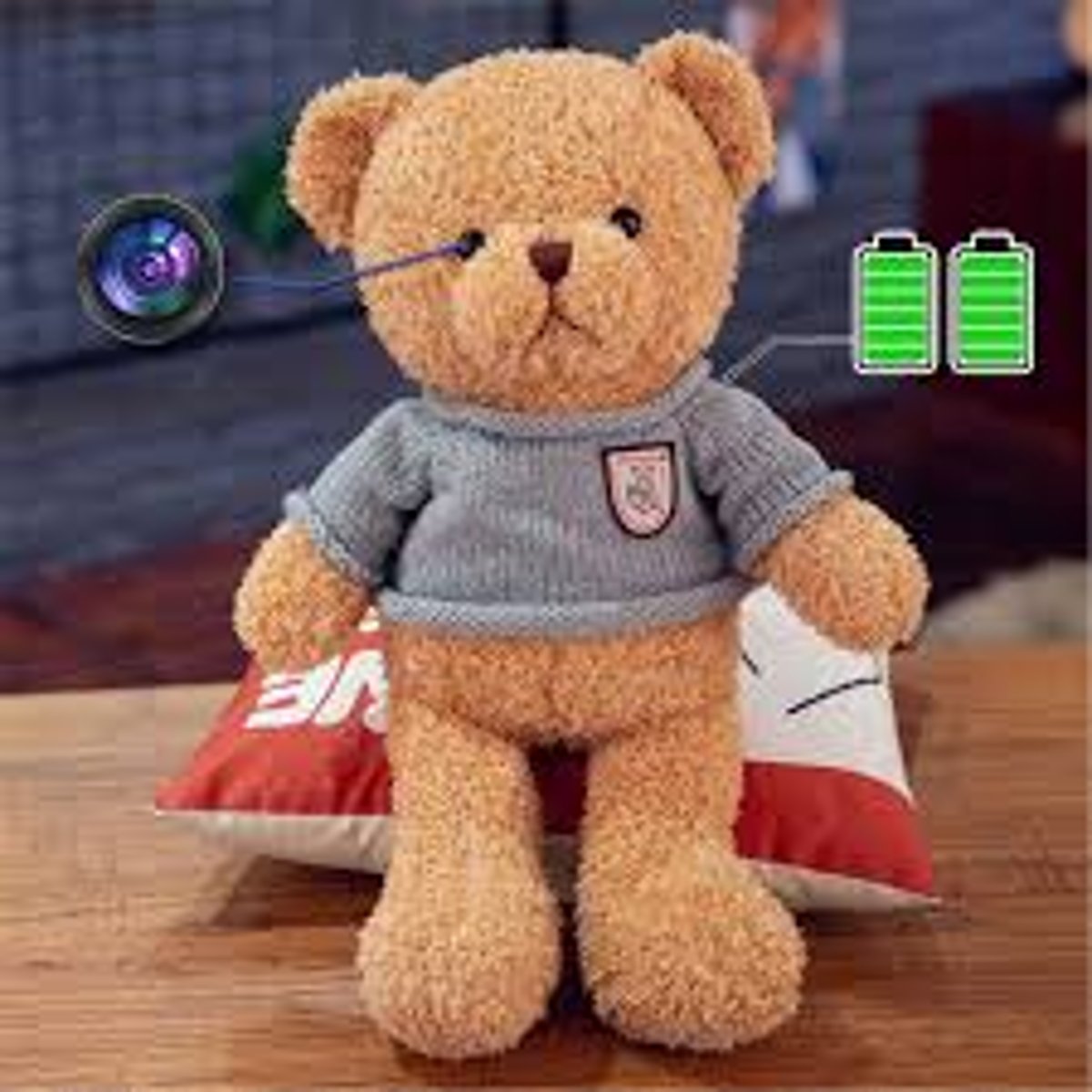
Facts: A did not tell B that he was recording their sexual activity
Principle: Covert photography/filming can deprive B of their freedom to consent, as it was part of the sexual activity (s66B SOA now covers sharing or threatening to share a photo/film of another in an intimate state)
Speck (1977)
Chapter: Sexual Offences (SOA s3: Sexual Assault)
Facts: A failed to remove child's hands from genitals
Principle: SA can be by omission
Palmer (1971)
Chapter: Self Defence (Self Defence at Common Law)
Principle: It requires no set words by way of explanation. No formula need be employed in reference to it. Only common sense is needed for its understanding. Self-defence is judged subjectively, based on the defendant's perception at the time, rather than requiring perfect judgment, and the jury must evaluate the reasonableness of defensive actions in the specific context of the incident.
Beckford (1988)
Chapter: Self Defence (Self Defence at Common Law)
Facts: Police officer was called to house as a man was terrorising his mother-in-law with a gun. Police arrive and see man running away with what looks like a rifle. Police officer felt under threat of being attacked and fired. It later emerged that there was no rifle.
Principle: The test to be applied for self-defence is that a person may use such force as is reasonable in the circumstances as he honestly believes them to be in the defence of himself or another
Collins (2016)
Chapter: Self Defence (Self Defence at Common Law)
Facts: Householder injured the V when he trespassed. The CPS declined to prosecute the household on the basis of CJIA s76(5A) the use of force was not grossly proportionate. V sought judicial review, arguing this was incompatible with his right to life under ECHR Art 2 (right to life)
Principle: The first element to be examined is a subjective element (whether the D genuinely believed that it was necessary to use force to defend himself), and the second is a partly objective element (whether the nature and degree of force used was reasonable in the circumstances). The use of force by a householder that is not grossly disproportionate under CJIA s76(5A) may nonetheless be deemed unreasonable by the jury
R v Director General of the Independent Office for Police Conduct (2023)
Chapter: Self Defence (Self Defence at Common Law)
Facts: Police officer fatally shot V during a 2015 police operation. The Independent Office for Police Conduct (IOPC) argued that while the officer's fear of danger was honest, it was unreasonable
Principle: Self-defence has two limbs: 1) the trigger is a factual question - what did the individual genuinely believe was happening to cause him to use the violence that he did? 2) the response is a question of reasonableness - was the individual's response reasonable in all the circumstances
ALSO
Chapter: Self Defence (Mistake and Self Defence)
Primciple: The trigger is addressed on the basis of the facts as subjectively understood by the individual. However, if the individual has made a mistake of fact, then the more unreasonable the mistake and the less likely it would be that the individual genuinely believed the fact. In this way, an objective assessment may inform whether there was a genuinely held substantive belief
Gladstone Williams (1984)
Chapter: Self Defence (Believed Necessary to Use Force)
Facts: The appellant witnessed a man attack a youth. He rushed to the aid of the youth and hit the attacker. In fact the youth had just committed a mugging, and the attacker had wrestled him to the ground to prevent him escaping.
Principle: A mistake of fact can be a successful defence, regardless of whether the belief is reasonable or not
Blake (1992)
Chapter: Self Defence (Believed Necessary to Use Force)
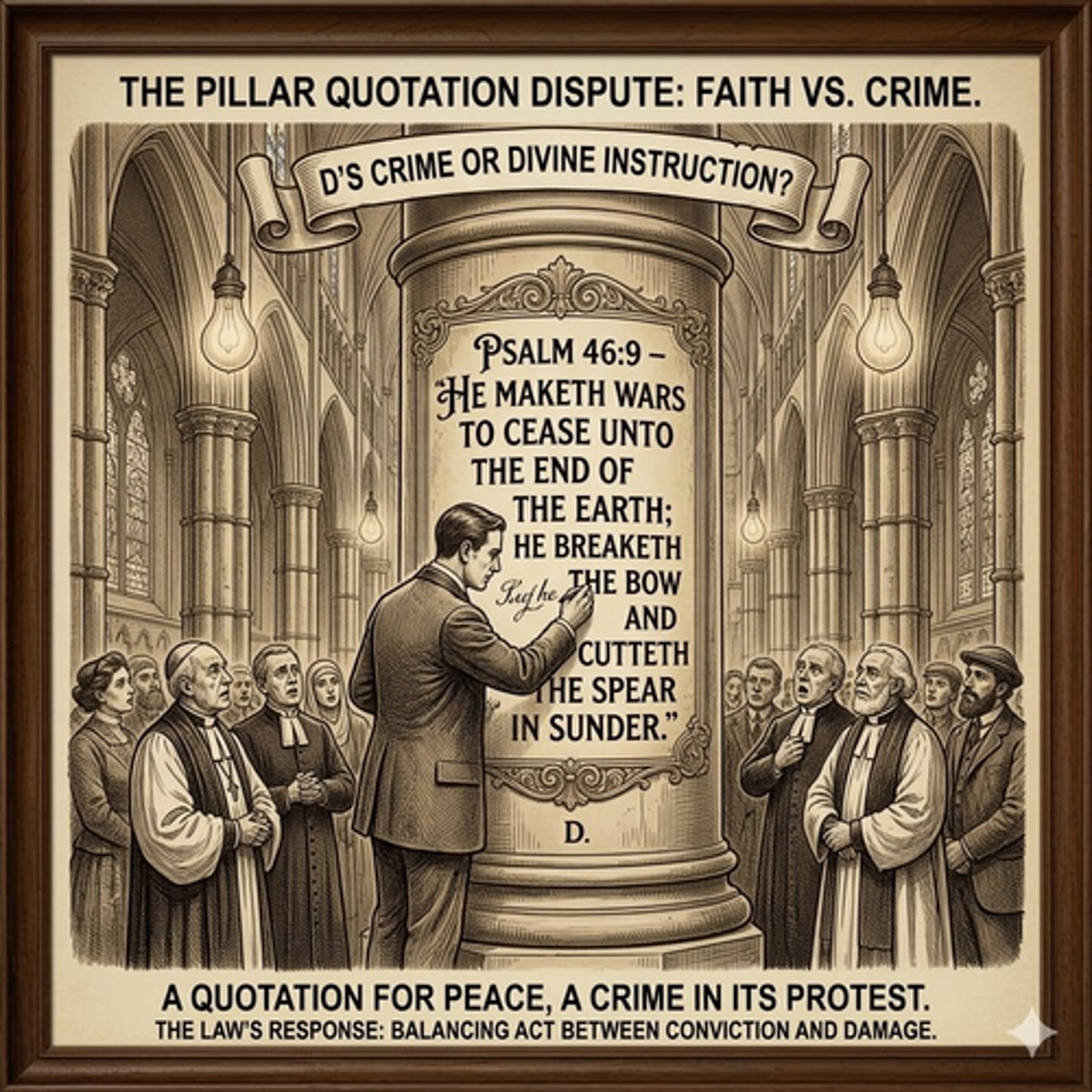
Facts: D wrote a biblical quotation in a pillar in Westminster using preventing the Iraq war (a crime in his eyes).
Principle: The defence provided by CLA s3 is only available in relevant crimes committed by the use of force. The act committed was insufficient to amount to force within this section.
James (2006)
Chapter: Self Defence (Believed Necessary to Use Force)
Facts: Protests against wars in Afghanistan and Iraq using bolt cutters and other criminal damage means
Principle: Property damage involves no violence, but such acts fall within the means of 'use of force' under Criminal Law Act 1967 s3
ALSO
Chapter: Self Defence (Reasonability)
Principle: The crucial question is whether one judges the reasonableness of the D's actions as if he was the sheriff in a Western, the only law man in town, or whether it should be judged in its actual social setting, in a democratic society with its own appointed agents for the enforcement of the law.

Riddel (2017)
Chapter: Self Defence (Believed Necessary to Use Force)
Facts: Taxi driver drops off woman who never pays and drives away in her own car. He chases her and gets out yelling at her. She drives him over, later claiming self-defence
Principle: Given self-defence arises where a person uses force to meet an actual or perceived force/threat of force, there seems no reason to deny altogether the availability of the defence simply because the charge is one of dangerous driving. Self-defence would not apply if the driver never hit anybody while driving away
ALSO
Chapter: Duress, Duress of Circumstances, and necessity (Duress: To what Crimes is Duress a Defence)
Principle: Duress may be a defence in some situations where self-defence would not be a defence. When the offence was once that did not involve the use of force

Martin (2001)
Chapter: Self Defence (Reasonability)
Facts: D (paranoid personality disorder) shot and killed unarmed and fleeing burglars in home
Principle: The jury are entitled to take into account in relation to self-defence the physical characteristics of the D, but not psychiatric conditions except in exceptional circumstances which would make the evidence especially probative. In this case as in most self-defence cases, it is what the D believed was his situation and not the scientific terminology regarding his mental state

Canns (2005)
Chapter: Self Defence (Reasonability)
Facts: Mentally ill patient at psych ward killed nurse
Principle: Court found it impossible to identify the sort of exceptional circumstances in which it would be appropriate to take a psychiatric condition from which the D was suffering into account when addressing whether excessive force is used

Oye (2013)
Chapter: Self Defence (Reasonability)
Facts: Man suffering from delusions attacked café staff and police believing he was attacked by demons
Principle: Where a mistake arises from a mental illness (insane delusion), it is not a "genuine" mistake for the purposes of self-defence. The appropriate defence in such cases is insanity, not self-defence, as the latter requires a belief that is not based on a state of insanity
AND
Chapter: Self Defence (Delusions)
Principle: The second limb of self-defence (reasonableness of the force used) does include an objective element by reference to reasonableness, even if there may also be a subjective element (s76(6)). An insane person cannot set the standards of reasonableness as to the degree of force used, by reference to his own insanity
AND
Chapter: Insanity and Automatism (Insanity: Insanity and Self-Defence)
Principle: Exempt from punishment for these purposes is to be equated with exemption from conviction. It does not necessarily mean that an accused is also exempt from a special verdict of "not guilty by reason of insanity". An insane person cannot set the standards of reasonableness as to the degree of force used by reference to his own insanity

Keane (2010)
Chapter: Self Defence (Criminal Justice and Immigration Act 2008 s76)
Facts: D said, "what are you going to do about it?" to provoke V, upon which V raised his arm, but D landed a punch on V
Principle: Including a statute in law doesn't automatically mean the jury must be given a verbatim reading of it; what matters is explaining the legal principles clearly and in context
AND
Chapter: Self Defence (On Whom May Force be Used?)
Principle: Self-defence may arise in the case of an original aggressor, but only where the violence offered by the C was so out of proportion to what the original aggressor did that in effect the roles were reversed

Cheeseman (2019)
Chapter: Self Defence (Criminal Justice and Immigration Act 2008 s76)
Principle: In other cases, of which this is an example, it would be unnecessary for a jury to wrestle with questions of property law and the niceties of whether someone who started as an invitee became a trespasser. The defence is not directly concerned whether someone was or was not a trespasser, but the D's belief
Magson (2022)
Chapter: Self Defence (Criminal Justice and Immigration Act 2008 s76)
Facts: V lived with D for months and had a spare key as it was V’s home
Principle: Where there is no reasonable basis for D to believe V was a trespasser, there does not need to be an evidential basis for the defence to arise

Grill (2023)
Chapter: Self Defence (Criminal Justice and Immigration Act 2008 s76)
Facts: Police break into house with search warrant and identify themselves but gave no prior notice. D stabbed a policeman
Principle: Trial judge wrongly states that D was not entitled to s76(5A), as the D believed the policeman to be in or entering the house as a trespasser as required in s76(8). Police did not give sufficient notice

Ray (2017)
Chapter: Self Defence (Criminal Justice and Immigration Act 2008 s76)
Facts: Woman awakened by banging on the door. It was her ex-boyfriend. D is also in the house and tried to calm the situation which only escalated. D stabbed V in the chest as he believed he would be stabbed first
Principle: In a householder case, the effect of s76(5A) is that the jury must first determine whether it was grossly disproportionate. If it was, the degree of force was not reasonable, and the defence of self-defence is not made out. If the use of force was not grossly disproportionate, then the effect of s76(5A) is that the jury must consider whether the degree of force was reasonable taking into account all the circumstances of the case as the D believed them to be. The use of disproportionate force which is short of grossly disproportionate is not on the wording of the section, of itself necessarily the use of reasonable force. In a non-householder case, the degree of force used is not to be regarded as reasonable if it was disproportionate
Taj (2018)
Chapter: Self Defence (Mistake and Intoxication)
Facts: D suffering drug-induced psychosis, wrongly believed a stranded motorist was a terrorist and attacked him with a tyre lever after police had confirmed there was no threat.
Principle: The words “attributable to intoxication” in s76(5) are broad enough to encompass both a mistaken state of mind as a result of being drunk or intoxicated at the time, and a mistaken state of mind immediately and proximately consequent upon earlier drink or drug-taking, so that even though the person concerned is not drunk or intoxicated at the time, the short-term effects can be shows to have triggered subsequent episodes (e.g. paranoia). This conclusion does not extend to long term mental illness precipitated by alcohol or drug misuse
AND
Chapter: Self Defence (Delusions)
Principle: In the normal course, once it is common ground that D has a genuine belief in circumstances that might generate a defence of self-defence, the decision whether or not the nature and degree of force used was reasonable in the circumstances is for the jury. This case however, given D’s delusions, was not normal, as there was no basis on which the extent of force used was reasonable (V was unarmed and fled when attacked). Such cases should be treated as cases involving insanity
AND
Chapter: insanity and Automatism (Insanity: Intoxication and Insanity)
Principle: Long-term mental illness as a consequence of alcohol/drug use over a considerable period may not fall within the intoxication and insanity rules

Jaggard v Dickinson (1981)
Chapter: Self Defence (Mistake and Intoxication)
Facts: D gets intoxicated and gets consent to sleep at friend's house. Tries key but it does not work, so she breaks window to enter but it is the wrong house.
Principle: Parliament has specifically isolated one subjective element, in the shape of honest belief, and has given it separate treatment and its own special gloss in the CDA 1971 s5(3): "It is immaterial whether a belief is justified or not if it is honestly held"

Hitchens (2010)
Chapter: Self Defence (On Whom May Force be Used?)
Facts: D visited girlfriend and ex-boyfriend arrived. D told girlfriend not to let ex in and used force against her to prevent the ex entering, fearing an attack by him
Principle: Force may be used in self-defence against those not a party to the threat if it is done for the purpose of preventing a threat (must still pass reasonableness)
Hasan (2005)
Chapter: Duress, Duress of Circumstances, and Necessity (DURESS)
Facts: D was affiliated with a gang and was charged with the crime of aggravated burglary. He claimed that he was blackmailed into committing the burglary to prevent his family from being harmed
Principle:
-A recognised but limited exception in favour of those who commit crimes because they are forced or compelled to do so against their will by the threats of another. Such persons are said, in the language of the criminal law, to act as they did because they are subject of duress. However, given D's voluntary gang association, prevented him from using the defence
- Duress should be available as a defence to all offences excluding murder and treason although the Law Commission suggests it should be a defence even to murder
- There is no warrant for relaxing the requirement that the belief must be reasonable as well as genuine
- Threat must be directed against the D or his immediate family or someone close to him. If not, the threat must be to a person for whose safety the D would reasonably regard himself as responsible
- The threat must reasonably be believed to be imminent and immediate if it is to support a plea of duress
- The D is a person who has voluntarily surrendered his will to the domination of another. Nothing should turn on foresight of the manner in which, in the event, the dominant party chooses to exploit the D's subservience. There need not be foresight of coercion to commit crimes. The defence of duress is excluded when, as a result of the accused's voluntary association with others engaged in criminal activity, he foresaw or ought to reasonably have foreseen the risk of being subjected to any compulsion by threats of violence

Hudson and Taylor (1971)
Chapter: Duress, Duress of Circumstances, and necessity (Duress: The Nature of the Defence of Duress)
Facts: Two girls charged with perjury having given false evidence by failing to identify an individual during a trial out of fear of him injuring them due to his violence
Principle: Duress provides a defence if the will of the accused has been overborne by threats of death or serious personal injury so that the commission of the alleged offence was no longer the voluntary act of the accused
ALSO
Chapter: Duress, Duress of Circumstances, and necessity (Duress: Immediacy)
Principle: When there is no opportunity for delaying tactics and the person threatened must make up his mind whether he is to commit the criminal act or not, the existence at that moment of threats sufficient to destroy his will ought to provide him with a defence even though the threatened injury may not follow instantly, but after an interval

Howe (1987)
Chapter: Duress, Duress of Circumstances, and necessity (Duress: The Nature of the Defence of Duress)
Facts: Multiple joint appeals as to whether duress was a defence to murder
Principle: Duress is not a defence to murder. Unlike the doctrine of provocation, which is based on emotional loss of control, the defence of duress is put forward as a concession to human frailty whereby a conscious decision, it may be coolly undertaken, is made as an evil lesser than a wrong which might otherwise be suffered by the accused or his loved ones at the hands of a wrongdoer
ALSO
Chapter: Duress, Duress of Circumstances, and necessity (Duress: To what Crimes is Duress a Defence)
Principle: Few would resist threats to the life of a loved one if the alternative were driving across red lights or in excess of 70 mph on the motorway. A reasonable man might reflect that one innocent life is at least as valuable as his own or that of his loved one. In such a case a man cannot claim that he is choosing the lesser of two evils. Instead he is embracing the cognate but morally disreputable principle that the end justifies the means
ALSO
Chapter: Duress, Duress of Circumstances, and necessity (Necessity: Nature of the Defence)
Principle: Duress is a species of the genus of necessity
Hampshire County Council (2007)
Chapter: Duress, Duress of Circumstances, and necessity (Duress: To what Crimes is Duress a Defence)
Facts: Kid did not go to school and parents prosecuted for not making him go. But they argued the kid is bigger than them so they can't do it
Principle: For some statutory crimes, duress will not be a defence

Graham (1982)
Chapter: Duress, Duress of Circumstances, and necessity (Duress: Duress Test)
Facts: V's husband had an affair with another man, who he claimed made him kill his wife (V) and thus he did it under duress
Principle: Two limb test: i) was the D or may he have been impelled to act as he did because as a result of what he reasonably believed the "duressor" had said or done, he had good cause to fear that if he did not so act, he or someone he loved would be killed or caused some serious injury (GBH)? ii) If so, have the prosecution made the jury sure that a sober person of reasonable firmness, sharing the characteristics of the D, would not have responded to whatever he reasonably believed the duressor said or did by taking part in the crime? The fact that a D's will to resist has been eroded by the voluntary consumption of drink or drugs or both is not relevant to this test

Quayle (2005)
Chapter: Duress, Duress of Circumstances, and necessity (Duress: Limb 1 - The Nature of the Threat)
Facts: Ds were self-medicating with cannabis and argued they broke the law by smoking it because their pain was too great for them to handle
Principle: Nature of the threat for duress must be external and not purely internal

A v R (2012)
Chapter: Duress, Duress of Circumstances, and necessity (Duress: Limb 1 - The Nature of the Threat)
Principle: Rape and sexual assault suffice as a threat