Primate 1
 Call Kai
 Learn
Learn Practice Test
 Spaced Repetition
 Match
Match Flashcards
 Knowt Play
1/35

There's no tags or description
Looks like no tags are added yet.
Name | Mastery | Learn | Test | Matching | Spaced | Call with Kai |
|---|
No analytics yet
Send a link to your students to track their progress
36 Terms
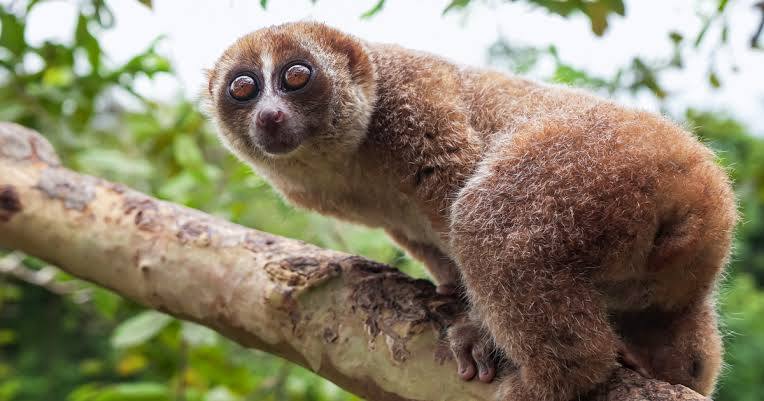
describe the slow loris
only venomous primate
venom gland between armpit and elbow
licks gland so saliva is venomous
licks babies for protection
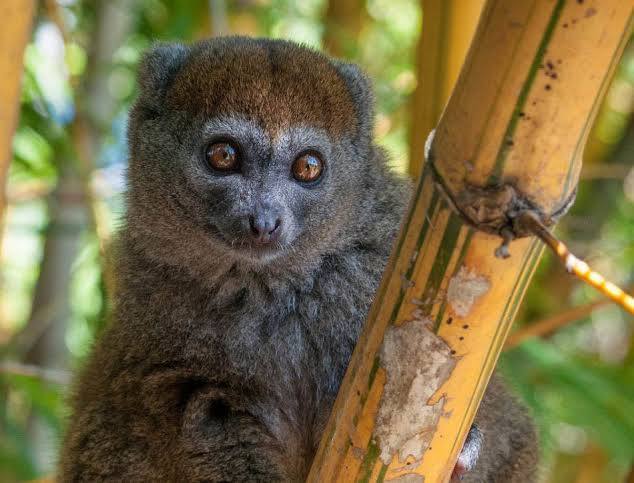
describe golden bamboo lemur
consumes enough cyanide to kill a horse
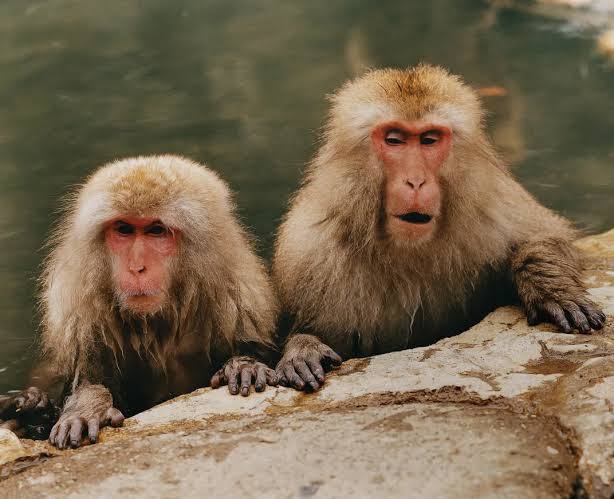
describe Japanese macaques
use hot springs
wash kumara in ocean to salt them
separate wheat from sand in ocean
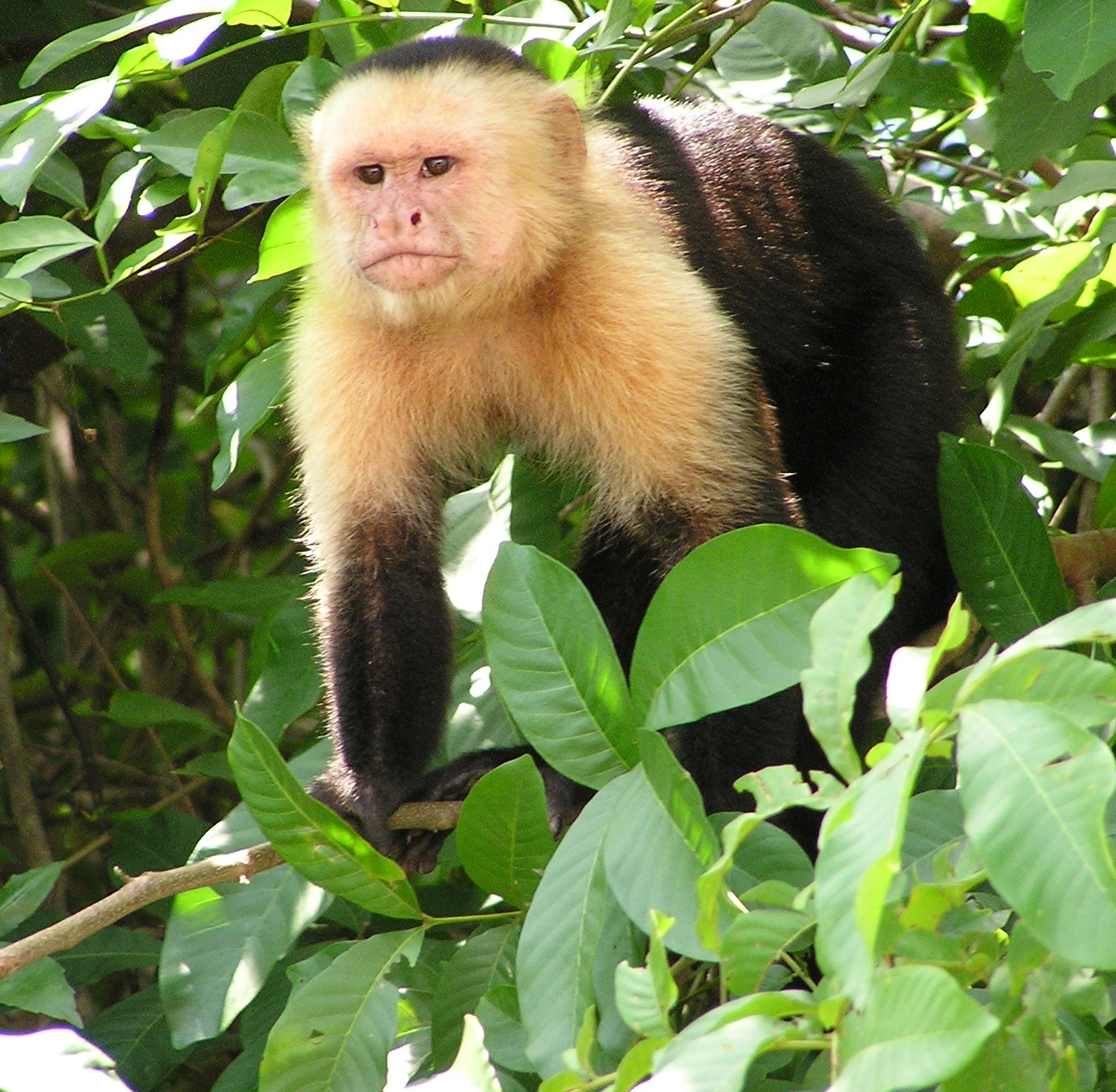
describe fairness/morality in capuchins
visible inequality in rewards triggers rejection of lesser reward
describe dino radiation
after end of Dinos, mammals diversified; primates expanded especially into arboreal niches on 4 continents
describe adaptive radiation and mosaic evolution
different traits evolved at different rates/times, producing diverse primate species
describe common ancestry clarification
humans aren’t descended from monkeys/living great apes; all share common ancestor that was neither ape nor human
example of allopatric speciation
madagascar lemurs
who are humans the closest related to?
chimpanzees and bonobos
what is a behavioural difference between chimps and bonobos
chimps show more aggressive and hierarchal social structures, their interactions involve displays of dominance and violence.
bonobos are more peaceful with matriarchal societies, they use sexual behaviours to resolve conflict
where do primates generally reside?
sub/tropical regions and temporal/montane areas
what locations don’t contain non human primates?
australia and papa new guinea
why are there no non human primates in au or png?
The Wallace line acts as geographical separation which led to evolutionary divergence among animals; so that marsupials are primarily found to the east of the line (in Australia and New Guinea), while placental mammals are found to the west (in Asia)
name two suborders of primates
Strepsirrhini (prosimians e.g. lemurs)
Haplorhini (tarsiers, monkeys, apes, humans)
what defines anthropoids within primate classification?
include monkeys, apes and humans; characterised by a larger brain size and more complex social behaviours
what are the two main types of monkeys?
old world monkeys (catarhini)
new world monkeys (platyrrhini)
what does the term hominoidea refer to?
superfamily that includes apes and humans
describe after Dino extinction
prosimian radiation first; then anthropoid (new world monkeys in south america - arrival unknown)
when did hominoidea radiate?
before old world monkeys
describe anthropoids cranial capacity
post orbital bar and plate
describe prosimians cranial anatomy
post orbital bar, no plate
what does more bone around eye indicate?
greater reliance on vision (Hawke)
what happened to primates with reduced muzzle forms
shift away form reliance on smell towards enhanced visual capabilities
define brachiation
a specialized form of arboreal locomotion where primates, primarily apes like gibbons, swing hand-over-hand through trees using only their arms
what helps gibbons and spider monkeys with brachiation?
reduced thumb size
what do teeth inform?
diet, age, phylogenetic relationship and social structure
what is human dental formula?
two incisors, one canine, two premolars, three molars per quadrants
what do pronounced canines indicate?
carnivore diet or conflict
what does grinding dentition indicate?
herbivore
as animals get bigger…
relative brain weight was stated to increase
who has largest brain in relation to body size
whales and dolphins
what does a generalised skeleton permit?
diverse locomotive strategies
modes of locomotion
vertical clinging and leaping
quadrapedalism
brachiation
bipedalism
describe brachiator body
long arms, short legs
how does stereoscopic vision assist primate
provide depth perception; excellent colour vision associated with diurnally
pro and con of nails instead of claws
reduce protection but maximise tactile pad contact; claws impede fine manipulation