Rome Exam Part A
 Call Kai
 Learn
Learn Practice Test
 Spaced Repetition
 Match
Match Flashcards
 Knowt Play
1/52

Earn XP
Description and Tags
Rome Exam Part A
Name | Mastery | Learn | Test | Matching | Spaced | Call with Kai |
|---|
No analytics yet
Send a link to your students to track their progress
53 Terms
Three Age Dating System for History, Anthropology
Stone Age
paleolithic
Mesolithic
Neolithic
Bronze Age
Iron Age
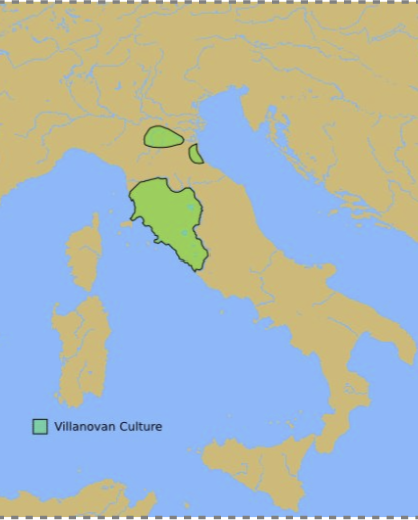
Villanova Culture (Iron Age): Forerunners of the Etruscans
Proto-Villanovan 1100-900 BCE
Villanovan 900-700 BCE
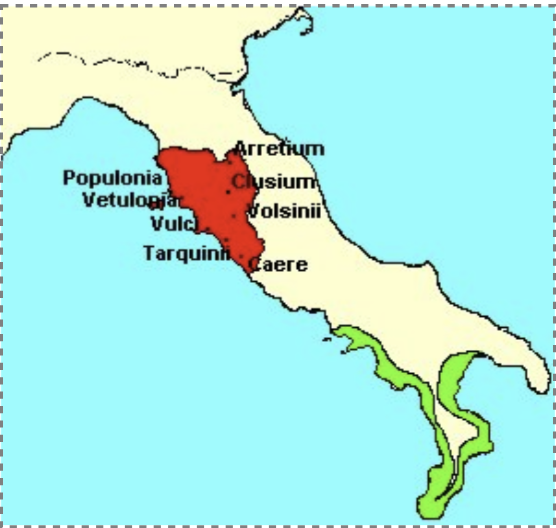
Etruscan Culture
700 BCE - 4th century BCE
Villanovans
Etruscans
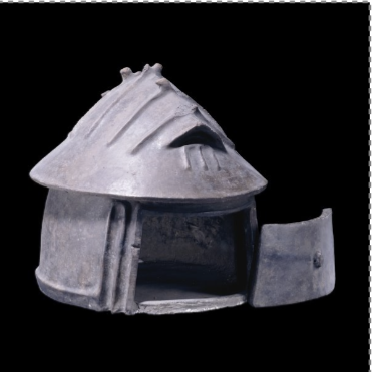
Villanova & Etruscan Hut Urns
Cinerary urns shaped like huts
Gives idea of housing from the time periods of the Villanovans and Etruscans
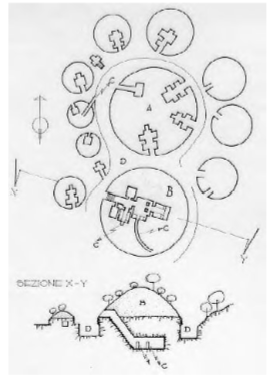
Etruscan City of Cerveteri
Necropolis (city of the dead)
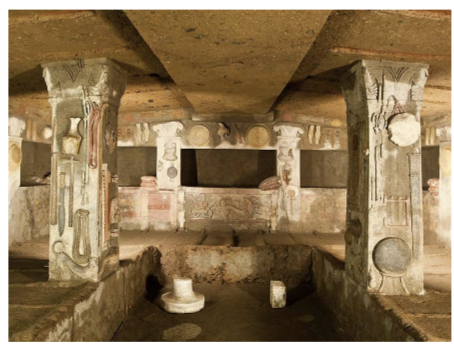
Etruscan Tomb of the Reliefs
Contains sculptural reliefs which depict implements of daily life and also mythology, such as Cerberus (3 headed dog of the underworld)
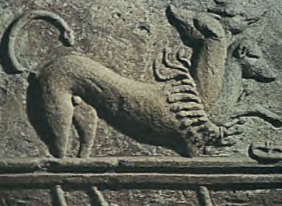
Cerberus
3 headed dog of the underworld
Etruscan Sarcophagus
made of terracotta
late 6th century
archaic style
almond shaped eyes
archaic smile
segmented hair
Shows affection between the couple
Capitoline She-Wolf
Bronze
Dating is controversial (estruscan or medieval?)
Babies added in 15th century
depicts she-wolf who nurtured Romulus & Remus
Scene called the “Lupercal”
Symbolizes the foundation of Rome
Time Periods of ROMAN history
Monarchy: 753 BCE -509 BCE
April 21, 753 BCE
Traditional Date for founding of Rome
Republic: 509 BCE - 31 BCE
31 BCE Battle of Actium
Octavian defeats Marc Antony and Cleopatra
Empire: 31 BCE - 4th Century CE
Temple of Jupiter Optimus Maximus
Located on the Capitoline hill
Also called “Jupiter Capitolinus”
Etruscan style, made of tufa (local stone)
Three cells, one for each deity in the so-called Capitoline Triad (Jupiter, Juno, Minerva)
Most Romans would have a similar temple, referred to as the “Capitolium”
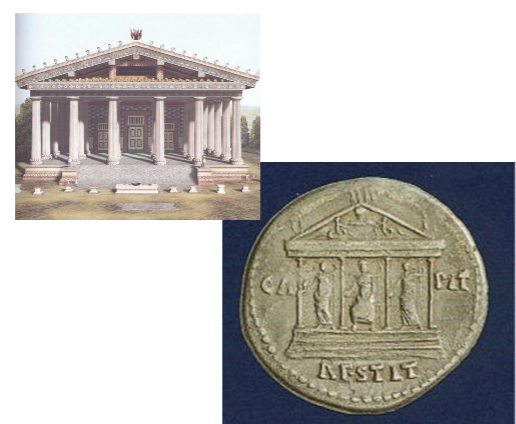
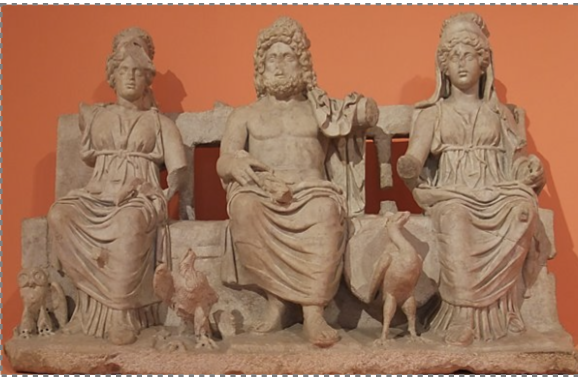
Capitoline Triad: Minerva, Jupiter, Juno
Minerva with owl, Jupiter with eagle, Juno with peacock
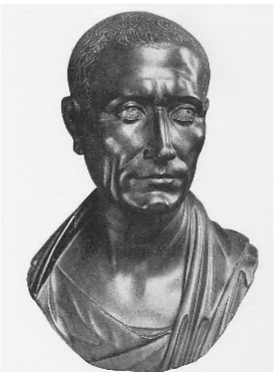
Julius Caesar
Assassinated in 44 BCE
Promoted his divine status which he claimed by linking his name to lulus, son of Aeneas (whose mother was Venus)
A comet appeared in the sky after his death, which Octavian/Augustus (his adopted son) claimed was a sign of Julius’s divinity
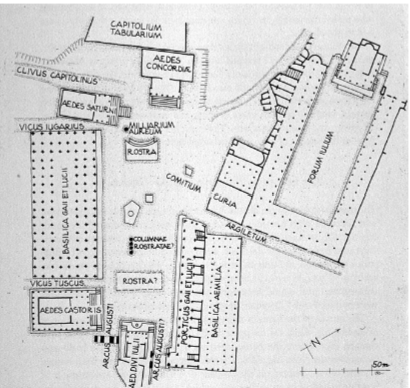
Roman Forum
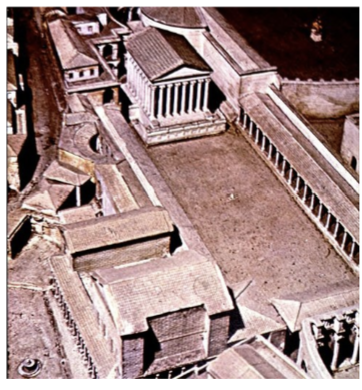
Forum of Julius Ceasar
Next to main Roman forum
Dedicated in 46 BCE
Featured temple to Venus Genetrix (Venus the Mother - which emphasized Caesar’s claim to divinity")
Housed statues of Venus, Caesar, Cleopatra
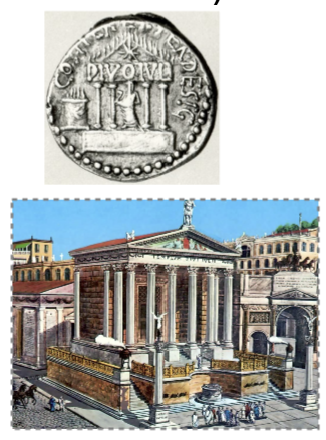
Temple of Divus Julius (the divine Julius)
Caesar’s body may have been cremated here
Dedicated by Augustus in 29 BCE to the divine Julius
Coin depicts temple with comet (symbolizing Caesar’s divinity) shown in pediment
Rostra (ships prows from battle of Actium) decorated front podium
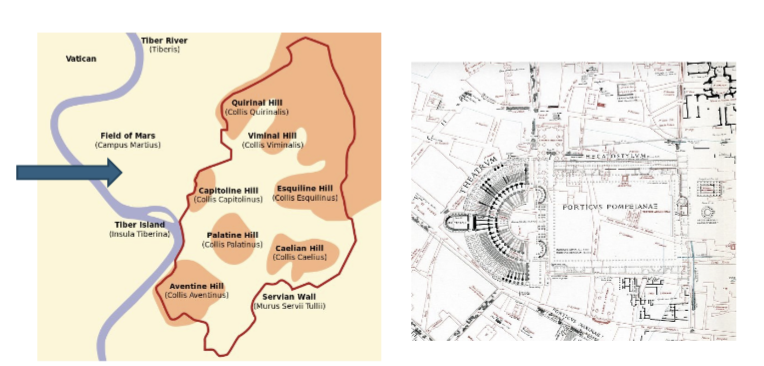
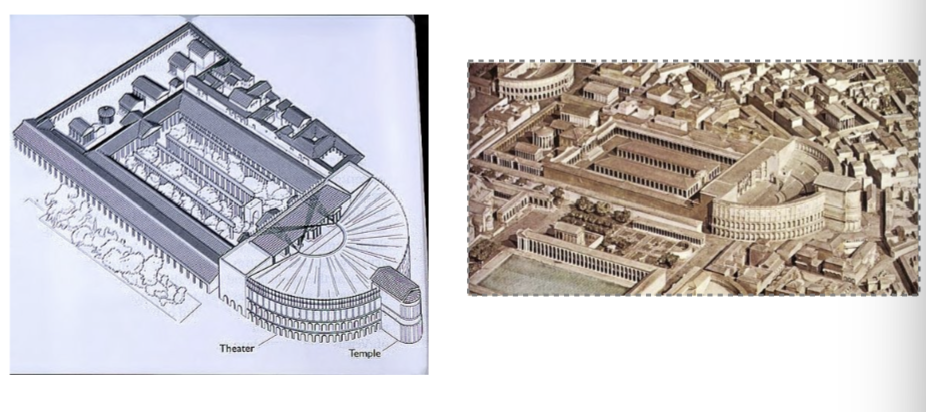
Theater and Porticus of Pompey
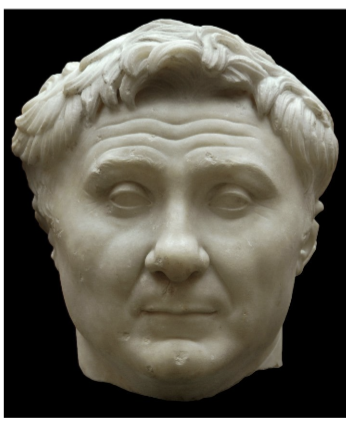
Pompey earned the title Magnus (the Great) which was inspired by Alexander the Great
Once allied with Caesar, but then a rival and defeated by Caesar
Theater and Porticus located in Campus Martius
Contained Temple of Venus Victrix (Venus the Victor)
55 BCE
First stone built theater
Julius Caesar was assassinated nearby, supposedly at foot of statue of Pompey
Theater and Porticus of Pompey
Theater and Porticus of Pompey
Temple of Vesta and Atrium Vestae
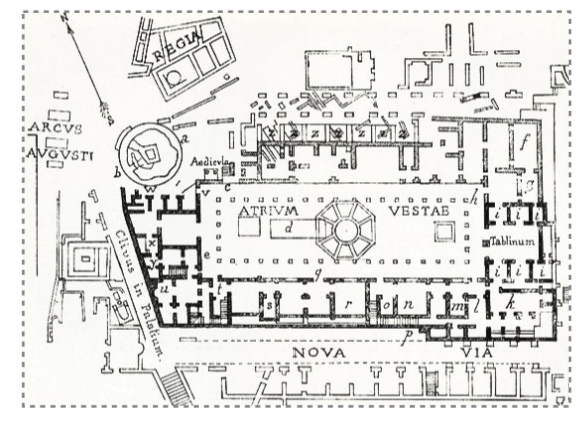
Temple of Vesta and Atrium Vestae
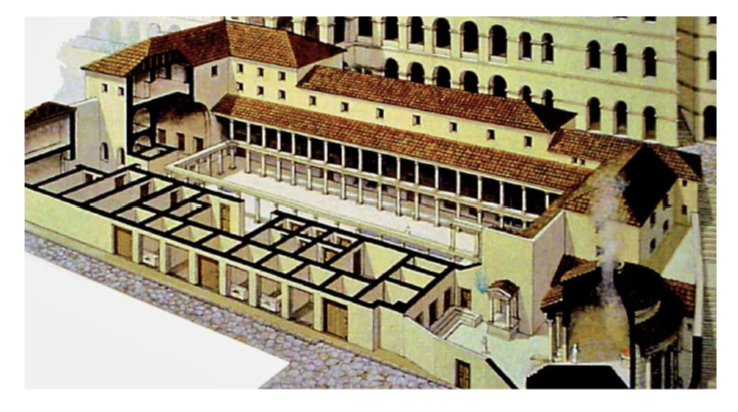
Temple of Vesta and Atrium Vestae
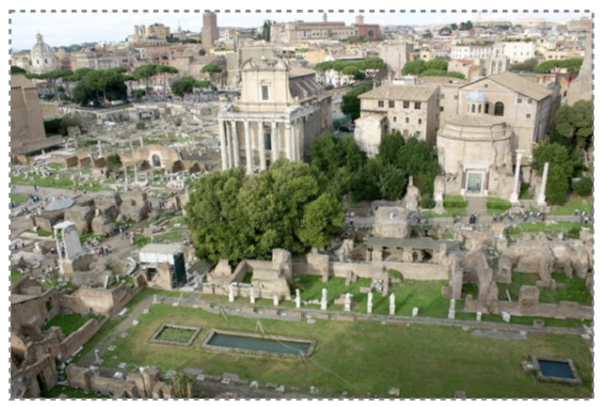
Basilica Aemlia and Basilica Julia (Law Courts)
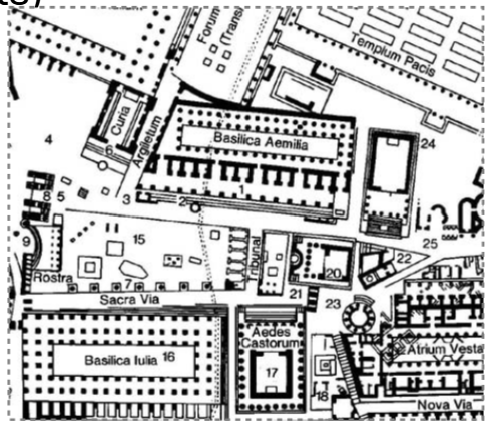
Basilica Aemilia
179 BCE Basilica Fulvia
Rebuilding 55-34 BCE by L. Aemilius Pallus and grandson L. Aemilius Lepidus Paullus
2 BCE rebuilt with porticus of Gaius and Lucius (Augustus’ grandsons) in front
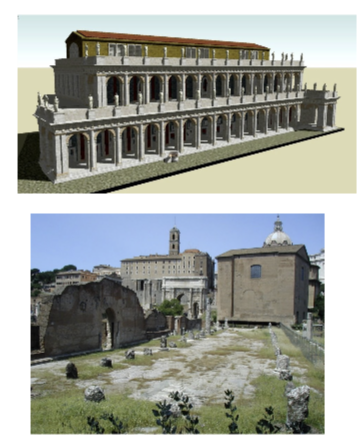
Basilica Julia
169 BCE Basilica Sempronia
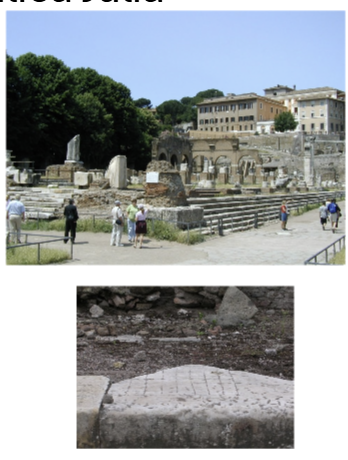
Rebuilding as Basilica Julia after Julius Caesar in 46 BCE (not yet finished)
Finished by Augustus
Shops in back
Steps carved with game boards
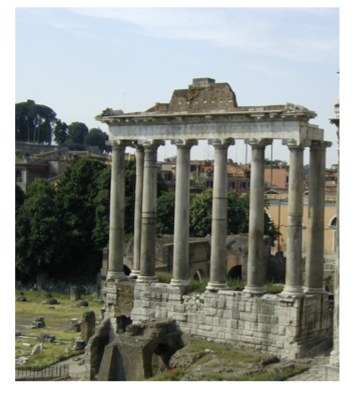
Temple of Saturn
Saturn is father of Jupiter
Ionic columns
Vowed and paid for by Lucius Munatius Plancus after his triumph in 43 BCE
Inscription tells of restoration in 360-80 CE
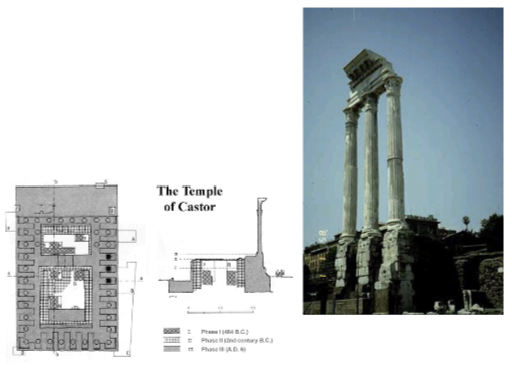
Temple of Castor and Pollux
Dioskouri (sons of Zeus) twin demigods
legend states they aided Romans at Battle of Lake Regilus (499 or 496 BCE) and later that day watered horses at Lacus Juturnae in Roman forum
Temple first dedicated in 484 BCE
Later rebuildings in Augustan period include Corinthian columns
High podium used for speakers platform; senate met inside; shops along sides of podium below
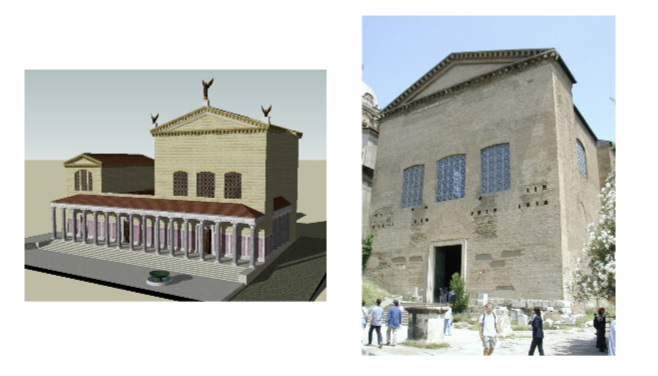
Curia (senate house)
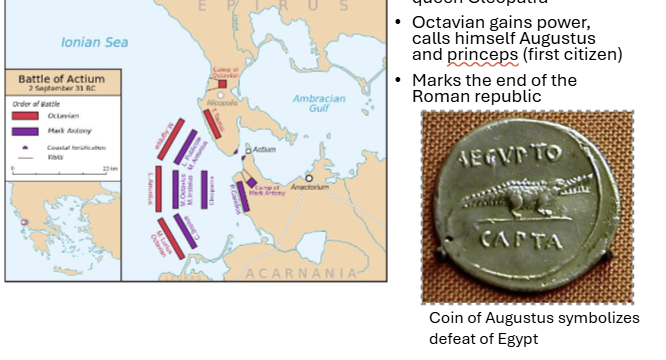
Battle of Actium, 31 BCE
Octavian (adopted son of Julius Caesar defeats Antony and the Egyptian queen Cleopatra
Octavian gains power, calls himself Agustus and princeps (first citizen)
Marks the end of the Roman republic
Augustus - first Roman emperor
ruled 27 BCE to 14 CE
implemented constitutional, financial, and administrative reforms that stabilized the empire - Pax Romana (roman peace)
Published his “Res Gestae” (accomplished deeds) throughout the empire
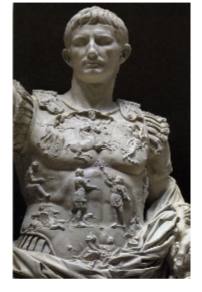
Prime Porta Augustus
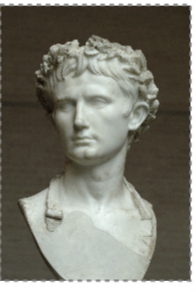
Augustus wearing civic crown
“I found Rome a city of bricks, I leave it to you a city of marble” - Augustus
According to historians: Cassius Dio
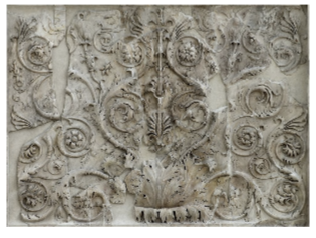
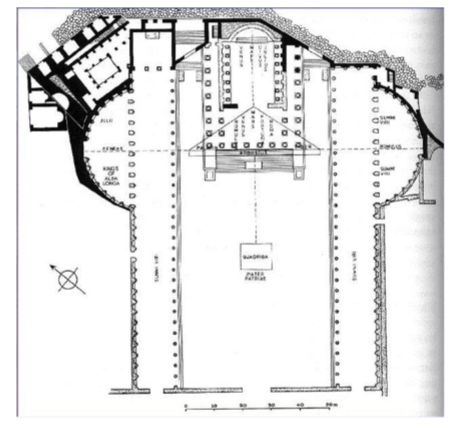
Forum of Augustus
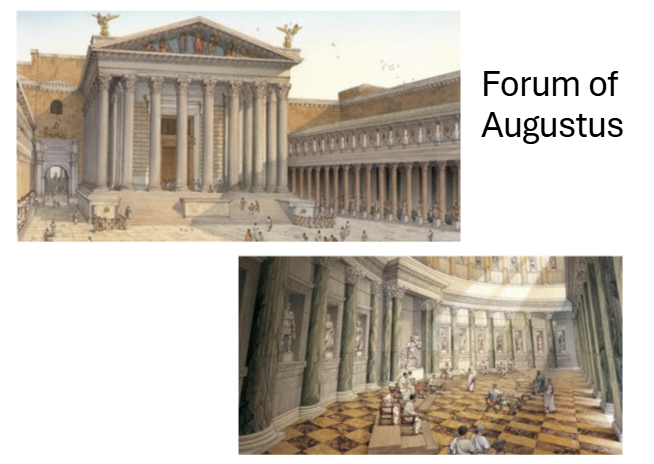
Next to Forum of Julius Caesar
Temple to Mars, Ultor (Mars the Avenger) to avenge his adoptive father’s death (Julius Caesar)
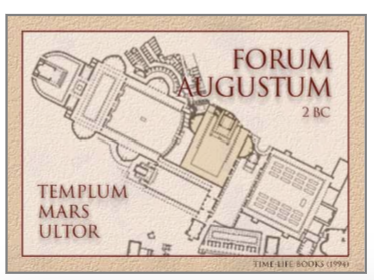
Forum of Augustus
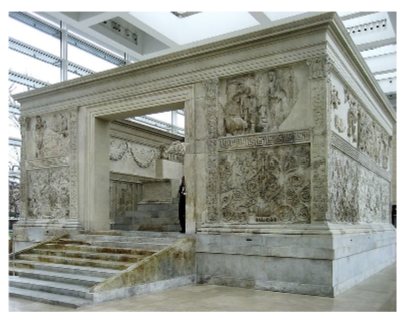
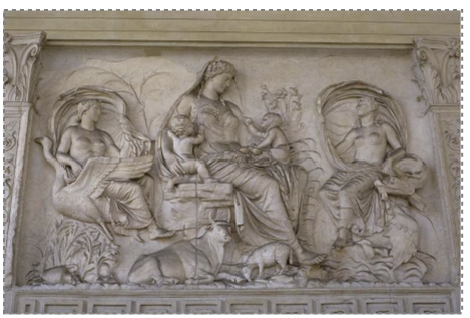
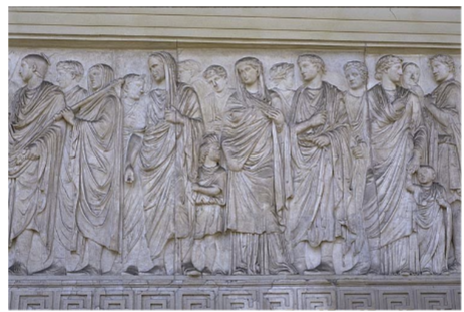
Ara Pacis (Altar of Peace)
reliefs show mix of legendary and historical figures
Tiberius (ruled 14-37 CE)
Augustus’ designated heir
known for military skill and administrative efficiency
Increasingly reclusive and authoritarian in later years
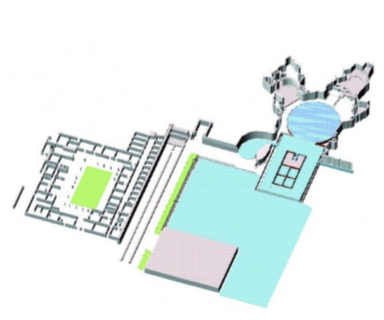
Tiberius’ Villa at Sperlonga
Located on western coast of Italy south of Rome
Had a grotto with sculptures depicting mythological scenes
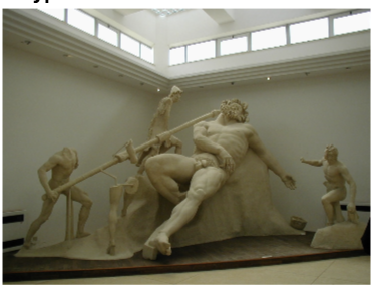
Odysseus & men blinding cyclops Polyphemus (at Tiberius’ Villa at Sperlonga)
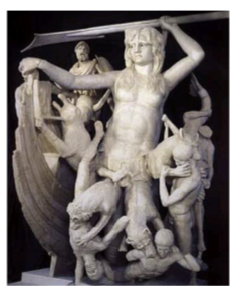
Scylla attacking Odysseus’s ship and men (at Tiberius’ Villa at Sperlonga)
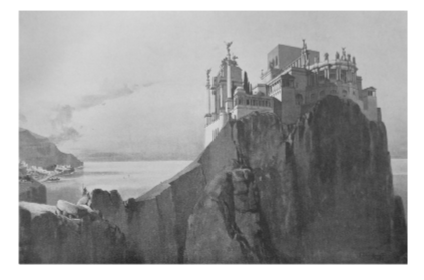
Tiberius' Villa lovis at Capri
Located on a cliff on the island of Capri (near Naples)
Had large reservoirs to store water
Tiberius reportedly hired court astrologers and then threw them off the cliff when he didn’t like their predictions
Caligula (37-41)
“Caligula” was a childhood nickname meaning “little boot” given to him by soldiers
After early illness in his reign, behavior changed and became cruel and erratic
Demanded to be worshipped as a god
Assassinated by Praetorian Guard
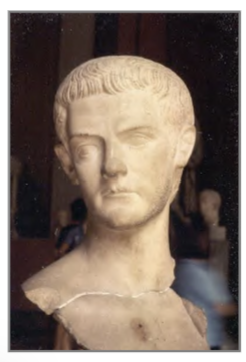
Claudius (ruled 37 -41)
Born in Gaul (first emperor born outside Italy)
became emperor when Praetorian Guard declared him ruler after they assassinated Caligula (who had succeeded tiberius)
Expanded empire, including Britain
Effective administrator
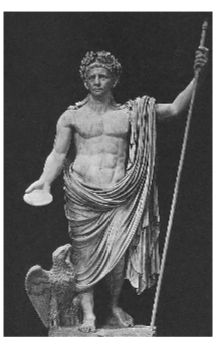
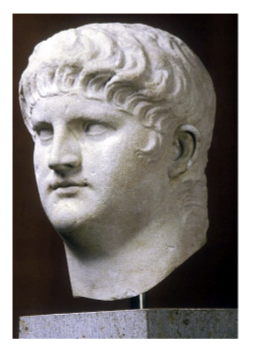
Nero (ruled 54-68 BCE)
Was blamed for Great Fire of Rome in 64 BCE, and he blamed the Christians for it
Orchestrated murder of his mother, Agrippina, and implicated in murder of his wive, Octavia
Committed suicide in 68 BCE
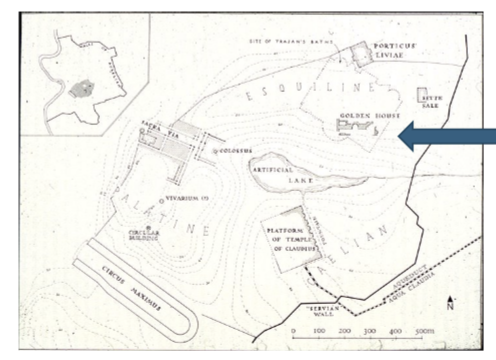
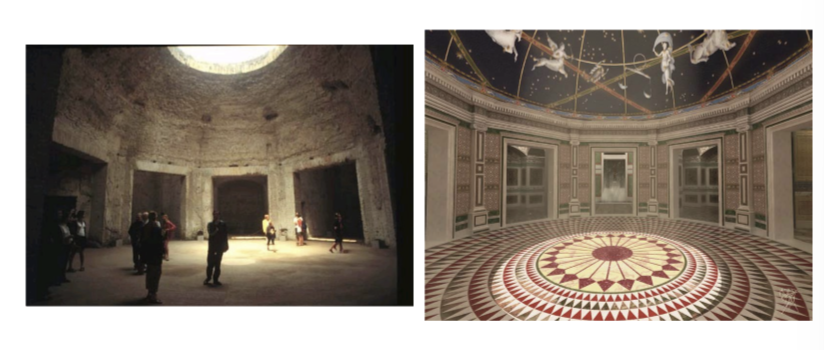
Location of Nero’s Golden House
Nero’s Golden House: domed room
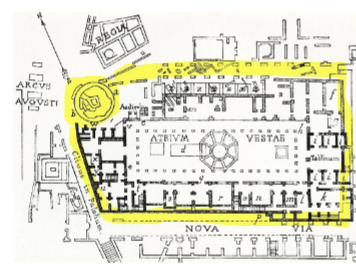
Temple of Vesta and Atrium Vestae
Vestal Virgins were priestesses of Vesta, Roman goddess of the hearth
Served for 30 years (first 10 learning, second 10 serving, third 10 teaching younger ones)
Took vow of chastity, if broken were buried alive
Had special privileges: could own property, had special places of honor at game
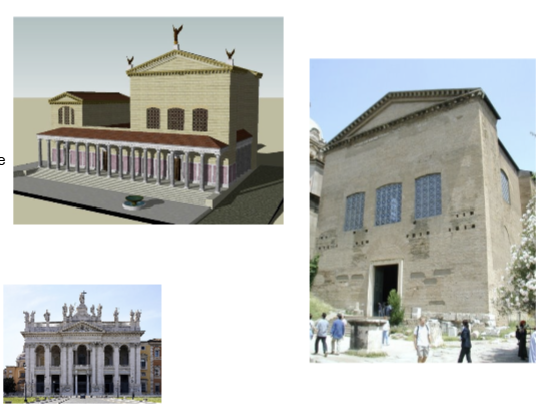
Curia
Located in the Roman forum, near the Capitoline hill
Served as meeting place for the Roman senate
Bronze doors of the Curia from late 1st century time period (probably Emperor Domitian) are now the doors of the archbasilica of St. John Lateria in Rome
Forum of Augustus
Ara Pacis: Tellus (Mother Earth) [or Pax Peace]
Ara Pacis: figures from Augustus’ time
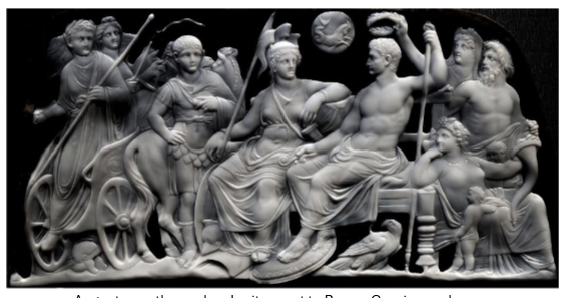
Gemma Augustea symbolizes first imperial succession
Augustus enthroned as Jupiter next to Rome, Capricorn above.
Tiberius steps down from chariot to succeed him as emperor