Sem 2 flashcards
 Call Kai
 Learn
Learn Practice Test
 Spaced Repetition
 Match
Match Flashcards
 Knowt Play
1/174

There's no tags or description
Looks like no tags are added yet.
Name | Mastery | Learn | Test | Matching | Spaced | Call with Kai |
|---|
No analytics yet
Send a link to your students to track their progress
175 Terms

English word: There isn’t/aren’t
Sentence with personal connection: There aren’t any cookies
French word: ll n’y a pas
Sentence with personal connection: ll n’y a pas
I think of n’y a (Like nah) with tells make me think no, so its negative version of “there is”


English: This is
Sentence with personal connection: This is my friend
French: C’est
Sentence with personal connection: C’est mon ami
The word C’est reminds me of c est which coronates to “This is” in my brain because it’s two syllables


English: He doesn’t make
Sentence with personal connection: He doesn’t make food
French: ll ne fait pas
Sentence with personal connection: ll ne fait pas la cuisiné
Ne reminds me of no which is negative which tells me my words are negative not positive.


English: He has
Sentence with personal connection: He has a backpack
French: ll a
Sentence with personal connection: ll a un sac à dos
I remember the meaning of “a” as “has” because I remember when I wrote my assessment Mr. Kallas taught me this word and what it meant.


English: He is
Sentence with personal connection: He is nice
French: ll est
Sentence with personal connection: ll est gentil
Est reminds me of is because they are both short


English: He can
Sentence with personal connection: He can help his friend
French: ll peut
Sentence with personal connection: ll peut aider son ami
Peut reminds me of persevering which connects to the meaning of “can” in my head

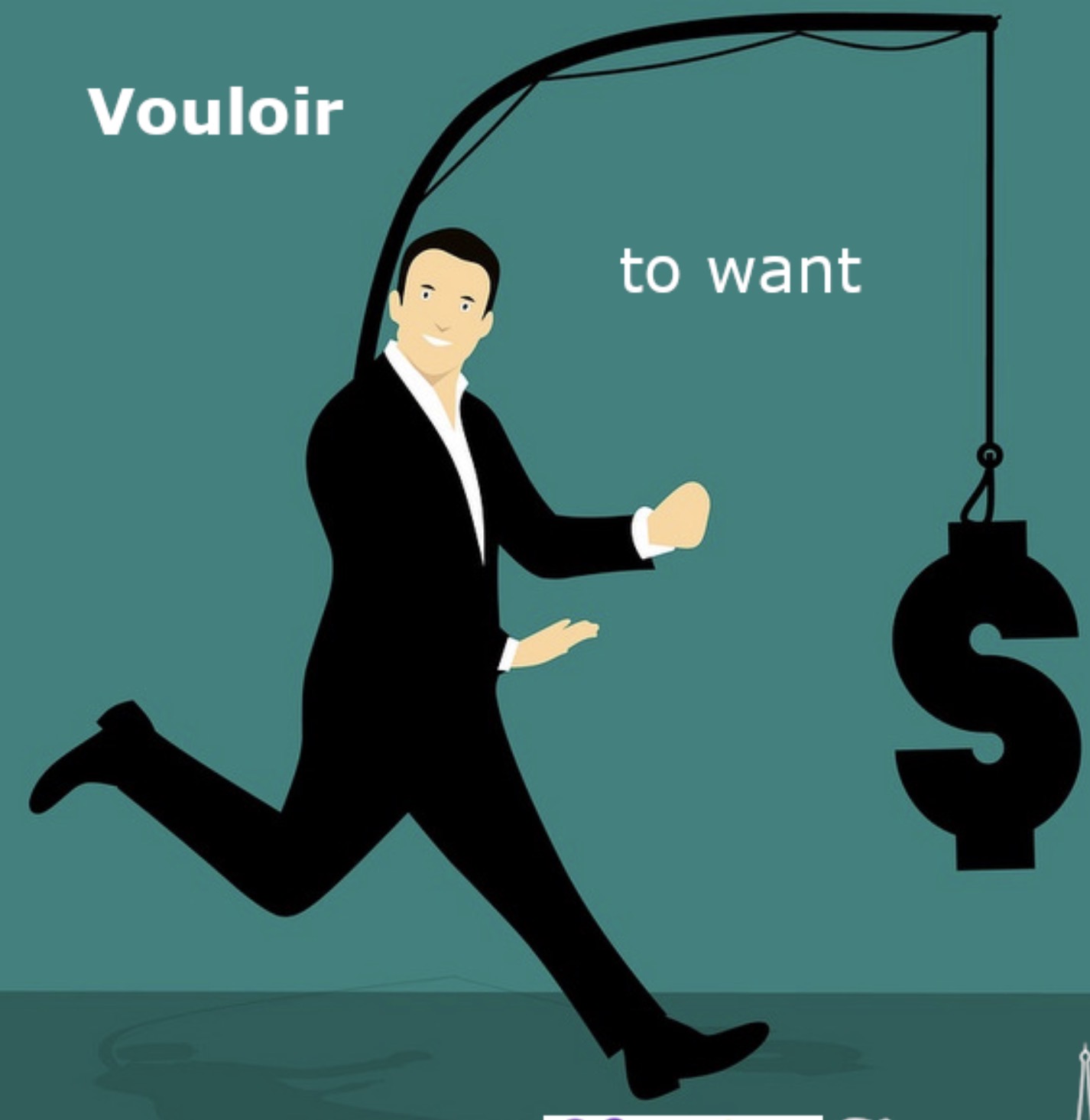
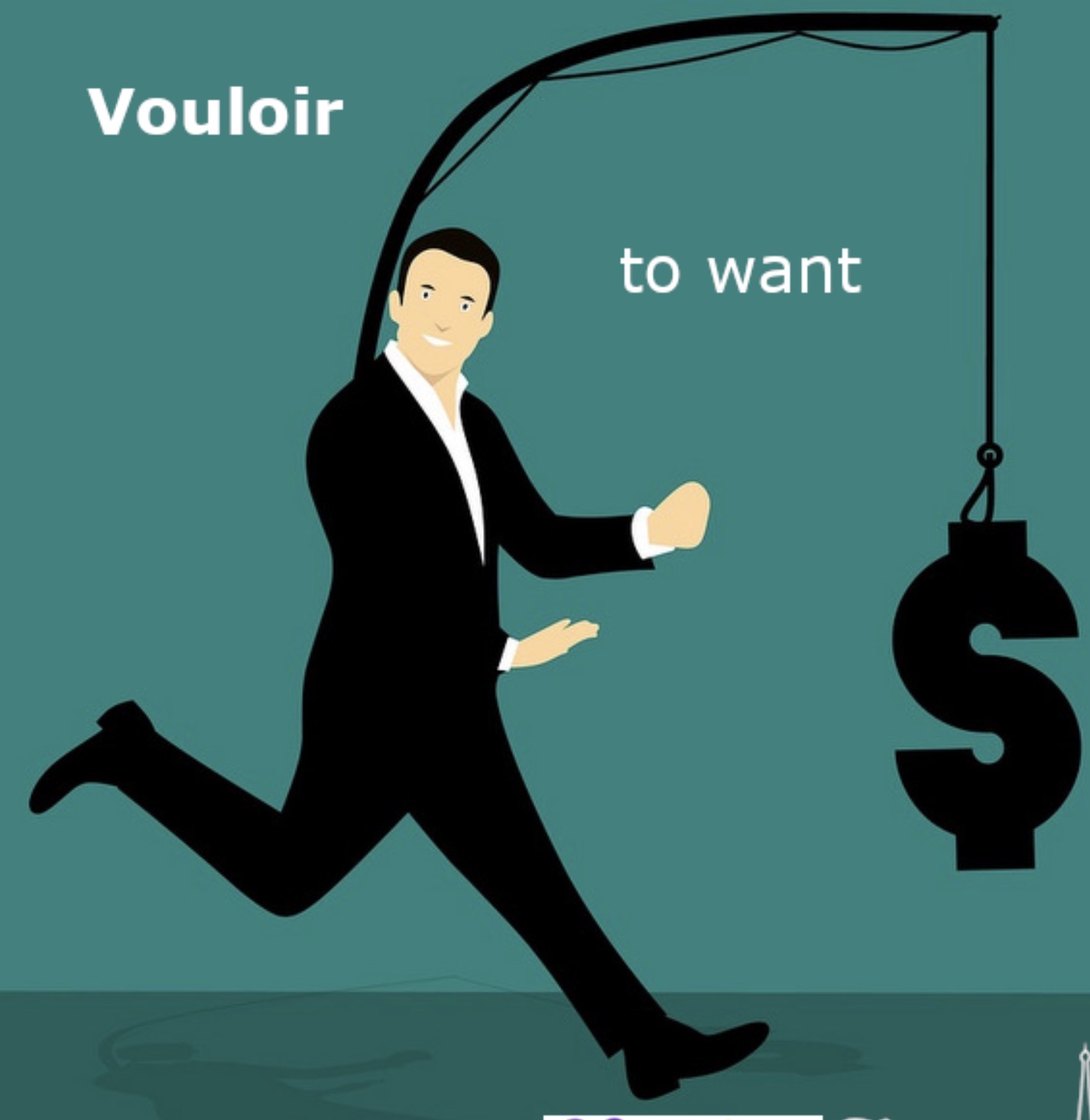
English: He wants
Sentence with personal connection: He wants to eat after school
French: ll veut
Sentence with personal connection: ll veut manger après l’école
Veut reminds me of force for some reason so I connect that with “want”

English: He goes to
Sentence with personal connection: He goes to school in the morning
French: ll va à
Sentence with personal connection: Il va à l’école le matin.
Va a reminds me of va va which makes me think of someone rushing someone to go with leads to “goes too”


English: He says
Sentence with personal connection: He says hello to the teacher
French: ll dit
Sentence with personal connection: Il dit bonjour au professeur.
Dit reminds me of yapping


English: He takes
Sentence with personal connection: He takes the bus
French: ll prend
Sentence with personal connection: ll prend le bus
Prend reminds me of prendit which makes me thing of takes it


English: He leaves from
Sentence with personal connection: He leaves from his house
French: ll part de
Sentence with personal connection: ll part de sa maison
Part makes me thing of apart like leave


English: He comes from
He comes from his home
French: ll vient de
ll vient de chez lui


He doesn’t see
He doesn’t see the board
ll ne voit pas
ll ne voit pas le tableau


He puts
He puts on a jacket
ll met
ll met une veste


He doesn’t know
He doesn’t know the answer
ll ne sait pas
ll ne sait pas la réponse


He knows (person or place)
He knows his teacher
ll connaît (Person or place)
Il connaît son professeur


He gives
He gives a gift to his friend
ll donne
ll donne un cadeau à son ami


He receives
He receives a message
Il reçoit
Il reçoit un message


He brings
He brings his bag to school
il apporte
il apporte son sac à l’école


A Lawyer
My grandfather was a lawyer.
Un avocat/une avocate
Mon grand père était avocat
Lawyers advocate for others


A businessman/ a businesswoman
My Father and Grandfather were businessman
un homme d’affaires/ Une femme d’affaires
Mon sone père et mon grand père étaient hommes d’affaires
People in business handle affairs and homme means men and femme is women


A doctor
I want to be a doctor
Un médecin
Je veux être médecin
Doctors prescribe medicine


An engineer
It takes a lot of school to be a engineer
Un ingénieur
Il fait beaucoup d’études pour devenir ingénieur
The words are similar


moves (an object)
She moves the couch
Bouge
Elle bouge le canapé
Bouge-move like move move bouge bouge

Moves (changes homes)
She moves to a new house
déménage
Elle déménage dans une nouvelle maison
She explains
She explains the situation to him
Elle explique
Elle lui explique la situation.
Explain with an ique
She uses
She uses a kitchen aid mixer
Elle utilise
Elle utilise un robot pâtissier KitchenAid.
Uses reminds me of utilizes

She prefers
She prefers pink
Elle préféré
Elle préfère le rose


of average size
These cookies are of average size
de taille moyenne
Ces biscuits sont de taille moyenne


pretty
you are very pretty
joli(e)
Tu es très jolie
Angelina jolie is very pretty


ugly
He is very ugly
moche
il est très moche
mush is ugly


young
I am young
jeune
je suis jeune
people born in june are very young


old
My grandfather is old
vieux (vielle)
Mon grand-père est vieux


an architect
un architecte

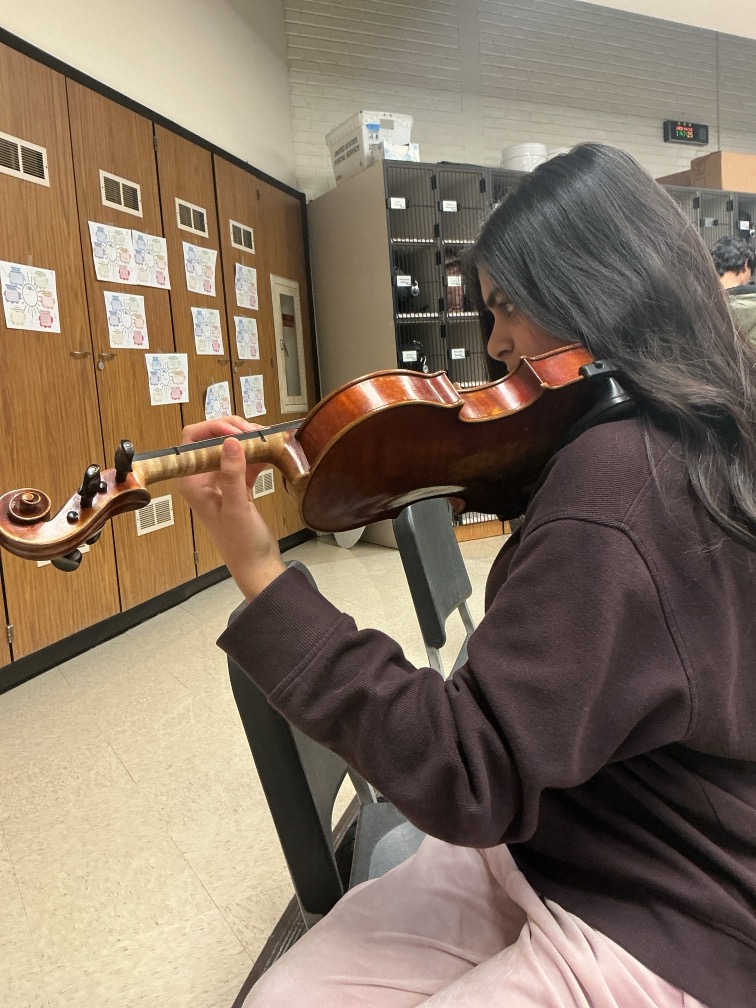
Strong
Dynamic
Fort(e)
Forte is a dynamic in music

Weak
faible


shy
timide


talkative
bavard(e)


He feels (he felt)
Sentimental
Il se sent (il s’est senti)
Senti - sentimental


She kisses
Elle embrasser (Embrasse)

One dances
On danse (danser)

One hates
On déteste (détester)


One marries
Spouse
On épouse (épouser)


One screams
on crie (crier)


A hairstylist
Un coiffeur / Une coiffeuse

An Athlete
un Athlète / Une Athlète

An owner
un propriétaire / Une propriétaire

An Artist
Un artiste / une artiste
A musician
un musicien / une musicienne
Crazy
fou/folle
Proud
fier/fiére

Worried
Inquiet / inquiète

Jealous
jaloux / jalouse

lazy
paresseux / paresseuse

Hard working
Travailleur (travailleuse)

generous
généreux (Généreuse)

Selfish
égoïste

His/her personality
sa personnalité
He / She / One cries
il/elle/on pleure (pleurer)
He / She / One Invites
Il/ Elle / On invite (inviter)
He / She / One Repeats
Il/ Elle / On Répète (répéter)
He / She / One Accompanies
Il/ Elle / On Accompagné (accompagner)
He / She / One Dares
Il/ Elle / On Ose (oser)

Relaxed
Décontracté(e)

Nervous
Nerveux (nerveuse)

Funny
drôle

Annoying
pénible
His/her physical appearance
son apparence physique
He/she/one cancels
Il/elle/on annule (annuler)

He/she/one hurts
Il/elle/on blesse (blesser)


He/she/one light up ; he / she / one turns on (a device)
Il/elle/on allume (allumer)

He/she/ one adds
il/elle/on ajoute (ajouter)

He/she/one tastes
il/elle/on goûte (goûter)
New
Nouveau / nouvelle

Beautiful
Beau/belle


It costs
Il / Elle / On coûte


He / She / One erases
Il / Elle / On efface (effacer)

One Teaches
On enseigne (enseigner)

One cleans
On nettoie (nettoyer)

One notices
On remarque (remarquer)
He said / he said to him
il a dit / il lui a dit

He responded / he responded to him
il a répondu / il lui a répondu

There was / there were
il y avait
His / her problem was that
Son problème était que
he went
Il est allé

On / under
Sur / sous

close to / far from
près de / loin de
in front of / behind
Devant / derrière

between
entre


next to
À côté de

He / she / one replaces
Il / Elle / On remplace (remplacer)
He / She / One visits [a place]
Il / elle / on visite (visiter)
He / she / one visits [Person]
il / elle / on rende visite (rendre visite)
He / she / one wishes
il / elle / on souhaite (souhaiter)
He / she / one admires
il / elle / on admire (admirer)
With me
Avec moi
With you
Avec toi (informal) / avec vous (formal)
With him / with her
Avec lui / avec elle
With us
Avec nous
With them
avec eux (all men or mixed) / avec elles (all women)