AP World Unit 1 Vocabulary
 Call Kai
 Learn
Learn Practice Test
 Spaced Repetition
 Match
Match Flashcards
 Knowt Play
1/65

There's no tags or description
Looks like no tags are added yet.
Name | Mastery | Learn | Test | Matching | Spaced | Call with Kai |
|---|
No analytics yet
Send a link to your students to track their progress
66 Terms
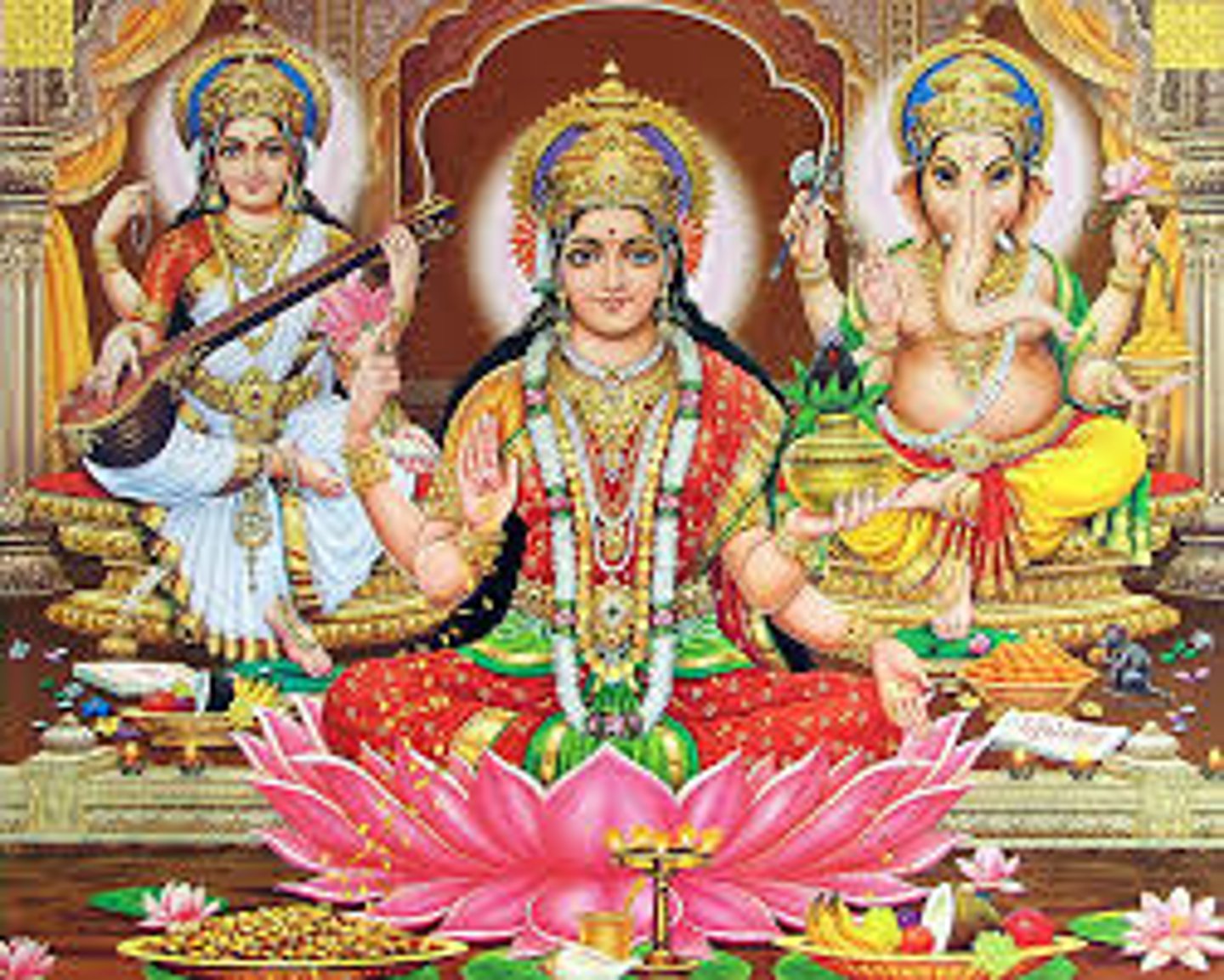
Hinduism
Oldest major religion, originated in India, belief in reincarnation and development of caste system
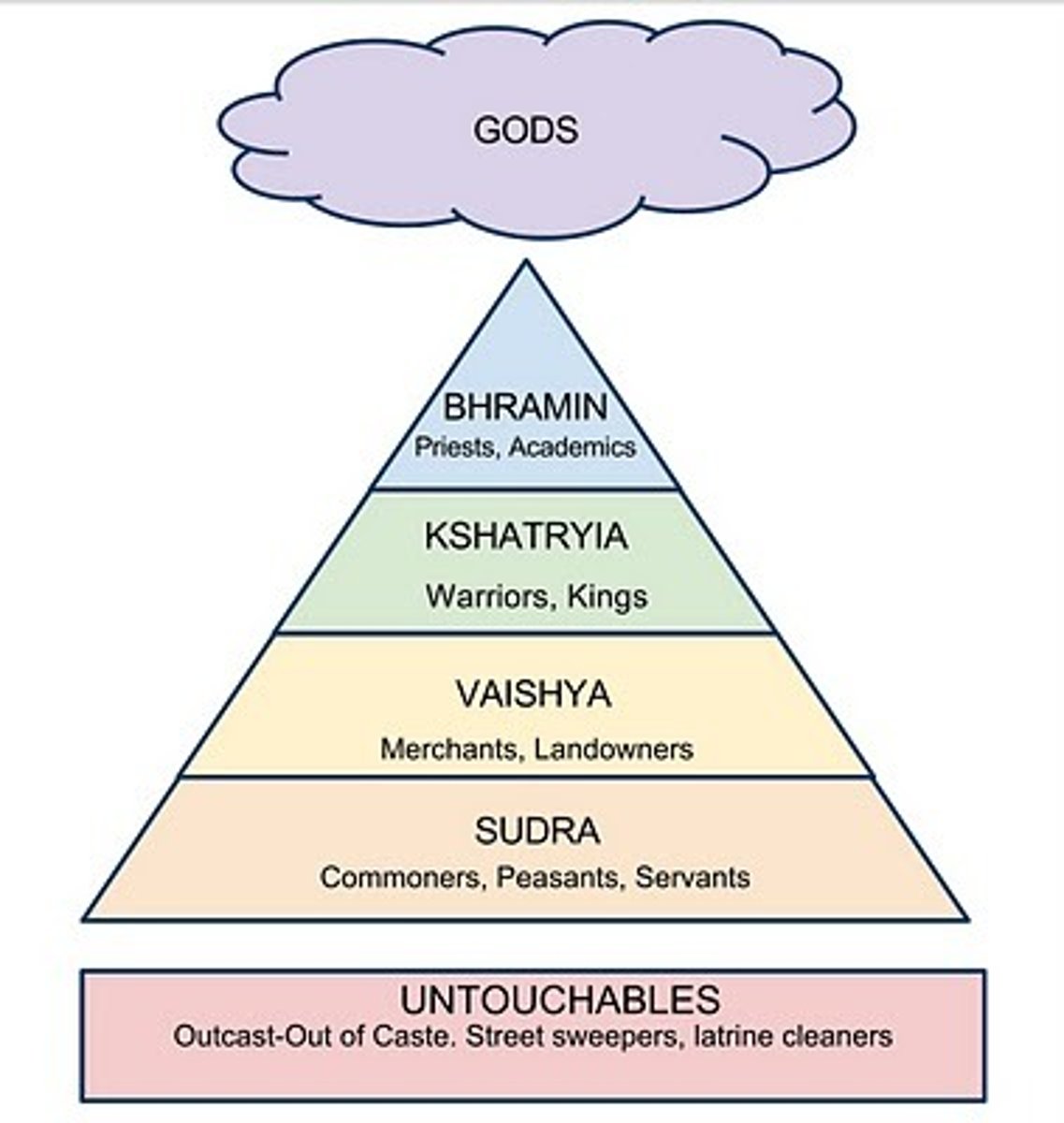
Caste system
A strict Hindu social class system that prevented social mobility during one's lifetime
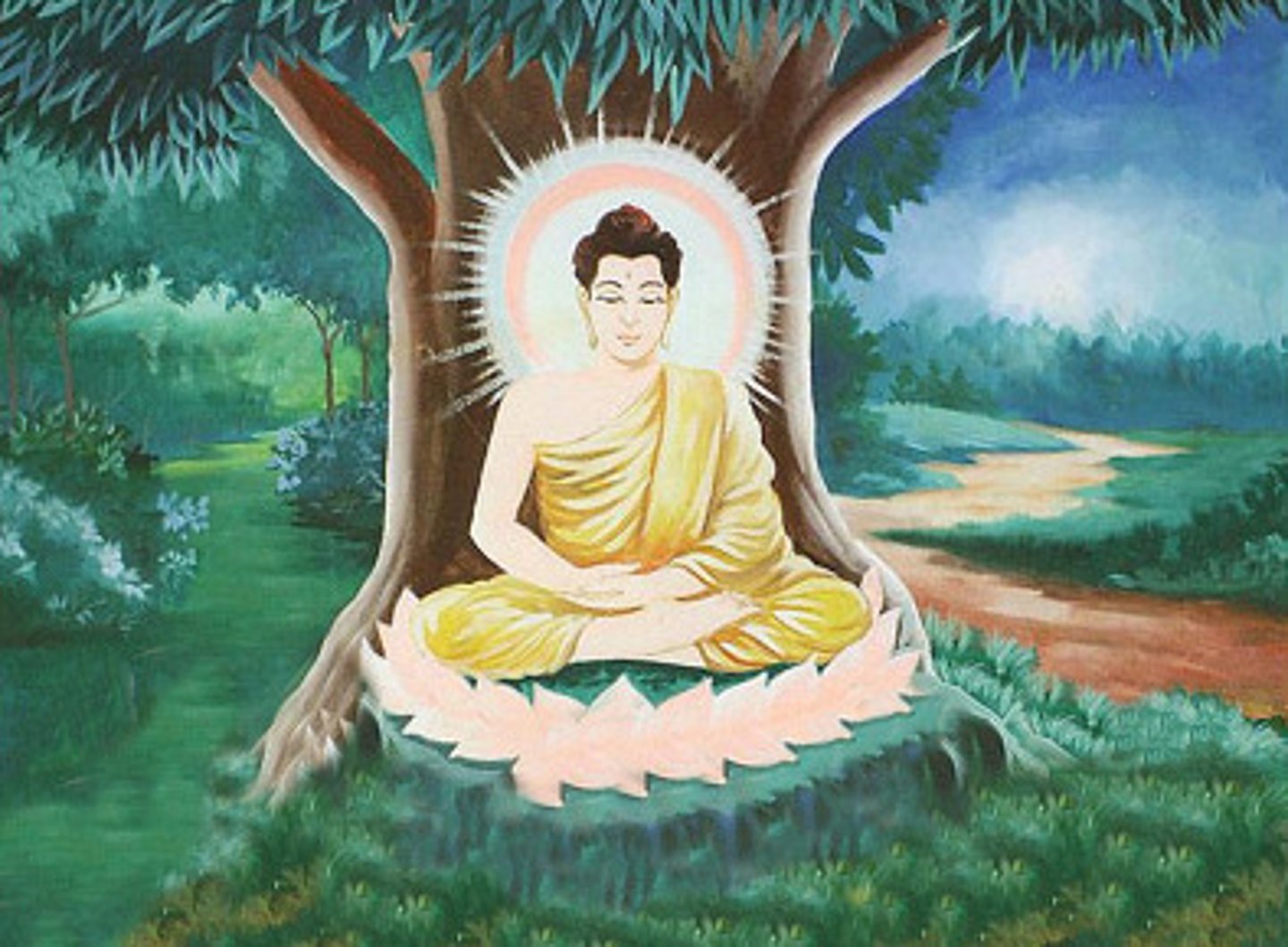
Buddhism
Grew out of Hinduism, originated in India but became more popular in other Asian countries, belief in reincarnation with the focus on teachings of Buddha including 4 noble truths and 8 fold path
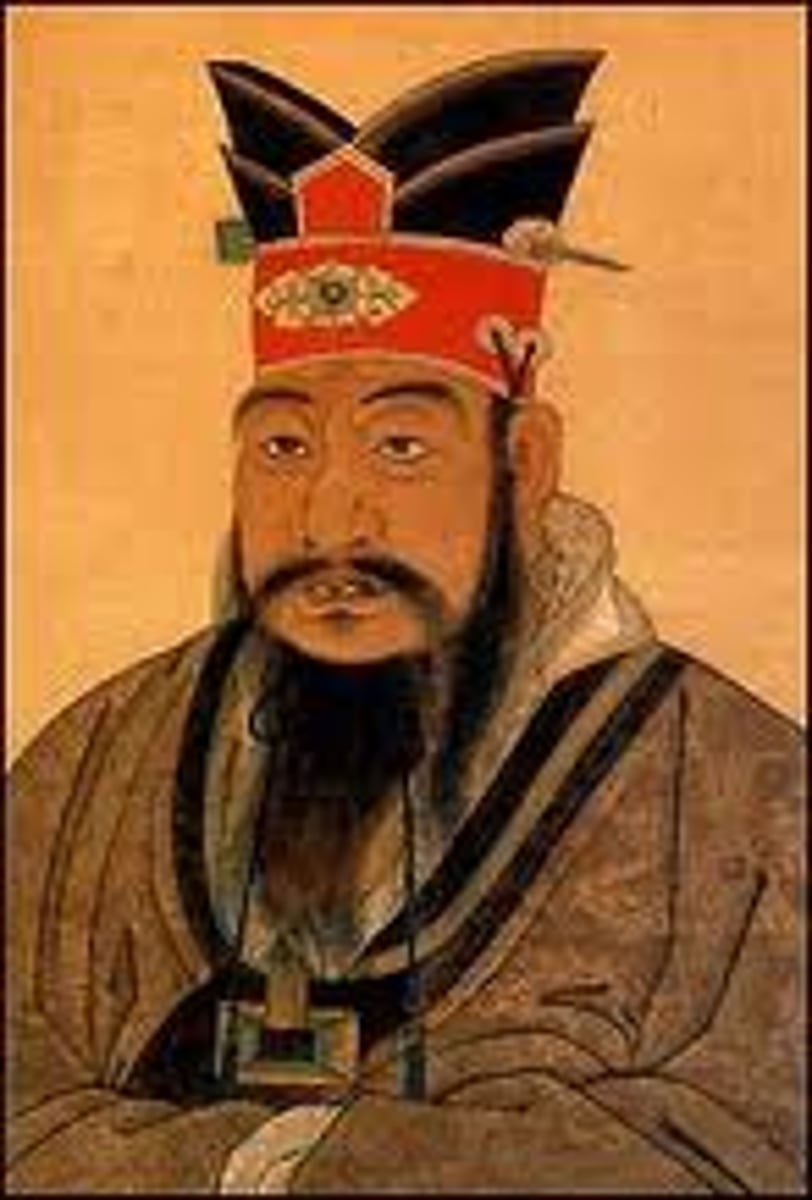
Confucianism
a system of philosophical and ethical teachings founded in China
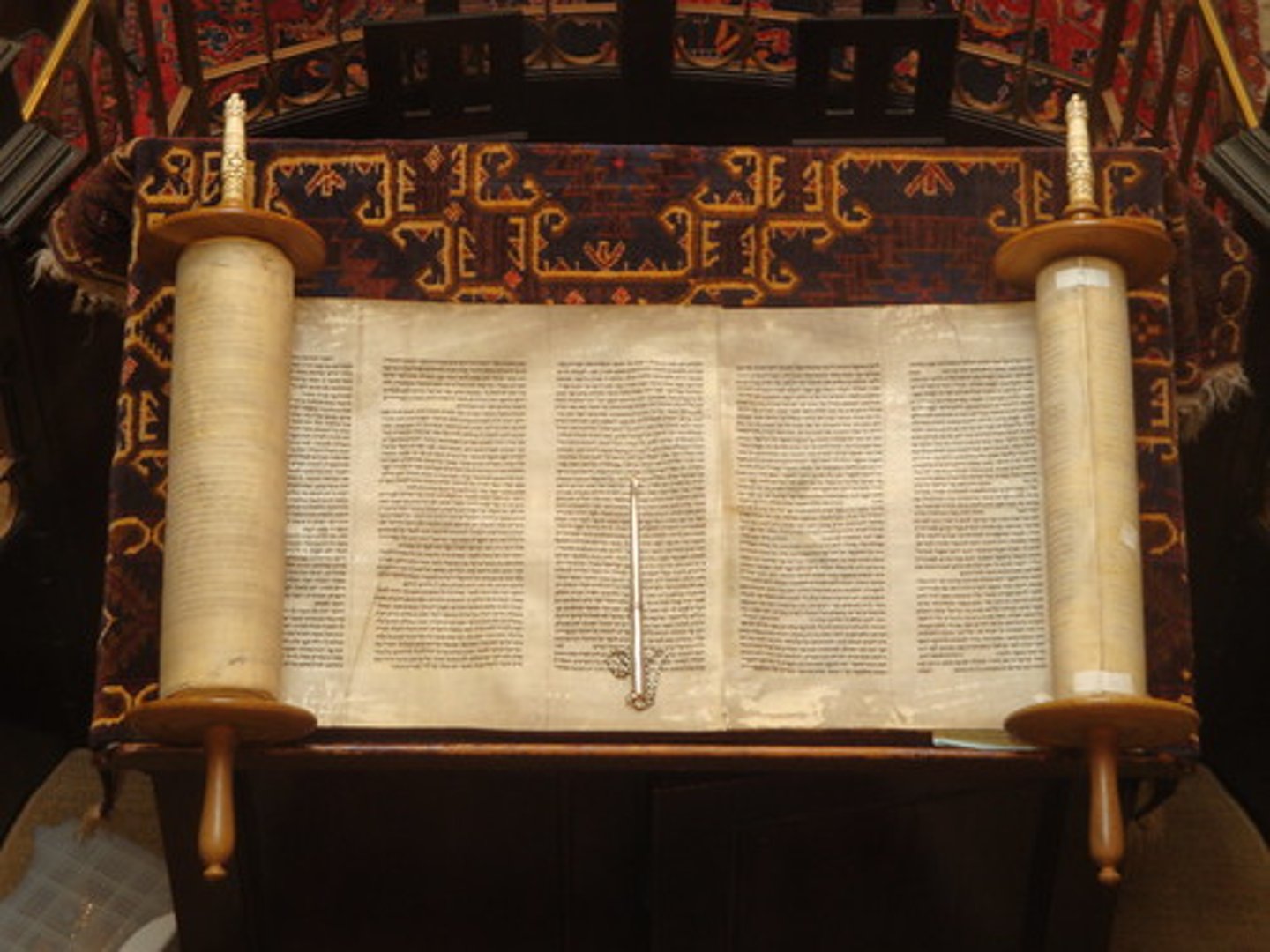
Judaism
A religion with a belief in one god. It originated with Abraham and the Hebrew people.
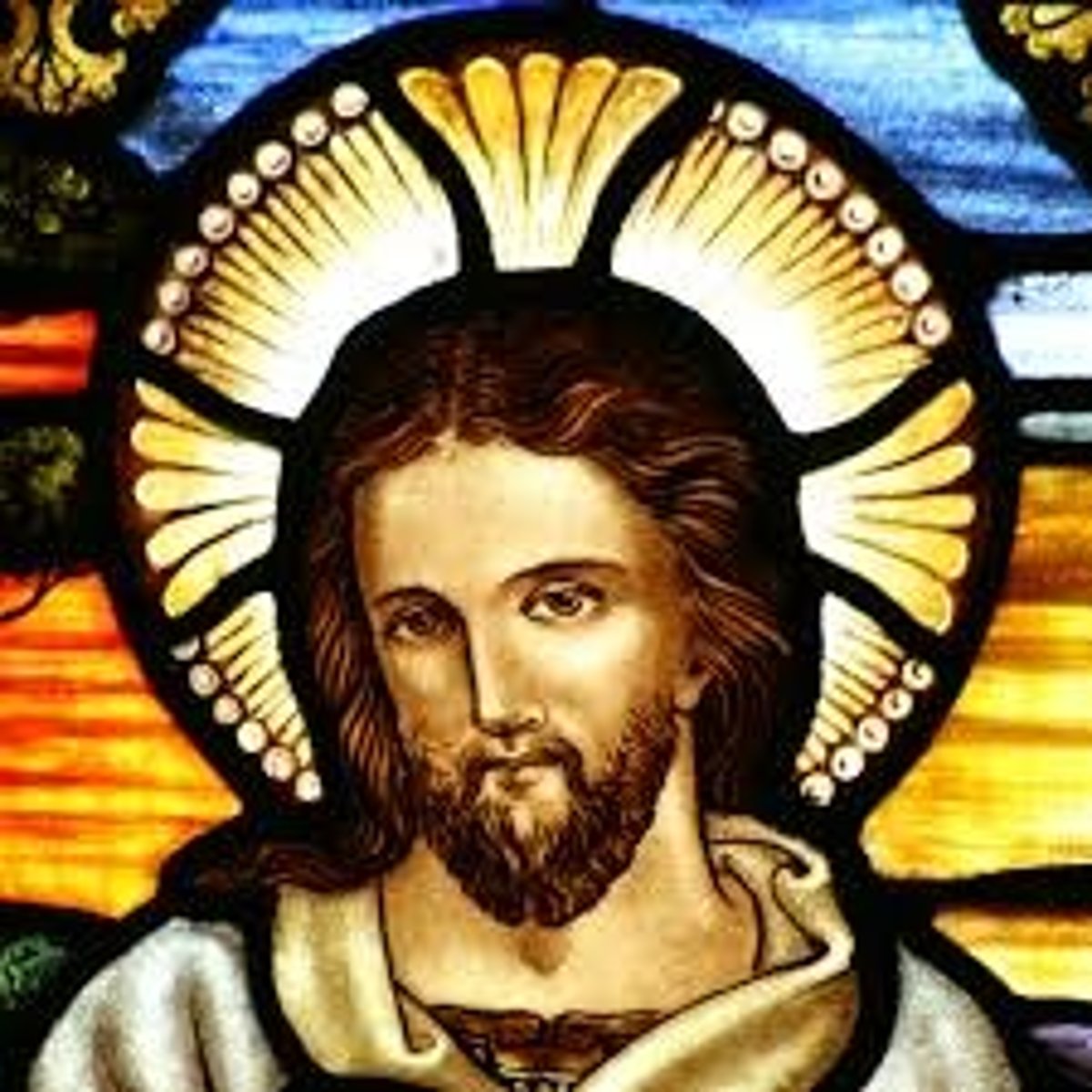
Christianity
Grew out of Judaism, with a focus on the teachings of Jesus
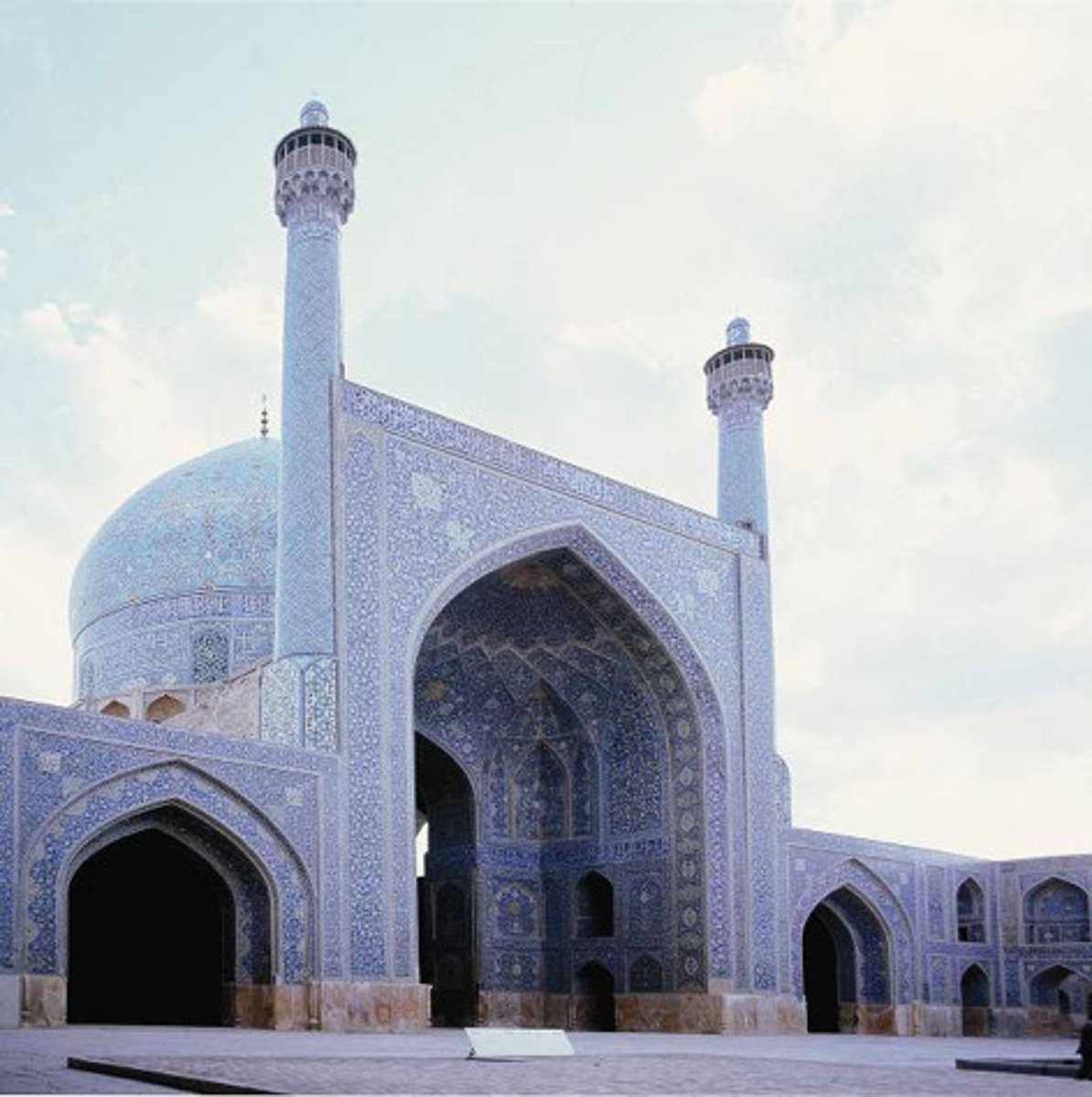
Islam
Grew out of Judaism and Christianity but focus on the teachings of Muhammad
Universalizing Religion
Religion that seeks to convert people and increase number of followers (such as Christianity, Islam and Buddhism)
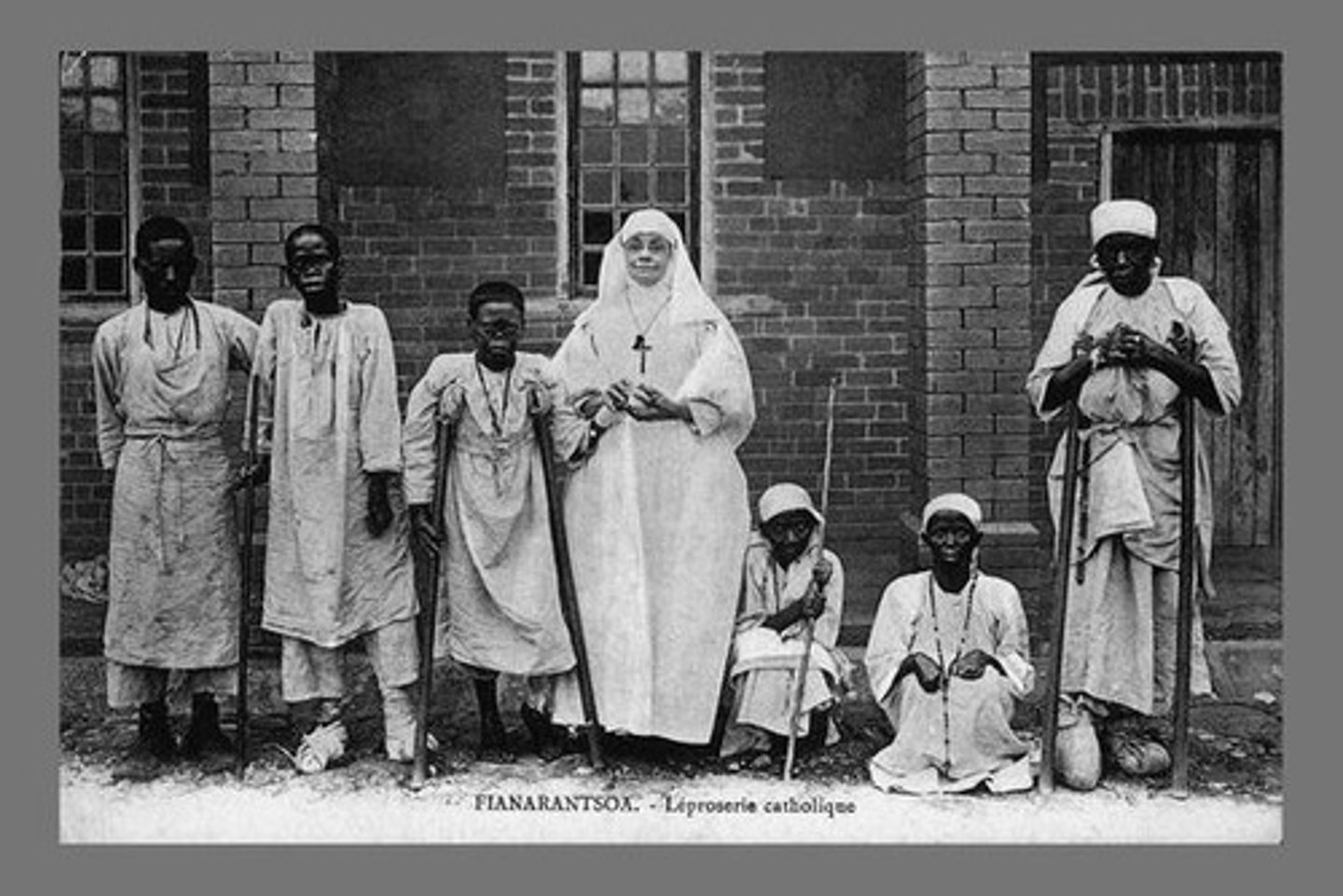
Theravada Buddhism
Oldest form of Buddhism, focused on strict adherence to teachings of Buddhas. It became the strongest in Southeast Asia
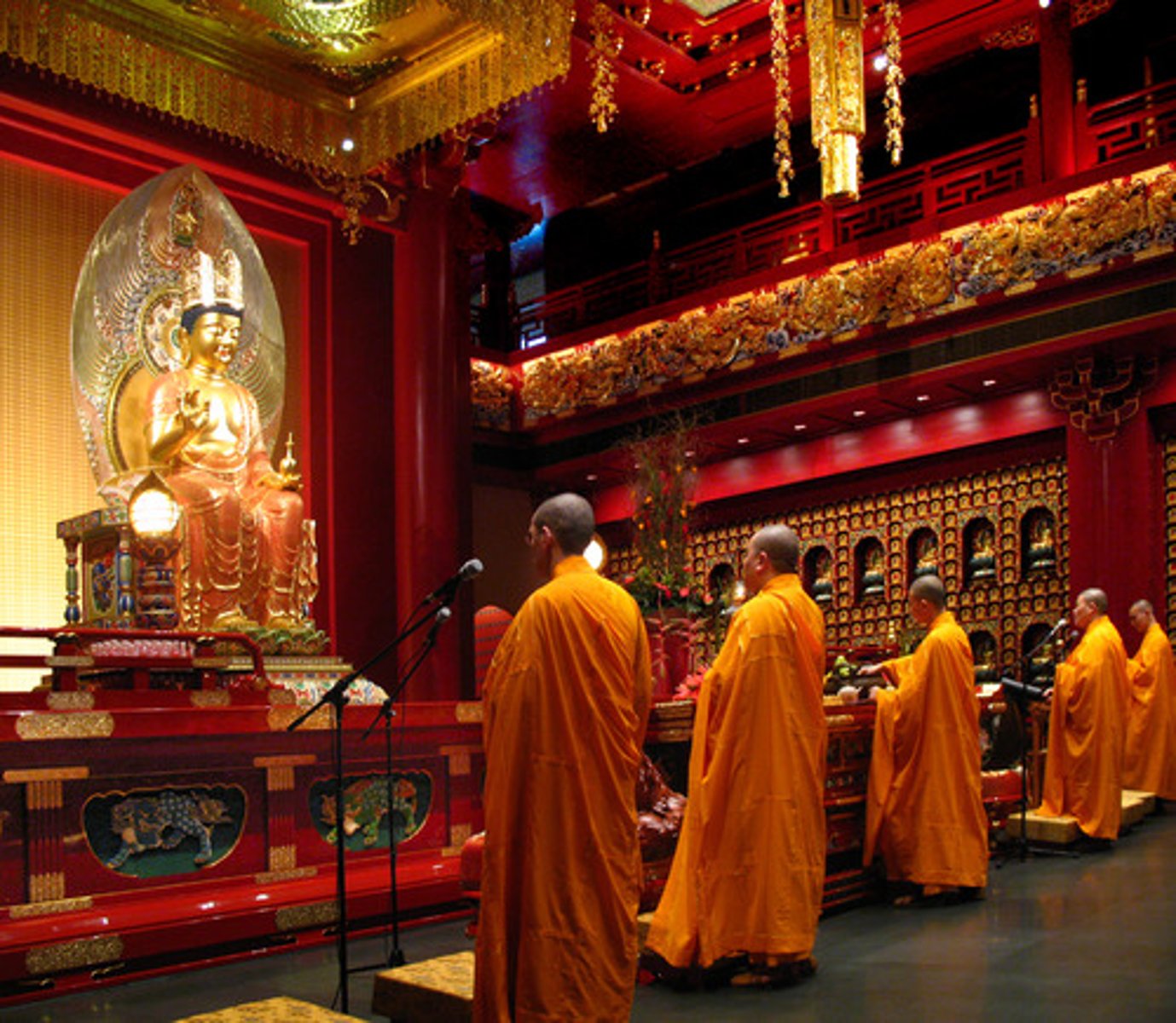
Mahayana Buddhism
Buddhism that focused on personal spiritual growth for all beings and on public service. It became strongest in China and Korea
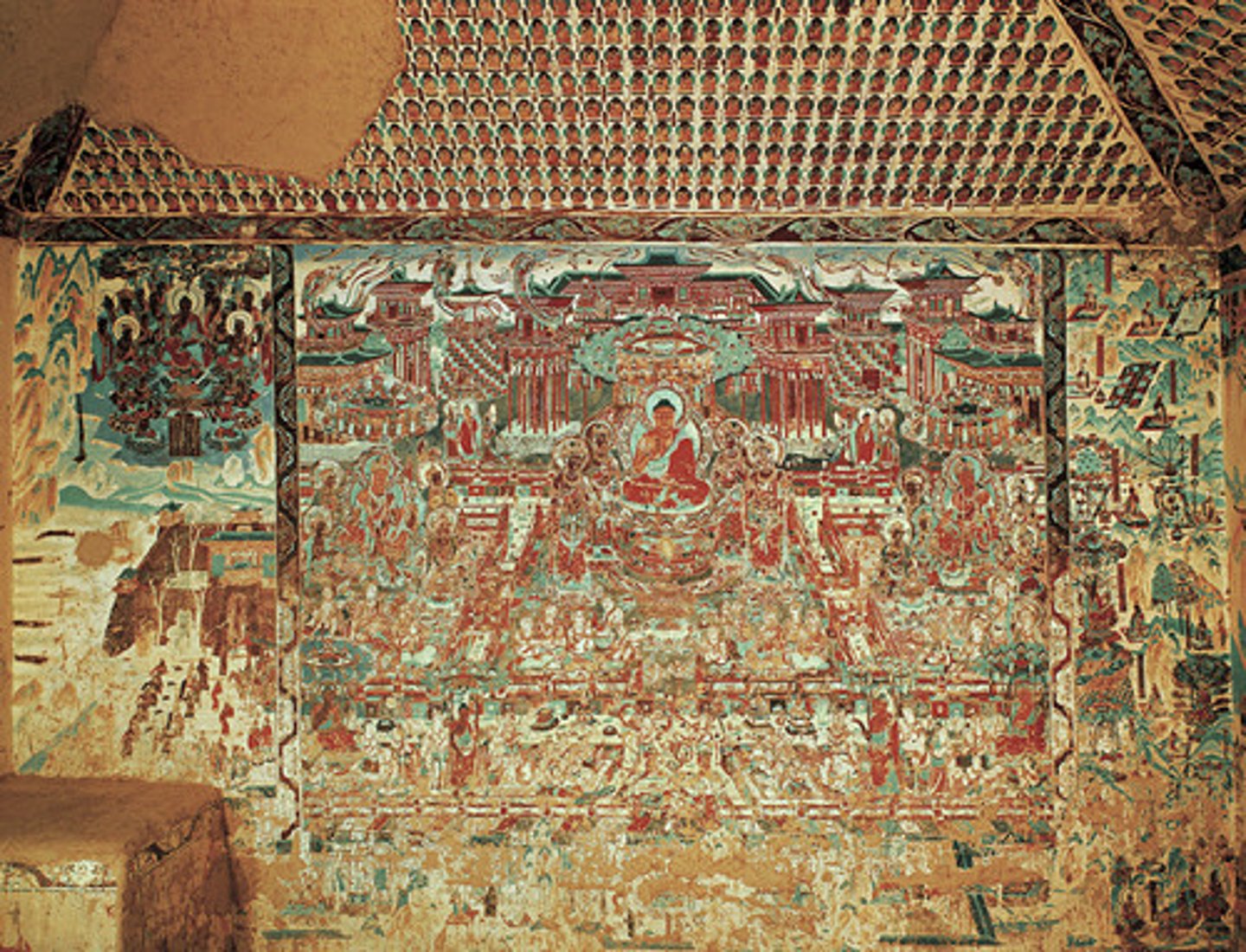
Tibetan Buddhism
Buddhism that focused on chanting. It became strongest in Tibet
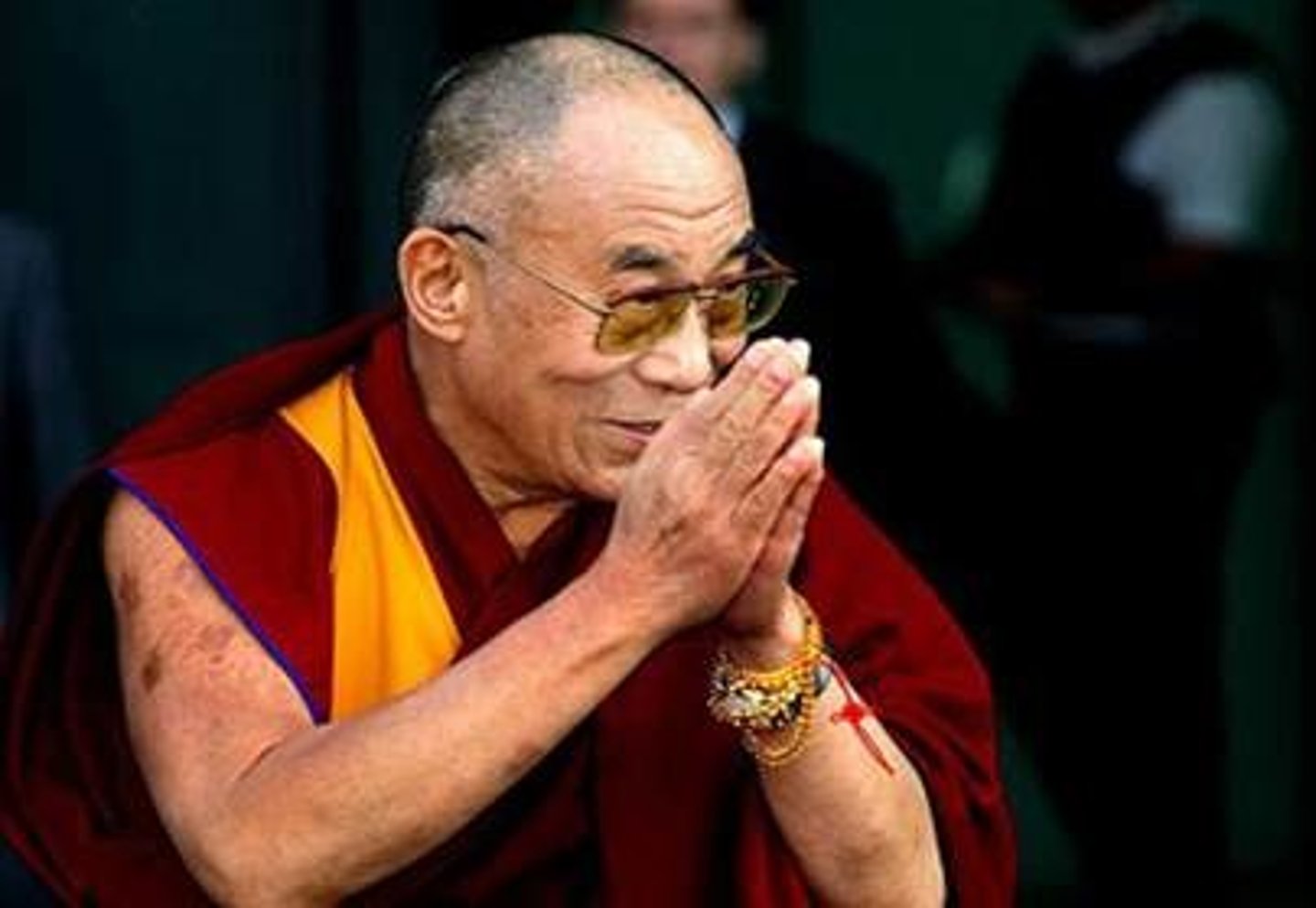
Buddhist monasticism
the practice of Buddhism within a monastery (place designated for the study and practice of a religion.) This is the focus in Theravada Buddhism
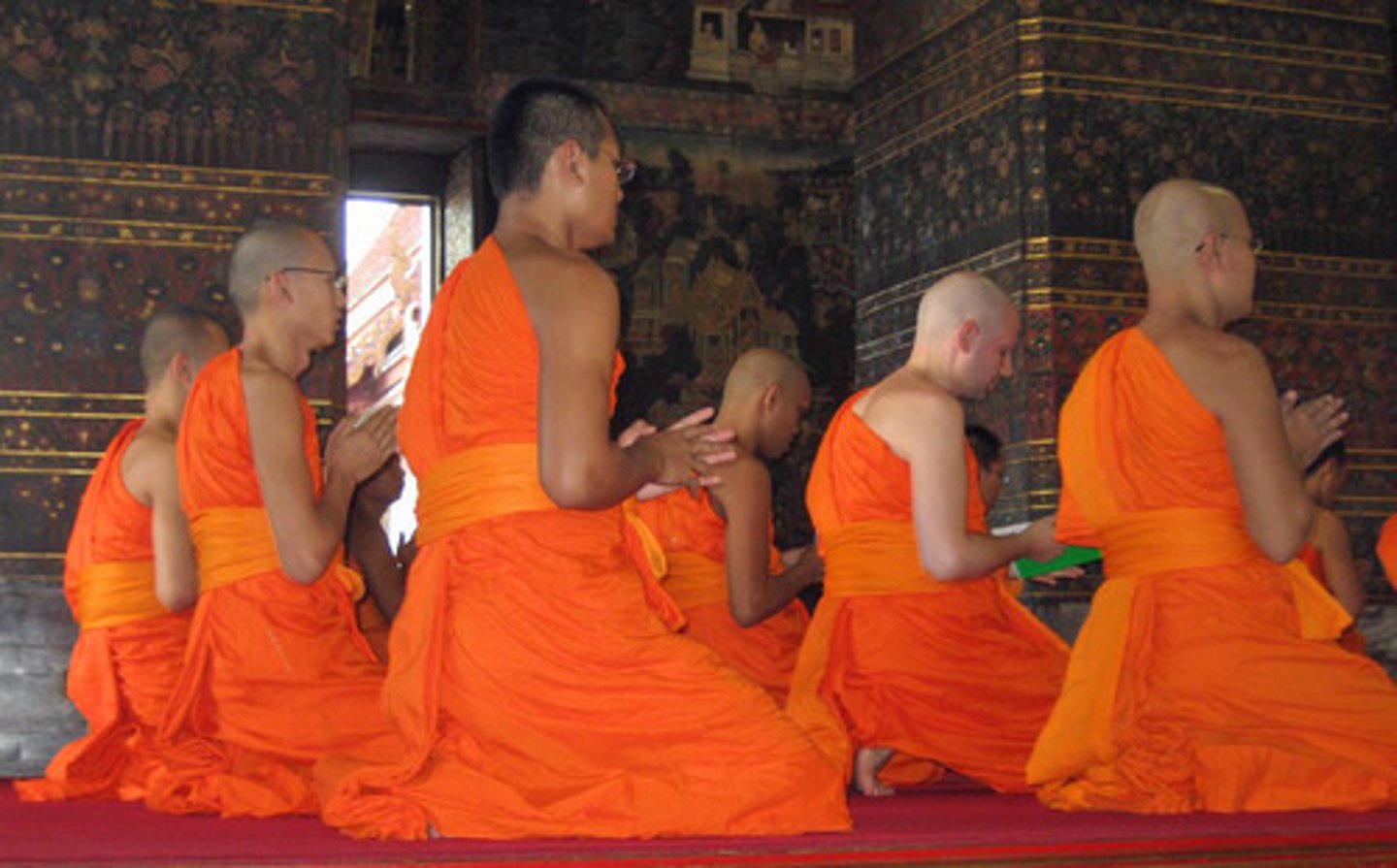
Song Dynasty
(960-1279 CE) The Chinese dynasty that placed much more emphasis on civil administration, industry, education, and arts other than military.
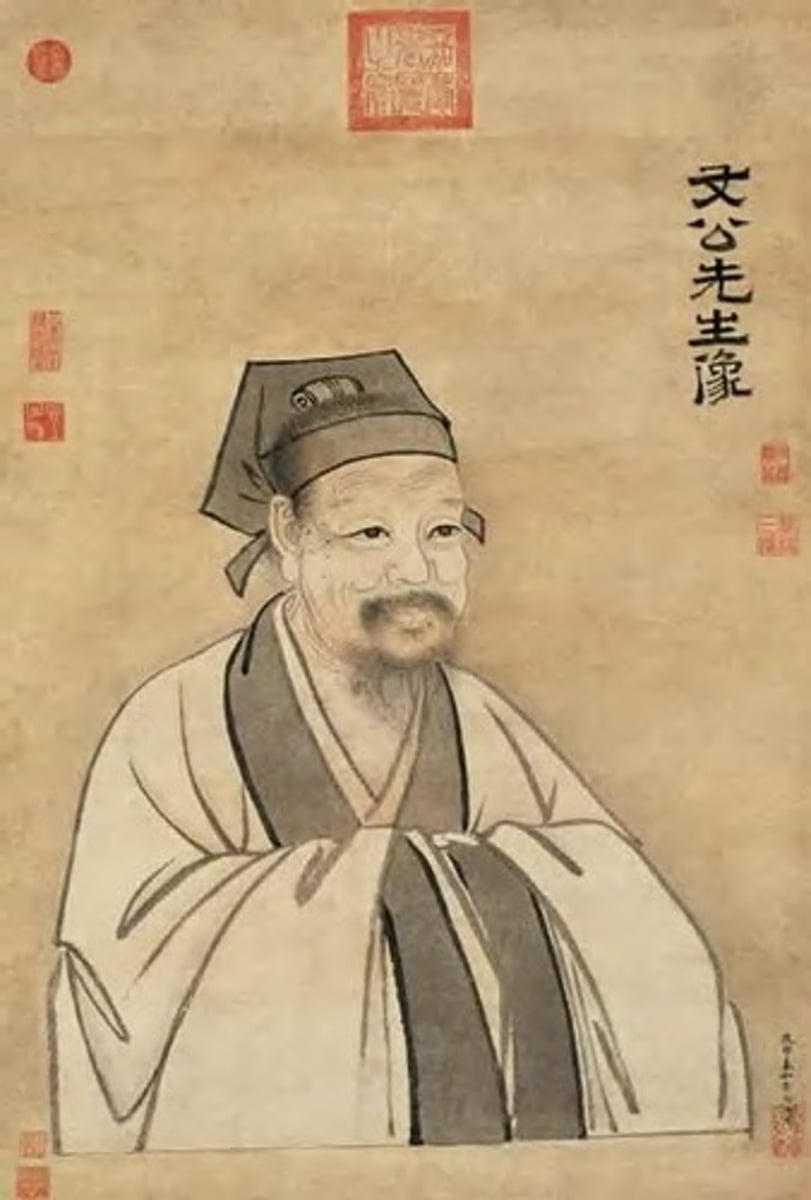
Meritocracy
a system in which promotion is based on individual ability or achievement (used in Song Dynasty government)

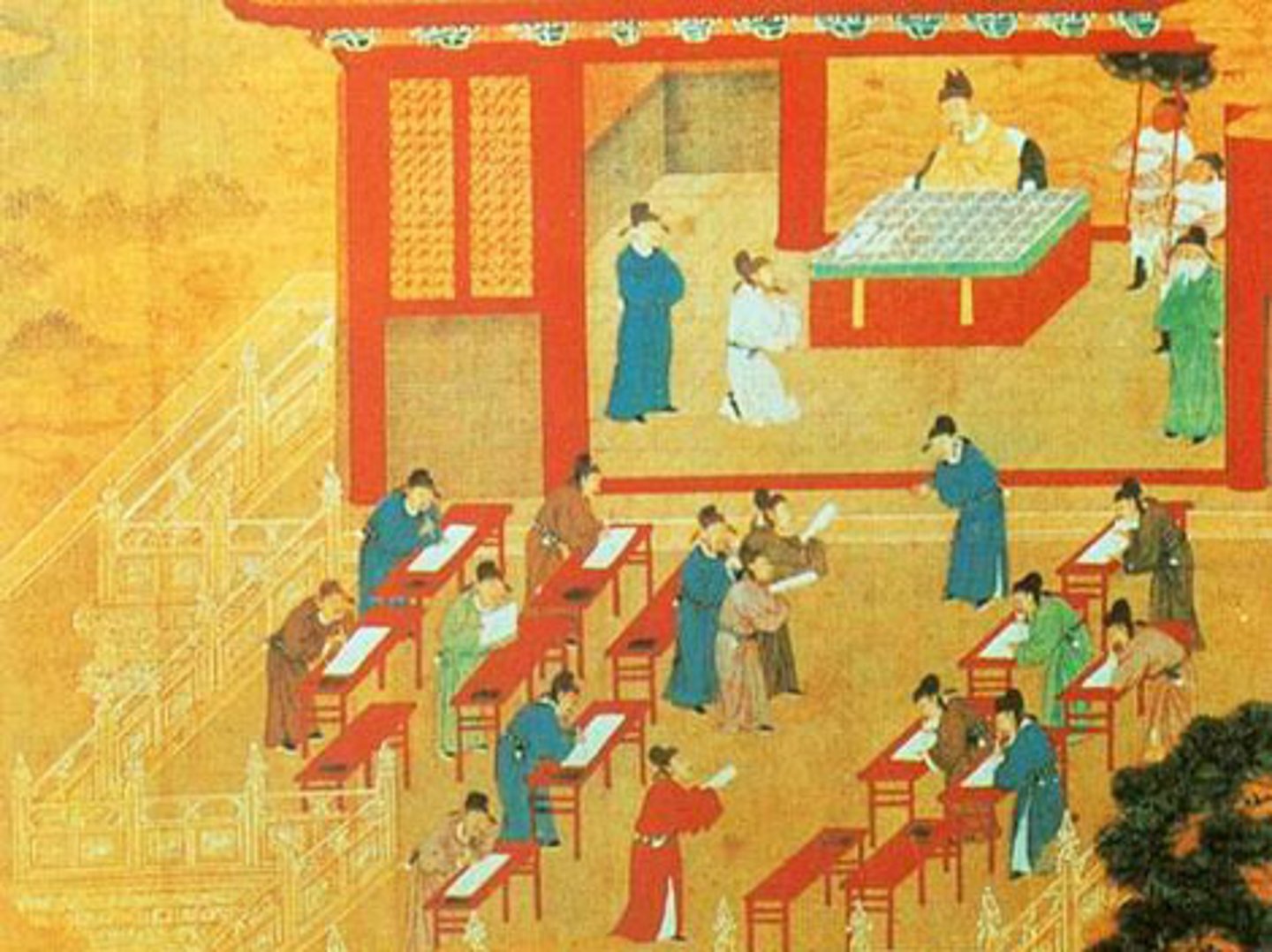
Civil service exam
System used by Chinese bureaucracy for placement and advancement in the government. Based on knowledge of Confucian texts
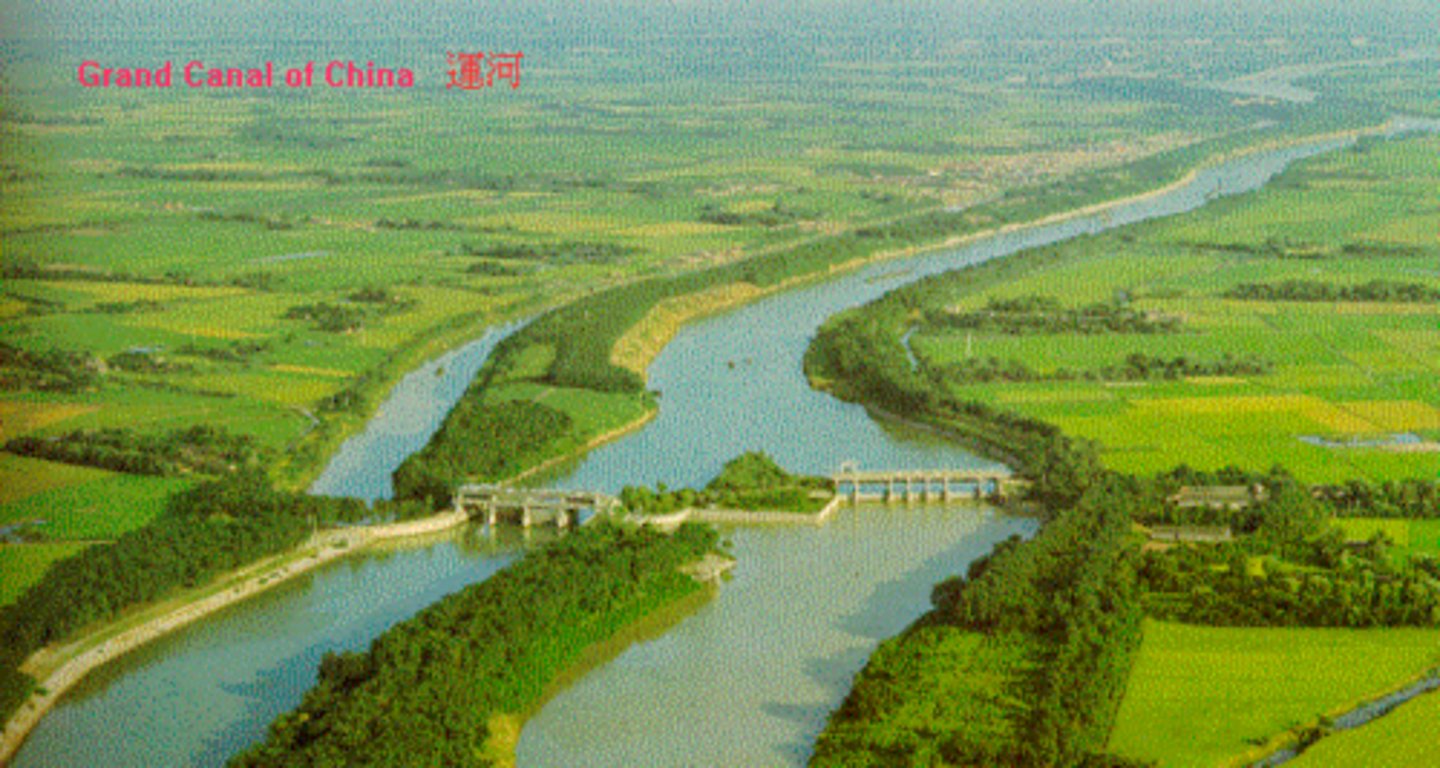
Grand Canal
designed to link the original centers of Chinese civilization on the north China plain with the Yangtze river basin to the south; nearly 1200 miles long.
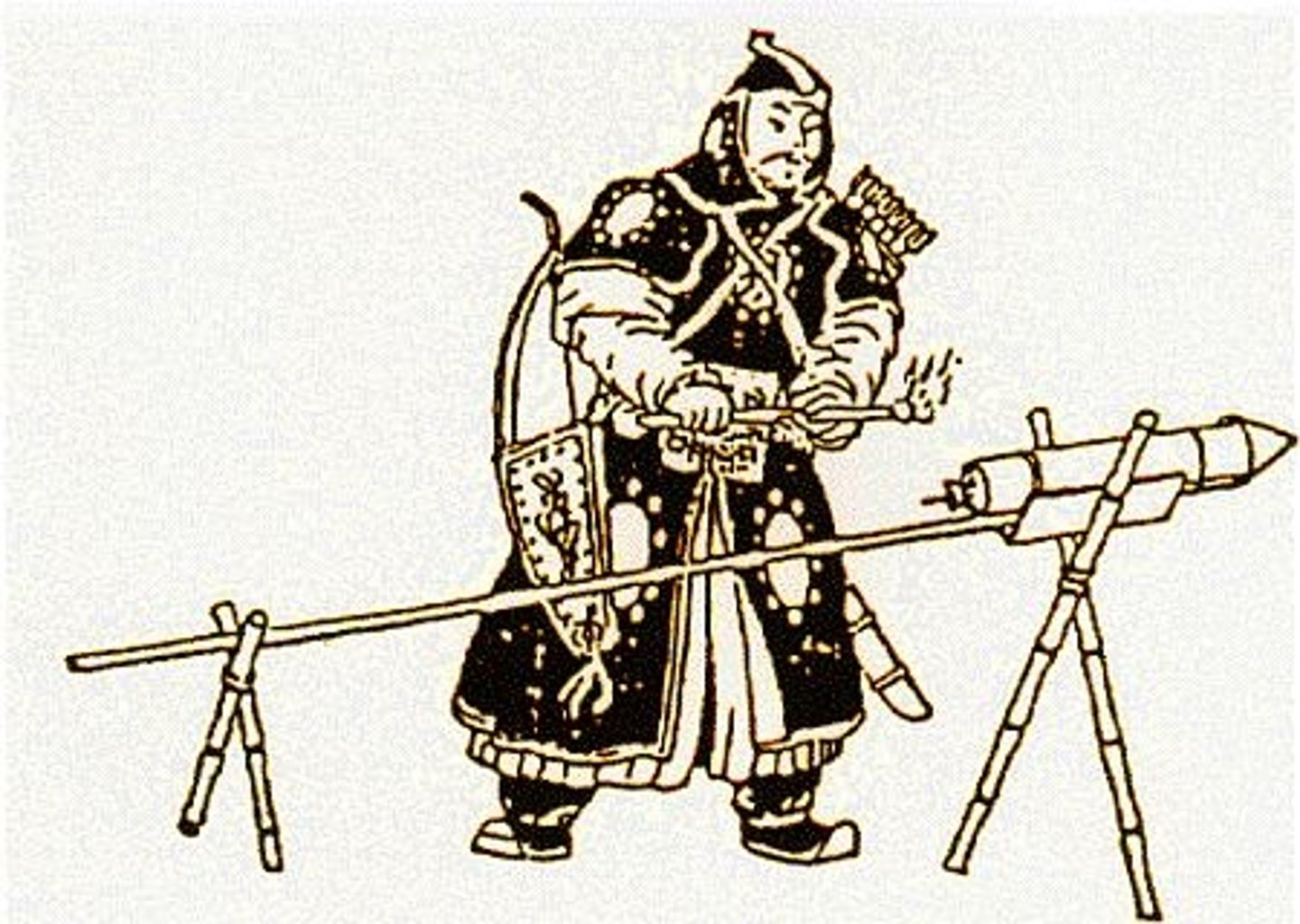
Gunpowder
This invention was developed in a previous Chinese dynasty this but was first used in guns by the Song dynasty
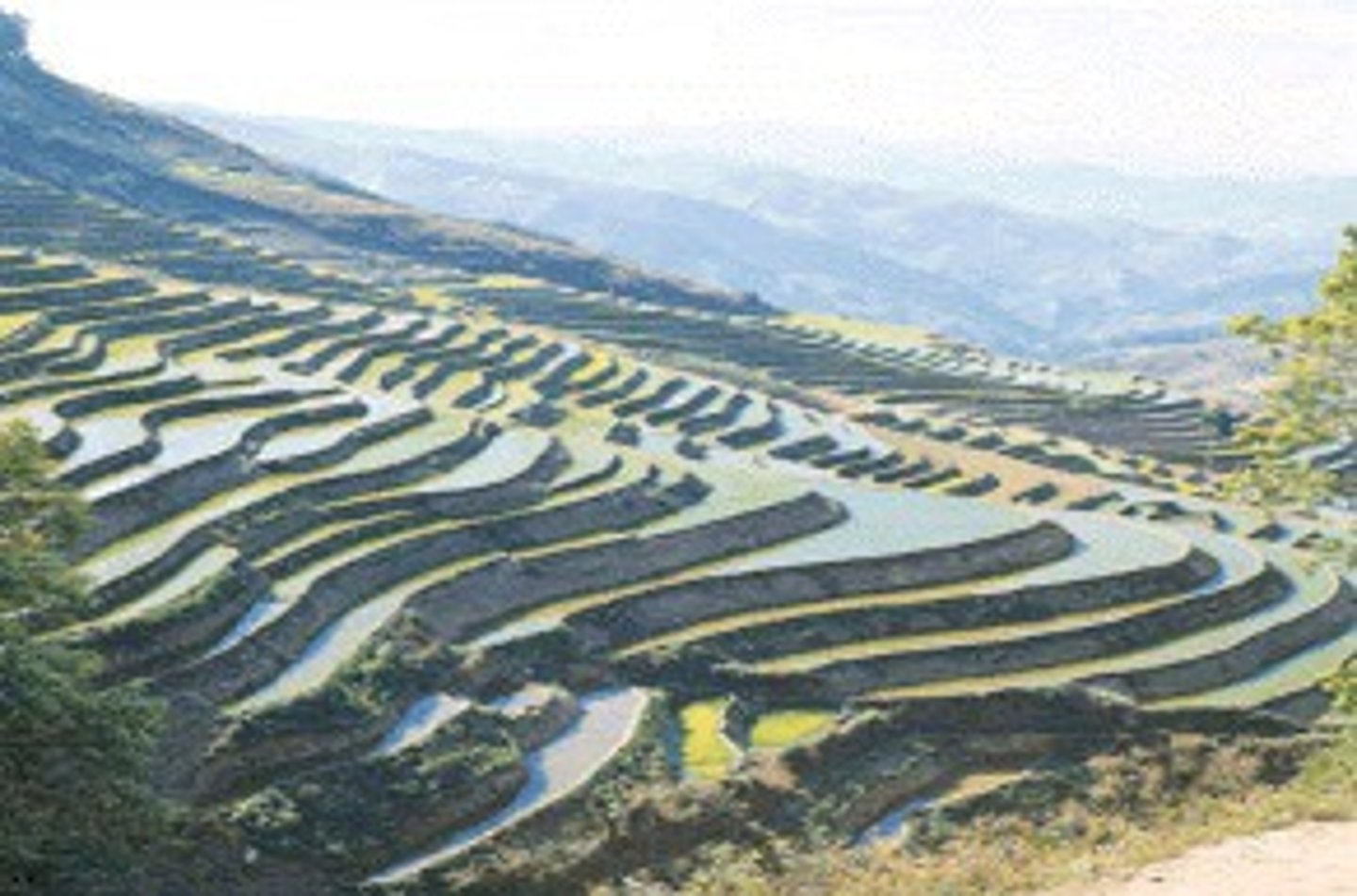
Champa Rice
Quick-growing rice that is drought and flood resistant and can allow two harvests in one growing season. Introduced to China through trade. Facilitated the population boom during the Song dynasty.
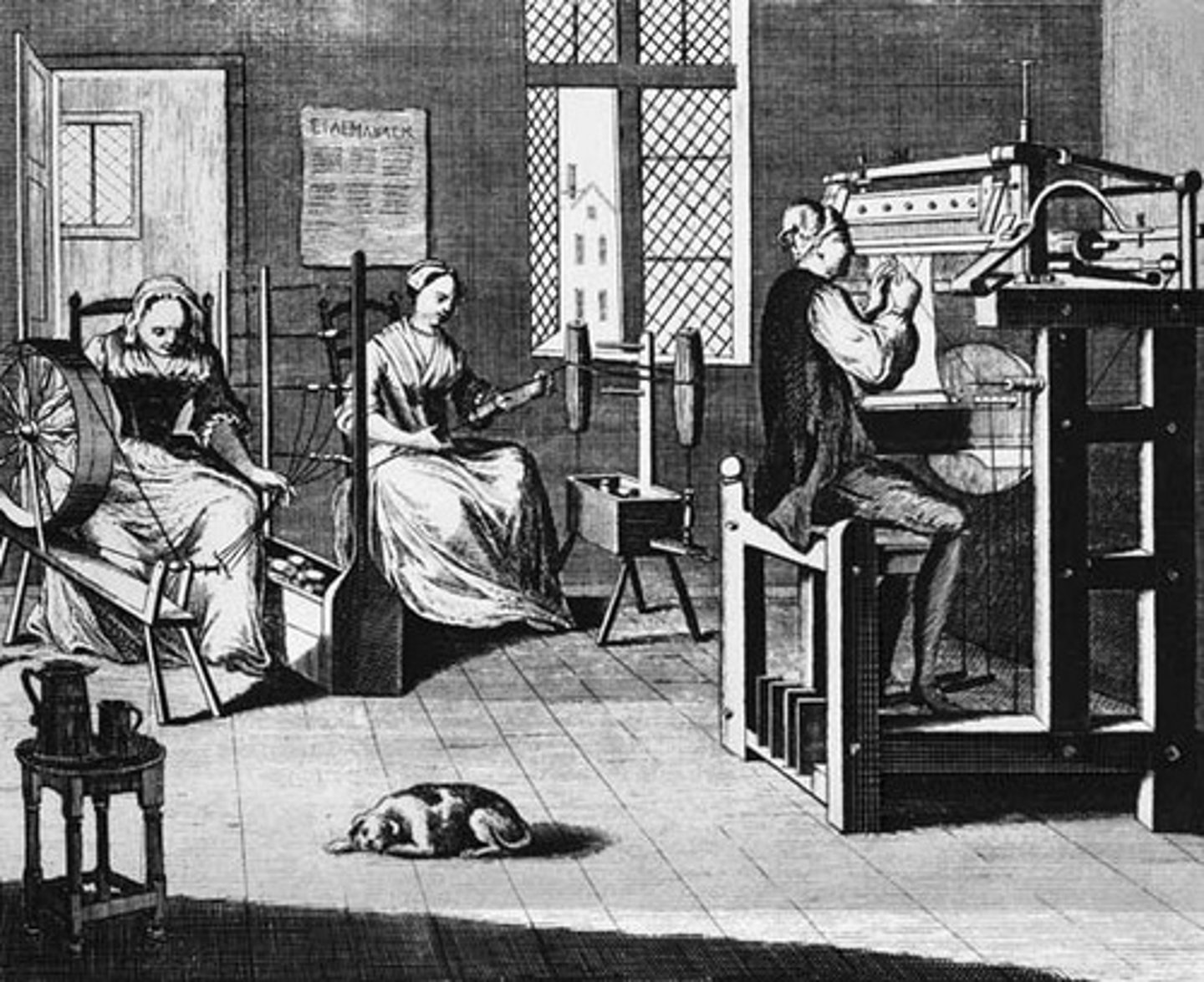
Proto-industrialization
a set of economic changes in which people in rural areas made more goods than they could sell. Occurred in Song Dynasty China
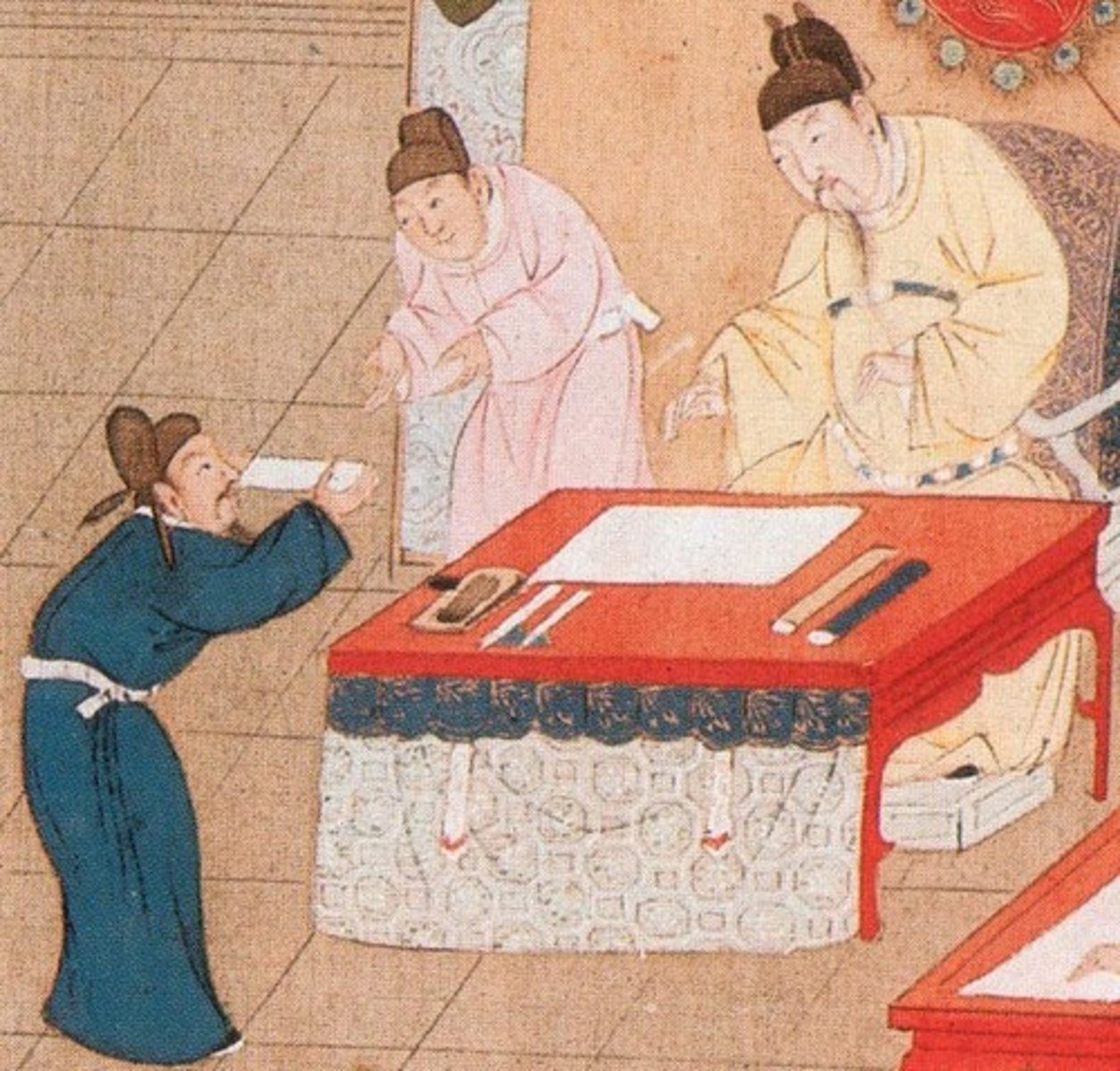
Scholar gentry
in the Confucian social order, the emergence of families who combined the wealth with political power of sons who had become Confucian scholar-bureaucrats; continued to form the bases of the Chinese elite for millennia
Foot binding
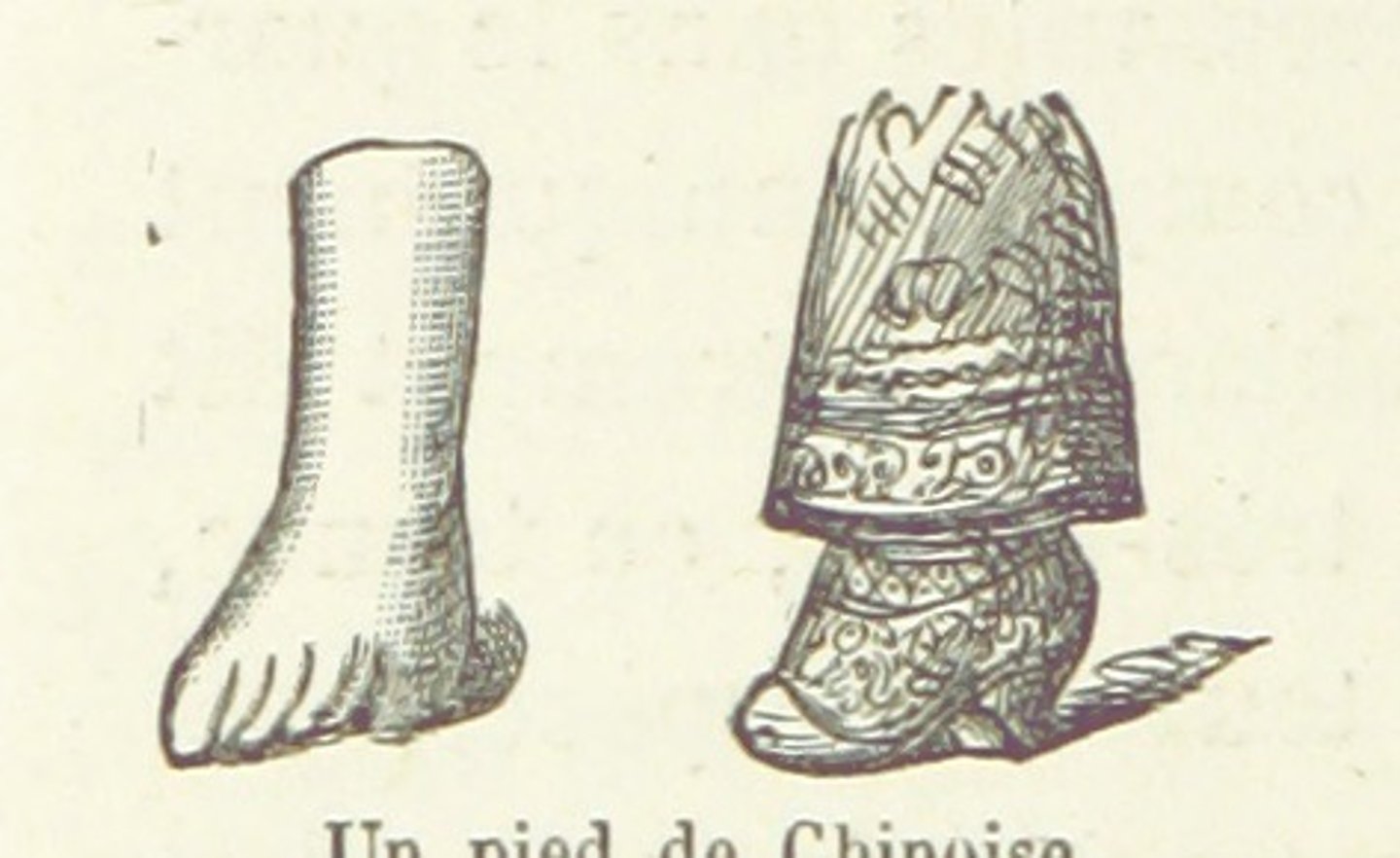
Practice in Chinese society to mutilate women's feet in order to make them smaller; produced pain and restricted women's movement; made it easier to confine women to the household.
Patriarchy
A form of social organization in which males dominate females

Filial piety
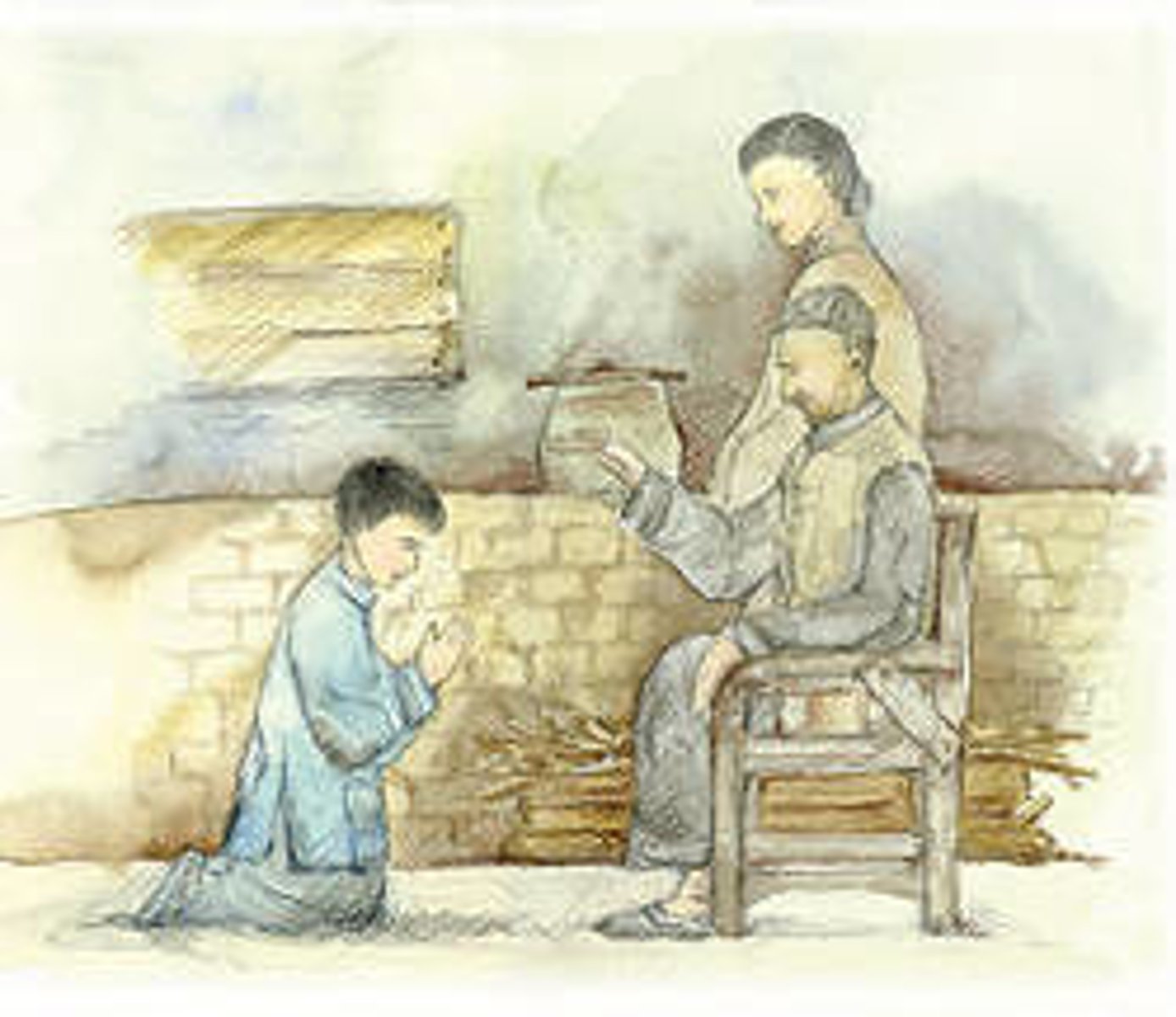
The Confucian principle of cultivating a love and respect for one's parents, elders and government leaders. Women were also expected to give deference (submission) to men
Neo-Confucianism
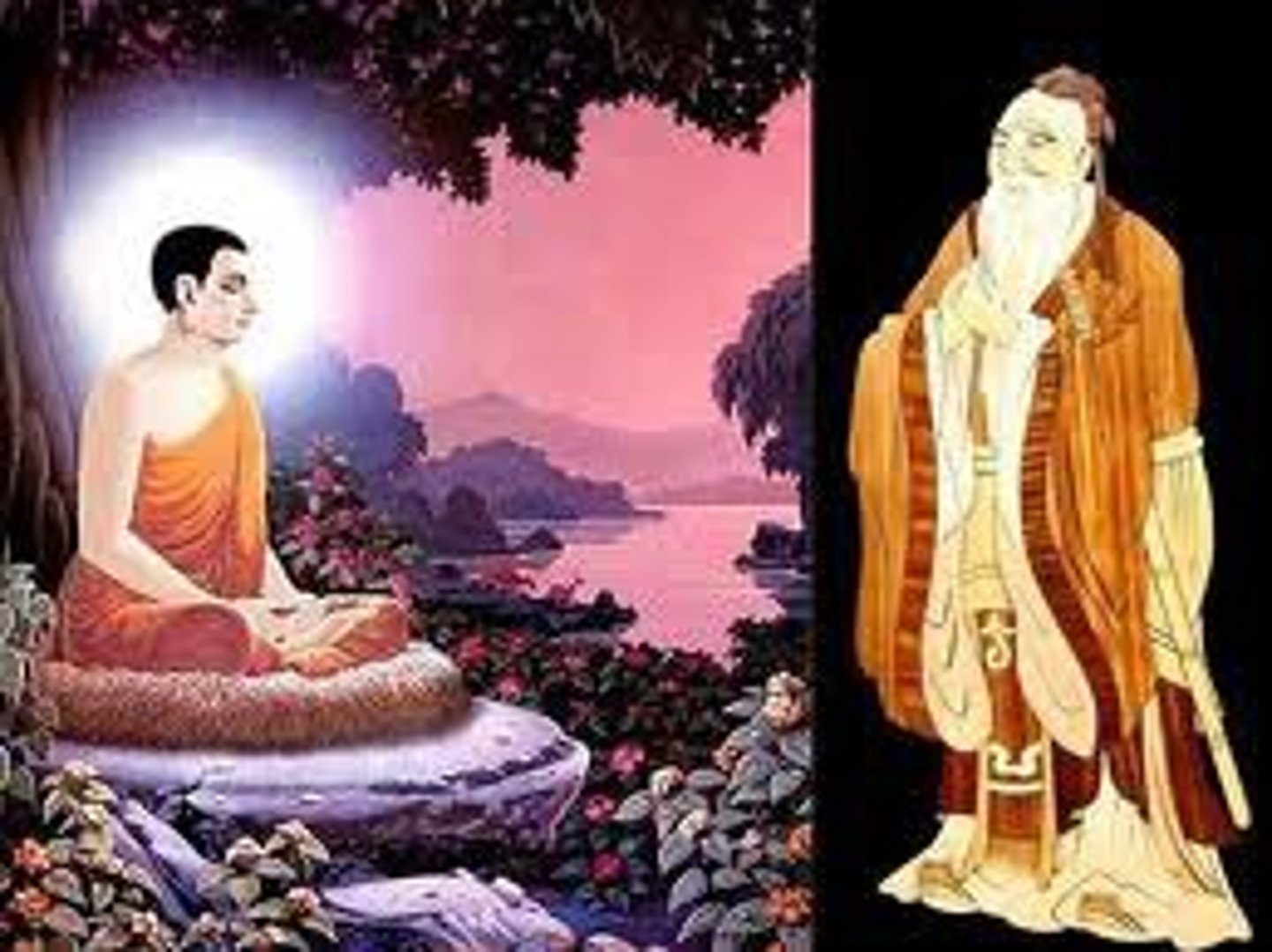
syncretic faith mixing Buddhism and Confucianism. Became popular in the Song dynasty
Dar al-Islam
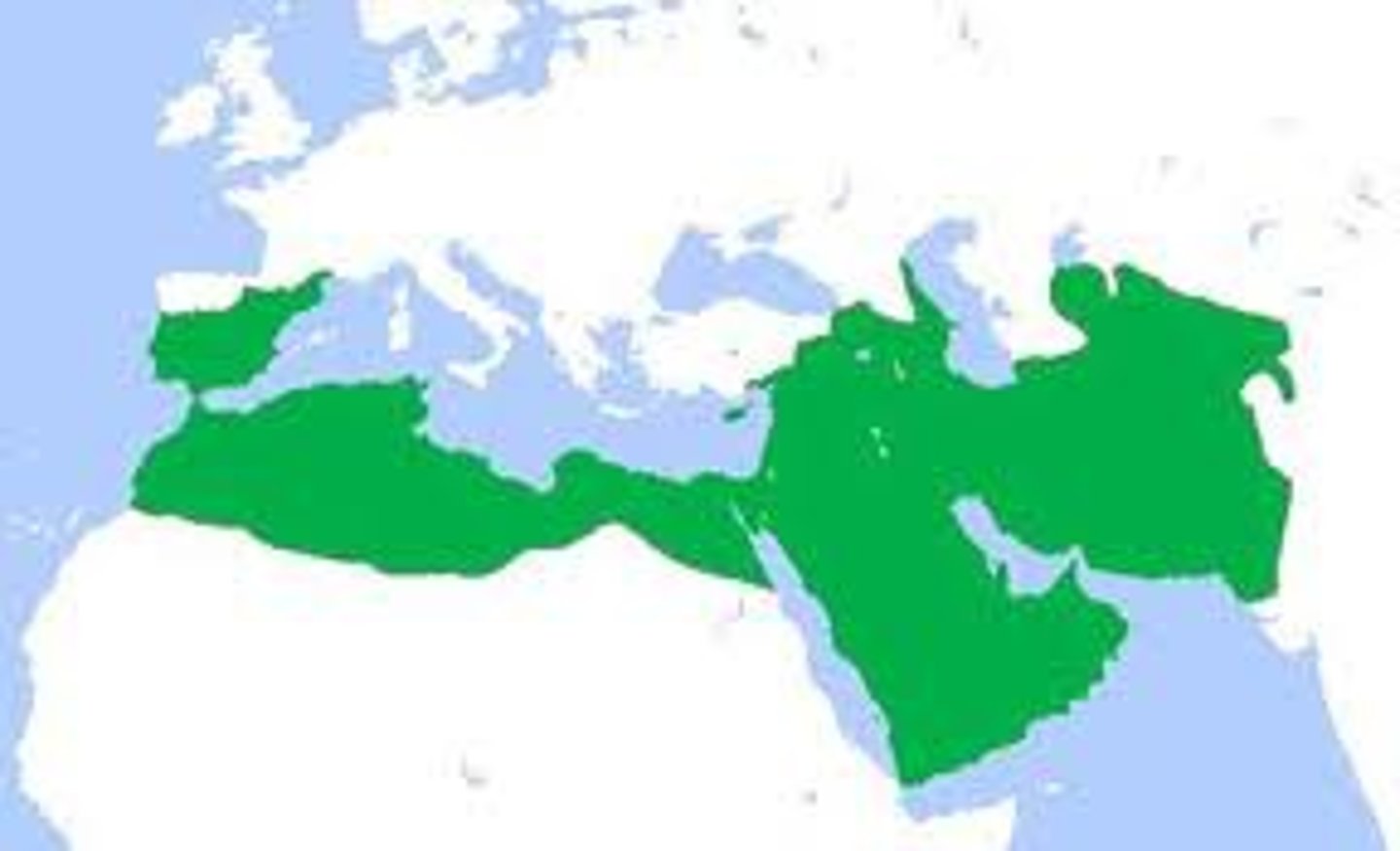
a term used by Muslims to refer to those countries where Muslims can practice their religion freely.
House of Wisdom
Created under the Abbasid Caliphate, Islamic center of learning where scholars from all of the world and a variety of religions exchanged ideas and translated texts
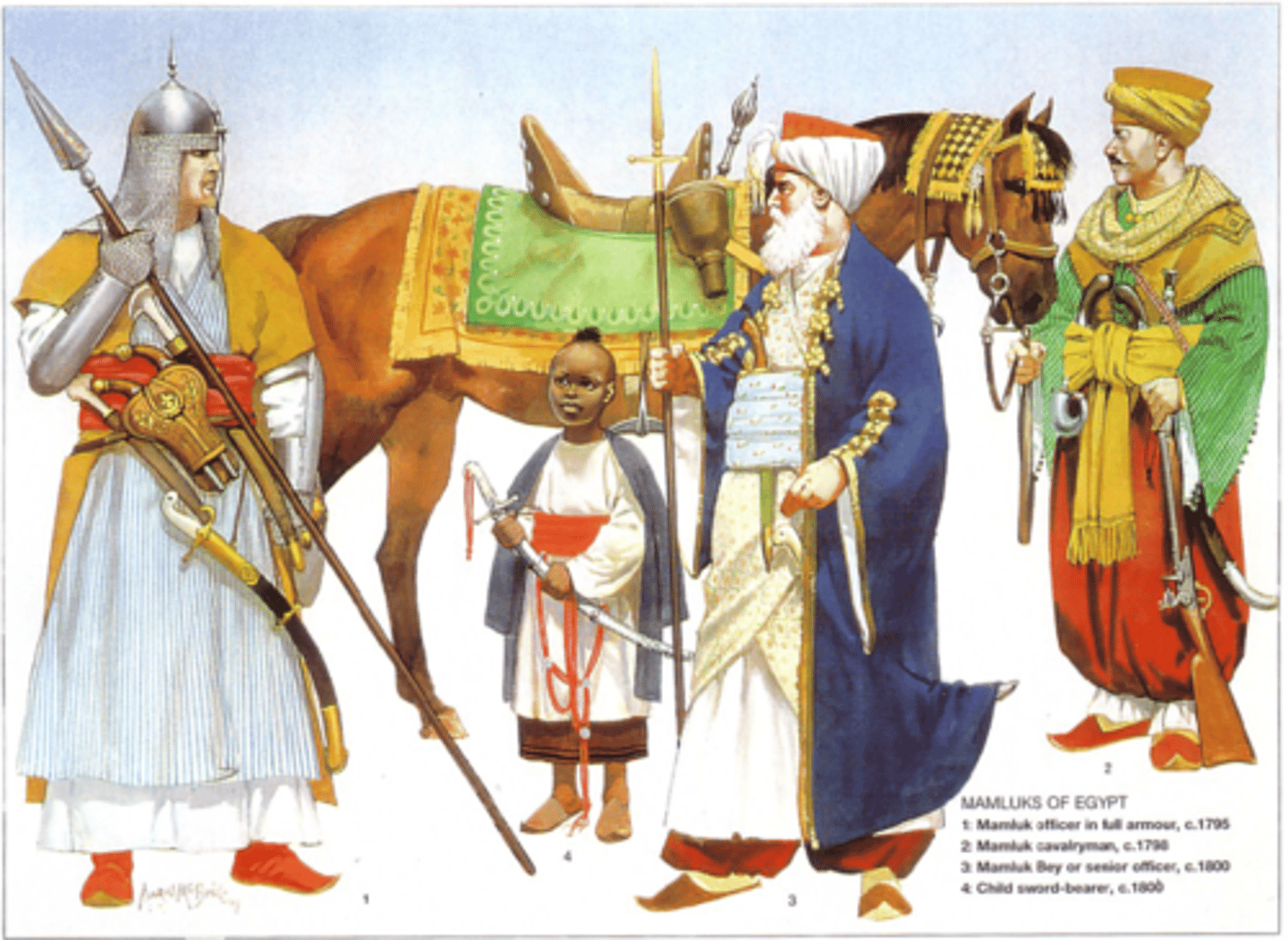
Mamluk Sultanate
Muslim slave warriors; established a dynasty in Egypt
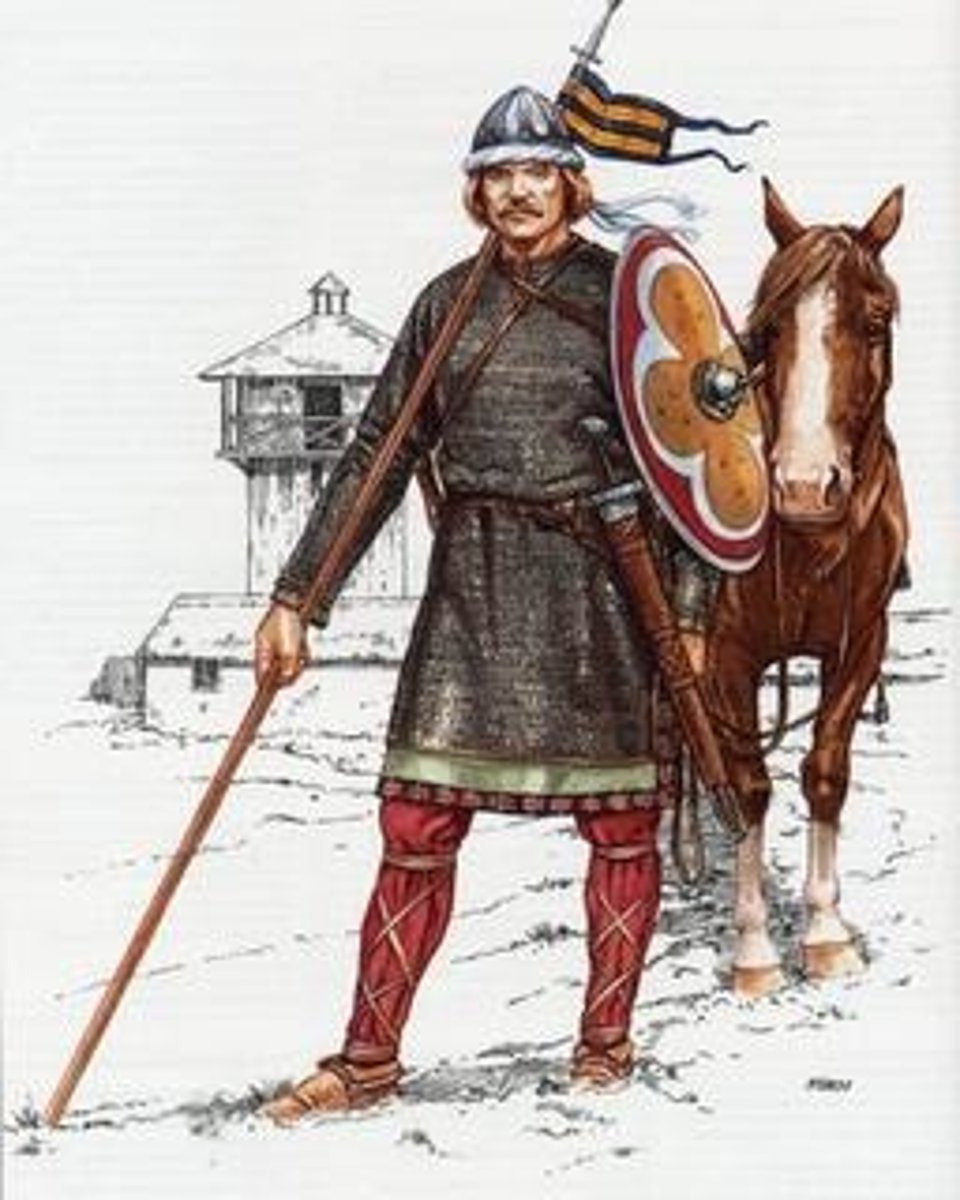
Seljuk Turks
nomadic Turks from Asia who conquered Baghdad in 1055 and were major leaders in dar-al Islam
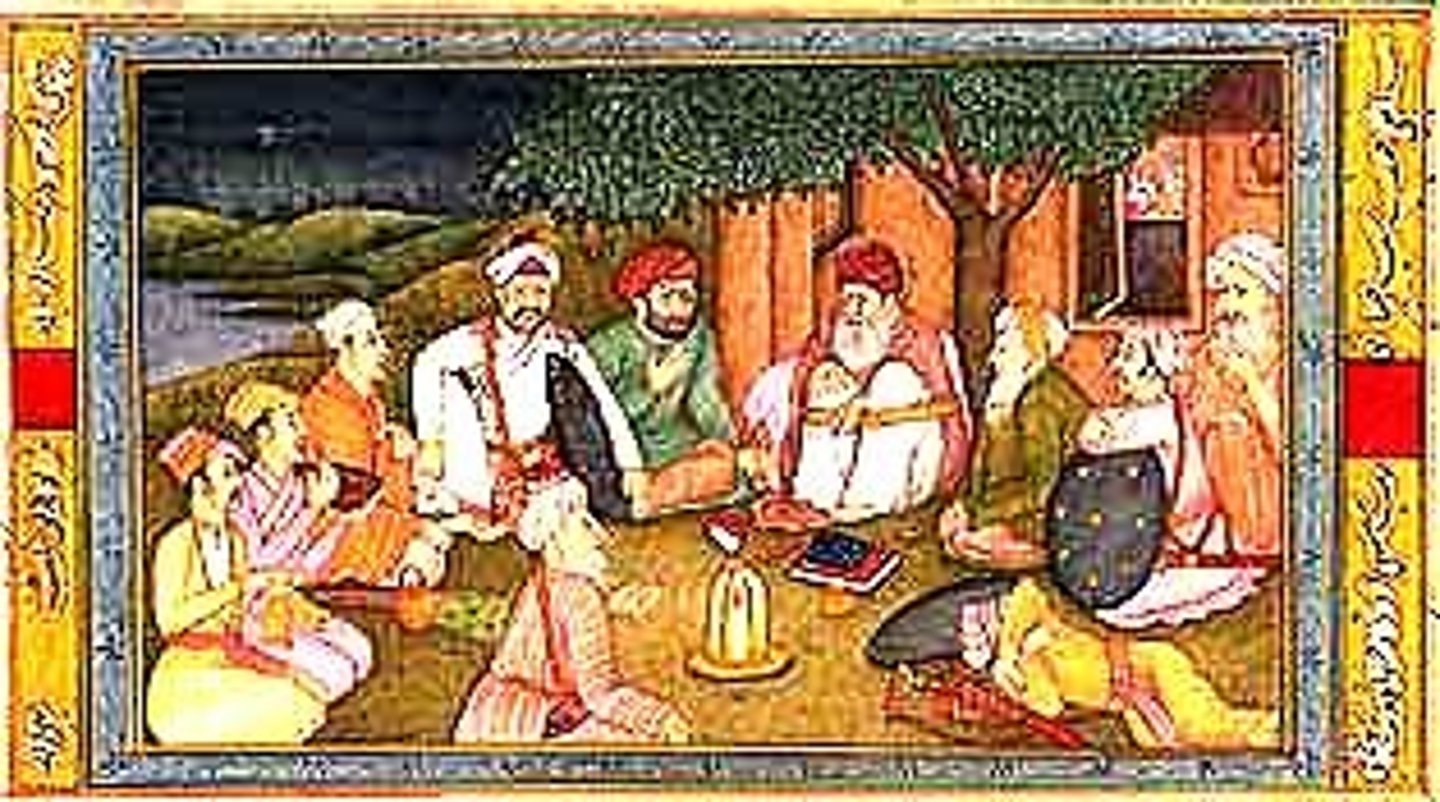
Sufis
mystical Muslim group that focused on personal connection with God. Helped to spread Islam to new areas
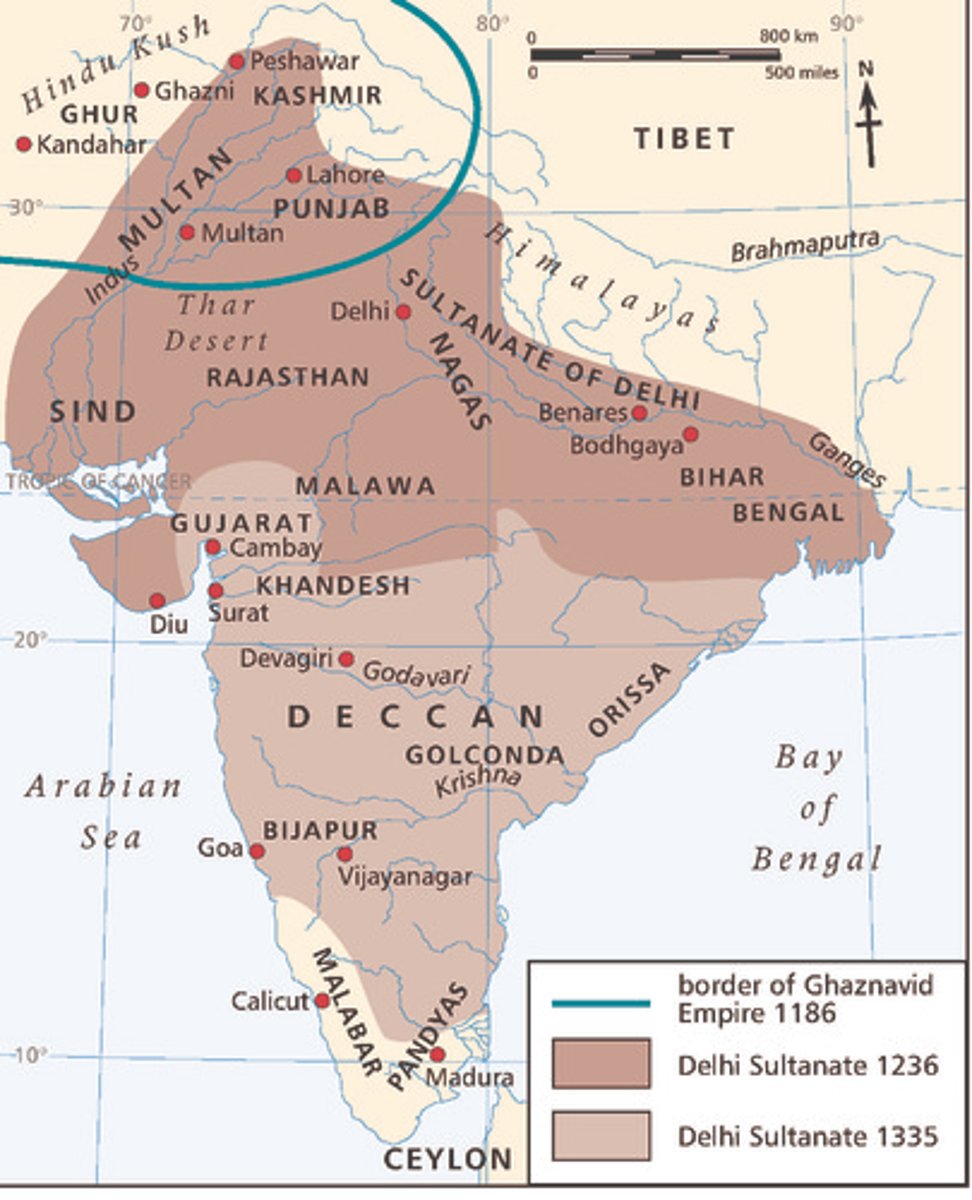
Delhi Sultanate
The first Islamic government established within India
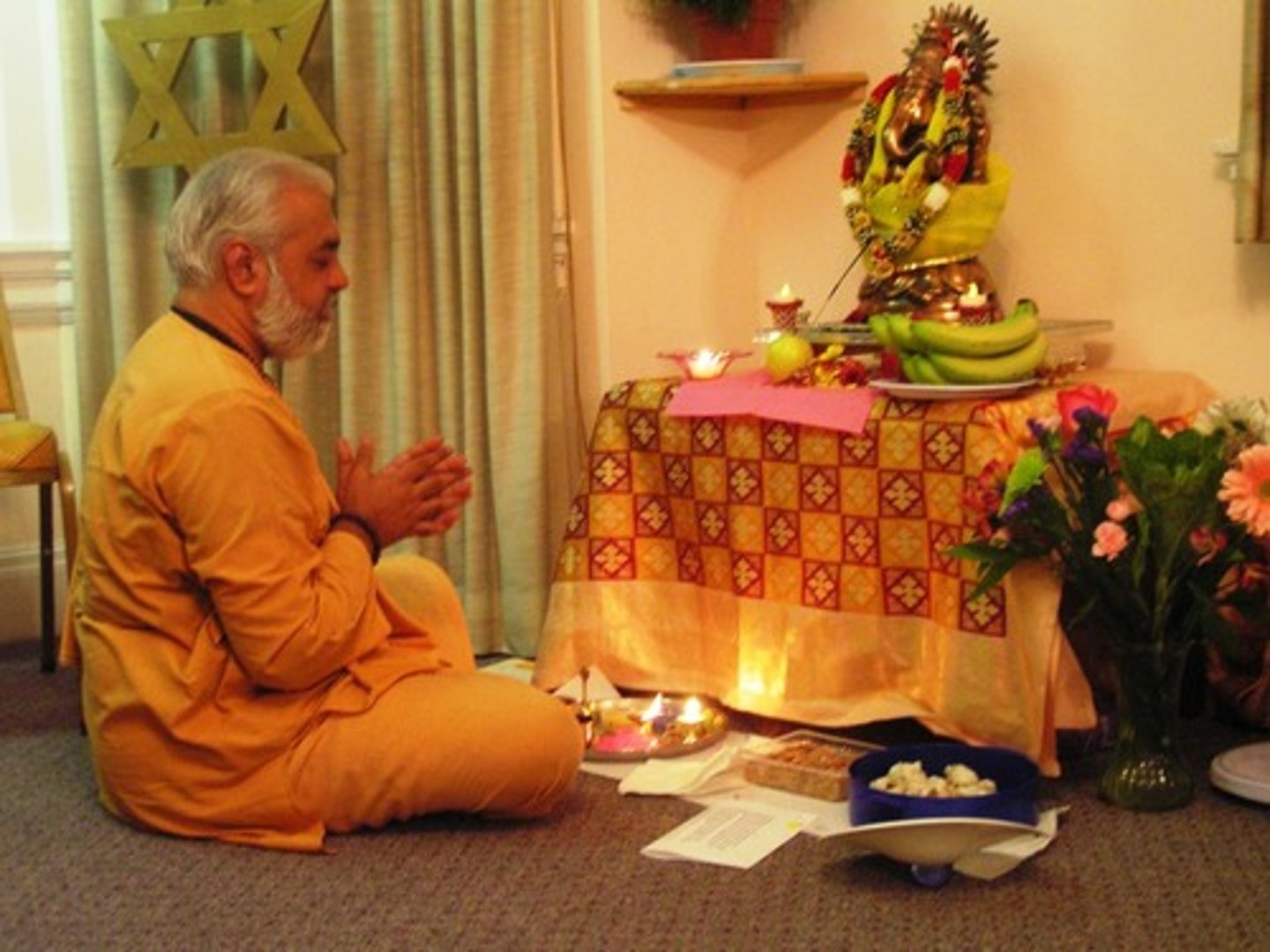
Bhakti Movement
Mystic Hindu movement that rejected rituals in preference to devotion to a deity
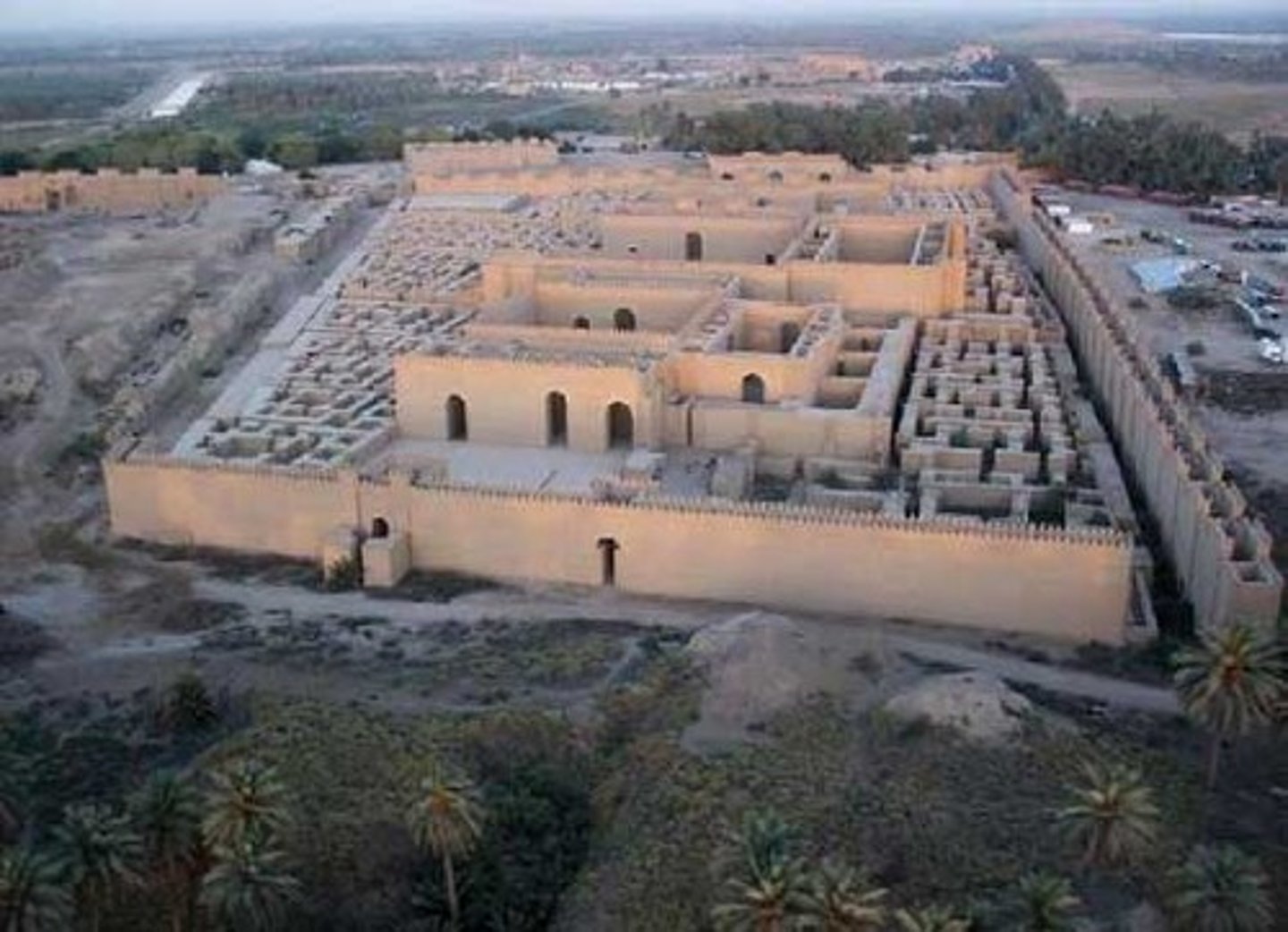
city-state
a city that with its surrounding land that is run by a local government (can be a part of a larger empire or be a stand alone government)
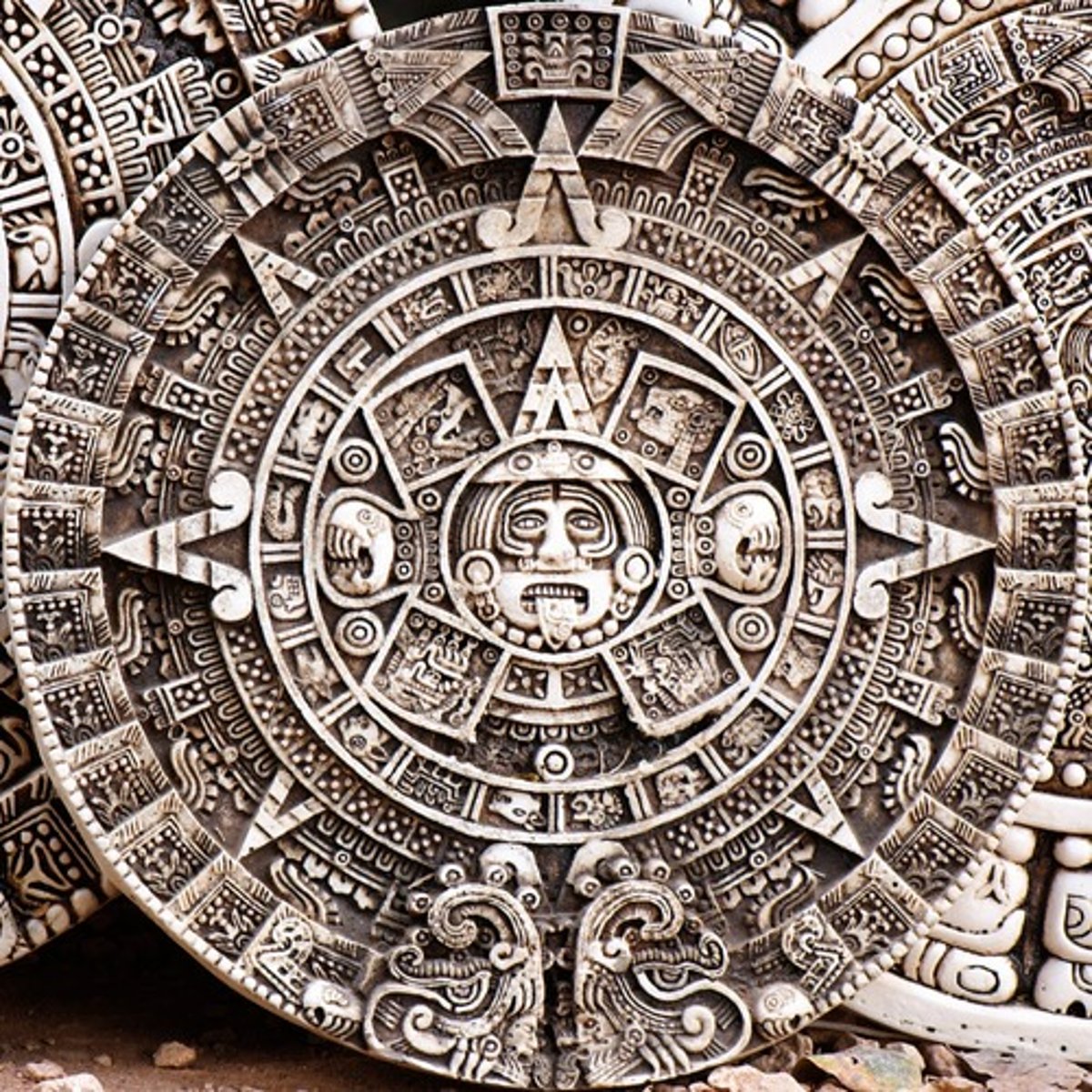
Maya
Mesoamerican civilization concentrated in Mexico's Yucatan Peninsula and in Guatemala and Honduras but never unified into a single empire. Major contributions were in mathematics, astronomy, and development of the calendar.
Mexica
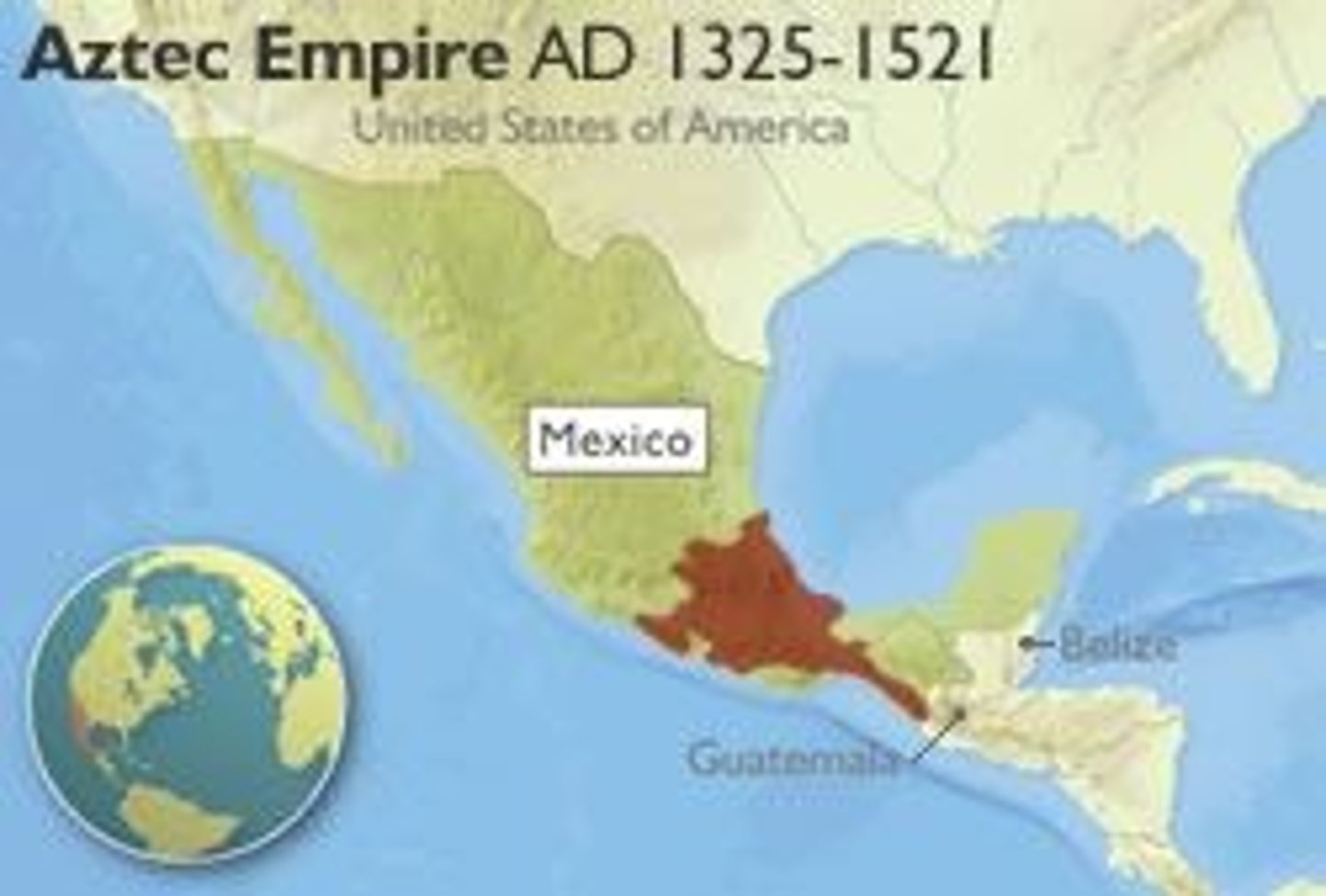
Mesoamerican civilization known for centralized government and developed city of Tenochtitlan. Also known as the Aztecs
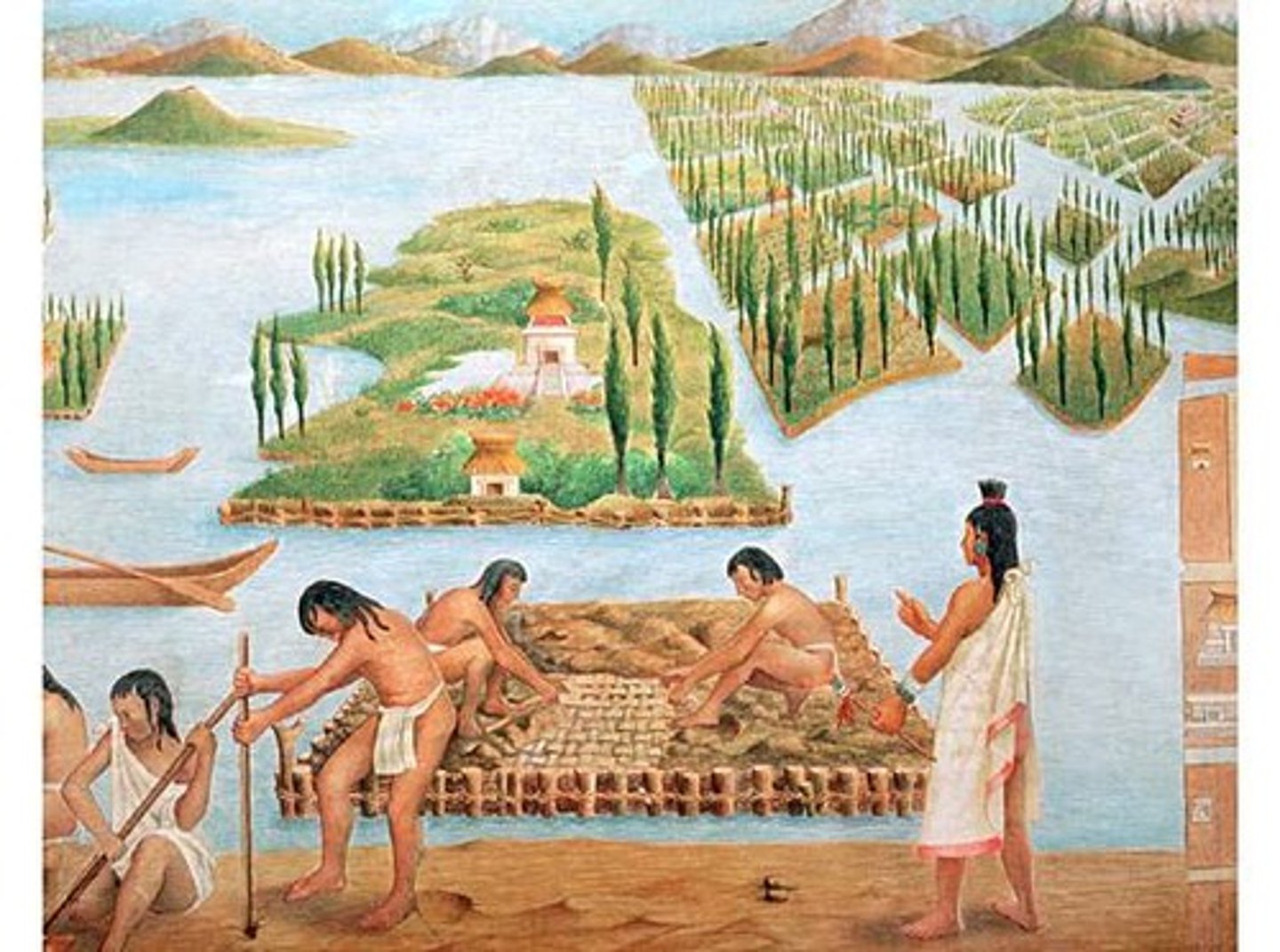
Chinampas
Aztec floating gardens
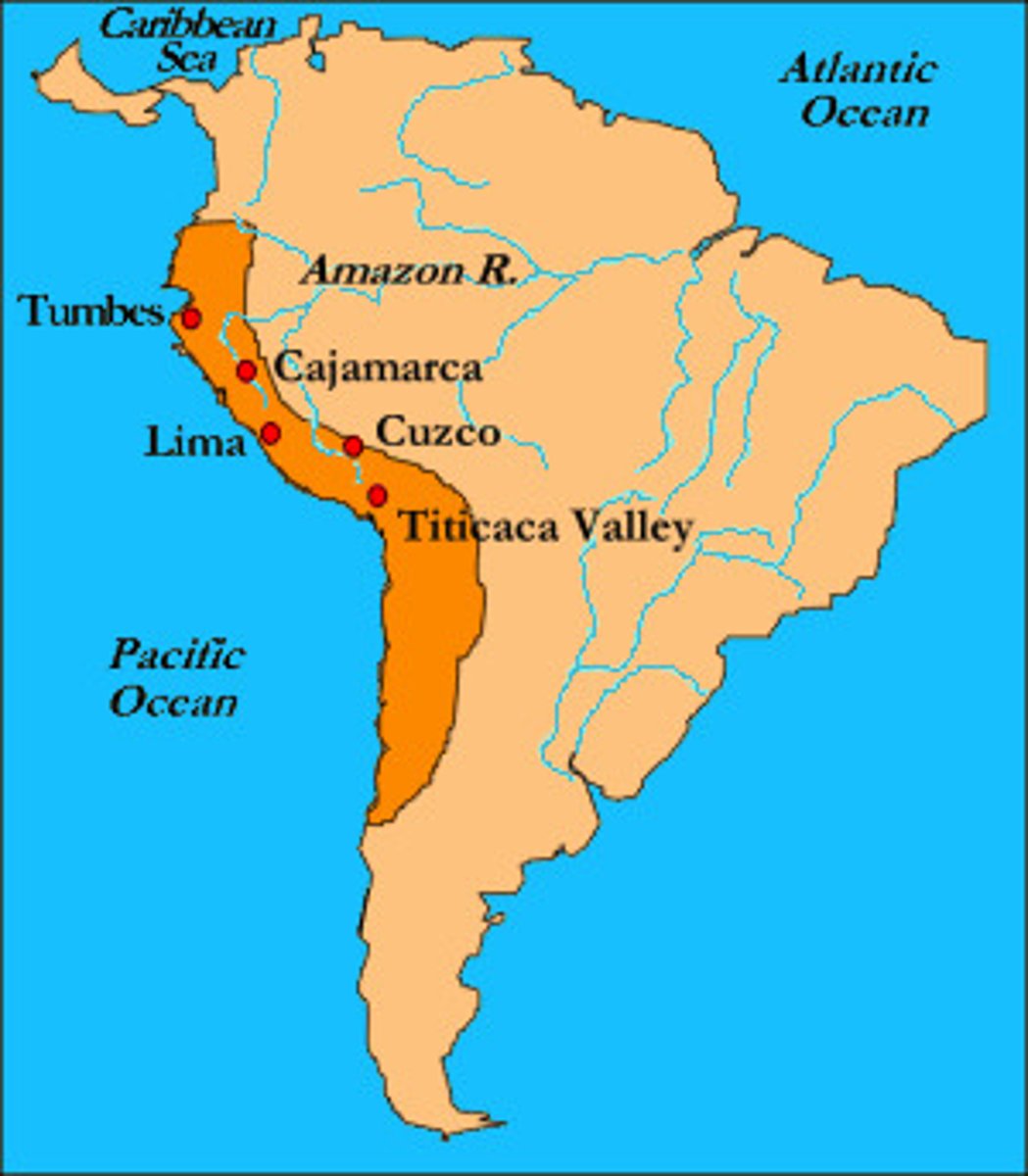
Inca
Largest and most powerful South American empire. Known for organized government with mi'ta system
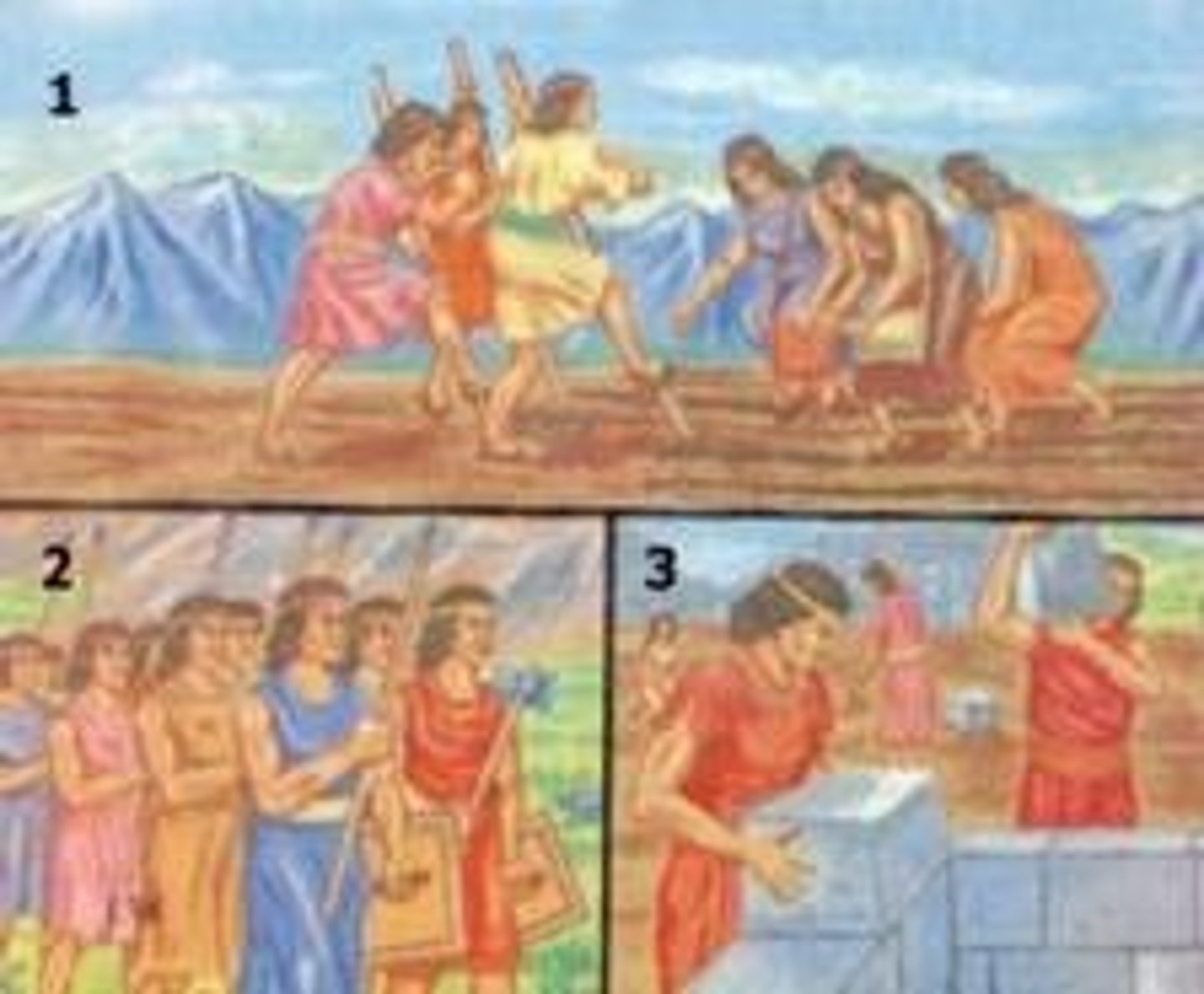
Mita System
Inca economic system in which taxes were paid through mandatory public service such as constructing roads
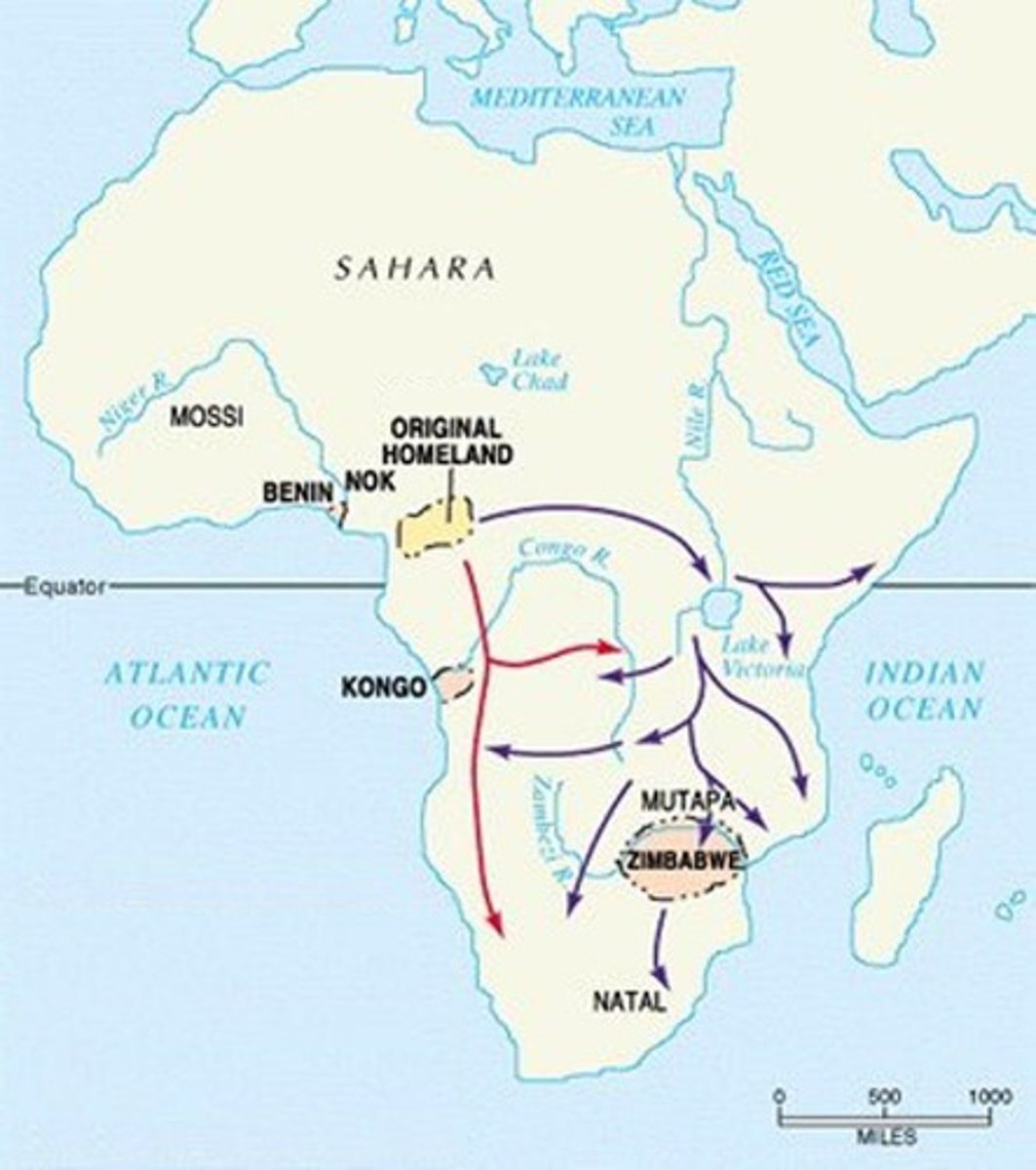
Bantu
A major African language family. Collective name of a large group of sub-Saharan African languages and of the peoples speaking these languages. Famous for migrations throughout central and southern Africa.
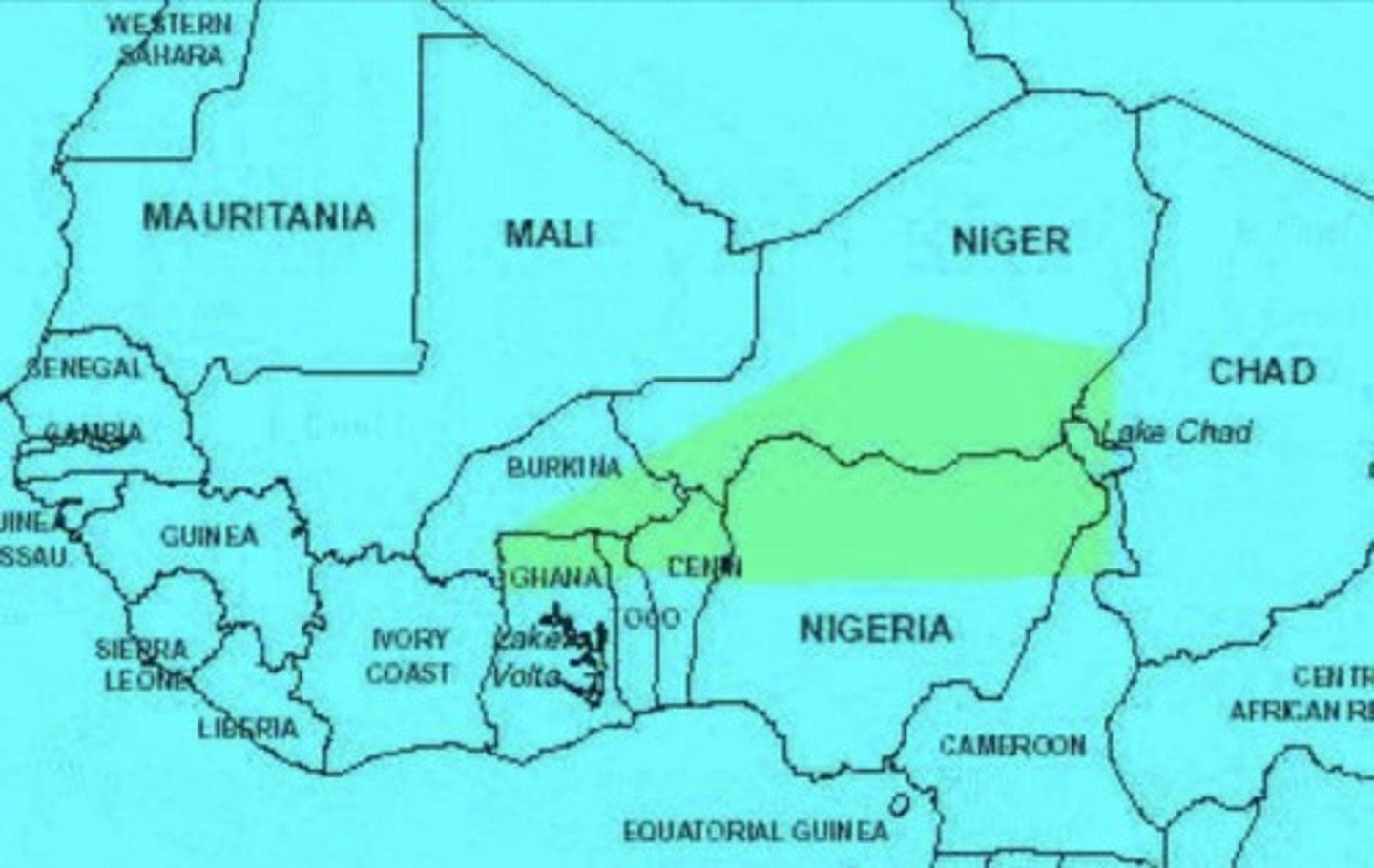
Hausa Kingdoms
Prosperous city-states loosely united by kinship. Profited from proximity to Trans-Saharan Trade Network.
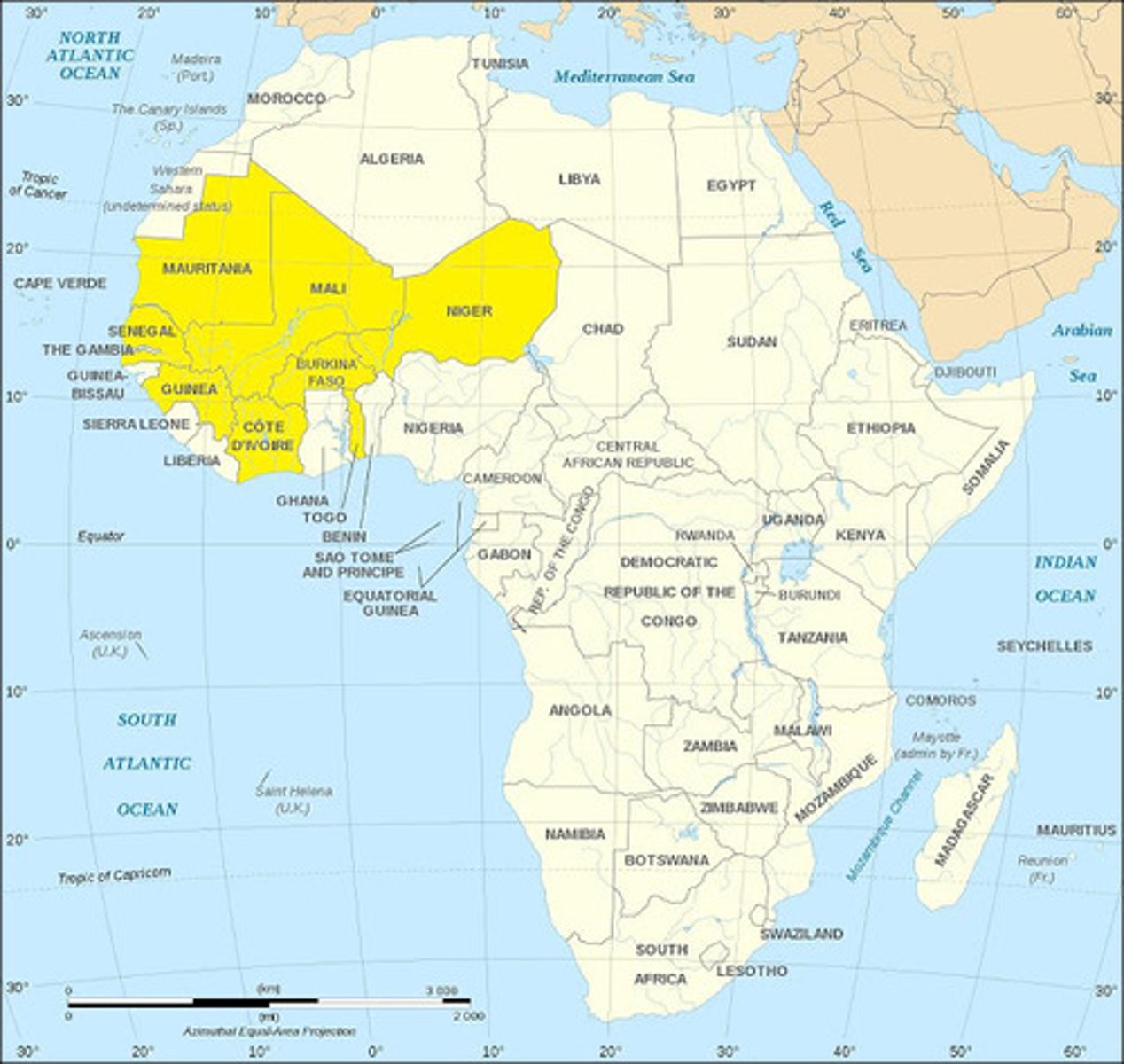
Mali Empire
A strong & large empire of Western African. Important trading cities such as Timbuktu on Trans-Saharan trade routes, known for wealth in gold. The Empire was ruled by two great rulers, Sundiata and Mansa Musa. Islam became dominant religion.
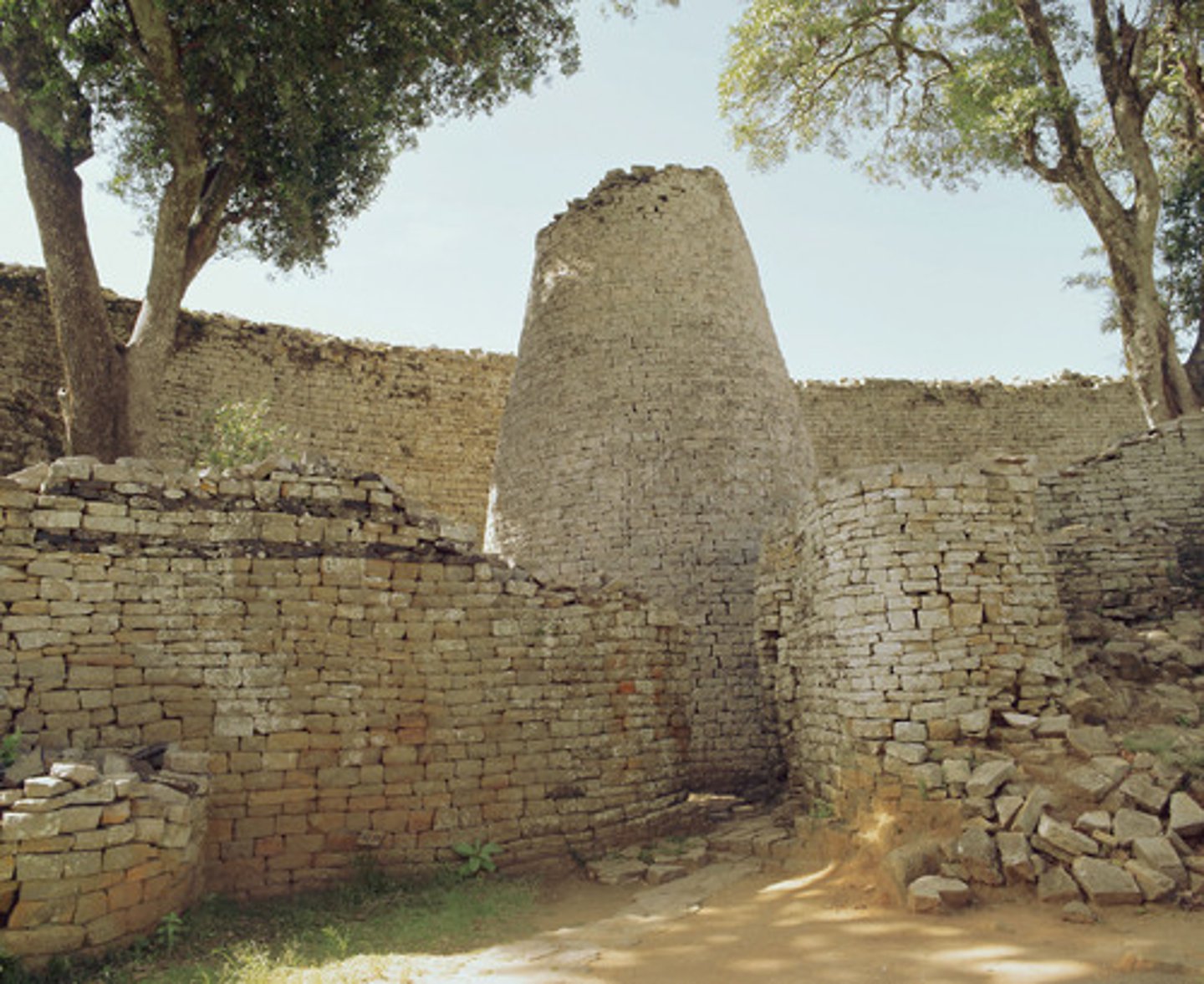
Great Zimbabwe
Southeast African civilization that was trading center (Indian Ocean trade) and known for large stone structures
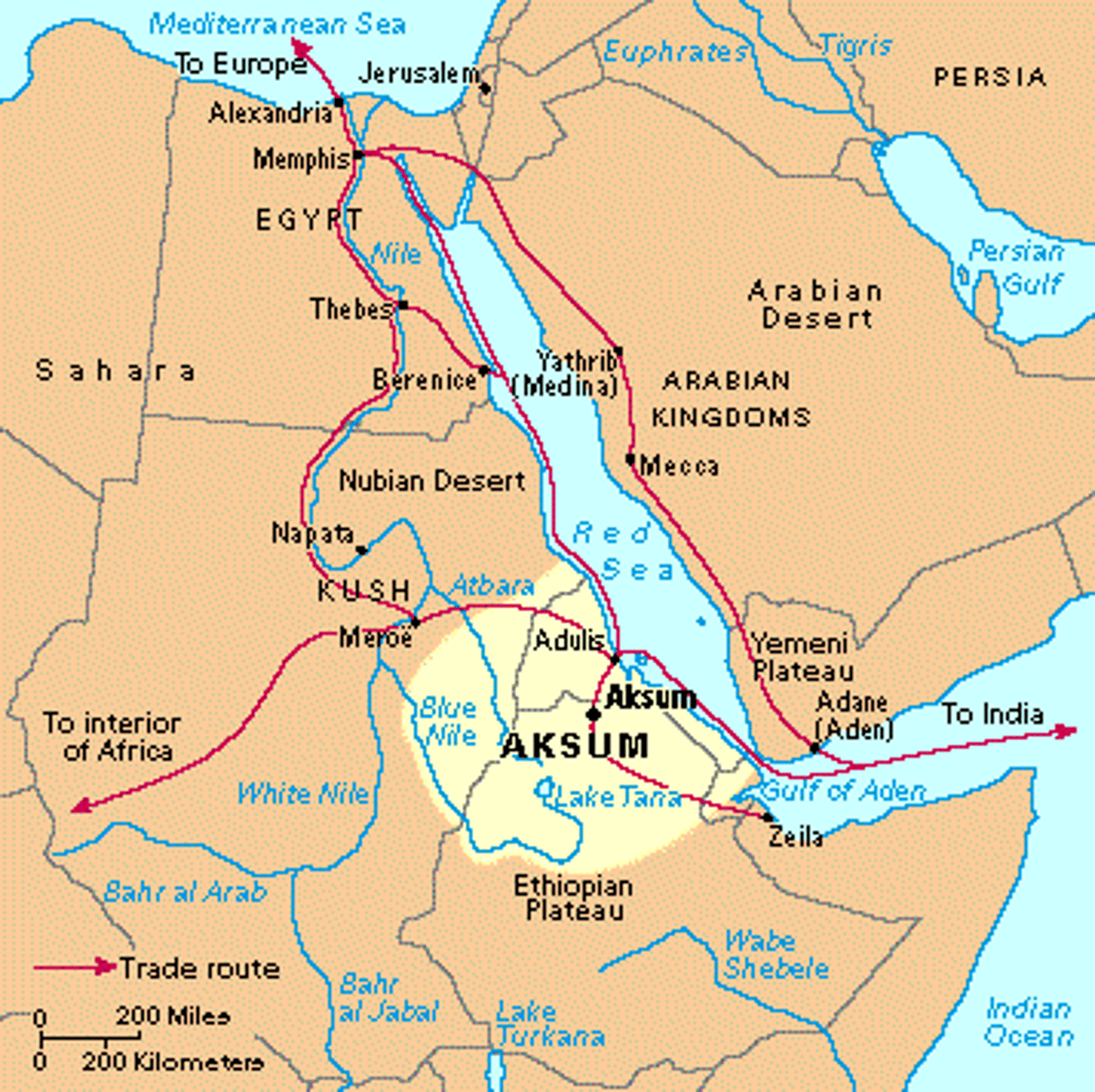
Ethiopian Kingdom
Feudal society in North-Eastern Africa. Was a Christian kingdom in a part of Africa that was predominantly Muslim
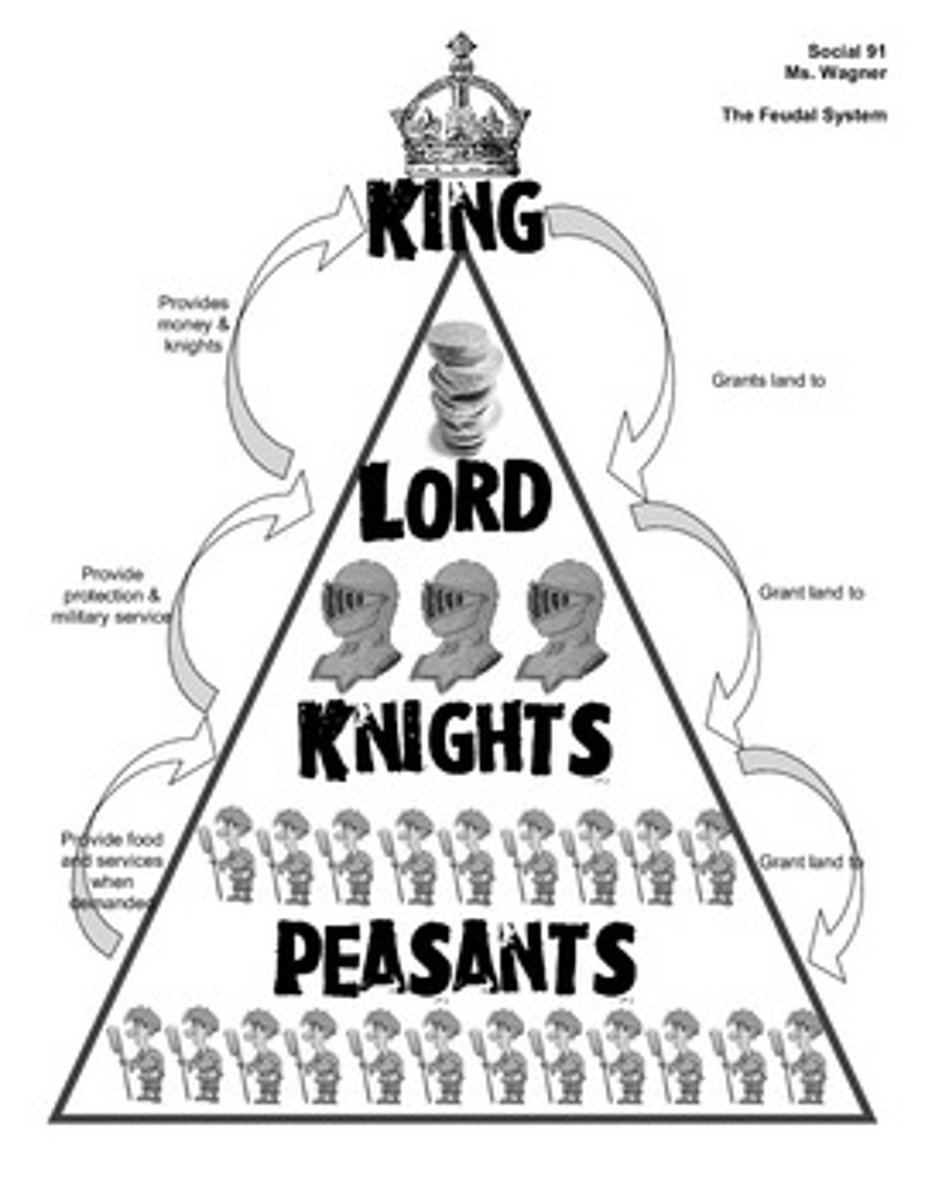
Feudalism
A political system in which nobles are granted the use of lands that legally belong to their king, in exchange for their loyalty, military service, and protection of the people who live on the land
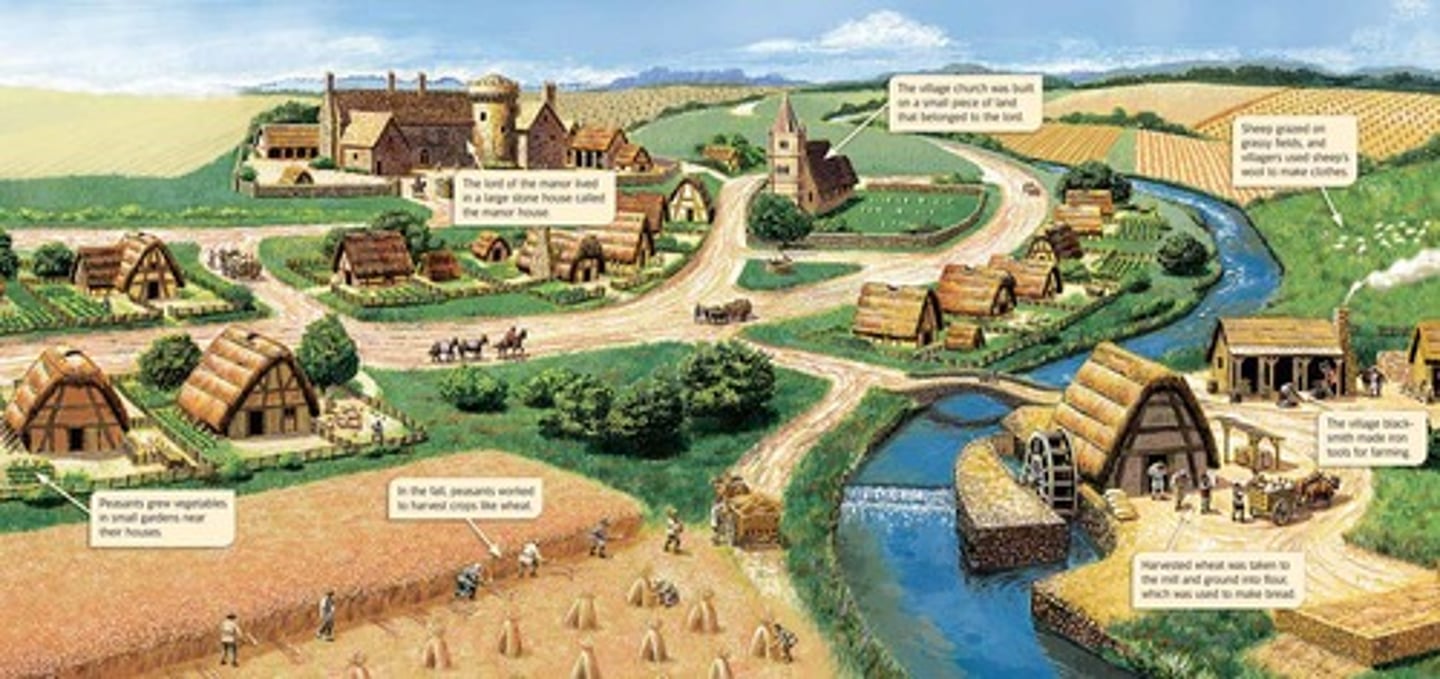
manorial system
A social system within the larger structure of feudalism: manors are villages owned by a noble and was cultivated by serfs
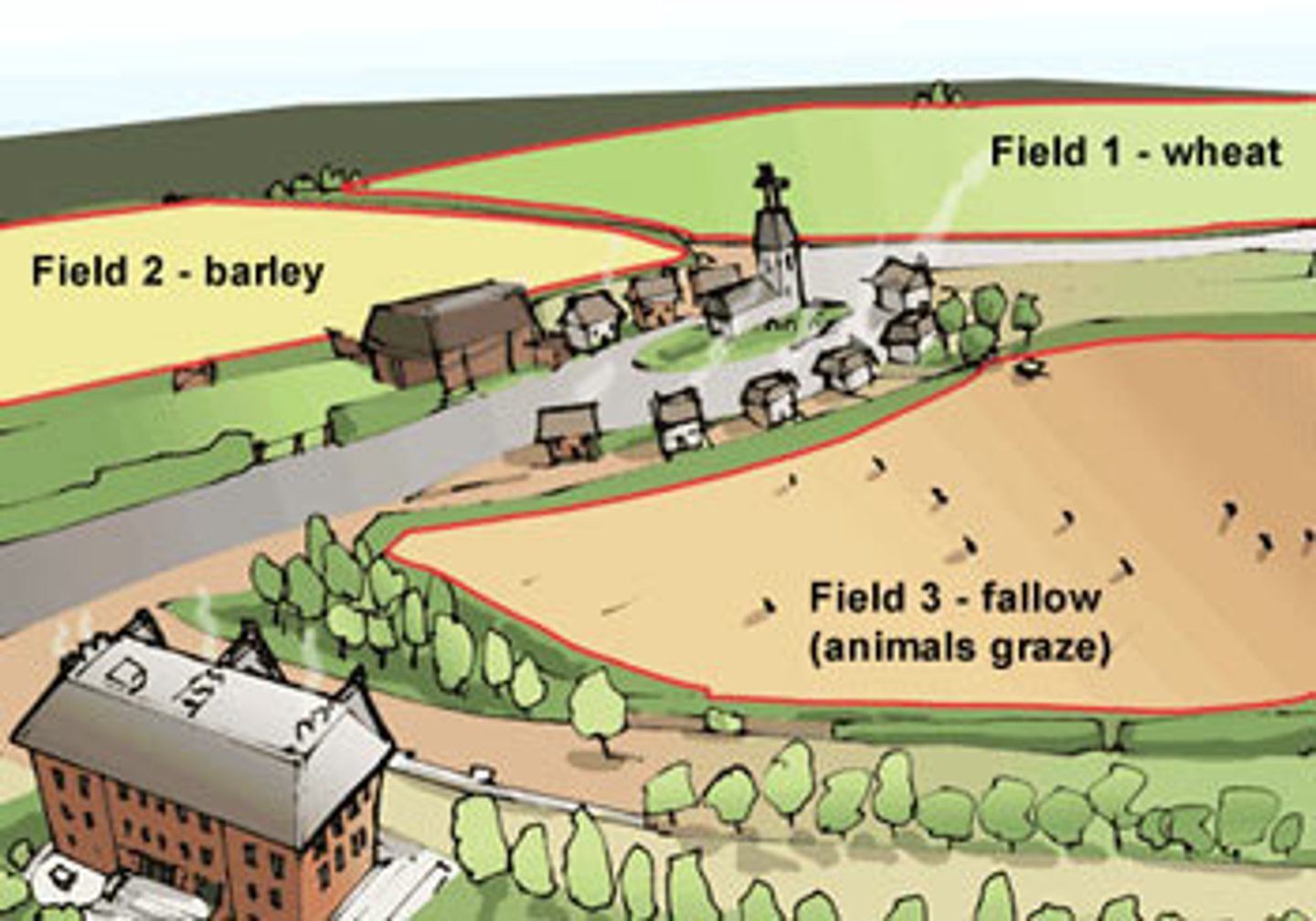
three-field system
A rotational system for agriculture in which one field grows grain, one grows legumes, and one lies fallow. It gradually replaced two-field system in medieval Europe.
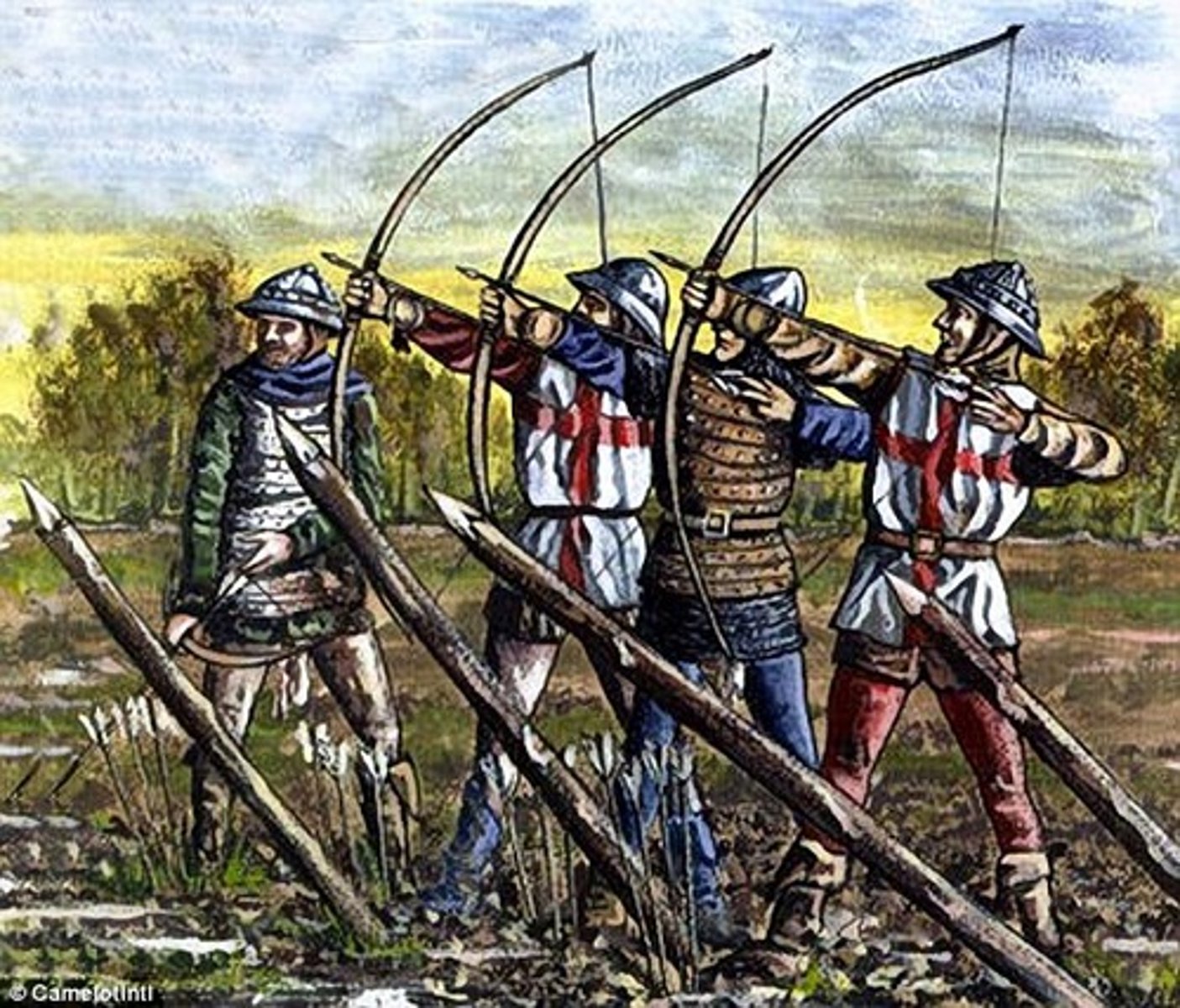
Hundred Years War
War between France and England led to the development of states in Europe
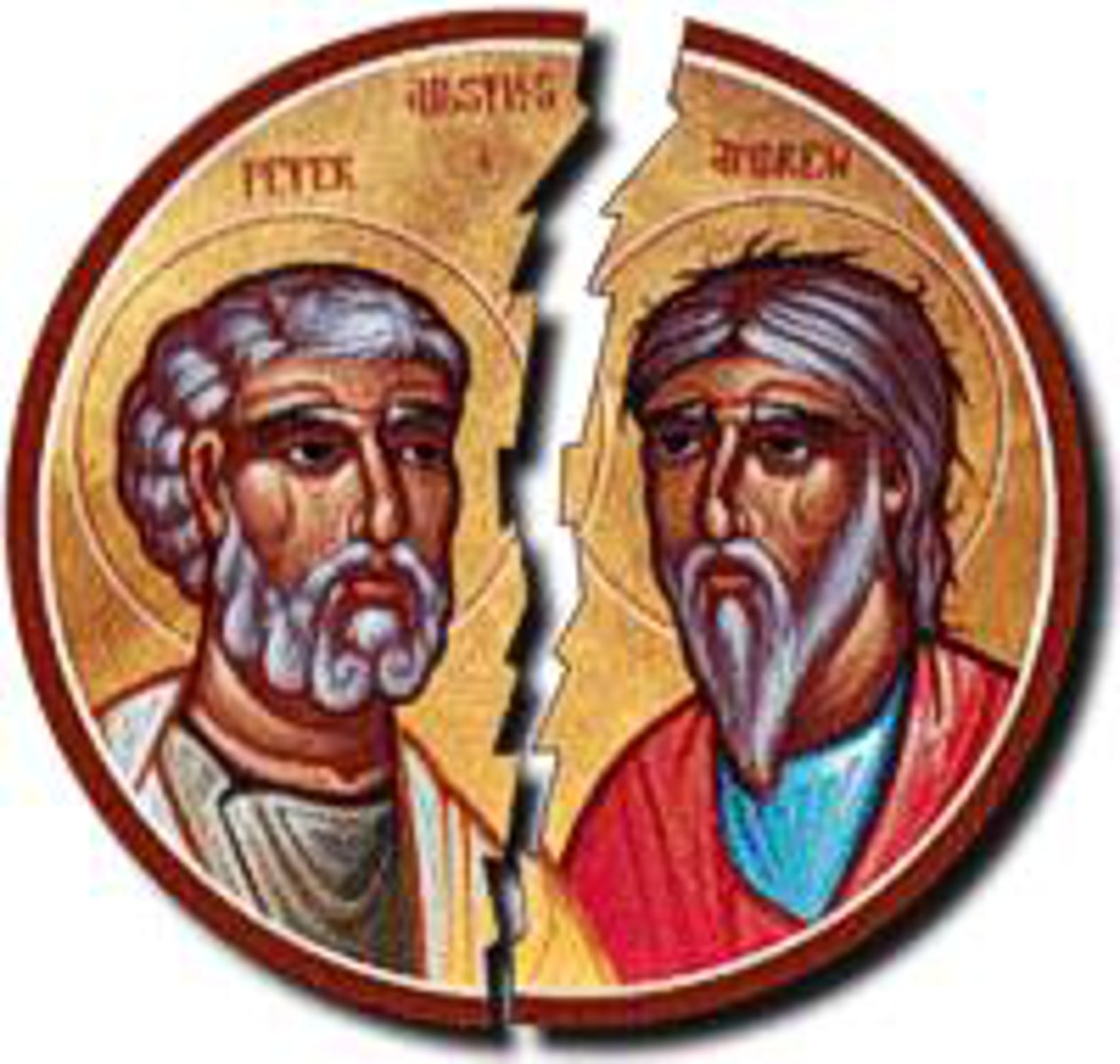
Great Schism
the official split between the Roman Catholic and Byzantine churches creating Roman Catholic Church and Eastern Orthodox Church
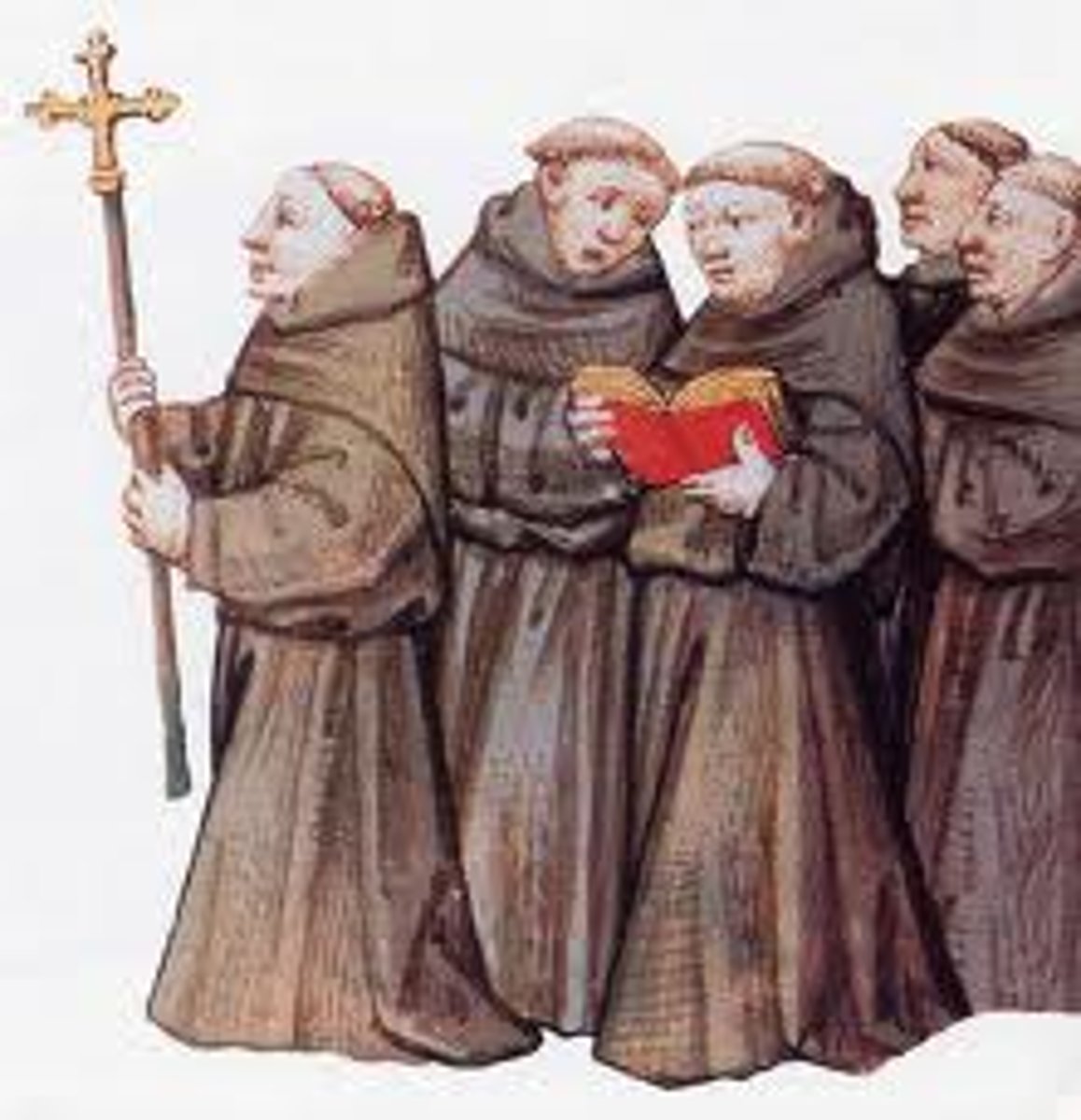
Monasticism
Living in a religious community apart from secular society and adhering to a rule stipulating chastity, obedience, and poverty. (Primary Centers of Learning in Medieval Europe)
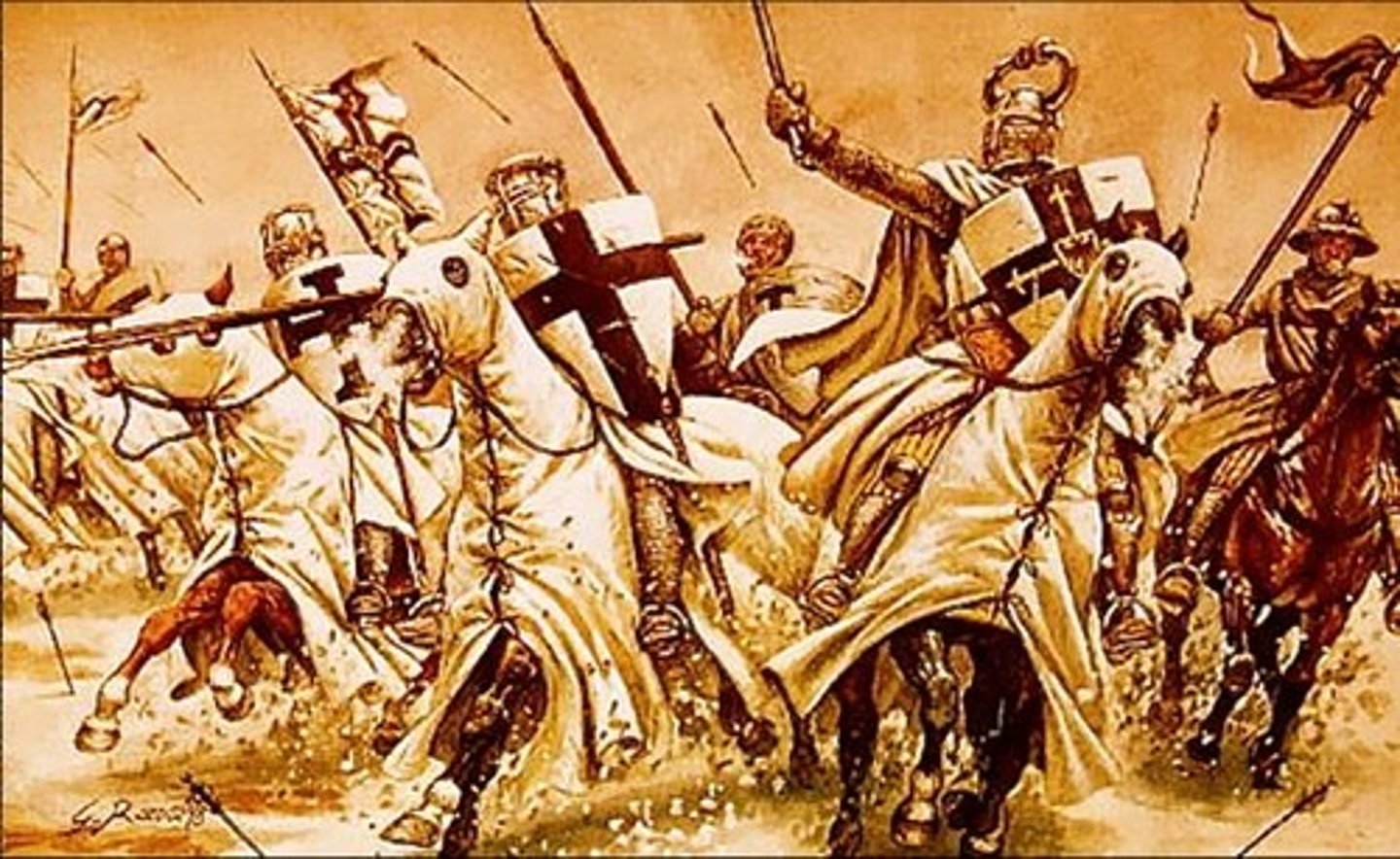
Crusades
The religious wars led by Western Catholic Europe to attempt to reclaim holy lands in Jerusalem
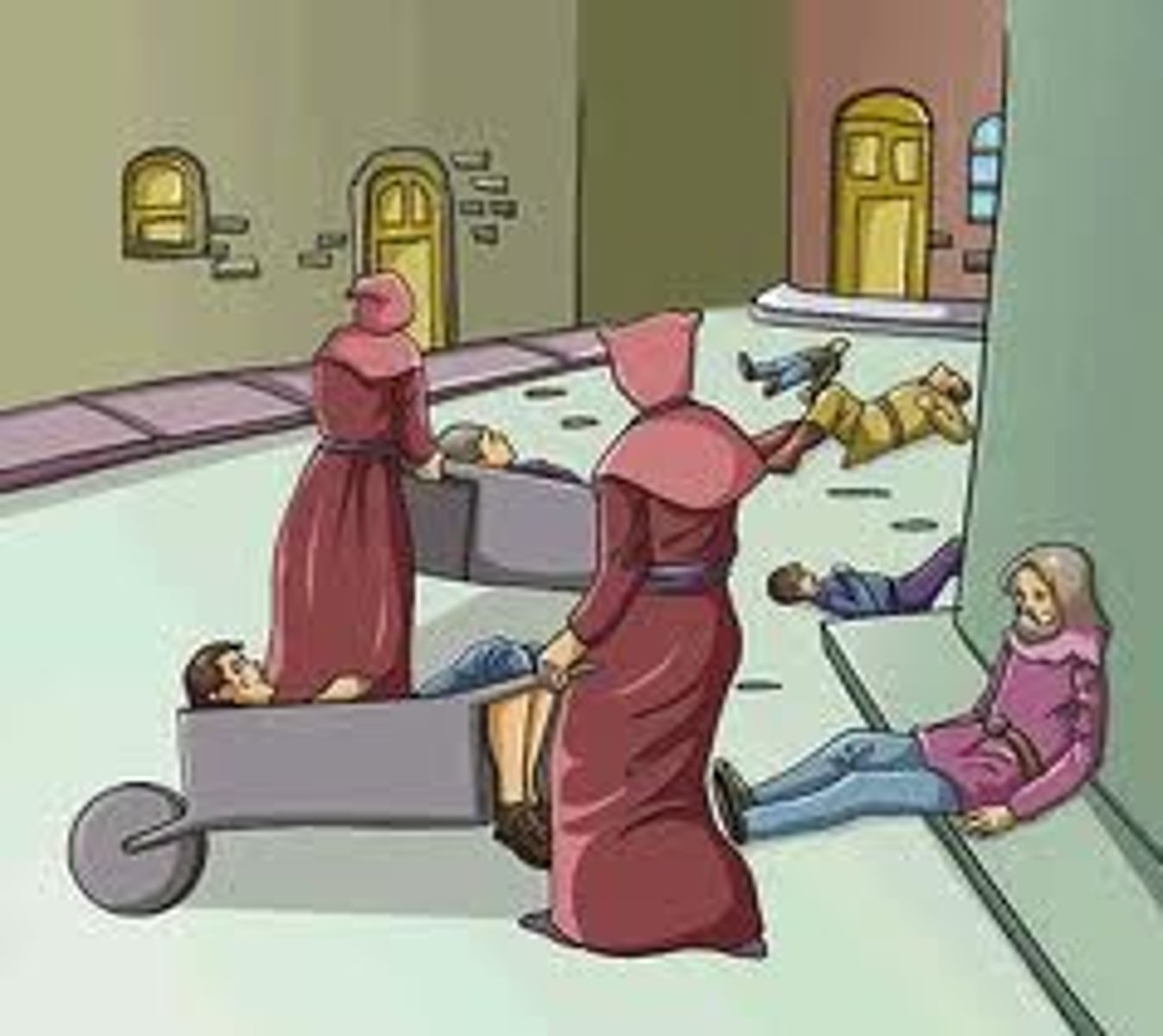
Bubonic Plague
disease brought to Europe from trade during the Middle Ages. It killed 1/3 of the population and helps end Feudalism
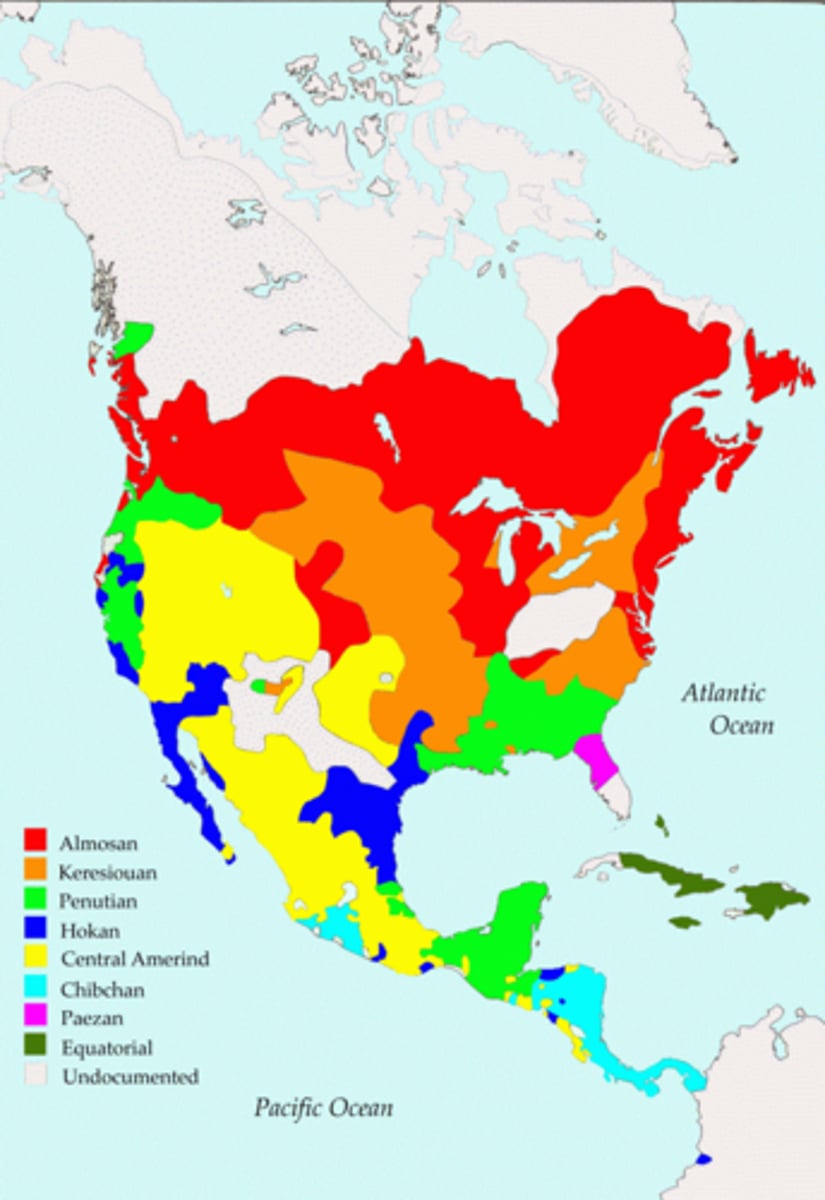
Amerinds
people of the Archaic period. Nomadic hunters and gatherers, living mostly in North America
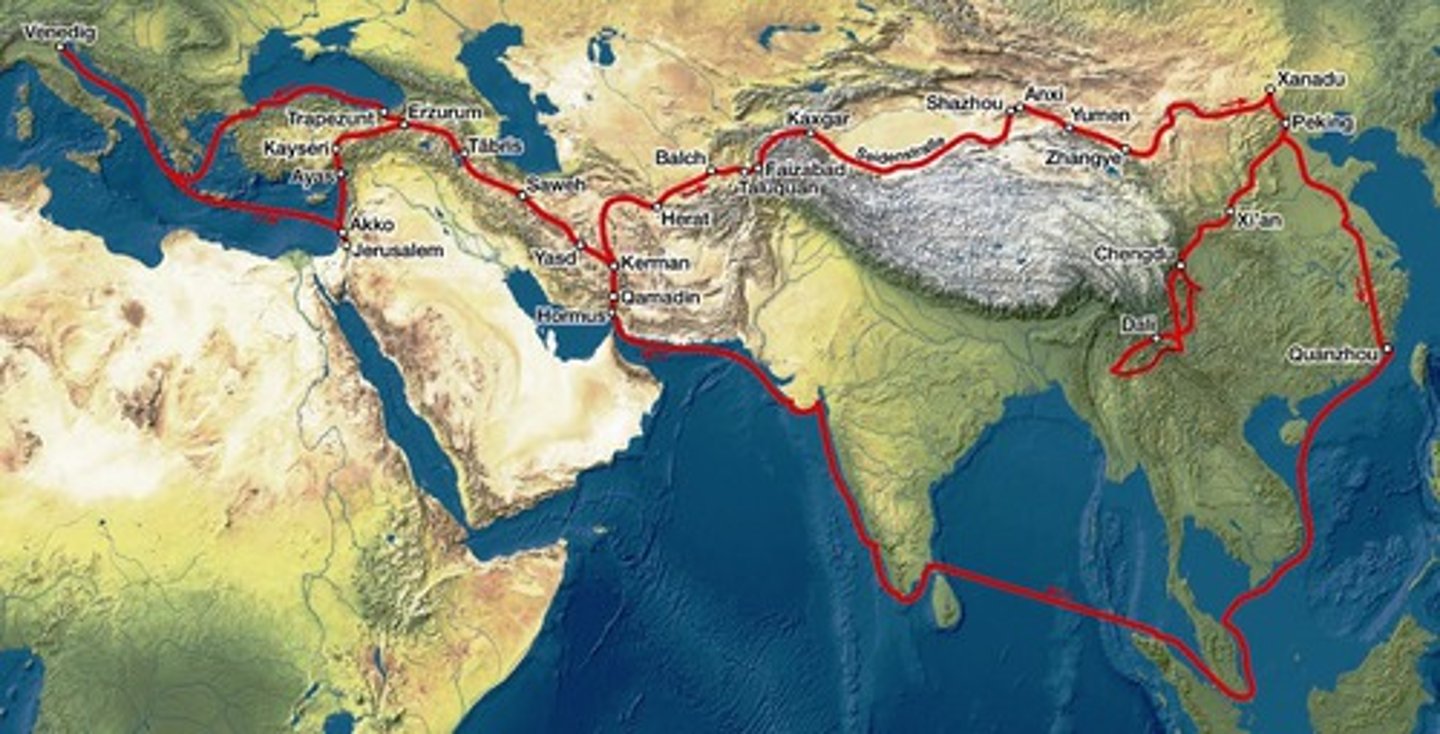
Marco Polo
Venetian merchant and traveler. His accounts of his travels to China offered Europeans a firsthand view of Asian lands and stimulated interest in Asian trade.
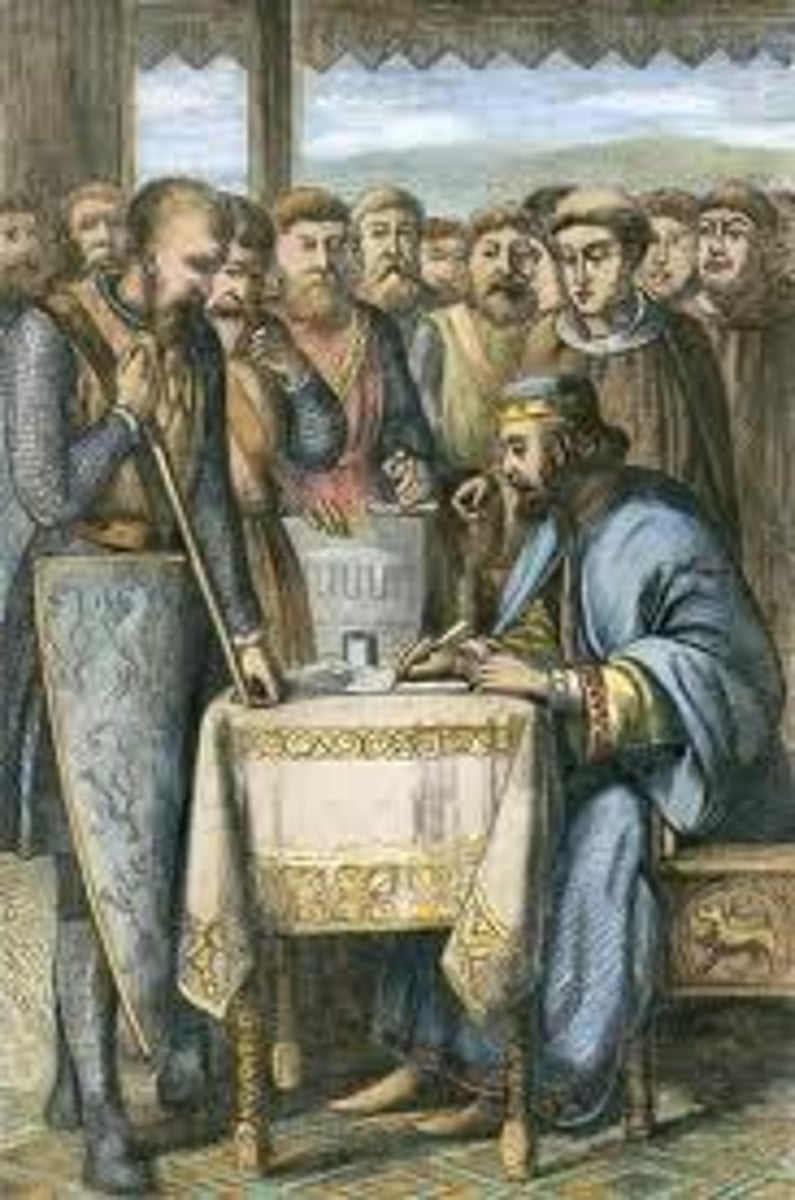
King John of England
king who signed the Magna Carta at the end of a conflict that was a result of high taxes; The tyrannical king who signed the Magna Carta that LIMITED THE POWER OF THE KINGS
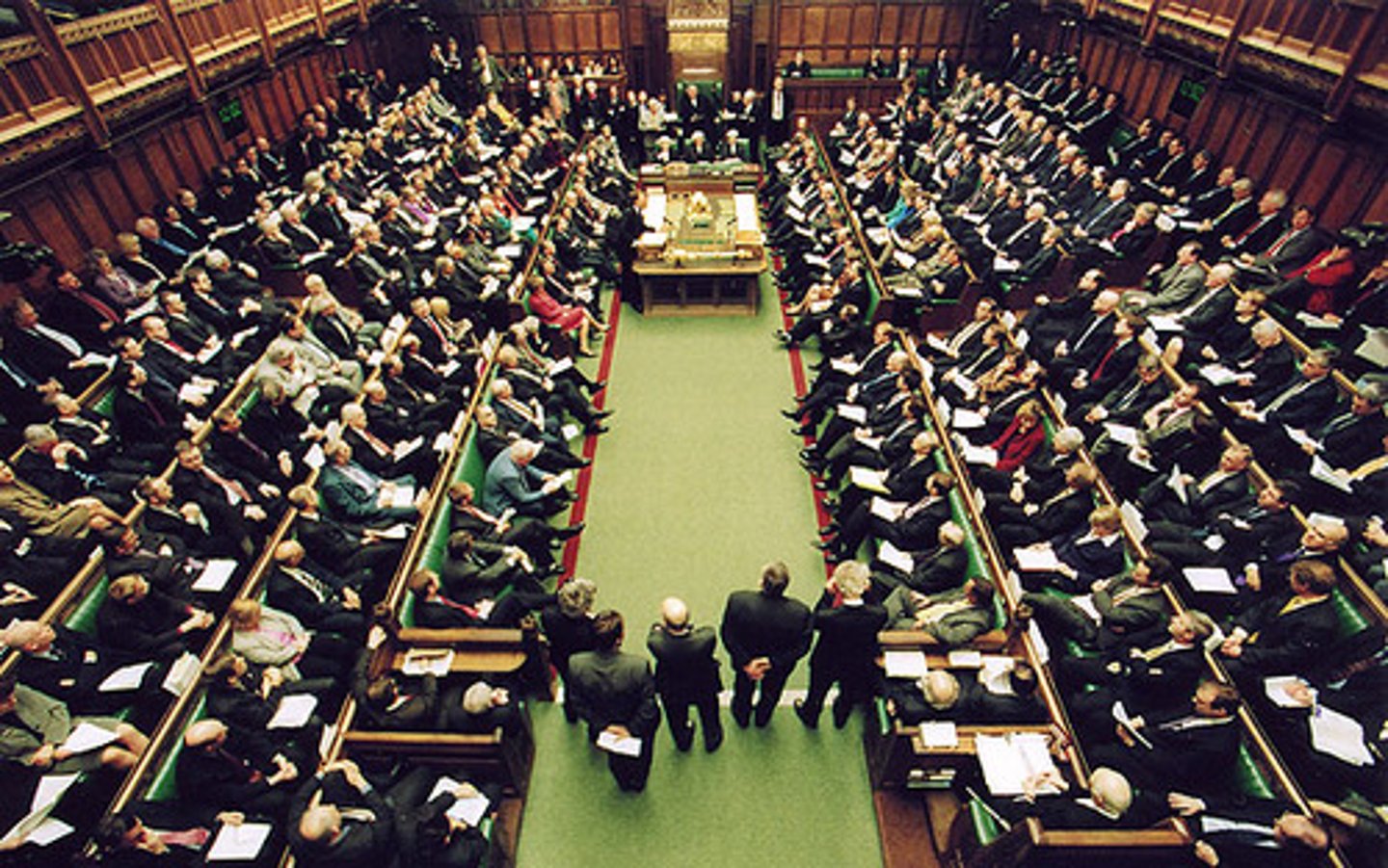
Parliament
A body of representatives that makes laws for a nation
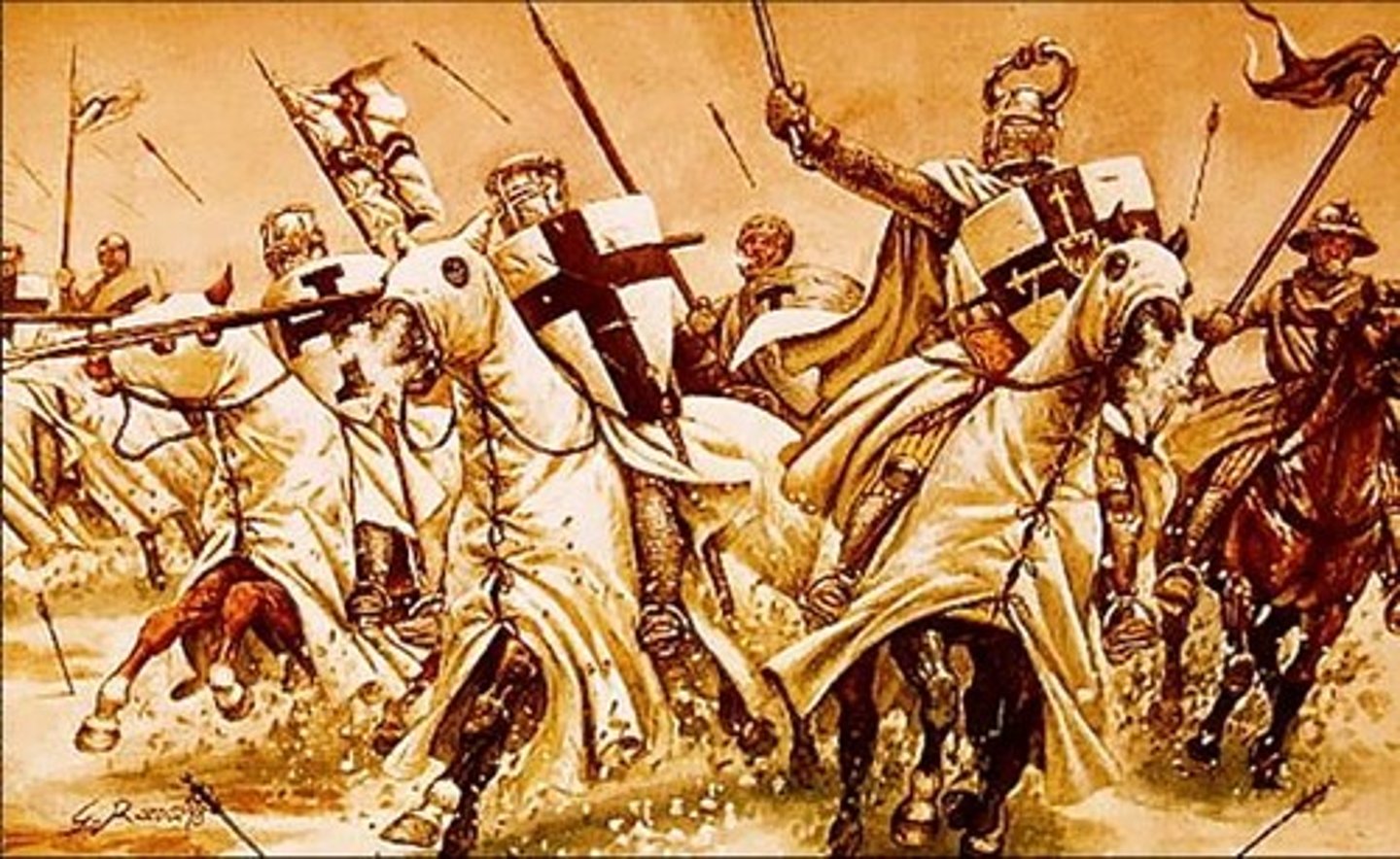
Crusades
A series of holy wars from 1096-1270 AD undertaken by European Christians to free the Holy Land from Muslim rule.
Delhi Sultanate
The first Islamic government established within India from 1206-1520. Controlled a small area of northern India and was centered in Delhi and brought instability to India historical rulers
Confucian Social Order
• Know your place and act accordingly
• Superiors act with benevolence and protect inferiors
• Inferiors respect superiors and obey
• The Five Relationships
- Emperor and subject
- Father and son
- Husband and wife
- Elder brother and younger brother
- Friend and friend
• There is limited social mobility for men because educated men are valued and are considered the ideal in society
• Thus, a man from the peasant class could take the examination for government service and if he passed, he became a scholar-gentry - a respected member of government, a landowner, and nobility
• The examination system was open to all men
• Women, however, were always inferior
• Women had to obey fathers and then husbands and then even grown sons as widows
• Female infants were placed under beds at birth to reveal their low status
• Women had to be chaste [refraining from extramarital affairs] and only engage in intimate relations with their husbands
• Women were to serve men and to be quiet
• Husbands, however, did not have to be chaste
• Age had to be respected
• Filial piety or sons had to obey parents and ancestors
• Sons were preferred over daughters as only sons could perform the ancestral rituals
• Confucius believed that when individuals acted according to their societal roles, peace and harmony ensued
• Thus, when the social order was preserved, all was peaceful and harmonious in China
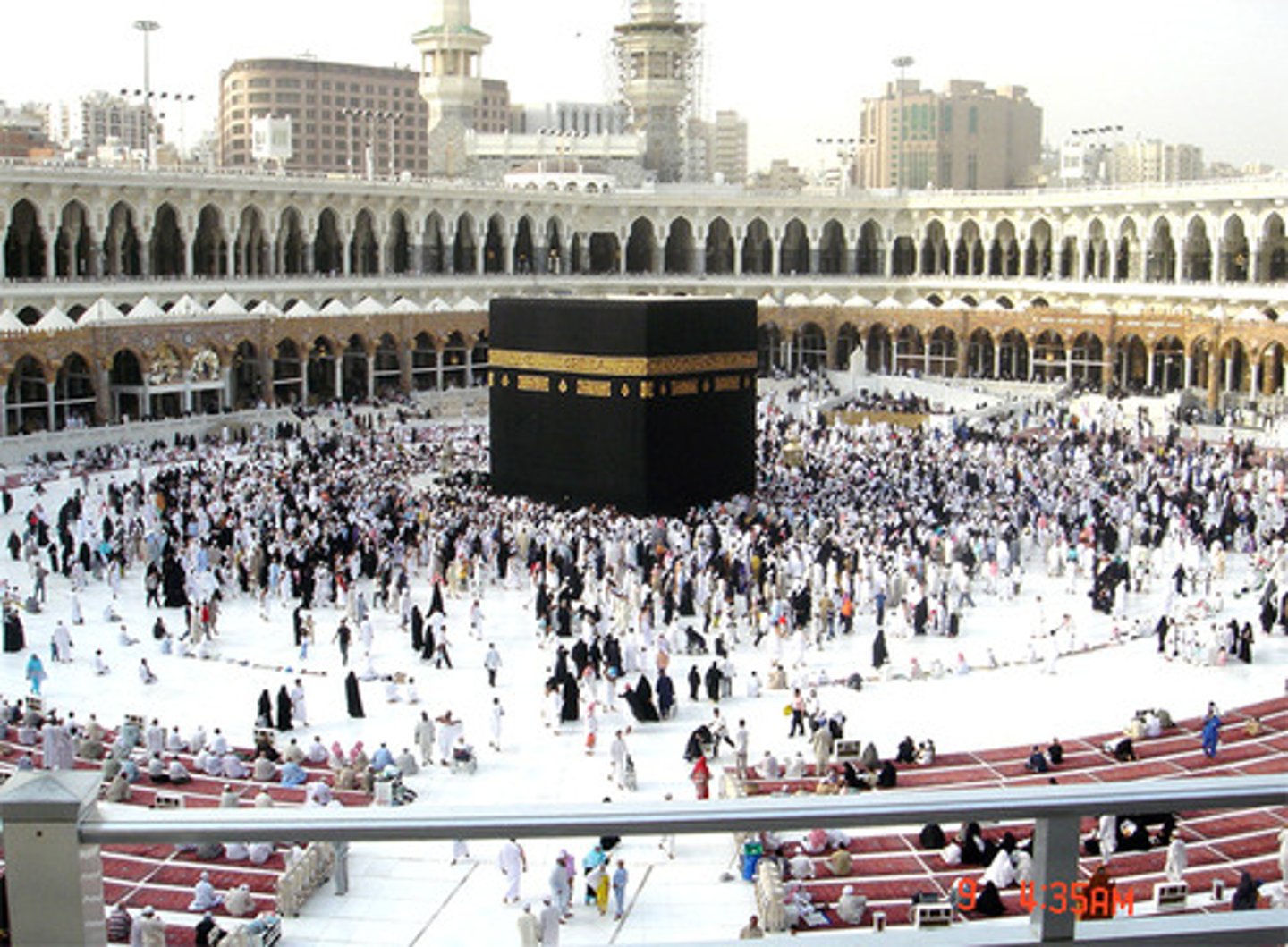
Tenets of Islam
monotheism, Muhammad is the last and greatest prophet, Qur'an (Koran), Five Pillars of Islam, Mecca and Medina are the two holiest cities
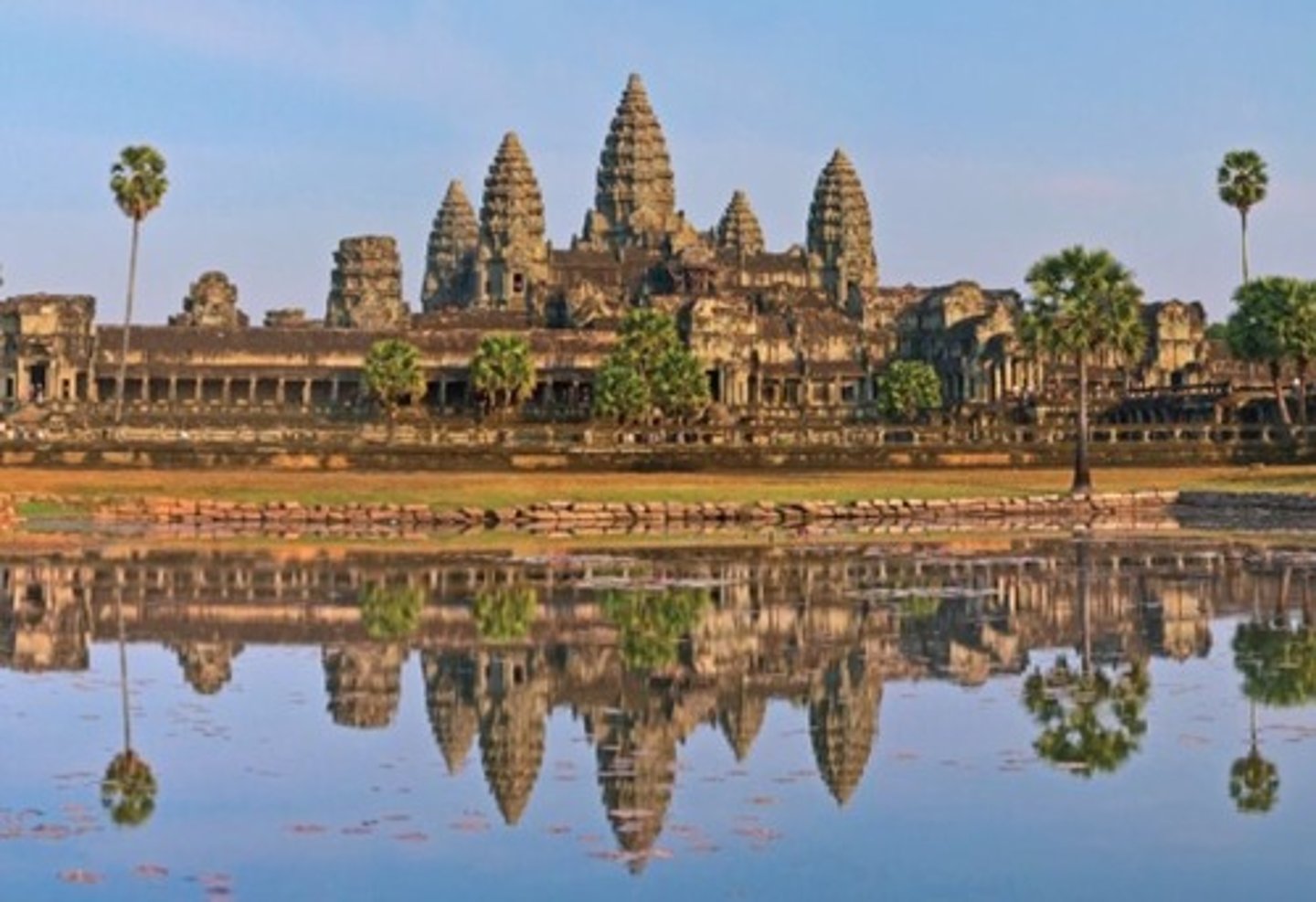
Angkor Wat
A temple complex built in the Khmer Empire and dedicated to the Hindu God, Vishnu.
Sufism
An Islamic mystical tradition that desired a personal union with God--divine love through intuition rather than through rational deduction and study of the shari'a. Followed an ascetic routine (denial of physical desire to gain a spiritual goal), dedicating themselves to fasting, prayer, meditation on the Qur'an, and the avoidance of sin.
Maise/Corn
Staple crop that formed the economic foundation of Indian civilizations.
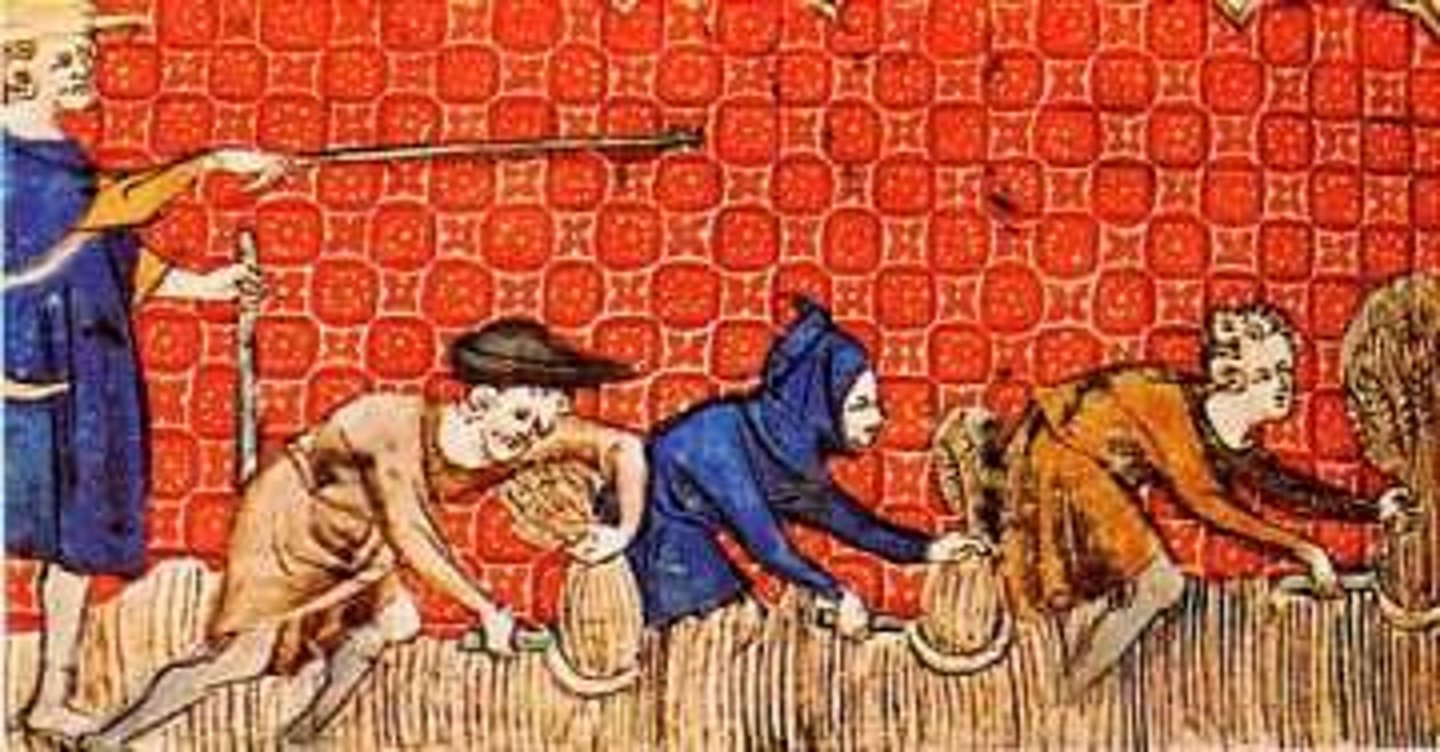
Serfdom
A type of labor commonly used in feudal systems in which the laborers work the land in return for protection but they are bound to the land and are not allowed to leave or to peruse their a new occupation. This was common in early Medeival Europe as well as in Russia until the mid 19th century.
Indentured servitude
A worker bound by a voluntary agreement to work for a specified period of years often in return for free passage to an overseas destination. Before 1800 most were Europeans; after 1800 most indentured laborers were Asians.
military conscription
a draft, or the compulsory enlistment of people in a military service
Aristocracy
A government in which power is in the hands of a hereditary ruling class or nobility

Syncretism
a blending of beliefs and practices from different religions into one faith