BIO 190 Lab Quiz #4 *Cell Structure and Function*
 Call Kai
 Learn
Learn Practice Test
 Spaced Repetition
 Match
Match Flashcards
 Knowt Play
1/53

There's no tags or description
Looks like no tags are added yet.
Name | Mastery | Learn | Test | Matching | Spaced | Call with Kai |
|---|
No analytics yet
Send a link to your students to track their progress
54 Terms
solute
what is being dissolved
solvent
what is doing the dissolving
solution
a liquid mixture of a solute and solvent
diffusion
solute moves from high to low concentration
osmosis
movement of water across a semi permeable membrane from low to high solute concentration
what does the dialysis tubing act as
a semi permeable membrane with tiny holes to let very small molecules to pass through
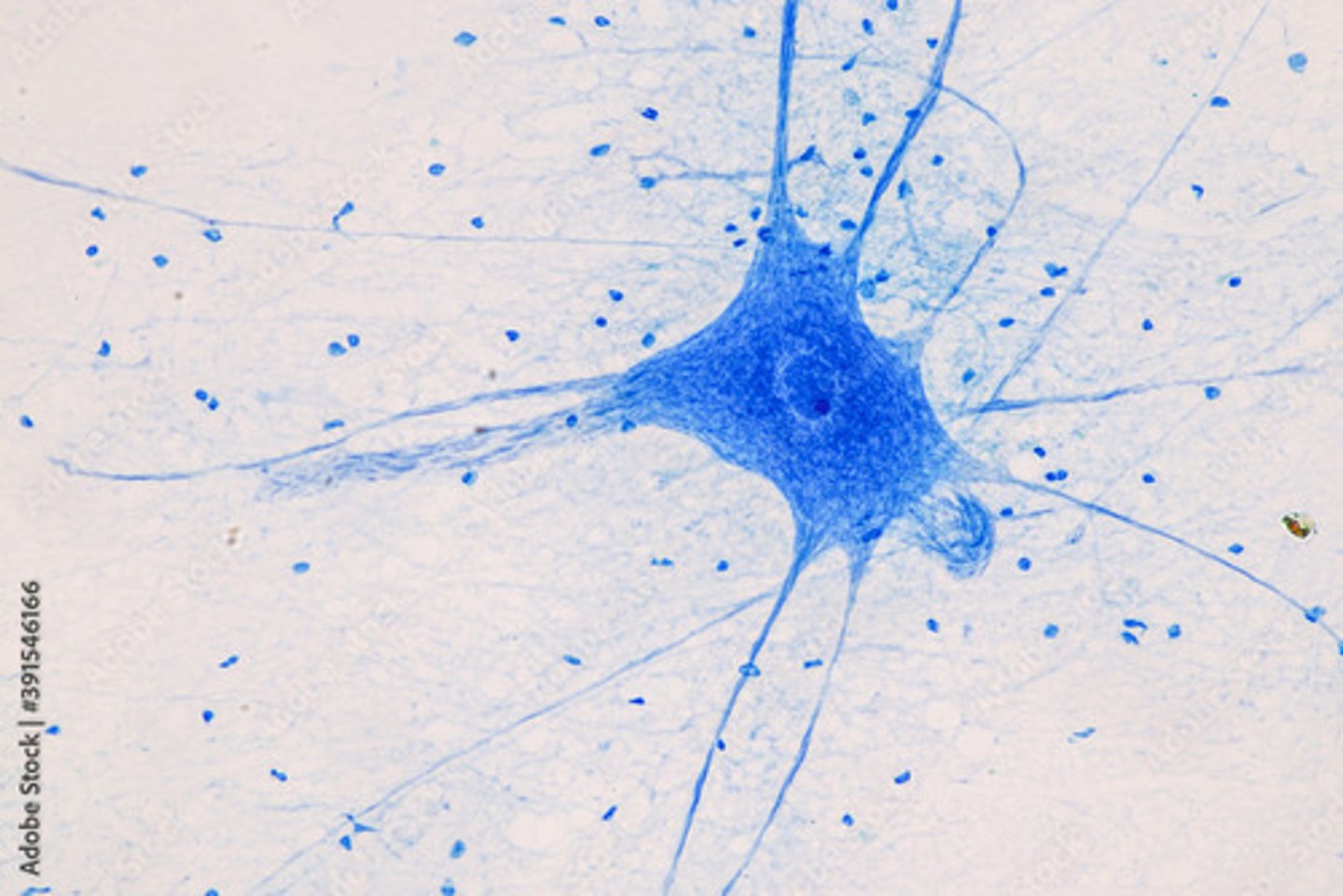
human neuron (nerve) cell
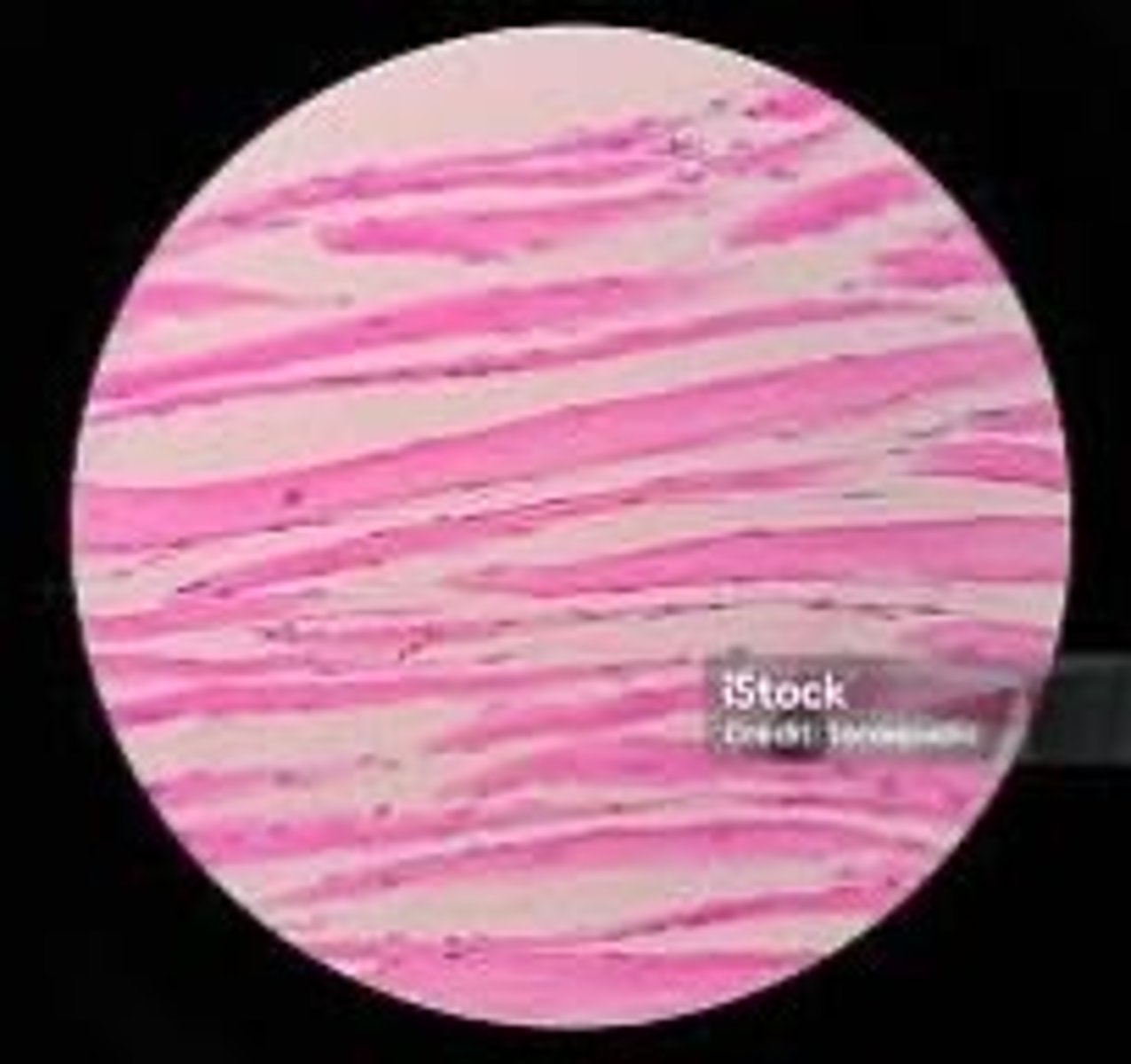
human skeletal cell
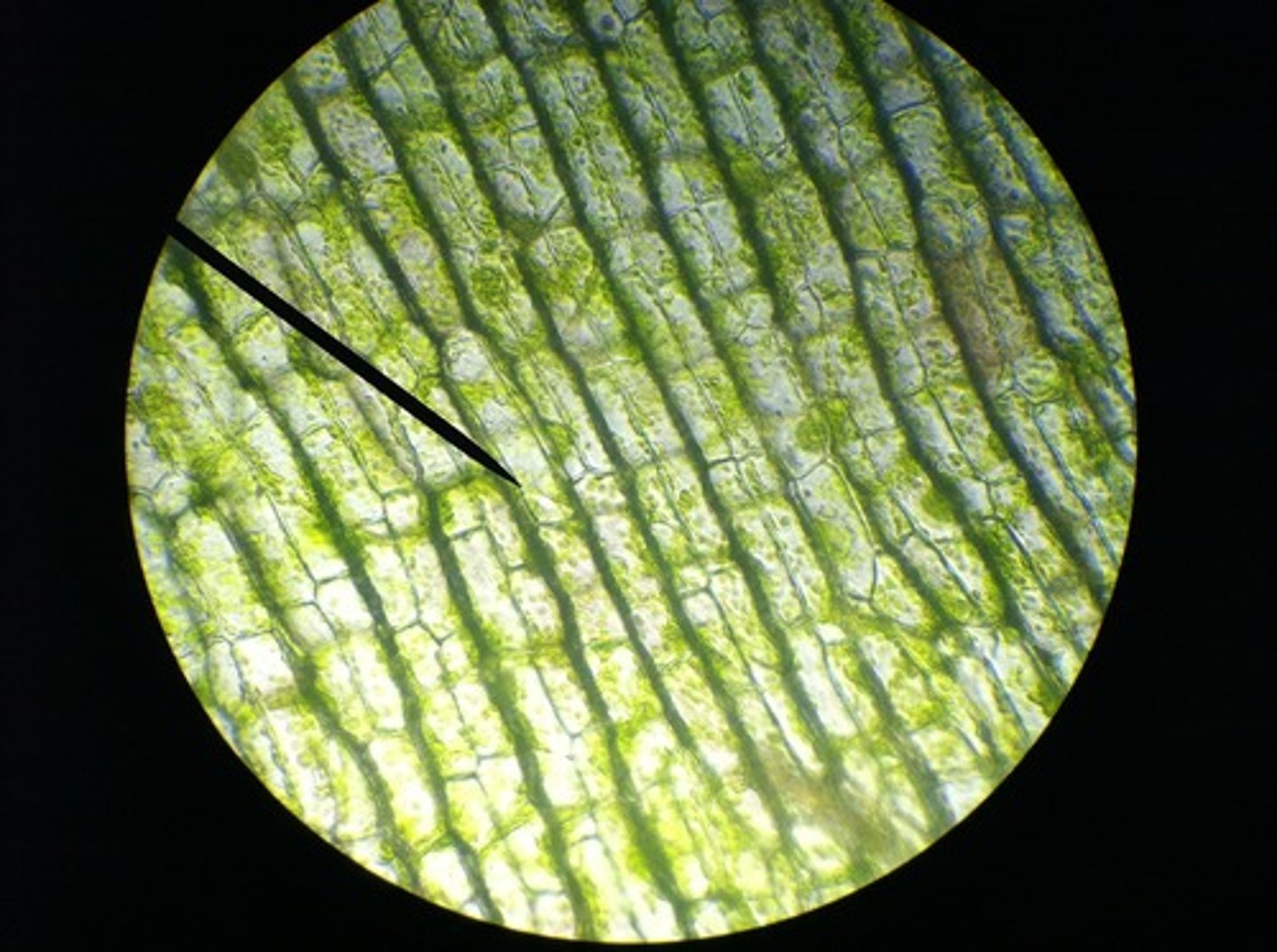
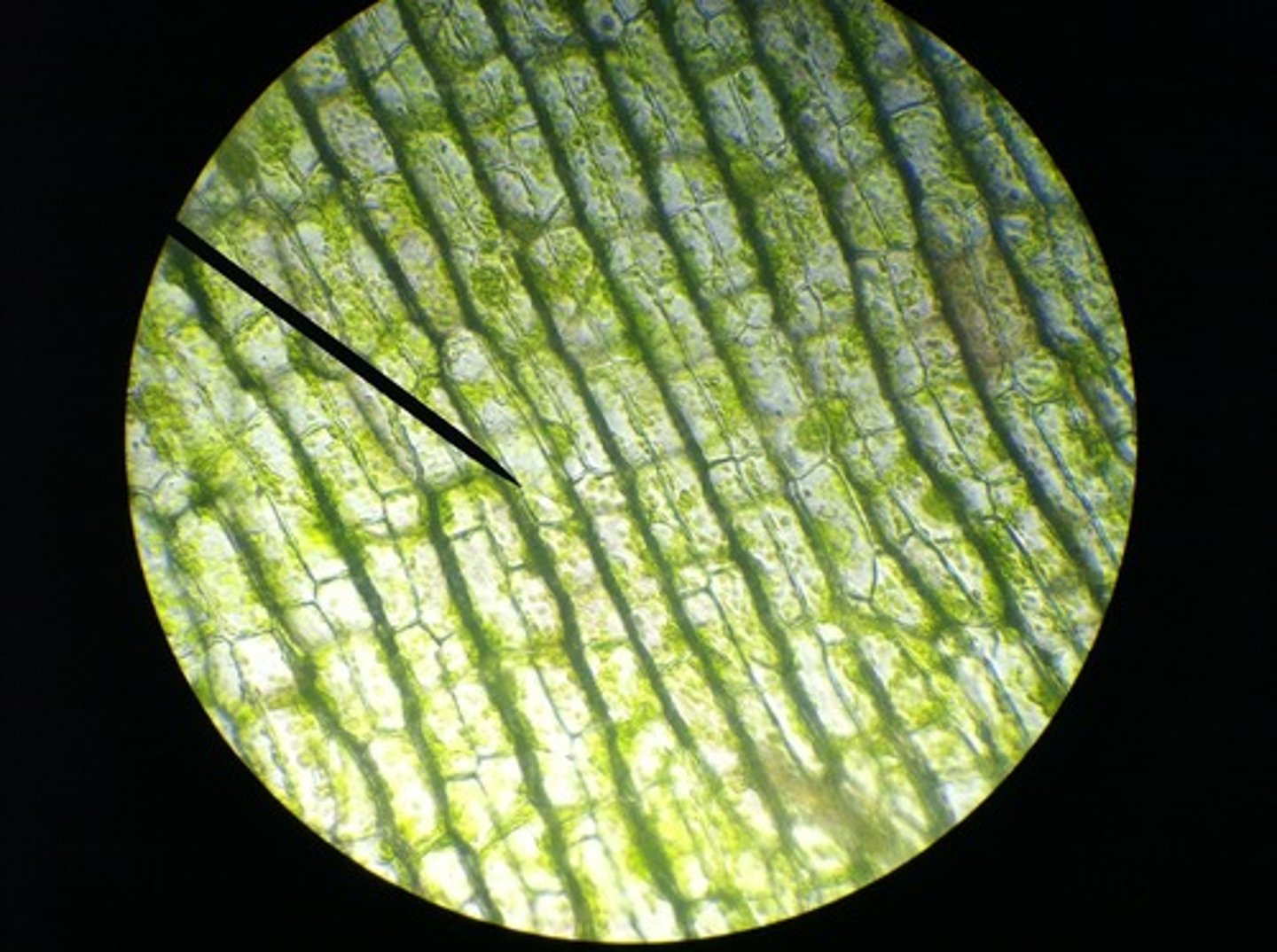
what is the elodea
common aquatic plant that lives in fresh water.
how do you make a wet mount
1. clean microscope slide
2. one drop of specimen
3. place a coverslip slowly at 45 degree angle
4. remove excess liquid with paper towel
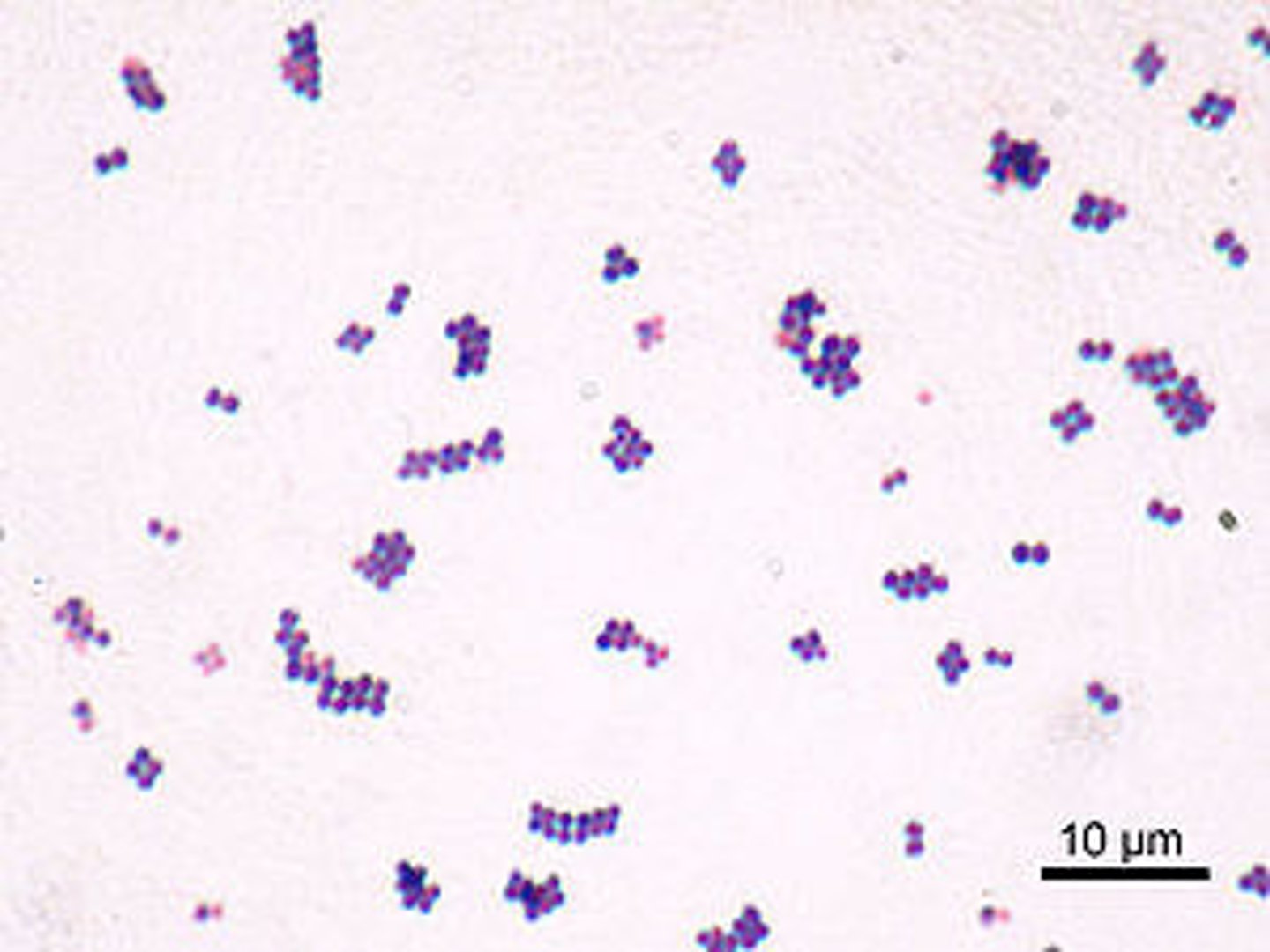
coccus bacteria
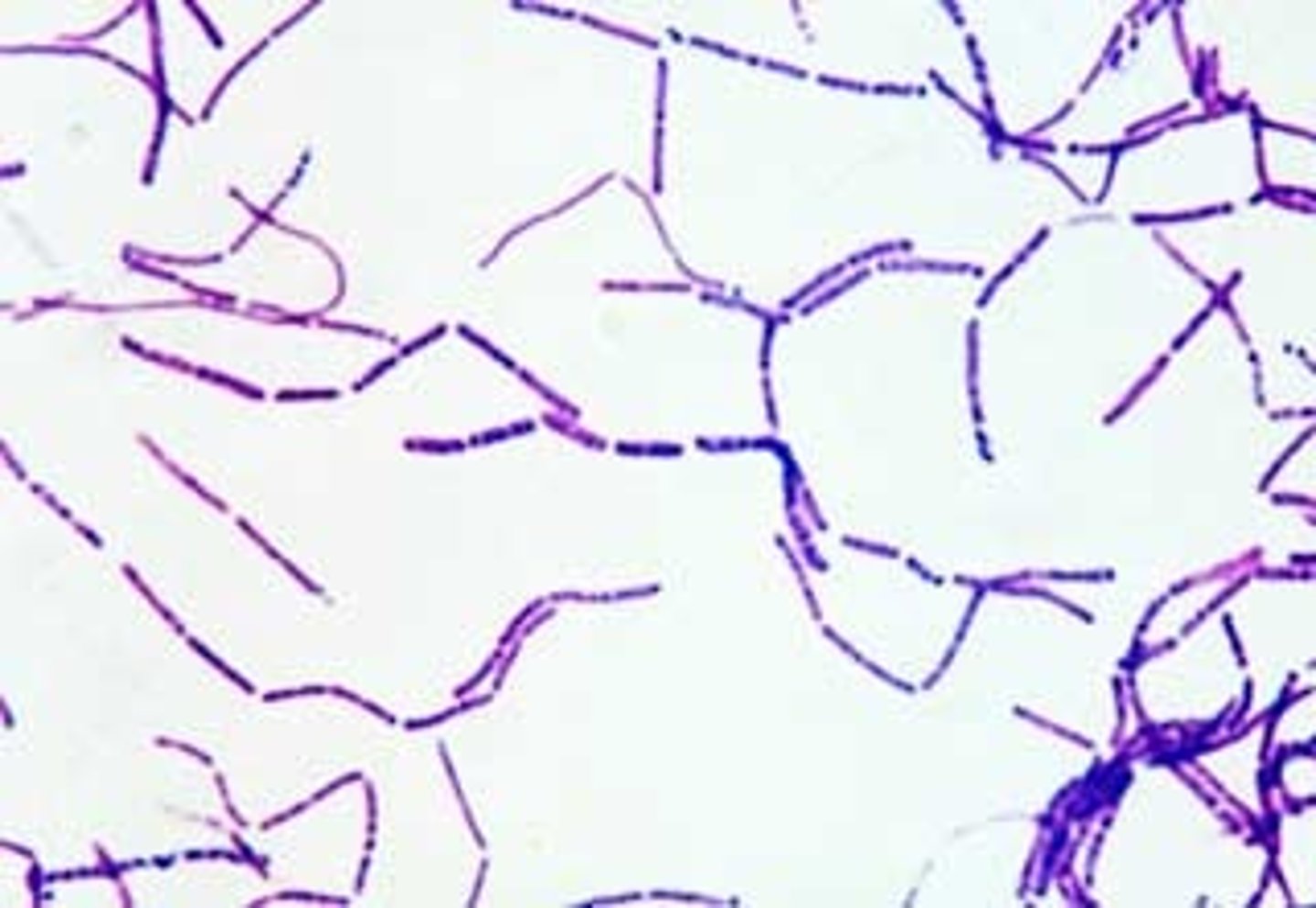
bacillus bacteria
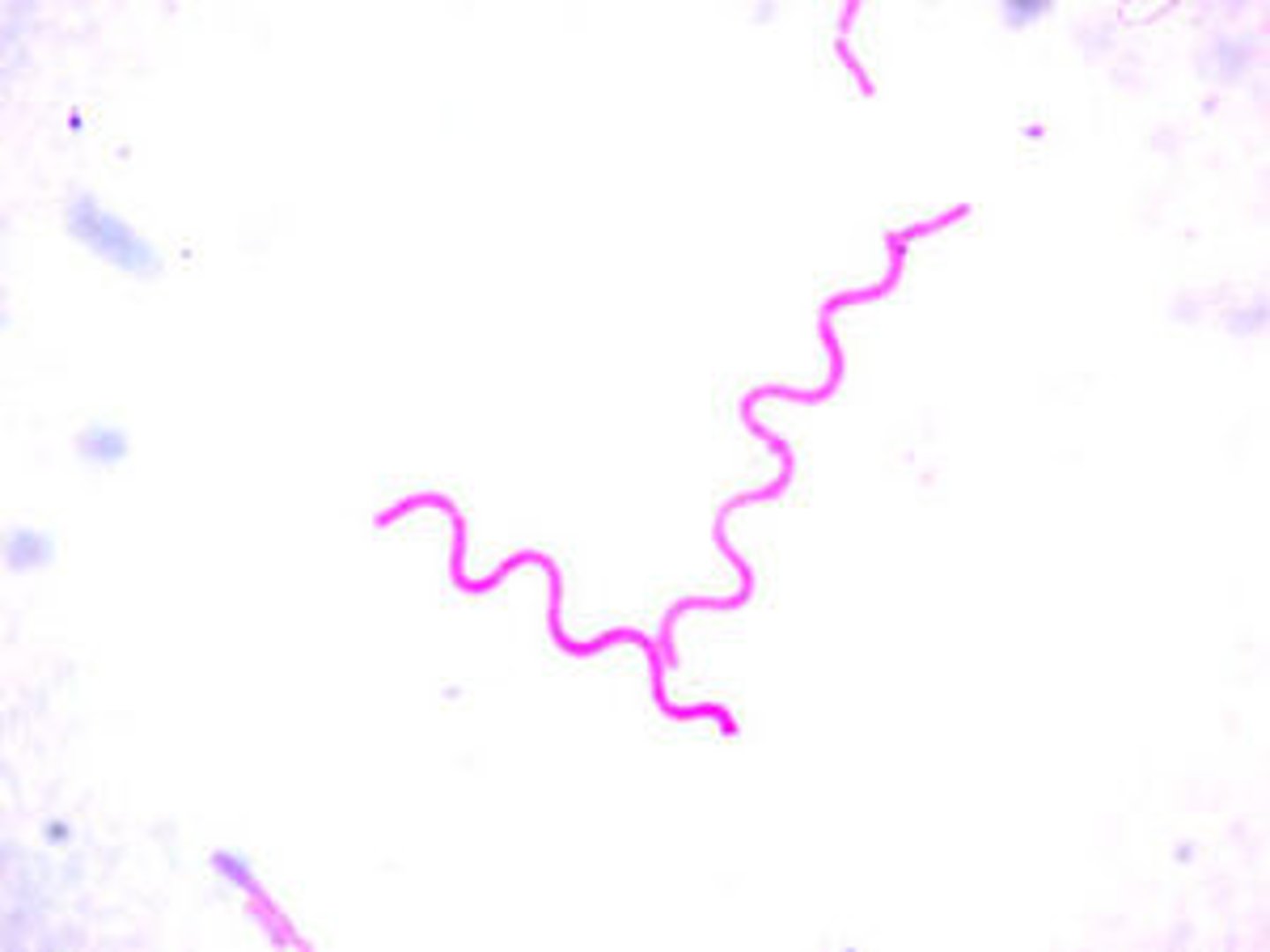
Spirilum bacteria
hypertonic
solution that has a higher solute concentration compared to another solution
hypotonic
solution that has a lower solute concentration compared to another solution
isotonic
2 solutions at equilibrium (same concentration)
how does water move..
from hypotonic to hypertonic
what organelles are responsible for changes in Elodea cells when places in water
the central vacuole plays the most crucial role in the changes observed in Elodea cells when placed in water due to its role in maintaining turgor pressure through osmosis
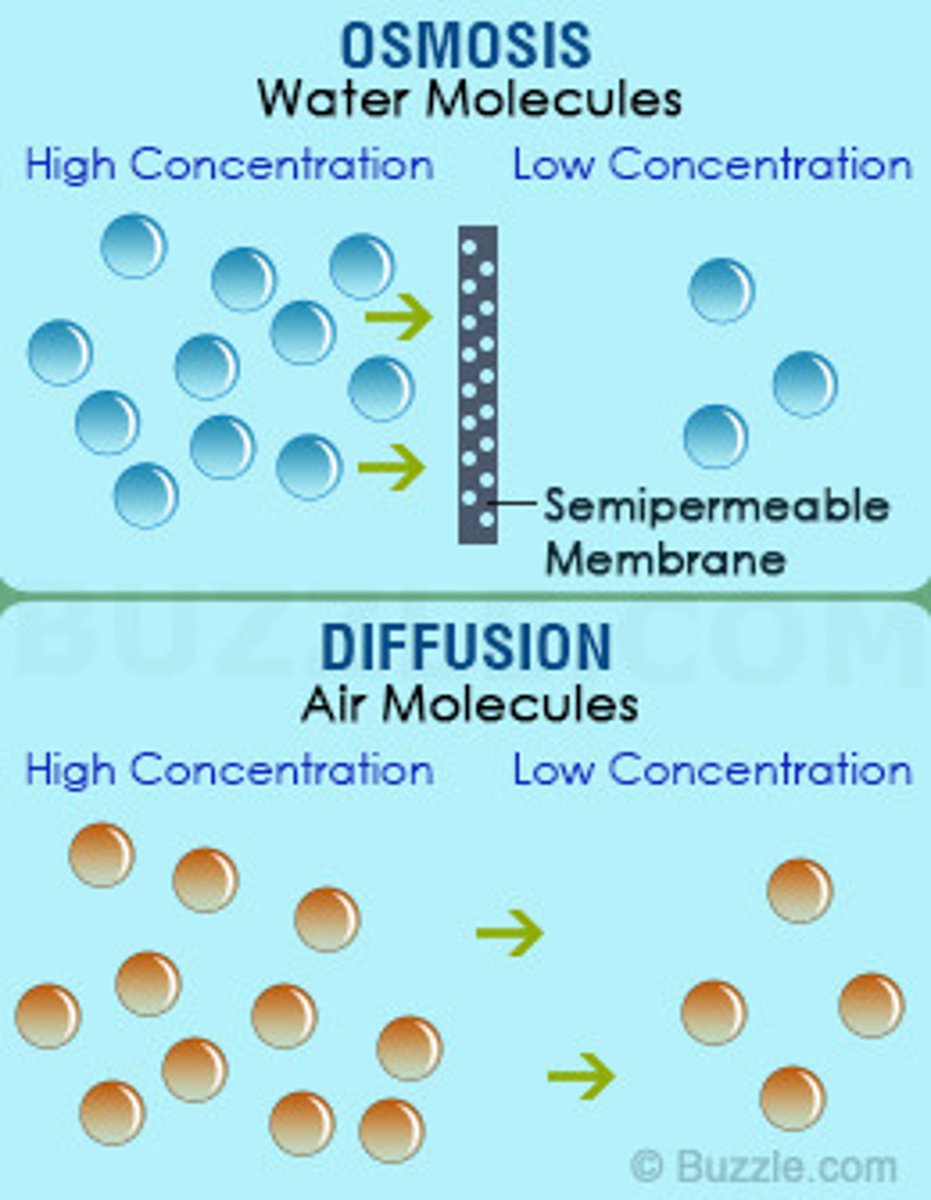
diffusion vs osmosis
diffusion- substances spread out homogenously
osmosis- diffusion of water
both move from high to low concentration
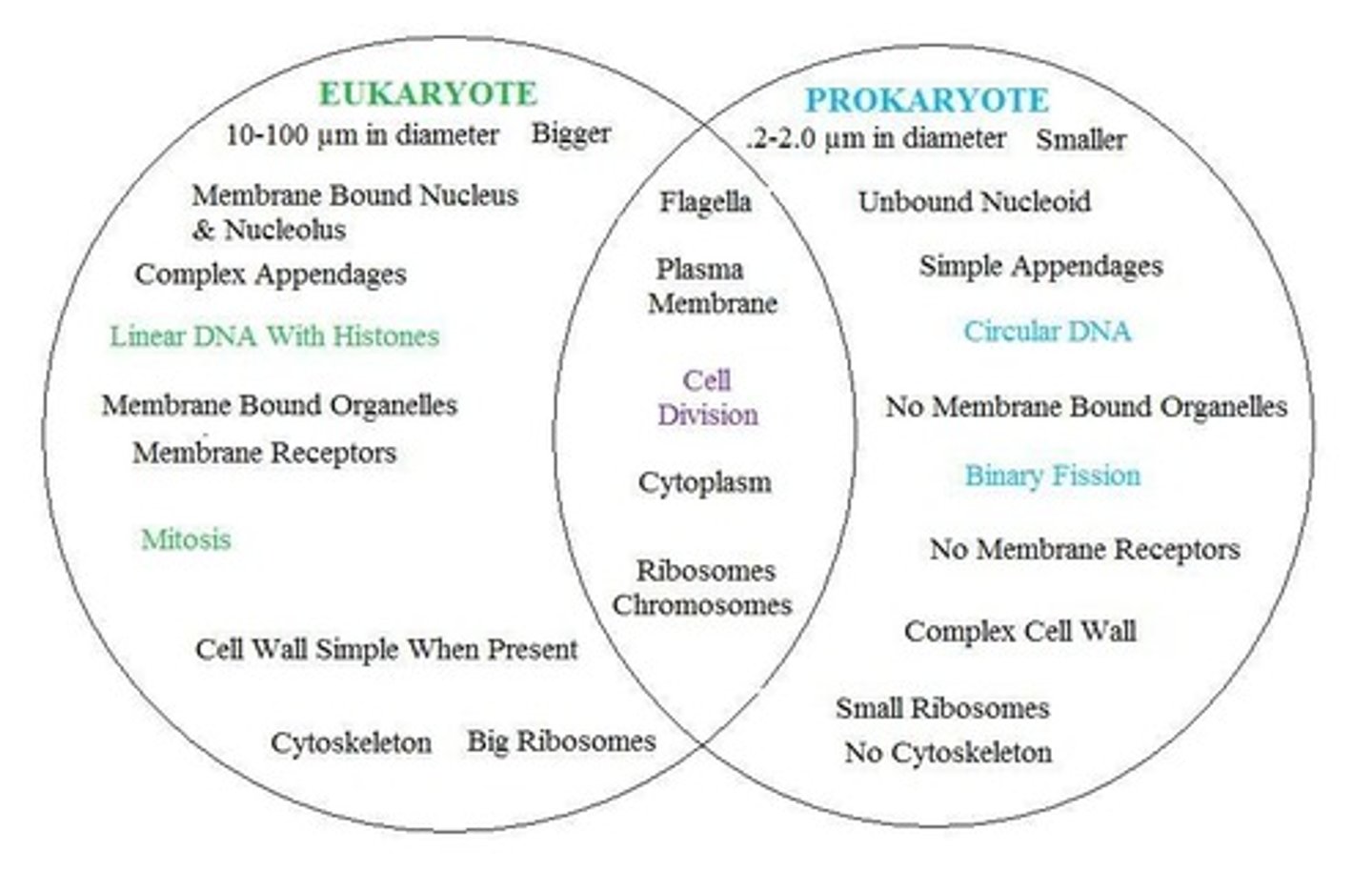
prokaryotic vs eukaryotic cells
Eukaryotic cells contain membrane-bound organelles, such as the nucleus, while prokaryotic cells do not. Differences in cellular structure of prokaryotes and eukaryotes include the presence of mitochondria and chloroplasts, the cell wall, and the structure of chromosomal DNA.
cheek cell
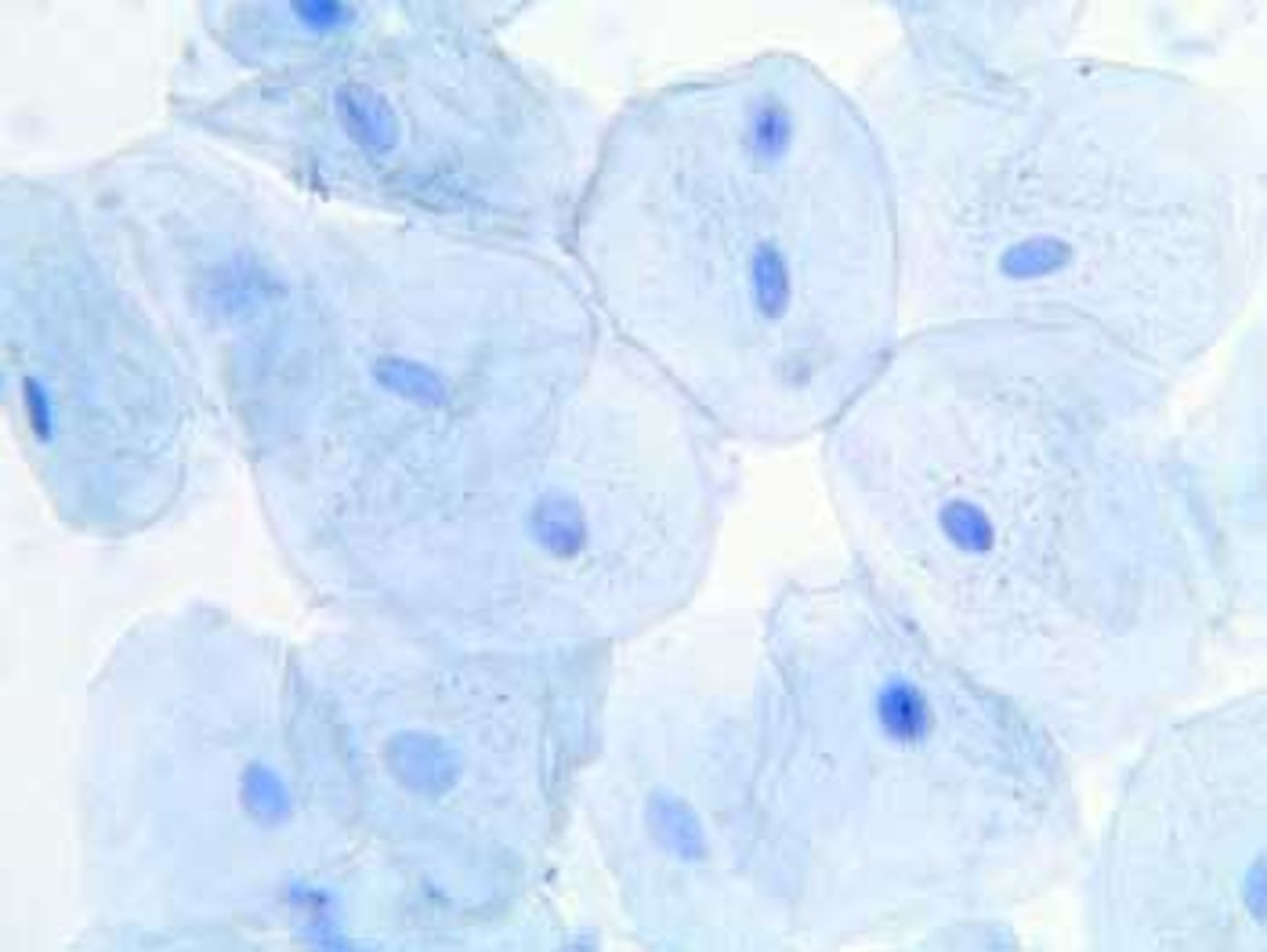
epithelial cell
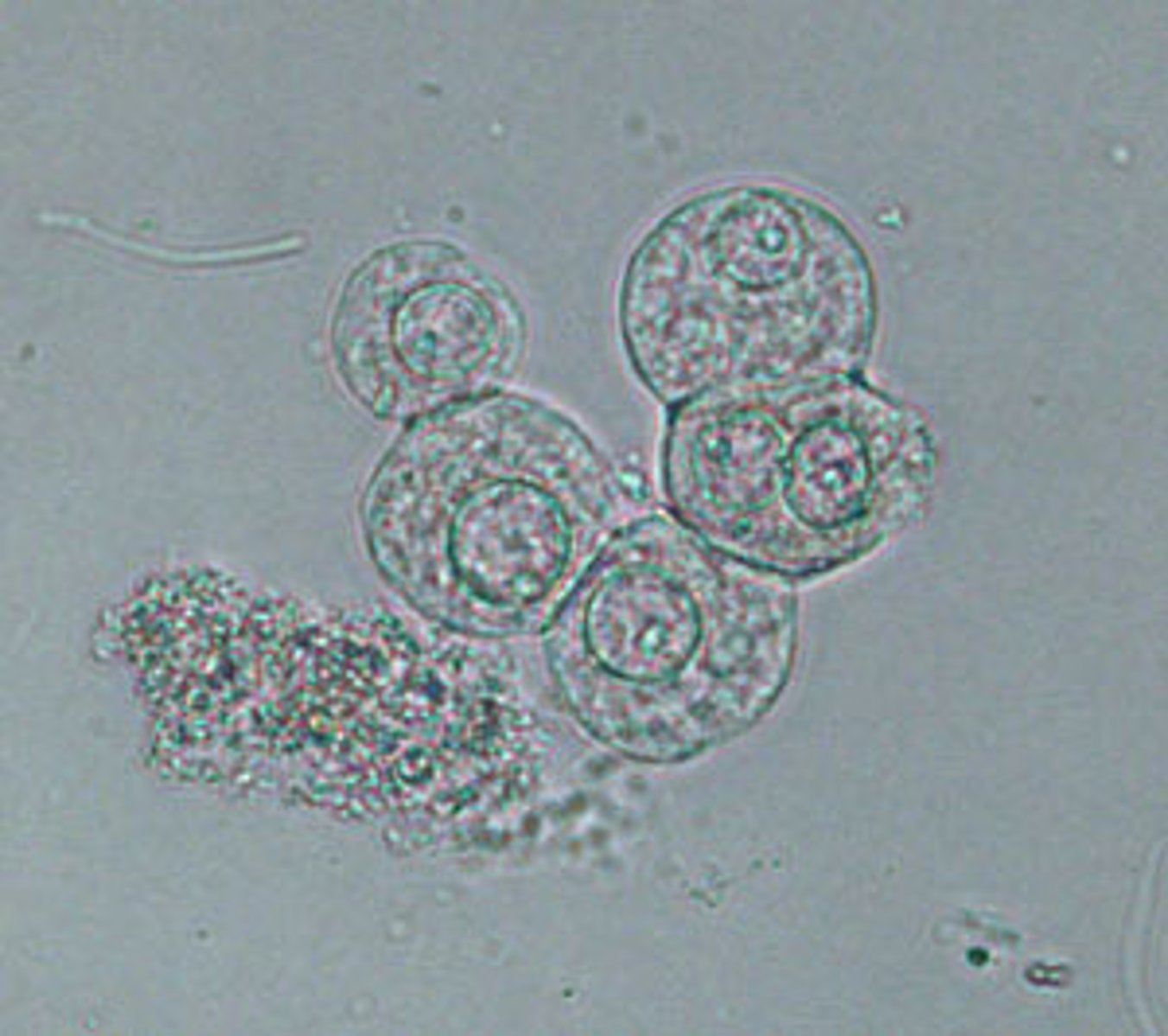
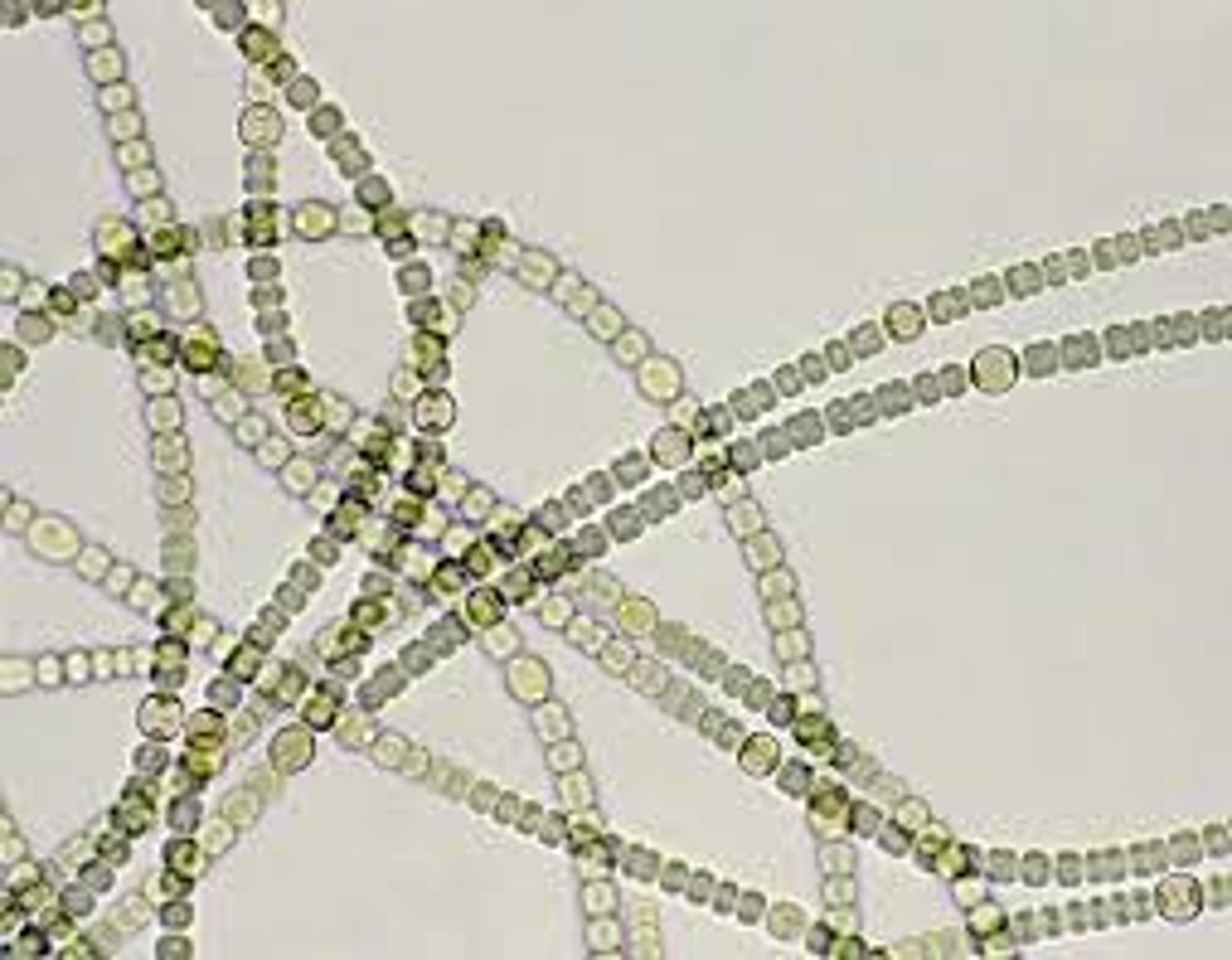
anabaena cell
elodea cell
plant vs animal cell
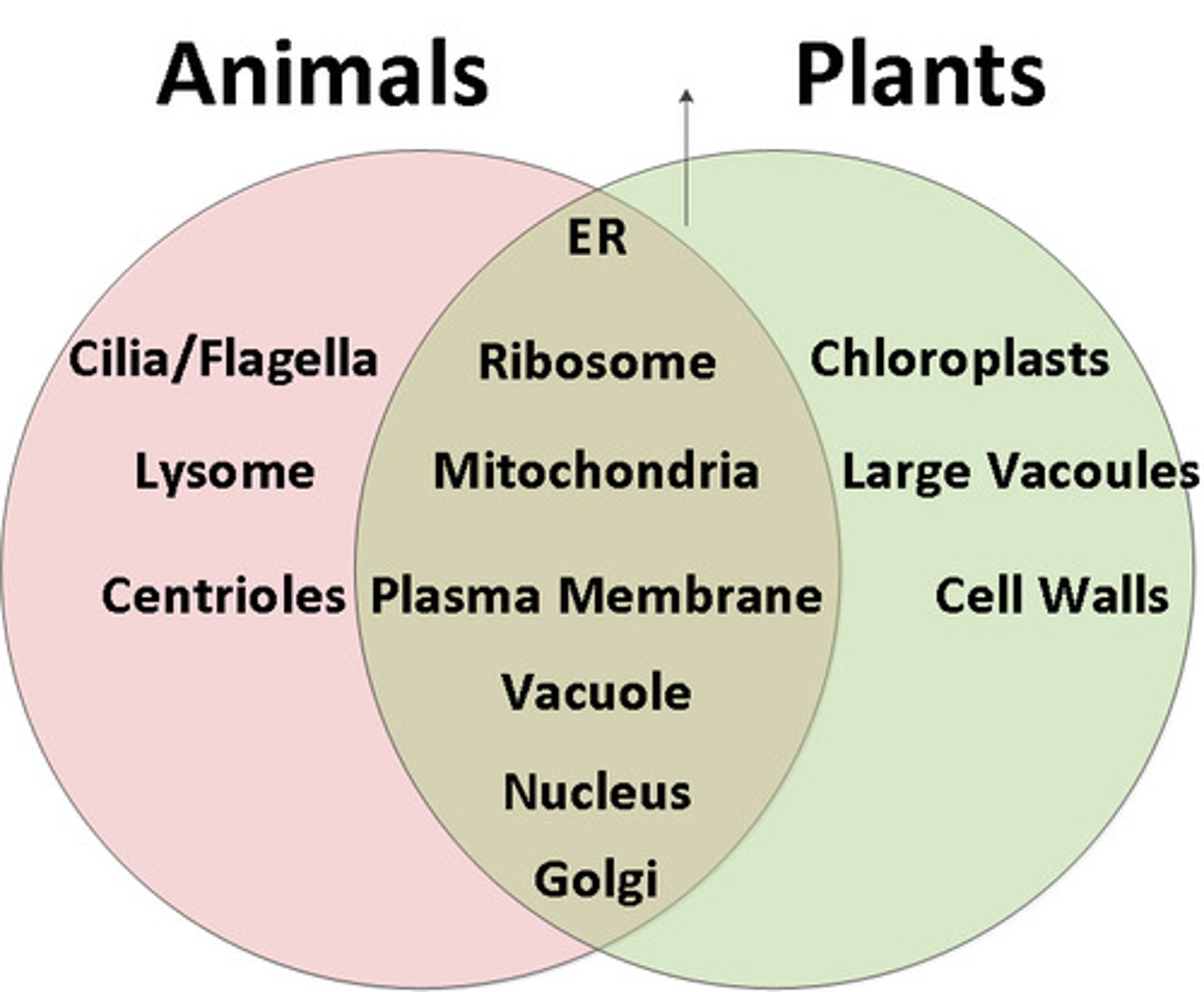
both types have: cell membrane, nucleus, ribosomes, mitochondria, endoplasmic reticula, golgi bodies & lysosomes. plants cells have: cell wall and chloroplasts & vacuole.
tonicity
the ability of a surrounding solution to cause a cell to gain or lose water
tonicity in plant cells
Hypotonic: Vacuole expands (stores more water); turgor pressure
Hypertonic: Vacole shrinks (releases more water); plasmolysis
tonicity in animal cells
Hypotonic solution: Water enters the cell, which can cause it to swell and potentially burst (lysis) because animal cells lack a cell wall.
Isotonic solution: Water moves in and out equally; the cell stays normal and stable.
Hypertonic solution: Water leaves the cell, causing it to shrink or crenate (shrivel
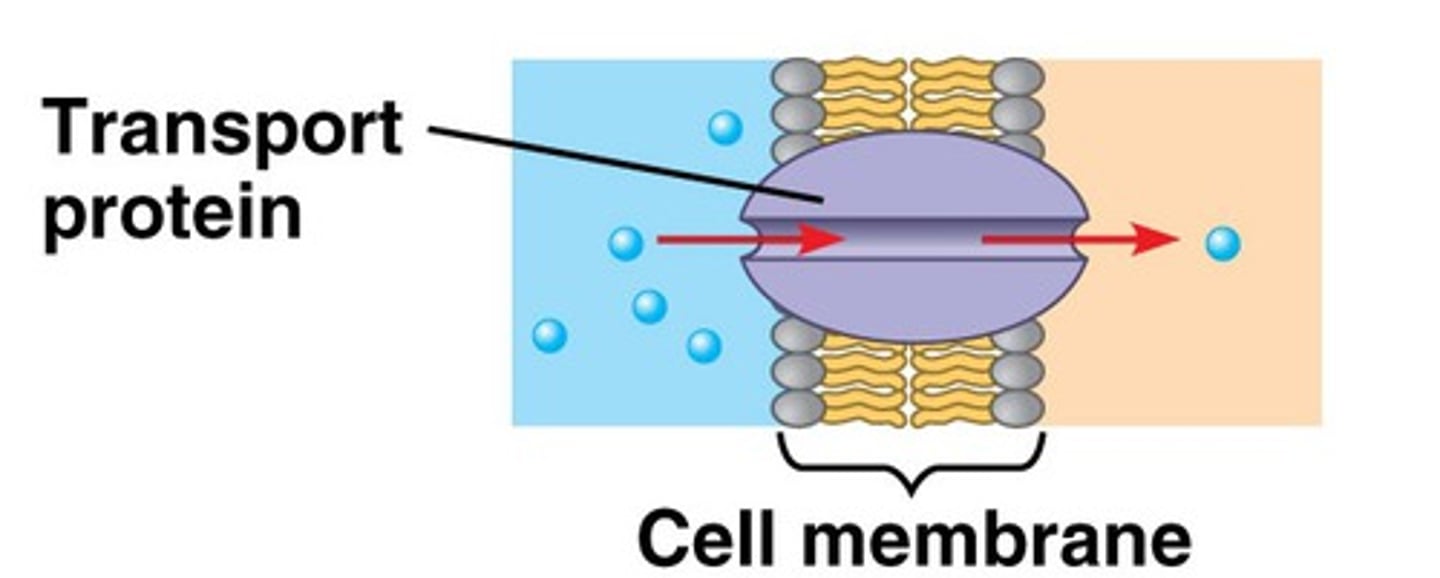
selectively permeable barrier
some substances cross others do not
transport proteins
A transmembrane protein that helps a certain substance or class of closely related substances to cross the membrane.
what type of transport is diffusion
passive, it does not require energy
osmosis
movement of water the solvent down its concentration gradient across a selectively permeable membrane
what is the rate of which molecules move down their gradient dependent on
the size of the concentration gradient
tonicity
describes one solutions solute concentration compared to another
cell
smallest unit sustaining life
plasma membrane
outer membrane of the cell
all cells store genetic info in the form of ...
DNA
everything in the plasma membrane that is not DNA or nucleus is ...
cytosol
what are examples of eukaryotic cells
animals, plants, fungi, protists
what are the larger membrane bound organelles only found in eukaryotes
mitochondria and chloroplast
describe DNA in prokaryotes vs eukaryotes
prokaryotes- one single circular dna molecule not in the nucleus
eukaryotes- more than one linear molecule of DNA enclosed in a nucleus
chromosomes
dense protein DNA complexes
cell reproduction takes place by
mitosis
what is the cell wall and when is it present
present in plants and is made of cellulose
function of ribosomes
site of protein synthesis
function of microtubules
shape the cell, guide movement of organelles, help separate the chromosome copies in dividing cells.
cell wall
surrounds the cell for structural and mechanical suppourt
vacuole
storage for waste, water, nutrients
chloroplast
responsible for photosynthesis
rough ER
synthesize proteins
smooth er
synthesizes lipids and steroids
golgi body
responsible for protein packing and sorting
cytosol
site of chemical reactions
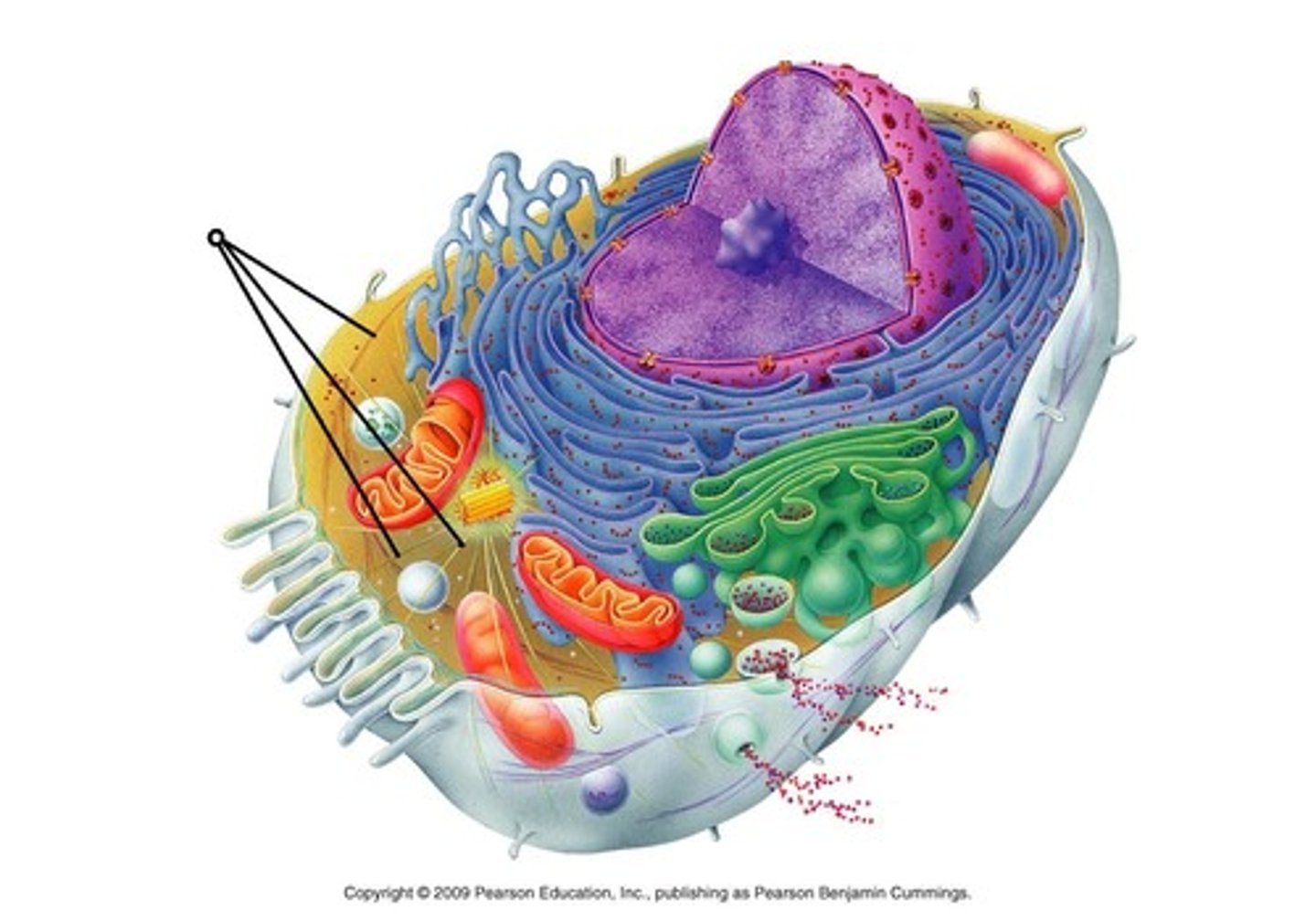
study image that labels the lab model