NCLEX: Marternal and Newborn Health
 Call Kai
 Learn
Learn Practice Test
 Spaced Repetition
 Match
Match Flashcards
 Knowt Play
1/16

There's no tags or description
Looks like no tags are added yet.
Name | Mastery | Learn | Test | Matching | Spaced | Call with Kai |
|---|
No analytics yet
Send a link to your students to track their progress
17 Terms
what will help the newborn’s lungs take over at delivery
drying the newborn
uterine contraction
bright lights at delivery
clamping the umbilical cord
chest squeeze during delivery
feeling cold as the newborn delivers
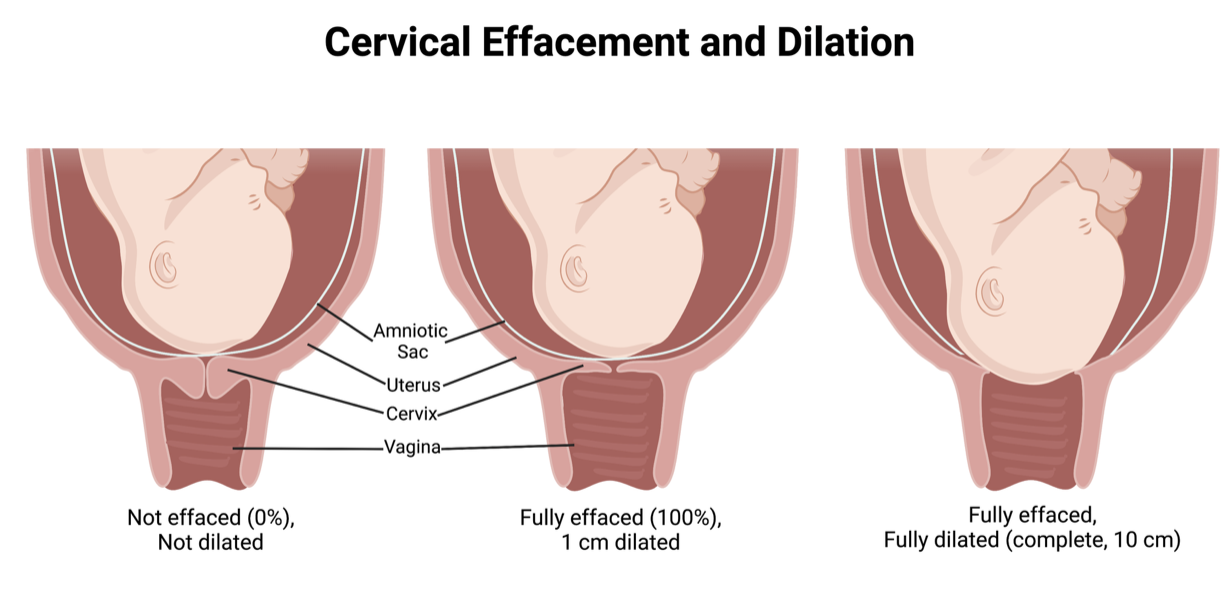
dinoprostone
given vaginally
softens the cervix
promotes dilation and effacement
pain at the previous c section incision site is concerning for
uterine rupture
to delay preterm labor the nurse should
give tocolytic meds ( mag sulfate)
delaying labor allows time to give antenatal steroids to promote fetal lung maturity
nitrazine test
assess membrane status
determine if its urine or ruptured membrane
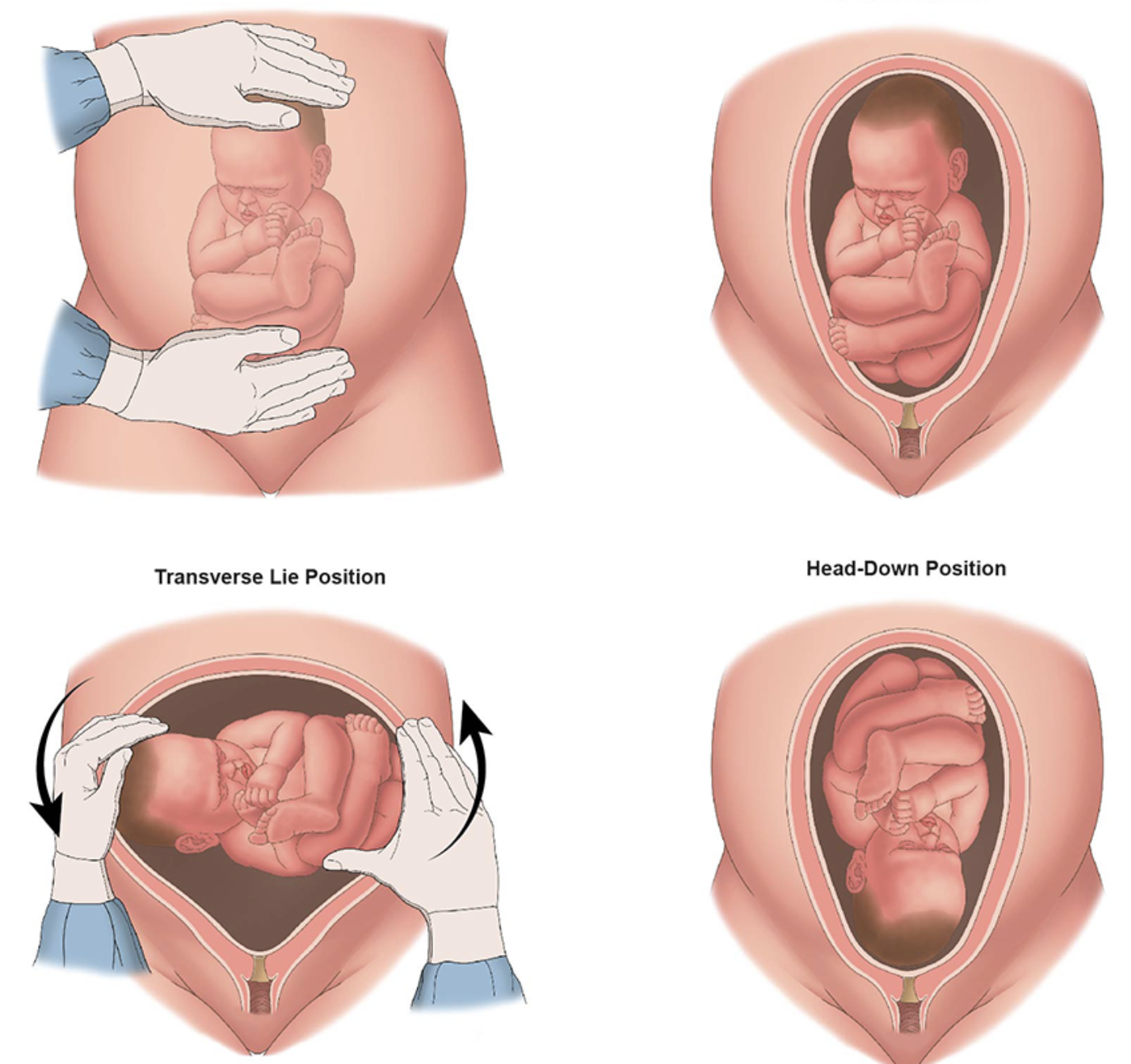
during an external cephalic version
manually turning a breech fetus to a suitable postion for vag delivery
terbutaline is administered to relax the uterine muscle
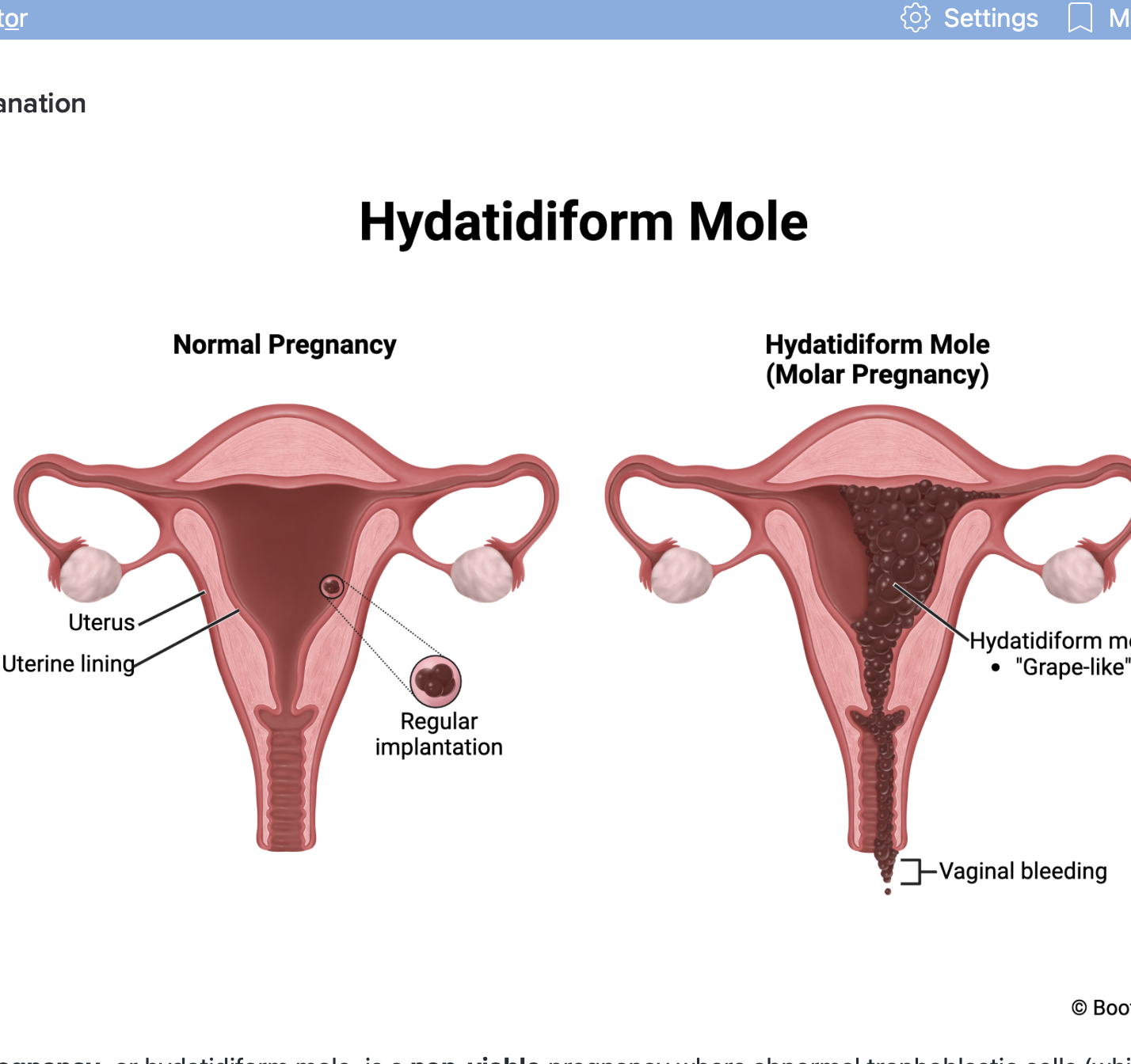
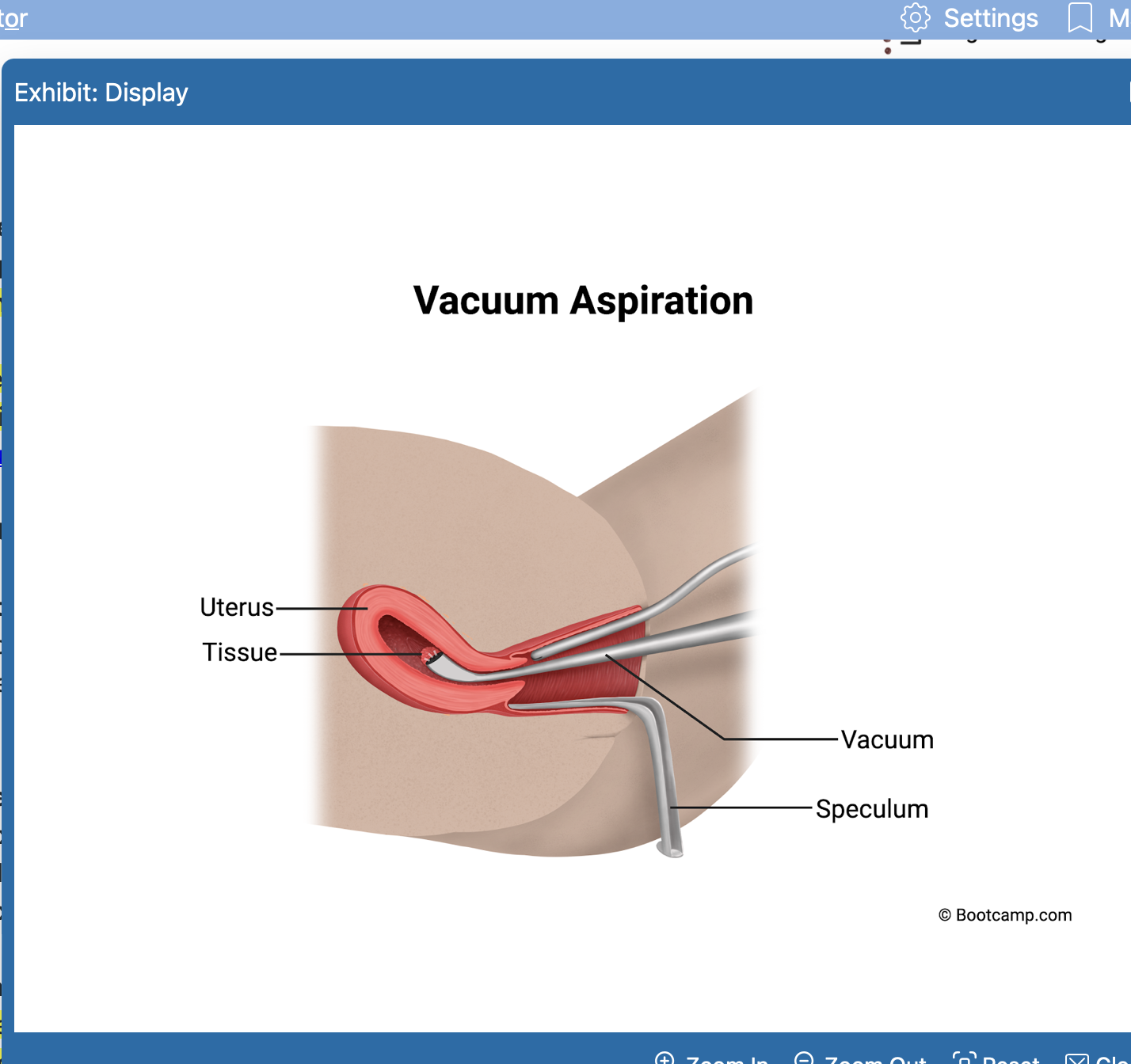
small grape like tissue clusters on perineal pad
molar pregnacy
need to be removed immediately via vacuum aspiration and curettage
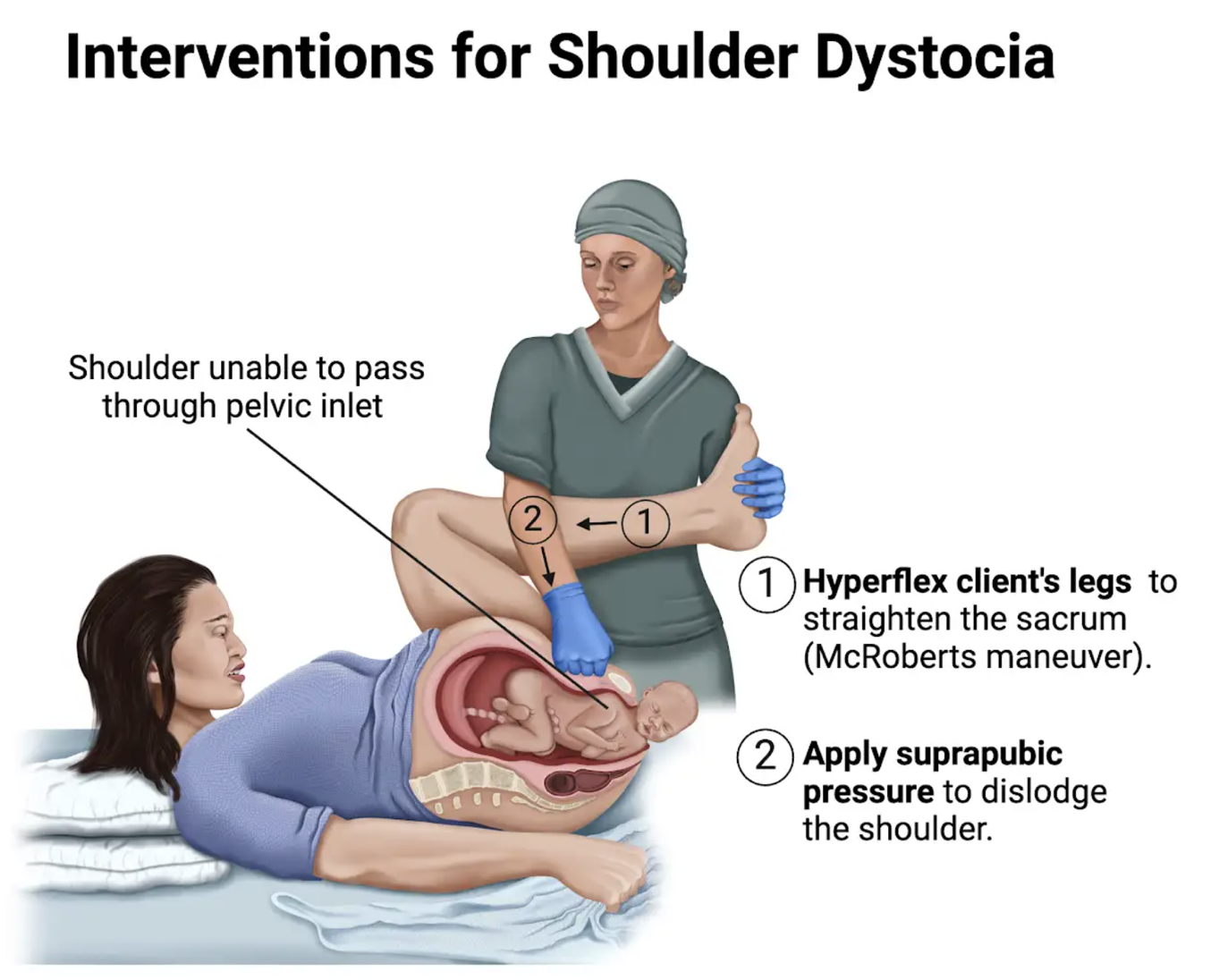
when a client experiences shoulder dystocia the nurse should
lower HOB
hyperflex the client’s leg
apply suprapubic pressure
at risk for this if baby weighs more than 8lb
endometritis
infection of inner uterine lining
pain and tenderness upon palpation
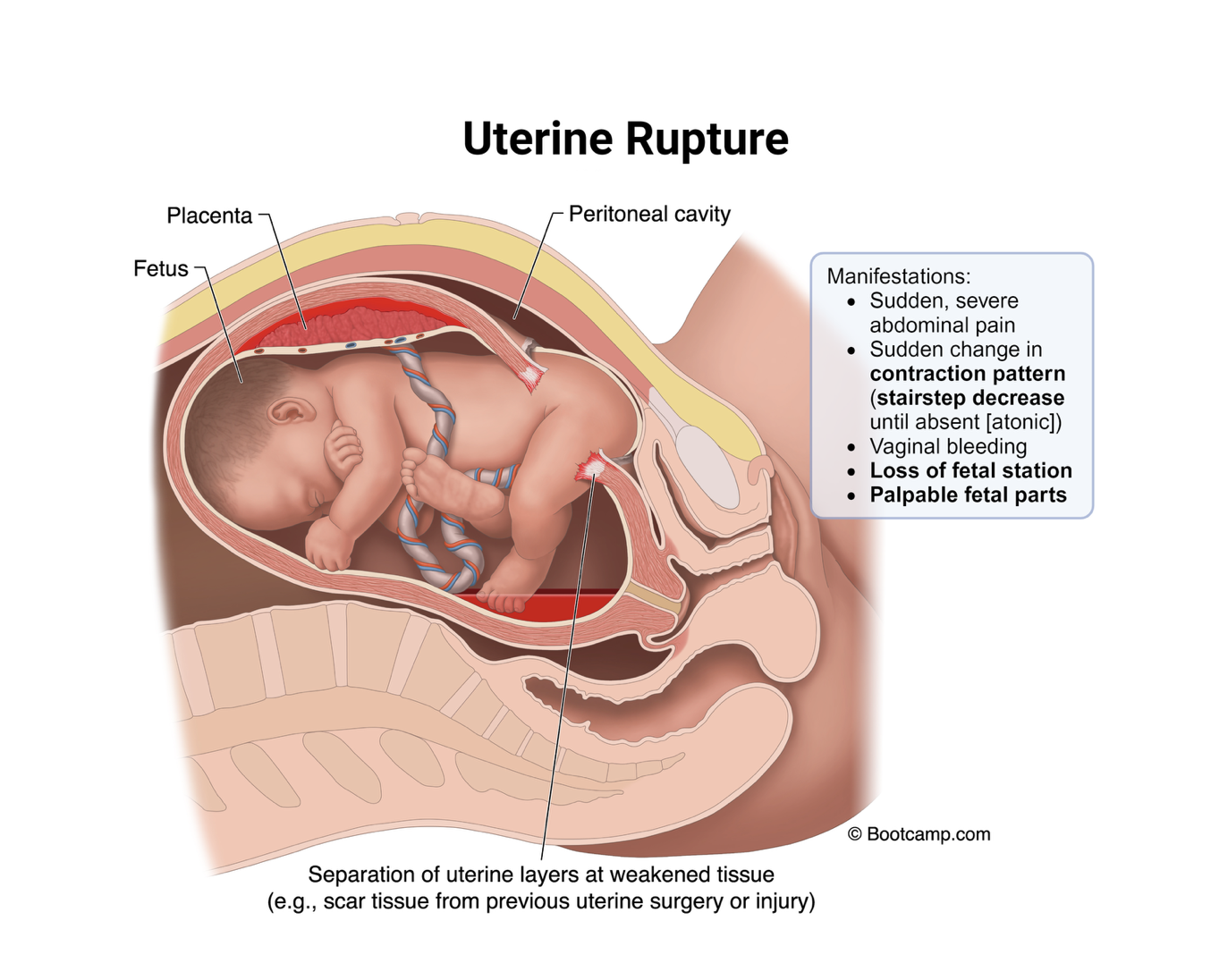
uterine rupture
uterine layers tear
previous c section = risk for uterine rupture
abdominal pain and previous c section sugguest that client could be having a rupture
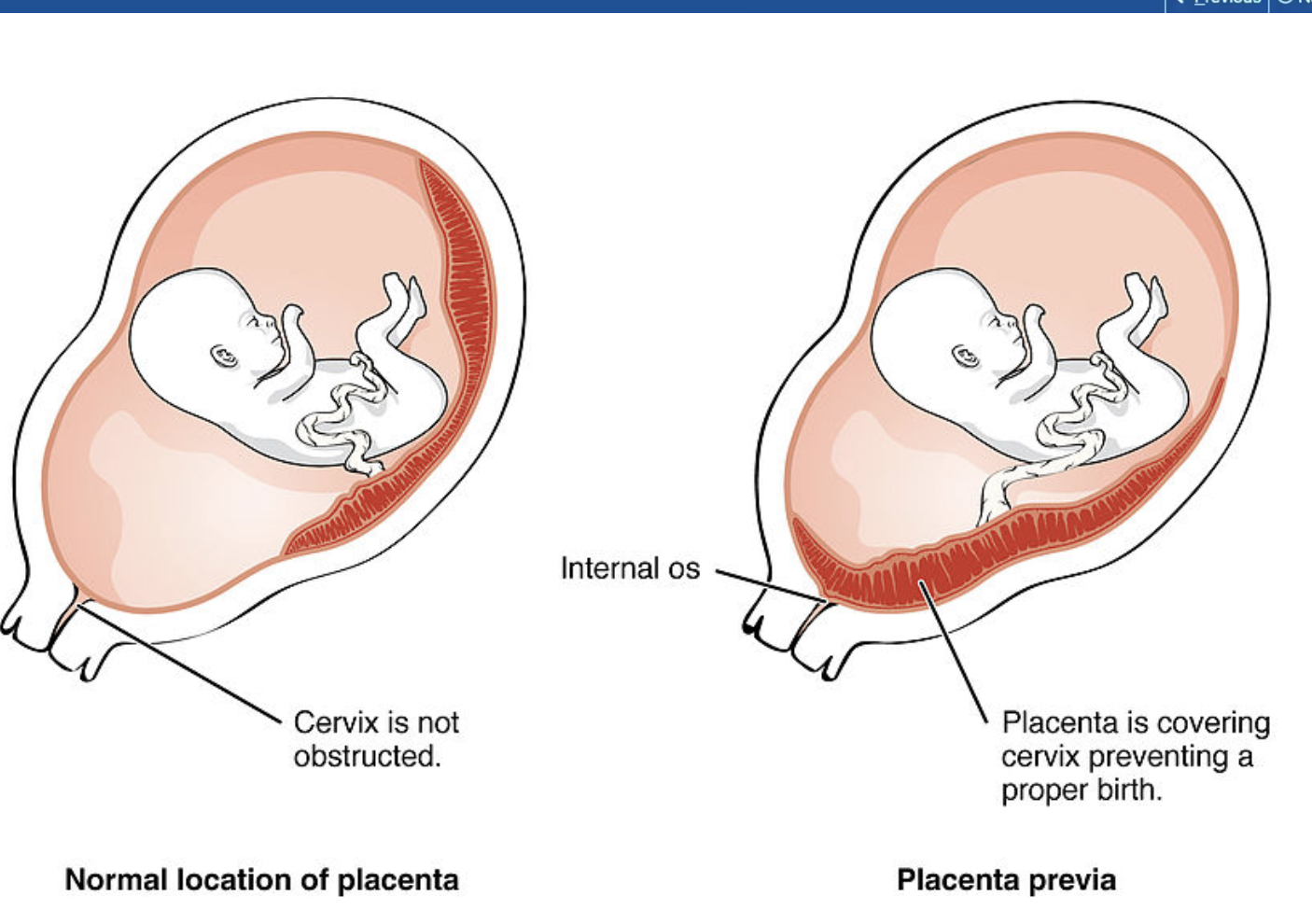
placenta previa
placenta is either partially or completely over the cervix
painless bright red vaginal bleeding
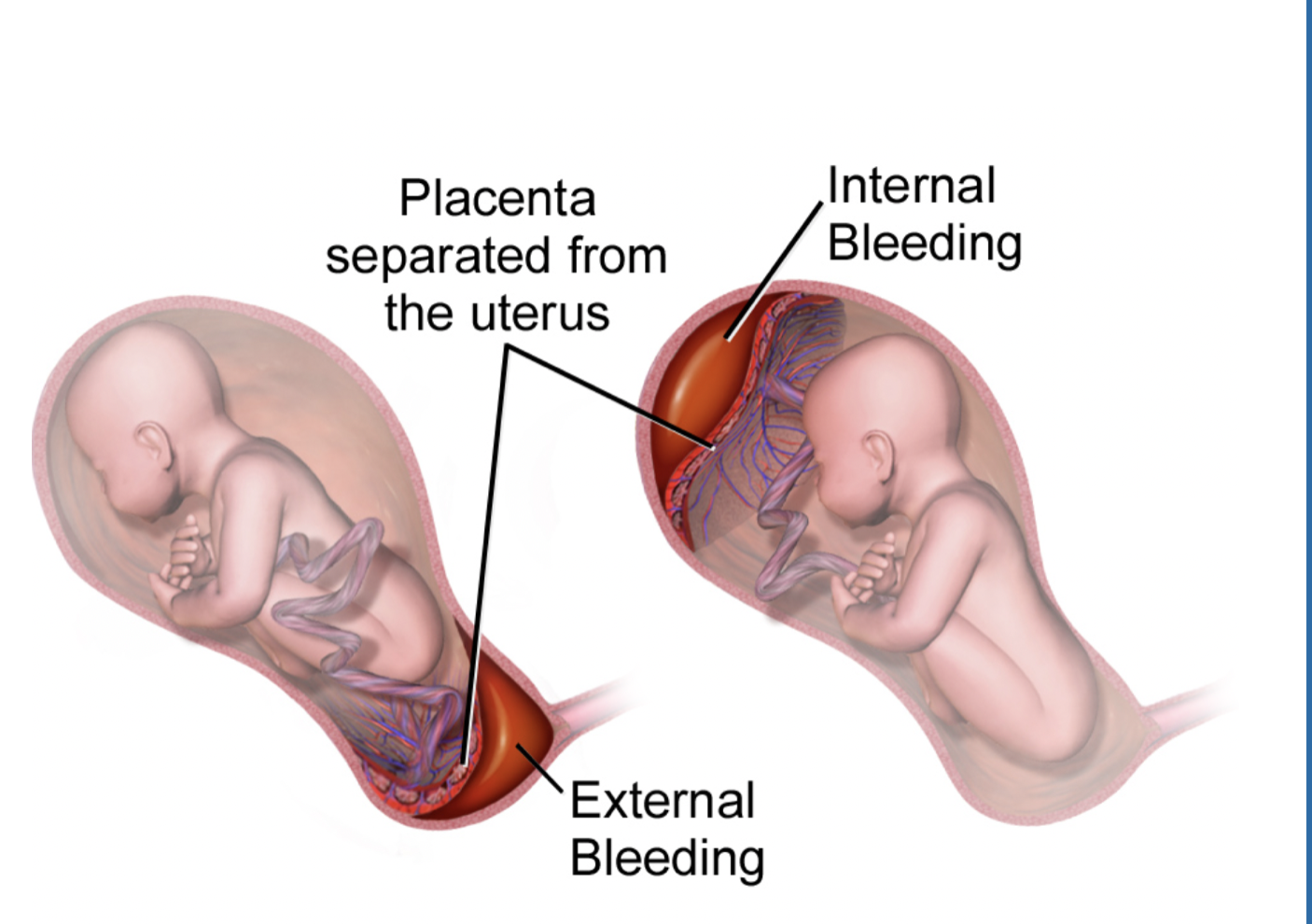
placental abruption
placenta detaches from the uterus before delivery
causes extreme pain, think of an organ becoming completely detach from you
bleeding
rigid board like abdomen
oxytocin
used to induce labor (causes contractions)
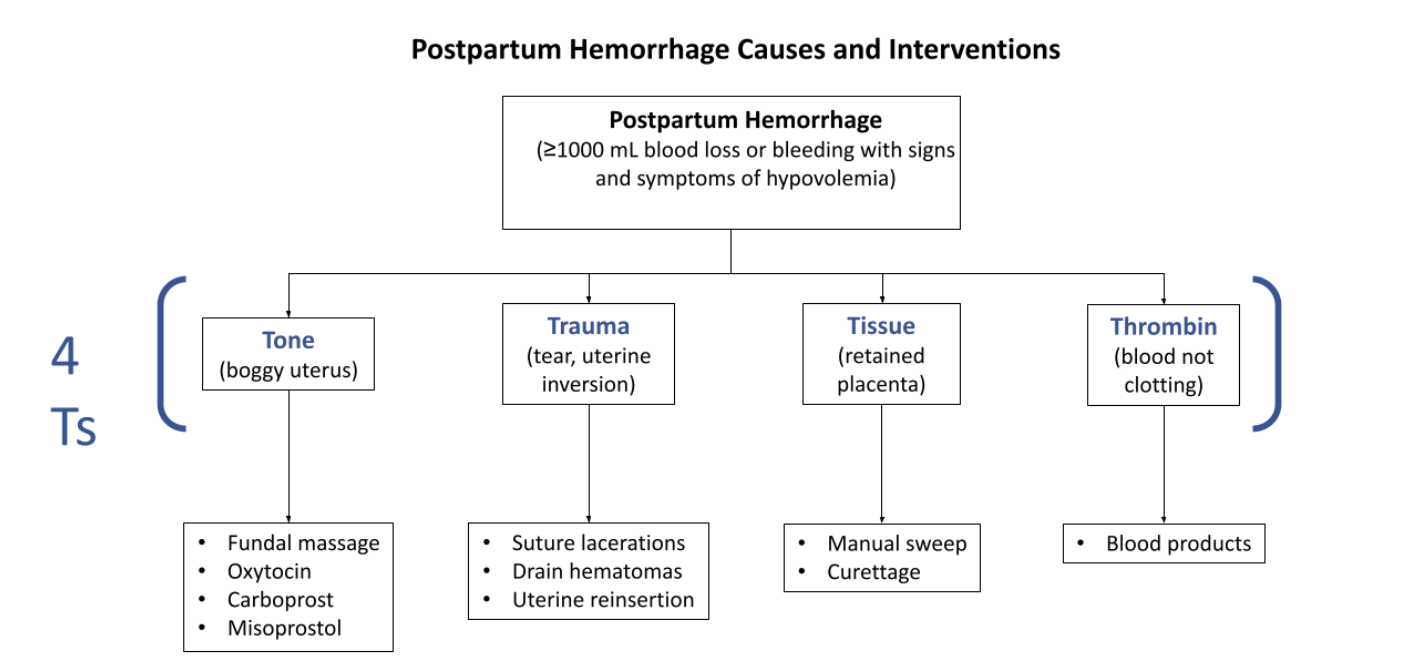
postpartum hemorrhage risk factors
high parity
macrosomia
bladder distention
perineal trauma
history of uterine atony
long labor time
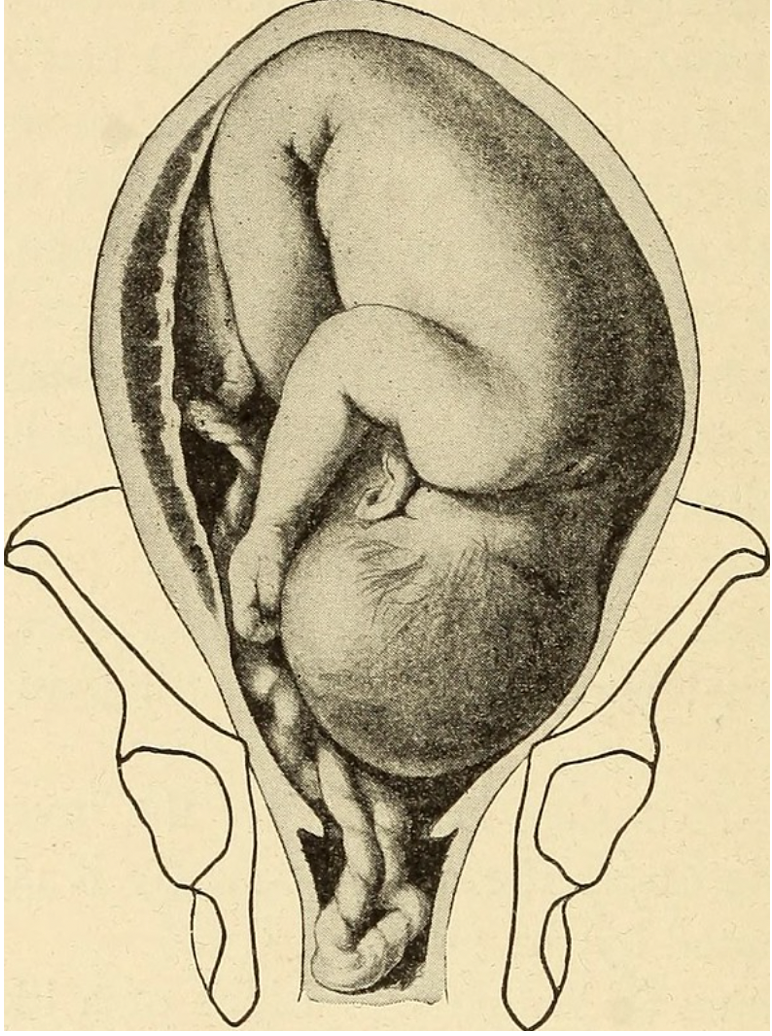
a client expericing umbilical cord prolapse requires
assessing for the presenting parts and lifting the head to reduce compression
umbilical cord prolapse → fetal head compresses the umbilical cord preventing BF to the fetus causing decelerations
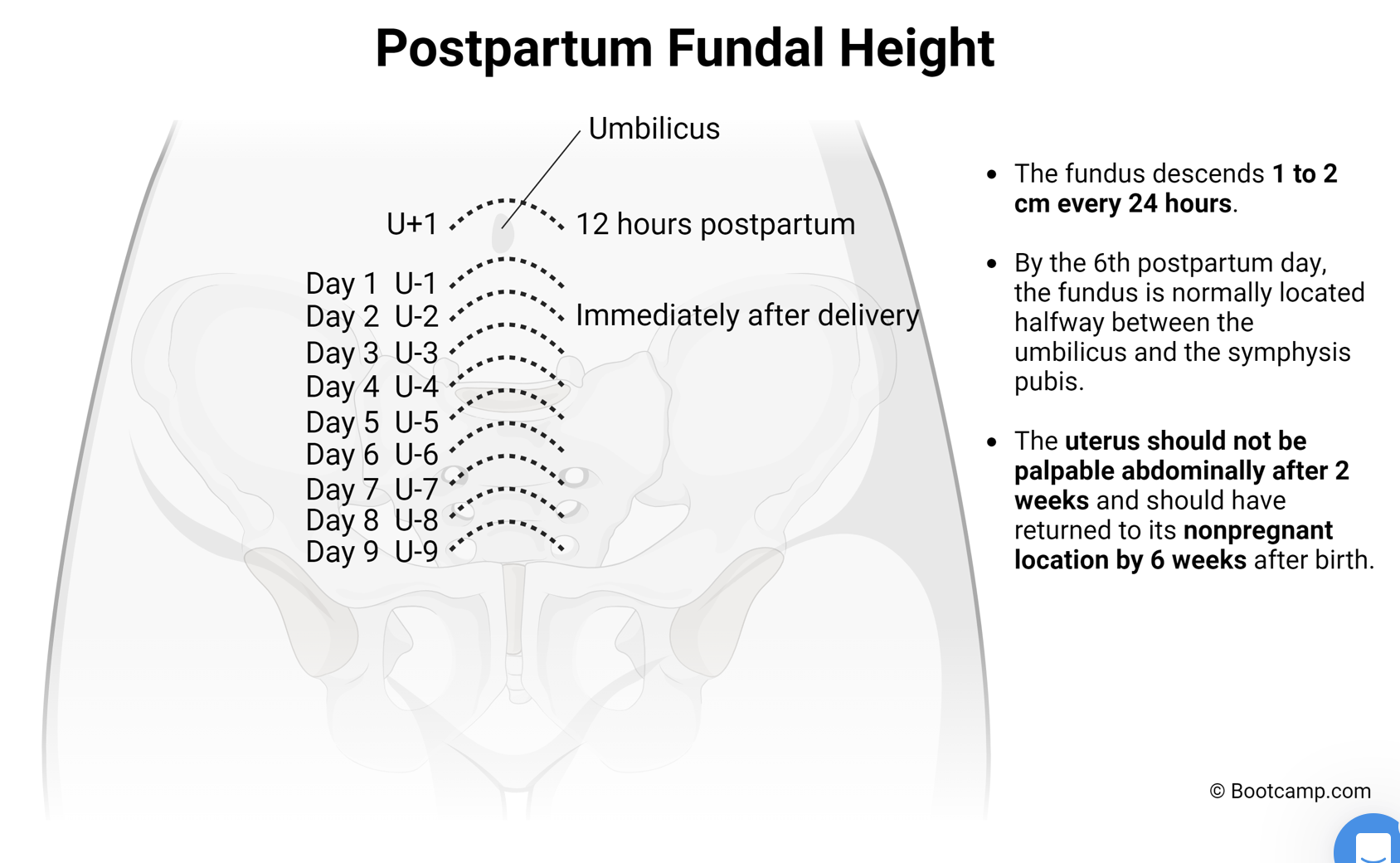
at 12 hours postpartum the fundus is located
at or slightly above the umbilicus, then goes down 1-2cm daily
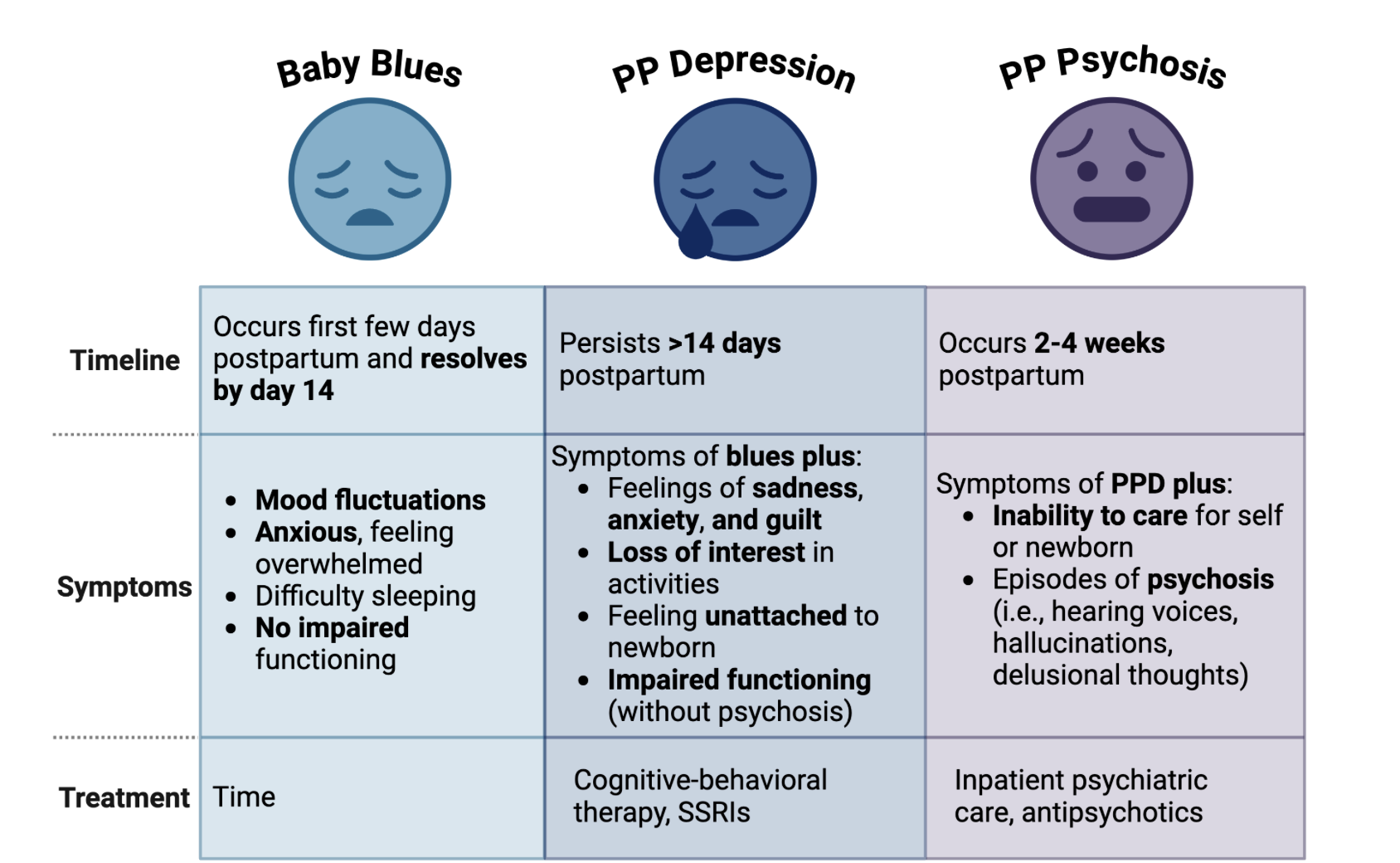
postpartum mood disoders