circuits & electrostatics
 Call Kai
 Learn
 Practice Test
 Spaced Repetition
 Match
 Flashcards
 Knowt Play
1/39

40 Terms
Voltage definition
The motivation for charge to flow in a circuit - also the energy per charge
Current definition
The rate of flow of charge
Resistance definition
Opposition to the flow of charge
Resistance Symbol
R
Current Symbol
I
Voltage (potential difference) Symbol
ΔV
Voltage Unit
Volts, V
Current Unit
Amps, A
Resistance Unit
Ohms, Ω
Ohm's Law
ΔV=IR or ΔV/R = I
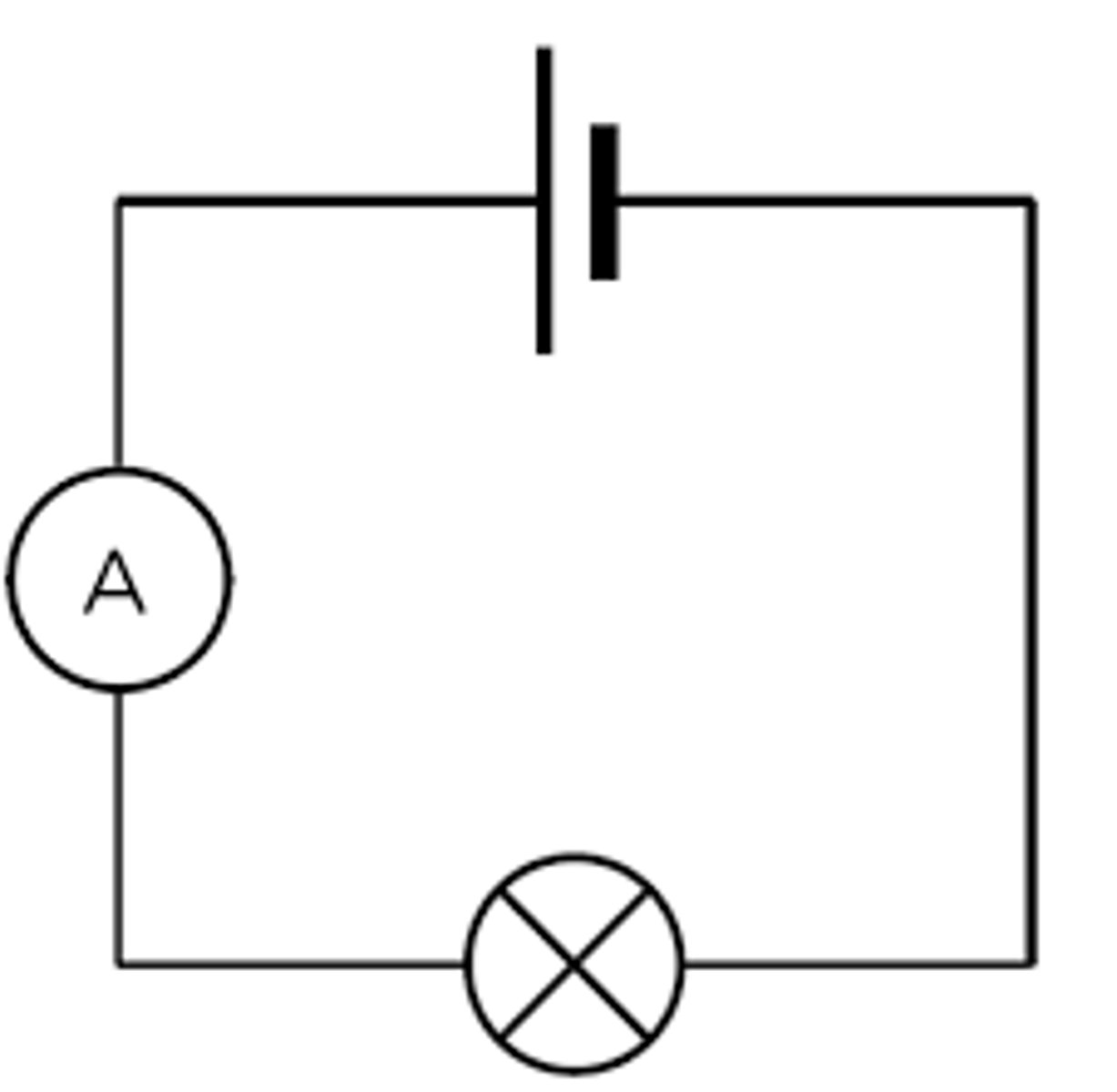
proper placement of ammeter
in series as part of circuit
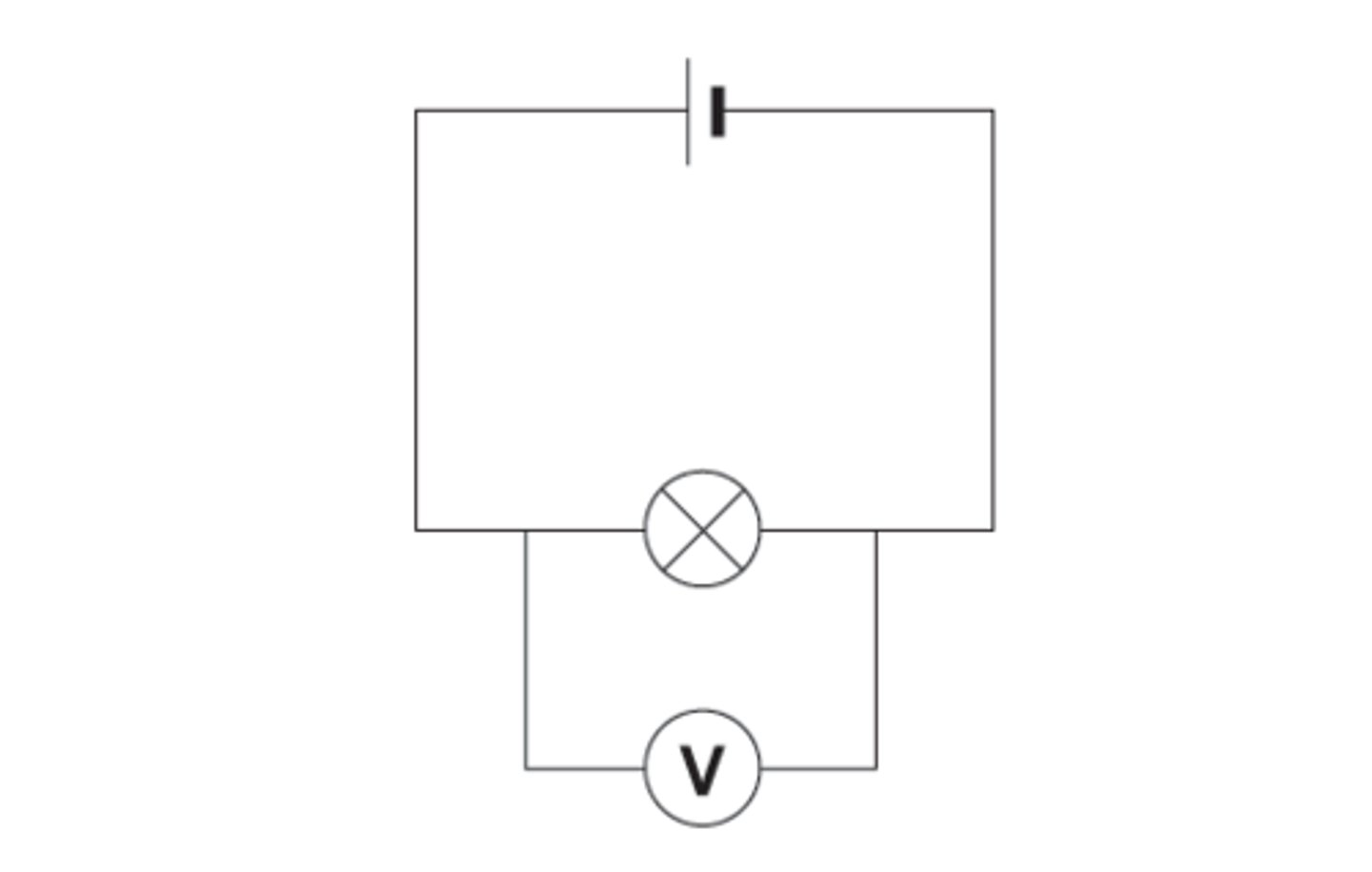
proper placement of voltmeter
in parallel across a circuit element
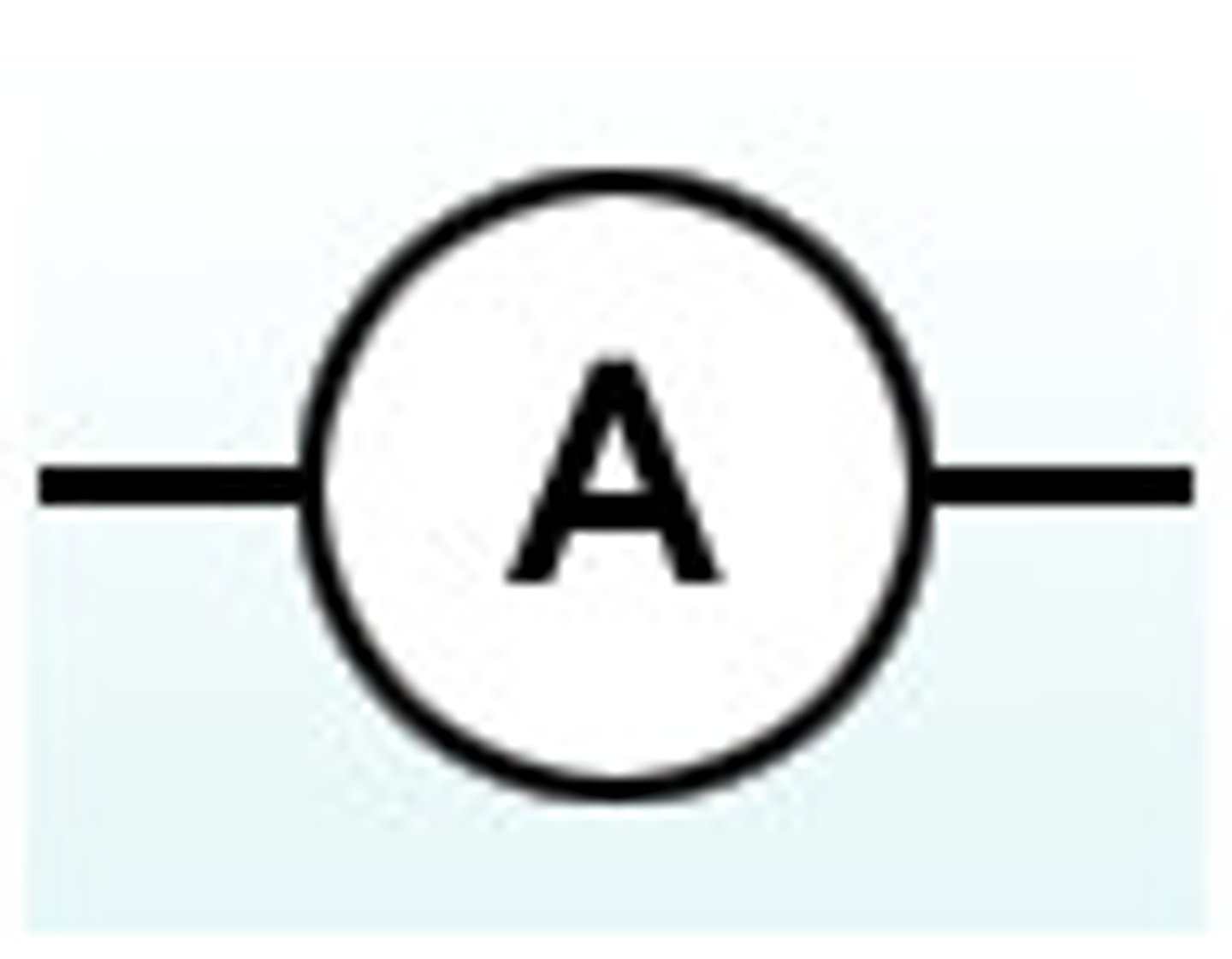
Symbol for ammeter
Circle with A
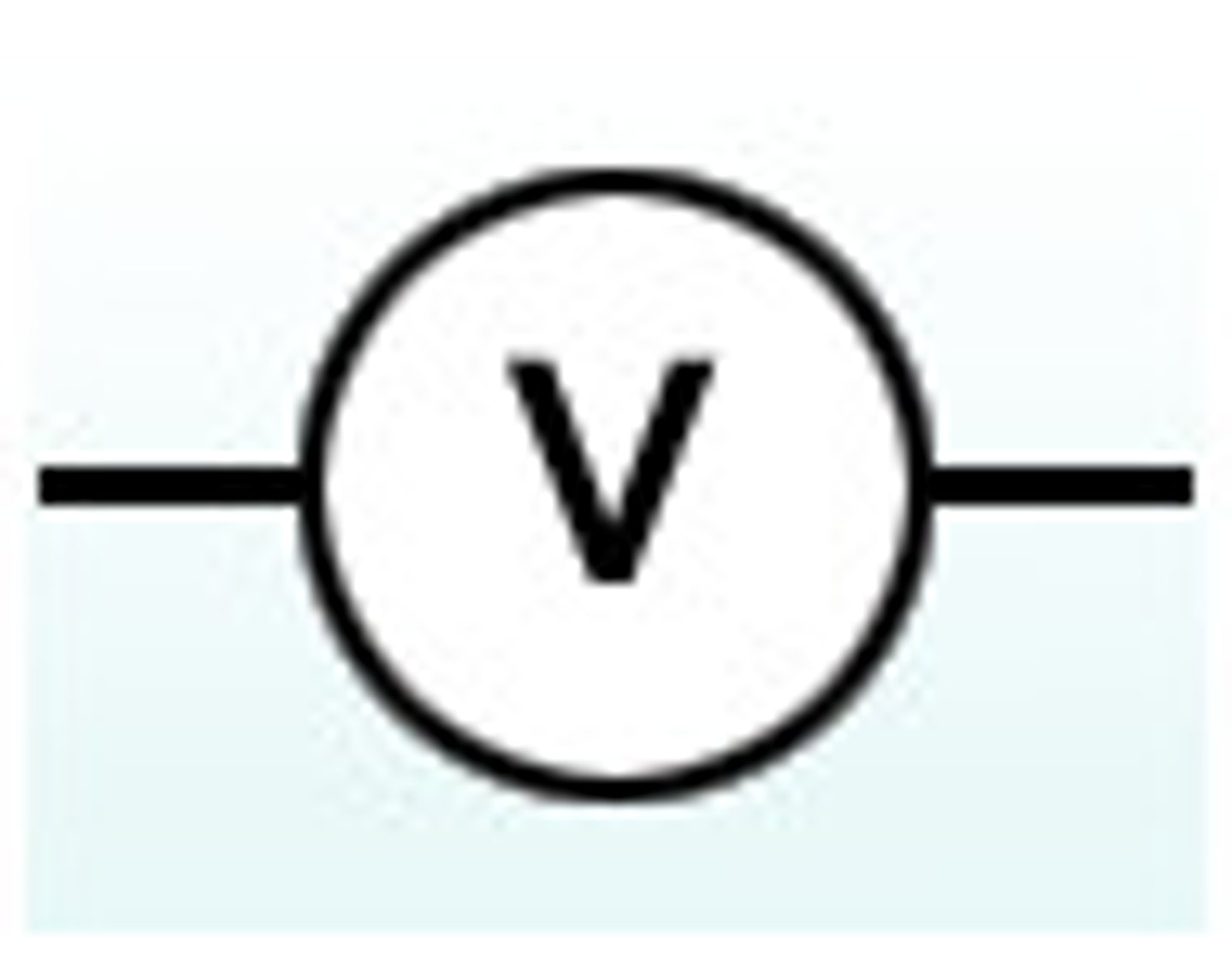
Symbol for voltmeter
Circle with V
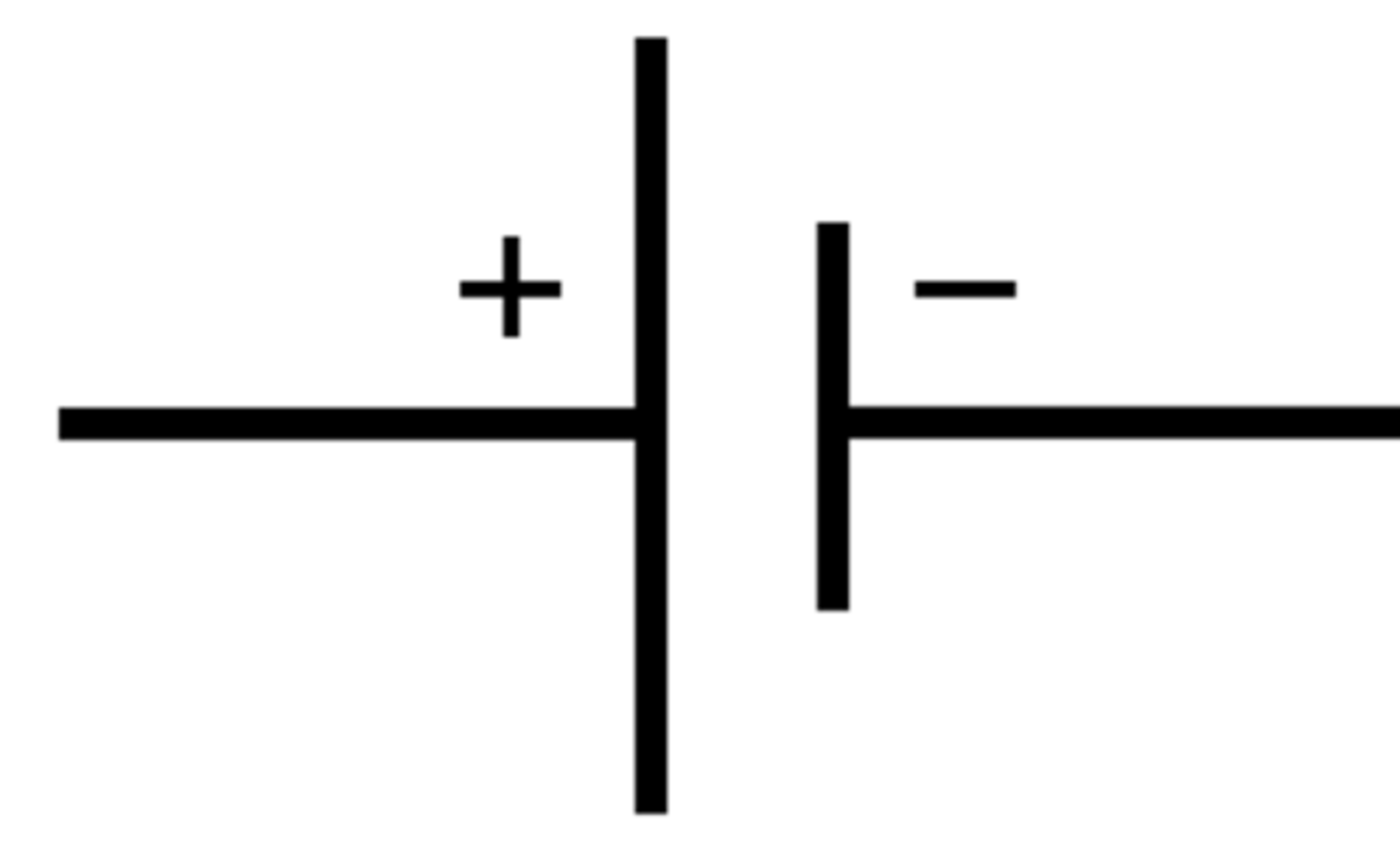
symbol for battery
Long line next to short line
Conductor
A material that allows electrons to pass through it easily
A subatomic particle that has a positive charge and that is found in the nucleus of an atom
Proton
A subatomic particle that has a negative charge, is found outside the nucleus, and is transferred between objects to charge them
Electron
like charges repel each other and unlike charges attract each other
1st law of electrostatics
repel according to the 1st law
Two positively charged objects will...
attract according to the 1st law
A positive and negative object will...
an oppositely charged object or neutral object (through polarization)
A charged object will attract to...
A material that allows electric charge to flow easily through it
conductor
A material that DOES NOT allow electric charge to flow easily through it
Insulator
electrons are transferred to the balloon
When a neutral balloon is rubbed with fur to give it a negative charge...
electrons are taken away from the balloon
When a neutral balloon is rubbed with plastic wrap to give it a positive charge
protons are added to the balloon
This process actually not possible and is a common mistake made by students when thinking about charging a balloon positively
The law that states that charges are neither created nor destroyed but only transferred from one material to another.
conservation of charge
transfer of electrons between the two objects that are rubbed together
charging by friction
the transferring of electrons between objects by touching a charged object
charging by contact
Allowing charges to move freely along a connection between a conductor and the ground.in order to make a charged object neutral
Grounding
slight separation of the positive and negative charge in a neutral object when a charged object is brought near - can cause attraction between a neutral object and a charged object
charge polarization
the study of electric charges that can be collected and held in one place
Electrostatics
character from a physics simulation who says "Zouch!" when he gets grounded by a door
John Travoltage
Charge Symbol
Q or q
Charge Unit
Coulomb, C
Short circuit
A connection that allows a very large current due to a path in the circuit with no circuit elements that use energy
Resistance Symbol
R
Resistance Unit
Ohms, Ω
Flow of charge from positive to negative
Conventional Current