Fishes
 Call Kai
 Learn
Learn Practice Test
 Spaced Repetition
 Match
Match Flashcards
 Knowt Play
1/51

Earn XP
Description and Tags
chapter 24
Name | Mastery | Learn | Test | Matching | Spaced | Call with Kai |
|---|
No analytics yet
Send a link to your students to track their progress
52 Terms
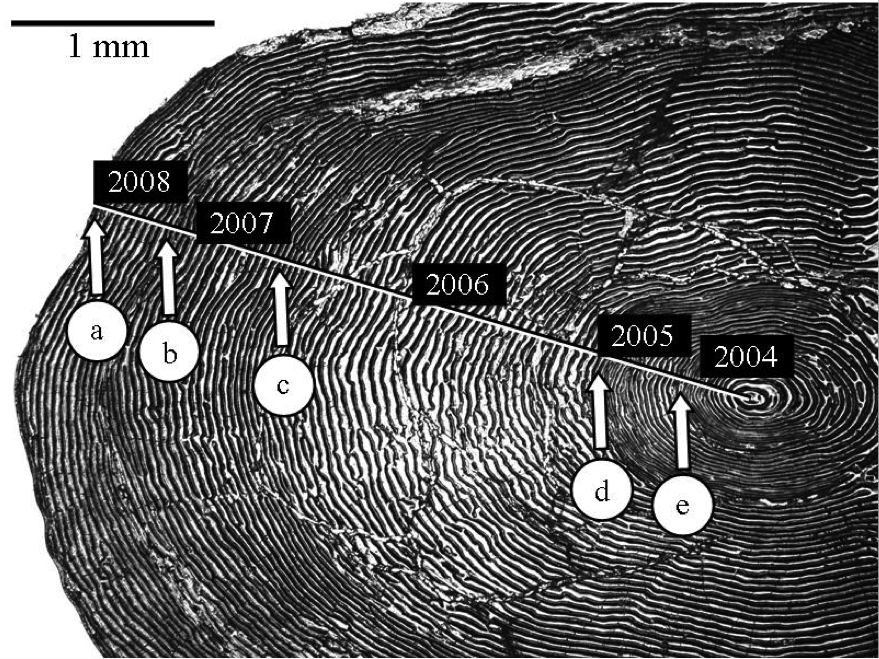
fish scales
dermal origin
cyclostomata
jawless fish
gnathostomes
jawed fish
chondrichthyes
cartilaginous fishes- like sharks
osteichthyes
bony fish and tetrapods (four legs) like mammals
sarcopterygii
lobe-finned fish
actinopterygii
ray-finned fish
group myxini
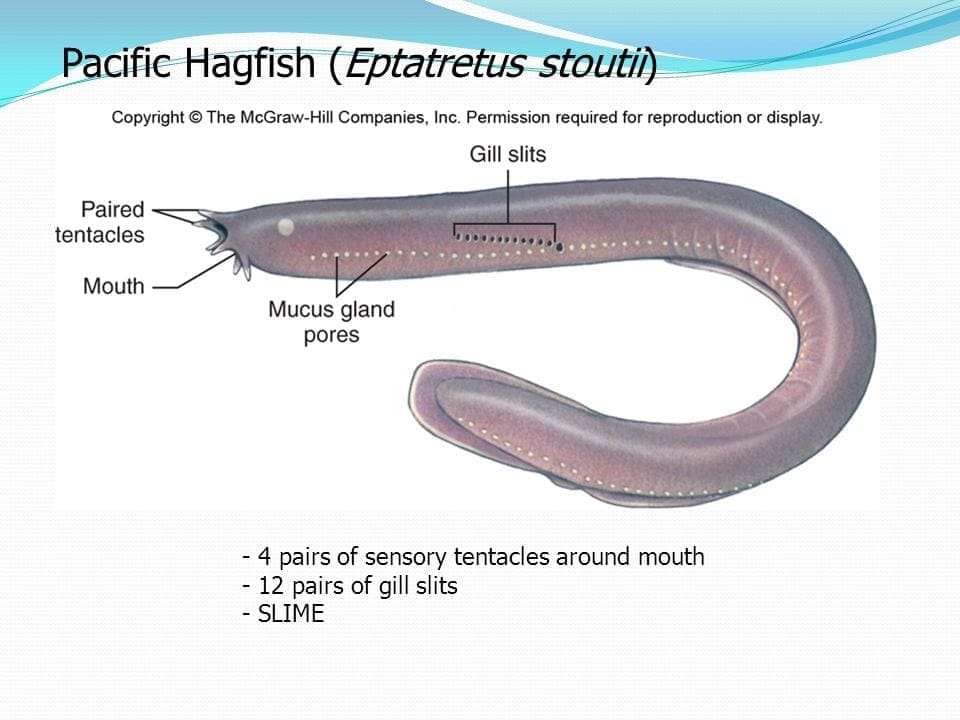
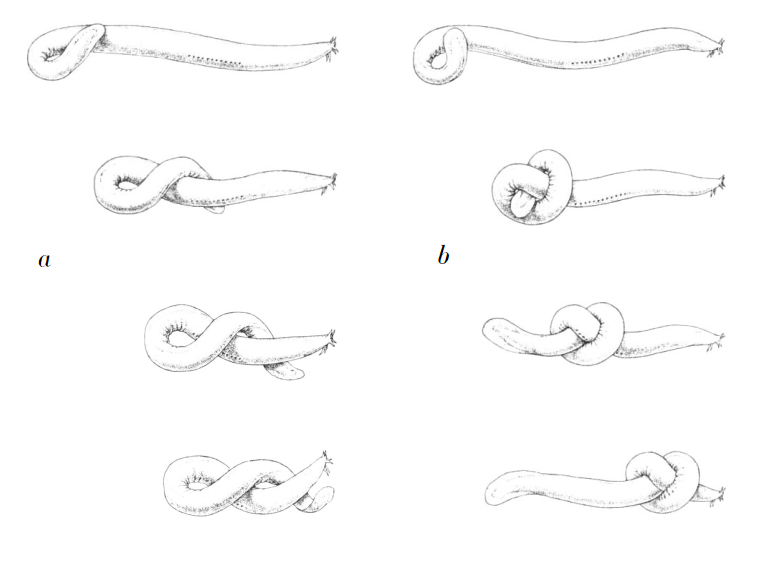
hagfish
hagfish
marine, scavengers, predators, nearly blind, pore-like gills, secrete slime for defense
petromyzontida
lampreys
parasitic lamprey
attach to fish with sucker-like mouth. inject anticoagulant and suck fluids. sharp teeth, wound may be fatal, live 1-3 years.
nonparasitic lampreys
do not feed as adults.adigestive tract degenerates as adults. live a few months as adults.
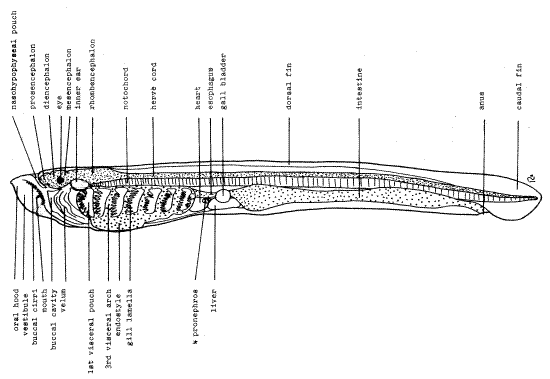
ammocoete larave
blind, worm-like, filter-feeding juvenile stage of lampreys. live as suspension feeders. metamorphose into adults.
anadromous lamprey
species that hatch in freshwater, migrate to the ocean to grow into adults, and return to freshwater to spawn.
two subgroups of chondrichthyes
elasmobranchii- most species
holocephali- few species
chondrichthyes reproduction
fertilization is internal. oviparous, ovoviviparous, and viviparous species.
elasmobranchii
sharks, skates, and rays. found in coastal and pelagic waters.
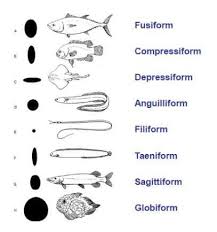
streamlined fusiform body
a spindle-shaped, torpedo-like form that is wide in the middle and tapers at both ends, specifically adapted to minimize drag in aquatic or aerial environments
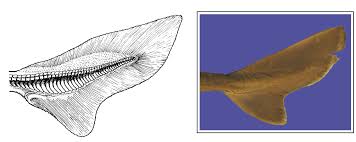
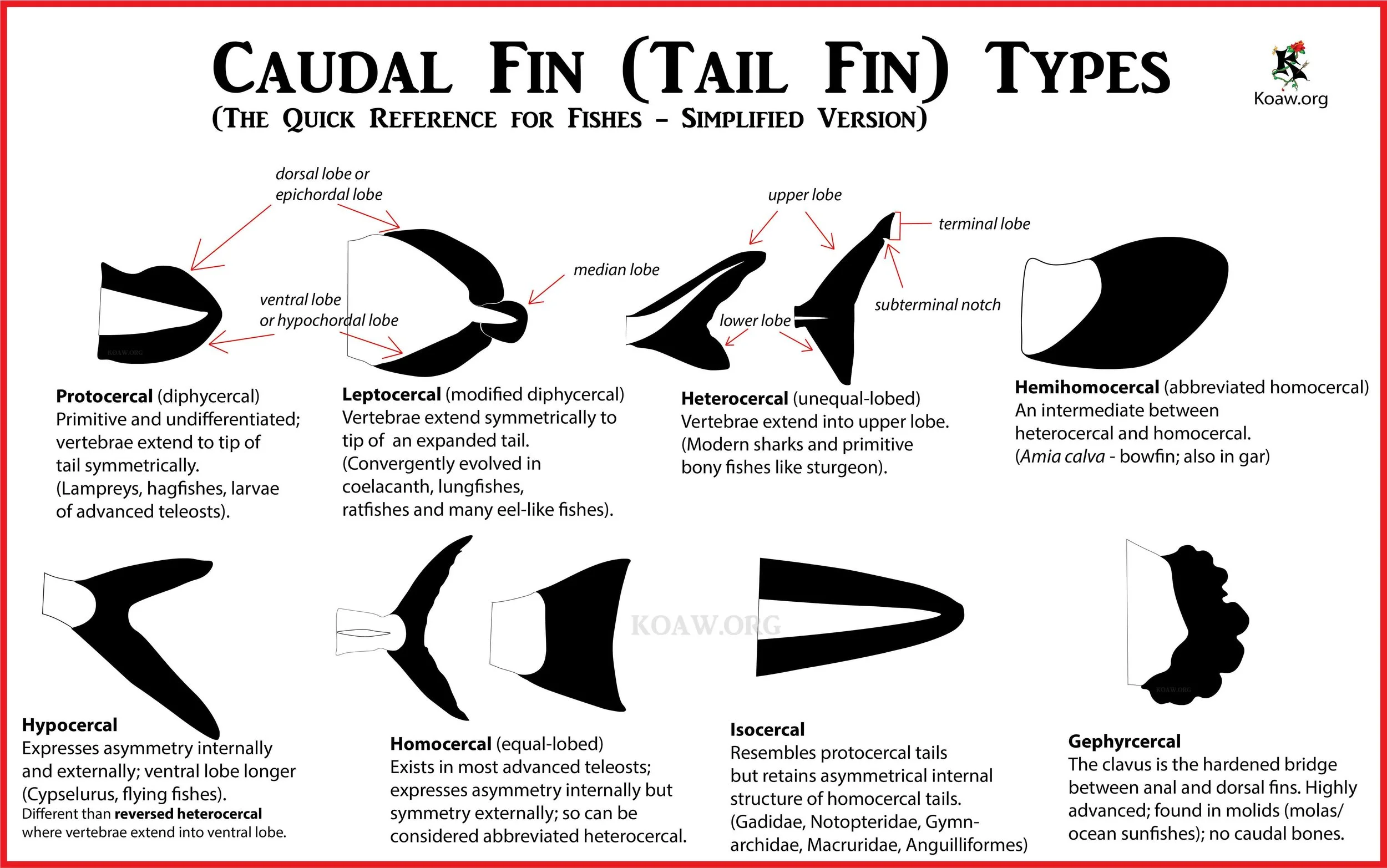
asymmetrical heterocercal tail
provides thrust and lift. a type of caudal fin where the vertebral column extends into a larger, elongated upper lobe, while the lower lobe is smaller.
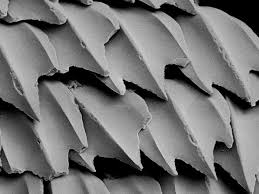
placoid scales
reduce water turbulence
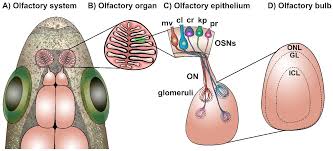
olfactory organs
“smell” prey
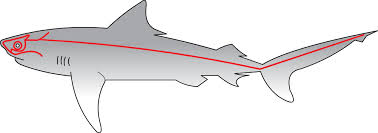
lateral line system
s a sensory system in fish and aquatic amphibians that detects water movements, pressure changes, and vibrations, aiding in navigation, hunting, and schooling
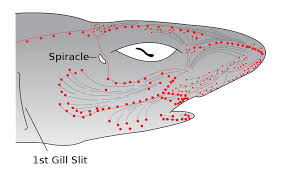
ampullae of lorenzini
specialized electroreceptor organs in cartilaginous fish (sharks, rays, skates) that detect faint electric fields, allowing them to locate prey, navigate, and communicate.
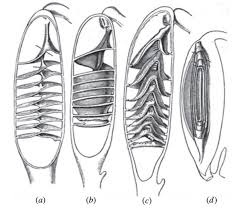
spiral valves in intestine
slows down passage of food, increases absorptive area
elasmobranch- rays
skates, stingrays, sawfish, manta rays, electric rays. bottom dwelling. dorsoventrally flattened
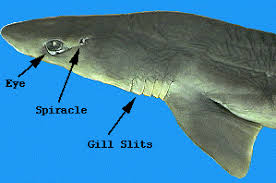
spiracles
small, paired, external opening used for breathing
holocephali: chimaeras
ratfish, ghostfish. flat plates instead of teeth. have operculum.
osteichthyes : bony fishes and tetrapods
96% of living fishes and all tetrapods. have bone that replaces cartilage. have lungs or swim bladder. o
operculum
increased respiratory efficiency.
actinopterygii- ray-finned fishes
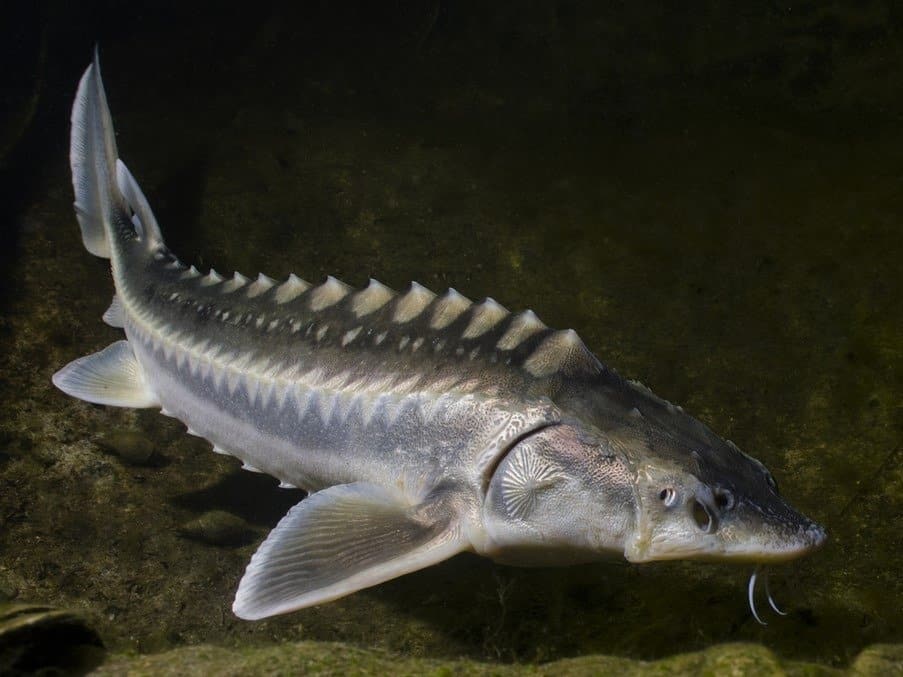
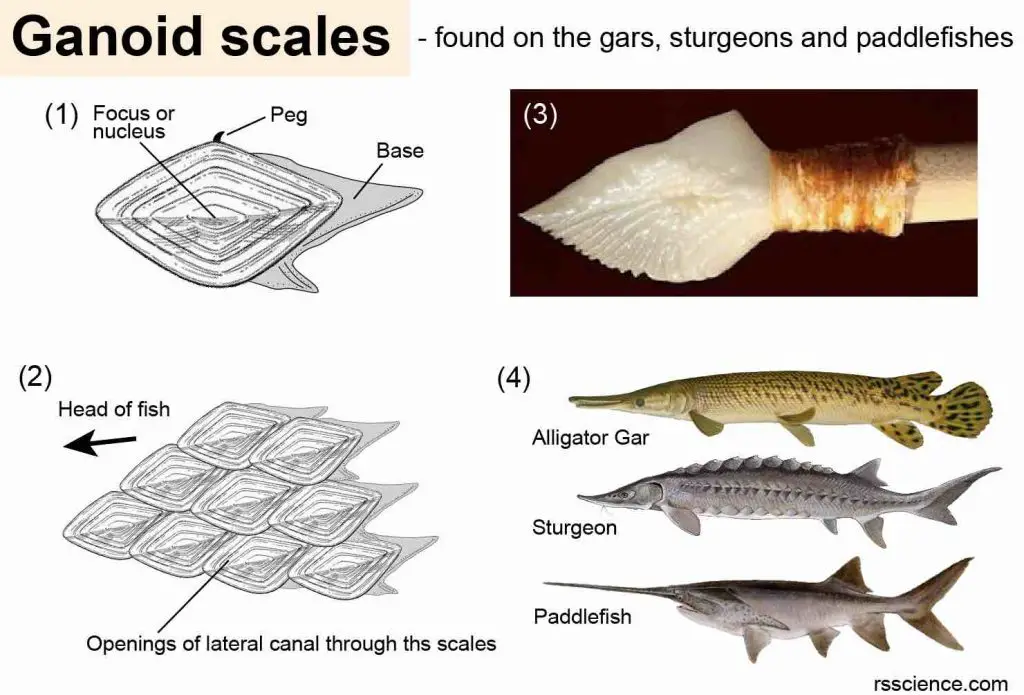
heavy ganoid scales. bichirs, sturgeon
ganoid scales
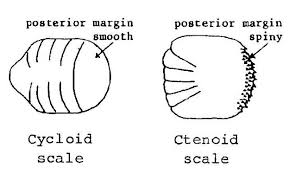
cycloid, ctenoid scales
thin flexible scales
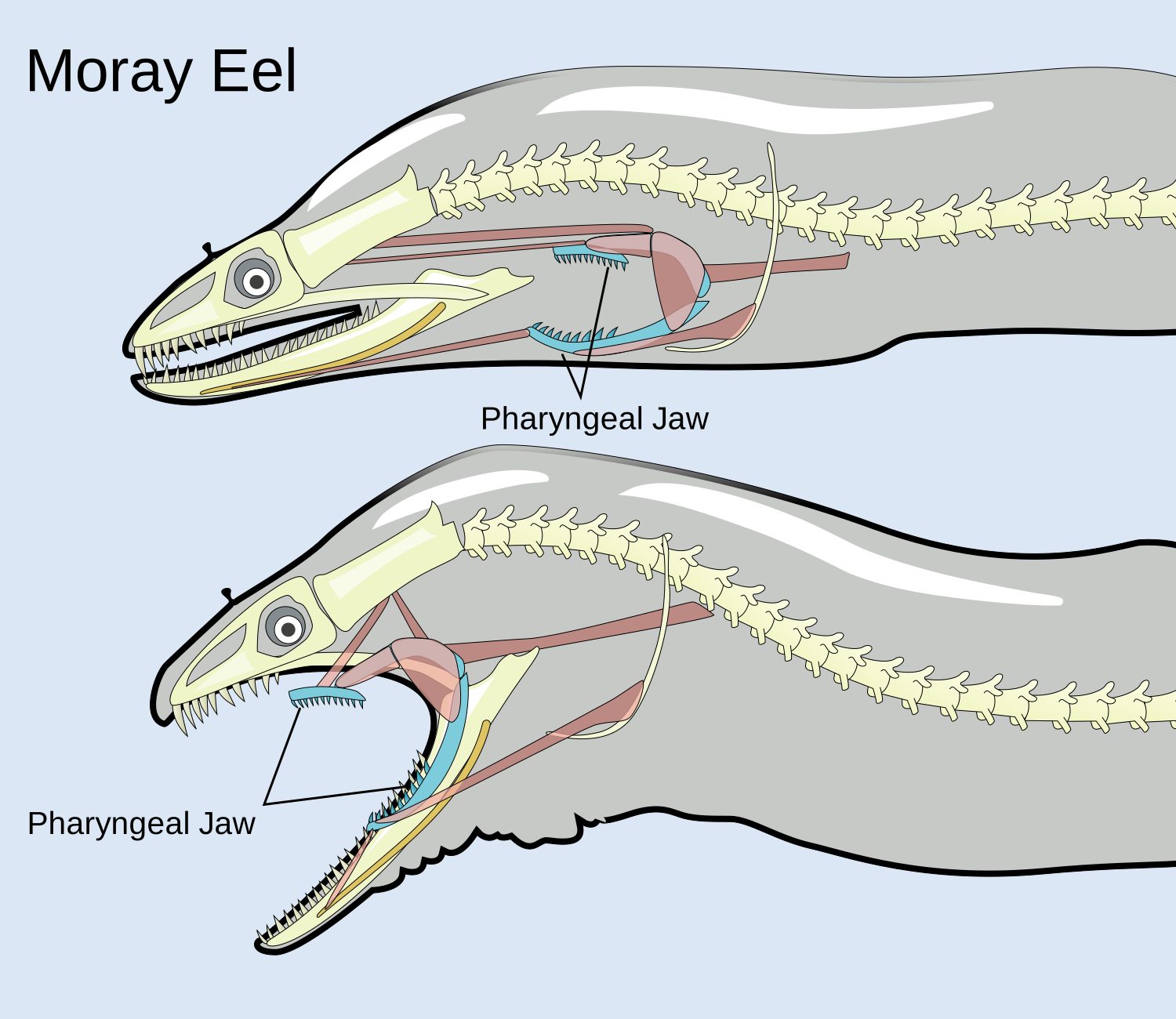
pharyngeal jaws
chewing, grinding, crushing
1,500 × 1,300
homocercal tail
symmetrical, for increased speed.
enameled scales
scales of sarcopterygii. protective layer
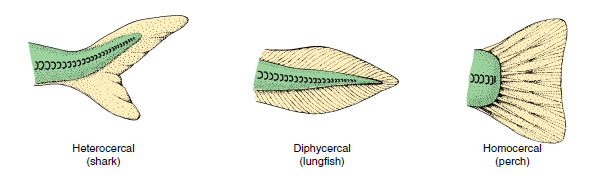
diphycercal tail
a type of fish caudal fin where the vertebral column extends straight to the tip, resulting in a symmetrical tail with equal upper and lower lobes
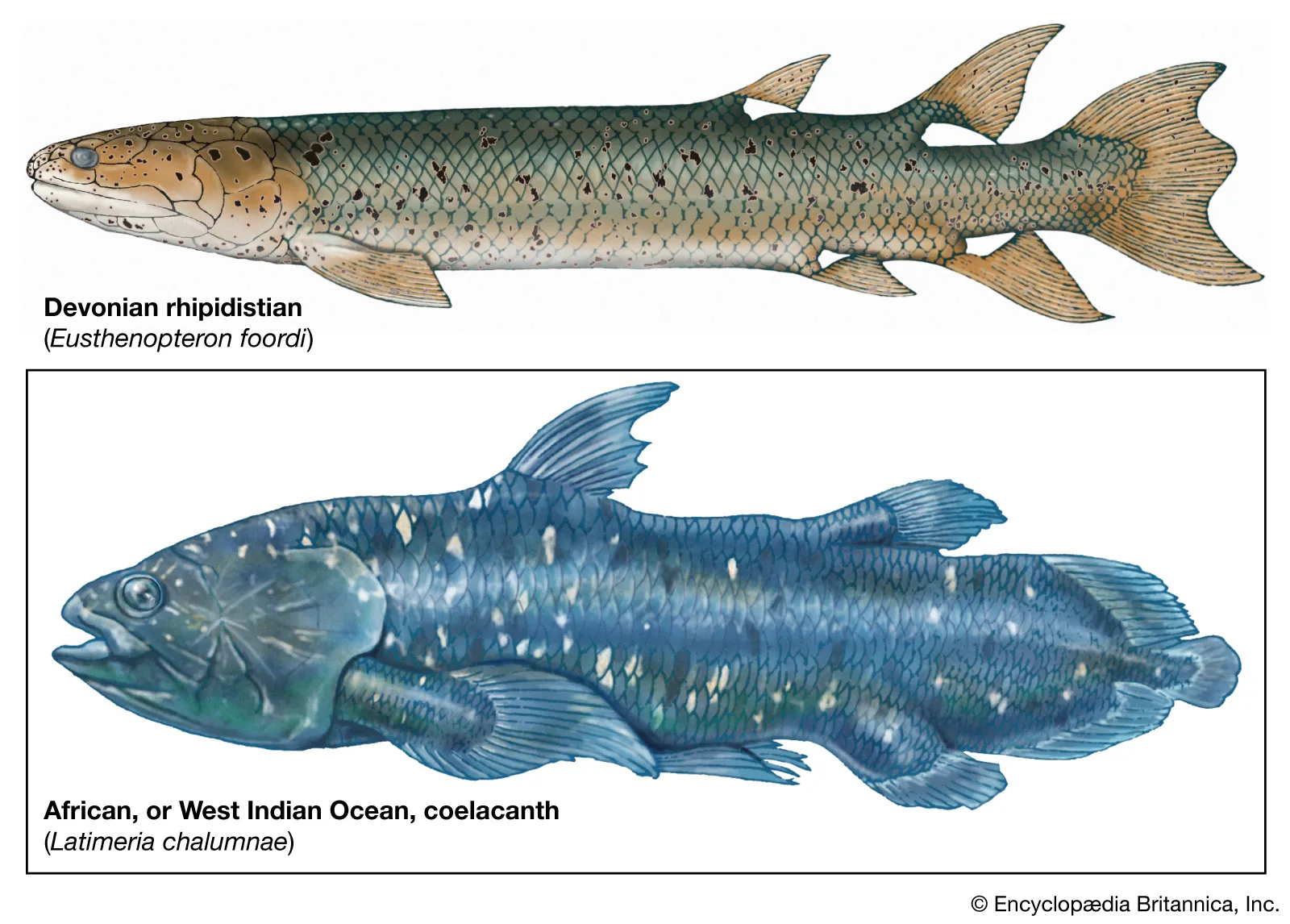
rhipidistian
a clade of lobe-finned fishes which includes the tetrapods and lungfishes.
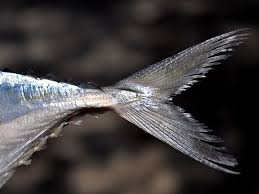
caudal peduncle
the narrow, muscular region of a fish's body located between the end of the anal/dorsal fins and the base of the tail (caudal) fin.
regional endothermy
a specialized form of warm-bloodedness where marine animals maintain certain body parts—like muscles, eyes, or brains—at higher temperatures than the surrounding water
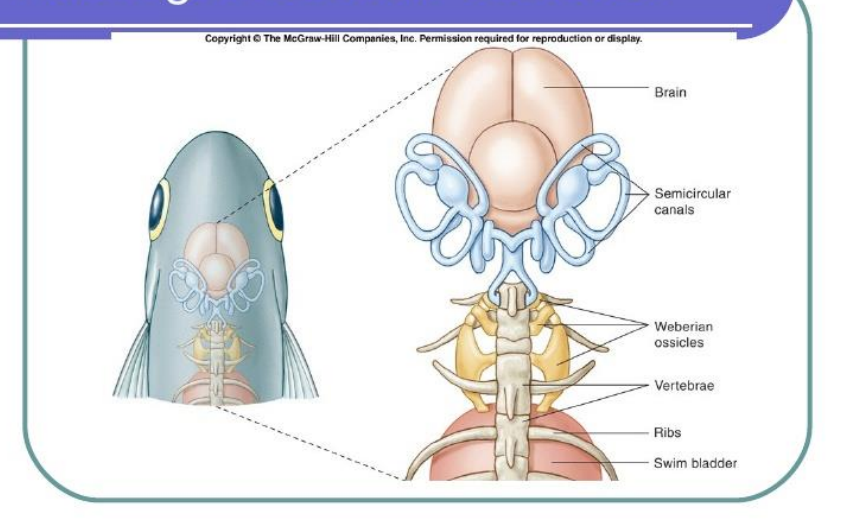
weberian ossicles
a set of small bones (claustrum, scaphium, intercalarium, and tripus) in freshwater fish (superorder Ostariophysi) that connect the swim bladder to the inner ear
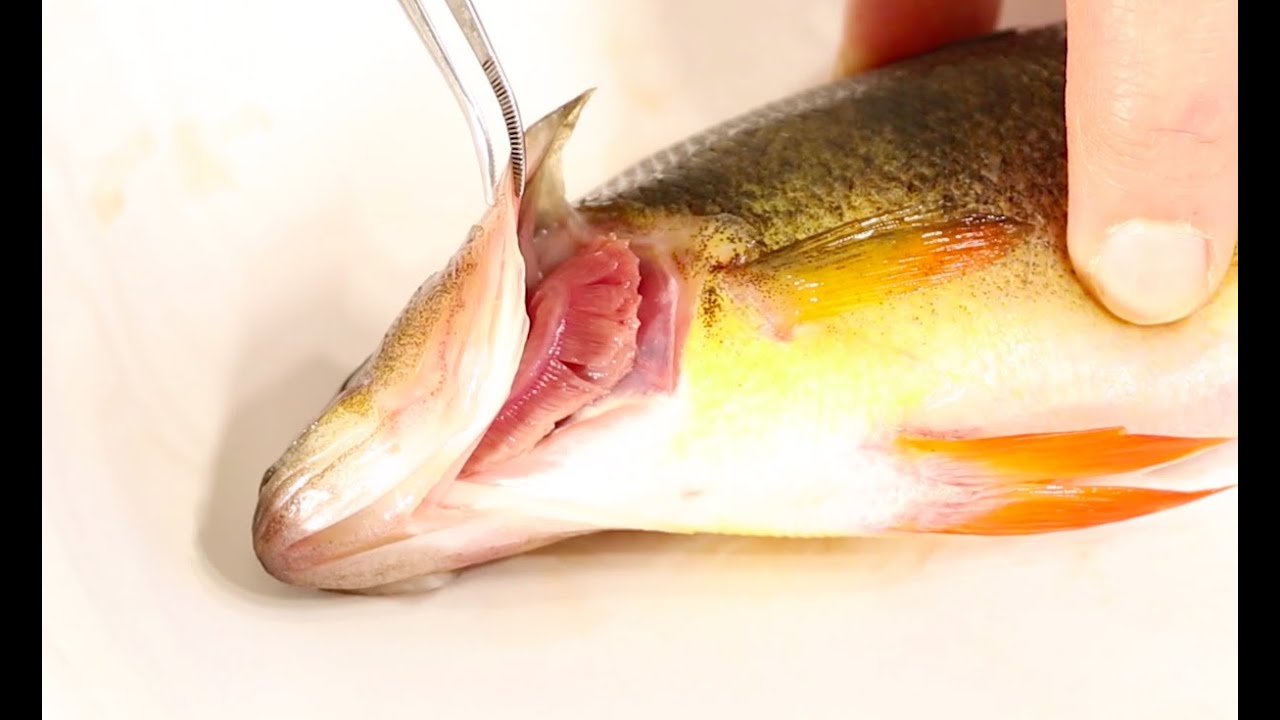
operculum
a bony gill cover for breathing
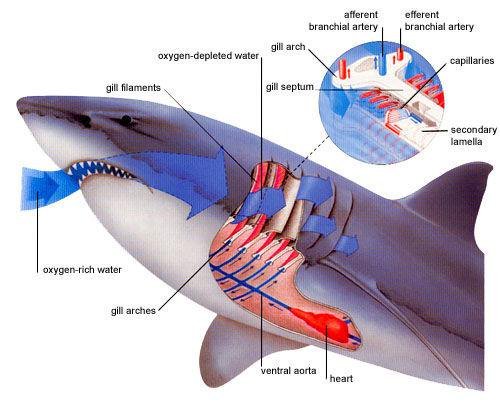
ram ventilation
some sharks respire this way, they have to keep swimming to breathe
freshwater fish
gain water, loose salt
marine fish
loose water, gain salt
euryhaline fish
move between fresh and salt waters
estuaries- fluctuating salinity levels
anadromous
switch between salt and fresh water. come to freshwater to spawn. salmon.
viviparous
live birth- some sharks
producing living young instead of eggs from within the body
Ovoviviparous
produce eggs that develop and hatch inside the mother's body, resulting in live birth.
oviparous
laying eggs that develop and hatch outside the mother’s body
fish grow more rapidly in
warm water
otoliths
ear stones, show age. function as gravity and motion sensors.
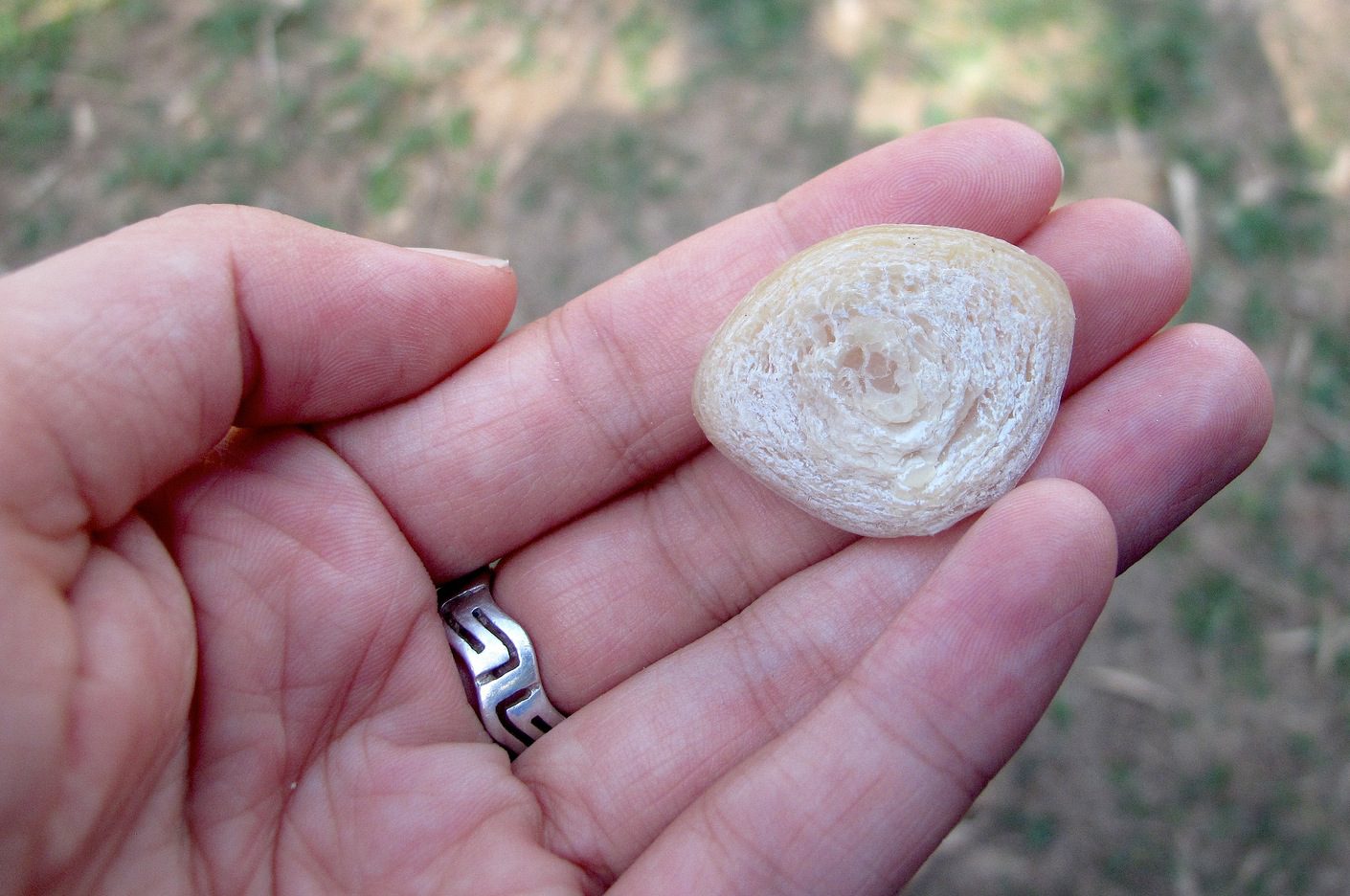
rings on scales- circuli
show seasonal growth cycles