Main main main!
 Call Kai
 Learn
Learn Practice Test
 Spaced Repetition
 Match
Match Flashcards
 Knowt Play
1/269

There's no tags or description
Looks like no tags are added yet.
Name | Mastery | Learn | Test | Matching | Spaced | Call with Kai |
|---|
No analytics yet
Send a link to your students to track their progress
270 Terms
ANCESTRAL TRAITS IN PRIMATES
• vertebrae
• homeothermic qualities
• hair
• mammary glands
• arboreal and nocturnal qualities
PROSIMII
• postorbital bar but no postorbital plate
• earliest primates
• high reliance on olfaction
• split upper lip
• dental comb
• unfused mandible
• use of scent marking
• dental formula: 2133/2133
• many nocturnal
• tapetum lucidum
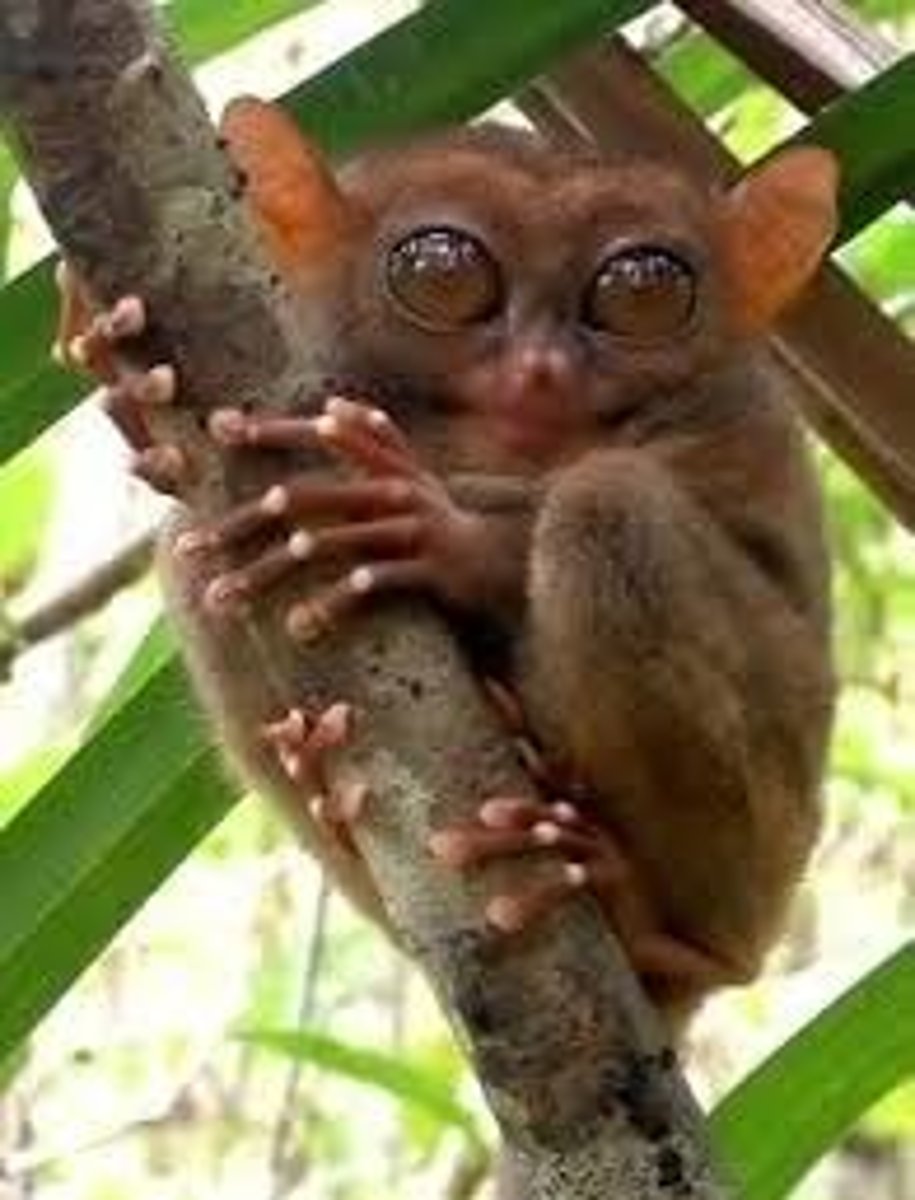
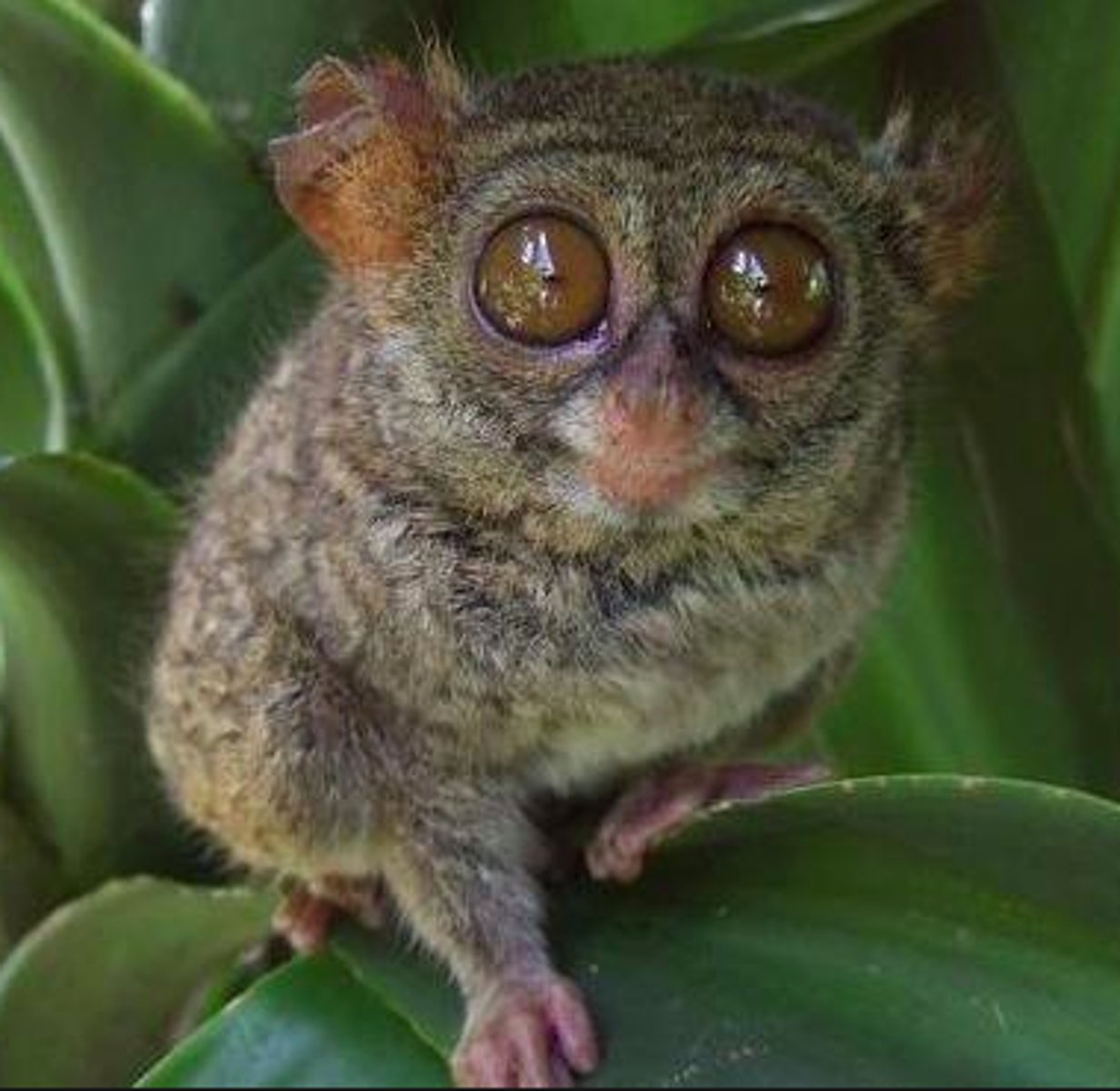
TARSIOIDEA
• postorbital bar but incomplete postorbital plate
• dental formula: 2133/1133
• reliant upon meat in their diet
• 2 grooming claws
• eyes larger than their brain
ANTHROPOIDEA
• postorbital plate present
• full set of nails
• reduced alfactory reliance
• fused lawer jaw
• no tapetum lucidum
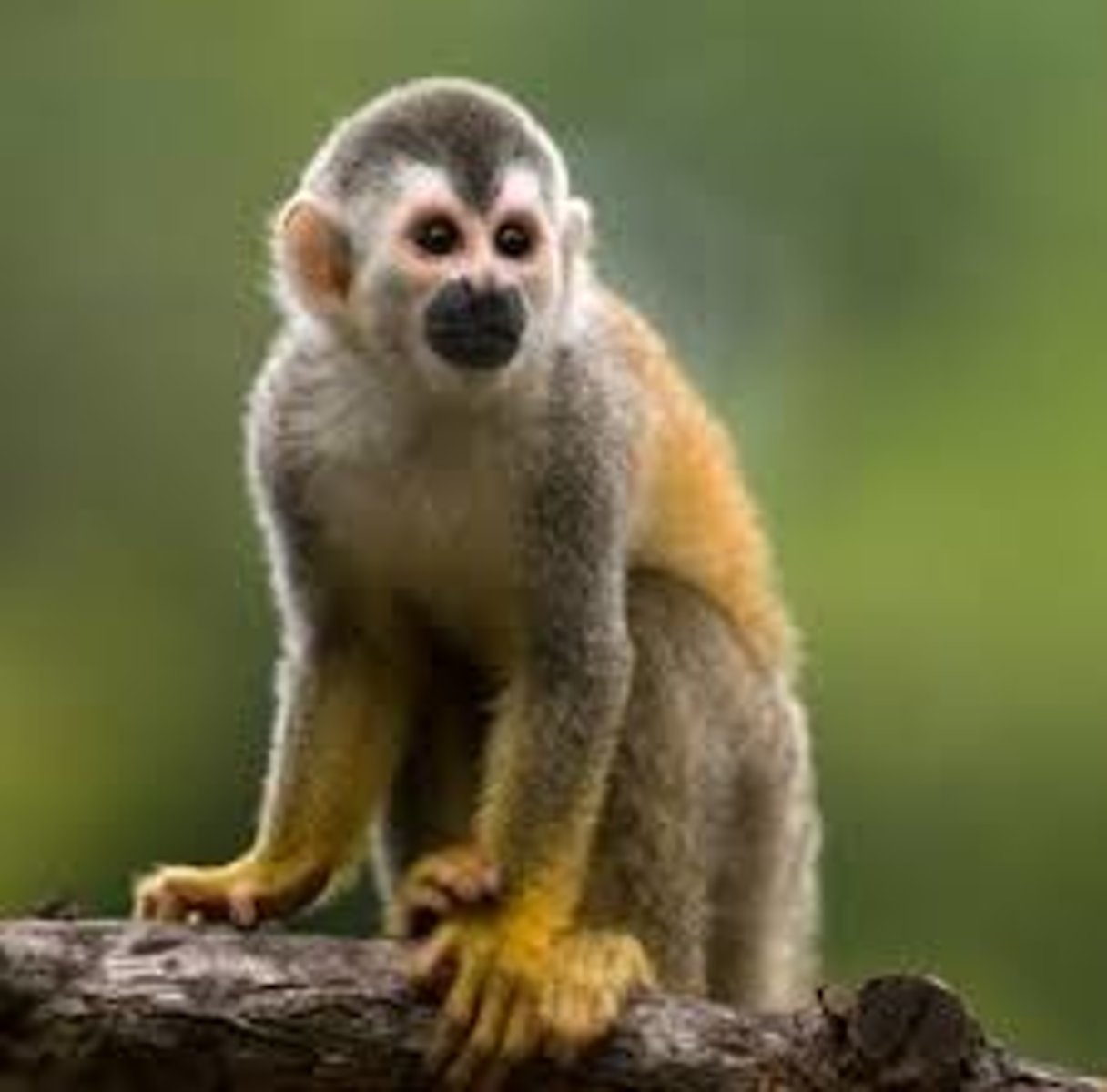
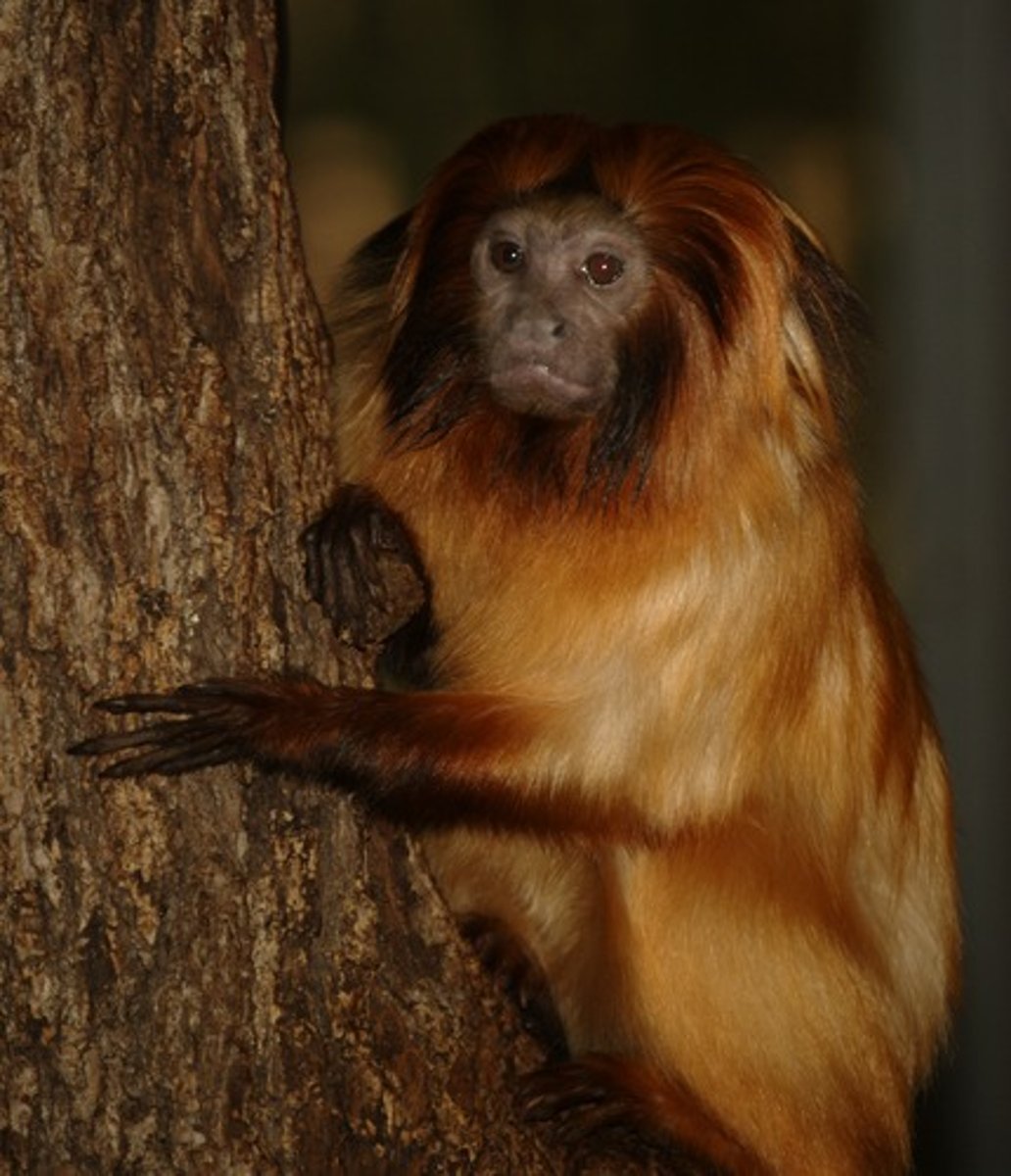
PLATYRRHINI - CEBOIDEA
• flat nose
• some have prehensile tails
• dental formula: 2133/2133
CATARRHINI - CERCOPITHICINAE,COLOBINAE, HOMINOIDEA
• narrow nose
• dental formula: 2123/2123
• bilophodont molars
• ischial callosities near tail
• tail never prehensile
CERCOPITHICINAE
• fruit eating
• variable in size
COLOBINAE
• leaf and seed eaters
• complex stomachs

HOMINOIDEA
• no tail
• limb arrangements reflecting brachiation
• rotation of shoulder
• longer forelimbs than hindlimbs (opposite in humans)
• Y-5 molars
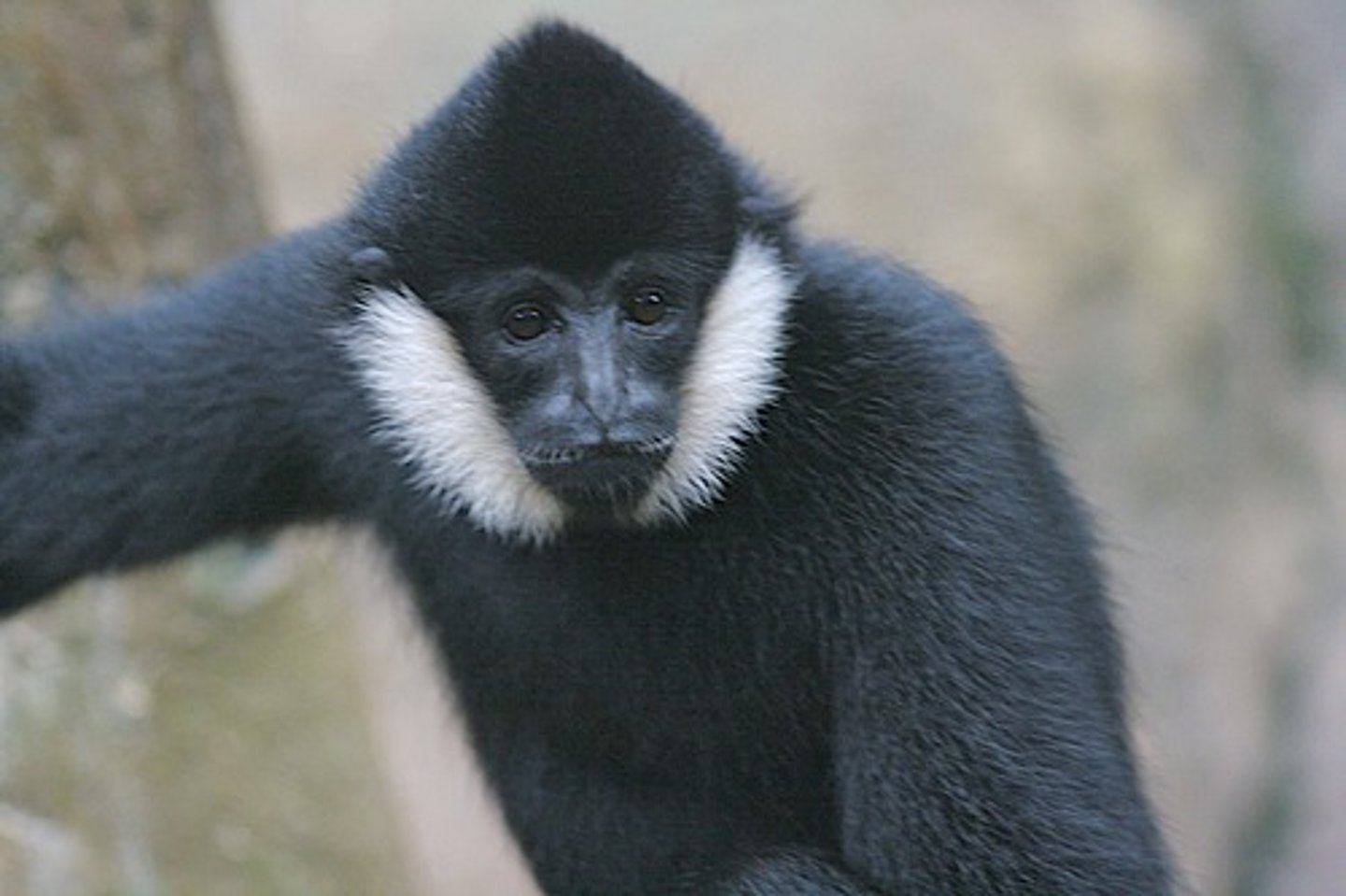
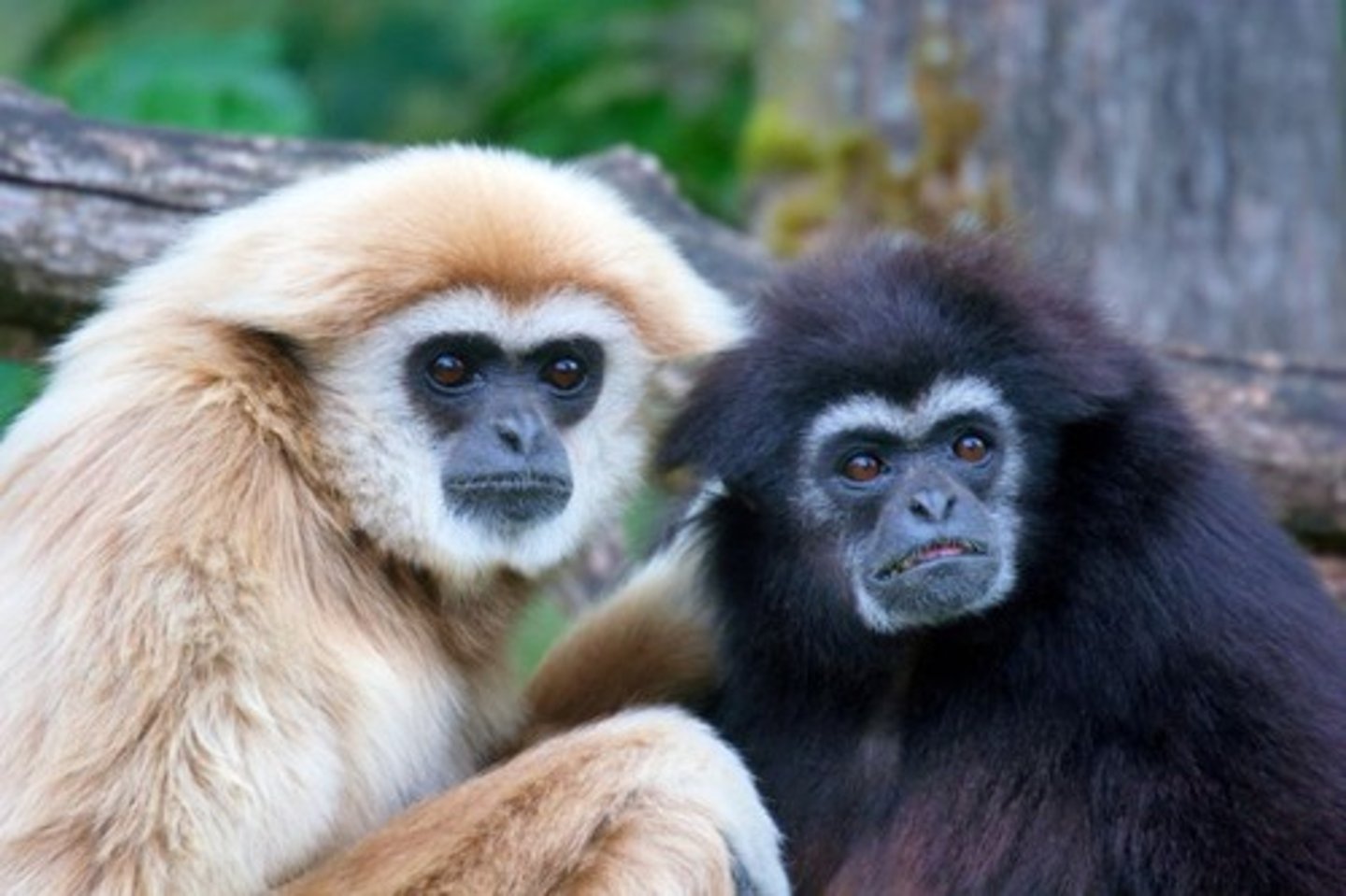
HYLOBATIDAE
• dinural
• arboreal
• brachiators
• monomorphic body size
• monogamous
• territorial
• vocal duets
• ischial callosities
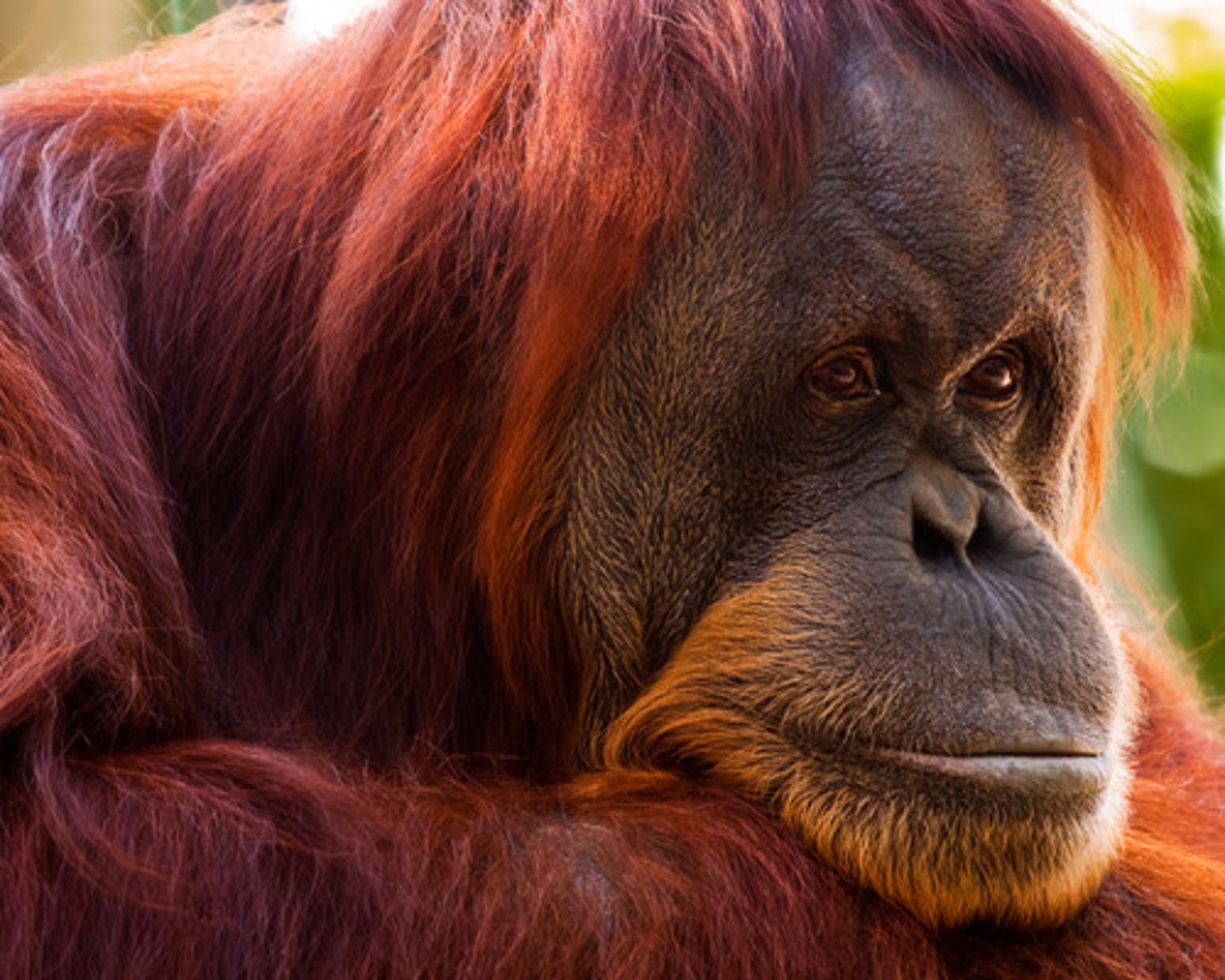
PONGIDAE
• ischial callosities absent
• quadrumanous
• cheek flanges in dominant males
• most solitary
• slowest life history of all primates
HOMINIDAE
• ischial callosities absent
• knuckle-walking
• terrestrial
• many leaf and fruit eating
• one male only group in gorillas/ mixed sex groups in chimps and bonobos

ARDIPITHECUS SAHELANTHROPUS
• found in Chad
• thick enamel
• reduced prognathism
• massive brow ridge
• foramen magnum centered
• small brain
ARDIPIHECUS ORRORIN
• found in Kenya
• slight diastema
• human-like molars with thick enamel
• possibly bipedal
ARDIPIHECUS RAMIDUS
• found in Ethiopia
• limb proportions similar to quadrupedal organisms
• rigid foot suggests possible bipedalism
AUSTRALOPITHECUS
• erect
• bipedal
• long forelimb
• sexually dimorphic
• small brains
• intermediate teeth (slight diastema, reduced canine, thicker enamel than apes)
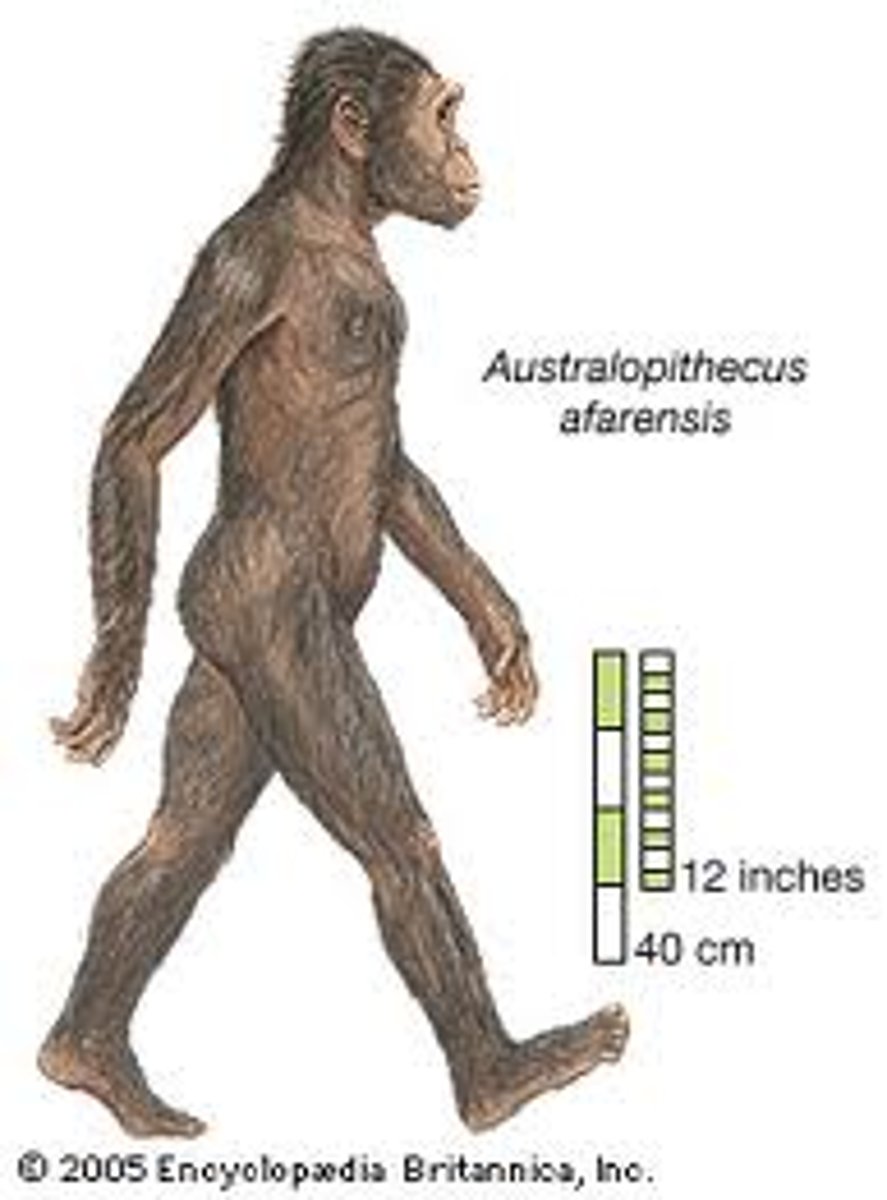
AUSTRALOPITHECUS AFERENSIS
• 'Lucy'
• sexually dimorphic
• small braincase
• prognathic
• reduced canine
• small diastema
• broad and narrow pelvis
• long femur which slants inward
• bipedal but likely slept and foraged in trees
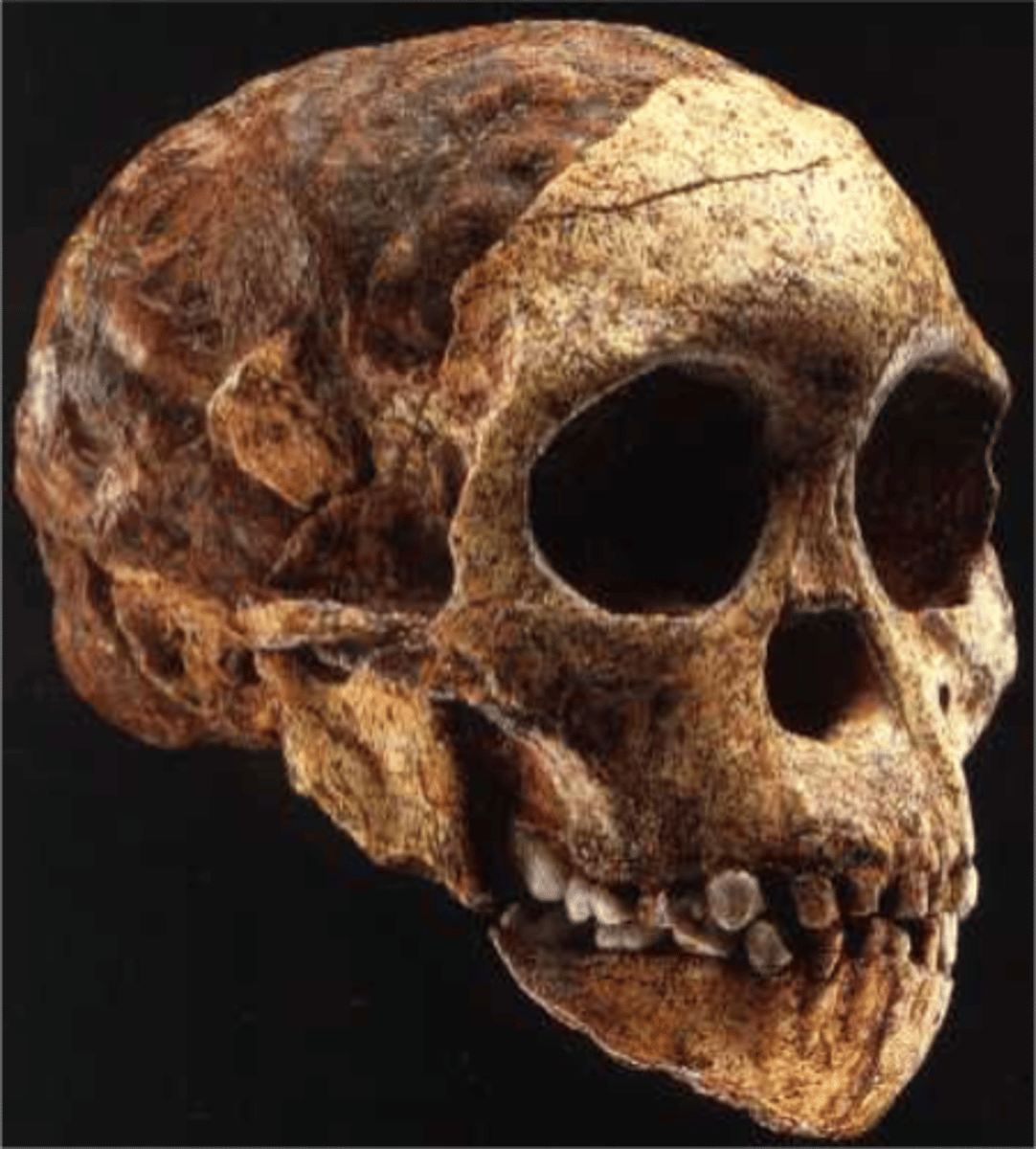
AUSTRALOPITHECUS AFRICANUS
• 'Taung Child'
• small braincase
• prognathic
• large teeth but proportions similar to modern humans
• reduced caines
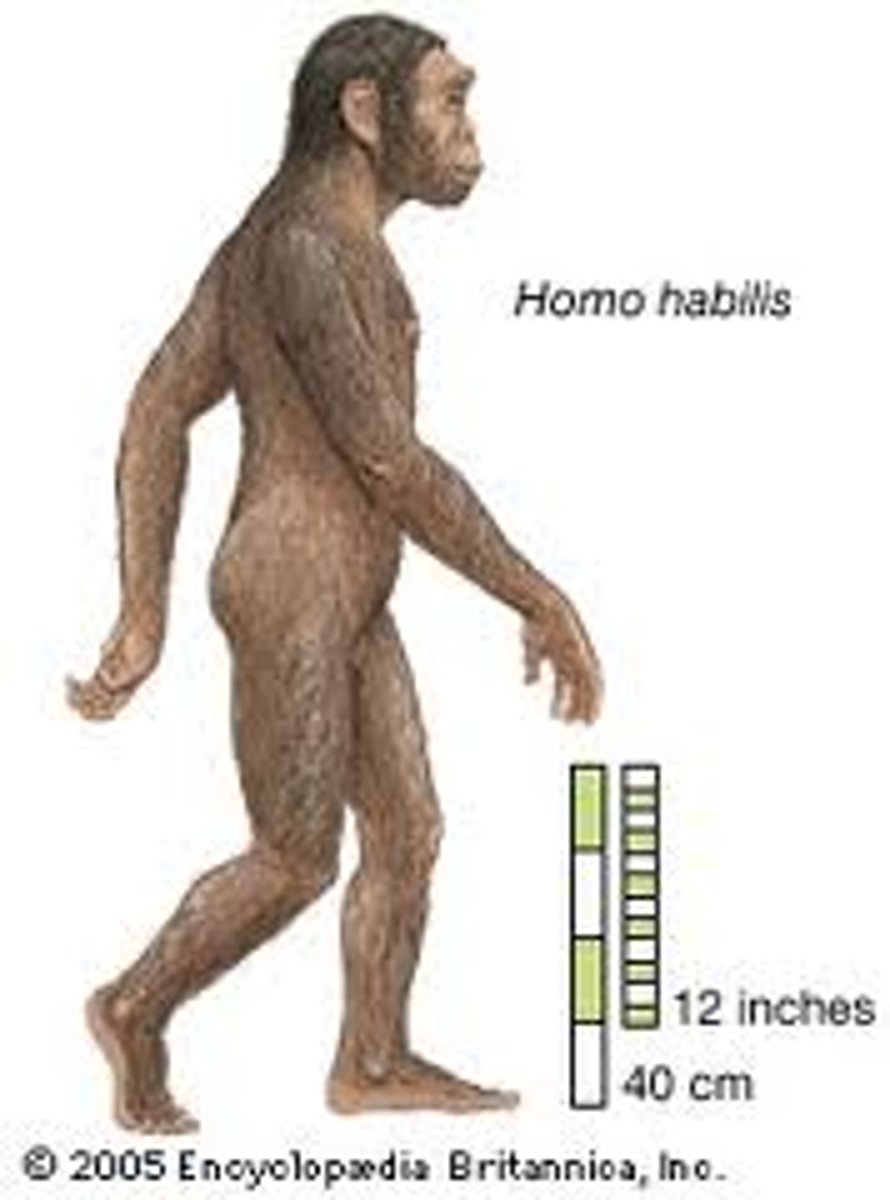
HOMO HABILIS
• Oldowan tools
• intermediate characteristics between Australopitecus and Homo erectus
• East Africa
• hand bones more robust
• early changes from parallel-sided to parabolic dental arcade
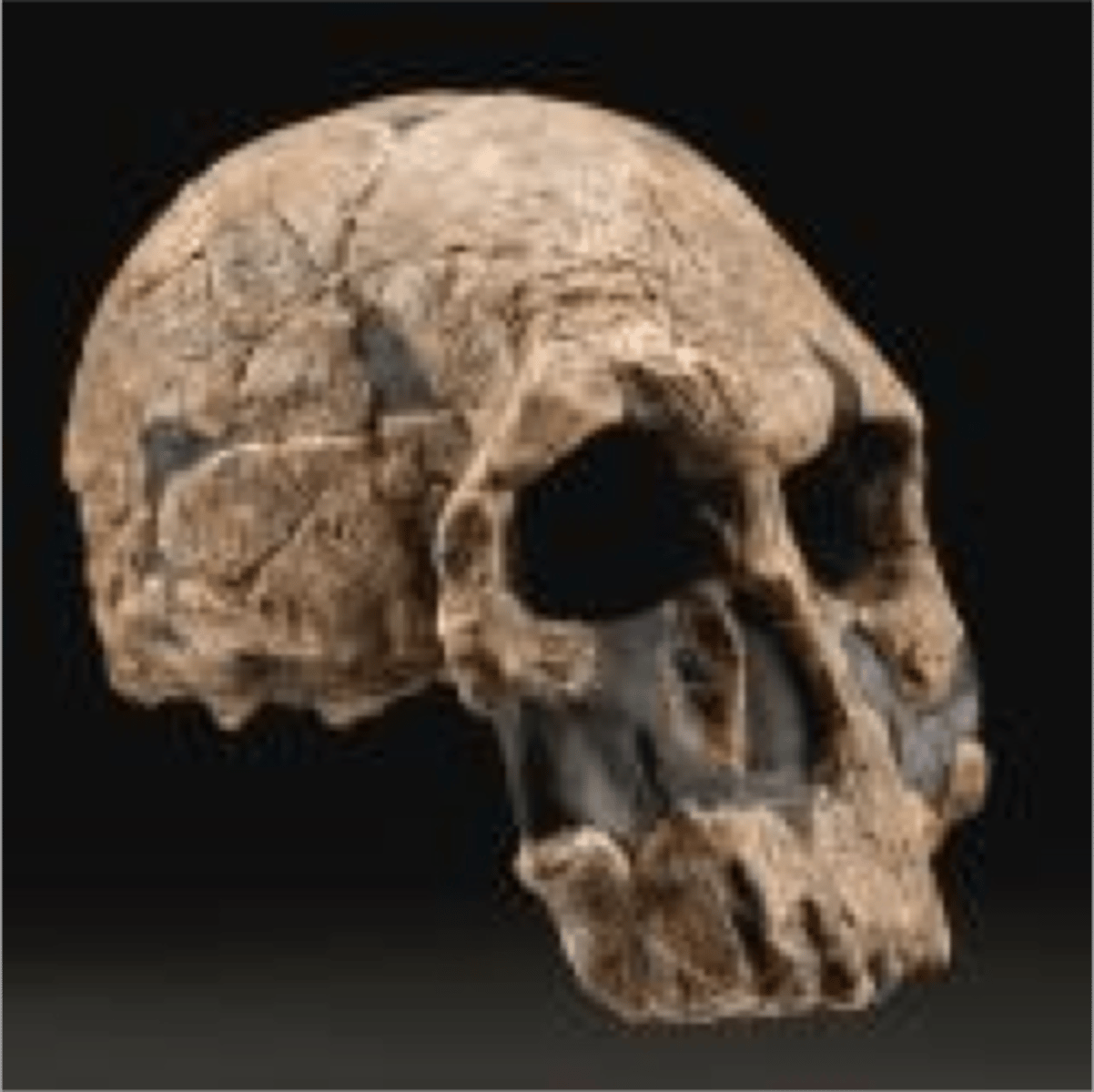
HOMO RUDOLFENSIS
• East Africa
• hand bones more robust
• larger cheek teeth than Homo habilis
• larger brain than Homo habilis
HOMO ERGASTER/ERECTUS
• arose due to cooling climate
• Homo erectus left Africa to Asia
• fully terrestrial
• longer development period
• long legs
• barrel-shaped chest
• Acheulian tool use in Homo ergaster/ no tool use in Homo erectus
• possibly meat eaters (found with Vitamin A poisoning which can be caused by eating the liver of a large organism)
• robust skull with thick bone
• cranial superstructures (e.g occipital torus)
• no chin
• small teeth
• parabolic dental arcade
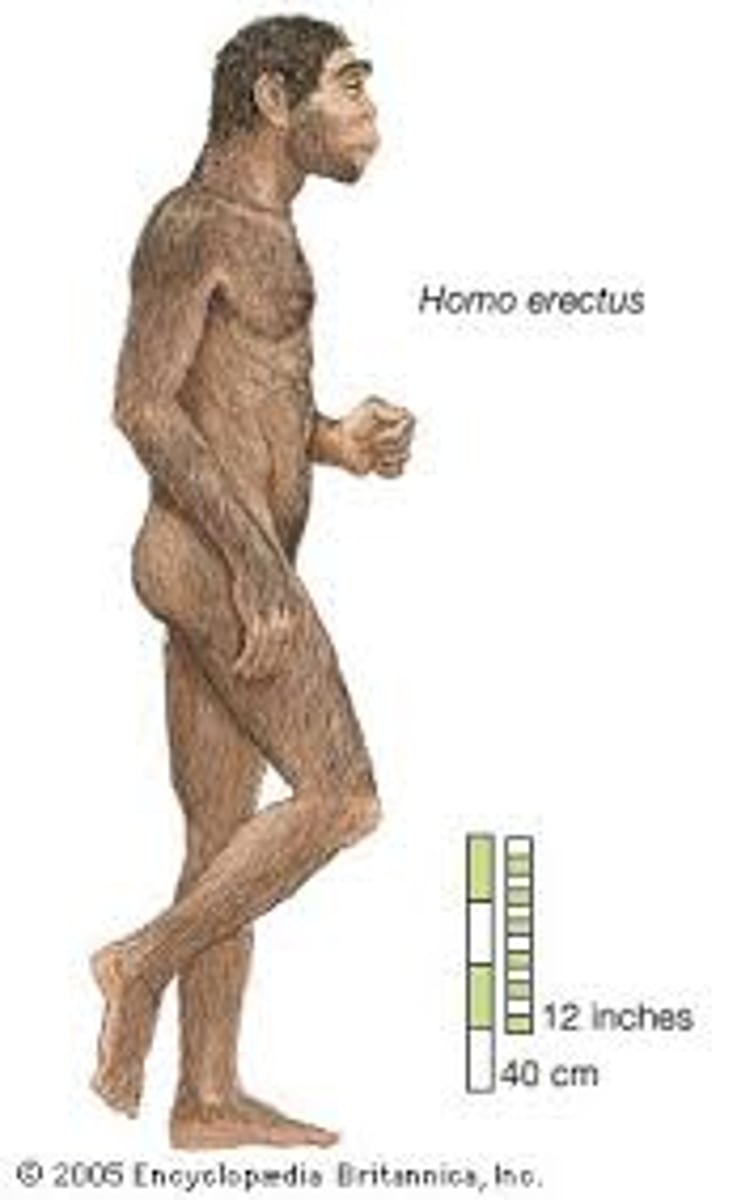
HOMO HEIDELBERGENSIS
• radiated to Europe and Asia
• reduced brow ridge
• high cranial vault
• used spears
• created beach huts
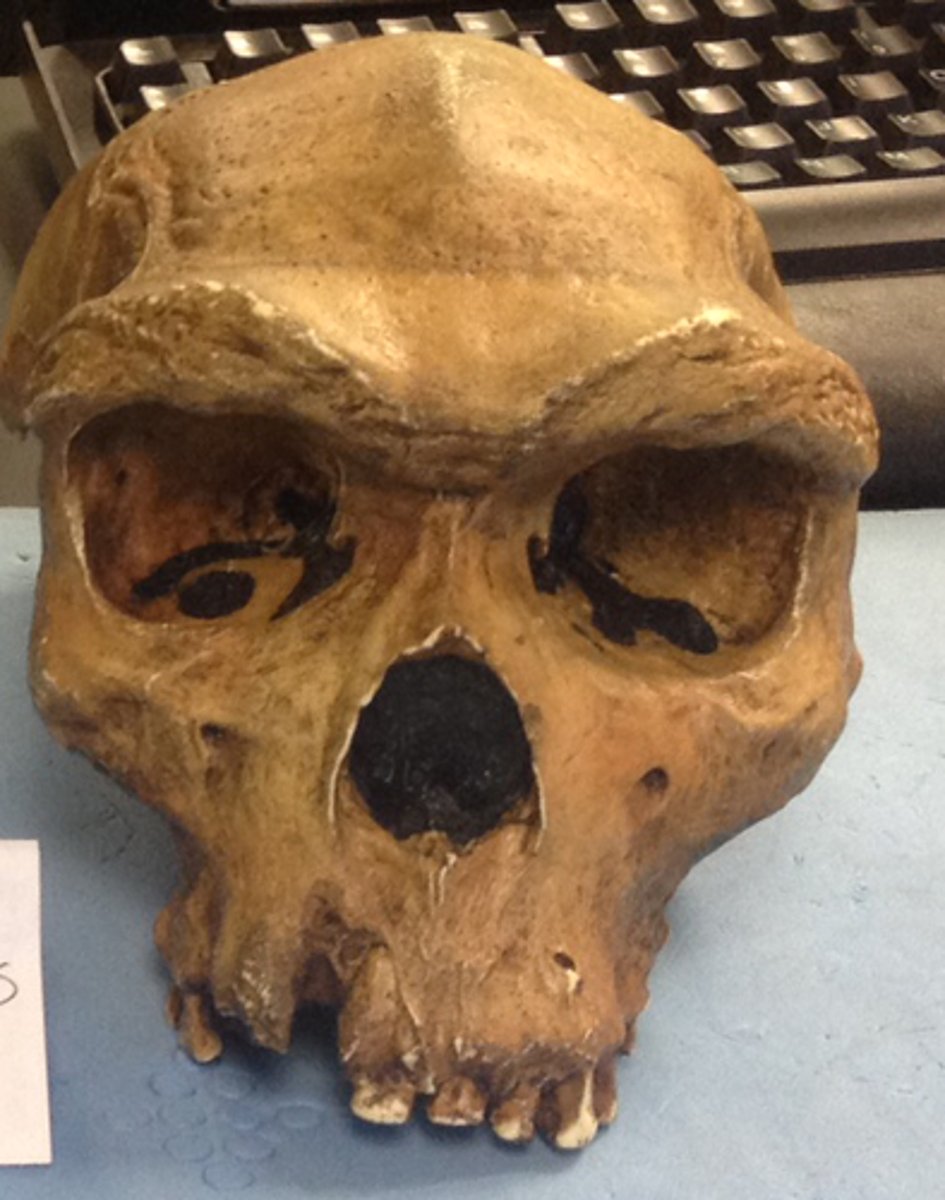
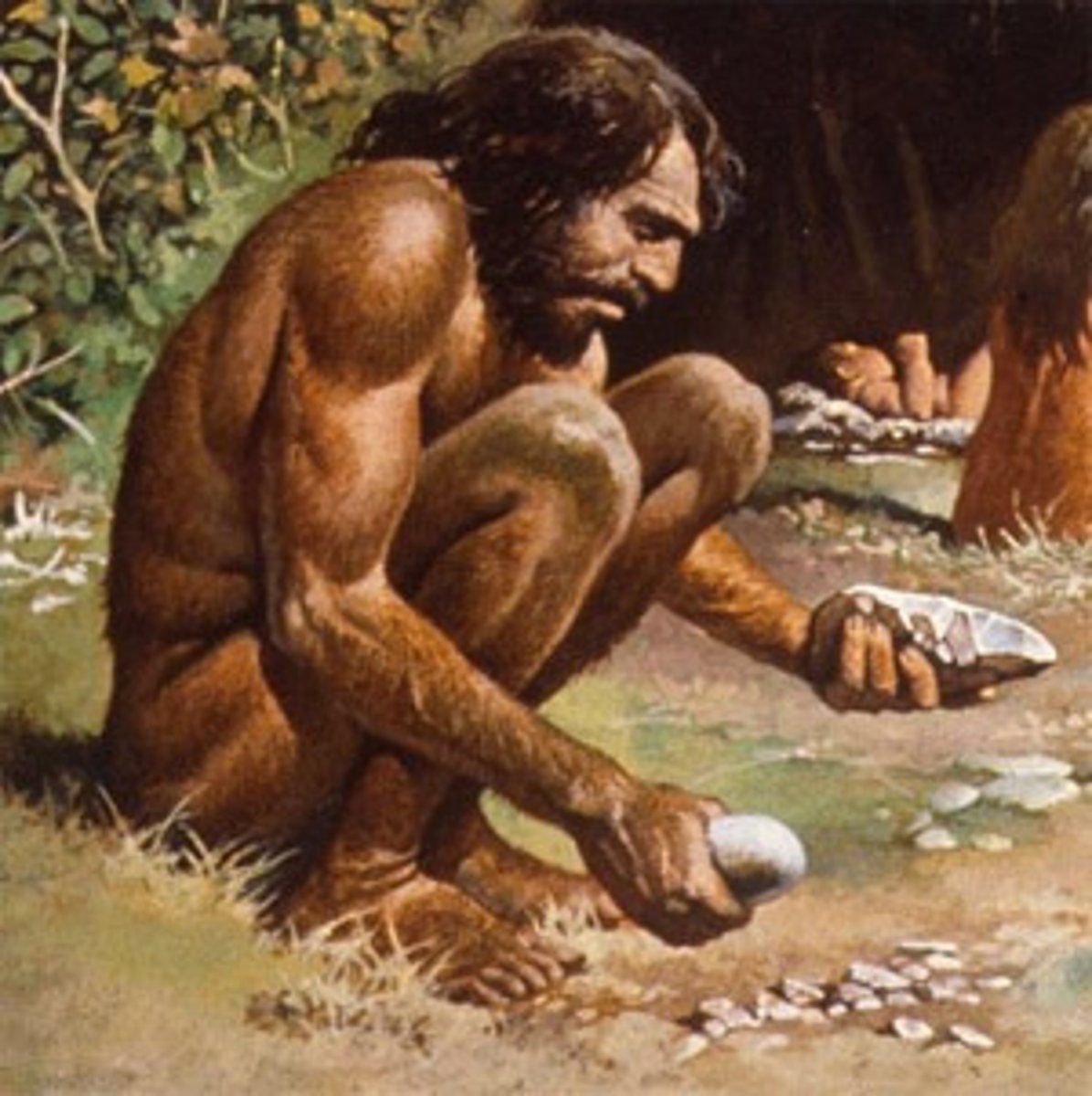
HOMO NEANDERTHALENSIS
• considered as our sister species
• modern humans are not descended from Neanderthals
• robust with large, muscular bodies adapted to the cold
• Middle East and Europe
• large and long skulls
• larger brow ridge than Homo sapiens
• occipital bun
• larger brain case than Homo heidelbergensis and Homo sapiens
• no forehead
• no chin
• large front teeth
• large nose to warm air
• unknown reason for extinction
• hunted large game
• lived in caves
• buried their dead
• possible cannibalism
• Mousterian tools
• made jewellery
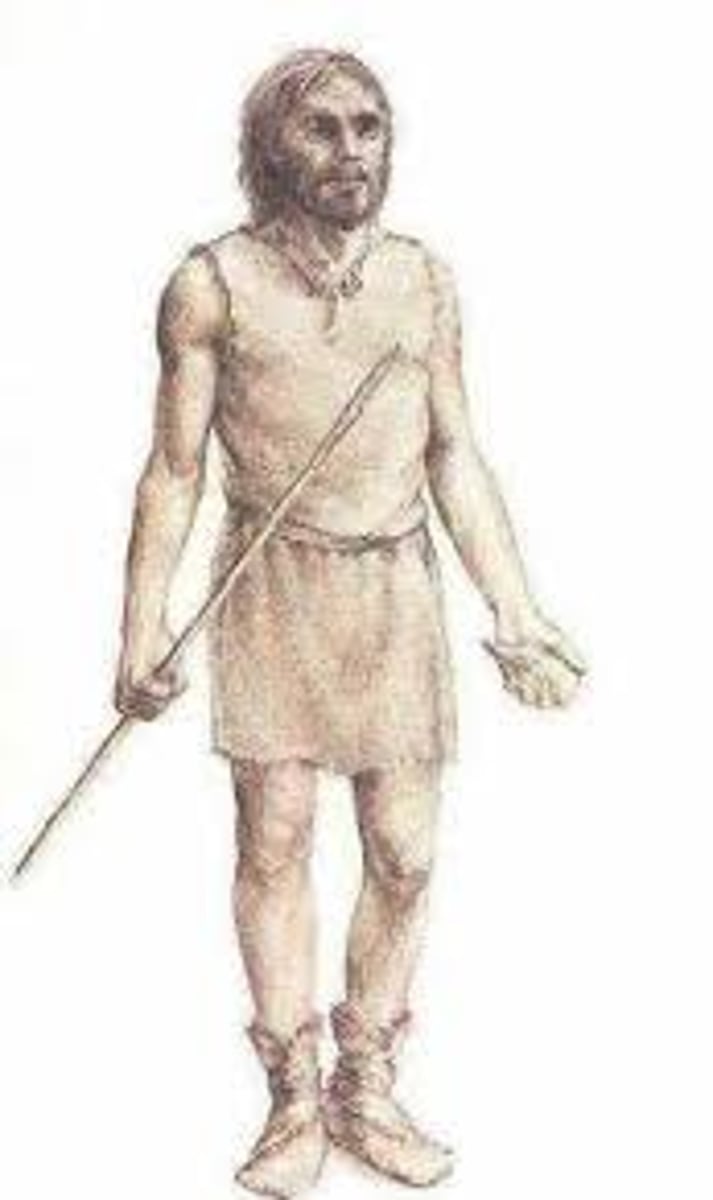
HOMO SAPIEN
• produced art
• Upper Palaeolithic tools
• ritual burials
• short to normal gestation for size
• altricial (underdeveloped at birth)
• rapid post-natal brain growth
• long juvenile period for size
• short interbirth period (can have many children in quick succession)
• delayed age of sexual maturity
• long post-reproductive life-span
DARWIN'S MODEL AND ITS PROBLEMS
1. battle for resources
2. advantageous traits allow organisms to live longer and reproduce more
Problems:
1. time - the Earth was not old enough for evolution to occur
2. inheritance - blending was believed to exist (falsified by Mendel)
FITNESS
survival and reproductive success
TYPES OF SELECTION
1. stabilising
2. directional
3. disruptive
SELECTION PRESSURES (BIOTIC AND ABIOTIC)
Biotic:
1. competition
2. predation
3. disease
Abiotic:
1. climate
2. habitat
AXIAL SKELETON
vertical
APPENDICULAR SKELETON
limbs
EVIDENCE FOR EVOLUTION
1. fossil record
2. homologous structures (also in embryology)
3. vestigial features
4. atavistic features
5. analogous features
6. artificial selection
TAXONOMIC HIERARCHY
King
Philip
Came
Over
For
Good
Soup
- divised by Linneaus
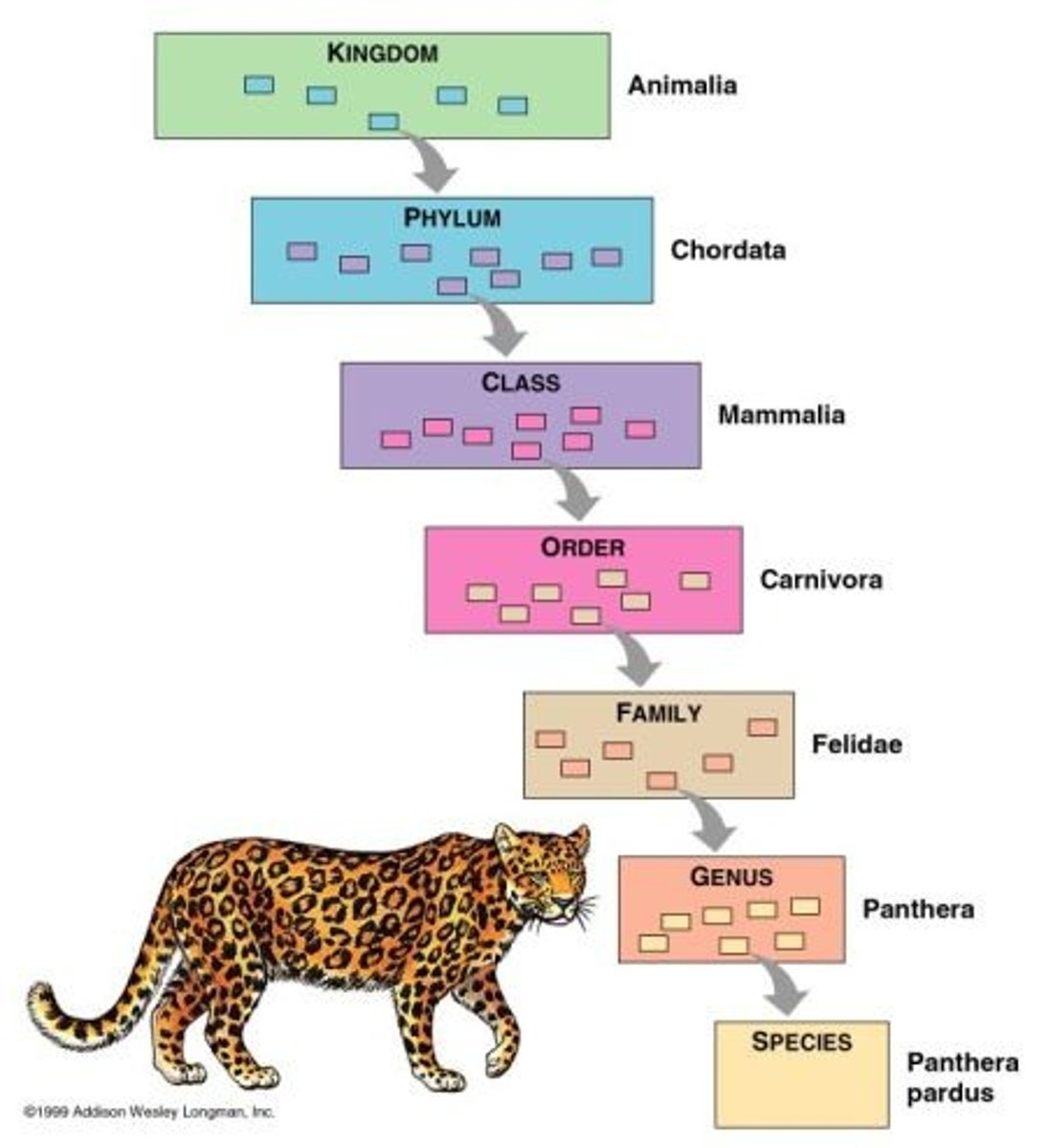
EVOLUTION IN HUMAN POPULATIONS
1. lactose intolerance
2. high altitude adaptation
3. HIV resistance in Africa
EVOLUTION IN PRACTICE
1. disease evolution
2. conservation biology
3. agriculture
4. weeds and feral animals
5. forensics
6. human behaviour
SIMILARITIES BETWEEN HUMANS AND PRIMATES
1. warfare
2. culture and traditions
3. prosocial behaviour
BENEFITS AND COSTS OF GROUP LIVING
Benefits:
1. defence of territory and resources
2. lower risk of predation
Costs:
1. increased resource competition
2. increase spread of disease and parasites
3. high visibility to predators
TYPES OF 'VORES'
insectivores > frugivores > folivores > carnivores
FISSION-FUSION SOCIETY
a group scavenging in small groups during the day and coming together to sleep at night
TYPES OF PRIMATE SOCIAL ORGANISATION
1. solitary
2. monogamous pairs
3. polyandry
4. polygyny
LARGE BALLS IN PROMISCUOUS MATING SYSTEMS?
more sperm = higher likelihood of your fertilisation (sperm wars)
DIVERGENCE INTO HOMININS SIGNALLED BY:
1. bipedalism
2. diet
3. brain size
MOSAIC EVOLUTION
method by which humans evolved with long gaps between evolutionary events
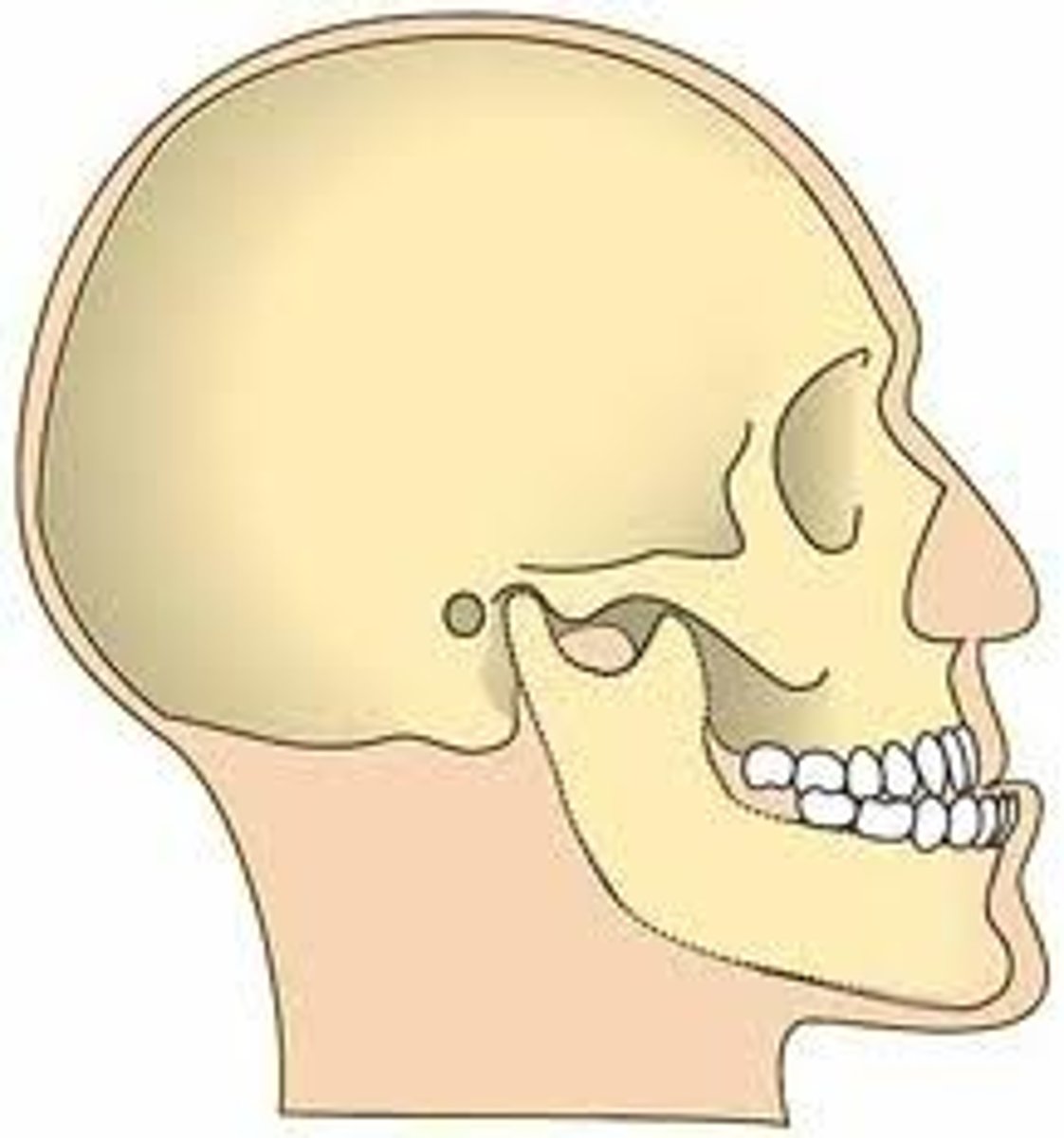
PROGNATHISM
where part of the face below the nose protrudes
BRACHIANATION
tree-swininging using forelimbs
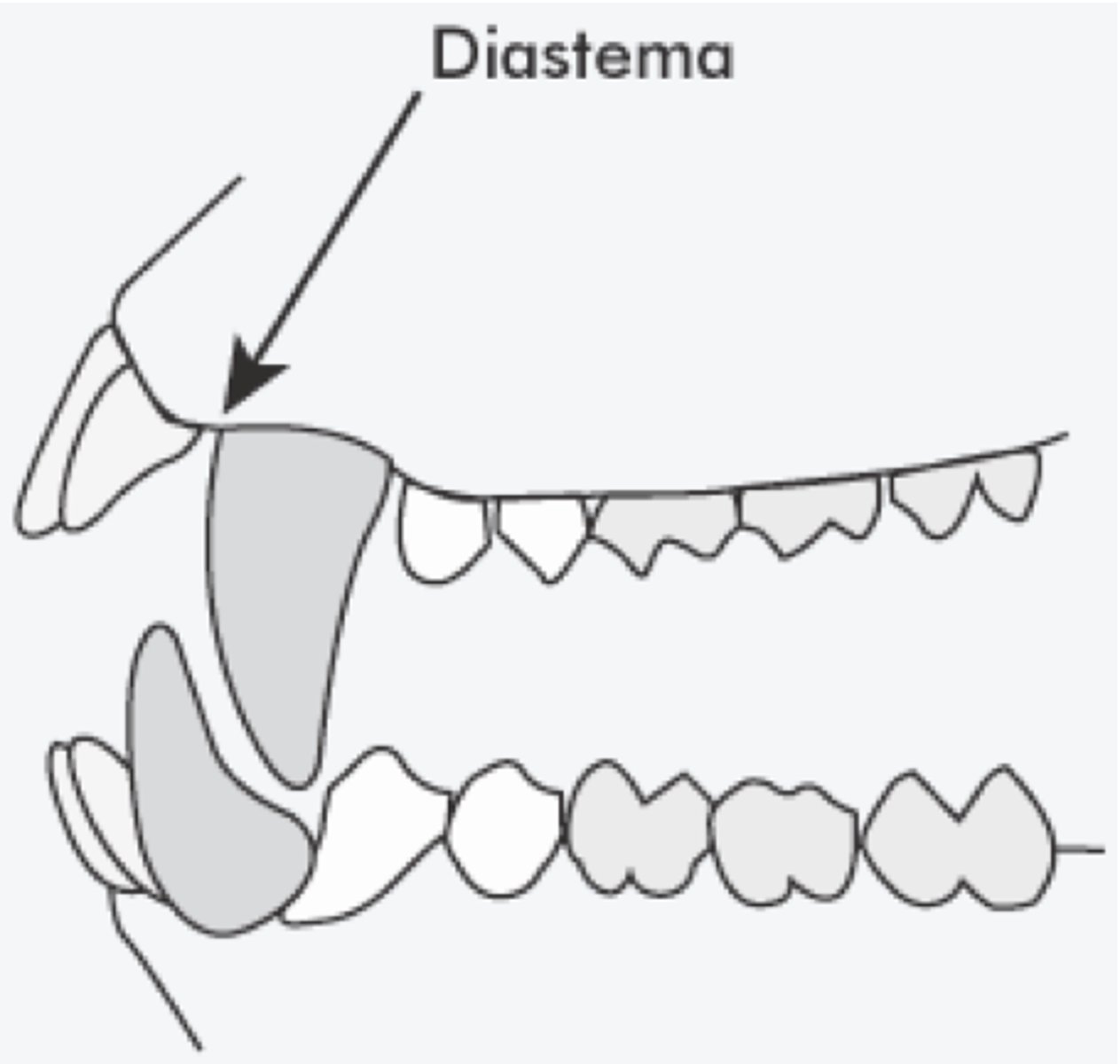
DIASTEMA
space in upper jaw to accomodate lower canine
CHIMP VS HUMAN
1. chimps have smaller hinds limbs and longer forelimbs
2. chimps have long pelvises
3. chimps knuckle walk
4. chimps have prognathic face
5. chimps have posteriorly entering spinal cord to skull
WHAT CAUSED REDUCED JAW SIZE AND FACIAL FLATTENING?
1. softer food due to discovery of fire
2. bipedalism
OBSTETRICIAL DILEMMA
pelvic opening of female too small for child to pass through (esp. in humans) > softening of pubic symphyses at the end of pregnancy, cranial bones of child unfused
DESCRIBE PARTS OF CELL
1. plasma membrane
2. mitchondria
3. nucleus
4. RER
5. SER
6. ribosomes
7. golgi apparatus
8. microvilli
9. cilia
3 TYPES OF CELL JUNCTIONS
1. tight junction
2 desmosome (spot-welding)
3. gap junctions (channel connections)
DESCRIBE 4 TYPES OF TRANSPORT
1. osmosis
2. active
3. facilitated
4. vesicular
EXPLAIN DIFFERENCES IN STEROID AND PEPTIDE HORMONE ACTION ON A CELL
1. steroid diffuses into cell normally
2. peptide binds to protein receptor on cell surface, forming a receptor-hormone complex. the formation of this complex releases a 2nd messenger into the cell.
EXPLAIN ELECTRICAL IMPULSE TRANSMISSION
cell is polarised. sodium (+) outside, potassium (-) inside. sodium rushes in via a sodium-potassium pump and then leaves again.
CELL CYCLE
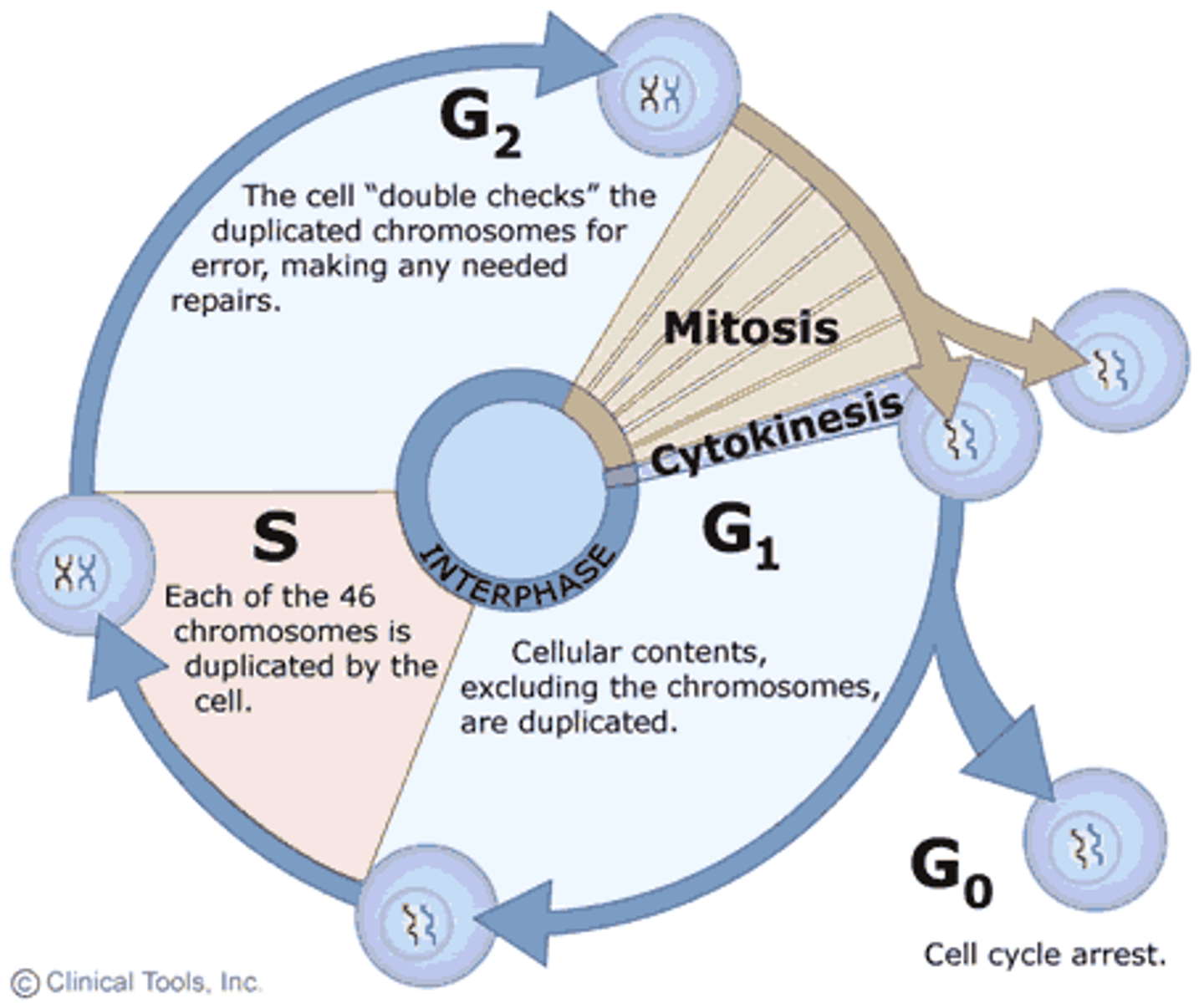
MITOSIS STAGES
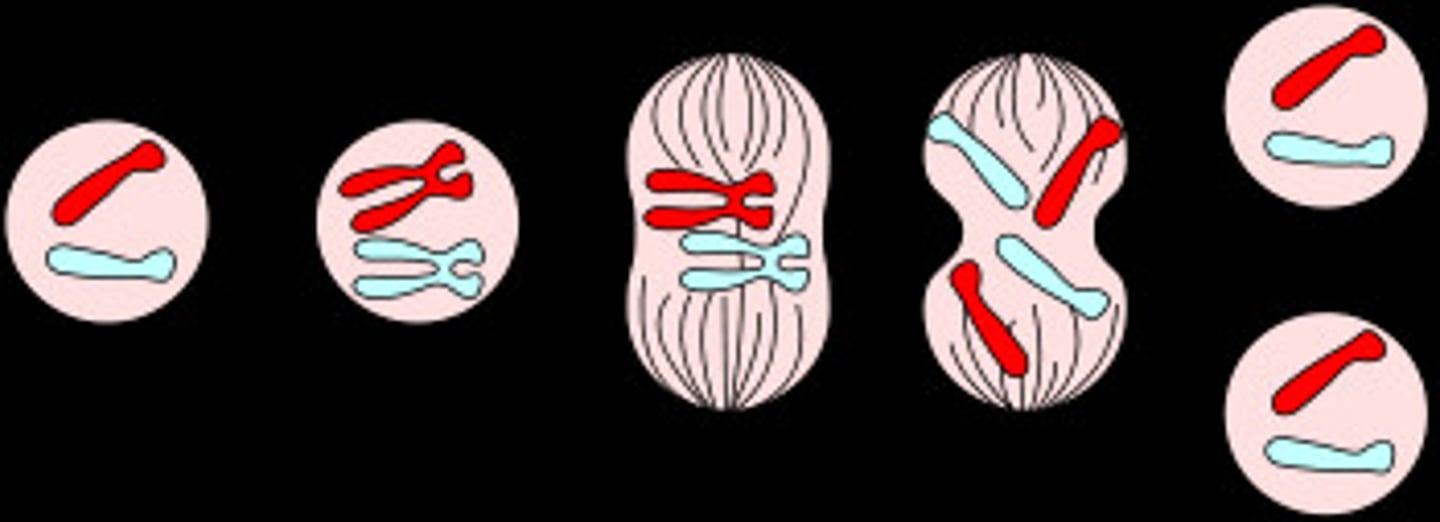
PROTEIN SYNTHESIS
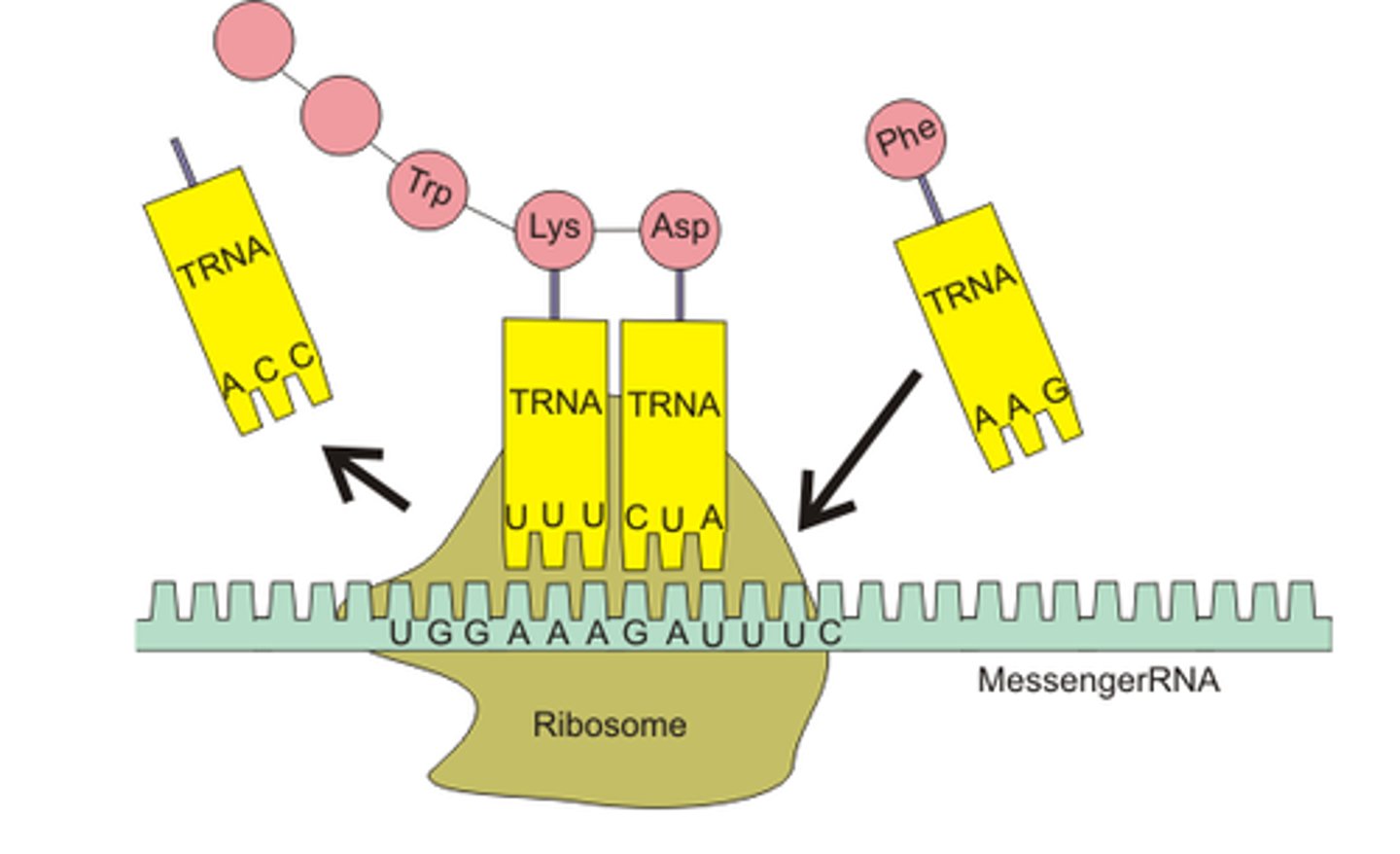
4 TYPES OF RNA
1. mRNA (messenger RNA)
2. rRNA (ribosomal RNA)
3. tRNA (transfer RNA)
4. lncRNA (long non-coding RNA)
HYBRIDISATION
crossing two purebred plants
MENDEL'S 3 LAWS
1. Law of Dominance
- one allele is dominant over the other
- two prepared parents will produce offspring with the same trait
- heterozygous parents will produce offspring with dominant trait
2. Law of Segregation
- each plant must contain two alleles for each trait
- these alleles seperate during the formation of gamete so only one is held in an egg or sperm
3. Law of Independent Assortment
- alleles for different traits are distributed to sex cells independently of one another
DIFFERENCE BETWEEN AUTOSOMAL AND SEX-LINKED
Sex-linked traits are controlled by genes present only on X chromosome, hence no corresponding allele is present on Y chromosome. Sex linked disorders often affect males rather than females.
INBREEDING COEFFICIENT
indicates the probability that genes at a particular location on the DNA are identical by descent (identical by descent means they were inherited and therefore are NOT identical due to mutations etc)
EXPLAIN INHERITANCE OF EYE COLOUR
Amount of melanin in iris = eye colour. High melanin = brown. Low melanin = blue.
Three gene inheritance:
1. OCA2 & HERC2 (brown and blue)
2. Get (green and blue)
Brown is dominant over green AND blue, green is dominant over blue (brown>green>blue)
HERC2 + OCA2 = pigment = brown eyes
XHERC2X + OCA2 = no pigment = blue eyes
HERC2 + XOCA2X = no pigment = blue eyes
example of polygenic trait
POLYGENIC TRAIT
multiple genes interacting to produce a trait, results in a continuous range (e.g. skin colour or height)
HETEROCHROMIA IRIDUM
- autosomal dominant
- affected eye may be hypo or hyper pigmented
Types:
1. Complete heterochromia
- one iris is a different colour
2. Central heterochromia
- spikes of different colours radiating from pupils
3. Sectoral heterochromia
- a section of the iris is a different colour
CLEFT CHIN
- influenced by genetics
- probably several genes involved in its inheritance
- outliers and intermediate forms possible
- also influenced by environmental factors
IS SINGLE GENE (ONE GENE = ONE TRAIT) INHERITANCE COMMON OR RARE?
rare
INCOMPLETE/PARTIAL DOMINANCE
neither of the alleles is dominant (blending occurs)
CO-DOMINANCE
non-identical alleles are both expressed equally in the phenotype of an individual (e.g white cat + black cat = black and white cat NOT grey cat)
MULTIPLE ALLELES
more than 2 alleles exist for a particular trait (e.g hair colour, there's not just brown or blonde, many other shades)
PLEIOTROPY
one gene influences two or more seemingly unrelated phenotypic traits (e.g Waardenburg Syndrome - widely spaced eyes, deafness and a white forelock)
EPISTASIS
interaction between the products of gene pairs (one gene modifies the expression of the other)
ENVIRONMENTAL EFFECTS ON PHENOTYPES
in some plants petal colour gene is influenced by soil acidity & dark fur occurs in cooler climates for some rabbit species
LINKED GENES
- located close to each other on a chromosome
- likely to be inherited together AFTER crossing over
PURINES
adenine
guanine
PYRIMIDINES
cytosine
thymine
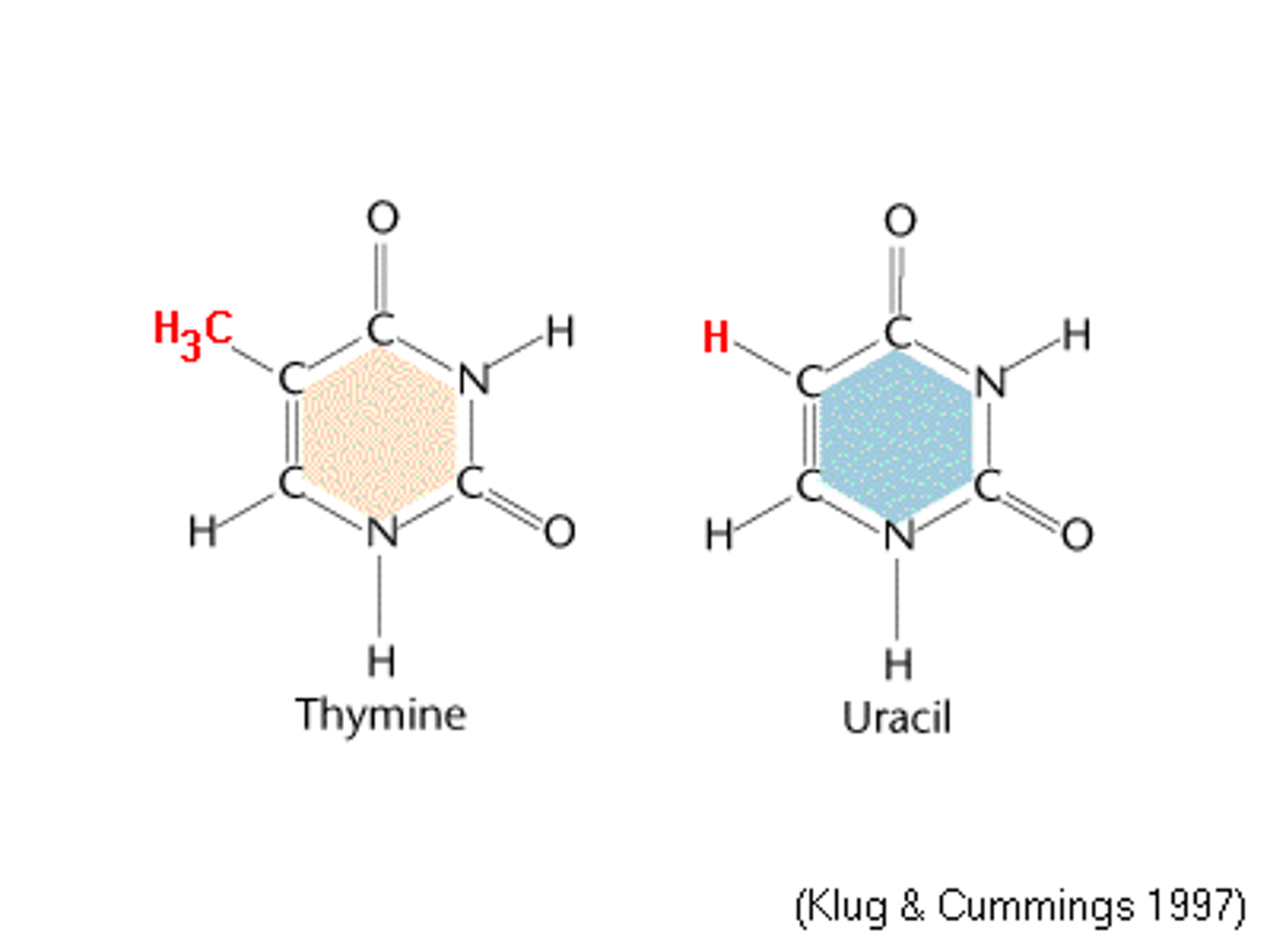
THYMINE VS URACIL
SEE DIAGRAM
thymine has 1 extra carbon and 2 extra hydrogens
NUMBER OF HYDROGEN BONDS BETWEEN A&T AND G&C
2 hydrogen bonds between A&T
3 hydrogen bonds between G&C
VAN DER WAALS INTERACTIONS
stabilise double helix structure of DNA
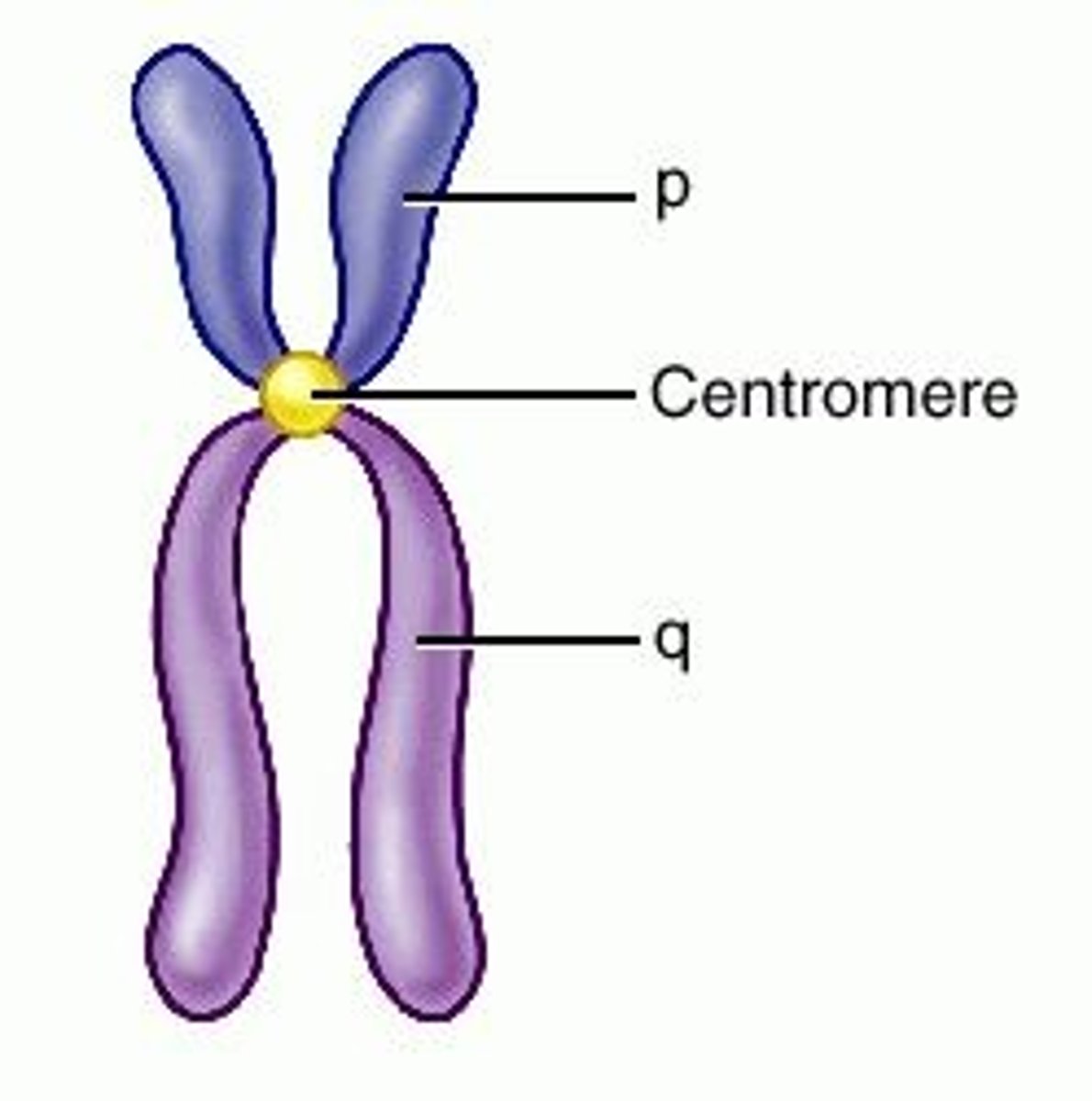
LOCI
7q31.2
7 = chromosome number
q = arm
31 = location of band
.2 = location of subband
DNA REPLICATION
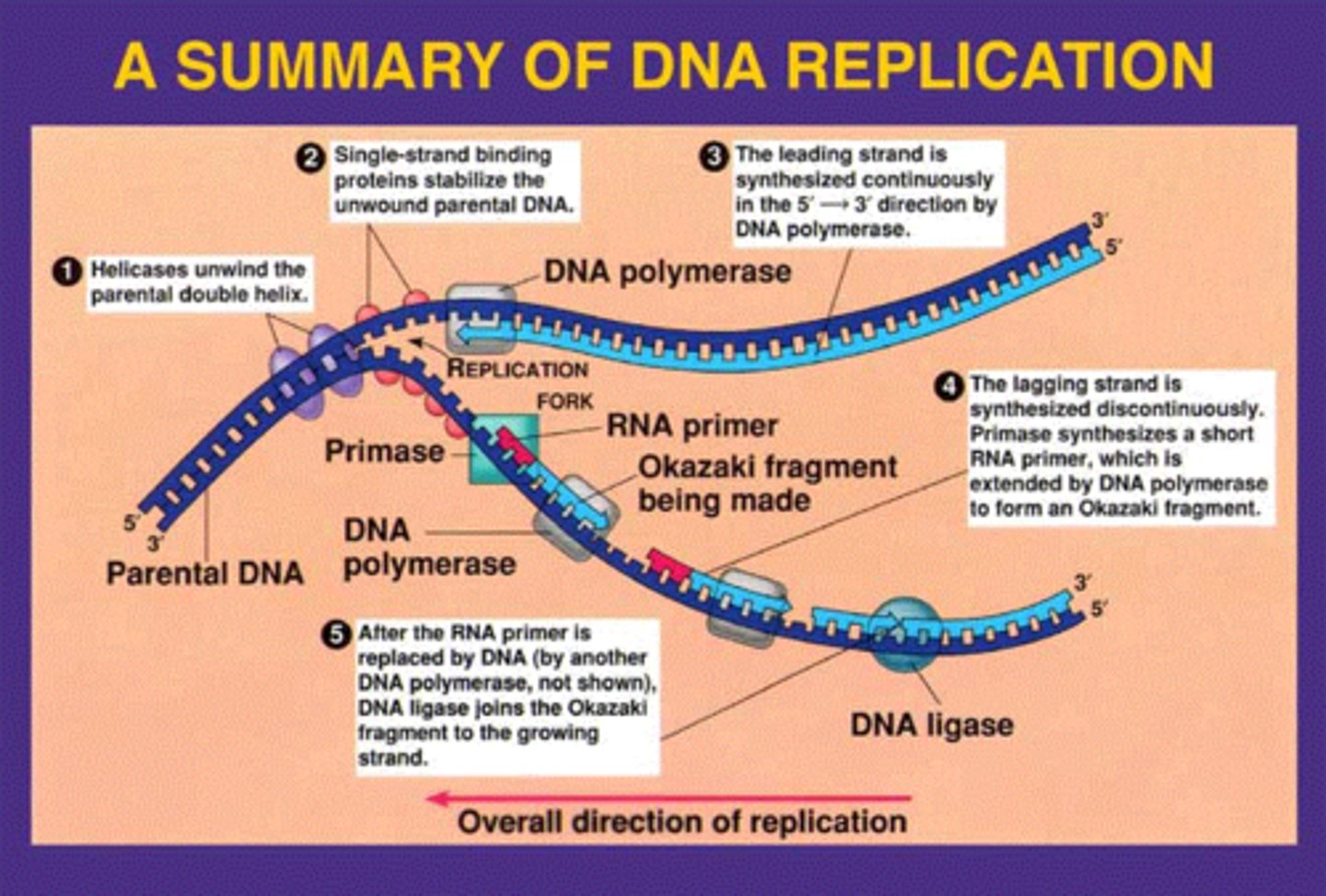
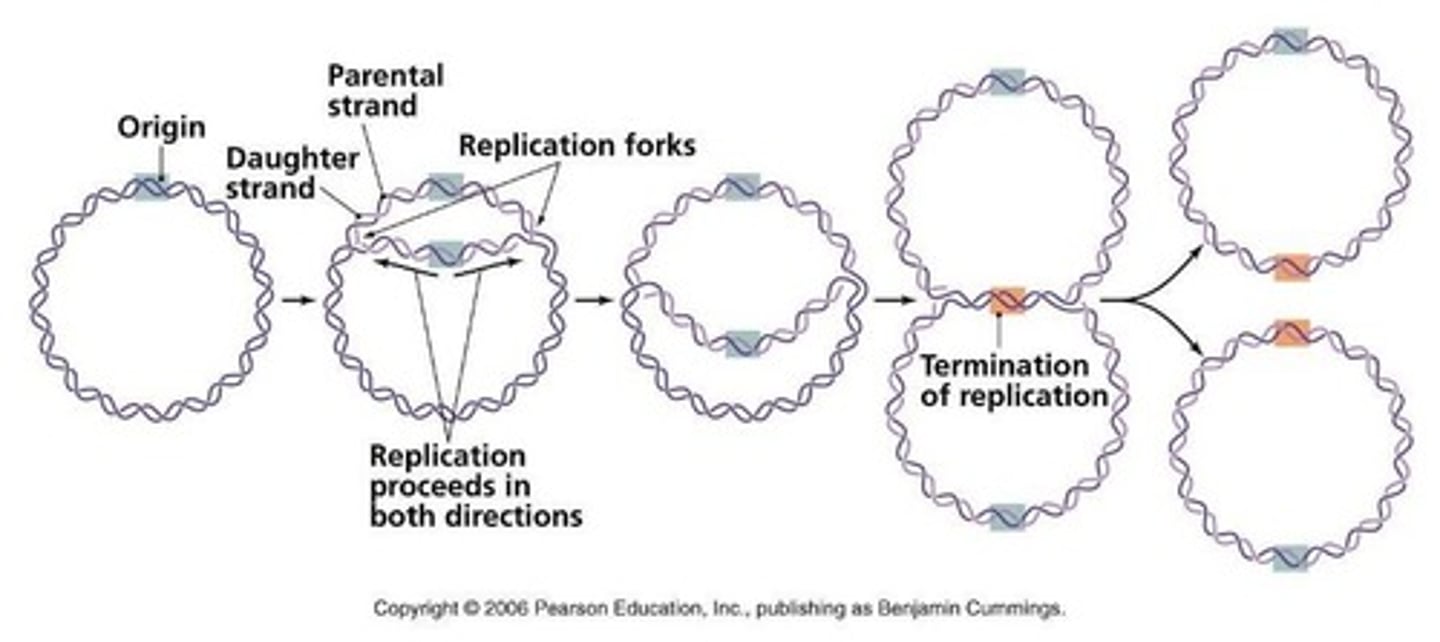
PROKARYOTE DNA REPLICATION
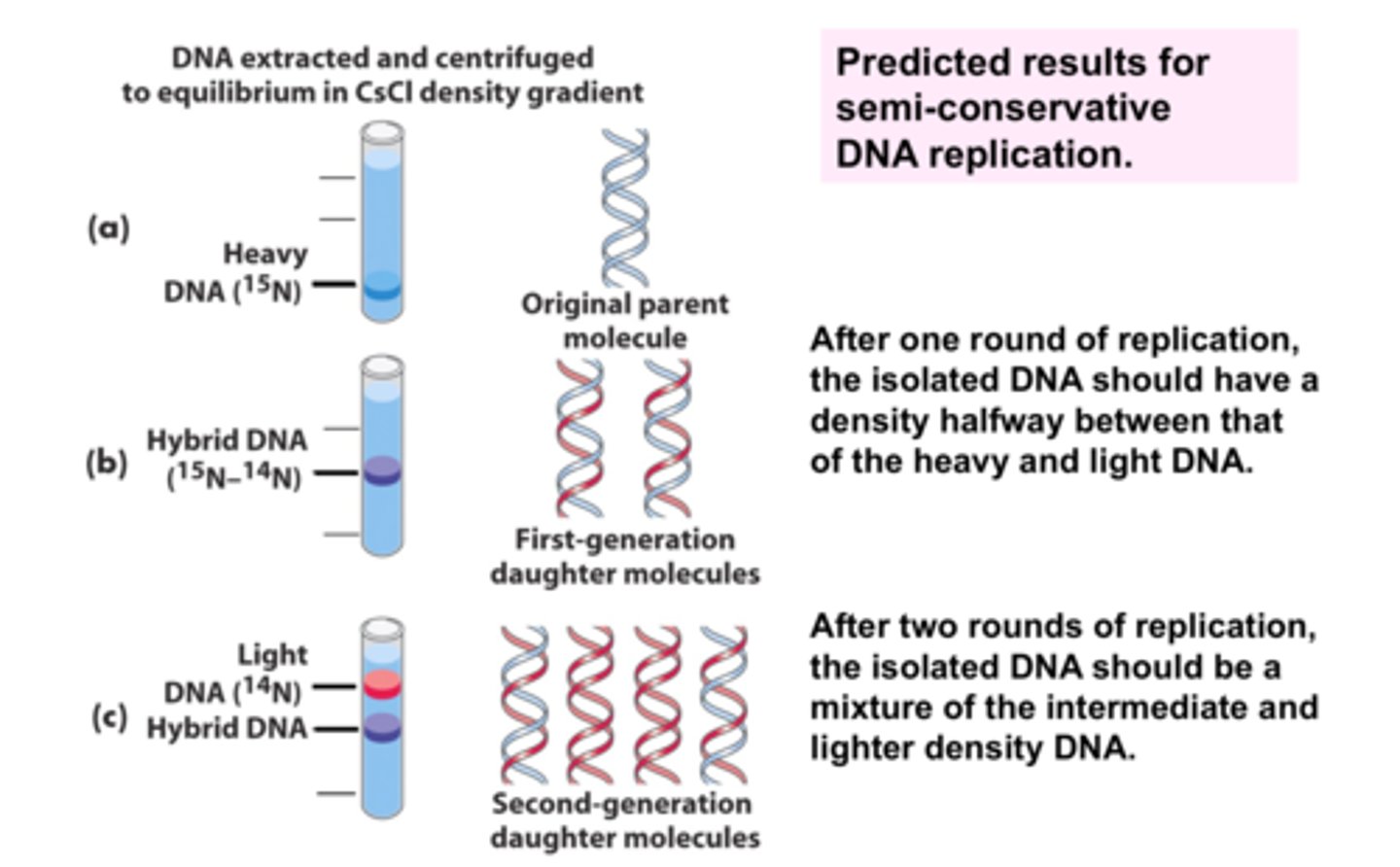
MESELSON-STAHL EXPERIMENT
proved the theory of semi-conservative replication
3 TYPES OF GENE MUTATION
1. base substitution
- silent mutation
- missense mutation (leads to alternate amino acid)
- nonsense mutation (leads to a stop codon)
2. base insertion or deletion
- 'frame shift'
- all triplets are forced to move forming very different amino acids
3. copy number variation
- gene duplication
3 TYPES OF CHROMOSOME MUTATION
1. inversion
- part of a chromosome breaks, flips around and reattaches
2. translocation
- fragment of a chromosome moves to another chromosome
3. deletion
GENOME LEVEL MUTATION
incorrect number of chromosomes
2 WAYS STEM CELLS DIFFERENTIATE
1. internal signals
- changes in transcription or expression of genes
2. external signals
- chemicals secreted by other cells
- physical contact with neighbouring cells
- molecules in the environment of the cell
DISTINGUISH BETWEEN 'PREVALENCE' AND 'INCIDENCE'
prevalence = number of PEOPLE ALIVE with the disease
incidence = number of NEW CASES diagnosed within a given period of time
3 CAUSES OF CANCER
1. genetics
2. oncoviruses
3. environment
PROS AND CONS FOR ASEXUAL REPRODUCTION
Pros:
- speed
- advantage for small populations
- requires less energy than sexual reproduction
- advantage in stable environment
Cons:
- little genetic diversity
- environments not usually stable long term and diversity needed in order to adapt
- struggle for existence in addition to overcrowding
PROS AND CONS FOR SEXUAL REPRODUCTION
Pros:
- introducing genetic diversity, allowing for adaption to a changing environment
Cons:
- high energy usage
- only 50% of genome contributed to offspring
- fewer offspring
SOURCES OF VARIATION IN MEIOSIS
1. crossing over
2. independent assortment
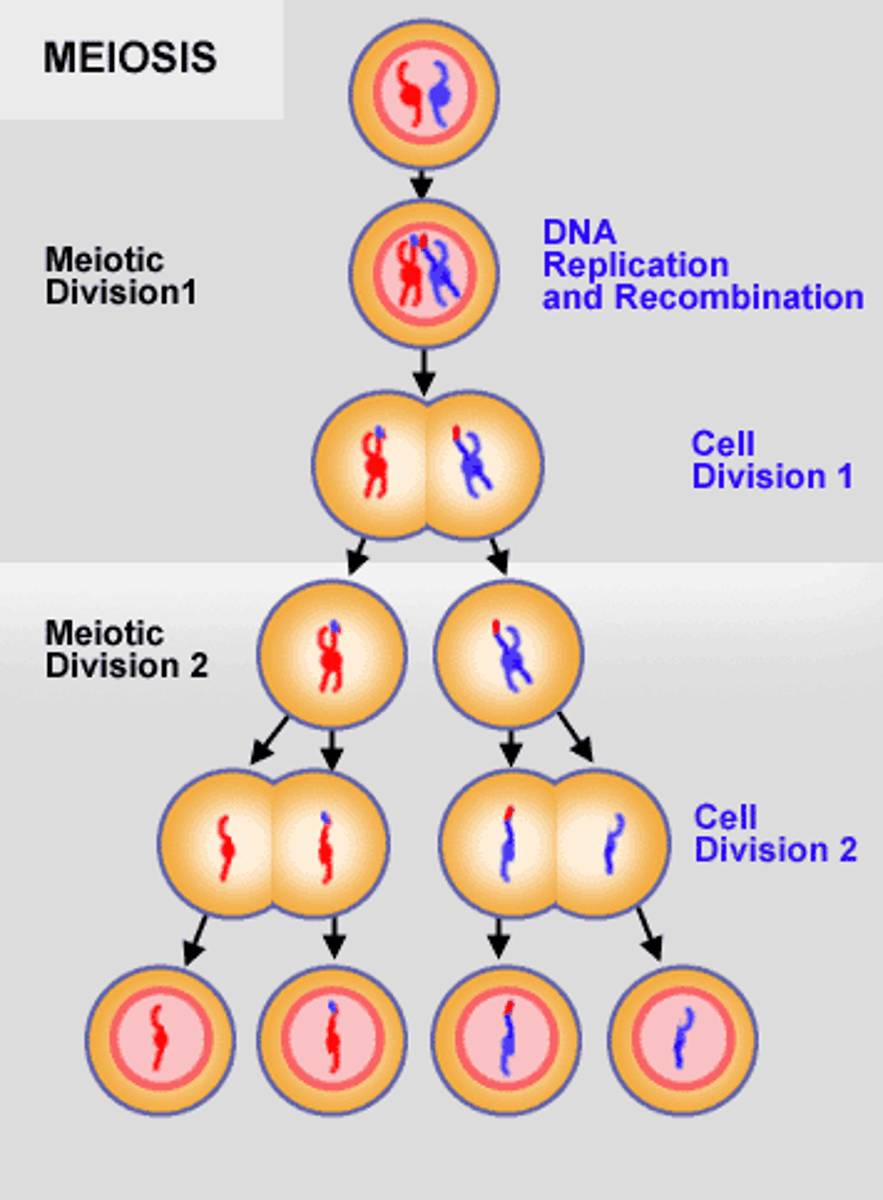
MEIOSIS
THINGS TO REMEMBER
1. reductional division = 1st step to formation of 2 daughter cells
2. equational division = 2 daughter cells to 4 daughter cells
3. parent cell = 2n, 2 daughter cells = 2n, 4 daughter cells = n
INTERKENESIS
period between meiosis 1 and meiosis 2
WHAT PHASE DOES CROSSING OVER OCCUR IN?
prophase 1
CHIASMATA
points of crossing over
EXPLAIN SPERM FORMATION
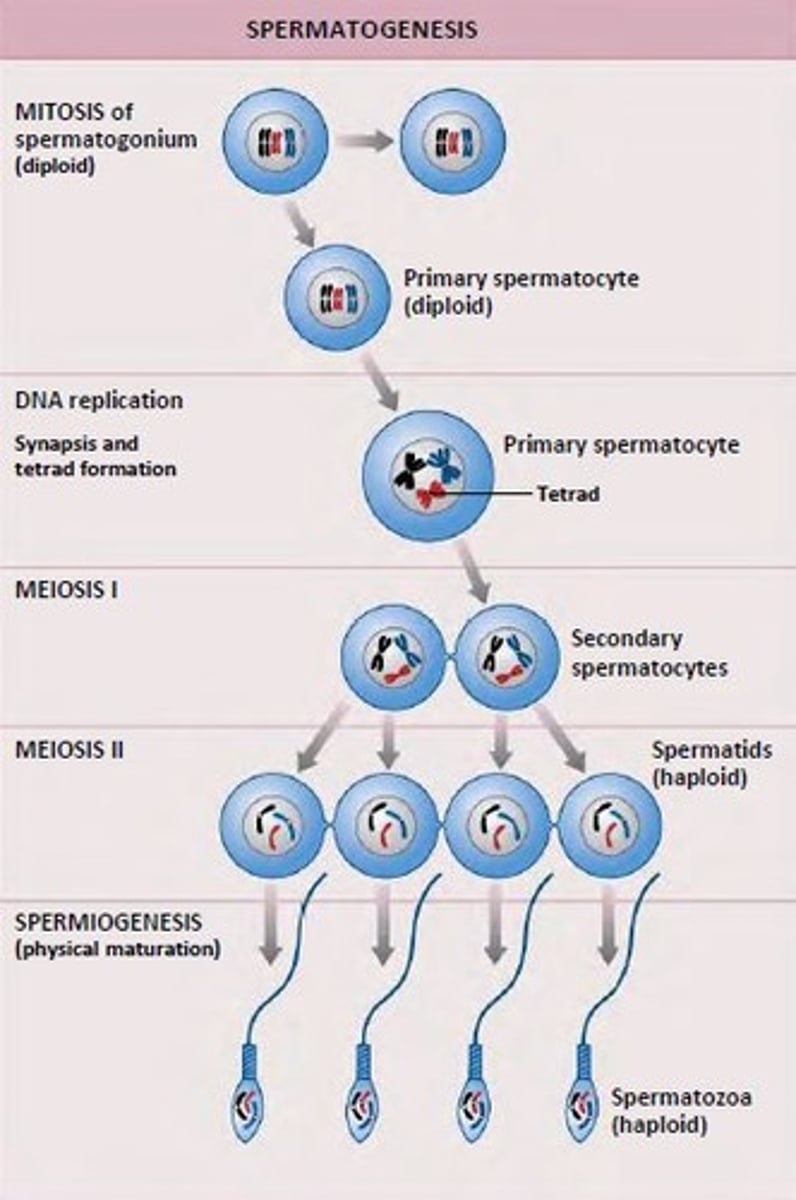
EXPLAIN OOCYTE FORMATION
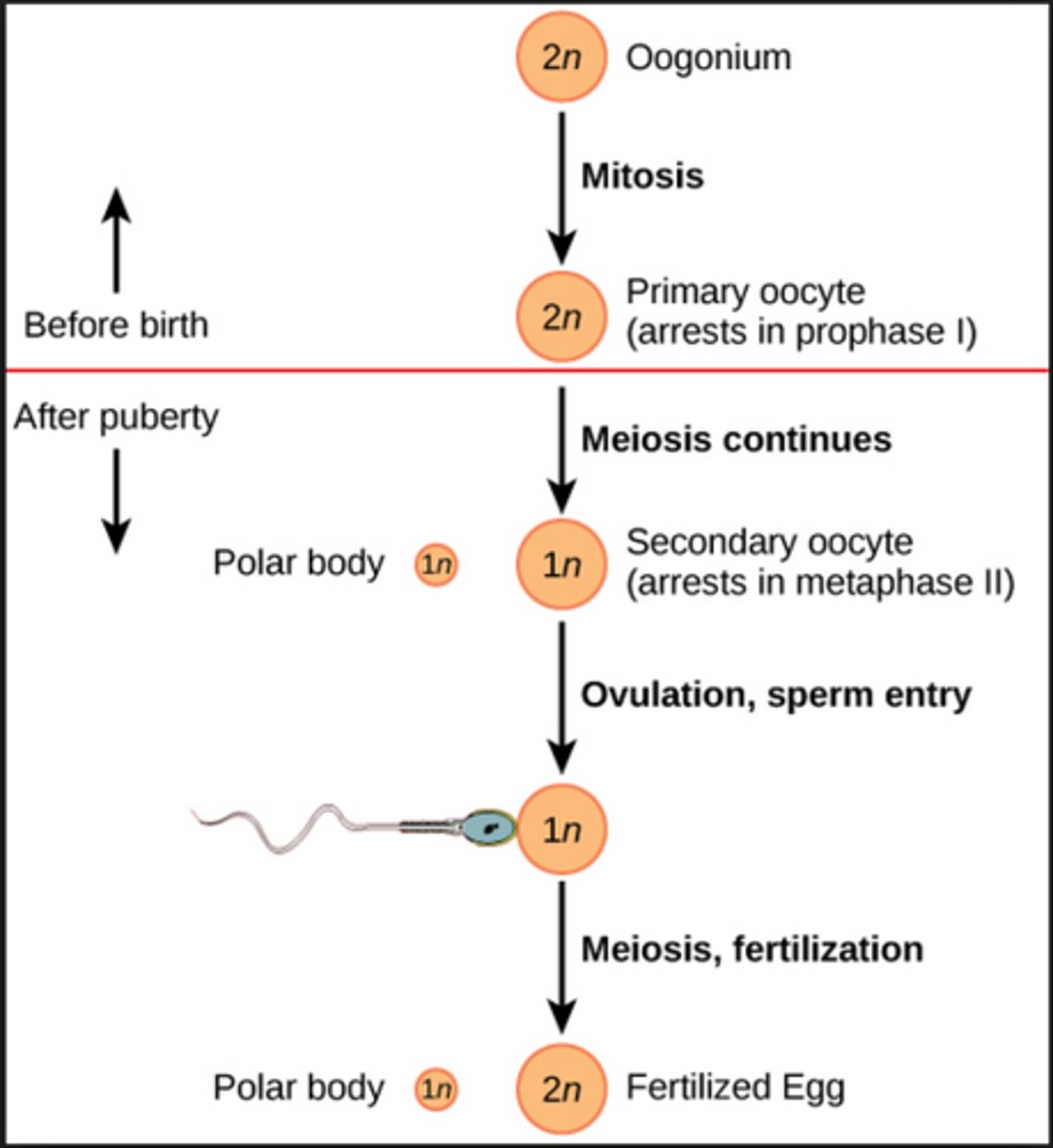
ANEUPLOIDY
abnormal number of chromosomes
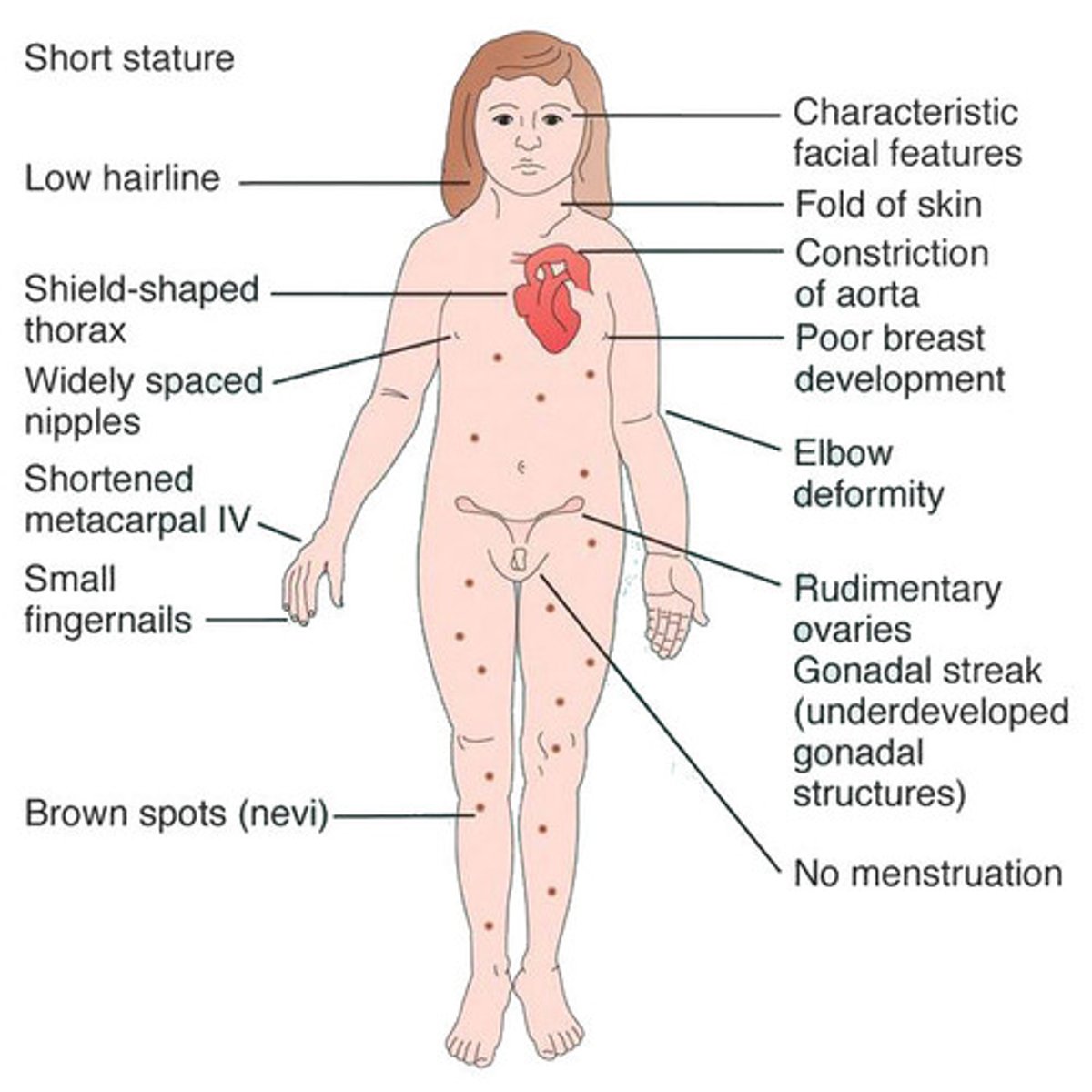
TURNER SYNDROME
XO
KLINEFELTER SYNDROME
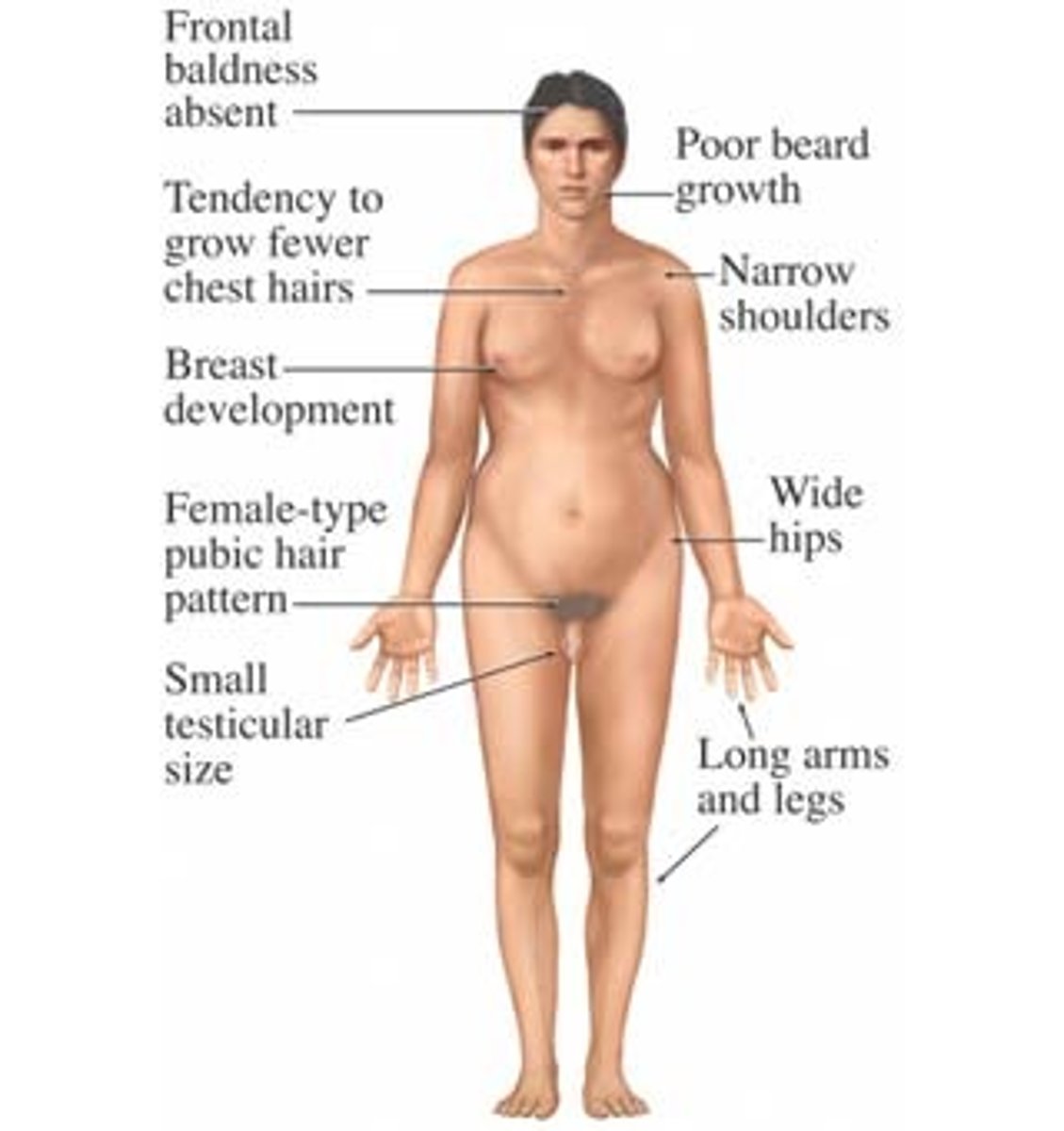
XXY