TOM - Inventory Management
 Call Kai
 Learn
Learn Practice Test
 Spaced Repetition
 Match
Match Flashcards
 Knowt Play
1/26

There's no tags or description
Looks like no tags are added yet.
Name | Mastery | Learn | Test | Matching | Spaced | Call with Kai |
|---|
No analytics yet
Send a link to your students to track their progress
27 Terms
Most valuable type of inventory
finished goods
Most responsive type of inventory
Safety stock
A Items
Very valuable or critical items
MRI Machines
B Items
Mass produced items that are less valuable but still needed
Hospital Beds
C Items
low value items
Bandaids
Independent Demand
Demand for finished goods. Objective: provide high customer service w low inventory costs.
Dependent Demand
Demand for components of a product. Objective: support schedule by ensuring there are enough materials to meet needs of manufacturing.
Single Period
must be sold within the period in which they are produced
demand is variable + uncertain
one shot ordering opportunity
Single Period - Cost of Uncertainty
Excess Costs - Overage
Shortage Costs - Underage
Service Level
= Optimal probability of no stock-out
Probability of running out of stock
If SL = 95%, then you run out of stock 5% of the time
Multi Period “M”
EOQ, ROP, MRP apply
Two Multi-Period Inventory Management
EOQ Model & Periodic Review
EOQ Model/Continuous Review
Continuous Review: Reorder whenever inventory reaches a specified level and always reorder the same quantity (Q). Provides a high customer service level at low inventory costs. Fixed-order!
Periodic Review
Reorder at fixed time intervals where order quantities differ. “Every Monday, find out how many we need”
Suppliers may encourage orders this way
Grouped orders may reduce shipping costs
Fixed time-period
Lead Time
time interval between customer ordering and receiving the order
Ordering Cost
transportation costs, receiving costs, admin
dependent on how frequently you want to place an order
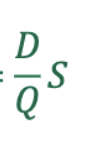
number of orders * cost per order
Holding Cost
warehouse handling/rents, capital investment, loss/shrinking
dependent on how much you want to keep on-hand
amount of inventory * holding cost per unit per year
Ordering Cost
Holding Cost
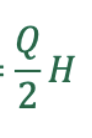
Annual holding costs can also be expressed as percent of unit cost
H = i*C
Safety Stock
Stock or inventory that is held in excess of expected demand, buffer
Triggering an earlier ROP + rising holding costs
Helps you deal with variable demand rate and variable lead time
Bil of materials (BOM)
Complete product description of materials, parts, and components
Trade-Off
Ordering larger Q to lower ordering costs makes holding costs rise b/c you have to store more Q
DRP Determining Reorder Point
Q is ordered every time inventory on hand drops to or below a pre-determined re-order point (R) Can’t wait until Q = 0 because then you will have nothing to satisfy customers.
Multiperiod implementation
When you lose more than you make
Variability of demand is small
Need to scale
Considerations of ROP
If demand is higher, need to order more sooner
If LT is longer, customers won’t have anything to buy for a period
MRP (Materials Requirements Planning)
Helps calculate what the material requirements will be if the amount of product to be produced is known. Must know quantity and timing.