CE: Neuro
 Call Kai
 Learn
Learn Practice Test
 Spaced Repetition
 Match
Match Flashcards
 Knowt Play
1/24

There's no tags or description
Looks like no tags are added yet.
Name | Mastery | Learn | Test | Matching | Spaced | Call with Kai |
|---|
No analytics yet
Send a link to your students to track their progress
25 Terms
Tests for CN 2 (Optic)
Snellen Chart 20 inches away
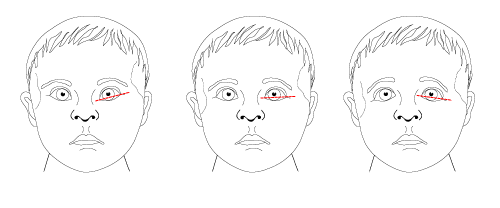
Tests for CN 3 (Oculomotor),4 (Trochlear), 5 (Trigeminal)
First Palpebral folds then PERLA and finally EOM
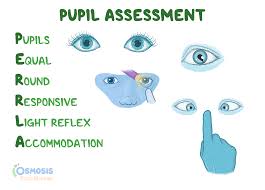
PERLA
Pupils Equal To Light and Accommodation
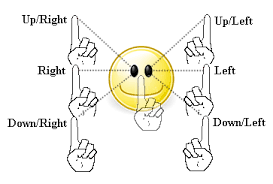
EOM
Extra Occular Movements
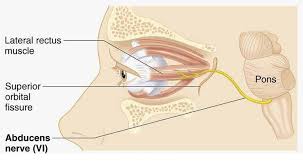
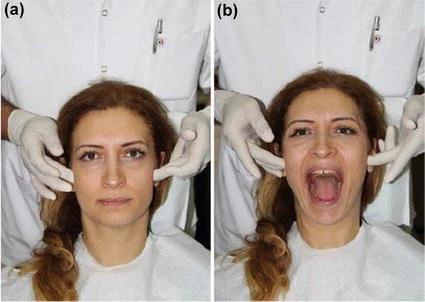
Tests for CN 6 (Abducens) (Jaw and upper face)
Palpate the Temporal then TMJ then Masseter muscles and finally Light touch sensation
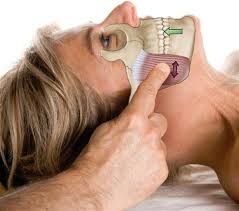
What is the TMJ
Temporal Mandible Joint
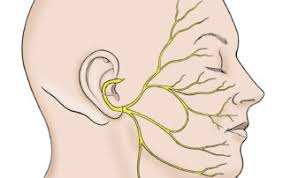
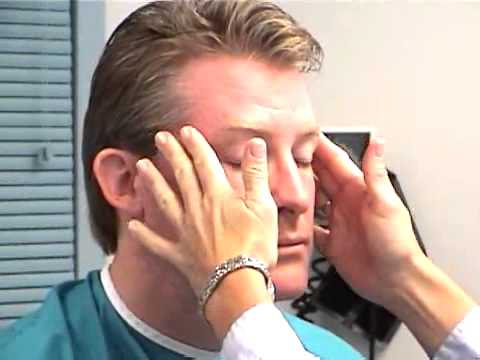
Tests for CN 7 (Facial Nerve)
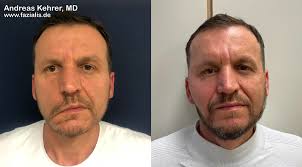
Check the nasolabial folds for drooping. Then ask the patient to smile, frown, puff out their cheeks, raise their eyebrows, and close their eyes tight
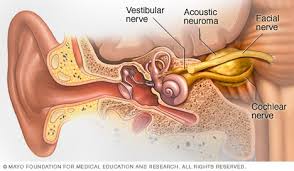
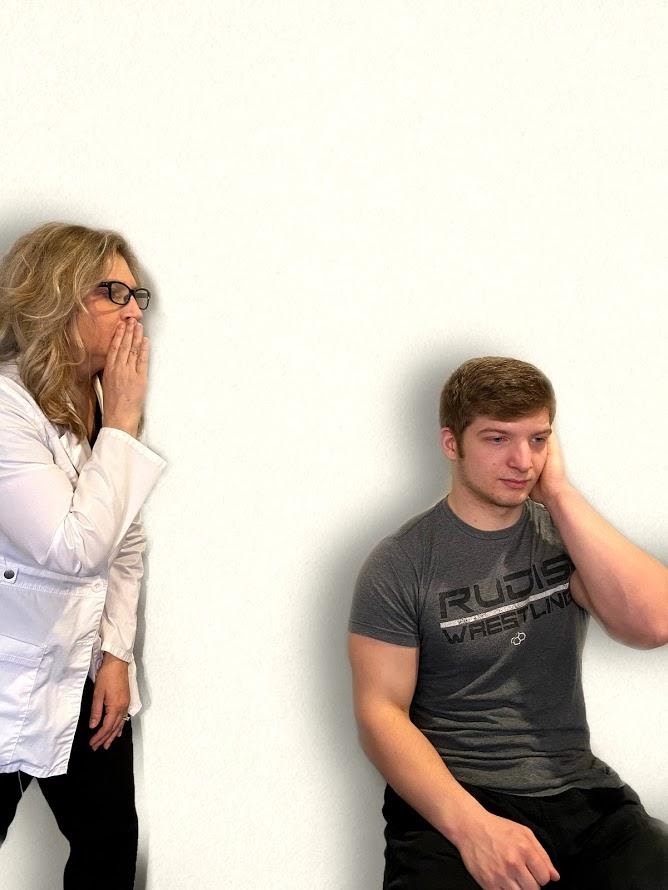
Tests for CN 8 (Acoustic) (speech)
Whisper test on both ears
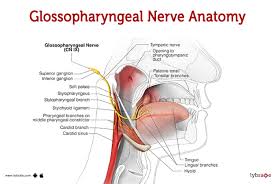
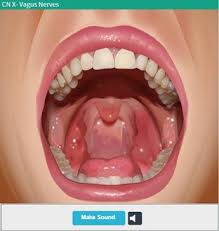
Tests for CN 9 and 10 (Glossopharyngeal and Vagus nerves)
patient says “ah” observe the uvula and soft palate rise, and check their swallowing and gag reflex.
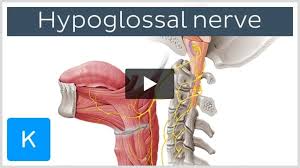
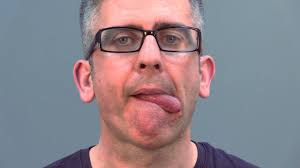
Tests for CN 12 (Hypoglossal nerve)
Tongue out, move side to side
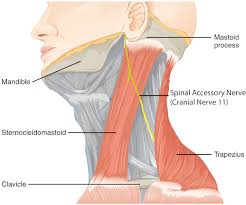
Tests for CN 11 (Spinal Accessory)
Shrug and turn head against resistance
Cerebellar does what
Balance
Cerebellar Test 1
First Finger from nose to hand
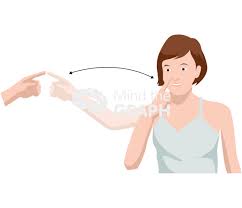
RAM stands for
Rapid arm movements
Cerebellar Test 2
RAM movements and Heel up shin
Cerebellar Test 3
Pronator drift from supine
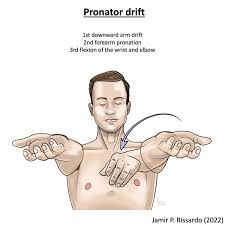
Sensory Motor test 1
Light touch round body
Sensory Motor 2
Extremity strength Sqeeze hands and push and pull, then repeat for legs and finally preform plantar flexion
Walk test 1
Observe Normal gait
Walk test 2
Heel to toe walk
Standing Cerebellum
Romberg (eyes closed balance)
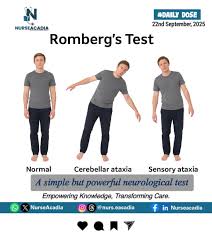
referring to a stroke what is FAST
Face, Arm-Movement, Speech, Time
Mental status/Orientation
Person, place, Time, Purpose
DO YOU GOT THIS EXAM
Yes I do
Order for this exam
Orientation, Cranial nerves, Cerebellar, Sensory motor, standing tests