Science enrichment Mitochondrial
 Call Kai
 Learn
Learn Practice Test
 Spaced Repetition
 Match
Match Flashcards
 Knowt Play
1/13

There's no tags or description
Looks like no tags are added yet.
Name | Mastery | Learn | Test | Matching | Spaced | Call with Kai |
|---|
No analytics yet
Send a link to your students to track their progress
14 Terms
Biomedical sceicne
the intersection of biology and medicine, focusing on how cells, organs, and systems function in the human body to diagnose, treat, and prevent diseases.
WThics in biomedical sceicen
science ensures that research and clinical practices protect human dignity, autonomy, and welfare, balancing scientific advancement with moral responsibility
Key ethics - integrity
encourage a full commitment to knowledge and understanding as well as the honest reporting of all sources of information and results
JUstice
encourage fair consideration of complaiins claims, and ensures that there is no unfair burden on a particular group from an action
Benefience
•Beneficence
maximise benefits when taking a particular position or course of action
Non maleficence
•Non-maleficence
discourage causing harm – or when harm is unavoidable, ensure that the harm is not disproportionate to the benefits from any position or course of action
Respect
•Respect
encourage the acknowledgment of the intrinsic value of living things, and consider the welfare, beliefs, customs, and cultural heritage of both the individual and the collective
Mitochondrial DNA
Membrane enclosed organelle in human cell
Generate energy ATP (Adenosine triphosphate)n through cellular respiration
Aid apoptosis ( cell death) cell replication and signalling other cell
Mitochondrial DNA
Have their own genome
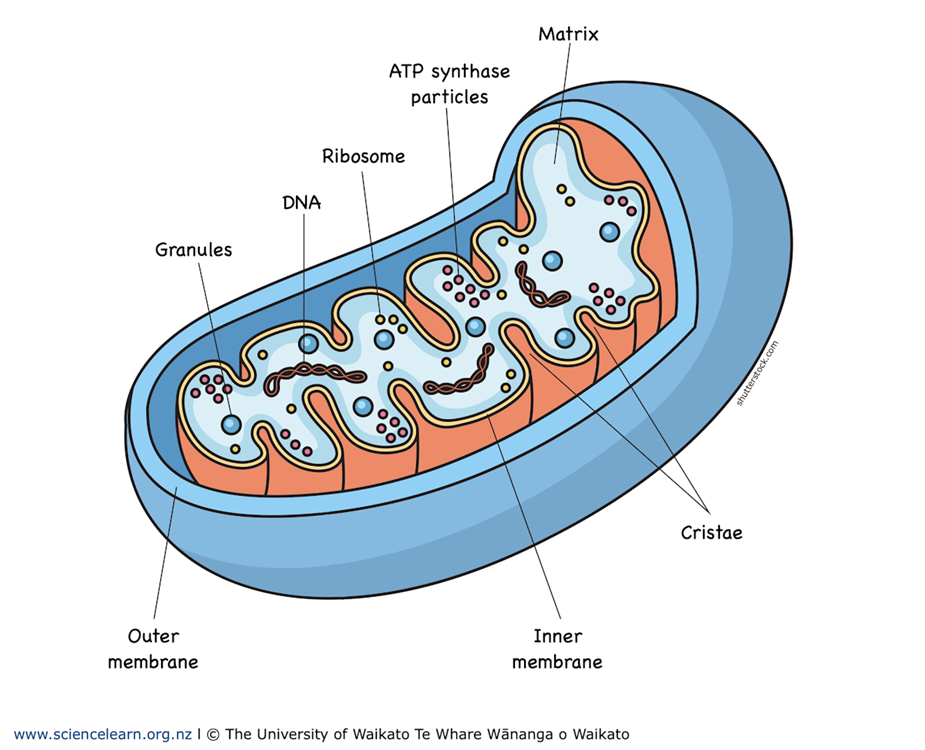
37 genes
Mitochondria inheritance
From egg of woman so maternal inheritance
Both male and females affected but only FEMALES can pass trait
Sibiling will have same mitochondrial DNA
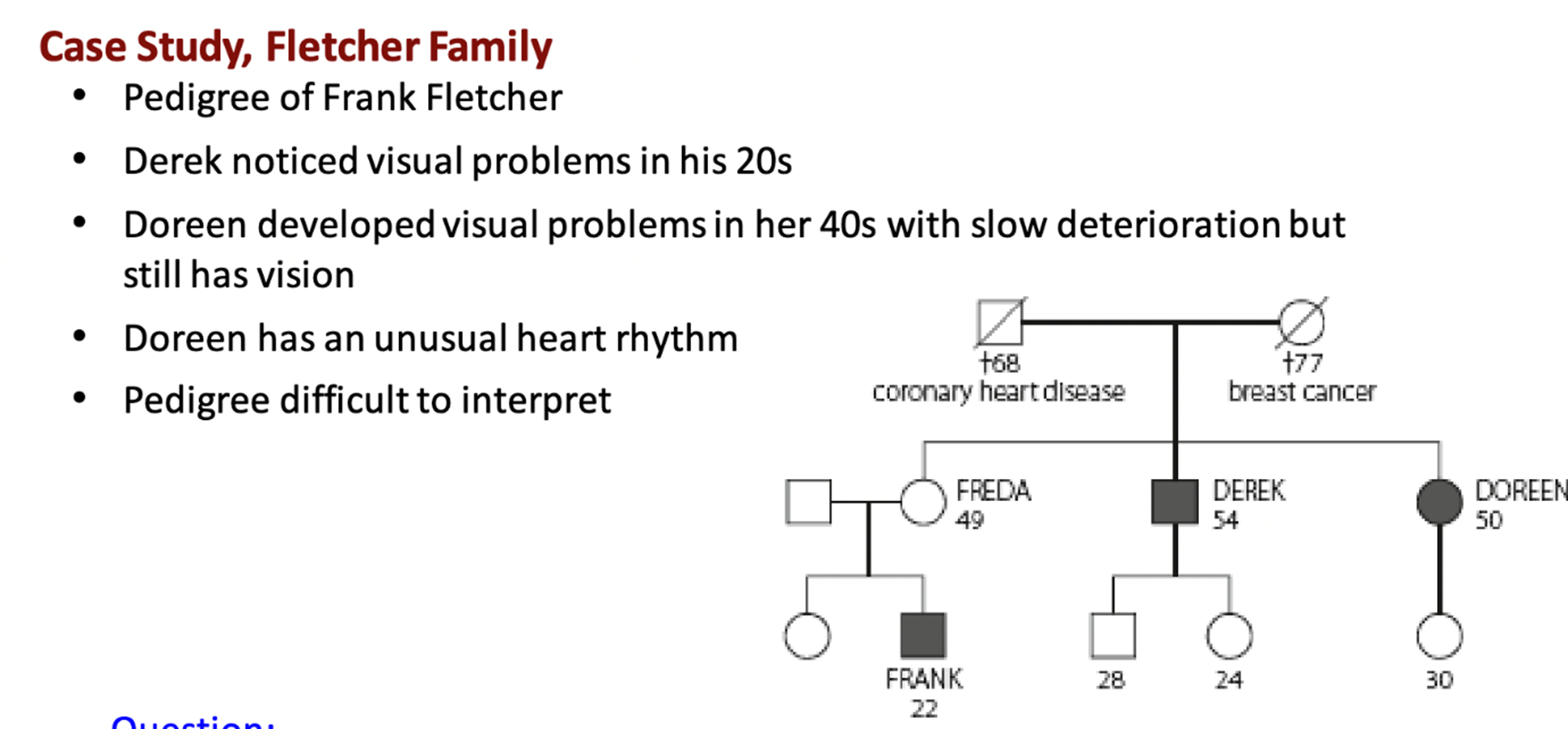
Distinct pattern pedigree
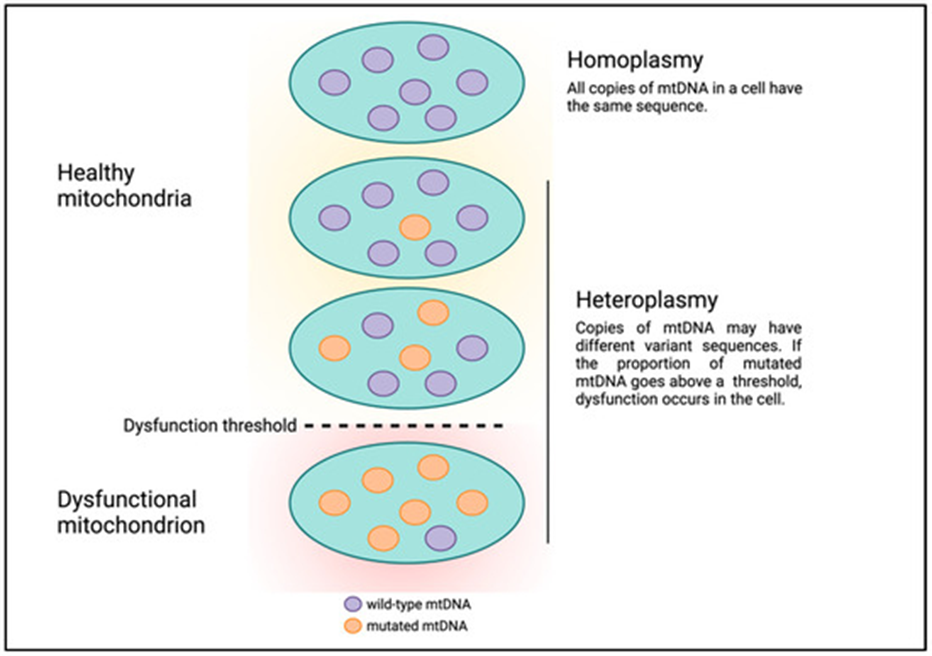
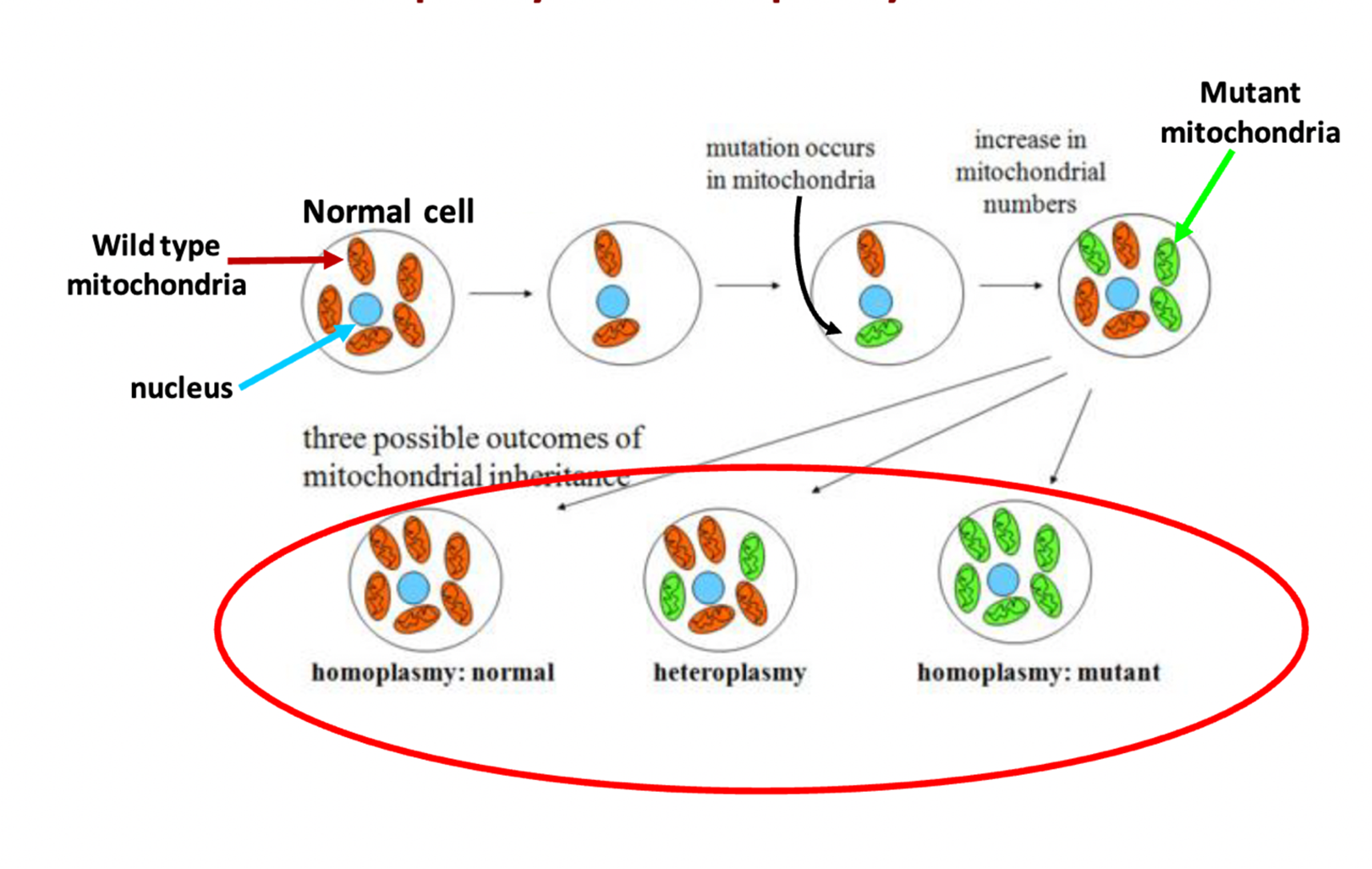
Whats the difference between Hetro and Homo plasmy
•Homoplasmic = all copies of mitochondrial DNA are the same (all cell mitochondria have the same DNA)
•
•Heteroplasmic = mitochondrial DNA may have variation – amount of mutations determine severity
Mutatio detection
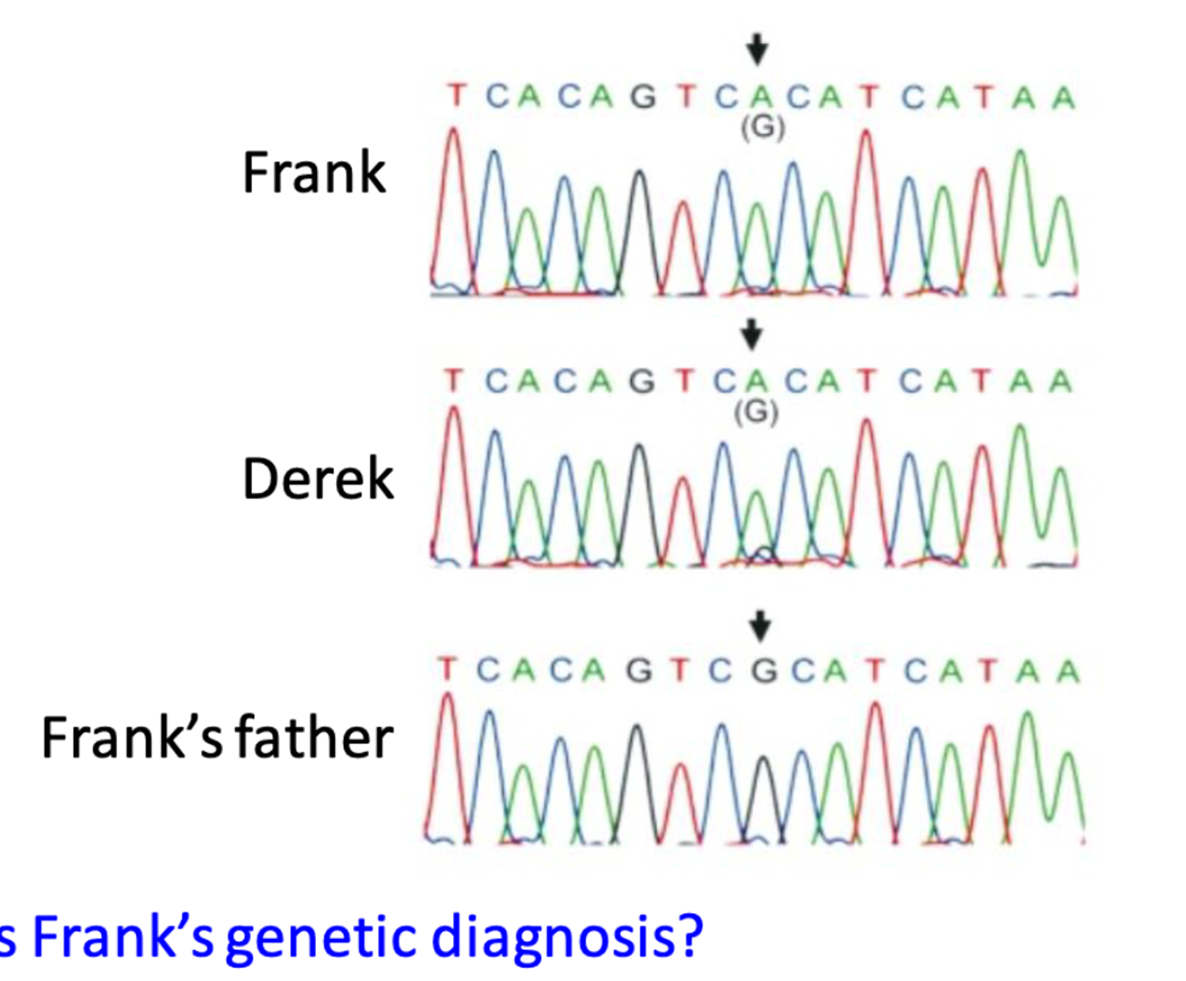
•Genetic testing methods PCR and Sanger sequencing can show point mutations in mitochondrial DNA and how prevalent they are
•
•Assign each member as either homoplasmic mutant/wild type or heteroplasmic
Short case study