Chemical Evolution
 Call Kai
 Learn
Learn Practice Test
 Spaced Repetition
 Match
Match Flashcards
1/21

There's no tags or description
Looks like no tags are added yet.
Name | Mastery | Learn | Test | Matching | Spaced | Call with Kai |
|---|
No analytics yet
Send a link to your students to track their progress
22 Terms
organic molecule
A molecule containing carbon that is a part of or produced by living systems.
inorganic molecule
molecule that does not contain carbon
single bond
a covalent bond in which one pair of electrons is shared between two atoms
double bond
A double covalent bond; the sharing of two pairs of valence electrons by two atoms.
valence electrons
The electrons in the outermost shell (main energy level) of an atom; these are the electrons involved in forming bonds.
covalent bond
A chemical bond formed when two atoms share electrons
molecule
A group of atoms bonded together
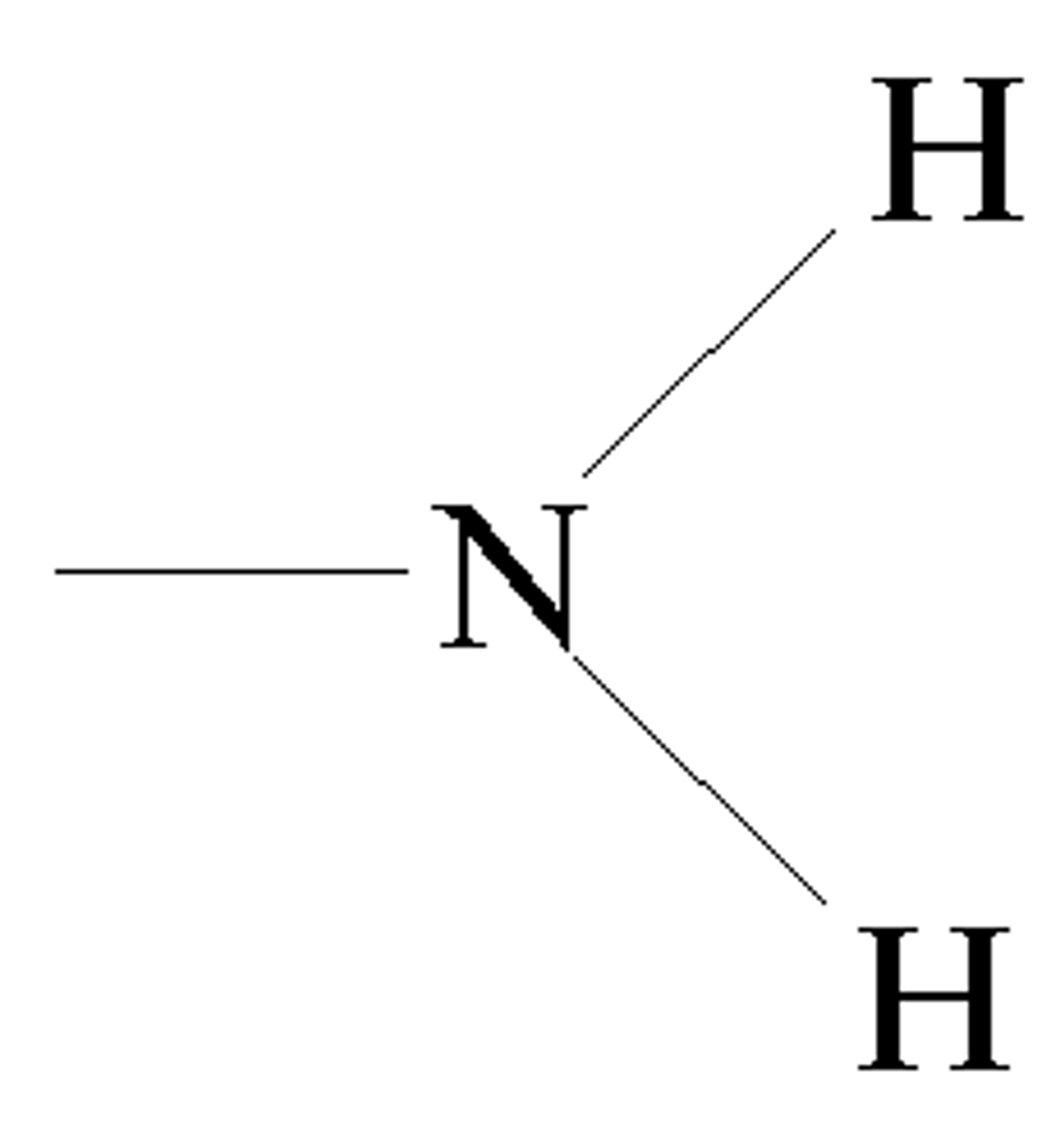
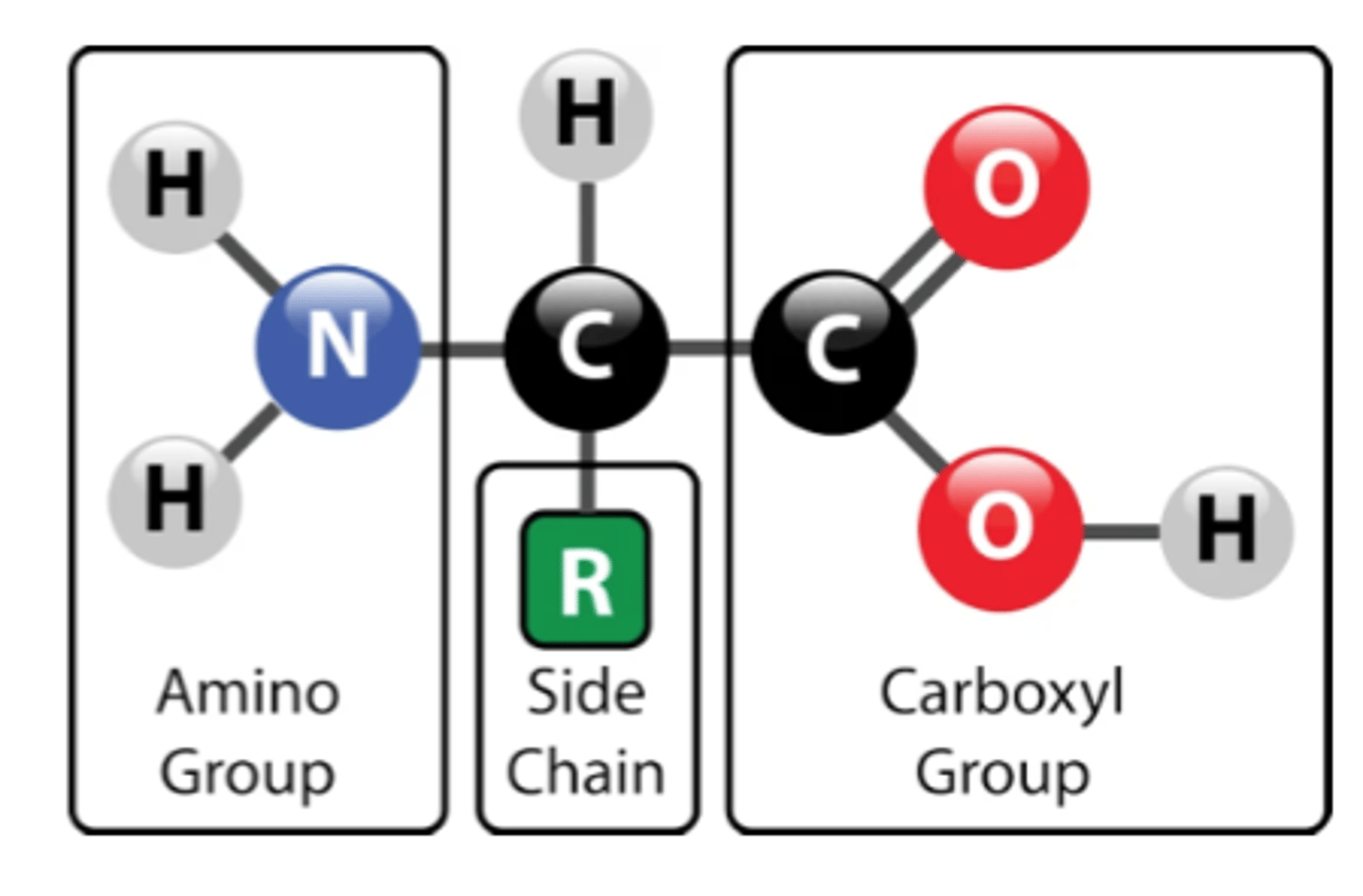
amine group
NH2
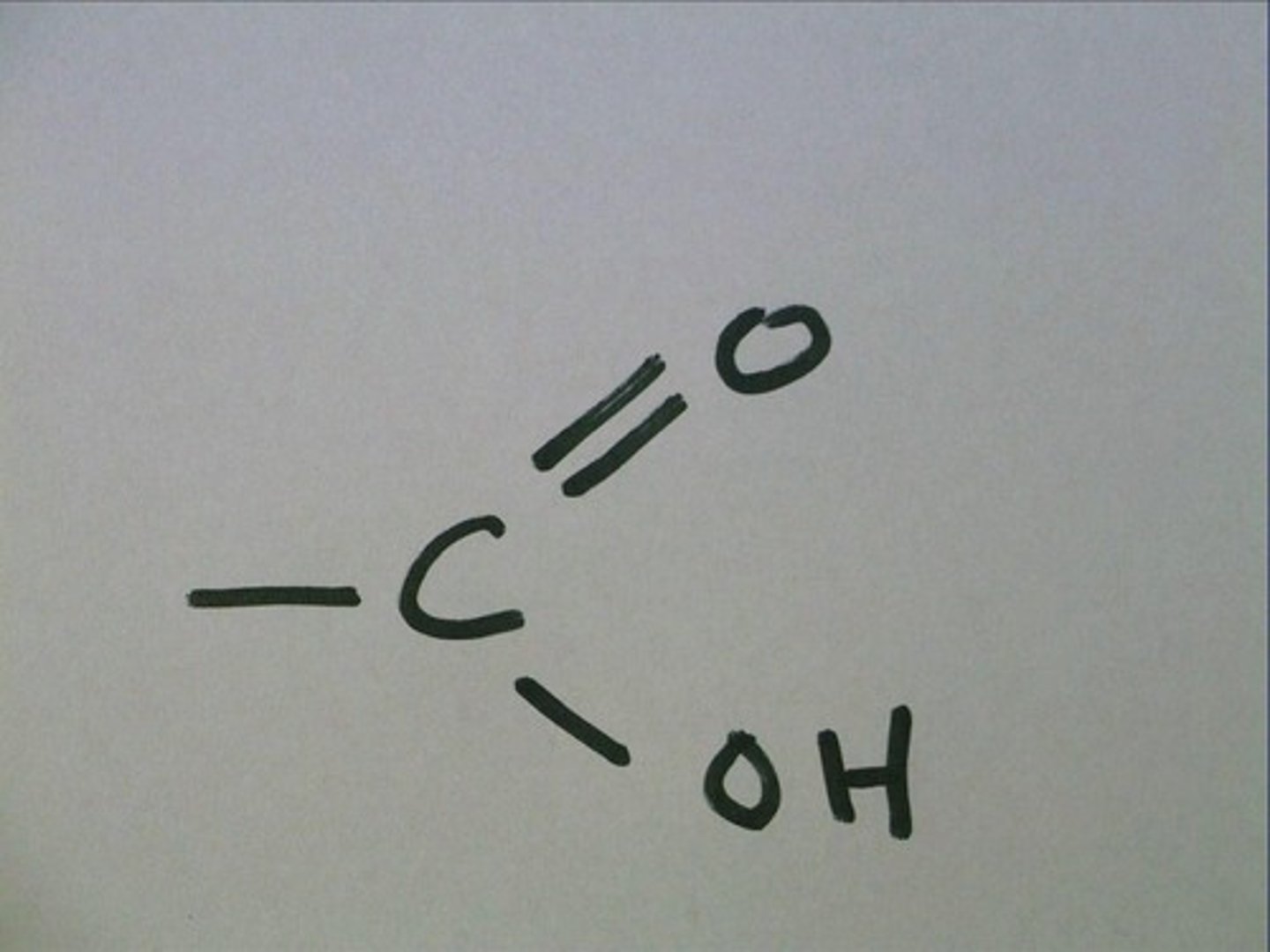
carboxylic acid group
COOH
central carbon
in an amino acid it the the carbon in the middle of the molecule that the amine and carboxylic acid groups are attached to
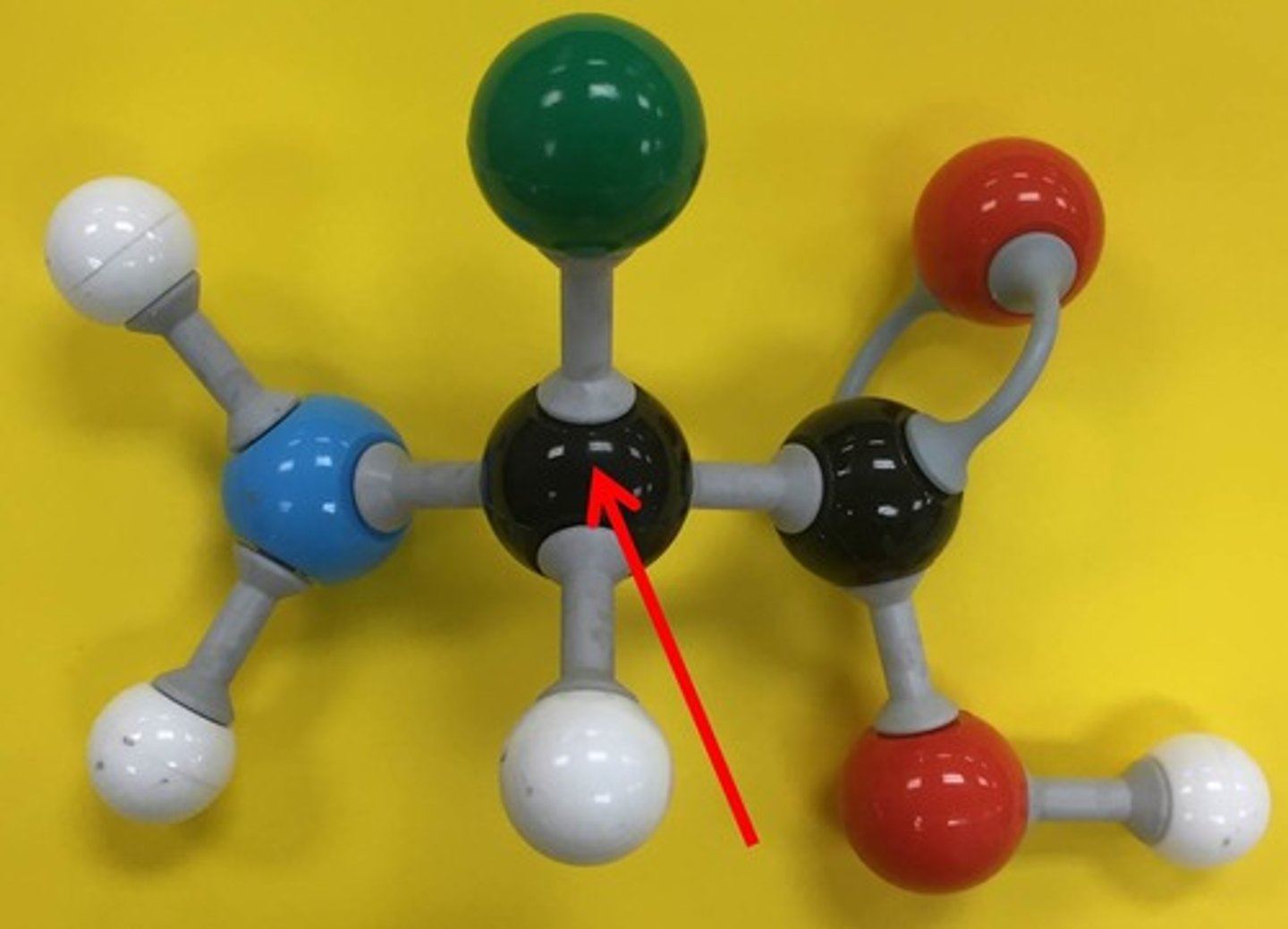
radical of amino acid
portion shown in green in the picture; some atom or molecule that is attached to the central carbon of the amino acid; give the amino acid its unique properties
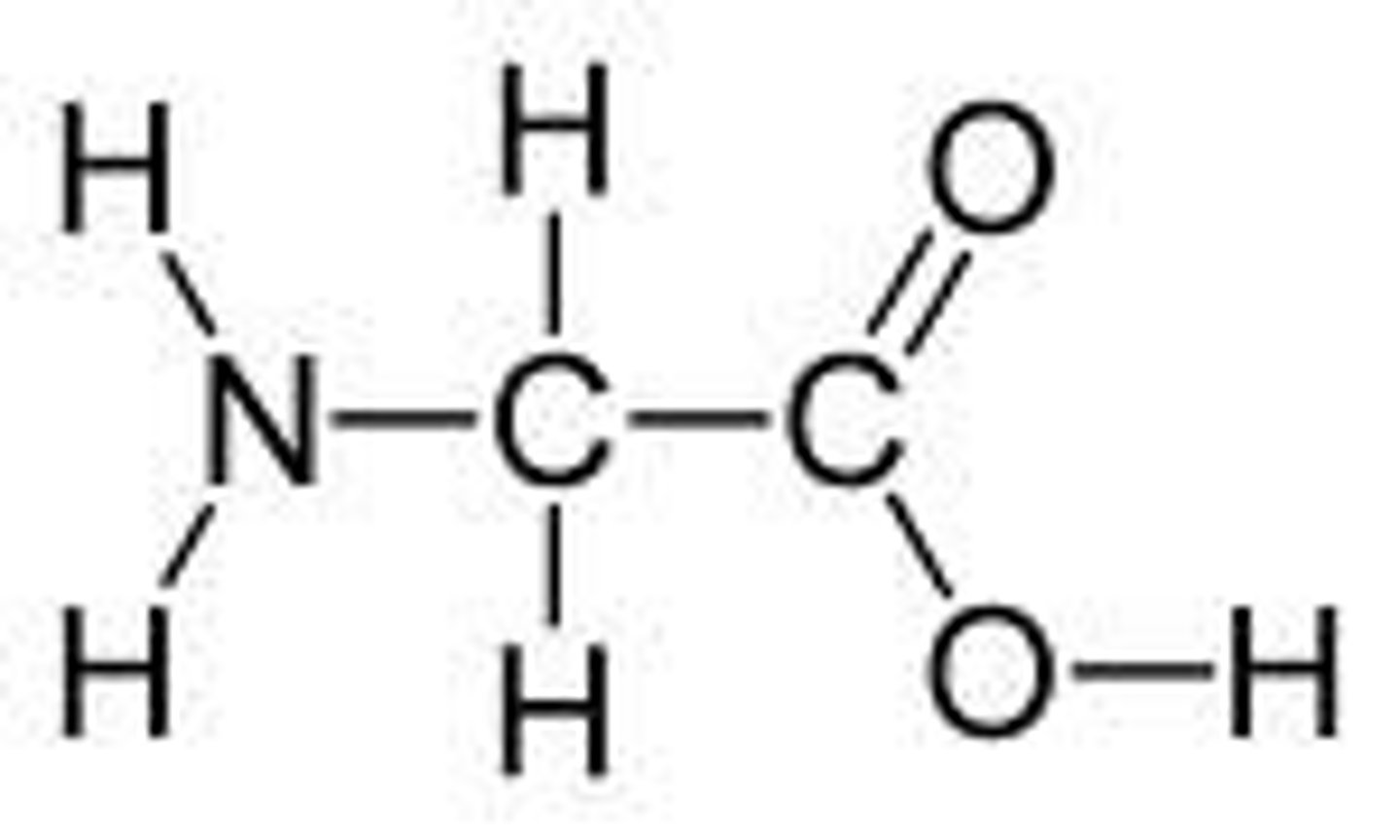
glycine
amino acid pictured
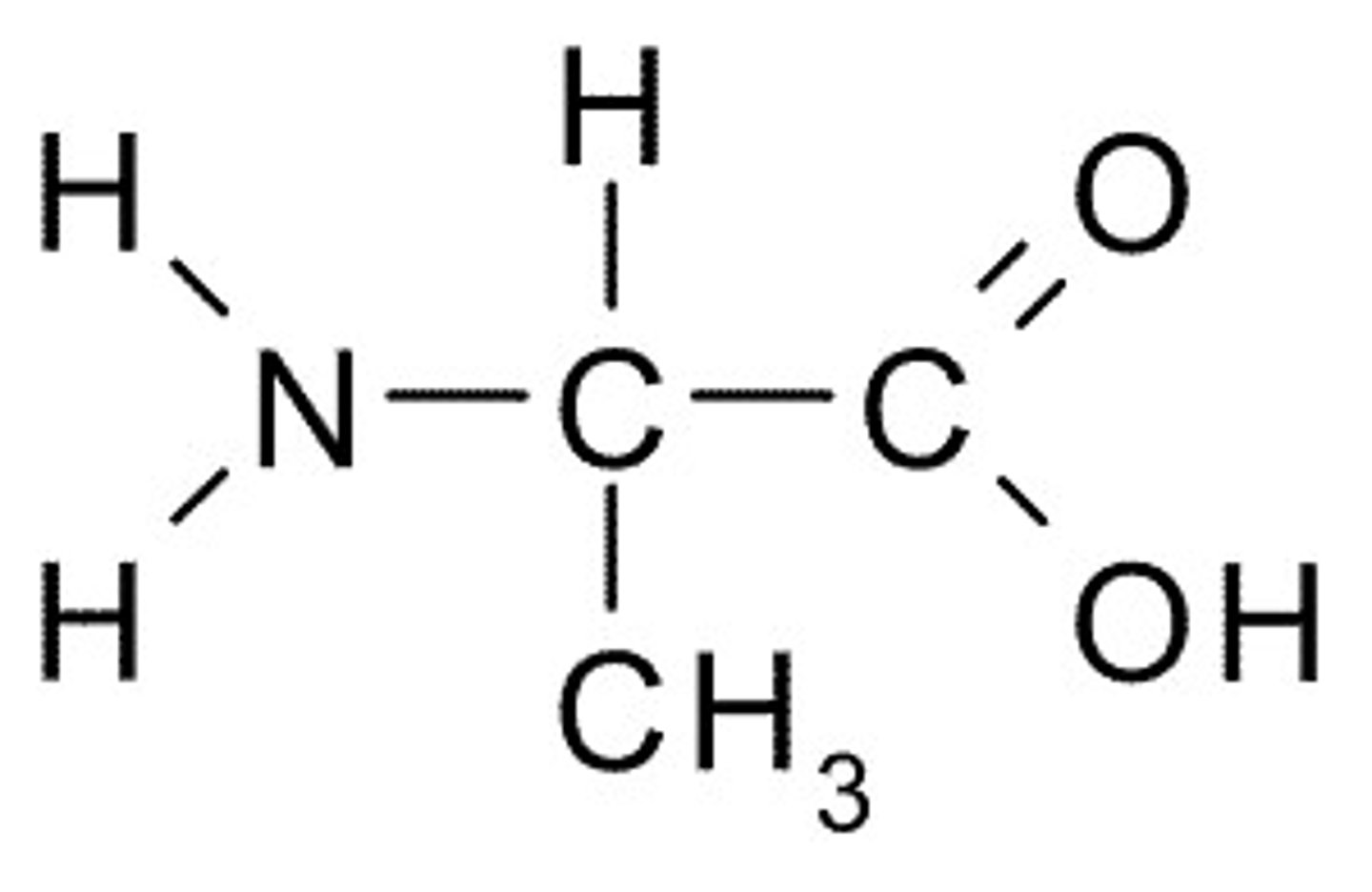
alanine
amino acid pictured
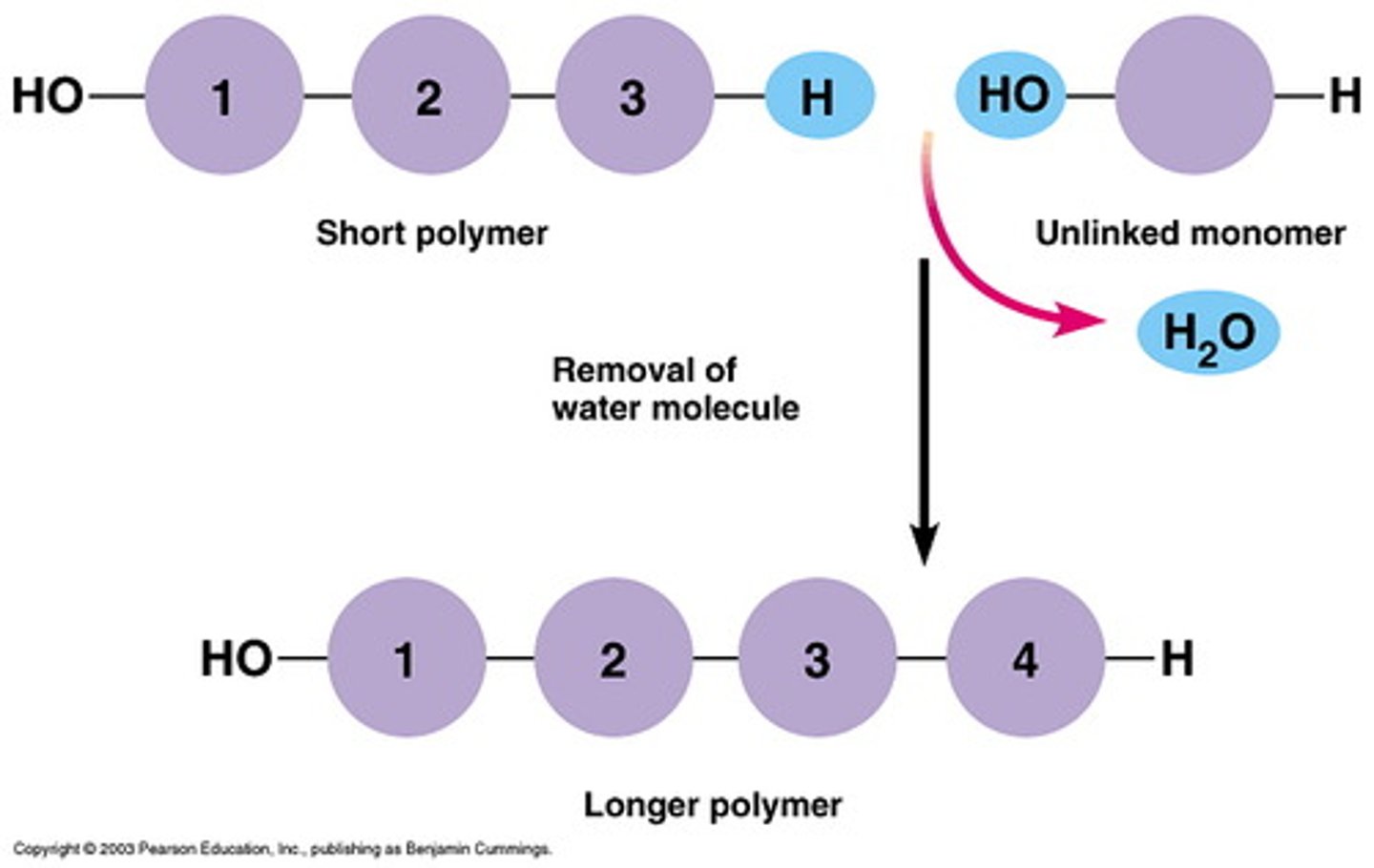
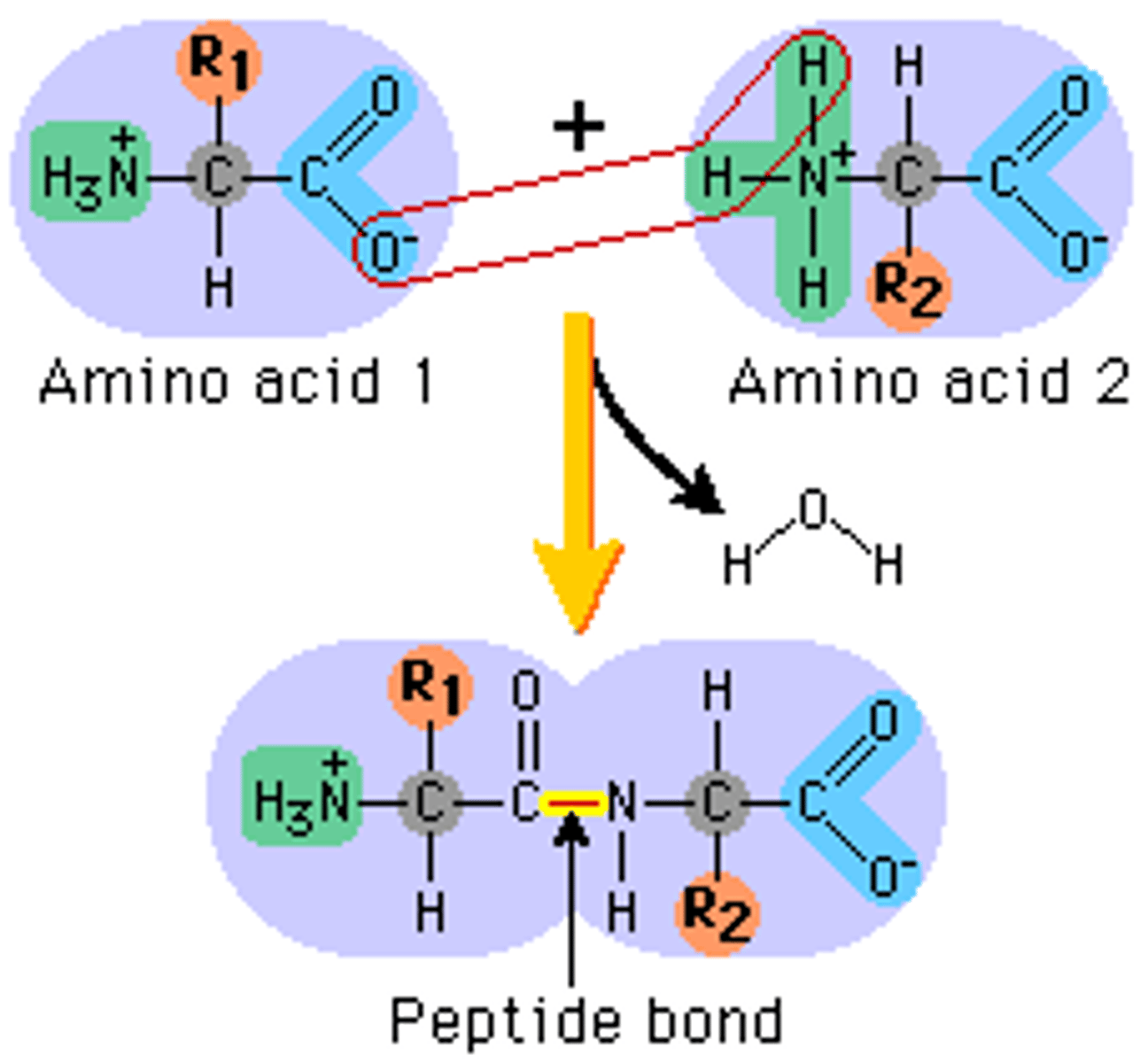
polymerization
joining monomers to form a polymer
monomer
a molecule that can be bonded to other similar molecules to form a polymer.
polymer
A long molecule consisting of many similar or identical monomers linked together.
peptide bond
The chemical bond that forms between the carboxyl group of one amino acid and the amino group of another amino acid
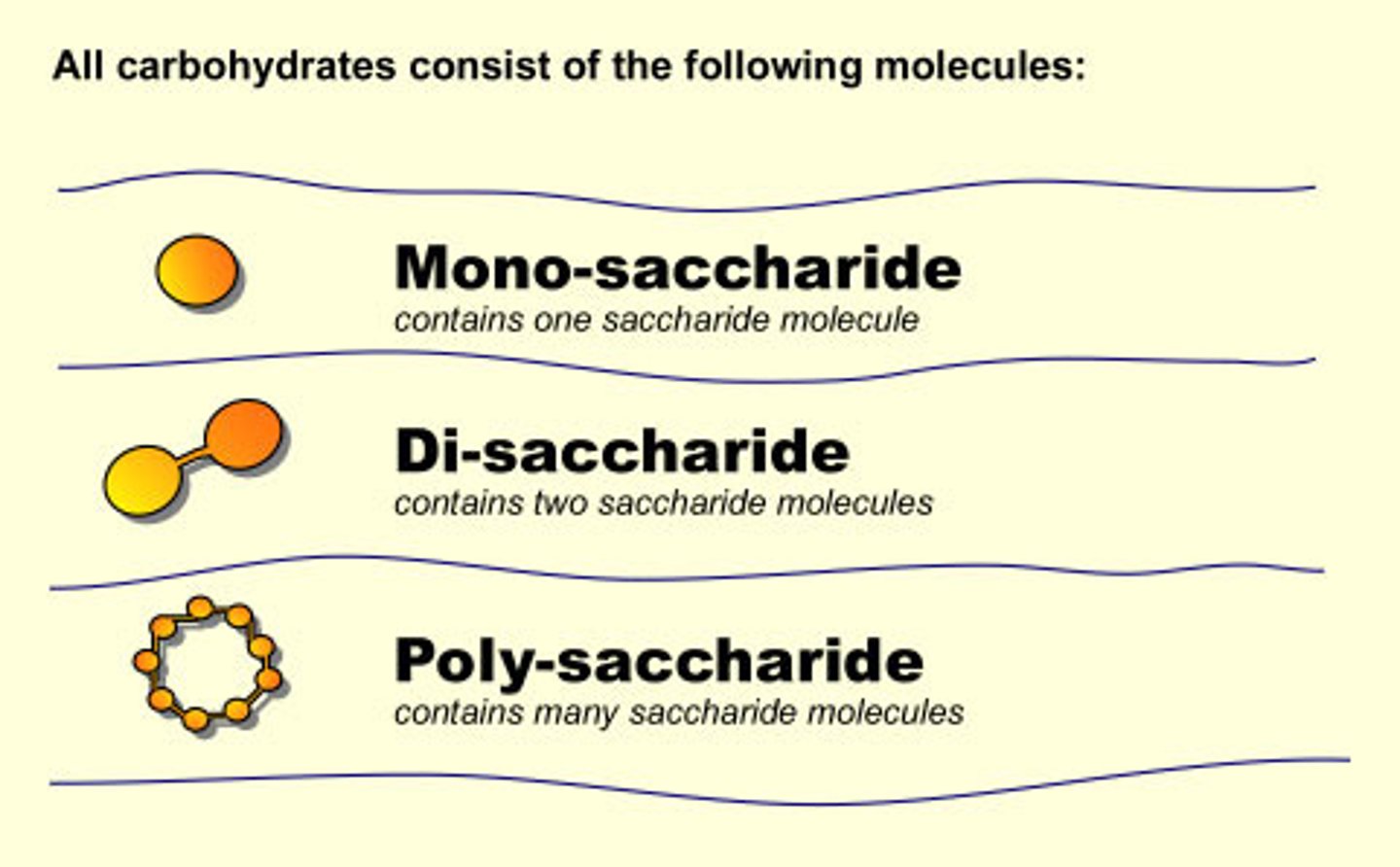
carbohydrate
compound made up of carbon, hydrogen, and oxygen atoms; major source of energy for the human body
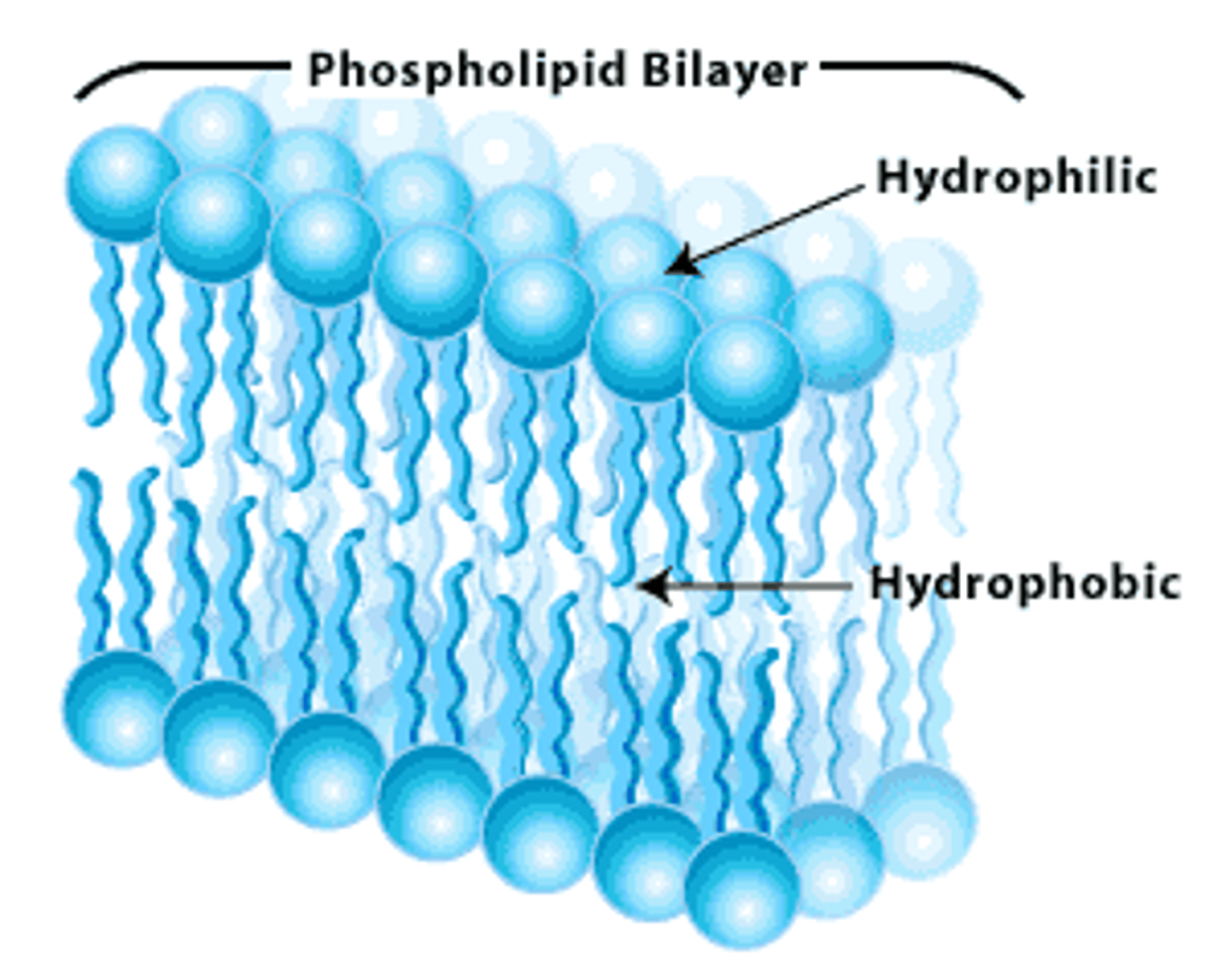
lipid
Energy-rich organic compounds, such as fats, oils, and waxes, that are made of carbon, hydrogen, and oxygen.
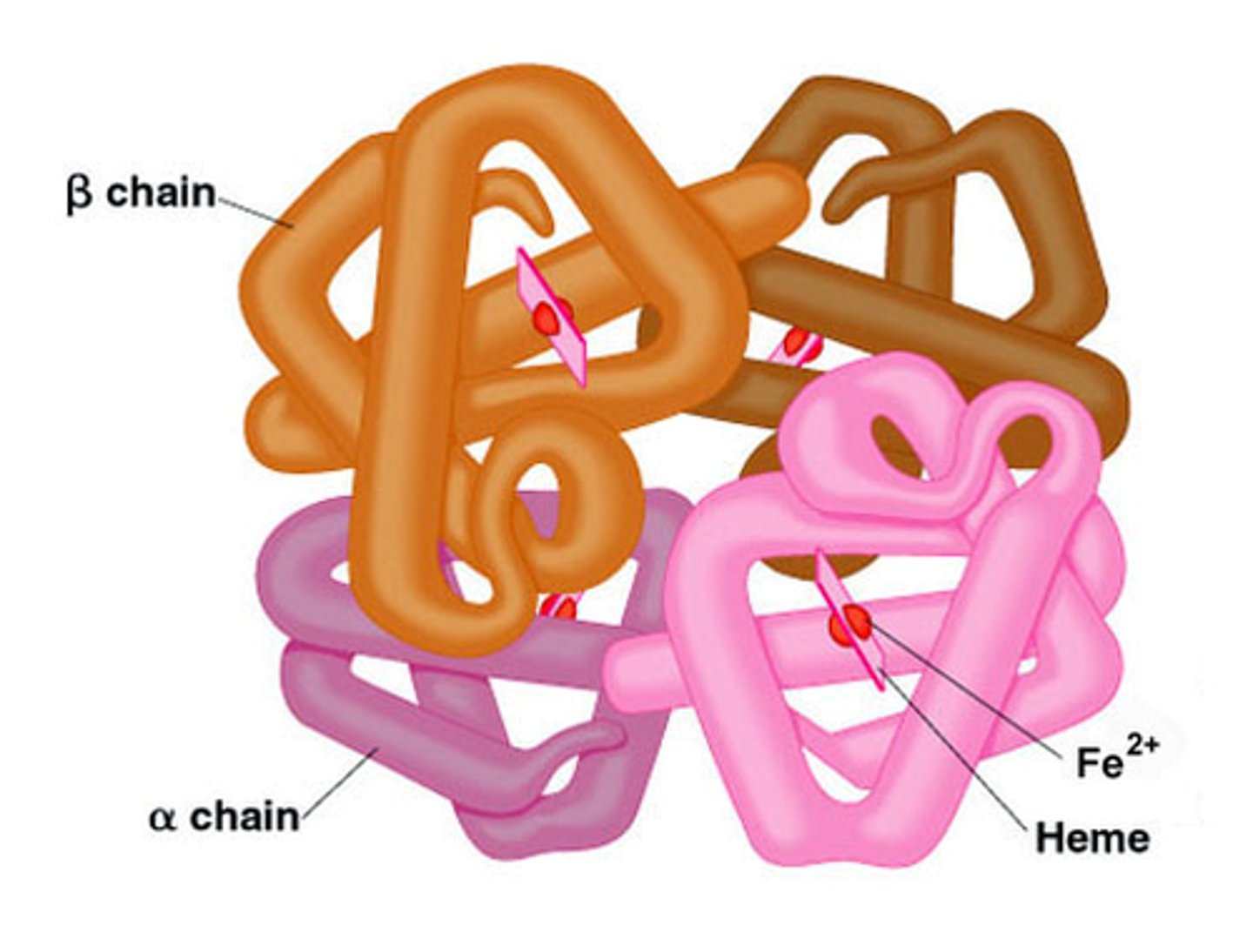
protein
An organic compound that is made of one or more chains of amino acids and that is a principal component of all cells
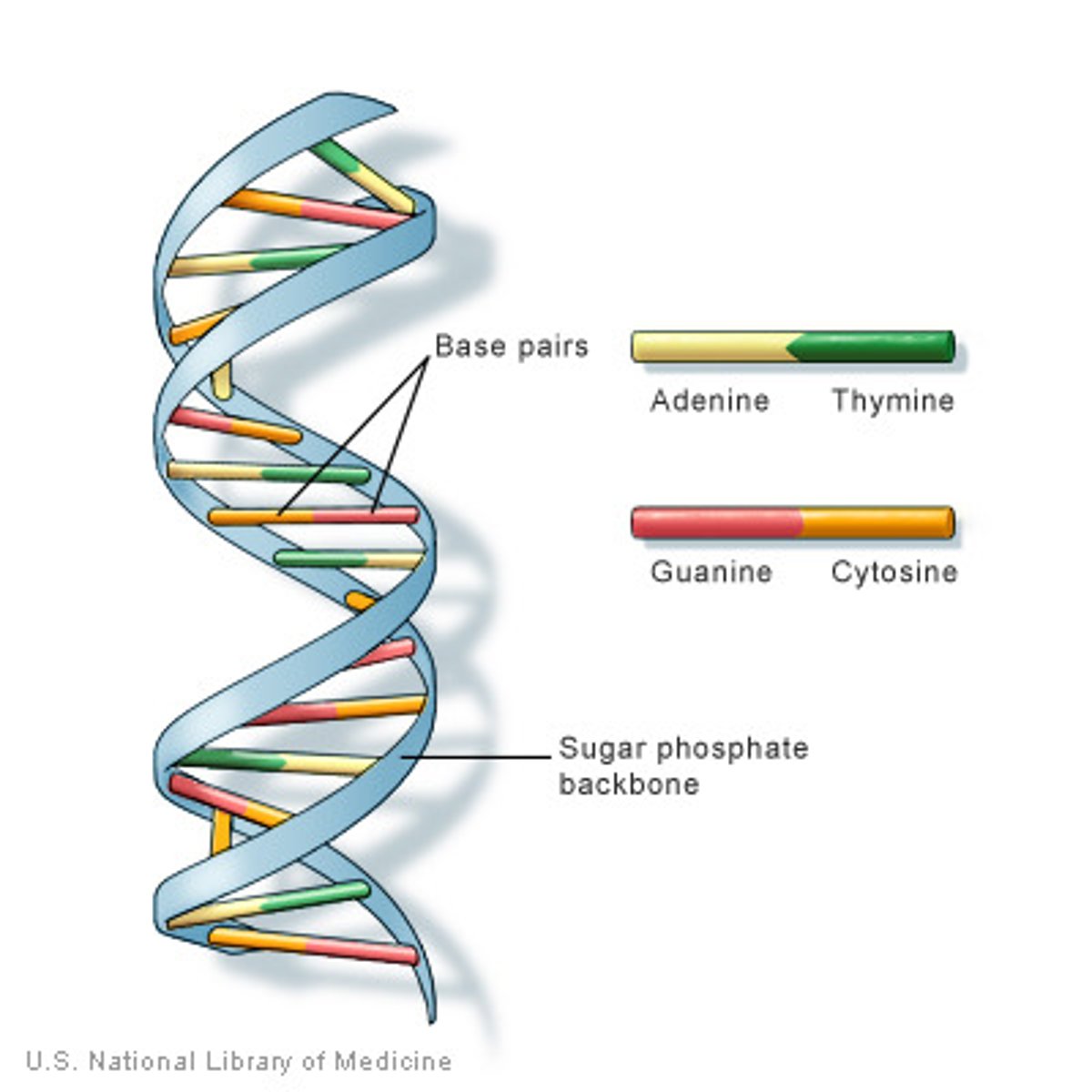
nucleic acid
a complex organic substance present in living cells, especially DNA or RNA, whose molecules consist of many nucleotides linked in a long chain.
dehydration synthesis reaction
A chemical reaction in which two molecules covalently bond to each other with the removal of a water molecule.