BIO-2060 Exam #1 (Part 1)
 Call Kai
 Learn
Learn Practice Test
 Spaced Repetition
 Match
Match Flashcards
 Knowt Play
1/31

Earn XP
Description and Tags
This segment includes questions based on the blood
Name | Mastery | Learn | Test | Matching | Spaced | Call with Kai |
|---|
No analytics yet
Send a link to your students to track their progress
32 Terms
Characteristics: Color & Volume
Color: Oxygenated blood appears scarlet as a result of being filled with oxygen, Deoxygenated blood appears dark red as a result of oxygen loss and gained carbon dioxide.
Volume: 4-5 L for Women, 5-6 L for Men
Characteristics: Viscosity & pH
Viscosity: 4.5 - 5.5 times the value of whole blood
pH: 7.35 -7.45 (alkaline)
Characteristics: Temperature
38 celsius or 100.4 Fahrenheit
Plasma proteins: Albumins
Takes up 60% of blood (most abundant), functions in osmolarity
Plasma proteins: Globulins
Functions in transport & protection
Plasma proteins: Fibrinogen & Prothrombin
Both functions in blood clotting
Blood Function: Distribution
Transports nutrients (Oxygen), waste (Carbon Dioxide), and hormones throughout the body.
Blood Function: Regulation
Maintains blood characters: Osmolarity, temperature, pH, and viscosity, and volume
Blood Function: Protection
Prevents blood loss & infection
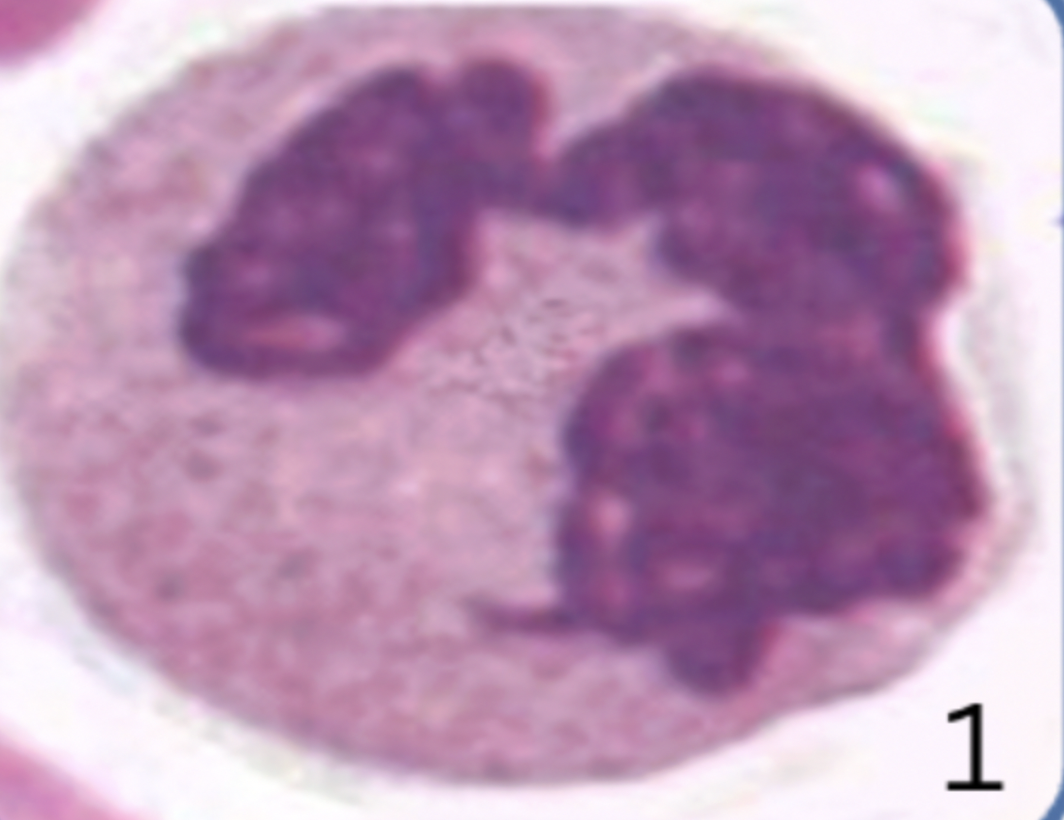
Formed Element: Neutrophil (leukocyte)
Multi lobed nucleus *
pinkish granules, enzymes, and defensins (proteins)
Serve as acute bacterial slayers (short term)
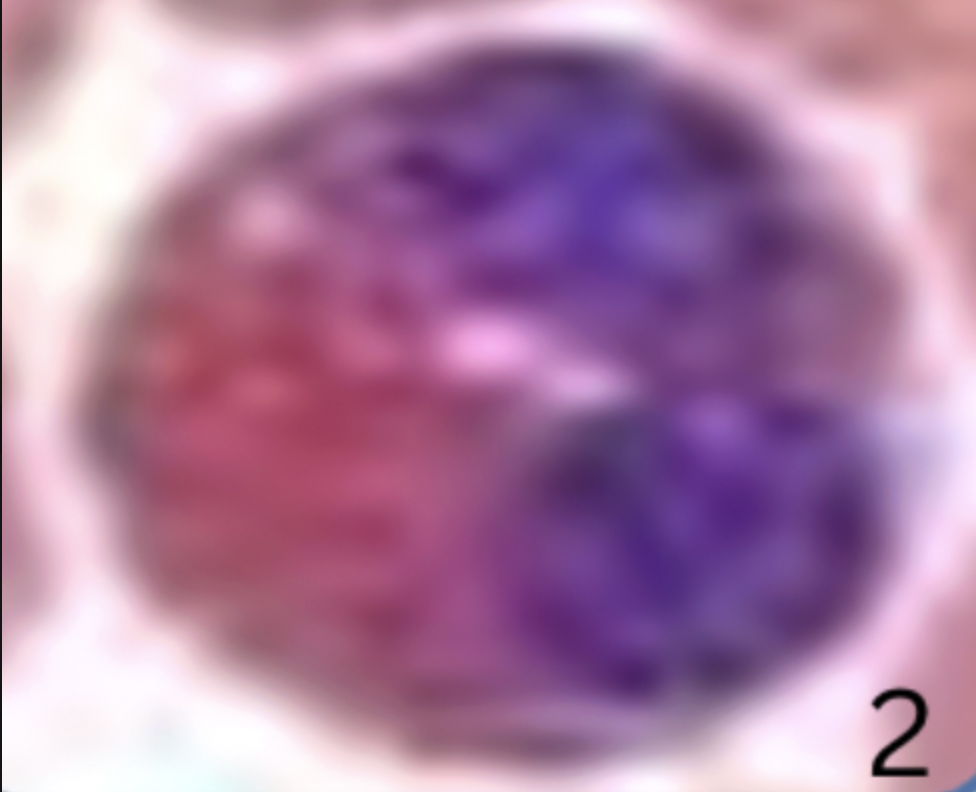
Formed Element: Eosinophil (leukocyte)
Red Granules *
U Shaped nucleus
Function in allergic response against parasitic worms
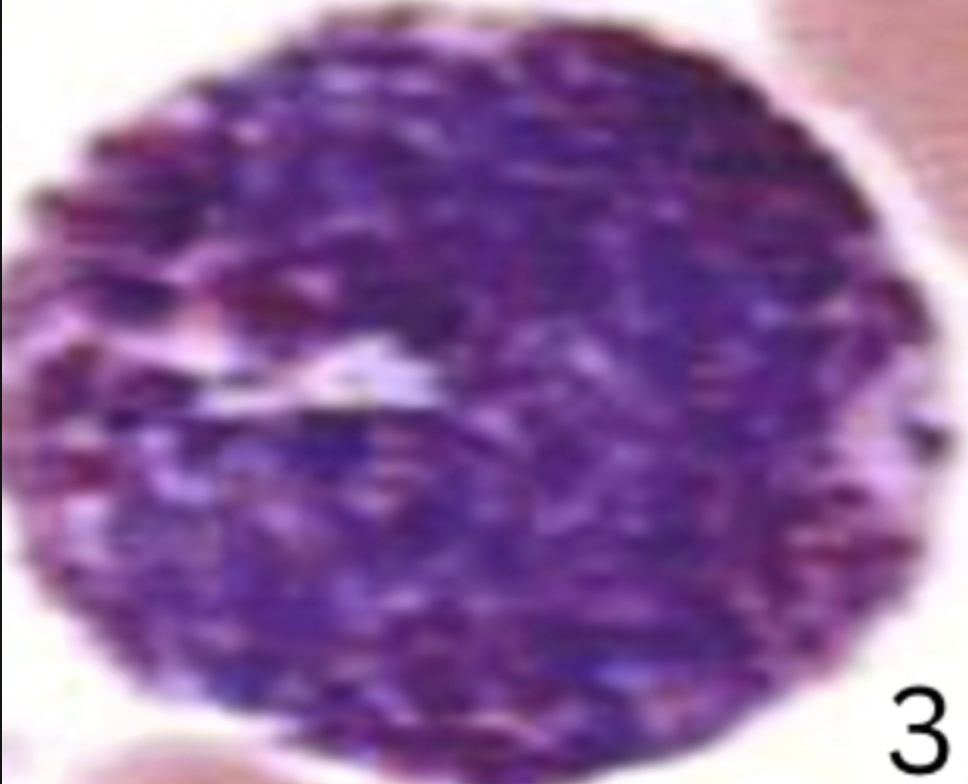
Formed Element: Basophil (leukocyte)
U/S nucleus (whichever)
Large purple/black granules ← gives lumpy appearance*
Histamine Response, Vasodilation (BV dilation), and Inflammation
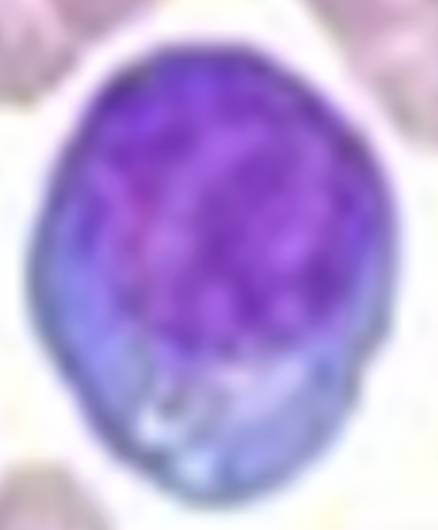
Formed Element: Lymphocyte (leukocyte)
Large, dark nucleus *
Made of T cells and B cells
T cells: immune response, B Cells: antibody production
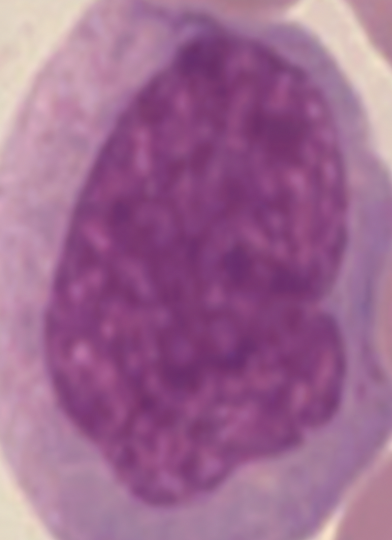
Formed Element: Monocyte (leukocyte)
Circulating the body (Macrophages are found in one place)
Present antigen
Chronic Bacteria slayers (long-term)
Hemoglobin (Definition & Function)
A red-pigmented protein that transports oxygen and carbon dioxide; responsible for characteristic red color of blood.
(Taken from the text)
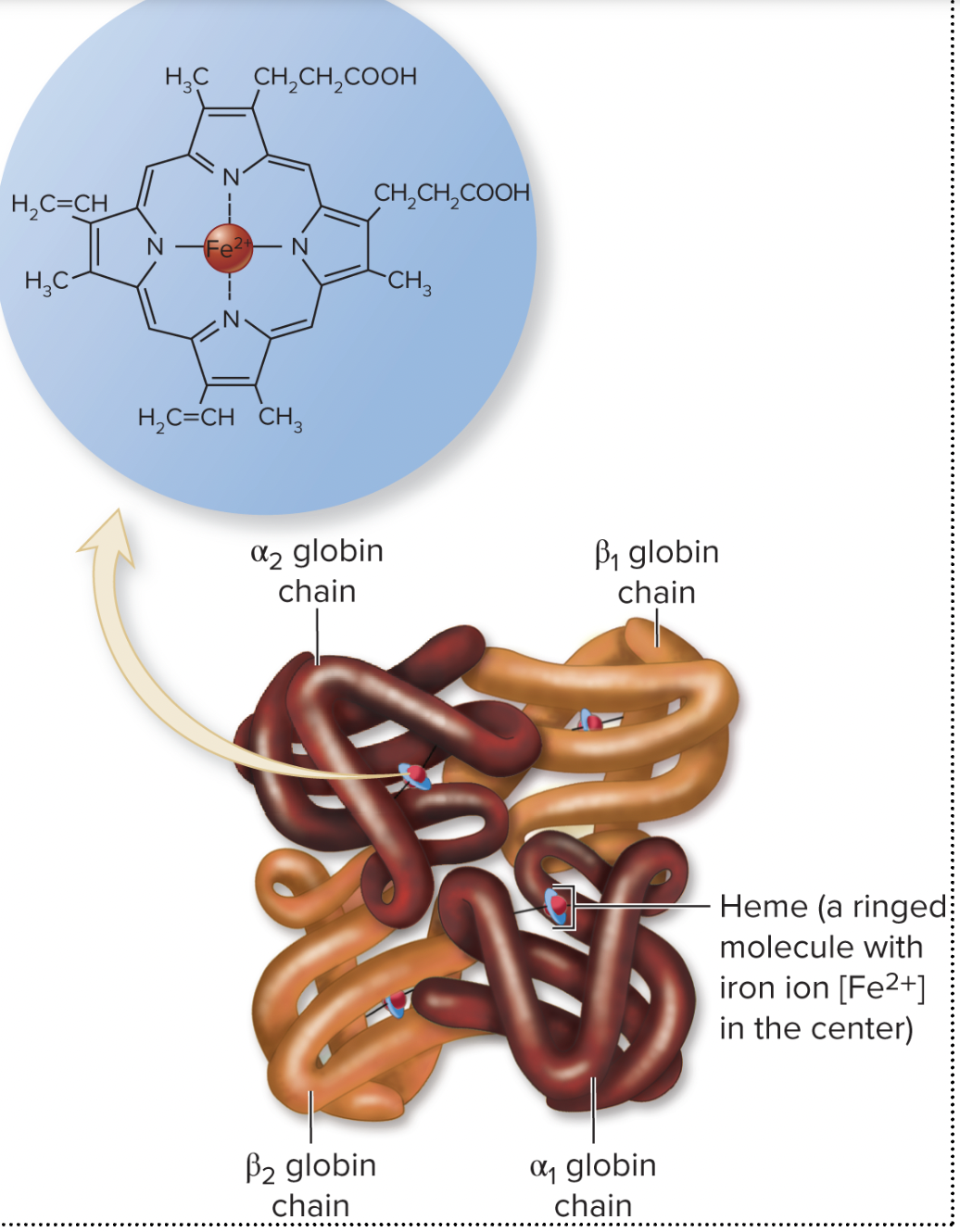
Hemoglobin (Component Molecules)
Globin is a protein that binds to carbon dioxide.
There are four types, two alpha chains and two beta chains
These contain heme groups
Heme contains iron (Fe), allowing oxygen to bond
Contains a ring of porphyrin and an iron ion (Fe2+)
The oxygen binds to the iron ion
Both are reversible, they don't carry C02 and 02 at the same.
Hemoglobin (Form & Location)
Hemoglobin + 02 oxygen loading (process) taking place in the lung, this is called oxyhemoglobin
Hemoglobin - 02 is oxygen unloading (the molecular structure changes, causing the oxygen to leave) taking place in the tissue, this is called deoxyhemoglobin (molecule)
Hemoglobin + C02 is called carbaminohemoglobin. Carbon is added in response to the absence of oxygen.
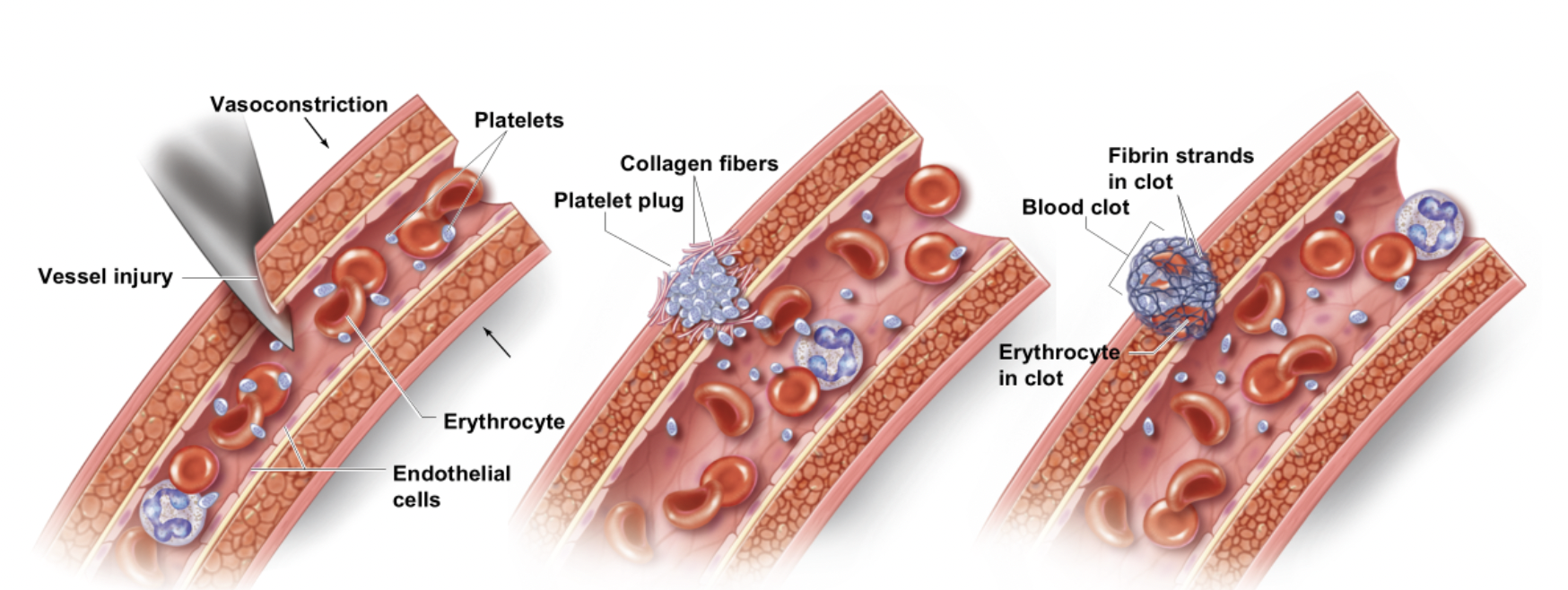
Hemostasis
Vascular Spasm - Blood vessels constrict in order to prevent further blood loss
Platelet plug formation Platelets arrive at the injury site and stick to exposed collagen fibers
Coagulation - coagulation cascade converts inactive proteins into active ones, forming a blood clot
Prothrombin
Activator
Prothrombin
Thrombin
Fibrinogen
Fibrin
(Taken mostly from lecture presentation)
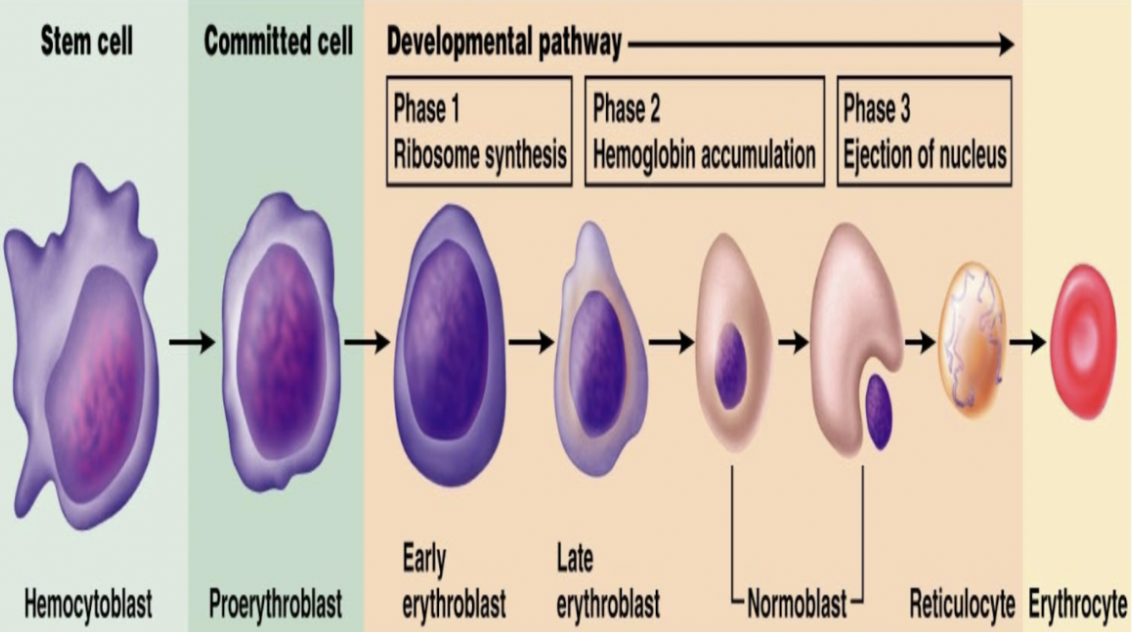
Erythropoiesis (Definition & Function)
The formation and development of Erythrocytes. It is highly stimulated by Erythropoietin (EPO)
Anemia: Too few RBC, Polycythemia: Too many RBC
Erythropoiesis (Control Mechanisms): Nutrients
Fe, Proteins, Carbohydrates, Lipids, Vitamin B12, intrinsic factor
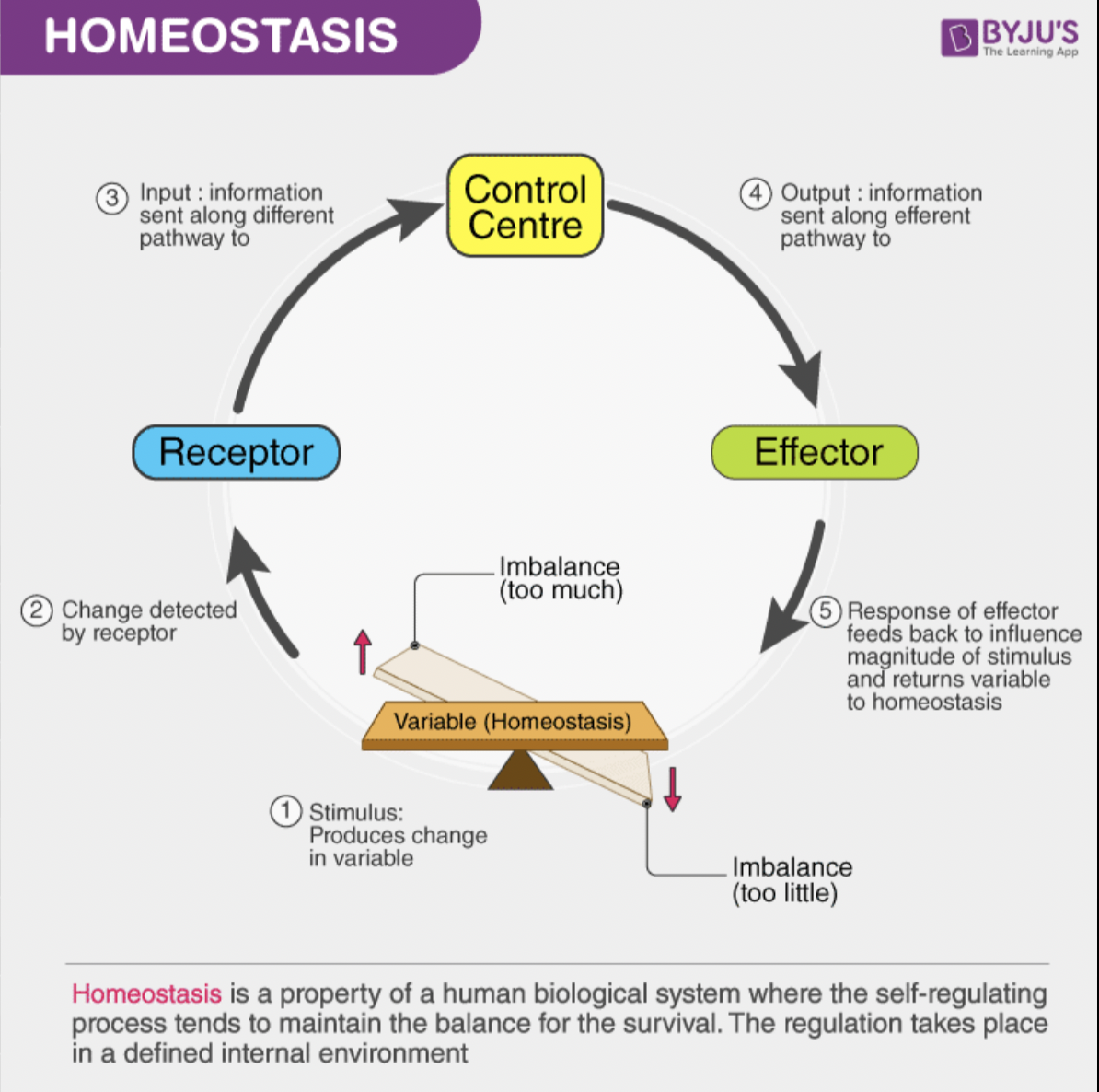
Erythropoiesis (Control Mechanisms): Homeostasis components
Developmental Sequence: Erythropoiesis
Hemocytoblast → proerythroblast → erythroblast → normoblast → reticulocyte → erythrocyte
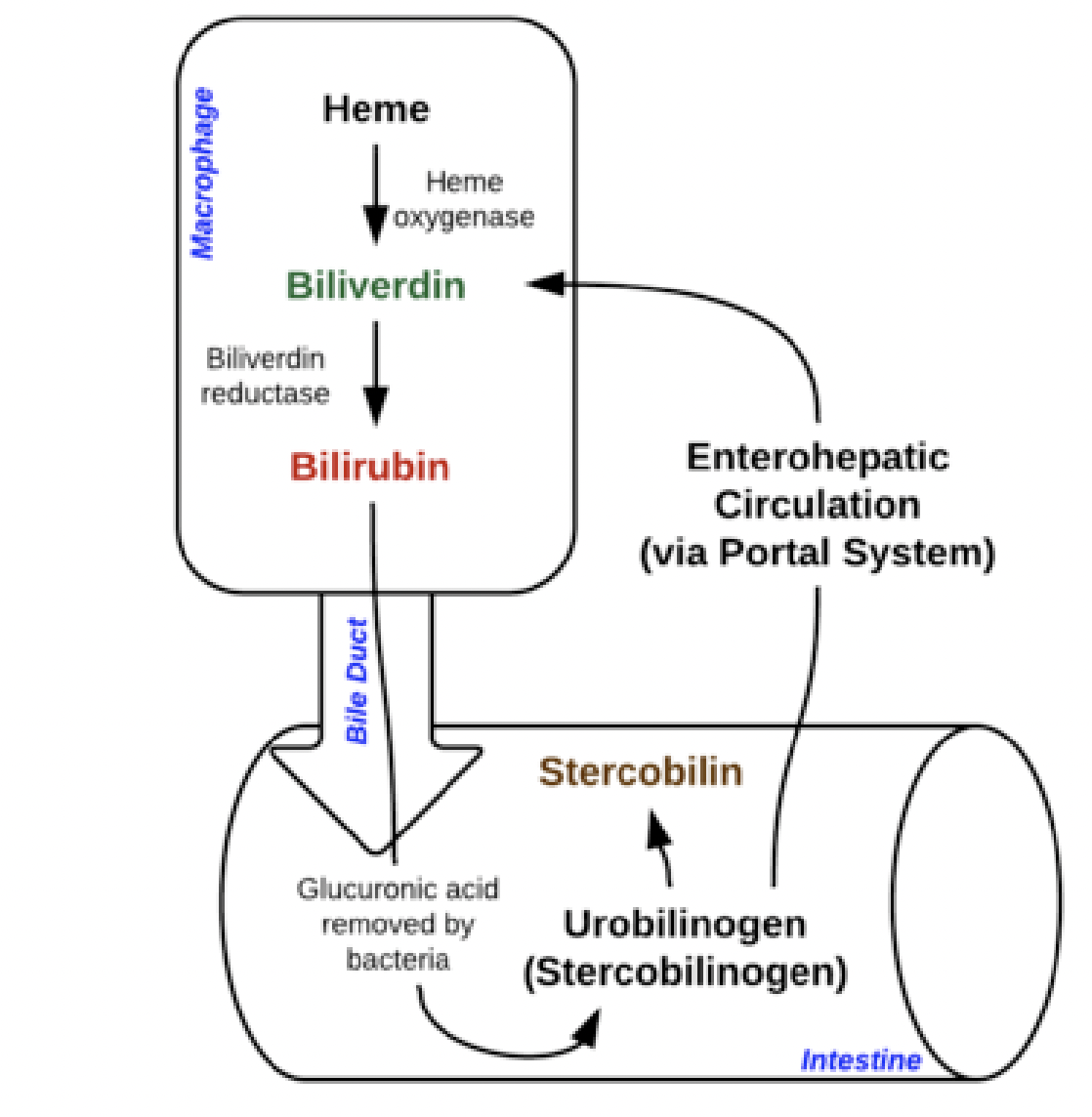
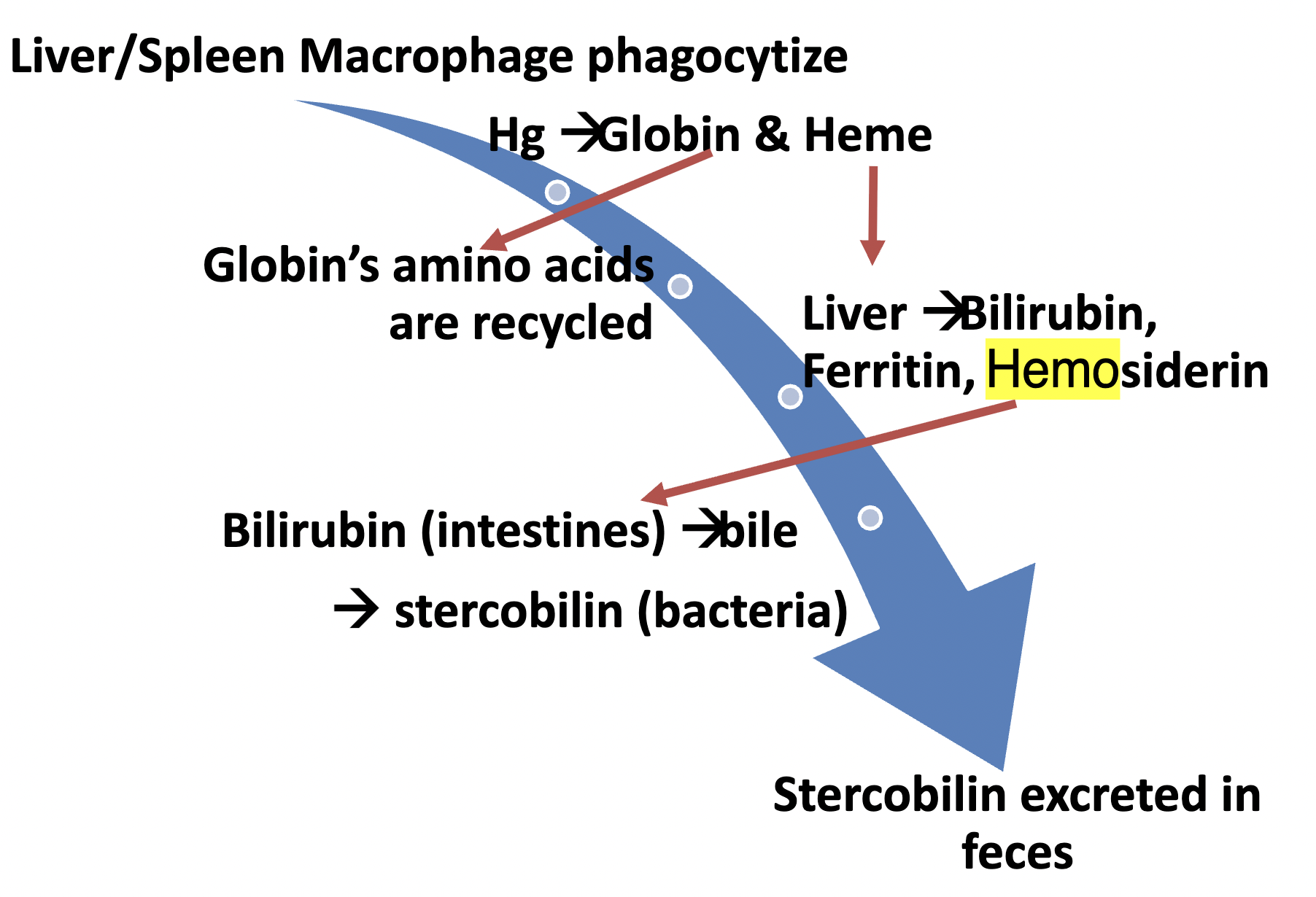
Erythrocyte Destruction
Leukopoiesis (Definition & Stimulus)
The formation and development of leukocytes. It is stimulated by CSF
(mostly taken from the text)
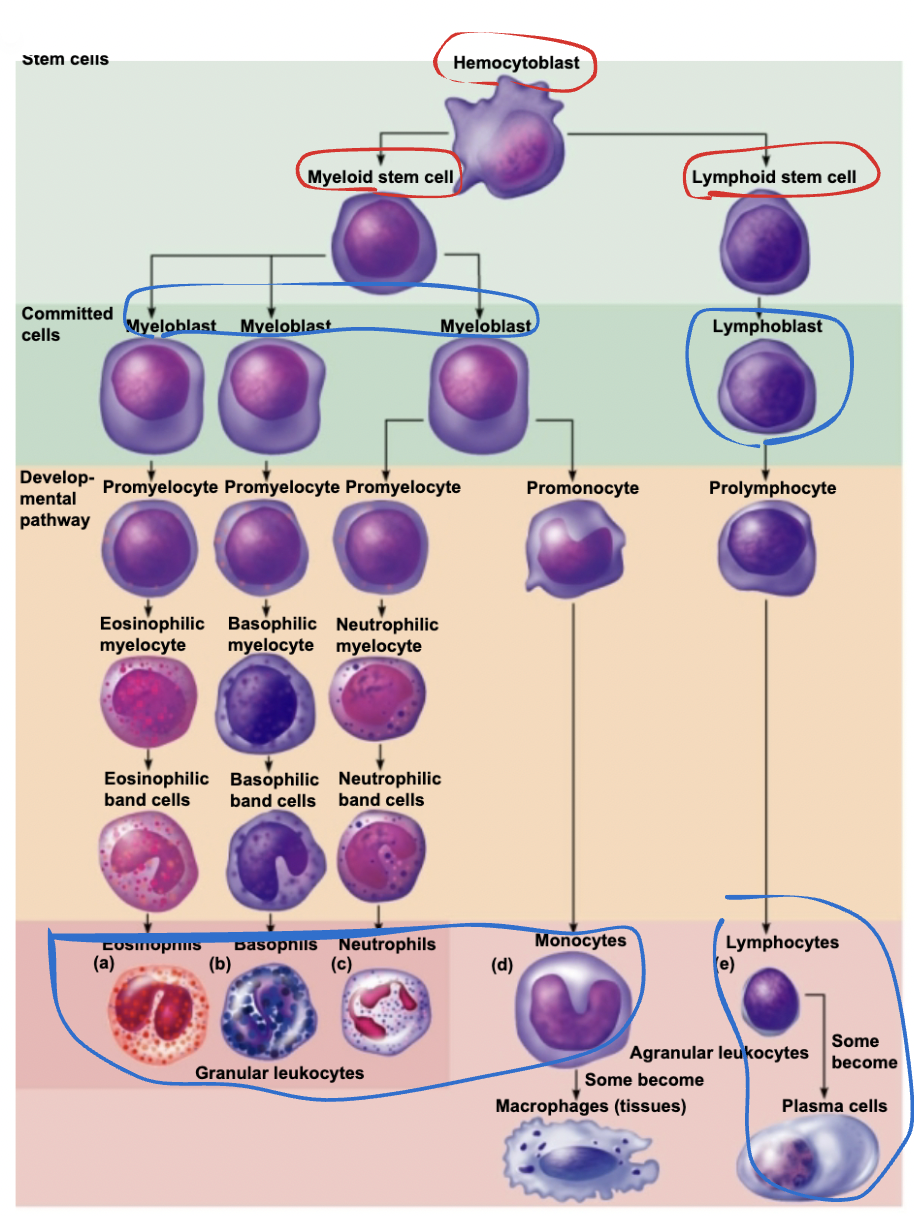
Developmental Sequence: Leukopoiesis
Hemocytoblast → Myeloid stem cell or Lymphoid stem cell
Myeloid stem cell → Myeloblast → Eosinophil, basophil, and neutrophil, monocyte
Lymphoid stem cell→ lymphoblast → lymphocyte
Thrombopoiesis (Definition)
The formation and development of thrombocytes/platelets
Developmental Sequence: Thrombopoiesis
Hemocytoblast → Megakaryoblast → Promegakaryocyte → Megakaryocyte → Platelet
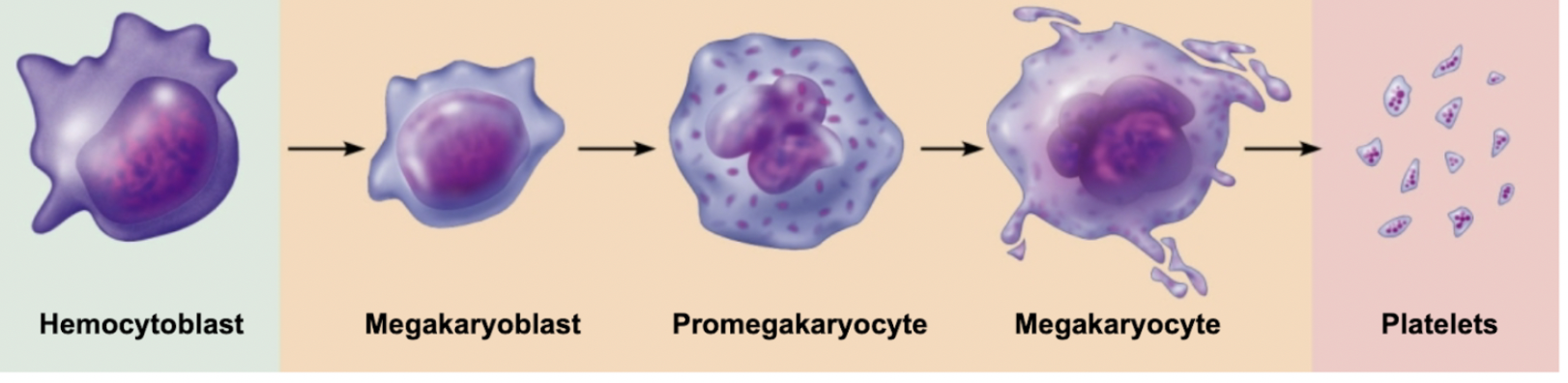
Thrombopoiesis (Components of granules)
Serotonin, Ca2+ (Calcium Ions), enzymes, platelet-derived growth factor
These form the Platelet Plug
Inactivated by NO
Blood Hierarchy
Atom → molecule → organelle → cell → tissue → organ → organ system
Atoms make up molecules, molecules make up organelles, organelles make up cells, cells make up tissue, tissues make up organs, and organs make up organ systems
Formed Element: Erythrocyte
Characteristics: No nucleus (to maximize space for hemoglobin) & biconcave (to facilitate easy cell movement through blood vessels)
Function: Gas Transport
Formed Element: Leukocyte
Characteristics: Complete cells organized into two categories (granulocytes & agranulocytes)
Function: Surveillance and immunity response
Formed Element: Thrombocyte
Characteristics: Part of cells, also known as platelets
Function: Blood clotting