NUTR 320 Exam 2 Study Guide
0.0(0)
Studied by 13 people Call Kai
 Learn
Learn Practice Test
 Spaced Repetition
 Match
Match Flashcards
 Knowt Play
Card Sorting
1/75

Earn XP
Description and Tags
Last updated 12:15 AM on 3/2/23
Name | Mastery | Learn | Test | Matching | Spaced | Call with Kai |
|---|
No analytics yet
Send a link to your students to track their progress
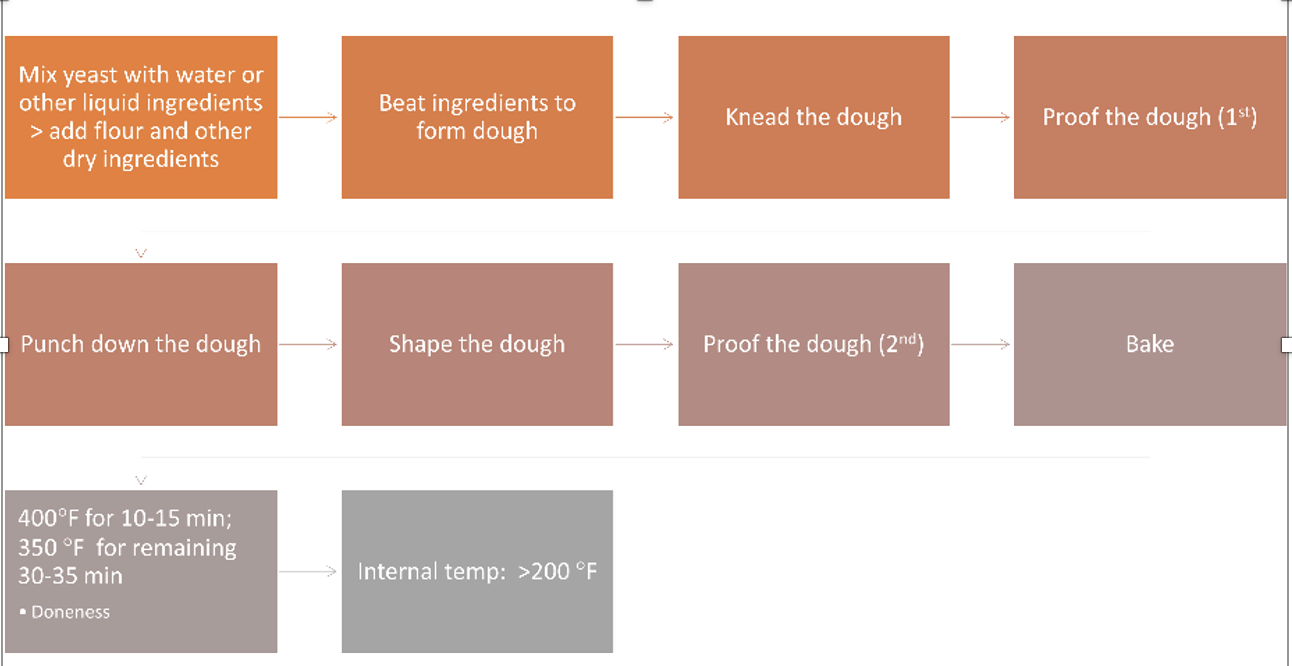
76 Terms
1
New cards
Recall the nutrients found in the egg white
• Water \n • Protein \n • Fat \n • B-Vitamins (riboflavin, B12, biotin)
2
New cards
Recall the nutrients found in the egg yolk
* Water
* Protein
* Fat (TG, Cholesterol, Lecithin)
* Vit A&D
* Lutein, zeaxanthin, and other carotenoids
* Protein
* Fat (TG, Cholesterol, Lecithin)
* Vit A&D
* Lutein, zeaxanthin, and other carotenoids
3
New cards
Nutrients found in the egg that meet the criteria for “Excellent”
More than 19%
* Biotin
* Vit B12
* Iodine
* Selenium
* Biotin
* Vit B12
* Iodine
* Selenium
4
New cards
Nutrients found in the egg that meet the criteria for “Good”
12-19%
• Pantothenic Acid
• Riboflavin
• Pantothenic Acid
• Riboflavin
5
New cards
Know the function of the egg components (protein/fat/water/emulsifiers etc.) and how each affects the outcome of various food products.
Protein: coagulation, clarifying, leavening
Fat: tenderness, emulsifying
Water: leavening/rise
Emulsifiers: thickener
Fat: tenderness, emulsifying
Water: leavening/rise
Emulsifiers: thickener
6
New cards
All functions of eggs
1. Structure (coagulation)
2. Foaming/Aeration
3. Leavening agent
4. Thickening
5. Binding:
6. Emulsifying: phospholipid in egg yolk
7. Interfering
8. Clarifying
9. Color
7
New cards
Explain the process in which egg whites are turned into a foam and the role of the additives in creating a foam.
eggs are beaten to a foam that is 6-8x its original volume
* mechanical energy: proteins provide structure (eggs need to be a room temperature)
* requires the addition of:
1. Sugar: Stabilizes foam, Inhibits mechanical coagulation of proteins needed for foam formation, Add at the end of whipping time so volume is not compromised
2. Acid: Decreases pH and denatures proteins, allowing the egg white to be whipped easily into a foam.
3. Fat and salt
* mechanical energy: proteins provide structure (eggs need to be a room temperature)
* requires the addition of:
1. Sugar: Stabilizes foam, Inhibits mechanical coagulation of proteins needed for foam formation, Add at the end of whipping time so volume is not compromised
2. Acid: Decreases pH and denatures proteins, allowing the egg white to be whipped easily into a foam.
3. Fat and salt
8
New cards
Identify the methods for cooking eggs that fall under “dry-heat preparation and moist-heat preparation” methods
Dry heat: pan-frying, scrambling, baking
Moise heat: boiling
Moise heat: boiling
9
New cards
Identify the plant-based alternatives to use as a substitute for eggs based on BINDING/THICKENING
Fruit puree, Flax seeds, Chia Seeds, Nut butter, Mashed potatoes
10
New cards
Identify the plant-based alternatives to use as a substitute for eggs based on THICKENING/TEXTURE
Tofu
11
New cards
Identify the plant-based alternatives to use as a substitute for eggs based on LEAVENING AGENT
1. Water + vegetable oil + baking powder
2. Baking soda and vinegar
3. Aquafaba
12
New cards
Coagulation temperature of the entire egg
156°F
13
New cards
Coagulation temperature of the egg white
149°F
14
New cards
Coagulation temperature of egg yolk
158°F
15
New cards
List factors that can affection coagulation and explain why they have this effect
Temperature
Mechanical energy
Fats
Sugar: Inhibits mechanical coagulation of protein
Acids: denatures proteins
Mechanical energy
Fats
Sugar: Inhibits mechanical coagulation of protein
Acids: denatures proteins
16
New cards
Yeast breads
* what is the rise from
* does it require extra time
* what is it made from
* what is the rise from
* does it require extra time
* what is it made from
* Rise is from the CO2 produced by yeast fermentation
* Rise is from steam produced by water in the ingredients
* Requires extra time to create rise
* Made from dough
* Rise is from steam produced by water in the ingredients
* Requires extra time to create rise
* Made from dough
17
New cards
Quick breads
* what is the rise from
* does it require extra time
* what is it made from
* what is the rise from
* does it require extra time
* what is it made from
* Bread that rises the production of CO2 by chemical leavening agents
* Rise is from steam produced by water in the ingredients and/or air from physical leavening agents
* Does not require extra time to rise or proof
* Made from doughs or batters
* Rise is from steam produced by water in the ingredients and/or air from physical leavening agents
* Does not require extra time to rise or proof
* Made from doughs or batters
18
New cards
Basics steps for making yeast bread and the steps and ingredients that contribute to the dough development and affect product outcomes
Steps 1 and 2:
* Yeast is added to water/liquids OR yeast is added directly to flour or other dry ingredients first, then the liquid is added → activates the yeast
* Starts formation of gluten
\
Steps 3 and 4
* Beating develops gluten and incorporates air
* Kneading manipulates the dough to stretch and denature
\
Step 5: Proofing
* Purpose: aerate the dough, and develop the flavor – dough rises/increases in volume.
* The process is called fermentation
\
Step 6: Punching the dough down
* Large air bubbles break to form smaller cells
* Excess CO2 gas escapes
* Evens the temperature
* Redistributes sugars, yeast, gluten
\
Step 7:
* Shape the dough
* 2nd rise (30 minutes-ish)
\
Step 8
* heat in the oven until done
* Internal temperature is less than 200 degrees F
* Yeast is added to water/liquids OR yeast is added directly to flour or other dry ingredients first, then the liquid is added → activates the yeast
* Starts formation of gluten
\
Steps 3 and 4
* Beating develops gluten and incorporates air
* Kneading manipulates the dough to stretch and denature
\
Step 5: Proofing
* Purpose: aerate the dough, and develop the flavor – dough rises/increases in volume.
* The process is called fermentation
\
Step 6: Punching the dough down
* Large air bubbles break to form smaller cells
* Excess CO2 gas escapes
* Evens the temperature
* Redistributes sugars, yeast, gluten
\
Step 7:
* Shape the dough
* 2nd rise (30 minutes-ish)
\
Step 8
* heat in the oven until done
* Internal temperature is less than 200 degrees F
19
New cards
Over proofing vs results of under proofing
Over proofing: dense texture, sour taste
\
Under proofing:
* Coarse grain and sour odor
* Reducing browning (pale color) (yeast eats sugar, browns when the yeast ate ALL the sugar)
* Flavor is affected
\
Under proofing:
* Coarse grain and sour odor
* Reducing browning (pale color) (yeast eats sugar, browns when the yeast ate ALL the sugar)
* Flavor is affected
20
New cards
Gluten formation
Flour is mixed with water and an elastic network forms as two types of proteins in flour—gliadin and glutenin combine to yield gluten
21
New cards
Why is gluten important in baking
Affects texture and rise of breads/baked goods
22
New cards
What is the role of gluten when making yeast breads and baked goods
helps dough rise by trapping gas bubbles during fermentation, gives the texture, binder
23
New cards
Discuss factors that inhibit gluten development
Mixing, type of flour, amount of water, and presence of fats
24
New cards
Muffin method
* how to do it
* examples
* why is it used/purpose
* how to do it
* examples
* why is it used/purpose
* mix dry and wet separate, form a well in dry, then add wet & mix until just moist and lumpy
* Muffins, pancakes, coffee cake, tea breads, crepes/popovers/creme puffs, cornbread, scones
* The little bit of mixing in this method makes sure that not too much gluten is created which would make these foods tougher and contain more tunnels
* Muffins, pancakes, coffee cake, tea breads, crepes/popovers/creme puffs, cornbread, scones
* The little bit of mixing in this method makes sure that not too much gluten is created which would make these foods tougher and contain more tunnels
25
New cards
Quick mix method
* what is it
* examples
* why is it used/purpose
* what is it
* examples
* why is it used/purpose
* put everything in a bowl and mix
* Tortillas, cake mixes
* \
* Tortillas, cake mixes
* \
26
New cards
Biscuit method
* what is it
* examples
* why is it used/purpose
* what is it
* examples
* why is it used/purpose
* combining flour and COLD butter that has been broken down into pieces around the size of a pea, and then folding in a liquid to combine it all together
* biscuits, scones
* the main purpose of cutting fat into the flour is to shorten the protein strands / reduce gluten development so that you can have a more layers and a more tender and flaky baked good
* COLD butter is needed as the butter melts, the water evaporates and helps keep the layers/air pockets
* biscuits, scones
* the main purpose of cutting fat into the flour is to shorten the protein strands / reduce gluten development so that you can have a more layers and a more tender and flaky baked good
* COLD butter is needed as the butter melts, the water evaporates and helps keep the layers/air pockets
27
New cards
Conventional method
* what is it
* examples
* why is it used
* what is it
* examples
* why is it used
* sift dry ingredients, cream sugar and fat together, beat in eggs (yolks are emulsifying fat: adding tenderness + glueing things together) at low speed adding one at a time (to not tear air pockets), add 1/3 of dry ingredients and stir, add 1/2 of liquid and stir, sequentially add and stir second third of dry, last half of liquid, and last third of dry
* Cakes
* purpose of mixing the fat and sugar together helps the leavening/ rise of the baled good
* Cakes
* purpose of mixing the fat and sugar together helps the leavening/ rise of the baled good
28
New cards
Why is there a higher ratio of fat to flour/liquid/sugar in most quick bread recipes compared to yeast bread recipes?
Leavening agents are used in quick bread and does not interact with the higher ratio of fat and sugar
Yeast would interact with the higher ratio of fat and sugar in yeast breads??
Yeast would interact with the higher ratio of fat and sugar in yeast breads??
29
New cards
Yeast bread examples
Brioche/dinner rolls, cinnamon rolls, bagels, focaccia
30
New cards
Quick bread examples
Pancakes, coffee cakes, tortillas, tea bread, scones, crepes, cornbread, chocolate chip cookies
31
New cards
Leavening agent
* definition
* its role in making yeast and quick bread
* definition
* its role in making yeast and quick bread
* Something (physical, biological, or chemical) forms gases that cause flour mixtures to rise
* Causes the dough to expand by releasing gas once mixed with liquid, acid or heat
* Causes the dough to expand by releasing gas once mixed with liquid, acid or heat
32
New cards
* Identify the different leavening agents used to prepare yeast and quick bread
* explain the chemical reactions that occur to create rise in yeast and quick bread
* explain the chemical reactions that occur to create rise in yeast and quick bread
1. Yeast bread: active dry yeast, fresh yeast, instant/quick-rising yeast, air and steam
2. Quick bread: baking soda, baking powder, air and steam
* Carbon dioxide gas produced from either a biological or chemical source
33
New cards
Describe the chemical reaction/process by which yeast creates Carbon Dioxide and causes the baked good to rise.
The chemical reaction is fermentation. While in a warm area, yeast feeds on the sugar contained in the dough, producing carbon dioxide and alcohol (ethanol)
34
New cards
Describe how double acting baking powder and how baking soda works to create rise in baked goods
* Double-acting baking powder is baking soda plus an acid (ex. Cream of tartar) and a moisture-absorbing agent (cornstarch).
* There is a 2 step release of CO2: first occurs when moistened and then when heated
* There is a 2 step release of CO2: first occurs when moistened and then when heated
35
New cards
List the acids that can be combined with baking soda to create carbon dioxide production
lemon, vinegar, buttermilk, yogurt, molasses, brown sugar, cocoa, chocolate, citrus fruits, cream of tartar, or sour milk
36
New cards
List and describe the three types of yeast
* Fresh yeast: 70% moisture, short shelf-life, refrigeration is required.
* Active dry yeast: Less moist than fresh yeast, can be stored at room temp, rehydration temp of 110-115°F, 2nd rise is needed
* Instant yeast: More CO2, Reproduces the fast of all yeasts, less time for flavor to develop, sensitive to temp, activate temp is 110-115°F. No 2nd rise
* Active dry yeast: Less moist than fresh yeast, can be stored at room temp, rehydration temp of 110-115°F, 2nd rise is needed
* Instant yeast: More CO2, Reproduces the fast of all yeasts, less time for flavor to develop, sensitive to temp, activate temp is 110-115°F. No 2nd rise
37
New cards
Discuss the optimal temperature range for the yeast to be active (hydrated) (lab and lecture)
\
Active dry yeast - 110-115°F (flour - 120-130)
Instant yeast - 110-115°F (flour - 120-130)
Active dry yeast - 110-115°F (flour - 120-130)
Instant yeast - 110-115°F (flour - 120-130)
38
New cards
Describe the effect on the bread if the proofing temperature is too low
slows yeast activity, increases acidity,
39
New cards
Identify the flours that are considered “high”, “medium”, and “low” protein and explain which types are best to use to make specific baked goods.
High - whole wheat, bread, high-gluten flour
Medium - all-purpose
Low - pastry, cake
\
* High-gluten: bagels, pizza, artisan breads
* Whole wheat: quick and yeast breads
* Bread: yeast breads, hard rolls
* All purpose: yeast and quick breads, pastry, dough
* Pastry: pastries, some cookies, biscuits, muffins
* Cake: fine-textured cakes
Medium - all-purpose
Low - pastry, cake
\
* High-gluten: bagels, pizza, artisan breads
* Whole wheat: quick and yeast breads
* Bread: yeast breads, hard rolls
* All purpose: yeast and quick breads, pastry, dough
* Pastry: pastries, some cookies, biscuits, muffins
* Cake: fine-textured cakes
40
New cards
Identify the gluten-free flours used to make bread
* Commercially prepared gluten-free flour blends
* Rice flour
* Sorghum flour
* Legume flours (garbanzo/chickpea, soy)
* Tuber-based flours (potato)
* Nut-based (Almond and Coconut)
* Rice flour
* Sorghum flour
* Legume flours (garbanzo/chickpea, soy)
* Tuber-based flours (potato)
* Nut-based (Almond and Coconut)
41
New cards
Describe the ingredients that can be added to improve the outcomes of gluten-free baked goods and their function in the baked good.
*Starches*
· Starch gelatinizes to provide structure, elasticity, and binding
· Recommended to use a blend of Potato and Tapioca starch
*Binders*
· Xanthan gum: provide structure and stability
· Powdered Psyllium: strengthens the protein network
*Milk Powder*
· Aids with browning and adds rich flavor
· Adds structure and tenderness
· Starch gelatinizes to provide structure, elasticity, and binding
· Recommended to use a blend of Potato and Tapioca starch
*Binders*
· Xanthan gum: provide structure and stability
· Powdered Psyllium: strengthens the protein network
*Milk Powder*
· Aids with browning and adds rich flavor
· Adds structure and tenderness
42
New cards
Natural sweeteners definition
Sugar that comes from a plant or animal
43
New cards
Nonnutritive sweeteners definition
Food additives requiring FDA approval that provide sweetness with no or insignificant amounts of energy (kcal). Also known as alternative sweeteners, artificial sweeteners, noncaloric sweeteners, very-low-calorie sweeteners, sugar substitutes, sugar replacers, and intense sweeteners.
44
New cards
Hygroscopic definition
Moisture absorption:
The hygroscopic nature of sugars influences the moistness and texture of foods
The hygroscopic nature of sugars influences the moistness and texture of foods
45
New cards
Which sugar types are best to ensure a moist end product? Which sugar is best to have a crispier end product (such as cookie)? Explain why
Brown sugar ensures a moist product as it contains molasses whereas white sugar would make a cookie crispier
46
New cards
Describe the uses of honey and molasses in cooking
Honey: Increases browning of baked goods
Molasses: Enhance the flavor of baked goods,
Molasses: Enhance the flavor of baked goods,
47
New cards
Describe how how manufacturers use HFCS and invert sugar in their products.
HFCS
* cheaper than sugar
* uses: Baby foods, baked goods, canned fruits, soda, confection, dry baked mixes, frozen fruits, fruit drinks, jams & jellies, meat products, pickles, preserves, table syrups
Invert syrup:
* Resists crystallization (melt-in-mouth texture in candy)
* Keeps baked goods moist longer (hydroscopic nature)
* More rapid crust coloration and spread for batters
* Sweeter than sugar (syrup only)
* cheaper than sugar
* uses: Baby foods, baked goods, canned fruits, soda, confection, dry baked mixes, frozen fruits, fruit drinks, jams & jellies, meat products, pickles, preserves, table syrups
Invert syrup:
* Resists crystallization (melt-in-mouth texture in candy)
* Keeps baked goods moist longer (hydroscopic nature)
* More rapid crust coloration and spread for batters
* Sweeter than sugar (syrup only)
48
New cards
Describe the claims and myths of the stated health benefits of coconut sugar and honey vs other sugar forms
Claim: it is natural and healthier because it comes from a “plant” (coconut flower)
* Counter: sugar cane and beets are plants
\
Claim: it has high amounts of potassium, zinc, and calcium
* Counter: sugarcane juice has more calcium, magnesium, manganese and zinc than coconut sap
* Counter: sugar cane and beets are plants
\
Claim: it has high amounts of potassium, zinc, and calcium
* Counter: sugarcane juice has more calcium, magnesium, manganese and zinc than coconut sap
49
New cards
Function of sweeteners
• Sweetener
• Browning reactions (Caramelization & Maillard)
• Solubility
• Moisture retention
• Fermentation
• Texture
• Preservation
• Foam formation
• Browning reactions (Caramelization & Maillard)
• Solubility
• Moisture retention
• Fermentation
• Texture
• Preservation
• Foam formation
50
New cards
List examples of physical, functional, and chemical properties of sugars and explain their role in food preparation.
Physical properties
* Solubility and moisture absorption
Functional
* Sweet flavor, Color, Texture & mouthfeel, Leavening (Syrups (alone or in beverages), Sauces, Jams & Jellies, Candies, Baked Goods)
Chemical properties:
* Maillard reaction, fermentation, crystallization, caramelization
* Solubility and moisture absorption
Functional
* Sweet flavor, Color, Texture & mouthfeel, Leavening (Syrups (alone or in beverages), Sauces, Jams & Jellies, Candies, Baked Goods)
Chemical properties:
* Maillard reaction, fermentation, crystallization, caramelization
51
New cards
Sugar function in yeast breads
Maillard reaction, sweetener, tenderizer
52
New cards
Sugar function in cakes/cookies
Maillard reaction, crystallization, flavor enhancer, sweetener, tenderizer
53
New cards
Sugar function in confections
Crystallization, flavor enhancer, sweetener, tenderizer
54
New cards
List the sources of different sugars and syrups
Granulate: sugar beets, cane, coconut palm
Molasses: sugar cane by-product
Honey: nectar (bee)
Agave syrup: several species of agave
Maple syrup: sap of maple tree
Corn syrup and HFCS: corn
Molasses: sugar cane by-product
Honey: nectar (bee)
Agave syrup: several species of agave
Maple syrup: sap of maple tree
Corn syrup and HFCS: corn
55
New cards
Identify general uses of different sugars and syrups
Molasses:
* Enhance the flavor of baked goods
* Baked beans, glaze for ham and sweet potatoes, cookies, caramels
* Fermentation: rum
\
Honey
* Increases browning of baked good
\
Agave Syrup
* Best for drinks (cold beverages)
* Can be used as a topping or in baked goods (not the best for baked food)
\
Corn syrup
* Sweeteners, thickeners, humectants (retain freshness)
\
HFCS
* Baby foods, baked goods, canned fruits, soda, confection, dry baked mixes, frozen fruits, fruit drinks, jams & jellies, meat products, pickles, preserves, table syrups
* Enhance the flavor of baked goods
* Baked beans, glaze for ham and sweet potatoes, cookies, caramels
* Fermentation: rum
\
Honey
* Increases browning of baked good
\
Agave Syrup
* Best for drinks (cold beverages)
* Can be used as a topping or in baked goods (not the best for baked food)
\
Corn syrup
* Sweeteners, thickeners, humectants (retain freshness)
\
HFCS
* Baby foods, baked goods, canned fruits, soda, confection, dry baked mixes, frozen fruits, fruit drinks, jams & jellies, meat products, pickles, preserves, table syrups
56
New cards
Identify the contribution of glucose to fructose and other sugars/components in granulated sugars and syrups
Granulate: 50% glucose, 50% fructose
Honey: 40% fructose, 35% glucose, 2% sucrose
Agave syrup: 82% fructose, 18% glucose
Maple syrup: sucrose
Corn syrup: glucose
HFCS: 55% fructose, 45% glucose
Honey: 40% fructose, 35% glucose, 2% sucrose
Agave syrup: 82% fructose, 18% glucose
Maple syrup: sucrose
Corn syrup: glucose
HFCS: 55% fructose, 45% glucose
57
New cards
Describe how non-nutritive sweeteners can be used in baking.
Aspartame: Salad dressings, cheesecake, fruit pie filling, beverages, baked goods
Sucralose: Baked goods
Stevia: Baked goods
Monkfruit: Beverages, Dairy products, Candies, Baked Goods
Sucralose: Baked goods
Stevia: Baked goods
Monkfruit: Beverages, Dairy products, Candies, Baked Goods
58
New cards
Demonstrate methods to reduce sugar content in foods during food preparation using the appropriate substitutions.
* Replace part (or in some cases, all) of the sugar with vegetable/fruit puree (note, be mindful of strong flavored fruits/vegetables such as bananas)
* Use less of the amount called for in the recipe (start at 10%, don’t go above 50% reduction)
* Use sugar substitutes (non-nutrition sweeteners such as Aspartame, Stevia, Sucralose)
* If using applesauce, buy unsweetened
* If using a syrup to replace the sugar, remember to use less of the amount called for if you want the sugar to be lower
* If replacing sugar with honey, lower the liquid in the recipe by ¼ c per 1 c honey; remember honey browns more readily than granulated sugar
* Use less of the amount called for in the recipe (start at 10%, don’t go above 50% reduction)
* Use sugar substitutes (non-nutrition sweeteners such as Aspartame, Stevia, Sucralose)
* If using applesauce, buy unsweetened
* If using a syrup to replace the sugar, remember to use less of the amount called for if you want the sugar to be lower
* If replacing sugar with honey, lower the liquid in the recipe by ¼ c per 1 c honey; remember honey browns more readily than granulated sugar
59
New cards
Explain the difference between an oil and a fat
fats are solid at room temperature, and oils are liquid.
60
New cards
Identify the source of lard and tallow and discuss why it may be used in food preparation
Lard
* From the fatty tissues of the hog
* Modified lard has good “shortening” qualities and therefore good for pie crusts
* Modified and emulsifies are added for longer shelf life and make flakey pastries
* Used in traditional refried beans
\
Tallow
* From the fatty tissues of the cow
* Not used in baking; can be used for frying
* Slow to deteriorate when used for deep-fat frying
* From the fatty tissues of the hog
* Modified lard has good “shortening” qualities and therefore good for pie crusts
* Modified and emulsifies are added for longer shelf life and make flakey pastries
* Used in traditional refried beans
\
Tallow
* From the fatty tissues of the cow
* Not used in baking; can be used for frying
* Slow to deteriorate when used for deep-fat frying
61
New cards
Identify the predominant fatty acids in oils and solid fats
62
New cards
Describe the similarities and differences between butter and margarine
Differences
* Butter is from milk fat whereas margarine is from vegetable fat
* Butter contains other additives such as salt and coloring whereas margarine contains many additives
* Margarine is mostly unsaturated fat whereas butter is saturated fat
\
Similarities
* both are water-in-oil emulsion
* a similar amount of calories
* Butter is from milk fat whereas margarine is from vegetable fat
* Butter contains other additives such as salt and coloring whereas margarine contains many additives
* Margarine is mostly unsaturated fat whereas butter is saturated fat
\
Similarities
* both are water-in-oil emulsion
* a similar amount of calories
63
New cards
List the function of lipids in cooking and explain the function of solid fats and oils in baked goods\*
* Add flavor and mouthfeel to baked goods
* Contribute to moistness and volume (solid fats)
* Tenderizer
* Flakiness
* Emulsifiers
\
\
\
Solid fats/oils
* Shortening power: stops gluten formation by coating the surface of the gluten complex and blocks water
* Plasticity: The ability of a solid fat to be molded or shaped without breaking
* Contribute to moistness and volume (solid fats)
* Tenderizer
* Flakiness
* Emulsifiers
\
\
\
Solid fats/oils
* Shortening power: stops gluten formation by coating the surface of the gluten complex and blocks water
* Plasticity: The ability of a solid fat to be molded or shaped without breaking
64
New cards
Describe the baked goods that are best to use solid fats (butter vs. lard vs. margarine) and which oils are are best to use when making baked goods.
Modified lard
* pie crusts, tortillas
\
Shortening
* biscuits, cakes, cookies
\
Butter
* biscuits, cakes, cookies, pie crusts, pastries
\
Plant Oils
* quick tea breads, muffins, brownies, pie crust, cakes
* pie crusts, tortillas
\
Shortening
* biscuits, cakes, cookies
\
Butter
* biscuits, cakes, cookies, pie crusts, pastries
\
Plant Oils
* quick tea breads, muffins, brownies, pie crust, cakes
65
New cards
Describe how the characteristics of fat (e.g., texture, plasticity, solubility, flavor) affect the outcome of baked goods
66
New cards
Smoke Point
The temperature in which fat stops shimmering and begins to smoke
* Fats begin to breakdown and produce free radicals and acrolein
* Fats begin to breakdown and produce free radicals and acrolein
67
New cards
Flash point and fire point
Flash point - 600 degrees F
* point when fat degrades and produces ignitable gases
\
Fire point - 700 degrees F
* point when fat degrades and produces ignitable gases
\
Fire point - 700 degrees F
68
New cards
Explain the chemical reaction/process that occurs to take a heated fat to the smoke point and then fire point. What is a by-product of this reaction that is a carcinogen?
* fat starts to break down, releasing free radicals and a substance called acrolein
* by product: Acrylamide
* by product: Acrylamide
69
New cards
Identify the oils that have a smoke point above 420 degrees F
Safflower
Soy
Ghee
Canola
Shortening
Peanut
Soy
Ghee
Canola
Shortening
Peanut
70
New cards
Identify methods to reduce total fat content in baked goods and other foods.
* Use canola oil, vegetable oil, or extra-light olive oil to improve the FA profile if the fat is high in SFA
* Substitute yogurt, nonfat sour cream, or unsweetened applesauce to lower fat and improve FA profile
* Replace part of the fat with vegetable/fruit puree (note, be mindful of strong flavored fruits/vegetables such as bananas)
* Avocado is a popular substitution (note, be mindful of the color it will impart, possible flavor, those with food allergies to avocado, and potential costs) – improves FA profile, may not lower total fat or kcals
* Substitute yogurt, nonfat sour cream, or unsweetened applesauce to lower fat and improve FA profile
* Replace part of the fat with vegetable/fruit puree (note, be mindful of strong flavored fruits/vegetables such as bananas)
* Avocado is a popular substitution (note, be mindful of the color it will impart, possible flavor, those with food allergies to avocado, and potential costs) – improves FA profile, may not lower total fat or kcals
71
New cards
List the ingredients used to make quick breads and yeast breads and explain their role in the process of making the baked good.
\
72
New cards
Explain how the ingredients used to prepare yeast breads and quick breads affect the appearance (external and internal) and textural characteristics of the final product.
73
New cards
Explain how emulsifiers, oven temperature, over- and undermixing affect the outcome of quick breads and yeast breads
74
New cards
Describe how to modify the ingredients of cookies to create different textural outcomes to the cookie.
75
New cards
Describe the effect of adding too much or too little of an ingredient in a quick bread will affect the outcome
76
New cards
Describe how using oils vs. a solid fat or a fat alternative affects the outcome of quick breads (e.g., cakes, pie dough, biscuits/scones, cookies, tea breads/muffins). Can any substitution be made and have a optimal outcome? For example, if unsweetened applesauce is substitution for shortening in pie dough – would this work? Why or why not